It has been used for centuries to prepare various foods. It is used in various baked goods, such as bread and cakes, as well as pasta and pancakes. Flour can also thicken sauces or be used as a breading for meat.
Organic flour is becoming increasingly popular among those seeking healthy and natural products. However, not all flours are created equal. Do you know the difference between organic and conventional flour? What are the different types? What are its health and environmental benefits? Which flours are gluten-free ?
What do flour types mean?
Flour type indicates the mineral content, also known as ash . Flour type is indicated by numbers, and the higher the number, the more minerals it contains.
For example, type 450 flour contains about 0.45% minerals, while type 2000 flour contains about 2%. This also translates to the color of the flour – low-grade flours are more refined and white. Higher-grade flours, on the other hand, are darker because the grains have been refined only slightly. Different types of flour are suitable for preparing different dishes and have different properties.
Flours are usually divided into basic types:
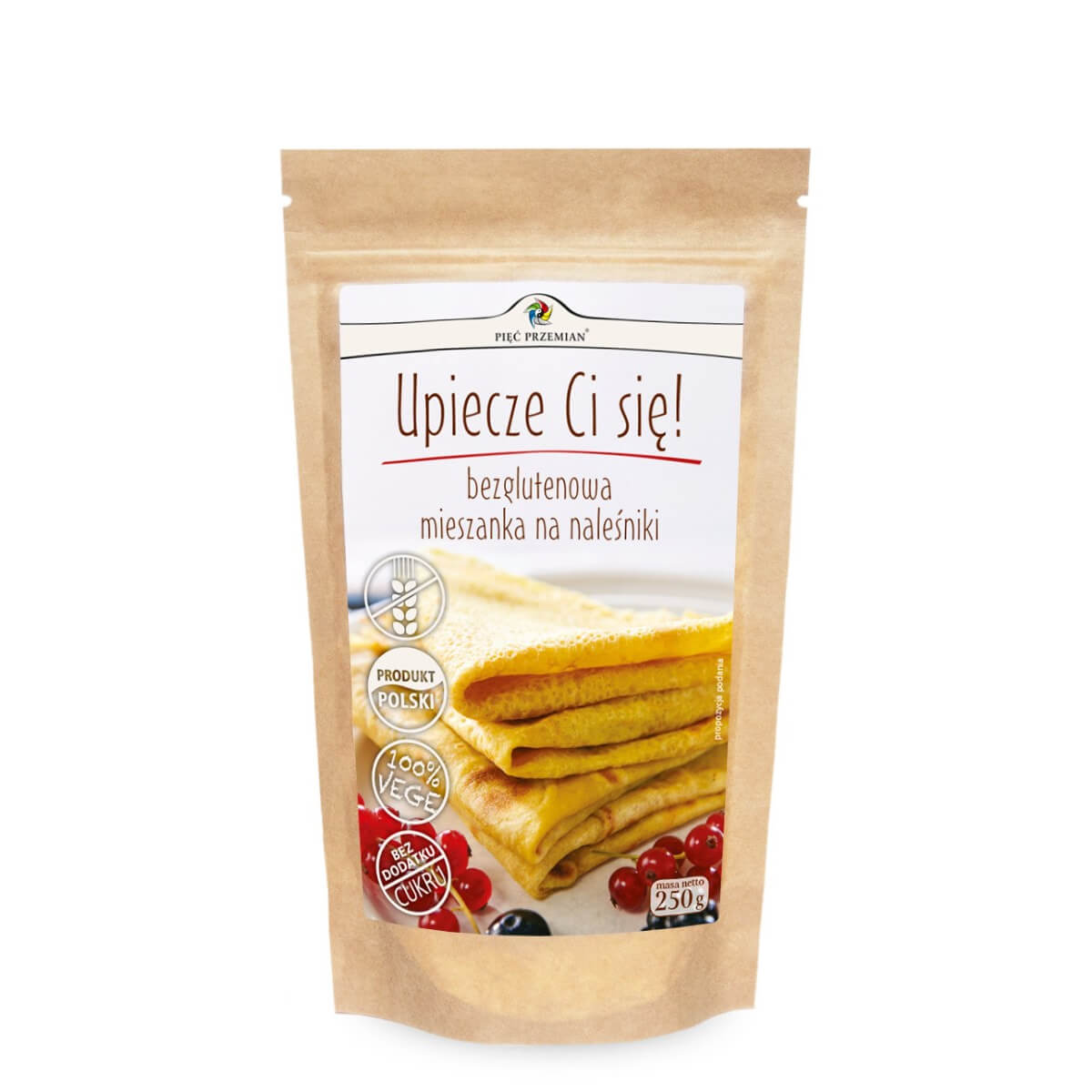
- type 450 cake flour – a popular flour used for preparing cakes, pies, pancakes (to give the pancakes an extraordinary taste, we recommend peanut and chocolate butter ), or dumplings;
- type 550 luxury – flour suitable for yeast cakes, pancakes and doughnuts, as well as pizza (for which delicious organic sauces are perfect),
- type 650 – this type of flour is used for baking more compact cakes, e.g. gingerbread;
- type 750 bread flour, type 1050, type 1400 sieve flour, type 1850 graham flour, type 2000 whole wheat flour – wheat flours usually used for baking bread.
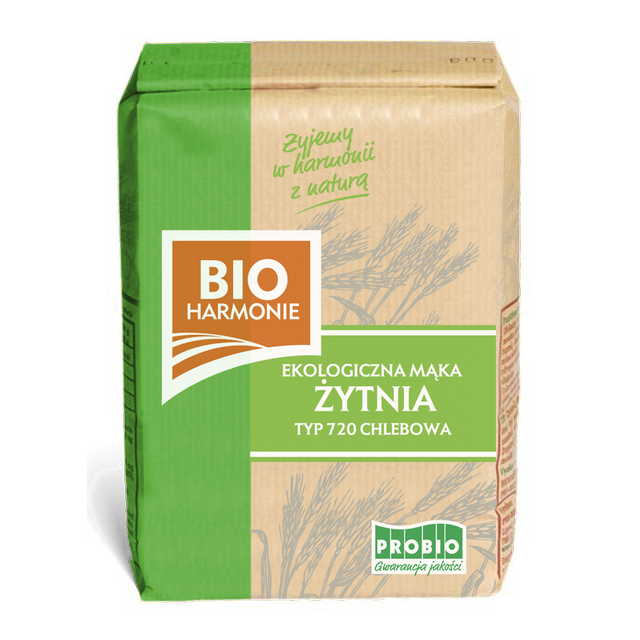
Rye flours are usually of the following types: 500, 720, 1150, 1400, 2000. As with wheat flours, lower grade rye flours are better for making cakes or pasta, while higher grades are better for baking bread.
How are natural flours made?
Flour is produced by milling grains, i.e., by finely grinding refined cereal grains or nuts . These plants are grown in accordance with the principles of organic farming.
Organic farming does not use synthetic fertilizers, pesticides, herbicides, or GMOs . Instead, natural alternatives such as manure, compost, and green manures are used for fertilization. Natural methods, such as the use of natural enemies, are used for pest control.
It's also worth noting what happens after harvest. During harvesting and grain storage, care is taken to ensure the crops are not contaminated. The same applies to the milling process for organic flour.
As a result, organic flour is free from chemicals and other harmful substances, and its production is more environmentally friendly. It preserves the natural composition and properties of the grains, and is considered by many to be significantly tastier than conventionally produced flour.
Types of organic flour
Flours are distinguished by the grain used. We offer organic cereal flours:
-
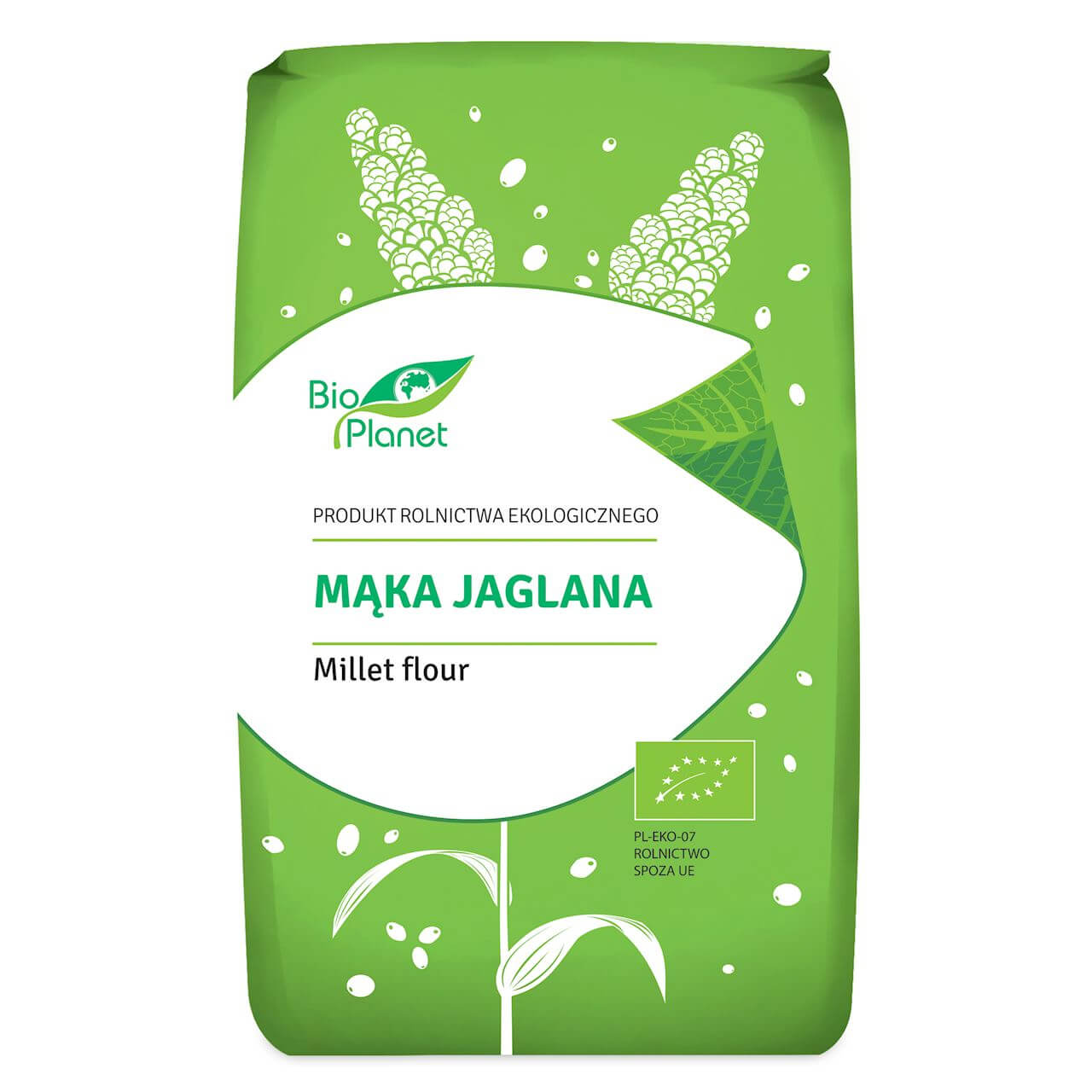
Organic millet flour is naturally gluten-free, rich in carbohydrates, fiber, B vitamins, phosphorus, magnesium, manganese, and other minerals. It has a sweet and nutty flavor and is easily digestible.
- Organic corn flour – another naturally gluten-free flour with a yellow color and neutral flavor. It contains protein, fiber, B vitamins, iron, magnesium, zinc, and other minerals. It also has antioxidant properties thanks to carotenoids. It can be used for baking bread, cakes, pasta, tortillas, and other dishes. Corn flour can be beneficial for people with metabolic problems, diabetes, heart disease, and circulatory system problems.
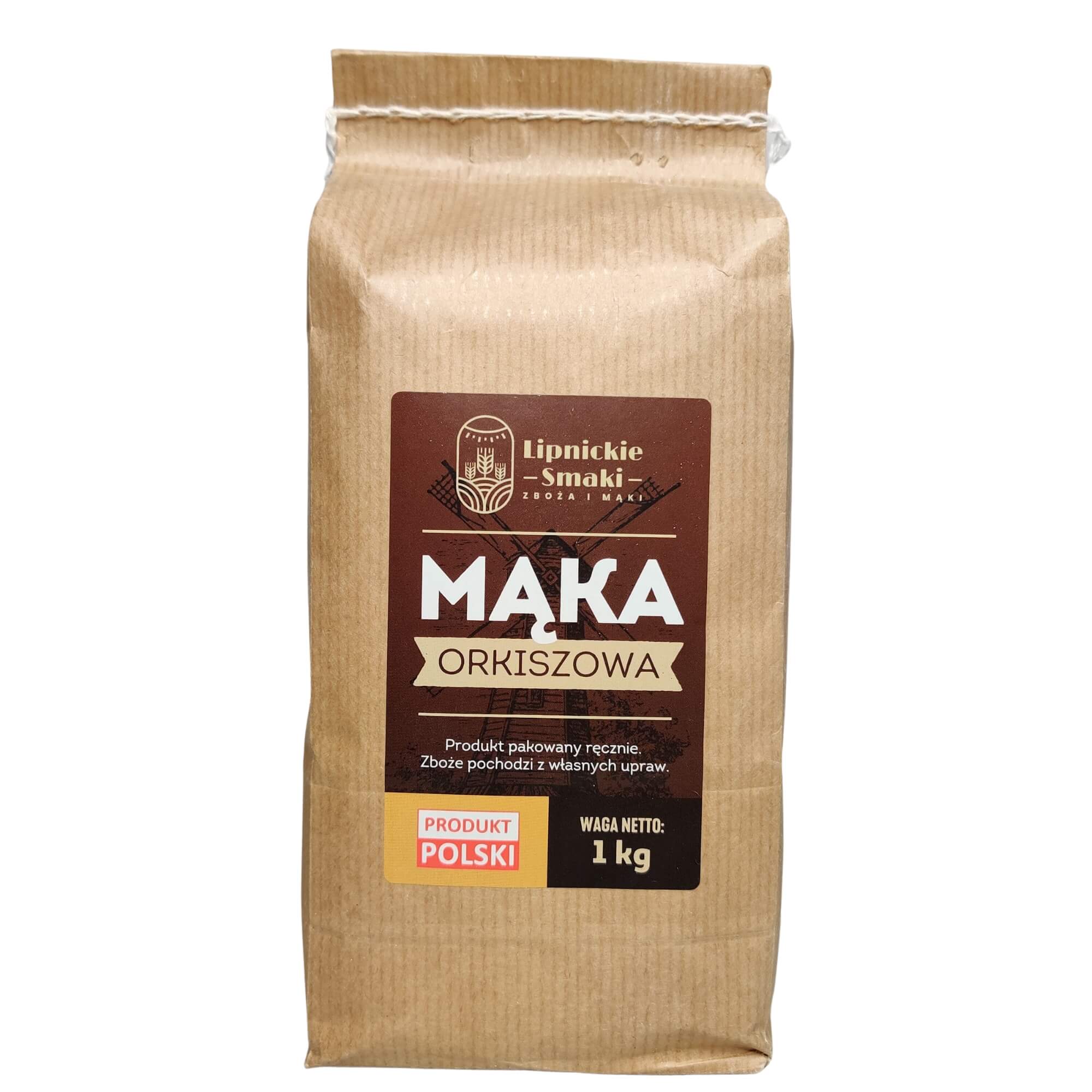
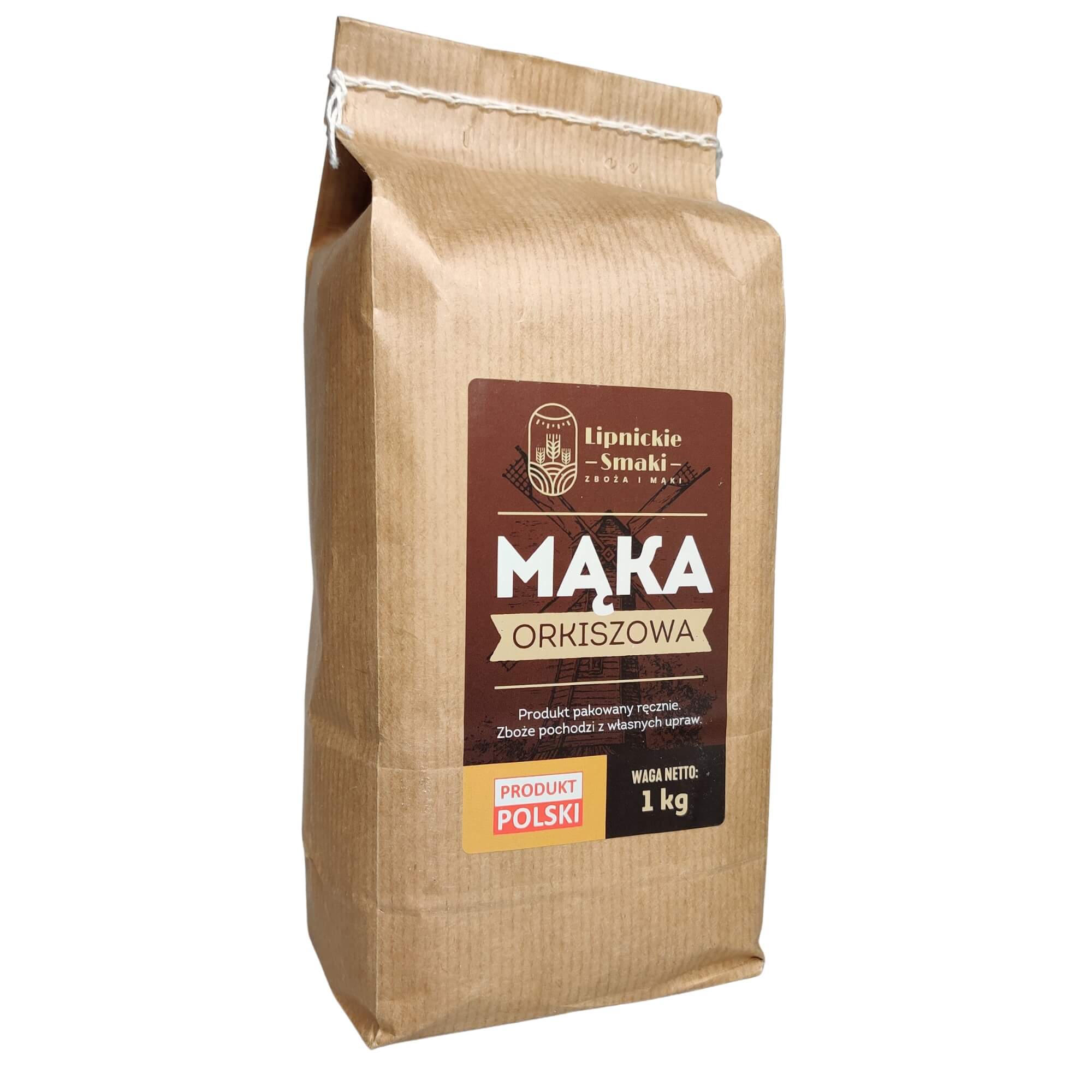
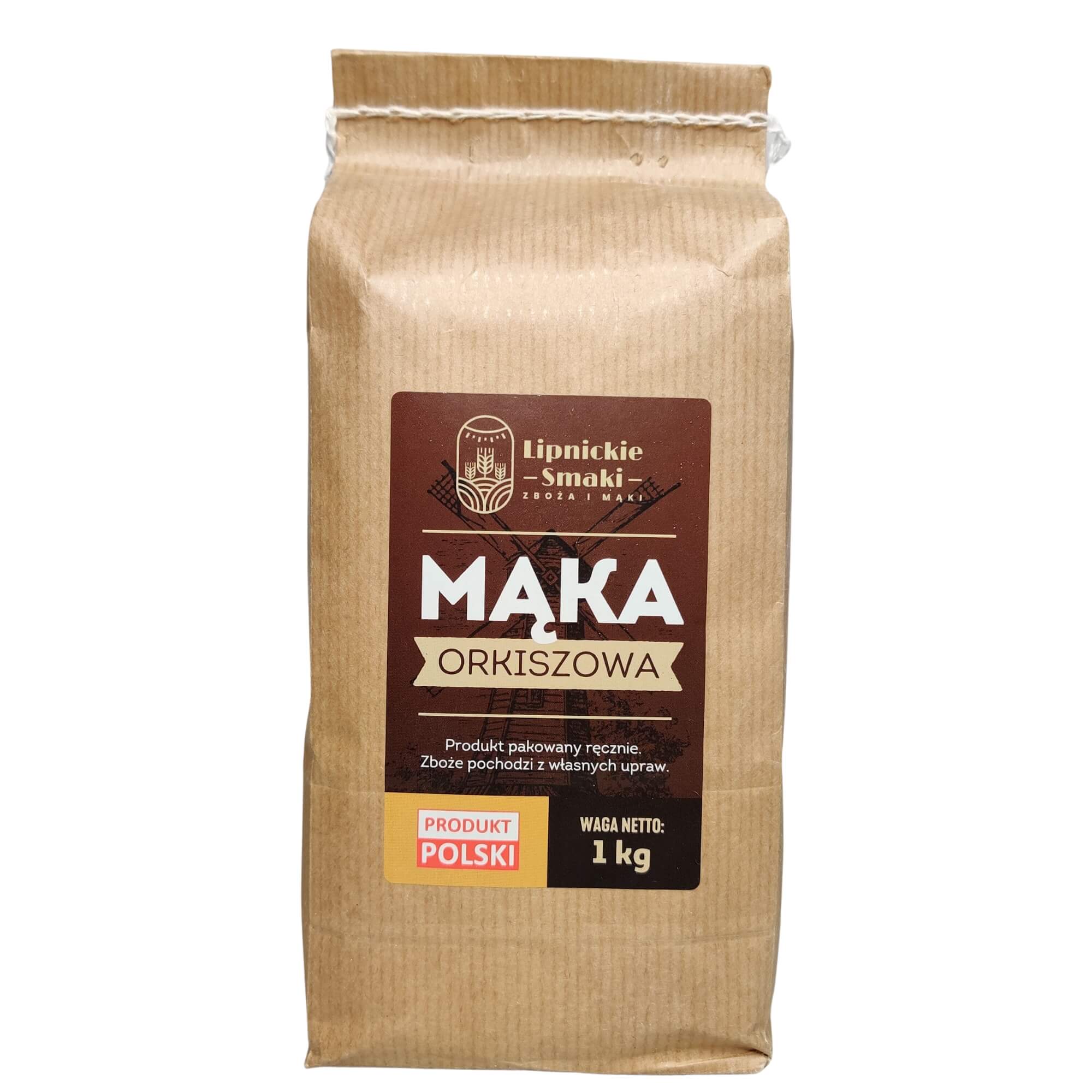
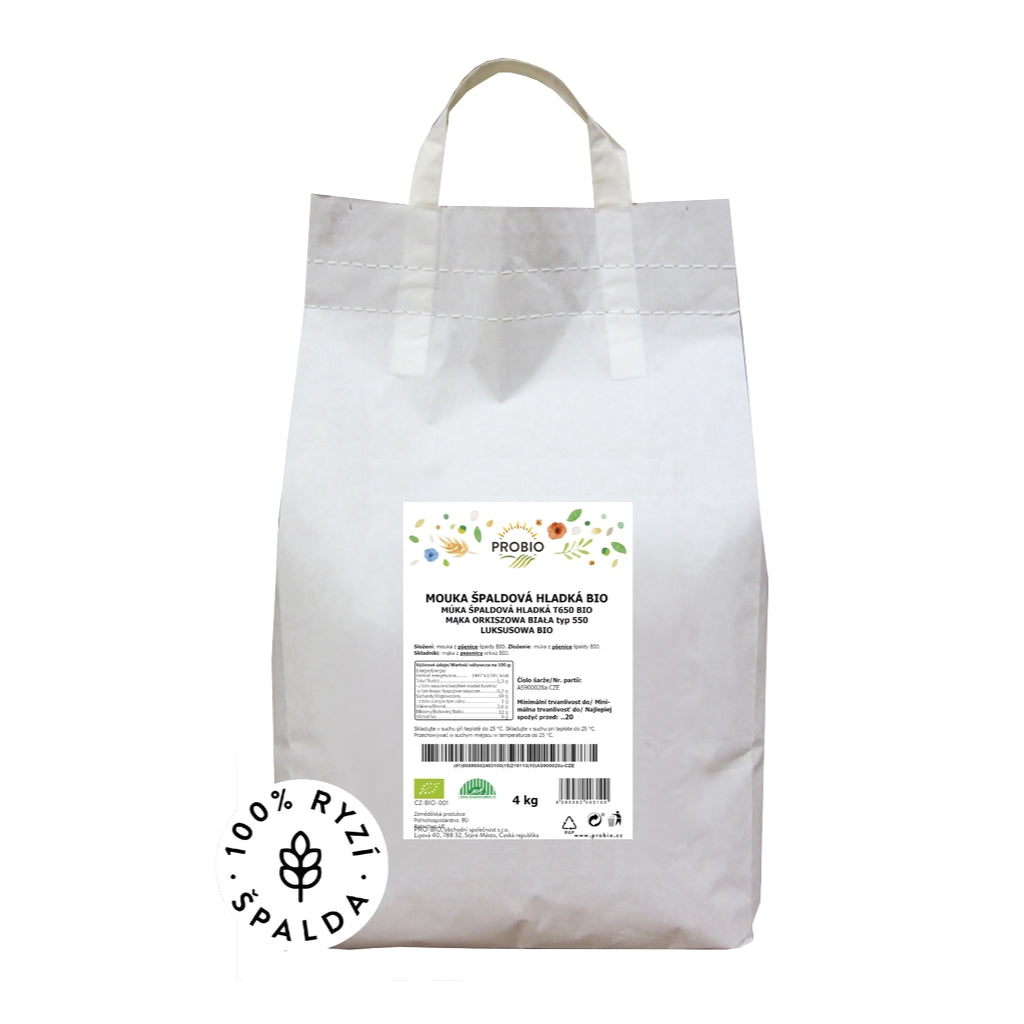
- Organic spelt flour has a distinctive sweet and nutty flavor and is rich in protein, fiber, magnesium, iron, and vitamins B3 and B6. It is suitable for baking bread, cakes, pasta, and other grain products. Spelt flour naturally contains gluten.
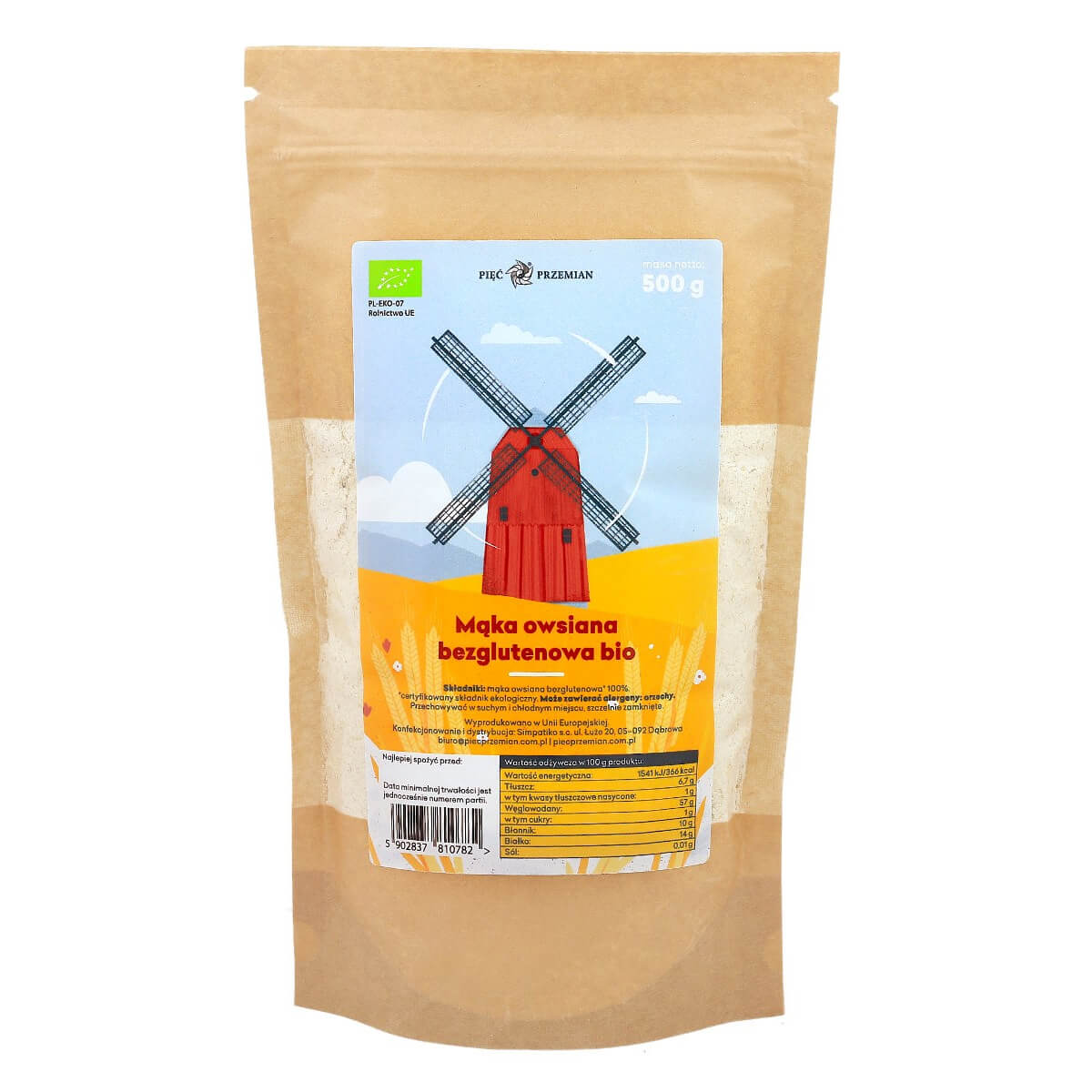
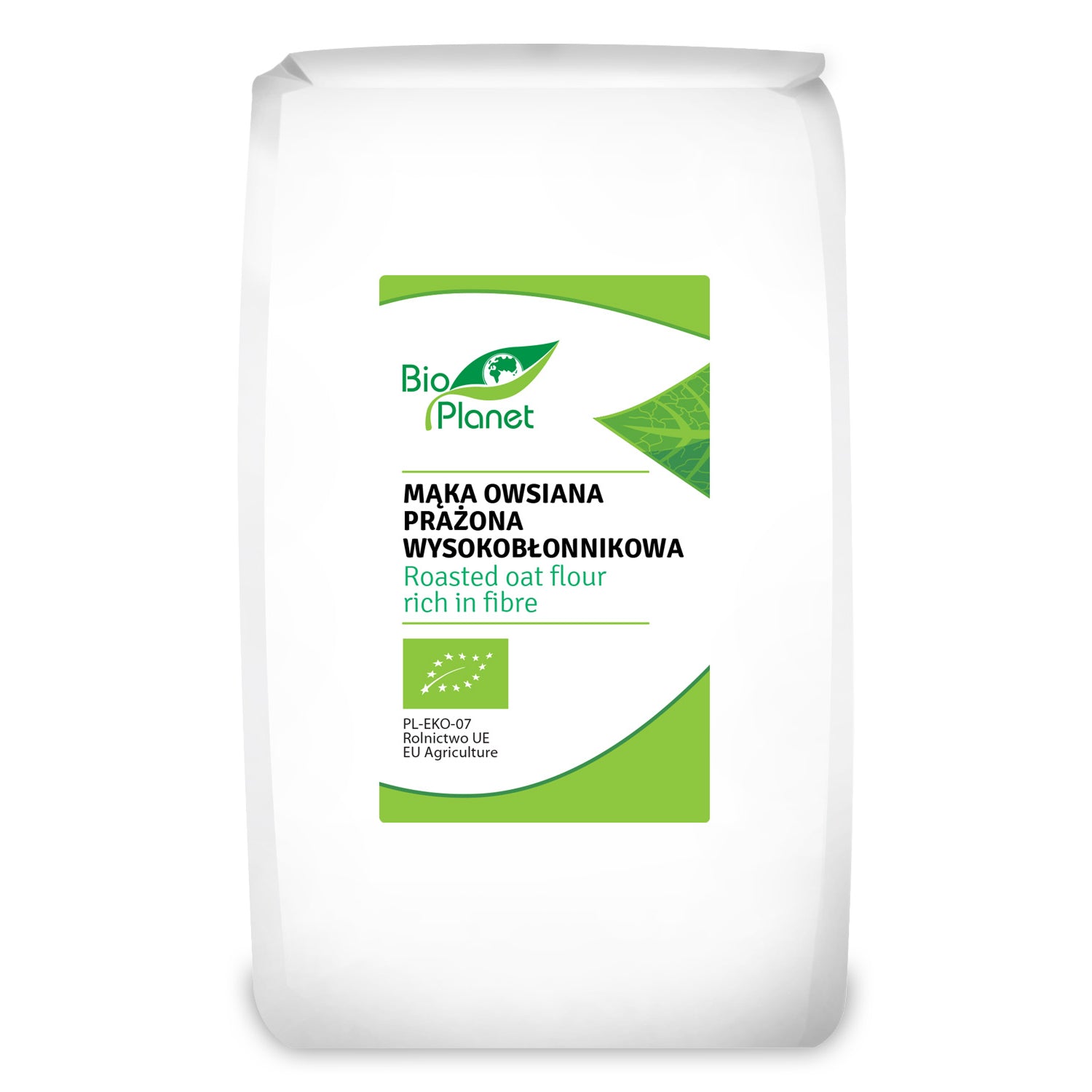
- Organic oat flour – naturally gluten-free, full of flavor and nutrients. Oat flour contains more protein and fiber than regular wheat flour. It's also a source of silicon, which strengthens bones. It's suitable for all baked goods, pancakes, waffles, and for thickening soups and sauces.
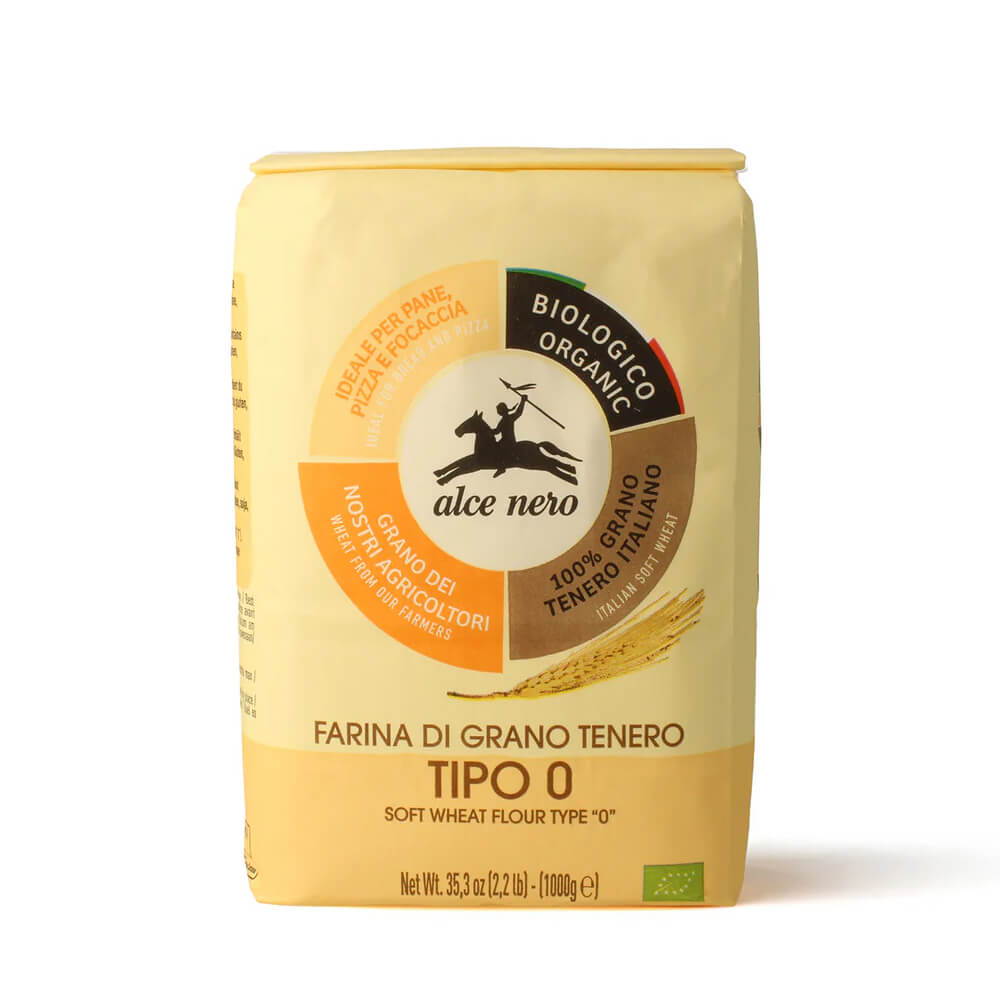
- Organic wheat flour – the most popular flour with many uses. It is easily digestible and contains minerals and vitamins B1, B2, and PP. Wheat flour is also a rich source of carbohydrates and protein, including gluten.
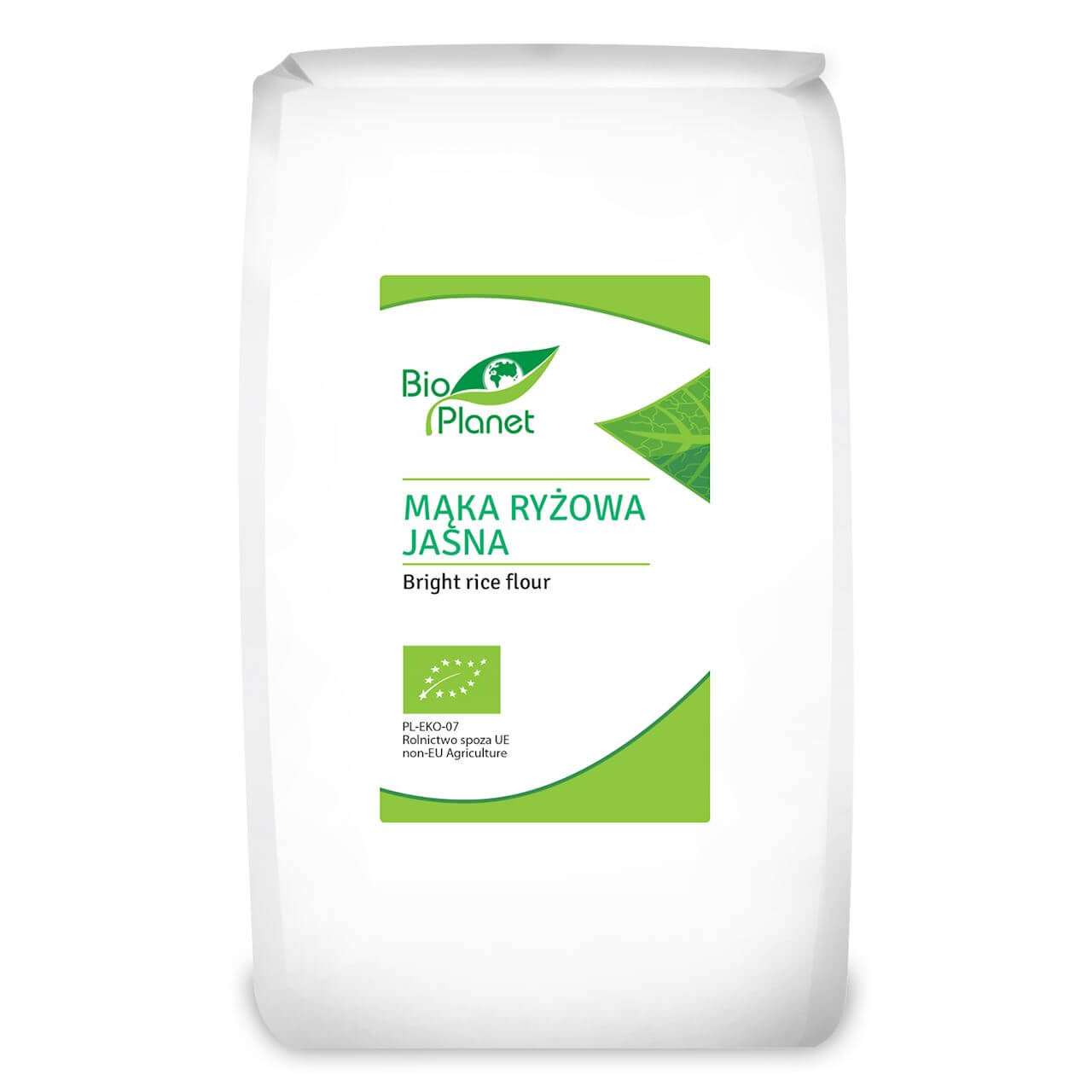
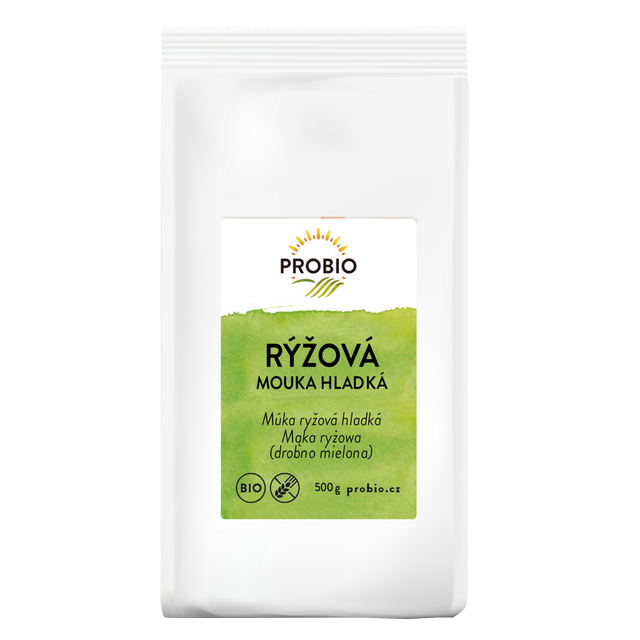
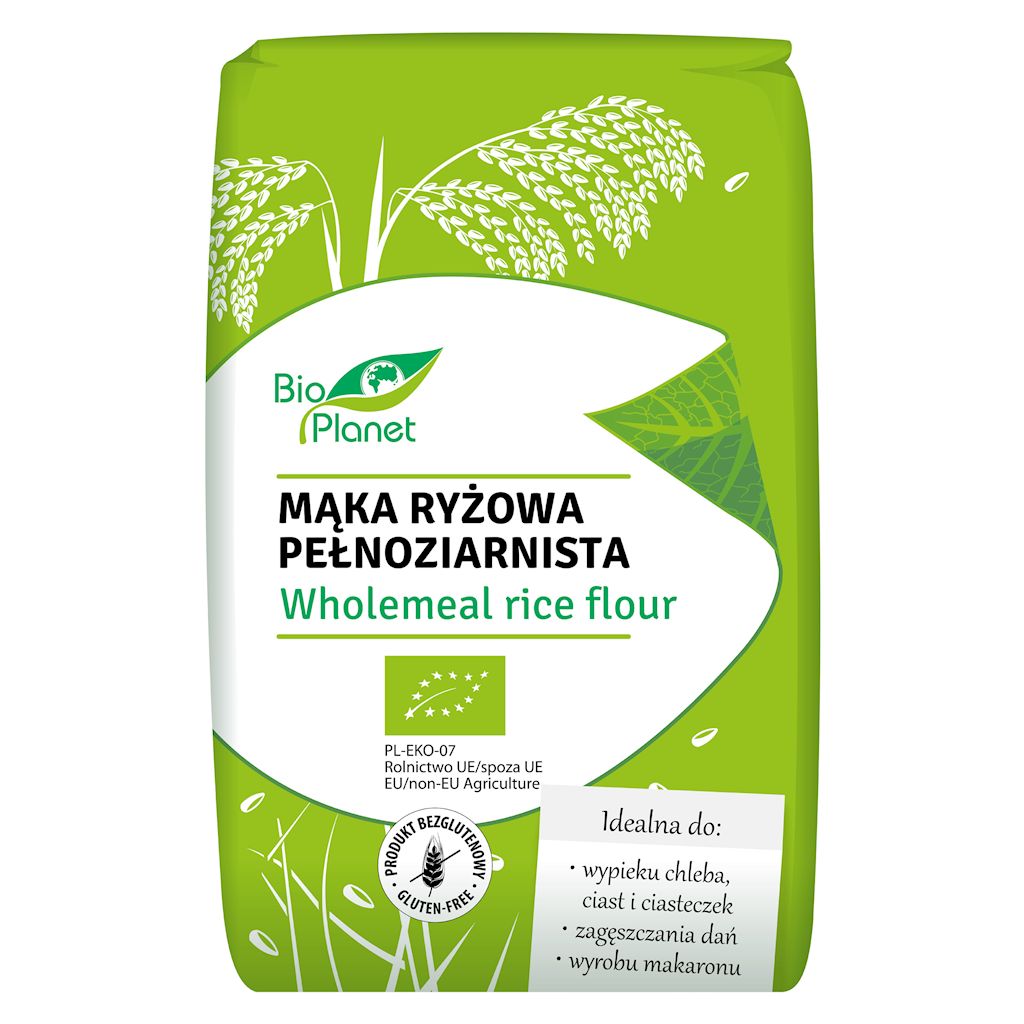
- Organic rice flour is one of the most popular gluten-free flours. It comes in whole grain and white varieties. It is easily digestible and has a neutral taste and odor. Rice flour is rich in carbohydrates, protein, niacin, vitamin B6, vitamin B1, magnesium, iron, and zinc. It has laxative properties, lowers cholesterol and blood sugar levels, supports metabolism, and increases satiety. It can be used similarly to other flours.
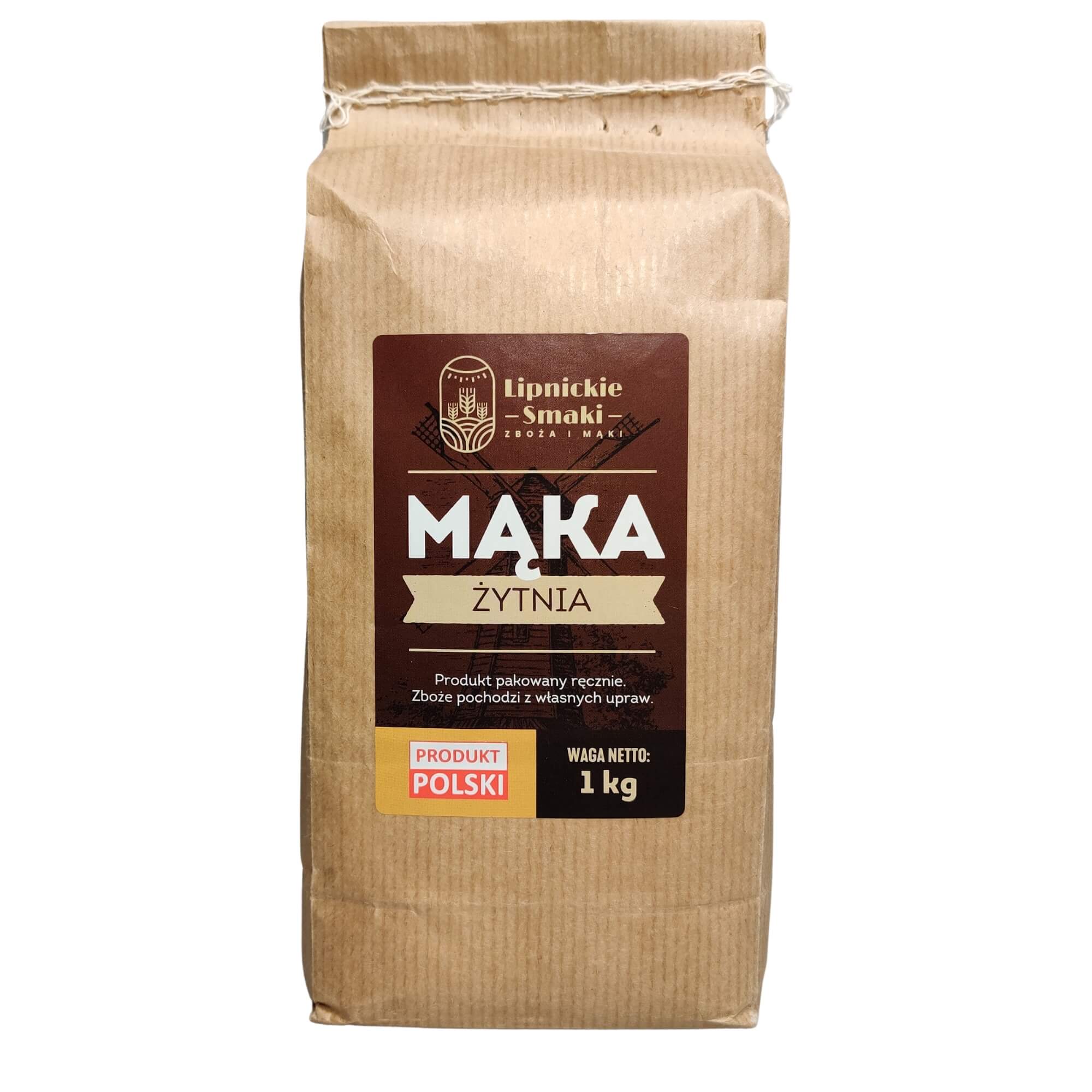
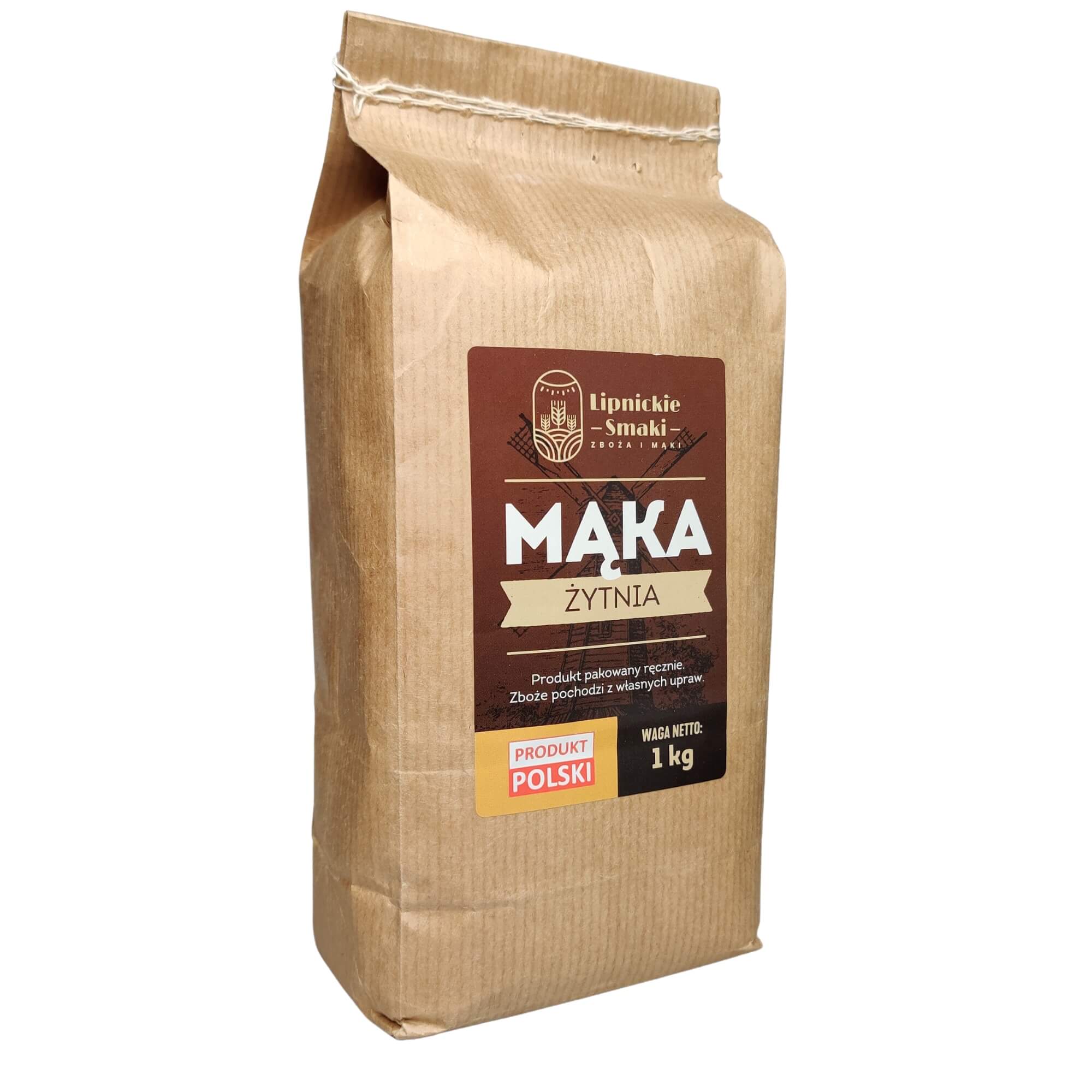
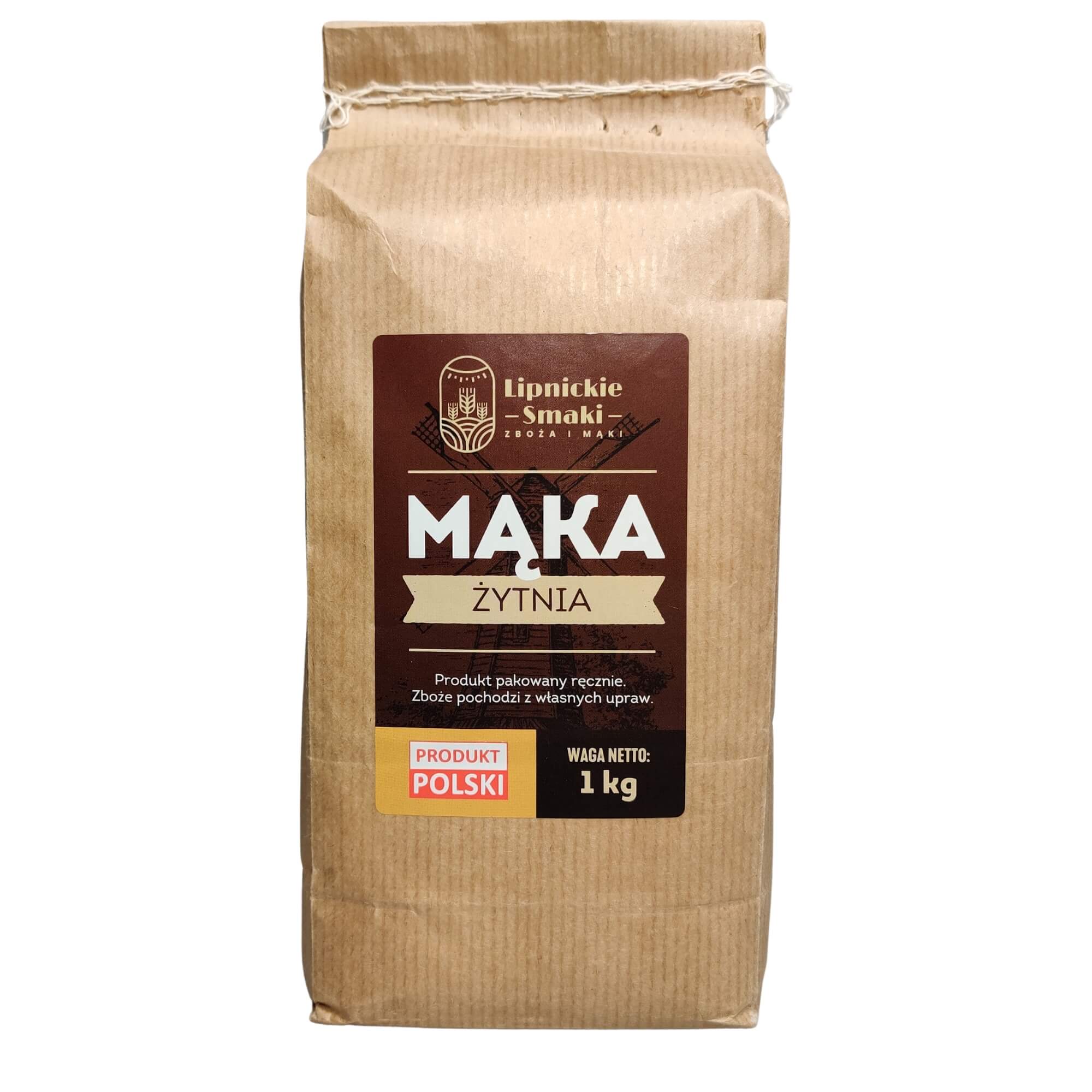
- Organic rye flour has a darker color and coarser grain than wheat flour, and a distinctive nutty and slightly sour flavor. Rye flour contains less starch and gluten than wheat flour, making dough heavier and less elastic. It is primarily used for baking bread, especially whole wheat and mixed wheat-rye breads. It can also be used for pancakes, crepes, cookies, and shortcrust pastry.
Organic gluten-free flours
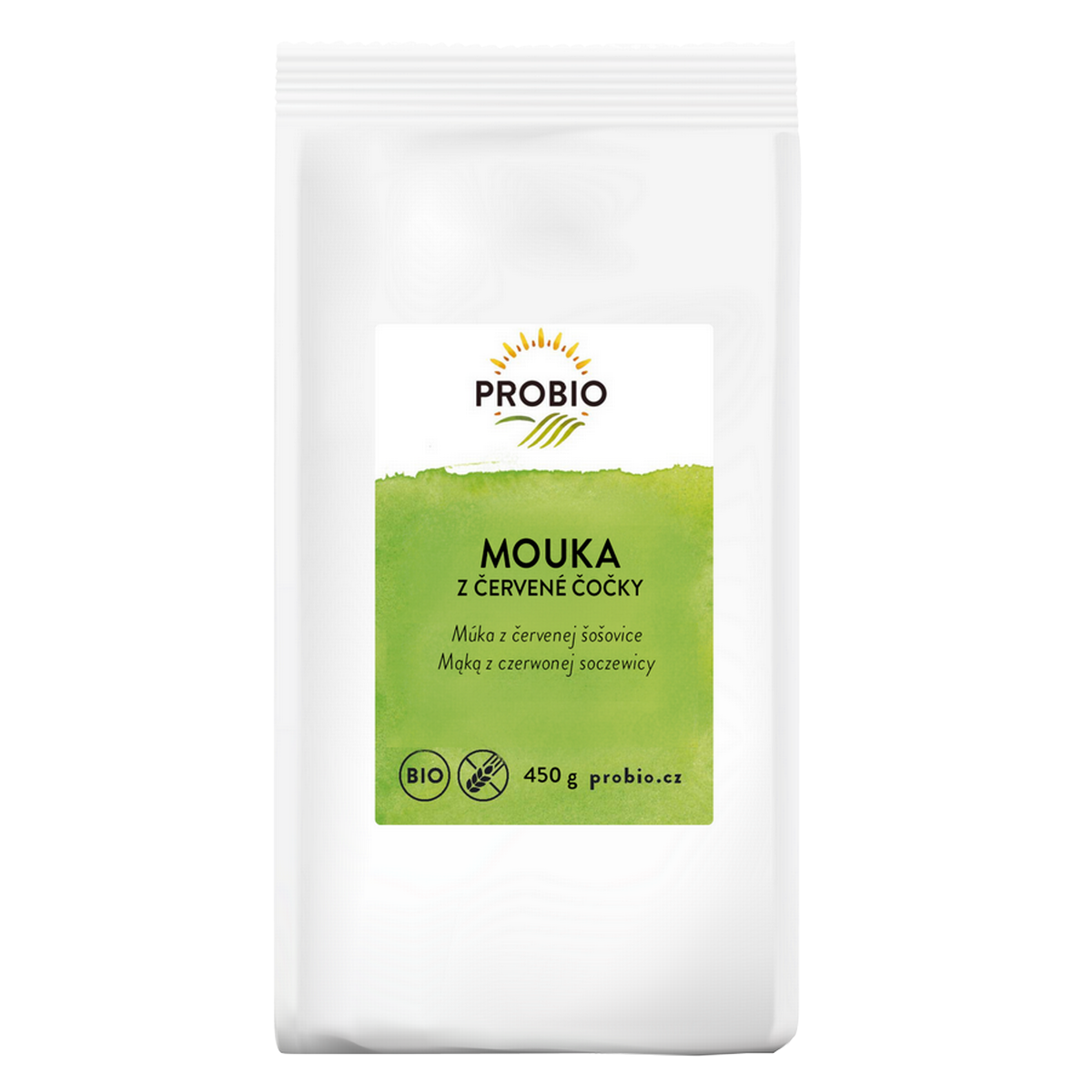
There are also less obvious options for organic flours from legumes and nuts , such as:
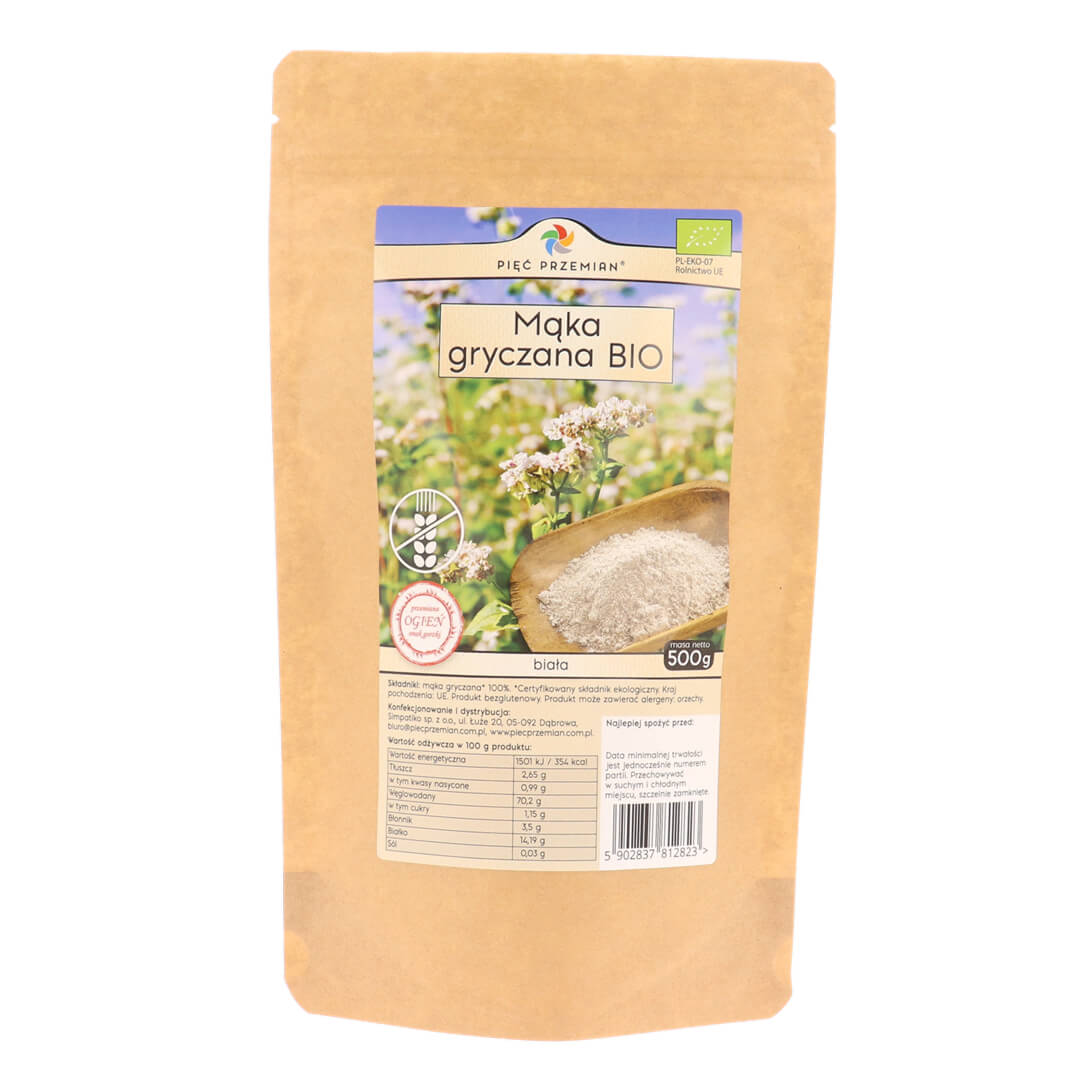
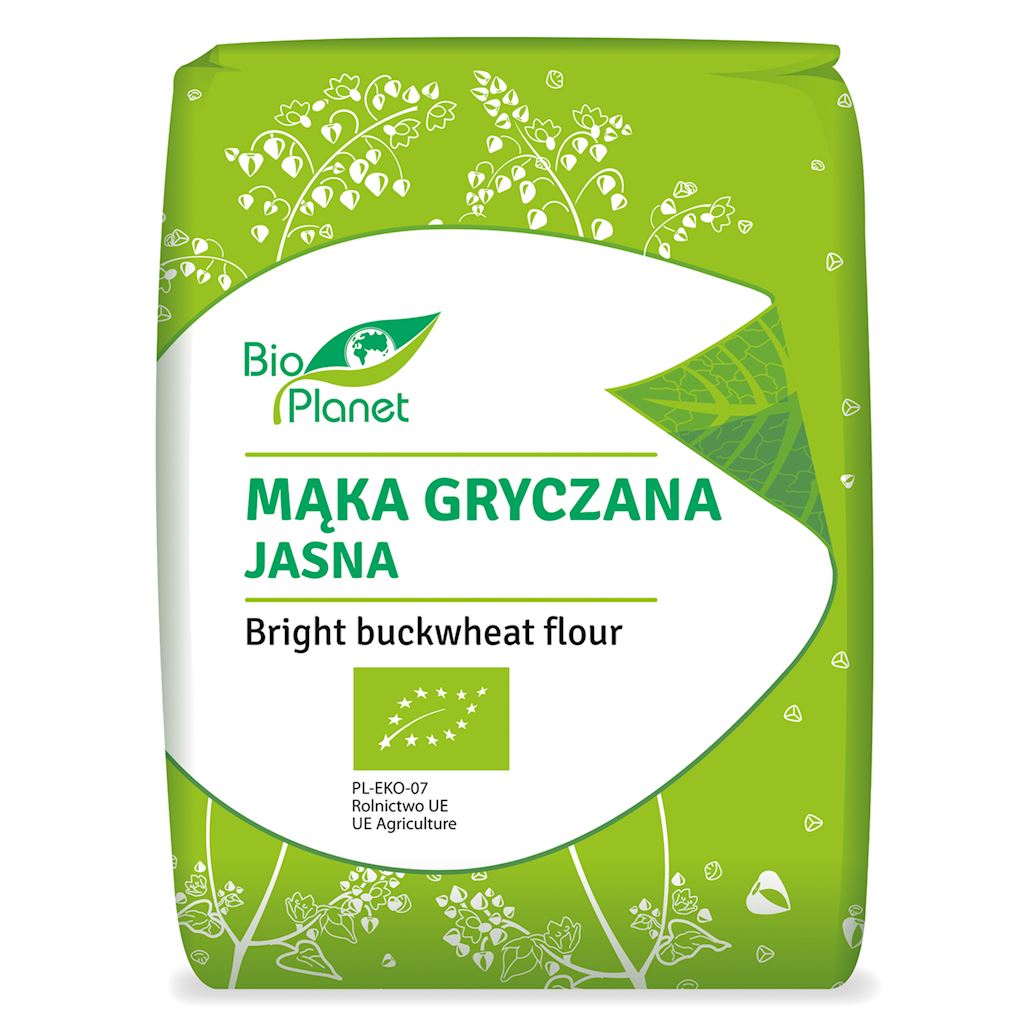
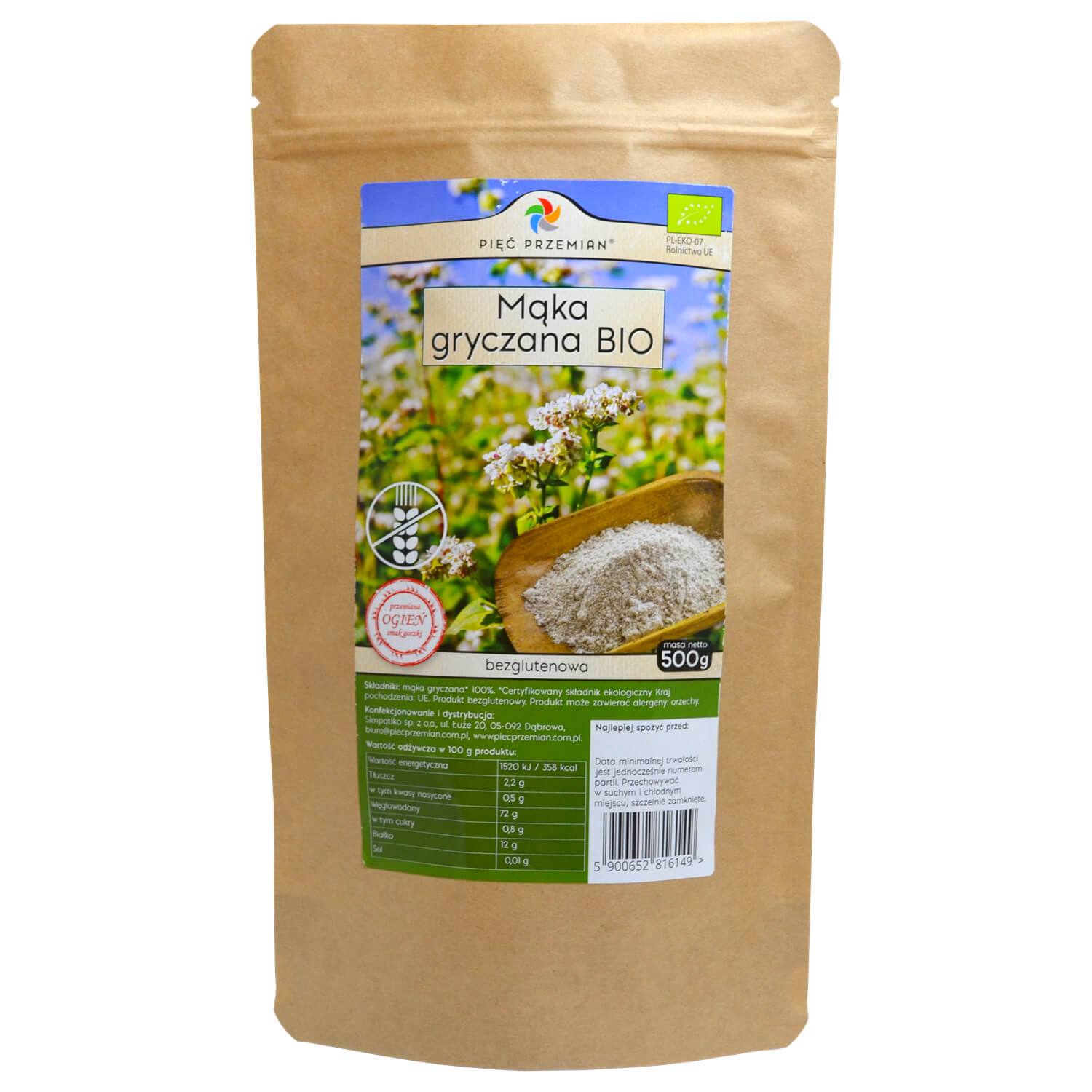
- Organic buckwheat flour is naturally gluten-free and has a low glycemic index. For a flour, it contains a significant amount of protein and magnesium. It has a positive effect on the circulatory system and blood sugar levels.
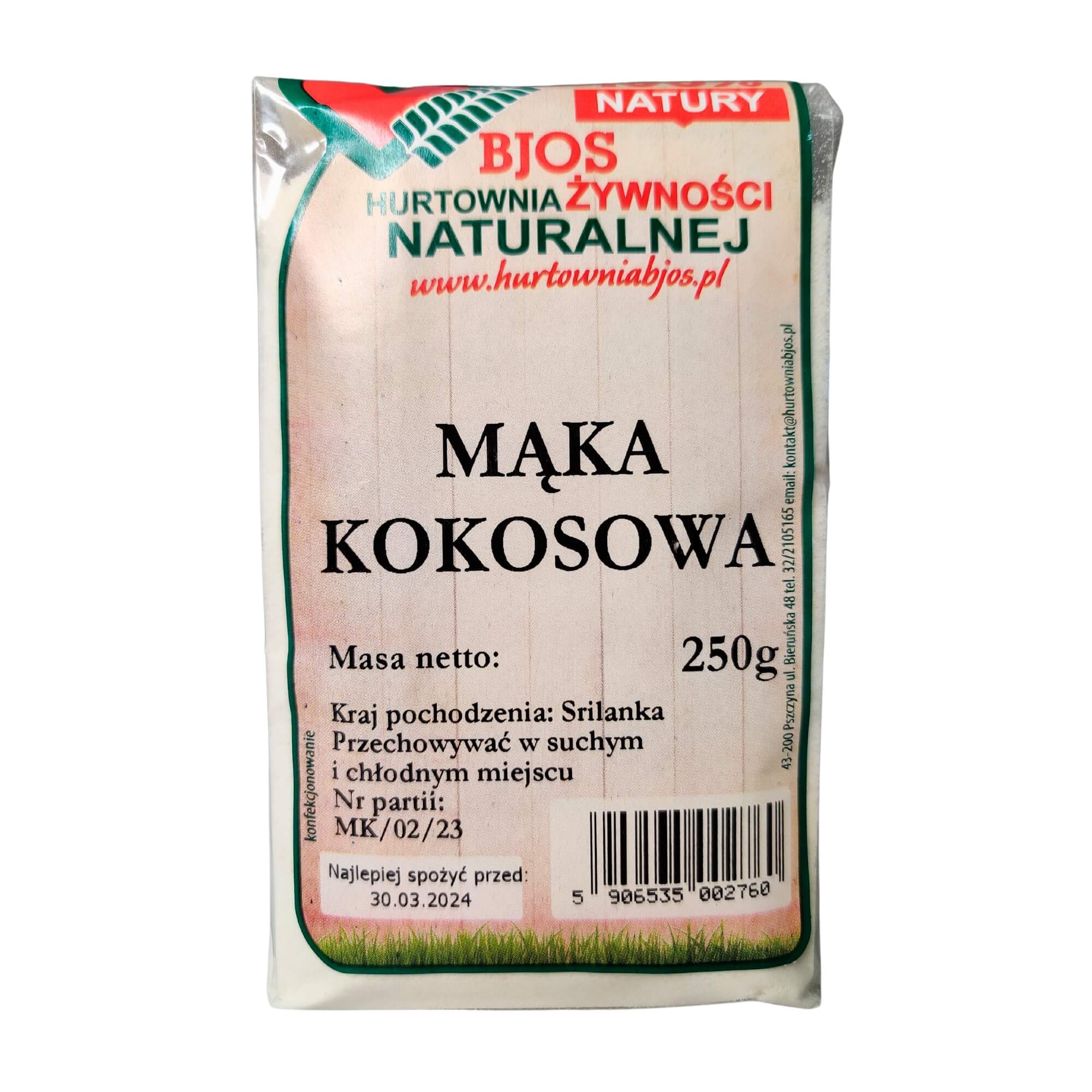
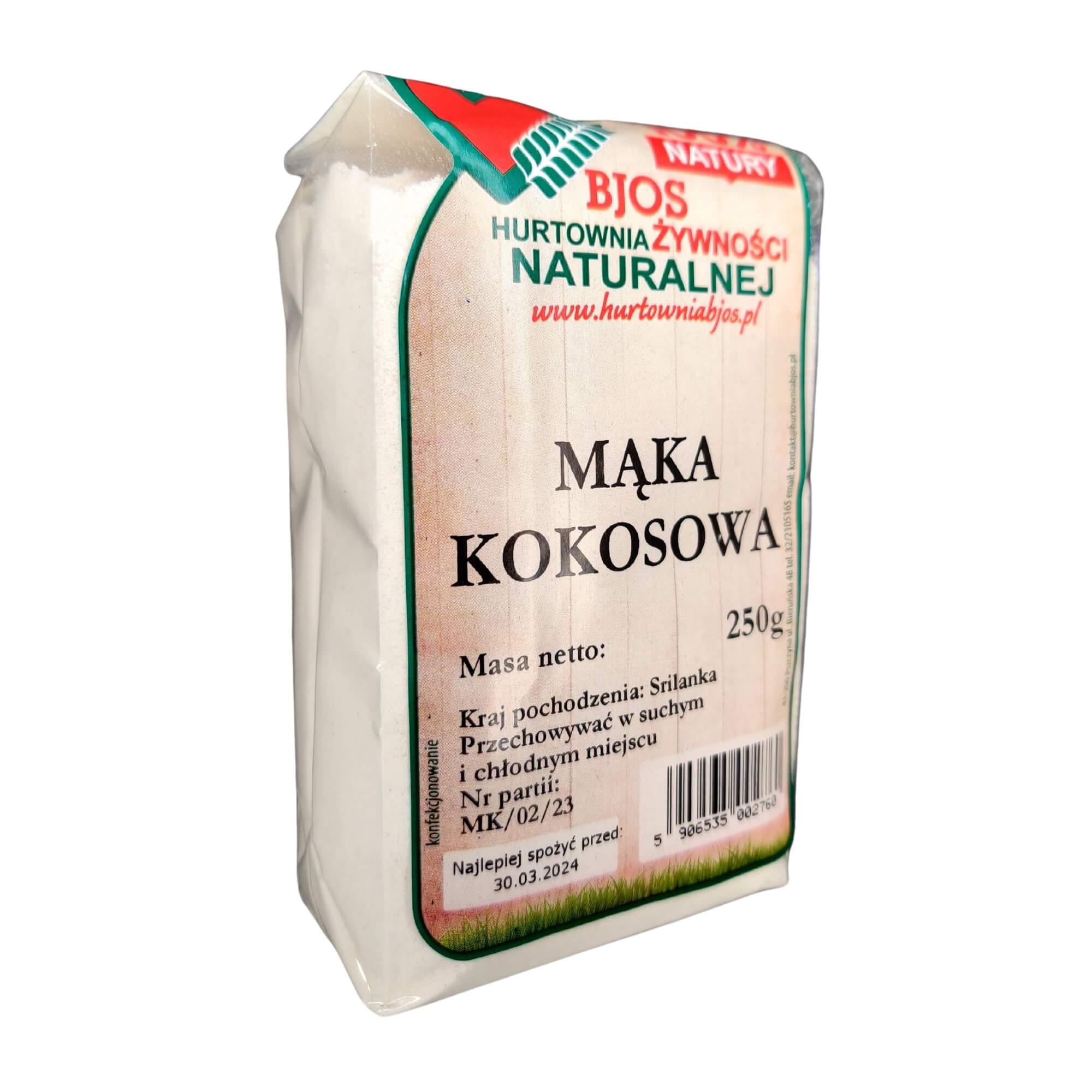
- Organic coconut flour is a naturally gluten-free flour made from dried coconut flesh. It's high in fiber, containing six times more than regular wheat flour. Most of this fiber is insoluble, which promotes satiety and contributes to healthy digestive function. It also has a low glycemic index.
- Almond flour – a naturally gluten-free flour made from ground almonds. It is rich in plant protein and fiber. Almond flour also contains a good amount of vitamin E, magnesium, and manganese.
- Chickpea flour is made from ground chickpeas, a legume popular in Asian and Mediterranean cuisines. It's high in protein and fiber. It has a pale yellow color and a distinctive flavor that becomes nutty when cooked.
- Quinoa flour is a naturally gluten-free flour made from ground quinoa grains. This highly nutritious pseudo-cereal from South America contains a significant amount of calcium, magnesium, iron, copper, and phosphorus. It's also a valuable source of fiber, which benefits the digestive system. Quinoa flour mixes well with other flours and is suitable for homemade breads, cakes, pies, pancakes, and pasta.
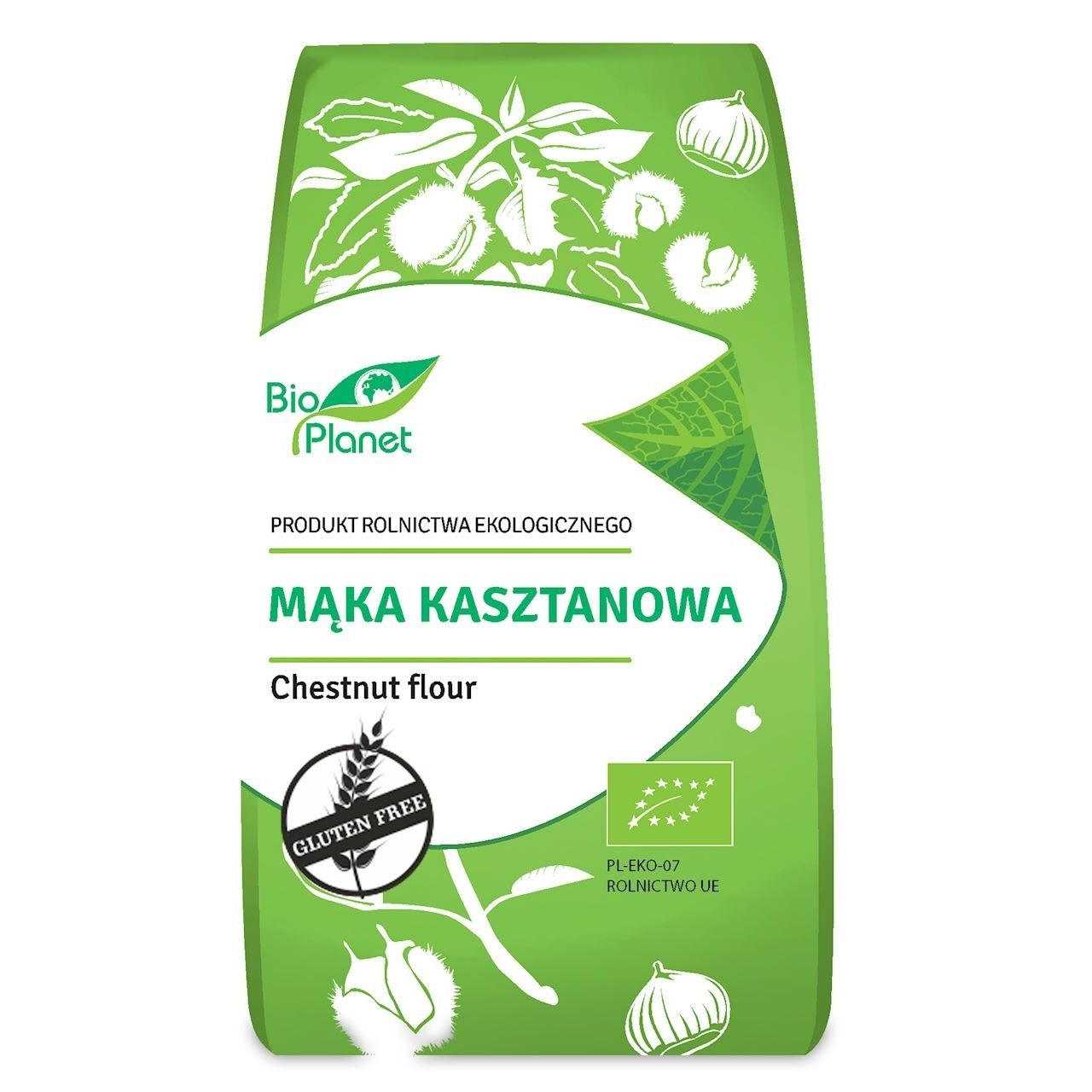
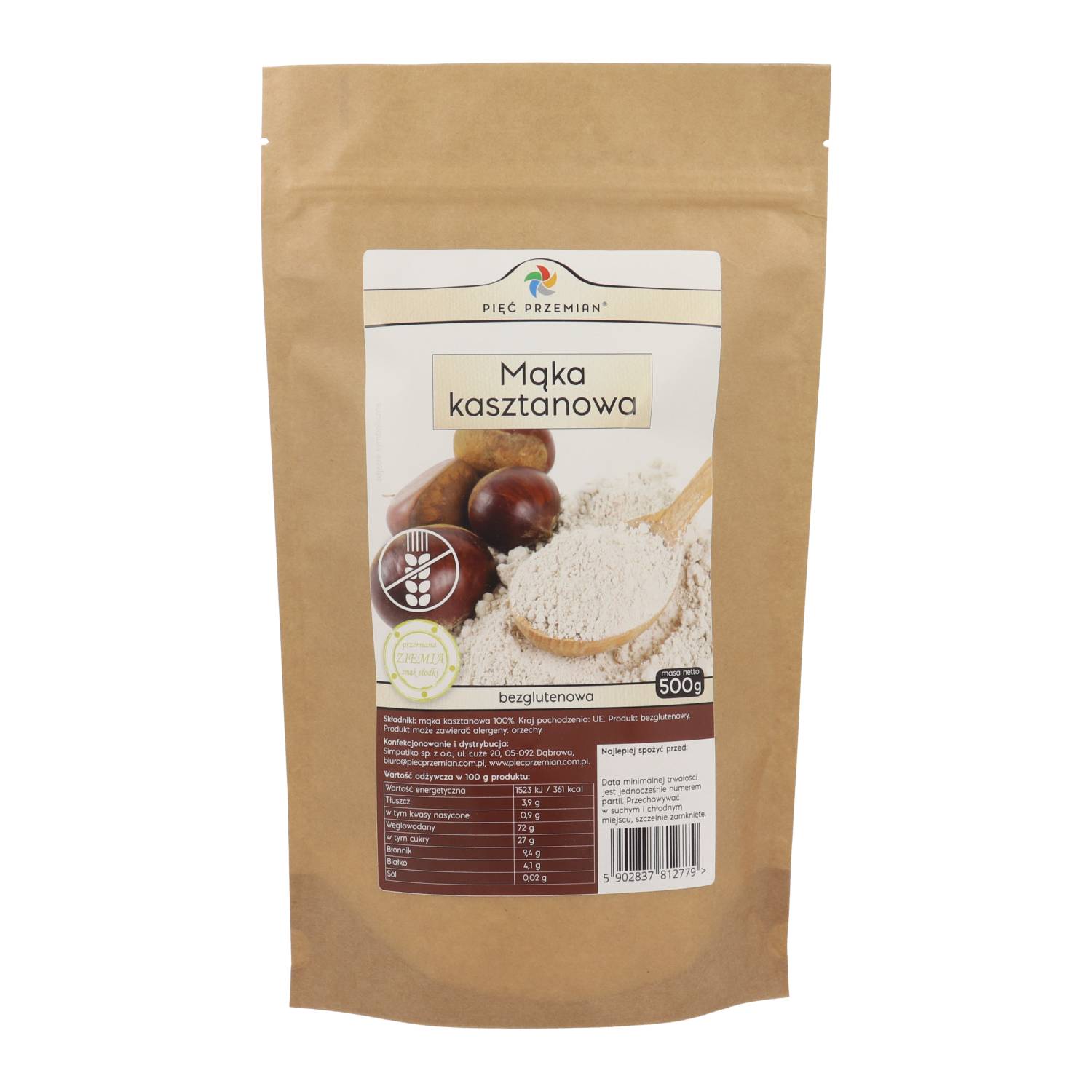
- Chestnut flour is a gluten-free flour made by grinding dried, edible chestnuts. It has a sweet, nutty flavor and aroma. Chestnut flour may prevent anemia, improve brain function, and regulate blood pressure and cholesterol levels. It may also protect against free radicals, boost immunity, and support the cardiovascular system.
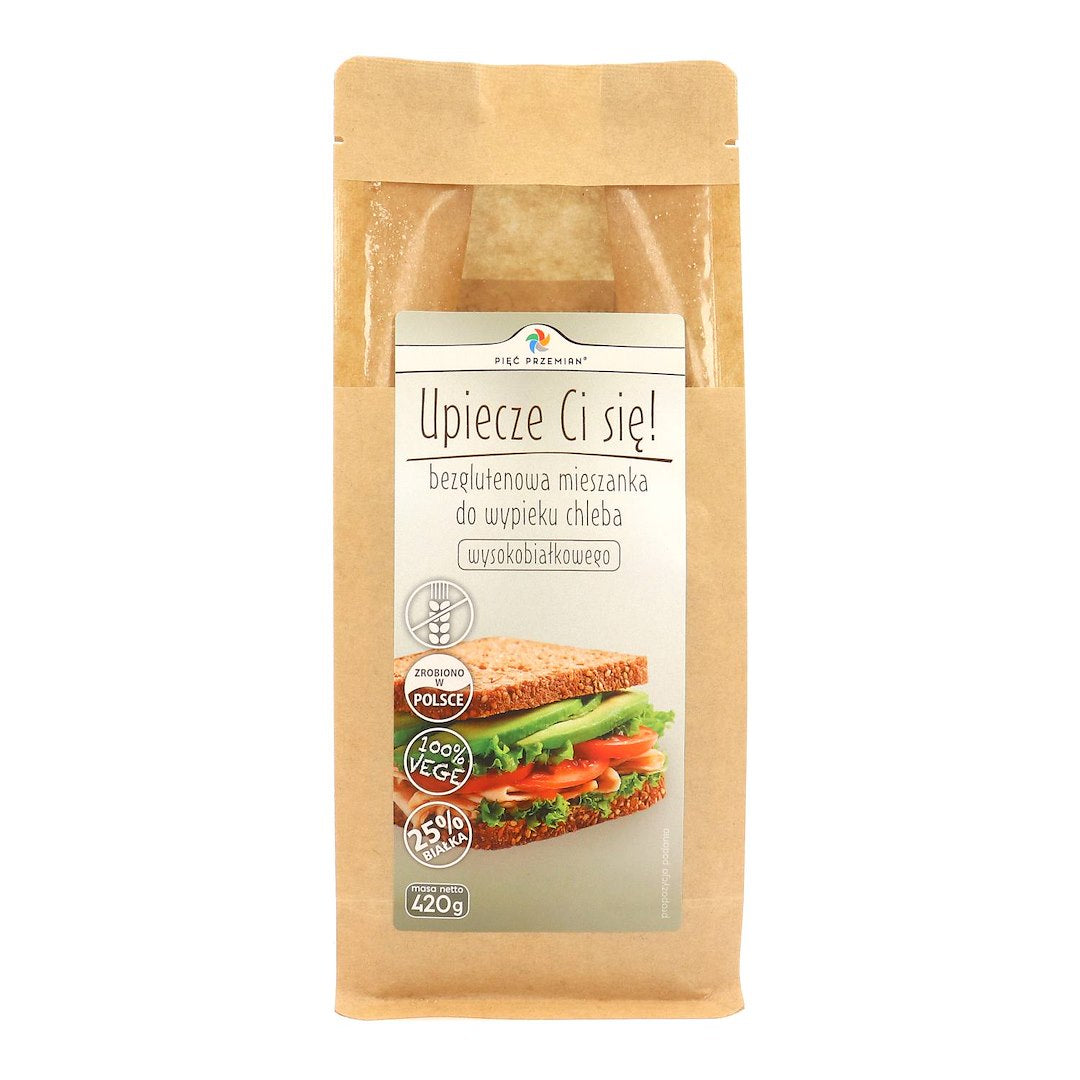
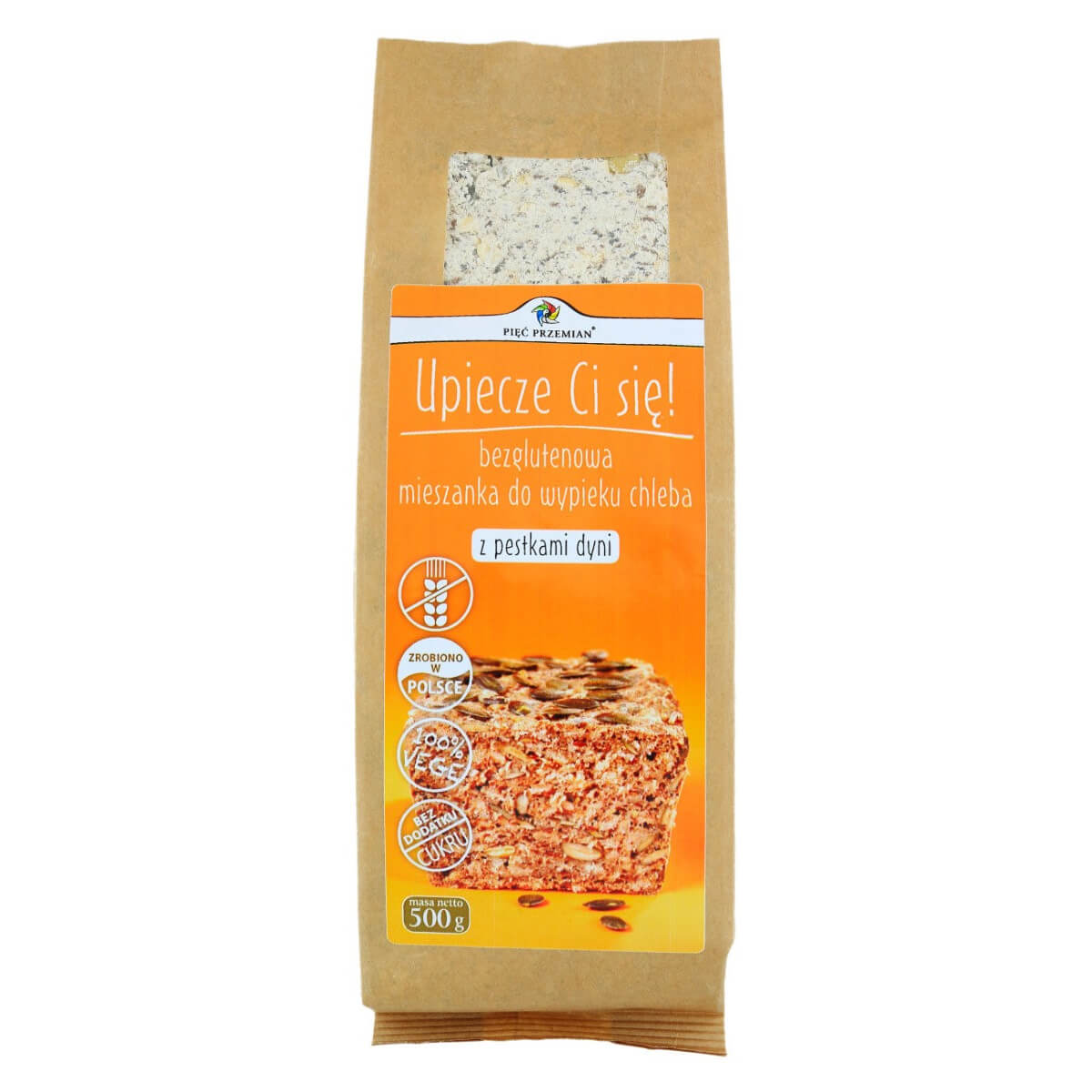
These flours are usually naturally gluten-free , so they can be used by those who exclude this ingredient from their diet. They will certainly add a unique flavor to any dish.
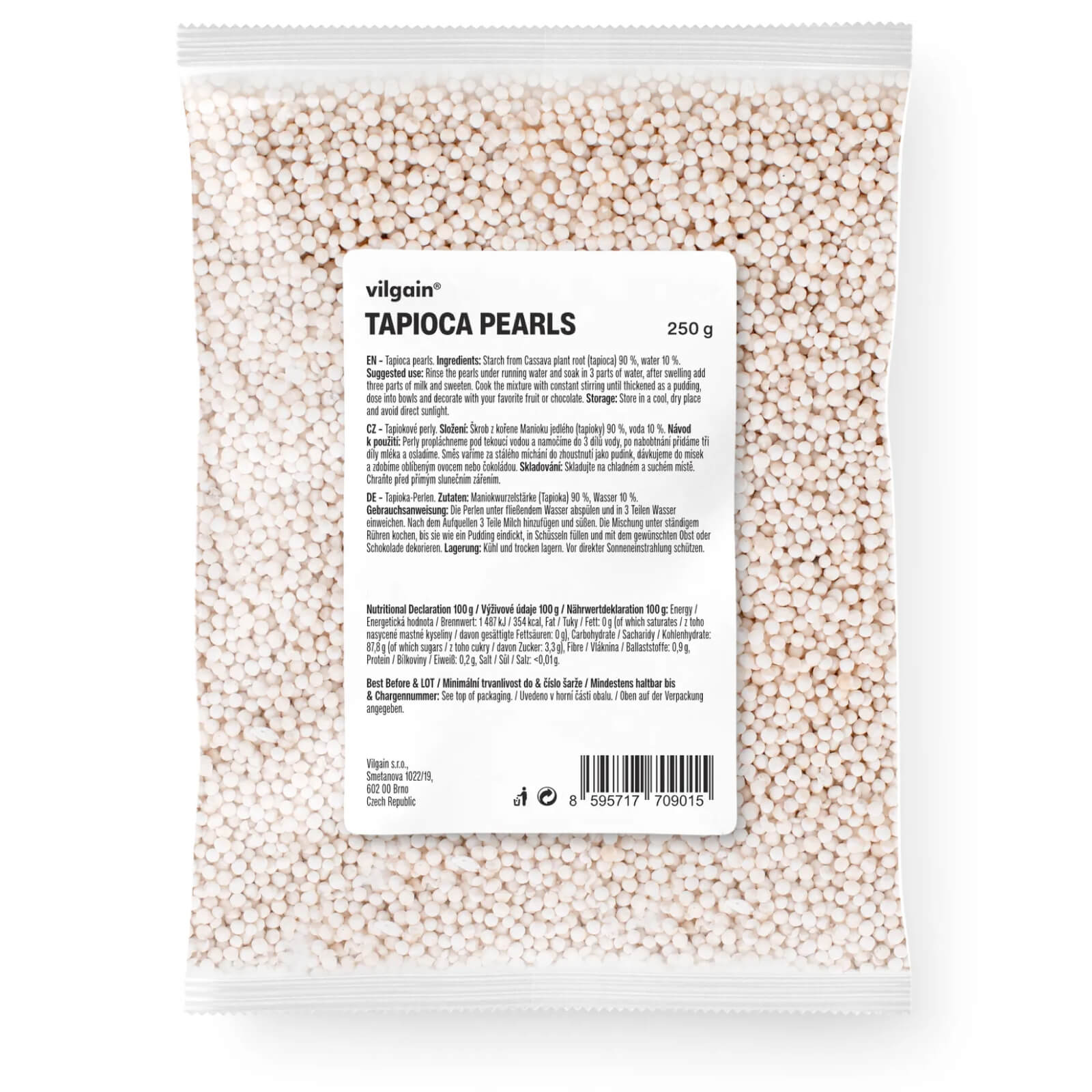
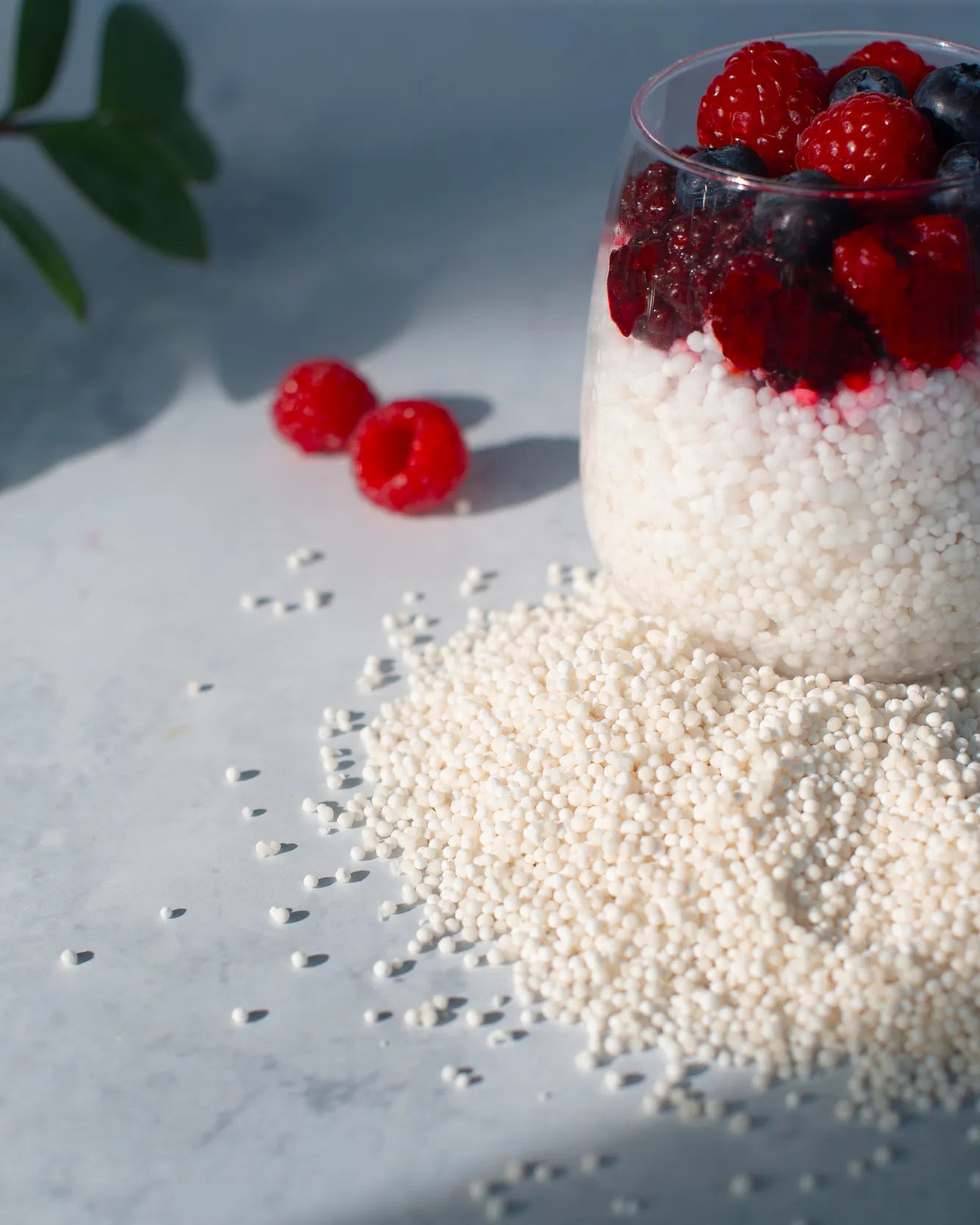
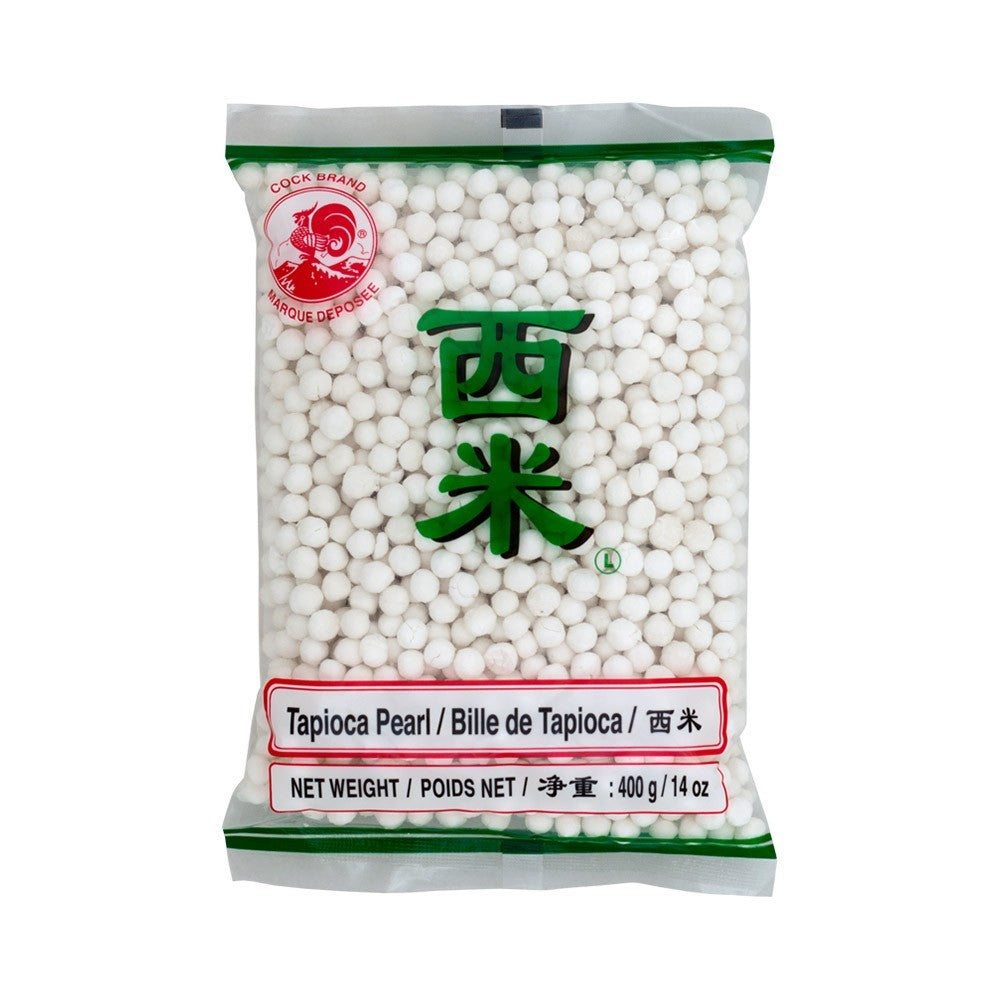
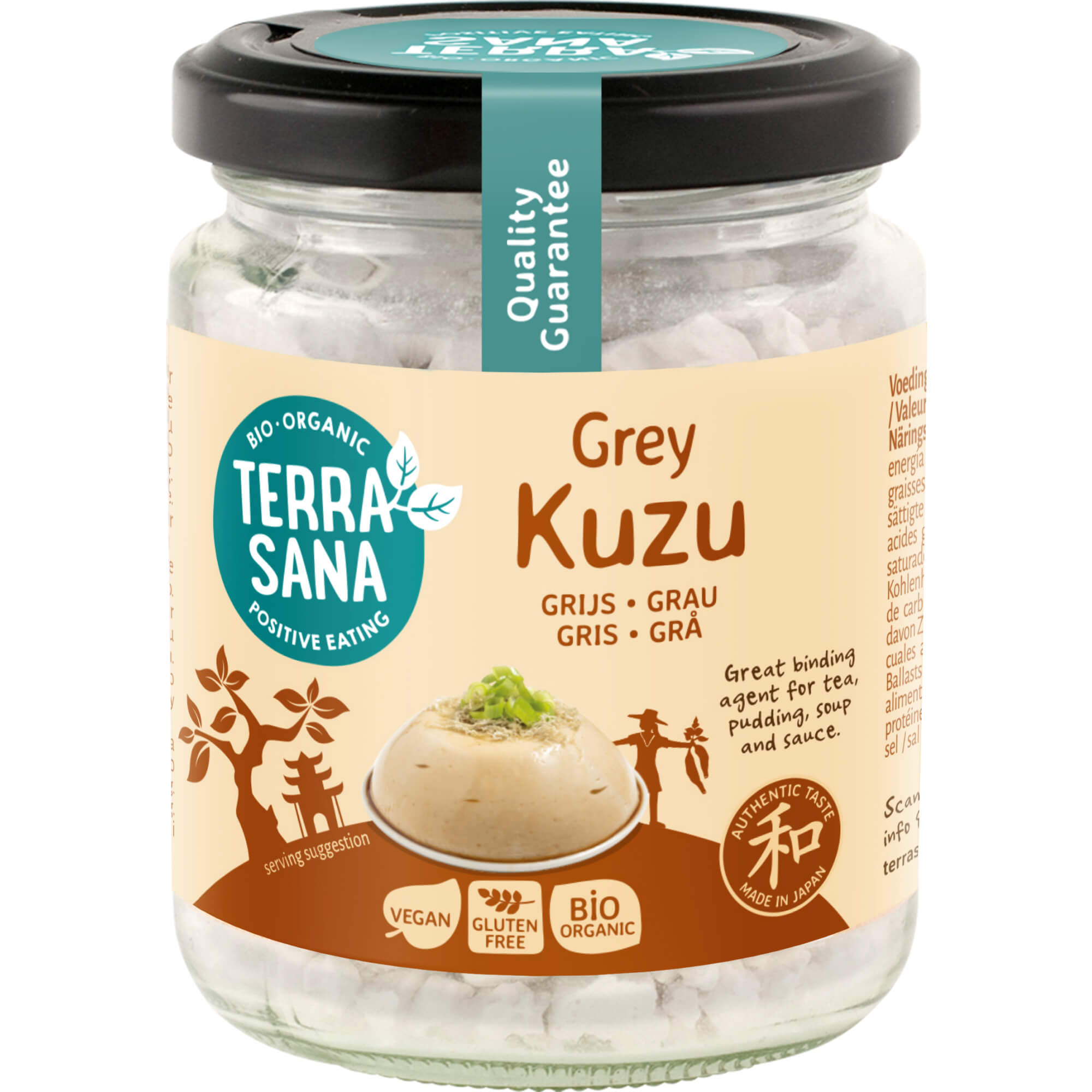
The offer also includes organic corn starch , potato starch, gray kuzu (root starch) and tapioca starch .
A selection of organic flours at Żywioł Zdrowia
Our online store offers a selection of organic flours from various manufacturers, ensuring your baked goods are not only healthy but also incredibly flavorful. We especially recommend Młyn Kopytowa products!