Coconut oil is a type of fat also known as coconut butter . It's the subject of much debate and discussion due to its properties. Some say coconut oil is a true superfood and a vitamin powerhouse.
What is coconut oil?
It's a vegetable fat obtained by extracting the flesh of the coconut palm (known as copra), then pressing and heating it. This oil is characterized by its white color and solid state, but only up to a temperature of 25°C, at which point it becomes liquid.
It contains many saturated medium-chain fatty acids (MCTs) such as caprylic, capric, myristic, and lauric acids, as well as higher fatty acids such as palmitic and stearic acids. It also contains unsaturated fatty acids such as oleic, linoleic, and linolenic acids.
Uses of coconut butter
Coconut oil is used in both cooking and cosmetics. It's one of the best options for frying oils because heat processing doesn't produce any harmful substances.
Many people have probably heard the statement that polyunsaturated fatty acids are better than saturated ones (like coconut oil). This is true, but only if consumed cold. Saturated fatty acids are much better for frying.
It is used in natural cosmetics for its valuable nourishing properties. Using natural coconut oil leaves skin moisturized, firm, and smooth. A key component of coconut oil is lauric acid, which has antifungal, antiviral, and antibacterial properties. It can also be used as a natural balm or anti-dandruff agent.
Is coconut oil harmful?
In 2010, a meta-analysis of saturated fats was conducted on over 300,000 people. The aim was to investigate whether these fats cause heart attacks. The study found that saturated fats, including coconut oil, do not cause heart attacks. Paradoxically, it may positively impact weight loss by reducing cravings for sweet foods.
Coconut oil, also a saturated fat, doesn't oxidize during frying and doesn't produce harmful trans fats. The medium-chain fatty acids found in coconut oil are particularly beneficial for people who have trouble digesting fats (e.g., those with gallbladder removal). However, remember that the best alternative for frying is olive oil .
What is the difference between refined and unrefined coconut oil?
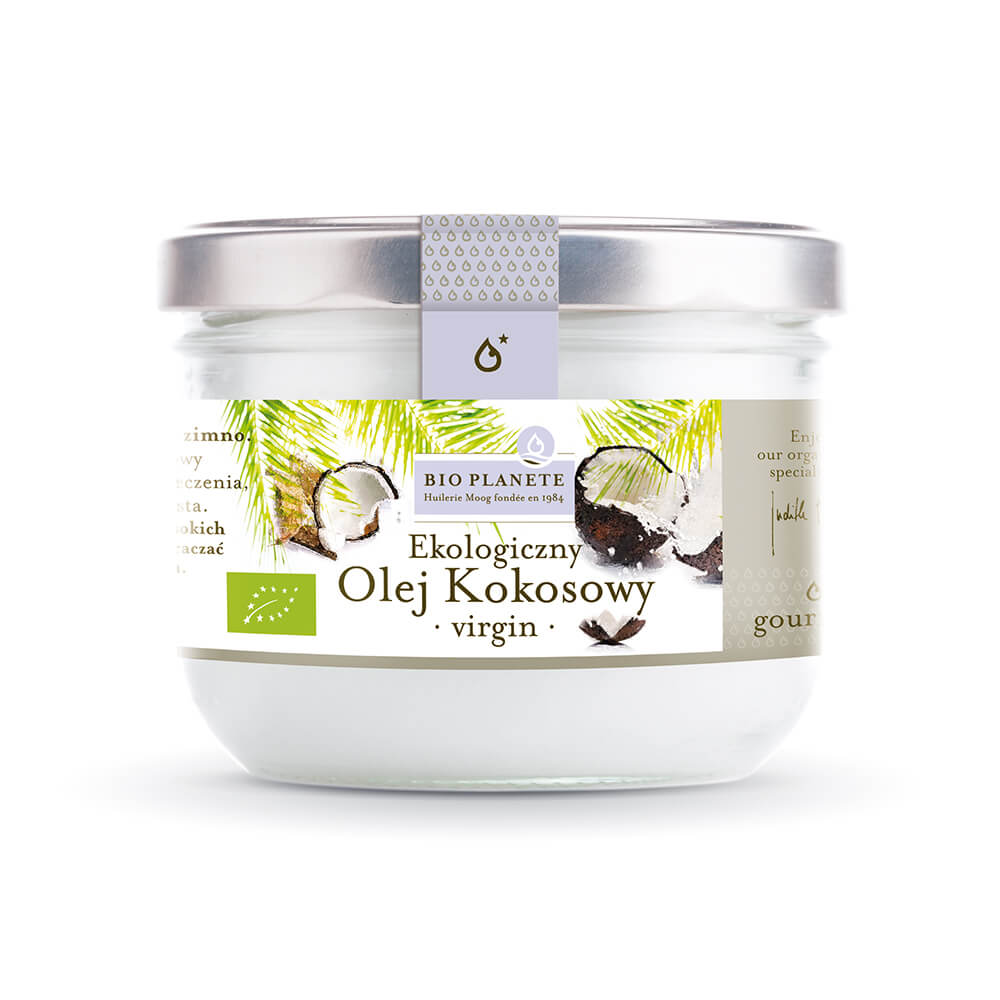
The main difference is the method of obtaining the oil. Unrefined oil is cold-pressed. This means that unrefined oil retains its coconut flavor and aroma .
If you plan to fry onions in coconut oil for spaghetti bolognese, it's much better to choose the refined version, which is odorless. Unrefined oil is much better for baking cakes, for example.
Coconut oil offer at Żywioł Zdrowia
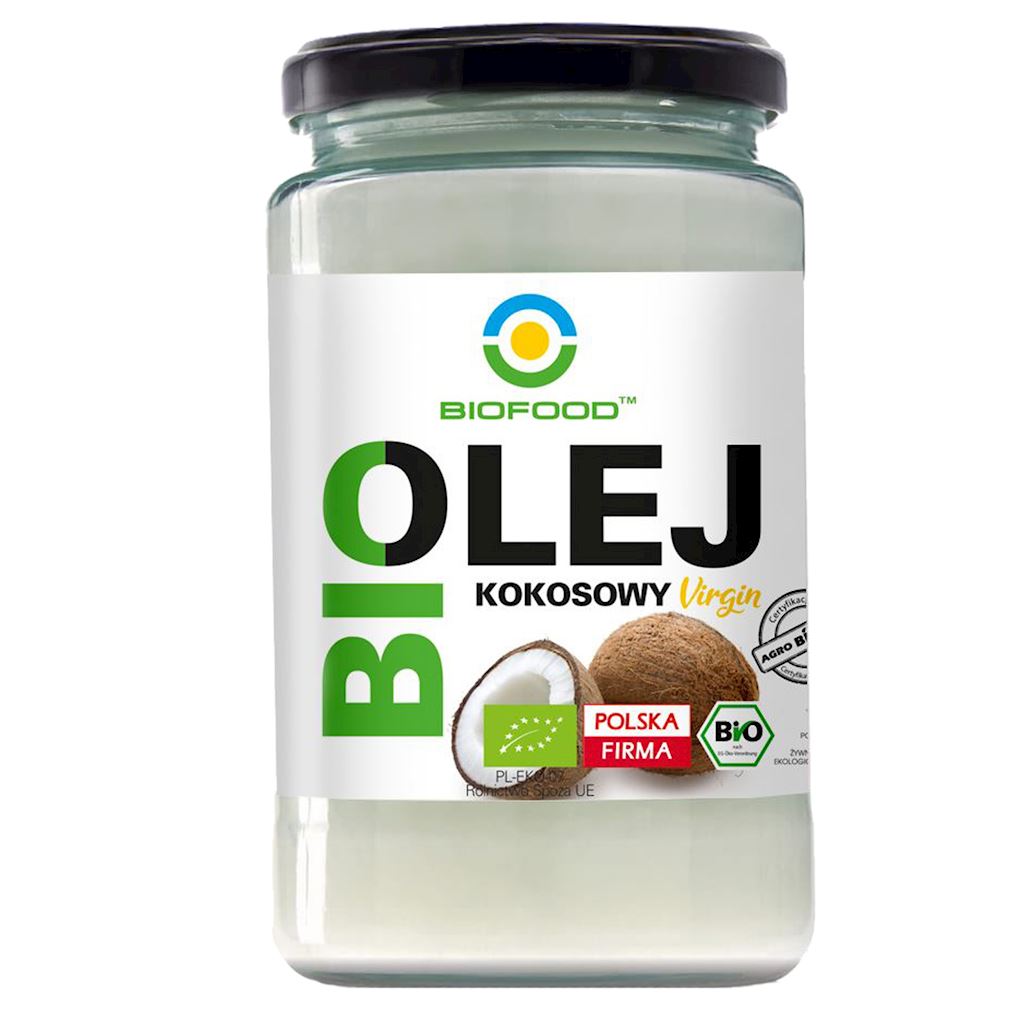
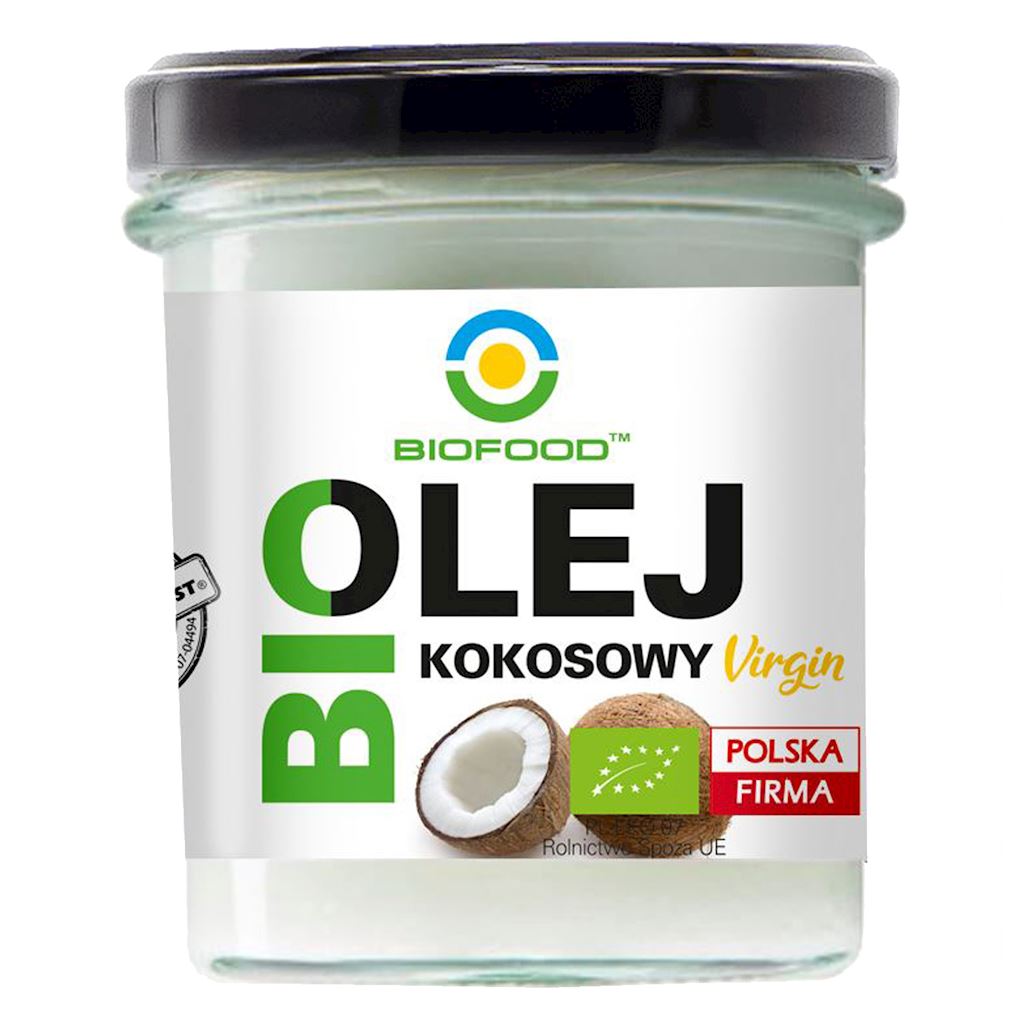
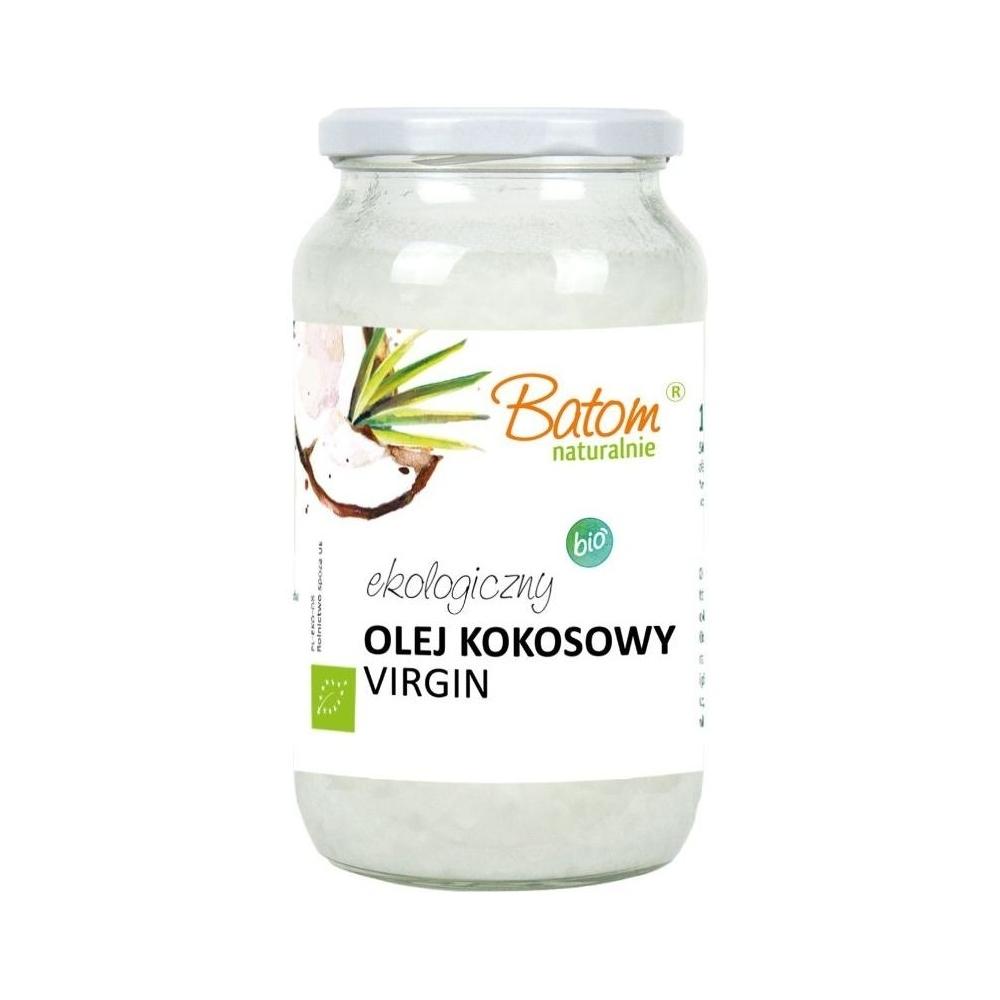
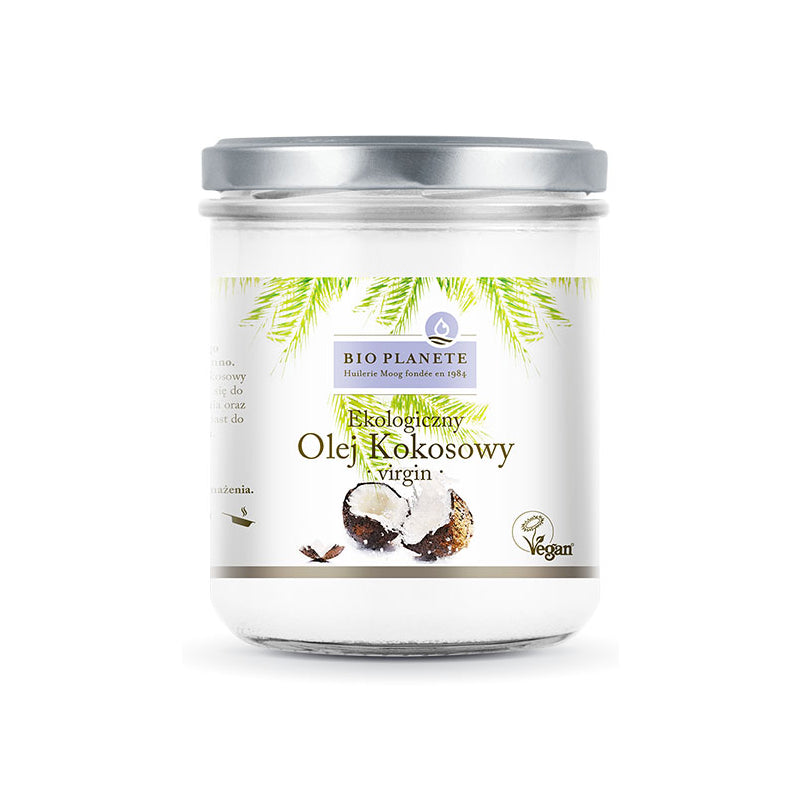
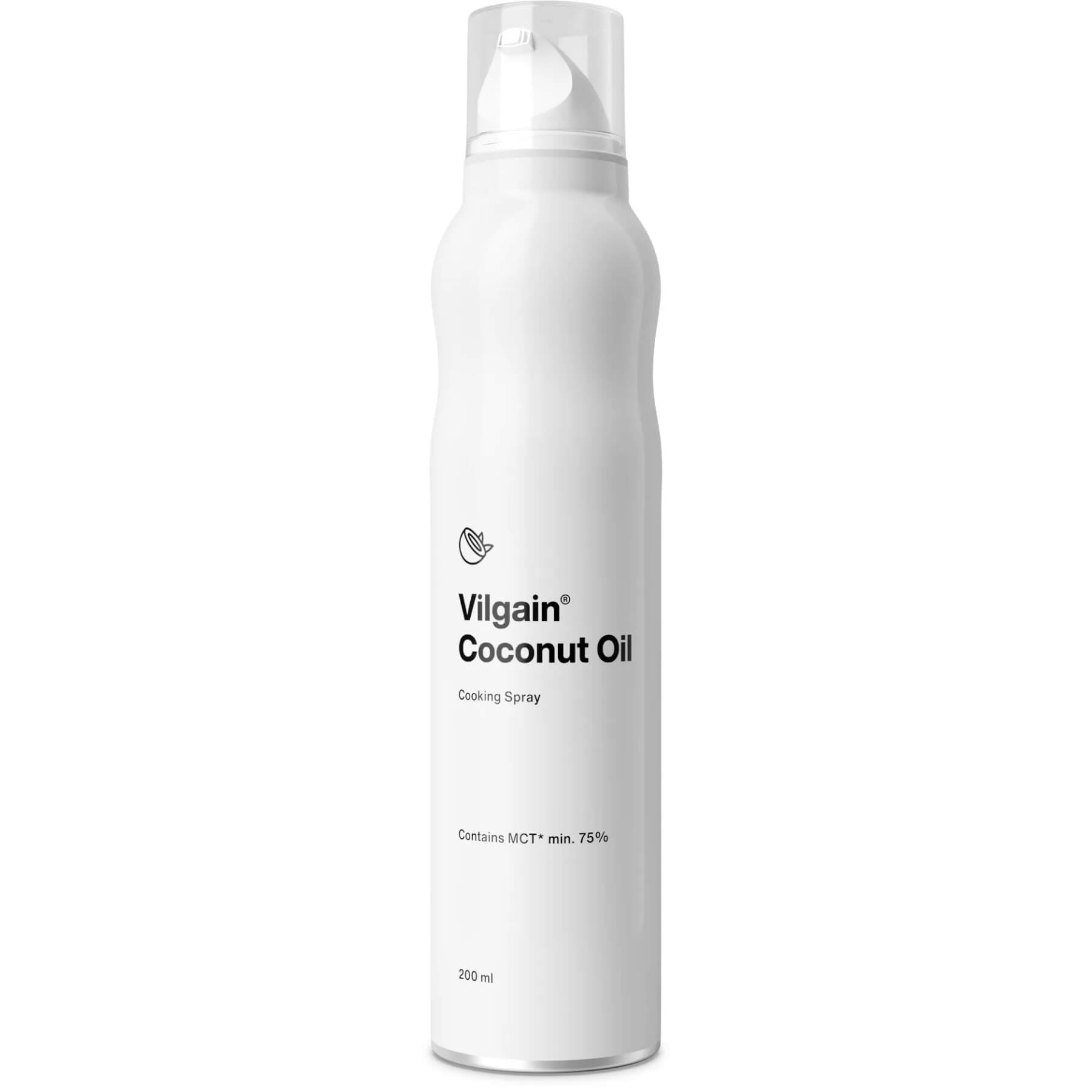
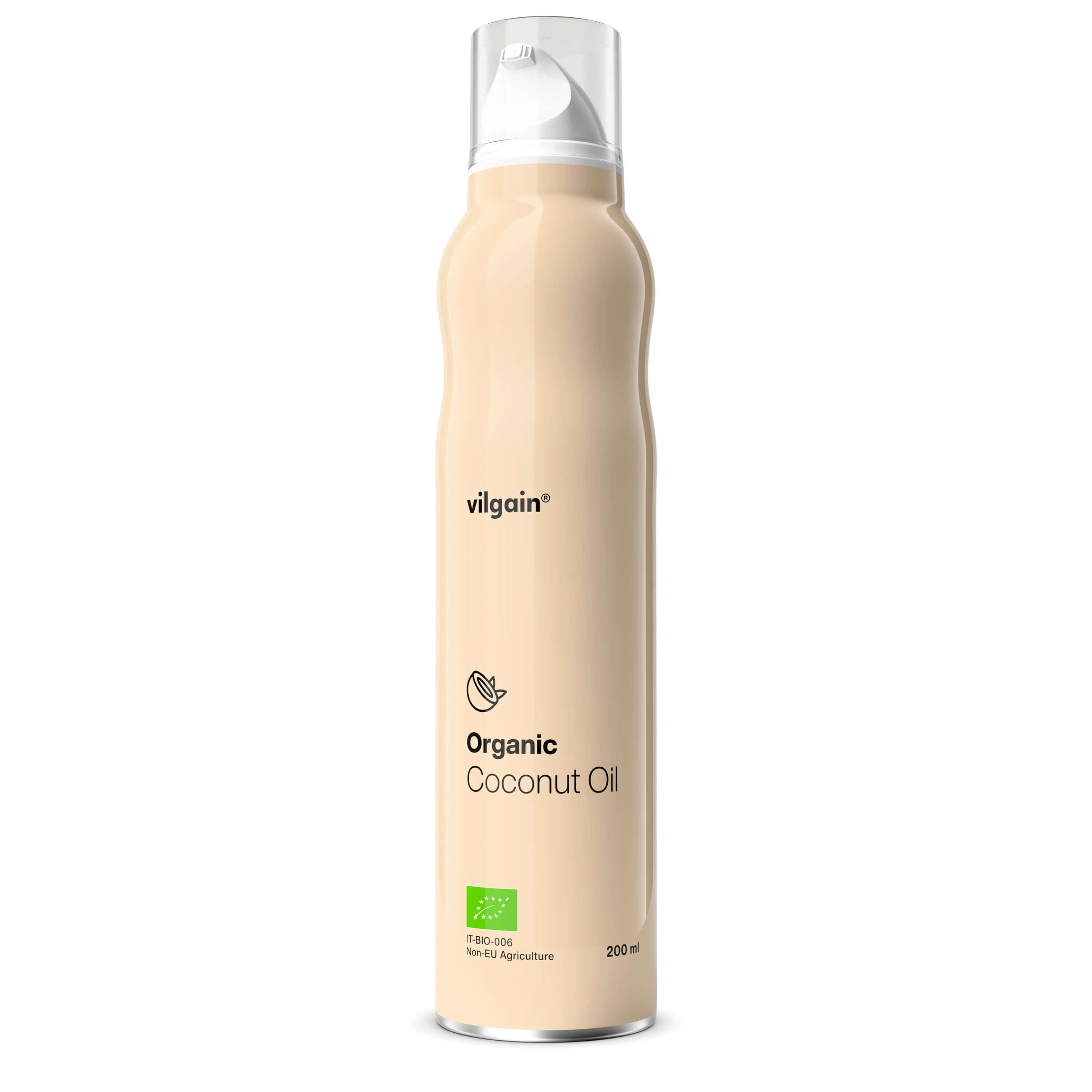
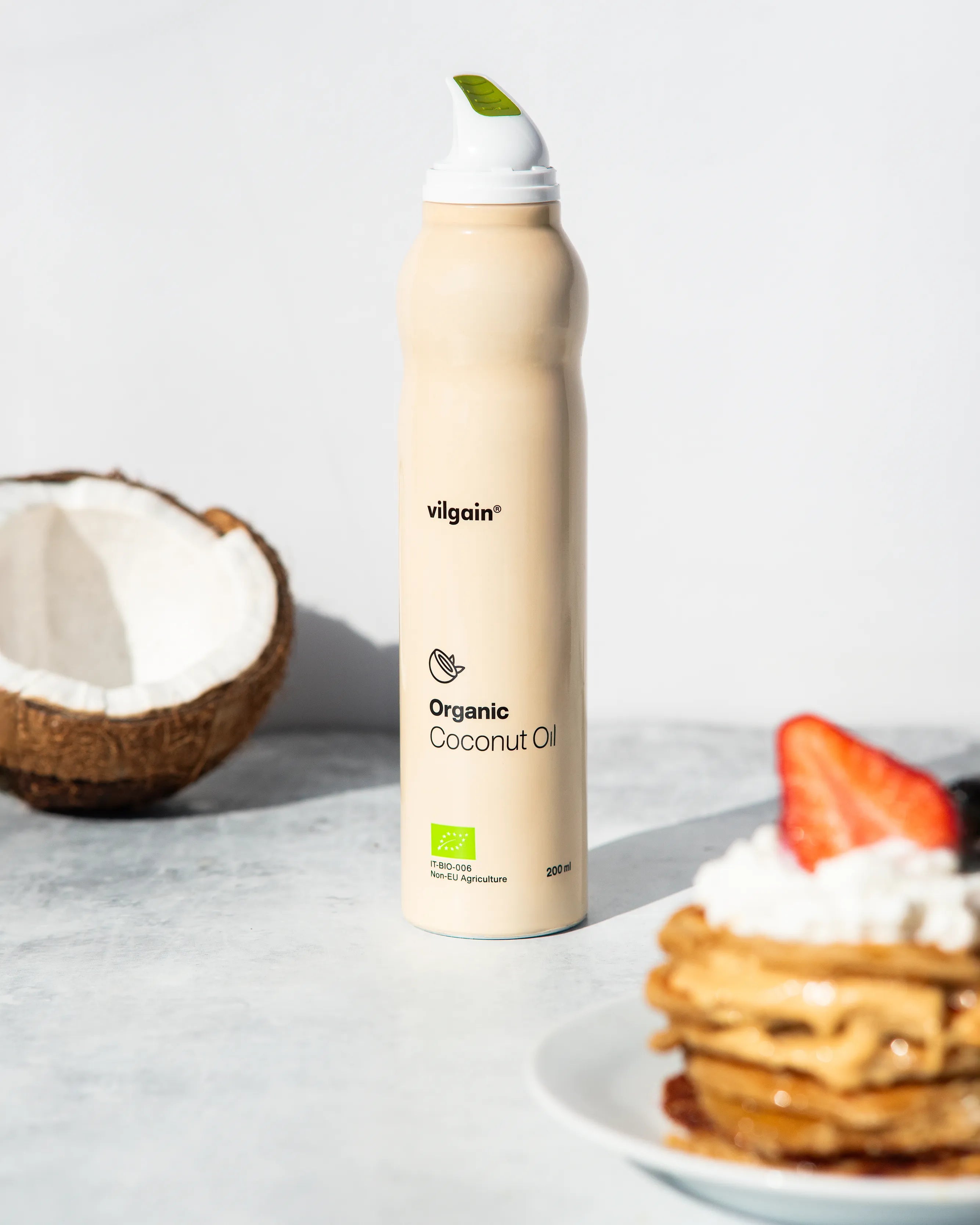
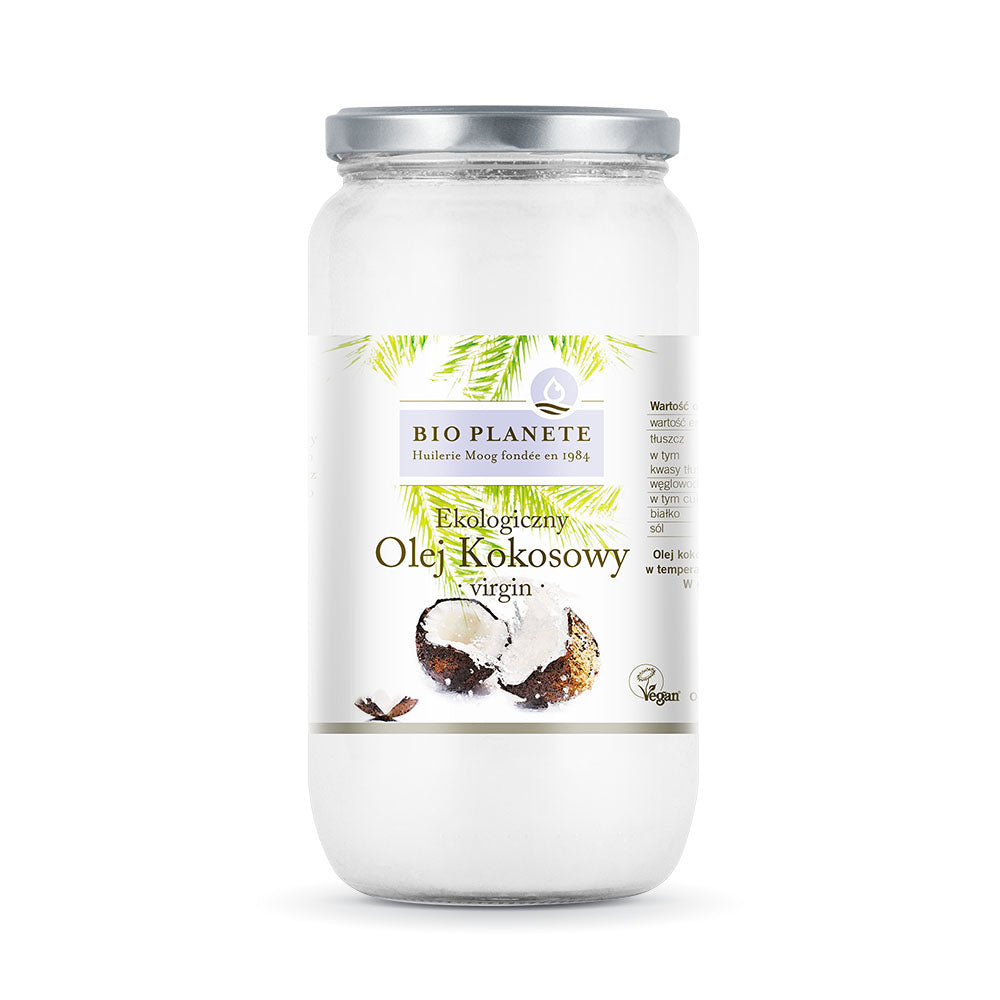
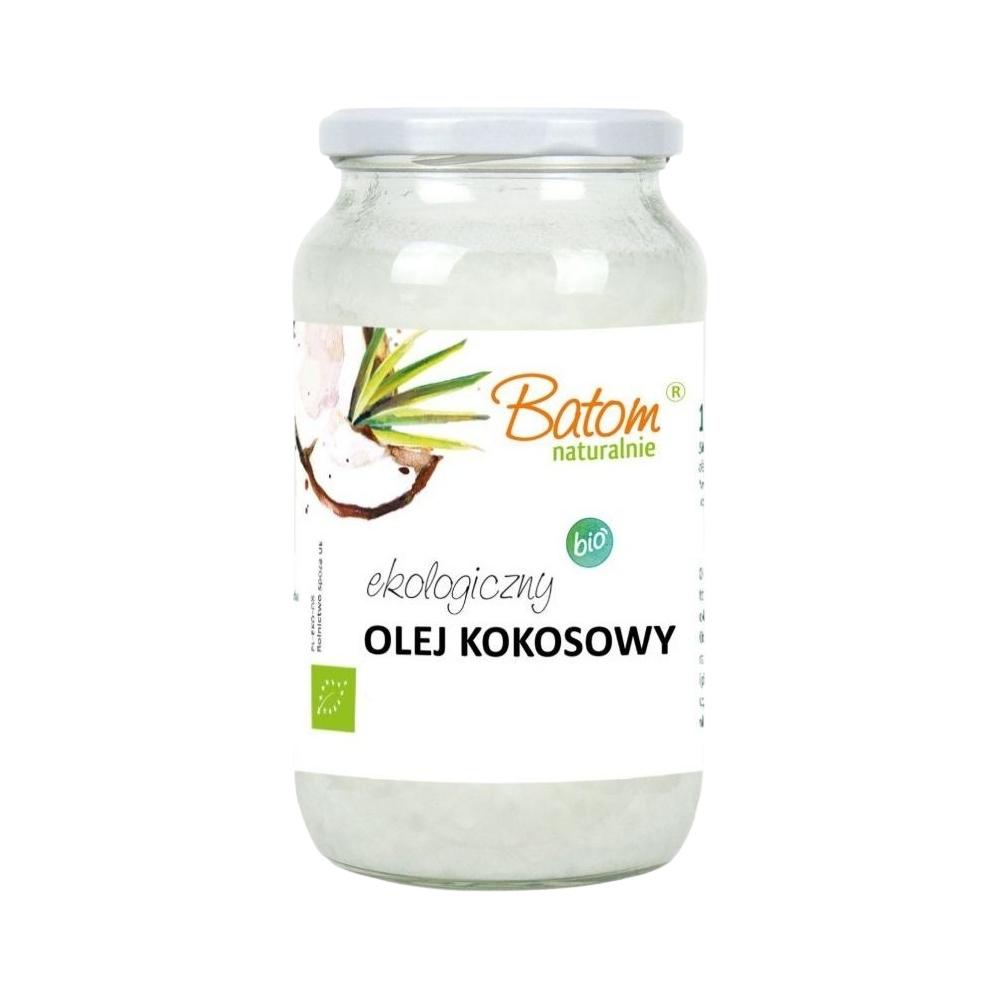
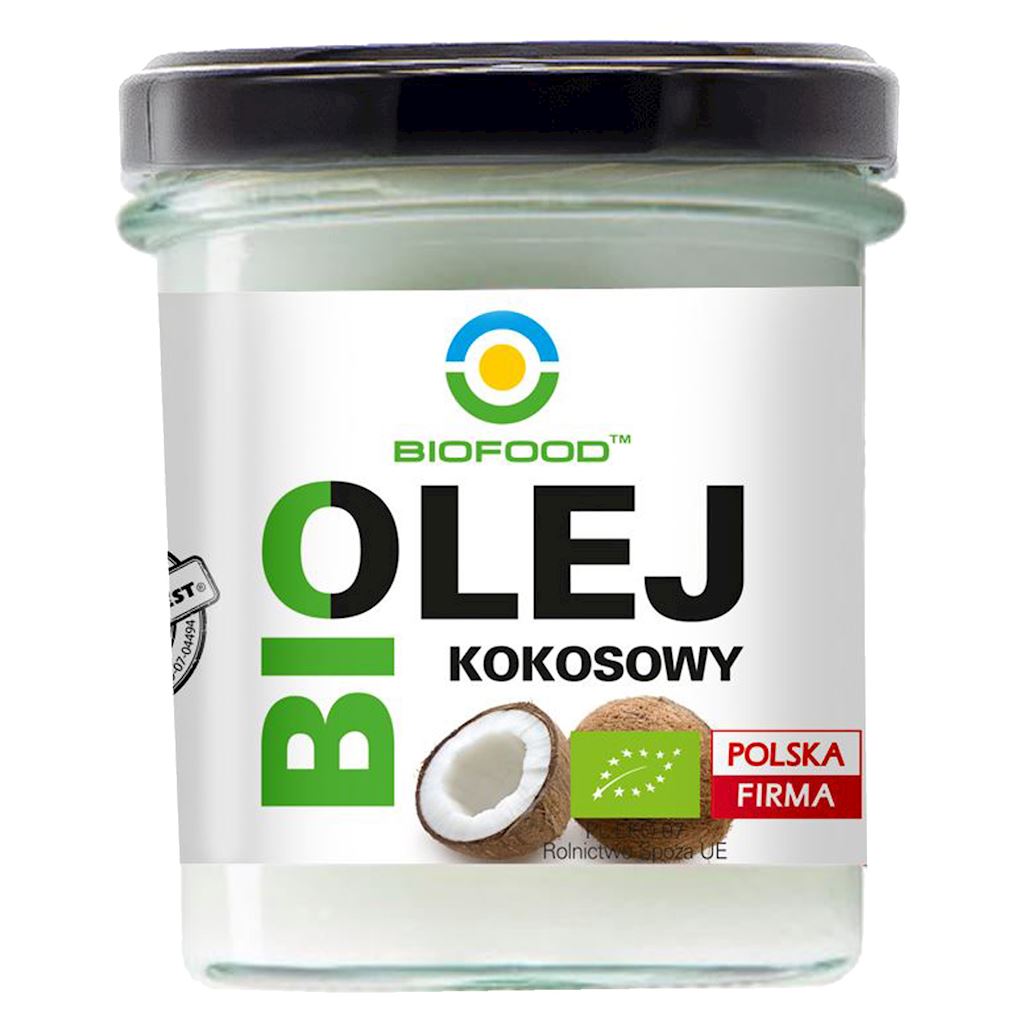
Our store offers a convenient selection of natural and organic coconut oils, both refined and unrefined. You can use them in the kitchen to prepare a variety of dishes or as a cosmetic product to support your body from the outside.