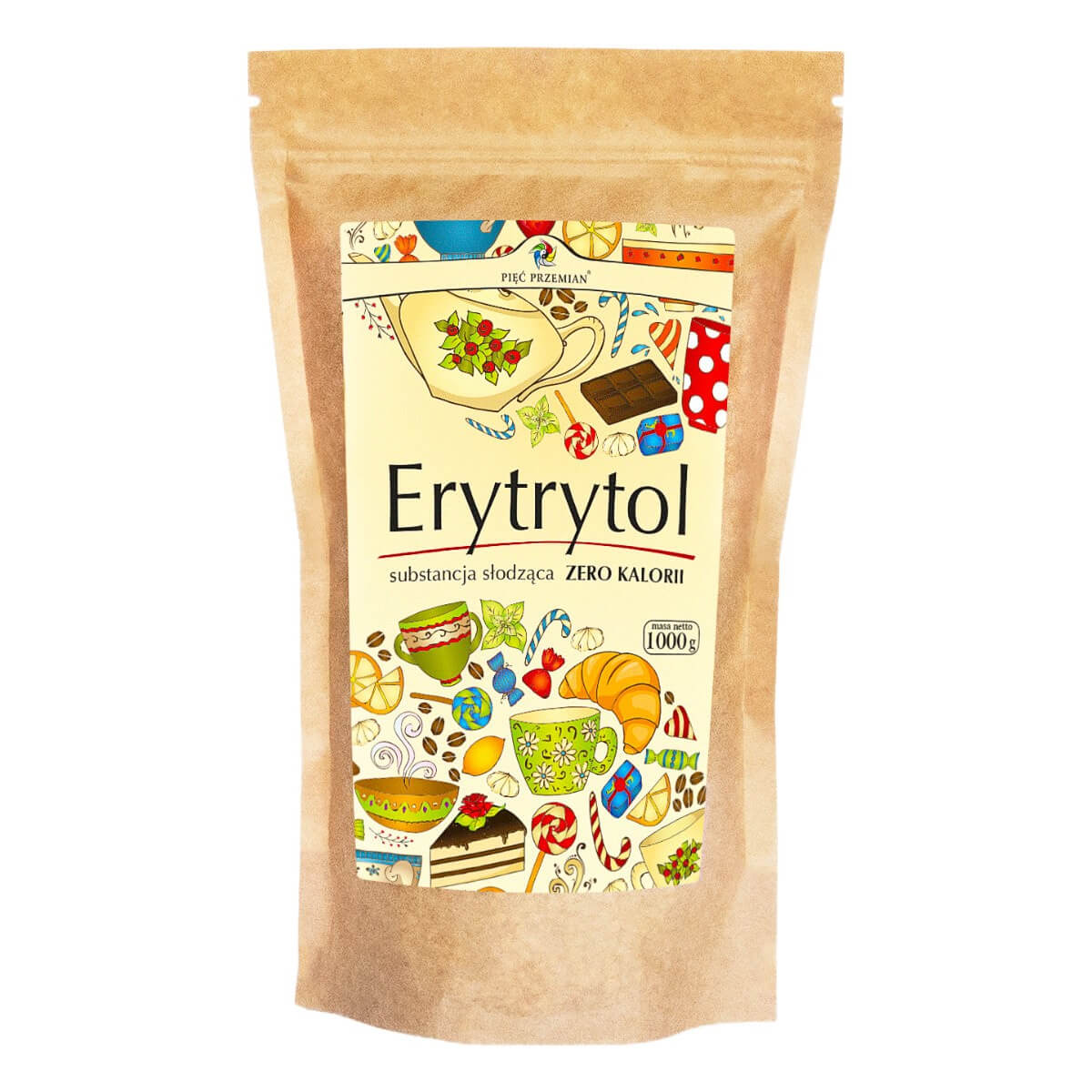
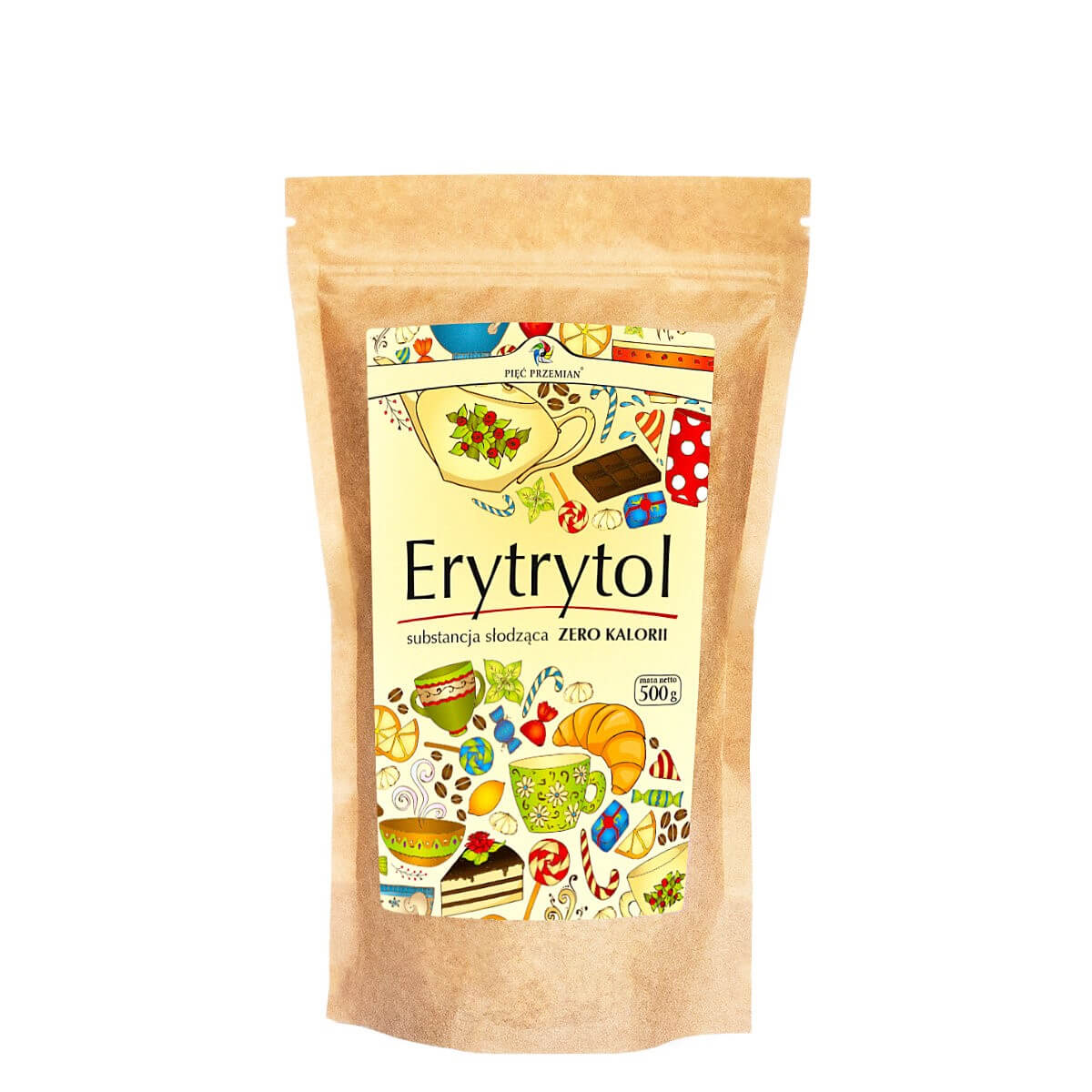
Erythritol is a natural sweetener that can replace sugar in many foods. It has a near-zero energy value, doesn't raise blood glucose levels, and doesn't harm teeth. It occurs naturally in some fruits, lichens, and wine, but can also be obtained by yeast fermentation of glucose or glycerol.
What is erythritol?
Erythritol is a type of sweetener that offers many advantages over traditional sugar. It's an organic compound belonging to the group of sugar alcohols, also known as polyols. It has about 70% of the sweetness of sugar but only 0.2 kcal/g of energy. This means it doesn't affect body weight or cause obesity.
Furthermore, erythritol is not metabolized by the human body and does not raise blood glucose or insulin levels. This makes it safe for people with diabetes and other carbohydrate metabolism disorders.

Erythritol is also non-cariogenic, meaning it does not promote the development of tooth decay. On the contrary, it has antibacterial properties and inhibits the growth of bacteria responsible for tooth decay and gingivitis.
It also doesn't negatively impact the digestive system , as it doesn't cause flatulence, diarrhea, or other gastrointestinal discomfort. This is because it's well absorbed in the small intestine and quickly excreted in the urine.
What is erythritol made from?
Erythritol occurs naturally in some fruits, such as pears, melons, grapes, and nectarines, as well as in lichens and mushrooms. However, the amounts in these foods are too low to meet the sweetener requirement.
Therefore, it is produced on an industrial scale by fermenting glucose or glycerol with special yeast strains. This process is similar to wine or beer production and is environmentally friendly. The resulting erythritol is purified and crystallized, then sold as a white powder or granules similar in shape to sugar.
How to use it in the kitchen?
Erythritol can be used as a sweetener in our organic coffee , organic tea , beverages, desserts, cakes, ice cream, and other food products. It can also be combined with other natural or artificial sweeteners, such as stevia , xylitol , aspartame, or sucralose, for enhanced flavor and sweetening properties.
It's resistant to high temperatures and doesn't decompose during cooking or baking. It also doesn't affect the color or flavor of food. It's safe for health and has no side effects when consumed in moderation. However, it's important to remember that excessive amounts of erythritol can have a laxative effect or cause a cold sensation in the mouth.