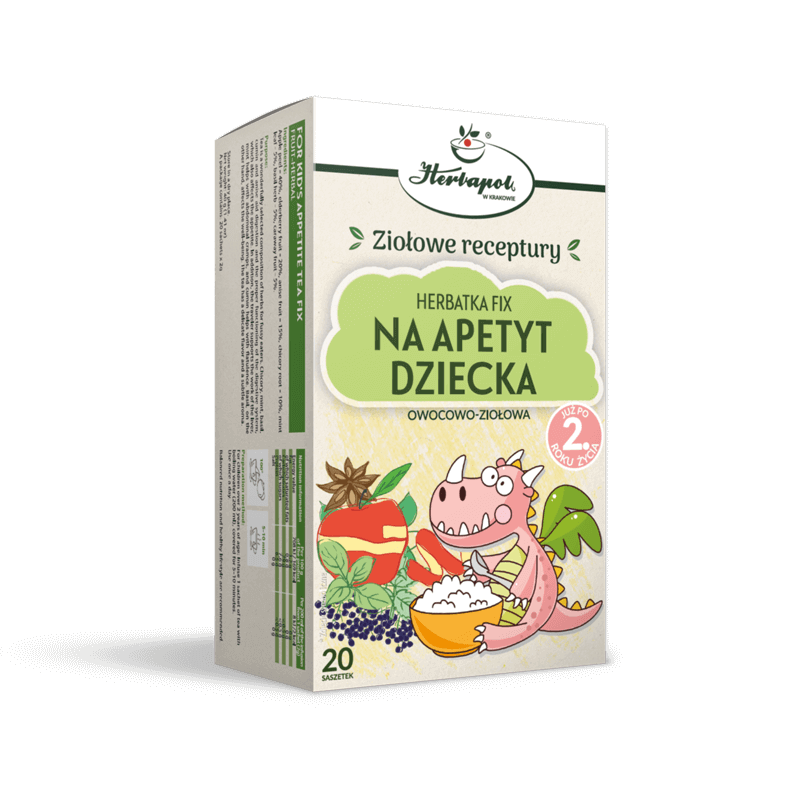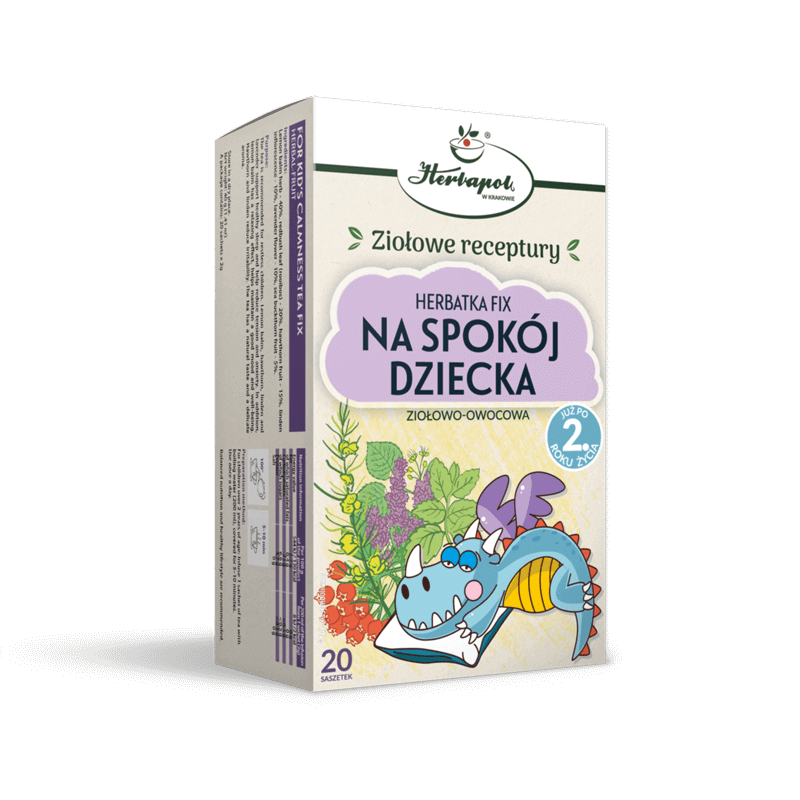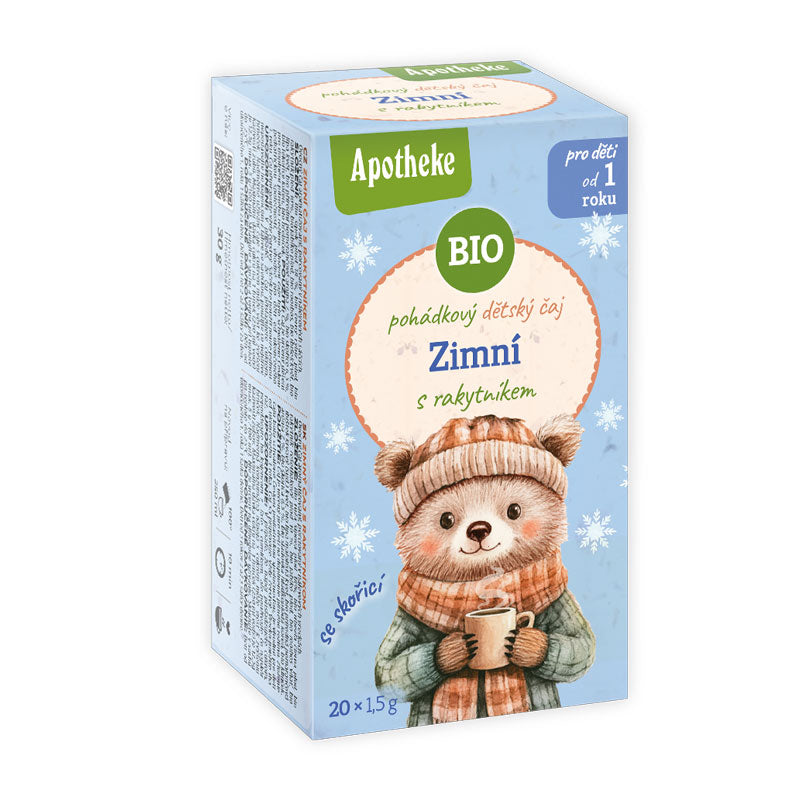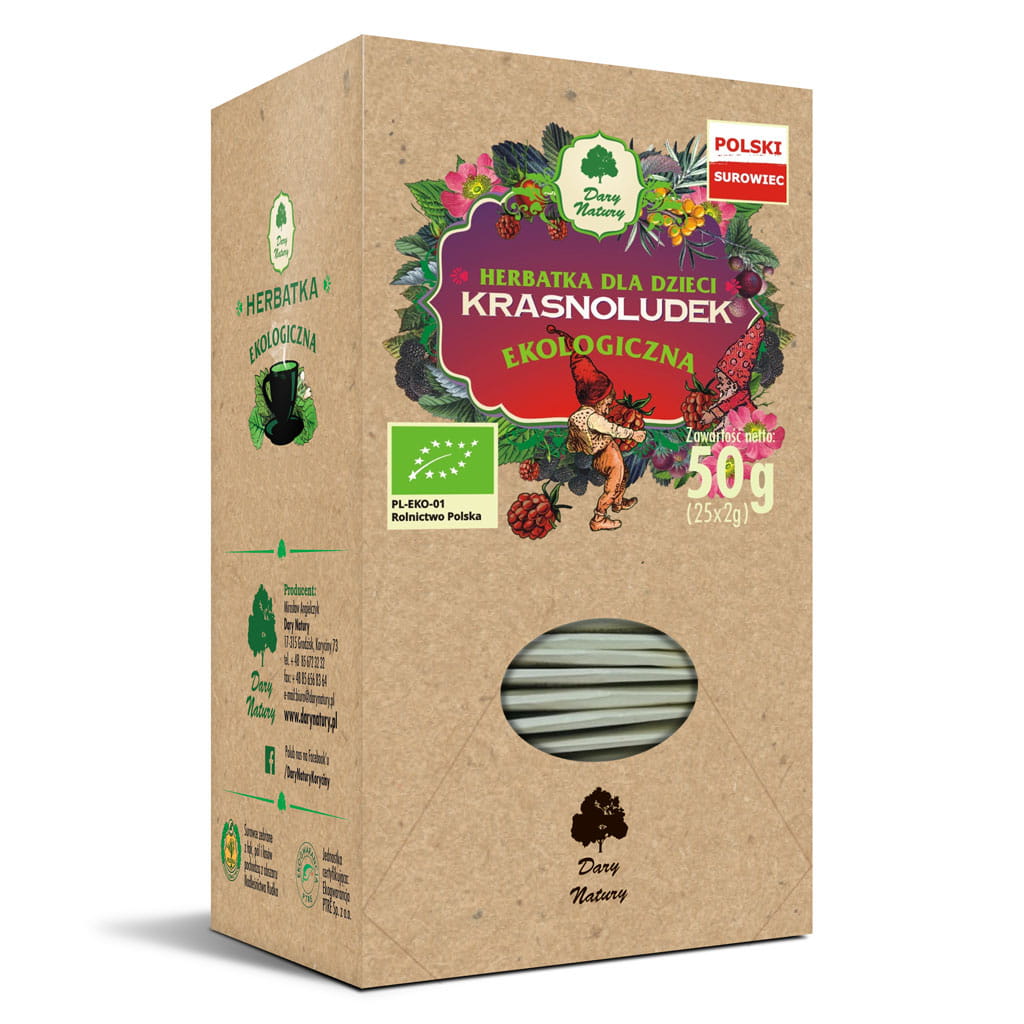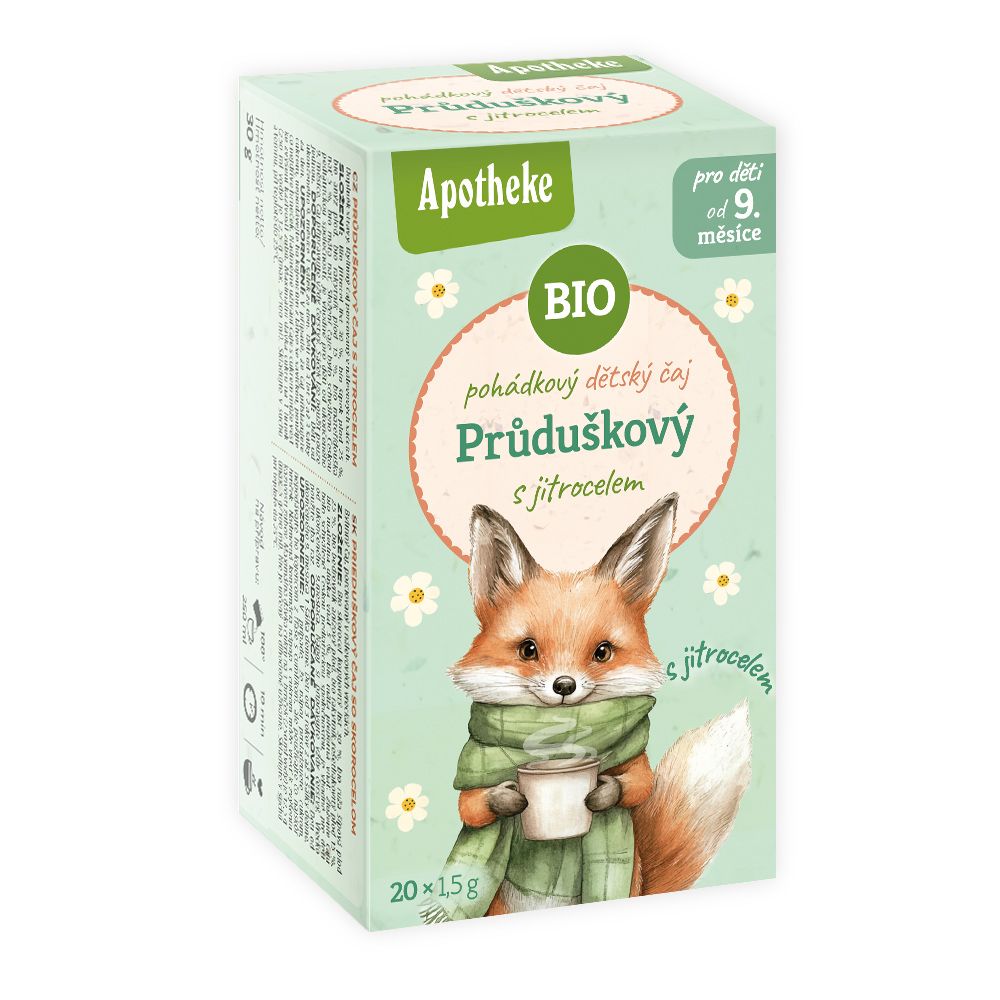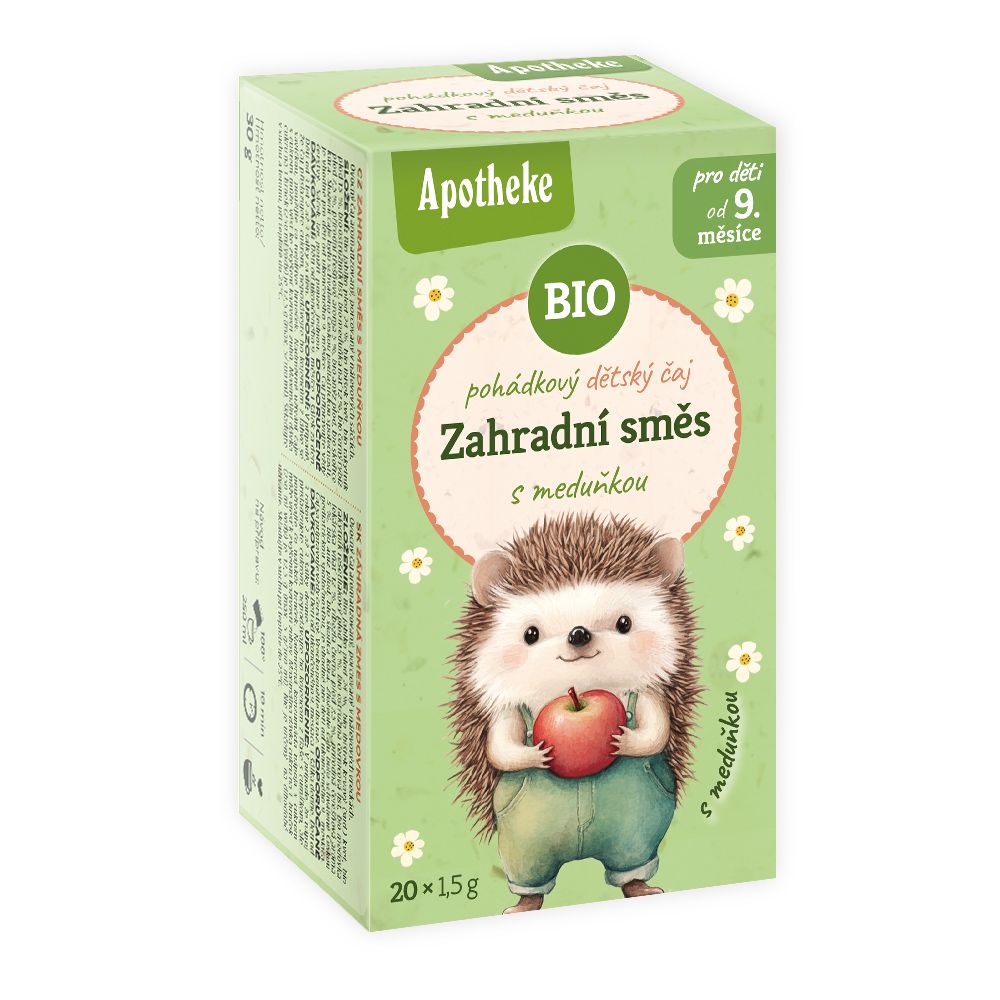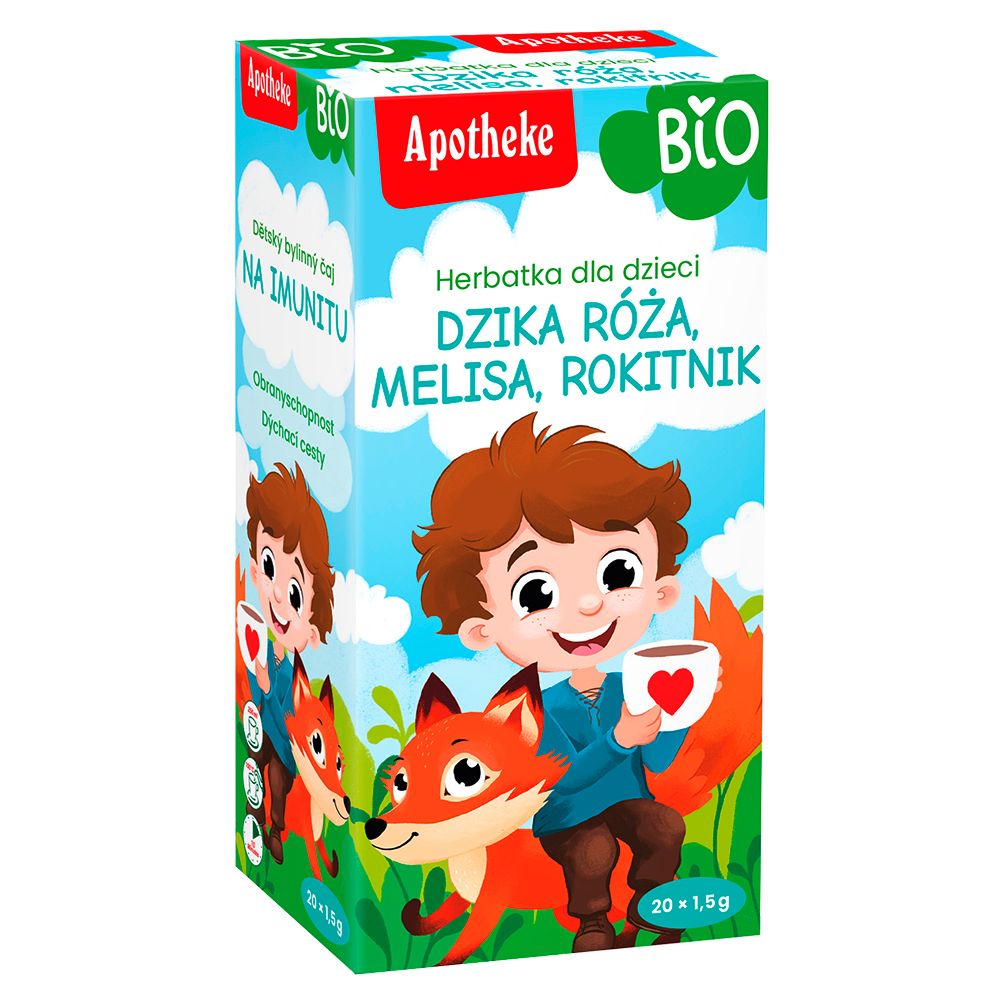
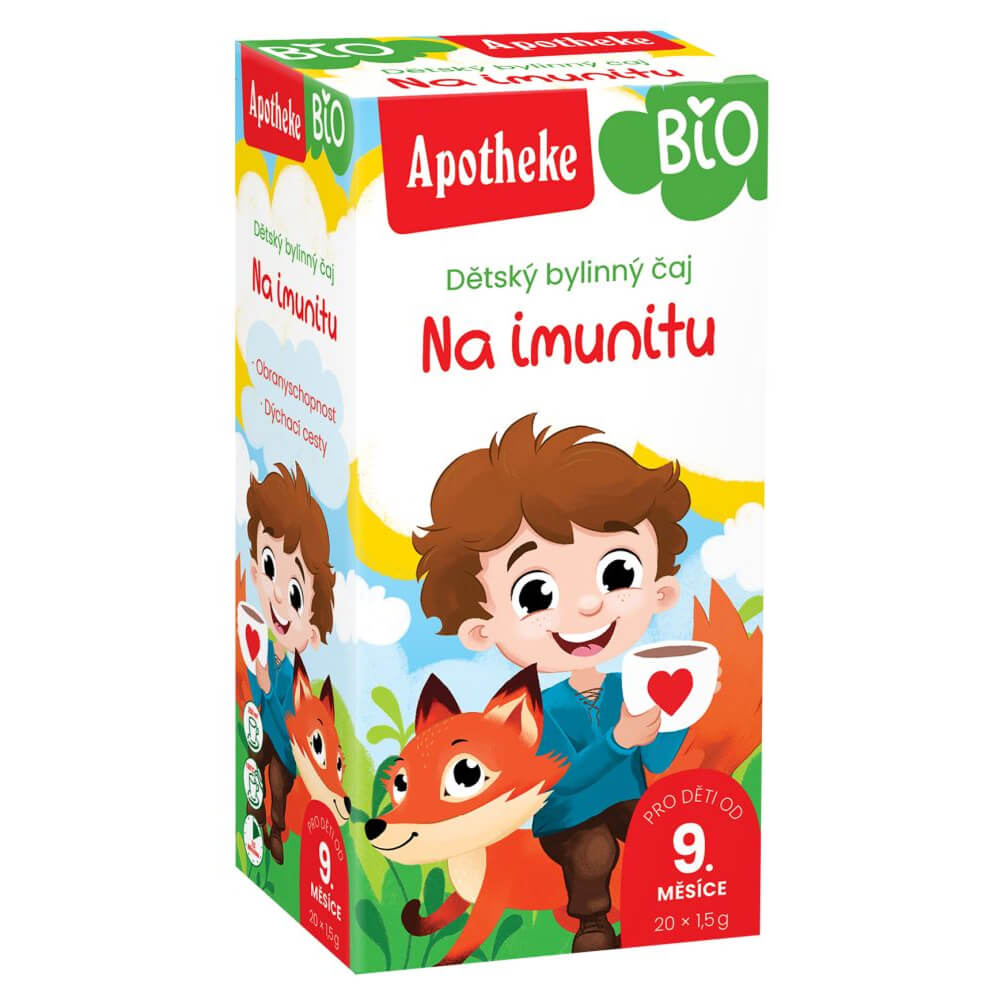
Teas for children
24 products
Showing 1 - 24 of 24 products
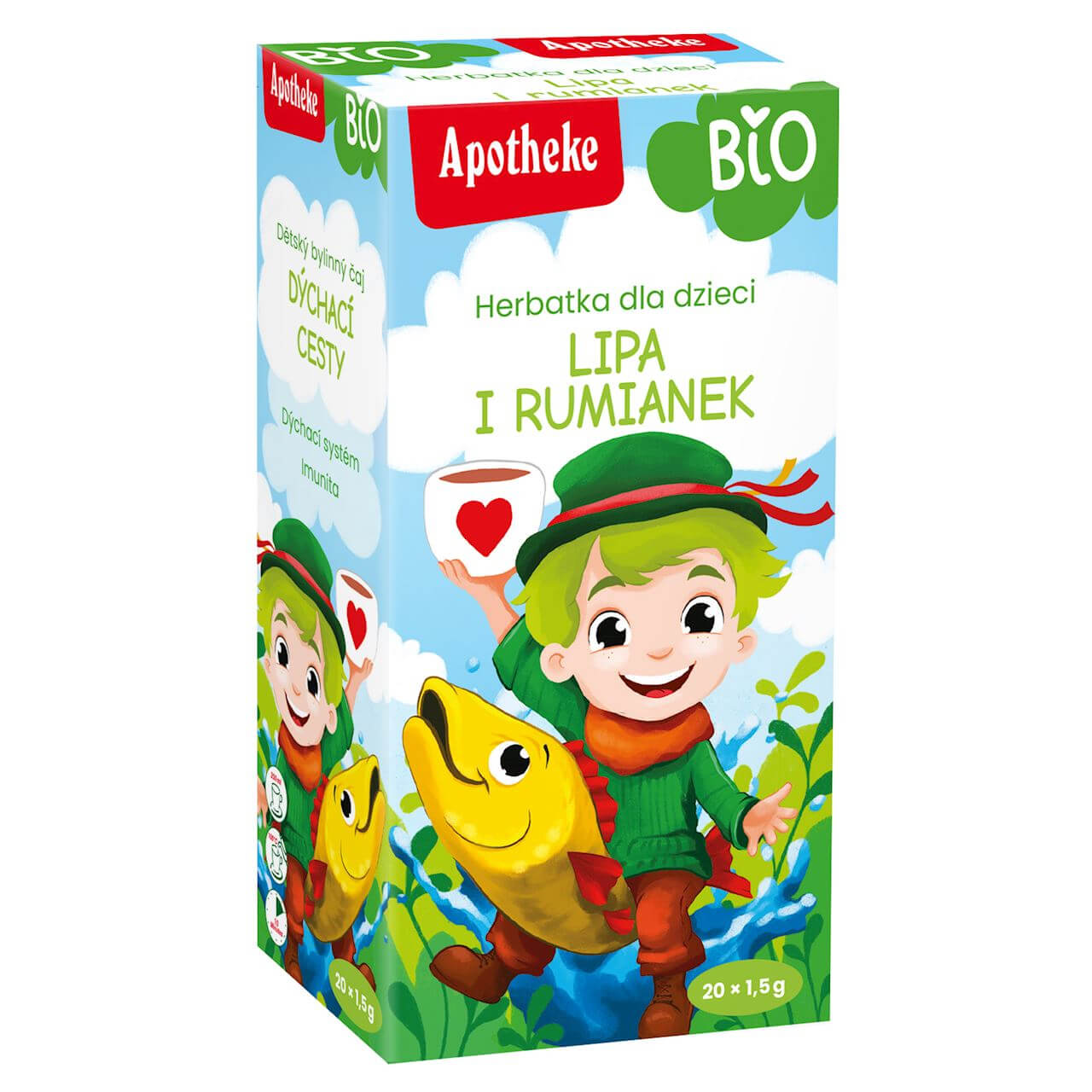
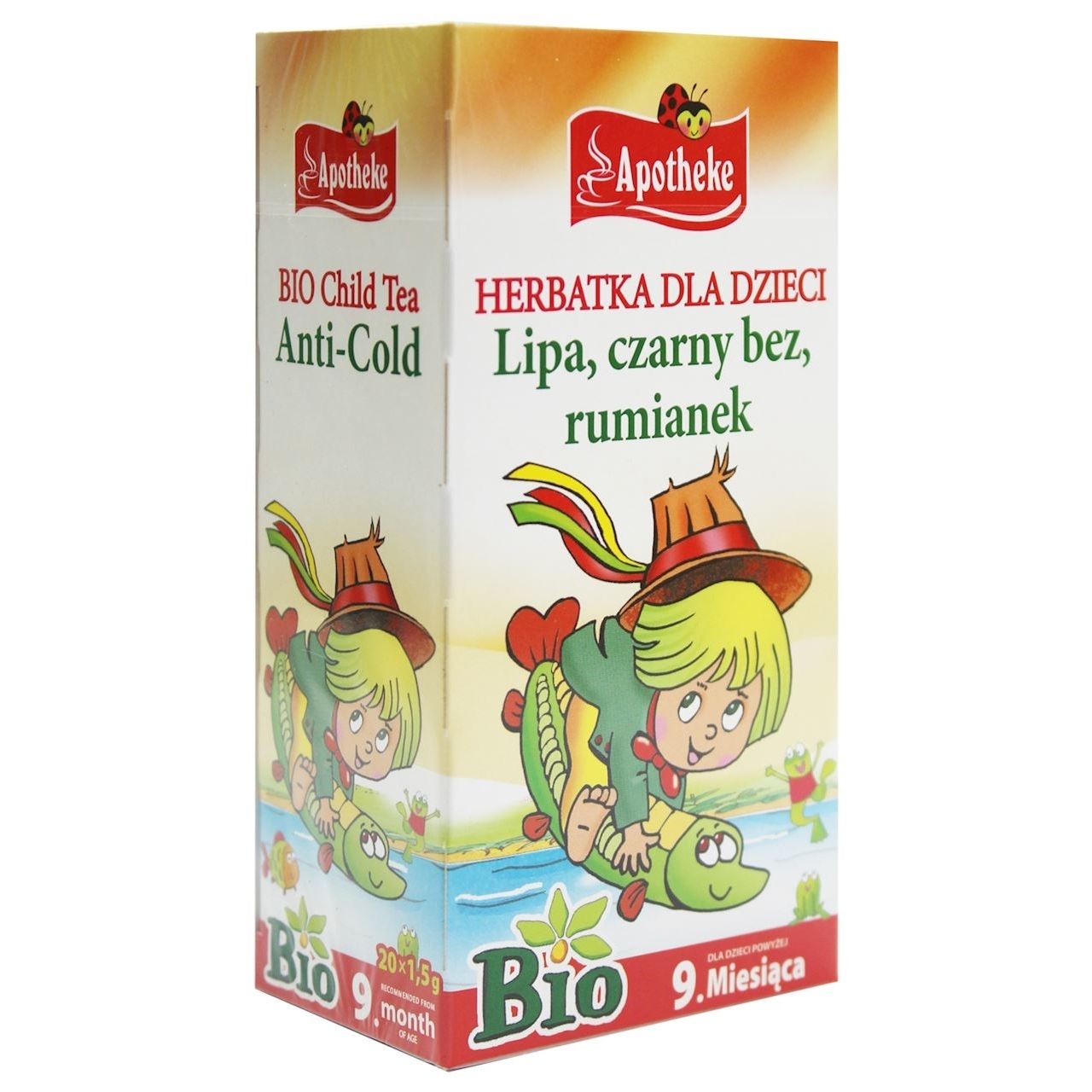
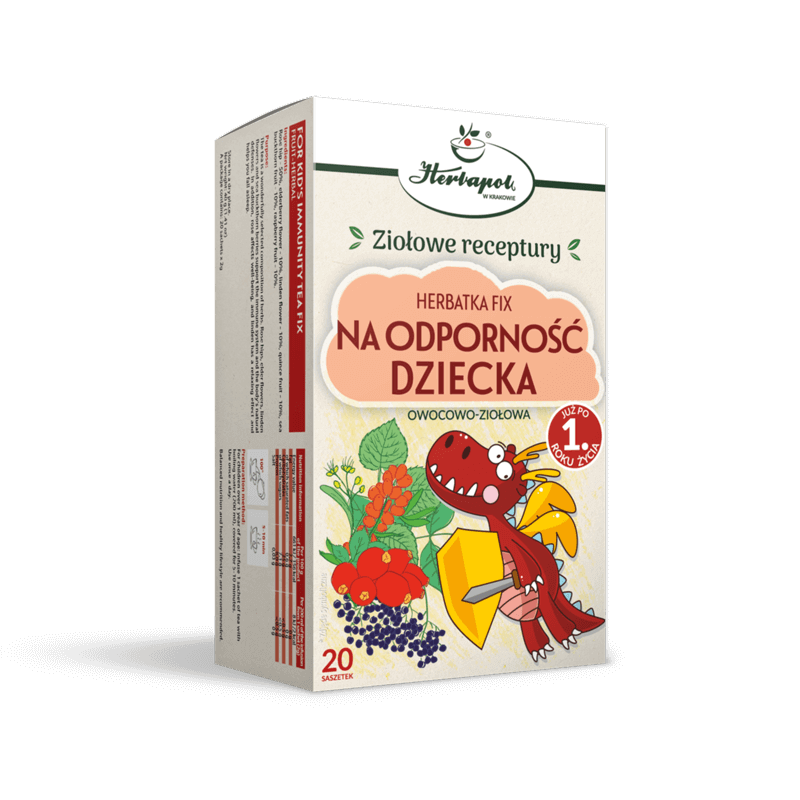
Tea is a beverage popular with people of all ages. Not only does it taste delicious, but it also has numerous health and well-being benefits. Children can also enjoy drinking tea, provided they choose the right types and preparation methods. In our online store, you'll find a wide selection of teas for children that meet organic quality standards.
Which tea should I choose for children?
Depending on the age and needs of your child, you can choose different types of tea. Some are especially recommended for young children because they don't contain stimulants like theine or caffeine. Others can be given to older children in small amounts and diluted appropriately.
Fruit teas
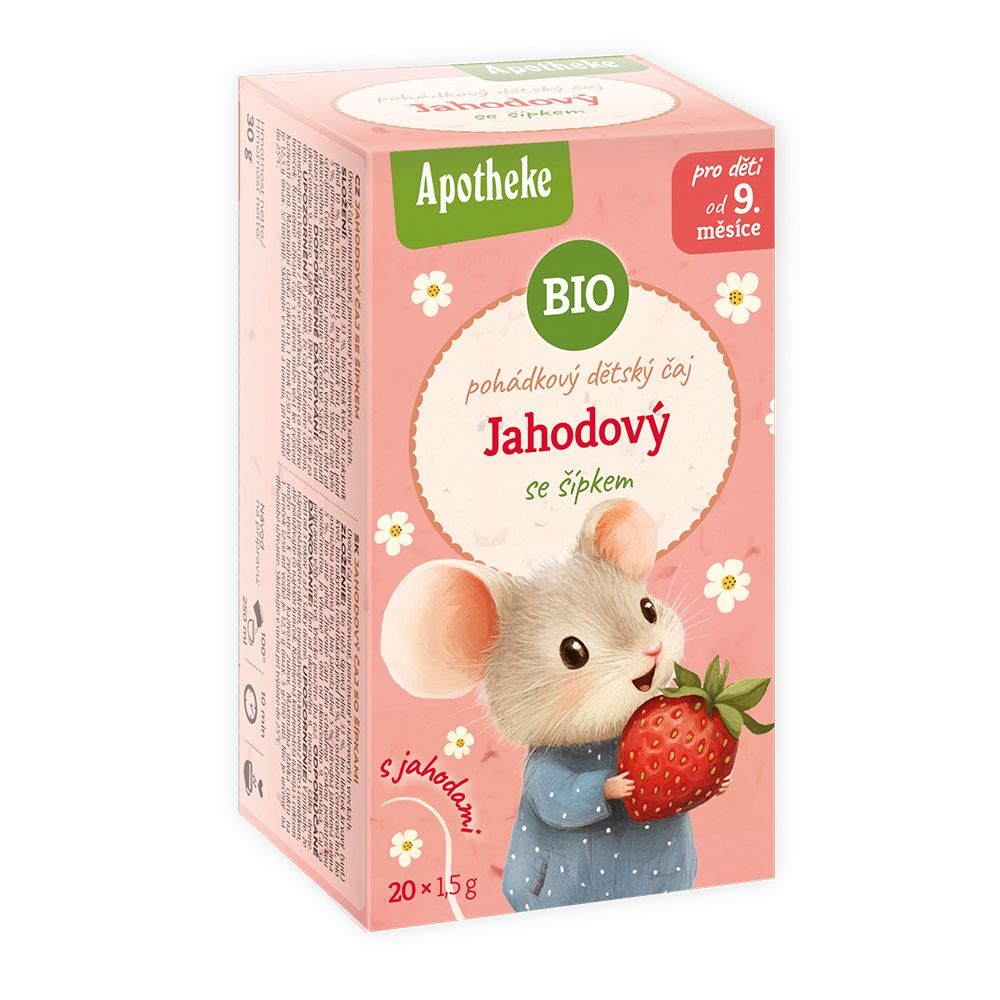
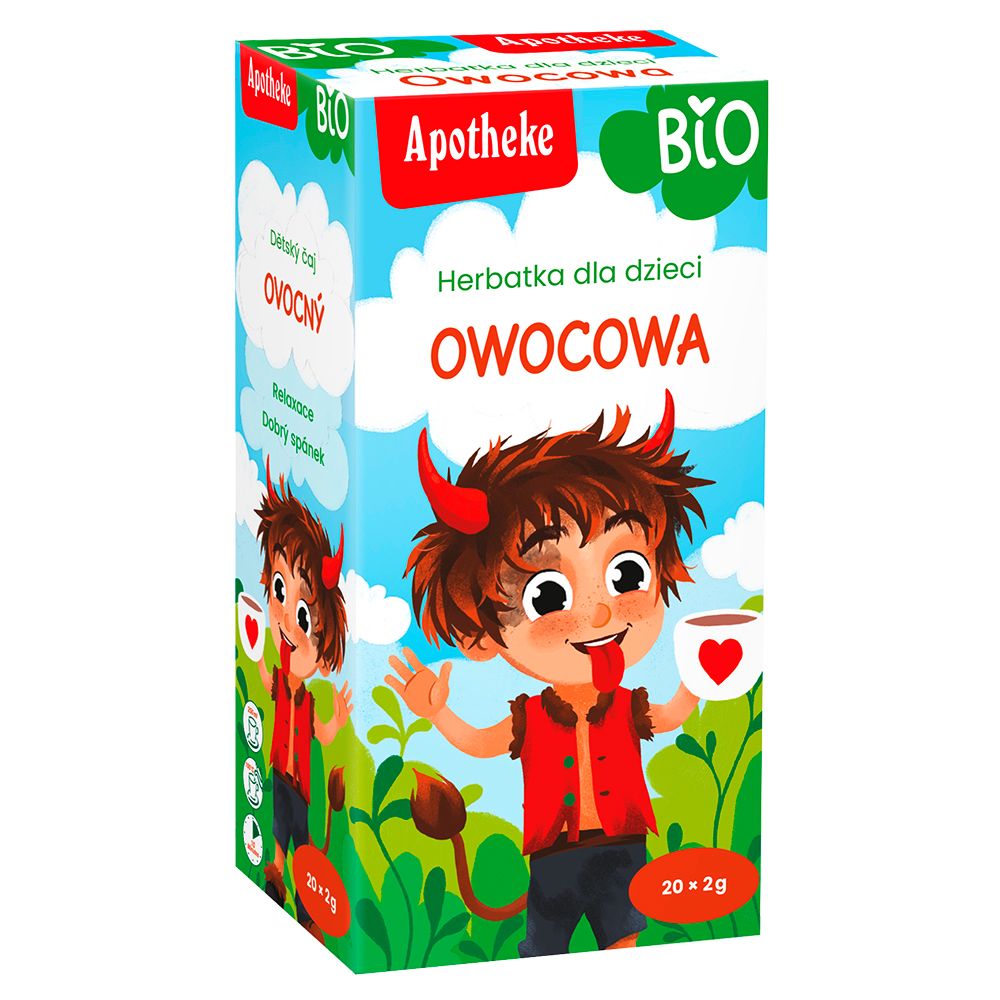
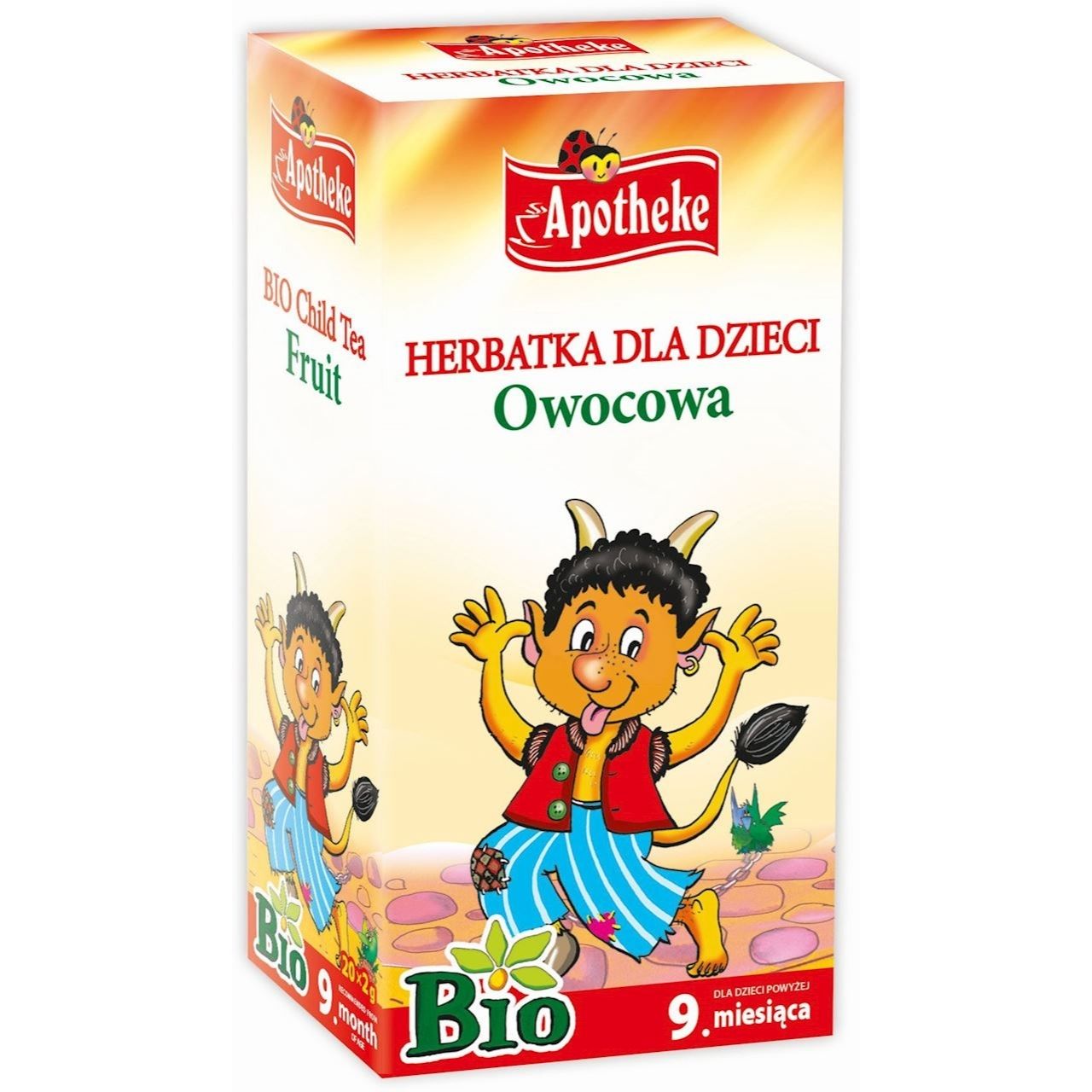
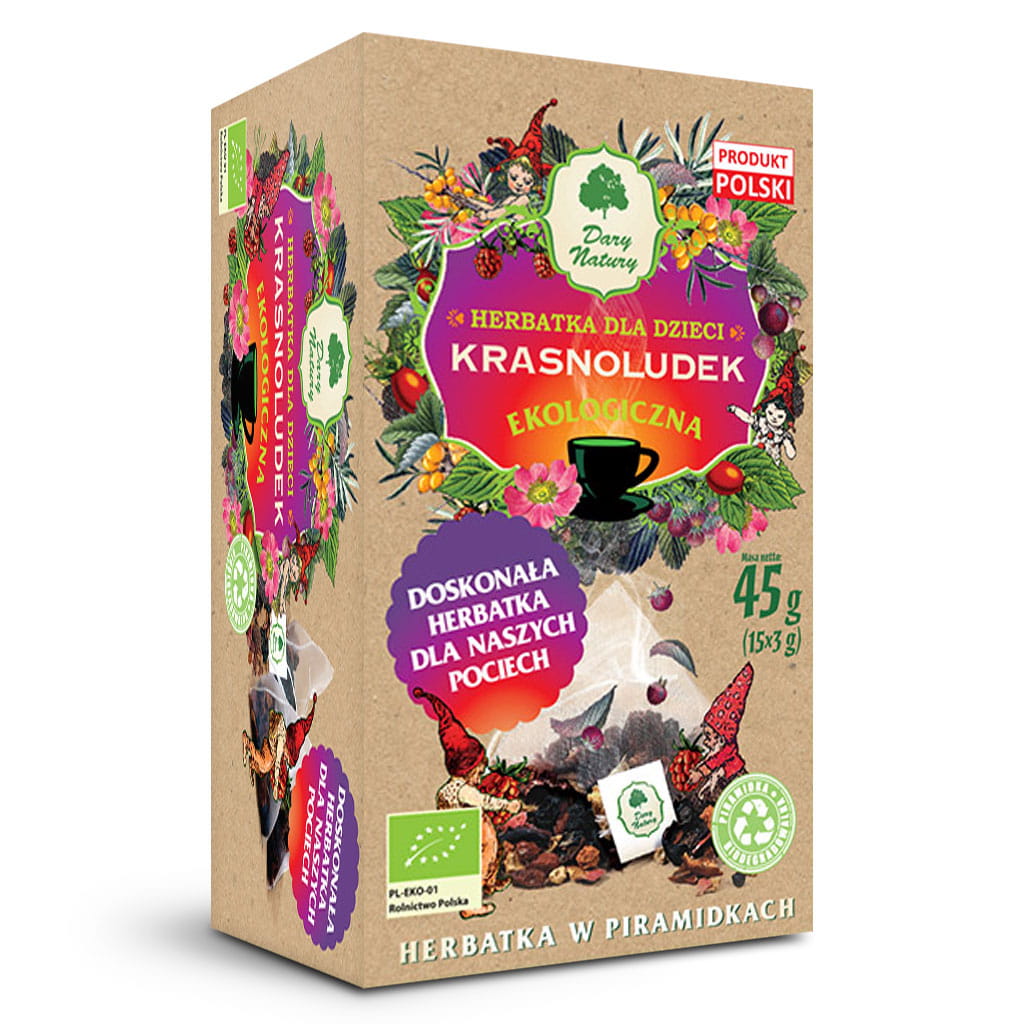
These are the most popular and beloved teas among children. They can be given from the age of one. They have a pleasant, sweet taste and aroma and contain vitamins and minerals. You can choose from a variety of flavors, such as apple, raspberry, strawberry, cherry, blackcurrant, or lemon.
Natural fruit teas contain no theine or caffeine, so they won't stimulate your baby. They can be served without added sugar or honey.
Herbal teas
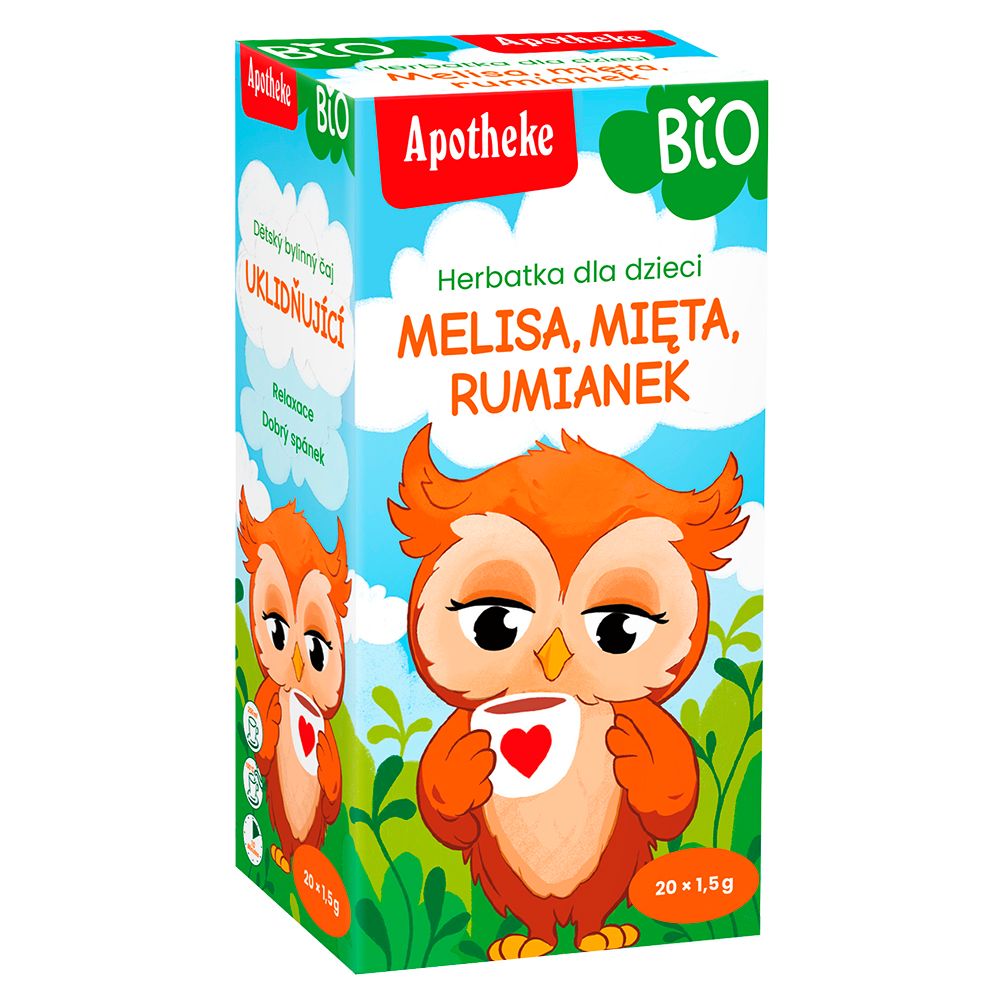
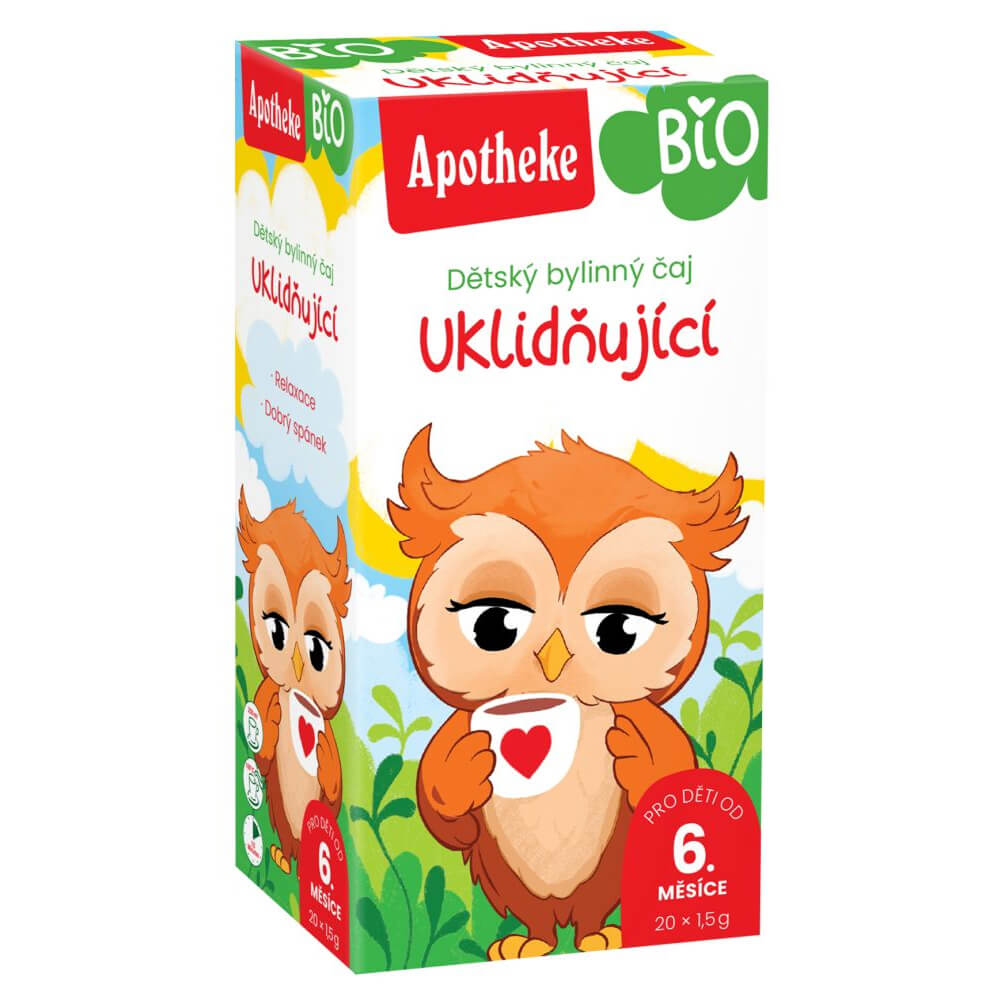
This is another good choice for children. They contain medicinal plant extracts that have a beneficial effect on a child's health and well-being. Some of them aid digestion, soothe tummy aches, calm nerves, and promote sleep.
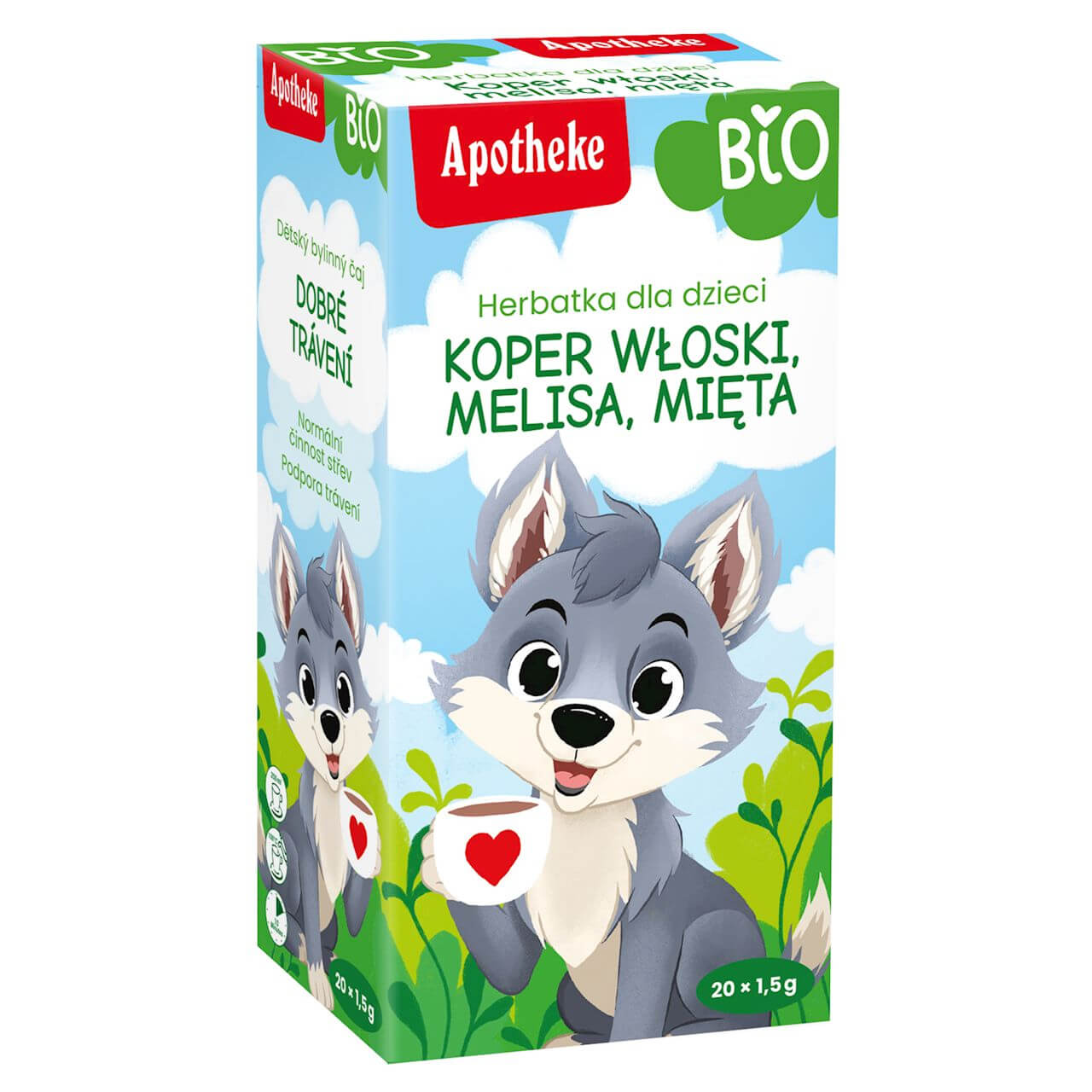
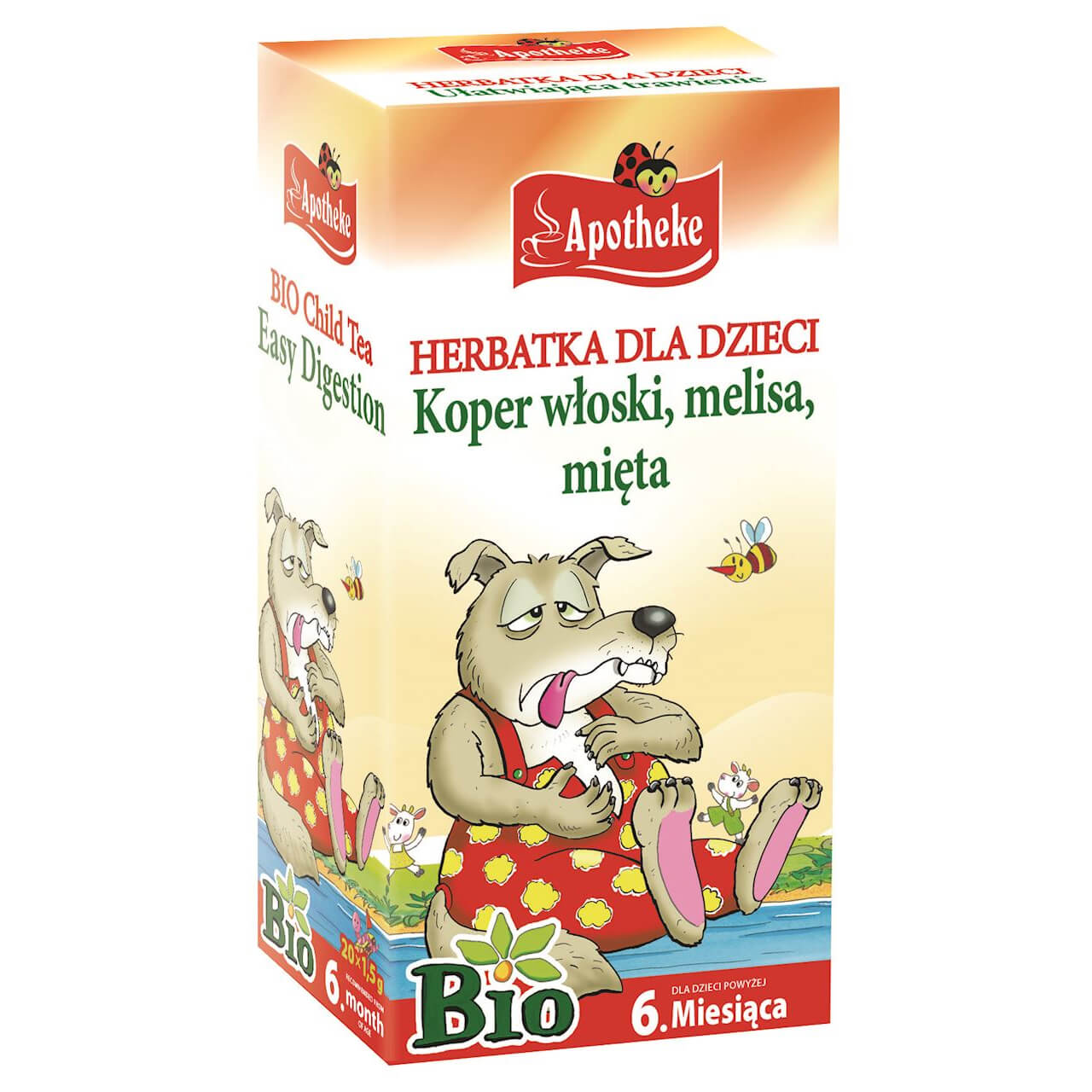
Examples of herbal teas for children include fennel, mint, lemon balm, linden, and chamomile. Organic herbal teas should be given according to the instructions on the packaging and the recommended daily dose should not be exceeded.
Rooibos tea
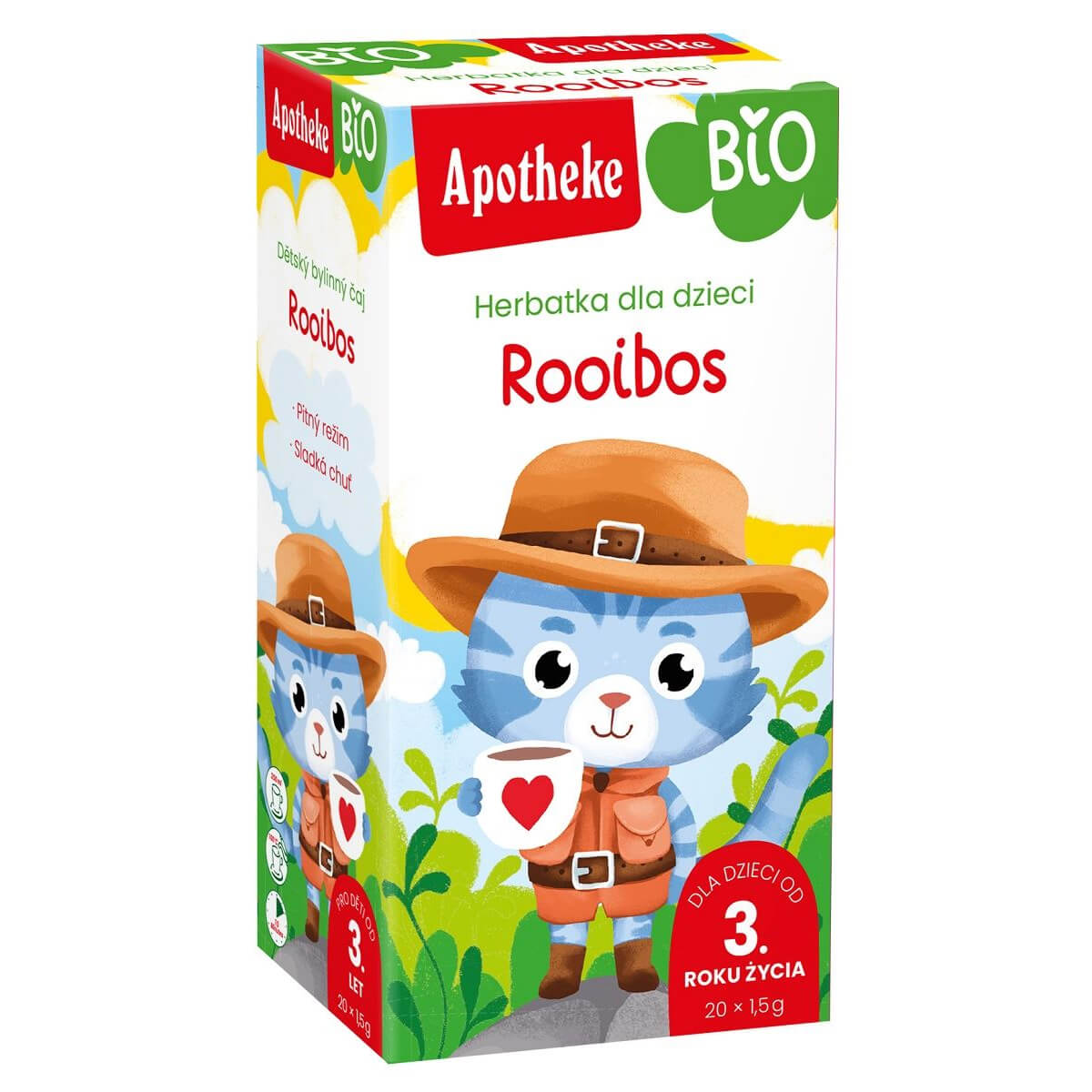
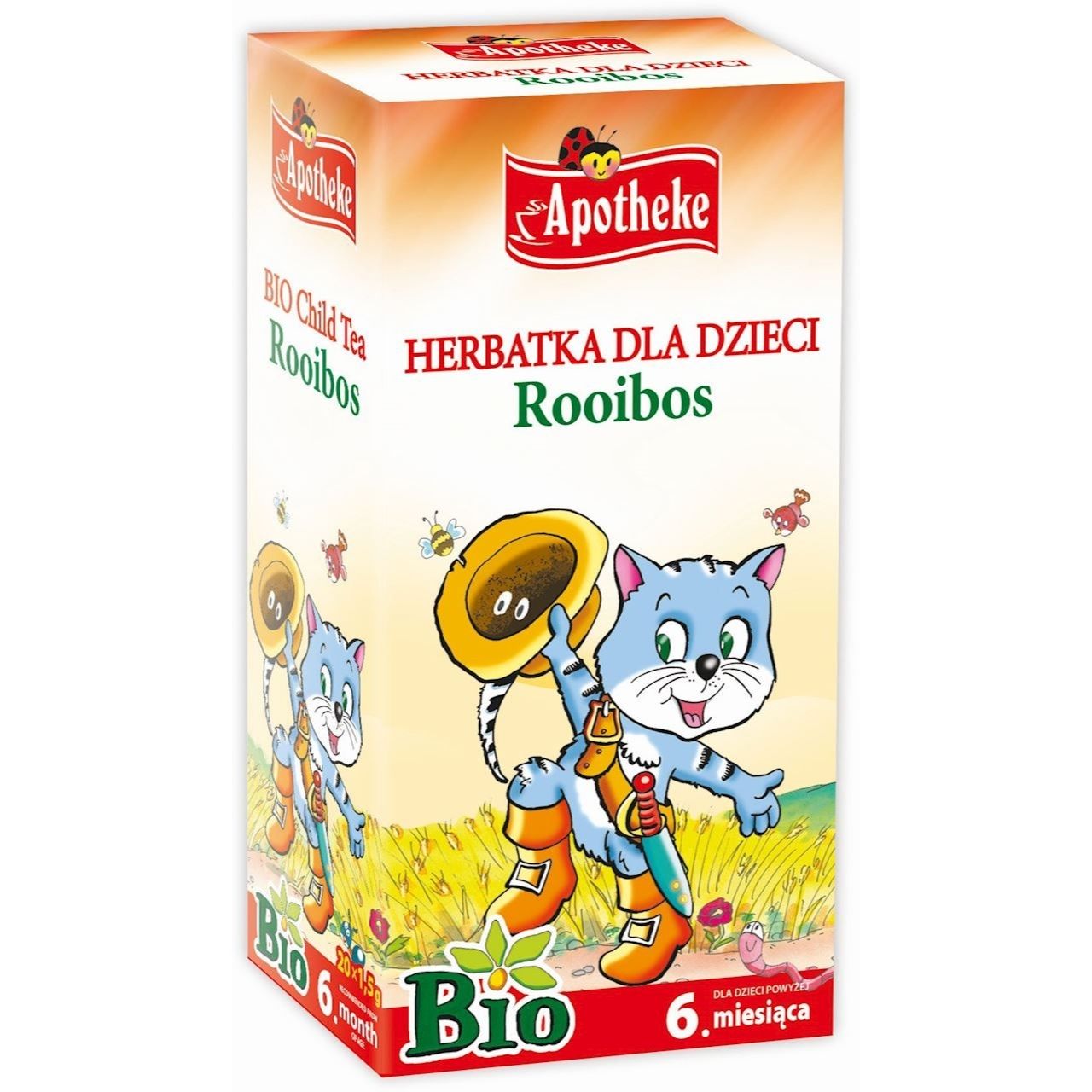
This tea originates from South Africa and isn't true tea because it doesn't come from the leaves of the tea bush. It's an infusion made from the leaves of the redbush tea plant ( Aspalathus linearis ), which has a reddish-brown color and a sweetish flavor.
Organic rooibos tea is rich in antioxidants, vitamin C, and minerals. It contains no theine or caffeine, so it won't stimulate your baby.
It can be given from 6 months of age.
Cleansing
This tea comes from a plant called Cistus incanus , which grows in the Mediterranean basin. It has an intense aroma and a slightly bitter taste.
Rockrose tea has strong antibacterial , antifungal , and antiviral properties. It helps fight infections and strengthens the body's immune system. It contains no theine or caffeine, so it won't stimulate children.
It can be given from 3 years of age.
Black tea
A tea derived from the leaves of the tea plant ( Camellia sinensis ) that has undergone a fermentation process. It has a dark brown color and an intense flavor and aroma.
Organic black tea contains a lot of theine and caffeine, which have a stimulating effect on the body. Therefore, it is not recommended for young children .
It can be given to older children in small amounts and appropriately diluted with water. Black tea also has antioxidant properties and improves concentration.
Green tea
This tea also comes from the leaves of the tea plant ( Camellia sinensis ), but it has not been fermented. It has a light green color and a delicate flavor and aroma.
Organic green tea contains less theine and caffeine than black tea, but it still has a stimulating effect on the body. Therefore, it should be consumed in moderation and appropriately.
Green tea has many health benefits, including antioxidant and anti-inflammatory effects, and lowering cholesterol and blood sugar levels. It can be given to children over three years of age.
What tea is best for babies?
Babies don't need any other beverages than breast milk or formula, which keep them adequately hydrated and provide all the necessary nutrients. It's best to start introducing water and other beverages after 6 months of age.
However, in some situations, small amounts of tea can be given to infants, such as when they have digestive problems, tummy aches, constipation, or diarrhea. In these cases, choose special baby teas that do not contain stimulants like theine or caffeine. Some teas also have healing and calming properties.
If you want to give your baby tea, consider fruit or chamomile teas:
- Fruit tea – this tea has a pleasant, sweet taste and aroma, hydrating the body and providing vitamins and minerals. It can be given to infants from 6 months of age. Choose dried fruit teas, not granulated ones, as the latter contain a lot of sugar. They are theine- and caffeine-free, so they won't stimulate the child.
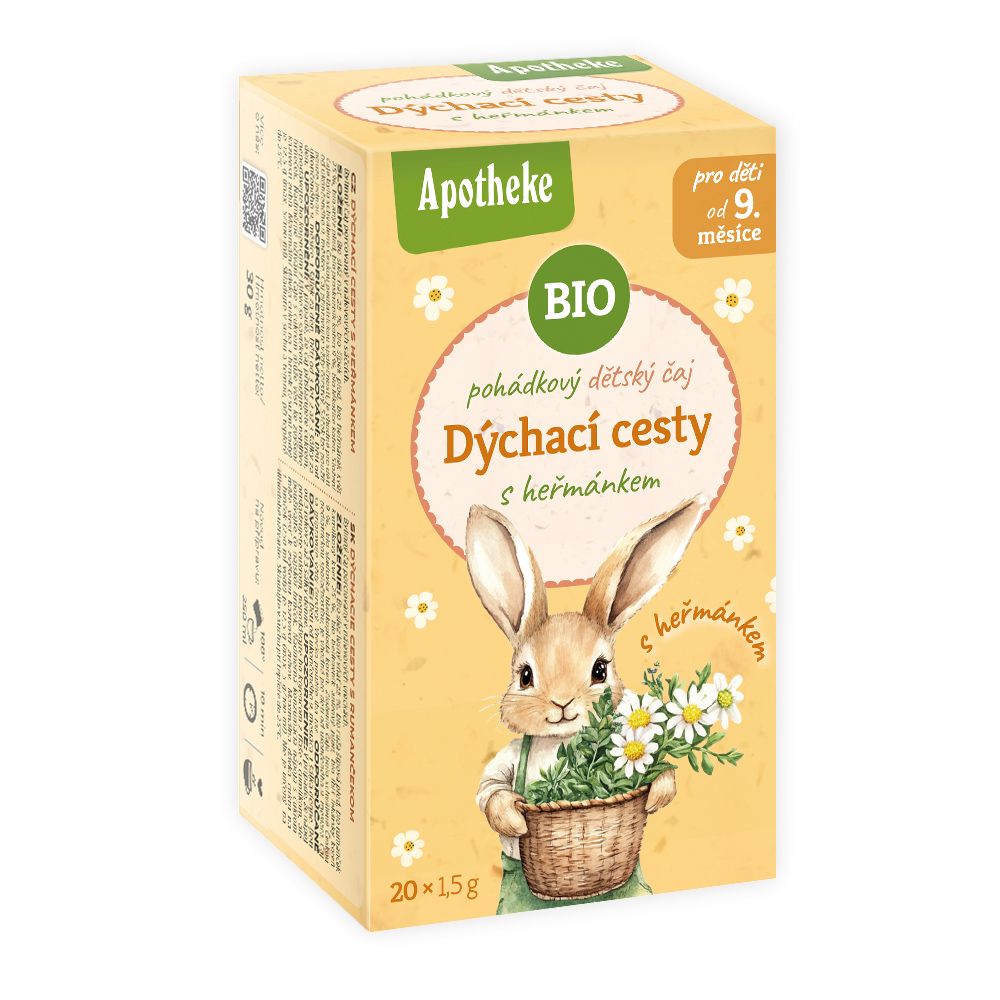
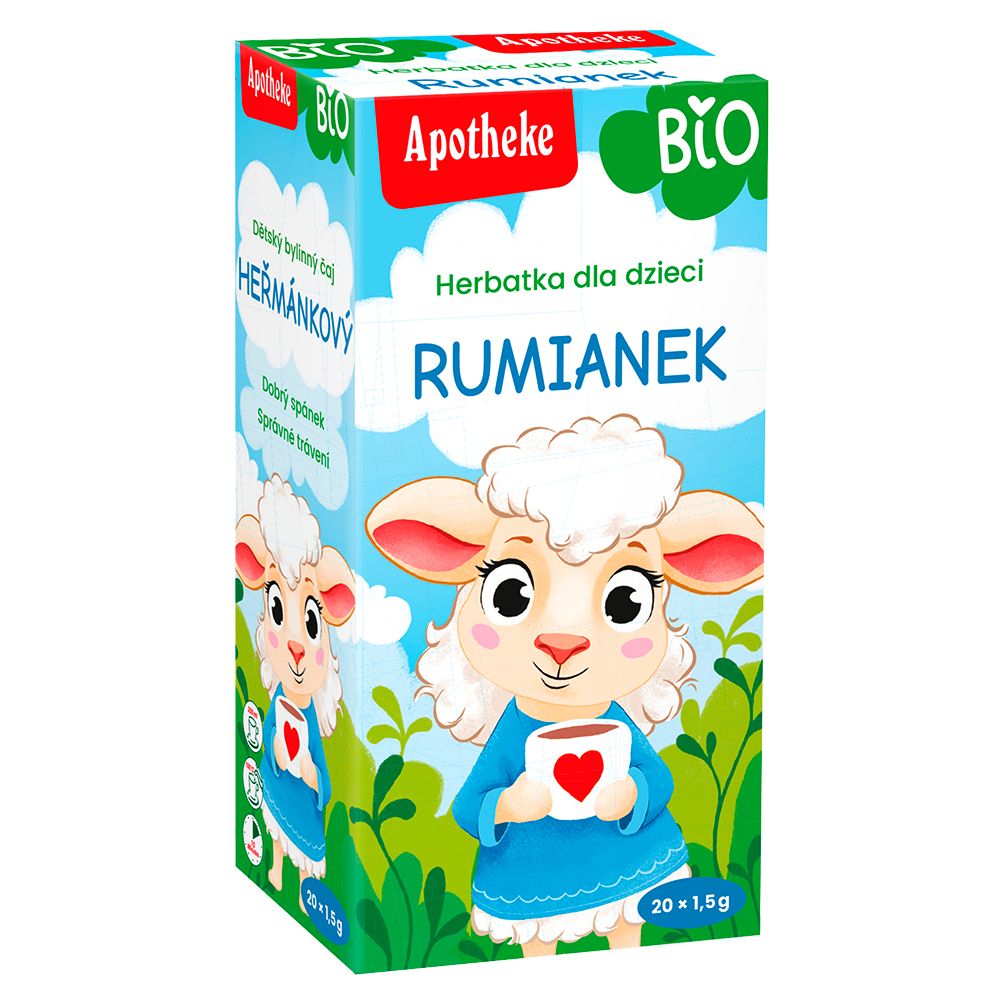
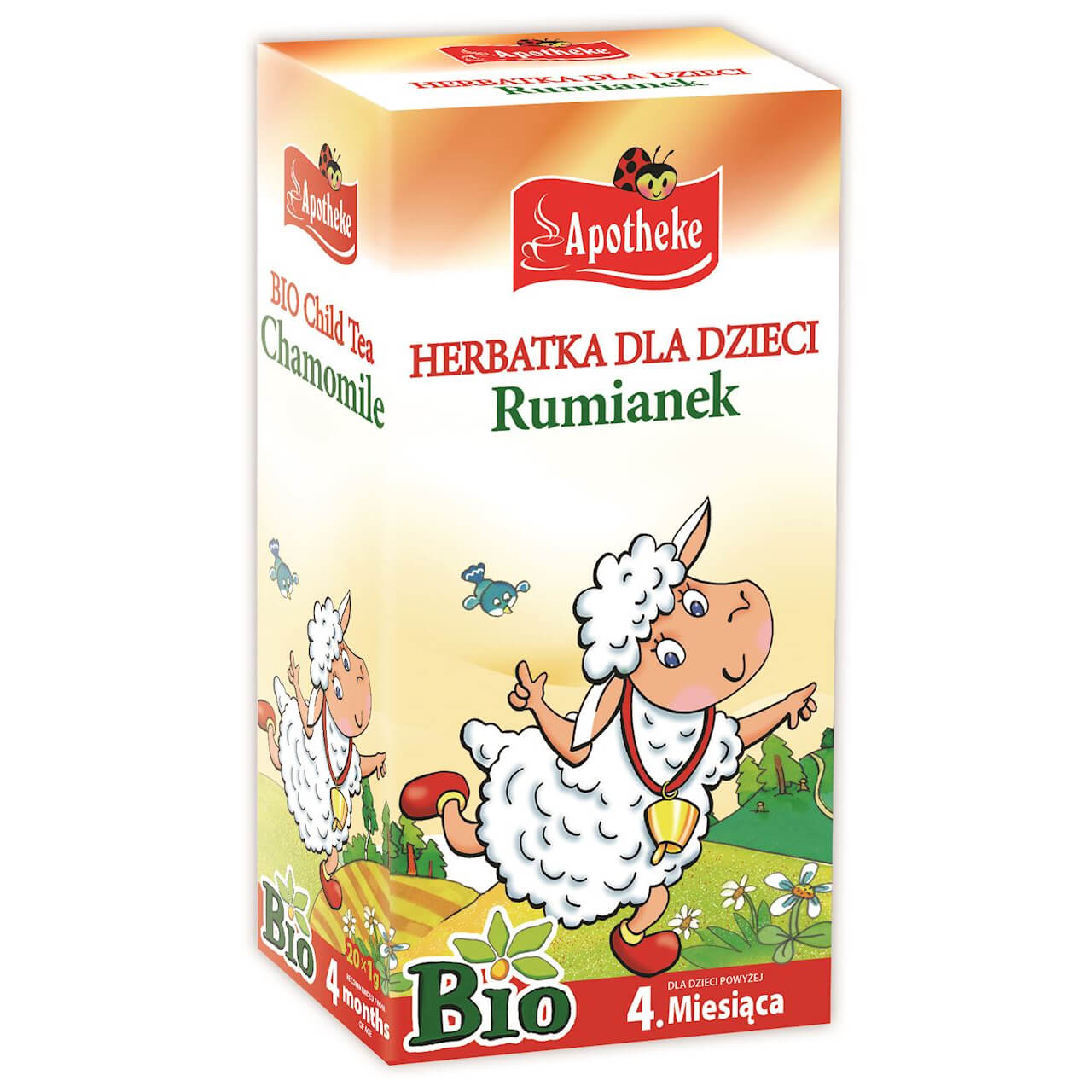
- Chamomile tea is an herbal tea that has a calming and relaxing effect on the body and mind. Chamomile also helps treat inflammation of the skin and mucous membranes and soothes stomach and intestinal irritations. It can be given to infants from three months of age. It's important to pay attention to how your child reacts to the drink. Chamomile tea may cause allergic reactions .
Contraindications to giving tea to infants
Teas containing stimulants such as theine or caffeine should certainly not be given to infants. These include black, green, red, or white teas. Theine and caffeine can negatively impact a child's heart rate and blood pressure, and disrupt sleep and mood.
The popular fennel tea is also controversial. This herbal tea aids digestion and relieves stomach aches and flatulence in infants. Fennel also has antispasmodic and anti-inflammatory properties. However, it should be used in moderation, or not at all! It contains estragole, which can disrupt hormonal balance and accelerate puberty in children. It's worth consulting a specialist before choosing one.
Most herbal teas are also a poor choice for such young children. For hundreds of years, herbs have been used primarily for healing. The substances they contain have serious effects on the human body. These beverages are intended for older children and adults and should be used with caution.
How to prepare tea for a child?
To ensure that children's teas are both delicious and healthy, they must be prepared properly. Here are some tips:
- Choose high-quality teas from reputable producers and appropriate for your child's age and needs. Avoid teas containing artificial flavors, colors, preservatives, or sugar.
- Brew teas in clean, boiled water at the appropriate temperature . This is typically around 95°C for black and herbal teas and around 80-90°C for green and fruit teas. Don't brew tea in water that's too hot or too cold, as this can affect the tea's flavor and properties.
- Steep teas for the appropriate amount of time . Typically, this is about 3-5 minutes for black and green teas and about 5-10 minutes for herbal and fruit teas. Don't steep the tea for too long or too short, as this can affect the tea's flavor and properties.
- Serve tea in appropriate amounts and dilution . Typically, this is around 100-150 ml for older children and around 50-100 ml for younger children. You can dilute the tea with water or milk to reduce its strength and change its flavor.
- Serve tea at the appropriate temperature . Typically, this is around 40-50°C for older children and around 30-40°C for younger children.
- Serve teas without added sugar or honey . Sugar and honey can be harmful to a child's health, especially their teeth and weight. If you want to sweeten your child's tea, you can use a small amount of natural sweeteners like stevia or xylitol .
Benefits of natural teas for children
Teas are beverages with numerous flavors and health benefits. As your child grows older, it's worth incorporating them into their daily diet.
They have many benefits for children's health and well-being:
- They hydrate the body . Children need relatively more fluids than adults because they have a larger body surface area relative to their body weight and lose water through the skin more quickly. Teas are a good source of fluids, which supplement a child's needs and help maintain a proper water balance.
- They provide vitamins and minerals . Teas, especially fruit and herbal teas, contain various vitamins and minerals essential for the proper development and functioning of a child's body. Some of these include vitamin C, vitamin A, vitamin K, folic acid, iron, potassium, magnesium, and calcium. Teas can supplement these nutrients in a child's diet or enhance their absorption.
- They improve digestion and soothe gastrointestinal discomfort . Teas, especially herbal teas, have digestive and digestive-regulating properties. Some examples include fennel, mint, lemon balm, chamomile, and linden. They help relieve intestinal spasms, relieve abdominal pain and bloating, prevent or treat constipation or diarrhea, and soothe an irritated stomach.
- They strengthen immunity and help fight infections . Teas, especially herbal and rooibos teas, have antibacterial, antifungal, and antiviral properties. They help fight pathogenic microorganisms and strengthen a child's natural immunity. They can be used as a preventative measure or to aid in the treatment of colds, flu, or strep throat.
- They soothe and relax . Teas, especially herbal and rooibos teas, have calming and relaxing properties for the body and mind. Some examples include lemon balm, chamomile, linden, and rooibos. They help reduce stress and nervous tension and improve a child's mood and sleep quality. They can be used as a sleep aid or to alleviate anxiety and neurosis.
Organic teas for children at the Żywioł Zdrowia store
We invite you to browse our selection of organic teas for children and choose the ones that best suit your little one's preferences and needs.
In our store, you'll find teas in a variety of flavors and aromas, perfect for both everyday use and special occasions. Whether you're looking for a calming, stimulating, healing, or simply delicious tea, you're sure to find something for you and your child. You can also enhance the flavor of your child's tea with sweet organic honey .
Order today and enjoy a healthy and natural drink!