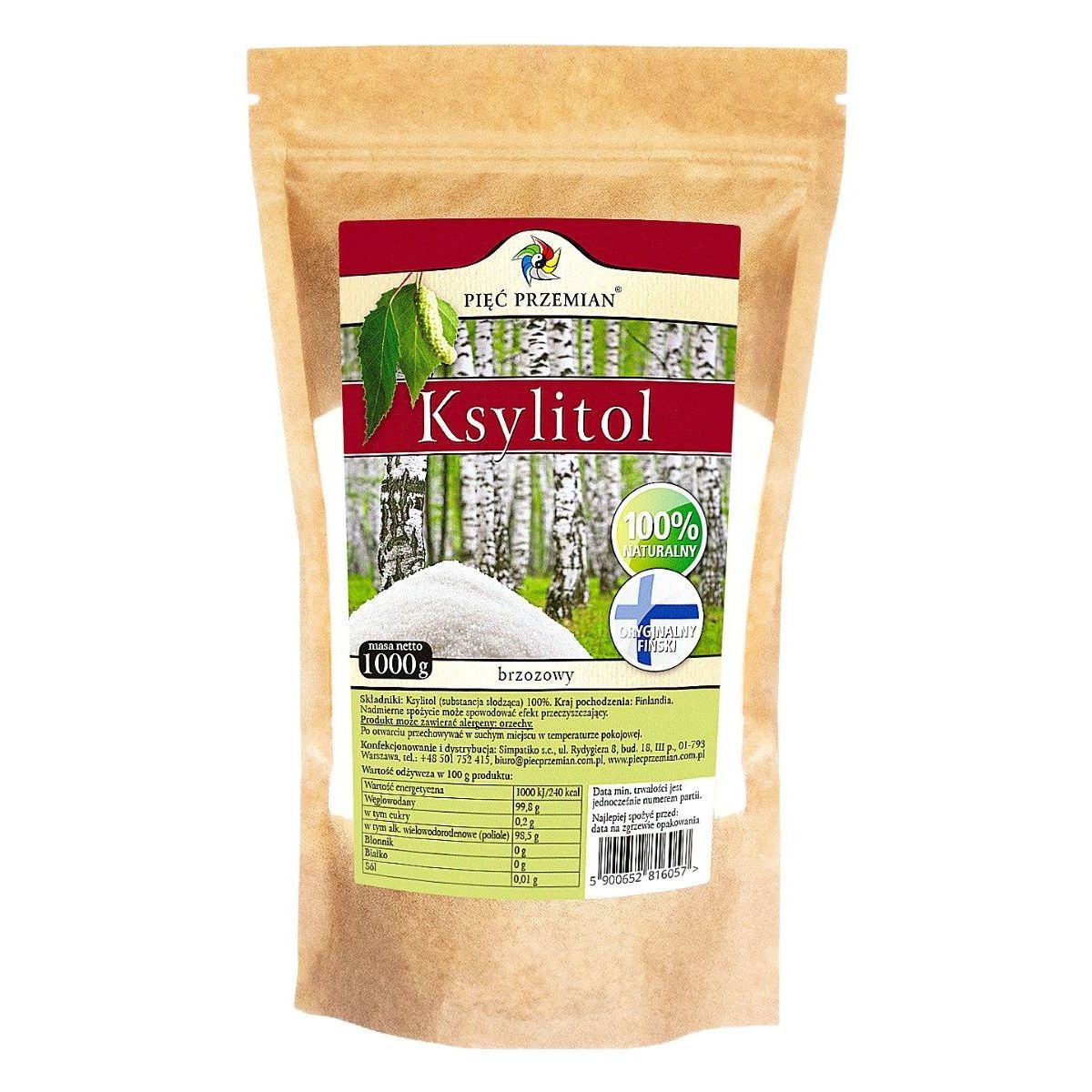
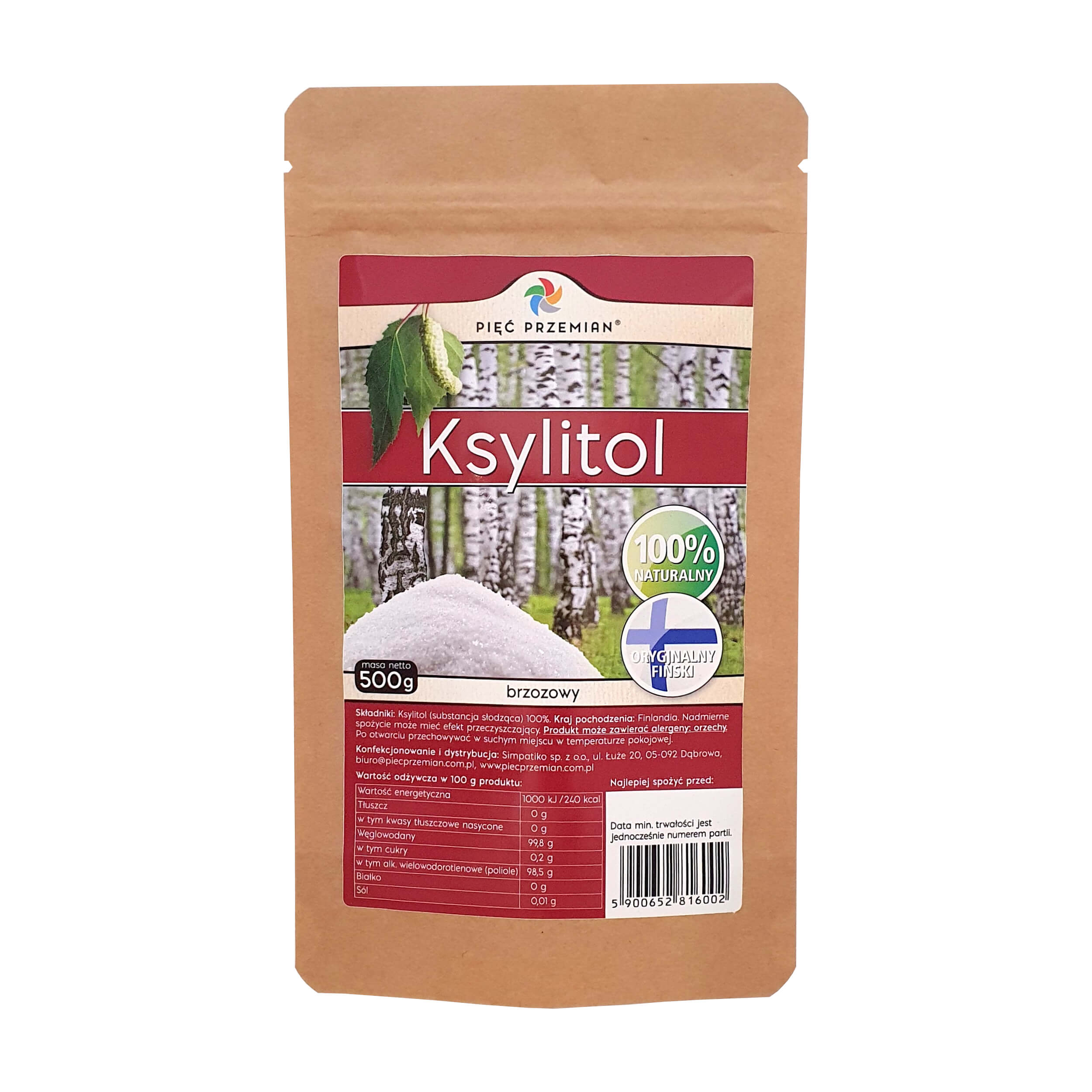
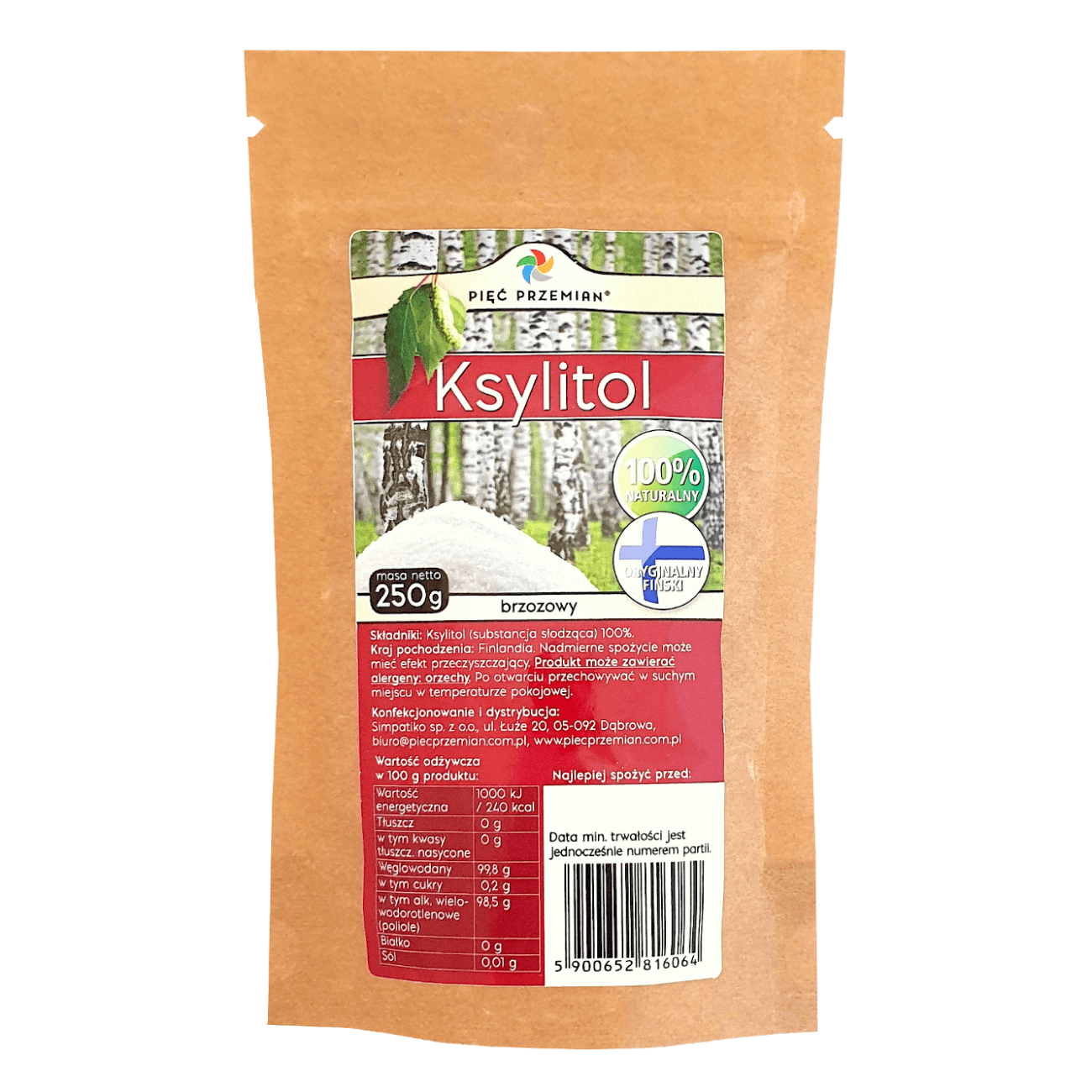
Xylitol
3 products
Showing 1 - 3 of 3 products
Xylitol is a natural sweetener with numerous health and beauty benefits. It's a chemical compound found naturally in some fruits, vegetables, and mushrooms. Historically, it was extracted from birch bark, hence its common name, "birch sugar."
It is recommended as a healthier alternative to traditional sugar because it has a lower glycemic index, lower calorie content, and does not require insulin for metabolism. Furthermore, xylitol does not cause tooth decay and actually inhibits the growth of bacteria and fungi in the oral cavity.
What is xylitol?
Xylitol is a five-carbon polyhydroxy alcohol with the molecular formula C5H12O5. It is a reduced derivative of xylose, a simple sugar belonging to the pentose group.
Xylitol has a sweet taste similar to sucrose, but is 40% lower in calories. Its energy value is 240 kcal/100 g, while sucrose has 400 kcal/100 g. Xylitol also has a lower glycemic index (GI), a measure of how quickly blood glucose levels rise after consuming a food. Xylitol's GI is 8, while sucrose's is 70.
This means that birch sugar does not cause sudden spikes in blood sugar , which is beneficial for people with impaired glucose tolerance or diabetes. It is also metabolized with a small amount of insulin, the hormone responsible for transporting glucose into cells. Therefore, it does not burden the pancreas and does not contribute to obesity.
How is xylitol made?
This Finnish sugar occurs naturally in some fruits, vegetables, and mushrooms . The largest amounts are found in berries, plums, pears, corn, cauliflower, mushrooms, and yeast. It is also produced in the human body during digestive processes. It is estimated that humans produce about 15 grams of xylitol daily. Therefore, it is a natural substance and safe for humans.
It can also be produced artificially from xylose, which is obtained from plant biomass, such as birch bark, wheat straw, corn husks, or wood waste. The process of obtaining birch sugar involves hydrogenating xylose in the presence of a catalyst, such as Raney nickel.
Xylitol obtained this way is purified and crystallized, and then used in the food industry as a sweetener. It is also used in cosmetics and pharmaceuticals as an ingredient in toothpastes , mouthwashes, face creams , lip balms, and other products.
What are the uses of Finnish sugar?
Finnish sugar is a versatile sweetener that can be used in many situations. Here are a few examples:
In the kitchen
Xylitol can be used as a sugar substitute in various recipes for cakes, cookies, jams, liqueurs, drinks, ice cream, mousses, puddings, and other desserts. It has a similar sweetness and volume to sugar, so it can be used in the same proportions.
However, it's important to remember that it has a lower melting and crystallization point, which can affect the consistency of some products. It doesn't caramelize, so it's not suitable for making caramel, honey , or icing.
In cosmetics
Xylitol has moisturizing, anti-inflammatory, and antibacterial properties, which is why it's often added to dental, skin, and hair care products. It helps remove plaque, prevents cavities and gingivitis, eliminates unpleasant breath, and improves tooth enamel mineralization. This is why it's found in toothpastes, mouthwashes, chewing gums, and candies.
Xylitol also improves skin condition, reduces redness, soothes irritation, and promotes wound healing. It can be found in face creams, lip balms, masks, scrubs, and toners. It also strengthens hair, preventing breakage and hair loss, and adds shine and volume. It can be used in shampoos, conditioners, masks, and hair oils.
In medicine
Xylitol has a beneficial effect on overall health. It helps regulate blood sugar and insulin levels, which is important for people with diabetes or insulin resistance. It aids digestion, improves intestinal and liver function, prevents constipation and diarrhea, and limits the growth of molds and yeasts in the digestive tract.
It also strengthens the immune system, delays the aging process, improves the condition of bones and teeth, and increases the absorption of calcium from the diet.
It can be helpful in the treatment of certain diseases and ailments, such as: otitis media, sinusitis, allergies, asthma, fungal infections, osteoporosis, kidney stones, rheumatoid arthritis, Alzheimer's disease and Parkinson's disease.
As you can see, birch sugar is not only a sweetener but also a valuable ally in maintaining your health and beauty. You can use it in many ways, always remembering to use it in moderation and appropriate dosage.