Soy sauces
8 products
Showing 1 - 8 of 8 products
Many of us love Asian cuisine. Saltiness, sweetness, spiciness—many flavors blended together, creating wonderful, balanced compositions. What are the first associations with Asian cuisine? Chicken, rice noodles, sushi, of course. However, an ingredient essential to many oriental dishes is soy sauce!
What is soy sauce and how is it made?
Soy sauce is a mixture of wheat, water, salt and soybeans , prepared in an appropriate fermentation process.
First, the wheat is ground and the soybeans are steamed. Then, both ingredients are mixed with koji (a type of fungus), which ferments. Of course, the koji must be at the right temperature to begin fermenting.
After two days, a semi-finished product called moromi is created. This pulp is then poured into a wooden barrel. Salt water completes the resulting mixture. The barrel's contents must be thoroughly mixed and aerated to increase the yeast's activity.
After a year and a half of fermentation, the finished soy sauce is pressed using a special machine and cloth. The resulting sauce is light in color. To obtain a darker variety, it must be returned to the barrel for another two years.
The process described here is the production of soy sauce in accordance with centuries-old traditions. Today, much of the human labor is replaced by machines, and wooden barrels have been replaced by metal vats.
Soy sauce - use and properties
Soy sauce can be a base for more complex mixtures, such as Pad Thai, where, combined with tamarind paste, fish sauce, and chili, it creates the perfect flavor balance. It can also be used as a salt substitute or added to stir-fried vegetables to enhance their flavor. It's also an ideal marinade for meats (chicken, beef, fish, and seafood) and, for a vegetarian option, tofu.
The main advantage of soy sauce, besides its flavor, is its high protein content . Of course, we're talking about a high protein content for a sauce that complements a dish. Furthermore , soy sauce is rich in B vitamins , which have a positive effect on skin, hair, and nails, making them healthier and more durable.
Additionally, these vitamins support brain function. Students facing important exams and those in the middle of a study session—a quick Pad Thai with soy sauce before studying is highly recommended for concentration and improved memory! However, the chemical composition of soy sauce indicates that its main benefit lies in its richness in antioxidants, which slow down the aging process. It also works well as a marinade for meats, mixed with extra virgin olive oil .
What is the difference between light and dark soy sauce?
The main difference comes from the fermentation process. Dark soy sauce ferments significantly longer than light soy sauce . In terms of flavor and consistency, dark soy sauce is thicker and more intense. Use it if you're making a marinade for meat or need to enhance the flavor of rice noodles, chow mein, or konjac noodles . Light soy sauce is better suited for seasoning prepared dishes like soups, stir-fried meats, or to subtly modify the flavor of a sauce.
Organic soy sauces in the Żywioł Zdrowia store
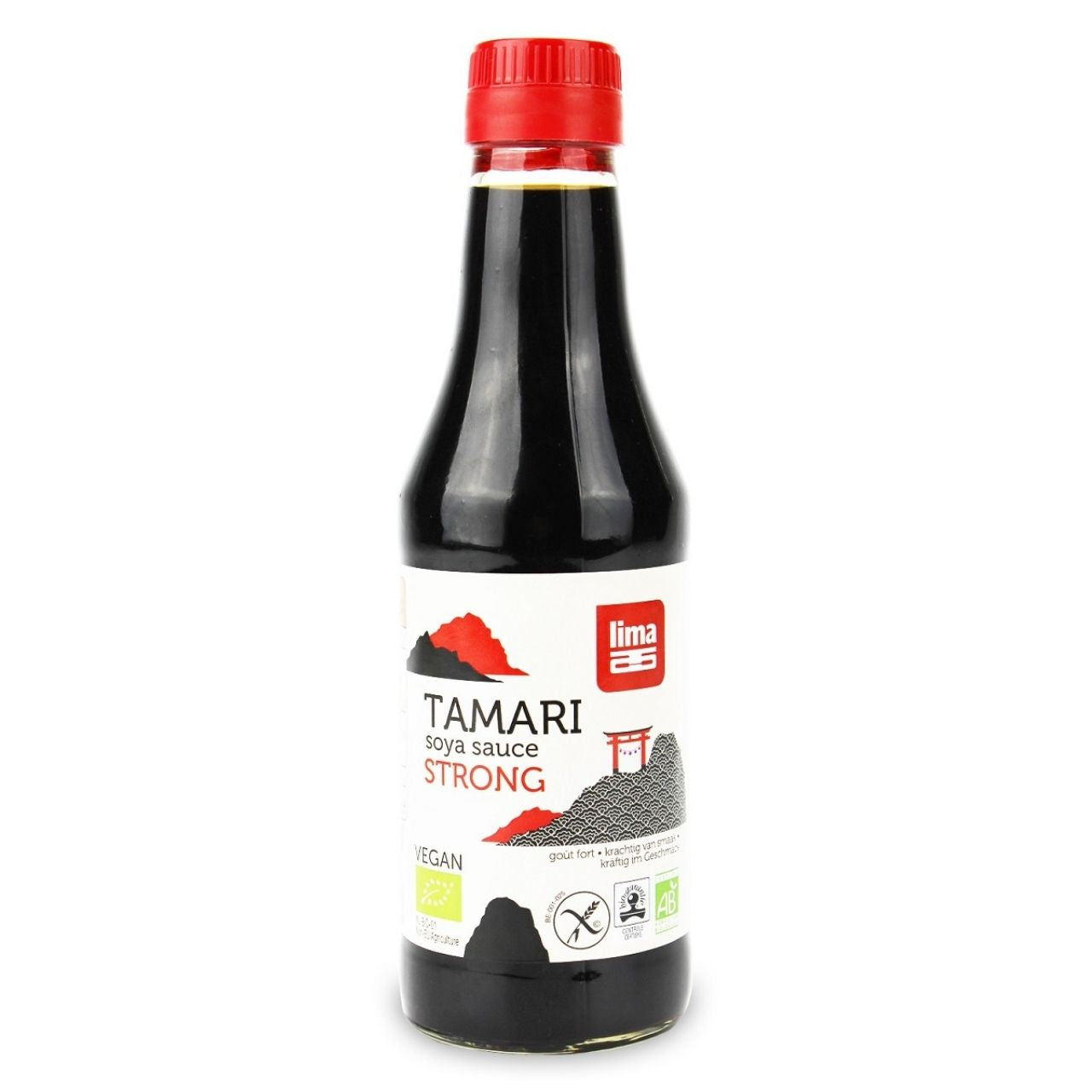
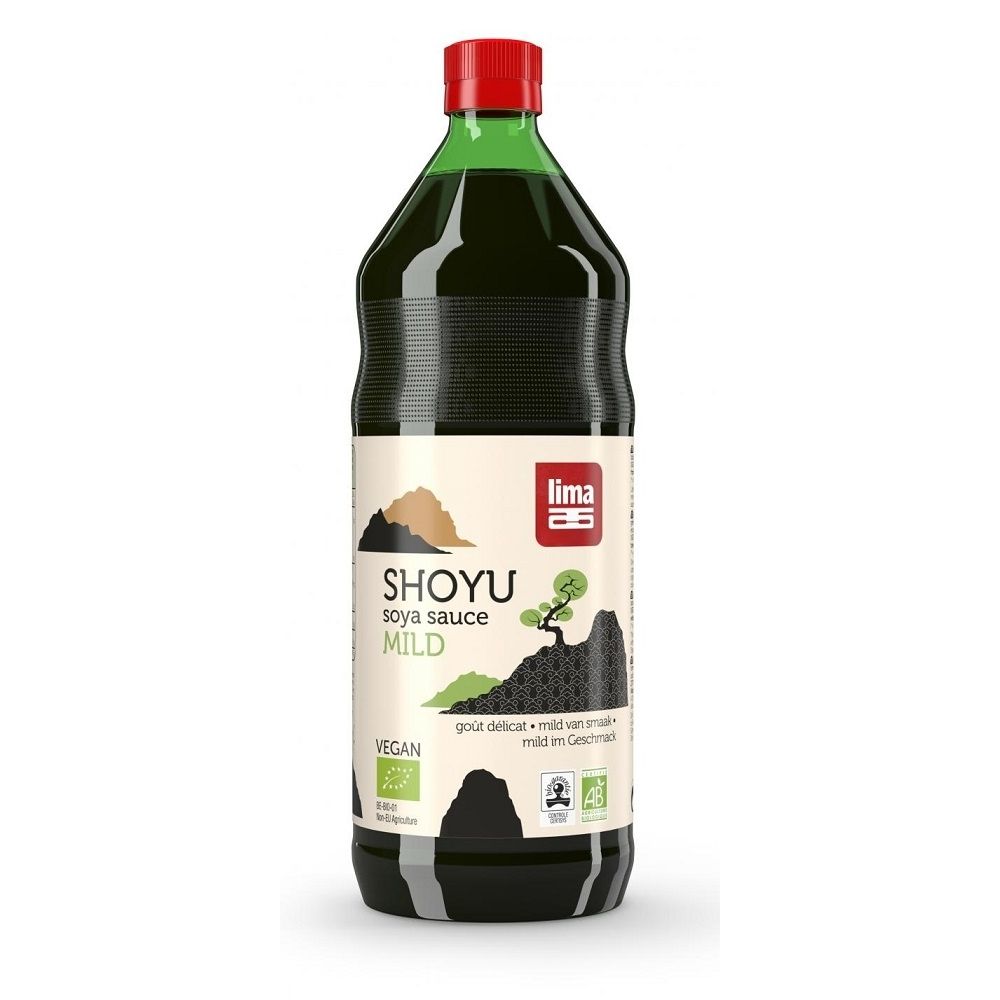
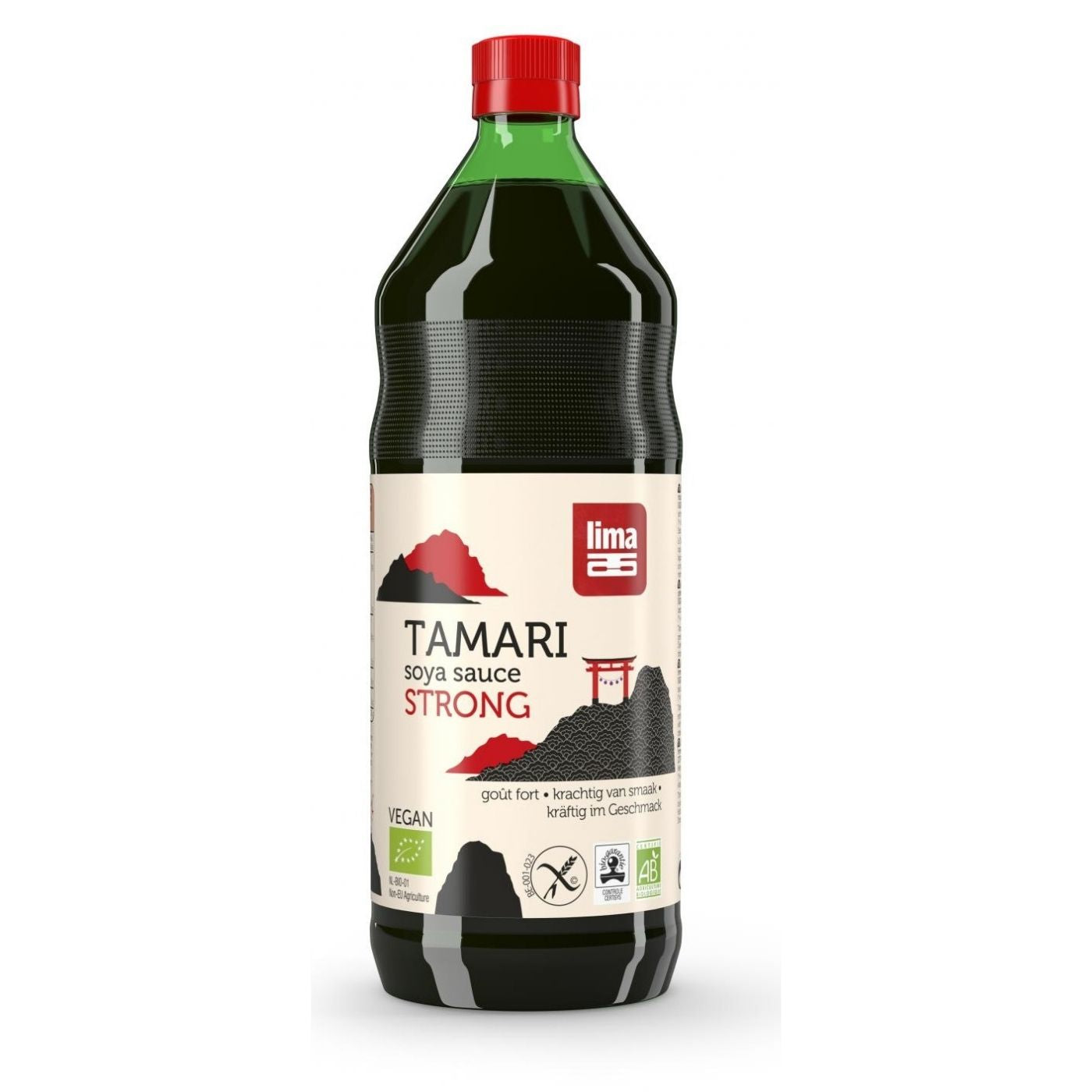
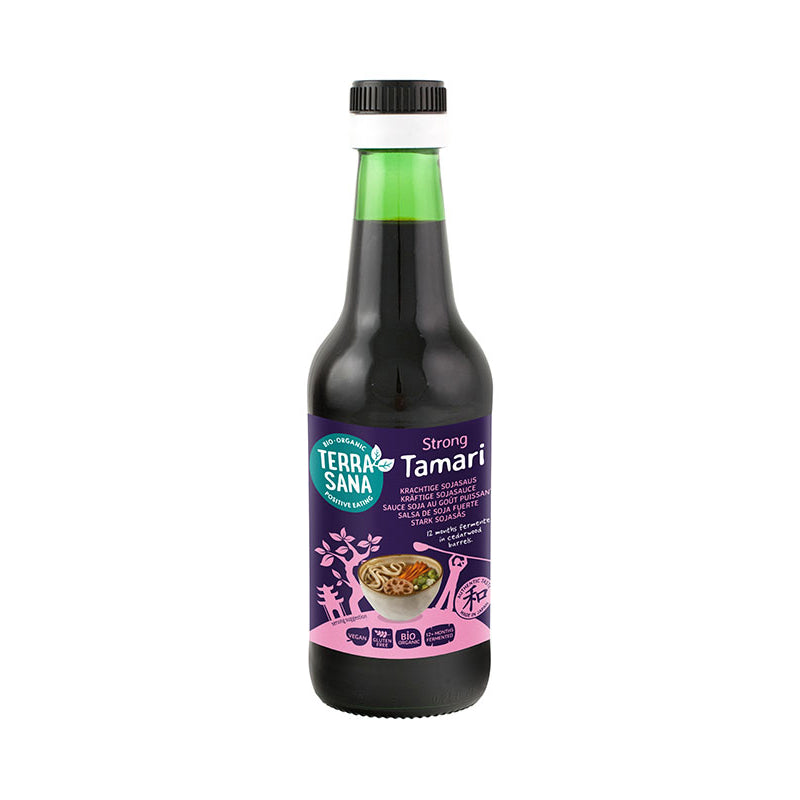
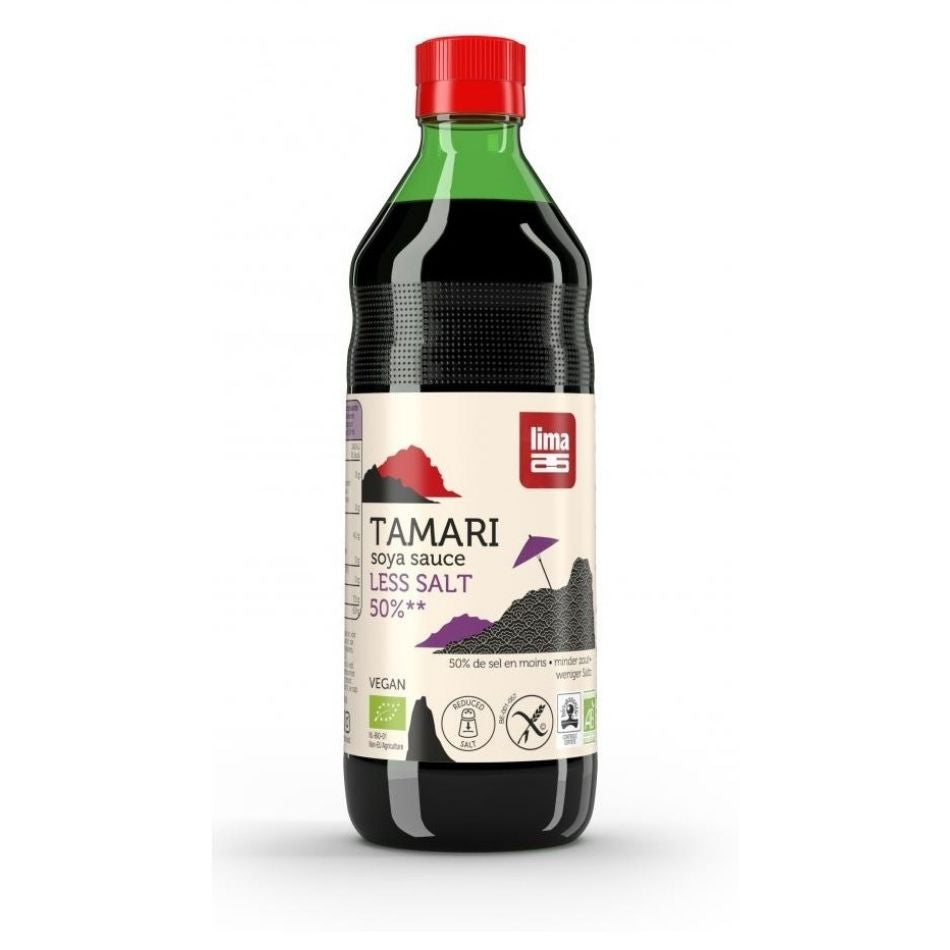
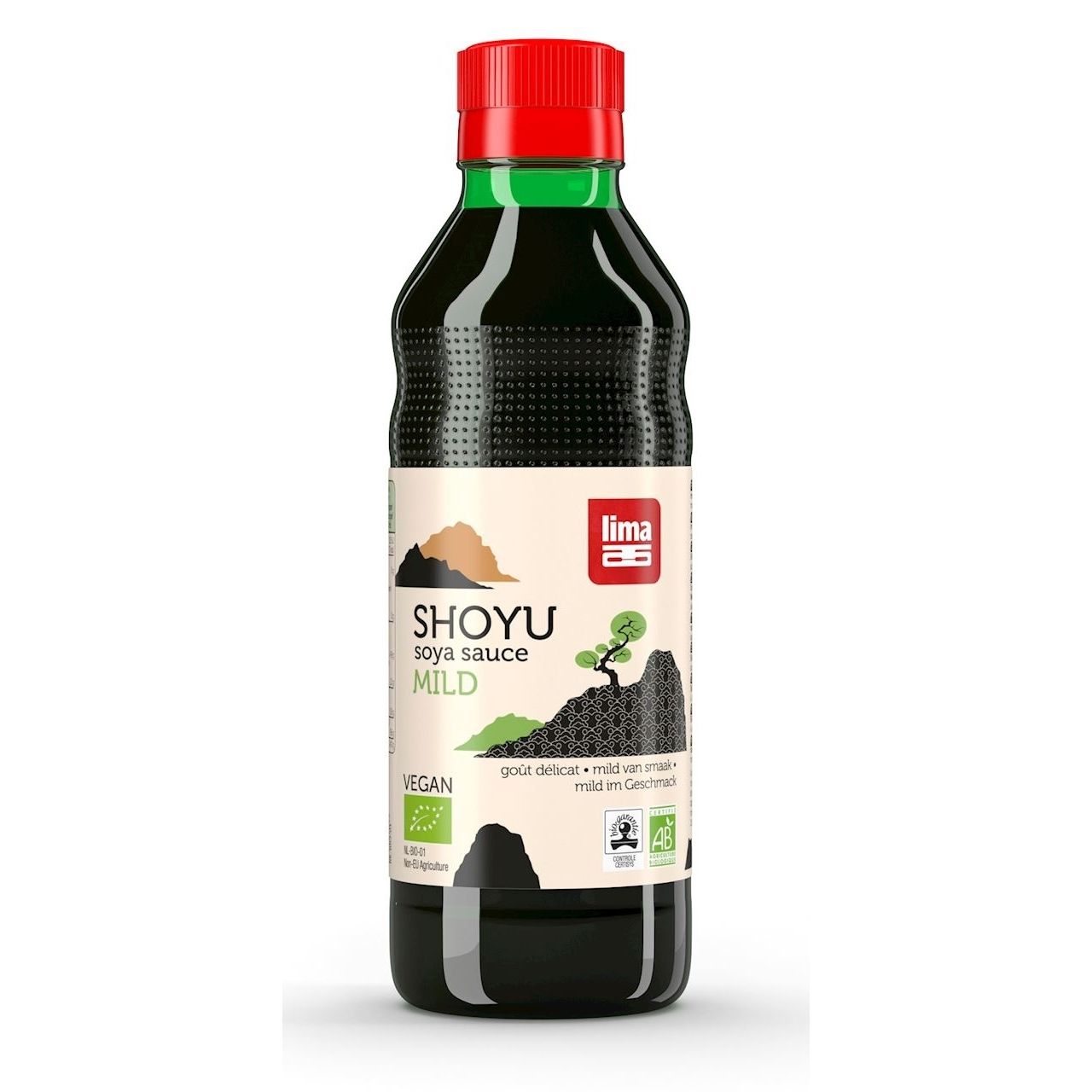
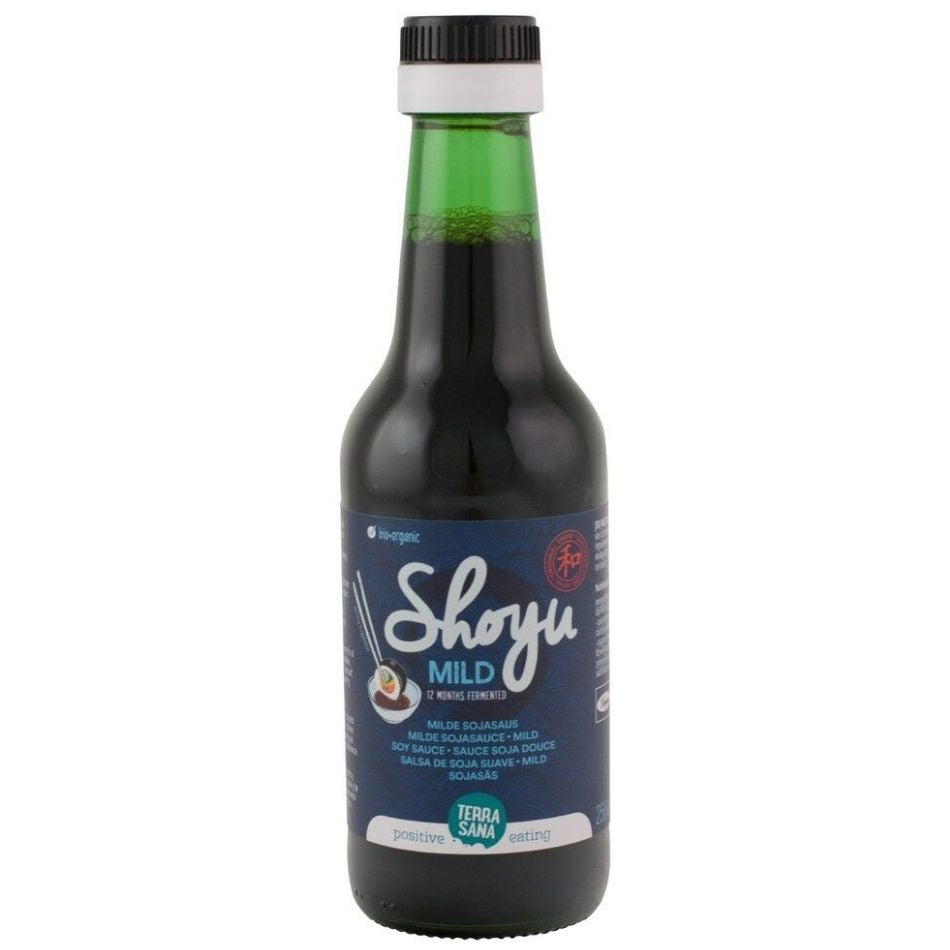
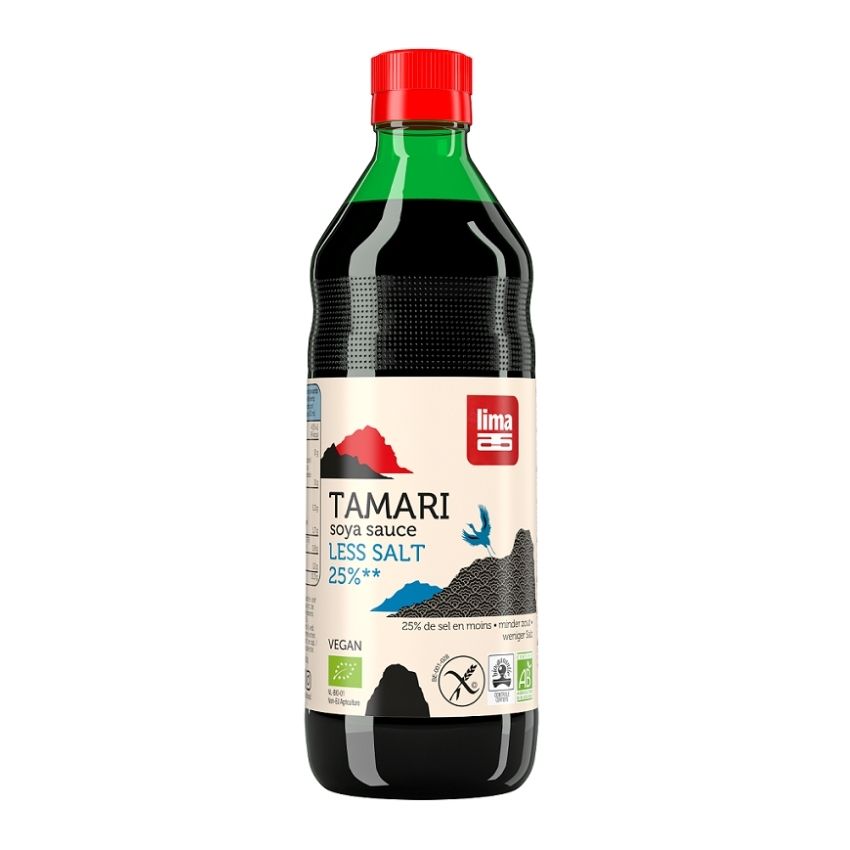
At the Żywioł Zdrowia store, you'll find organic varieties of soy sauce, such as Tamari and Shoyu. Tamari is gluten-free and wheat-free. It was introduced so that those with allergies can also enjoy the flavors of Asian cuisine. Shoyu soy sauce is significantly sweeter and milder in flavor than Tamari and has a lighter color.
We invite you to learn more about our soy sauce offerings and choose the one that best suits the dishes you prepare in your kitchen!