Chocolate is one of those products that enjoys unfailing popularity. Sweet and aromatic, it works perfectly as an addition to many dishes, as well as a standalone treat. The origins of chocolate date back over 4,000 years to Central America. The local peoples discovered a drink made from cocoa beans, which over time grew into the drink of the gods.
Properties of organic chocolate
Made from natural cocoa, chocolate is a true treasure trove of health-promoting substances, although we mainly appreciate it for its incredible taste and as a boost during moments of low energy. The minerals and vitamins contained in chocolate comprehensively support the body. This is due to the basic ingredient of chocolate: cocoa.
In addition to energy from carbohydrates, natural chocolate provides a significant portion of magnesium, which is an essential component for the nervous system, circulatory system, and muscles. Cocoa also provides other nutrients. These include iron, potassium, zinc, copper, antioxidants, B vitamins, and vitamins A and E.
The BIO chocolate available from us regulates blood pressure and cholesterol levels, preventing embolisms, heart attacks, and atherosclerosis. It supports brain function (much like whole-grain bread made from organic flour), which helps us be more focused and efficient at work. During increased physical exertion, it is good to fuel up with a piece of chocolate. It will provide a boost of extra energy during an intense workout, a mountain hike, or even during demanding work or travel. The ingredients contained in bio chocolate raise serotonin levels, the hormone of happiness, which improves mood.

One of the most valued components of chocolate are polyphenols (including flavonoids), which exhibit antioxidant activity. They fight free radicals that contribute to the acceleration of body aging and the development of cardiovascular diseases. They have a positive effect on the circulatory system - they prevent embolisms and blood clots that block blood flow and neutralize the negative effects of bad cholesterol. Regularly consuming a small portion of dark chocolate can significantly reduce the risk of developing heart disease.
It is also worth noting that among other sweets, chocolate is the least harmful to teeth and may even prevent the development of cavities.
Despite all its advantages, one should consume organic chocolate in moderation. It is a high-calorie product that can lead to exceeding daily caloric needs and cause weight gain. Side effects of too much chocolate can also include headaches and digestive problems. It is not a product recommended for diabetics.
Types of chocolate
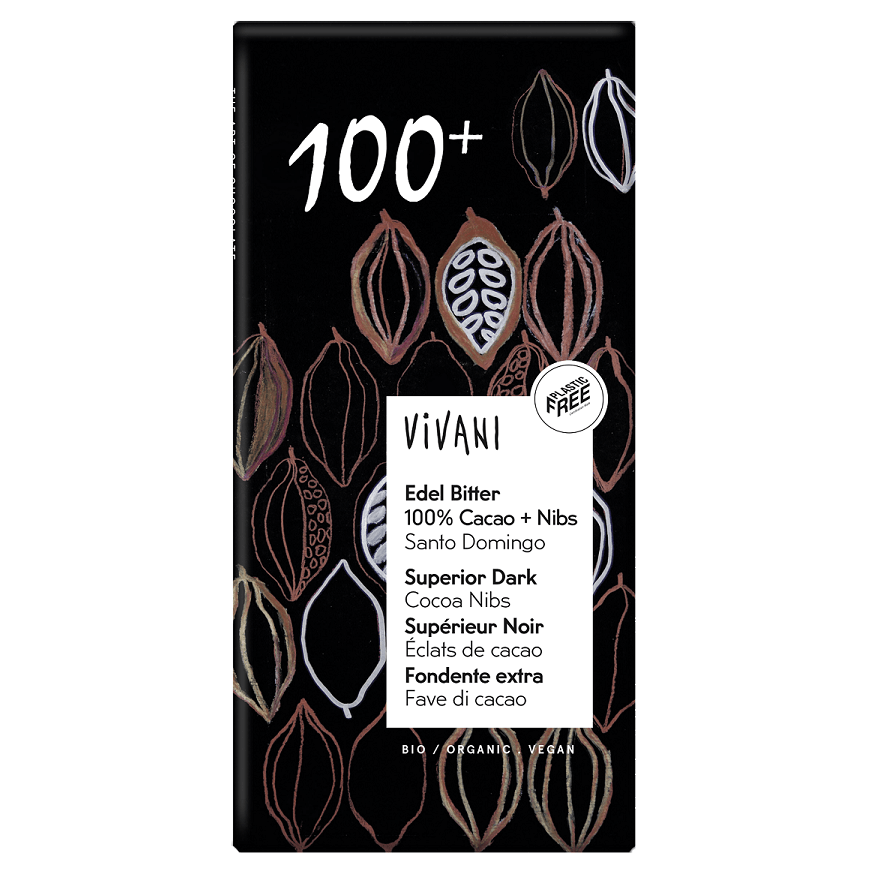
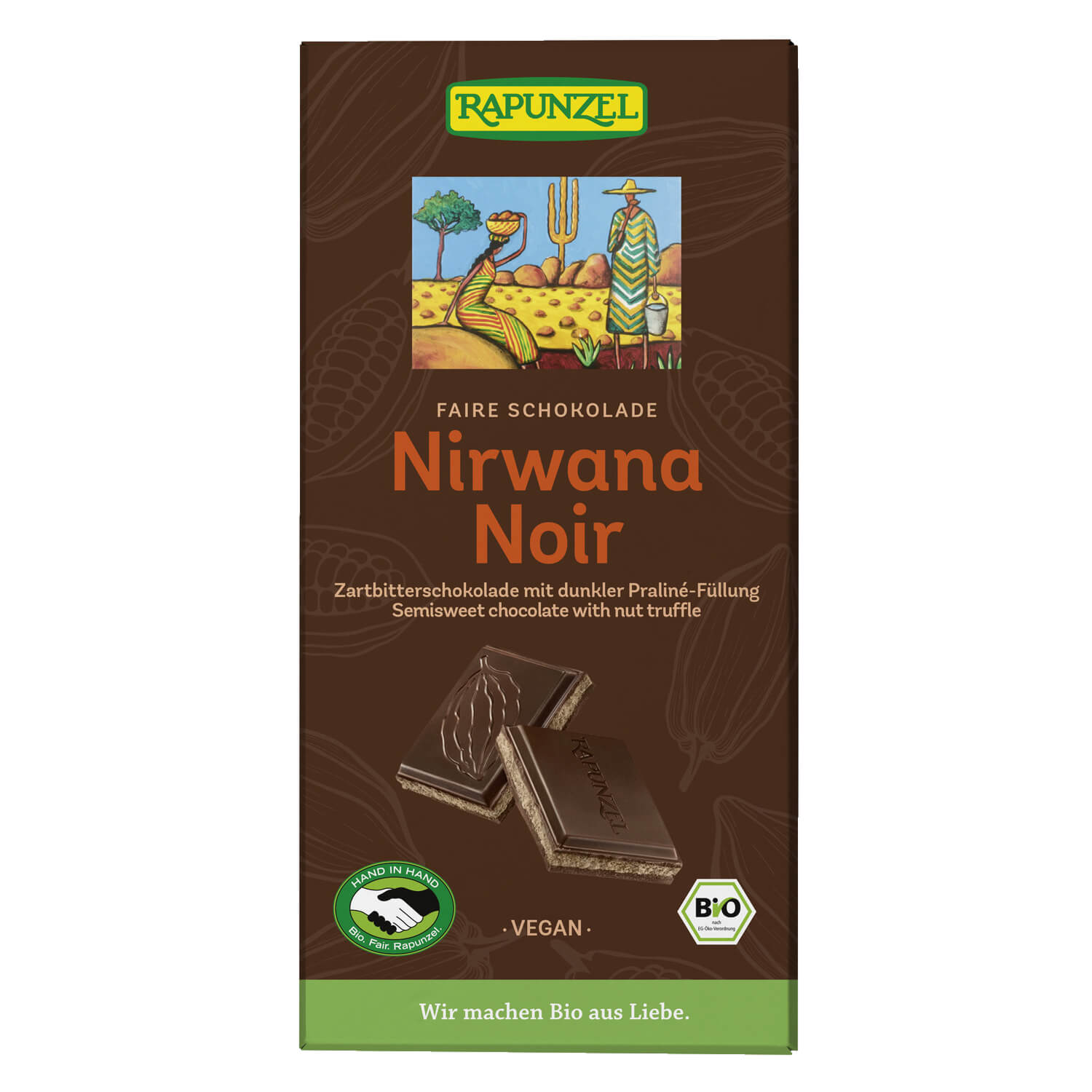
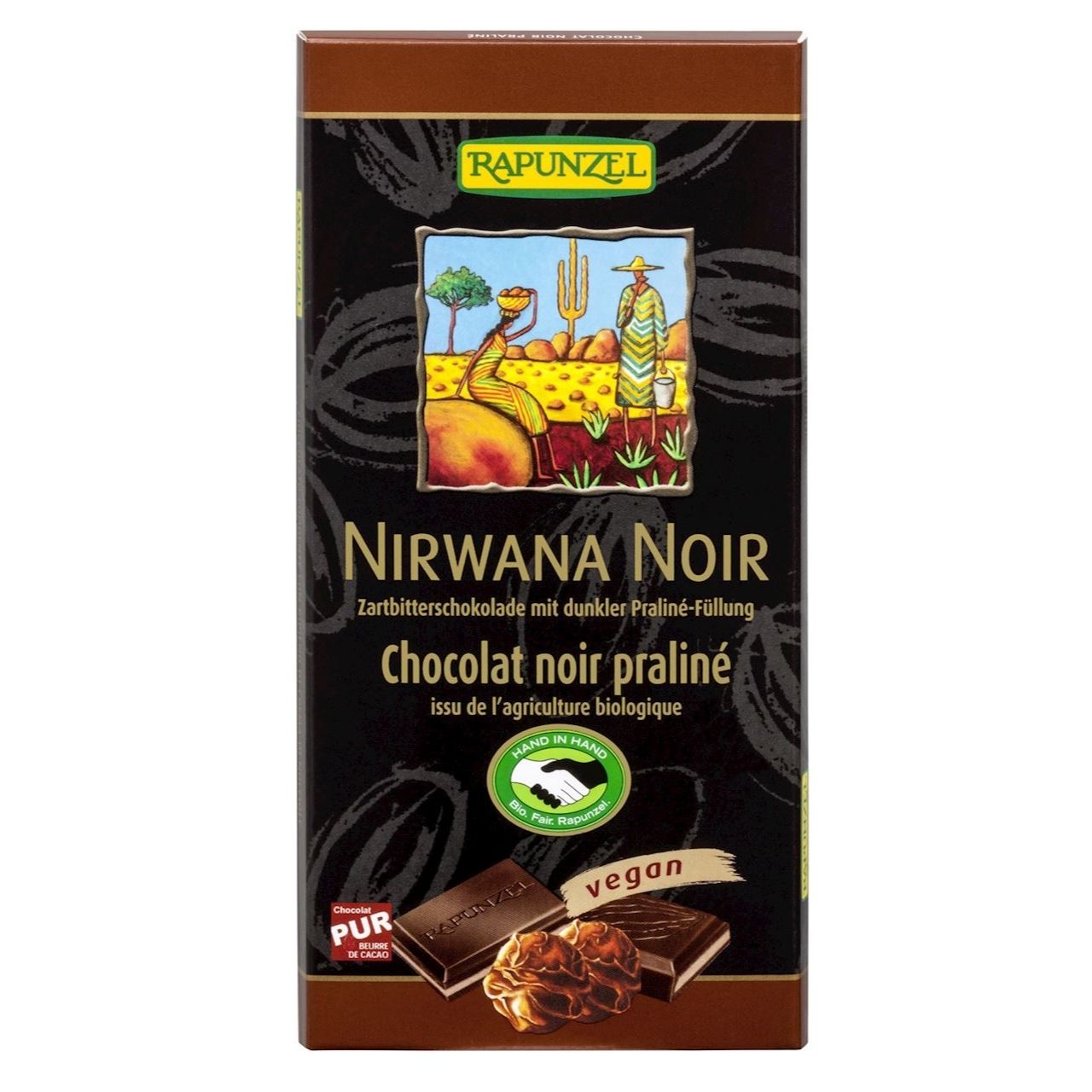
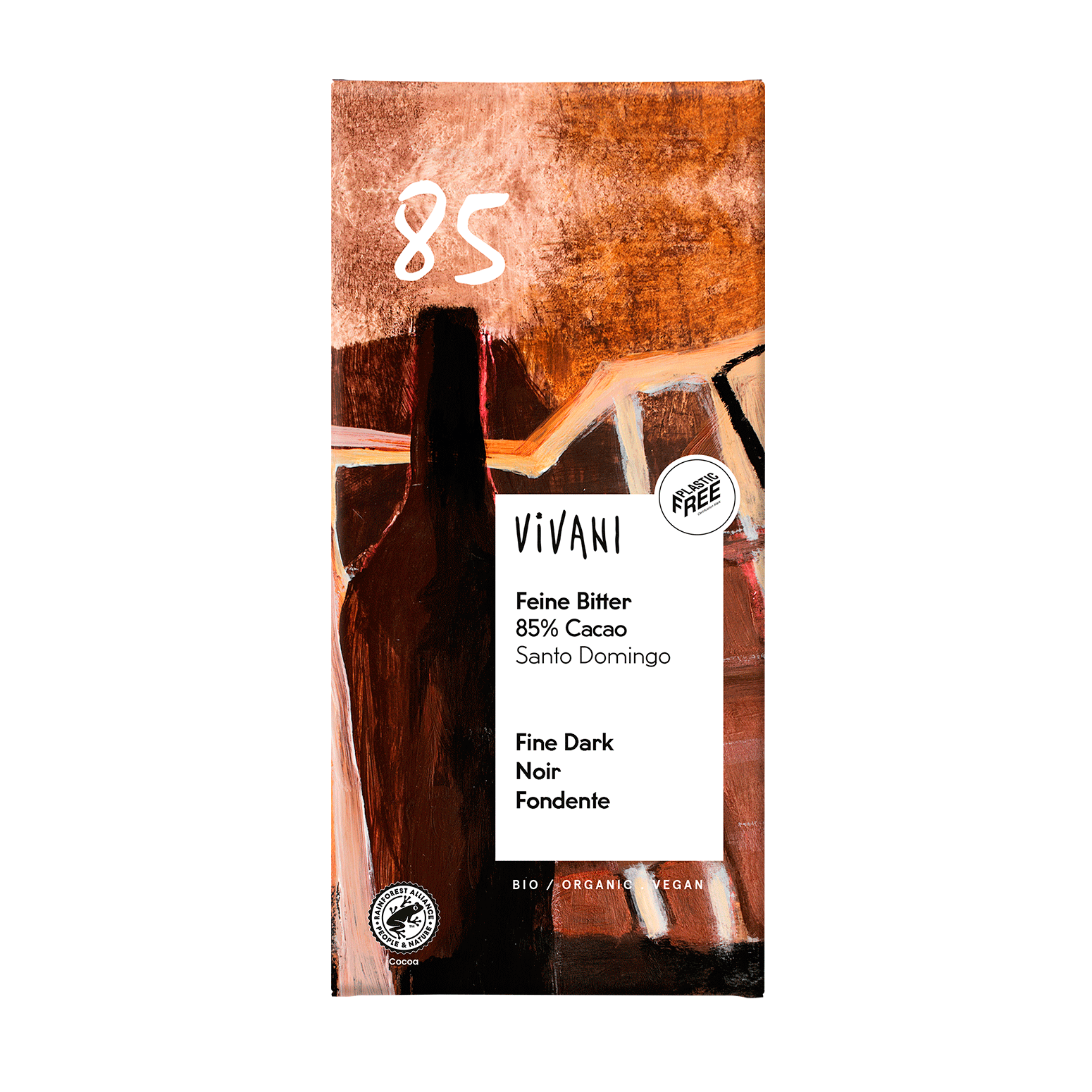
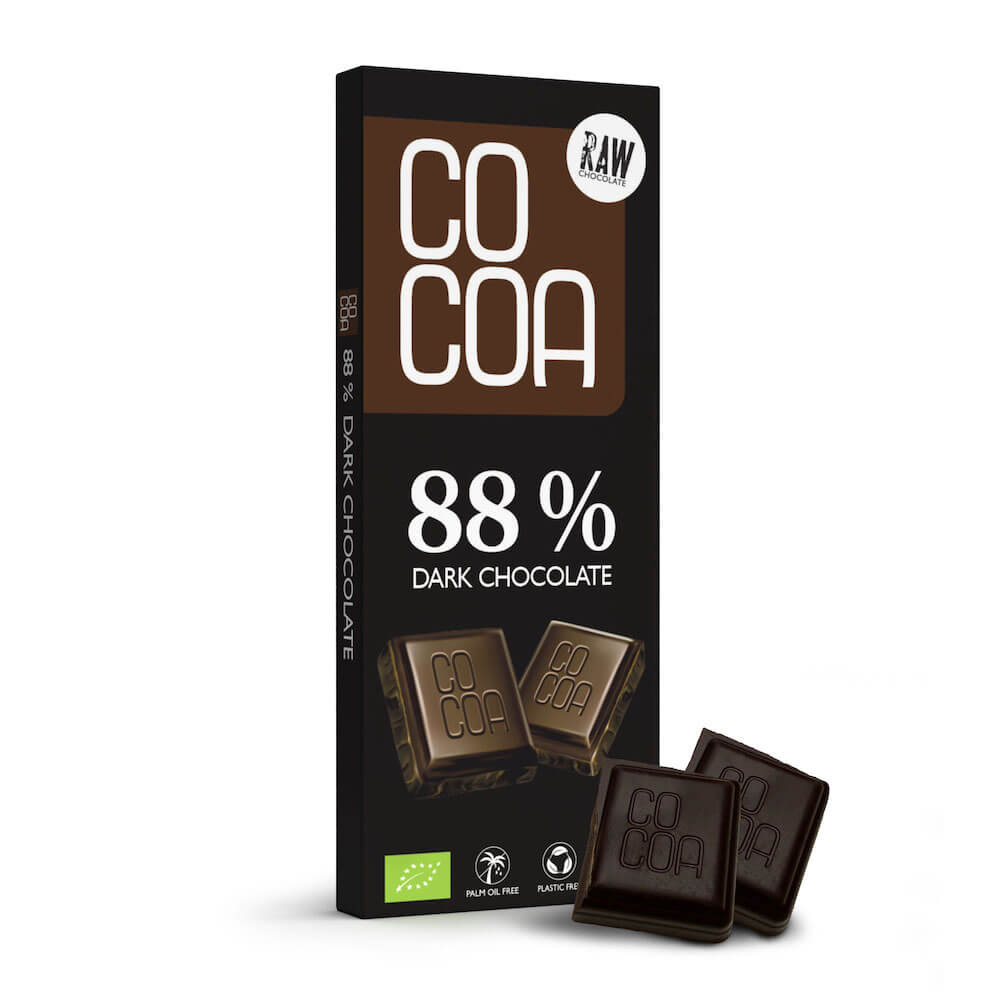
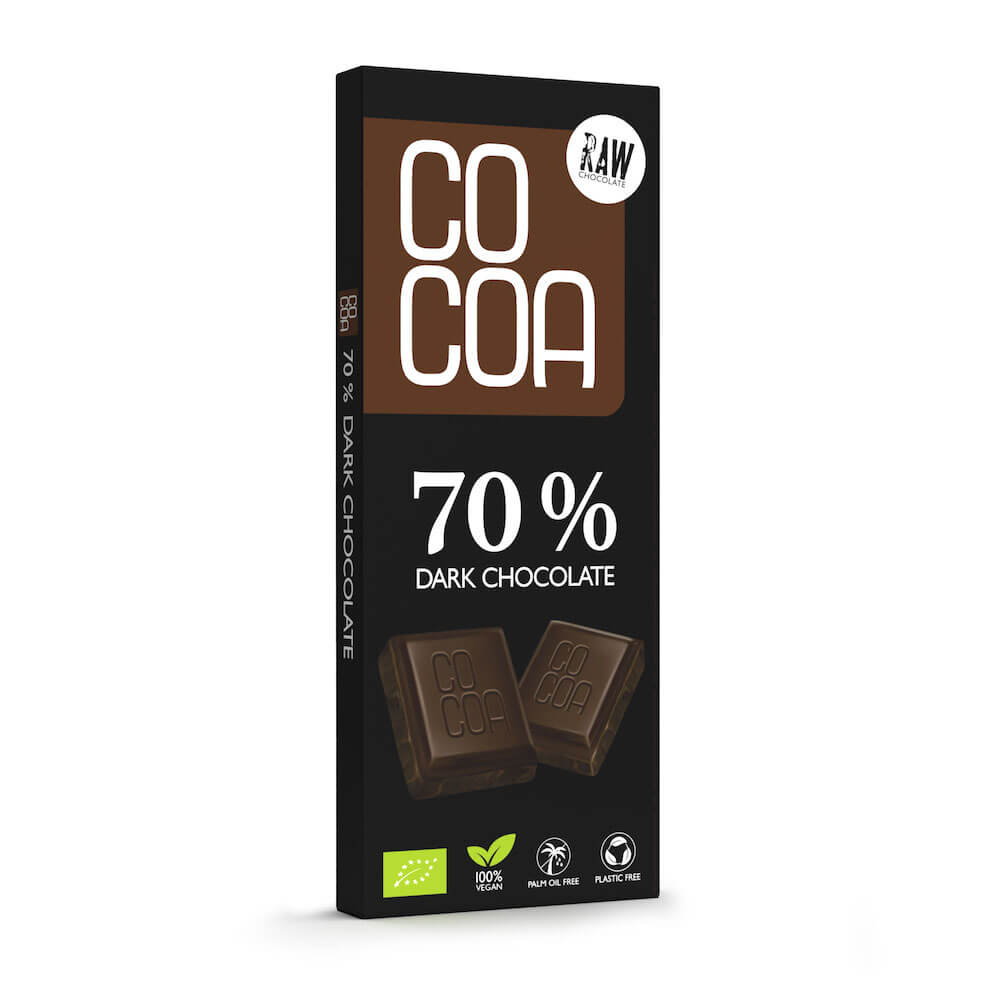
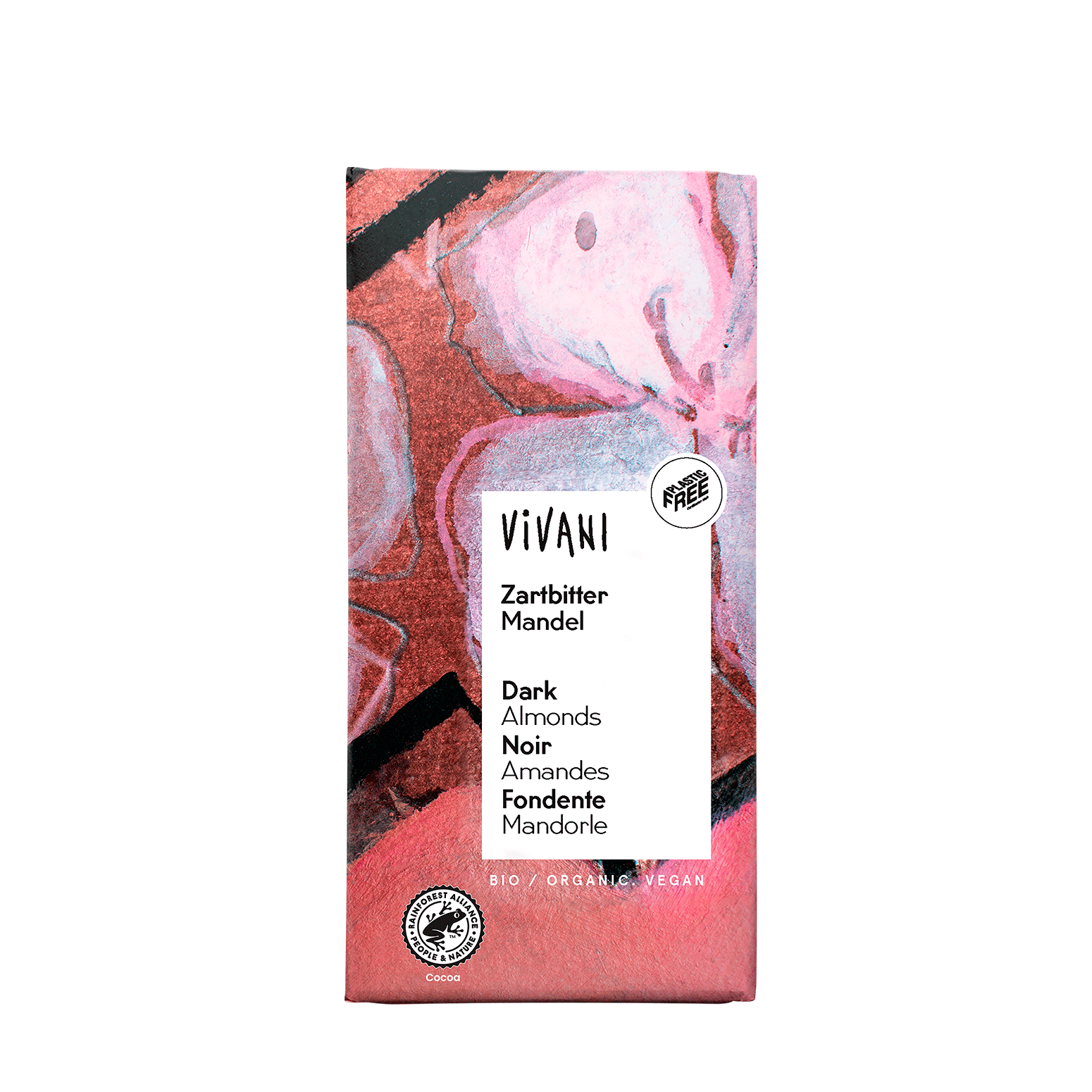
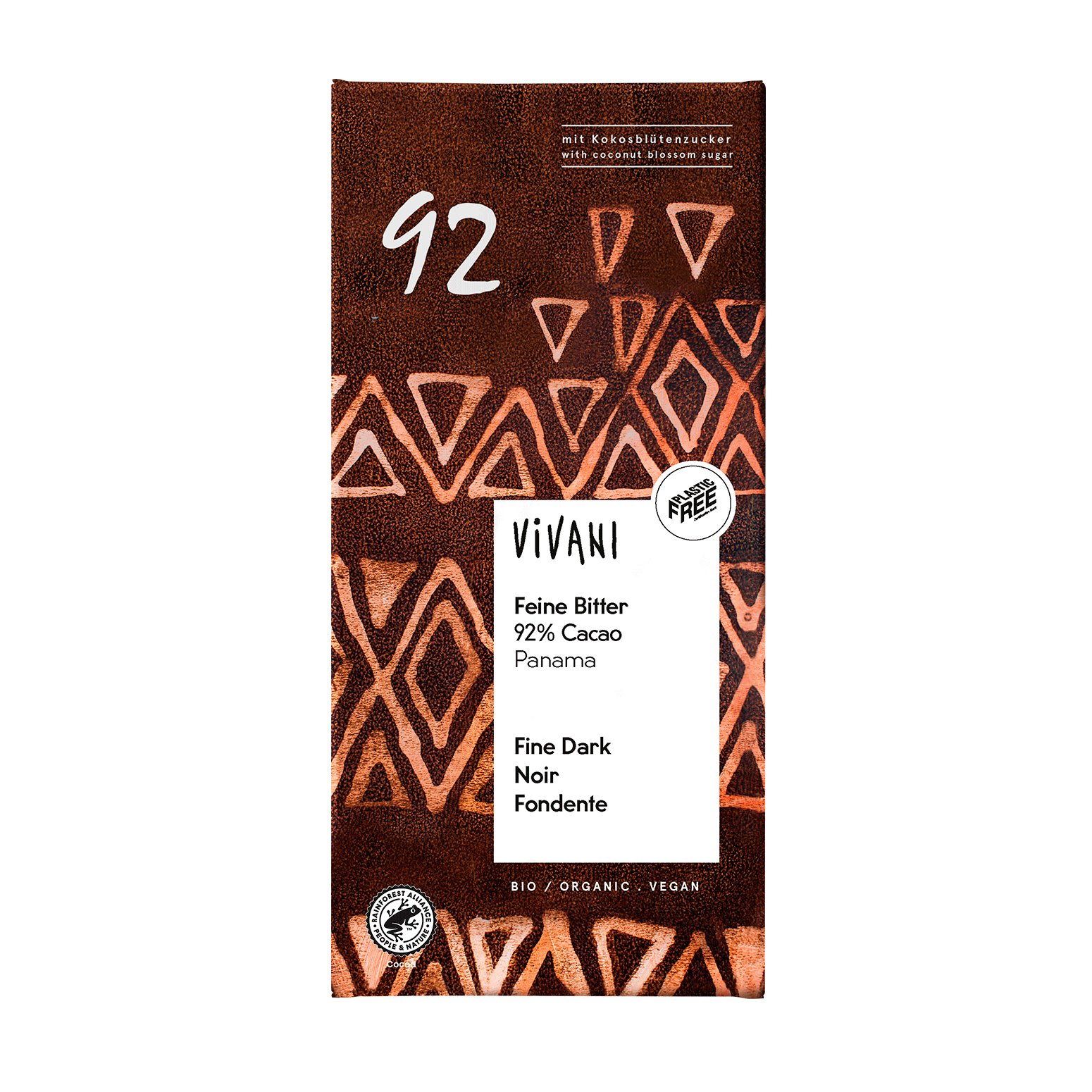
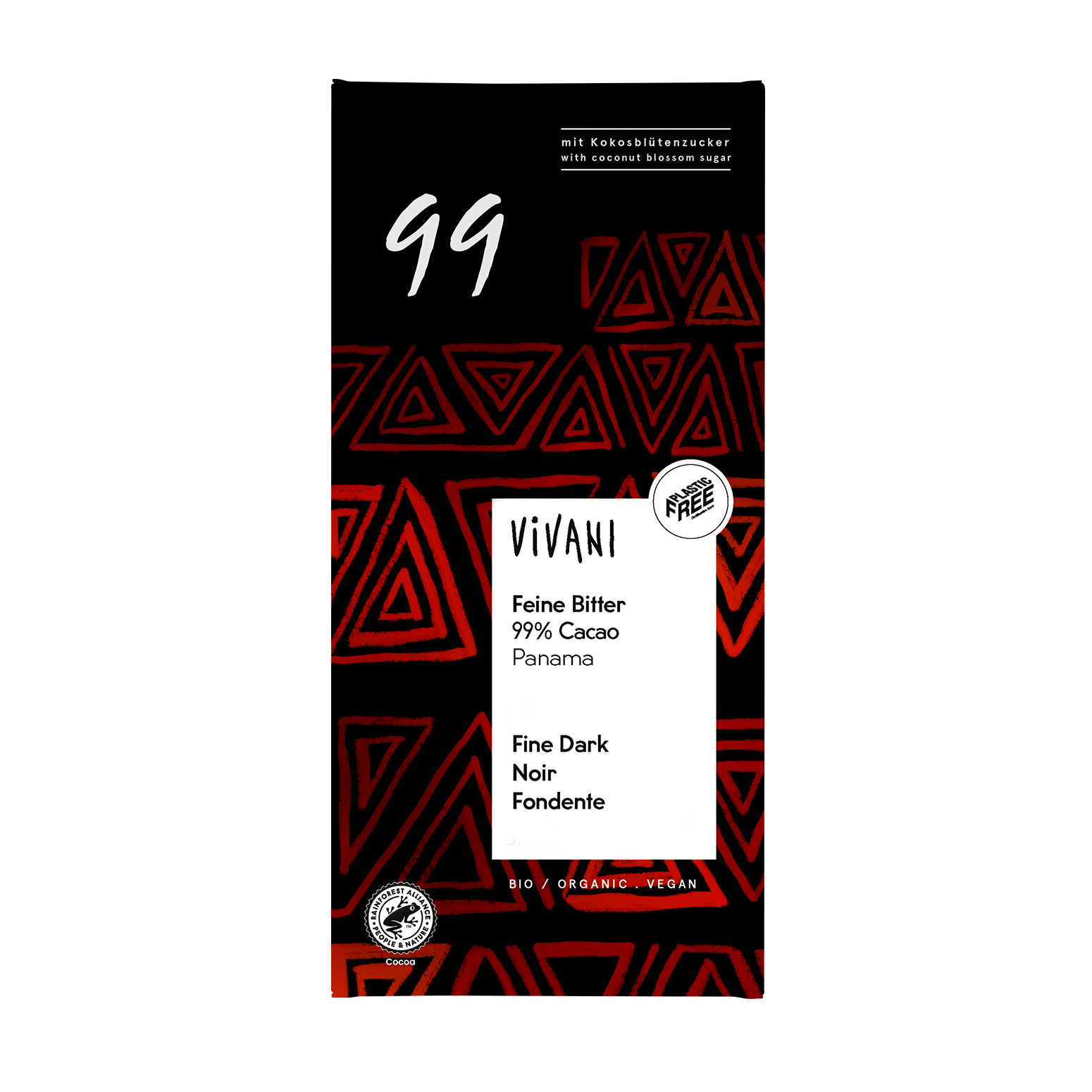
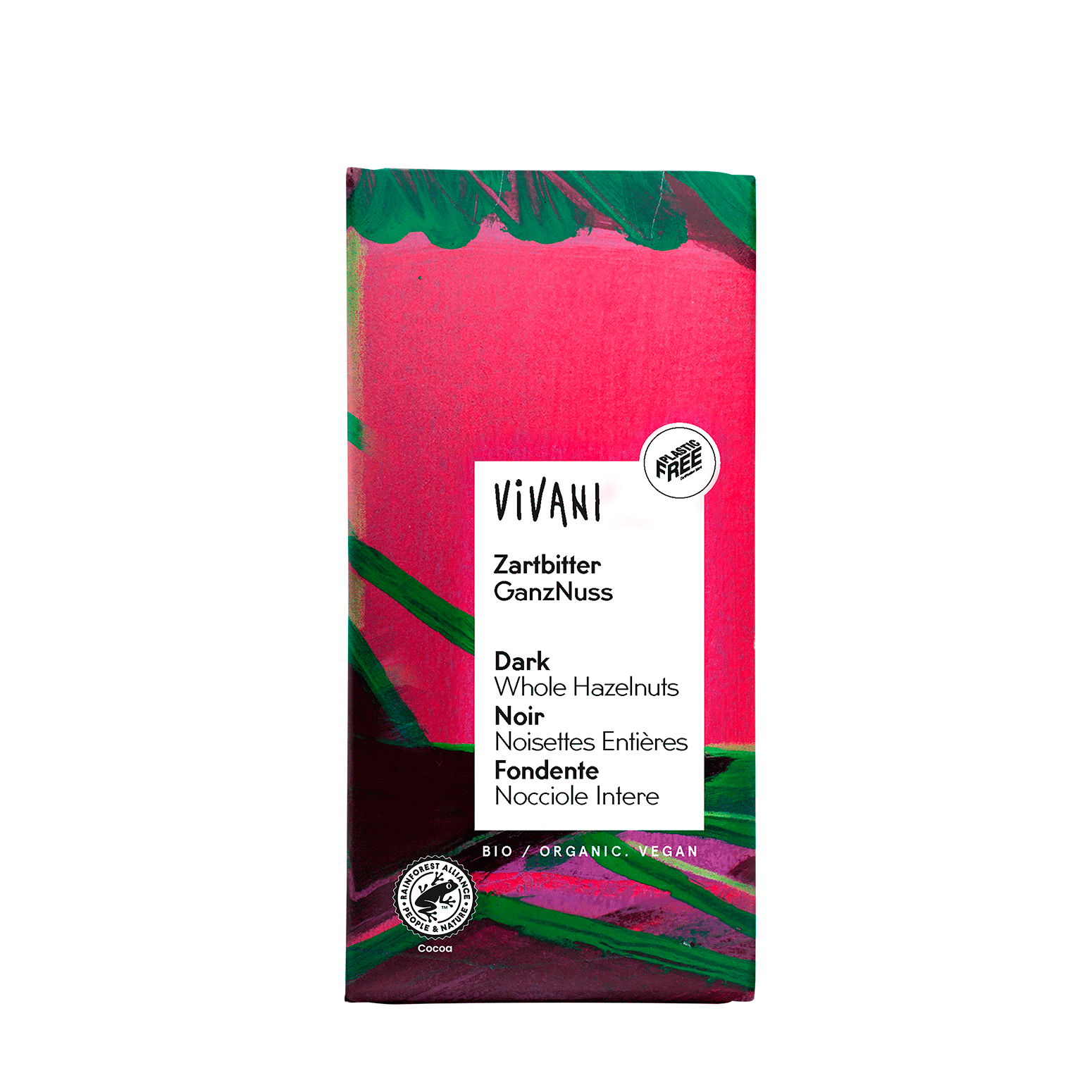
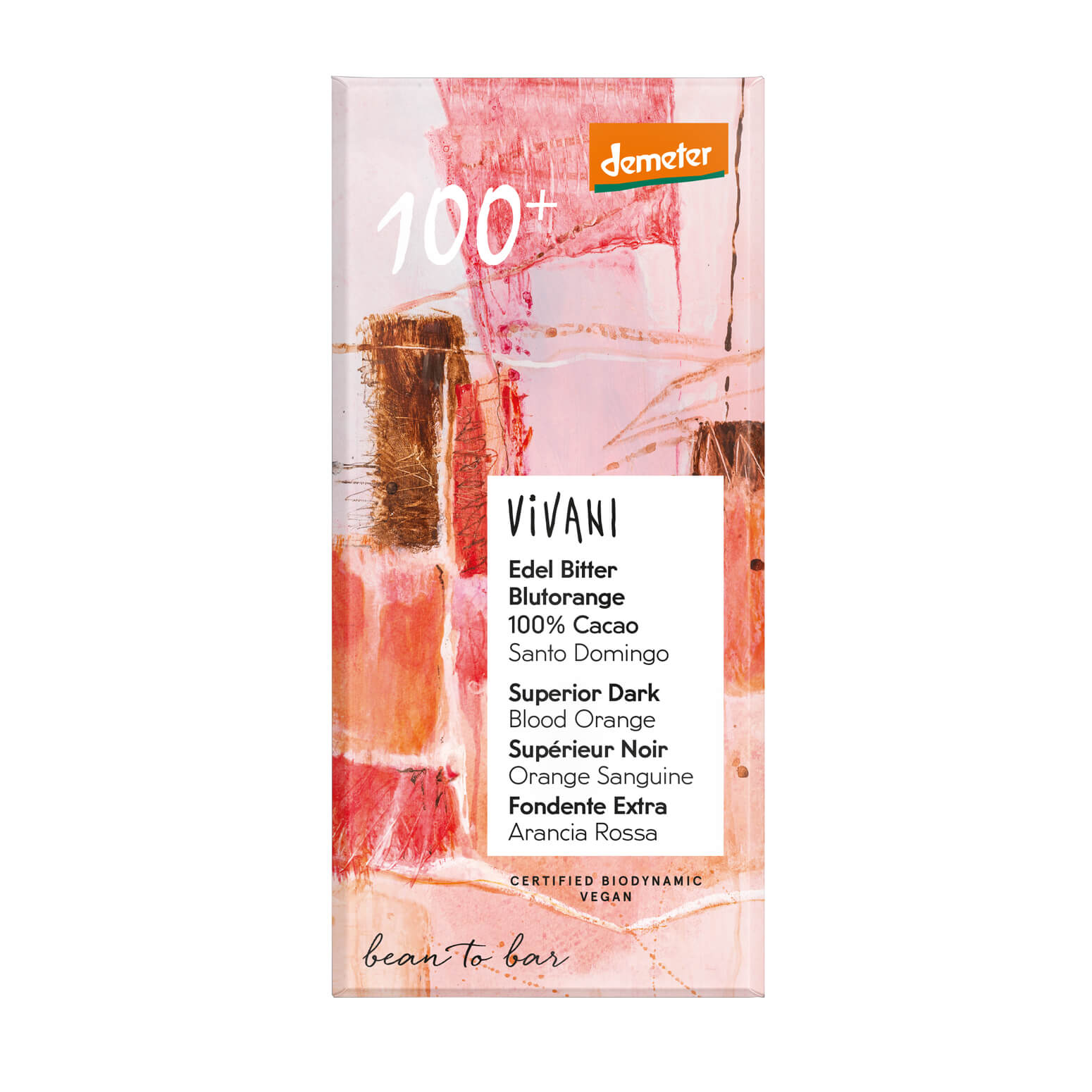
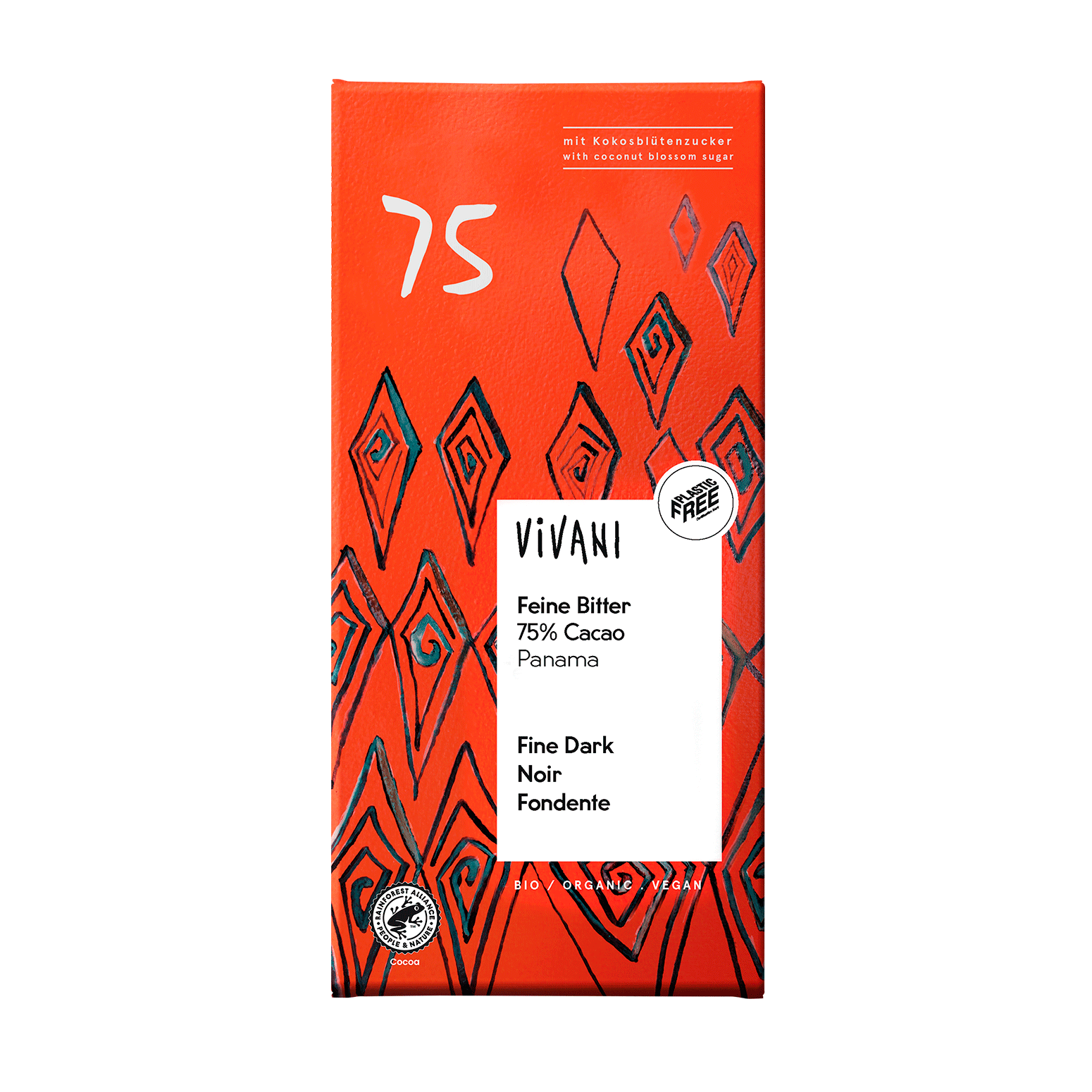
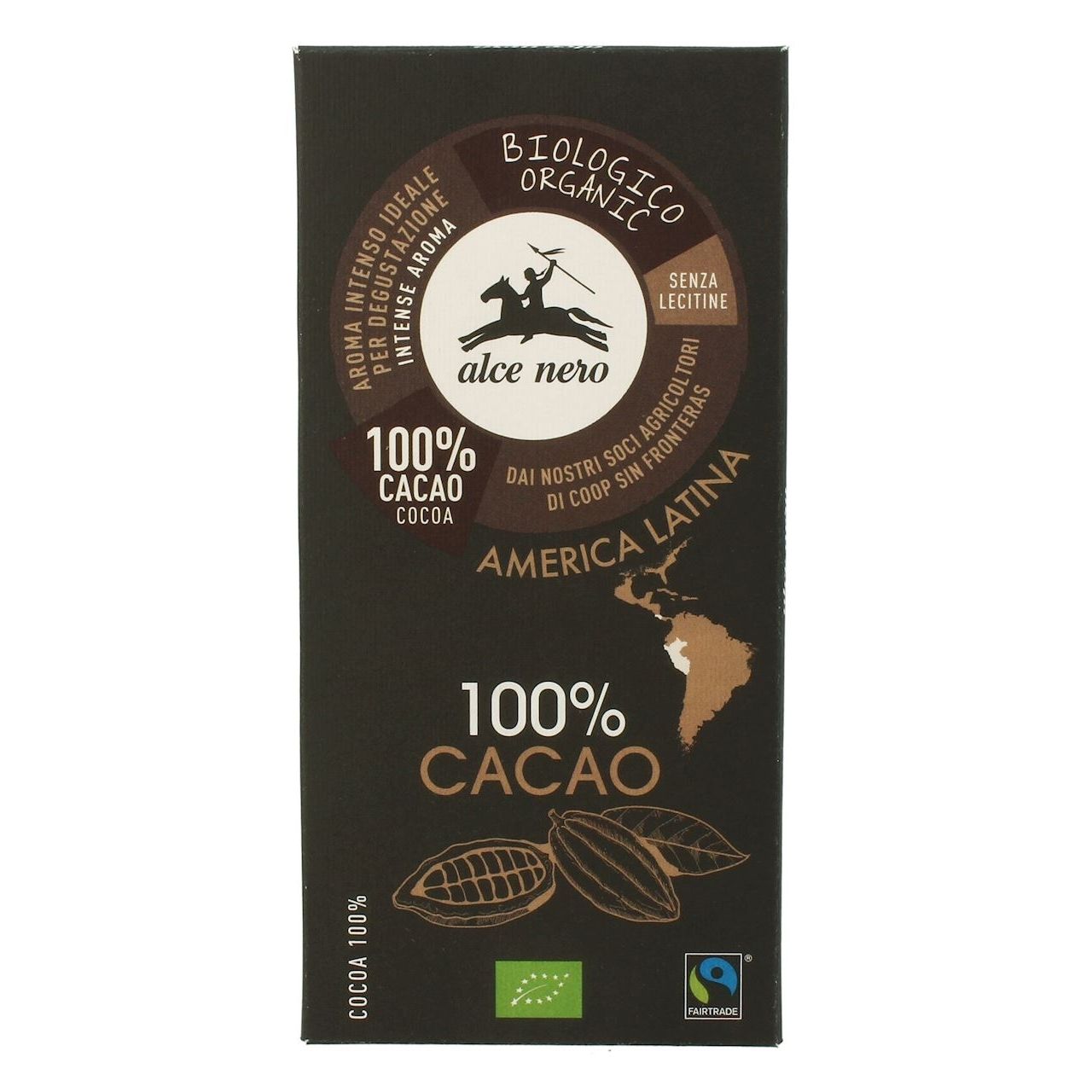
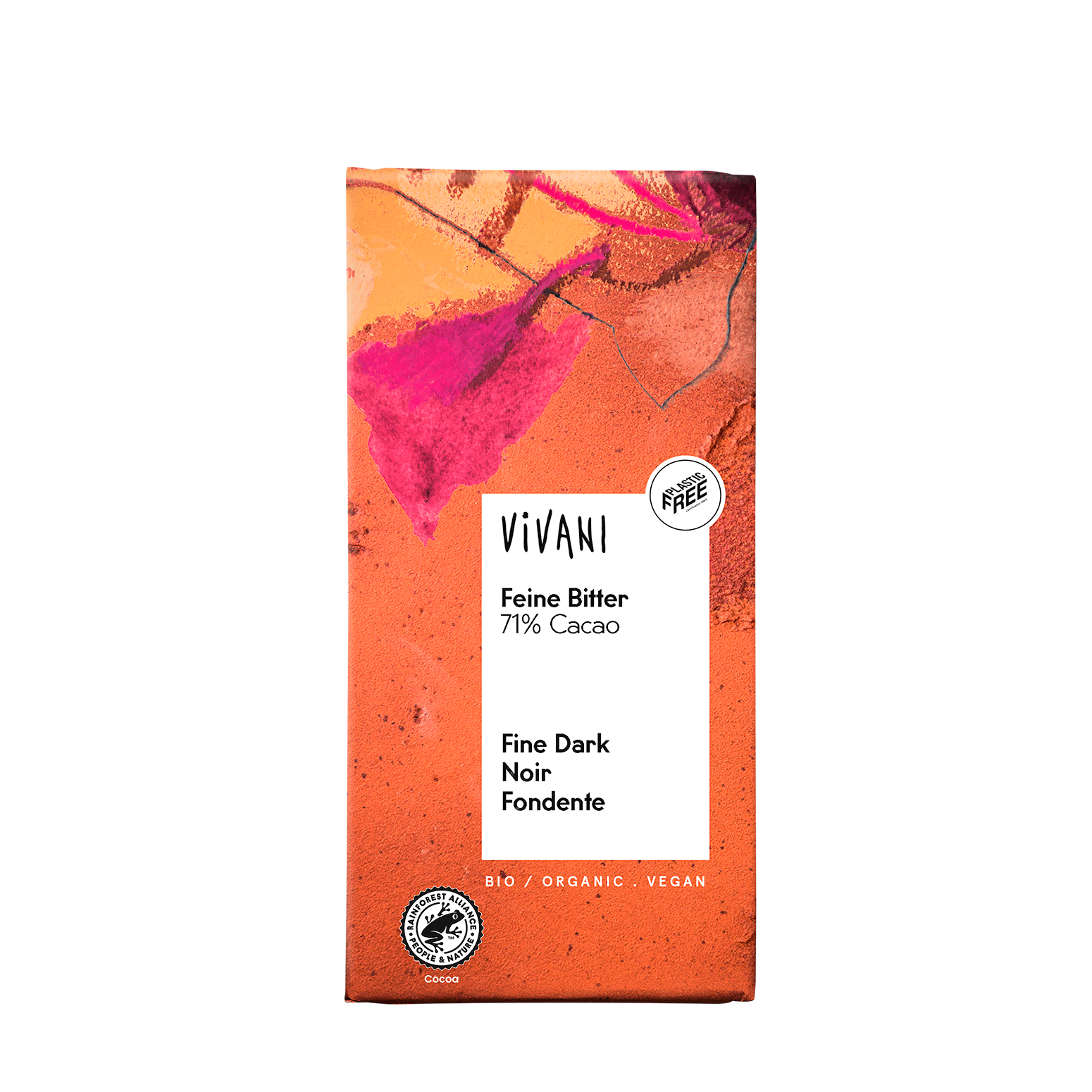
Dark chocolate is characterized by a high cocoa mass content, between 70% and 100%. It contains the most valuable nutrients from cocoa, which is why it is considered the healthiest type. It usually contains little additional sugar.
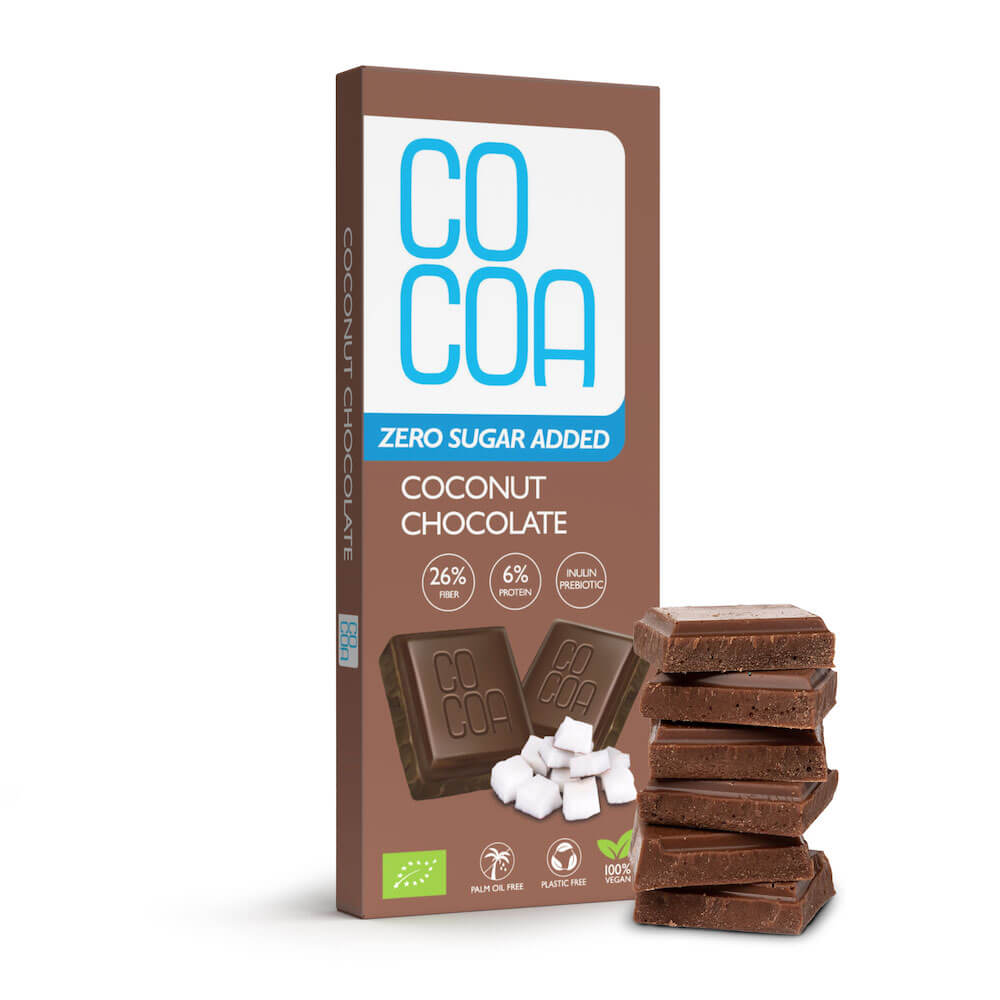
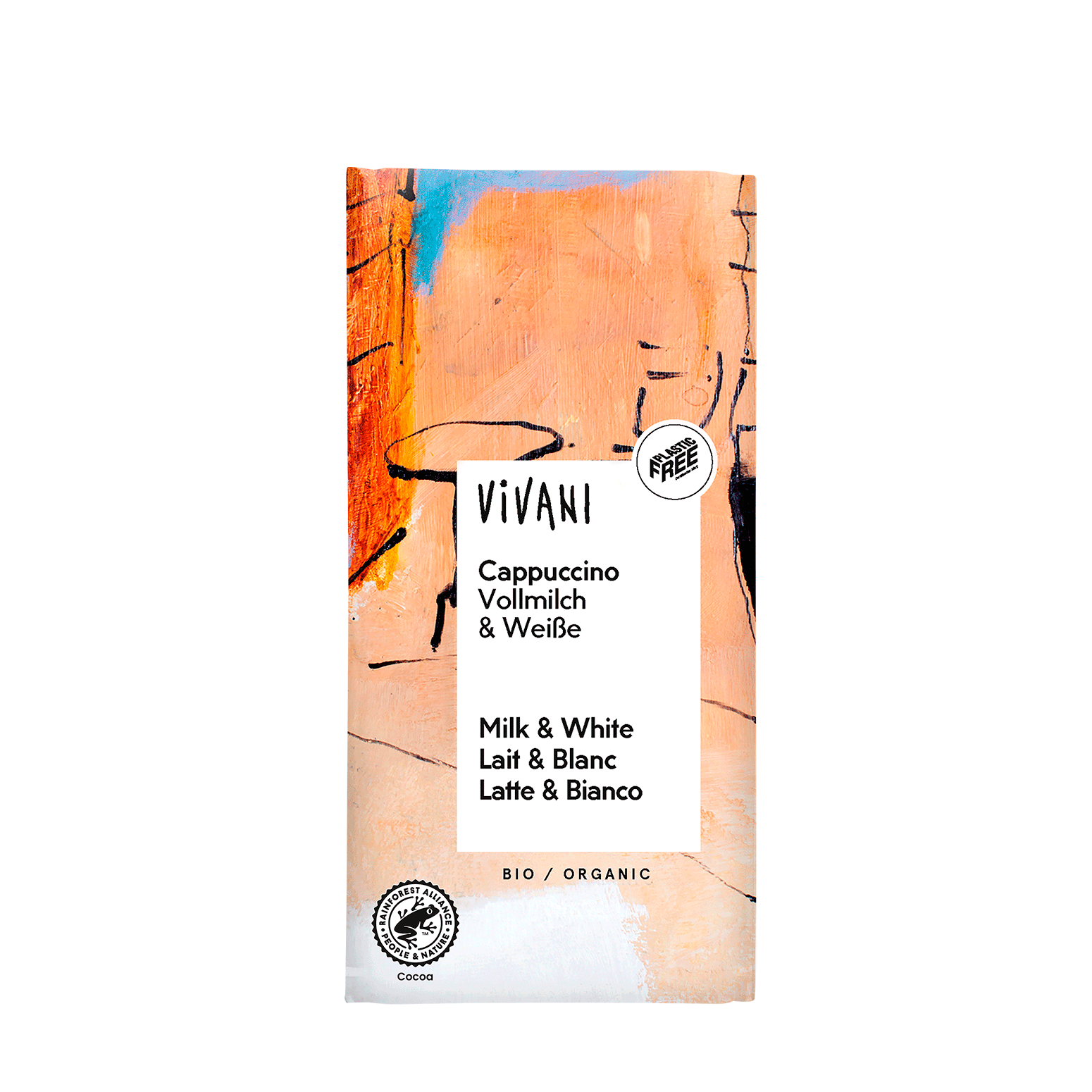
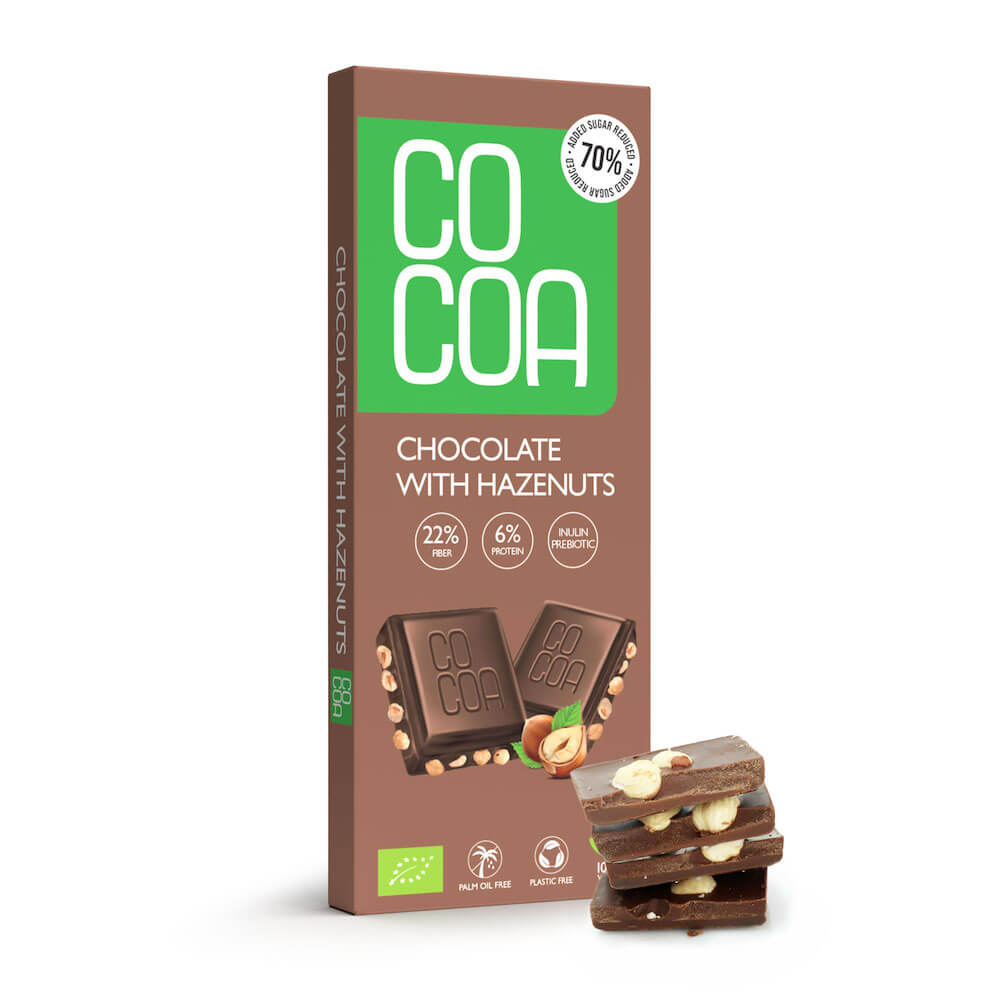
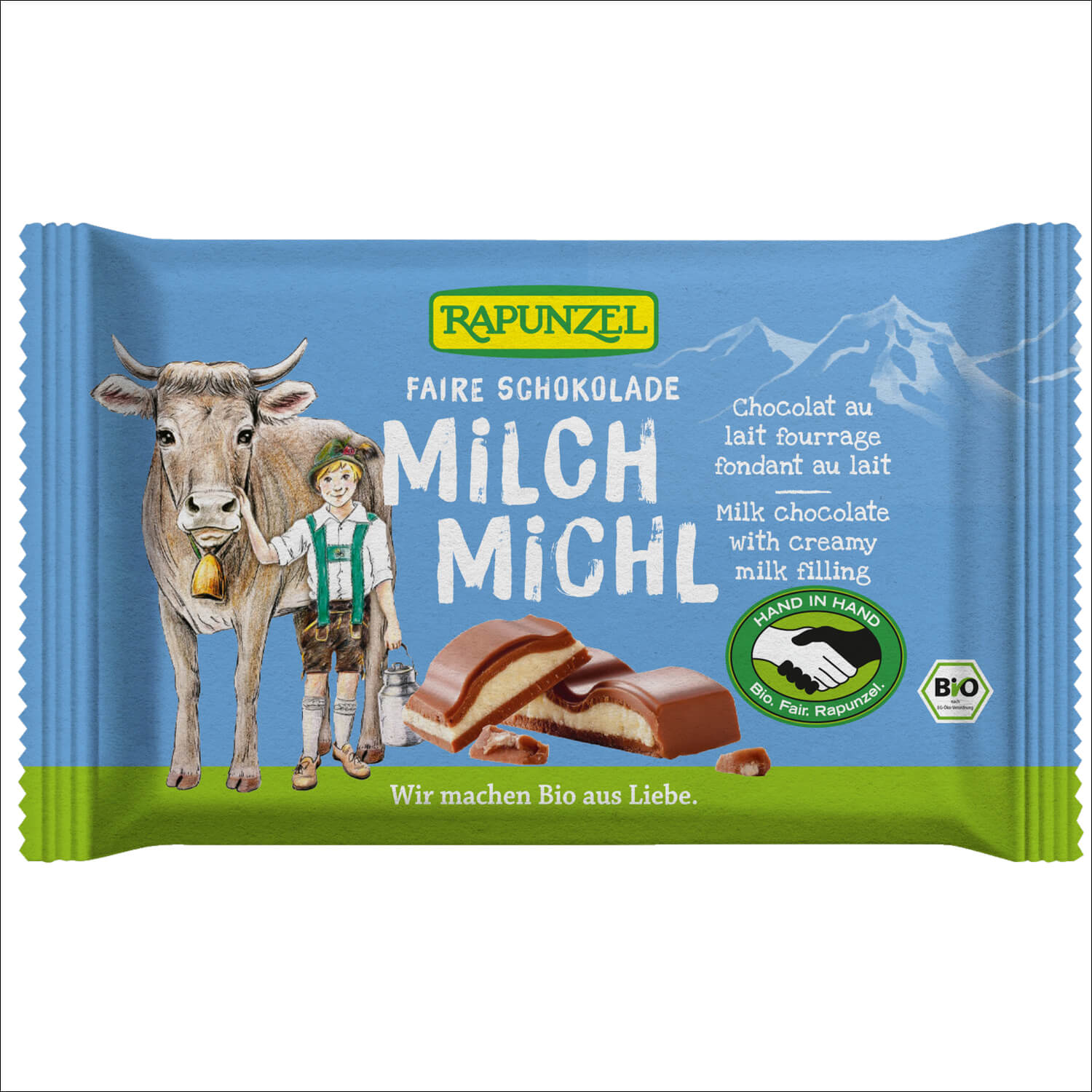
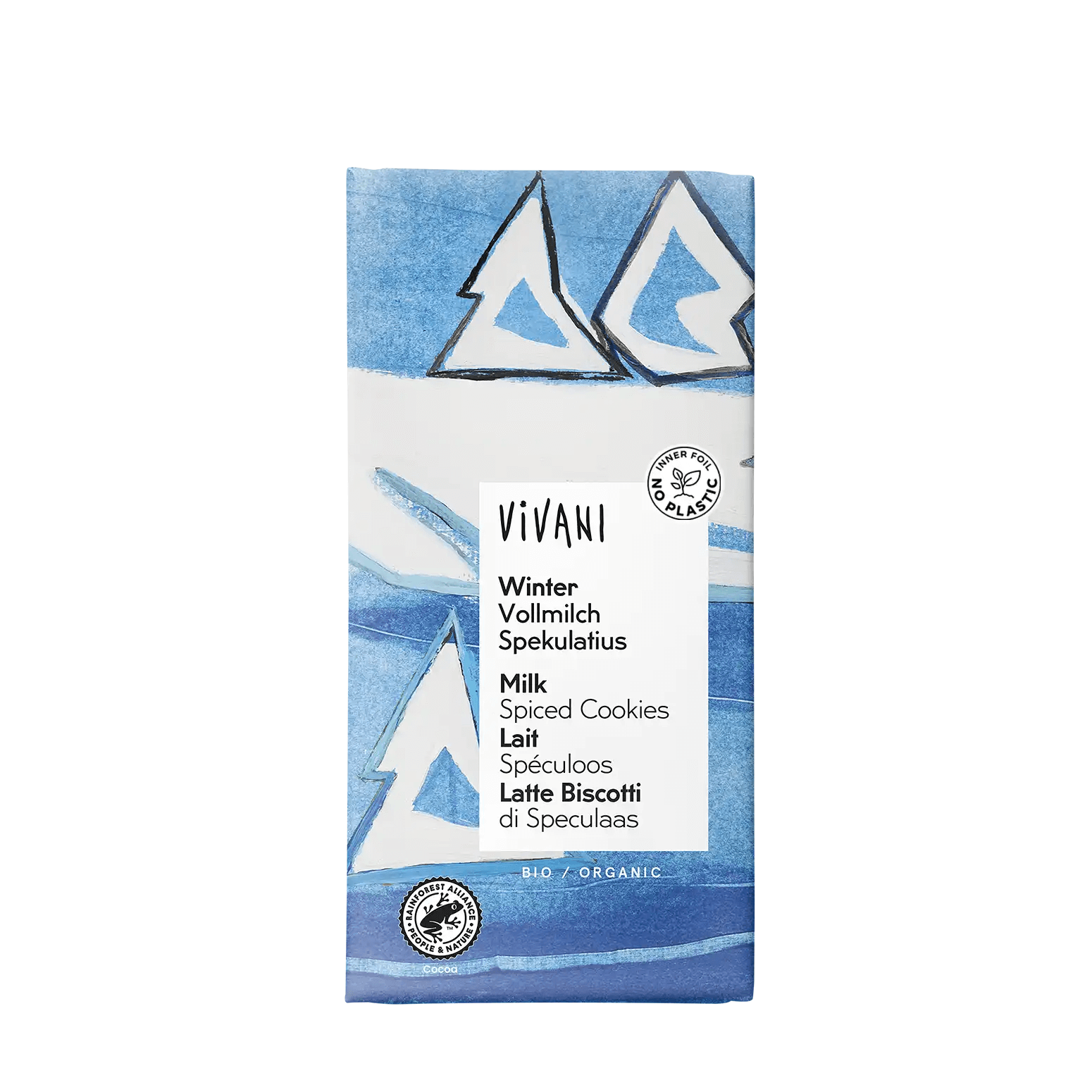
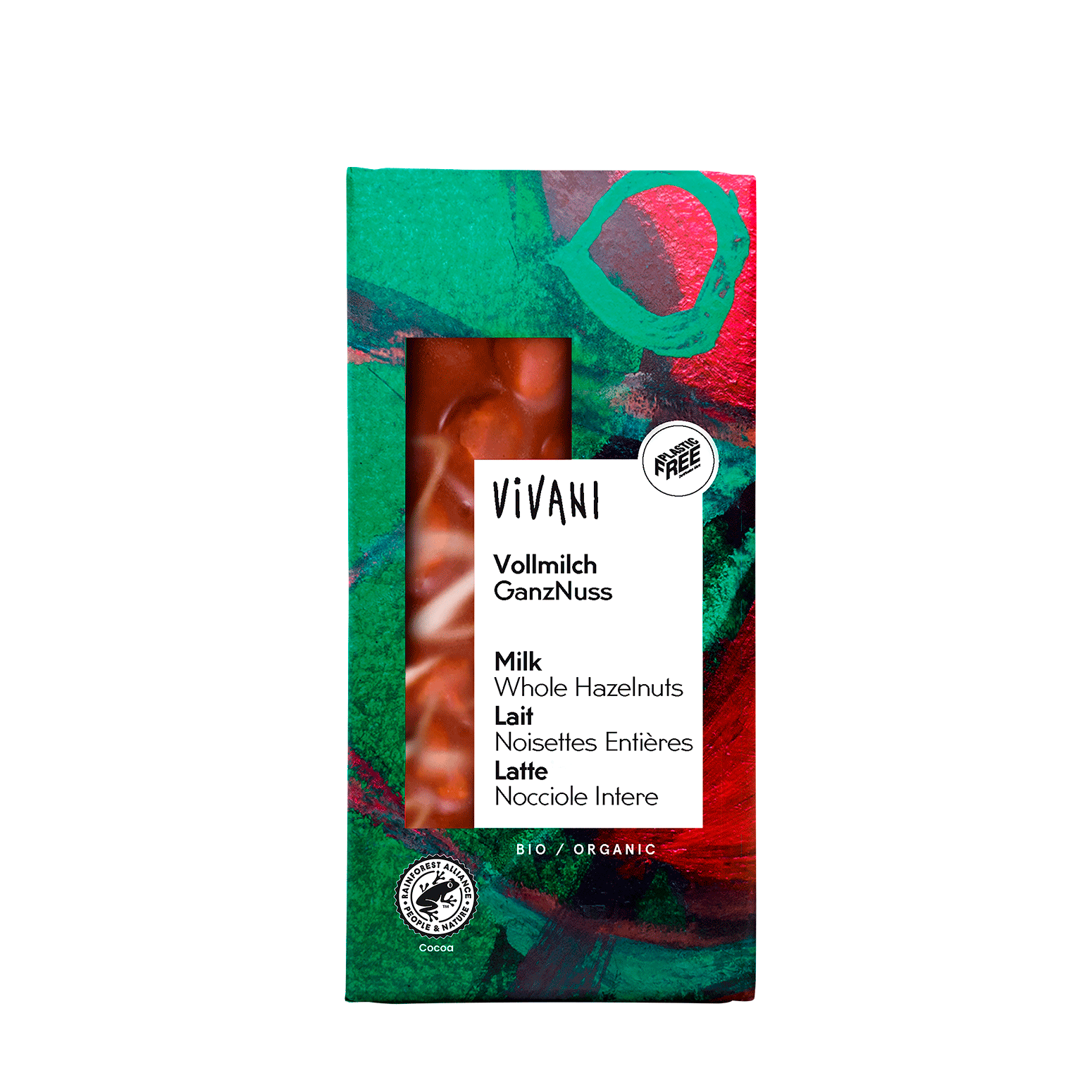
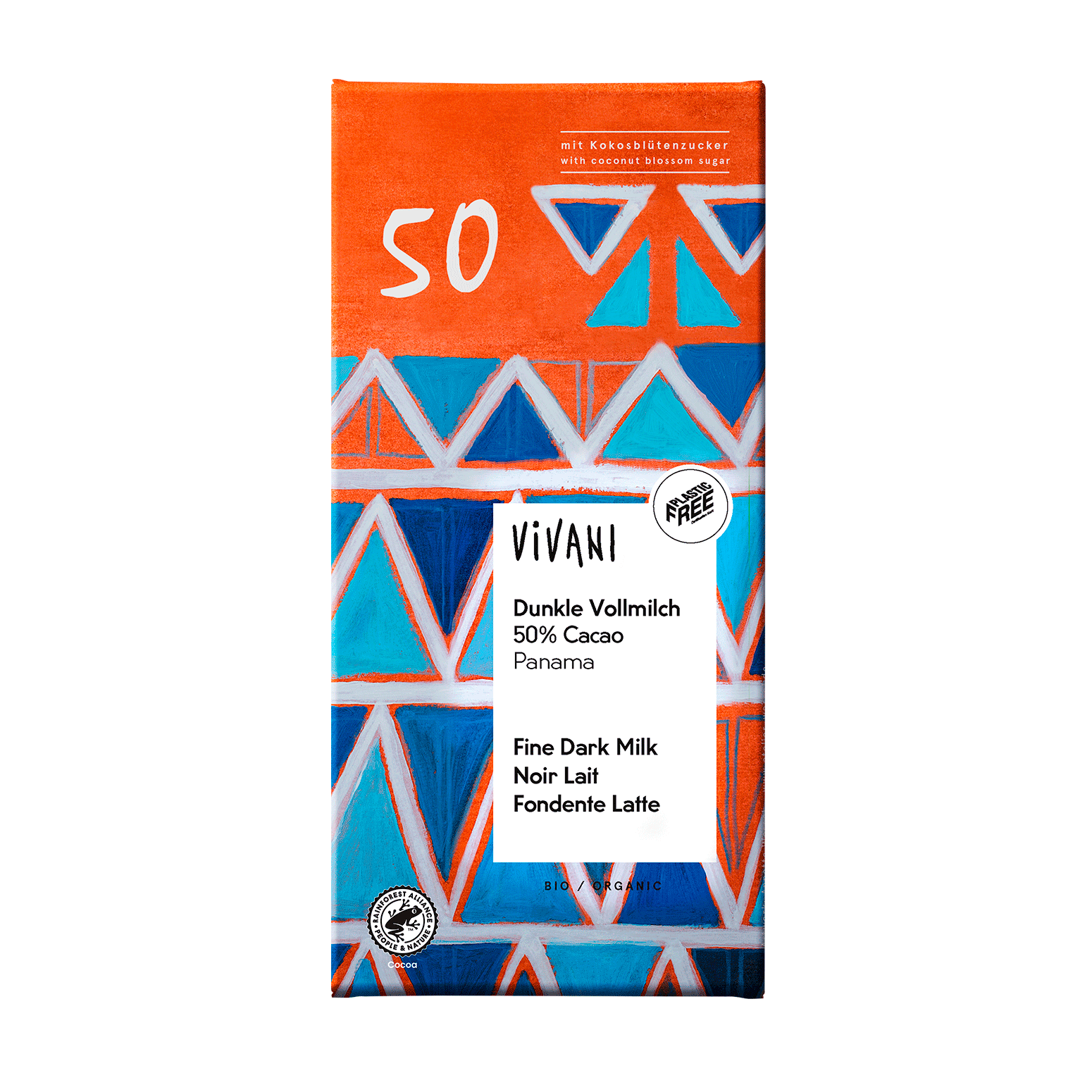
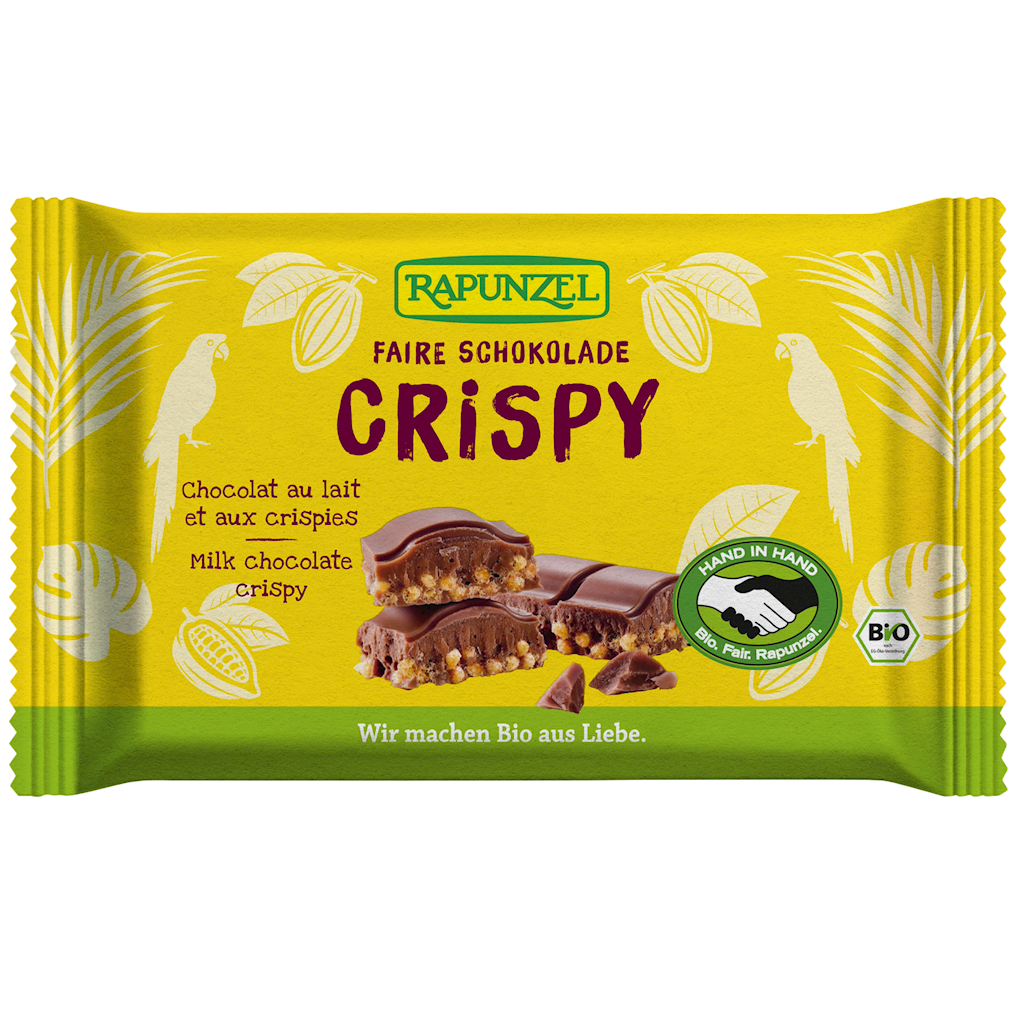
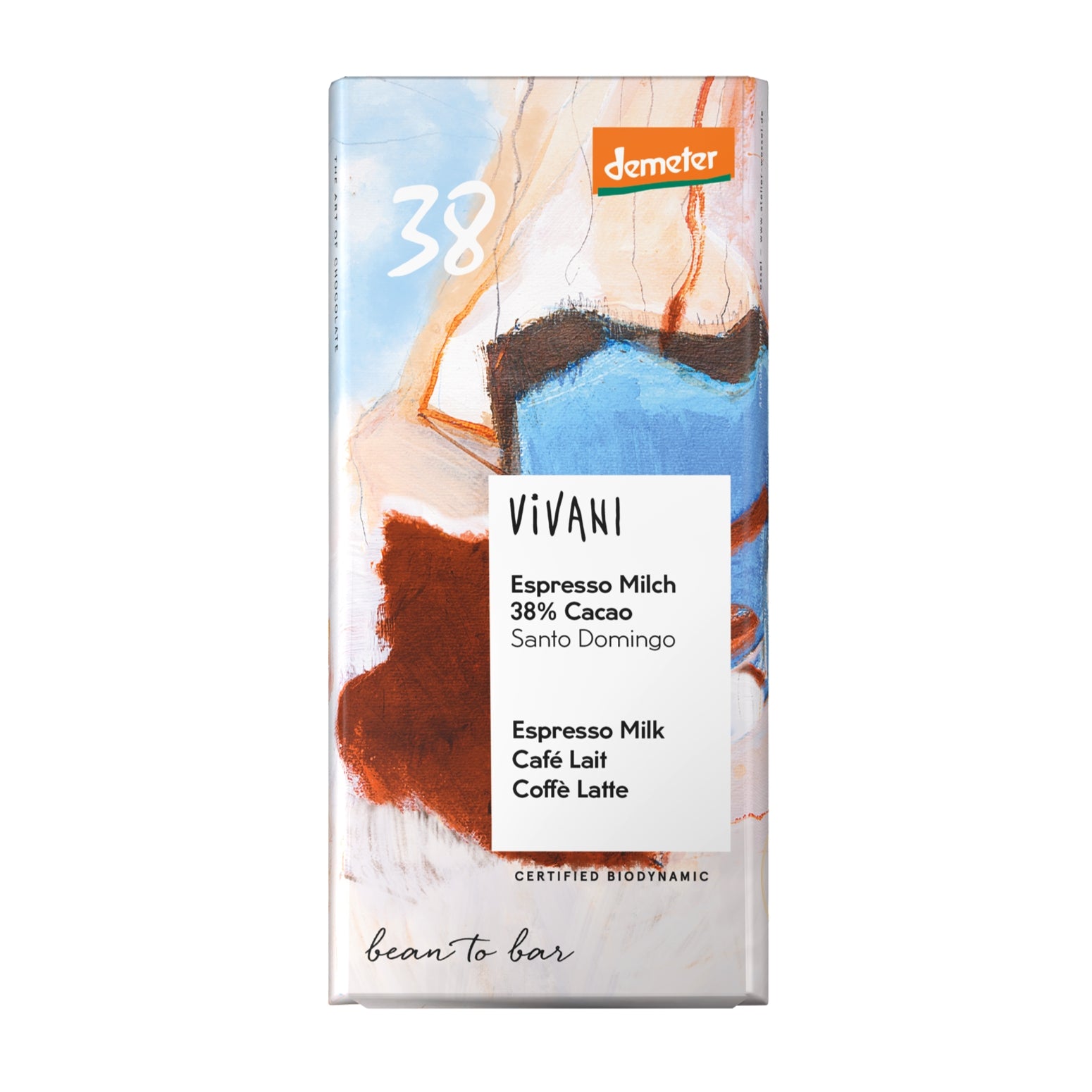
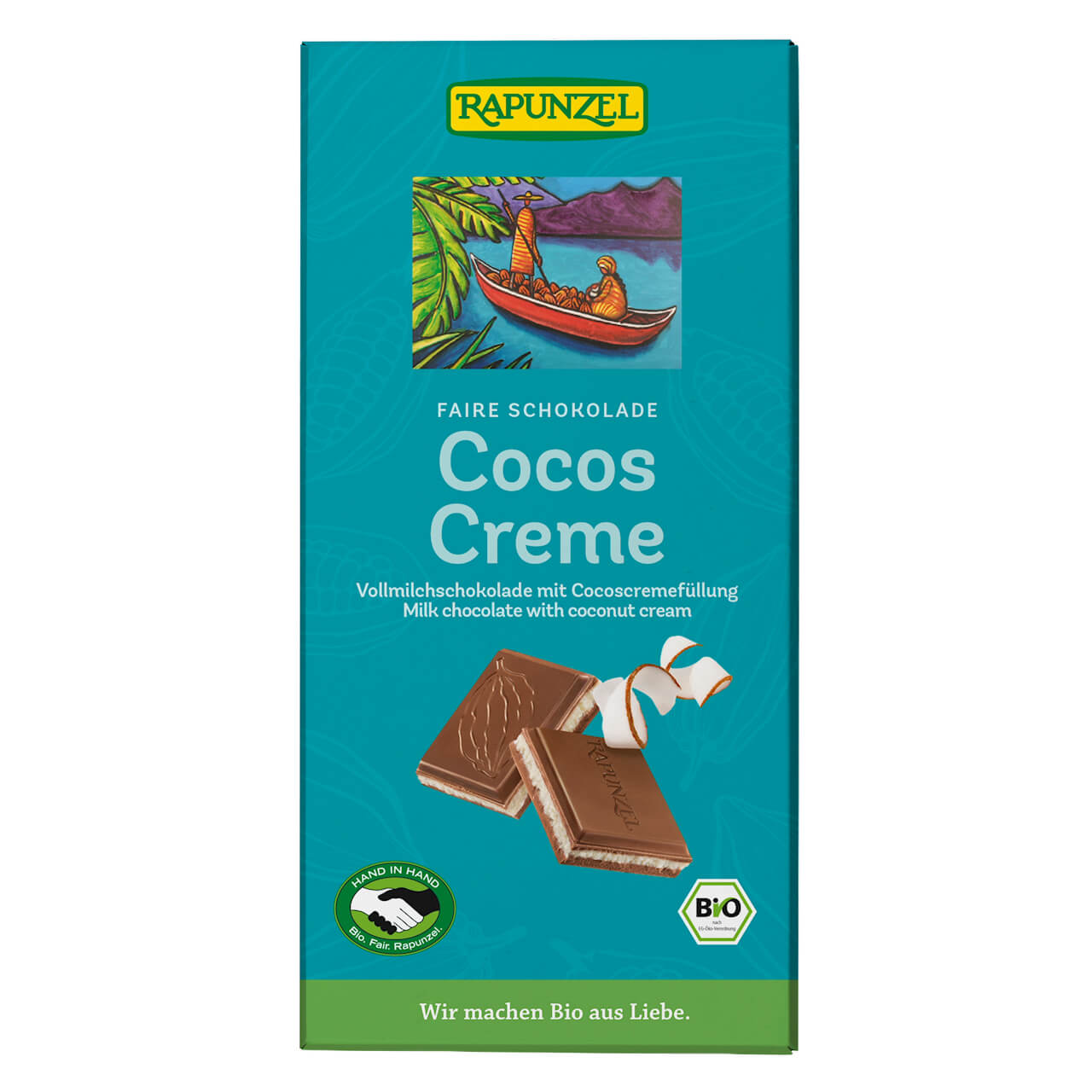
Milk chocolate contains less than 50% cocoa mass due to the addition of milk. Milk chocolate often has various additions, such as nuts, almonds, or dried fruits.
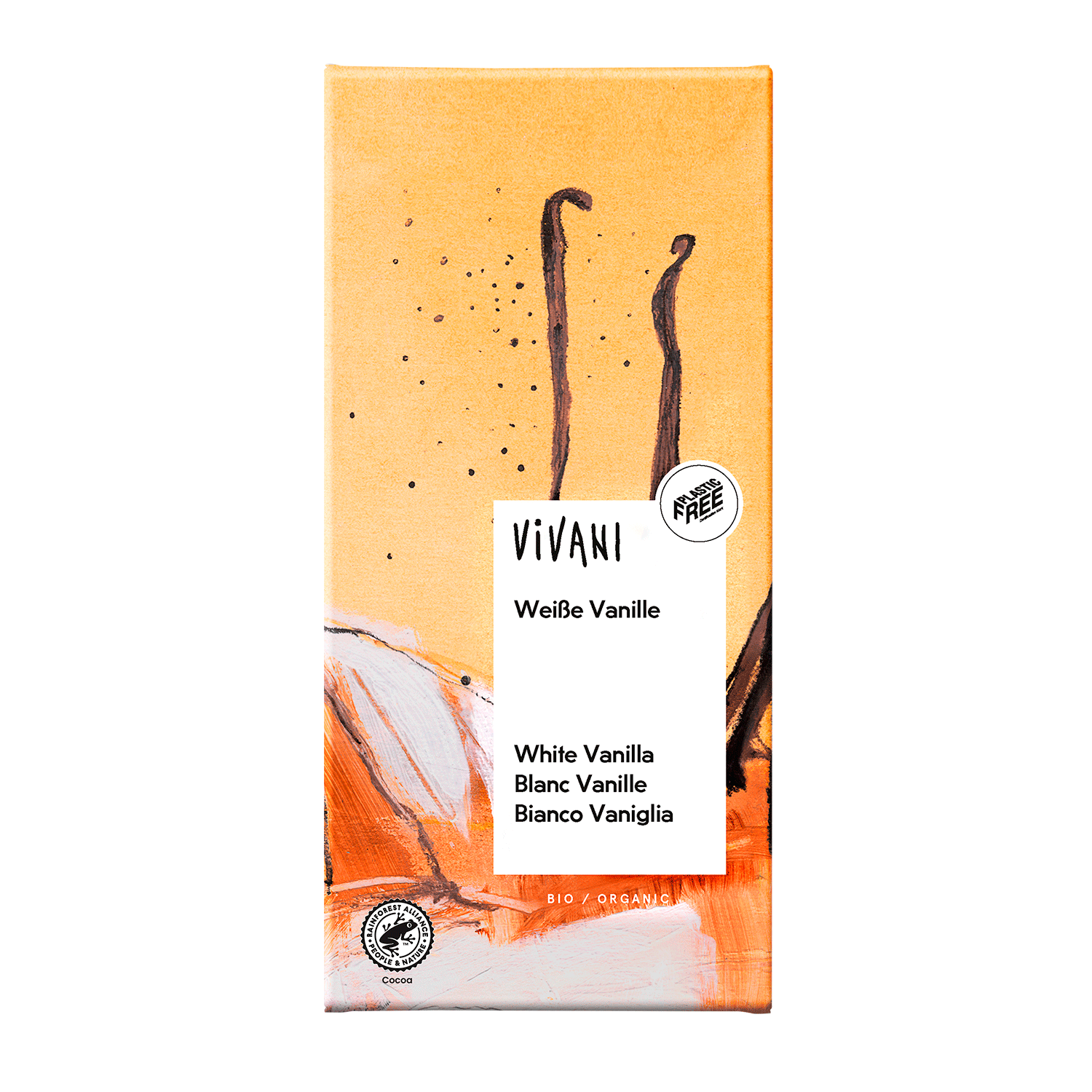
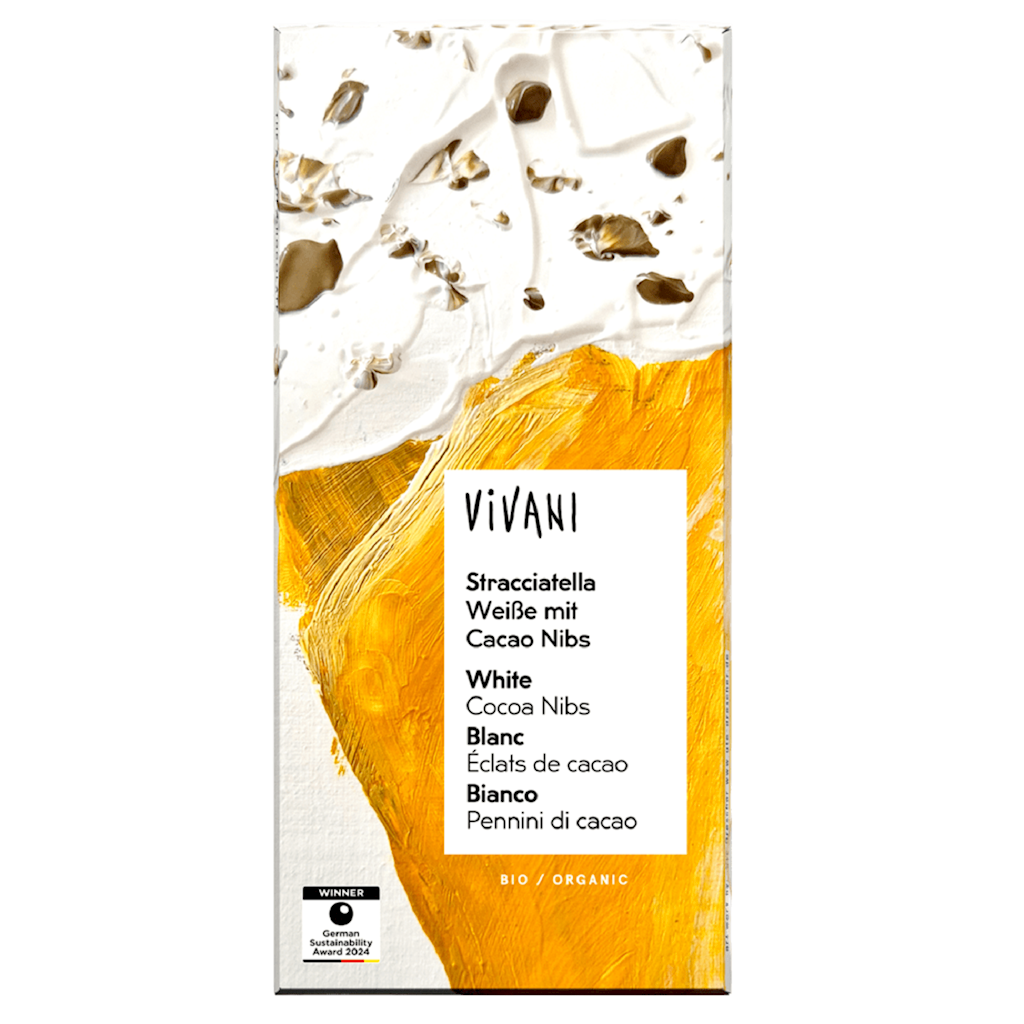
White chocolate is considered the least valuable, but not unhealthy. It does not contain cocoa mass, only cocoa fat or cocoa butter. It tastes good, but it does not have as many valuable ingredients as chocolates made with more cocoa.
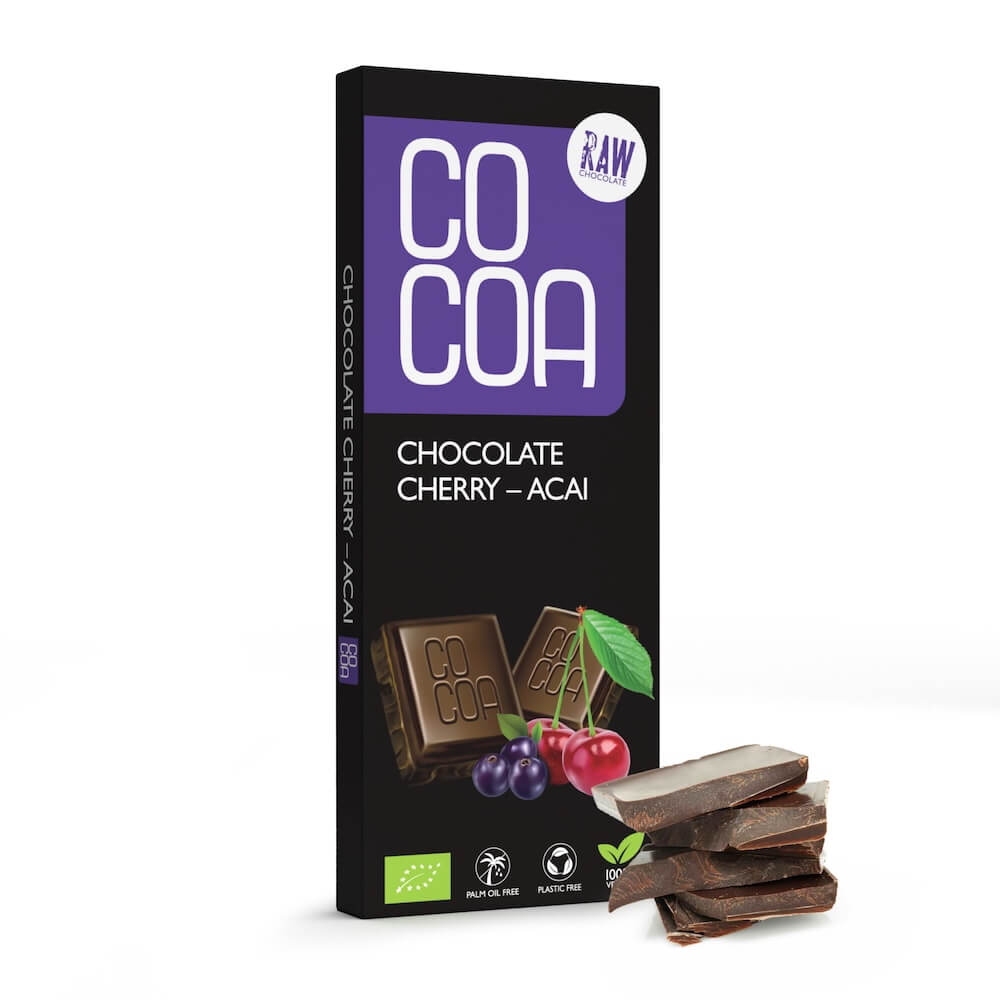
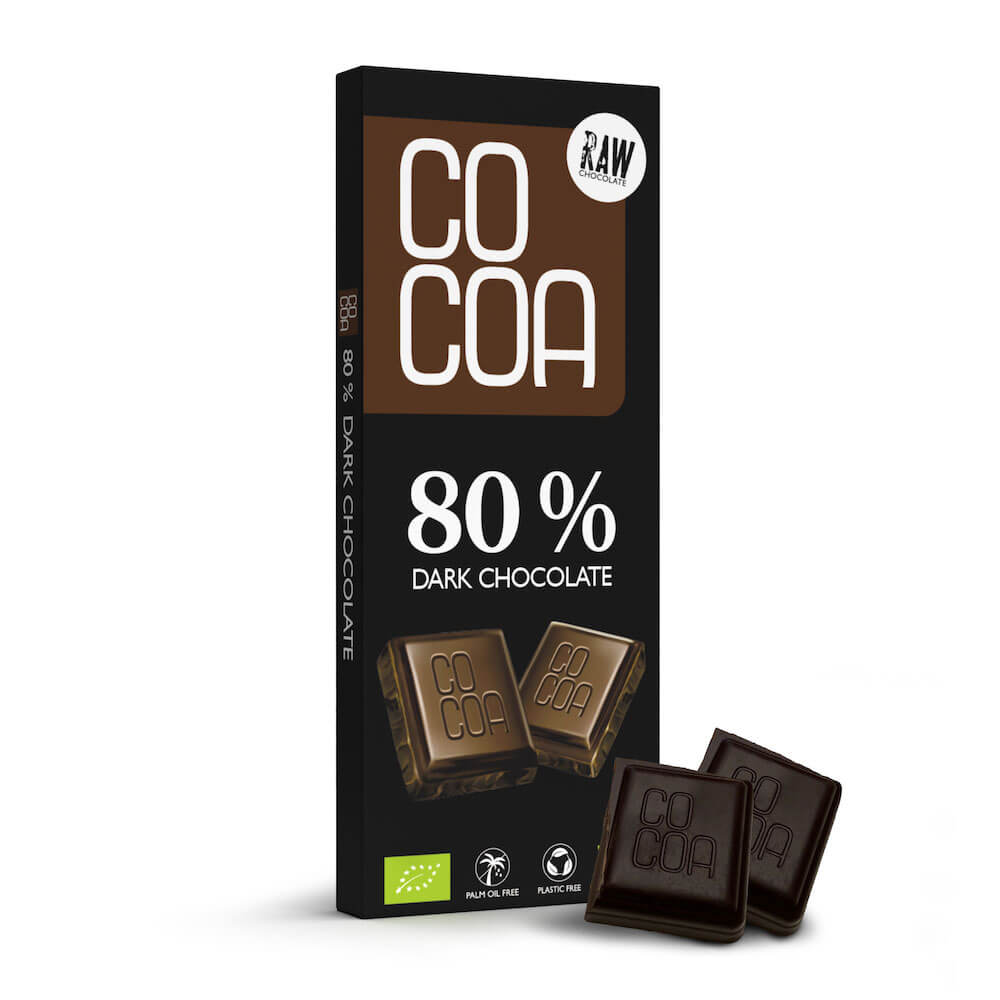
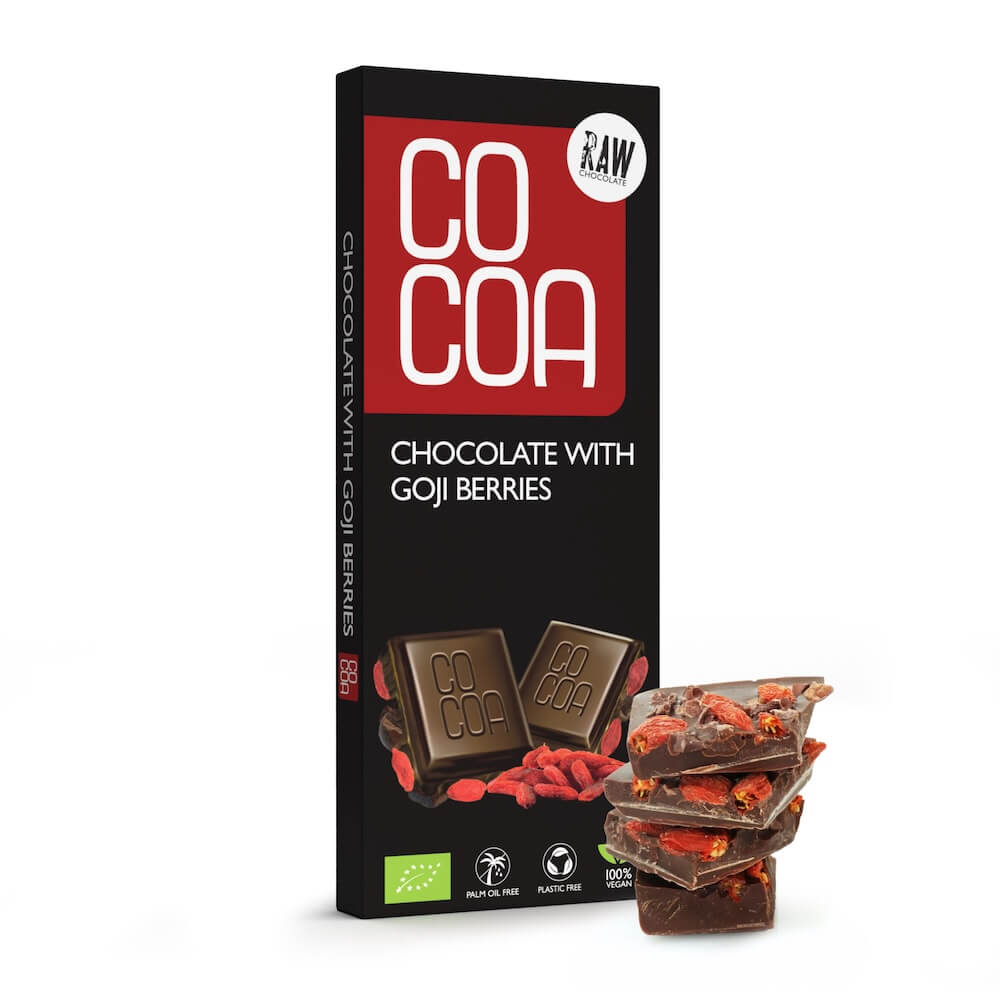
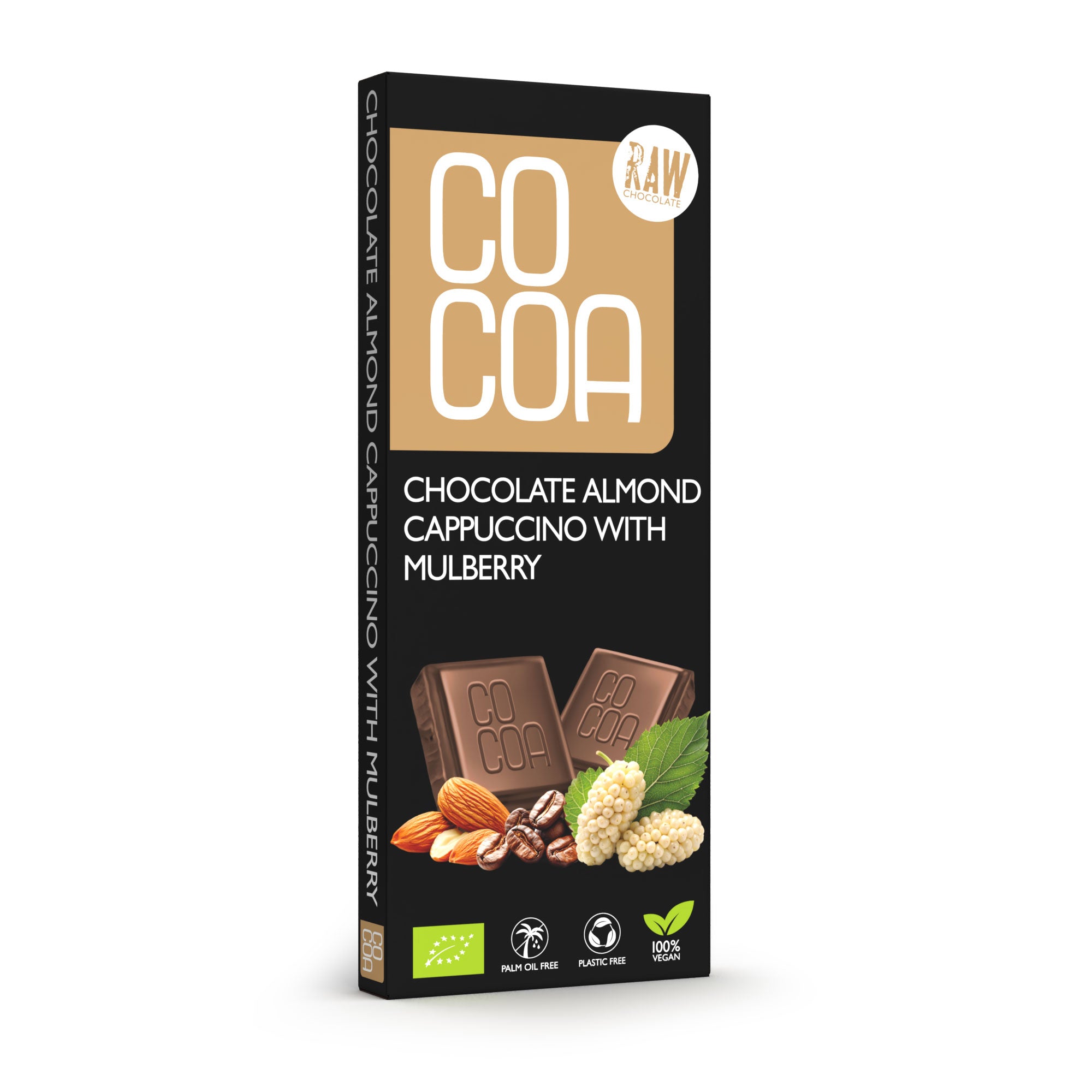
Raw chocolate is dark chocolate, but it differs in that unroasted cocoa beans are ground cold (below 45°C). Thanks to this, raw chocolate retains as many nutrients from cocoa beans as possible.
How is natural chocolate made?
Its basic ingredient, cocoa, is essential for creating chocolate. A tree called the cacao tree grows in areas where the climate is hot and humid. Therefore, most cocoa is produced in countries located in the equatorial climate of Africa and South America. Leading countries include Ivory Coast, Ghana, Nigeria, Brazil, and Mexico. When cocoa pods are ripe, they are harvested and the beans are shelled. Then they undergo a process of drying, fermentation, and roasting. Next, the beans are crushed into cocoa liquor.
Selected top-quality beans are sent to the chocolate manufacturer. The next stage involves many hours of conching, which is mixing the cocoa mass with other ingredients such as sugar, milk, and cocoa fat. The mixed mass is tempered by alternating higher and lower temperatures to set the structure of the chocolate. Thanks to this, chocolate snaps when broken. The final stage of production is forming bars and packaging.
BIO chocolates at the Żywioł Zdrowia store
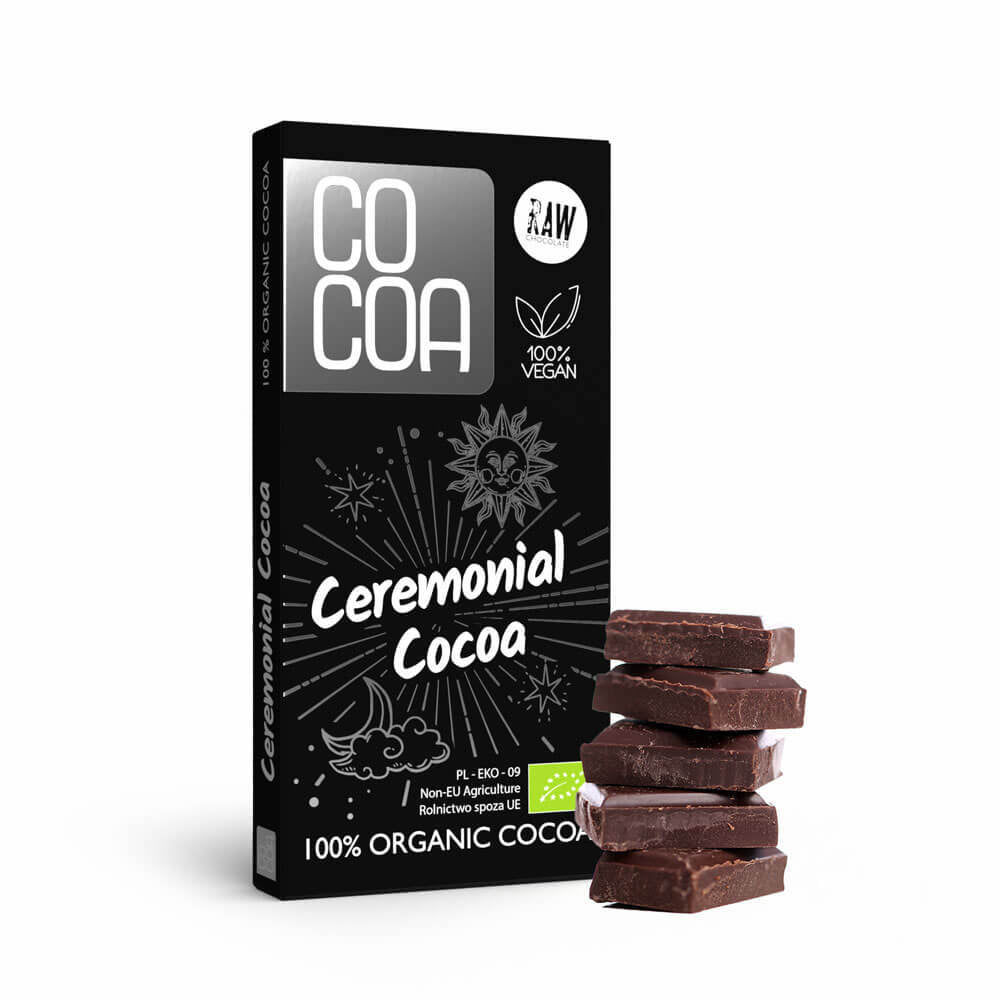
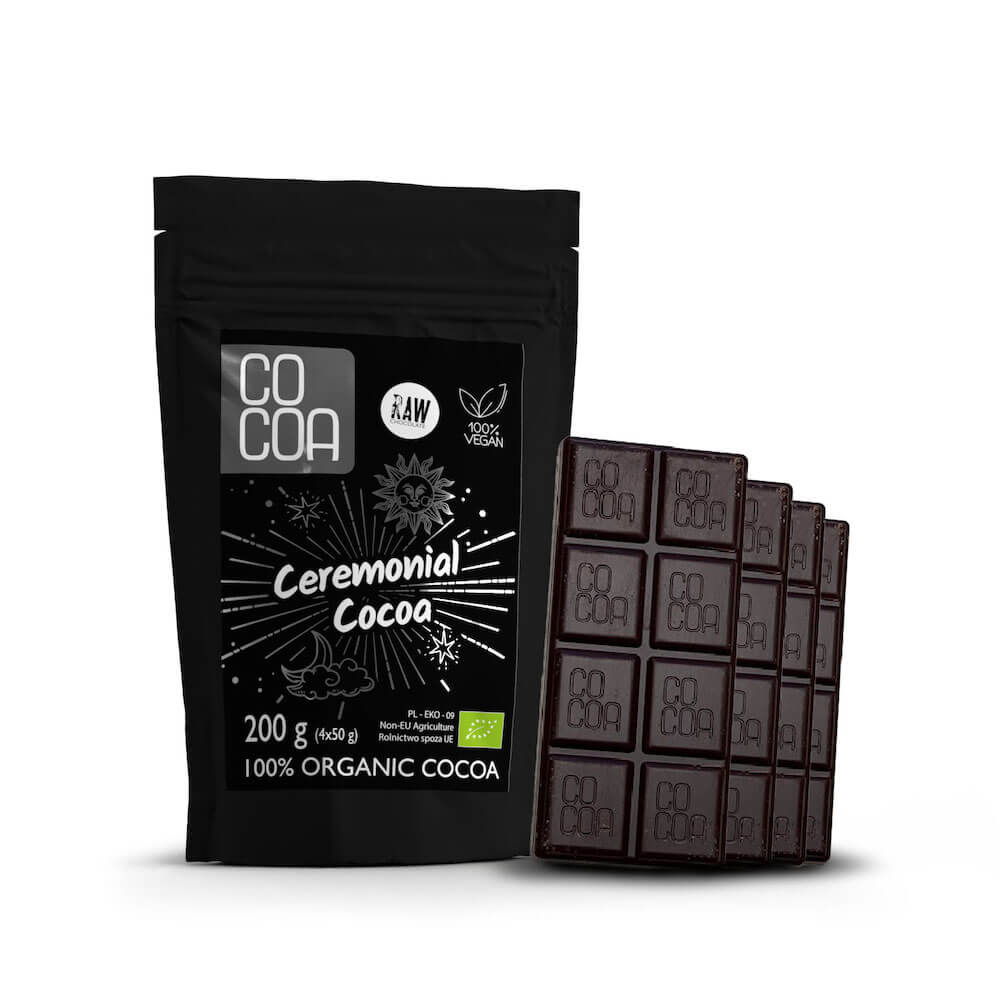
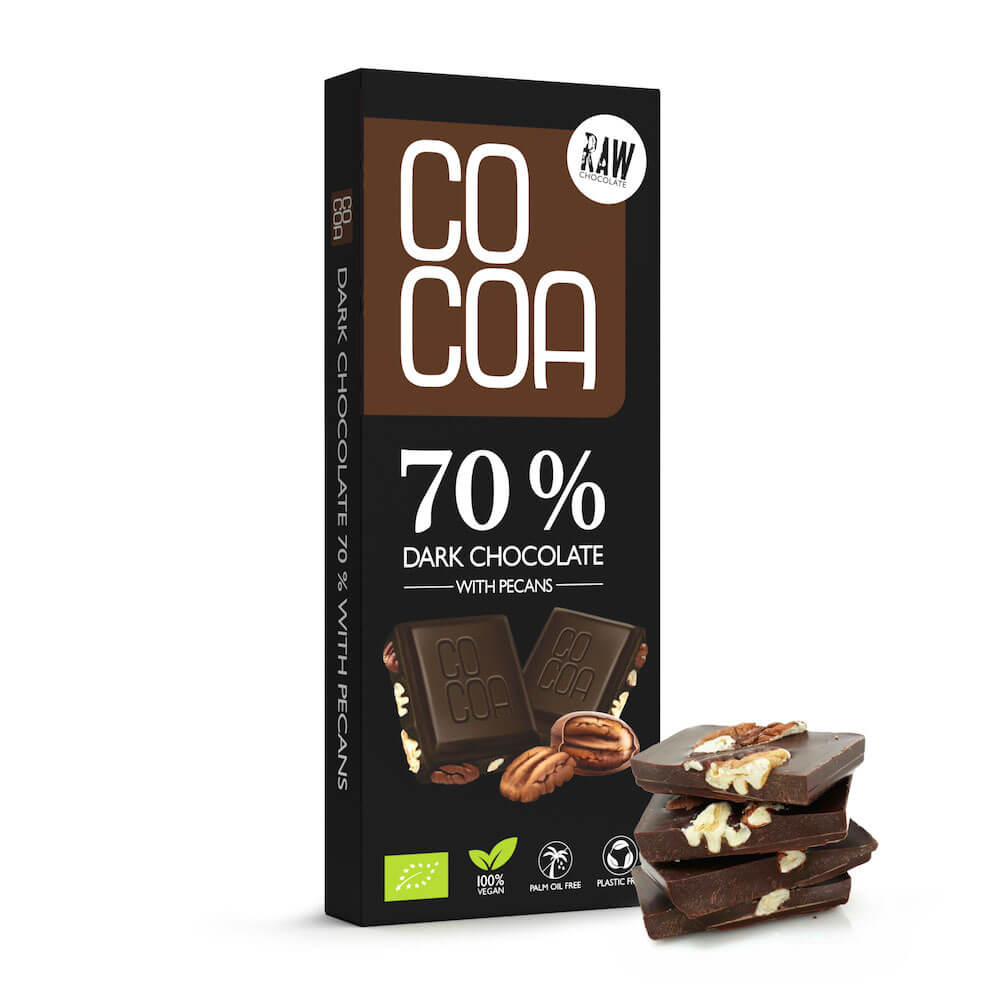
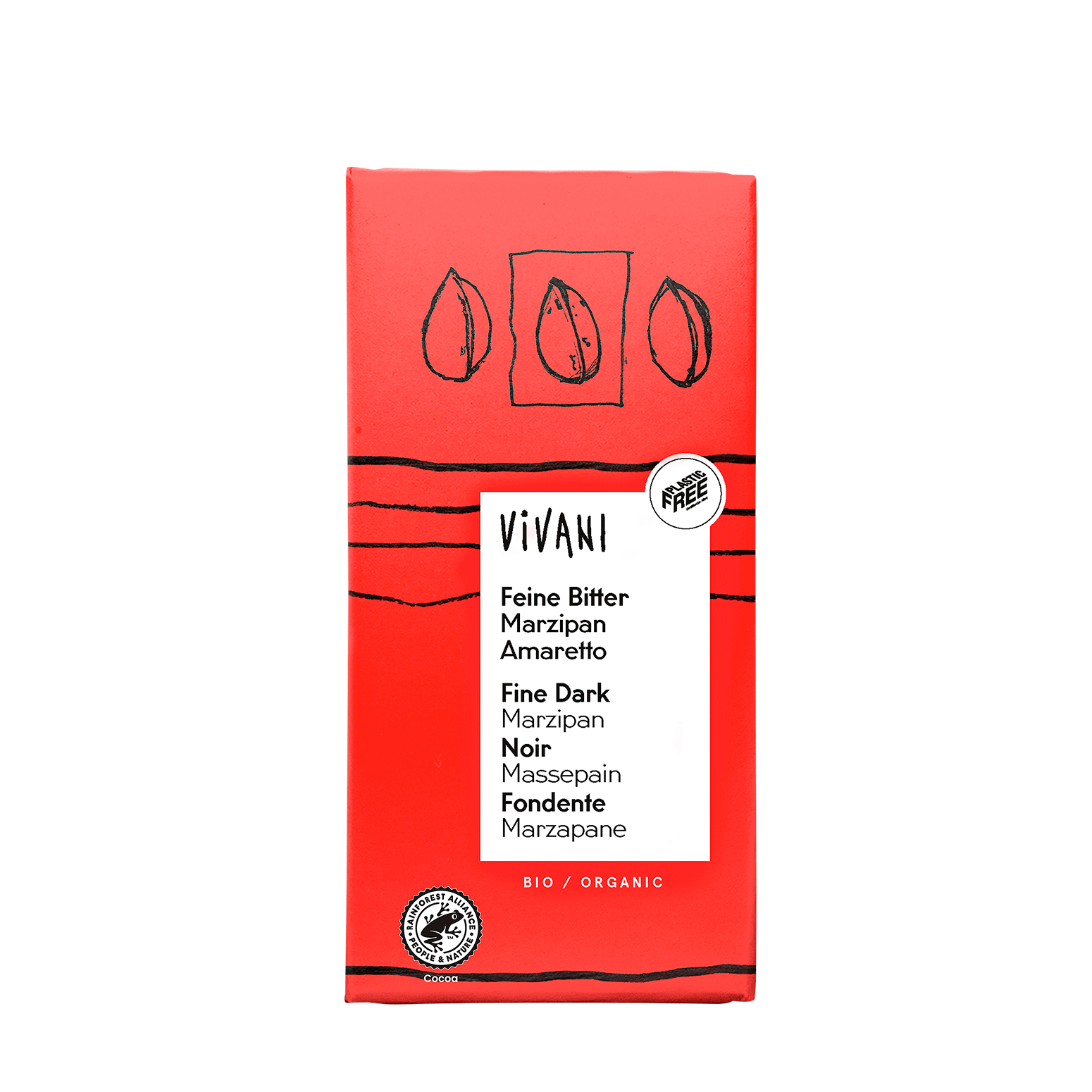
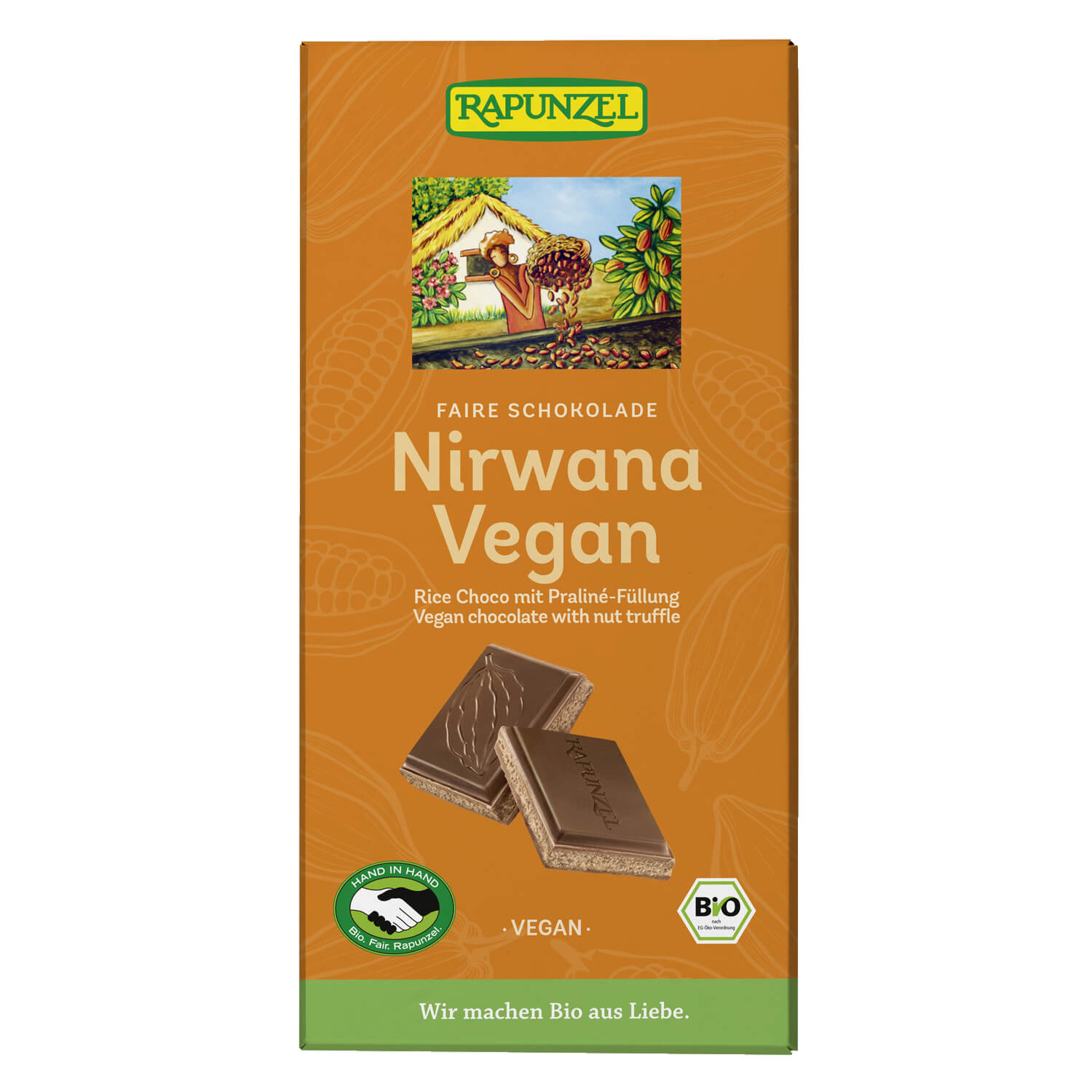
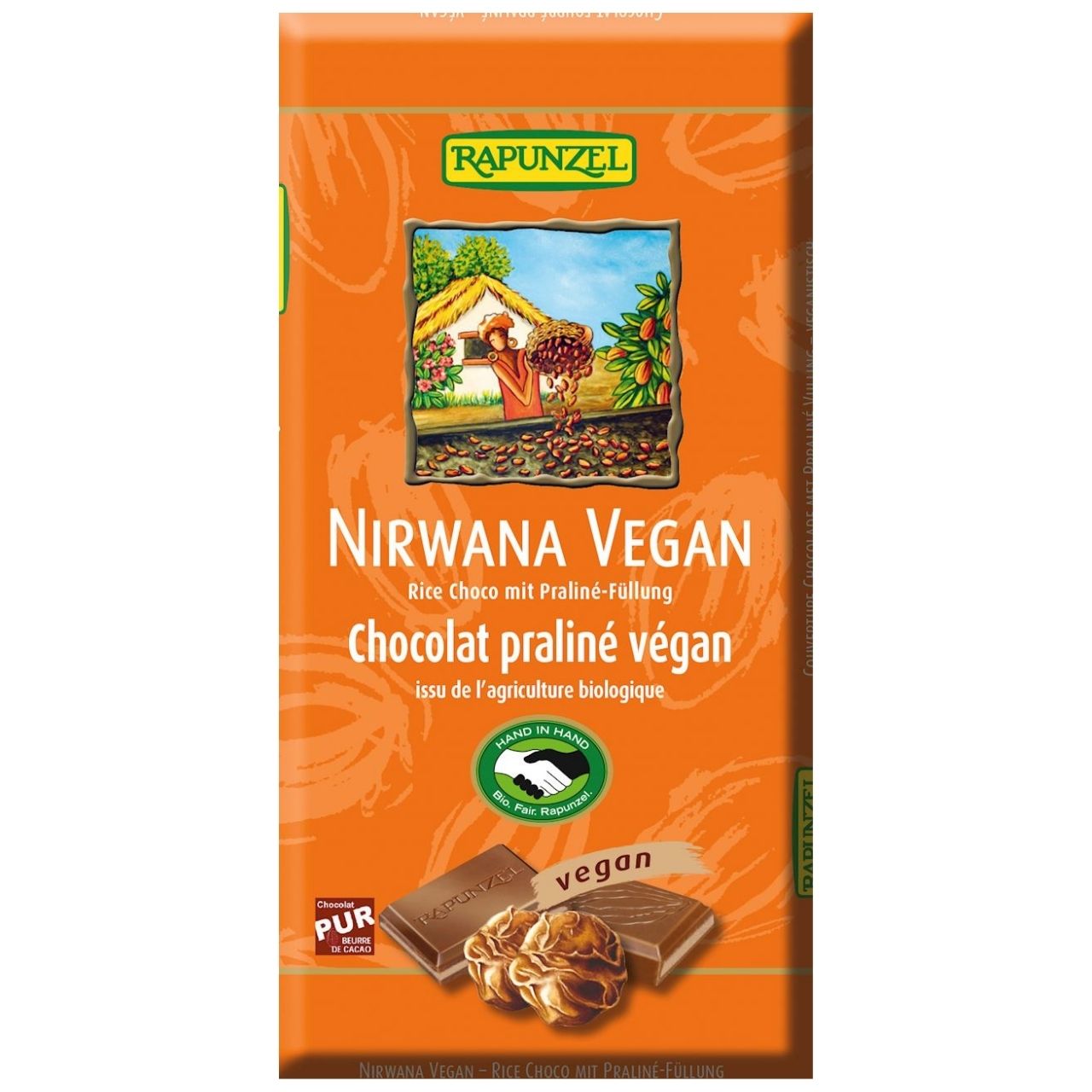
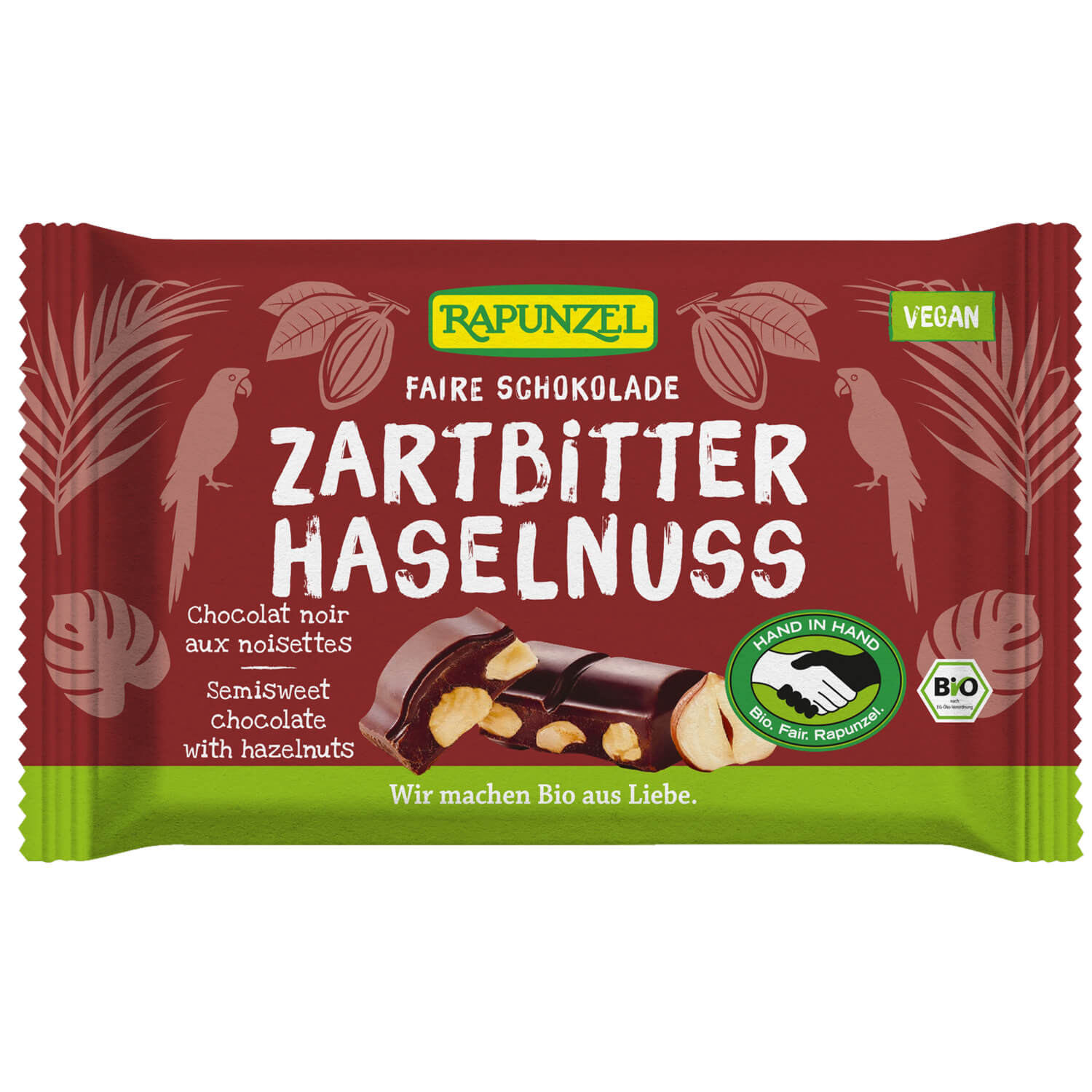
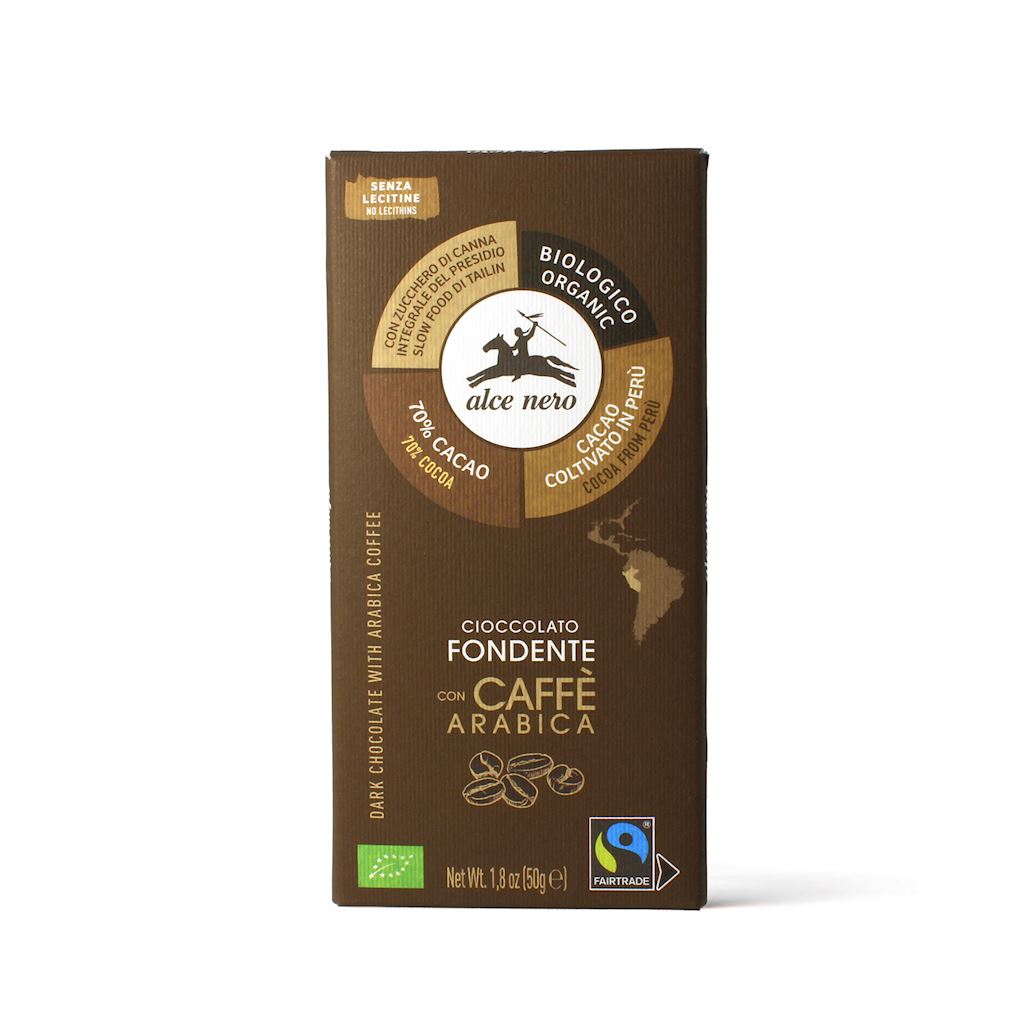
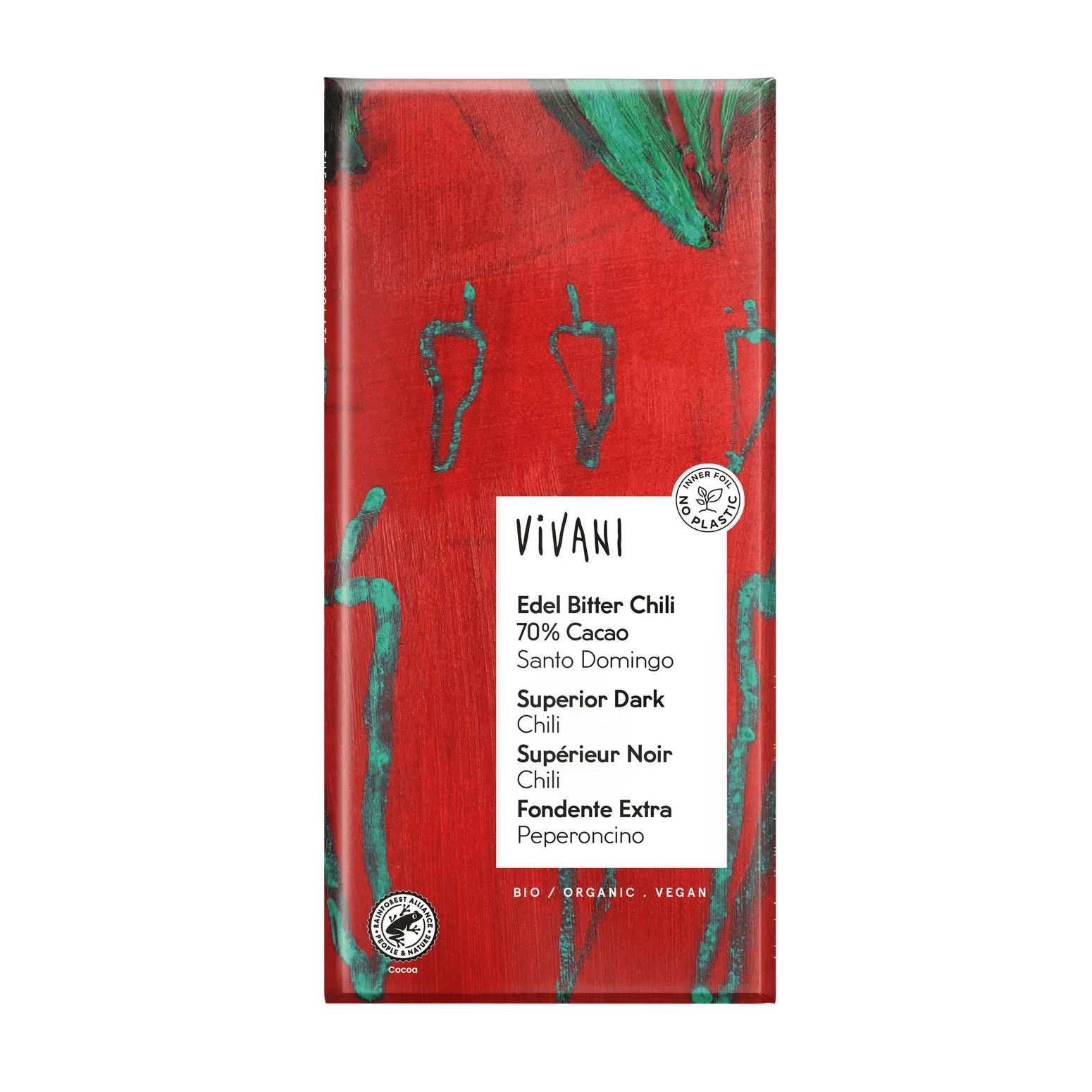
In our health food store, we offer various types of organic chocolates. We have dark chocolates with different cocoa contents available, including raw Cocoa chocolates.
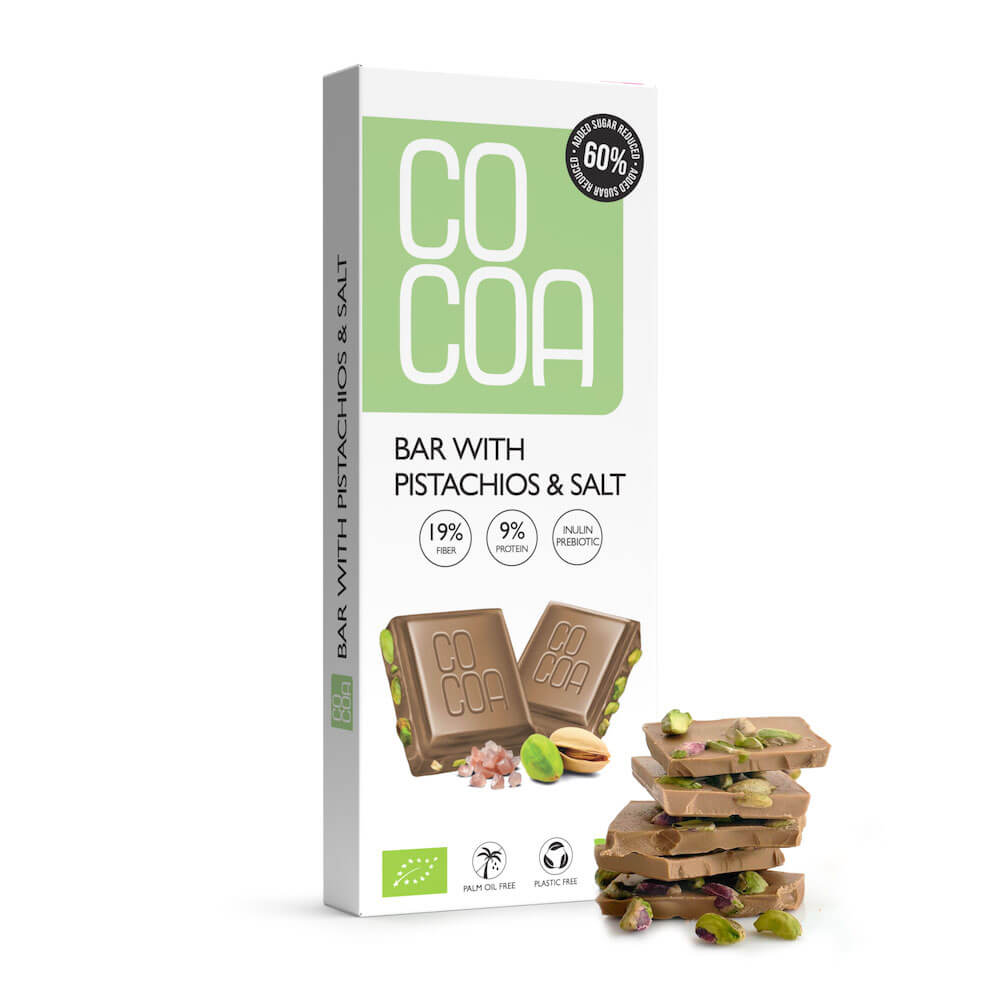
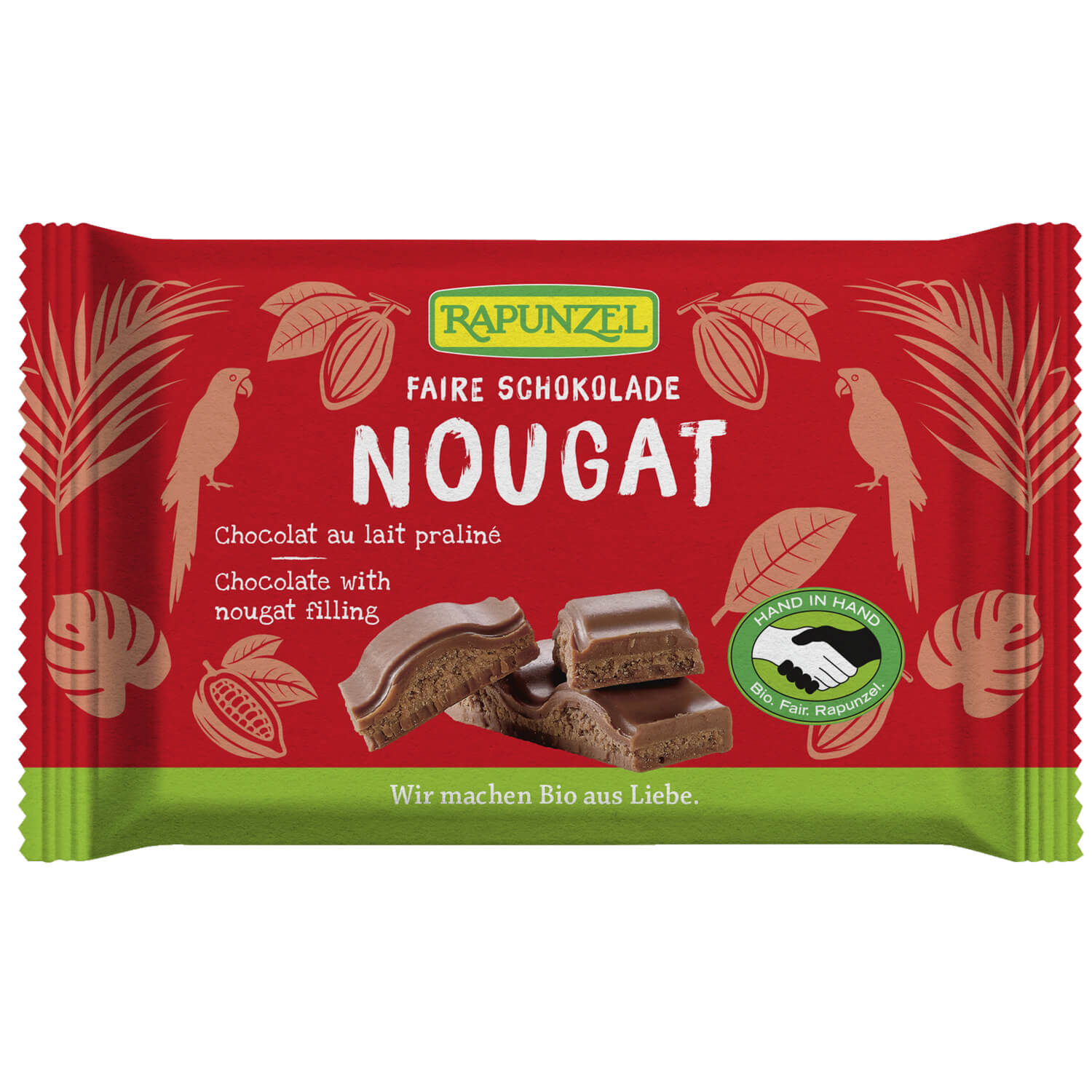
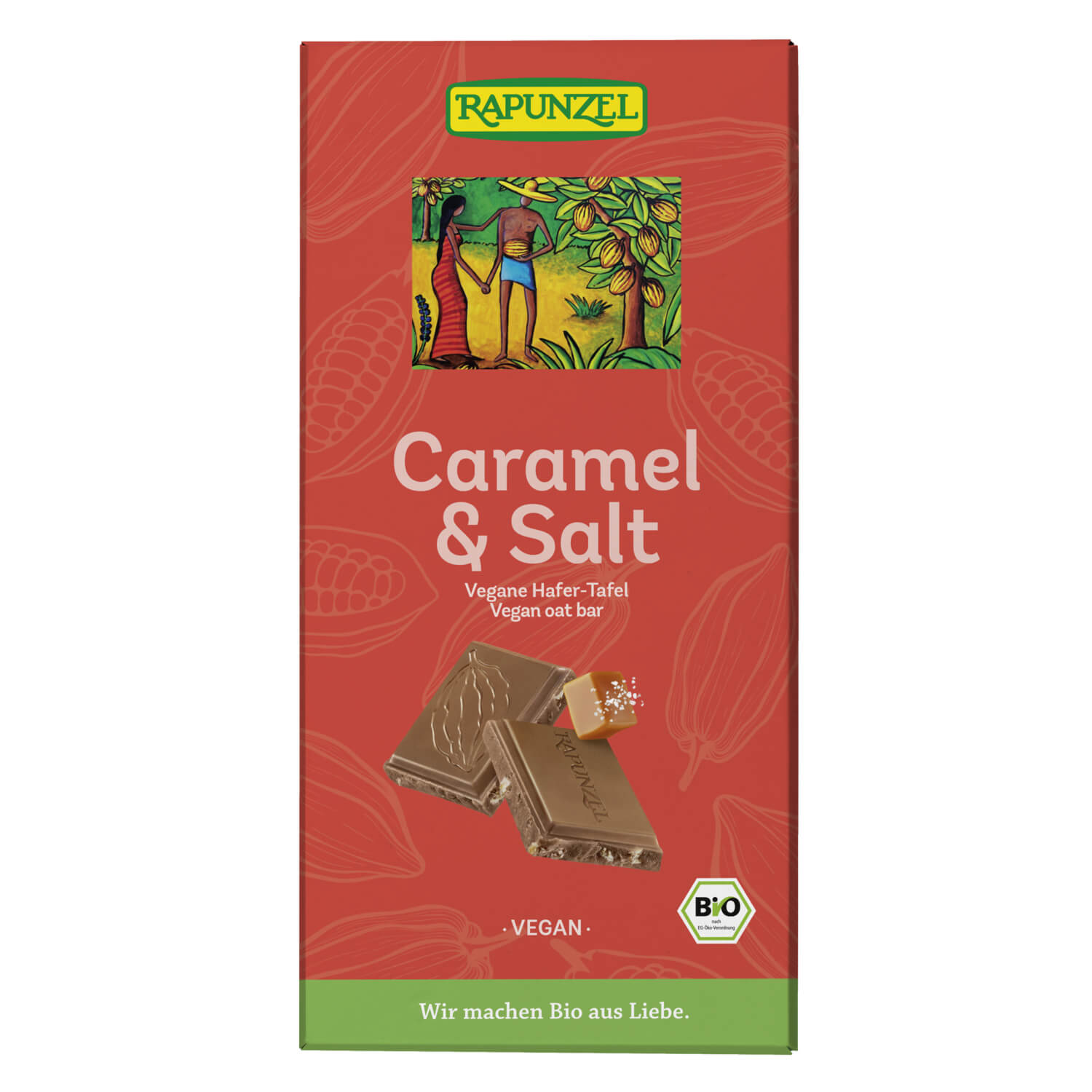
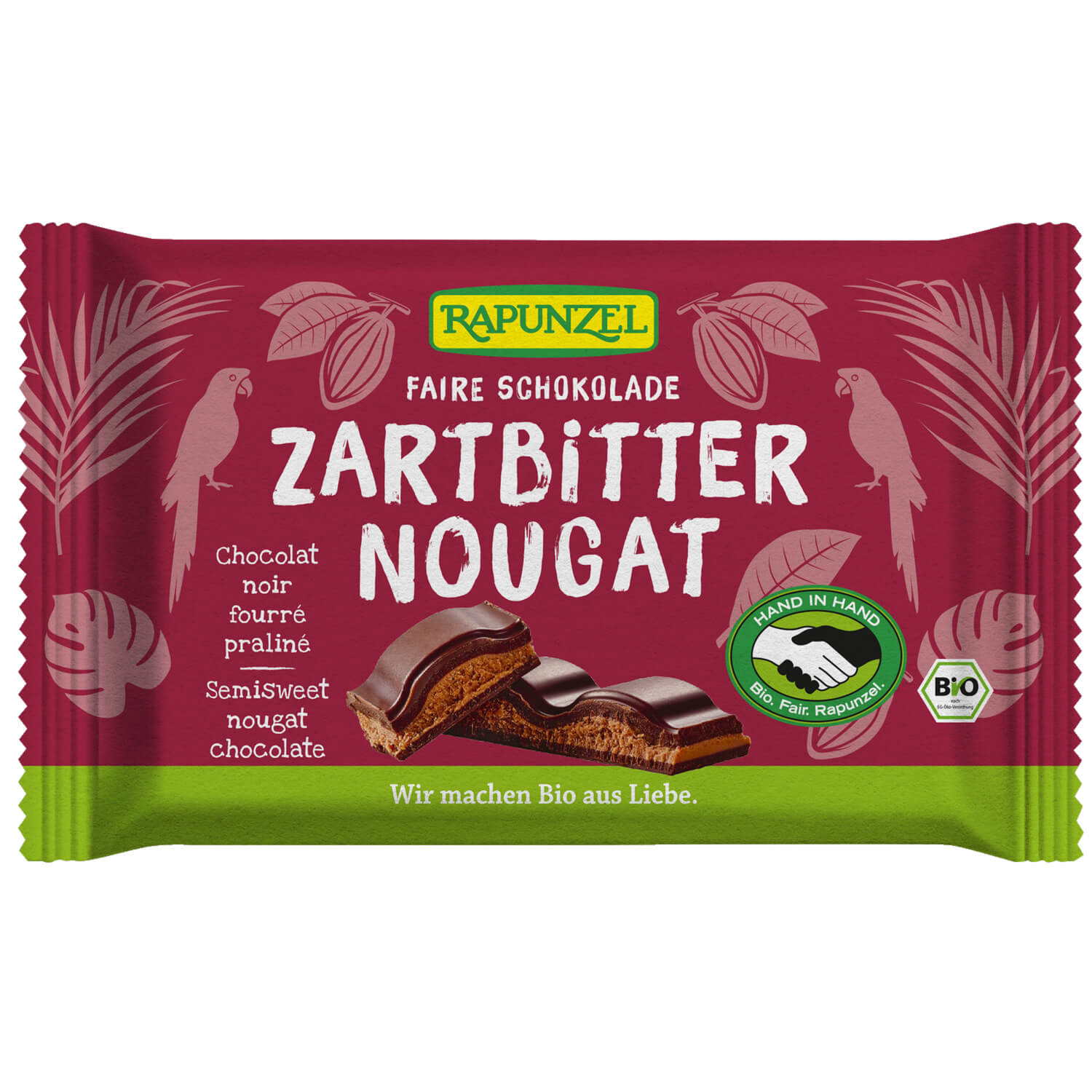
Lovers of milk chocolate with additions like nuts, almonds, or caramel will also find something for themselves. White chocolate is also available in our offer. Meanwhile, products marked with the Fair Trade certificate come from so-called fair trade. The production of Oxfam Fair Trade chocolates, available from us, involves fair treatment of all workers involved in cocoa cultivation, intermediaries, and local communities.
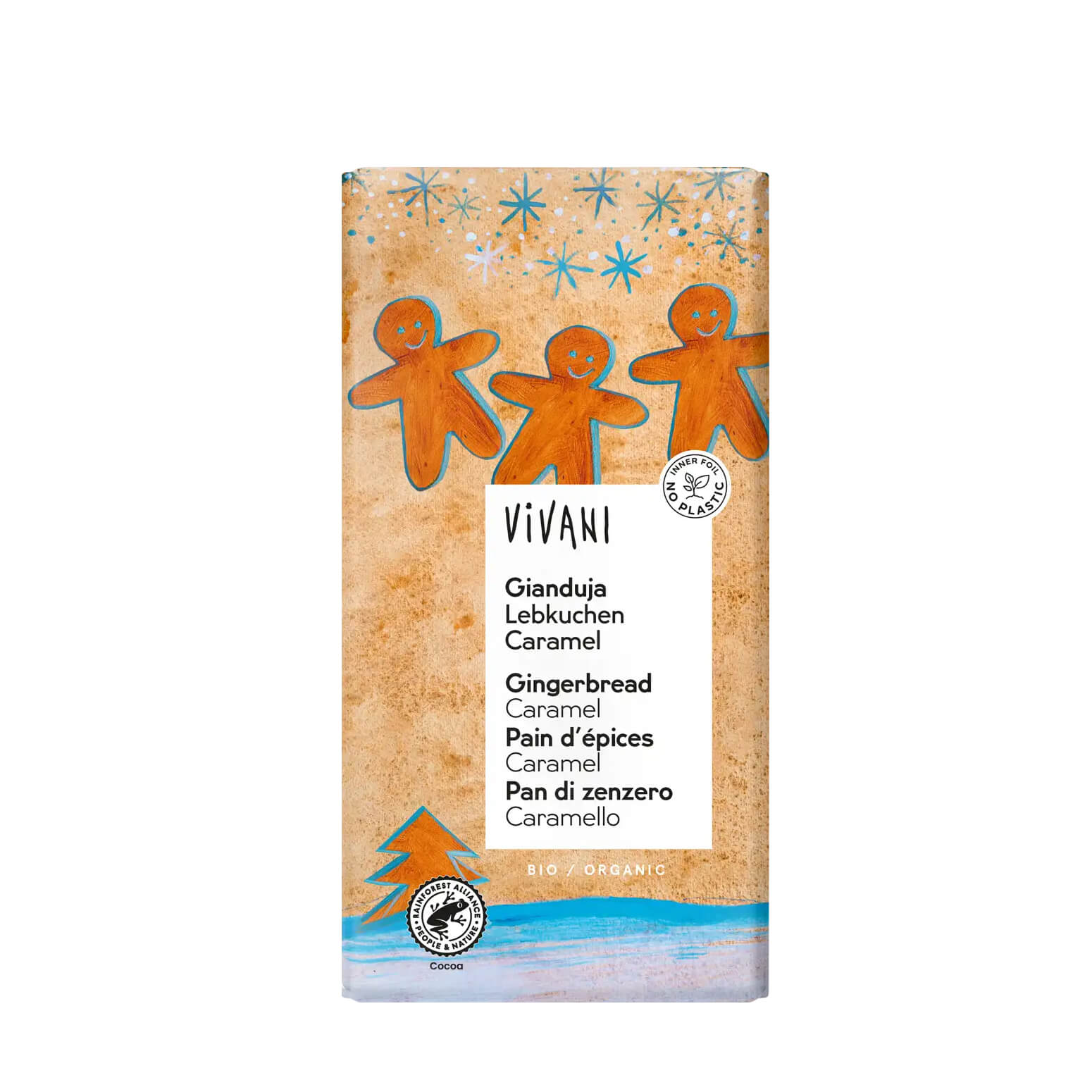
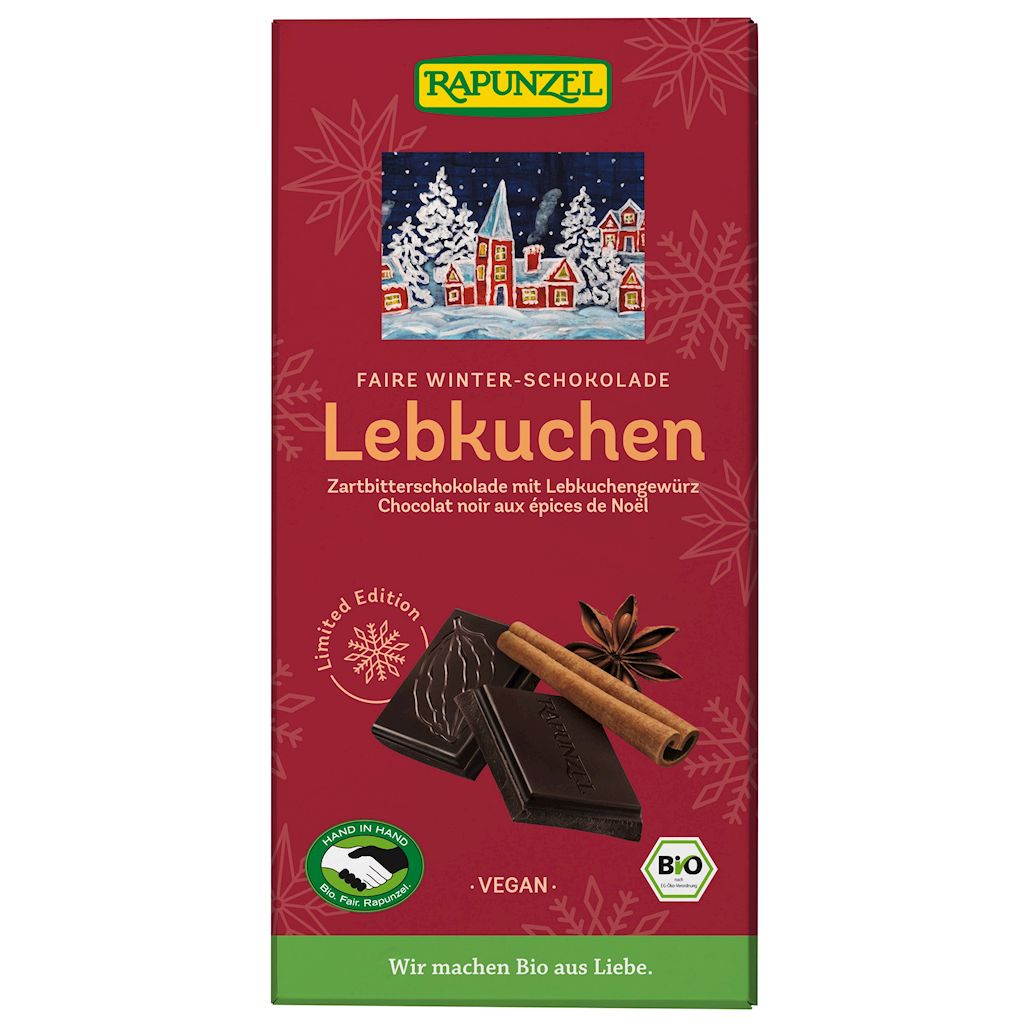
Seasonally, we also offer holiday chocolates, which can serve as a gift for loved ones. Check out our full offer now!