Sugar, a sweet crystal that has been igniting our taste buds for centuries, is not only a source of instant energy but also an integral part of culinary cultures around the world. Its history dates back to ancient civilizations, where it was treated as a precious commodity, sometimes called "white gold."
These days, sugar has become ubiquitous, finding its uses not only in home kitchens but also in the food industry. It's a key ingredient in many products, from sweet baked goods to carbonated drinks, and its presence in our diet is almost inevitable.
In this category, you'll find a variety of organic sugars. Each has unique properties and uses that make it indispensable in specific recipes and cooking methods.
Types of organic sugar
Sugar, although seemingly a homogeneous product, comes in many varieties that differ in taste, consistency, and uses. Let's explore the most popular ones:
White sugar:
The most common type of sugar, obtained from sugar cane or sugar beets, is refined, meaning it has been stripped of molasses, giving it a white color and mild flavor.
Applications: Perfect for sweetening tea, coffee, cocoa, as well as cakes, cookies and other baked goods.
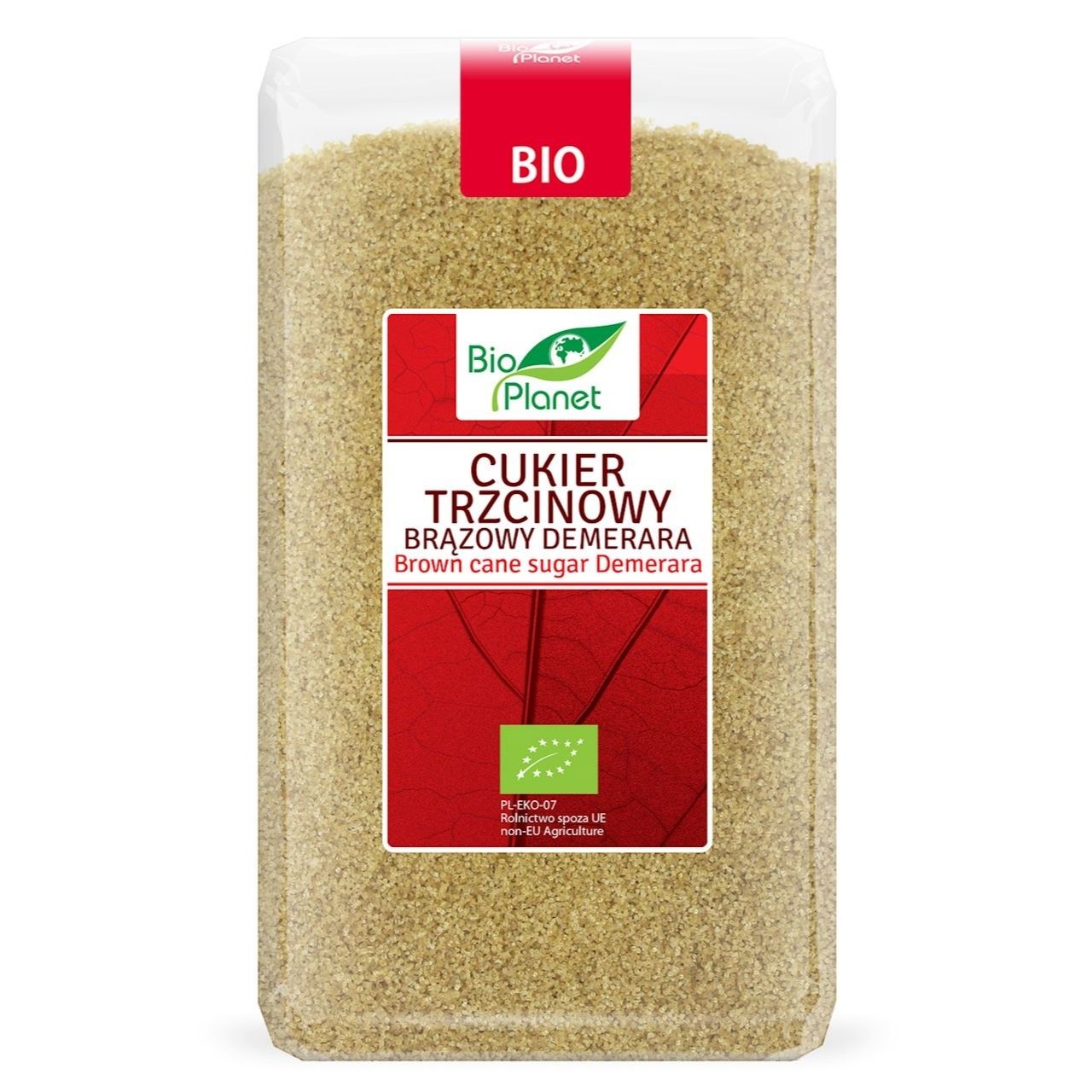
Cane sugar:
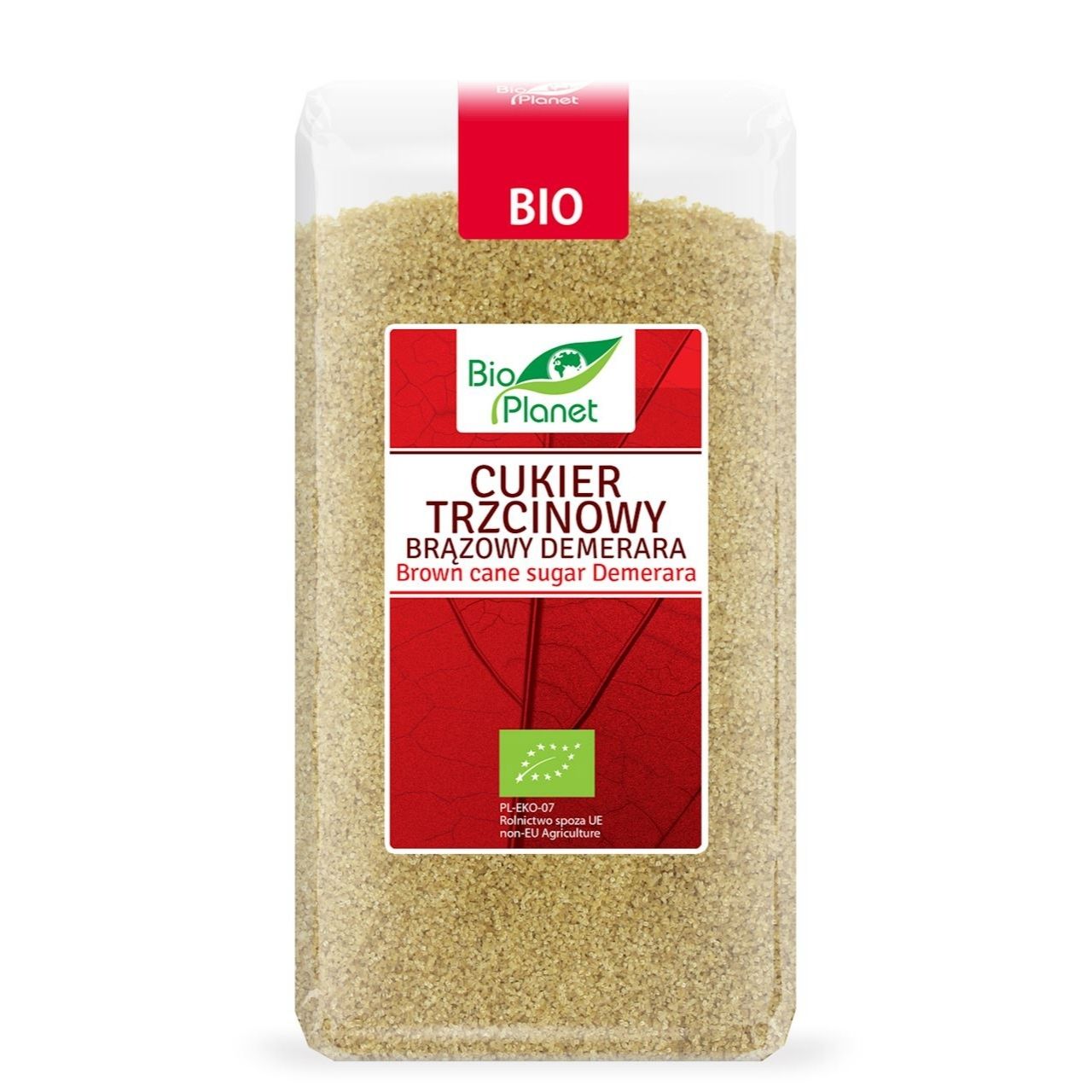
Natural sugar, obtained from sugarcane juice. It has a light brown color and a caramel flavor.
Applications: Perfect for baking, desserts, sauces, and marinades. It adds a natural sweetness and depth of flavor to dishes.
Other types of sugar:
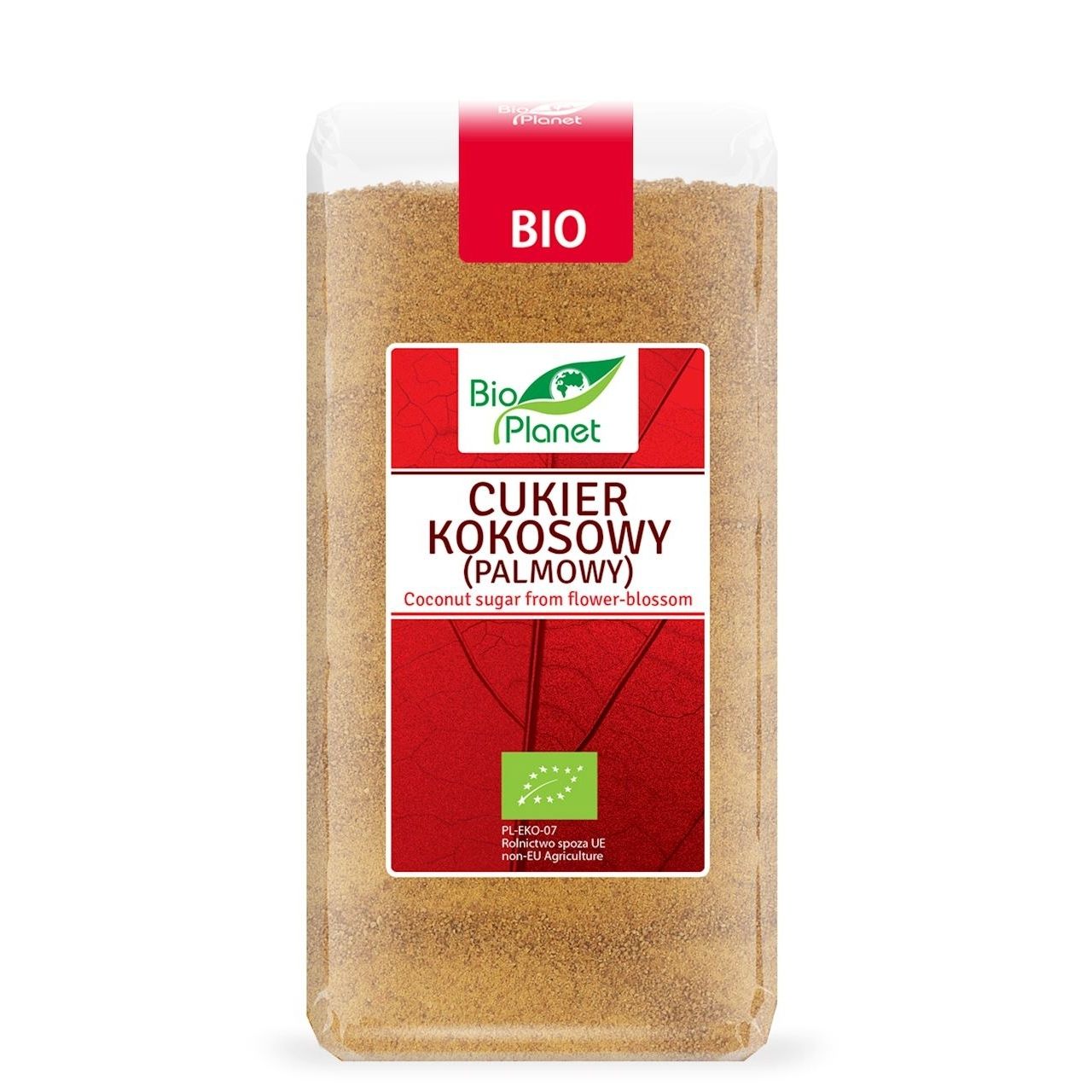
Coconut sugar: A healthy alternative to white sugar, rich in minerals and fiber. It has a slightly caramel flavor and aroma.
Brown sugar: White sugar with added molasses, which gives it a brown color and characteristic flavor.
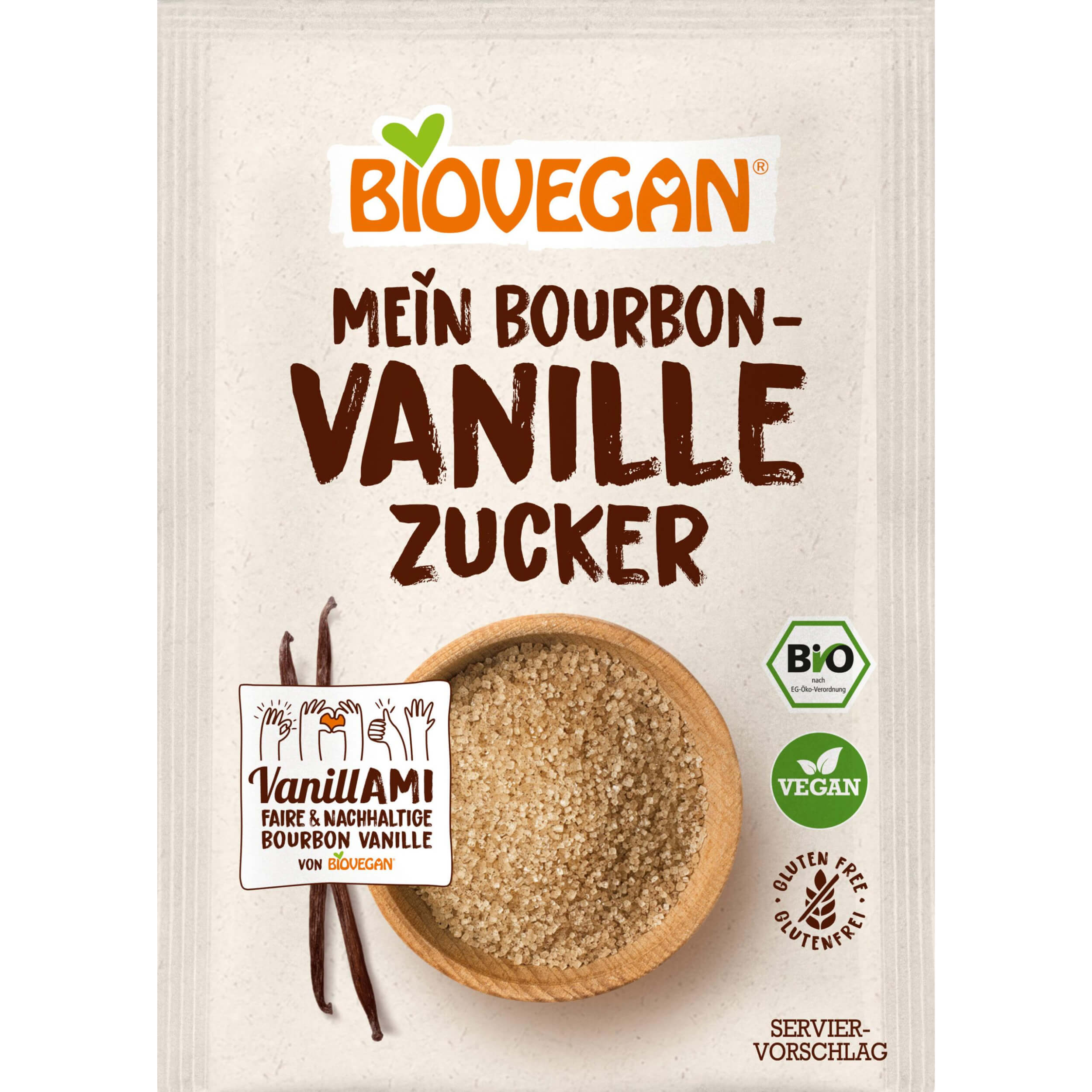
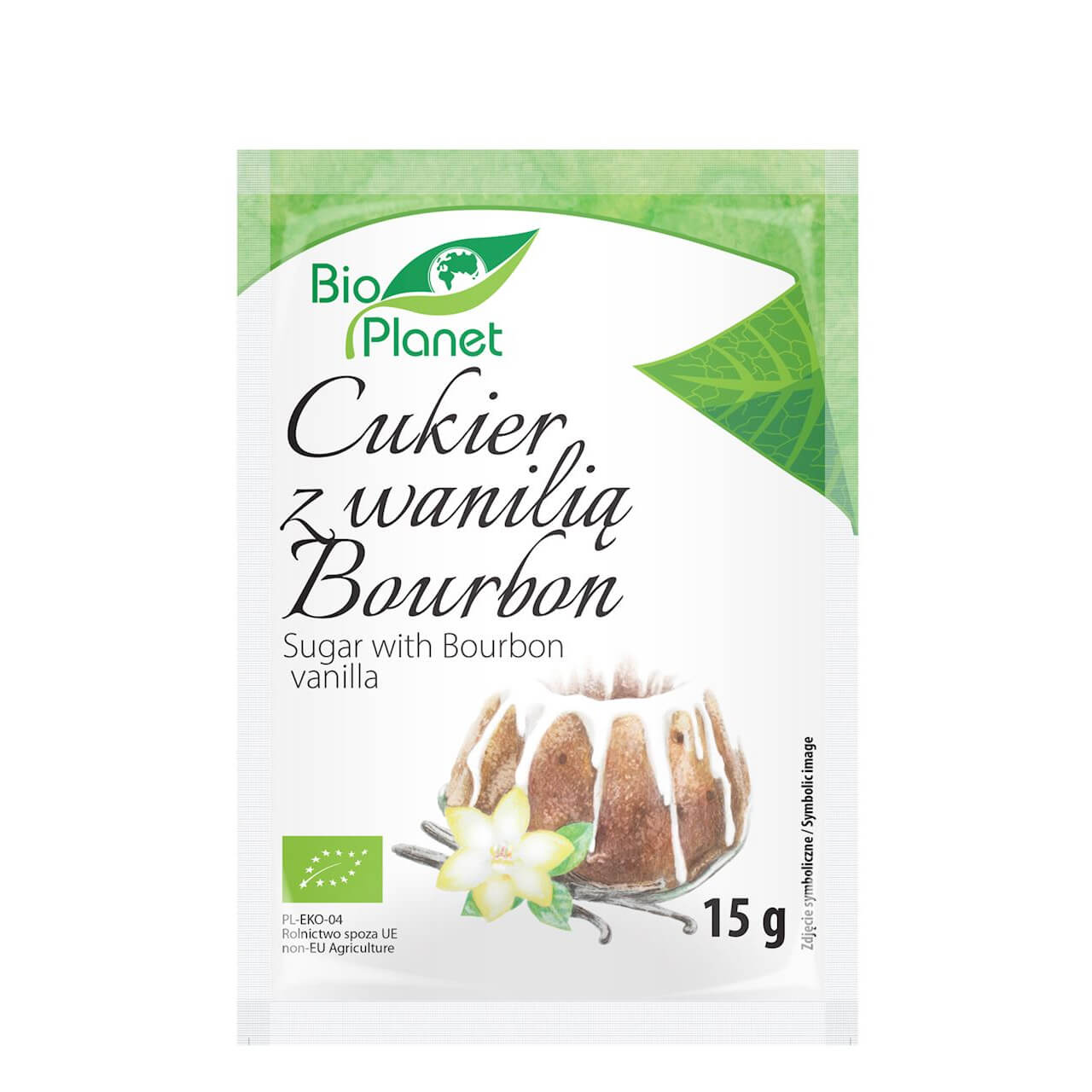
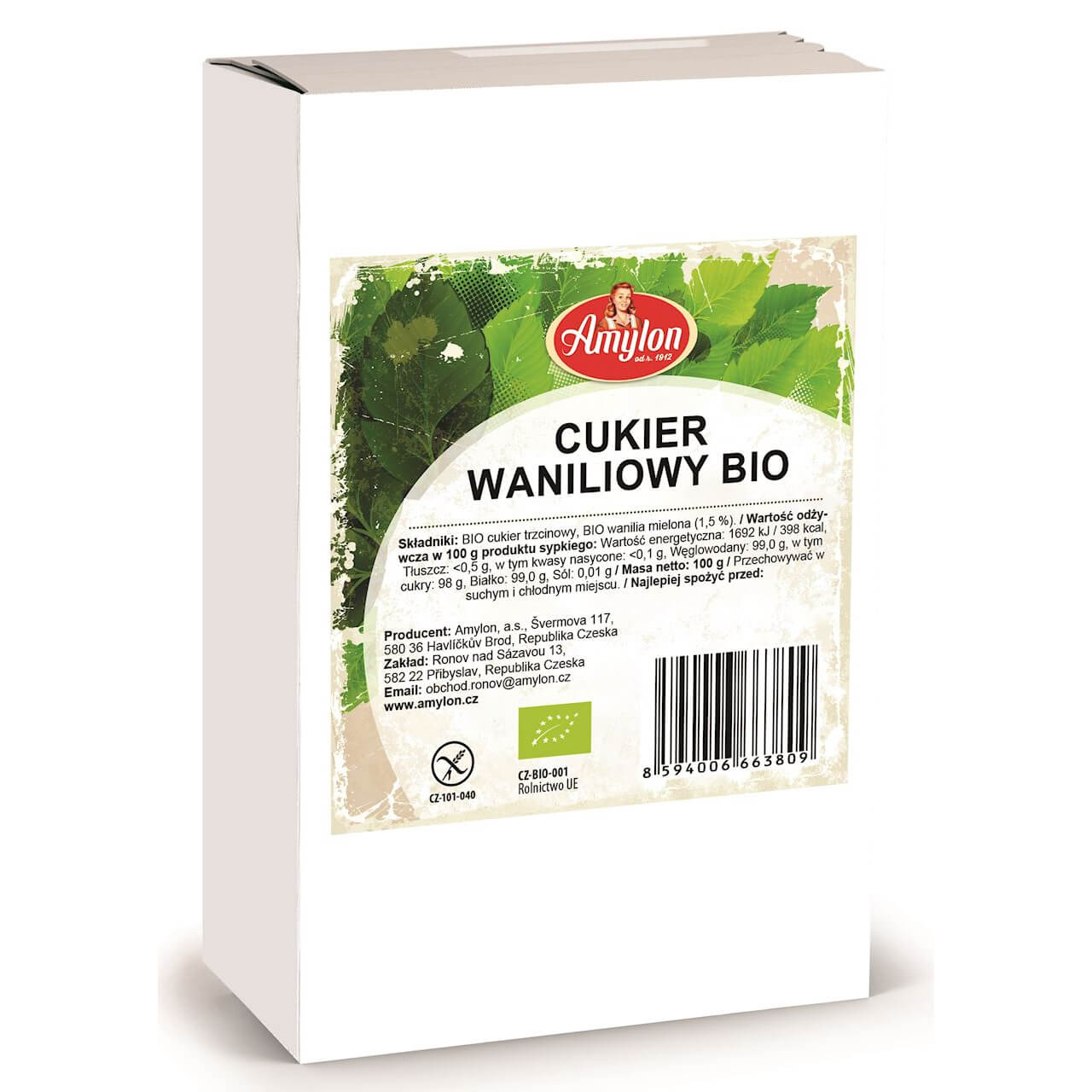
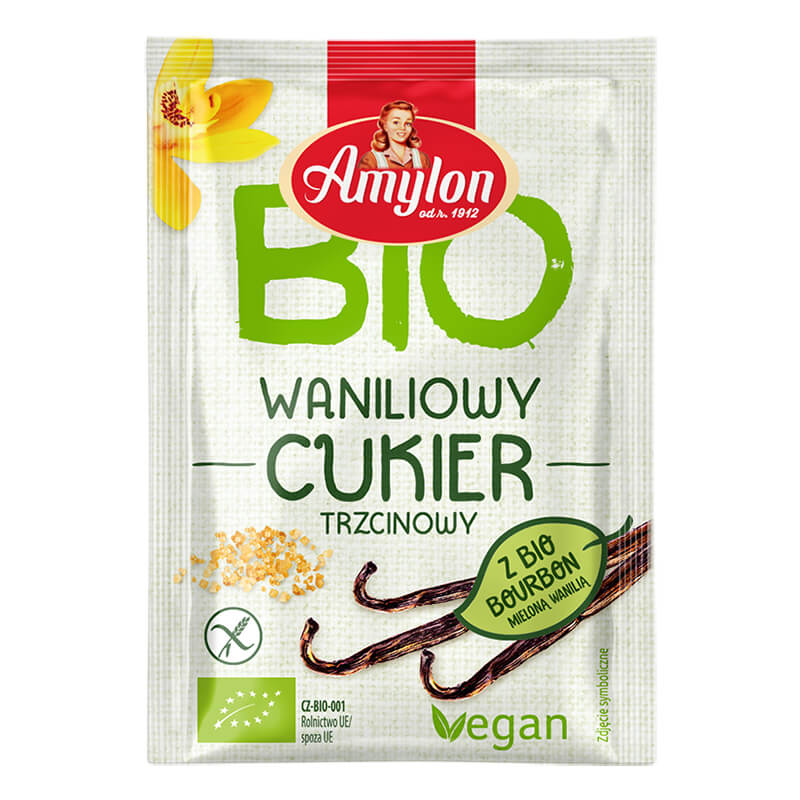
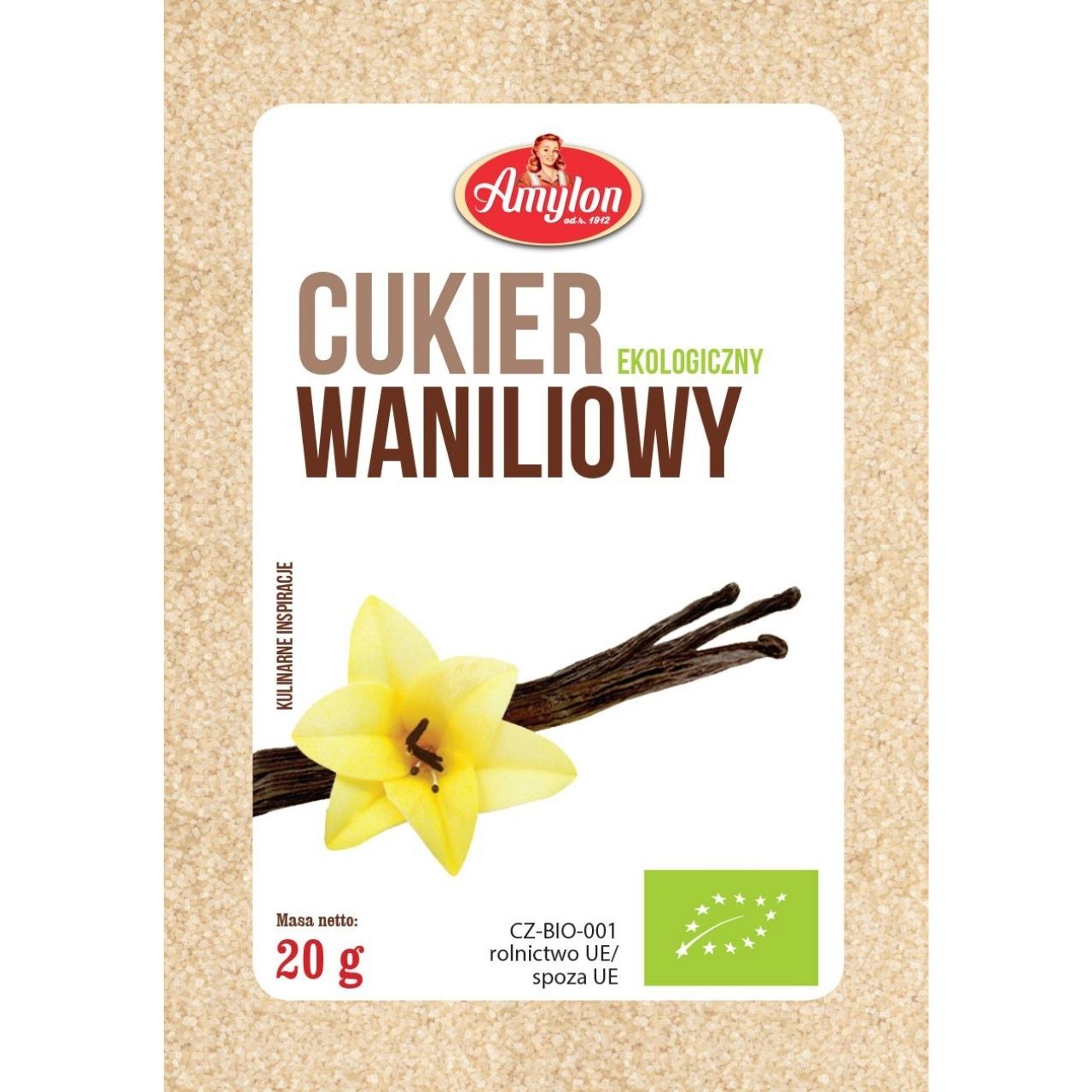
Vanilla sugar: A selected type of sugar with added vanilla, perfect as an addition to baked goods and drinks.
Powdered sugar: Finely ground white sugar, ideal for sprinkling cakes, desserts and icing.
Erythritol: A natural, low-calorie sweetener that does not contain sugar and does not affect blood glucose levels.
Xylitol : A low-calorie sugar alcohol with antibacterial properties that support dental health.
When choosing sugar, pay attention to its type and use. Remember that each type of sugar has its own unique properties and flavor.
Uses of sugar
Sugar, thanks to its versatility, is not only a staple ingredient in many recipes but also serves a variety of other purposes in the kitchen. Here are some of its most significant uses:
In baking
Adding Sweetness – Sugar is a key ingredient in cakes, cookies, and other baked goods, giving them a sweet flavor.
Moisture retention – Helps retain moisture in baked goods, keeping them fresher for longer.
Caramelization – When exposed to high temperatures, sugar caramelizes, creating a golden crust on top of cakes and desserts.
In drinks
Sweetening Beverages – Sugar is often added to coffee, tea, cocktails and other drinks to modify their taste.
Flavored syrups – Sugar syrups are used as a base for flavoring various drinks.
In maintenance
Fruit preserves – Sugar is also used to produce organic jams , preserves and marmalades, where it acts as a natural preservative.
Marinades – It is added to marinades to balance the flavor and extend the shelf life of meats and vegetables.
In Asian cuisine
Balancing Flavors – Sugar is an important ingredient in Asian cuisine, where it is often used to balance spicy and sour flavors.
In medicine
Pharmaceutical Products – Sugar is used in pharmacy as a filler or flavoring additive to medicines.
Sugar and health
Sugar, an integral part of our diet, has both positive and negative health implications. Its impact on the human body is the subject of much research and debate.
Energy
Sugar is a quick source of energy because it is easily converted into glucose, which our cells can use to produce ATP – the universal energy carrier.
Excess Sugar
Obesity – Excessive sugar consumption can lead to weight gain and obesity, which in turn increases the risk of many diseases.
Type 2 diabetes – Long-term consumption of large amounts of sugar can contribute to the development of type 2 diabetes.
Heart disease – There is evidence that high sugar consumption is associated with a greater risk of cardiovascular disease.
Recommended Daily Intake
Health organizations recommend limiting your intake of added sugars to 10% of your total daily energy, and ideally to 5% for additional health benefits.
Sugar and teeth
Sugar is one of the main factors contributing to tooth decay because it provides a breeding ground for bacteria in the mouth.
Natural vs. added sugar
Sugars naturally found in fruits and vegetables are less harmful than added sugars because they are consumed with fiber, which slows down glucose absorption.
In summary, sugar in moderation can be part of a balanced diet , but too much can lead to serious health problems. It's important to be aware of the amount of sugar we consume and choose products with less of it.
Organic sugar at the Żywioł Zdrowia store
Sugar is a versatile product with many culinary uses. It is used to sweeten beverages and dishes, preserve food, add structure to cakes and cookies, enhance flavor, and produce a variety of sweets.
However, it's important to remember that excessive sugar consumption has a negative impact on health . Therefore, it's important to consume it in moderation and choose products low in sugar.
In our online store, you'll find a variety of sugar-containing products, including natural sweeteners . We also offer low-sugar products and sugar substitutes to help you maintain a healthy diet and enjoy sweet treats without worrying about your health.