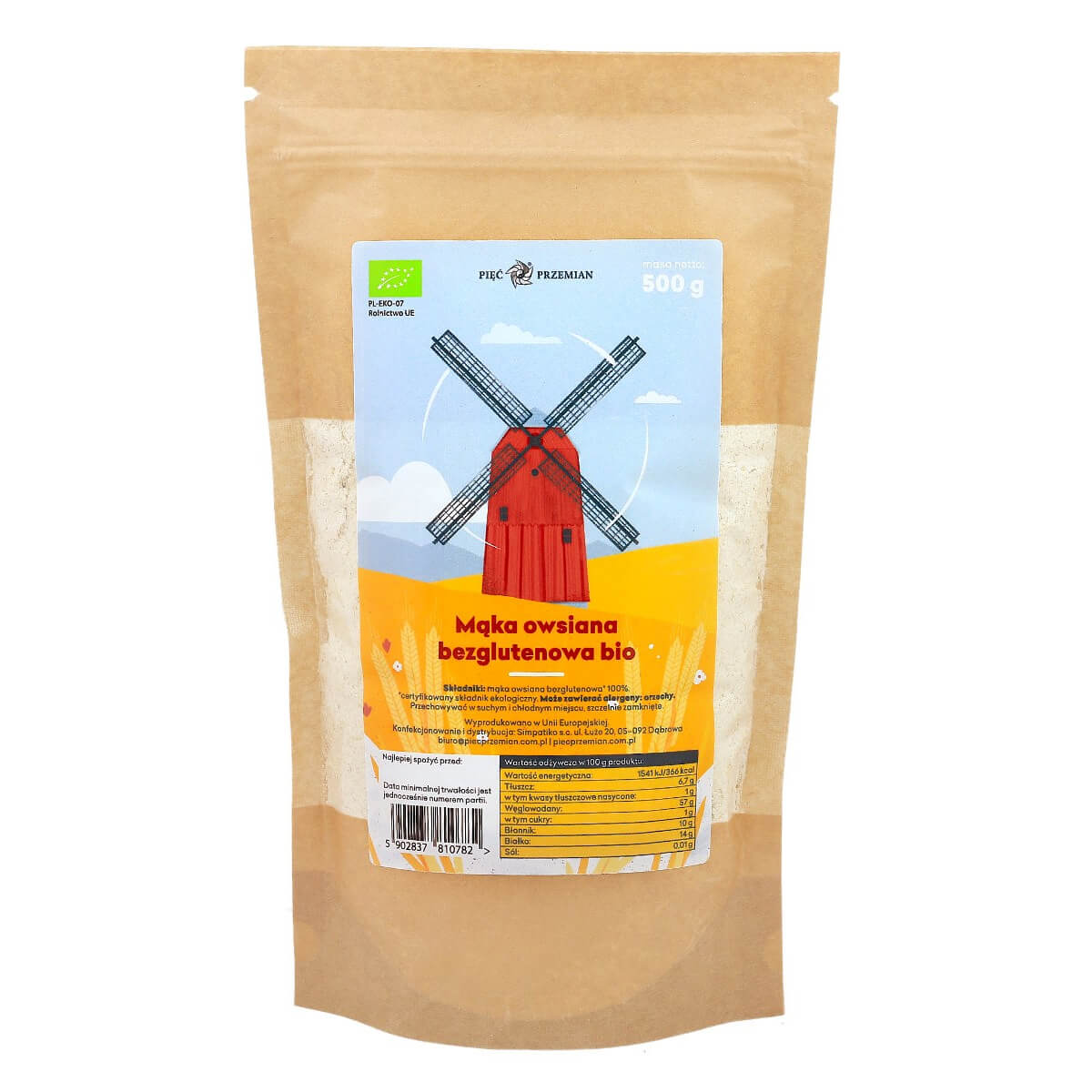
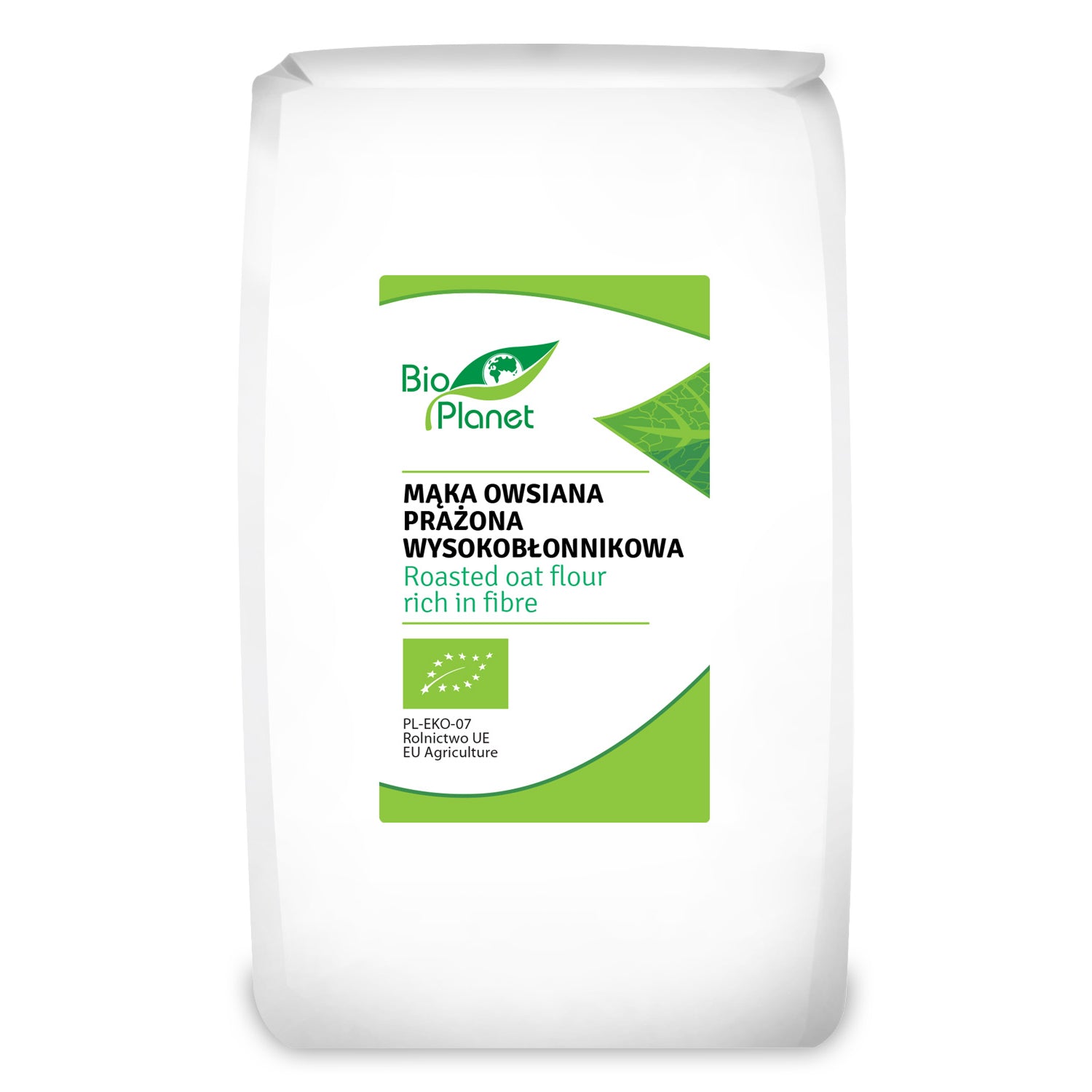
Organic oat flour is a natural product that's gaining increasing popularity among those who care about their health and want to diversify their diet. This flour, ground from oat grains, is naturally gluten-free and rich in protein, fiber, and minerals. It's suitable for baking a variety of cakes and cookies, as well as thickening sauces and soups.
In our online store, you'll find a variety of organic oat flours, sourced from certified farms and manufactured to the highest quality standards. We invite you to discover the benefits and uses of oat flour, which can be an excellent substitute for traditional wheat flour.
What is organic oat flour?
Oat flour is a product of ground oats, one of the oldest and most valuable cultivated grains in the world. Oats are rich in nutrients such as protein, fiber, vitamins, and minerals, and also contain compounds with antioxidant and anti-inflammatory properties.
Organic oat flour can be made from whole oats or from partially bran-removed cut oats. Depending on the degree of milling, oat flour can vary in density and texture. The finer the flour, the better it adheres and binds ingredients, while the coarser the flour, the crispier and looser the baked goods. Oat flour has a light, yellowish color and a distinctive, slightly nutty flavor.
Properties of organic oat flour
Oat flour has many health-promoting properties due to its rich nutritional composition. Here are some of them:
- Lowers cholesterol and the risk of heart disease – oat flour is rich in dietary fiber, including beta-glucan, which binds to cholesterol in the intestines and prevents its absorption into the blood. This helps lower bad LDL cholesterol and protects against atherosclerosis and heart attacks.
- Regulates blood sugar levels and prevents diabetes – oat flour has a low glycemic index, meaning it doesn't cause sudden spikes in blood sugar levels after consumption. It also provides magnesium, which improves cell sensitivity to insulin and facilitates glycemic control. Therefore, consuming oat flour may prevent or help treat type 2 diabetes.
- Improves digestive function and prevents constipation – oat flour is a source of soluble and insoluble fiber, which aids digestion and intestinal peristalsis. It helps maintain healthy intestinal flora and prevents the growth of pathogens. It also prevents constipation and the development of hemorrhoids.
- Supports the nervous system and improves mood – oat flour is rich in B vitamins, which are essential for the proper functioning of the nervous system. It also contains tryptophan, an amino acid that is a precursor to serotonin, the happiness hormone. Eating oat flour may therefore improve memory, concentration, sleep quality, and mood.
- Strengthens bones and teeth – Oat flour provides calcium, phosphorus, magnesium, and silicon, which are essential for building and maintaining healthy bones and teeth. Therefore, it may prevent osteoporosis and tooth decay.
- Nourishes skin and hair – Oat flour contains biotin, vitamin E, and zinc, which are important for healthy skin and hair. It moisturizes the skin, soothes irritations, and has anti-inflammatory and anti-aging properties. It strengthens hair, prevents hair loss and brittleness, and adds shine.
As you can see, oat flour has many health and beauty benefits. It's worth including it in your diet and enjoying its taste and properties.
How to use gluten-free oat flour in the kitchen?
Oat flour is a versatile ingredient that can be used in many ways in the kitchen. Here are some ideas for making delicious and healthy dishes with it:
- Baking - Gluten-free oat flour is suitable for baking cakes, cookies, muffins, waffles, and pancakes. It adds fluffiness and moisture to dishes, as well as an oaty, slightly nutty flavor. When baking your favorite cake or cookies, you can replace 20-30% of the wheat flour with oat flour to incorporate more health benefits into your diet. For example, you can bake a delicious oatmeal cake with apples, a chocolate-packed oatmeal cake with raspberries, or banana donuts with peanut butter .
- Thickening - Oat flour can be used as a natural thickener in sauces, soups, and stews. Simply add a few tablespoons of flour to a simmering dish and stir. The flour will give the dish a smooth and creamy texture without the addition of cream or butter.
- Cutlets and Meatballs - Oat flour can also be used as a binding ingredient for meat or vegetarian cutlets and meatballs. Instead of breadcrumbs or groats, add oat flour to meat or vegetables and form cutlets or meatballs. This will make the cutlets juicy and soft.
- Oatmeal - Oat flour can also be the basis for preparing delicious and nutritious oatmeal for breakfast or dinner. Simply boil milk or water with honey , cinnamon, and salt, then add the oat flour and cook over low heat, stirring until thickened. Oatmeal can be served with your favorite toppings, such as fruit, nuts , seeds, or organic chocolate .
Oat flour is a versatile product that can be used in a variety of ways in the kitchen. Choose your favorite recipes and get cooking! 😊
Is organic oat flour gluten-free?
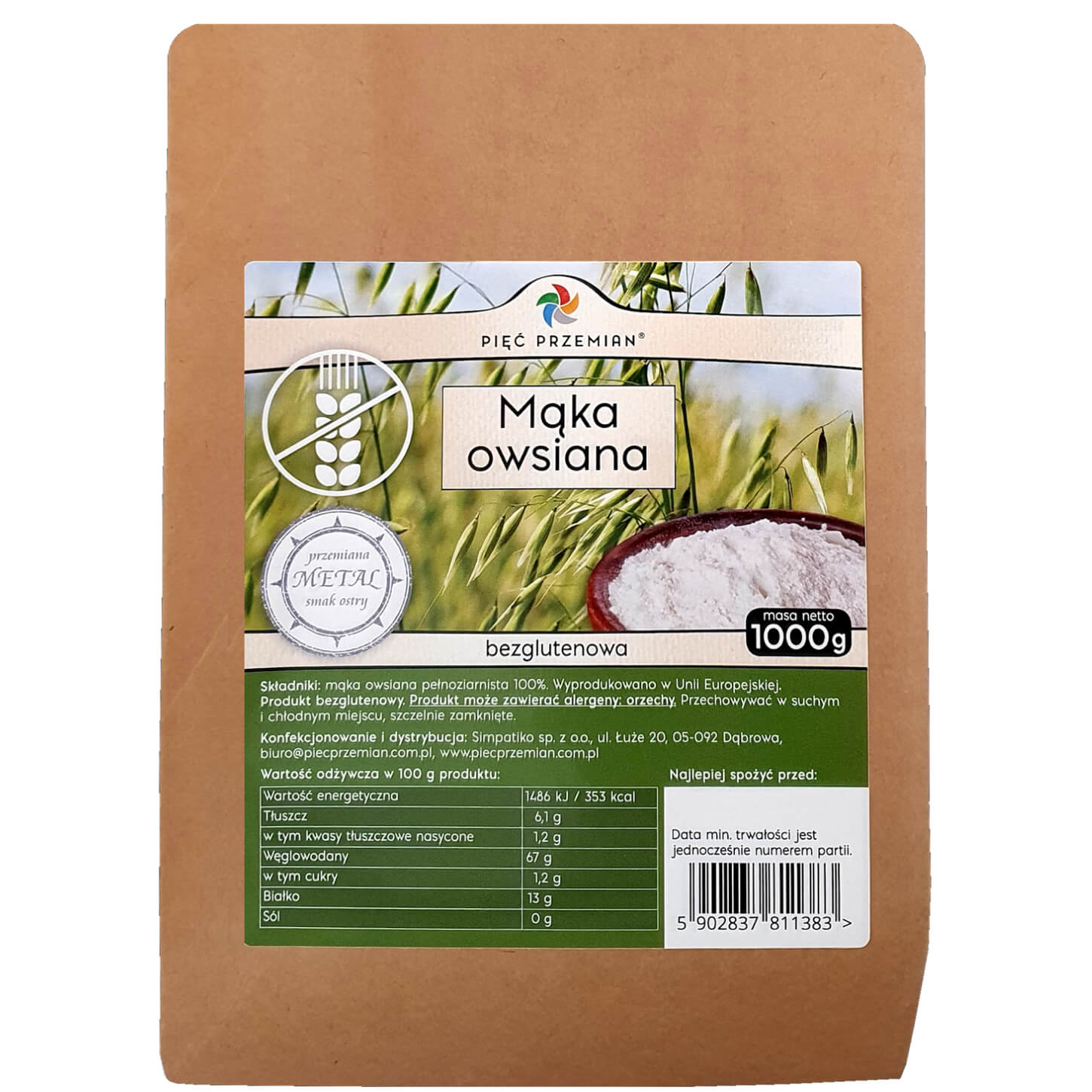
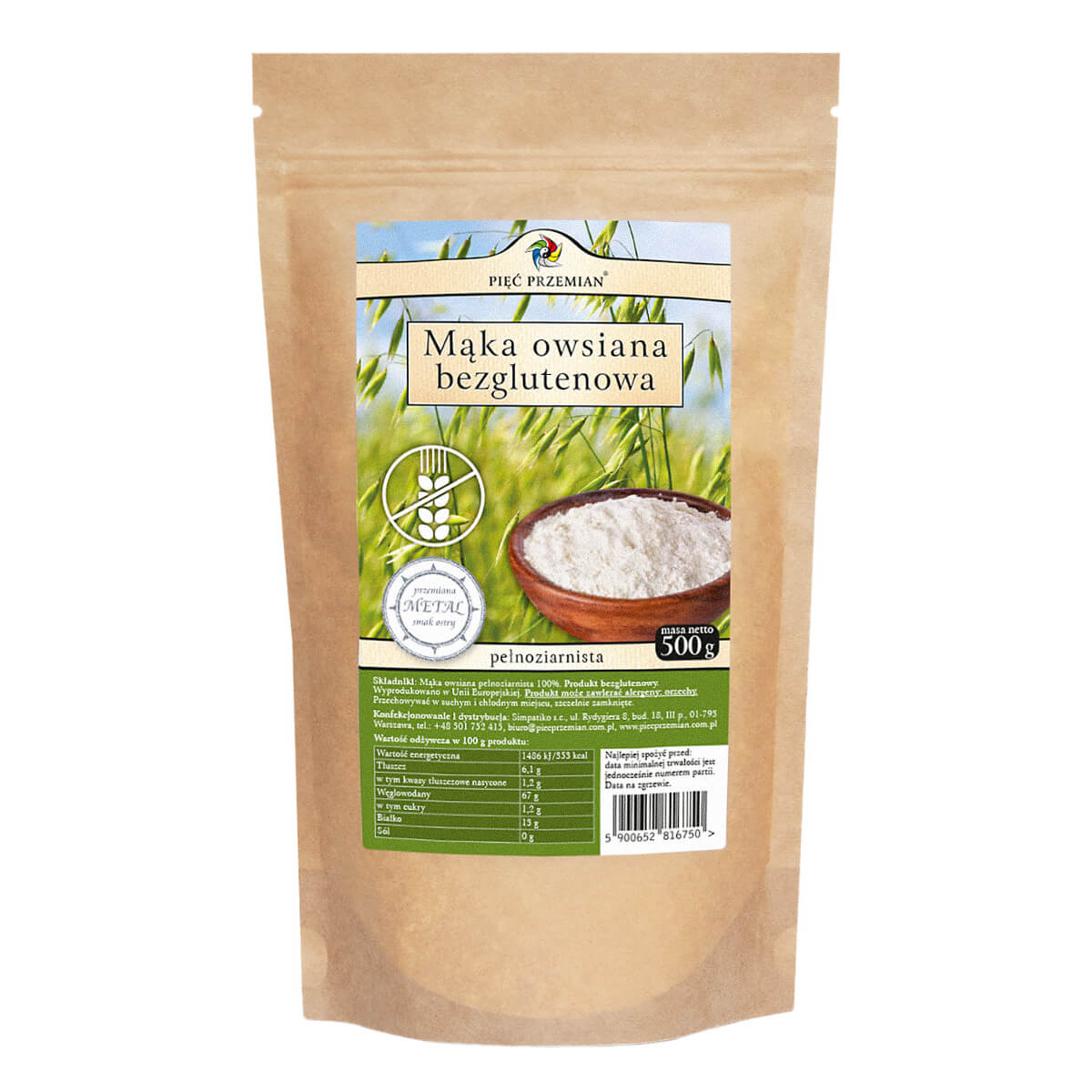
Oat flour is a product made from ground oats, one of the oldest and most valuable cultivated grains in the world. Is oat flour gluten-free? The answer to this question is ambiguous, as it depends on whether the oat flour is naturally gluten-free or not.
Oat grains themselves do not contain gluten, but they can be contaminated with gluten during cultivation, harvesting, transportation, or processing. Oat fields may contain volunteer wheat or other gluten-containing grains, and farm or factory equipment may be contaminated with gluten from previous harvests or production. Therefore, regular oat flour may contain gluten and be unsafe for people with celiac disease.

However, there are special crops and technologies for producing gluten-free oat flour that is free from gluten cross-contamination. Gluten-free oat flour is produced from oat grains sourced from isolated fields that are not adjacent to gluten-containing fields. These grains are harvested, transported, and processed in separate machines and factories that do not come into contact with gluten.
This flour is also tested and certified for gluten and must meet quality and food safety standards. It's worth checking whether the product is gluten-free.