The most well-documented anti-inflammatory diet is the Mediterranean diet — in 33 randomized clinical trials with almost 3476 participants, it significantly lowered hs-CRP, IL-6, and TNF-α levels. Its principles, however, are less exotic than its name: extra virgin olive oil instead of refined oils, oily fish 2–3 times a week, an abundance of vegetables, legumes, nuts, and fermented products — and a simultaneous reduction in ultra-processed foods, simple sugars, and processed meat.
No pill or single "superfood" can replace a consistent dietary pattern. Chronic low-grade inflammation drives cardiovascular, metabolic, autoimmune, and dermatological diseases — and diet is one of the few factors we can modify daily, with every meal.

This guide is for anyone who wants to know specifically what to eat and what to avoid — with mechanisms of action based on research, not marketing promises. Here you will find an overview of foods with documented anti-inflammatory effects, a list of pro-inflammatory products to limit, a comparison of dietary patterns, a practical anti-inflammatory plate, principles of supplementation, and a discussion of the diet's impact on specific conditions: joints, intestines, heart, and skin. At the end — a sources section with verifiable scientific publications to which we refer every key claim.
1. What is inflammation and how does diet affect it?
Inflammation is a defense mechanism of the body — essential in response to injuries and infections, but destructive when it becomes chronic. In the article on anti-inflammatory herbs, we discussed the immunological mechanisms and the difference between acute and chronic inflammation in detail. Here, we focus solely on what happens when food lands on your plate — and how each meal can either exacerbate or inhibit inflammatory processes in the body.
1.1. How food modulates inflammation — four main mechanisms
Diet affects inflammation on four levels simultaneously:
Gut microbiome
The human digestive tract is home to approximately 38 trillion bacteria that actively communicate with the immune system. Fermentation of fiber by gut bacteria produces short-chain fatty acids (SCFAs) — butyrate, propionate, and acetate — which inhibit the activation of the pro-inflammatory NF-κB pathway and strengthen the integrity of the gut barrier. A diet poor in fiber and rich in ultra-processed foods disrupts this ecosystem in a pro-inflammatory direction.
Glycemic index and insulin resistance
Rapid glucose spikes after high-glycemic meals activate a cascade of inflammatory reactions — increased pro-inflammatory cytokines IL-6 and TNF-α, increased production of reactive oxygen species (ROS), and protein glycation (AGE formation). Chronic episodes of hyperglycemia, even without diabetes, keep the body in a state of elevated inflammation.
Fatty acids and eicosanoids
Omega-6 fatty acids (arachidonic acid) are substrates for the synthesis of pro-inflammatory prostaglandins and leukotrienes. Omega-3 fatty acids (EPA, DHA) compete with them for the same enzymes — COX and LOX — and direct synthesis towards resolvins and protectins, which actively resolve inflammation, not just inhibit it. Resolvins act in the nanomolar range, meaning they are many times more potent than their precursors.
Oxidative stress
Polyphenols, carotenoids, and antioxidant vitamins neutralize free radicals, which, in excess, damage cell membranes and DNA, sustaining inflammation. A diet rich in vegetables, fruits, nuts, and extra virgin olive oil provides these compounds in quantities incomparable to any supplementation.
1.2. Inflammatory markers in studies — what does a doctor measure and what does diet change?
Chronic inflammation is measurable. Three markers most commonly used in clinical studies and available in standard diagnostics are:
CRP (C-reactive protein) — produced by the liver in response to inflammatory cytokines. High-sensitivity CRP (hs-CRP) <1 mg/l indicates low inflammatory risk, 1–3 mg/l — moderate, >3 mg/l — high. Dietary interventions (Mediterranean diet, reduction of simple sugars) lower hs-CRP by 20–40% in controlled studies.
IL-6 (interleukin 6) — a cytokine produced, among others, by visceral adipose tissue. Its level correlates closely with the amount of visceral fat and diet quality. An increase in IL-6 accelerates CRP production in the liver.
TNF-α (tumor necrosis factor alpha) — a key pro-inflammatory cytokine whose concentration increases with obesity, a diet rich in trans fats, and ultra-processed foods. Omega-3 fatty acids and polyphenols in extra virgin olive oil inhibit TNF-α expression at the cellular level.
🔬 Good to know
A single hs-CRP test can be skewed by a recent infection, injury, or intense physical exertion. For assessing chronic inflammation, a repeated measurement several weeks after an inflammatory episode is more reliable.
1.3. Food and inflammatory mechanisms — overview table
| Pro-inflammatory mechanism | Aggravating foods | Inhibiting foods |
|---|---|---|
| NF-κB activation | Trans fats, refined sugars, alcohol | EV olive oil (oleocanthal), turmeric, green tea (EGCG) |
| Microbiome disruption | Ultra-processed foods (UPF), emulsifiers, artificial sweeteners | Fiber (vegetables, legumes), fermented foods, kefir, natural yogurt |
| Hyperglycemia and glycation (AGE) | Sweets, white bread, sweetened beverages | Non-starchy vegetables, legumes, whole grains |
| Imbalanced omega-6/omega-3 ratio | Sunflower oil, corn oil, processed snacks | Oily fish, walnuts, flaxseed, flaxseed oil |
| Oxidative stress (excess ROS) | Processed meat, high-temperature frying, alcohol | Berries, cruciferous vegetables, cocoa, nuts, green tea |
| Gut permeability ("leaky gut") | Alcohol, gluten (in sensitive individuals), emulsifiers (carboxymethylcellulose) | Butyrate (from fiber fermentation), glutamine, zinc (from meat, seeds) |
Scroll right to see the full table (on mobile devices).

2. What to eat on an anti-inflammatory diet? Food groups with the best evidence
Not every product described as "healthy" has confirmed effects on inflammatory markers. Below, you will find food groups for which there are clinical studies or solid mechanistic data from in vivo studies — not just theories about antioxidants. For each group, we provide a specific mechanism and practical tips for selection and consumption.
2.1. Oily fish and omega-3 fatty acids — EPA, DHA, and resolvin synthesis
Omega-3 fatty acids EPA and DHA, present in oily marine fish, have anti-inflammatory effects in two ways.
Firstly, they compete with arachidonic acid (omega-6) for COX and LOX enzymes, limiting the production of pro-inflammatory prostaglandins and leukotrienes.
Secondly — and this is a relatively recent discovery — EPA and DHA are enzymatically converted into resolvins and protectins: specialized lipid mediators that actively resolve inflammation, not just inhibit it. Resolvins act in the nanomolar range, meaning they are many times more potent than their precursors.
Sufficient consumption of oily fish (salmon, mackerel, sardines, herring, tuna) provides the substrate for the synthesis of these mediators. The optimal serving is 150g, 2–3 times a week. For people who eat fish less frequently, omega-3 supplements can be a good complement — more on this in chapter 5.5.
⚠️ Practical note
Frying fish at high temperatures degrades EPA and DHA. The best cooking methods for preserving omega-3 fatty acids are baking, steaming, or eating cold-smoked fish. Canned fish in oil or water largely retain omega-3s — it's a convenient and inexpensive alternative.

2.2. Extra virgin olive oil — oleocanthal and polyphenols
Extra virgin olive oil (EVOO) is one of the most well-studied components of the Mediterranean diet. Its anti-inflammatory effect is primarily due to oleocanthal — a phenolic compound that inhibits COX-1 and COX-2 enzymes in a mechanism similar to ibuprofen. You can recognize olive oil with a high oleocanthal content by a characteristic burning sensation in the throat — this is the effect of TRPA1 receptor activation (a discovery from 2011) — the throat sting is considered a sensory indicator of quality and high polyphenol content.
A study by Beauchamp et al., published in Nature (2005), showed that 50g of EVOO daily provides approximately 10mg of oleocanthal, which corresponds to about 10% of a standard ibuprofen dose — low, but used regularly and without the side effects of NSAIDs.
The oleocanthal content in olive oil varies: from 0.2 mg/kg to about 500 mg/kg in oils from early harvests. Higher concentrations are found in oil from early-picked olives and those with a noticeably "peppery" sensation in the throat — this is a sign of quality, not a defect. Refined and "light" olive oils contain virtually no oleocanthal. For anti-inflammatory purposes, choose EVOO with a harvest date (not just an expiry date) and store it away from light and heat.
2.3. Cruciferous vegetables — sulforaphane and cellular protection
Broccoli, Brussels sprouts, cauliflower, kale, cabbage, and radishes contain glucoraphanin — a precursor to sulforaphane. When the vegetable is cut or chewed, the contact of glucoraphanin with the enzyme myrosinase triggers sulforaphane synthesis. This isothiocyanate activates the Nrf2/ARE pathway, which induces the expression of over 200 genes encoding antioxidant and cellular detoxification enzymes. At the same time, sulforaphane inhibits NF-κB and reduces the expression of COX-2 and iNOS.
Important caveat: cooking in a large amount of water deactivates myrosinase, limiting sulforaphane synthesis. Blanching (3–4 min), steaming, eating raw, or light heating preserve enzyme activity. Broccoli sprouts contain approximately 50–100 times more glucoraphanin than mature broccoli and are the most effective dietary source of sulforaphane.
2.4. Berries and anthocyanin-rich fruits — effects confirmed in meta-analyses
Anthocyanins — pigments that give blueberries, cherries, blackcurrants, and raspberries their dark color — are one of the best-documented classes of polyphenols in the context of inflammation. A meta-analysis of 32 randomized clinical trials (Mozaffari-Khosravi et al.) showed that dietary anthocyanins significantly lower CRP (–0.33 mg/l), IL-6 (–0.41 pg/ml), and TNF-α levels. The effect was more pronounced in individuals with initially elevated CRP (≥1.52 mg/l) and with supplementation lasting over 84 days.
In dietary practice, this translates to: a daily serving of berries, blackcurrants, or cherries (150–200g fresh or frozen). Frozen fruits retain anthocyanins to a comparable extent as fresh ones — freezing does not significantly degrade these compounds. Fruit juices are a poorer choice because they lack fiber, and their sugar content is higher.
2.5. Nuts and seeds — plant-based omega-3, vitamin E, magnesium
Walnuts are the only nut with a significant content of alpha-linolenic acid (ALA) — a plant-based precursor to omega-3. The conversion of ALA to EPA and DHA in humans is low (typically below 10%), but walnuts themselves show effects of lowering CRP and IL-6 in clinical studies, suggesting that their effect is not limited to the omega-3 pathway. Almonds, hazelnuts, and pistachios provide vitamin E (tocopherols) and magnesium — nutrients whose deficiency correlates with elevated inflammatory markers.
Flaxseed and chia seeds contain ALA and lignans with documented effects on the gut microbiome. Pumpkin seeds are a good source of zinc, which supports the integrity of the gut barrier. Optimal serving: 30g of nuts per day (a handful) — exceeding this amount does not provide additional benefits and significantly increases the caloric content of the diet.
2.6. Legumes — fiber, SCFAs, and the microbiome
Lentils, chickpeas, beans, peas, and broad beans are some of the densest sources of dietary fiber — including fractions fermented by gut bacteria (fructooligosaccharides, resistant starch). Fermentation of these substrates leads to the production of short-chain fatty acids (SCFAs), especially butyrate, which: inhibits NF-κB activation in enterocytes, stimulates the differentiation of regulatory T lymphocytes (Treg), and strengthens the tightness of tight junctions between intestinal cells.
Regular consumption of legumes (at least 3–4 times a week, 150–200g cooked) in the long term remodels the microbiome composition towards an anti-inflammatory one. Individuals unaccustomed to legumes should introduce them gradually to avoid intestinal discomfort — the target amount should be reached slowly over 3–4 weeks.
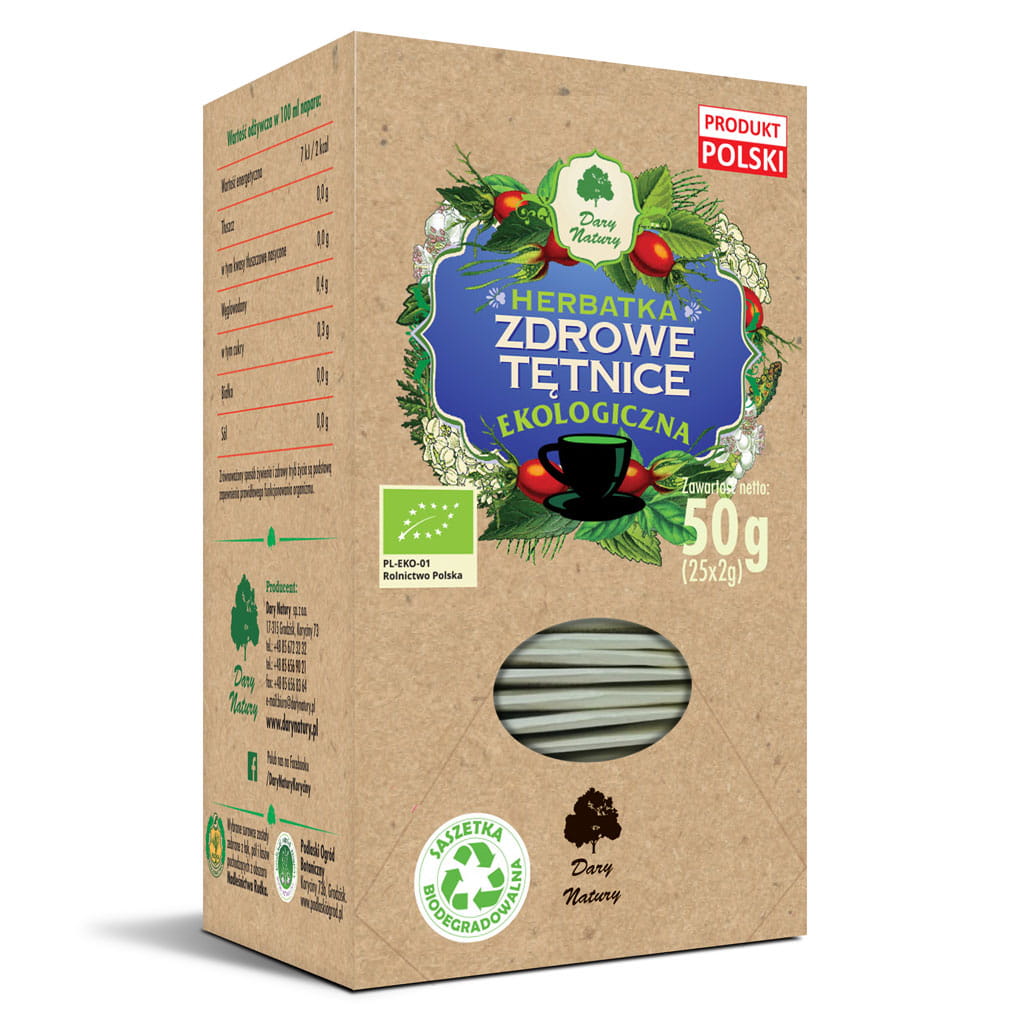
2.7. Green tea and cocoa — catechins and flavanols
Green tea contains EGCG (epigallocatechin-3-gallate) — a catechin that accounts for about 50% of all leaf polyphenols. EGCG inhibits NF-κB and JAK/STAT pathways, reduces COX-2 and iNOS expression, and simultaneously activates the Nrf2 pathway, which strengthens cellular antioxidant defense. Reviews of clinical and epidemiological studies confirm the association of regular green tea consumption with lower inflammatory markers.
A detailed comparison of green tea and matcha can be found in our article Green tea vs. matcha – what's the difference and which to choose?

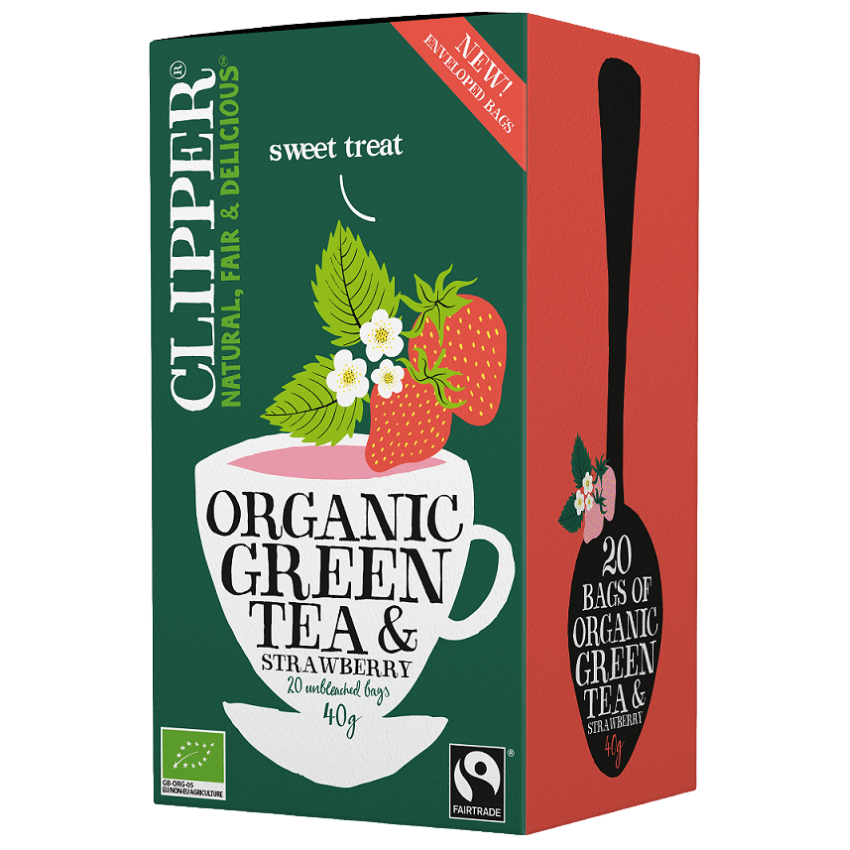
Green tea with acerola and matcha organic (20 × 2 g) 40 g - Clipper
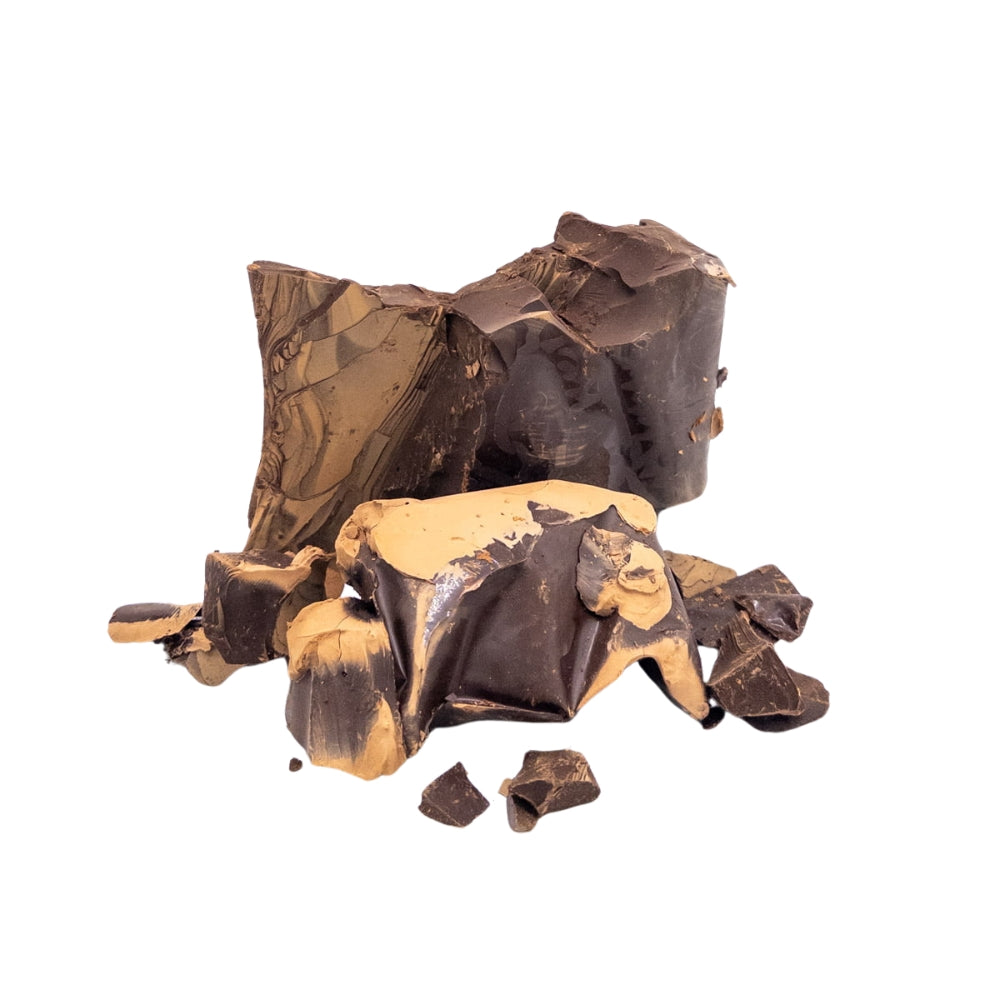
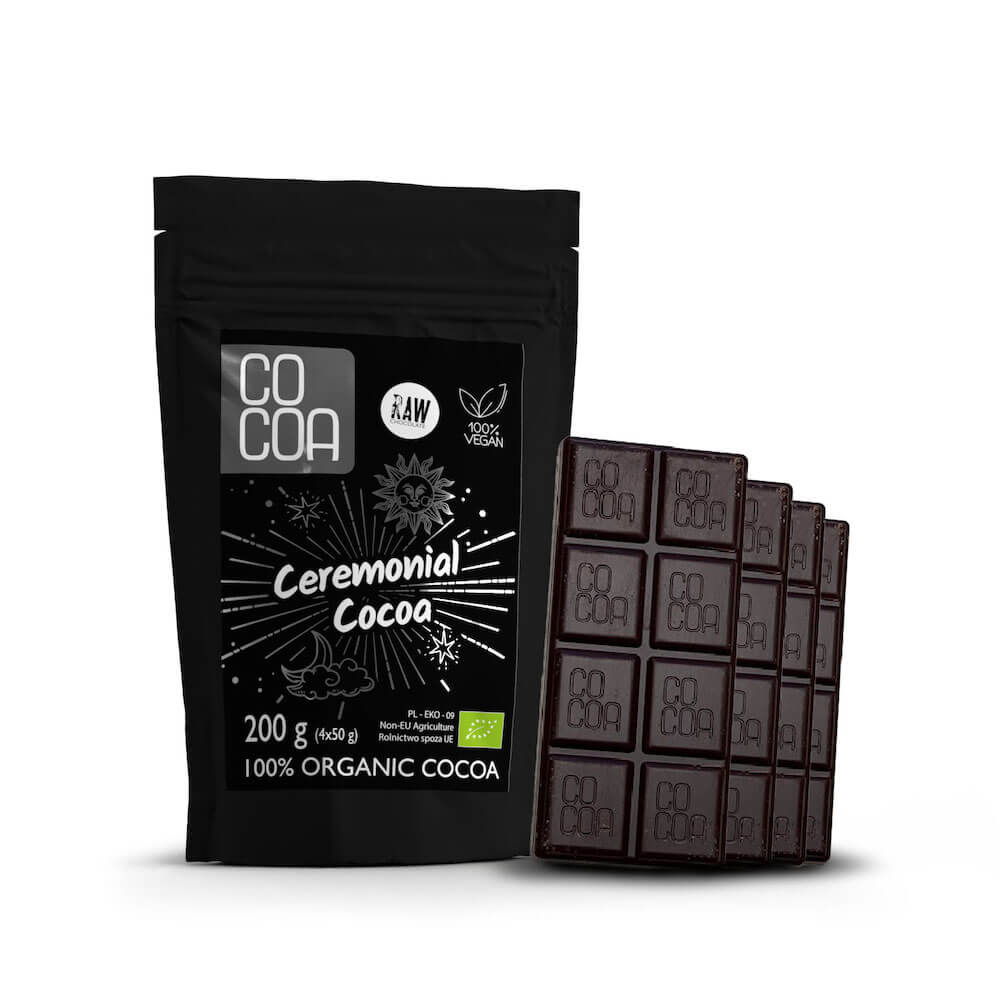
Unprocessed cocoa (raw or minimally processed) is rich in flavanols – primarily epicatechin. Cocoa flavanols improve endothelial function, inhibit platelet aggregation, and demonstrate effects on inflammatory markers. Condition: cocoa must have a high flavanol content – this primarily applies to raw cocoa and chocolate with at least 70–85% cocoa. Milk chocolate and processed cocoa drinks have significantly lower concentrations of active compounds.

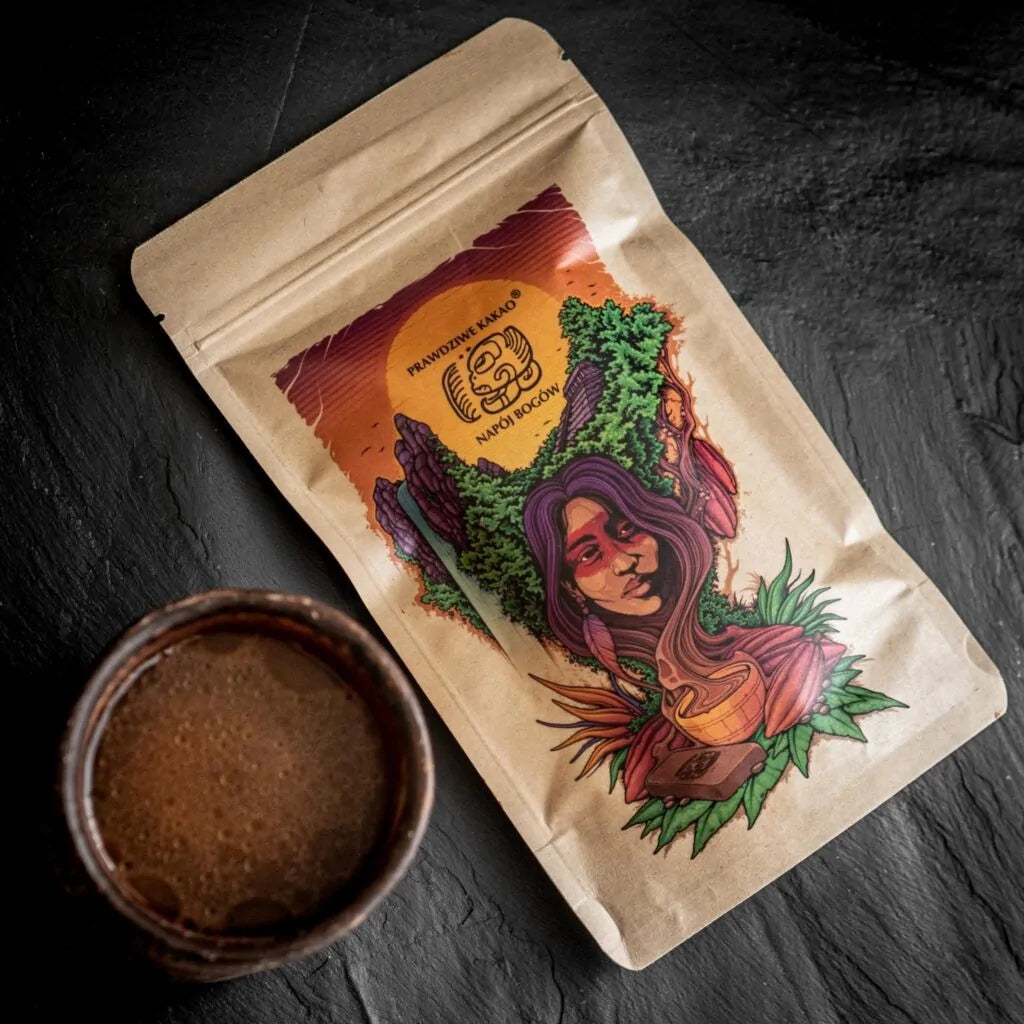
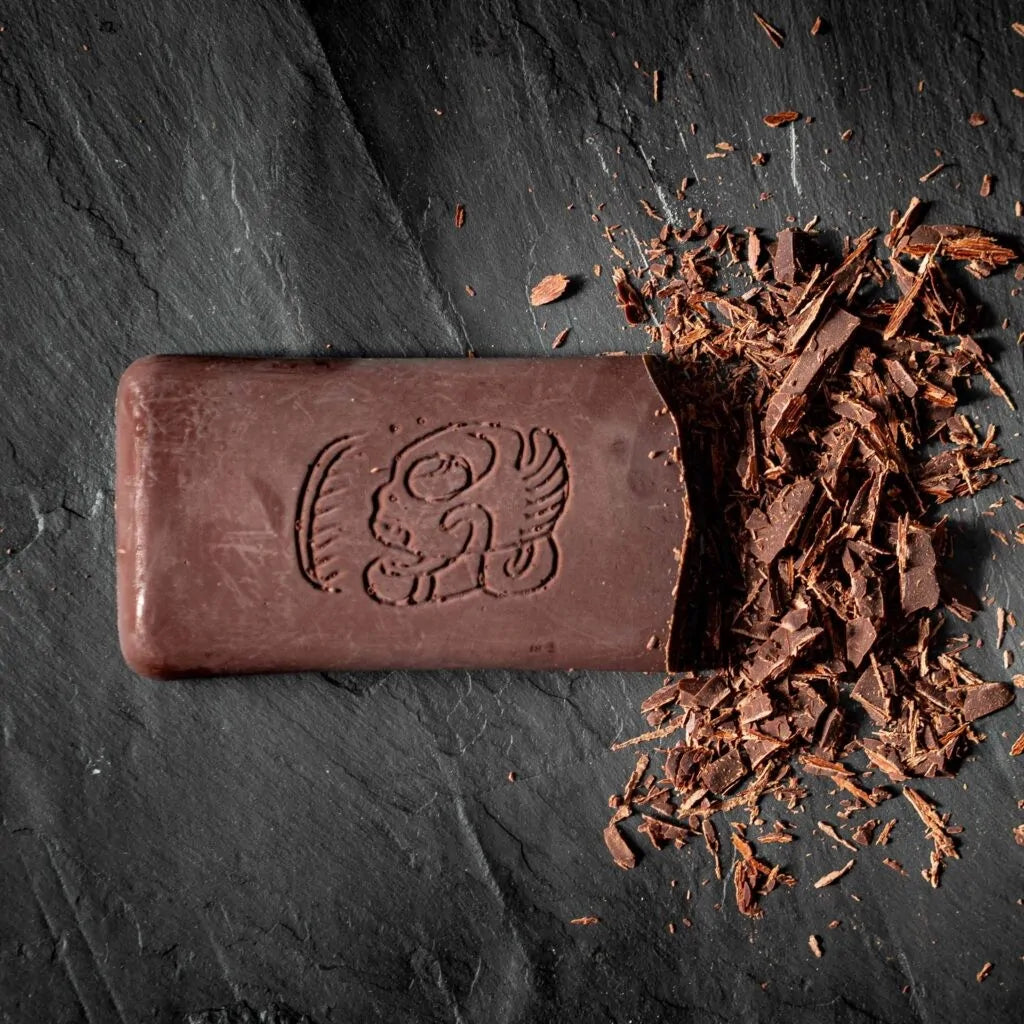
Ceremonial Cacao Perú Criollo BIO 250 g - Chocante
ℹ️ Tea vs coffee – which is better for anti-inflammatory effects?
Coffee contains chlorogenic acids and other polyphenols, which in epidemiological studies are associated with lower inflammatory markers. There is no basis to consider coffee pro-inflammatory – for healthy adults, 2–4 cups per day are neutral or beneficial in terms of CRP. Green tea has better-researched mechanisms; coffee – a larger observational database. Both can be part of an anti-inflammatory diet.
2.8. Spices and herbs as a dietary element – turmeric, ginger, rosemary
Turmeric, ginger, rosemary, oregano, and cinnamon are spices with documented effects on inflammatory pathways. Mechanisms – COX/LOX inhibition, NF-κB modulation, antioxidant effects – are described in detail in the article The Most Effective Anti-inflammatory Herbs – Natural Therapy for Inflammation.
From a nutritional perspective, it is worth emphasizing that turmeric in dishes is safe for everyone and provides curcuminoids, but its bioavailability is low without piperine from black pepper – combining both spices is a basic principle of Indian cuisine with good justification.
2.9. Fermented products – yogurt, kefir, fermented foods and the microbiome
In 2021, the journal Cell published a randomized clinical trial by Sonnenburg's group from Stanford University, which compared a diet rich in fermented products with a fiber-rich diet for 10 weeks. In the group consuming fermented foods (yogurt, kefir, pickles, kimchi, kombucha), a significant reduction in 19 inflammatory cytokines and chemokines – including IL-6 – was observed in all participants. Such an effect was not observed in the high-fiber group. The microbiome of the fermented group also increased in species diversity.
The mechanism is complex: fermented products provide live microorganisms, postbiotics (lactic acid, short-chain fatty acids) and change the gut environment in a way that promotes strains with anti-inflammatory effects.
Practically: natural yogurt, kefir, buttermilk, sauerkraut, pickled cucumbers, and kimchi are everyday products that have a specific clinical justification. It is crucial that fermented foods are not pasteurized after fermentation – pasteurization inactivates live bacterial cultures.

2.10. Summary: table of anti-inflammatory food groups
| Product / group | Main active substances | Anti-inflammatory mechanism | Recommended portion | Practical notes |
|---|---|---|---|---|
| Fatty fish | EPA, DHA | Synthesis of resolvins and protectins; COX/LOX inhibition; reduction of TNF-α, IL-6 | 150 g, 2–3 ×/week | Avoid deep frying; canned fish is fine |
| Extra virgin olive oil | Oleocanthal, oleuropein, polyphenols | COX-1/COX-2 inhibition (like ibuprofen); NF-κB inhibition | 2–4 tablespoons (30–50 ml) daily | Only EVOO; choose olive oil that "stings" the throat |
| Cruciferous vegetables | Sulforaphane, indole-3-carbinol | Nrf2 activation; NF-κB and COX-2 inhibition; cellular detoxification | 150–200 g, ≥4 ×/week | Short cooking or steaming; broccoli sprouts – highest concentration |
| Berries and dark fruits | Anthocyanins, resveratrol (grapes), quercetin | Reduction of CRP, IL-6, TNF-α (RCT meta-analyses); ROS neutralization | 150–200 g daily | Frozen as valuable as fresh; avoid juices |
| Nuts (especially walnuts) | ALA (omega-3), vitamin E, magnesium, polyphenols | Reduction of CRP and IL-6; antioxidant protection | 30 g daily (a handful) | Unsalted, unroasted; not too caloric at this portion |
| Legumes | Fermentable fiber, resistant starch, plant protein | Butyrate production; microbiome modulation; NF-κB inhibition in the gut | 150–200 g cooked, 3–4 ×/week | Gradual introduction; soaking reduces bloating |
| Green tea | EGCG, catechins | NF-κB, JAK/STAT inhibition; Nrf2 activation; COX-2 reduction | 2–3 cups daily | Brew at 70–80°C; above 85°C, some EGCG degrades |
| Unprocessed cocoa | Flavanols (epicatechin), magnesium | Improved endothelial function; antioxidant and anti-inflammatory effects | 10–15 g raw cocoa or 1–2 squares of ≥85% chocolate | Dutch cocoa (alkalized) loses most flavanols |
| Fermented products | Live bacterial cultures, lactic acid, postbiotics | Increased microbiome diversity; reduction of 19 inflammatory cytokines (RCT Stanford/Cell 2021) | Daily ≥1 serving of fermented product | Fermented foods without pasteurization; unsweetened natural yogurt |
| Spices (turmeric, ginger, rosemary) | Curcuminoids, gingerols, rosmarinic acid | COX/LOX and NF-κB inhibition; Nrf2 pathway modulation | Daily as an ingredient in dishes | Turmeric with pepper (piperine); details – article on herbs |
Scroll right to see the entire table (on mobile devices).
3. What to avoid? Foods that increase inflammation
The effect of an anti-inflammatory diet depends not only on what you add to your diet but also on what you remove from it. The following food categories act pro-inflammatorily through various, well-understood mechanisms – from NF-κB activation by lipopolysaccharides to protein glycation. Elimination does not have to be absolute, but limiting each of these groups yields measurable results.
3.1. Simple sugars and highly processed carbohydrates – glycation and AGEs
Products with a high glycemic index – sweetened beverages, white bread, sweets, sugary breakfast cereals – cause sharp increases in blood glucose levels. Repeated episodes of hyperglycemia fuel two mutually reinforcing inflammatory processes.
The first is protein and lipid glycation – a non-enzymatic reaction of glucose with free amino groups, leading to the formation of AGEs (advanced glycation end-products). AGEs bind to RAGE receptors on cell surfaces, activating NADPH-oxidase, which generates reactive oxygen species (ROS) and triggers an inflammatory cascade via NF-κB – with elevated IL-6, TNF-α, and IL-1β.
Notably, AGEs are formed not only endogenously but also during thermal processing of food at high temperatures and low humidity (baking, frying, grilling). Foods particularly rich in AGEs include: fries, chips, burnt meat, and hard crispbread.
The second mechanism is activation of the mTOR pathway by excess insulin, which is associated with pro-inflammatory macrophage polarization. In practice, this means that a diet constantly stimulating high insulin release maintains the body in a pro-inflammatory immune phenotype – regardless of the fat content in the diet.
⚠️ AGEs in the kitchen – practical tip
Steaming, boiling in water, and stewing at low temperatures produce significantly fewer AGEs than frying and grilling. Marinating meat in an acidic environment (vinegar, lemon juice) before heat treatment significantly reduces AGE formation. These are simple changes that do not require giving up favorite dishes.
3.2. Trans fats and hydrogenated vegetable oils
Industrial trans fats (trans isomers of unsaturated fatty acids formed during partial hydrogenation of vegetable oils) are among the best-documented pro-inflammatory dietary components.
A randomized controlled trial in healthy men showed that a diet containing 8% of energy from industrial TFAs resulted in a 3.4-fold increase in CRP after 5 weeks compared to the control group. Cross-sectional studies in large cohorts (Nurses' Health Study) showed that individuals in the highest quintile of TFA intake had CRP 73% higher, IL-6 17% higher, and endothelial dysfunction indicators (E-selectin, sICAM-1) 10–20% higher compared to the lowest quintile.
The mechanism involves activation of TNF-α and sTNF-R1/R2 receptors, disruption of cell membrane composition (TFAs incorporate in place of cis-isomers, altering membrane texture and function), and direct activation of pro-inflammatory genes in peripheral blood mononuclear cells.
Since 2021, the EU has banned the use of partially hydrogenated fats in food (Regulation 2019/649), which has significantly reduced their presence in European products. However, natural TFAs from ruminants (e.g., vaccenic acid in butter and cheeses) have a different biological profile and do not exhibit similarly harmful effects – they should not be equated with industrial TFAs.
3.3. Excess omega-6 fatty acids – imbalanced omega-6/omega-3 ratio
Linoleic acid (LA, omega-6) is essential in the diet, but in excess – and with a concomitant deficiency of omega-3 – it becomes a substrate for the production of arachidonic acid (AA), a precursor of pro-inflammatory prostaglandins of the 2 series (PGE₂) and leukotrienes of the 4 series (LTB₄).
The problem does not lie in omega-6 fatty acids themselves, but in the imbalanced omega-6 to omega-3 ratio: the Western diet typically achieves 15–20:1, whereas the evolutionarily optimal value is estimated to be around 4:1 or lower.
The main source of excess omega-6 is not vegetables or meat, but highly processed vegetable oils – sunflower, corn, soybean, and cottonseed – widely used in processed foods and gastronomy. These refined oils are ubiquitous in ready-made sauces, margarines, cookies, frying oils, and fast food.
Changing the omega-6/omega-3 ratio in favor of omega-3 is one of the most strongly documented nutritional anti-inflammatory actions. In practice, this means not so much eliminating omega-6, but increasing omega-3 intake (fatty fish, walnuts, flaxseed) and replacing omega-6 oils with extra virgin olive oil or rapeseed oil.
3.4. Processed meat and red meat in excess
Processed meat (cold cuts, sausages, hot dogs, bacon, canned meat with preservatives) is a food category with the strongest epidemiological associations with inflammation and lifestyle diseases.
Pro-inflammatory mechanisms here are manifold: nitrates and nitrites (used as preservatives) react with secondary amines to form genotoxic and pro-inflammatory nitrosamines; high salt content activates the NLRP3 inflammasome; AGEs formed during curing and smoking exacerbate oxidative stress.
Red meat itself – in amounts up to 300–400 g per week – does not show unequivocally pro-inflammatory effects in prospective studies and is a valuable source of heme iron and zinc.
Recommendation: elimination or drastic reduction of processed meat; moderate consumption of red meat (1–2 times a week) is not contradictory to an anti-inflammatory diet if it is part of a diverse diet rich in vegetables and legumes.
3.5. Alcohol – impact on gut permeability and cytokines
Alcohol damages the intestinal barrier at multiple levels simultaneously: it directly disrupts tight junction proteins between enterocytes (occludin, claudins), alters the microbiome composition in favor of Gram-negative bacteria producing lipopolysaccharides (LPS), and inhibits intestinal epithelial regeneration. As a result, LPS penetrate into systemic circulation, activating TLR4 receptors on Kupffer cells in the liver and macrophages, which triggers a rapid production of TNF-α, IL-1β, and IL-6.
Human studies show that this effect applies to both chronic drinking and a single episode – acute alcohol consumption increases serum LPS levels in healthy adults within a few hours. The effect is partially reversible: in dependent individuals who have undergone detoxification, gut permeability and LPS return to normal within a few weeks of abstinence.
The issue of moderate alcohol consumption is complex – epidemiological observations suggest a J-curve (moderate consumption of wine, especially red wine, is sometimes associated with lower CRP), but reliable RCTs comparing abstinence with moderate drinking are scarce. From a strictly anti-inflammatory perspective: the less alcohol, the better for the intestinal barrier and inflammatory markers.
3.6. Ultra-processed foods (UPF) – NOVA definition and epidemiological data
The NOVA classification divides foods into four groups based on their degree of processing. Group 4 – ultra-processed foods (UPF) – is defined as industrial products containing little or no intact ingredients and rich in substances added by the manufacturer: stabilizers, colorants, emulsifiers, flavorings, preservatives, and sweeteners. Typical UPFs include: sugary carbonated drinks, fortified breakfast cereals, packaged hot dogs and cold cuts, ready-made sauces in jars, chips, bread with a long list of ingredients.
Epidemiological evidence is extensive: a review of 24 human studies (review of studies 2025) found that UPF consumption most consistently correlated with elevated CRP/hs-CRP – this marker was measured in 21 of the 24 analyzed works. Higher UPF intake was also associated with elevated IL-6 and TNF-α, although the relationships were less consistent across populations. The Melbourne Collaborative Cohort Study (n=2018) confirmed a significant positive correlation of UPF intake with hs-CRP regardless of BMI.
The mechanisms of UPF's pro-inflammatory action are multifaceted and overlapping: emulsifiers (carboxymethylcellulose, polysorbate 80) disrupt the intestinal mucus layer and increase permeability; artificial sweeteners alter the microbiome composition; high caloric density and low fiber content limit SCFA production; AGEs from industrial processing intensify oxidative stress. None of these mechanisms can be attributed to a single substance—it's the effect of the entire package of ingredients and the production process.
ℹ️ How to quickly identify UPF on a label?
Simple rule: if the ingredient list contains substances you don't have in your home kitchen—emulsifiers (E471, E472), stabilizers, acidity regulators, flavorings, modified milk powder, protein hydrolyzates, glucose-fructose syrup—it's almost certainly a NOVA group 4 product. The longer the ingredient list, the higher the degree of processing.
3.7. Summary: Table of Pro-inflammatory Foods
| Product / Category | Main Pro-inflammatory Mechanism | Recommendation | Substitute |
|---|---|---|---|
| Sweetened beverages, juices, energy drinks | Hyperglycemia → AGEs, NF-κB activation; excess fructose → fatty liver | Elimination | Water, green/herbal tea, lemon water |
| White bread, white rice, processed cereals | High GI → insulin spikes → pro-inflammatory macrophage polarization | Limitation | Sourdough rye bread, brown rice, rolled oats |
| Industrial trans fats (hard margarines, fast food) | Activation of TNF-α and sTNF-R1/R2; incorporation into cell membranes; CRP +73% in highest quintile | Elimination | EV olive oil, butter, rapeseed oil |
| Highly processed vegetable oils (excessive sunflower, corn oil) | Excess AA (omega-6) → pro-inflammatory prostaglandins PGE₂ and leukotrienes LTB₄ | Limitation | EV olive oil as base, organic rapeseed oil for frying |
| Processed meat (cold cuts, bacon, sausages) | Nitrosamines from nitrates/nitrites; AGEs from curing; high salt → NLRP3 inflammasome | Elimination or drastic reduction | Fresh meat, fish, eggs, legumes |
| Alcohol (especially in larger quantities) | Intestinal barrier damage → LPS translocation → TLR4 activation → TNF-α, IL-1β, IL-6 | Limitation; abstinence optimal | Kombucha, water with pomegranate juice, unsweetened teas |
| Ultra-processed foods (UPF, NOVA 4) | Emulsifiers disrupt gut barrier; artificial sweeteners alter microbiome; lack of fiber → low SCFAs; AGEs from industrial processing | Reduction to a minimum | Minimally processed foods: vegetables, fruits, whole grains, fresh meat, fermented foods |
| AGE-rich foods (chips, fries, burnt meat) | AGE binding to RAGE receptors → NADPH-oxidase activation → ROS and NF-κB → IL-6, TNF-α, IL-1β | Limitation; change cooking method | Steaming, stewing, marinating before heat treatment |
Scroll right to see the full table (on mobile devices).
4. Dietary Patterns with Documented Anti-inflammatory Effects
Individual foods have anti-inflammatory effects, but the greatest benefits come from a consistent dietary pattern—the whole diet, not just a sum of supplements and "superfoods." This chapter compares four well-researched dietary models in terms of their impact on inflammatory markers.
4.1. Mediterranean Diet – Strongest Evidence
The Mediterranean Diet (MD) is the only dietary model that consistently shows a statistically significant reduction in an entire panel of inflammatory markers in meta-analyses of randomized controlled trials.
The latest meta-analysis published in Nutrition Reviews (2025), encompassing 33 RCTs with 3476 participants, demonstrated significant reductions in hs-CRP, IL-6, and IL-17 in the group following the Mediterranean diet compared to the control group. An earlier, comprehensive meta-analysis by Koelman et al. (Advances in Nutrition, 2022), analyzing 22 RCTs, confirmed a significant reduction in IL-6, IL-1β, CRP, IL-8, and TNF-α—effects not achieved by DASH, vegetarian, or vegan diets.
The Mediterranean diet is not a restrictive protocol—it is a pattern based on several key principles: extra virgin olive oil as the main fat, abundance of fruits and vegetables (min. 5 servings per day), high intake of legumes, whole grains, fish 2–3 times a week, moderate consumption of dairy and red meat. Wine with meals is a cultural element—from a purely anti-inflammatory perspective, it is not essential.
Its superiority over other diets likely stems from the synergy of ingredients: olive polyphenols enhance the action of omega-3s from fish, fiber from legumes and vegetables supports the microbiome producing SCFAs, and the diversity of antioxidants from vegetables, fruits, and herbs acts in multiple ways on inflammatory pathways.
ℹ️ PREDIMED – A Landmark Study
The PREDIMED study (Prevención con Dieta Mediterránea), conducted in Spain on over 7400 participants at high cardiovascular risk, showed that a Mediterranean diet supplemented with EVOO or nuts significantly reduced cardiovascular events. The study also analyzed inflammatory markers and confirmed a reduction in CRP and IL-6 in the intervention group. It is one of the largest and most influential nutritional RCTs in history.
Note: The original publication from 2013 was retracted and revised in 2018 (NEJM) due to errors in the randomization of some participants; after reanalysis, the conclusions remained unchanged.
4.2. DASH Diet – Anti-inflammatory Effect as a Side Benefit
The DASH (Dietary Approaches to Stop Hypertension) diet was originally designed as a nutritional intervention to lower blood pressure. Its principles—sodium restriction, high intake of potassium, calcium, and magnesium, abundance of vegetables, fruits, and whole grains, limited red meat and sweets—are structurally similar to the Mediterranean diet, though with less emphasis on olive oil and fish.
A meta-analysis of 6 RCTs (n=451) showed that the DASH diet significantly lowered hs-CRP (MD = –1.01 mg/L, 95% CI: –1.64 to –0.38) compared to a usual diet, although the effect diminished when compared to other healthy diets. In direct comparisons with the Mediterranean diet, DASH performed less favorably in terms of inflammatory markers—RCT meta-analyses did not confirm significant reductions in IL-6 or TNF-α for it.
Its strength, however, lies in its strong evidence base regarding blood pressure, lipid profile, and the risk of cardiovascular diseases—i.e., indirect factors driving chronic inflammation.
4.3. Plant-Based Diet – What the Research Says and What Might Be Missing
Vegetarian and vegan diets, by definition, contain more fiber, polyphenols, and antioxidants than a typical Western diet, which theoretically translates into anti-inflammatory effects. However, research results are more complex than popular narratives suggest.
A meta-analysis of 65 studies published in Nutrients (2025) showed that a vegetarian diet significantly lowered CRP (ROM: 0.82; p=0.03), while the effect for a vegan diet was borderline significant. At the same time, in direct comparisons, the Mediterranean diet consistently showed a stronger anti-inflammatory effect than plant-based diets.
A possible explanation: plant-based diets eliminate meat (pro-inflammatory in excess) but do not always contain sufficient amounts of EPA/DHA omega-3s, which play a crucial role in resolving inflammation through resolvin synthesis.
What might be missing from a plant-based diet from an anti-inflammatory perspective:
- EPA and DHA – long-chain omega-3s from fish; ALA from flaxseed converts to EPA/DHA to a degree of <10%. Vegans should consider algal omega-3 supplementation.
- Zinc and heme iron – lower intake and bioavailability from plants; zinc supports gut barrier integrity.
- Vitamin B12 – its deficiency correlates with elevated homocysteine, a marker of oxidative stress; supplementation is mandatory.
A well-balanced plant-based diet, supplemented with algal omega-3 and B12, can be a full-fledged anti-inflammatory diet—but it requires conscious planning.
4.4. Elimination Diet – When It Makes Sense and How to Implement It
An elimination diet involves temporarily excluding potential allergens or pro-inflammatory substances from the diet, and then gradually reintroducing them to identify individual triggers of inflammation. It is justified in specific clinical situations, not as a routine "cleansing" protocol.
When to consider an elimination diet:
- suspected food intolerance (gluten, lactose, FODMAPs) confirmed by symptoms—not as a preventative test,
- inflammatory bowel disease (IBD) under the care of a doctor or clinical dietitian,
- irritable bowel syndrome (IBS)—the low-FODMAP diet has the strongest evidence base among elimination protocols for this group,
- recurrent skin ailments of unknown etiology.
How to properly implement it: The elimination phase lasts 3–6 weeks and involves the complete exclusion of suspected groups. Then, individual foods are reintroduced one by one every 3–5 days, with observation of symptoms. Without the reintroduction phase, an elimination diet is non-diagnostic—simply excluding foods does not indicate which one is the problem.
Elimination diets without clinical indications and without specialist supervision carry the risk of nutritional deficiencies and are not a recommended general health strategy.
4.5. Comparison of Dietary Patterns – Table
| Pattern | Main Principles | Level of Evidence (inflammation) | For Whom | Potential Limitations |
|---|---|---|---|---|
| Mediterranean Diet | EV olive oil, fish, vegetables, legumes, whole grains, nuts, moderate dairy and meat | Highest — 33 RCTs, reduction of hs-CRP, IL-6, IL-17, TNF-α | All adults, especially those at cardiovascular or inflammatory risk | Higher cost of EV olive oil and fish; requires meal planning |
| DASH Diet | Low salt, high potassium and calcium, abundance of vegetables and fruits, limited red meat and sweets | Moderate — CRP reduction vs. usual diet; weaker vs. Mediterranean diet | Individuals with hypertension, cardiovascular or metabolic risk | Less emphasis on omega-3s and olive polyphenols |
| Plant-based Diet (vegetarian/vegan) | No meat, high intake of vegetables, fruits, legumes, grains, nuts; vegan also excludes dairy and eggs | Moderate — CRP reduction in meta-analyses; weaker on IL-6, TNF-α vs. Mediterranean diet | Individuals preferring a plant-based diet; requires careful planning | Deficiencies of EPA/DHA, B12, zinc; risk of deficiencies without supplementation |
| Elimination Diet | Temporary exclusion of allergens/pro-inflammatory factors + systematic reintroduction | Specific — strong evidence for low-FODMAP in IBS; limited data for other indications | Individuals with confirmed intolerances, IBD, or IBS under specialist care | Risk of deficiencies without professional support; not for general prevention |
Scroll right to see the full table (on mobile devices).

5. How to Implement an Anti-inflammatory Diet in Practice?
Knowing which foods are anti-inflammatory and which are pro-inflammatory is not enough—the key is how this translates into daily decisions at the table and in the grocery store. This chapter is a practical guide to implementation without the need for perfect adherence to every rule.
5.1. How to Assess Your Current Diet for Inflammation
Before you start changing your diet, it's worth diagnosing your starting points. Here are a few questions to help assess the pro-inflammatory potential of your current diet:
- How many servings of fruits and vegetables do you eat daily? (goal: min. 5)
- How often do you eat fatty marine fish? (goal: 2–3 times a week)
- What oil do you use daily for salads and cooking?
- How many times a week do you eat processed meat or foods with a long ingredient list?
- How many sweetened beverages, juices, or sweets do you consume daily?
- Do you regularly consume fermented foods, natural yogurt, or kefir?
If the answers indicate low intake of fish, vegetables, and fermented products, and high intake of processed foods and sugary drinks, you are dealing with a diet with high pro-inflammatory potential. You might also consider measuring hs-CRP as a baseline to assess the effects of changes—it's an inexpensive and accessible test.
5.2. The Anti-inflammatory Plate Principle – Proportions and Priorities
The anti-inflammatory plate is a practical visualization of the target meal proportions:
- ½ plate – non-starchy vegetables (diverse, raw or briefly cooked): broccoli, spinach, tomatoes, bell peppers, zucchini, beets
- ¼ plate – protein: fatty fish, legumes, eggs, lean meat (unprocessed), natural dairy
- ¼ plate – complex carbohydrates: whole grains, buckwheat, brown rice, sweet potatoes, legumes (serving a dual role here)
- Fat as an addition: one–two tablespoons of EV olive oil for dressing or at the end of cooking, a handful of nuts, avocado
- Beverage: water, green or herbal tea without sugar
This structure does not require calorie counting or weighing portions. Its goal is to shift proportions towards foods rich in fiber, polyphenols, and omega-3s, while naturally limiting the space for processed and high-glycemic foods.

5.3. Practical Swaps: What to Choose Instead of What
| Instead of this | Choose this | Why |
|---|---|---|
| Sunflower or corn oil | Extra virgin olive oil (cold), rapeseed oil (for frying) | Better omega-6/omega-3 ratio; oleocanthal and polyphenols in EVOO |
| White wheat bread | Rye sourdough bread, wholemeal bread | Lower GI, higher fiber, probiotic effect of sourdough |
| Sweetened beverages and fruit juices | Water, green or herbal tea, kefir | Elimination of postprandial hyperglycemia and AGEs; additional polyphenols or probiotics |
| Processed meats and cold cuts | Eggs, canned fish (sardines, mackerel), hummus | Elimination of nitrosamines and excess salt; omega-3 from fish |
| Flavored yogurt with sugar | Natural yogurt + frozen blueberries or a handful of nuts | Live cultures + anthocyanins without sugar load |
| Crisps and salty snacks | Unsalted nuts, carrots with hummus, olives | Elimination of AGEs from frying and trans fats; vitamin E and magnesium from nuts |
| Fries and fried potatoes | Baked sweet potatoes, boiled or baked potatoes with olive oil | Drastic reduction of AGEs; sweet potatoes rich in beta-carotene and fiber |
| Milk chocolate or candy bar | Chocolate ≥85% cocoa or raw cocoa | Flavanols instead of sugar; bitterness = higher content of active substances |
| White rice or wheat pasta as a base | Buckwheat groats, lentils, chickpeas, brown rice | Lower GI, higher fiber, and plant protein supporting the microbiome |
Scroll right to see the full table (on mobile devices).
5.4. Shopping Planning and Reading Labels for Pro-inflammatory Ingredients
An anti-inflammatory diet is 80% a decision at the checkout counter, not at the table. Here are some practical rules for reducing pro-inflammatory foods without analyzing every single product:
Store perimeter rule. Fresh vegetables, fruits, meat, fish, dairy, and eggs are located on the perimeter of most stores. The center mostly contains processed, packaged, long-shelf-life foods. The more purchases from the perimeter, the closer the diet is to an anti-inflammatory pattern — without needing to read every label.
Reading labels — what signals UPF: an ingredient list longer than 5–7 items; the presence of substances you don't use in your kitchen (emulsifiers, stabilizers, flavorings, acidity regulators, glucose-fructose syrup, maltodextrin, protein hydrolysate); sugar, syrup, or refined vegetable oil are among the first ingredients on the list.
"If-then" strategy. Instead of eliminating "everything at once," replace individual products. If you buy yogurt, choose natural instead of flavored. If you reach for a snack, choose nuts instead of crisps. Each such swap reduces the pro-inflammatory load of the diet without feeling restrictive.
5.5. Supplementation as a Diet Complement — Omega-3, Vitamin D, Magnesium
Diet is the foundation — supplements can complement it, but not replace it. Below are three groups of supplements with the best documented anti-inflammatory context, worth considering when the diet is insufficient.
Omega-3 EPA + DHA
A comprehensive meta-analysis covering 148 RCTs (studies with thousands of participants in total) confirmed that EPA + DHA supplementation lowers CRP, IL-6, and TNF-α — with the combination of EPA and DHA working more effectively than each individually. The anti-inflammatory effect appears at doses above 2g of EPA+DHA daily; below this threshold, RCT results are inconsistent.
For individuals consuming fish 2-3 times a week, supplementation is not essential. For those who eat fish less frequently, 1-3g of EPA+DHA daily from fish or algal oil (for vegans) is a rational supplement.
When choosing a supplement, check: total EPA+DHA content (not general fish oil content), triglyceride or re-esterified form (higher bioavailability than ethyl ester form), expiry date, and purity certificate (free of mercury, PCBs).
Vitamin D
Vitamin D deficiency is common in populations living in latitudes with limited sun exposure for most of the year, including Poland. A comprehensive meta-analysis of 23 meta-analyses of RCTs (ScienceDirect, 2022) showed that vitamin D supplementation significantly reduced CRP (ES = –0.42) and TNF-α (ES = –0.27), though without a significant effect on IL-6. Crucial here is correcting the deficiency, not hypersupplementation when 25(OH)D levels are already normal.
Before supplementation, it is advisable to measure 25(OH)D in serum — the corrective dose depends on the initial concentration. Standard prophylactic doses for adults in Poland are 1000–2000 IU/day in autumn and winter; with confirmed deficiency, higher doses are recommended after consultation with a doctor.
More on vitamin D and its role in the body can be found in the article Vitamin D from the sun.

BICAPS Vitamin D3 4000 120 capsules - ForMeds
Magnesium
The results of clinical trials for magnesium as a supplement in the context of inflammation are inconclusive: a meta-analysis of 15 RCTs published in Nutrients (2022) showed a significant reduction in CRP (SMD = –0.356; p=0.02), while an earlier, broader meta-analysis (PubMed 34143369, 2021) did not confirm the effect.
The inverse relationship is more certain: magnesium deficiency stimulates inflammatory pathways through macrophage activation and increased intracellular calcium — which means that correcting the deficiency can be significant in individuals who are truly deficient (and magnesium deficiency in Poland is common — consumption below norms affects about 60–70% of the population according to GUS research).
Magnesium from the diet (green leafy vegetables, nuts, cocoa, pumpkin seeds, legumes) is the first step; supplementation with more bioavailable forms (citrate, glycinate, taurate) is an option for confirmed deficiency or increased risk.
⚠️ Important rule for supplementation
Supplementation will not negate a pro-inflammatory diet. Studies unequivocally show that the effects of omega-3 or vitamin D supplements are significantly greater in individuals with a poorer baseline diet or clinical deficiencies. In individuals following a properly balanced diet based on the Mediterranean pattern, the effect of supplements is marginal. The hierarchy should be: diet → reduction of pro-inflammatory foods → eventual supplementation of gaps.

Magnesium bisglycinate 200 capsules - Vilgain
6. Anti-inflammatory Diet and Specific Ailments
Low-grade systemic inflammation has various clinical manifestations depending on the organ or system where it is concentrated. Below, we discuss four areas where diet shows the best documented associations with the exacerbation or alleviation of symptoms — while maintaining an accurate picture of the strength of this evidence.

6.1. Joint Inflammation — Diet as Support, Not a Replacement for Treatment
Rheumatoid arthritis (RA) is an autoimmune disease driven by chronic inflammation of the synovial membrane, leading to cartilage and bone destruction. Diet does not cure RA, but it can affect the severity of symptoms and levels of inflammatory markers.
A systematic review of 4 prospective studies (PubMed 29256100) showed that the Mediterranean diet improved subjective pain perception (VAS, p<0.05) and functionality measured by the HAQ questionnaire in intervention groups. The effect on disease activity measured by DAS28 was less consistent — only one out of four studies showed a significant reduction. Separate reviews indicate moderate evidence for the Mediterranean diet, ginger, and turmeric as adjuncts to pharmacological treatment in RA.
Omega-3 fatty acids EPA and DHA have a separate, well-documented evidence base in RA — meta-analyses of RCTs confirm a reduction in joint pain and morning stiffness with supplementation of 2–4g EPA+DHA daily, which correlates with a reduction in pro-inflammatory leukotrienes from arachidonic acid.
Practically for people with joint conditions: Mediterranean diet as a base, daily consumption of fatty fish or omega-3 supplementation, reduction of red and processed meat, turmeric with pepper as a spice for dishes.
A detailed discussion of plant-based substances with anti-inflammatory effects on joints can be found in the article Herbs for joints and rheumatic pains with confirmed efficacy.
⚠️ Important
Diet in inflammatory joint diseases is a complement to pharmacological treatment, not an alternative. Discontinuing medication in favor of nutritional interventions without consulting a rheumatologist can lead to irreversible joint damage.
6.2. Inflammatory Bowel Diseases (IBD) and IBS — Diet Under Strict Control
Crohn's disease and ulcerative colitis (UC) are inflammatory bowel diseases (IBD) requiring specialized treatment. Diet plays a role as both an environmental factor influencing disease risk and an element supporting remission — however, the evidence has significant limitations.
An umbrella review published in Advances in Nutrition (2024, PMC11063602) concluded that high fiber intake (aHR 0.53) and the Mediterranean diet (aHR 0.59) were associated with a significantly lower risk of developing IBD in prospective studies. Conversely, high consumption of red and processed meat, refined sugars, and ultra-processed foods correlated with a higher risk and severity of the disease. A randomized clinical trial from 2023 (Journal of Crohn's and Colitis, Haskey et al.) showed that the Mediterranean diet improved intestinal inflammation and reshaped the microbiome in patients with ulcerative colitis in remission.
However, AGA guidelines (2024) emphasize that no diet has consistently shown efficacy in reducing IBD recurrence rates — dietary recommendations are individualized and depend on disease activity and dominant symptoms. The low-FODMAP diet is the best-documented nutritional intervention for irritable bowel syndrome (IBS) — it reduces symptoms in about 50–75% of patients, although its long-term impact on the microbiome requires monitoring.
Practical conclusion: individuals with IBD or IBS should work with a gastroenterologist and clinical dietitian — experimenting with elimination diets without supervision carries the risk of deficiencies and exacerbation of symptoms.
6.3. Cardiovascular and Metabolic Diseases — Diet as Primary Prevention
Atherosclerosis, coronary artery disease, and insulin resistance all have a strong inflammatory component — chronic low-grade inflammation is one of the key links in their pathogenesis. This is an area where diet has the strongest and best-documented impact on hard endpoints (not just markers).
The PREDIMED study showed that a Mediterranean diet supplemented with EV olive oil or nuts reduced the composite endpoint (heart attack, stroke, cardiovascular death) by approximately 30% compared to a low-fat diet in a high-risk population. The mechanism includes, among others, lowering CRP and IL-6, improving lipid profile, reducing insulin resistance, and blood pressure — all these effects are partly mediated by anti-inflammatory action.
In cases of insulin resistance and prediabetes, special attention should be paid to limiting high-glycemic carbohydrates and UPFs — repeated glucose spikes drive glycation, oxidative stress, and inflammation, creating a vicious cycle that worsens insulin sensitivity. Every dietary change towards a lower GI, a greater proportion of fiber, and healthier fats simultaneously lowers inflammatory markers and improves glucose metabolism.
6.4. Skin and Inflammatory Dermatological Conditions — The Gut-Skin Axis
Psoriasis, acne, atopic dermatitis (AD), and hidradenitis suppurativa are diseases with a significant inflammatory component, in which an increasing number of studies point to the role of the gut-skin axis. The gut microbiome and intestinal barrier integrity influence systemic inflammation, which manifests, among other things, in the skin.
Psoriasis
A review of 42 clinical and 11 preclinical studies (ScienceDirect, 2023) showed that the Mediterranean diet, omega-3 fatty acids, probiotics, and dietary fiber significantly reduced the severity of psoriasis (PASI). The Mediterranean diet is the only dietary pattern recommended by most European dermatological societies as a support for psoriasis treatment.
Alcohol, simple sugars, and processed meat are cited as factors exacerbating lesions by a significant portion of patients.
Acne
A low-glycemic diet has a relatively good evidence base. A randomized clinical trial by Smith et al. showed that 12 weeks of a low-glycemic load diet significantly reduced the number of inflammatory (p=0.01) and non-inflammatory (p=0.02) lesions compared to the control group. Mechanism: low glycemia → lower insulin → lower IGF-1 → reduced sebum and androgen production.
Full-fat dairy and skim milk are other factors mentioned in observational studies as potentially exacerbating acne, although evidence from RCTs is weaker and inconsistent here.
Atopic Dermatitis (AD)
The role of diet is more complex and individualized. Elimination diets are justified only in cases of confirmed food allergies (IgE-mediated) — elimination without allergen confirmation can worsen nutritional status without clinical effect. Omega-3 fatty acids and probiotics show promising results in studies, although the RCT evidence base requires further supplementation.
7. Frequently Asked Questions
How long does it take for an anti-inflammatory diet to show noticeable effects?
This depends on the baseline inflammatory state and the consistency of changes. The first signs of improvement — better energy, less morning stiffness, improved digestion — are possible as early as 2–4 weeks after a significant dietary change. Measurable reduction in hs-CRP usually requires at least 8–12 weeks of consistent adherence to a Mediterranean-style or similar diet — this time horizon results from the half-life of CRP and the necessary microbiome restructuring.
Subjective improvements in well-being do not necessarily coincide with a reduction in laboratory markers.
Is a gluten-free diet an anti-inflammatory diet?
No — a gluten-free diet is medically justified in celiac disease and non-celiac gluten sensitivity, where gluten directly triggers intestinal inflammation. In individuals without these conditions, there is no evidence that gluten elimination lowers inflammatory markers. On the contrary, many commercial gluten-free products (breads, pasta, cookies) contain more simple sugars, trans fats, and less fiber than their whole-grain counterparts. "Gluten-free" does not mean "anti-inflammatory."
Is coffee pro-inflammatory or anti-inflammatory?
For healthy adults, coffee is neutral or mildly beneficial in terms of inflammatory markers. Epidemiological studies on large cohorts consistently indicate an inverse correlation between moderate coffee consumption (2-4 cups per day) and CRP levels. Mechanism: chlorogenic acids and other coffee polyphenols exhibit antioxidant effects.
Coffee with a lot of sugar, syrup, or full-fat cream loses this advantage – these additives make the drink pro-inflammatory, not the coffee itself.
Does intermittent fasting support an anti-inflammatory diet?
Studies suggest that intermittent fasting (e.g., 16:8 or 5:2 protocol) can lower inflammatory markers – including CRP and IL-6 – independently of weight reduction. Possible mechanisms include: activation of autophagy, reduction of insulin and IGF-1, and reduction of oxidative stress. However, the RCT base is still relatively modest and heterogeneous.
Intermittent fasting can be a good complement to an anti-inflammatory diet for individuals who tolerate it well, but it is not a prerequisite – and it does not compensate for a pro-inflammatory diet during the eating window.
What tests are worth doing to assess inflammation in the body?
The basic panel available in every clinic and covered by national health insurance includes: hs-CRP (high-sensitivity C-reactive protein), ESR (erythrocyte sedimentation rate), complete blood count with differential, and fasting glucose. More detailed diagnostics include: IL-6, insulin and HOMA-IR (assessment of insulin resistance), 25(OH)D (vitamin D), lipid panel, and ferritin. In cases of suspected autoimmune diseases – ANA, RF, anti-CCP depending on symptoms.
It is always advisable to discuss the results with a doctor, as a single elevated marker requires interpretation in the context of the overall clinical picture.
Is a glass of red wine daily part of an anti-inflammatory diet?
This is one of the most controversial topics in nutrition. Red wine contains resveratrol and other polyphenols with antioxidant properties, and epidemiological observations have associated moderate alcohol consumption with lower CRP.
Newer analyses using Mendelian randomization – which eliminates the influence of confounding factors – do not confirm the protective effect of alcohol on inflammatory markers. The effect observed epidemiologically may result from other lifestyle characteristics of moderate drinkers.
From a purely anti-inflammatory perspective: polyphenols from grapes can be obtained from dark grape juice or fruits without the alcohol load, which has a pro-inflammatory effect on the intestinal barrier.
8. Summary
An anti-inflammatory diet is not a restrictive protocol or a fleeting trend – it is a consistent eating pattern based on food close to its natural origin. The best-documented model remains the Mediterranean diet: in 33 randomized clinical trials involving nearly 3500 participants, it consistently reduced hs-CRP, IL-6, and other pro-inflammatory cytokines.
Key principles derived from these studies include: extra virgin olive oil and fatty fish as primary fat sources, abundance of vegetables, fruits, legumes, and whole grains as the basis of the plate, fermented products for the microbiome, limited consumption of ultra-processed foods, simple sugars, industrial trans fats, and processed meat. Supplementation with omega-3, vitamin D, and magnesium can complement the diet where intake is insufficient – but it cannot replace a proper dietary pattern.
The effects are not immediate. Remodeling the microbiome, lowering inflammatory markers, and a noticeable improvement in well-being require several weeks to several months of consistent changes. However, the greatest value of an anti-inflammatory diet lies not in short-term CRP correction, but in long-term protection against cardiovascular, metabolic, and immunological diseases – for which chronic inflammation is a common denominator.
9. Sources
Regulations and institutions:
- EU Regulation 432/2012 – list of approved EFSA health claims
- American Gastroenterological Association (AGA) – Clinical Practice Update on Diet and Nutritional Therapies in Patients With IBD, Gastroenterology 2024. DOI: 10.1053/j.gastro.2023.11.303
Inflammatory mechanisms and diet:
- Beauchamp G.K. et al. – Ibuprofen-like activity in extra-virgin olive oil. Nature 2005; 437:45–46. PubMed 16136122
- Wastyk H.C. et al. (Sonnenburg) – Gut-microbiota-targeted diets modulate human immune status. Cell 2021; 184(16):4137–4153. PubMed 34256014
- Accumulation of AGEs in the Body and Dietary Habits. PMC9572209
- Mechanisms of Action of trans Fatty Acids. PMC7231579
- Trans fatty acid intake and plasma biomarkers of inflammation. PubMed 15735094 (Nurses' Health Study)
- Alcohol and Gut-Derived Inflammation. PMC5513683 (Alcohol Research: Current Reviews 2017)
- Ultra-Processed Food Consumption and Systemic Inflammatory Biomarkers: A Scoping Review. PMC12472508 (2025)
- Low-Grade Inflammation and UPF Consumption: A Review. PubMed 36986276 (Nutrients 2023)
Anti-inflammatory foods:
- Anthocyanins and inflammatory markers – meta-analysis of 32 RCTs. PubMed 38272574 (2024)
- Omega-3 PUFA supplementation on inflammation – umbrella meta-analysis of 148 RCTs. ScienceDirect 2022. DOI: 10.1016/j.jff.2022.105199
- Sulforaphane and Nrf2/anti-inflammatory mechanisms. PMC7346151; PMC11200786
- EGCG / NF-κB inhibition. PMC9820274
Dietary patterns:
- Mediterranean Diet Reduces Inflammation – systematic review and meta-analysis of 33 RCTs. Nutrition Reviews 2025. PubMed 41211687
- Koelman L. et al. – Effects of Dietary Patterns on Biomarkers of Inflammation: systematic review and meta-analysis of 22 RCTs. Advances in Nutrition 2022. PMC8803482
- DASH diet and hs-CRP – meta-analysis of 6 RCTs. PubMed 28302405
- Mediterranean and plant-based diets vs. oxidative stress and inflammation – 65 studies. PMC11819869 (Nutrients 2025)
Supplementation:
- Vitamin D supplementation and inflammatory biomarkers – umbrella meta-analysis of 23 meta-analyses. ScienceDirect 2022. DOI: 10.1016/j.phrs.2022.106530
- Magnesium supplementation and inflammatory parameters – meta-analysis of 15 RCTs. PMC8838086 (Nutrients 2022)
- Oral magnesium supplementation and CRP/IL-6/TNF-α – no effect. PubMed 34143369 (Biol Trace Element Res 2021)
Diet and specific ailments:
- Mediterranean diet and rheumatoid arthritis – systematic review. PubMed 29256100
- Diet, Food and Nutritional Exposures and IBD – umbrella review. PMC11063602 (Advances in Nutrition 2024)
- Mediterranean diet pattern improves intestinal inflammation in UC – RCT. Journal of Crohn's and Colitis 2023. DOI: 10.1093/ecco-jcc/jjad084
- Evidence-based dietary recommendations for psoriasis – systematic review. International Immunopharmacology 2023
- Low-glycemic-load diet and acne vulgaris – RCT. PubMed 17616769 (Smith et al.)