The fastest post-workout recovery requires four elements working together: adequate protein and carbohydrate intake after exercise, 7–9 hours of sleep, proper hydration with electrolytes, and – as support, not a foundation – supplements such as magnesium, omega-3, or collagen. No single supplement or recovery technique can replace these basics, although well-chosen ones can genuinely accelerate the return to full fitness.
In this guide, you will find specific dosages, timing, and mechanisms of action – from what to eat after training and how much sleep is really needed, through supplements with documented effects (magnesium, omega-3, collagen, vitamin D3, adaptogens), to methods such as sauna, cryostimulation, or foam rolling. Everything is based on research, without marketing shortcuts and without empty promises.

1. Why is regeneration as important as the training itself?
Most people who train focus all their attention on what happens in the gym. Meanwhile, adaptation – an increase in strength, muscle mass, and endurance – occurs only during rest, not during the exertion itself. Training is the stimulus. Regeneration is the body's response to this stimulus. Without it, training is only a burden that destroys, but does not build.
1.1. What is supercompensation and how does muscle adaptation really work?
Supercompensation is a phenomenon in which the body, after physical exertion and rest, rebuilds to a level higher than the initial one. This is the foundation of all training progress – regardless of whether the goal is strength, muscle mass, or endurance.
The mechanism is as follows:
- Training stimulus – exertion causes a temporary decrease in the body's capabilities (micro-injuries, glycogen depletion, nervous system fatigue).
- Fatigue phase – immediately after training, performance is reduced.
- Recovery phase – the body repairs damage and restores homeostasis.
- Supercompensation – if the next stimulus does not interfere with the process too early, the body exceeds the initial level and becomes stronger, more enduring, or better adapted to the given exertion.
- Return to baseline values – if new training does not occur within the appropriate time window, the supercompensation effect diminishes.
💡 Key takeaway
The supercompensation window is individual and depends on the intensity of training, the muscle group, and the level of advancement. For typical strength training, it is 48–72 hours. Training too early = cumulative fatigue. Training too late = loss of adaptive effect. Regeneration must be planned as precisely as the training itself.
1.2. What happens in the muscles during and after exertion?
During strength training – especially in the eccentric phase (lowering the weight) – mechanical damage to muscle fibers at the sarcomere level occurs. This is a deliberate, adaptive process that triggers a repair cascade. Simultaneously, muscle glycogen stores are depleted, and metabolites of exertion accumulate in the tissues.
Immediately after training, three main processes are initiated:
- Muscle protein synthesis (MPS) – the body increases the production of structural proteins needed for repairing and building muscle fibers. MPS remains elevated for 24–48 hours after strength training.
- Inflammatory response – immune cells (neutrophils, macrophages) flow into the damaged tissues, clearing damaged structures and initiating rebuilding. This local inflammation is essential for proper regeneration.
- Glycogen resynthesis – within the first 2 hours after exercise, the most intense phase of muscle glycogen store rebuilding occurs, which lasts a total of 24–48 hours depending on carbohydrate intake.
⚠️ Common mistake: treating inflammation as an enemy
Many people routinely take ibuprofen or high doses of antioxidants immediately after training, hoping to "quench" inflammation and accelerate recovery. Research indicates that such actions can block muscle adaptation and weaken training effects. Post-exercise inflammation is an adaptive signal – intentionally suppressing it immediately after training makes sense only in specific situations (e.g., injury, intense competition season). In Chapter 6, I describe in detail when using curcumin and other anti-inflammatory compounds is justified, and when it is counterproductive.
Delayed onset muscle soreness (DOMS) usually appears 12–24 hours after training and peaks around 48 hours. Contrary to popular belief, DOMS is not caused by lactic acid – its cause is precisely mechanical micro-injuries and the accompanying inflammation. The presence of DOMS is not an indicator of effective training.

1.3. How to tell if you're not recovering enough? Signs of overtraining
Insufficient recovery accumulates gradually. There are three stages of training overload:
- Functional overreaching (FOR) – a short-term decrease in performance with the ability to recover quickly after a few days of rest. This is a normal part of well-planned training.
- Non-functional overreaching (NFOR) – performance drops for weeks, despite rest. Increasing fatigue, stagnation in results, and mood disturbances appear.
- Overtraining syndrome (OTS) – a full-blown overtraining syndrome requiring weeks or months of rest. Characterized by a sustained decrease in performance, hormonal, and immunological disturbances.
🔍 Warning signs – when the body says "too much"
- Elevated resting heart rate by more than 7 beats/min above your norm
- Stagnation or decline in results despite regular training
- Chronic muscle and joint pain that doesn't subside after 72 hours
- Difficulty falling asleep or significantly worsened sleep quality
- Increased frequency of infections (especially upper respiratory tract)
- Irritability, low mood, loss of motivation to train
- Feeling of heavy legs and general "dullness" despite low load
The best tool for monitoring recovery remains the subjective scale of training readiness – a simple question to yourself: "Do I feel ready for training?" correlates surprisingly well with the objective state of recovery.
1.4. Chronology of regeneration: what happens in the body for 72 hours after training?
Regeneration is not a uniform process – its individual elements proceed at different rates. The table below shows what happens in the body during key time windows after intense strength training.
| Time window | What happens? | Action priority |
|---|---|---|
| 0–2 h | Increased muscle protein synthesis (MPS); most intense phase of glycogen resynthesis; elevated cortisol and pro-inflammatory cytokine levels | Protein + carbohydrates, hydration and electrolytes |
| 2–24 h | Inflow of immune cells to damaged tissues; increasing DOMS; glycogen replenishment continues; MPS still elevated | Sleep, adequate caloric intake, avoiding alcohol |
| 24–48 h | Peak DOMS; active phase of tissue repair; connective tissue rebuilding (collagen); macrophage activity in muscles | Active recovery (walk, yoga); vitamin C, collagen |
| 48–72 h | Extinction of local inflammation; return of fibers to full function; supercompensation window — optimal time for the next stimulus | Return to training (for this muscle group) |
| >72 h | The supercompensation effect begins to fade in the absence of a new stimulus; return to baseline values | Next training of this muscle group or maintenance activity |
Scroll right to see the full table (on mobile devices) →
The given windows apply to intense strength training in a trained individual. Beginners may need longer recovery – even 96–120 hours for the same muscle group. In contrast, moderate-intensity aerobic training causes significantly less mechanical damage and requires shorter recovery.
💡 Interesting fact: connective tissue regenerates slower than muscles
Muscle fibers show significantly higher regenerative potential than tendons, ligaments, and cartilage. While a muscle can return to full capacity after 48–72 hours, full connective tissue regeneration after intense exercise takes much longer – which is one of the main causes of overuse injuries in people who increase their training volume too quickly.
2. What to eat after training to recover faster?
Post-workout nutrition is not magic – it's basic biochemistry. Muscles after exercise need substrates for repair and fuel for glycogen rebuilding. Appropriate macronutrients at the right time will not replace a holistic diet, but they can genuinely accelerate recovery, reduce DOMS, and improve readiness for the next session.
2.1. How much protein is needed after training and is the anabolic window a myth?
For years, the dogma was: you must consume protein within 30–45 minutes of finishing training, or you will lose the effect. This is the so-called anabolic window. Today we know that the picture is more complex.
Current research reviews indicate that the anabolic window exists, but it is much wider than initially thought. Its actual length depends primarily on what and when you ate before training:
- If you had a meal containing protein 2–3 hours before training – amino acids are still present in the bloodstream, and the post-workout window extends to 4–6 hours from leaving the gym.
- If you trained on an empty stomach or with a small snack more than 4 hours earlier – consuming protein within 1–2 hours after training has real value.
💡 What does research say about the dose?
Systematic reviews indicate that the optimal single dose of protein after strength training is ~0.3–0.4 g/kg of body weight – which is 24–32 g for an 80 kg person. The key takeaway from newer research: total daily protein intake (1.6–2.2 g/kg) is more important than timing itself. If you provide enough protein throughout the day in 3–4 meals, the 30-minute window becomes secondary.
I discussed the detailed topic of protein sources, their full requirements for athletes, and the differences between animal and plant protein in the article Protein in an Athlete's Diet – How Much Do You Need and Where to Get It?
2.2. Carbohydrates after training – how much do you need and when are they most important?
The role of carbohydrates after training is strongly dependent on the type of exertion. This is a common mistake in thinking about recovery – treating every workout the same.
For endurance athletes (running, cycling, swimming), rapid glycogen replenishment is the highest priority – their stores can be reduced by 70–80%. Research clearly indicates that the optimal dose of carbohydrates to maximize glycogen resynthesis is 1.0–1.2 g/kg of body weight per hour for the first 4 hours after training. The highest rate of resynthesis occurs within the first 60–90 minutes after exercise – this is the so-called fast phase, independent of insulin.
For strength trainees, the urgency is less. Strength training depletes glycogen to a much lesser extent (usually 30–40%), and full replenishment occurs within 12–24 hours with a normal diet. In practice, a recovery meal containing 0.5–0.8 g/kg of carbohydrates within 2 hours after training is sufficient.
🔍 When does carbohydrate timing really matter?
Prioritizing glycogen replenishment within 30–60 minutes after training is mainly justified when the next training session is less than 24 hours later (e.g., two-day competition, two workouts a day). In other cases, total daily carbohydrate and calorie intake is more important than precise timing.
Regarding carbohydrate types—studies do not show significant differences between glucose sources (rice, potatoes, fruits) for muscle glycogen resynthesis. Fructose, while replenishing liver glycogen faster, is less effective for muscles. In practice: eat what you tolerate well and what is wholesome food.

2.3. Do fats slow down recovery after a workout?
Fats are often seen as a "brake" on resynthesis—however, scientific evidence does not confirm that their presence in a post-workout meal is detrimental. The ISSN (International Society of Sports Nutrition) position is clear: there is insufficient evidence to recommend restricting fat after training.
What actually happens? Fats slow down gastric emptying, which prolongs the absorption time of amino acids and glucose—but simultaneously extends the duration of elevated aminoacidemia, which may support muscle protein synthesis for a longer period. Studies comparing whole eggs (higher fat content) with egg whites alone showed higher muscle protein synthesis after consuming whole eggs—which challenges the argument about "slowing down anabolism."
Practical conclusion: a mixed meal containing protein, carbohydrates, and a moderate amount of fat is perfectly appropriate after a workout. You don't have to eat plain rice with boiled chicken breast without any fat. The only exception is when you need absolutely the fastest absorption (e.g., athletes with a very short window between sessions)—then it's worth opting for a low-fat meal or shake.
💡 Exception: omega-3 fatty acids
While there's no need to deliberately add fat to a post-workout meal, omega-3 fatty acids (EPA and DHA) have documented benefits for recovery—they reduce inflammation and DOMS. They don't need to be consumed within a specific window—they work with regular daily supplementation at any time. More on this in Chapter 5.2.
2.4. Which food products support recovery through anti-inflammatory action?
Diet as a whole—not a single meal—has the greatest impact on the intensity and course of post-workout inflammation. Regular consumption of anti-inflammatory foods translates to faster recovery, less DOMS, and better tolerance to training loads.
Products worth including permanently in the diet of a training individual:
- Cherries and tart cherry juice — contain anthocyanins, which in studies reduce DOMS and markers of inflammation after intense exercise. Consuming tart cherry juice for several days before and after intense training can shorten recovery time to full fitness.
- Blueberries, strawberries, raspberries — rich in polyphenols and vitamin C; support antioxidant defense without blocking adaptation (in food, not supplementary, doses).
- Fatty fish (salmon, mackerel, sardines) — natural source of EPA and DHA.
- Turmeric with pepper — curcumin shows anti-inflammatory modulating effects, but requires piperine for adequate bioavailability. More in Chapter 6.
- Extra virgin olive oil — oleocanthal acts similarly to ibuprofen in inhibiting COX-1 and COX-2, though to a much lesser extent.
- Ginger — gingerols and shogaols show effects on DOMS; studies indicate a reduction in muscle pain with regular consumption.
I discuss the topic of anti-inflammatory foods and dietary patterns in detail in the article Anti-inflammatory diet – what to eat and what to avoid? A practical guide.
2.5. What to avoid immediately after training?
Several things that genuinely sabotage recovery in the first hours after exercise:
- Alcohol — impairs muscle protein synthesis, disrupts glycogen resynthesis, and weakens sleep (during which most repair processes occur). More on this in the hydration chapter.
- Too long post-workout fast — lack of any meal for 4–5 hours after an intense session (especially when training on an empty stomach) significantly slows down tissue repair and glycogen replenishment. If you don't have an appetite after training, a protein shake with a banana is the absolute minimum.
- Large doses of antioxidant supplements (vitamin C >1g, vitamin E >400 IU) immediately after training — may inhibit adaptive signaling. Paradoxically, what seemingly "protects" muscles can block the mechanisms that make them stronger. This rule does not apply to antioxidants from food.
- NSAIDs (ibuprofen, naproxen) for prophylactic purposes — as mentioned in Chapter 1, blocking inflammation immediately after training without indication (e.g., injury) is counterproductive. Use when it truly hurts, not routinely.
| Type of training | Priority | Protein | Carbohydrates | Time window |
|---|---|---|---|---|
| Strength training (mass) | Protein ≥ carbohydrates | 0.3–0.4 g/kg | 0.5–0.8 g/kg | 2–3 h after training |
| Strength training (reduction) | Protein > carbohydrates | 0.3–0.4 g/kg | 0.3–0.5 g/kg | 1–2 h after training |
| Endurance training | Carbohydrates > protein | 0.25–0.3 g/kg | 1.0–1.2 g/kg/h (4 h) | as soon as possible |
| Two training sessions per day | Carbohydrates + protein | 0.3–0.4 g/kg | 1.0–1.2 g/kg/h (4 h) | first 30–60 min |
Scroll right to see the full table (on mobile devices) →
3. Hydration and Electrolytes – why are they crucial for recovery?
Water makes up approximately 75% of muscle mass. Dehydration of just 2% of body weight is enough to cause a measurable decrease in physical performance, impair concentration, and increase heart rate during exercise. Despite this, hydration remains one of the most neglected elements of recovery strategies – especially by recreational athletes who focus on supplements and forget the basics.
3.1. What electrolytes do you lose through sweat and how much?
Sweat is not just water. Each liter of sweat carries away electrolytes essential for proper muscle function, nervous system operation, and osmotic pressure regulation. The problem is that the composition of sweat is highly individual – especially for sodium, whose concentration can vary by as much as 4 times between individuals.
| Electrolyte | Loss in sweat | Main role in the body | Symptoms of deficiency |
|---|---|---|---|
| Sodium (Na⁺) | 460–1840 mg/L | Regulation of osmotic pressure, blood volume, nerve conduction | Muscle cramps, headaches, nausea, in extreme deficiencies: hyponatremia |
| Chloride (Cl⁻) | 710–2840 mg/L | pH regulation, CO₂ transport, electrolyte balance (follows sodium) | Acid-base disorders (rarely isolated deficiency) |
| Potassium (K⁺) | 160–390 mg/L | Resting potential of nerve and muscle cells, heart rhythm | Muscle weakness, fatigue, in severe cases heart rhythm disorders |
| Magnesium (Mg²⁺) | 4–36 mg/L | Over 300 enzymatic reactions, ATP synthesis, muscle relaxation | Night cramps, excessive neuromuscular excitability, sleep disorders |
| Calcium (Ca²⁺) | 40–160 mg/L | Muscle contraction, nerve transmission, blood clotting | Cramps, numbness in limbs (isolated deficiencies through sweat are rare) |
Scroll right to see the full table (on mobile devices) →
In practice, sodium and chloride are the electrolytes that require the most attention – they constitute by far the largest portion of electrolytes lost through sweat and are responsible for maintaining plasma volume. Magnesium, although lost in smaller amounts, is particularly important for individuals who train regularly due to its broad metabolic significance and the common inadequacy of its dietary intake. Its role in recovery is discussed in more detail in Chapter 5.1.
🔍 How to know if you're a "salty sweater"?
Some people lose significantly more sodium through sweat than others – this is a genetic trait. Characteristic signs include: visible white salt marks on the skin or clothing after training, frequent cramps despite adequate hydration, and a strong craving for salty foods after intense exercise. Such individuals require greater sodium replenishment during long sessions or training in hot weather.
3.2. How to assess your hydration level?
Thirst is too insensitive an indicator – by the time you feel thirsty, you are already mildly dehydrated. Fortunately, there are three simple methods for assessing hydration that can be used daily without special equipment.
1. Urine color – the simplest and fastest tool, clinically verified. The Armstrong scale (developed in 1994) describes 8 shades, from almost colorless to dark brown. Goal: urine should be light yellow to straw-colored (shades 1–3 on the scale). Dark yellow or amber urine (shades 5–8) indicates dehydration requiring action. Disclaimer: B vitamins (especially B2 – riboflavin) can color urine intense yellow regardless of hydration.
2. Body weight change – the difference in body weight before and after training is primarily fluid loss. Each kilogram of lost weight approximately corresponds to a liter of sweat. A loss of over 2% of body weight translates to a measurable decrease in performance – for an 80 kg person, this is only 1.6 kg.
3. Urine specific gravity (USG) – a more accurate method available through inexpensive test strips. A value up to 1.020 indicates proper hydration; above 1.025 – dehydration.
💡 How to replenish fluids after training?
The American College of Sports Medicine recommends drinking approximately 1.5 L of fluids for every kilogram of body weight lost during training. The 50% surplus above the sweat volume compensates for further losses through respiration and urine in the first hours after exercise. Fluid replenishment should occur gradually, not in one large portion.

3.3. Water, isotonic drinks, or electrolyte powders – what and when to choose?
The choice of appropriate hydration depends on the duration, intensity of training, and individual sweating rate.
Plain water is sufficient for:
- sessions lasting up to 60 minutes of moderate intensity,
- normal sweating rate in a comfortable temperature,
- the next workout not earlier than 24 hours later.
Caution regarding hyponatremia with plain water: Drinking large amounts of plain water during or after a very long workout (>2 h) dilutes the plasma sodium concentration. This risk particularly affects long-distance runners, triathletes, and individuals who sweat profusely. Symptoms: nausea, headaches, disorientation – paradoxically similar to dehydration, but requiring different management.
Isotonic drinks (approx. 40–80 mg sodium, 6–8% carbohydrates per 100 ml) are appropriate for:
- training lasting over 75–90 minutes,
- intense exercise in hot weather or with heavy sweating,
- two training sessions in one day – when rapid glycogen and electrolyte replenishment is a priority.
Electrolytes in supplement form (effervescent tablets, powders, capsules) have an advantage over ready-made isotonic drinks when you want to control the amount of sugar or precisely dose electrolytes. This is a good choice for training in hot weather, for cramps during night sleep (a sign of magnesium or sodium deficiency), and for prolonged exercise when you don't want additional calories from the drink. It's worth noting that the supplement should contain at least sodium, potassium, and magnesium – some products on the market are essentially just a combination of sugar and vitamin C without any electrolytes.
| Situation | Recommendation | Notes |
|---|---|---|
| Training <60 min, moderate intensity | Water | Replenish electrolytes from normal meal |
| Training 60–90 min, high intensity | Water + electrolytes or isotonic drink | Especially important in heat or profuse sweating |
| Training >90 min / multi-hour effort | Isotonic drink or electrolytes + carbohydrates | Replenish during exercise, not just after |
| Two training sessions a day | Isotonic drink or electrolytes + carbohydrates | Priority: rapid glycogen and electrolyte resynthesis |
| Night cramps, chronic muscle fatigue | Electrolytes in supplement (magnesium, sodium, potassium) | Also check magnesium intake from diet and supplementation |
Scroll right to see the full table (on mobile devices) →
3.4. Alcohol and regeneration – what do studies say?
Alcohol is one of the most effectively documented saboteurs of post-workout recovery. Its negative impact is multi-faceted, and human studies provide exceptionally concrete data here.
Muscle protein synthesis (MPS)
A study published in PLOS ONE (Parr et al., 2014) involving physically active men showed that alcohol consumption after intense training decreased MPS rates by 37% compared to the group consuming only protein (when alcohol was given with carbohydrates). Importantly, even when alcohol was consumed with an optimal dose of whey protein (25 g), MPS was still 24% lower.
The conclusion is clear: post-workout protein does not nullify the damage caused by alcohol.
Dehydration
Alcohol inhibits the secretion of vasopressin (ADH) — a hormone responsible for water retention in the kidneys. The effect: increased urine output and a deepening of the fluid deficit, which is already present after exercise. Alcoholic beverages with an alcohol concentration above 4% have a net dehydrating effect, even if they provide fluid volume.
Sleep
Although alcohol can facilitate falling asleep, it drastically lowers the quality of deep sleep (NREM) — the phase in which most of the daily portion of growth hormone responsible for tissue repair is secreted. I discuss this in detail in Chapter 4.
Cortisol
Alcohol raises cortisol levels — a stress hormone that inhibits muscle protein synthesis and accelerates catabolism. Training already causes a temporary increase in cortisol; alcohol prolongs and enhances this effect.
⚠️ Practical perspective
One beer after a workout is not a disaster — negative effects are clearly dose-dependent. The problem arises with consumption that in itself disrupts hormonal balance and sleep: for men, this is already about 3-4 drinks, for women slightly less. Key: there is no safe dose of alcohol that would not negatively affect MPS after an intense workout — only the scale of these effects differs. If you train seriously and care about results, alcohol on training day is always a compromise, not a neutral option.
4. Sleep as the most important supplement – what happens in the body at night?
No supplement, no nutritional protocol, and no recovery technique can replace sleep. Most post-workout repair processes occur at night: muscle protein synthesis, growth hormone secretion, connective tissue reconstruction, motor memory consolidation, and immune system regulation. Shortened or fragmented sleep doesn't just slow down recovery — it simply stops happening fully.
4.1. Growth hormone and deep sleep – when does the most important phase of muscle repair occur?
Growth hormone (GH) is the most important anabolic regenerative hormone. It stimulates protein synthesis, mobilizes fatty acids as an energy source, supports connective tissue reconstruction, and repairs muscle micro-injuries. Most of its daily secretion is not evenly distributed throughout the day — it is closely related to sleep.
The key moment is the first phase of slow-wave sleep (NREM stage 3, so-called SWS — slow-wave sleep), which usually occurs 60–90 minutes after falling asleep. This is when the largest pulse of GH secretion in the entire day occurs — accounting, according to estimates, for 50–70% of the total daily growth hormone secretion in healthy adults. Subsequent sleep cycles still stimulate GH, but with each cycle, the amplitude of the impulse decreases.
⚠️ Interrupted sleep = lost GH
If you sleep 4–5 hours and wake up in the middle of the night or early morning — you might miss this crucial first SWS cycle, but you lose later REM phases (important for testosterone and motor memory). Alcohol, late eating, and irregular sleep hours disrupt sleep architecture, shortening the time in SWS. GH is not "made up" during the day — the impulses related to slow-wave sleep are irreversible.
Nighttime muscle protein synthesis also occurs at night. Studies indicate that muscles are actively repaired and rebuilt during sleep — provided that the body has been supplied with amino acids (hence the sense of casein or cottage cheese before bed, which I discuss in more detail in chapter 5). Sleep disruption interrupts this process midway.
4.2. Cortisol and circadian rhythm – why does sleep time matter?
Cortisol is a hormone with the most pronounced circadian rhythm in the human body. Its profile is as follows:
- Nadir (lowest point): around midnight — this is when the body "switches off" alertness and allows for repair processes dependent on low cortisol.
- Rise: from around 2:00–3:00 AM, cortisol levels begin to rise.
- Peak (CAR — cortisol awakening response): around 8:00–8:30 AM — cortisol reaches its maximum, mobilizing the body for activity.
- Gradual decline: throughout the rest of the day, until the next nadir at night.
This rhythm has direct implications for muscle recovery: cortisol acts catabolically — it stimulates muscle protein breakdown and inhibits protein synthesis. The nighttime cortisol minimum is a window where muscles can rebuild unhindered. Sleep disruption — especially its shortening or irregular schedule — flattens the daily cortisol curve: evening levels are higher than they should be, and the regenerative nighttime window is shortened.
A study by Lamon et al. (2021, Physiological Reports) showed that just one night of complete sleep deprivation causes a 21% increase in cortisol and a 24% decrease in testosterone, while simultaneously lowering muscle protein synthesis by approx. 18%. Importantly — these effects are not a one-time anomaly: chronic sleep shortening accumulates this effect.
🔍 What does 5 hours of sleep for a week mean?
Leproult and Van Cauter (JAMA, 2011) studied 10 healthy young men (average age 24) who slept 5 hours instead of 8 for a week. Result: daily testosterone levels dropped by 10–15%, which the authors equated to the effect of 10–15 years of natural aging. Significantly: the largest drop was observed in the afternoon — exactly when most people train.

4.3. How much sleep does an active person need — and is "more always better"?
The general recommendation for adults is 7–9 hours of sleep per night. For people who regularly train strength or endurance — especially during high-volume phases — the optimal range shifts significantly upward. The Canadian Sports Institute recommends 8–10 hours during such periods.
Is "more always better"? Not absolutely. Very long sleep (over 10–11 hours in a healthy adult) can be a marker of illness or chronic fatigue, and in epidemiological studies, it is associated with increased mortality — although this relationship is most likely reverse causality (we are sick, so we sleep more). In the context of sport: extending sleep from 6 to 8–9 hours provides clear benefits, extending from 9 to 11 hours — already marginally less. Sleep quality is at least as important as its duration.
It is worth considering naps as a supplement, especially after a bad night or during a phase of increased training volume. Studies indicate that a 20–30-minute early afternoon nap (before 3:00 PM) improves alertness and can reduce the negative effects of shortened nighttime sleep. However, it does not replace a full sleep cycle — especially in the context of GH and testosterone secretion.
| Sleep phase | Proportion at night | Key regenerative processes | When does it dominate? |
|---|---|---|---|
|
NREM 1–2 (light sleep) |
~50% | Lowering of body temperature and heart rate, transition to deeper sleep; superficial regeneration | Throughout the night, between cycles |
|
NREM 3 (SWS) (deep sleep) |
~20–25% | Main GH pulse, muscle protein synthesis, connective tissue reconstruction, immune system regeneration, brain cleansing (glymphatic system) | First 2–3 h of night — then decreases |
|
REM (paradoxical sleep) |
~20–25% | Motor memory consolidation (learning movements from training), testosterone secretion, emotional and stress processing | Last 2–3 h of night — dominates in the morning |
Scroll right to see the full table (on mobile devices) →
The table shows a practical conclusion: shortening sleep from 8 to 6 hours disproportionately reduces the REM phase — because it dominates in the morning. Not only physical regeneration is lost, but also the consolidation of motor skills acquired during training.
4.4. Practical sleep hygiene rules for physically active people
Sleep hygiene is a set of behaviors that maximize its quality and the time spent in regenerative phases. For people who train several times a week, these rules have a direct impact on training progress.
- Consistent wake-up time — more important than consistent bedtime. Regularity of the morning hour stabilizes the circadian rhythm and improves sleep quality even when you sometimes go to bed later. On weekends: a deviation of up to about 1 hour is acceptable, more — disrupts the rhythm for Monday.
- Bedroom temperature 17–19°C — lowering body temperature is a signal that initiates deep sleep. Too warm a bedroom (above 22–23°C) shortens SWS time.
- Limit blue light 90 minutes before bedtime — light in the 460–480 nm range (screens, LED lighting) inhibits melatonin secretion. If you use screens in the evening — night mode or blue light blocking glasses really help.
- Caffeine — last dose by 13:00–14:00 — the half-life of caffeine is approximately 5–7 hours. Coffee consumed at 16:00 can reduce SWS time by up to 20%, as confirmed by polysomnographic studies — without a subjective feeling of sleep problems. This is especially important for people sensitive to caffeine.
- Dinner 2–3 hours before bedtime — a heavy, high-fat meal just before bed prolongs digestion and disturbs thermoregulation. Exception: a light source of protein (cottage cheese, Greek yogurt, casein) about 30–60 minutes before bed — supports nighttime muscle protein synthesis without burdening the digestive system.
- Intense training — finish 3 hours before bedtime — physical exertion raises body temperature, cortisol, and stimulates the nervous system. Strength training or HIIT directly before bed makes it difficult for most people to fall asleep, although individual sensitivity varies. A walk or yoga in the evening — no problem.
💡 Cold shower as a bedtime ritual?
Paradoxically — a warm (not hot) shower or bath 1–2 hours before bed can accelerate falling asleep. Mechanism: heating the skin increases blood flow to the periphery, which lowers the body's core temperature — this signal is interpreted as a sleep-initiating factor. A cold shower just before bed can have the opposite effect, mobilizing the sympathetic nervous system.
4.5. Supplements supporting sleep – what to look for, what to avoid?
Before reaching for sleep-supporting supplements, make sure the basics of sleep hygiene are covered — no supplement will compensate for irregular hours, caffeine at 5:00 PM, or screens before bed. However, if diet and schedule are in order, and sleep quality still leaves something to be desired, consider:
- Magnesium (especially in bisglycinate or taurinate forms) — magnesium deficiency is one of the most common causes of difficulty falling asleep and nighttime cramps in physically active individuals. Magnesium acts antagonistically on NMDA receptors and agonistically on GABA receptors — which promotes calming the nervous system. Details on forms and dosage are discussed in chapter 5.1.
- Ashwagandha (KSM-66 or Sensoril) — an extract from the root of Withania somnifera has shown in several randomized studies the ability to improve sleep quality and shorten the time to fall asleep, while simultaneously reducing cortisol. I discuss it more broadly in chapter 7.2 in the context of adaptogens and regeneration.
- Melatonin — effective for circadian rhythm disorders (jet lag, shift work, irregular hours), but its effectiveness for typical sleep difficulties is less well documented. Physiological doses: 0.5–1 mg, not the popular 5–10 mg, which can impair receptor sensitivity with long-term use.
- L-theanine — an amino acid found in green tea that promotes a state of relaxation without sedation. It can be helpful in calming excessive mental activity before bed.
⚠️ What to avoid?
Popular preparations containing St. John's wort can interact with numerous medications. Valerian, although traditionally used for insomnia, has weak and inconsistent scientific evidence for its effectiveness. Supplements containing high doses of melatonin (5–10 mg) used chronically can suppress endogenous melatonin secretion and are not recommended for long-term use without consulting a doctor.
5. Which supplements have a documented impact on post-workout recovery?
The sports supplement market is cluttered with products that operate on inflated promises and diluted research. The following five substances are a different category — each has a mechanistic rationale, clinical data, or solid systematic reviews supporting specific regenerative action. For each, I provide proven forms, dosages, and timing — without any marketing excess.

5.1. Magnesium – why active individuals lose more of it and how to effectively replenish it?
Magnesium is a cofactor for over 300 enzymatic reactions in the body, including ATP synthesis, DNA replication, and protein synthesis. For athletes, it has another crucial importance: it is lost through sweat, and its deficiency directly impairs muscle function, sleep quality, and nervous system efficiency.
Although the amount of magnesium lost through sweat is less than, for example, sodium (4–36 mg/L of sweat), regular, intense training combined with a typical Western diet—poor in green leafy vegetables, nuts, and seeds—creates conditions for a slow but steady deepening of deficiency. An additional factor: stress and cortisol exacerbate magnesium excretion through urine.
Forms of magnesium – differences that matter
The choice of form determines how much magnesium actually reaches the cells. Magnesium oxide – the cheapest and most commonly used in budget supplements – has an absorption rate of about 19%. Organic forms are significantly better.
| Magnesium form | Bioavailability | Advantages | Disadvantages / notes | For whom? |
|---|---|---|---|---|
| Bisglycinate (glycinate) | ~80% | Highest gastrointestinal tolerance, glycine additionally calms the nervous system | Higher cost, lower elemental Mg content per capsule | First recommendation for athletes and individuals with sensitive digestive systems |
| Citrate | ~60–70% | Good bioavailability, best price-to-quality ratio, quick replenishment of deficiencies | Laxative effect at higher doses | Good general choice, especially for cramps and slowed bowel transit |
| Malate | ~60–70% | Malate participates in the Krebs cycle – potentially supports energy production | Less studied than bisglycinate and citrate | Athletes seeking synergy with energy metabolism |
| Oxide | ~19% | High elemental Mg content per capsule, very cheap | Low bioavailability, strong laxative effect | Not recommended as a supplement |
Scroll right to see the full table (on mobile devices) →
Dosage and timing: The recommended daily dose of elemental magnesium for adults is 300–400 mg. In sports supplementation, doses of 200–400 mg in organic form are often used – in the evening, approximately 30–60 minutes before sleep. This is no coincidence: magnesium supports GABA receptor activity and antagonistic action on NMDA, which promotes calming the nervous system and improving deep sleep quality. Magnesium contributes to proper muscle function and reduction of fatigue.

Magnesium Bisglycinate 200 capsules - Vilgain
5.2. Omega-3 fatty acids (EPA and DHA) – how do they limit DOMS and post-workout inflammation?
EPA and DHA fatty acids contribute to regeneration primarily through modulation of the inflammatory response. They are incorporated into the phospholipid membranes of muscle cells, thereby altering the profile of eicosanoids produced — shifting the balance towards resolvins and protectins, which resolve inflammation instead of exacerbating it.
A meta-analysis published in BioMed Research International (Lv et al., 2020, 12 RCTs, 145 participants supplemented and 156 in the control group) showed a statistically significant reduction in DOMS measured 48 hours after eccentric exercise (MD −0.93 on the VAS scale; 95% CI −1.44, −0.42; P = 0.0004) in subjects supplementing with omega-3. A more recent meta-analysis (Li et al., 2026) confirmed that omega-3 reduces post-exercise inflammatory markers — IL-6, TNF-α, and CRP levels — with EPA showing a stronger anti-inflammatory effect than DHA.
🔍 How much and for how long?
Effective doses in studies are 1.8–3 g of EPA + DHA daily for a minimum of 3–4 weeks. Omega-3s do not work "immediately" — the effect is cumulative, depending on the incorporation of fatty acids into cell membranes. The minimum supplementation period for noticeable effects is approximately 4–6 weeks. Sporadic use does not provide regenerative benefits.
Practically: look for products with clearly stated EPA and DHA content (not just "fish oil"), in the form of rEPA triglycerides or high-concentration ethyl esters. Marine algae are a good vegan alternative with a similar DHA profile. Omega-3s should be taken with a fat-containing meal – this improves absorption. Timing during the day is not critical.

5.3. Collagen with vitamin C – why is timing relative to training especially important here?
Collagen is the most important structural protein of connective tissue — tendons, ligaments, cartilage, and bones. Connective tissue regenerates significantly slower than muscles (recall the infographic from Chapter 1), and this is where collagen supplementation with vitamin C can have real, practical value — with one condition: proper timing.
A study by Shaw et al. published in the American Journal of Clinical Nutrition (2017) — the first of its kind with a human model — showed that consuming 15 g of gelatin enriched with vitamin C (50 mg) one hour before connective tissue-engaging exercise led to twice as high rates of collagen synthesis compared to placebo or a lower dose. Mechanism: the peak concentration of hydroxyproline (a key collagen amino acid) in the blood serum occurs 30–60 minutes after consuming collagen hydrolysate. Exercising within this time window increases perfusion of tendons and ligaments, delivering amino acids directly to tissues with normally low blood flow.
💡 Why is vitamin C essential?
Vitamin C is a cofactor for proline and lysine hydroxylases — enzymes that convert procollagen into a stable triple helix of collagen. Without sufficient vitamin C, the amino acids supplied by the supplement cannot be incorporated into complete collagen. According to approved EFSA claims: vitamin C contributes to normal collagen formation for the normal function of cartilage and bones. A dose of 50 mg with a serving of collagen is sufficient — you don't need megadoses.
Dosage and practice: 15–20 g of collagen hydrolysate + approx. 50 mg of vitamin C, 30–60 minutes before training that stresses joints and connective tissue (strength training, running, jumping). Collagen is not a complete protein — it does not replace a full-fledged protein source in the diet. It is worth using it especially during phases of high training volume, during rehabilitation after injury, or as a preventive measure for a history of overuse injuries.
A detailed article on collagen, its types, and applications can be found on our blog: Collagen and Vitamin C – how they support joint and skin health?

Marine Collagen 450 mg 60 capsules - Medica Herbs
5.4. Vitamin D3 – how deficiency affects muscle strength and regeneration?
Vitamin D3 is a particularly pressing issue in Poland. The country lies above the 50th parallel, which means that from October to March, the angle of the sun's rays is too low for the skin to synthesize cholecalciferol in any significant amounts. The result is documented in Polish studies of elite athletes: 80% of Polish elite athletes show vitamin D deficiency in winter, and even in summer, this percentage is about 42% among athletes training outdoors (study on 409 Polish elite athletes, PMC5061377).
The importance of vitamin D for muscle regeneration results from the presence of VDR (vitamin D receptor) in skeletal muscle cells. Vitamin D deficiency leads to:
- weakening of muscle strength and power, especially type II (fast-twitch) muscle fibers — critical in strength training,
- increased inflammatory processes and slower resolution of inflammation after exercise,
- decreased testosterone levels (a correlation between vitamin D status and testosterone concentration in athletes has been shown),
- increased risk of overuse injuries and stress fractures.
⚠️ How to dose and when to check levels?
The recommended 25(OH)D level for physically active individuals is >30 ng/mL (75 nmol/L), and optimally 40–60 ng/mL. It's worth testing your levels at least once a year — preferably in October, before the deficiency season. Approximate supplemental doses: 2000–4000 IU/day in the autumn-winter season for individuals without diagnosed deficiency; for confirmed deficiency, a doctor may recommend higher corrective doses. Take vitamin D3 with a fat-containing meal — this is crucial for its absorption. It is also beneficial to combine it with vitamin K2 (MK-7), which directs absorbed calcium to the bones, rather than to the arteries.

BICAPS Vitamin D3 4000 120 capsules - ForMeds
5.5. Creatine and regeneration – what you should know?
Creatine is typically discussed as a performance supplement, but it also has documented regenerative effects. Saturated phosphocreatine stores in muscles shorten the recovery time of strength between sets and between training sessions, and research suggests that creatine can reduce markers of muscle damage (creatine kinase, CK) after intense eccentric exercise. Some reviews also indicate its antioxidant effect and reduction of reactive oxygen species production during exercise.
In the context of regeneration, creatine is particularly effective during phases of high training volume, double training sessions, or in sports requiring rapid recovery between efforts. Creatine monohydrate remains the form with the most well-documented properties and the best price-to-quality ratio.
A detailed discussion of dosage, loading protocol, and other forms of creatine can be found in the article Strength Training Supplementation - What Really Works? A Research-Based Guide
| Supplement | Daily dose | Optimal timing | Documented effect | Effect after |
|---|---|---|---|---|
| Magnesium (bisglycinate) | 200–400 mg elemental Mg | Evening, 30–60 min before sleep | Muscle function, sleep quality, cramp reduction | 2–4 weeks |
| Omega-3 (EPA+DHA) | 1.8–3 g EPA+DHA | With fatty meal, any time of day | Reduction of DOMS, inflammation (IL-6, CRP, CK) | 4–6 weeks |
| Collagen + vit. C | 15–20 g hydrolysate + 50 mg vit. C | 30–60 min before training | Collagen synthesis, support for tendons, ligaments, and cartilage | 6–12 weeks |
| Vitamin D3 | 2000–4000 IU (verify levels) | With fatty meal + K2, any time of day | Type II muscle function, inflammation reduction, hormonal profile | 4–8 weeks |
| Creatine (monohydrate) | 3–5 g (maintenance phase) | Any time of day; or peri-workout | Strength recovery, CK reduction, endurance during multiple efforts | 2–4 weeks |
Scroll right to see the full table (on mobile devices) →
6. Curcumin and other anti-inflammatory compounds – when are they really worth using after training?
Post-workout inflammation is a topic that is easy to pigeonhole as something to be suppressed. However, the picture is much more complex — and routinely reaching for anti-inflammatory agents right after every workout can have the opposite effect of what is intended. In this chapter, I explain when curcumin, ginger, and other inflammation-modulating compounds make sense, and when it is better to avoid them.
6.1. The Post-Workout Inflammation Paradox – Why You Don't Always Want to Suppress It
As described in Chapter 1, local post-workout inflammation is an essential adaptive signal. Pro-inflammatory cytokines – IL-6, TNF-α, IL-1β – initiate the influx of repair cells to damaged muscle fibers, activate satellite cells responsible for muscle remodeling, and trigger a cascade leading to supercompensation. This process is what makes you stronger after recovery.
Human studies indicate that blocking this signal directly after exercise – whether through NSAIDs, high doses of antioxidants, or curcumin used in an inappropriate context – can weaken the adaptive response of muscle and connective tissue. The paradox is that what reduces pain and accelerates the subjective feeling of recovery can slow down actual structural remodeling.
🔍 Where does this paradox come from?
IL-6 released from muscles during and after exercise plays a dual role: pro-inflammatory and regenerative. It acts as a myokine stimulating glycogen production, lipolysis, and protein synthesis – independently of its inflammatory action. Blocking IL-6 is not just "extinguishing inflammation" – it also blocks part of metabolic signaling. Meanwhile, a short-term elevation of CRP and other markers after exercise is a normal, transient response, not a pathological signal requiring pharmacological intervention.
Practical conclusion: do not routinely use curcumin, ibuprofen, or mega-doses of vitamin C after every workout. Anti-inflammatory compounds have their place in a recovery strategy, but only in specific situations – as described in subchapter 6.3.
6.2. Curcumin – Dosage, Bioavailability, and What "with Piperine" Really Means
Curcumin is a polyphenol isolated from the root of turmeric (Curcuma longa) that modulates inflammation by inhibiting the NF-κB pathway, reducing the expression of pro-inflammatory cytokines IL-6 and TNF-α. Its effect on DOMS and recovery is well-documented.
A meta-analysis by Liu et al. (2024, *Frontiers in Physiology*), comprising 14 RCTs with a total of 349 participants, showed that curcumin supplementation:
- statistically significantly reduced perceived DOMS (mean difference approximately −0.6 units on a standard pain scale),
- lowered creatine kinase (CK) levels – a marker of muscle damage – by an average of about 137 U/L compared to placebo,
- improved range of motion (ROM) after eccentric exercise.
These sound convincing – with one major caveat: curcumin has terrible bioavailability in its native form. It is rapidly metabolized and excreted before it can be absorbed in sufficient concentration. This makes the choice of supplement form more critical here than with most other substances.
Piperine and its limitations: The classic combination of curcumin with piperine (black pepper) originates from a single pilot study by Shoba et al. (1998, only 8 participants), which attributed a 2000% increase in bioavailability to piperine. This number has taken on a life of its own in supplement marketing. Newer, independent pharmacokinetic studies show that the actual effect of piperine is much more variable and formulation-dependent – in some configurations, piperine offered no measurable advantage over formulations without it.
⚠️ Important disclaimer regarding piperine
Piperine inhibits CYP3A4 and CYP1A2 cytochrome enzymes, which metabolize many medications. If you are taking any medications regularly – consult your doctor or pharmacist before taking curcumin with piperine. The interaction can significantly alter drug metabolism.

Curcuma and Piperine 602 mg 60 capsules - Medica Herbs
Modern forms of curcumin with higher bioavailability:
- Micellar formulas (e.g., NovaSOL) – curcumin in the form of aqueous micelle molecules; independent pharmacokinetic studies show the highest plasma concentrations among all tested forms.
- Phospholipid complexes (BCM-95, Meriva) – curcumin bound to soy lecithin or phospholipids; better absorption through a lipid transport mechanism.
- Curcumin with piperine – available, cheaper, with some enhancing effect – but the effect is less predictable than with the above.
Dosage: Studies used a range of 150–2000 mg/day of standardized curcuminoid extract; the optimal minimum dose is not clearly established. Most research protocols with documented effects on DOMS were based on 400–1000 mg/day of curcuminoids in enhanced bioavailability forms, most often for several days before and after intense exercise. Timing: some studies show a better effect when administered before training rather than after.
6.3. When does targeted modulation of inflammation make sense?
The strategic use of curcumin and other anti-inflammatory compounds is justified in specific situations – outside of these, it's better to let the body work on its own.
| Situation | To use or not to use? | Justification |
|---|---|---|
| Standard strength training 3–4 times/week with regular recovery | ❌ Not routinely | Inflammation is part of adaptation – do not block unnecessarily |
| Intense competitive season – competitions every few days | ✅ Yes | Priority is rapid recovery, not long-term adaptation |
| Non-functional overreaching (NFOR) – accumulation of fatigue | ✅ Yes | Chronic inflammation inhibits recovery, modulation is indicated |
| Injury or overuse injury | ✅ Yes | Local excessive inflammation requires intervention; different context than normal DOMS |
| Training twice a day or two consecutive days of very intense training | ⚠️ Consider | With a short recovery window, faster DOMS suppression can improve the quality of the next session |
| Training in the mass/maximal strength building phase | ❌ No | This is precisely when you want adaptation to occur fully – do not inhibit it |
Scroll right to see the full table (on mobile devices) →
6.4. Ginger and its effect on DOMS – what do studies say?
Ginger (Zingiber officinale) is one of the few food products with documented effects on DOMS in controlled human studies. Its active compounds – gingerols (present in raw ginger) and shogaols (formed during heating) – inhibit COX enzymes and lipoxygenases, modulating the synthesis of prostaglandins and leukotrienes through a mechanism similar to NSAIDs, but much milder.
A study by Black et al. published in the Journal of Pain (2010) – still one of the most cited in this field – showed that 11 consecutive days of supplementing with 2 g/day of ginger (raw or heat-treated) reduced perceived DOMS by 25% (raw) and 23% (heat-treated) 24 hours after eccentric exercise compared to placebo. A more recent review published in Nutrition Reviews (2026) confirmed these results, indicating a consistently similar range of pain reduction with the same dosing regimen.
💡 Key takeaway: consistency matters, not a single dose
A single intake of ginger before training does not result in a measurable reduction of DOMS – as confirmed by Black et al. 2010 and subsequent replications. The effect is cumulative and requires regular, daily intake for a minimum of 11 days. This dose (approx. 2 g of fresh ginger) is easily achieved with food: a teaspoon of grated ginger added to a smoothie, tea, or dish is sufficient. For more precise dosing, standardized supplements are also available.
Ginger has a practical advantage over curcumin: it works in food forms available in every kitchen, without the need to purchase specialized high-bioavailability formulas and without the risk of drug interactions that piperine carries. For those who prefer a "food first" approach – this is a sensible option, especially when planning intense training blocks.
An important final note: both curcumin and ginger act milder and slower than classic NSAIDs. They are not a substitute for ibuprofen in cases of acute injury with severe pain – they are a preventive and supportive tool, used consistently, not acutely.
7. Adaptogens after training – how ashwagandha and rhodiola support recovery?
Adaptogens are a class of bioactive plant compounds that, according to the classic definition, must meet three criteria: be safe, act non-specifically (increase the body's resistance to many types of stress simultaneously), and exert a normalizing effect – meaning they raise too low physiological parameters and lower too high ones. This latter characteristic distinguishes them from stimulants, which unidirectionally stimulate the nervous system.
In the context of post-workout recovery, adaptogens primarily work by modulating the HPA axis (hypothalamic-pituitary-adrenal axis) – the same system that regulates cortisol secretion. Chronically elevated cortisol inhibits muscle protein synthesis, disrupts sleep, and slows tissue repair. Adaptogens can limit excessive activation of this axis without blocking its physiological functions.
7.1. Cortisol as the main enemy of recovery – how do adaptogens affect its level?
Cortisol is essential – as I described in Chapter 4, its circadian rhythm with a morning peak and a nocturnal minimum is even a prerequisite for proper recovery. The problem arises with chronically elevated cortisol – which is a typical state with high training volume, sleep deprivation, chronic non-training stress, or non-functional overtraining (NFOR).
In this state, cortisol:
- inhibits muscle protein synthesis and increases amino acid catabolism,
- reduces tissue sensitivity to insulin (hinders glycogen resynthesis),
- suppresses testosterone and growth hormone secretion,
- disrupts sleep architecture – reduces time in SWS and REM phases.
Adaptogens – especially ashwagandha and rhodiola – demonstrate the ability to buffer excessive HPA axis activity without inhibiting its normal circadian rhythms. This is a key difference: they do not lower cortisol in a healthy person with normal levels, but rather limit its excessive increase under stressful conditions.
An article on natural methods of lowering cortisol can be found here: Natural Methods of Lowering Cortisol.

7.2. Ashwagandha – what do studies say about recovery and muscle strength?
Ashwagandha (Withania somnifera) is a plant from Ayurvedic medicine with the best-documented clinical basis among all adaptogens in a sports context. The two best-researched standardized extracts are KSM-66 (root, ≥5% withanolides) and Sensoril (root and leaves, ≥10% withanolides).
Muscle strength and recovery
The study by Wankhede et al. (2015, Journal of the International Society of Sports Nutrition) – a randomized, double-blind, 8-week study with 57 young men with little training experience – showed that the group supplementing with 600 mg/day of ashwagandha extract achieved significantly higher strength gains in bench press (approx. +46 kg vs +26 kg in the placebo group) and significantly lower creatine kinase (CK) levels after training – indicating reduced muscle damage or faster recovery.
A more recent study by Verma et al. (F1000Research, 2023) confirmed similar effects: improved strength, muscle size, and testosterone concentration with 600 mg/day.

Ashwagandha powder BIO 150g - Bio Planet
Cortisol and training stress
A meta-analysis published in 2024 (7 RCTs, 488 participants, doses ≥250 mg/day for at least 2 weeks) showed a statistically significant reduction in cortisol compared to placebo.
The latest study (Nutrients, 2026) on 56 athletes from a sports academy in Barcelona (rugby, water polo, football), where 600 mg/day of KSM-66 was used for 42 days during the preseason – showed that ashwagandha suppressed the increase in cortisol observed in the placebo group in female athletes. Effects were visibly gender-differentiated.
🔍 Important nuance: stronger effects in untrained individuals
The meta-analysis of physical abilities (PMC8006238, moderate effect dunb = 0.68) mainly includes individuals with low to moderate training levels. In advanced athletes, the effects are less pronounced or more variable. Bayesian meta-analysis indicates that ashwagandha shows greater benefits in strength and power for less trained individuals, while for experienced athletes, the value lies primarily in cortisol modulation and sleep improvement – especially during periods of high training volume.
Dosage and timing: The best-researched doses are 300–600 mg/day of KSM-66 or 250–500 mg/day of Sensoril. The effects are cumulative – the minimum supplementation window in studies is 8–12 weeks. Timing: in the evening with a meal or before bedtime – which potentially correlates with improved sleep quality.
⚠️ Contraindications and caution
Ashwagandha may affect thyroid function – it raises T3 and T4 levels in some individuals, which can be a problem in hypothyroidism treated with medication or hyperthyroidism. It is not recommended during pregnancy. For autoimmune diseases and immunosuppressive drugs – consultation with a doctor is necessary. Cases of liver damage described in the literature are rare but documented – mainly at doses higher than recommended or long-term use of non-standardized preparations.
7.3. Rhodiola rosea – central fatigue, endurance, and what makes it a different type of adaptogen?
Rhodiola rosea (Rhodiola rosea) acts differently than ashwagandha — its main mechanism is monoamine oxidase (MAO) inhibition and the protection of serotonin, dopamine, and norepinephrine from degradation. The effect is a reduction of so-called central fatigue — fatigue at the level of the nervous system — which often becomes a performance limitation earlier than peripheral fatigue (muscle exhaustion).
This is a crucial distinction: if after a workout you feel mentally exhausted, sleepy, lose motivation and ability to concentrate — you are likely dealing with central fatigue. Rhodiola addresses this dimension, while ashwagandha works more through the HPA axis and anabolism.
A narrative review by Tinsley et al. (British Journal of Nutrition, 2024) — analyzing at least 16 human studies — indicates two clear patterns:
- Acute dose (~200 mg, 60 min before exercise): may prolong time to exhaustion and improve time trial performance in recreationally active individuals, especially in endurance exercise.
- Higher doses (1500–2400 mg/day for 4–30 days): show ergogenic effects in sprints and strength training — in both trained and untrained individuals.
A new RCT (Koozehchian et al., 2025) involving 27 trained adults (randomized crossover, 4 conditions: no capsules, placebo, low dose RR, high dose RR for 7 days) showed dose-dependent improvement in 1RM results in bench press and leg press, as well as nootropic effects on executive functions — which the authors attribute to "rapid CNS and neuromuscular mechanisms rather than long-term mitochondrial adaptations."
💡 How to choose an extract?
Look for an extract standardized to ≥3% rosavin and ≥1% salidroside — these are the two main bioactive compounds. The most extensively studied extract in clinical trials is SHR-5. Acute dose before training: 200–300 mg 60 minutes before the session. Chronic dose for fatigue and high training volume: 400–600 mg/day. Effects on post-workout inflammation are — as review authors emphasize — still ambiguous; stronger evidence exists for central fatigue and performance.
7.4. Ginseng and other adaptogens – a brief overview
Besides ashwagandha and rhodiola, several other plants with documented adaptogenic effects in the context of physical exertion are worth mentioning:
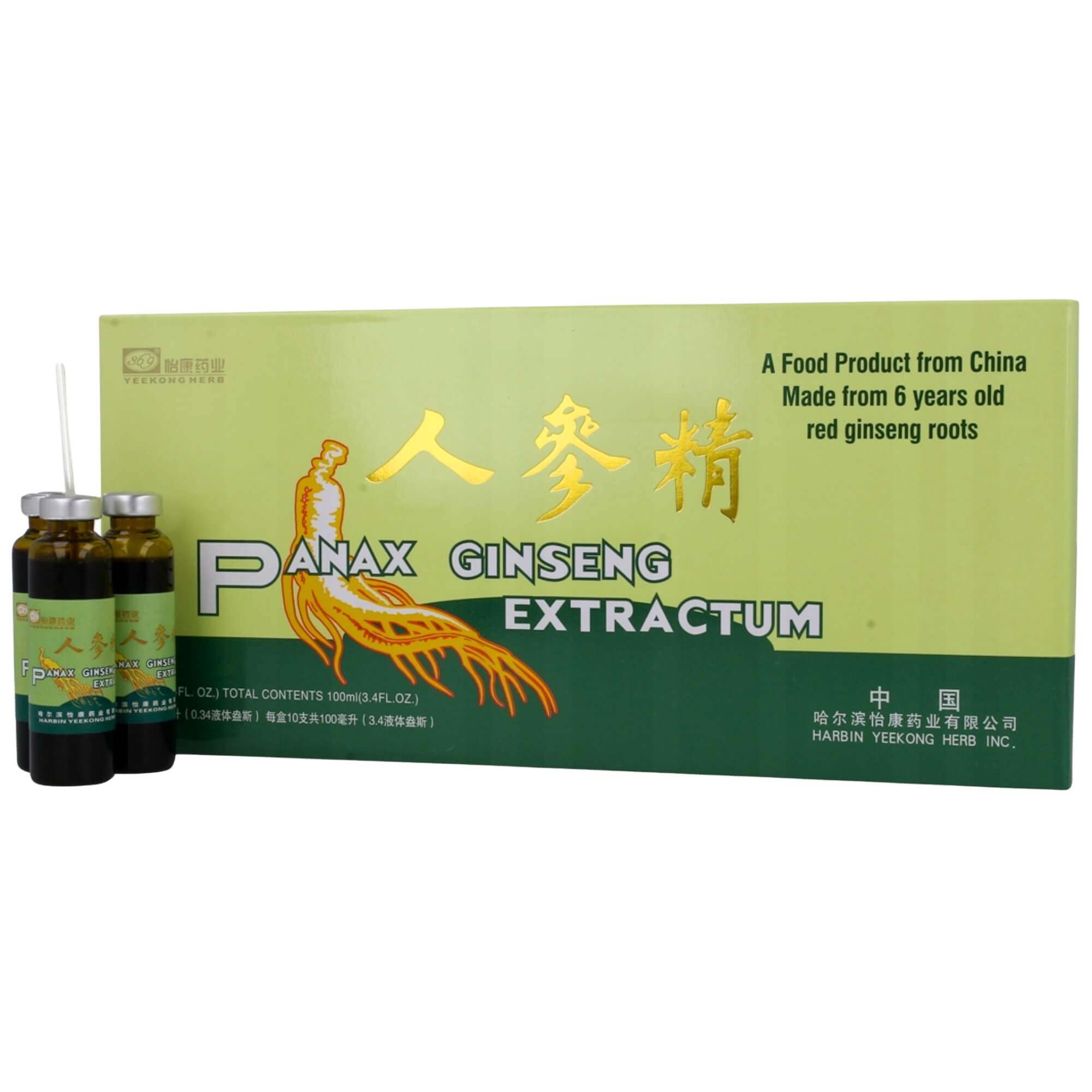
Ginseng (Panax ginseng). Active ginsenosides act on the HPA axis and exhibit immunomodulatory properties, and studies suggest improved endurance and time to exhaustion with regular use. Details on types of ginseng, differences between Siberian and true ginseng, and practical supplementation tips can be found in the article Siberian or true ginseng – which to choose and when it matters?

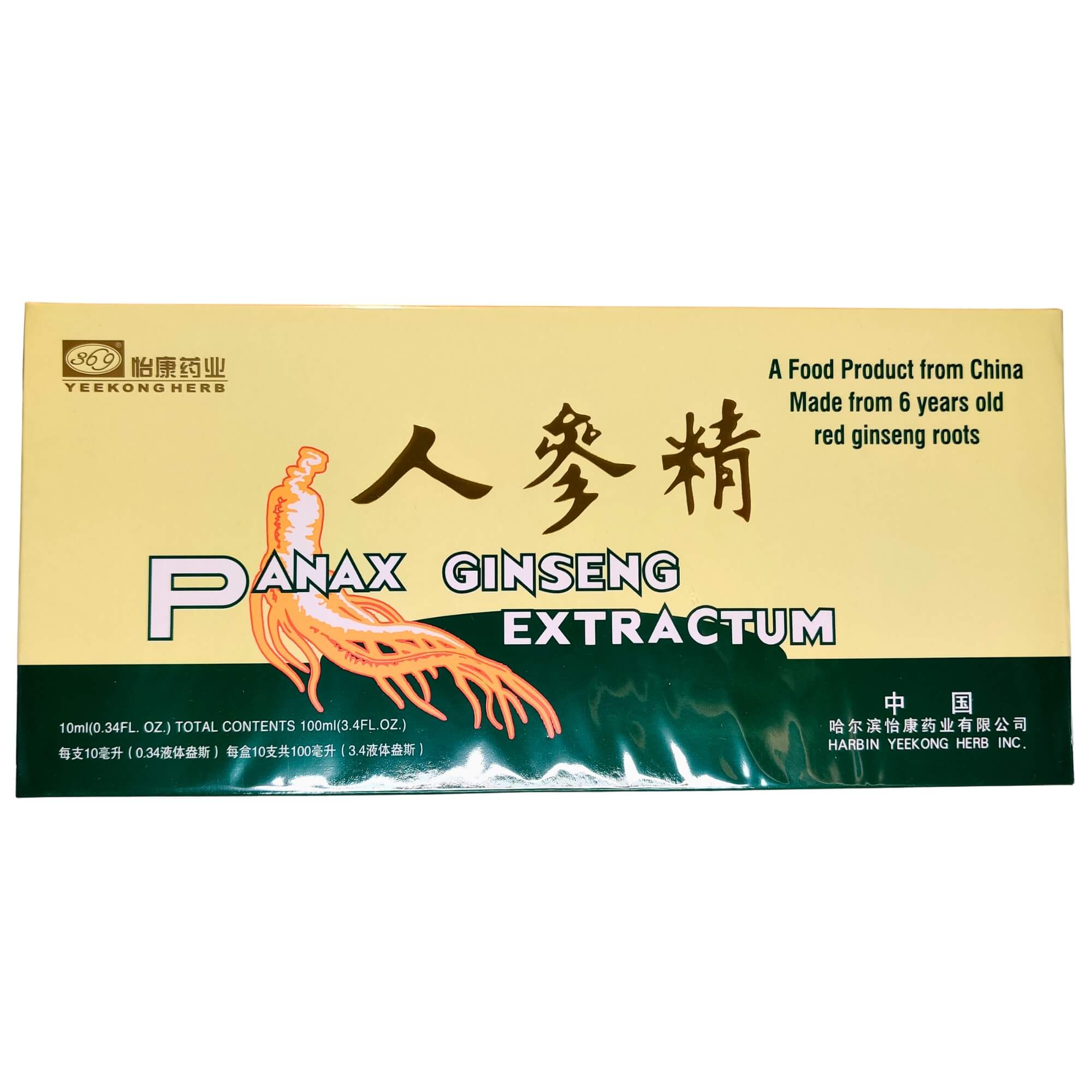
Ginseng Extract (Panax Ginseng Extractum) ampoules 100 ml - Meridian
Eleuthero (Eleutherococcus senticosus, “Siberian ginseng"). Differs chemically from Panax ginseng — it contains eleutherosides instead of ginsenosides. Traditionally used in Soviet medicine to improve physical performance in athletes. The evidence base is weaker than for ashwagandha or rhodiola, but several studies indicate benefits in endurance and recovery time.

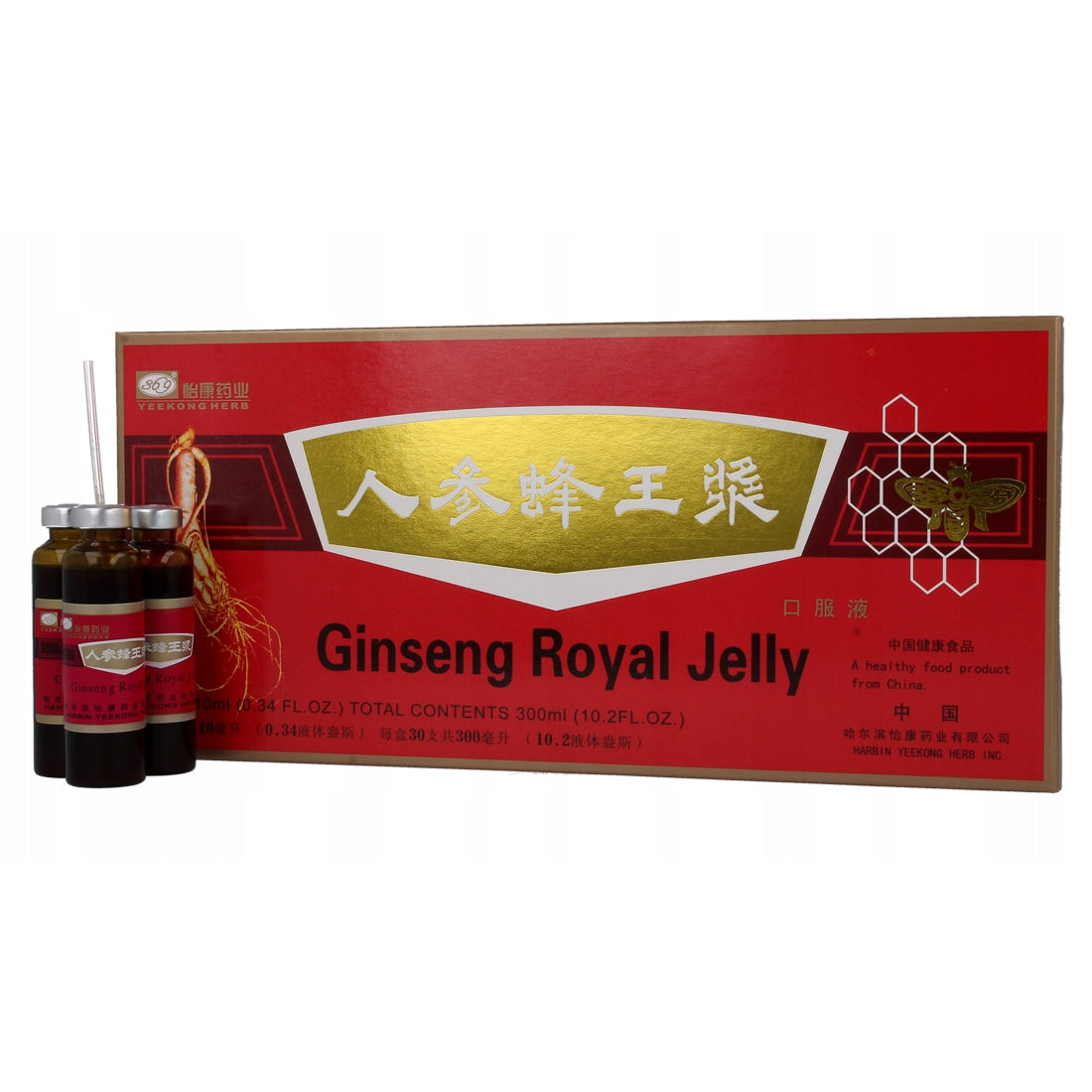
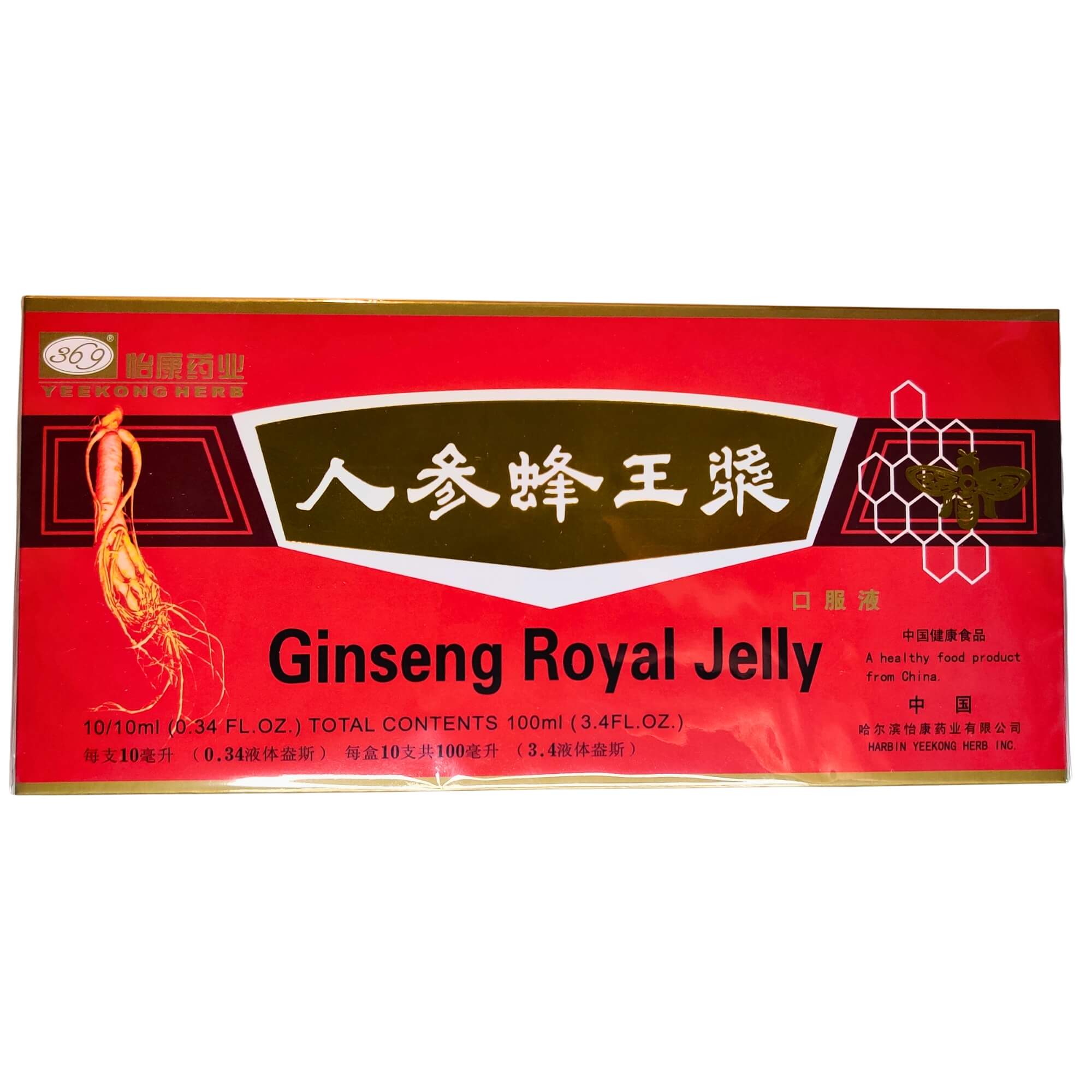
Siberian ginseng with royal jelly (Eleuthero Ginseng Royal Jelly) ampoules 100 ml - Meridian
Schisandra (Schisandra chinensis). An adaptogen with five flavors from traditional Chinese medicine. It exhibits hepatoprotective and adaptogenic effects, and studies suggest possible cortisol reduction and improved exercise tolerance — however, the clinical evidence base is much more modest than for the others.
| Adaptogen | Main mechanism | Daily dose | Strength of evidence | Best for |
|---|---|---|---|---|
|
Ashwagandha (KSM-66 / Sensoril) |
HPA axis modulation, cortisol reduction, potential effect on testosterone | 300–600 mg (KSM-66) 250–500 mg (Sensoril) |
High — numerous RCTs and meta-analyses | Muscle strength, chronic stress, sleep, high volume phases |
|
Rhodiola rosea (SHR-5 or ≥3% rosavin) |
MAO inhibition, monoamine protection, central fatigue reduction | 200 mg (acute, pre-workout) 400–600 mg (chronic) |
Moderate–high — especially for central fatigue and endurance | Mental fatigue, endurance, psychological recovery after intense blocks |
| Panax ginseng | Ginsenosides — immunomodulation, HPA, potential effect on NO and blood flow | 200–400 mg extract | Moderate — endurance and immunity better documented than strength | Endurance, immunity, especially during autumn-winter season |
| Eleuthero | Eleutherosides — HPA, adaptation to exercise | 2–3 g powdered root or equivalent | Low–moderate — fewer RCTs, older studies | Endurance, regeneration — as a cheaper alternative |
Scroll right to see the full table (on mobile devices) →
8. Active recovery, massage, cold and heat – what truly accelerates return to form?
Beyond nutrition, sleep, and supplementation, there are a number of physical interventions that can support recovery — or, contrary to intuition, hinder it. Active recovery, foam rolling, cryostimulation, and sauna are among the most commonly used methods, and at the same time, some of the most mythologized.
8.1. What is active recovery and when should it be used?
Active recovery is low-intensity physical activity performed after the main workout or on rest days. Its main mechanism is to increase blood and lymph flow through working muscles, which accelerates the transport of exercise metabolites (including lactate) to the sites of their oxidation — primarily the cardiac muscle and liver.
Active recovery is most strongly documented as a method for accelerating lactate clearance after intense anaerobic or interval exercise. Studies indicate that active cool-down at approximately 30–50% VO₂max is more effective in lactate removal than complete rest. This translates into practical benefits for endurance athletes and those who train multiple times a day or with short breaks between sessions.
For individuals strength training 3–4 times a week, the value of active recovery lies elsewhere: in maintaining joint mobility, reducing subjective stiffness, and preserving movement rhythm — which has psychological and preventive significance, though less unequivocal support in performance studies. A systematic review involving 471 athletes pointed to "weak evidence regarding the effectiveness of active recovery concerning sports performance" — while confirming psychological benefits.
Practical forms of active recovery:
- Walk 20–40 minutes — the simplest and safest option; zero load, good peripheral perfusion, beneficial effect on the nervous system and cortisol.
- Stationary bike or swimming — activity without ground contact; especially good option for knee, hip, or spinal pain.
- Yoga or dynamic stretching — combines work with mobility and a sense of relaxation; a good evening option as a pre-sleep ritual.
- Light rowing or rowing ergometer — engages the whole body with low joint load; popular in endurance sports.
💡 Key condition: intensity
Active recovery ceases to be regenerative when the intensity is too high. If after 15 minutes of cycling your heart rate is elevated, you are sweating intensely, and you feel effort — this is not recovery, it's an additional training stimulus. Rule: it should be light enough that you can converse freely the entire time.
8.2. Foam rolling and massage – how much are the real evidence of effectiveness worth?
Foam rolling (self-massage roller) has become standard in most gyms and physiotherapy clinics. Its popularity slightly precedes the evidence base, but it does exist and is — with appropriate expectations — positive.
A study by Arbiza et al. (2024) showed that foam rolling applied after intense physical training reduced muscle soreness by 22.8% after 24 hours, 39.2% after 48 hours, and 59.7% after 72 hours compared to passive rest — with effects comparable to active recovery on an ergometer. In turn, a randomized clinical trial (Szajkowski et al., 2025, involving 60 participants) showed that foam rolling significantly reduced muscle tension and stiffness, but was no more effective than passive rest in terms of subjective pain perception. A meta-analysis suggests that the effects of foam rolling on sports performance are "rather small and partially negligible" — with the exception of improved range of motion and reduced perception of muscle pain.
Practical conclusion: foam rolling is worth using as a method for maintaining range of motion and subjective DOMS relief, especially on recovery days, but it should not be overestimated as a tool to accelerate strength or muscle mass rebuilding.
🔍 How to do it effectively?
Roll along the muscle, pausing for 3–5 seconds at points where you feel increased tenderness or tension — this is called trigger point release. Optimal time per muscle group is 30–60 seconds; longer sessions do not yield proportionally better results. Pressure: moderate, causing discomfort but not sharp pain. The entire post-workout session: 5–10 minutes is sufficient.
8.3. Cryostimulation and cold showers – effective for whom and when?
Cold water after training is one of the more complex recovery interventions, because the results of its use are highly dependent on the training goal. There is no single simple answer — there are two different answers for two different athletes.
A meta-analysis by Piñero et al. published in European Journal of Sport Science (2024) — the first review of its kind devoted exclusively to hypertrophy — showed that regular cold water immersion after strength training suppressed muscle adaptations with an overall effect SMD = −0.60 (moderate suppression of strength, power, and hypertrophy). Mechanism: cold water reduces muscle perfusion, blocks mTORC1 signaling responsible for MPS, lowers HSP27 and HSP72 expression, and decreases amino acid transport to muscle fibers.
Other studies confirm that CWI after 12 weeks of strength training resulted in ~+2% increase in quadriceps muscle mass, while the same intervention without cold water resulted in ~+15%.
⚠️ Cold water after strength training – when to avoid it
If your goal is to build muscle mass or maximal strength — regular cold water immersion immediately after strength training is counterproductive. The effect of DOMS reduction and subjective relief do not compensate for the suppression of adaptations. This is one example where "better perceived recovery" and "better recovery" are not the same thing.
When cold water makes sense:
- For endurance athletes — it does not show a negative impact on endurance adaptations, and may reduce DOMS after long running or cycling sessions.
- For multi-day competitions — when the priority is rapid restitution for the next start, not long-term adaptation.
- On hot days — a cold shower after training in high temperatures helps with thermoregulation without negative adaptive consequences.
- A cold shower in the morning — before post-workout synthesis processes begin (optimally several hours or a day after training), it does not show such a clear effect on blocking MPS.
8.4. Sauna – heat shock proteins, circulatory system and long-term health benefits
Sauna is one of the few recovery interventions that has both solid foundations in terms of muscle recovery and documented long-term health benefits extending far beyond the athletic context.
Heat shock proteins (HSPs). During exposure to core temperatures above 38–39°C, cells initiate the production of heat shock proteins — primarily HSP70 and HSP27. These proteins act as "molecular chaperones": they repair misfolded proteins, prevent the aggregation of damaged molecules, and direct amino acids and glucose to sites of tissue damage. In the context of training: sauna enhances the same protective response that training initiates in muscles — without blocking anabolic signaling, which differentiates it from cold water.
A study published in Biology of Sport (2023, Ahokas et al.) showed that an infrared sauna session after strength training accelerated neuromuscular performance recovery and reduced DOMS after resistance exercise. A separate series of studies showed that three weeks of training with a sauna session after each led to a 32% increase in plasma volume and a 1.9% improvement in 5km running time in professional runners — an effect comparable to altitude acclimatization.
🔍 Finnish KIHD study – 20 years of observation
The prospective cohort study KIHD (Laukkanen et al., JAMA Internal Medicine, 2015) tracking 2315 middle-aged men for 20 years showed a dramatic dose-response relationship: men using sauna 2–3 times a week had a 27% lower risk of cardiovascular death, and those using it 4–7 times a week had a 50% lower risk compared to individuals going to the sauna once a week. Importantly — the study controlled for other lifestyle variables, although as an observational study, it cannot definitively confirm causality.

Practical Protocol:
- Temperature: 70–90°C (Finnish sauna) or 50–60°C (infrared sauna — longer exposure time, milder).
- Time: 15–30 minutes per session; start with 10–15 minutes if you are inexperienced.
- Timing after workout: wait 15–20 minutes after finishing strength training before entering the sauna. Immediately after intense exercise, the heart rate is too high, and the cardiovascular system is excessively strained.
- Hydration: drink 400–500 ml of water before the session and replenish fluids after leaving. Sauna increases electrolyte loss.
- Order with cold water: sauna → cold water, not vice versa. Cold immersion immediately after strength training blocks adaptation; sauna after strength training does not.
⚠️ When to avoid the sauna
Sauna is safe for healthy adults, but caution is advised in cases of uncontrolled hypertension, recent myocardial infarction or unstable coronary artery disease, pregnancy (especially the first trimester), and after alcohol consumption. Alcohol + sauna is a combination that statistically accounts for a significant portion of sauna accidents — the risk of dehydration and cardiac arrhythmias increases disproportionately.
| Method | Main effect | For whom? | Strength of evidence | Risk |
|---|---|---|---|---|
| Active recovery | Lactate clearance, blood flow, mobility | Endurance athletes, 2×/day training | Moderate (lactate clearance), weak (performance) | Too high intensity = training stimulus |
| Foam rolling | Reduced DOMS, improved ROM, reduced muscle tension | Everyone | Moderate (pain, ROM), low (strength) | None with proper technique |
| CWI / cold water | Reduced DOMS and swelling, subjective relief | Endurance athletes, multi-day competitions | High (DOMS), high (blocking hypertrophy) | Suppression of strength adaptation with regular use |
| Sauna | HSP, plasma volume, DOMS, long-term CV health | Everyone; especially endurance athletes and individuals 40+ | High (CV, HSP), moderate (recovery after RT) | Dehydration, alcohol + sauna, heart disease |
Scroll right to see the full table (on mobile devices) →
9. The most common mistakes that sabotage recovery
Most recovery problems do not stem from a lack of knowledge about supplements or advanced techniques — they result from neglecting the basics. Below are five mistakes that most frequently appear in store practice and when working with clients.
| Mistake | Why it harms recovery | What to do instead |
|---|---|---|
| Too low caloric intake (especially during reduction) | A large caloric deficit limits the energy resources needed for muscle protein synthesis and tissue repair — the body prioritizes vital functions, not recovery | Moderate deficit (10–20% below demand), high protein intake (1.8–2.2 g/kg) even during reduction |
| Neglecting rest due to feeling "unproductive" | Training without adequate recovery prevents supercompensation — it effectively reverses progress instead of building it (Chapter 1) | Treat rest days as part of the training plan, not as "lost time" |
| Supplementation without nutritional foundation | Magnesium, omega-3, or ashwagandha will not compensate for calorie, protein, or sleep deficiencies — supplements support, they do not replace the basics | First diet, sleep, and hydration — supplements as an addition, not the foundation |
| Too much cardio on recovery days | "Active recovery" performed at too high intensity ceases to be recovery — it becomes an additional stimulus increasing fatigue (Chapter 8.1) | Keep intensity at a level that allows for casual conversation; 20–40 minutes of walking is enough |
| Ignoring body signals | Chronic fatigue, elevated resting heart rate, and stagnation in results are early signs of overtraining — ignored, they lead to weeks or months of downtime (Chapter 1.3) | Monitor subjective readiness for training; if warning signs persist — plan a deload week |
Scroll right to see the full table (on mobile devices) →
💡 The common thread among these mistakes
All five mistakes share one thing: treating recovery as something extra, optional, to be done "if there's time." Meanwhile — as this entire article shows — recovery is an integral part of the training process, not an addition to it. A training plan without planned recovery is an incomplete plan.
10. FAQ – frequently asked questions about post-workout recovery
10.1. Can recovery be accelerated without supplements?
Yes — and it's the basics that have the biggest impact. Adequate calorie and protein intake, 7–9 hours of sleep, hydration, and reasonable planning of training volume account for most of the recovery effect. Supplements (magnesium, omega-3, collagen, adaptogens) act as marginal support — they speed up and optimize the process, but they cannot replace the basics if these are neglected.
10.2. Is sports massage more effective than foam rolling?
Professional sports massage and foam rolling work through a partially similar mechanism — improved blood flow and reduced muscle tension — but massage performed by a therapist allows for more precise targeting of specific trigger points and deeper tissue layers. In studies, the effects of both methods on subjective pain are similar; massage has an advantage in terms of the depth of tissue work, foam rolling — in its accessibility and frequency of use (you can do it daily at home).
10.3. Does fasted training slow down recovery?
Fasted training itself is not a problem for recovery, as long as a post-workout meal is provided relatively quickly (see Chapter 2.1). However, fasted training increases the importance of faster protein and carbohydrate replenishment after a session — the recovery window is narrower than with training after a meal, because blood amino acid levels are lower at the start.
10.4. Does static stretching after training help with recovery?
Static stretching after training can improve the subjective feeling of relaxation and support range of motion, but evidence for its effect on reducing DOMS or accelerating tissue recovery is limited and inconclusive. It does no harm, but it should not be treated as a key element of a recovery strategy — active recovery and sleep are more effective in this role.
10.5. Do women and men recover differently?
Yes, there are documented differences. Women show somewhat faster strength recovery after eccentric training in some studies, which is linked, among other things, to a different hormonal profile and a higher proportion of antioxidant estrogen.
On the other hand, the phase of the menstrual cycle can affect exercise tolerance, fluid retention, and perceived recovery, which some physically active women consciously take into account when planning training intensity.
10.6. Do I need to eat fewer calories on non-training days?
There is no such need — and in many cases, it is a mistake. Muscle protein synthesis and glycogen resynthesis continue long after the session ends (see table in Chapter 1.4), so non-training days still require adequate energy and protein intake to support these processes. Drastically restricting calories on non-training days can genuinely slow down recovery.
11. Summary – how to create an effective recovery strategy?
Post-workout recovery is not a single decision, but a sum of many smaller choices made each day. No supplement, technique, or gadget can replace the four pillars described in this article — but combined, they provide a real, measurable advantage.
| Pillar of recovery | Most important principle | Chapter |
|---|---|---|
| Diet | Total daily protein and calorie intake more important than precise post-workout meal timing | 2 |
| Hydration | Sodium and electrolytes, not just water — especially during long or intense exercise | 3 |
| Sleep | 7–9 hours, regular wake-up time — this is where the most important part of hormonal recovery takes place | 4 |
| Supplementation and recovery techniques | Support, not foundation — magnesium, omega-3, collagen, adaptogens, and sauna as an addition to well-established basics | 5, 6, 7, 8 |
Scroll right to see the full table (on mobile devices) →
If you have to pick one starting point — start with sleep. No recovery supplement will compensate for 5 hours of sleep instead of 8. Only when the basics are in place — adequate calorie and protein intake, regular sleep, hydration — do supplementation and techniques like sauna or foam rolling begin to yield real, measurable benefits.
💡 From our clients' observations
The most common mistake we see in people asking about recovery supplements is neglecting the question of sleep and total caloric intake. Before recommending a specific product, we always ask about these two elements — because without them, even the best-chosen supplementation will have a limited effect.
The topics covered in this article are connected to other areas worth exploring: Strength training supplementation – what really works? A research-based guide and Protein in an athlete's diet – how much do you need and where is best to get it from?
12. Sources
- Lamon, S. et al. (2021). The effect of acute sleep deprivation on skeletal muscle protein synthesis and the hormonal environment. Physiological Reports, 9(1), e14660. [PMID: 33400856]
- Leproult, R., Van Cauter, E. (2011). Effect of 1 Week of Sleep Restriction on Testosterone Levels in Young Healthy Men. JAMA, 305(21), 2173-2174. [PMID: 21632481]
- Parr, E. B. et al. (2014). Alcohol Ingestion Impairs Maximal Post-Exercise Rates of Myofibrillar Protein Synthesis following a Single Bout of Concurrent Training. PLOS ONE, 9(2), e88384. [PMID: 24533082]
- Lv, Z., Zhang, J., Zhu, W. (2020). Omega-3 Polyunsaturated Fatty Acid Supplementation for Reducing Muscle Soreness after Eccentric Exercise: A Systematic Review and Meta-Analysis of Randomized Controlled Trials. BioMed Research International, 2020, 8062017. [DOI: 10.1155/2020/8062017]
- Li et al. (2026). Effects of Omega-3 Supplementation on Inflammation and Recovery in Sports: A Meta-Analysis. The FASEB Journal, 40. [DOI: 10.1096/fj.202504783R]
- Shaw, G. et al. (2017). Vitamin C-enriched gelatin supplementation before intermittent activity augments collagen synthesis. American Journal of Clinical Nutrition, 105(1), 136-143. [PMID: 27852613]
- Wankhede, S. et al. (2015). Examining the effect of Withania somnifera supplementation on muscle strength and recovery. Journal of the International Society of Sports Nutrition, 12, 43. [PMID: 26609282]
The above article is for educational purposes only and does not replace consultation with a doctor, dietitian or physiotherapist. Before introducing new supplementation - especially with chronic diseases, pregnancy or taking medications - consult a specialist.