Asian ginseng (Panax ginseng) and Siberian ginseng (Eleutherococcus senticosus) are two completely different plants – they differ in chemical composition, mechanism of action, and who benefits most from them. If you're looking to support concentration, vitality, and sexual function – reach for Panax ginseng. If you're concerned about immunity and resilience to chronic stress – eleuthero will be a better choice.
In this article, you will find a reliable comparison of both adaptogens, based on clinical studies: how they differ botanically and chemically, what effects each of them has confirmed in peer-reviewed studies, for whom and when they should be used, how to dose and combine them, and when it is better to avoid them. We also describe the role of royal jelly in ginseng preparations and explain why this combination has a biochemical, not just a marketing, justification.
1. Asian and Siberian Ginseng – are they even the same plant?
Short answer: no. Asian ginseng and Siberian ginseng are two completely different plants – they belong to different botanical genera, contain different active substances, and act somewhat differently on the body. What they share is the name, botanical family, and adaptogen status. However, this is not enough to treat them interchangeably when choosing a supplement.
1.1. A naming error that confuses most buyers
The word "ginseng" comes from Chinese and literally means "man-root" – referring to the characteristic shape of the Panax ginseng root, resembling a human figure. For centuries, this word referred exclusively to plants of the genus Panax.
The problem began in the second half of the 20th century, when Soviet scientists discovered a plant with a similar action profile, cheaper and more readily available. This plant – eleuthero (Eleutherococcus senticosus) – was marketed as "Siberian ginseng." The name caught on worldwide. Today, products with very different plants in their composition stand side-by-side on store shelves, all under the banner of "ginseng" – and few buyers realize this.
🌿 Important distinction
The name "Siberian ginseng" is a common name, not a botanical one. True ginseng refers only to plants of the genus Panax (including Panax ginseng, Panax quinquefolius). Eleuthero (Eleutherococcus senticosus) belongs to the same Araliaceae family but is a separate genus and species. When buying a supplement, always check the Latin name on the label.
1.2. Two plants, two continents, thousands of years of difference
Asian ginseng (Panax ginseng C.A. Meyer) is a perennial herb native to the mountain forests of Korea, northeastern China, and Manchuria. It grows slowly – a root suitable for harvesting reaches proper quality only after 6–10 years of cultivation. This is one of the reasons why high-quality Asian ginseng is expensive. In traditional Chinese medicine, it has been used for at least 4–5 thousand years and was considered a luxury item for centuries, available only to the emperor and his court.
Siberian ginseng – properly eleuthero (Eleutherococcus senticosus) – is a shrub reaching up to 2–3 meters in height, growing naturally in the eastern regions of Russia, Korea, Japan, and northeastern China. It is much less demanding to cultivate: the root is ready for harvest after only a year or two. This makes eleuthero preparations generally cheaper than those with Panax ginseng.
Both plants belong to the Araliaceae family – this is their only close botanical relationship.

1.3. Where did the name "Siberian ginseng" come from? A Cold War story
In the 1940s, the Soviet Union launched a special research program aimed at finding natural substances to improve endurance and stress resistance – first for soldiers, then for athletes and cosmonauts. Scientists led by Professor Nikolay Lazarev, and later his student Prof. Israel Brekhman, started with Panax ginseng.
There was a problem, however: in the 1950s and 60s, wild Asian ginseng was almost unavailable in the USSR, and importing it from China – with which political relations were strained – was too expensive. So, scientists began looking for a cheaper alternative. They came across eleuthero, growing in Siberian forests within easy reach. Brekhman published the first scientific article about this plant in 1958, and in 1962 eleuthero was officially added to the Soviet pharmacopoeia.
Over the following decades, over 1000 studies on eleuthero were published in the USSR – concerning truck drivers, sailors, Olympians, and even cosmonauts of the Soyuz program. Most of these studies remained classified or untranslated into Western languages for years. When they began to circulate after 1991, eleuthero was already on the market as "Siberian ginseng" – and that name stuck.
💡 Interesting fact
The European Medicines Agency (EMA) recommends the use of eleuthero extract (Eleutherococcus senticosus) for the treatment of asthenia symptoms – chronic fatigue and weakness – based on long-standing traditional use. Eleuthero extract was also used in the Soviet space program to support the training of cosmonauts for the Soyuz-18 mission in 1975.
1.4. What they do not have in common – and why this is important when choosing a supplement
Although both plants are sometimes treated interchangeably, they differ in several key aspects that directly affect what they are used for and when:
| Asian Ginseng | Siberian Ginseng | |
|---|---|---|
| Latin name | Panax ginseng | Eleutherococcus senticosus |
| Botanical family | Araliaceae | Araliaceae |
| Botanical genus | Panax | Eleutherococcus |
| Active substances | Ginsenosides (triterpene saponins) | Eleuterosides (glycosides: syringin, syringaresinol, and others) |
| Plant form | Herbaceous perennial | Shrub |
| Cultivation time to harvest | 6–10 years | 1–2 years |
| Raw material price | Higher | Lower |
| Adaptogen status | Yes | Yes |
The most important difference for someone choosing a supplement is the different active substances: ginsenosides in Panax ginseng and eleuterosides in Eleutherococcus senticosus are completely different chemical compounds that act on the body in slightly different ways. We will delve into this difference in the next chapter.
2. What they contain and how they work – ginsenosides vs. eleuterosides
Since Asian and Siberian ginseng are two different plants, they also have different chemical compositions. It is the active substances – not the name on the label – that determine what a supplement does in the body. Understanding this difference allows you to consciously choose a preparation tailored to a specific purpose.
2.1. Ginsenosides – multifunctional molecules of Asian ginseng
The main active substances of Panax ginseng are ginsenosides – a group of triterpene saponins that naturally occur in the root and leaves of the plant. To date, over 150 different fractions have been isolated and described. This diversity is crucial: individual ginsenosides act on the body in different, and sometimes even opposing ways – some show stimulating properties, others calming.
The best-studied fractions are Rb1, Rg1, Rg3, Re, and Rd. Studies published in peer-reviewed scientific journals (including the Journal of Ginseng Research) indicate that ginsenosides may exhibit:
- antioxidant activity – neutralizing free radicals and protecting cells from oxidative stress,
- anti-inflammatory activity – inhibiting pro-inflammatory cytokines and signaling pathways (including NF-κB),
- nootropic activity – affecting acetylcholine metabolism in the central nervous system, which can support cognitive functions and memory,
- vasorelaxant activity – dilating blood vessels and improving blood flow,
- immunomodulatory activity – regulating the immune system's response.
It is worth noting that ginsenosides are compounds with relatively low oral bioavailability – their absorption from the gastrointestinal tract is varied and depends on both the form of the preparation and individual metabolic characteristics, including the composition of the gut microbiota.
Liquid form (extract in an ampoule) can increase bioavailability compared to powder in a capsule, as the active substances do not have to overcome the barrier of a hard shell before absorption.
🌿 White or red ginseng – what does it mean?
Red ginseng is the same species – Panax ginseng – subjected to steaming and high-temperature drying. Thermal processing changes the ginsenoside profile: some fractions (e.g., Rg3) increase their concentration, which can affect the final action profile of the preparation.
White ginseng is the root dried without thermal processing, retaining a more "natural" set of ginsenosides. Neither of these variants is objectively better – they differ in their active substance profile, and the choice depends on the intended use.
2.2. Eleuterosides – compounds developed as a substitute for ginsenosides
In Eleutherococcus senticosus, the active substances are eleuterosides – chemically, these are a completely different class of compounds than ginsenosides. Eleuterosides are glycosides with a phenylpropanoid and lignan structure; they are named by consecutive letters of the alphabet (A, B, B1, C, D, E, F). Among all fractions, eleuterosides B (syringin) and E (syringaresinol diglucoside) are the best-studied and considered the main markers of the plant's biological activity.
Eleuterosides B and E are structurally similar to catecholamines – neurotransmitters of the sympathetic nervous system that play a key role in the early phase of the body's stress response. This is one reason why eleuthero exhibits adaptogenic effects: it can modulate the reactivity of the sympathetic-adrenal system (SAS) in response to acute stress and the hypothalamus-pituitary-adrenal (HPA) axis with long-term supplementation.
In addition to eleuterosides, the eleuthero root also contains polysaccharides (ESPS), which in preclinical studies are attributed immunomodulatory and anti-fatigue properties.

2.3. Common denominator: HPA axis and stress response
Despite chemical differences, both plants act on the body through a similar overarching mechanism – modulation of the hypothalamus-pituitary-adrenal (HPA) axis, which is the central system controlling the stress response.
In simple terms: when the body encounters stress (physical, psychological, infectious), the HPA axis triggers a hormonal cascade culminating in the secretion of cortisol by the adrenal glands. Cortisol is useful in the short term – it mobilizes energy and immune response. In chronic stress, its persistently elevated level is harmful: it weakens immunity, disrupts sleep, lowers cognitive abilities, and accelerates fatigue.
Studies on adaptogens – including extensive reviews published in PMC (Panossian et al.) – indicate that both ginsenosides and eleuterosides can help normalize the HPA axis response: with a single dose, they support rapid mobilization (SAS system); with regular supplementation, they restore the proper sensitivity of glucocorticoid receptors at the level of the hypothalamus and pituitary, which translates into better cortisol regulation over time.
To simplify: adaptogens do not block the stress response, but help the body maintain a proportional, not excessive, response to stress.
📖 What is an adaptogen? Definition for the uninitiated
The concept of adaptogen was introduced by Soviet pharmacologist Nikolay Lazarev in 1947. According to the definition formulated by Brekhman and Dardymov, a substance must meet three conditions to be an adaptogen:
- Safety – it must not be toxic with normal use and cause serious side effects.
- Non-specificity of action – it must increase the body's general resistance to various stressors: physical, chemical, and biological.
- Normalization – it should restore physiological balance regardless of the direction of the disturbance (both with excessive excitement and with exhaustion).
Both Panax ginseng and Eleutherococcus senticosus meet these criteria and are recognized as classic adaptogens. This term, despite its common use in phytotherapy and supplementation, is not officially accepted by Western medical regulators as a pharmacological category.
2.4. Practical Differences – What Does This Mean for You?
The difference in chemical composition translates into slightly different priorities of action for both plants, although their areas of activity largely overlap:
| Property | Ginsenosides (Panax ginseng) | Eleuterosides (E. senticosus) |
|---|---|---|
| Chemical Class | Triterpene saponins | Phenylpropanoid glycosides and lignans |
| Main fractions | Rb1, Rg1, Rg3, Re, Rd (over 150 total) | Eleuterosides B (syringin) and E (syringaresinol) |
| Central mechanism | Modulation of steroid receptors, neuronal protection, effect on acetylcholine | Modulation of HPA axis and SAS system, structural similarity to catecholamines |
| Priority action | Vitality, concentration, libido, glycemic and cardiovascular support | Stress resistance, immune system support, physical performance |
| Antioxidant activity | Yes – documented | Yes – documented |
| Immunomodulatory activity | Yes | Yes – particularly strong |
| Clinical research base | Extensive, mainly conducted in Korea and China | Extensive (over 1000 studies in the USSR), fewer RCTs in Western literature |
Important note: although the table shows priorities, both plants have multi-directional effects and their areas of activity largely overlap. It is not the case that eleuthero does not affect concentration at all, or that Panax ginseng does not support immunity. The difference lies in the strength and primary nature of these effects – and that is what should guide the choice.
In the next chapter, we discuss in detail for whom and when Panax ginseng is best, including preparation forms and what to look for when purchasing.
3. Panax Ginseng (Panax ginseng) – For Whom and When?
Panax ginseng is the most thoroughly researched adaptogenic plant in the world and a benchmark for all other adaptogens. Its action profile is broad, but it can be described in one word: vitality. Panax ginseng is best suited for people who need energetic, cognitive, and – for men – sexual support. Below, we discuss what research says about it and who will benefit from it most.
3.1. Support for Fatigue – What Does Research Say?
One of the best-documented effects of Panax ginseng is supporting the reduction of fatigue. A meta-analysis of 12 randomized clinical trials (RCTs) involving 1298 patients, published in the journal Medicine (2022), showed a statistically significant effect of ginseng supplementation in reducing disease-related fatigue (SMD = 0.33; 95% CI: 0.22–0.44). Similar conclusions come from a systematic review published in the Journal of Integrative and Complementary Medicine (2023) by researchers from Memorial Sloan Kettering Cancer Center.
Important note on the above data: most studies involved patients with chronic diseases or post-chemotherapy, and their methodology is sometimes considered heterogeneous. In healthy individuals, anti-fatigue effects may be less pronounced than in individuals in a state of exhaustion – adaptogens are most effective when the body is under greater stress.

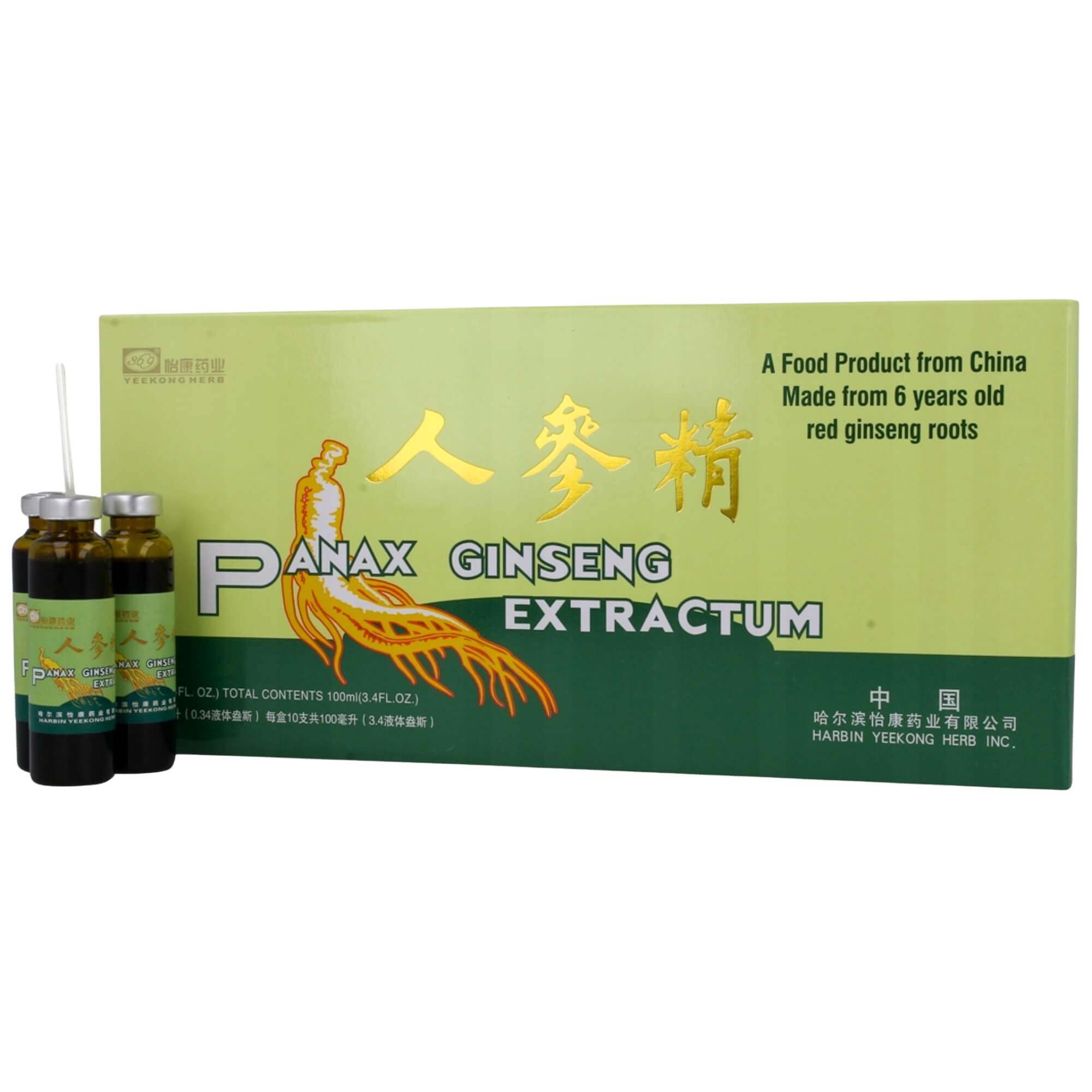
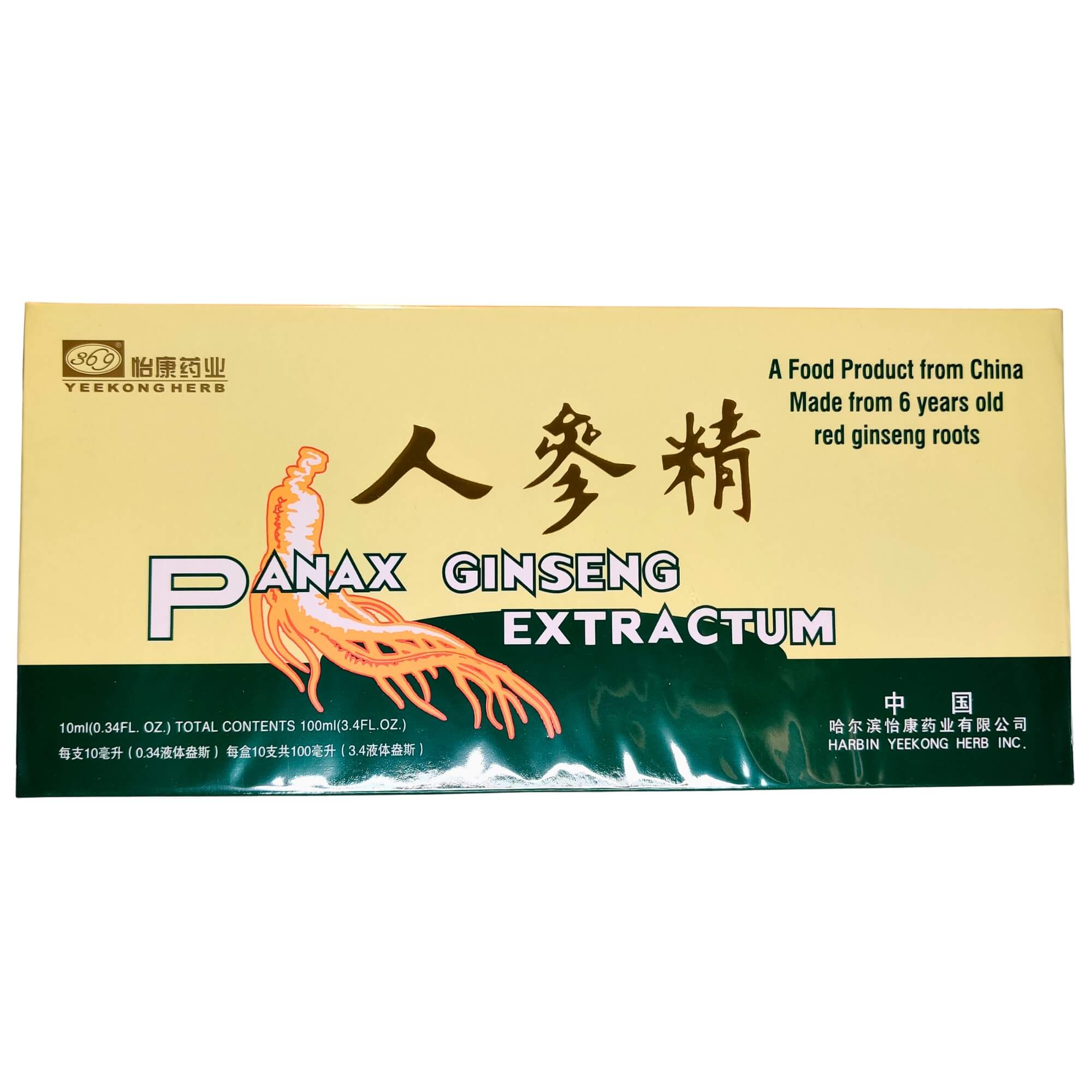
Ginseng Extract (Panax Ginseng Extractum) ampoules 100 ml - Meridian
3.2. Cognitive Functions and Concentration
Ginsenosides affect acetylcholine metabolism in the central nervous system, which translates into potential support for memory, attention, and information processing speed. A double-blind, placebo-controlled study conducted at Kyung Hee University (2010, n=90 participants with mild cognitive impairment, published in PMC) showed that 6-month ginseng supplementation at a dose of 3 g per day significantly improved results in visual memory tests.
A meta-analysis of RCTs published in PubMed (2024), covering studies up to December 2023, confirmed the beneficial effect of ginseng on cognitive functions, although the authors emphasize that the quality of available evidence is varied and further large studies are needed. Caution in making overly strong claims is justified here.
🧠 From our customers' observations
Panax ginseng in ampoules is most eagerly sought by people working intensively mentally – before important projects, exam sessions, or during periods of increased professional stress. It is characteristic that, unlike coffee, Panax ginseng does not cause a sudden boost with a later "crash" – its energizing effect is milder and more spread out over time.
3.3. Libido and Sexual Functions – The Best Documented Effect in Men
This is an area where Panax ginseng has the most extensive evidence base among all herbal preparations. The mechanism is relatively well understood: ginsenosides stimulate the release of nitric oxide (NO) by vascular endothelial cells, leading to the relaxation of smooth muscles in the corpora cavernosa of the penis and improved blood flow. This same mechanism – though pharmacologically different – underlies the action of PDE-5 inhibitors.
A Cochrane review on ginseng and erectile dysfunction (Lee et al., 2021, PMC) included 9 randomized clinical trials involving 587 men with mild to moderate erectile dysfunction. The authors concluded that ginseng may support erectile function and sexual satisfaction compared to placebo, although they note that the methodological quality of the studies is moderate. A meta-analysis published in PMC (results of 7 RCTs, n=349) showed a significantly higher improvement rate in the ginseng group compared to placebo (RR=2.40; 95% CI: 1.65–3.51).
Studies also indicate a beneficial effect of ginseng on libido in women, especially during menopause – although data in this group are less extensive.
3.4. Who Will Benefit Most from Panax ginseng?
Based on the action profile and available research, Panax ginseng will be particularly valuable for:
- People working intensively mentally – needing support for concentration and reduction of mental fatigue without the stimulating effect.
- Men over 40 – looking for natural support for vitality and sexual functions.
- People in convalescence or after prolonged effort – physical or mental, when the body requires additional adaptogenic support.
- People with a tendency to blood sugar fluctuations – ginsenosides can support glycemic regulation, although this should always be discussed with a doctor.

3.5. What to Look for When Choosing a Panax ginseng Preparation?
The quality of ginseng supplements on the market varies greatly. Here are a few parameters to check before purchasing:
- Ginsenoside content (%) – a good extract should be standardized for ginsenoside content, usually at 5–20%. A preparation without standardization information offers little guarantee of potency.
- Form of preparation – liquid extract (ampoule) shows higher bioavailability compared to powder in a capsule. Active substances in liquid form are absorbed faster and more effectively.
- Latin name on the label – it should read Panax ginseng C.A. Meyer. Any other name means a different species.
- Root age – high-quality raw material comes from roots cultivated for at least 4–6 years. Younger roots contain significantly fewer ginsenosides.
Recommended Panax Ginseng preparations
In our store, you will find two carefully selected Meridian brand preparations in convenient liquid ampoule form – with higher bioavailability than standard capsules.
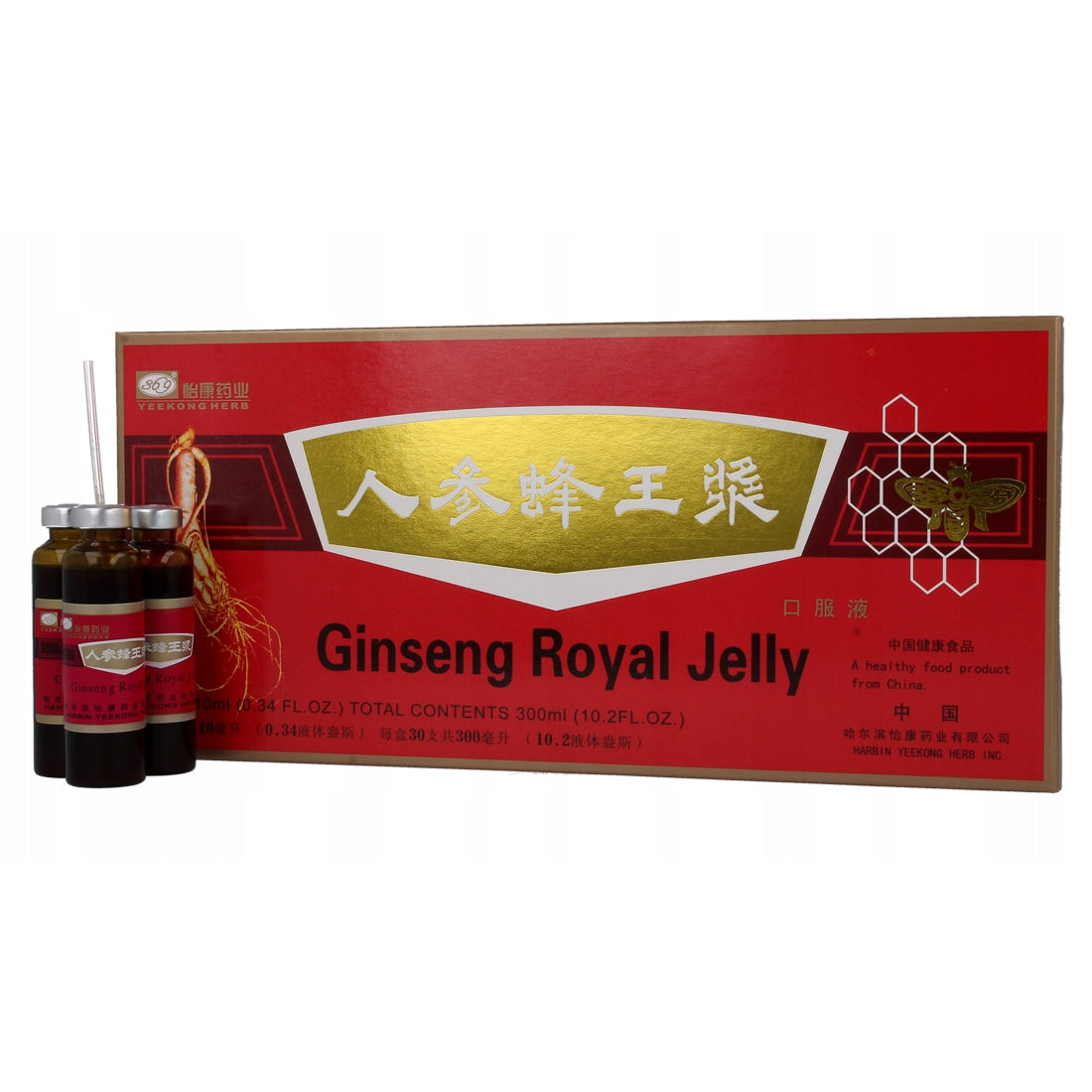
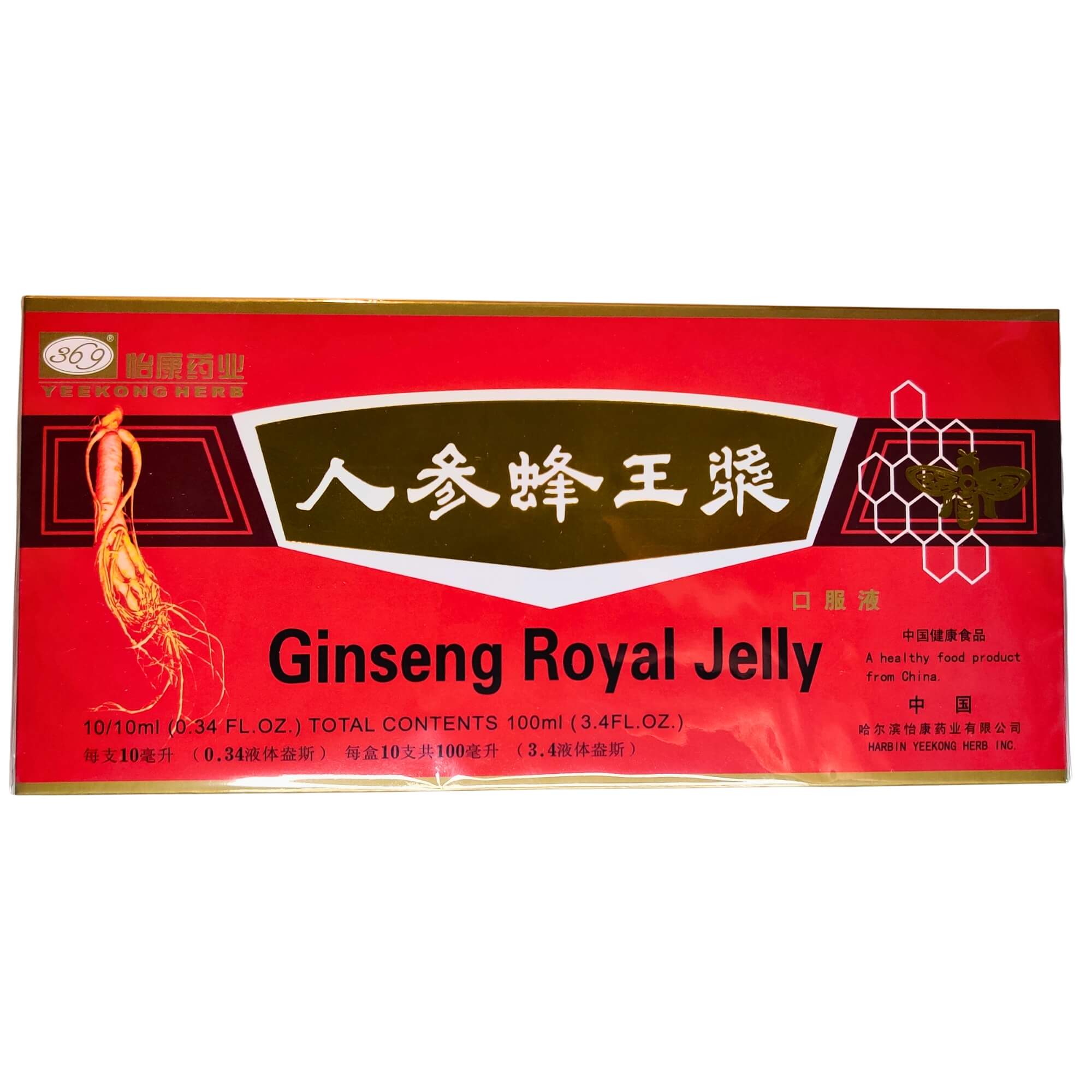
Panax Ginseng with Royal Jelly (Ginseng Royal Jelly) ampoules 100 ml - Meridian
Ginseng Extract (Panax Ginseng Extractum) ampoules 100 ml - Meridian
Also check out our adaptogens and energy supplements categories for other vitality-supporting preparations.
3.6. Contraindications and Interactions – When to Exercise Caution?
Panax ginseng is generally well-tolerated when used at recommended doses, but there are situations requiring caution or medical consultation:
- High blood pressure – ginsenosides can affect blood pressure; individuals with hypertension should consult their doctor before supplementation.
- Blood thinners (warfarin, aspirin in therapeutic doses) – ginseng may enhance their effect; inform your treating physician.
- Hypoglycemic drugs and insulin – possible intensification of the blood sugar-lowering effect; particular caution for diabetics.
- Pregnancy and lactation – insufficient safety data; supplementation not recommended without medical consultation.
- States of agitation, insomnia – ginseng may exacerbate these symptoms; not recommended for evening use.
- Autoimmune diseases – due to its immunomodulatory properties, use should be consulted with a specialist.
⚠️ Most frequently reported side effects
In clinical trials, the most commonly reported side effects of ginseng include headache, insomnia (especially with evening use), and mild gastrointestinal discomfort. These were described as mild and transient. Supplements cannot replace a varied diet or doctor-prescribed treatment.
4. Siberian Ginseng (Eleutherococcus senticosus) – For Whom and When?
Siberian ginseng has one of the most fascinating histories of scientific research among all adaptogenic plants. Over 1000 studies conducted in the USSR between 1962 and 1986 – on drivers, sailors, miners, Olympians, and cosmonauts – give it a unique position in the world of phytotherapy. At the same time, it is a plant about which exaggerated claims are easily heard.
Below, we describe what is truly known and for whom eleuthero will work best.
4.1. Immune System Support – Where Eleuthero Excels Most
Among all the documented effects of Eleutherococcus senticosus, the most clinically documented is immune support. The European Medicines Agency (EMA) has approved the use of eleuthero root extract for the treatment of asthenia symptoms – chronic fatigue and weakness – based on documented traditional use and available clinical data.
One of the breakthrough double-blind clinical studies (Szolomicki et al.) showed that 4-week supplementation with eleuthero extract resulted in a significant increase in immunologically competent cells, particularly helper T lymphocytes and NK (natural killer) cells. Simultaneously, an overall increase in T lymphocyte activation was observed, with no side effects over a 6-month follow-up period.
Soviet studies on influenza epidemics involving 1376 participants showed a statistically significantly lower incidence of infection complications (such as pneumonia, bronchitis, sinusitis, and otitis media) in the group receiving eleuthero extract compared to the placebo group. Similar results were obtained in a study of 54 miners working in extreme Arctic conditions – the incidence of respiratory infections decreased by 33.3%, and the number of sick leave days by 45.6%.
📋 Important note about the evidence base
Most of the research on eleuthero comes from the USSR and for decades was unavailable in Western scientific discourse. The first systematic analysis of these studies in English was published only in 2021 (Journal of Ethnopharmacology, Gerontakos et al., PMID: 34087398). The authors point to promising results but note the methodological limitations of some studies. This data should be evaluated with appropriate caution – as support for traditional use, requiring further verification in rigorous clinical trials.
4.2. Adaptation to Stress – Milder but More Stable Action
Eleuthero acts on the HPA axis and the sympathetic-adrenal system in a way described as normalizing, not stimulating. This means that its effect is more subtle than, for example, caffeine or even Panax ginseng, but more stable and less burdensome for the body with long-term use. Research indicates that regular supplementation can help reduce excessive cortisol reactivity to stress, without blocking a normal adaptive response.
Clinical observations show that eleuthero is particularly effective for people whose stress is chronic and cumulative – shift work, long-term professional tension, intense training spread over many weeks. In these scenarios, its normalizing effect proves more valuable than an acute stimulating effect.

Siberian Ginseng with Royal Jelly (Eleuthero Ginseng Royal Jelly) ampoules 100 ml - Meridian
4.3. Physical Performance – What Does Research Really Say?
This is one area where it's worth being particularly cautious of marketing claims. Eleuthero is sometimes advertised as a sports supplement that improves endurance performance. The truth is more complex.
A systematic review published in the International Journal of Sport Nutrition and Exercise Metabolism (Goulet and Dionne, 2005) analyzed all available studies on the effect of eleuthero on aerobic capacity and fat metabolism. Among the studies that suggested significant improvement, the authors identified serious methodological flaws that undermine the reliability of the results. In contrast, 5 studies with rigorous methodology showed no benefit in aerobic capacity at doses up to 1000–1200 mg per day for 1–6 weeks.
However, it is important to distinguish between two different questions: does eleuthero improve athletic performance (here the evidence is weak) and does it support the body's immunity under intense exercise conditions (here the data are much more promising). Intense, exhaustive training temporarily lowers the immune response – and it is in this area that adaptogen support can make practical sense.
🌿 From our customers' observations
Siberian ginseng in ampoules is most popular in the autumn and winter period as immune support, and also among people who train intensely and want to reduce the risk of infection during long training blocks. Customers often emphasize that the effects are visible after 3–4 weeks of regular use – not immediately, as with stimulants.
4.4. Who will benefit most from Eleutherococcus senticosus?
Based on available data and its action profile, Siberian ginseng will be particularly valuable for:
- People exposed to chronic stress – occupational, physical, or environmental – looking for an adaptogen with a subtle, stabilizing effect.
- Physically active people – not so much for improving performance, but for protecting the immune system during intense training blocks and during periods of increased risk of infection.
- Seasonal prevention – autumn and winter are classic times for using eleuthero as immune support.
- Older people and convalescents – Soviet studies included this age group and showed an improvement in general condition and quality of life.
- Workers in demanding conditions – shift work, exposure to weather conditions, heavy physical exertion. It was for such groups that the first studies in the USSR were conducted.
4.5. What to look for when choosing an eleuthero preparation?
- Latin name – the label should include the full name Eleutherococcus senticosus. Avoid products described only as "Siberian ginseng" without the Latin designation – the risk of adulteration or species confusion is real.
- Standardization for eleutherosides B and E – these are the main markers of biological activity. Lack of standardization does not guarantee the potency of the preparation.
- Extract form – similar to Panax ginseng, liquid form (ampoule) provides better bioavailability than powder in a capsule.
- Extract/raw material ratio – 1:1 or 2:1 extract is standard; higher ratios mean a concentration of active substances, but require a correspondingly lower dose.
Recommended Siberian Ginseng Preparation
In our store, you'll find Meridian brand ampoules with eleuthero combined with royal jelly – a natural enhancer of adaptogenic action, which we discuss in more detail in chapter 6.
Siberian Ginseng with Royal Jelly (Eleuthero Ginseng Royal Jelly) ampoules 100 ml - MeridianSee also our category of immunity-boosting supplements.
4.6. Contraindications and interactions – when to be careful?
Eleuthero is generally well-tolerated with short-term use at recommended doses. However, a few situations require special attention:
- Uncontrolled hypertension – higher doses may affect blood pressure; use is not recommended without medical consultation.
- Anticoagulants (warfarin, heparin, therapeutic doses of aspirin, clopidogrel) – eleuthero exhibits anticoagulant properties that may enhance the effect of these medications.
- Immunosuppressants and corticosteroids – due to immunomodulatory properties, simultaneous use requires medical supervision.
- Drugs metabolized by CYP2D6 and CYP3A4 – studies indicate a possible effect of eleuthero on these liver enzymes; individuals taking multiple medications should consult a doctor about supplementation.
- Pregnancy and lactation – insufficient safety data; use is not recommended.
- Feverish states and acute infections – adaptogen use during active infection is not recommended; eleuthero works better as a prophylactic than a treatment.
- Autoimmune diseases – immunostimulatory properties may theoretically increase immune system activity; consultation with a specialist is advisable.
⚠️ Most frequently reported side effects
Clinical studies have not shown serious side effects when used at recommended doses. Mild gastrointestinal discomfort, insomnia (when used in the evening), and – at doses exceeding recommendations – irritability and headaches have been reported sporadically. Dietary supplements cannot replace a varied diet or doctor-prescribed treatment.
5. Panax ginseng vs. Siberian ginseng – comparison table
Previous chapters have described both adaptogens in detail. It's time to bring it all together – below you will find two tables that will allow you to quickly understand the key differences and make an informed purchasing decision.
5.1. Main comparison table
| Criterion | Panax ginseng Panax ginseng |
Siberian ginseng Eleutherococcus senticosus |
|---|---|---|
| Active ingredients | Ginsenosides (over 150 fractions) | Eleutherosides B and E, polysaccharides |
| Primary action | Vitality, concentration, libido, glycemic support | Immunity, adaptation to chronic stress, immunological protection during exertion |
| Nature of action | More pronounced, more stimulating | More subtle, more normalizing |
| Antioxidant activity | ✓ Well-documented | ✓ Well-documented |
| Immunomodulatory action | ✓ Documented | ✓✓ Particularly strong, best clinically documented |
| Support for sexual function | ✓✓ Best documented among adaptogenic plants | Insufficient clinical data |
| Support for cognitive function | ✓ Documented in RCTs, especially memory and attention | ✓ Promising data, fewer RCTs |
| Support for fatigue | ✓ Confirmed in meta-analyses (especially disease-related fatigue) | ✓ Confirmed, especially fatigue related to chronic stress |
| Physical performance | ✓ Possible support, mixed data | No clear ergogenic effect in rigorous studies |
| Recommended time of use | Morning, before mental exertion; avoid in the evening | Morning or before noon; avoid in the evening |
| Typical duration of treatment | 4–12 weeks, then a break | 4–8 weeks, then a break |
| Raw material price | Higher (root cultivated 6–10 years) | Lower (root available after 1–2 years) |
| Standardization marker | % ginsenosides (usually 5–20%) | % eleutherosides B and E |
| Recognition by EMA | Traditional herbal medicinal product | Recommended for the treatment of asthenia symptoms (fatigue, weakness) |
5.2. Quick Decision Guide – Which one to choose?
If you still have doubts, the table below should resolve them in a few seconds.
| Your situation or goal | Reach for... |
|---|---|
| I feel chronically mentally fatigued, have trouble concentrating | Panax ginseng (Panax ginseng) |
| I am looking for natural support for vitality and libido (man 40+) | Panax ginseng (Panax ginseng) |
| I am recovering from an illness or prolonged exhaustion | Panax ginseng (Panax ginseng) |
| I want immune support before the infection season | Siberian ginseng (Eleutherococcus) |
| I am physically active and want to protect my immunity during intense training | Siberian ginseng (Eleutherococcus) |
| I work in demanding conditions, with a lot of stress and variable working hours | Siberian ginseng (Eleutherococcus) |
| I want a full range of adaptogenic effects – both vitality and immunity | Both in combination or a preparation with royal jelly |
| I want a lower price with a similar action profile | Siberian ginseng (Eleutherococcus) |
| I am undergoing treatment and taking medication – which is safer? | Consult a doctor before using both |
💡 Practical conclusion
Panax and Siberian ginseng are not competitors – they are complementary adaptogens that address different needs. If your main problem is mental fatigue and loss of vitality, reach for Panax ginseng. If you want to strengthen immunity and better cope with chronic stress – opt for eleuthero.
In the next chapter, we explain when and how both can be used simultaneously, and what royal jelly adds to preparations.
6. Or maybe both at once? Combining Panax and Siberian ginseng and the role of royal jelly
Since both adaptogens work through slightly different mechanisms and complement each other in terms of action, the natural question arises: can they be used simultaneously? And what does royal jelly, which appears in combination with ginseng in an increasing number of products, add to the preparations?
6.1. Can Panax ginseng be combined with Siberian ginseng?
Yes – and this approach has both traditional and biochemical justification. Panax ginseng and Eleutherococcus senticosus belong to the same botanical family, act through the same HPA axis, but engage different classes of active substances (ginsenosides vs. eleutherosides) and have partially different priorities. Combining them yields a complementary effect, not an additive duplication of the same mechanism.
Pharmacological studies (including work published in Medical Hypotheses) indicate that Panax ginseng can inhibit the enzyme 11β-hydroxysteroid dehydrogenase, and Eleutherococcus senticosus – catechol-O-methyltransferase; both enzymes regulate the availability of stress hormones to receptors. The different points of action of both plants suggest that their simultaneous use may provide a broader range of adaptogenic protection than each of them alone.
In practice, combining both adaptogens makes sense in situations where:
- You simultaneously need support for vitality and concentration (Panax) and immune protection (Eleutherococcus).
- You are going through an intense, multi-week professional or training period.
- You want a "full" adaptogenic profile without having to reach for several separate supplements.
Important rule of thumb: when combining two adaptogens, use each at the lower recommended dose. Double full dosing does not double the effect, but it increases the risk of side effects – especially insomnia and excessive nervous system stimulation.
⚠️ When not to combine both adaptogens
Combining both ginsenosides should be avoided in cases of hypertension, when taking blood thinners or immunosuppressants, in cases of insomnia and severe nervous agitation, as well as during pregnancy and lactation. In these cases, medical consultation is always advisable before starting supplementation.
6.2. Royal Jelly – what is it and why is it often combined with ginseng?
Royal Jelly is a substance secreted by worker bees, which constitutes the exclusive food of the queen bee throughout her life – and this is precisely what explains its traditional reputation: a product that transforms a biologically ordinary larva into a queen with a many times longer lifespan and exceptional fertility.
In terms of composition, royal jelly is a complex mixture of proteins (mainly so-called MRJP – Major Royal Jelly Proteins), amino acids, B vitamins, minerals, and lipids. Its unique ingredient is 10-hydroxy-2-decenoic acid (10-HDA) – naturally occurring exclusively in royal jelly, constituting 1.4–2.4% of its dry mass. It is 10-HDA that is responsible for most of the documented biologically active properties of royal jelly.

Panax Ginseng with Royal Jelly (Ginseng Royal Jelly) ampoules 100 ml - Meridian
A systematic review published in Heliyon (2024) and widely cited in the literature indicates that royal jelly may exhibit the following properties:
- immunomodulatory – 10-HDA influences cytokine production (including inhibiting IL-6 and NF-κB activation) and enhances T and B lymphocyte activity;
- neuroprotective – preclinical studies indicate that 10-HDA can protect the blood-brain barrier and generate BDNF-like signals (neurotrophic factor), supporting neuroplasticity;
- antioxidant – scavenging free radicals and inhibiting oxidative stress;
- anti-inflammatory – inhibiting NF-κB and MAPK pathways;
- energizing and vitalizing – through acetylcholine naturally contained in royal jelly and its effect on energy metabolism.
Importantly, in one clinical RCT study (n=66 patients with mild cognitive impairment, age 50–80 years), a preparation combining lyophilized royal jelly (750 mg), Panax ginseng extract (150 mg), and Ginkgo biloba extract for 4 weeks significantly improved MMSE scores (Mini-Mental State Examination) compared to placebo. This is one of the few RCTs indicating a clinical effect of the combination of Panax ginseng with royal jelly on cognitive function.
6.3. Why does the combination of ginseng with royal jelly make biochemical sense?
The combination of ginseng with royal jelly is not a random marketing gimmick – both substances act on similar biological pathways, complementing each other in several key points:
| Area of action | Ginseng (Panax or Eleuthero) | Royal Jelly |
|---|---|---|
| Immune system | Modulation by ginsenosides / eleuterosides | Enhancement of T and B lymphocytes by 10-HDA and MRJP |
| Cognitive functions | Effect on acetylcholine and neuroprotection by ginsenosides | BDNF-like signals, blood-brain barrier protection by 10-HDA |
| Fatigue reduction | Regulation of HPA axis, cortisol normalization | Acetylcholine, B vitamins, support for energy metabolism |
| Antioxidant effect | Ginsenosides activate antioxidant enzymes (SOD, CAT) | 10-HDA inhibits ROS production and supports HO-1, GPx |
| General vitality | Adaptogenic regulation of homeostasis | Rich profile of amino acids, B vitamins, minerals – direct nutritional support |
An important difference is that ginseng primarily acts by regulating signaling pathways, while royal jelly provides direct nutritional support (amino acids, B vitamins, acetylcholine) complementing the adaptogens' mechanisms. These are two different layers of support working synergistically, not two mechanisms doing the same thing.
💡 Why royal jelly – not propolis, not honey?
Among all bee products, royal jelly stands out with its unique 10-HDA acid, which is not found in any other natural source. Propolis primarily has antibacterial and antiviral effects, while honey mainly provides sugars and antioxidants. Royal jelly, in terms of its protein-lipid composition, is most similar to the profile of nervous and immune system support, making it a sensible supplement for adaptogens.
6.4. Three Meridian ampoules – which preparation for whom?
In our store, three Meridian brand ampoules with liquid ginseng are available. The ampoule form is a deliberate choice – liquid extract is absorbed faster and more effectively than powder enclosed in a capsule, and the standardized composition guarantees a repeatable content of active substances in each dose.
Below is a short guide to help you match the right preparation to your needs.
🌿 Siberian Ginseng with Royal Jelly
Eleuthero Ginseng Royal Jelly – Meridian
For whom: Individuals exposed to chronic physical and psychological stress, physically active, seeking seasonal immune support. The combination of eleuthero with royal jelly enhances the immunomodulatory action of both ingredients and facilitates post-exertion recovery.
Siberian Ginseng with Royal Jelly (Eleuthero Ginseng Royal Jelly) ampoules 100 ml - Meridian🌿 Panax Ginseng with Royal Jelly
Ginseng Royal Jelly – Meridian
For whom: Individuals seeking support for vitality, concentration, and cognitive functions. The combination of Panax ginseng with royal jelly targets two complementary mechanisms of neuroprotection and energy regulation – especially recommended for intense mental work and during convalescence.
Panax Ginseng with Royal Jelly (Ginseng Royal Jelly) ampoules 100 ml - Meridian🌿 Pure Panax Ginseng Extract
Panax Ginseng Extractum – Meridian
For whom: Individuals who prefer a preparation without added royal jelly – e.g., due to a vegan diet or allergy to bee products. Pure Panax ginseng extract allows precise control of the daily dose of ginsenosides and is a good base for combining with eleuthero from a separate preparation.
Ginseng Extract (Panax Ginseng Extractum) ampoules 100 ml - MeridianAll three preparations are available in our store. If you are unsure which one to choose – refer back to the decision table in Chapter 5 or contact us, we will gladly help you select the right product for your situation.
7. How to use ginseng – dosage, time of day, and duration of treatment
Even the best preparation will not work if used incorrectly. Ginseng – both Panax and Siberian – are adaptogens that require regularity and patience. They do not work like coffee: effects build up gradually, over weeks, not minutes.
Below is a practical guide to help you get the most out of your supplementation.
7.1. Morning or evening? The time of use matters
Both adaptogens should be used in the morning or before noon. This is not an arbitrary recommendation – it directly results from how they affect the HPA axis and the cortisol rhythm throughout the day.
Cortisol naturally peaks in the early morning hours (around 6:00–8:00 AM) and gradually declines throughout the day, reaching its lowest level at night. Adaptogens support the proper regulation of this axis – taken in the morning, they fit into the natural circadian rhythm and enhance morning energy mobilization. Taken in the evening, they can disrupt the natural calming of the HPA axis, making it difficult to fall asleep and reducing sleep quality.
In clinical studies on ginseng, insomnia was one of the most frequently reported side effects – and almost exclusively affected people using the preparation in the evening. A simple change in the time of administration to the morning eliminated this problem in most cases.
🕐 Optimal time of use
Panax ginseng: preferably in the morning, 20–30 minutes before breakfast or with your morning meal. Avoid use after 2:00 PM.
Siberian ginseng (Eleutherococcus): in the morning or before noon, with or without food. Its effect is more subtle, but the principle of morning use remains valid.
Liquid ampoules: dilute in a small amount of water or drink directly. Shake before use.
7.2. Dosage – how much is too little, and how much is too much?
Dosage depends on the form of the preparation (root, standardized extract, liquid ampoule) and its concentration. The values below are approximate ranges used in clinical studies and recommended by WHO and EMA – however, the final dose is always determined by the manufacturer of the specific preparation, as extracts differ in their concentration.
| Preparation form | Panax Ginseng Panax ginseng |
Siberian Ginseng Eleutherococcus senticosus |
|---|---|---|
| Powdered root | 1–2 g daily | 2–3 g daily (WHO recommendation) |
| Standardized extract (capsule) | 200–400 mg daily (5–7% ginsenoside extract) | 300–400 mg daily (standardized extract) |
| Liquid extract (ampoule) | According to manufacturer's recommendation – usually 1 ampoule (10 ml) daily | According to manufacturer's recommendation – usually 1 ampoule (10 ml) daily |
| Liquid extract – EMA recommendation | 1:1 extract in 30% ethanol: 2–3 ml daily | 1:1 extract in 30% ethanol: up to 2 ml three times daily |
Key principle: for standardized extracts, the dose determining the strength of action is not the amount of powder, but the amount of active substances – ginsenosides or eleuterosides. A preparation containing 200 mg of extract standardized to 20% ginsenosides provides the same amount of active substances as 400 mg of extract standardized to 10%. Always read the ingredients, not just the grammage.
7.3. Cyclic treatment or continuous supplementation?
This is one of the most frequently asked questions – and one for which scientific literature does not provide a definitive answer. In traditional herbal medicine and most clinical studies, ginseng was used cyclically, not continuously. There are several arguments in favor of this approach:
- Receptor adaptation. Long-term continuous stimulation of the same pathways can lead to a gradual decrease in receptor response – similar to caffeine. A break allows sensitivity to be restored.
- Seasonality of use. Many medical traditions treat adaptogens as support during demanding periods, not as a permanent supplement.
- Lack of long-term data. Clinical studies usually cover 4–12 weeks; the safety of supplementation lasting several years has not been rigorously assessed.
A practical scheme that works for most users: 4–8 weeks of use, followed by 2–4 weeks of break, after which the cycle can be repeated. For seasonal supplementation (e.g., autumn–winter for immune support), one treatment cycle per year is often sufficient.
7.4. Does a liquid ampoule work differently than a capsule?
Yes, and the difference has practical significance. The liquid form (extract in an ampoule) offers several advantages over powder in a capsule:
- Faster absorption. Active substances in liquid form do not have to overcome the barrier of a hard capsule shell and the process of its dissolution in the stomach – they reach the mucous membrane of the oral cavity and esophagus already during swallowing, and then the small intestine without delay.
- Higher bioavailability. Ginsenosides and eleuterosides in aqueous or hydroalcoholic solution are more available for absorption than in the form of dry powder, which must first be hydrated and disintegrated.
- No fillers. Good quality ampoules do not contain unnecessary excipients used for forming tablets or capsules.
- Ease of dosing. One ampoule = one serving; there is no risk of dosing errors.
Disadvantages of the liquid form usually include a higher price, a shorter shelf life after opening, and the necessity to swallow the entire ampoule at once (no possibility of dividing the dose as with powder).
☕ What not to combine with ginseng during treatment?
Excessive amounts of coffee and other stimulants (guarana, large quantities of yerba mate) can intensify the stimulation of the nervous system when taken concurrently with ginseng. This is not an absolute contraindication, but it is worth observing the body's reaction – especially regarding sleep quality. Drug interactions are discussed in detail in Chapter 8.
8. What to avoid and when not to use ginseng?
Ginseng – both true ginseng and Siberian ginseng – enjoys a good safety profile with short-term use at recommended doses. However, "natural" does not automatically mean "safe for everyone." Several groups of people should exercise particular caution or completely avoid these preparations.
8.1. Drug interactions – most important from a practical point of view
This is an area that requires particular attention. The following interactions are confirmed in clinical or pharmacological literature and are not hypothetical.
| Drug / drug group | Applies to | Nature of interaction |
|---|---|---|
| Warfarin and other anticoagulants | Both ginsenosides | Possible potentiation or weakening of anticoagulant effect; requires INR monitoring and medical consultation |
| Digoxin | Mainly eleuthero | Falsely elevated digoxin measurements in laboratory tests have been reported; may hinder proper therapy monitoring |
| Hypoglycemic drugs and insulin | Both ginsenosides | Ginsenosides and eleuterosides may lower blood glucose levels; risk of hypoglycemia with concurrent use of antidiabetic drugs |
| Immunosuppressants (cyclosporine, tacrolimus) | Both ginsenosides | Immunostimulatory properties of adaptogens may weaken the effect of immunosuppression; particular risk in transplant patients |
| MAO inhibitors and antidepressants | Panax ginseng | Manic states have been reported when combining ginseng with MAO inhibitors; do not combine without psychiatric supervision |
| Drugs metabolized by CYP3A4 and CYP2D6 | Mainly eleuthero | Eleuthero may affect the activity of liver enzymes metabolizing drugs; individuals on polypharmacy should consult a doctor about supplementation |
| Blood pressure lowering drugs (hypotensive) | Both ginsenosides | Ginseng can affect blood pressure in a variable (normalizing) way; possible unexpected blood pressure fluctuations with concurrent use of hypotensive drugs |
8.2. Absolute contraindications – when not to use at all
Regardless of the form of preparation and dosage, ginseng (both types) should be avoided by:
- Pregnant women – lack of sufficient clinical data confirming safety; some ginsenosides show estrogen-like activity.
- Breastfeeding women – active substances may pass into milk; lack of data on safety for infants.
- Children under 12 years of age – lack of adequate clinical studies in this age group.
- Individuals with uncontrolled hypertension – until blood pressure is stabilized under medical supervision.
- Individuals with acute feverish conditions and infections – adaptogens work better prophylactically than during active infection.
- Individuals allergic to plants of the Araliaceae family – both Panax ginseng and Eleutherococcus senticosus belong to this family.
8.3. When to absolutely consult a doctor before starting supplementation?
- You are taking any medications regularly (especially those listed in the table above).
- You have a diagnosed autoimmune disease (lupus, rheumatoid arthritis, multiple sclerosis, and others).
- You have type 1 or 2 diabetes and are taking blood glucose-regulating medications.
- You have undergone organ or tissue transplantation.
- You have a history of mental disorders, especially mania or psychotic episodes.
- You are planning surgery – discontinuation of ginseng is recommended at least 2 weeks before planned surgery due to its anticoagulant properties.
📋 Important information
Ginseng available in stores is a dietary supplement, not a medicinal product. Dietary supplements are not intended to diagnose, treat, or prevent diseases. The information contained in this article is for educational purposes only and does not replace medical advice. If you have any doubts about the use of supplements with existing medical conditions or medications – always consult a doctor or pharmacist.
8.4. How to recognize that you are taking too much?
Ginseng used in excessive doses or for too long without a break can give characteristic warning signs. If you notice any of the following symptoms – reduce the dose or take a break from supplementation:
- Difficulty falling asleep or a noticeable deterioration in sleep quality.
- Excessive stimulation, irritability, or anxiety.
- Headaches lasting several days.
- Accelerated heartbeat or palpitations.
- Gastrointestinal complaints: nausea, diarrhea, stomach discomfort.
- Increase in blood pressure (if you monitor it).
Most of these symptoms subside spontaneously after reducing the dose or discontinuing supplementation. However, if the symptoms are severe or persist after discontinuing the preparation, consult a doctor.
9. FAQ – frequently asked questions about ginseng
Below are answers to questions that did not appear in the main text of the article, and which customers regularly ask us before purchasing or during treatment.
When will I feel the effects of ginseng? How long does it take to work?
Adaptogens do not work like coffee – there is no effect after the first dose. Some people experience the first subtle changes (better clarity of thought, slightly less pronounced afternoon fatigue) after 1-2 weeks of regular use. A more distinct adaptogenic effect – better stress resistance, energy stabilization, improved immunity – usually builds up over 4-6 weeks.
It is worth treating ginseng as a long-term investment, not a quick remedy.
Can I drink alcohol while taking ginseng?
There is no absolute prohibition, but alcohol and ginseng act on the nervous system in opposite directions – adaptogens stimulate and stabilize, alcohol depresses the CNS. Combining them can have unpredictable effects and double the burden on the liver.
With occasional, moderate alcohol consumption, the risk is minimal, but regularly combining the two makes no sense from either a health perspective or the effectiveness of supplementation. Experts in phytotherapy recommend avoiding alcohol throughout the course of treatment.
Can ginseng be combined with coffee?
Yes, but in moderation and while observing your body's reaction.
True ginseng (Panax ginseng) itself has a mild stimulating effect – combining it with a large amount of caffeine can cause excessive stimulation, nervousness, or sleep difficulties in some people. If you feel overly stimulated or have sleep problems after taking ginseng and coffee, limit coffee to one cup in the morning or move your ginseng dose to an earlier time.
Siberian ginseng has a milder stimulating profile and usually does not require limiting coffee.
What should I look for when choosing a preparation? Do certifications matter?
Yes, and a lot. The market for ginseng supplements varies greatly in quality. When choosing, it is worth checking: whether the manufacturer states standardization for active substances (ginsenosides or eleuterosides) on the label, whether the product is manufactured in accordance with GMP (Good Manufacturing Practice), whether the raw material comes from controlled crops and has phytochemical documentation, and in the case of organic products – whether it has a BIO certificate (e.g., Ecocert, DE-ÖKO or equivalent).
A lack of any information about standardization on the label is a warning sign – such a product may contain negligible amounts of active substances at an attractive price.
How does ginseng differ from ashwagandha? Which adaptogen to choose?
These are two adaptogens with different action profiles. Panax ginseng has a stimulating and energizing effect – best for mental fatigue and the need for concentration, especially in the morning.
Ashwagandha (Withania somnifera, also known as "Indian ginseng") has a more calming and soothing effect – it reduces anxiety, supports sleep, and alleviates symptoms of chronic psychological stress, especially in the evening. Eleuthero is in the middle: it is neither as stimulating as Panax nor as calming as ashwagandha.
The choice depends on the goal: fatigue and lack of energy → true ginseng; stress, anxiety, sleep problems → ashwagandha; immunity and physical stress → Siberian ginseng.
From what age can ginseng be used?
Ginseng supplements are intended for adults. Use in children under 12 years of age is not recommended due to a lack of adequate clinical studies in this age group. In adolescents aged 12-18, use should only take place after consultation with a pediatrician or family doctor. There are no age contraindications for adults – studies include both middle-aged and older individuals, in whom adaptogens were well tolerated.
10. Summary – which ginseng to choose?
True ginseng and Siberian ginseng are two distinct plants that share a common name, botanical family, and adaptogen status – but have completely different active substances, mechanisms of action, and therapeutic priorities. Confusing them when choosing a supplement is one of the most common purchasing mistakes in this category.
True ginseng (Panax ginseng) – with ginsenosides as the main active compounds – is the choice for people seeking support for vitality, concentration, and cognitive function. It has the most extensive base of clinical research among adaptogens and is particularly valued by men seeking natural support for sexual function.
Siberian ginseng (Eleutherococcus senticosus) – with eleuterosides – is better suited as support for the immune system, adaptation to chronic stress, and protection of the body in demanding conditions. Its action is subtler and more normalizing than stimulating.
Royal Jelly enriches both preparations with an additional layer of support: 10-HDA acid, MRJP proteins, and natural acetylcholine complement the action of adaptogens in the areas of immunity, nervous function, and fatigue reduction – through different mechanisms than ginsenosides or eleuterosides.
One question worth asking yourself before buying: what do I need most of all? If the answer is energy and concentration – reach for Panax ginseng. If immunity and stress resistance – for eleuthero. If both – consider alternating treatment or a preparation containing both ingredients.
Regardless of your choice, remember three rules that determine the effectiveness of any adaptogen supplementation: regularity (daily use for at least 4 weeks), patience (effects build up gradually, not immediately), and quality of the preparation (standardization for active substances is a necessary condition, not an option).
If you are looking for more information about adaptogens or want to compare ginseng with other adaptogenic plants, visit our adaptogens section. All Meridian ampoules described in the article can be found in the ginseng tab.
11. Sources
This article was prepared based on peer-reviewed scientific publications and regulatory documents. Below is a list of sources directly referenced in the article's content.
Regulatory documents
- European Medicines Agency (EMA). Assessment report on Eleutherococcus senticosus (Rupr. et Maxim.) Maxim., radix. EMA/HMPC/680372/2013. Available at: ema.europa.eu
- World Health Organization (WHO). WHO Monographs on Selected Medicinal Plants. Volume 2: Radix Eleutherococci. Geneva: WHO, 2002.
- Commission Regulation (EU) No 432/2012 of 16 May 2012 establishing a list of permitted health claims made on foods. Official Journal of the European Union, L 136/1.
True ginseng – Panax ginseng
- Zhu J. et al. Efficacy of ginseng supplements on disease-related fatigue: A systematic review and meta-analysis. Medicine. 2022;101(26):e29767. doi:10.1097/MD.0000000000029767 — basis for data on fatigue reduction (SMD=0.33), chapter 3.1
- Li X. et al. Ginseng and Ginseng Herbal Formulas for Symptomatic Management of Fatigue: A Systematic Review and Meta-Analysis. Journal of Integrative and Complementary Medicine. 2023;29(8):468–482. doi:10.1089/jicm.2022.0532 — Memorial Sloan Kettering review, chapter 3.1
- Heo J.H. et al. Cognition enhancing effect of Panax ginseng in Korean volunteers with mild cognitive impairment: a randomized, double-blind, placebo-controlled clinical trial. PMC6989239. — RCT study n=90, visual memory, chapter 3.2
- Lee H.W. et al. Ginseng for erectile dysfunction. Cochrane Database of Systematic Reviews. 2021;(4):CD012654. PMC8094213. — Cochrane review n=587, chapter 3.3
Siberian ginseng – Eleutherococcus senticosus
- Gerontakos S. et al. Findings of Russian Literature on the Clinical Application of Eleutherococcus senticosus: A Narrative Review. Journal of Ethnopharmacology. 2021;278:114274. PMID:34087398. — first English-language analysis of Soviet research, chapters 1.3, 4.1, 4.3
- Goulet E.D.B., Dionne I.J. Assessment of the Effects of Eleutherococcus Senticosus on Endurance Performance. International Journal of Sport Nutrition and Exercise Metabolism. 2005;15(1):75–83. — review of 8 endurance studies, chapter 4.3
- Adamczyk-Sowa M. et al. Eleutherococcus senticosus root: a comprehensive review of its phytochemistry and pharmacological potential. Frontiers in Pharmacology. 2025;16:1683795. PMC12605232. — data on immunomodulation and eleuterosides, chapters 2.2, 4.1
Adaptogens – mechanism of action
- Panossian A., Wikman G. Effects of Adaptogens on the Central Nervous System and the Molecular Mechanisms Associated with Their Stress-Protective Activity. Pharmaceuticals (Basel). 2010;3(1):188–224. PMC3991026. — HPA axis mechanism, adaptogen definition, chapters 2.3, 7.1
- Panossian A. et al. Stimulating effect of adaptogens: an overview with particular reference to their efficacy following single dose administration. Phytomedicine. 2005;12(4):255–289. PMID:16261511. — SAS vs. HPA axis with single and multiple doses, chapter 2.3
Royal Jelly – Royal Jelly
- Fratini F. et al. Royal jelly a promising therapeutic intervention and functional food supplement: A systematic review. Heliyon. 2024;10(17):e37225. PMC11408027. — immunomodulatory properties, 10-HDA composition, section 6.2
- Zamami Y. et al. Royal Jelly as an Intelligent Anti-Aging Agent – A Focus on Cognitive Aging and Alzheimer's Disease. Antioxidants (Basel). 2020;9(10):937. PMC7601550. — RCT Memo® (n=66, MMSE), 10-HDA neuroprotection, section 6.2