Organic certification is a multi-stage process supervised by an independent certification body operating under the control of IJHARS: it includes notification of activity, a 2-3 year conversion period, and annual compliance checks with EU Regulation 2018/848. Only after its successful completion can a product be marked with the EU organic logo (Euro-leaf) and the certification body's code.
In this article, we show this entire journey step-by-step – from notification, through controls, to what happens with the certificate after it is issued – and also explain how to independently check whether a given product has actually undergone a real control process, and not just a marketing label.

1. What is organic certification and who oversees it?
Organic certification is a formalized control process in which an independent, authorized body verifies whether a farm, processing plant, or other entity meets the legal requirements for organic farming set out in EU regulations. Only after successfully completing this process can a product be labeled as "organic" or "BIO" and bear the EU organic logo (Euro-leaf).
In practice, this means that behind every package with a green leaf stands specific documentation, at least one inspection per year, and an administrative decision issued by a licensed body – and not just a producer's declaration.
If you are interested in the broader context – what organic food is in general and where the whole idea came from – we encourage you to read the article Organic Food – Definition, History, Certification.
1.1 What is the legal basis for organic certification in the EU?
The main legal act is Regulation (EU) 2018/848 of the European Parliament and of the Council of 30 May 2018 on organic production and labelling of organic products. It replaced the previous Regulation (EC) No 834/2007 and has been in force in all EU countries since 1 January 2022.
In Poland, the EU regulation is supplemented by the national Act of 23 June 2022 on organic farming and organic production (Journal of Laws 2022, item 1370), which specifies, among other things, the tasks of national supervisory bodies, the rules for delegating powers to certification bodies, and penalties for infringements (e.g., placing a product on the market as organic without a valid certificate).
Legal basis in brief:
– Regulation (EU) 2018/848 – EU law, effective from 1.01.2022
– Act of 23.06.2022 on organic farming and organic production – national regulations
– Supervision: Minister of Agriculture and Rural Development and Chief Inspector of IJHARS
1.2 Who oversees the organic farming system in Poland?
The national supervisory body is the Chief Inspector of Commercial Quality of Agri-Food Products (GIJHARS), operating within the Inspectorate of Commercial Quality of Agri-Food Products (IJHARS). It is this body that, by administrative decision, transfers control powers to private, but strictly supervised, certification bodies.
This means that the certificate itself is not issued directly by a state authority – it is issued by one of the authorized, independent certification bodies, which operates under the constant supervision of IJHARS and is subject to its control. The current register of such bodies (currently there are 14) is published by IJHARS on its website.
1.3 Who can apply for organic certification?
The certification system covers practically every stage of the organic food production chain:
- farmers and gardeners,
- beekeepers running organic apiaries,
- aquaculture and algae producers,
- food processors (e.g., bakeries, oil presses, fruit processing plants),
- importers and distributors of organic products,
- producers of organic animal feed.
Every entity that wants to label its products as "organic" must report its activity to the control system and undergo certification – with one important exception, which is worth knowing when conducting retail sales.
Exception for small retail sales: according to Article 34(2) of Regulation 2018/848, entities selling exclusively pre-packaged organic products directly to the consumer or final user – without their own processing, storage on behalf of other entities, or import from third countries – are exempt from the obligation to report and certify.
In practice, this exception mainly applies to small shops reselling ready-made, packaged products – it does not exempt anyone who processes, packages, or repackages food themselves.
2. How does the organic certification process work step-by-step?
The entire process – from the initial notification to the moment the product reaches the shelf with the full "organic" label – consists of four main stages. The table below shows them in brief, and you can find details in the subchapters below.
| Step | Description | Estimated duration |
|---|---|---|
| 1. Notification | Notifying the relevant authorities and signing a contract with a certification body | Several weeks |
| 2. Conversion period | Operating according to organic principles, without the right to full labeling | 24–36 months, depending on the type of production |
| 3. Controls and inspections | Verification of compliance, including on-site inspection | At least once a year |
| 4. Issuance of certificate | Confirmation of compliance and right to label products | Renewed annually |
Scroll right to see the full table (on mobile devices) →
2.1 Step 1: Notification to the certification body
The process begins with notifying the relevant authorities about the commencement of activity in organic farming. Then, the entity selects one of the authorized certification bodies and signs an agreement with it for certification – this body will then conduct controls and supervision.
At this stage, basic documentation must be prepared: a description of the farm or establishment, maps of plots or production premises, a production plan, and – in the case of existing conventional activity – information about previously used measures. The date of notification sets the beginning of the conversion period – it is not possible to shorten this stage by reporting activity with a retroactive date.
2.2 Step 2: Conversion period
The conversion period is the time during which a farm or establishment must be managed in full compliance with organic farming principles, but without the right to sell its products as fully "organic". Its length depends on the type of production:
- annual crops – 2 years before sowing,
- perennial crops (e.g., orchards, berry plantations) – 3 years before the first harvest,
- livestock – 24 months from notification to the system, regardless of the animal's age.
There is one exception worth knowing: food and feed products of plant origin, containing only one plant ingredient, can be placed on the market with the label "product in conversion" after just 12 months of conversion before harvest – there is no need to wait for its full completion. This rule does not apply to products of animal origin – these remain conventional products until the end of the 24-month period.
Interesting fact: in some cases, the period before formal notification can also be counted towards the conversion period – but only if the plot was covered by an EU agri-environmental program or if no unauthorized substances were used in organic farming for at least 3 years. The decision in this matter is made by the competent authority.
2.3 Step 3: Controls and inspections on the farm or establishment
Both during the conversion period and after its completion, each certified entity is subject to compliance verification at least once a year, including an on-site inspection. For low-risk entities that have consistently met the requirements for several years, the interval between two on-site inspections may be extended – but never more than 24 months.
In addition to announced inspections, the certification body also conducts additional risk-based inspections, which may be unannounced, and takes samples for laboratory tests according to a set sampling plan. A written report is prepared for each inspection.
Note: placing a product on the market as "organic" or "in conversion" without a valid certificate is subject to a financial penalty in Poland – according to the Act on Organic Farming and Organic Production, this can amount to up to 200% of the financial benefit obtained, but no less than PLN 1000.

2.4 Step 4: Issuance of certificate and right to label products
If the compliance verification concludes with a positive result, the certification body issues a certificate confirming compliance with organic production regulations. From this moment, the entity has the right to label its products as organic, use the EU organic farming logo (Euro-leaf), and place the code of its certification body on the packaging.
The certificate is not an indefinite document – its issuance or renewal takes place each time based on the results of the subsequent compliance verification, i.e., in practice, every year (or every 24 months for low-risk entities).
3. How long does it take and how much does it cost to get organic certification?
3.1 How long does the whole process take?
The notification itself and signing a contract with a certification body take a few weeks. What truly determines the length of the entire process is the conversion period – and this is the main reason why organic certification is not an instant process:
- annual crops (e.g., vegetables, grains) – approx. 2 years,
- perennial crops (orchards, berry plantations, vineyards) – approx. 3 years,
- livestock – 24 months from notification.
In practice, this means that from the decision to switch to organic farming until the product can be fully labeled as "organic", usually 2–3 years pass. Single-ingredient plant products can be put on sale earlier, with the label "in conversion", after the first 12 months – but this is still not a full "organic" label.

3.2 What do the costs of organic certification depend on?
Prices vary between individual certification bodies and depend on several factors: the size of the farm or establishment, the type of activity (cultivation, breeding, processing, import), the number of production locations, and the scope of samples taken for laboratory tests. Approximately, the annual basic fee for the certification process and supervision usually ranges from a few hundred PLN to about PLN 2000 – the final amount depends on the price list of the specific body.
| Cost component | What it covers |
|---|---|
| Basic fee (annual) | Certification process, certificate supervision, documentation assessment, certificate issuance |
| Inspector's travel cost | Included in the basic fee for some bodies, billed separately for others |
| Laboratory testing of samples | According to the sampling plan – usually included in the basic fee |
| Registration fee / deposit | One-time fee for the first year of cooperation with a body (for some bodies) |
Scroll right to see the full table (on mobile devices) →
Farmers participating in EU organic farming support programs (under the CAP Strategic Plan) can – in addition to subsidies for organic crop areas – also apply for reimbursement of certification control costs through ARiMR, which in practice can significantly reduce the real cost of maintaining the certificate.
4. Which certification bodies operate in Poland?
In Poland, organic certification is currently carried out by 14 authorized certification bodies. All operate based on decisions of the Chief Inspector of Commercial Quality of Agri-Food Products and are subject to its supervision – but apart from that, they are independent, competing companies that set their own price lists and terms of cooperation.
4.1 List of accredited certification bodies in Poland
| Unit Name | Code Number | Website |
|---|---|---|
| EKOGWARANCJA PTRE Sp. z o.o. | PL-EKO-01 | ekogwarancja.pl |
| PNG Sp. z o.o. | PL-EKO-02 | certyfikacja.co |
| Kiwa Polska Sp. z o.o. – COBICO Certification Office | PL-EKO-03 | cobico.pl |
| BIOEKSPERT Sp. z o.o. | PL-EKO-04 | bioekspert.pl |
| Biocert Małopolska Sp. z o.o. | PL-EKO-05 | biocert.pl |
| Polish Centre for Testing and Certification S.A. | PL-EKO-06 | pcbc.gov.pl |
| AGRO BIO TEST Sp. z o.o. | PL-EKO-07 | agrobiotest.pl |
| TÜV Rheinland Polska Sp. z o.o. | PL-EKO-08 | tuv.com/poland/pl |
| AgroEko Quality Centre Sp. z o.o. | PL-EKO-09 | agroeko.com.pl |
| DQS Polska Sp. z o.o. | PL-EKO-11 | dqs.pl |
| Bureau Veritas Polska Sp. z o.o. | PL-EKO-12 | bureauveritas.pl |
| National Centre for Testing and Certification "Guaranteed Quality" Sp. z o.o. | PL-EKO-13 | kcbic.pl |
| eCO2 Sp. z o.o. | PL-EKO-14 | eco2cert.pl |
| EVOCERT Sp. z o.o. | PL-EKO-15 | evocert.pl |
Scroll right to see the full table (on mobile devices) →
The list of entities and their authorisations may change. You can always verify the current list of authorised certification bodies on the official website of the Chief Inspectorate of Commercial Quality of Agri-Food Products (IJHARS) or the Ministry of Agriculture and Rural Development.
4.2 How do they differ and how to choose the right body?
Although all of them operate under the same EU regulations, in practice they differ in several important aspects:
- scope of authorisation – not every body handles all categories of activity (e.g. crop production, animal husbandry, beekeeping, processing or import); this scope is always specified in the GIJHARS decision,
- geographical reach and inspector travel costs – some bodies have a stronger presence in a given region, which affects inspection costs,
- price list and billing model – the basic fee, the calculation method (e.g. depending on area or number of animals) and what it includes, differ between bodies,
- industry specialisation – some bodies have more experience in processing, others focus mainly on crop or animal production.
Tip: Before signing a contract, it is worth asking for the price list and scope of services from at least 2–3 certification bodies and comparing them in terms of what the basic fee covers (travel, laboratory tests, certificate issuance) – differences in the "fine print" can be significant.

5. What happens after receiving the certificate?
An organic certificate is not a document issued once and for all – it is rather a confirmation of compliance valid until the next verification. The entire control system operates continuously, even after the successful completion of the first certification.
5.1 How often are post-certification inspections conducted?
The rule is the same as during the application stage for the certificate: at least once a year, a compliance verification takes place, including a direct on-site inspection. For entities that have consistently met the requirements for several years (so-called lower risk of non-compliance), the interval between two on-site inspections may be extended – up to a maximum of 24 months.
In addition to this regular inspection, the certification body conducts additional risk-based controls, which may be unannounced, and takes samples for laboratory tests according to a set plan. All certification bodies in Poland use the same, uniform Common Catalogue of Measures, developed by GIJHARS – a document classifying every possible non-compliance as minor, major, or critical and assigning an appropriate response.
5.2 When can a certificate be revoked or suspended?
What happens to an entity after a non-compliance is found depends on its severity:
- minor non-compliance – usually, submitting an action plan by the entity within the specified deadline is sufficient,
- major non-compliance – may involve the absence of reference to organic production in the labelling and advertising of the entire batch or production series,
- critical non-compliance – leads to a ban on placing products with reference to organic production on the market for a specified period, and in the most serious cases, to the suspension or revocation of the certificate.
Note: loss of the certificate means immediate loss of the right to use the "organic" designation and the EU organic farming logo. In more serious cases, re-certification may require repeating part of the process, including a new conversion period for the affected production batch.
Thanks to this system – uniform for all 14 certification bodies in Poland – consumers can be sure that each certificate means the same, regardless of which body issued it.
6. How to recognize that a product has a valid organic certificate?
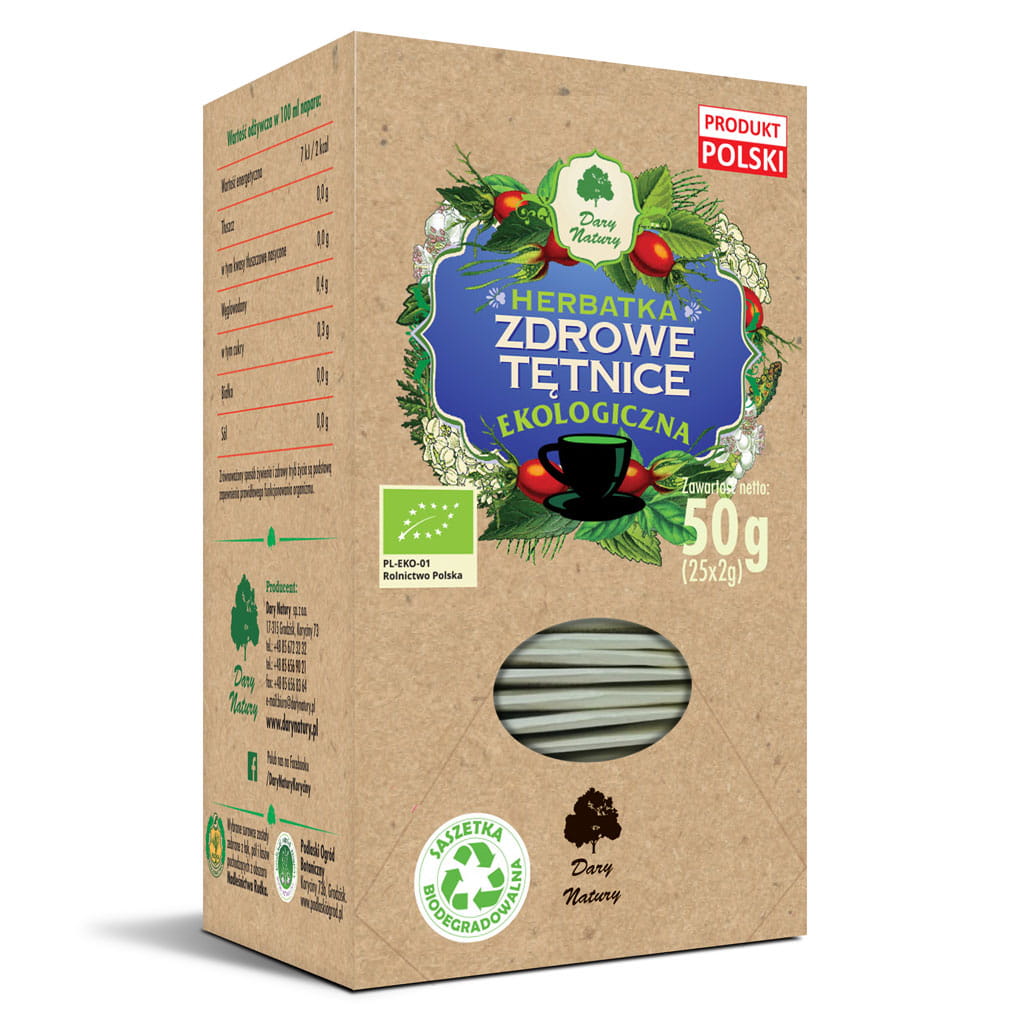
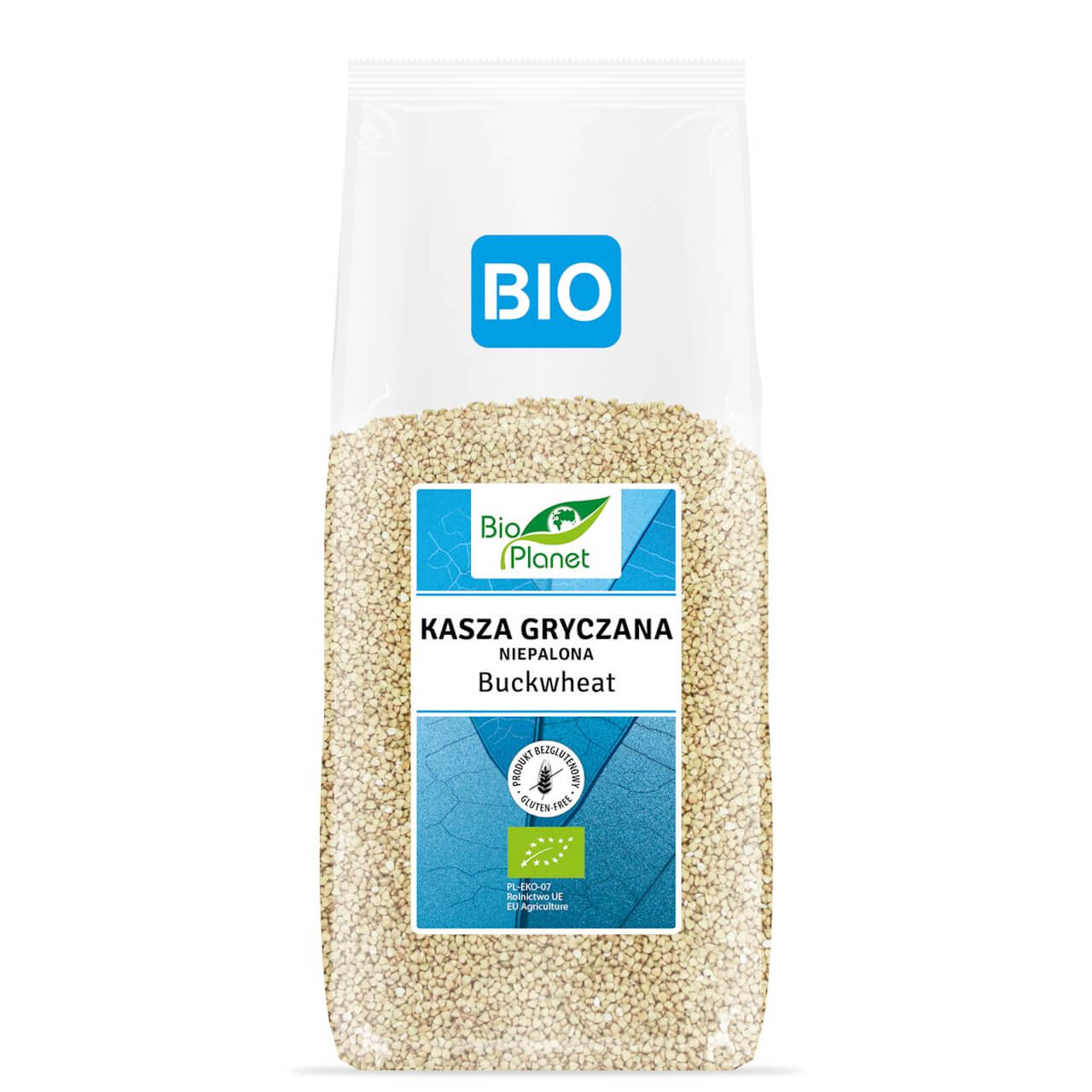
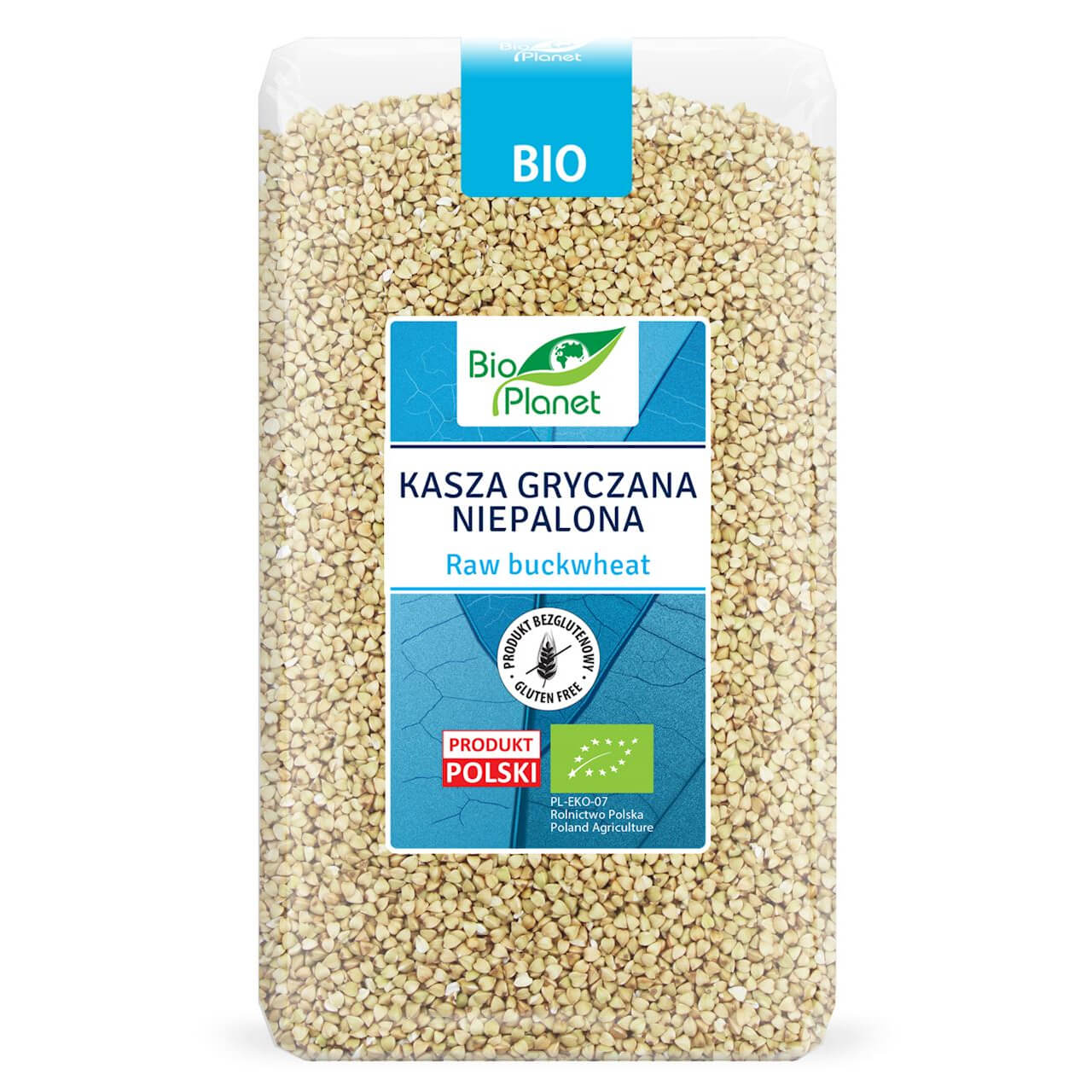
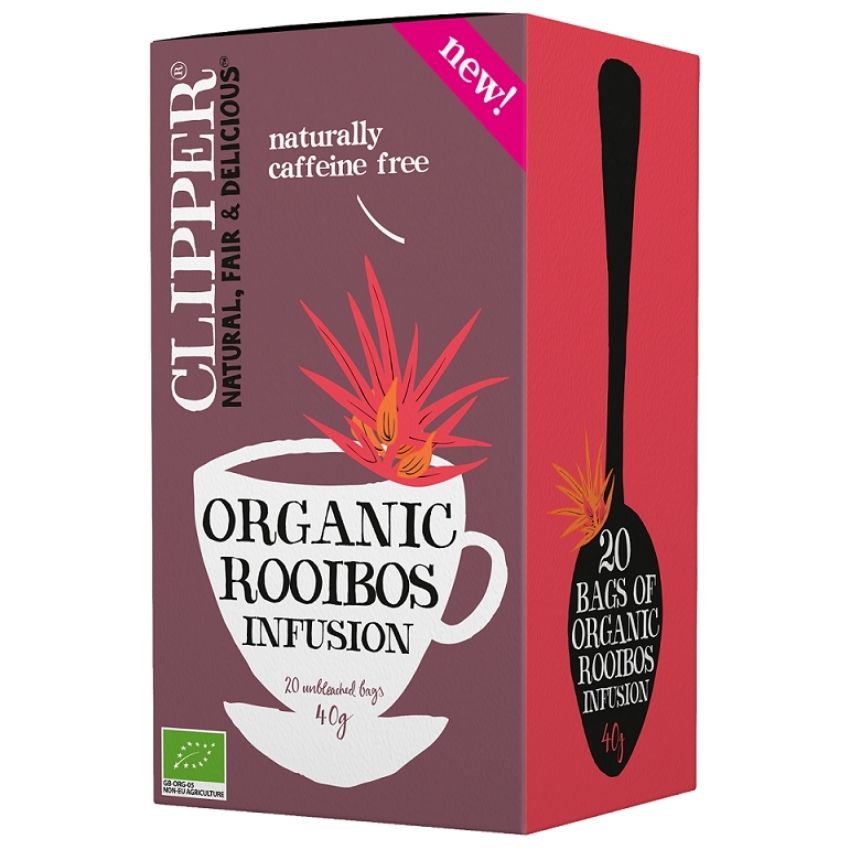
On the packaging of a certified organic product, you will always find two mandatory elements: the EU organic farming logo and the certification body's code. The words "eco", "bio" or "natural" on the label alone do not guarantee anything if these two elements are not present – we wrote more about how to distinguish real markings from marketing phrases in the article Greenwashing – how to recognize that a product is not as "eco" as the label claims?
6.1 What does the certification body's code on the packaging mean?
The certification body's code must be located in the same field of vision as the EU logo and consists of three elements:
- PL – two-letter country code (ISO 3166), always "PL" in Poland,
- EKO – designation referring to the organic production method used,
- number – two-digit reference number assigned to the given body by the competent authority.
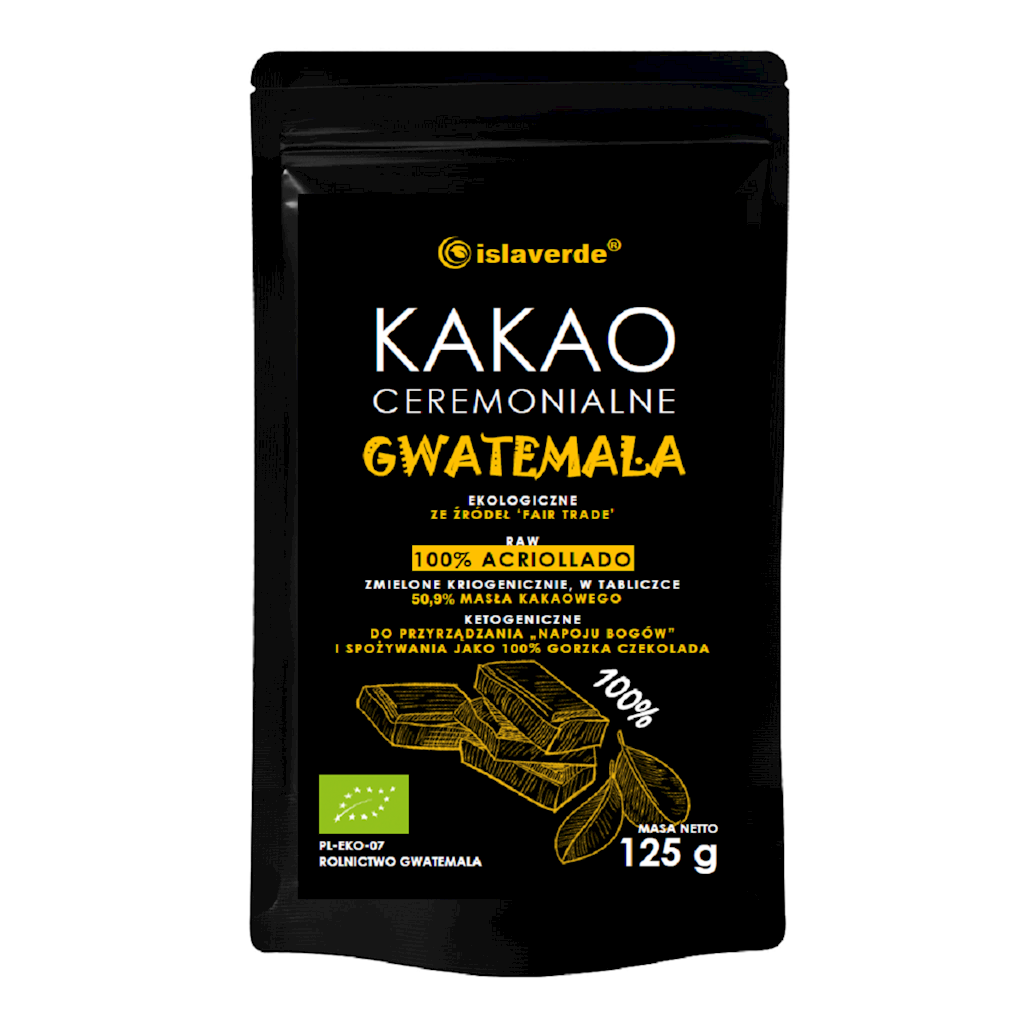
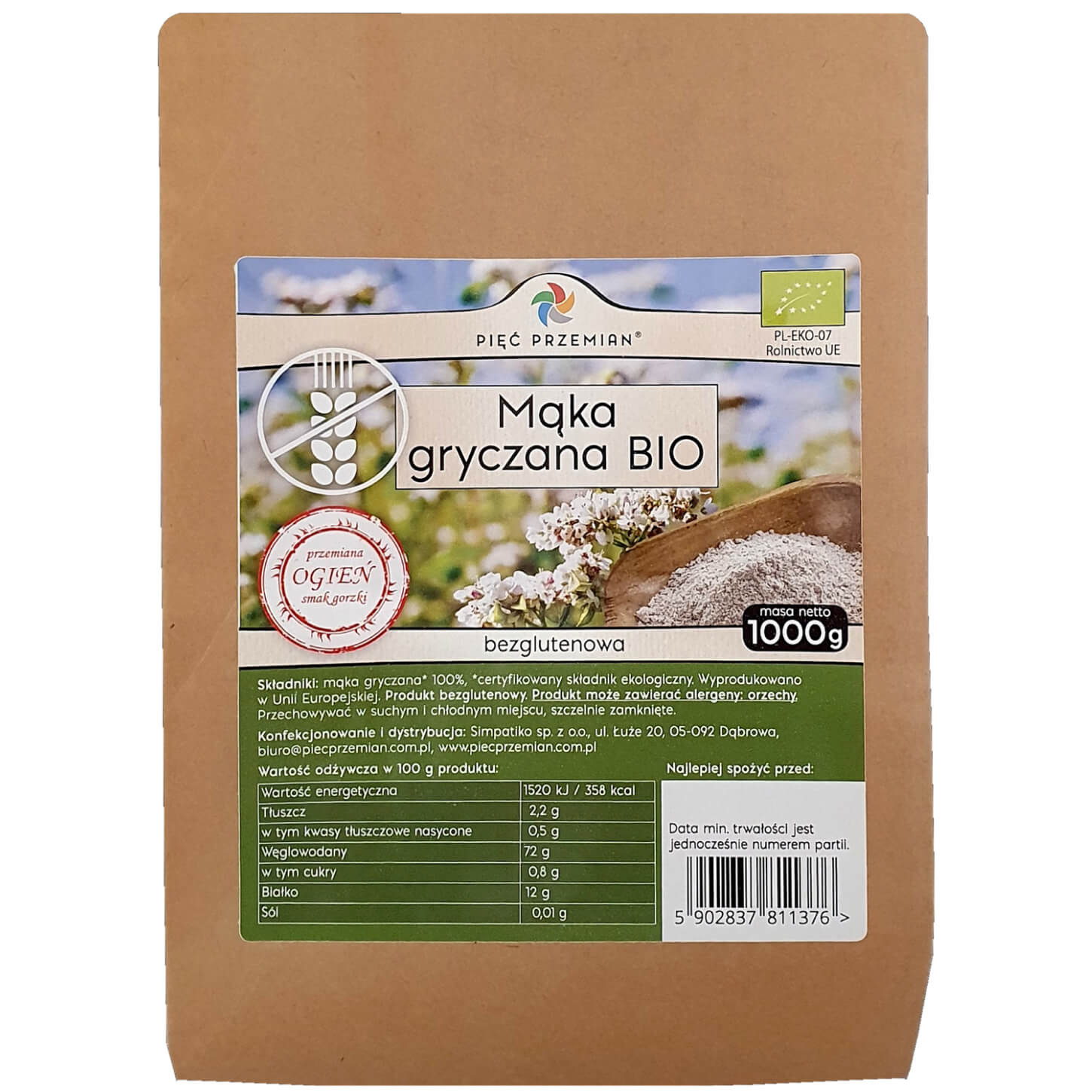
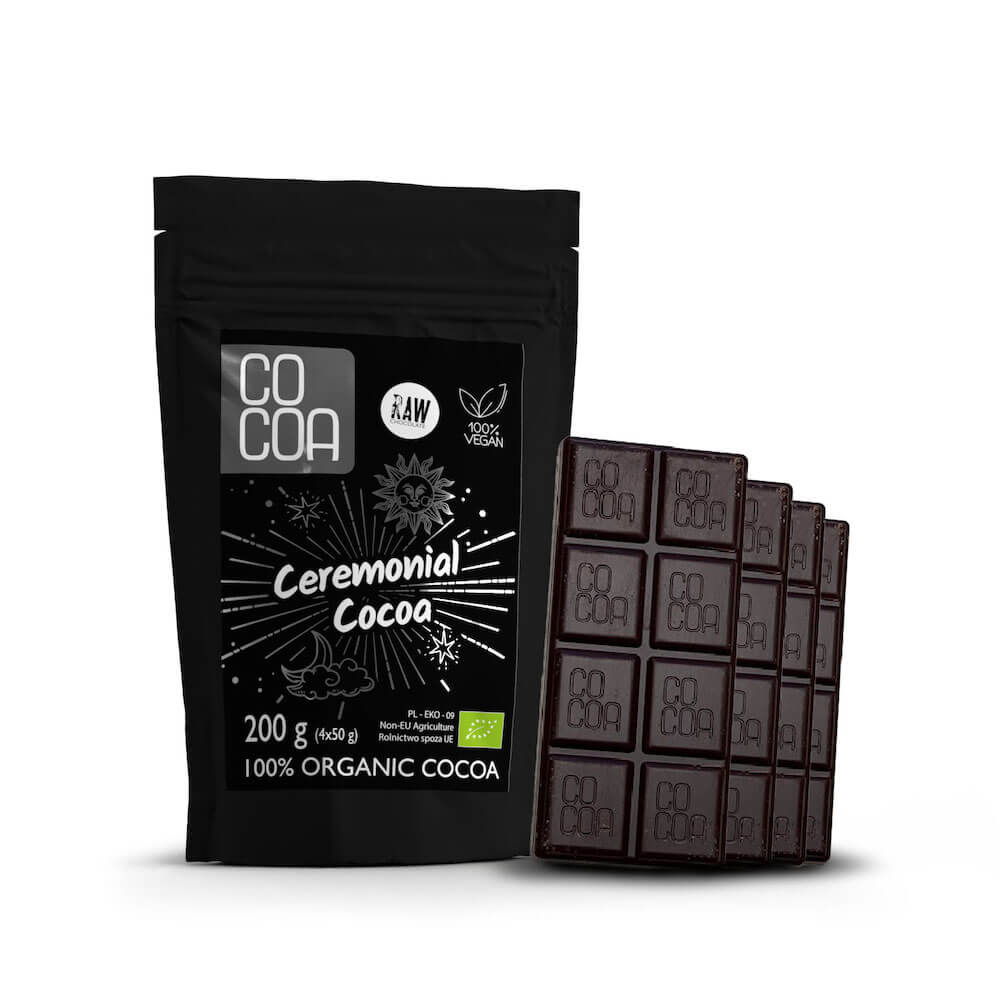
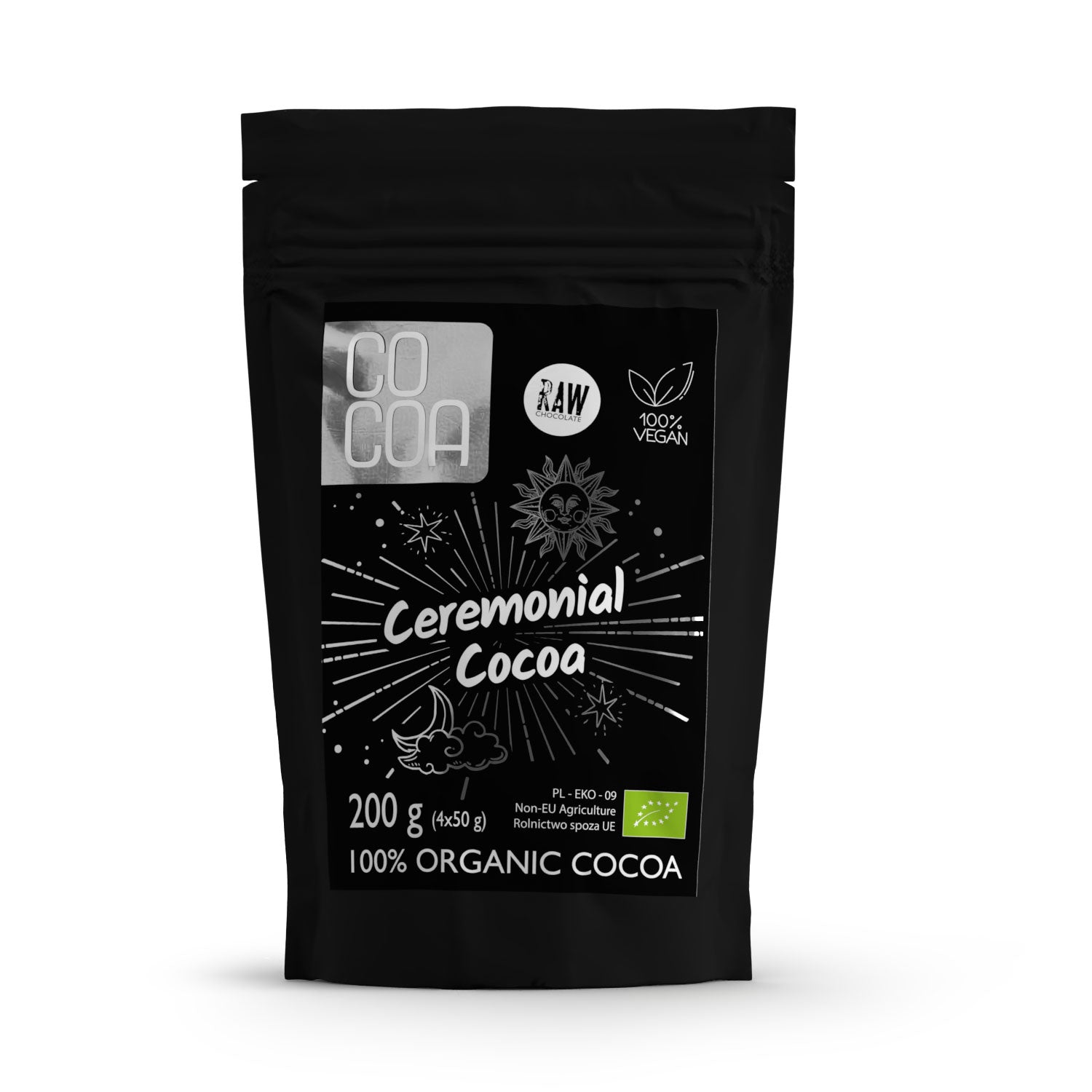
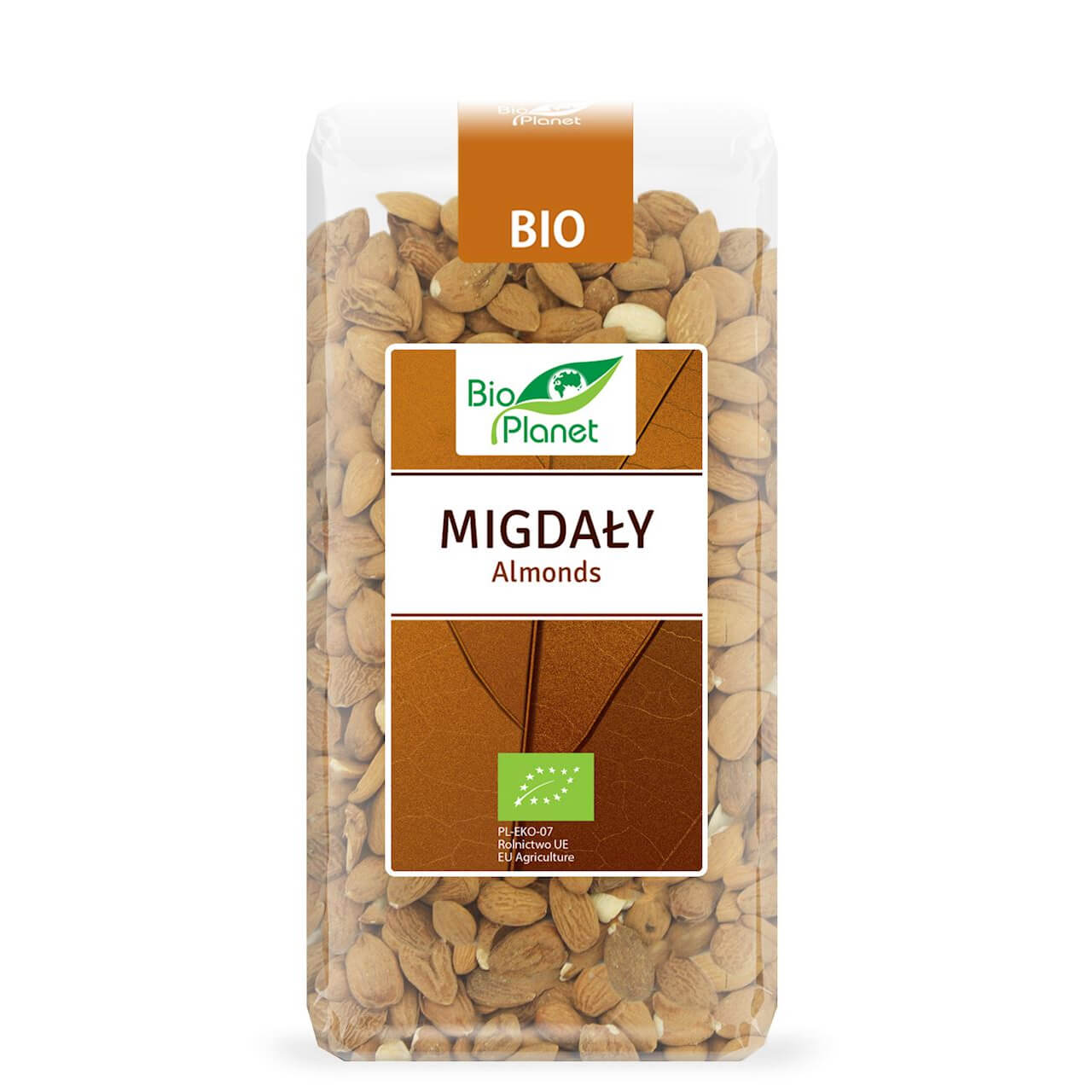
For example, the code PL-EKO-07 refers to the AGRO BIO TEST certification body. This number must not be replaced by the certificate number itself – these are two different things. Directly below the body's code, information about the origin of agricultural raw materials must also be included: "EU Agriculture", "Non-EU Agriculture", "EU/Non-EU Agriculture" – or the name of a specific country or region (e.g., "Polish Agriculture"), if at least 98% of the raw materials come from one place.
6.2 What is the EU Leaf (Euro-leaf) and other markings?
The EU organic production logo – the so-called Euro-leaf – is a green rectangle with a stylized leaf formed by 12 white stars. It was introduced on July 1, 2010, and since July 1, 2012, it has been mandatory on all packaged organic products produced in the EU – both processed and unprocessed, single and multi-ingredient. However, it is not mandatory for products sold loose or some products imported from outside the EU.

EU organic production symbol - Euro-leaf
In addition to the Euro-leaf, other voluntary markings may appear on the label – national, regional or private certificates of individual organizations. If you are interested in a full overview of such marks, we have written about them separately in the article Ecological marks on food products.
How to verify a certificate yourself? Since January 1, 2023, all organic certificates in the EU are issued exclusively electronically, in the EU TRACES system, and publicly available in the online directory: webgate.ec.europa.eu/tracesnt/directory/publication/organic-operator. Simply enter the entity's name or the certification body's code to check if the certificate is active.
7. Frequently Asked Questions
7.1 Is a certificate issued in another EU country also valid in Poland?
Yes. Regulation 2018/848 applies directly and in full in all EU countries, therefore a certificate issued by a certification body in one Member State authorises the sale of the product as organic throughout the entire Union – without the need for additional certification in the destination country.
7.2 Does a food processor undergo the same certification process as a farmer?
The general scheme – notification, selection of a certification body, annual compliance verification – is the same. The difference is that a processor does not go through a multi-year conversion period like a farm: instead, from the first inspection, they must demonstrate that they use only certified organic raw materials and conduct production in accordance with principles separating it from conventional lines.
7.3 Do products imported from outside the EU have the same control system?
Products from third countries can only be placed on the EU market as organic if they have been inspected and certified by a certification body recognized by the European Commission for operation in that country, or if that country has an equivalence agreement with the EU for certification systems. In both cases, a valid certificate must exist – so the consumer is not dealing with a "lenient" version of control.
7.4 How to independently check if a given certificate is active?
The quickest way is through the public TRACES system directory, by entering the entity's name or its certification body's code (e.g., PL-EKO-07). Each certification body is also obliged to publish a list of certified producers on its own website.
8. Summary
Organic certification is a concrete, multi-stage legal process – not a producer's declaration. It begins with an application to one of the 14 authorized certification bodies in Poland, includes a 2–3-year conversion period (depending on the type of production), and ends with the issuance of a certificate only after positive verification of compliance with EU Regulation 2018/848. However, the entire system does not end on the day the certificate is issued – annual inspections, including unannounced ones, accompany the producer throughout the entire period of operation, and identified non-compliances have clearly defined consequences: from a corrective action plan to the loss of the right to label products as organic.
For the consumer, this means one thing: the EU Euro-leaf and the certification body's code (e.g., PL-EKO-07) on the packaging are not marketing, but the result of real, multi-year control – which, if you wish, you can independently verify in the public TRACES register. The scale of the system is growing year by year – according to IJHARS data, in 2024, nearly 24.8 thousand organic producers in Poland already held certificates (a 3.3% increase year-on-year), covering over 691 thousand hectares of crops – 8.7% more than the previous year. This is a good reason to look for these two markings when shopping instead of relying solely on slogans on the label.
9. Sources
- Regulation (EU) 2018/848 of the European Parliament and of the Council of 30 May 2018 on organic production and labelling of organic products, EUR-Lex: eur-lex.europa.eu
- Summary of EU rules on producing and labelling organic products, EUR-Lex: eur-lex.europa.eu
- Act of June 23, 2022, on organic farming and organic production (Journal of Laws 2022, item 1370), Online Legal Acts System: isap.sejm.gov.pl
- Certification bodies, Inspectorate of Commercial Quality of Agri-Food Products (IJHARS): gov.pl/web/ijhars
- Common Catalogue of Measures in case of detected non-compliances, ed. 2, GIJHARS: gov.pl
- Certificates, Ministry of Agriculture and Rural Development: gov.pl/web/rolnictwo
- The area of organic crops in Poland increased by 8.7 percent in 2024, IJHARS: gov.pl/web/ijhars