Which gingerbread should you choose for Christmas? If you have a few weeks, bake traditional Polish gingerbread: its dough matures, and the finished cake rests for another 1–2 weeks. If you’re short on time, choose quick kefir gingerbread or cocoa gingerbread, which you can make in one day. Soft iced gingerbread cookies are best for decorating and giving as gifts.
Knead the traditional Polish dough in November, 4–6 weeks before Christmas Eve, and bake the other kinds of gingerbread 2–3 days to two weeks before the holidays. This article includes seven recipes: homemade gingerbread spice, traditional Polish gingerbread, quick gingerbread, cocoa gingerbread, gingerbread cookies for icing, and vegan and gluten-free versions. You’ll also find comparison tables, a baking schedule, storage tips, gift ideas, and a list of the most common mistakes. It’s for beginners as well as people who bake gingerbread every year.

1. Which gingerbread should you choose? A comparison of types
Your choice of gingerbread depends mainly on how much time you have and what you need it for. Traditional Polish gingerbread requires planning because both the dough and the finished cake need time to mature. Quick gingerbread and cocoa gingerbread can be baked in one day. Gingerbread cookies are ideal for decorating and giving as gifts, while vegan and gluten-free versions let you bake for people with special dietary needs. The table below covers all the types featured in this article.
| Type | Preparation time | Maturing time | Difficulty | Best for |
|---|---|---|---|---|
| Traditional Polish gingerbread | approx. 1 hour of work + 1 hour baking | dough: several days to several weeks; finished gingerbread: 1–2 weeks | medium | traditional Christmas table, a gift |
| Quick gingerbread | approx. 30 minutes of work + 45–60 minutes baking | not required; tastes better after 1 day | easy | a last-minute bake, beginners |
| Cocoa gingerbread | approx. 30 minutes of work + 45–60 minutes baking | 1–2 days | easy | with coffee, for chocolate lovers |
| Gingerbread cookies for icing | approx. 1 hour of work + chilling the dough + icing | 1–3 days, until soft | medium | tree decorations, gifts, baking with children |
| Vegan gingerbread | approx. 30 minutes of work + 45–60 minutes baking | 1–2 days | easy–medium | plant-based diets, egg or dairy allergies |
| Gluten-free gingerbread | approx. 30 minutes of work + 45–60 minutes baking | 1–2 days | medium | gluten-free diets |
Scroll right to see the full table (on mobile devices) →
Times are approximate and depend on your oven, the size of the pan, and your experience. You’ll find detailed schedules with each recipe.
A quick guide: which gingerbread is right for you?
- You have a few weeks before Christmas – bake traditional Polish gingerbread and let it mature.
- You have a weekend – choose quick gingerbread or cocoa gingerbread.
- You want something to decorate – make gingerbread cookies, ideally allowing a few days for them to soften.
- You’re cooking for someone on a special diet – try the vegan or gluten-free version.
Looking for other ideas for your Christmas table? Take a look at the article Christmas cake ideas – recipes and inspiration for holiday baking.
2. How do you make homemade gingerbread spice?
Homemade gingerbread spice is a blend of ground warming spices, with cinnamon as the dominant flavor, complemented by ginger, cloves, cardamom, nutmeg, and allspice. It takes just a few minutes to prepare. You can choose the proportions yourself, so your gingerbread can be milder or more intense than one made with a store-bought blend. Freshly ground spices also have a stronger aroma than spices that have been sitting on a store shelf for a long time.
2.1. What is gingerbread spice made of, and in what proportions?
The blend below is enough for about two bakes; multiply the quantities to make more. The amounts are given in teaspoons, so they’re easy to scale up or down.
| Ground spice | Amount | Notes |
|---|---|---|
| Cinnamon | 4 teaspoons | the base of the blend |
| Ginger | 2 teaspoons | adds a pronounced warmth and spice |
| Cloves | 1 teaspoon | very intense; don’t increase the amount |
| Cardamom | 1 teaspoon | a fresh, citrusy note |
| Nutmeg | 1 teaspoon | best freshly grated |
| Allspice | 1 teaspoon | brings the other notes together |
| Anise | ½ teaspoon | optional, for a licorice note |
| Black pepper | ¼ teaspoon | optional, for a little heat |
Scroll right to see the full table (on mobile devices) →
How to prepare: Put all the spices in a small bowl, mix thoroughly, and transfer to a dry, airtight jar. If you have whole spices (cloves, cardamom, allspice, anise), grind them in a coffee grinder just before mixing. Store the finished blend in a dark, dry place.
How much should you add to the dough? Usually 1–2 tablespoons of the blend per 500 g of flour. For your first bake, start with a smaller amount, as the spice aromas develop and meld as the dough matures.
Tip: toasting the spices
You can briefly toast whole spices (cloves, cardamom, allspice, anise) in a dry pan until fragrant, then let them cool and grind them. This will give the blend a deeper, more pronounced aroma.
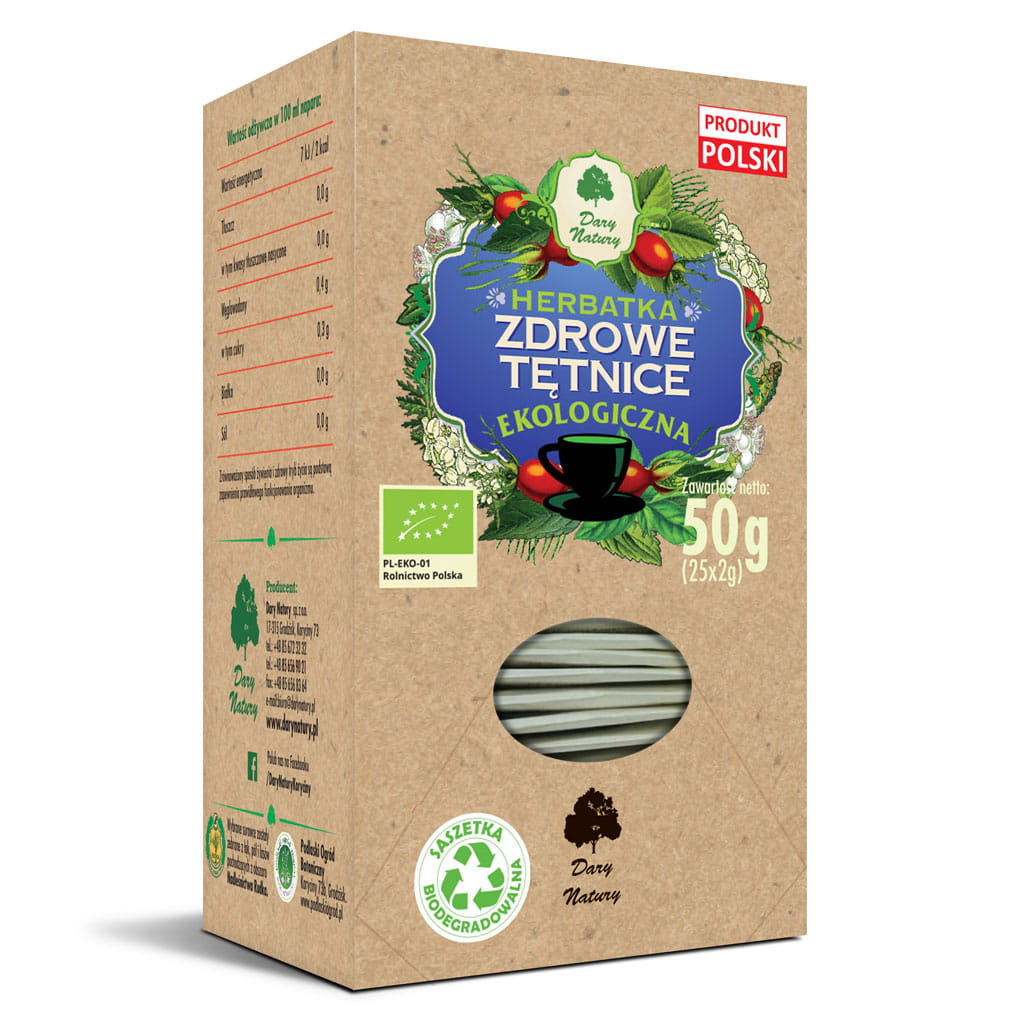
Gingerbread spice 60 g - Dary Natury
2.2. What does each spice add to the flavor of gingerbread?
Each ingredient in the blend plays a different role in the dough. Knowing what each one does lets you tailor the spice blend to your own taste instead of following a recipe blindly.
| Spice | Flavor profile | Role in the gingerbread blend |
|---|---|---|
| Cinnamon | sweetish, warm, slightly sharp | creates the main “Christmas” aroma |
| Ginger | spicy, slightly hot | adds intensity and a little kick |
| Cloves | intense, slightly bitter | adds depth; too much will overpower the other flavors |
| Cardamom | citrusy, resinous, fresh | brightens rich, honeyed dough |
| Nutmeg | nutty, warm, slightly sweet | rounds out the flavor and brings the other spices together |
| Allspice | a little like cloves, cinnamon, and pepper all at once | fills out the blend and strengthens its warming character |
| Anise | sweet, licorice-like | adds a distinct, characteristic note |
| Black pepper | sharp, spicy | boosts the heat of the ginger |
Scroll right to see the full table (on mobile devices) →
Did you know? Allspice isn’t a blend
Despite its name and aroma reminiscent of several spices at once, allspice comes from a single plant: the dried, unripe fruit of a tree native to Central America. Its aroma is associated with cloves, cinnamon and pepper, hence the English name “allspice.” Read more about one of its “components” in the article Cloves – properties and uses.
Watch the quantities
Cloves and nutmeg have a very intense aroma. Stick to the quantities in the recipe; don’t add more than specified “by eye.” Too much will overpower the other spices and give the gingerbread a bitter, medicinal aftertaste.
2.3. Ceylon cinnamon or cassia – which should you choose for baking?
Cassia cinnamon (also known as Chinese cinnamon) works better in gingerbread. It has a stronger, sharper aroma that holds its own in honey dough and during aging. Ceylon cinnamon is milder and sweeter, so it is better suited to creams, dairy desserts and subtly flavored baked goods. In shops, “ground cinnamon” with no further description is usually cassia.
| Feature | Ceylon cinnamon | Cassia cinnamon |
|---|---|---|
| Taste and aroma | mild, sweet, subtle | intense, sharp, pronounced |
| Color | light brown | dark reddish brown |
| Bark pieces | thin, brittle, rolled into many layers | thick, hard, rolled into a single layer |
| Price | higher | lower |
| Coumarin | trace amounts | much more |
| Best uses | creams, desserts, drinks, delicate cakes | gingerbread, gingerbread cookies, long-aged baked goods |
Swipe right to see the full table (on mobile devices) →
What about coumarin?
Coumarin is a natural compound found in cinnamon, and cassia contains many times more of it than Ceylon cinnamon. This is not an issue when baking gingerbread occasionally. However, if you eat cinnamon every day and in larger quantities (in porridge, coffee or smoothies), it is better to choose Ceylon cinnamon.

3. Which ingredients should you choose for gingerbread, and what can you substitute?
Gingerbread is made with a few simple ingredients: honey, flour, sugar and spices. The type you use affects the color, moisture and flavor of the bake more than you might expect. Below, find out what to choose for classic gingerbread and what to use instead of eggs, butter or gluten.
3.1. What kind of honey should you use for gingerbread?
Wildflower honey is best for gingerbread, while buckwheat or honeydew honey works well for a more robust flavor. Dark honeys have a more intense taste that holds its own among the spices and during aging. Light, delicate honeys, such as acacia honey, are better saved for tea or desserts, as their aroma is almost imperceptible in gingerbread.
| Type of honey | Taste and color | Effect in gingerbread |
|---|---|---|
| Wildflower | mild, balanced, ranging from light to dark amber | a versatile choice for any recipe |
| Buckwheat | dark, intense, slightly bitter | dark, full-flavored gingerbread, good for the traditional Polish version |
| Honeydew | dark, resinous, less sweet | deep flavor and dark-colored dough |
| Linden | light, distinctly floral aroma | milder gingerbread; its aroma may compete with the spices |
| Acacia | very light, delicate | almost imperceptible; better in tea than in gingerbread |
Swipe right to see the full table (on mobile devices) →
- Liquid or crystallized honey? Either is fine. Melt crystallized honey in a water bath before adding it to the dough.
- Don’t boil the honey. Heat it only until it dissolves with the sugar and butter. Boiling makes the aroma evaporate and the dough more likely to burn.
- Buy real honey. Products labeled “artificial honey” are sugar syrups with added flavoring and won’t give gingerbread the right flavor.
Read more about how the different types of honey compare in the article Tea with honey – when and which honey to add.
Warning: honey is not for infants
Honey, including in baked goods and gingerbread cookies, should not be given to children under 12 months old. Baking does not guarantee safety. If there is an infant at home, save the honey gingerbread for older family members.

3.2. Which flour and sugar should you use?
All-purpose wheat flour (type 500 or 550) is all you need for gingerbread. It gives the dough a good structure while remaining soft enough after aging. Traditional recipes often replace some of the wheat flour with rye flour, which changes the flavor and texture. If you’re unsure what the different flour types mean, see the article What do flour types mean?
| Flour | Effect in gingerbread | Best for |
|---|---|---|
| Wheat flour, type 500/550 | balanced structure, light brown crumb | the default choice for any recipe |
| Wheat flour, type 450 (cake flour) | lighter, more delicate crumb | quick gingerbread and gingerbread with cocoa |
| Rye flour (up to ⅓ of the flour) | darker, moister crumb with a slightly tangy aftertaste | traditional Polish gingerbread |
| Whole-wheat flour | heavier, denser gingerbread with a nutty flavor | those looking for a rustic version |
Swipe right to see the full table (on mobile devices) →

Organic type 500 wheat flour, 5 kg - Kopytowa Mill
Which sugar? Honey already gives the dough sweetness and moisture, so sugar plays a supporting role:
- White sugar – neutral in flavor; it doesn’t change the aroma of the honey and spices.
- Unrefined cane sugar – adds a delicate caramel note.
- Muscovado or brown sugar – darker, with a pronounced molasses aftertaste, making the gingerbread moister.
Tip: honey browns quickly
Honey-based dough browns faster than regular baked goods. If the top of the gingerbread darkens before it’s done baking, loosely cover it with aluminum foil and finish baking without raising the temperature.
3.3. What can you use instead of eggs, butter, milk, honey and gluten?
Gingerbread is one of the baked goods that takes substitutions well, because its moist, honey-rich crumb and strong spices mask minor differences in flavor. The table below shows the most common substitutions. You’ll find full vegan and gluten-free recipes in section 8.
| Ingredient | Substitute | Ratio | Notes |
|---|---|---|---|
| 1 egg | ground flaxseed mixed with water | 1 tbsp flaxseed + 3 tbsp water | leave for 5–10 minutes until it forms a gel |
| 1 egg | unsweetened applesauce | approx. 60 g (¼ cup) | adds moisture but doesn’t help it rise |
| Butter | rapeseed oil or refined coconut oil | approx. 80 g oil per 100 g butter | refined coconut oil won’t change the dough’s flavor |
| Milk | oat or soy drink | 1:1 | choose unsweetened versions |
| Wheat flour | ready-made gluten-free baking flour blend | 1:1 | for a better texture, add 1 tsp xanthan or guar gum |
| Honey | maple or agave syrup | 1:1 (by weight) | maple syrup is closest to honey in aroma; agave is neutral and sweeter. Syrup is thinner, so add 1–2 tbsp flour to thick doughs (gingerbread cookies, traditional Polish gingerbread) |
Swipe right to see the full table (on mobile devices) →
Caution for people with celiac disease
If baking for someone with celiac disease, choose only products bearing the crossed-grain symbol. This applies not only to flour, but also to spices, baking powder, chocolate and dried fruit and nuts, as they may be contaminated with gluten during production or packaging.
4. How do you make traditional Polish aged gingerbread?
Old Polish gingerbread is a honey cake that, after kneading, is left to mature in a cool place for several weeks, and the baked cake then matures for another week or two. The result is moist, aromatic gingerbread with a deep flavor that cannot be achieved in a “one-day” version. It takes planning, but the hands-on work with the dough takes less than an hour.

4.1. What ingredients do you need?
Quantities for one loaf pan about 30 cm long.
Dough (stage 1):
- 500 g all-purpose flour (type 500; you can replace up to ⅓ with rye flour)
- 300 g honey (wildflower, buckwheat, or honeydew)
- 100 g brown or cane sugar
- 100 g butter
- 2 tablespoons gingerbread spice
Add-ins before baking (stage 2):
- 2 eggs
- 1 teaspoon baking soda
- 2 tablespoons milk or warm water
- optional: 100 g chopped walnuts, 50 g candied orange peel, or dried plums
For filling and topping (stage 3):
- 200 g plum butter or thick jam
- 100 g dark chocolate and 1 tablespoon butter or oil for the topping
4.2. How do you make Old Polish gingerbread step by step?
- Melt the honey with the sugar and butter. Put everything in a saucepan and heat over low heat, stirring, until the sugar dissolves. Do not bring to a boil. Let the mixture cool until lukewarm.
- Combine the dry ingredients. Mix the flour with the gingerbread spice and sift into a large bowl.
- Knead the dough. Pour the lukewarm honey mixture into the flour and knead until combined. The dough will be thick and sticky; this is normal.
- Leave to mature. Transfer the dough to a bowl or container, cover tightly with plastic wrap, and leave in a cool place (the refrigerator) for at least a week, ideally 2–4 weeks.
- Prepare the dough for baking. Take it out of the refrigerator about an hour ahead to soften. Dissolve the baking soda in the milk or warm water, add it to the dough along with the eggs, and knead until evenly combined. Add the nuts or dried fruit, if using.
- Bake. Transfer the dough to a baking-paper-lined pan and smooth the top with a damp spoon. Bake at 170 °C (top and bottom heat) for about 50–60 minutes, until a skewer inserted in the center comes out clean.
- Cool and wrap. Wrap the cooled gingerbread in parchment paper, then in plastic wrap, or place it in an airtight container. Leave in a cool place for 1–2 weeks.
- Fill and top. Two to three days before serving, cut the gingerbread in half and spread with plum butter. Top with chocolate one day before serving or on the day itself.
Tip: how to tell if the gingerbread is baked
Insert a wooden skewer into the center of the cake. It should come out dry or with a few moist crumbs. If it is wet with raw batter, bake for another 5–10 minutes. The top may look done before the center, so don’t rely on color alone.
Note: don’t open the oven during the first 30 minutes
Honey cake is dense, and sudden temperature changes can cause the center to sink or become gummy. Open the oven door only when checking with a skewer.
4.3. When should you start, and what should you do at each stage?
The schedule below shows how to spread out the work so the gingerbread is ready for Christmas Eve. The exact dates depend on your plans, but the stages remain in the same order.
| Stage | When (before the holidays) | What you do | Where to store it |
|---|---|---|---|
| 1. Dough | 4–6 weeks | knead the honey dough | refrigerator, tightly covered |
| 2. Baking | about 2–3 weeks | add the eggs and baking soda, then bake | once cooled, wrapped in parchment and plastic wrap |
| 3. Maturing the gingerbread | 1–2 weeks | do nothing; the gingerbread “rests” | cool place |
| 4. Filling | 2–3 days | cut in half and spread with plum butter | cool place, in an airtight container |
| 5. Topping | 1 day before or on the day of serving | top with chocolate and decorate | room temperature until serving |
Scroll right to see the whole table (on mobile devices) →
I explain why gingerbread improves as it matures and how to store the finished cake in chapter 10.
5. How do you make quick gingerbread in one day?
Quick gingerbread is a moist honey cake that takes half an hour to prepare and an hour to bake, with no weeks-long maturation period. Its flavor is lighter and less deep than the Old Polish version, but filled with plum butter and topped with chocolate, it’s perfect for the holiday table. It’s a good choice for your first-ever gingerbread or a last-minute bake.

5.1. What ingredients do you need?
Quantities for one loaf pan about 30 cm long.
Dough:
- 300 g all-purpose flour (type 450 or 500)
- 3 eggs
- 150 g honey
- 150 g brown or cane sugar
- 120 g butter
- 250 ml kefir or plain yogurt
- 1 teaspoon baking soda
- 1 teaspoon baking powder
- 2 tablespoons gingerbread spice (recipe in chapter 2)
- pinch of salt
Filling and topping:
- 200 g plum butter or another thick jam
- 100 g dark chocolate
- 2 tablespoons milk or cream
You’ll find substitutes for eggs, butter, and kefir for a plant-based diet in section 3.3.
5.2. How do you make quick gingerbread step by step?
- Preheat the oven to 170 °C (top and bottom heat). Line the pan with baking paper.
- Melt the butter with the honey and sugar in a saucepan over low heat, stirring until the sugar dissolves. Remove from the heat and let cool until lukewarm.
- Mix the dry ingredients: flour, baking soda, baking powder, gingerbread spice, and salt.
- Mix the wet ingredients: eggs and kefir, then pour in the cooled honey mixture.
- Combine the two mixtures and stir just until the flour disappears. The batter will be fairly loose; this is normal.
- Pour into the pan and bake for about 50–55 minutes, until a skewer inserted in the center comes out clean.
- Cool in the pan for 15 minutes, then remove and cool on a wire rack.
- Cut into two layers, spread with plum butter, and top with chocolate melted with the milk or cream.
Tip: don’t overmix
After adding the flour to the wet ingredients, mix briefly, just until combined. Overmixing develops the gluten, making the gingerbread rubbery instead of soft.
Did you know? Why kefir?
Baking soda needs an acidic ingredient to activate and leaven the batter. In quick gingerbread, kefir or yogurt (as well as honey, which is also slightly acidic) does the job. This makes the batter rise in the oven, so the gingerbread doesn’t need to mature for weeks.
5.3. What should you use to fill and top quick gingerbread?
Plum butter is the classic choice, but you can replace it with another thick jam. Consistency matters: a jam that’s too runny will soak into the cake and drip, while one that’s too firm will be difficult to spread. If the jam is runny, briefly heat it in a saucepan to evaporate excess water, then let it cool.
| Filling | Flavor | Pairs well with | Notes |
|---|---|---|---|
| Plum butter | deep, slightly tart | dark chocolate | classic choice, thickest texture |
| Rose petal preserve | sweet, floral | milk chocolate or icing | traditional gingerbread filling |
| Orange marmalade | citrusy, slightly bitter | dark chocolate | brings out the spices nicely |
| Cherry or cranberry jam | distinctly tart, fruity | dark chocolate or lemon icing | balances the sweetness of the honey beautifully |
Scroll right to see the whole table (on mobile devices) →
Quick icing: if you don’t want to melt chocolate, mix 100 g powdered sugar with 2–3 tablespoons lemon juice or warm water and pour over the cooled gingerbread. The icing will set within an hour.
Filled and topped gingerbread tastes best after a day in an airtight container, once the plum butter and cake have had time to meld. I explain why in chapter 10.
6. How do you make chocolate gingerbread with cocoa?
Cocoa gingerbread brings together classic warming spices and chocolate flavor. The cake is darker, moister, and less “honey-forward” than the traditional version, while the dark chocolate topping completes it. It’s a lovely cake to serve with coffee and a great gift for people who aren’t keen on gingerbread but love chocolate.

6.1. What ingredients do you need?
Quantities for one loaf pan about 30 cm long.
Dough:
- 250 g all-purpose flour (type 450 or 500)
- 4 tablespoons unsweetened cocoa powder (about 30 g)
- 150 g brown or cane sugar
- 100 g honey
- 120 g butter
- 3 eggs
- 200 ml kefir or plain yogurt
- 1 teaspoon baking soda
- 1 teaspoon baking powder
- 1.5 tablespoons gingerbread spice
- pinch of salt
- optional: 100 g chopped dark chocolate or chocolate chips
Chocolate ganache:
- 100 g dark chocolate
- 80 ml heavy cream
6.2. How do you make cocoa gingerbread step by step?
- Preheat the oven to 170 °C (top and bottom heat) and line the pan with baking paper.
- Melt the butter with the honey and sugar over low heat, stirring. Let cool until lukewarm.
- Sift the dry ingredients: flour, cocoa, baking soda, baking powder, gingerbread spice, and salt. Cocoa tends to clump, so sifting is important here.
- Combine the wet ingredients: eggs and kefir, then add the cooled honey mixture.
- Mix the two mixtures briefly, just until combined. If using chocolate in the batter, add it at the end.
- Pour into the pan and bake for about 45–55 minutes, until a skewer inserted in the center comes out clean. Cocoa cake can dry out easily, so check with a skewer after 45 minutes.
- Cool in the pan for 15 minutes, then transfer to a wire rack.
- Make the ganache: heat the cream until it starts to steam gently (do not boil), pour it over the chopped chocolate, wait a minute, then stir until smooth. Pour over the cooled gingerbread.
Tip: how to get a glossy topping
The ganache should be slightly warm, but not hot, when you pour it over the gingerbread. If it’s too runny, leave it for 10 minutes to thicken. If it’s too thick, add a teaspoon of warm cream.
6.3. What cocoa should you choose for gingerbread?
Natural cocoa works best in recipes that use baking soda because it is slightly acidic and reacts with the soda. Alkalized cocoa (Dutch-process) is darker and milder, but its acidity is neutral, so it requires more baking powder. Whichever type you choose, always use unsweetened cocoa with no added sugar or flavorings.
| Feature | Natural cocoa | Alkalized cocoa |
|---|---|---|
| Color | light brown, reddish | dark brown, almost black |
| Flavor | sharper, distinctly tangy | mild, rounded |
| Acidity | acidic | neutral |
| Leavening | reacts with baking soda | works better with baking powder |
| Use in this recipe | ideal; use the baking soda and baking powder as specified in the recipe | works, but the result may be a little denser |
Scroll right to see the full table (on mobile devices) →
6.4. How do you make a coffee variation?
Coffee in the batter won’t make the gingerbread taste like coffee. Instead, it enhances the chocolate and cocoa flavors, giving the cake a deeper, less sweet taste. Replace half of the kefir (100 ml) with strong, cooled coffee, such as espresso or coffee brewed in a moka pot. Leave the remaining ingredients and baking time unchanged. There is still enough kefir in the batter for the baking soda to react.
Note: caffeine in the coffee variation
Coffee and cocoa contain caffeine, although the amount in a single serving of gingerbread is small. If you’re baking for children or people sensitive to caffeine, leave out the coffee or replace it with a cereal-based coffee substitute.
Idea: orange and chili
Finely grated zest of one orange (add it to the wet ingredients) and a pinch of chili powder go wonderfully with cocoa in the batter. The citrusy freshness and gentle heat balance the rich chocolate sweetness nicely.
7. How do you bake soft gingerbread cookies for icing?
Soft gingerbread cookies are made from honey dough rolled out to about 5 mm thick and baked briefly, for 8–10 minutes. Three things determine how soft they are: the thickness of the dough, baking time, and an airtight tin after baking. The cookies will still feel a little firm when freshly taken out of the oven, but they’ll soften after 1–3 days in a sealed container. Below you’ll find a recipe, instructions for icing that won’t run, and tips for making a gingerbread house.

7.1. How do you bake soft gingerbread cookies step by step?
What ingredients do you need?
Makes about 40–50 medium-sized gingerbread cookies (using cutters about 6 cm across).
- 500 g all-purpose flour (plus extra for dusting)
- 150 g honey
- 100 g powdered sugar or fine brown sugar
- 100 g butter
- 1 egg
- 1 teaspoon baking soda
- 2 tablespoons gingerbread spice (recipe in section 2)
- optional: 1 tablespoon cocoa for a darker color
- if needed: 2–3 tablespoons sour cream or milk
How do you make them?
- Melt the butter with the honey and sugar over low heat, stirring. Let cool until lukewarm.
- Mix the dry ingredients: flour, baking soda, gingerbread spice, and cocoa, if using.
- Knead the dough. Add the egg and lukewarm honey mixture, and knead until combined. If the dough is crumbly and won’t come together, add a tablespoon of sour cream or milk.
- Chill. Wrap the dough in plastic wrap and refrigerate for at least an hour, preferably overnight. Cold dough is easier to roll out and won’t stick to the counter.
- Roll out in batches to about 5 mm thick on a lightly floured counter. Keep the remaining dough in the fridge.
- Cut out the cookies and arrange them on a baking sheet lined with parchment paper, spacing them slightly apart.
- Bake at 175 °C (conventional heat) for 8–10 minutes. The edges should be lightly browned, while the centers should still feel soft to the touch.
- Cool. Leave the cookies on the baking sheet for 2 minutes, then transfer them to a wire rack. Decorate or store them in a tin only once they’re completely cool.
Tip: gingerbread cookies for the Christmas tree
If you want to hang the cookies on the Christmas tree, make a hole in each one with a straw or thick skewer as soon as you’ve cut them out. Check the hole again after baking, as the dough may partly close it up. If so, widen it while the cookie is still warm.
How do you keep gingerbread cookies soft rather than hard?
The most common reasons for hard gingerbread cookies are dough that’s rolled too thin and overbaking. The table below shows how thickness affects baking time and the result.
| Dough thickness | Baking time (175 °C) | Result |
|---|---|---|
| about 3 mm | 6–7 minutes | crisp and crunchy; won’t soften |
| about 5 mm | 8–10 minutes | soft after 1–3 days in a tin; ideal for icing |
| 7–8 mm | 11–13 minutes | very soft and thick; takes longer to cool |
Scroll right to see the full table (on mobile devices) →
If your gingerbread cookies turned out hard, don’t throw them away. Place them in an airtight tin with a piece of apple peel or a slice of bread, replacing it every 1–2 days. The moisture will transfer to the cookies, and they’ll soften after a few days.
7.2. How do you make icing that won’t run?
Icing won’t run if it has the right consistency and the gingerbread cookies are completely cool and free of greasy marks. Use thick icing to outline each cookie. Fill in the center with thinner icing, which is held in place by the outline like a raised border.
| Type of icing | Ingredients | Raw egg white | Features | Best for |
|---|---|---|---|---|
| Royal icing | 1 egg white, 200–250 g powdered sugar, a few drops of lemon juice | yes | dries hard and matte, holds its shape, can be thinned to two consistencies | outlines, patterns, flooding, assembling a gingerbread house |
| Water icing | 200 g powdered sugar, 2–3 tablespoons hot water or lemon juice | no | runny; dries more slowly and less firmly | quick glazing, decorating with children |
Scroll right to see the full table (on mobile devices) →
How do you make royal icing?
- Sift the powdered sugar to remove lumps that could clog the piping tip.
- Beat the egg white with a mixer on low speed, adding the sugar one spoonful at a time. Add the lemon juice at the end.
- Mix for 5–7 minutes, until the icing is thick, glossy, and stiff. This is the consistency for outlining.
- For filling, transfer some icing to a separate bowl and thin it by adding water a few drops (about half a teaspoon) at a time, stirring as you go. It’s the right consistency when a ribbon of icing blends back into the surface after about 10 seconds.
- Keep the icing covered with a damp cloth or plastic wrap pressed against the surface, as it quickly forms a crust when exposed to air.
Note: raw egg white
Classic royal icing contains raw egg white. Use eggs from a trusted source. For children, older adults, and pregnant women, make the icing with pasteurized egg whites or choose water icing.
What should you do if you have problems with the icing?
| Problem | Most common cause | What to do |
|---|---|---|
| Icing runs over the edges | too thin, or no outline | outline the cookie with thick icing first, then fill the center after a short wait; add more powdered sugar if needed |
| Air bubbles | mixing too vigorously | leave the icing to stand for 15 minutes, and pop any bubbles on the cookies with a toothpick |
| Icing takes a long time to dry | too much water, humid air, or greasy marks on the cookie | dry the cookies in a dry, well-ventilated place for 6–8 hours; brush away crumbs and grease marks before icing |
| Colors run together | the next layer was added while the icing was still wet | wait 1–2 hours for the previous layer to dry before adding more designs |
Scroll right to see the full table (on mobile devices) →
Did you know? Natural icing colorings
You can color icing with food ingredients instead of synthetic colorings. Beetroot powder gives shades of pink, turmeric gives yellow, and matcha gives green. Keep in mind that powders may slightly change the flavor of the icing, and the color will be softer and less intense than with store-bought gels.
7.3. How do you make a gingerbread house, and what should you watch out for?
A gingerbread house requires a different dough from cookies meant to be eaten. It needs to be harder and must not spread in the oven, or the walls will warp and won’t fit together. A dough based on the recipe in 7.1 works well: reduce the baking soda to half a teaspoon, add about 50 g of flour, then roll it out to 5–6 mm thick.

How do you prepare a template?
Cut the pieces out of cardboard and assemble them dry before you start cutting the dough. Below are the dimensions for a small house (about 12 × 10 cm at the base) that fits on a standard baking sheet.
| Piece | Quantity | Dimensions |
|---|---|---|
| Side wall | 2 | rectangle, 12 × 8 cm |
| Front and back walls (with gables) | 2 | 10 × 8 cm rectangle with a triangle whose base is 10 cm and height is 4 cm |
| Roof panel | 2 | rectangle, 13 × 7.5 cm (with a small overhang) |
Scroll right to see the full table (on mobile devices) →
How do you bake and assemble the house?
- Cut out the pieces from the dough by placing the templates on top and cutting around them with a knife. Cut out the windows and doors now, before the dough goes into the oven.
- Bake at 175 °C for 10–12 minutes, until the dough is firm and the edges are clearly browned.
- Trim the edges while hot. As soon as you take the pieces out of the oven, place the template on top and use a sharp knife to straighten the edges. Warm dough cuts cleanly, while cold dough may crack.
- Let the pieces dry. Lay them flat on a wire rack for at least several hours. Firm walls will stand securely; soft ones will warp.
- Join the pieces with thick royal icing with the consistency of toothpaste. Spread it along the edges of the walls and press them together for 5–10 minutes, propping them up with jars or cans.
- Wait 1–2 hours for the walls to set, and only then place the roof on top.
- Decorate once the structure has dried completely, so the walls aren’t weighed down.
| Problem | Cause | Solution |
|---|---|---|
| The walls are warped | the dough expanded in the oven | use less baking soda, trim the edges as soon as they come out of the oven |
| The roof is sliding off | the icing is too runny or the walls haven’t set | use thicker icing, support the roof for 30 minutes |
| The walls crack during assembly | the dough is too thin or unevenly baked | roll it out to 5–6 mm and bake each tray separately |
Scroll right to see the full table (on mobile devices) →
Note: caramel as glue is for experienced bakers only
You can also use caramel to assemble the houses, but hot caramel can cause severe burns, especially in children. If you’re baking with children, stick to royal icing. Treat the house as a decoration: if you plan to eat it, don’t leave it sitting out for several weeks.
8. How do you make vegan and gluten-free gingerbread?
Vegan gingerbread requires replacing not only eggs, butter, and milk, but also honey, since honey comes from bees and is not plant-based. Replace it with maple or agave syrup, and add a little molasses for depth of flavor. For gluten-free gingerbread, the most important things are a good ready-made flour blend and a short rest to let the dough hydrate before baking.

8.1. How do you make vegan gingerbread?
Honey and a vegan diet
People following a vegan diet avoid honey. If you’re cooking for someone who eats a vegetarian diet, honey in gingerbread is usually fine, but ask your guests directly when baking for them. The recipe below is fully plant-based.
What can you use instead of honey?
| Substitute | Flavor | Notes |
|---|---|---|
| Maple syrup | mild, caramel-like | the most common choice, closest to honey in aroma and consistency |
| Agave syrup | neutral, very sweet | doesn’t add its own aroma; a good choice when you want the spices to take center stage |
| Date syrup | rich, fruity | makes the dough darker and moister |
| Cane molasses | dark, intense, slightly bitter | add it to complement the syrup (1 tbsp), not as a substitute for it |
Scroll right to see the full table (on mobile devices) →
What ingredients do you need?
Quantities for one loaf pan, approximately 30 cm long.
- 300 g type 500 wheat flour
- 80 g brown or cane sugar
- 120 g maple or agave syrup
- 1 tbsp cane molasses (optional)
- 80 ml rapeseed or refined coconut oil
- 250 ml unsweetened oat or soy drink
- 1 tbsp apple cider vinegar or lemon juice
- 60 g unsweetened applesauce
- 1 tsp baking soda
- 1 tsp baking powder
- 2 tbsp gingerbread spice
- a pinch of salt
How do you make it?
- Preheat the oven to 170 °C (top and bottom heat) and line the pan with baking paper.
- Make “buttermilk.” Mix the plant-based drink with the vinegar and leave for 5 minutes, until it curdles slightly. The acidic mixture activates the baking soda.
- Combine the wet ingredients: add the oil, syrup, molasses, and applesauce to the drink and mix.
- Mix the dry ingredients: flour, sugar, baking soda, baking powder, gingerbread spice, and salt.
- Combine the two mixtures and mix briefly, just until combined.
- Pour into the pan and bake for 45–55 minutes, until a skewer inserted into the center comes out clean.
- Cool in the pan for 15 minutes, then transfer to a wire rack. Slice and spread with plum butter, if desired, and make the glaze with dairy-free dark chocolate (check the ingredients).
Tip: vegan gingerbread benefits from resting
Gingerbread made without eggs or butter is delicate, so don’t slice it while it’s still warm. Once completely cool, wrap it in plastic wrap and leave it for a day; it will be moister and easier to slice.
8.2. How do you make gluten-free gingerbread?
The easiest way is to replace the wheat flour with a ready-made gluten-free baking blend and add xanthan gum if the blend doesn’t already contain it. Gluten-free flours absorb liquid more slowly than wheat flour, so it’s a good idea to let the finished dough rest for 15–20 minutes before baking. Without this rest, the gingerbread may be slightly gritty.

Which gluten-free flour should you choose?
| Flour | Result in gingerbread | Notes |
|---|---|---|
| Ready-made gluten-free baking blend | texture closest to wheat flour | the easiest option; substitute 1:1 |
| Rice flour + starch | delicate, light crumb | needs added starch and xanthan gum; on its own it can be gritty |
| Buckwheat flour (up to ⅓ of the blend) | nutty flavor, darker color | pairs well with honey and spices, but makes a dense crumb on its own |
| Almond flour (up to ¼ of the blend) | moist, crumbly gingerbread | doesn’t provide structure; use only as an addition |
Scroll right to see the full table (on mobile devices) →
What ingredients do you need?
Quantities for one loaf pan, approximately 30 cm long.
- 300 g ready-made gluten-free baking blend
- 1 tsp xanthan gum (if the blend doesn’t already contain it)
- 3 eggs
- 150 g honey
- 100 g brown or cane sugar
- 120 g butter
- 200 ml kefir or plain yogurt
- 1 tsp baking soda
- 1 tsp gluten-free baking powder
- 2 tbsp gingerbread spice
- a pinch of salt
How do you make it?
- Preheat the oven to 170 °C (top and bottom heat) and line the pan with baking paper.
- Melt the butter with the honey and sugar over low heat, then let it cool until lukewarm.
- Mix the dry ingredients: the gluten-free blend, xanthan gum, baking soda, baking powder, gingerbread spice, and salt.
- Mix the eggs with the kefir, add the cooled honey mixture, and combine.
- Combine the two mixtures and mix until smooth. Gluten-free flours can be mixed more thoroughly than wheat flour.
- Leave the dough to rest for 15–20 minutes so the flour can absorb the liquid.
- Pour into the pan and bake for 50–60 minutes, until a skewer inserted into the center comes out clean. If the top browns too quickly, cover it loosely with aluminum foil.
- Let it cool completely in the pan. Gluten-free cakes are crumbly when warm and break easily, so remove it only once cool.
9. What else can you make with gingerbread spice? Gift and drink ideas
Gingerbread flavor can be used for more than just cake. The same spices can be used to make a baking mix in a jar, tea, spiced coffee, a non-alcoholic mulled drink, or a dessert made with crumbled gingerbread. Most of these ideas take just a few minutes to prepare, and some make great gifts. The table below will help you choose.
| Idea | Prep time | How long it keeps | Best for |
|---|---|---|---|
| Gingerbread mix in a jar | approx. 15 minutes | several weeks | a gift for people who enjoy baking |
| Gingerbread tea | approx. 10 minutes | several months in an airtight tin | gifts, winter evenings |
| Spiced coffee | approx. 5 minutes | several weeks; after that, the coffee loses its aroma | a gift for coffee lovers |
| Non-alcoholic mulled drink | approx. 25 minutes | 2–3 days in the fridge | gatherings with children, a market-at-home feel |
| Gingerbread dessert in a jar | approx. 15 minutes | 2–3 days in the fridge | dessert after dinner, using up leftovers |
Scroll right to see the full table (on mobile devices) →
9.1. How do you make a gingerbread mix in a jar?
The safest and longest-lasting version of “gingerbread in a jar” is a set of dry ingredients that the recipient can use to bake the cake themselves. Layers of flour, sugar, spices, and dried fruit look appealing, and you can attach a card with the full recipe to the jar. The proportions below are for the quick gingerbread from Chapter 5.

For a 1–1.2 L jar (from the bottom up):
- 300 g wheat flour mixed with 1 tsp baking soda, 1 tsp baking powder, and a pinch of salt
- 2 tbsp gingerbread spice
- 150 g brown sugar
- 50–80 g chopped walnuts or dried cranberries
Include these instructions on a card: “Pour the contents of the jar into a bowl and mix. Add 3 eggs, 150 g melted honey, 120 g melted butter and 250 ml kefir or yogurt. Mix briefly, pour into a loaf tin and bake for about 50–55 minutes at 170 °C, until a skewer inserted into the center comes out clean.”
Tip: How to create neat layers
Don’t pour the spices and sugar directly onto the flour, or they’ll blend together. Gently press down each layer with a spoon and tap the jar on the counter. This will help keep the layers even and make sure everything fits in the jar. Adding cocoa as a separate dark layer creates a striking contrast.
Note: Don’t seal baked cake in jars
Moist cake sealed in a jar is not protected against mold in the same way as preserves. If you want to give someone baked gingerbread, wrap it in parchment and put it in a box, and use the jar for the dry ingredients. Give the jarred mix within a few weeks of preparing it, as baking powder loses its potency over time.
9.2. How to make gingerbread tea and spiced coffee?
Gingerbread tea is black tea with the same spices used in gingerbread. Spiced coffee is regular ground coffee mixed with gingerbread spice. Both versions take just a few minutes to prepare and can be packed in a tin as a gift.
Gingerbread tea
- 100 g loose-leaf black tea (e.g. Ceylon or Assam)
- 2 tablespoons dried orange peel
- 2 cinnamon sticks, broken into pieces
- 1 teaspoon whole cloves
- 1 teaspoon dried ginger pieces
- 4–5 cardamom pods, lightly crushed
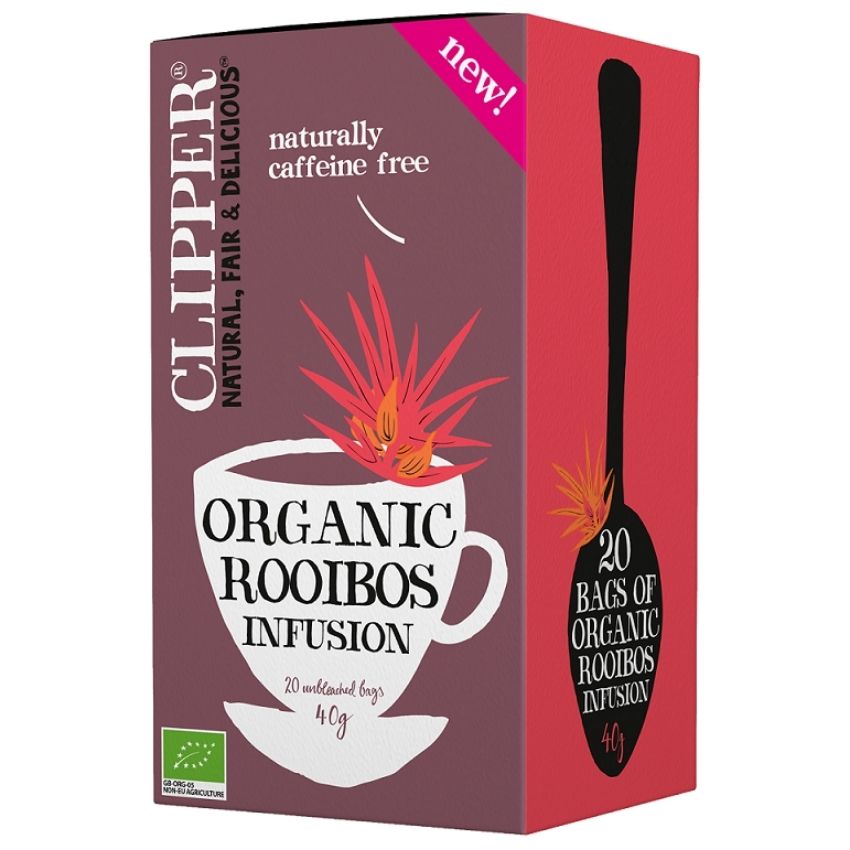
Mix everything in a bowl and transfer to an airtight tin. To brew: Use 1 teaspoon of the mixture per 250 ml of water at about 95 °C and steep for 3–5 minutes. For a caffeine-free version, replace the black tea with rooibos.
Spiced coffee
Add half a teaspoon of gingerbread spice to 4 tablespoons of ground coffee and mix. Brew as usual: in a drip coffee maker, moka pot or by pouring hot water over it in a mug. When using a moka pot, don’t add the spices to the water, as they may clog the filter; add them to the coffee instead.
Idea: Gingerbread latte
Brew spiced coffee, add frothed milk (or oat drink) and a teaspoon of honey or maple syrup. Sprinkle a pinch of cinnamon on top. It tastes like gingerbread in liquid form and takes just a few minutes to make.
9.3. How to make non-alcoholic gingerbread mulled juice?
Non-alcoholic mulled juice is heated fruit juice with warming spices and orange slices. It’s great for children, drivers and anyone who doesn’t drink alcohol, and fills the whole house with the aroma of gingerbread fresh from the oven.

Ingredients for about 1 l:
- 1 l juice (choose from the table below)
- 2 cinnamon sticks
- 5 cloves
- 3 slices fresh ginger
- 2 cardamom pods
- 1 orange, sliced
- optional: 1–2 tablespoons honey or maple syrup
Method: Pour the juice into a saucepan and add the spices and orange. Heat over low heat for 15–20 minutes without bringing it to a boil. Remove from the heat and leave covered for 10 minutes, then strain or serve with the spices. Add a sweetener only after tasting.
| Base | Flavor | Notes |
|---|---|---|
| Pressed apple juice | mild, sweet | the simplest choice, usually needs no extra sweetener |
| Blackcurrant juice | intense, tart | best diluted with water at a 1:1 ratio or mixed with apple juice |
| Cherry juice | tart, rich | closest in flavor to classic mulled wine |
| Pomegranate juice | tart, dry | pairs well with apple juice and has a lovely color |
Scroll right to see the full table (on mobile devices) →
9.4. What can you make with crumbled or stale gingerbread?
Gingerbread that turned out too dry or was left over after the holidays makes a great base for desserts. The ideas below don’t require an oven and take just a few minutes.
- Gingerbread dessert in a jar. Beat 250 g mascarpone with 150 ml 30% cream and 2 tablespoons powdered sugar. In glasses or jars, layer crumbled gingerbread, cream and plum butter. Chill in the fridge for 2–3 hours.
- Gingerbread crumble. Crumble the gingerbread, dry it on a baking sheet at 120 °C for 15–20 minutes and sprinkle it over porridge, yogurt or ice cream.
- Cheesecake base. Grind hard gingerbread cookies in a food processor, mix with melted butter (about 100 g butter per 250 g crumbs) and press into the base of a pan. Works well for both baked and no-bake cheesecakes.
- No-bake cake. Layer gingerbread cookies with custard or whipped cream, then leave overnight to soften.
10. Why does gingerbread need to mature, and how should you store it?
Gingerbread improves as it matures because the moisture in the cake becomes more evenly distributed, while the spice aromas meld and mellow. Freshly baked gingerbread is usually firm, dry and crisp to the touch; after a few days it becomes soft and moist. Maturing applies both to the dough before baking (in the Old Polish version) and to the finished bake. Below, I explain what happens during this process and how to store gingerbread so it doesn’t dry out.
10.1. What happens to the dough and gingerbread as they mature?
| Stage | What happens | Effect on the gingerbread |
|---|---|---|
| Dough maturing (before baking) | the flour slowly absorbs moisture from the honey, the dough softens, and the spices release their aroma throughout the mixture | uniform texture, deeper flavor, dough is easier to bake |
| Maturing of baked gingerbread | the honey retains moisture and releases it into the crumb, evening out the moisture between the crust and the center | soft, evenly moist crust and crumb |
| Flavors melding | the sharp notes of spices (cloves, ginger) mellow, and their aromas blend with the honey and other ingredients | the flavor becomes rounder and less “medicinal” than in freshly baked gingerbread |
| Moisture from the filling | plum butter and icing release moisture into the adjacent layers | the layers meld and the gingerbread is easier to slice |
Scroll right to see the full table (on mobile devices) →
Did you know? Honey loves water
Honey is hygroscopic, meaning it absorbs moisture from its surroundings. That’s why honey-based gingerbread stays moist for a long time, while the same bake made with sugar alone would go stale more quickly. This is one reason traditional gingerbread could keep for weeks.
How can you tell when gingerbread is ready to eat?
- The crust is soft and slightly sticky, not hard or dry.
- The gingerbread slices cleanly without crumbling at the edges.
- The aroma is deep and rounded, without a sharp, “dry” spice note.
- The crumb is moist throughout, including around the edges.
10.2. How should you store gingerbread and gingerbread cookies so they don’t dry out?
Store gingerbread tightly wrapped in a cool, dark place. First wrap it in parchment, then in plastic wrap, or place it in an airtight container. Keep unglazed gingerbread or gingerbread topped with chocolate that contains no dairy at room temperature, away from light. Refrigeration makes it go stale faster, so only refrigerate it when the ingredients require it (cream-based icing or mascarpone filling).
| What you’re storing | Packaging | Where |
|---|---|---|
| Unglazed gingerbread or gingerbread with icing | parchment + plastic wrap or a container | cool, dark place |
| Gingerbread filled with plum butter and topped with chocolate | airtight container | cool place; refrigerate if the topping contains cream |
| Iced gingerbread cookies | metal tin, with parchment between layers | room temperature, away from radiators |
| Gingerbread desserts with cream (mascarpone, whipped cream) | covered glasses or jars | refrigerator |
Scroll right to see the full table (on mobile devices) →
Tip: Iced gingerbread cookies
Pack the cookies in a tin only once the icing has dried completely (ideally after a full day), placing parchment between each layer. Wet icing makes the cookies stick together and can peel off along with the decoration. For how to soften hard gingerbread cookies, see section 7.
Warning: Mold
If you see mold on the gingerbread, throw away the entire bake, not just the spoiled part. The mold spreads deeper into the crumb than is visible. This is more common in gingerbread with a filling or topping that has been stored in a warm, humid place.
10.3. When should you bake gingerbread before Christmas?
The table below summarizes the timelines for all the versions in this article. The shelf life given applies to baked goods stored according to the guidelines in 10.2. For a detailed schedule for Old Polish gingerbread, see subsection 4.3.
| Type | When to start (before Christmas Eve) | How long it keeps |
|---|---|---|
| Old Polish gingerbread | make the dough 4–6 weeks ahead; bake 2–3 weeks ahead | up to about 3 weeks in a cool place; about 1–2 weeks after filling with plum butter |
| Quick gingerbread | 2–3 days ahead | 5–7 days |
| Cocoa gingerbread | 2–3 days ahead | 3–5 days (if topped with cream-based icing: refrigerate) |
| Iced gingerbread cookies | 1–2 weeks ahead | 2–4 weeks in a tin |
| Gingerbread house | 3–7 days ahead | as a decoration, several weeks; for eating, preferably within the first few days |
| Vegan gingerbread | 2–3 days ahead | 4–5 days |
| Gluten-free gingerbread | 1–2 days ahead | 3–4 days |
Scroll right to see the entire table (on mobile devices) →
Rule of thumb
The more honey and the less dairy and cream in the gingerbread, the longer it keeps and the more it benefits from aging. Gingerbread topped with a cream-based glaze or frosting is a “few days” bake, not a “few weeks” one.
11. Where did gingerbread come from? A brief history
Gingerbread has its roots in ancient honey cakes, which were baked as far back as antiquity. The Polish name comes from an old word meaning “peppery,” or spiced. Expensive spices imported from distant lands eventually found their way into the recipe, making gingerbread a festive treat. Below is a summary of the key stages in its history.

11.1. Where does the name come from, and what were the first honey cakes like?
For centuries, honey was Europe’s main sweetener, so cakes made with flour and honey were already known in antiquity. They were simple and dense, and kept fresh for a long time because honey retains moisture and acts as a preservative. Spices were added later, when trade with distant lands made them available, though they remained very expensive. The Polish word “piernik” was derived from an old adjective meaning “peppery,” because many pungent, aromatic spices were once collectively called “pepper” or “spices.”
| Period | What happened to gingerbread |
|---|---|
| Antiquity | cakes made with flour and honey, with honey as the main sweetener |
| Middle Ages | spices imported along trade routes are added to the dough; gingerbread-making flourishes in trading cities |
| Early modern period | gingerbread makers form guilds, and carved molds and figurative gingerbread appear |
| Modern times | spices become cheaper and find their way into home kitchens; gingerbread becomes a permanent feature of holiday baking |
Scroll right to see the entire table (on mobile devices) →
11.2. Why is Toruń famous for its gingerbread?
Toruń earned its fame thanks to its location: it was an important trading city on the Vistula, where trade routes bringing spices intersected and honey was readily available from the surrounding area. Favorable baking conditions combined with skilled craftsmanship, and Toruń’s gingerbread makers became known for their wooden molds, which imprinted decorative designs on the dough. The best-known gingerbread from Toruń is katarzynki: small, round gingerbread cookies.
Did you know? Dough that rested for many months
According to tradition, old-time gingerbread makers kneaded the dough well in advance and kept it in cellars for many months, or even longer. Today’s idea of Old Polish gingerbread, made with dough that matures for a long time, comes from these practices; I describe it in Chapter 4.
11.3. Why did gingerbread become a holiday bake?
Gingerbread found its way onto holiday tables because spices were once expensive and associated with special occasions. In winter, it also had practical advantages: honey helps the cake keep for a long time, so it could be baked ahead, and the warming aroma of spices is perfect for the colder months. Decorated gingerbread cookies and gingerbread houses are a later tradition, associated in part with German-speaking countries, where the fairy tale Hansel and Gretel helped popularize them.
Gingerbread today
Modern gingerbread includes both traditional bakes that mature for weeks and quick cakes made with kefir, as well as cocoa, gluten-free, and vegan versions. The spices, honey, and sweetness have stayed the same. What has changed most is the preparation time and the substitutes available.
12. Why does gingerbread turn out hard or dense?
Gingerbread most often turns out hard because it has been baked too long or contains too much flour, and dense because it contains too much liquid, the honey mixture was too hot, or the oven was opened during baking. Below are the most common mistakes, organized by symptoms and ways to fix them, followed by a table you can consult if something goes wrong.
12.1. Why does gingerbread turn out hard or dry?
- Baking it for too long. Honey gingerbread browns faster, so the top may look done while the inside has already dried out. Test it with a skewer 5–10 minutes before the recipe’s baking time is up.
- Too much flour. Flour measured by the cup is easy to pack down, making the amount dozens of grams heavier. The dough becomes too dense and bakes up hard. Weighing the ingredients is best.
- Not enough fat or honey. Honey and butter keep the cake moist, so reducing them “to make it lighter” results in dry gingerbread.
- Temperature too high. Gingerbread baked at too high a temperature develops a hard crust before the inside is cooked. Don’t turn up the heat to shorten the baking time.
- Not stored in an airtight container. Gingerbread left uncovered dries out within a day. I explain how to store it in Section 10.2.
Tip: check your oven
Many ovens display a temperature different from the one you set. An inexpensive oven thermometer will show you the difference; if your oven runs hot, lower the recipe temperature by 10–15 °C. If using a fan oven, lower the temperature further.
12.2. Why is gingerbread dense or does it sink?
- Honey mixture too hot. If you pour the hot mixture into the eggs, the proteins will coagulate and the cake will lose its structure. Always let the mixture cool until lukewarm.
- Too much liquid. Too much kefir or milk, or runny fruit preserves, makes the inside of the cake soggy. Use the amounts given in the recipe and heat runny jams to evaporate some of the water.
- Baking soda not evenly mixed in. Baking soda that hasn’t been distributed evenly creates dense spots and bitter lumps. Always sift it with the flour.
- Opening the oven too early. A sudden drop in temperature during the first 30 minutes can cause the cake to sink.
- Temperature too low. Cake baked at too low a temperature takes too long to set and rise, leaving the center wet.
12.3. Why does it taste bitter, soapy, or medicinal?
- Too much baking soda. Excess baking soda isn’t neutralized by acidic ingredients and leaves a soapy, slightly bitter taste. Measure it with a level teaspoon.
- Too many cloves or too much nutmeg. In excess, these spices overpower the rest of the blend. Follow the proportions in Chapter 2.
- Burnt honey. Boiling or overheating honey gives it a bitter taste. Heat it only until combined with the butter and sugar.
- Too much cassia cinnamon on its own. Cassia cinnamon has a sharper aroma, so it can dominate in large amounts. See Section 2.3 for details.
Warning: don’t try to fix bitter gingerbread by adding more baking soda or spices
If your gingerbread is too bitter, don’t add anything to the finished cake. It’s best to serve it with frosting or fruit preserves as a dessert—for example, in a gingerbread trifle from Section 9.4. Sweet toppings will soften the bitterness.
12.4. How can you quickly identify the cause of a problem?
| Symptom | Most common cause | How to fix it next time |
|---|---|---|
| Hard, dry crumb | baked too long, too much flour | weigh the flour, test with a skewer earlier, shorten the baking time |
| Dense center | too much liquid, temperature too low | follow the recipe quantities, check the temperature with a thermometer |
| Sunk in the middle | oven opened during baking, too much baking soda or baking powder | don’t open the oven during the first 30 minutes, measure leavening agents carefully |
| Burnt top, raw center | temperature too high, pan placed too high | lower the temperature, place the pan in the center, cover the top with foil |
| Bitter, soapy taste | too much baking soda, baking soda not evenly mixed in | measure a level teaspoon, sift the baking soda with the flour |
| Gummy, dense crumb | overmixing after adding flour | mix briefly, just until the ingredients are combined |
| Egg lumps in the batter | hot honey mixture added to the eggs | cool the mixture until lukewarm, pour it in a thin stream |
Scroll right to see the entire table (on mobile devices) →
13. FAQ – Frequently asked questions about baking gingerbread
13.1. Can gingerbread be frozen?
Yes. It’s best to freeze it without a glaze or fruit preserve filling. Once cooled, wrap the gingerbread tightly in parchment paper and foil, then put it in a container or freezer bag. It will keep in the freezer for several weeks without losing quality. Thaw it at room temperature without removing it from the wrapping, so the moisture returns to the cake rather than settling on the surface. Add the filling and glaze only after thawing.
13.2. What can you use instead of gingerbread spice if you run out while baking?
A quick substitute is a blend of three spices: 2 teaspoons cinnamon, 1 teaspoon ginger, and ½ teaspoon ground cloves. If you also have nutmeg or cardamom, add a pinch of either. The flavor will be simpler than a full spice blend, but the difference is slight in gingerbread made with honey and fruit preserves. This amount replaces about 1 tablespoon of prepared gingerbread spice.
13.3. Can you bake gingerbread cookies in advance and ice them later?
Yes. Uniced cookies will keep in an airtight tin for up to 2–3 weeks, and raw dough can be frozen for 2–3 months. Before using, thaw it overnight in the refrigerator. Ice the cookies 1–2 days before serving or giving them away, so the decoration is fresh and the icing has time to dry completely.
13.4. What can you bake gingerbread in besides a loaf pan?
The recipes in Chapters 5, 6, and 8 also work in a 24 cm (about 9½-inch) round springform pan (about 45–50 minutes), a 20 × 30 cm (about 8 × 12-inch) baking pan (about 35–40 minutes), or muffin tins (about 20–25 minutes). These times are approximate, so test with a skewer. Thinner cakes bake faster, and a flat pan makes gingerbread easy to cut into squares and cover with glaze.
13.5. Can gingerbread be baked in a fan oven?
Yes, but lower the temperature by 10–20 °C compared with the recipe and check the cake earlier. The hot air dries out the top and edges faster, making it easy for honey gingerbread to develop an overly hard crust. A fan oven works well for gingerbread cookies because it bakes them evenly, but still reduce the baking time by 1–2 minutes.
14. Summary – which gingerbread should you choose, and when should you start?
Choosing a gingerbread recipe comes down to how much time you have before the holidays. Old Polish gingerbread develops the deepest flavor but takes weeks of planning. Quick gingerbread and cocoa gingerbread can be baked in a single day. Gingerbread cookies are ideal for decorating and gifts, while vegan and gluten-free versions make it possible to bake for people with special dietary needs. The homemade gingerbread spice from Chapter 2 will come in handy for any of these versions.
Baking schedule before Christmas Eve
- 4–6 weeks ahead: knead the dough for Old Polish gingerbread and prepare the gingerbread spice.
- 2–3 weeks ahead: bake the Old Polish gingerbread and set it aside to mature.
- 1–2 weeks ahead: bake gingerbread cookies, and ice them just before serving or giving them away.
- 2–3 days ahead: bake quick gingerbread, cocoa gingerbread, or vegan gingerbread. The gluten-free version only needs to be baked 1–2 days ahead.
Even if the holidays are just around the corner, one simple recipe is all it takes to fill your home with the aroma of gingerbread. Find detailed schedules in Section 4.3 and Section 10.3.