The greatest real impact on eye health comes from a diet rich in lutein, zeaxanthin, vitamin A, zinc, and omega-3 fatty acids, along with regular breaks from screens, UV protection, and quitting smoking. Some of these ingredients have approved EU health claims (vitamin A, zinc, riboflavin, DHA), while others are based on large clinical and observational studies. No single supplement can replace these habits, although for specific, already diagnosed conditions like macular degeneration, properly selected supplementation has documented importance.
In this guide, we have gathered what science and EU law say about supporting eyesight – along with corrections to several popular myths, including those about bilberries or blue-light blocking glasses. You will learn which ingredients actually have approved effects on vision, what a diet and lifestyle that supports the eyes look like, what is worth knowing before purchasing a supplement, and when eye fatigue requires a visit to a specialist.

1. Which vitamins and minerals are most important for eye health?
Vitamin A, riboflavin (B2), and zinc contribute most to proper visual function – these are the only vitamins and minerals for which the European Food Safety Authority (EFSA) has approved an official health claim regarding their effect on maintaining normal vision. Vitamins C and E as well as copper also play a supportive role by protecting eye tissues from oxidative stress.
The retina and cornea are tissues with exceptionally high oxygen demand and intense metabolism, which makes them particularly sensitive to nutritional deficiencies and oxidative damage. Below, we describe the role of individual ingredients – along with the exact wording of the claims permitted by EU law.
1.1. Vitamin A and normal vision
Vitamin A is a component of rhodopsin (visual purple) – a pigment in the rods of the retina responsible for vision in low-light conditions. It also participates in maintaining the proper structure of the cornea and conjunctival epithelium. According to EU Regulation 432/2012, food that is a source of vitamin A can legally bear the claim: "Vitamin A contributes to the maintenance of normal vision."
Condition for using the claim: the product must contain at least 15% of the Reference Intake (RI) of vitamin A per 100 g (7.5% per 100 ml for beverages) or per portion if the packaging contains one portion, to legally use this wording.
Retinol (the active form of vitamin A) is found in animal products: liver, eggs, butter, and fatty fish. Provitamin A – beta-carotene – is provided by carrots, kale, spinach, pumpkin, and sweet potatoes; the body converts it into retinol depending on current needs, so an excess of vegetables rich in beta-carotene does not pose a risk of vitamin A overdose (unlike retinol from supplements). Chronic, severe vitamin A deficiency is, in fact, recognized by the WHO as one of the globally significant, albeit rare in Poland, causes of serious corneal damage.
Interesting fact: full eye adaptation to darkness usually takes 20–30 minutes and depends precisely on the rate of rhodopsin regeneration – which is why in cases of vitamin A deficiency, the first symptom is often poorer vision at twilight, colloquially known as "night blindness."
1.2. Vitamins C and E as antioxidants supporting eyesight
Vitamin C and vitamin E do not have a separate, EFSA-approved health claim regarding vision – their approved claim is general: both contribute to the protection of cells from oxidative stress. However, this has direct significance for the eyes: the retina is constantly exposed to UV radiation and blue light, which generates free radicals.
Additionally, vitamin C contributes to the regeneration of the reduced form of vitamin E in the body – both vitamins therefore work synergistically. It is this duo, together with beta-carotene and zinc, that formed the original supplement formula from the AREDS (Age-Related Eye Disease Study) study, which reduced the risk of progression of advanced macular degeneration by approximately 25% in high-risk individuals.
The best sources of vitamin C are bell peppers, parsley, black currants, citrus fruits, and kiwis. Vitamin E is provided by vegetable oils (especially wheat germ and sunflower oils), almonds, nuts, and sunflower seeds.
1.3. Zinc, copper, and riboflavin – micronutrients for the retina
Zinc accumulates in the eye in a higher concentration than in almost any other organ – particularly in the retina and choroid. It is a cofactor for enzymes involved in the transport of vitamin A from the liver to the retina; therefore, according to EU Regulation 432/2012, food that is a source of it can bear the claim: "Zinc contributes to the maintenance of normal vision."

Zinc bisglycinate 90 capsules - Vilgain
Riboflavin (vitamin B2) has the exact same EFSA-approved claim regarding vision. We can find it in milk and dairy products, eggs, almonds, and green leafy vegetables.
Copper does not have a separate claim regarding eyesight, but it participates in the work of antioxidant enzymes (e.g., superoxide dismutase) also present in eye tissues, and its approved claim is contributing to the protection of cells from oxidative stress.
Supplementation note: long-term intake of high doses of zinc may interfere with copper absorption and lead to its deficiency. Therefore, the original AREDS formula combined a high dose of zinc (80 mg) with 2 mg of copper – to balance this effect. When choosing an eye supplement containing a higher dose of zinc, check whether it also contains copper.
The table below summarizes the Reference Intakes (RI) and the legal status of claims for the discussed ingredients:
| Ingredient | RI for adults | Approved claim on vision (EU 432/2012) | Example sources |
|---|---|---|---|
| Vitamin A | 800 µg | Yes | liver, eggs, carrots, kale |
| Riboflavin (B2) | 1.4 mg | Yes | milk, eggs, almonds, green leafy vegetables |
| Zinc | 10 mg | Yes | pumpkin seeds, meat, seafood, legumes |
| Vitamin C | 80 mg | No (general antioxidant claim) | bell pepper, parsley, citrus, kiwi |
| Vitamin E | 12 mg | No (general antioxidant claim) | vegetable oils, almonds, sunflower seeds |
| Copper | 1 mg | No | nuts, cocoa, whole grain products |
Scroll to the right to see the full table (on mobile devices) →
2. Lutein and zeaxanthin – why are they crucial for the macula?
Lutein and zeaxanthin are carotenoids that, along with meso-zeaxanthin derived from lutein, accumulate in the macula – the central point of the retina responsible for visual acuity. They form the so-called macular pigment, which absorbs part of the blue light reaching the photoreceptors and exhibits antioxidant properties, protecting the photoreceptors. Unlike vitamin A or zinc, the EFSA has not approved an official health claim regarding vision for them – despite several applications on this matter.
Legal status: The European Food Safety Authority has repeatedly – including in 2010, 2012, and 2014 – deemed the evidence for the link between lutein and zeaxanthin and the maintenance of normal vision to be insufficient. This means that – unlike vitamin A, zinc, or riboflavin – supplements with these carotenoids cannot legally declare an effect on vision as an approved health claim.
The lack of an approved claim does not, however, mean a lack of scientific data. Observations of our customers choosing supplements with lutein and zeaxanthin show that these are among the most frequently chosen ingredients for intensive visual work – and they have indeed been the subject of one of the most famous clinical studies in ophthalmology.
The AREDS2 study (Age-Related Eye Disease Study 2, JAMA 2013;309(19):2005-2015) included over 4,200 people aged 50–85 with an increased risk of advanced macular degeneration (AMD). In the entire study population, the addition of lutein (10 mg) and zeaxanthin (2 mg) to the base AREDS formula did not yield a statistically significant reduction in the risk of AMD progression. However, a secondary analysis showed that in participants with the lowest initial dietary intake of these carotenoids, supplementation was associated with a 10–25% reduction in the risk of progression.
The researchers also decided to test substituting beta-carotene (present in the original AREDS formula) with lutein and zeaxanthin – because earlier large studies had shown an increased risk of lung cancer with long-term beta-carotene supplementation in smokers. Lutein and zeaxanthin provided a comparable protective effect without this risk, making them a safer alternative for smokers.
Regardless of the supplementation results, observational studies consistently point to a link between higher dietary intake of lutein and zeaxanthin and greater macular pigment optical density. The richest sources are dark green leafy vegetables – kale, spinach, and Swiss chard – as well as egg yolks, where these carotenoids appear in a highly bioavailable form due to the presence of fat.
We write more about food products that support eyesight in the chapter "What to eat to support your eyesight?", and about the role of these ingredients in the prevention of cataracts and AMD – in the chapter "Cataracts and AMD".
3. Omega-3 fatty acids and eye health and hydration
DHA, one of the omega-3 acids, is a fundamental building block of the cell membranes of photoreceptors – i.e., the retinal cells responsible for light reception. At an intake of 250 mg per day, it has a confirmed effect on maintaining normal vision – this is one of the few ingredients, alongside vitamin A, zinc, and riboflavin, for which such a link has been officially recognized at the EU level.
Beyond the structure of the retina itself, omega-3s are sometimes recommended as natural support for dry eye syndrome – and here it is worth being cautious. The theory sounds reasonable: omega-3s have anti-inflammatory properties, and inflammation of the Meibomian glands, responsible for the oily layer of the tear film, is sometimes a cause of dry eye. In practice, however, the largest and best-designed study on this subject did not confirm this theory as unequivocally as one might expect.
We are referring to the DREAM study (Dry Eye Assessment and Management Study), published in the New England Journal of Medicine in 2018. It involved 535 people with at least a six-month history of moderate or severe dry eye. The group taking 3 g of fish oil daily for a year performed statistically similarly to the group receiving a placebo in the form of olive oil – with no significant difference in symptoms or objective parameters of eye hydration.
This does not mean that omega-3s are irrelevant for the eyes – their structural role in the retina is well documented and independent of the results of this particular study. It means, rather, that they should not be treated as a proven method for alleviating dry eye, but rather as an element of an overall properly balanced diet.

OLICAPS Omega-3 60 capsules - ForMeds
The best sources of DHA are fatty sea fish: salmon, mackerel, herring, and sardines. People who eat fish rarely or not at all can turn to flaxseed, flaxseed oil, or walnuts – they contain ALA acid, which the body converts into DHA, albeit with very limited efficiency.
For people on a plant-based diet: since the conversion of ALA to DHA is so limited, a real supply of DHA without fish is easier to ensure with an algae-based supplement – this is a direct, vegan source of this acid, and not just its precursor.
4. What to eat to support your eyesight? The best products and a sample menu
The nutrients described in the previous chapters do not work in isolation – in practice, it is easiest to provide them to the body simply through a varied diet, without counting milligrams. Below are products that provide the most benefits for the eyes in a single serving, along with an example of a day of eating that incorporates them.
| Product (serving) | Key nutrient | Amount per serving | Benefit for eyes |
|---|---|---|---|
| Kale, cooked (1 cup) | lutein + zeaxanthin | approx. 23 mg total | macular pigment building block |
| Spinach, cooked (1 cup) | lutein + zeaxanthin | approx. 20 mg total | as above |
| Salmon (100 g) | DHA | approx. 1–1.5 g | building block for retinal photoreceptor membranes |
| Egg (1 unit) | lutein and zeaxanthin in a highly absorbable form | approx. 0.2–0.3 mg | absorption aided by fat from the yolk |
| Red bell pepper (1 unit) | vitamin C | approx. 150 mg | antioxidant protection |
| Carrot (1 medium) | beta-carotene (provitamin A) | approx. 4–5 mg | vitamin A precursor |
| Pumpkin seeds (30 g) | zinc | approx. 2 mg | supports transport of vitamin A to the retina |
Scroll right to see the full table (on mobile devices) →
What does this look like in practice over a single day? For example:
- Breakfast: scrambled eggs (2) sautéed with spinach, slice of whole-grain bread
- Lunch: baked salmon with kale and carrots, drizzled with olive oil
- Dinner: salad with bell pepper, arugula, and pumpkin seeds
- Snack: a handful of walnuts and a handful of blueberries
Blueberries themselves are a great topic for a separate discussion – if you are looking for more ideas on how to use them in the kitchen, we have collected them in the article What to do with blueberries and bilberries? 30 recipes and inspirations. We write more extensively about why bilberries have been associated with vision for decades in the next chapter.

5. Herbs and plants traditionally used for eye strain
Bilberry, ginkgo biloba, and eyebright are the three plants most commonly associated with supporting eyesight. Each of them has a completely different status in the EU’s regulatory system for herbal medicinal products – and these differences are quite instructive.
5.1. Bilberry (Vaccinium myrtillus)
Bilberry fruits owe their effect primarily to anthocyanins – the pigments responsible for their intense, dark blue color. The EU herbal monograph for fresh bilberries recognizes their traditional use in relieving symptoms of capillary fragility in the skin – however, it does not include a separate indication related to vision, even though this is what bilberries are most strongly associated with in the public consciousness.
More recent, small-scale clinical studies have tested the effect of bilberry extract on the ciliary muscle of the eye, which is responsible for focusing on near objects, but the EMA found this data too limited to expand the official indication based on it. Dried bilberries, on the other hand, have a separate, well-documented tradition of use – but for diarrhea, not for the eyes.
Interesting fact: The story about British RAF pilots who allegedly ate large quantities of bilberries during WWII to see better in the dark circulates in many versions – including one with bilberries as the star. The historically documented version, however, involves carrots, not bilberries, and even that was just a smokescreen: the British were using this story to hide from the Germans the fact that their night fighters already had onboard radar.

5.2. Ginkgo biloba
Ginkgo biloba leaves have two formally recognized uses in the European Union: supporting cognitive function and quality of life in mild age-related memory impairment and – in the traditional version – relieving feelings of heavy legs and cold hands or feet in minor peripheral circulation disorders. Vision, as in the case of bilberry, is not included in the official indication.
The mechanism of ginkgo’s action – dilating blood vessels thanks to terpenes contained in the leaves – led some researchers to check whether the plant also affects blood flow in the vessels of the eye, including in the context of normal-tension glaucoma. This is an area still being researched, not a confirmed treatment method – glaucoma is a serious disease requiring diagnosis and constant care by an ophthalmologist, and ginkgo is by no means a substitute for it.
Important when using: Ginkgo may increase the tendency for bleeding, so if you are taking anticoagulants or antiplatelet drugs, it is worth consulting your doctor about supplementation – and it is usually recommended to stop taking it 3–4 days before a planned surgical procedure.
5.3. Eyebright
Eyebright (Euphrasia officinalis, Euphrasia rostkoviana) is the plant with the longest "eye" tradition of the three – it was used in the Middle Ages in the form of compresses and infusions for irritated, red eyes, and its English name directly refers to this application.
However, this is where history diverges from regulations: unlike bilberry and ginkgo, eyebright has not received an EU herbal monograph. The Committee on Herbal Medicinal Products (HMPC) assessed the available data as insufficient to confirm the safety and reliability of its action even within the simplified pathway of traditional use, and instead of a monograph, it issued a so-called public statement. This means that despite centuries of tradition, eyebright remains a herb for which there is no formal confirmation at the EU level.

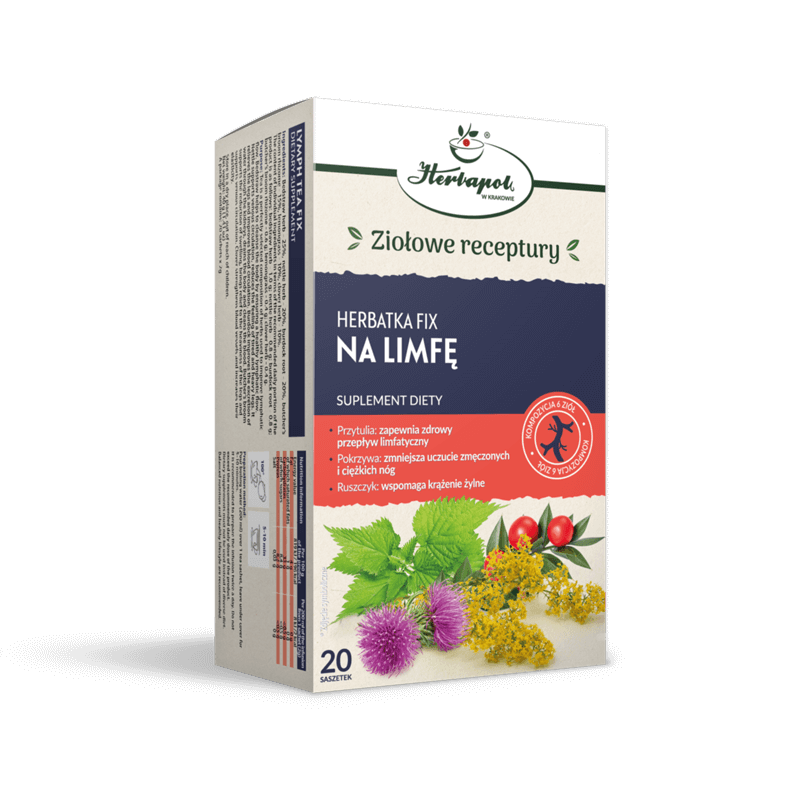
Eyebright herb fix (20 × 1.5 g) 30 g - Herbapol Kraków
6. How do screens and computer work affect the eyes?
Working at a monitor does not permanently damage the eyes, but it can significantly tire them out. This phenomenon, known as digital eye strain, manifests as dryness, burning, a feeling of grit under the eyelids, blurred vision at the end of the day, and sometimes headaches or neck tension. At its root lies something simpler than one might think – when we look at a screen, we blink noticeably less often than usual, causing the tear film to evaporate faster and the eye to dry out.
6.1. Digital strain and the 20-20-20 rule
The simplest and best-accepted way to regularly relieve eye strain is the 20-20-20 rule, recommended by, among others, the American Academy of Ophthalmology: every 20 minutes of working at a screen, it is good to take your eyes off it and look at something at least 6 meters away (20 feet) for 20 seconds. This is a short enough break not to disrupt your work, while giving the eye muscles a real moment of rest from focusing at a close distance.
In addition to the 20-20-20 rule, visual comfort is also influenced by the workstation setup: the monitor should be slightly below eye level, at roughly arm's length, and ambient lighting should be similar in brightness to the screen – rooms that are too bright or too dark place additional strain on the eyes.
What about blue light blocking glasses? A 2023 Cochrane review, covering 17 randomized controlled trials, did not confirm that blue light filtering lenses actually reduce eye strain when working at a computer compared to ordinary glasses – nor was evidence found for their protective effect on the retina. If they subjectively work for someone, there is nothing standing in the way of using them, but they should not be treated as a proven solution to the problem.

6.2. Children's vision and screen time
In children, the topic of screens is linked to another, more serious phenomenon – the growing number of myopia (nearsightedness) cases worldwide. Research on this phenomenon consistently points to one protective factor stronger than simply limiting screen time: time spent outdoors in natural daylight. In children who spend more hours outside, myopia develops less frequently and more slowly than in their peers who spend most of the day indoors – regardless of whether that indoor time is filled with screens or books.
In practice, this means that instead of focusing exclusively on screen time limits, you need to ensure regular time outdoors and breaks from close-up visual work – the same 20-20-20 rule also works for older children doing homework at the computer. If a parent notices that the child is squinting, sitting very close to the screen, or complaining of headaches after studying, this is a signal to consult an ophthalmologist, not a symptom to be assessed at home.
7. Dry eye syndrome – causes and natural ways to alleviate it
Dry eye syndrome is more than just the effect of looking at a screen – although, as we wrote in the previous chapter, computer work does indeed intensify the symptoms. It is a chronic disorder of the tear film, the prevalence of which – depending on the definition used – is estimated at several to several dozen percent of adults and is one of the most common reasons for visits to the ophthalmologist.
Two main mechanisms are distinguished: aqueous tear deficiency (less common) and excessive evaporation of the tear film – the latter type is responsible for the majority of cases and most often results from dysfunction of the Meibomian glands, which are tiny glands in the eyelids that produce the oily layer of tears that prevents them from evaporating.
There are many causes: a natural decline in tear production with age, hormonal changes during menopause, certain medications (antihistamines, some antidepressants, hormonal drugs, beta-blockers), contact lenses, dry or air-conditioned air, and in more severe cases, autoimmune diseases like Sjögren's syndrome.
Warm compresses – how to do it right: a warm (not hot) compress applied to closed eyelids for 5–10 minutes dissolves the thickened oil clogging the Meibomian glands and facilitates its natural outflow. This is one of the few home remedies for dry eyes that has solid support in ophthalmological practice.
In addition to compresses, it is good to take care of: a humidifier in heated or air-conditioned rooms, avoiding air currents directed straight at the face (in the car, at work), conscious, full blinking while working at a screen, and – when symptoms are severe – artificial tears without preservatives if used more than a few times a day. Omega-3 acids are sometimes recommended here, but as we wrote in the chapter on omega-3, the largest study on this topic did not confirm their superiority over a placebo – so they should not be treated as the main line of action.
When to see an ophthalmologist: persistent redness, pain (not just discomfort), sudden vision deterioration, or no improvement despite a few weeks of home remedies – these are signals not to self-diagnose, but to schedule a visit.
8. Lifestyle and eye health
Beyond diet and supplementation, several daily habits that are easy to overlook when planning an "eye diet" also affect the condition of your vision.
- Sleep – it is during sleep that the eye regenerates the corneal epithelium and evens out the distribution of the tear film. Sleep deprivation does not permanently damage vision, but it does translate into a feeling of tired, irritated eyes the next day – just as the rest of the body feels the effects of not being rested.
- Hydration – the tear film largely consists of water, so dehydration of the body theoretically contributes to dry eyes, although there are few direct studies linking the amount of water drunk to the condition of vision. Staying hydrated is a good habit in itself anyway.
- Physical activity – regular exercise improves circulation, including microcirculation within the eye. Observational studies also link physical activity to lower intraocular pressure, which is important in the context of preventing glaucoma.
- UV protection – ultraviolet radiation is one of the recognized, modifiable risk factors for cataracts. Sunglasses with a UV400 filter and a cap or hat on sunny days are a simple, effective form of prevention.
- Smoking – this is the single strongest modifiable risk factor for both cataracts and macular degeneration. Cohort studies consistently show that in current smokers, the risk of advanced AMD is several times higher than in people who have never smoked – and, importantly, the risk drops significantly after quitting smoking.
9. Cataracts and AMD – risk factors and the role of diet in prevention
Cataracts and age-related macular degeneration (AMD) are the two most common causes of age-related vision deterioration – but the mechanisms, risk factors, and role of diet in each of them look completely different, which is why it is easy to confuse them.
| Feature | Cataracts | AMD |
|---|---|---|
| What happens | clouding of the eye's lens | damage to the macula (center of the retina) |
| Main symptom | gradually cloudy, "foggy" vision | loss in the center of the field of vision, distorted straight lines |
| Strongest risk factor | age | age and smoking |
| Role of AREDS2 supplementation | no proven effect | reduces the risk of progression in already diagnosed intermediate or advanced stages |
| Treatment | surgical procedure (lens replacement) | intravitreal injections (wet form); no causal treatment for the dry form |
Scroll right to see the full table (on mobile devices) →
A common misunderstanding: preparations based on the AREDS2 formula, described in more detail in the chapters on vitamins and minerals and lutein and zeaxanthin, have no proven effect on cataracts – the AREDS and AREDS2 studies did not explicitly confirm this. They also do not prevent the development of AMD in people with healthy eyes. Their only confirmed use is slowing progression in individuals whom a doctor has already diagnosed with intermediate AMD or the advanced form in one eye – in this specific group, they reduce the risk of progressing to an advanced stage by approximately 25%.
For people without diagnosed AMD, a generally anti-inflammatory diet is a more sensible direction – observational studies, including those within the Rotterdam Study, link the Mediterranean diet (plenty of vegetables, fish, olive oil, and little red meat or processed food) to a lower risk of developing AMD compared to a Western diet. We write more about this way of eating in the article on the anti-inflammatory diet. Similar, though weaker, observations apply to cataracts and a diet rich in antioxidants – however, the evidence here is not as strong as it is for AMD.
Regardless of diet, two things have the greatest confirmed importance: quitting smoking and regular eye exams with pupil dilation, especially after the age of 60 – this is the only way to detect both cataracts and AMD before they cause clear symptoms.
10. Eye supplements – how to choose a good product?
Supplementation makes sense primarily when there are actual gaps in your diet – you rarely eat fish, leafy vegetables, or eggs, you are on a plant-based diet, you spend most of your day at a screen, or you have already been diagnosed by an ophthalmologist with a condition where specific supplementation has proven significance (like the AREDS2 formula for AMD, described in chapter 9). With a balanced diet, a supplement alone will not work miracles – and no honest manufacturer should suggest otherwise.
When choosing a specific preparation, you need to pay attention to several things: dosages close to those used in studies (rather than symbolic "traces" of an ingredient on the label), the presence of copper with higher doses of zinc, the standardization of herbal extracts, and the absence of unnecessary additives and dyes. Below is a summary of how the most popular forms of individual ingredients compare.
| Form | Pros | Cons | For whom |
|---|---|---|---|
| Free lutein | ready for absorption, no digestion stage needed | more expensive to produce | people taking supplements without a meal |
| Lutein esters | cheaper, more stable | requires hydrolysis in the digestive tract | people taking supplements with a fat-containing meal |
| DHA as triglycerides | usually better and more consistently absorbed | higher price, less DHA per capsule | people prioritizing absorption |
| DHA as ethyl esters | more active ingredient in a smaller capsule | more variable absorption, best after a fatty meal | people needing high doses in fewer capsules |
| Algal DHA | direct source, suitable for vegans | usually more expensive, lower concentration per capsule | plant-based diets |
| Bilberry extract standardized for anthocyanosides | repeatable content of active compounds | no indication for vision in the official EU monograph | people wanting verified raw material quality |
Scroll right to see the full table (on mobile devices) →
Warning signal: if a manufacturer promises that a preparation will "cure," "reverse," or "eliminate" any eye disease, this promise is illegal. A solid product speaks of "supporting" or "contributing to," not treating.
11. FAQ
11.1. Is too high a dose of vitamin A from supplements harmful?
Yes – unlike water-soluble vitamins, vitamin A is stored in the liver and, in case of chronic excess, can be toxic. The safe upper intake level for adults established by the EFSA is 3,000 µg per day (counting diet and supplements combined), and the risk mainly concerns preformed vitamin A (retinol), not beta-carotene from vegetables. This is especially important for pregnant women – excess retinol may increase the risk of fetal developmental defects, which is why eating liver frequently is also advised against during pregnancy.
11.2. Does coffee and green tea affect eye health?
In people with healthy eyes, moderate coffee consumption has no significant effect on intraocular pressure. This is different for people with glaucoma or ocular hypertension – for them, caffeine can temporarily raise intraocular pressure, and large population studies link high caffeine intake to an increased risk of glaucoma specifically in this group, especially with a genetic predisposition. If you have cases of glaucoma in your family, it is worth mentioning this to your ophthalmologist during an examination.
Green tea does not have a similarly documented link to ocular pressure – its antioxidant content (catechins) is researched in terms of general antioxidant protection, but without direct evidence of a specific effect on vision.
11.3. Do cucumber compresses on the eyes actually work?
They work – but mainly due to the cool temperature, not some unique property of the cucumber. A cold compress constricts blood vessels and temporarily reduces swelling and feelings of fatigue around the eyes, so a chilled spoon or a gel mask will work just as well. It is a pleasant, safe ritual, but not a way to treat any eye condition.
11.4. Should children wear sunglasses?
Yes, and even more so than adults. The lens of a child's eye is still immature and allows more UV radiation to reach the retina than the lens of an adult, whose filtering ability increases with age. It is worth choosing glasses with a UV400 marking, fitted to the size of the child's face so that light does not enter from the side.
11.5. How long does it take for eyes to regenerate after a day of screen work?
In typical cases of digital eye strain, symptoms disappear within a few hours of resting without a screen or after a night's sleep – this is muscle fatigue and eye dryness, not permanent damage. If dryness, burning, or blurred vision persist despite regular breaks and a good night's sleep, it is a sign to look for a cause other than the screen itself, preferably with the help of an ophthalmologist.
11.6. Do contact lenses permanently worsen vision?
Lenses themselves, when worn according to recommendations, do not permanently worsen vision – there is no evidence that properly fitted and hygienically used lenses accelerate vision deterioration. Risk arises with poor hygiene, wearing them longer than recommended, or sleeping in lenses not intended for that mode – then the risk of corneal infection increases, which in extreme cases can indeed leave permanent scars. This is a matter of how they are used, not the fact of wearing them itself.
12. Summary
Eye health largely comes down to a few well-confirmed habits, rather than one miraculous supplement. Vitamin A, riboflavin, and zinc are the only ingredients with officially EU-approved effects on vision – the rest, from lutein to herbs, work more through general antioxidant support and circulation than through a legally confirmed mechanism.
You can gain the most by combining several things at once: a diet rich in leafy vegetables, oily fish, and colorful vegetables, regular breaks from the screen (the 20-20-20 rule), protection against UV, and – if you smoke – quitting, which is the single strongest modifiable risk factor for both cataracts and AMD.
Supplementation makes sense where the diet actually has gaps, and in specific, already diagnosed cases – like the AREDS2 formula for recognized AMD. However, it will not replace regular eye exams: these are what allow you to detect cataracts or AMD before they show clear symptoms, not diet or supplements.
13. Sources
- Commission Regulation (EU) No 432/2012 establishing a list of permitted health claims made on foods – EUR-Lex
- Age-Related Eye Disease Study 2 (AREDS2) Research Group. Lutein + zeaxanthin and omega-3 fatty acids for age-related macular degeneration. JAMA. 2013;309(19):2005-2015 – PubMed
- Asbell PA et al. n-3 Fatty Acid Supplementation for the Treatment of Dry Eye Disease (DREAM study). N Engl J Med. 2018;378:1681-1690 – PubMed
- European Union herbal monograph on Vaccinium myrtillus L., fructus recens – EMA/HMPC
- European Union herbal monograph on Ginkgo biloba L., folium – EMA/HMPC
- Public statement on Euphrasia officinalis L. and Euphrasia rostkoviana Hayne, herba – EMA/HMPC
- Singh S, Downie LE et al. Blue-light filtering spectacle lenses for visual performance, sleep, and macular health in adults. Cochrane Database Syst Rev. 2023, PMID 37593770
- National Eye Institute. Age-Related Eye Disease Studies (AREDS/AREDS2): major findings – NEI
- Smithsonian Magazine. A WWII Propaganda Campaign Popularized the Myth That Carrots Help You See in the Dark – Smithsonian Magazine
- EFSA NDA Panel. Scientific opinion on the tolerable upper intake level for preformed vitamin A and β-carotene. EFSA Journal. 2024;22(6):8814
- Li M, Wang M, Guo W et al. The effect of caffeine on intraocular pressure: a systematic review and meta-analysis. Graefes Arch Clin Exp Ophthalmol. 2011, PMID 20706731
- Kim J et al. Intraocular Pressure, Glaucoma, and Dietary Caffeine Consumption: A Gene-Diet Interaction Study from the UK Biobank. Ophthalmology. 2021 Jun;128(6):866-876, PMID 33333105
- Vingerling JR et al. Age-related macular degeneration and smoking: the Rotterdam Study. Arch Ophthalmol. 1996;114(10):1193-1196