Article updated on 02.03.2026
For swollen legs, two groups of herbal preparations work best: standardized vascular extracts (horse chestnut, butcher's broom, diosmin) for venous edema, and diuretic herbs (nettle, birch, dandelion) for edema caused by water retention. The choice depends on the cause of the swelling – which is why it is worth distinguishing between them before picking a specific product.
Leg edema has many causes: from a sedentary lifestyle and a high-salt diet to chronic venous insufficiency, or more serious conditions involving the heart, kidneys, or thyroid. In each of these cases, different herbs and supplements will be helpful – and some may even be contraindicated.
In this article, you will find an overview of the most effective herbs for leg edema, supported by clinical studies and EMA monographs, practical tips on using infusions, supplements, and gels, a discussion on drug interactions, and a list of warning signs that require a doctor's consultation – not self-treatment with herbs.
The herbs and supplements discussed in this article may support the body in cases of functional edema but do not replace a medical diagnosis. If the edema is recurring, severe, or accompanied by other symptoms, consult a doctor before starting supplementation.

1. Why do legs swell? Most common causes of edema
Leg edema is the accumulation of excess fluid in the soft tissues of the lower limbs. It can be a temporary and harmless phenomenon – but it can also be a signal of a more serious health problem. Before reaching for herbs or supplements, it is worth knowing exactly what you are dealing with.
1.1. Venous and circulatory problems – the most common cause
The most common reason for recurring leg edema is chronic venous insufficiency (CVI) – a condition where the veins in the lower limbs do not transport blood back to the heart as efficiently as they should. Venous valves become weakened or damaged, blood flows backward and pools in the vessels, and venous hypertension causes fluids to leak into the surrounding tissues.
The scale of the phenomenon is significant: CVI affects approximately 47% of women and 37% of men in Poland. A characteristic symptom is swelling around the ankles, which increases throughout the day and subsides (at least in the early stages) after resting at night with the legs elevated.
Venous edema is often accompanied by:
- a feeling of heaviness and fatigue in the legs at the end of the day,
- visible varicose veins or spider veins,
- nighttime calf cramps.
1.2. Sedentary lifestyle and prolonged immobility
Calf muscles act as a "venous pump" – their contractions while walking actively push blood upward toward the heart. When we sit or stand still for many hours, the pump stops working, and blood and tissue fluids accumulate in the lower parts of the legs.
This especially affects office workers, cashiers, and hairdressers, as well as passengers on long flights or car trips. Edema caused by immobility usually subsides quickly after getting up and walking around.
1.3. Diet, hydration, and hormonal balance
Excess sodium in the diet causes water retention in the body – the mechanism is simple: the more salt, the more fluid the body binds to maintain the proper electrolyte concentration. This results in edema, especially in people with already weakened kidney or heart function.
Paradoxically, inadequate hydration can have a similar effect – the body "saves" water when it receives too little of it. Drinking about 2 liters of fluids per day is recommended, even if you experience edema.
Leg edema is also a common symptom during pregnancy – it results from increased blood volume and the pressure of the growing uterus on the pelvic venous vessels. Hormonal fluctuations (e.g., during the menstrual cycle or when using hormonal contraception) can also increase water retention.

1.4. Other causes of leg edema
Leg edema can also be a symptom of systemic diseases or a side effect of medication. Among the most important secondary causes are:
- Kidney disease – impaired excretion of water and sodium leads to its accumulation in tissues.
- Heart disease – heart failure causes blood stagnation in peripheral circulation and symmetrical edema that worsens in the evening.
- Liver disease – a deficiency of albumin (proteins) disrupts oncotic pressure, causing fluids to "escape" from vessels into tissues.
- Hypothyroidism – can cause myxedema, especially around the ankles and shins.
- Injuries – sprains, bruises, and fractures trigger a local inflammatory response accompanied by edema.
- Medications – some blood pressure medications (calcium channel blockers), corticosteroids, certain pain relievers (NSAIDs), and hormonal medications can predispose you to edema.
Important: Herbs and supplements can support the body in cases of functional edema (venous, lifestyle-related, diet-related). However, they will not replace treatment when the edema results from heart, kidney, liver, or thyroid disease. In such cases, a consultation with a doctor and a diagnosis of the cause are necessary.
2. Which herbs help with swollen legs?
Herbs used for leg edema work in two different ways: some support the drainage of excess fluid from the body (diuretic effect), while others strengthen the walls of venous vessels and improve venous circulation, thereby limiting the formation of the edema itself. In practice, combining both approaches yields the best results – which is why we discuss both groups separately below.
2.1. Comparison table of herbs and supplements for leg edema
| Herb / ingredient | Mechanism of action | Form of use | Strength of evidence | Important notes |
|---|---|---|---|---|
| Horse chestnut (aescin) | Sealing of venous vessels, anti-edema and anti-inflammatory action | Supplement (capsules), gel/ointment | ✅ High – 17 RCTs, Cochrane review | Caution with anticoagulants; do not use raw material without processing |
| Butcher's broom | Improvement of venous tone, reduction of capillary permeability | Supplement (capsules), infusion | ✅ Moderate – RCTs, EMA monograph | Caution with hypertension; less data in monotherapy than in combination with hesperidin + vit. C |
| Diosmin | Flavonoid strengthening venous and lymphatic vessels, reduces edema | Supplement (capsules) | ✅ High – RCTs, European Venous Forum guidelines (2018) | Not an herb, but a bioactive flavonoid (from citrus flavedo); avoid during pregnancy (no data) |
| Stinging nettle | Traditional diuretic action supporting the flushing out of excess fluid | Leaf infusion, supplement | 🟡 Traditional – EMA/HMPC monograph (traditional use) | May enhance the effect of diuretics; do not use long-term without breaks |
| Birch leaf | Traditional diuretic action (flushing of urinary tract) | Infusion, supplement | 🟡 Traditional – EMA/HMPC monograph (traditional use) | Do not use if allergic to birch pollen; do not use continuously for longer than 4 weeks |
| Dandelion | Traditional diuretic action; contains potassium, which supports electrolyte balance | Infusion, supplement | 🟡 Traditional – EMA/HMPC monograph (traditional use) | Caution if allergic to plants of the Asteraceae family; may lower blood sugar levels |
| Horsetail | Traditional diuretic action; silica supports connective tissue | Infusion (boiling required), supplement | 🟡 Traditional – EMA/HMPC monograph (traditional use) | Do not boil in aluminum vessels; avoid long-term use; do not combine with diuretics |
| Cleavers | Traditional diuretic action; used for lymphatic edema | Infusion, tea, gel | 🟡 Traditional – insufficient RCTs | No safety data for pregnancy and severe kidney disease |
| Ginkgo (Ginkgo biloba) | Improvement of microcirculation, antioxidant action | Supplement (standardized extract) | 🟡 Moderate (mainly arterial and cerebral microcirculation, weaker for venous) | Interactions with anticoagulants (warfarin) and antiplatelets (aspirin) |
Legend: ✅ High/moderate = randomized clinical trials (RCTs) or systematic reviews; 🟡 Traditional = recognized tradition of use confirmed by EMA/HMPC, without sufficient RCTs in this indication.
2.2. Herbs strengthening venous vessels – strongest action for venous edema
This group works at the root of the problem: it strengthens vessel walls, improves their tone, and reduces permeability, so fewer fluids pass into the tissues. This is the best-studied category of herbs and supplements in the context of leg edema.
Horse chestnut (Aesculus hippocastanum)
Horse chestnut is the most well-studied herb for venous leg edema. Its active ingredient – aescin – has confirmed anti-edema, anti-inflammatory, and venous vessel-sealing properties. A Cochrane systematic review covering 17 randomized clinical trials showed that standardized horse chestnut seed extract significantly reduces leg volume, pain, and feelings of heaviness in people with chronic venous insufficiency. In one study, the extract's efficacy was comparable to compression therapy.
In our store, you will find ready-made preparations with horse chestnut.

Gel for tired legs with horse chestnut and mountain arnica 170 g – Herbapol Kraków
Butcher's broom (Ruscus aculeatus)
The root of the butcher's broom contains ruscogenins – compounds that improve the tone of venous walls and reduce capillary permeability. The EMA has recognized butcher's broom as a traditional medicinal product for treating symptoms of chronic venous insufficiency. One randomized clinical trial (Vanscheidt et al., 2002) showed that butcher's broom extract over 12 weeks significantly reduced lower leg edema and alleviated feelings of heaviness and leg tension compared to placebo. The strongest effect was observed in combination with hesperidin and vitamin C – this combination has a 1A grade recommendation in the 2018 European Venous Forum guidelines.

Gel for edema with horse chestnut, ginkgo, butcher's broom, and rutin 170 g – Herbapol Kraków
Diosmin – bioactive citrus flavonoid
Diosmin is not an herb per se, but a bioactive flavonoid obtained from the flavedo of citrus fruits. Its phlebotonic (venous tone-strengthening) and lymphokinetic activity is well-documented. The 2018 European Venous Forum guidelines grant the combination of diosmin and hesperidin a 1A recommendation for relieving pain, heaviness, and edema in chronic venous disease.

BICAPS DIOSMIN 60 capsules – ForMeds
Ginkgo (Ginkgo biloba)
Ginkgo extract improves microcirculation and has antioxidant properties. In the context of leg edema, its effect is less documented than that of horse chestnut or butcher's broom – most studies concern cerebral and arterial circulation. It may be helpful as an ingredient in complex preparations (e.g., gels containing ginkgo combined with horse chestnut and butcher's broom).
Note: Ginkgo interacts with anticoagulants and antiplatelet drugs.
2.3. Diuretic herbs – support for edema from water retention
Diuretic herbs help when edema is primarily caused by water retention in the body – e.g., with a high-salt diet, a sedentary lifestyle, or hormonal cycles. They increase urine production, which supports flushing out excess fluid. The EMA/HMPC (Committee on Herbal Medicinal Products) recognizes the herbs below as traditional medicinal products for use in mild urinary tract ailments, including support for diuresis.
Important disclaimer: Diuretic herbs support the flushing of excess water but do not remove the cause of venous edema – they do not strengthen vessels or improve venous circulation. For venous edema, preparations with horse chestnut, butcher's broom, or diosmin are better suited.
Stinging nettle (Urtica dioica)
Nettle leaves have a long tradition of use as a diuretic herb – confirmed by the EMA/HMPC in a monograph on traditional use. Nettle infusion supports increased diuresis, which can help with edema caused by water retention.
Birch leaf (Betula pendula)
Birch leaves are one of the herbs with a traditionally recognized diuretic effect (EMA/HMPC monograph). They are suitable for use by adults and adolescents over 12 years of age for a period of 2–4 weeks.
Contraindication: do not use if allergic to birch pollen.

Tea for excess water fix (20 × 2 g) 40 g – Herbapol Kraków
Dandelion (Taraxacum officinale)
Dandelion root and herb have a traditionally recognized diuretic role (EMA/HMPC monograph). Dandelion contains natural potassium, which is significant when using diuretic herbs – flushing out potassium is a risk with some diuretics, and dandelion may partially compensate for this.
Caution is advised if allergic to plants of the Asteraceae family and when using blood sugar-lowering medications.
Horsetail (Equisetum arvense)
Horsetail has a traditionally recognized diuretic role (EMA/HMPC monograph). At the same time, its richness in silica may support connective tissue and blood vessel walls.
Important: proper preparation of horsetail infusion requires boiling for several minutes (not just a short steep in boiling water) to release the active ingredients. Do not use long-term without breaks and do not combine with diuretics.
Cleavers (Galium aparine)
Cleavers is traditionally used for lymphedema and as a diuretic, and is particularly popular in folk herbal medicine. There is a lack of sufficient clinical research to confirm its efficacy – its use is based primarily on long-standing tradition.

Anti-Swelling Tea with Cleavers fix (20 × 2 g) 40 g – Herbapol Kraków
2.4. Herbs for external use – gels, ointments, and compresses
External preparations act locally: they cool, soothe the feeling of heaviness, and support venous drainage directly at the site of application. They do not replace internal treatment, but they can provide quick relief – especially in the evening after a whole day spent on your feet.
Mountain arnica (Arnica montana)
Arnica is used exclusively externally. Its extract exhibits anti-inflammatory properties and can soothe local discomfort in cases of post-traumatic swelling (bruises, sprains). It is not recommended for venous edema as a standalone therapy. Do not use on open wounds or if allergic to plants of the Asteraceae family.
Pot marigold (Calendula officinalis) and chamomile (Matricaria chamomilla)
Both herbs have soothing and anti-inflammatory properties, traditionally used in the form of compresses for tired, swollen limbs. Their external effect is supportive – suitable as a complement to internal therapy.

Anti-swelling gel with cleavers 170 g – Herbapol Kraków

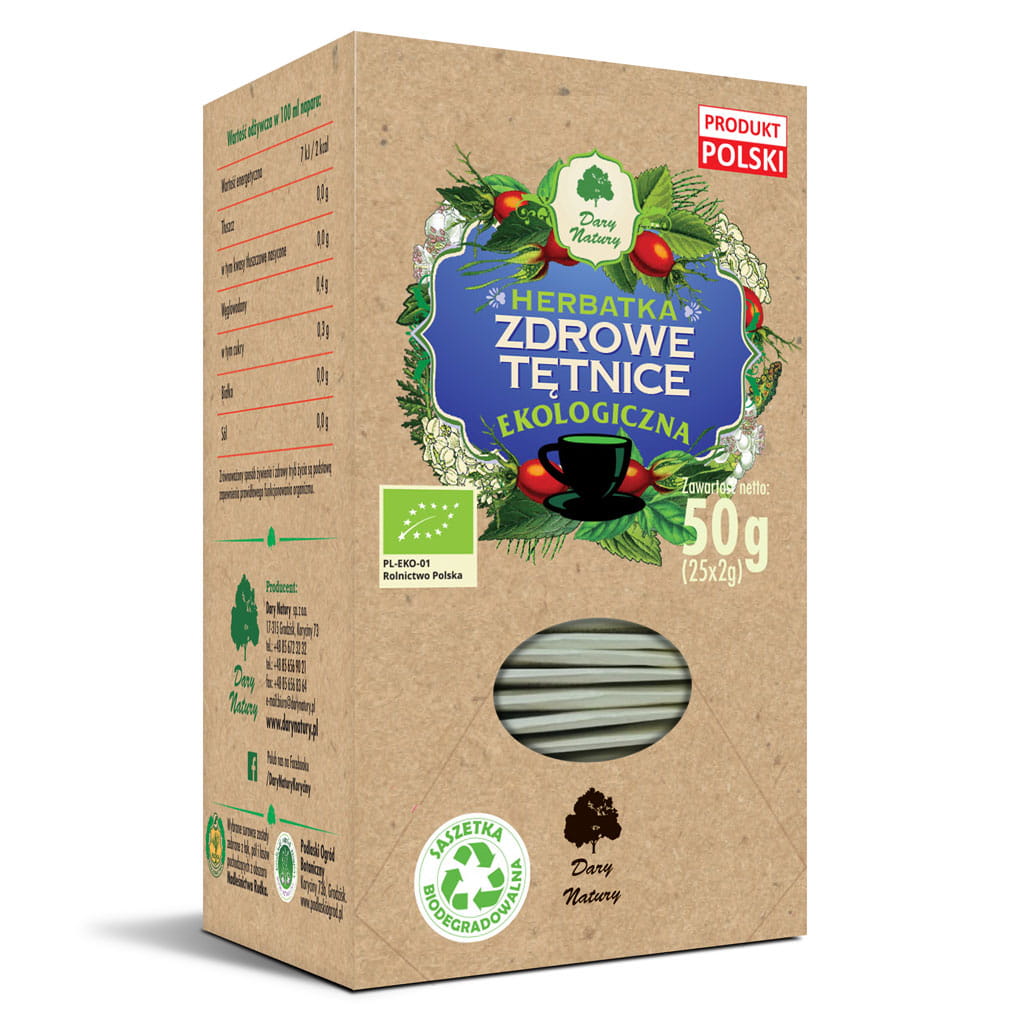
Healthy Arteries BIO Tea 50 g – Dary Natury
3. How to use herbs for leg swelling? Infusions, supplements, gels
You can use herbs and supplements for leg swelling in two ways: internally (infusions, teas, capsules) – acting generally on circulation and water balance, and externally (gels, ointments, compresses) – acting locally on tired and swollen limbs. In many cases, combining both methods yields the best results.
3.1. Herbal infusions and teas – how to prepare them correctly?
An infusion is the simplest and most accessible form of using herbs. However, it is important to prepare it correctly – for some herbs, the wrong brewing technique significantly reduces their effectiveness.
| Herb | Dose per 1 cup (250 ml) | Preparation technique | Servings per day | Max. duration of use |
|---|---|---|---|---|
| Nettle (leaf) | 1–2 teaspoons of dried herb | Pour boiling water over, steep covered for 10 min, strain | 2–3× | 2–4 weeks, then a break |
| Birch leaf | 1–2 teaspoons of dried herb | Pour boiling water over, steep covered for 10–15 min, strain | 2–3× | 2–4 weeks |
| Dandelion (leaf or root) | 1–2 teaspoons of dried herb | Pour boiling water over, steep covered for 10 min, strain | 2–3× | 2–4 weeks |
| Horsetail | 2 tablespoons of dried herb per 500 ml of water | Boil on low heat for 10–15 min, let sit covered until cooled, strain | 2–3× (approx. 100–150 ml each) | 2–4 weeks |
| Cleavers | 1–2 teaspoons of dried herb | Pour boiling water over, steep covered for 10 min, strain | 2–3× | 2–4 weeks |
| Butcher's broom | 1 teaspoon of root | Pour boiling water over, steep covered for 10–15 min, strain | 1–2× | According to manufacturer's recommendations |
Note on horsetail: Simple brewing with boiling water is insufficient for horsetail. The cell walls of the herb are saturated with calcium and silica salts, which do not release into the water without heating. According to a 2016 EMA report, it is recommended to boil the raw material for 5–15 minutes so that the active ingredients enter the decoction.

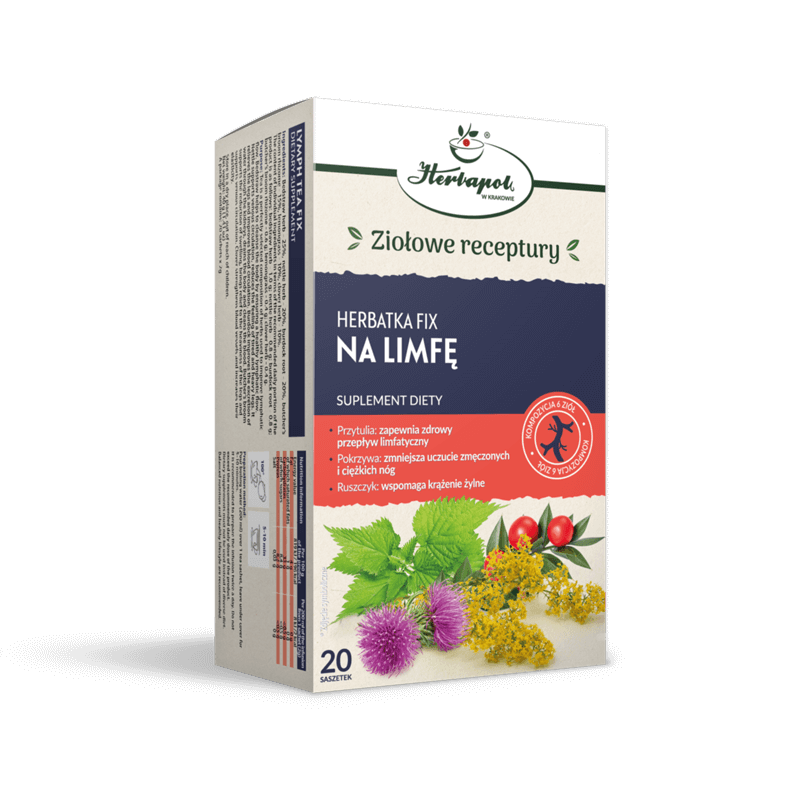
Lymph Tea fix (20 × 2 g) 40 g – Herbapol Kraków
3.2. When to choose a supplement instead of tea?
Infusions are a good choice for diuretic herbs – nettle, birch, dandelion. However, for vascular herbs, the situation is different. Horse chestnut, butcher's broom, and diosmin are most effective in standardized capsule form, where it is known exactly how much escin, ruscogenins, or diosmin each dose provides. Infusions of these herbs may contain variable amounts of active substances depending on the raw material – their effectiveness is harder to predict.
Supplements are also worth choosing when:
- you don't have time to prepare infusions daily,
- you need a precisely specified dose (e.g., for severe venous edema),
- you are using the preparation for a long time and want consistency.
Always check the composition and standardization of the preparation. In the case of horse chestnut, look for information on the escin content (usually 50–75 mg per capsule), and for diosmin – the flavonoid content (diosmin + hesperidin).

Diosmin and hesperidin 500 mg 60 capsules - PharmoVit
3.3. Gels, ointments, and compresses – step-by-step external application
External preparations act quickly and locally. They work especially well in the evening, after a whole day spent on your feet – they provide relief from the feeling of heaviness and skin tension. However, they do not replace internal treatment – they are a supplement, not a standalone therapy for venous edema.
How to properly apply gel or ointment to your legs?
- Apply the preparation to clean legs, massaging gently in circular motions from bottom to top (from the ankles towards the knees) – this supports venous and lymphatic drainage.
- Use 2–3 times daily or according to the manufacturer's instructions.
- After application, elevate your legs above heart level for a few minutes – the effect will be noticeably better.
- Avoid using on damaged skin, open wounds, and the eye area.
Gel for tired legs with horse chestnut and mountain arnica 170 g – Herbapol Kraków
Herbal compresses – when is it worth it?
Compresses from herbal infusions are a good option for post-traumatic swelling (bruises, strain) or as a home-based complement to leg care. Infusions of chamomile, marigold, and cleavers work particularly well. Prepare a stronger infusion (double the amount of herbs), cool it to a lukewarm or cool temperature, soak gauze or a cotton cloth, and apply to the swollen areas for 15–20 minutes.
Anti-swelling gel with cleavers 170 g – Herbapol Kraków
3.4. How long to use herbs and when to expect results?
The waiting time for effects varies depending on the type of preparation and the cause of the swelling:
- Gels and external preparations – relief in the feeling of heaviness often felt after just the first few applications.
- Diuretic herbs (nettle, birch, dandelion) – the diuretic effect is usually visible within a few to over a dozen days of regular use.
- Vascular supplements (horse chestnut, diosmin, butcher's broom) – in clinical studies, significant reduction of swelling was observed after 4–12 weeks of regular use. Do not stop after a week.
Use diuretic herbs for a maximum of 2–4 weeks, then take a break – long-term use without breaks can lead to electrolyte imbalances. Vascular supplements can be used longer, but always according to the manufacturer's recommendations and preferably after consultation with a doctor or pharmacist, especially if you take other medications.
Observations from our customers show that the best results are achieved by people who combine a vascular preparation (horse chestnut or diosmin capsules) with regular use of a leg gel in the evening – and complement this with more physical activity during the day.
4. Can herbs be combined with anti-swelling medications? Interactions worth knowing
Herbs and supplements for leg swelling are generally well-tolerated – but they are not neutral to the body, especially when you are taking medications simultaneously. Some combinations can intensify the effect of medications to a dangerous level, others – weaken their effectiveness. This chapter is not meant to scare you, but to provide you with concrete knowledge so that you can consciously discuss it with your doctor or pharmacist.
General rule: If you are taking regular medication – especially for heart, high blood pressure, clotting disorders, or diabetes – consult your doctor or pharmacist before introducing any supplement or herb. This is not a formality, but a matter of safety.
4.1. Horse chestnut and anticoagulants – the most important interaction
Horse chestnut (and more specifically, the escin contained in its standardized extract) can intensify the effect of anticoagulants, such as warfarin and acenocoumarol, as well as antiplatelet drugs – aspirin and clopidogrel. The mechanism of this interaction is not fully explained at the clinical level, but both drug databases (Medscape, Drugs.com) and a literature review published in the American Journal of Health-System Pharmacy (Heck et al., 2000) list horse chestnut among herbs potentially intensifying the anticoagulant effect of warfarin.
What does this mean in practice? If you take warfarin or acenocoumarol and introduce horse chestnut supplements without consulting a doctor, you may disrupt INR control and increase the risk of bleeding. With these types of medications, even small deviations have clinical significance.
Important note: This applies to standardized oral extract. External gels and ointments with horse chestnut, applied locally to the skin, do not absorb systemically to a significant degree and do not pose an interaction problem on the same scale.

4.2. Butcher's broom – caution with high blood pressure and antihypertensive drugs
Butcher's broom has a constricting effect on venous vessels – and this is precisely why it is effective for swelling. However, the same mechanism means that it can raise blood pressure. For this reason, it is contraindicated for hypertension and prostatic hyperplasia.
Butcher's broom stimulates postsynaptic α-adrenergic receptors and releases norepinephrine from nerve endings. This means that preparations containing its extract can:
- Intensify the effect of pseudoephedrine and other sympathomimetic drugs,
- Weaken the effect of drugs blocking α-adrenergic receptors (e.g., doxazosin, prazosin – used for hypertension and prostatic hyperplasia),
- Interact with calcium channel blockers (a group of antihypertensive drugs).
If you take high blood pressure medication from any of these groups, oral butcher's broom is not the right choice for you without consulting a doctor.
4.3. Ginkgo (Ginkgo biloba) – increased risk of bleeding
Ginkgo biloba inhibits platelet aggregation and can intensify the effect of anticoagulants and antiplatelet drugs. A large observational study on a US Veterans population (Stoddard et al., AMIA 2015, n > 6,000) showed that concurrent use of ginkgo and warfarin was associated with a significantly higher risk of bleeding episodes (HR = 1.38; 95% CI: 1.20–1.58). Data from controlled studies are less definitive – some of them do not show an interaction with the standardized EGb 761 extract – however, due to the low safety margin of warfarin, caution is advised, and consultation with a doctor is recommended before introducing ginkgo during concurrent anticoagulant therapy.
4.4. Diuretic herbs – caution with diuretics and heart medication
Nettle, birch, dandelion, and horsetail – all have a diuretic effect. This seemingly innocent action can become a problem when you use them simultaneously with:
| Herb / supplement | Medication / drug group | Nature of interaction | Recommendation |
|---|---|---|---|
| Horse chestnut (escin, oral) | Warfarin, acenocoumarol, aspirin, clopidogrel | May intensify anticoagulant / antiplatelet effect → risk of bleeding | ⚠️ Do not combine without doctor's consultation |
| Butcher's broom | α-adrenolytics (doxazosin, prazosin), calcium channel blockers, pseudoephedrine | Weakening of antihypertensive drugs; intensification of sympathomimetic drugs; possible blood pressure increase | ⚠️ Contraindicated with hypertension. Do not combine without consultation |
| Ginkgo (Ginkgo biloba) | Warfarin, acenocoumarol, aspirin, clopidogrel, NSAIDs | Inhibition of platelet aggregation → possible increased bleeding risk | ⚠️ Caution, consult doctor |
| Diuretic herbs (nettle, birch, dandelion, horsetail) | Diuretics (furosemide, hydrochlorothiazide), digoxin, antihypertensive drugs | Intensification of diuresis → risk of dehydration and electrolyte imbalances (↓K⁺); may disrupt digoxin concentrations | ⚠️ Do not combine with diuretics without medical knowledge; use short-term |
| Dandelion | Antidiabetic drugs (metformin, insulin) | May intensify hypoglycemic effect → risk of blood sugar drop | ℹ️ Caution with pharmacologically treated diabetes |
| Diosmin | No known significant interactions at standard dosage | Good safety profile; caution in pregnancy (insufficient data) | ✅ Generally safe; avoid during pregnancy |
4.5. Herbs for swelling and pregnancy/serious diseases
Leg edema is common during pregnancy, but the use of herbs and supplements during this time requires special caution. Most herbal preparations lack sufficient safety data for pregnancy, and some are explicitly contraindicated:
- Butcher's broom – it is recommended to avoid it during pregnancy and breastfeeding due to a lack of sufficient data and its vasoconstrictive mechanism.
- Diosmin – there is a lack of data regarding its use in pregnancy; it is recommended to avoid it.
- Horse chestnut – data on its safety during pregnancy are limited; do not use without consulting a doctor.
- Diuretic herbs (nettle, birch, dandelion, horsetail) – for most, there is insufficient safety data for pregnancy; medical consultation is required before use.
In the case of pregnancy-related edema, the most effective and safest non-pharmacological interventions remain: resting with legs elevated, moderate movement (walking, swimming), hydration, salt restriction, and compression stockings – all discussed with the attending gynecologist.
In cases of kidney, liver, or heart disease, leg edema is a secondary symptom, and the use of herbs without a doctor's knowledge can mask the progression of the underlying disease or interact with treatment. In these cases, herbs can be at most a supplement to the prescribed therapy, never its replacement.
5. Herbs and lifestyle – what else is worth changing for leg edema?
Herbs and supplements work best when accompanied by changes in daily habits. A supplement alone without any other interventions may provide limited effects – especially if the cause of the edema is a sedentary lifestyle, a high-salt diet, or a lack of exercise.
Below you will find proven, non-pharmacological methods that are worth implementing alongside phytotherapy.
5.1. Leg elevation – a simple intervention with proven effectiveness
Elevating the lower limbs above heart level is one of the best-documented non-pharmacological methods for reducing venous edema. Guidelines from the American Academy of Family Physicians (AAFP) recommend combining leg elevation with compression therapy as a first-line conservative approach for venous edema.
A study published in Phlebology (2023) showed that regular leg elevation improves venous hemodynamics and reduces symptoms in individuals with chronic venous insufficiency. An earlier study on a group of 31 women (Journal of Physical Therapy Science, 1991) showed a good correlation between the angle of elevation and the volume of edema removed – the higher, the better, with 30–45° already providing a clear effect.
How to elevate your legs correctly?
- Lie on your back and raise your legs so they are above heart level – e.g., by leaning them against a wall or placing several pillows under your calves and thighs.
- The optimal angle is 30–45° for 20–30 minutes.
- Combine elevation with ankle exercises (flexing and extending the feet, rotational movements) – active ankle exercises increase venous flow in the thigh by 38–58% compared to passive elevation alone.
- It is best to do this in the evening, after a whole day spent on your feet.
Note: Leg elevation is contraindicated or requires medical consultation if peripheral artery disease (limb ischemia) is present. In arterial disease, patients instinctively lower their legs – the effect is the opposite of that in venous insufficiency.
5.2. Low-sodium diet – how much salt do we really eat?
Sodium binds water in tissues: with excess sodium in the diet, the body retains approx. 1.5 liters of additional fluids (Action on Salt, UK). A study published in the Journal of Urology (Matsuo et al., 2020, n = 52) showed a direct correlation between daily salt intake and the severity of leg edema in men. The American Heart Association guidelines recommend limiting sodium to a maximum of 2300 mg per day (approx. 1 teaspoon of salt), and for people with edema and hypertension – to 1500 mg.
In practice, people consume an average of approx. 11 g of salt daily – more than double the recommended maximum. The largest source of sodium is not the salt shaker on the table, but processed food: cold cuts, cheeses, bread, instant soups, snacks, and sauces.
Practical daily tips:
- Replace salt with herbs and spices – thyme, oregano, garlic, turmeric, and ginger give dishes flavor without sodium.
- Cook yourself instead of reaching for ready-made meals – you have control over the amount of salt.
- Read labels: "low sodium" means a maximum of 120 mg Na/100 g of product.
- Limit cold cuts and cheeses – these are often overlooked but very rich sources of sodium.
5.3. Movement as a "venous pump" – why physical activity is crucial
Calf muscles act as a venous pump: every contraction while walking pushes blood toward the heart, against gravity. When we sit or stand in one place for many hours, this pump stops working. You do not need intense training – regular, moderate movement is what counts.
The most recommended forms of activity for venous leg edema:
- Walking – just 30 minutes a day activates the calf muscle pump and supports venous return.
- Swimming and aqua aerobics – hydrostatic water pressure acts like natural compression on the lower limbs, while simultaneously reducing joint load.
- Cycling – engages calf muscles without putting heavy load on the knee joints.
- Seated exercises – if you work at a desk, perform several dozen foot flexions/extensions and ankle circles every hour.

Avoid prolonged standing in one place (e.g., while shopping or in queues) without the possibility of movement – in this position, the venous pump does not work, and blood pools in the veins of the legs.
5.4. Compression stockings and tights – compression as a standard
AAFP guidelines and European venous guidelines unanimously recognize compression therapy as the first-line non-pharmacological method for treating venous edema. Stockings or knee-highs with a compression level of 20–30 mmHg are recommended for mild to moderate edema, and 30–40 mmHg for severe edema or cases with accompanying venous ulcers.
Important: compression is contraindicated in peripheral artery disease. If you have a diagnosis or suspicion of limb ischemia, consult a doctor before using compression garments.
5.5. Does drinking more water really help with edema?
It sounds paradoxical, but yes – proper hydration can reduce the tendency for water retention. When the body receives too few fluids, it activates water-saving mechanisms and retains it in the tissues. Recommended intake is approx. 2 liters of fluids daily – which also counts water contained in fruits, vegetables, and caffeine-free beverages.
Diuretic herbs (nettle, birch, dandelion) should be accompanied by additional water intake – do not count their steeping into the daily 2 liters, because the infusion has a diuretic effect and can disrupt fluid balance if hydration is insufficient.
| Intervention | Mechanism of action | Strength of evidence | Practical tip |
|---|---|---|---|
| Leg elevation | Gravity-assisted venous and lymphatic drainage | ✅ Well-documented | 30–45° for 20–30 min, best in the evening; combine with ankle exercises |
| Low-sodium diet | Reduces sodium-related water retention | ✅ Well-documented | Max. 2300 mg sodium/day; limit processed food, cold cuts, cheeses |
| Movement / walking | Activation of the calf muscle pump | ✅ Well-documented | Min. 30 min daily; swimming and cycling are particularly recommended |
| Compression therapy | External pressure on venous and lymphatic vessels | ✅ Standard in clinical guidelines | 20–30 mmHg for mild edema; put on in the morning, before getting out of bed |
| Hydration | Prevents compensatory water retention | 🟡 Rational, no large RCTs | Approx. 2 l of fluids daily; more in hot weather and during physical activity |
| Weight reduction | Reduces pressure on venous vessels in the pelvis and abdomen | ✅ Indirectly documented for CVI | Every 5–10 kg less means less load on the venous system |
Our customers' observations show that people who combine regular supplementation with simple lifestyle changes – especially limiting salt and daily walking – achieve significantly better and more lasting results than with supplementation alone.
6. When are herbs not enough and you need to see a doctor?
Herbs and supplements work well for functional edema – venous edema caused by a sedentary lifestyle, diet, or heat. But leg edema can also be a symptom of conditions requiring urgent diagnosis or immediate medical attention.
Below you will find specific signals that must not be ignored or treated independently with herbs.
6.1. Symptoms requiring immediate contact with a doctor or emergency services
In the following situations, do not wait for the effects of herbs – act immediately:
- Sudden, unilateral swelling of one leg accompanied by pain, redness, or a feeling of warmth in the calf – this is a classic picture of deep vein thrombosis (DVT). Untreated thrombosis can lead to a pulmonary embolism, which is a life-threatening condition. Do not massage the leg, do not use herbal compresses – go to the emergency room or call for an ambulance.
- Edema with shortness of breath, chest pain, or coughing up blood – possible pulmonary embolism. Emergency number: 112.
- Sudden, symmetrical leg edema accompanied by shortness of breath and exercise intolerance – may indicate acute decompensated heart failure. Requires urgent cardiology assessment.
- Edema in pregnancy after the 20th week, accompanied by: severe headache, vision disturbances (spots, flashes), upper abdominal pain, or blood pressure ≥ 140/90 mmHg – these are symptoms of preeclampsia, a complication affecting 3–5% of pregnancies, being one of the main causes of maternal mortality worldwide. Requires immediate hospitalization.
How to distinguish thrombosis from ordinary venous edema? Key signs of thrombosis are: unilateral swelling (venous edema usually affects both legs), tenderness along the course of the vessel in the calf or thigh, redness, and increased warmth of the skin. If in doubt – do not wait, go to the doctor. The only sure way to rule out DVT is a Doppler ultrasound of the venous vessels.
6.2. Symptoms that require medical consultation – not necessarily urgent
These situations are not sudden life-threatening emergencies, but require medical diagnosis before you reach for herbs or supplements:
- Recurrent swelling of both legs despite using herbs, salt restriction, and regular movement for 2–4 weeks – edema resistant to non-pharmacological treatment requires diagnostics (blood count, urinalysis, creatinine, thyroid function test, echocardiogram).
- New swelling in a person with heart, kidney, or liver disease – may indicate a deterioration of the underlying condition, not a new problem.
- Edema with accompanying weight gain of several kg over a few days – rapid water retention can be a symptom of heart or kidney decompensation.
- Swelling of the face, eyelids, or hands – venous edema only affects the lower limbs; swelling involving the face and upper parts of the body suggests a different cause (e.g., kidney disease, allergic reaction, angioedema).
- Asymmetrical edema with hard tissue that does not subside under pressure – may indicate lymphedema requiring specialized treatment.
- Edema after a new medication – inform the doctor who prescribed it; a change in the preparation may be necessary.
6.3. Why can self-treatment with herbs be risky in serious edema cases?
Diuretic herbs can temporarily reduce swelling – even if its cause is heart disease, kidney disease, or thrombosis. The effect is then apparent: the edema will slightly decrease, but the cause remains untreated and can worsen. This is particularly dangerous in the case of:
- Deep vein thrombosis – herbs do not prevent the thrombus from growing or detaching. Any delay in diagnosis increases the risk of pulmonary embolism.
- Heart failure – ineffective treatment with herbs can lead to further deterioration, pulmonary edema, and hospitalization in a serious condition.
- Preeclampsia in pregnancy – the only effective treatment for preeclampsia is pregnancy termination under medical supervision. No herb or supplement will replace this intervention.
| Symptom | Possible cause | What to do? |
|---|---|---|
| Sudden unilateral calf/thigh swelling + pain + redness | Deep vein thrombosis (DVT) | 🚨 Immediately to the ER / emergency services |
| Edema + shortness of breath + chest pain | Possible pulmonary embolism | 🚨 Call 112 |
| Pregnancy edema + headache + vision issues + BP ≥140/90 | Preeclampsia | 🚨 Immediately to the hospital |
| Symmetrical edema + shortness of breath + exercise intolerance | Heart failure decompensation | 🚨 Urgent cardiology consultation / emergency services |
| Swelling of the face, eyelids, or hands | Kidney disease, allergic reaction, angioedema | ⚠️ Medical consultation |
| Edema resistant to treatment for over 4 weeks | Systemic cause requiring diagnostics | ⚠️ Medical consultation, diagnostic tests |
| Hard, asymmetrical swelling not subsiding after leg elevation | Lymphedema | ⚠️ Consultation with an angiologist or lymphologist |
| New swelling with heart, kidney, or liver disease | Deterioration of underlying disease | ⚠️ Contact your attending physician |
Herbs and supplements are a valuable addition to leg health care – but they will not replace a doctor when the edema is a symptom of something more serious. The sooner a proper diagnosis is made, the better the prognosis and the less invasive the treatment.
7. Frequently asked questions about herbs for leg edema
7.1. Why do legs swell more in the evening than in the morning?
This phenomenon is typical for venous and functional edema – and results directly from gravity. Throughout the day, as we sit or stand, blood and tissue fluids gradually accumulate in the lower parts of the limbs.
In the evening, the effect accumulates. At night, while lying down, gravity stops working against venous return – fluids return to the central circulation, and by morning, the edema visibly decreases or disappears completely.
This is precisely why venous edema that disappears overnight is usually less concerning than that which persists around the clock regardless of body position.
7.2. Can long-term drinking of diuretic herbs leach electrolytes?
Yes – this is a real risk with excessive or prolonged use of diuretic herbs without breaks. Increased diuresis leads to the loss of not only water but also electrolytes – primarily potassium, sodium, and magnesium. Symptoms of potassium deficiency include muscle cramps, weakness, and heart palpitations.
Therefore, it is recommended to use diuretic herbs (nettle, birch, dandelion, horsetail) for a maximum of 2–4 weeks, followed by a break. The risk is higher when using diuretic medications simultaneously – in that case, absolute consultation with a doctor is required. Dandelion naturally contains potassium, which partially compensates for its leaching – but it does not eliminate the need for breaks.
7.3. Do cold or warm foot baths help with edema?
Alternating baths work best – first warm water (approx. 38–40°C for 2–3 minutes), then cold (approx. 15°C for 30–60 seconds), repeated 3–4 times and finishing with cold water.
Heat dilates blood vessels and improves circulation, while cold constricts them and stimulates venous return. Heat alone (e.g., hot baths, saunas) can exacerbate venous edema – it dilates the veins, whose walls are already weakened by venous insufficiency, which promotes blood pooling.
If you have varicose veins or chronic venous insufficiency, avoid long, hot baths and high temperatures.
7.4. Do leg edemas always mean varicose veins?
No – varicose veins and venous edema are two different, though often co-occurring, problems.
Varicose veins are visibly enlarged, twisted subcutaneous veins, whereas venous edema results from elevated pressure in the deeper venous system and the leakage of fluids into tissues. You can have prominent varicose veins without significant edema – and vice versa: significant edema with invisible varicose veins when the problem lies in the deep system.
It is also worth remembering that edema has many other causes unrelated to veins – from diet and medications to heart, kidney, and thyroid diseases, as described in Chapter 1.
7.5. Which food products naturally support the reduction of edema?
A diet rich in potassium helps regulate the body's sodium-water balance – potassium competes with sodium for absorption in the kidneys, supporting its excretion. Good sources of potassium include: bananas, avocados, potatoes, sweet potatoes, beans, spinach, and tomatoes.
It is also worth reaching for products with natural diuretic effects: cucumbers, asparagus, watermelon, celery, and parsley (both leaves and root). Ginger and turmeric have anti-inflammatory properties that may support the reduction of inflammatory edema.
At the same time, it is worth limiting alcohol – it dilates vessels and promotes water retention – as well as processed foods rich in sodium.
7.6. What should you look for when choosing supplements and herbs for edema – certificates, ingredients, quality?
When choosing supplements for leg edema, pay attention to several issues.
First – standardization: in the case of horse chestnut, look for information on the escin content (usually 50–75 mg/capsule), and for diosmin – the total flavonoid content. Manufacturers without specified standardization do not guarantee a repeatable dose of the active substance. Second – GMP certificates (Good Manufacturing Practice) confirm that the supplement is produced in accordance with pharmaceutical quality standards.
For dried herbs and teas, it is worth looking for an Organic/BIO certificate (e.g., USDA Organic, EU Organic) – this reduces the risk of pesticide residues in the raw material. The Ecocert certificate mainly applies to natural cosmetics, not supplements. Avoid preparations without a stated quantitative composition or manufacturer details.

LIMFO MAX 100 ml - Invent Farm
7.7. Does lymphatic massage help with leg edema and can it be combined with herbs?
Yes – manual lymphatic drainage (MLD) is a recognized method for treating lymphedema and is supportive for venous edema. Gentle, rhythmic massage movements directed from the periphery toward the center of the body support the drainage of lymph from overloaded lymphatic vessels. It can be successfully combined with the use of herbs and supplements – there are no contraindications.
It is best to perform the massage after applying a gel or before elevating your legs. Self-massage is less effective than professional lymphatic drainage – if you have been diagnosed with lymphedema, it is worth consulting a physiotherapist specializing in this method.
7.8. Why do legs swell more in hot weather and what helps with this?
High temperatures cause blood vessels to dilate – including veins – which, in the presence of existing venous insufficiency, increases blood pooling and fluid leakage into tissues. At the same time, we sweat more in hot weather, which can lead to dehydration and blood thickening, which in turn promotes stasis.
On hot days, it is especially important to: drink a minimum of 2–2.5 liters of fluids, avoid prolonged standing and sitting, regularly elevate your legs, wear loose, non-restrictive clothing, and use cooling gels with horse chestnut or bedstraw on your legs.
Vascular supplements (horse chestnut, diosmin) should be used regularly throughout the summer season, not just sporadically when symptoms worsen.
8. Summary – how to effectively take care of swollen legs?
Leg edema is a problem that, in the vast majority of cases, can be effectively alleviated with natural methods – provided you know what you are dealing with and use the right tools. Below, we have gathered the most important conclusions from this article.
Choose the herb or supplement based on the cause of the edema:
- For venous edema (feeling of heaviness, swelling that increases during the day, varicose veins) – reach for standardized vascular preparations: horse chestnut (escin), butcher's broom, or diosmin. This is the best-researched group with documented clinical efficacy.
- For edema due to water retention (high-salt diet, fluid retention, hormonal edema) – diuretic herbs used short-term: nettle, birch, dandelion, horsetail.
- As a topical supplement – gels and ointments with horse chestnut, butcher's broom, or bedstraw, applied with upward strokes.
Remember the lifestyle basics – herbs work best in combination with regular movement, a low-sodium diet, proper hydration, and elevating your legs in the evening. Without these changes, even the best supplement will have limited effects.
Check for interactions if you are taking medication regularly – especially when combining horse chestnut, butcher's broom, or ginkgo with anticoagulant or antihypertensive drugs. Always consult a doctor or pharmacist if you have any doubts.
Do not ignore warning signs – sudden unilateral edema with pain, edema accompanied by shortness of breath, or edema during pregnancy with high blood pressure require immediate medical attention, not self-treatment with herbs.
If you are looking for proven products for leg edema, in our store you will find herbal teas, dietary supplements, and gels and topical preparations – all carefully selected for composition quality and certification.
9. Sources
Below is a summary of the scientific and institutional sources on which this article is based.
9.1. Clinical trials and systematic reviews
- Pittler M.H., Ernst E., Horse chestnut seed extract for chronic venous insufficiency, Cochrane Database of Systematic Reviews, 2012, Issue 11, CD003230. cochranelibrary.com
- Vanscheidt W. et al., Efficacy and safety of a Butcher's broom preparation (Ruscus aculeatus L. extract) compared to placebo in patients suffering from chronic venous insufficiency, Arzneimittelforschung, 2002; 52(4): 243–250. pubmed.ncbi.nlm.nih.gov/12040966
- Nicolaides A.N. et al., Management of chronic venous disorders of the lower limbs. Guidelines According to Scientific Evidence. Part I, International Angiology, 2018; 37(3): 181–254. pubmed.ncbi.nlm.nih.gov/29871479
- Heck A.M., DeWitt B.A., Lukes A.L., Potential interactions between alternative therapies and warfarin, American Journal of Health-System Pharmacy, 2000; 57(13): 1221–1230. pubmed.ncbi.nlm.nih.gov/10902065
- Stoddard G.J. et al., Ginkgo and Warfarin Interaction in a Large Veterans Administration Population, AMIA Annual Symposium Proceedings, 2015: 1174–1183. pubmed.ncbi.nlm.nih.gov/26958268
- Matsuo T. et al., Leg edema and urinary sodium excretion in adult males, Journal of Urology, 2020; 203(4): 771–775. pubmed.ncbi.nlm.nih.gov/32460398
- Thibault P.K., Lewis W.A., Effect of leg elevation on the skin microcirculation in chronic venous insufficiency, Journal of Vascular Surgery, 1994; 20(5): 705–710. https://www.jvascsurg.org/article/S0741-5214(94)70157-1/fulltext
9.2. EMA/HMPC monographs and documents
- EMA/HMPC, Community herbal monograph on Urtica dioica L., Urtica urens L., folium, EMA/HMPC/461782/2008. ema.europa.eu
- EMA/HMPC, Community herbal monograph on Betula pendula Roth and/or Betula pubescens Ehrh., folium, EMA/HMPC/573240/2009. ema.europa.eu
- EMA/HMPC, Community herbal monograph on Taraxacum officinale Weber ex Wigg., radix cum herba, EMA/HMPC/213506/2008. ema.europa.eu
- EMA/HMPC, European Union herbal monograph on Equisetum arvense L., herba, EMA/HMPC/278091/2015. ema.europa.eu
- EMA/HMPC, Community herbal monograph on Ruscus aculeatus L., rhizoma, EMA/HMPC/294991/2012. ema.europa.eu
- EMA/HMPC, European Union herbal monograph on Aesculus hippocastanum L., semen, EMA/HMPC/exchanges/2013. ema.europa.eu
9.3. Clinical guidelines and institutional sources
- Trayes K.P., Studdiford J.S., Edema: Diagnosis and Management, American Family Physician, 2013; 88(2): 102–110. aafp.org
- World Health Organization, WHO recommendations for prevention and treatment of pre-eclampsia and eclampsia, WHO Press, 2011. who.int
- American Heart Association, Sodium and Salt – guidelines on sodium intake, 2024. heart.org
- National Health Fund (NFZ) / Chief Sanitary Inspectorate (GIS), epidemiological data on chronic venous disease in Poland. nfz.gov.pl