Article updated 30.05.2026
Cortisol can be naturally lowered by consistently changing several lifestyle areas simultaneously: improving sleep quality, a balanced diet rich in magnesium and B vitamins, moderate physical activity, and stress reduction techniques such as breathing exercises or meditation. Properly selected adaptogens can also be helpful – primarily ashwagandha, whose effect on lowering cortisol is confirmed by randomized clinical trials. The effects of lasting changes appear after 4–8 weeks of regular action.
This article is intended for people who have been experiencing the effects of chronic stress for a long time – chronic fatigue, sleep difficulties, mood swings, concentration problems, or weight gain – and want to understand what is happening in their body and what they can do about it without resorting to medication. Here you will find a discussion of seven areas in which you can act: from diet and supplementation, through exercise and sleep, to daily habits and stress management techniques. Each recommendation is based on available scientific data or EMA monographs – without promises that science does not confirm.
1. Cortisol – what is it and how does it work in the body?
Cortisol is a steroid hormone produced by the adrenal cortex – small glands located on top of each kidney. Its production is controlled by the HPA axis (hypothalamic-pituitary-adrenal axis): when the brain registers stress or a threat, the hypothalamus sends a signal to the pituitary gland, which stimulates the adrenal glands to secrete cortisol. The entire chain of reactions is triggered within seconds.
In appropriate amounts, cortisol is essential for life: it regulates the metabolism of glucose, proteins, and fats, controls blood pressure, and modulates immune and anti-inflammatory responses. The problem arises when this efficient alarm mechanism operates too often and for too long – cortisol then changes from an ally to a factor that gradually depletes health.
1.1. Diurnal cortisol rhythm – when is it highest and when is it lowest?
Cortisol is not secreted evenly throughout the day. Its concentration changes according to the circadian rhythm, closely related to the sleep-wake cycle. Understanding this pattern is crucial – many symptoms of chronic stress result from its disruption, rather than from an absolutely high hormone level.
Within the first 30–45 minutes after waking, cortisol rises sharply – this phenomenon is called the cortisol awakening response (CAR). The morning cortisol spike is natural and desirable: it mobilizes the body for action, raises glucose levels, sharpens concentration, and activates the immune system. Throughout the rest of the day, the concentration gradually drops, reaching its lowest level at night – at which point the body can regenerate and repair tissues.
| Time of day | Cortisol level | What happens in the body? |
|---|---|---|
| 6:00–9:00 | Highest (daily peak) | Energy mobilization, glucose elevation, increased alertness |
| 10:00–14:00 | High, gradually decreasing | Concentration, productivity, immune system activity |
| 15:00–20:00 | Medium, significantly lower | Gradual calming, natural fatigue towards evening |
| 22:00–2:00 | Lowest (daily trough) | Tissue regeneration, cell repair, memory consolidation |
Scroll right to see the full table (on mobile devices) →

💡 Interesting fact
Cortisol reaches its daily peak between 6 and 9 AM. For this reason, a blood test for cortisol should be performed within this time window – a result taken in the afternoon is naturally lower and difficult to compare with reference values established for morning hours.
1.2. Symptoms of chronically elevated cortisol
A one-time surge of cortisol in response to a difficult situation is natural and healthy. The problem begins when the hormone level remains elevated for weeks or months. The body is not designed to operate in a continuous alarm mode – evolutionarily, cortisol was meant to act briefly and intensely, not constantly.
Symptoms of chronic hormonal stress are often confused with general overload or professional burnout. However, their characteristic co-occurrence should draw attention:
Physical symptoms:
- Weight gain around the abdomen and face – cortisol stimulates visceral fat deposition and promotes insulin resistance
- Difficulty falling asleep or frequent waking during the night – despite physical fatigue
- Elevated blood pressure and a feeling of heart palpitations
- Weakened immunity – recurring infections, slow wound healing
- Headaches and muscle tension, especially in the neck and shoulders
- Strong craving for sweet and fatty foods – cortisol actively raises glucose levels and stimulates appetite
- Digestive problems – bloating, indigestion, irregular bowel movements
Mental and emotional symptoms:
- Chronic fatigue – feeling exhausted even after a full night's sleep
- Difficulty concentrating and memory problems – so-called brain fog, absentmindedness
- Mood swings, irritability, feelings of anxiety
- Reduced motivation and feeling overwhelmed by routine duties
- Inability to calm down – a feeling of constant "alertness," even in a peaceful environment
⚠️ Important
The listed symptoms can have many different causes. The natural methods described in this article are support for individuals experiencing daily, functional stress. If you suspect serious hormonal disorders – such as Cushing's disease (pathological excess of cortisol) or Addison's disease (cortisol deficiency) – diagnosis and treatment by an endocrinologist are necessary. Do not replace it with supplements or dietary changes.
1.3. How to test cortisol levels?
If symptoms are severe or persistent, diagnostic tests should be performed. Cortisol can be measured in several ways – each providing slightly different clinical information.
Cortisol in blood serum
The most popular and widely available test. For reliable results, blood should be drawn in the morning, between 6 and 9 AM, on an empty stomach. The range of reference values varies between laboratories; a typical morning range is around 171–536 nmol/l (6–19 μg/dl). The test provides a good picture of the baseline cortisol level but does not show how it changes throughout the day.
Cortisol in saliva
A method increasingly used, particularly valued in functional medicine. It allows for sample collection multiple times a day – e.g., right after waking, 30 minutes after getting up, at noon, and in the evening. This allows for a full diurnal cortisol profile to be seen and to assess whether the morning response (CAR) is correct, or whether the HPA axis is "fatigued" and not reacting properly.
Cortisol in 24-hour urine collection
This test measures the total amount of cortisol excreted over 24 hours. It is particularly useful when Cushing's disease is suspected – it eliminates random fluctuations in concentration and provides a reliable picture of total hormone production. It requires collecting all urine over 24 hours, which can be logistically burdensome.
Dexamethasone suppression test
A specialized test ordered by an endocrinologist, used when pathological excess of cortisol is suspected. The patient takes dexamethasone (a synthetic corticosteroid), and then cortisol is measured – properly functioning adrenal glands should respond with a significant drop in its concentration.
ℹ️ Home cortisol tests
Home testing kits for cortisol in saliva or urine are available on the market. They can serve as a helpful starting point, but their accuracy is lower than laboratory tests. The results of a home test should always be discussed with a doctor who will interpret them in the context of the full clinical picture and other health indicators.
2. Diet to lower cortisol – what to eat and what to avoid?
What we eat every day directly affects the functioning of the HPA axis and hormonal balance. A well-chosen diet helps maintain stable blood sugar levels, reduces systemic inflammation, and provides nutrients essential for the proper functioning of the nervous system and adrenal glands. Diet alone will not "turn off" the stress response, but it can significantly mitigate its physiological consequences and shorten the time it takes for cortisol to return to normal.
2.1. Nutrients and foods that help regulate cortisol
Several groups of nutrients play a special role in maintaining cortisol balance. The table below summarizes the most important of them in one place.
| Ingredient | Role in cortisol regulation | Main food sources |
|---|---|---|
| Magnesium | Contributes to the proper functioning of the nervous system; its deficiency is associated with HPA axis overactivity | Pumpkin seeds, almonds, cocoa, buckwheat groats, oatmeal, walnuts |
| Vitamin C | The adrenal cortex contains high concentrations of vitamin C; it is intensively consumed during the stress response | Bell peppers, parsley, kiwi, acerola, citrus fruits, broccoli |
| Omega-3 fatty acids | Anti-inflammatory action; may support the modulation of the HPA axis response to stress | Fatty fish (salmon, mackerel, sardines), flaxseed oil, flaxseed, walnuts |
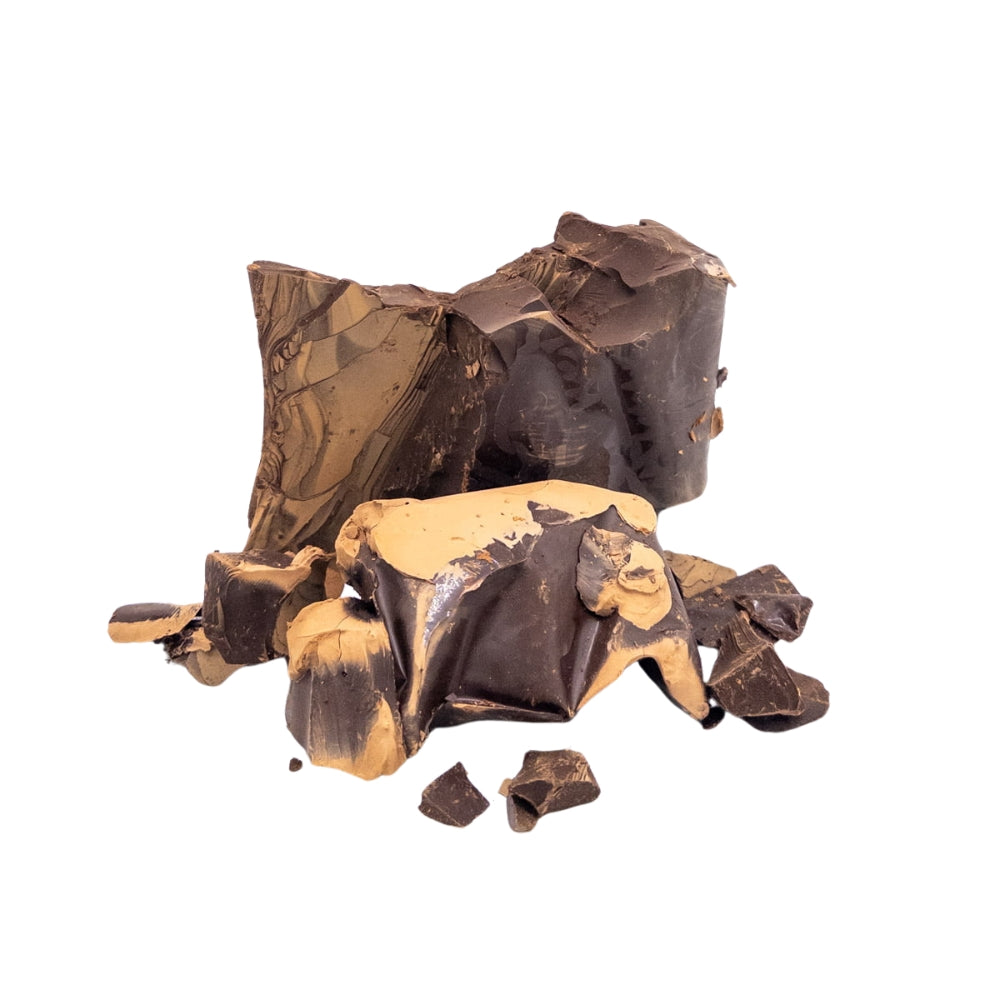
| Polyphenols and flavonoids | Antioxidant properties; may reduce oxidative stress exacerbated by chronically high cortisol | Cocoa, dark chocolate, berries, green tea, blueberries, chokeberry |
| Probiotics and prebiotics | Support healthy gut microbiota, linked to the gut-brain axis and regulation of stress reactivity | Fermented foods, kefir, natural yogurt, chicory, onion, garlic |
| Complex carbohydrates | Stabilize blood sugar levels, preventing hypoglycemic cortisol spikes | Oatmeal, buckwheat groats, brown rice, sweet potatoes, legumes |
Scroll right to see the full table (on mobile devices) →

Several of these ingredients deserve detailed discussion:
Magnesium – the foundation of the nervous system under stress
Magnesium is one of the best-studied micronutrients in the context of stress. Magnesium deficiency is common in Poland – primarily due to a diet based on processed foods and a lack of vegetables and nuts in daily meals. Meanwhile, the body uses magnesium more intensively during chronic tension, leading to a vicious cycle: stress deepens the deficiency, and the deficiency intensifies stress.
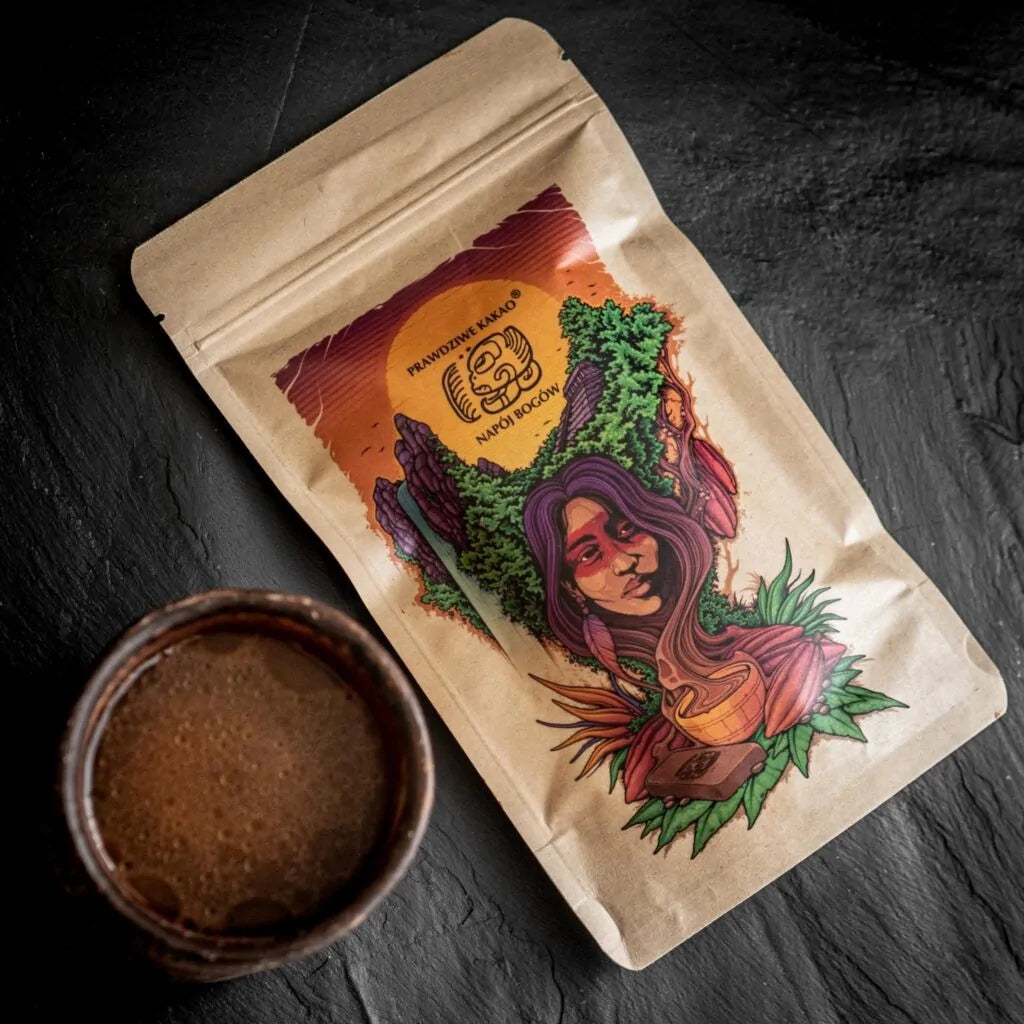
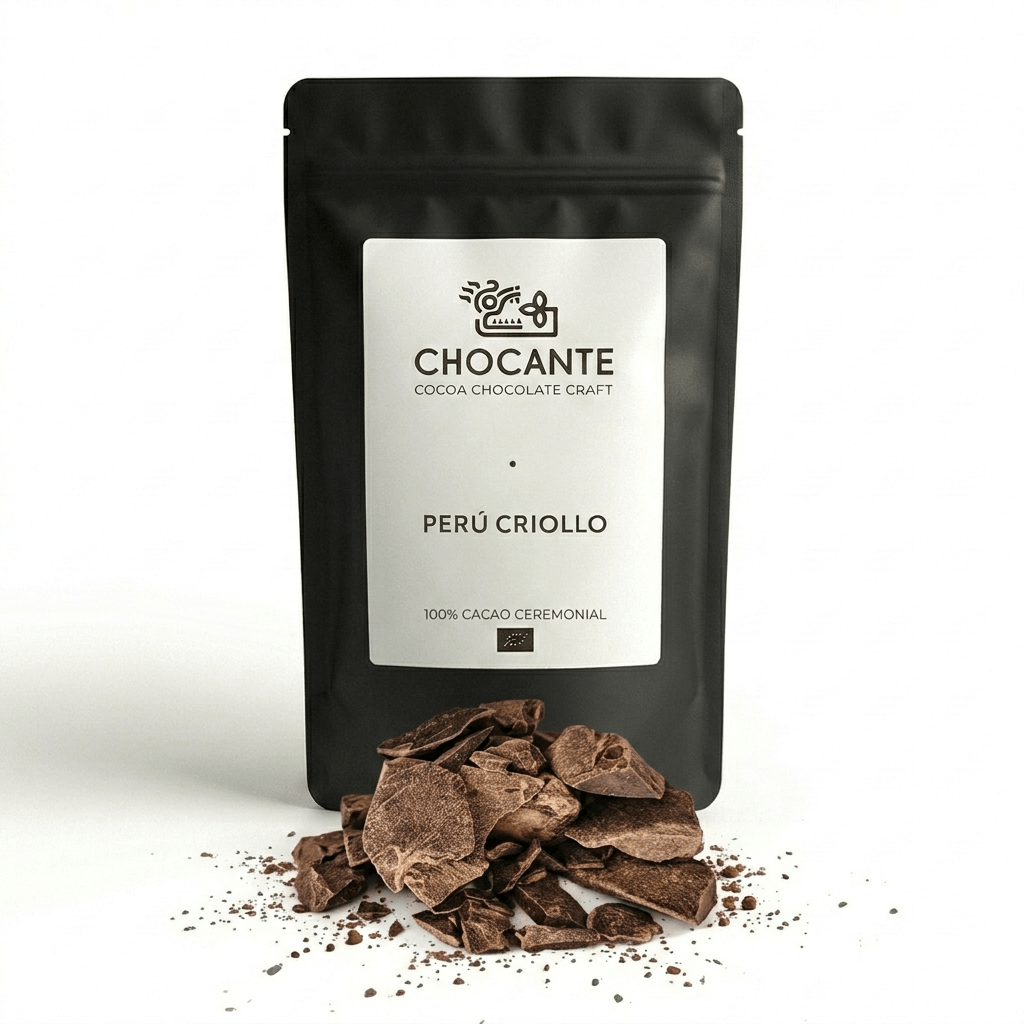
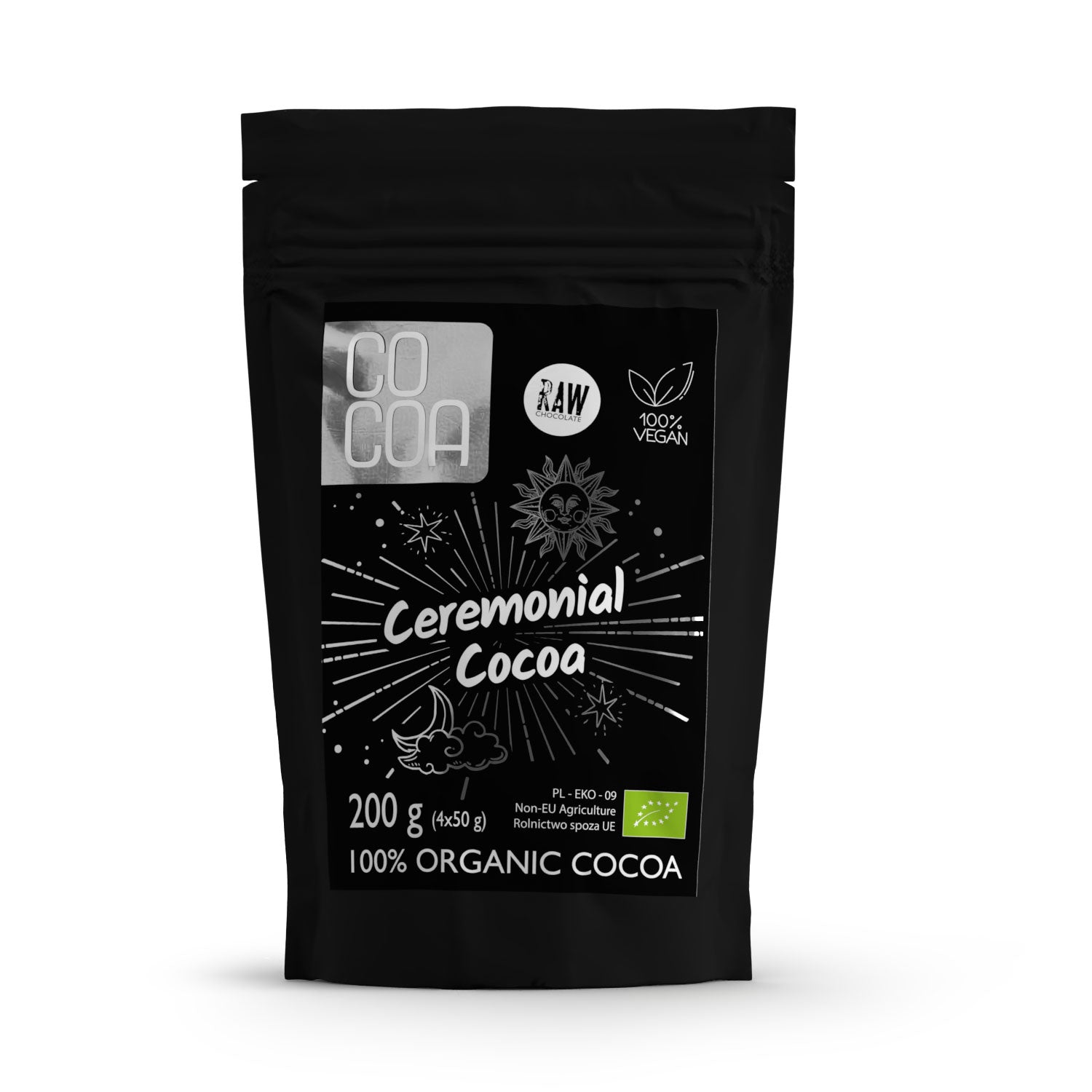
It is good practice to regularly include pumpkin seeds, almonds, or organic cocoa in your diet – these are some of the richest plant sources of this element.

BICAPS MAG B6 Magnesium and Vitamin B6 60 capsules - ForMeds
Omega-3 fatty acids and anti-inflammatory action
Chronically high cortisol promotes inflammation, and chronic inflammation, in turn, can exacerbate cortisol secretion. Omega-3 fatty acids – EPA and DHA – exhibit well-documented anti-inflammatory properties and can support the proper functioning of the nervous system.
In a plant-based diet, good sources are flaxseed oil and walnuts, although they mainly contain ALA – a form that the body converts into EPA and DHA to a limited extent.
Fermented foods, and the gut-brain axis
The gut and brain communicate via the vagus nerve as part of the so-called gut-brain axis. Research suggests that gut microbiota can influence the reactivity of the HPA axis to stress – individuals with a more diverse microbiome tend to have a milder cortisol response to stressors.
Regular consumption of fermented foods, kefir, natural yogurt, and prebiotic products (onions, garlic, chicory) is a simple way to support this relationship.
2.2. What increases cortisol? Dietary mistakes to avoid
Just as important as what we add to our diet is what we remove or limit. Several common dietary habits act as chronic stressors for the HPA axis:
- Excess caffeine – caffeine directly stimulates the HPA axis and raises cortisol levels, especially when consumed in large quantities or in the afternoon. This does not mean giving up coffee entirely – 1–2 cups in the morning is a dose that, for most people, has no significant impact on stress management. The problem arises with several coffees a day, yerba mate, and energy drinks combined.
- Excess caffeine in the evening – caffeine taken too late disrupts sleep patterns and interferes with the nocturnal drop in cortisol, which the next day translates into a weaker morning response (CAR) and higher levels throughout the day.
- Sugar and highly processed foods – sudden spikes in blood glucose levels signal stress to the body, triggering a cortisol release. Regular consumption of sugary snacks, white bread, and fast food keeps the HPA axis in a constant reactive mode.
- Alcohol – in the short term, it can be relaxing, but regular consumption disrupts the diurnal cortisol rhythm, burdens the liver, and deregulates hormone balance. Studies show that chronic alcohol consumption is associated with elevated resting cortisol levels.
- Skipping meals and restrictive low-calorie diets – hypoglycemia (too low blood sugar) is one of the strongest physiological triggers for cortisol release. The body interprets energy deficiency as a threat and activates alarm mechanisms.
💡 Practical tip
If you drink coffee, it's worth waiting about 90 minutes after waking up for your first cup – by then, the natural morning cortisol peak is already subsiding, and caffeine doesn't "pile on" already high hormone levels. This approach is popular among those who care about optimizing hormonal rhythm.
2.3. Hydration and meal regularity
Two aspects of diet that are easy to overlook but have a direct impact on cortisol:
Hydration. Dehydration, even at 1–2% of body weight, signals stress to the body, leading to an increase in cortisol. It's worth forming the habit of regularly drinking water throughout the day – especially in the morning and before exercise. Caffeine-free herbal teas are a good supplement, as they hydrate and can also promote relaxation.
Meal regularity. Too long breaks between meals cause a drop in blood glucose levels, which the body neutralizes with a cortisol release. The optimal schedule varies from person to person – some function better on 3 larger meals, others on 4–5 smaller ones. It's worth observing your own reaction to hunger: if long breaks cause irritability, dizziness, or difficulty concentrating, it's a clear sign that cortisol is working instead of you.
3. Adaptogens and herbs for cortisol – what really works?
While a healthy lifestyle, proper diet, and regeneration are fundamental to hormonal balance, certain plants can offer real support to the body under chronic stress. Some of these have been studied in controlled clinical trials, while others rely mainly on centuries of tradition and preliminary scientific data. In this chapter, we distinguish between the two.
3.1. What are adaptogens and how do they affect the HPA axis?
The concept of "adaptogen" was introduced in the 1940s by Soviet pharmacologist Nikolai Lazarev and popularized by Israel Brekhman. This term describes plants that help the body adapt to various stressors – physical, psychological, and environmental – without causing addiction or excessive stimulation or sedation.
Adaptogens primarily work by modulating the HPA axis – the same axis that controls cortisol secretion. They do not block or shut it down, but rather help restore balance: they reduce excessive reactivity under chronic stress or support the response in states of adrenal exhaustion. This is an important distinction from sedatives, which suppress the entire nervous system, and stimulants, which enhance it.
ℹ️ Traditional use vs. clinical studies
None of the adaptogens discussed below have an EFSA-approved health claim as per EU Regulation 432/2012. Some of them (Rhodiola rosea, lemon balm, passionflower, lavender) have traditional use monographs granted by EMA. In the case of ashwagandha, we have results from several randomized controlled trials. The information below describes what available scientific data suggests – it does not constitute therapeutic claims.
3.2. Ashwagandha – the most researched adaptogen for cortisol
Ashwagandha (Withania somnifera), also known as Indian ginseng or winter cherry, is one of the most important Ayurvedic herbs and at the same time the adaptogen with the largest number of clinical studies in the context of stress and cortisol.
The main biological activity is attributed to withanolides – plant steroids concentrated in the root of the plant. The two most commonly used standardized extracts in research are KSM-66 (extract from the root only, min. 5% withanolides) and Sensoril (extract from roots and leaves, higher concentration, used in lower doses).
What do the studies show?
A randomized controlled trial published in the Indian Journal of Psychological Medicine (Chandrasekhar et al., 2012) showed that supplementation with a full-spectrum ashwagandha root extract for 60 days significantly reduced serum cortisol levels in adults with chronic stress, compared to a placebo group.
Similar results were obtained in several subsequent studies with a similar protocol. However, the trials were relatively small, and the observation period short – the results are promising but require confirmation in larger studies.
Dosage and duration of action
Clinical studies typically used 300–600 mg of standardized extract daily, divided into one or two doses. Effects appear gradually – initial changes in well-being are often visible after 2–4 weeks, with clear results after 8–12 weeks of regular use.
For whom and when to exercise caution?
Ashwagandha is well-tolerated by most adults. However, caution should be exercised in cases of autoimmune diseases (it stimulates the immune system), hyperthyroidism (it may increase its activity), during pregnancy, and while breastfeeding. Before incorporating it into supplementation, especially when taking medications, it is advisable to consult a doctor.

BICAPS Ashwagandha 60 capsules - ForMeds
3.3. Other effective adaptogens – an overview
Rhodiola rosea
A plant growing in harsh mountainous conditions in Asia and Northern Europe, used in traditional Siberian and Scandinavian medicine. The European Medicines Agency (EMA) has granted it a traditional use monograph for alleviating symptoms of stress and fatigue. The main active compounds are rosavins and salidroside.
Rhodiola differs from ashwagandha in its action profile: it is more often described as more energizing and mentally stimulating, making it better suited for mornings and during the day. Doses used in studies: typically 200–400 mg of standardized extract daily. Initial effects may appear faster than with ashwagandha – as early as 1–2 weeks.
Korean Ginseng (Panax ginseng)
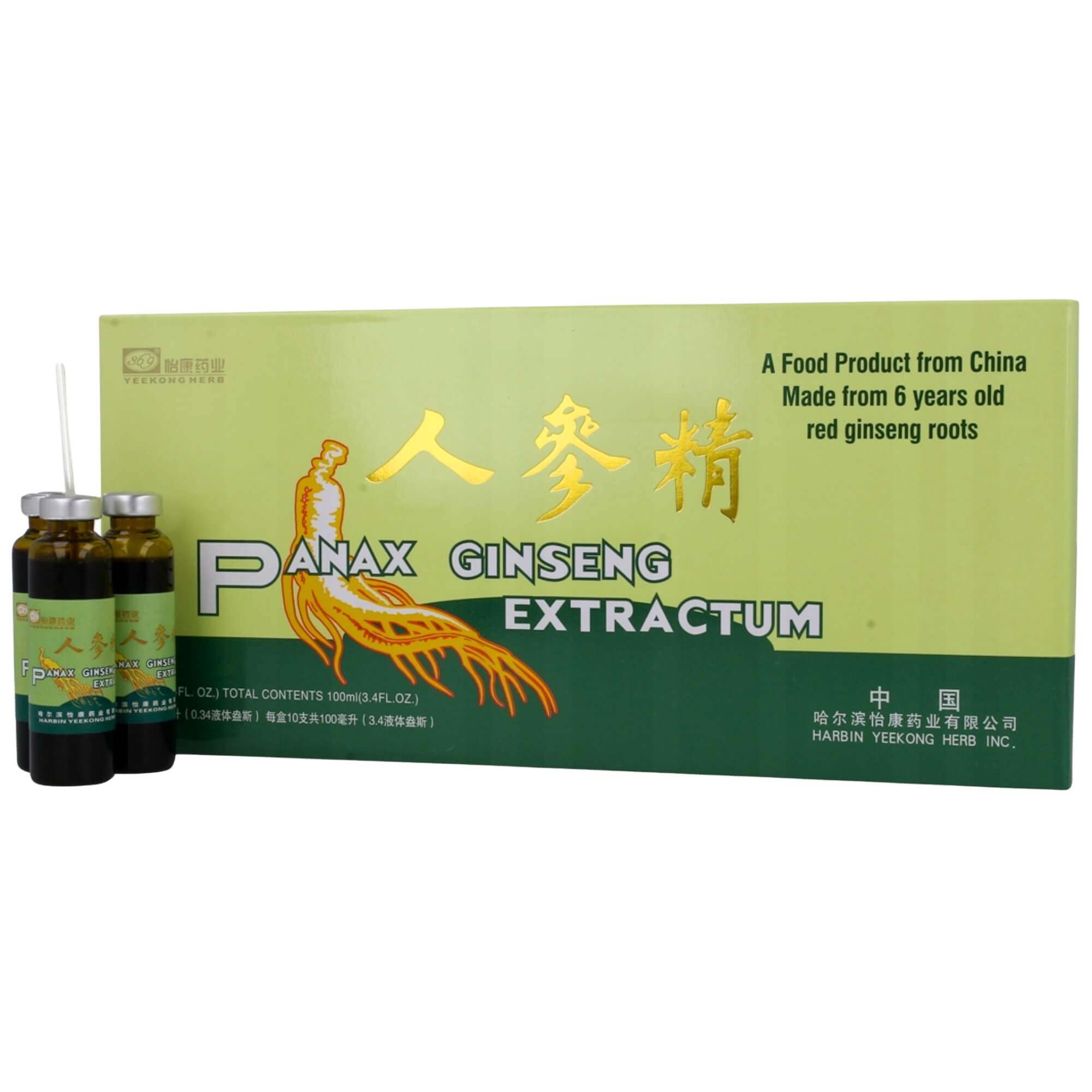
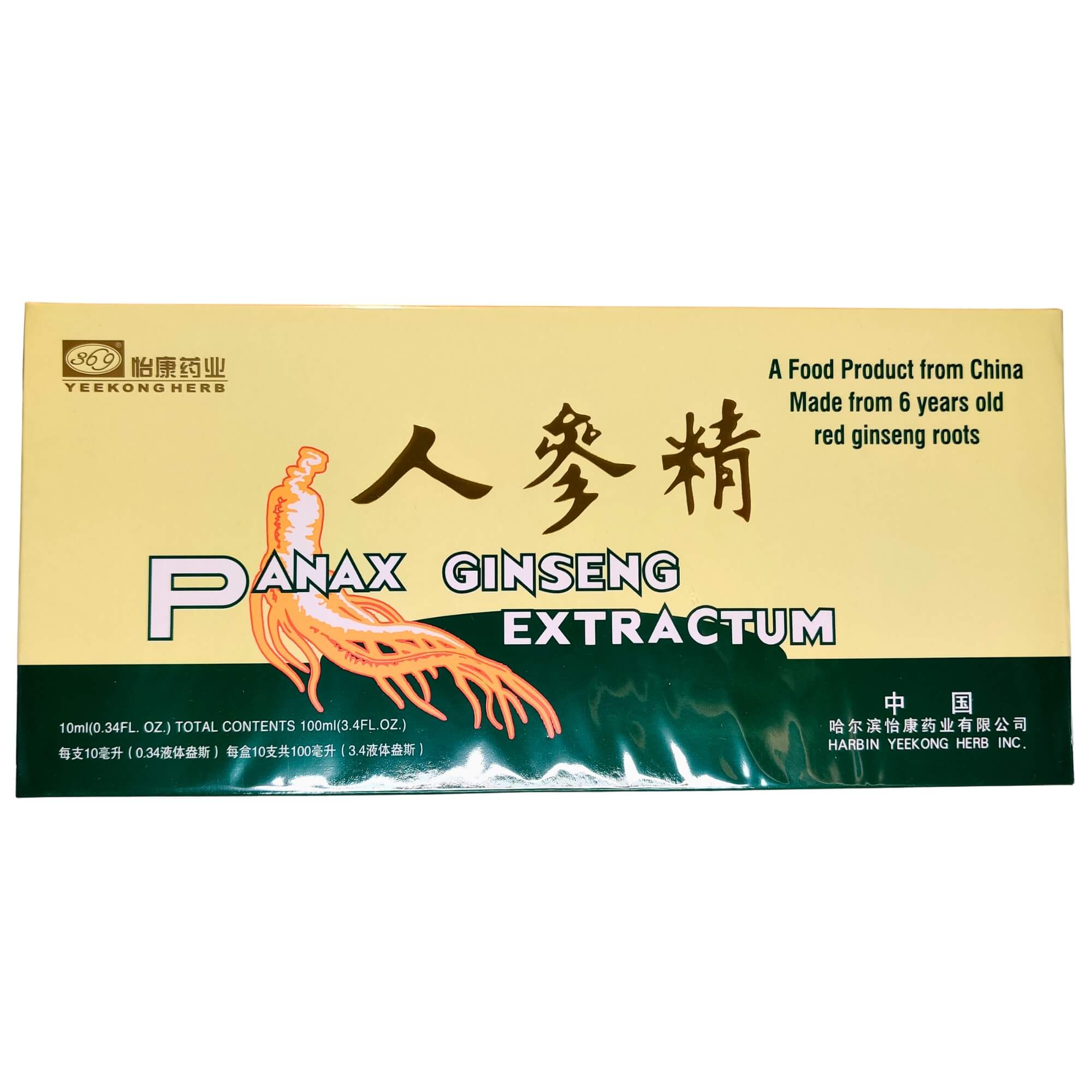
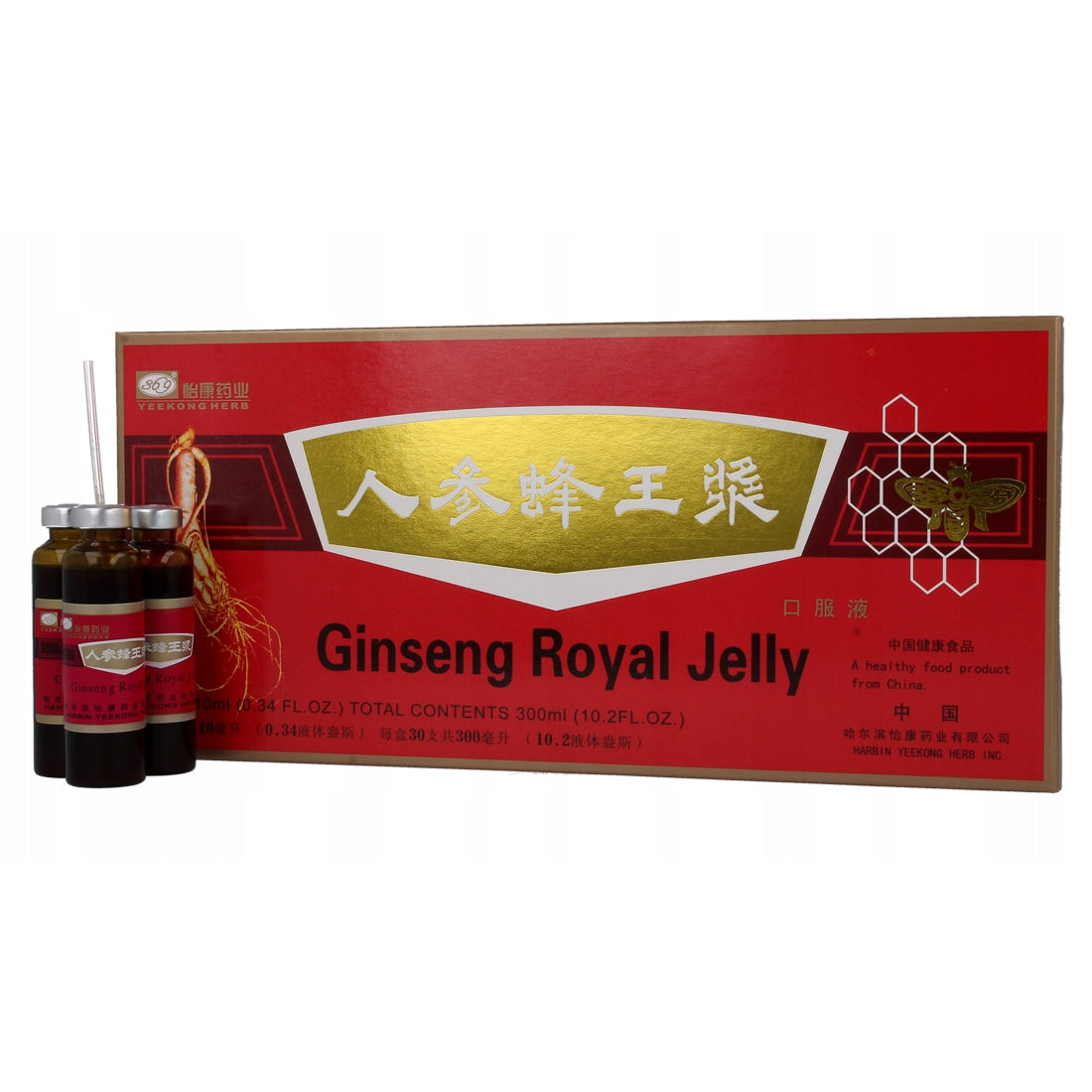
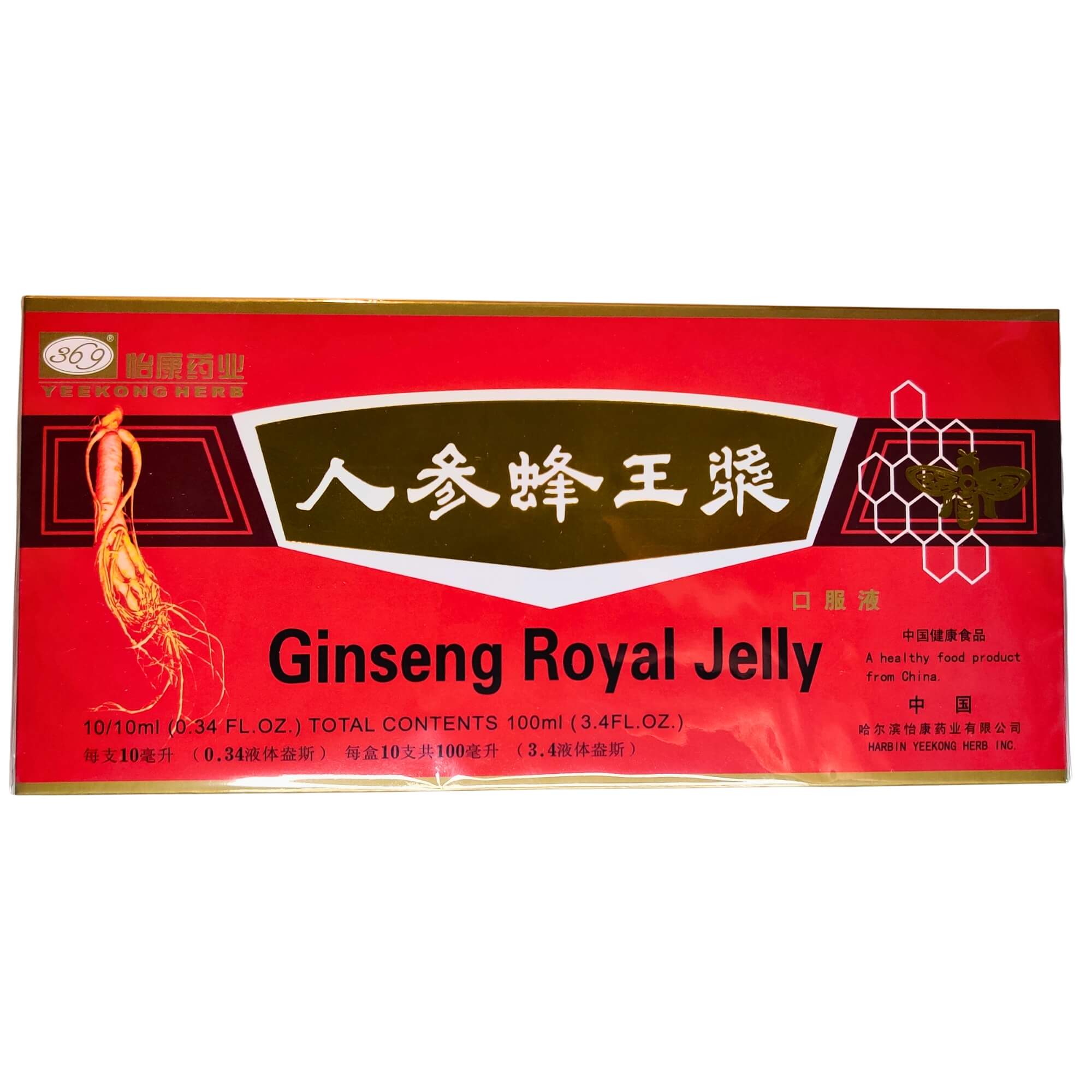
One of the longest-used adaptogens in traditional Chinese and Korean medicine. The active compounds – ginsenosides – exhibit modulating effects on the HPA axis, and studies suggest they may support psychophysical performance and resistance to fatigue under chronic stress. Doses used in studies: 200–400 mg of standardized extract daily. Due to its stimulating effect, it is not recommended in the evening or for individuals with high blood pressure.

Ginseng Extract (10 × 10 ml) 100 ml - Meridian
Holy Basil (Tulsi, Ocimum tenuiflorum)
A plant with a central place in Ayurveda, where it is called the "queen of herbs." Traditionally used as a harmonizing and anti-stress herb. Available research (mainly on leaf extracts) suggests a possible effect on cortisol levels and glycemia, but the evidence base is clearly weaker than for ashwagandha and rhodiola. Tulsi is gentle and well-tolerated – commonly used as a daily calming tea.
Schisandra chinensis
An adaptogen with a well-established position in traditional Chinese medicine, used for over a thousand years. Active lignans (schisandrin) show protective effects on the adrenal glands and modulating effects on the HPA axis in preclinical studies. Preliminary clinical data suggest it may support mental performance and reduce feelings of fatigue under chronic stress. This herb is for those seeking a broader approach to adaptogens – best used after consultation with a specialist.

The table below compares the discussed adaptogens in terms of the most important practical parameters:
| Adaptogen | Main Action | Daily Dose (studies) | Time to Effects | For whom? | Notes |
|---|---|---|---|---|---|
| Ashwagandha | Cortisol reduction, improved sleep, calming | 300–600 mg extract | 4–12 weeks | People with chronic stress, sleep problems | Caution with thyroid and autoimmune diseases |
| Rhodiola rosea | Fatigue reduction, improved concentration, stress resistance | 200–400 mg extract | 1–4 weeks | People with stress combined with burnout and energy decline | Stimulating effect – take in the morning or before noon |
| Korean Ginseng | Psychophysical performance, stress resistance, concentration | 200–400 mg extract | 2–4 weeks | People with stress and reduced performance | Avoid in the evening; caution with hypertension |
| Holy Basil (Tulsi) | Tension relief, adaptogenic effect, immune support | 300–600 mg extract or infusion | Several weeks | People seeking gentle, daily support | Weaker clinical basis; good tolerance |
| Schisandra chinensis | Adrenal protection, fatigue reduction, liver support | 500–1500 mg fruits or extract | Several weeks | People with long-term stress and adrenal fatigue | Preliminary clinical data; consult a specialist |
Scroll right to see the full table (on mobile devices) →
⚠️ Do not combine several adaptogens without reason
It is popular to stack adaptogens in the hope that several herbs will work better than one. In practice, the effects do not sum linearly, and the risk of interactions and HPA axis overload increases. For most people, a better strategy is to choose one well-suited adaptogen and use it consistently for at least 8 weeks before assessing its effects.
3.4. Calming and relaxing herbs – nervous system support
Alongside adaptogens, there is a separate category of herbs that act differently: they do not normalize the HPA axis as much as they directly reduce nervous system tension, facilitate calming, and support sleep. Their effect is faster and more noticeable in the short term, although a deeper change in stress reactivity takes time.
Lemon Balm (Melissa officinalis)
One of the best-documented calming herbs in European phytotherapeutic tradition. Lemon balm contains rosmarinic acid and flavonoids, which inhibit the enzyme that breaks down GABA – a neurotransmitter responsible for calming the nervous system. The EMA has granted lemon balm a traditional use monograph for mild tension symptoms and sleep disturbances. It acts gently and is very well-tolerated – it can be used daily in the form of an infusion or extract.
Passionflower (Passiflora incarnata)
A plant originating from North America, traditionally used for anxiety and difficulty falling asleep. The EMA has granted passionflower a traditional use monograph for mild symptoms of mental stress and difficulty falling asleep. The mechanism of action involves modulation of GABA-A receptors. Passionflower works well in the evening, supporting night regeneration and lowering cortisol before sleep.
Lavender (Lavandula angustifolia)
Lavender in oral form (lavender oil) has some of the best-documented clinical data in Europe among calming herbs – the preparation Silexan has been registered as a drug in Germany for mild anxiety. Externally, in aromatherapy, it acts more gently and more temporarily, but regular exposure to lavender aroma in the bedroom can support sleep quality and reduce perceived tension levels.
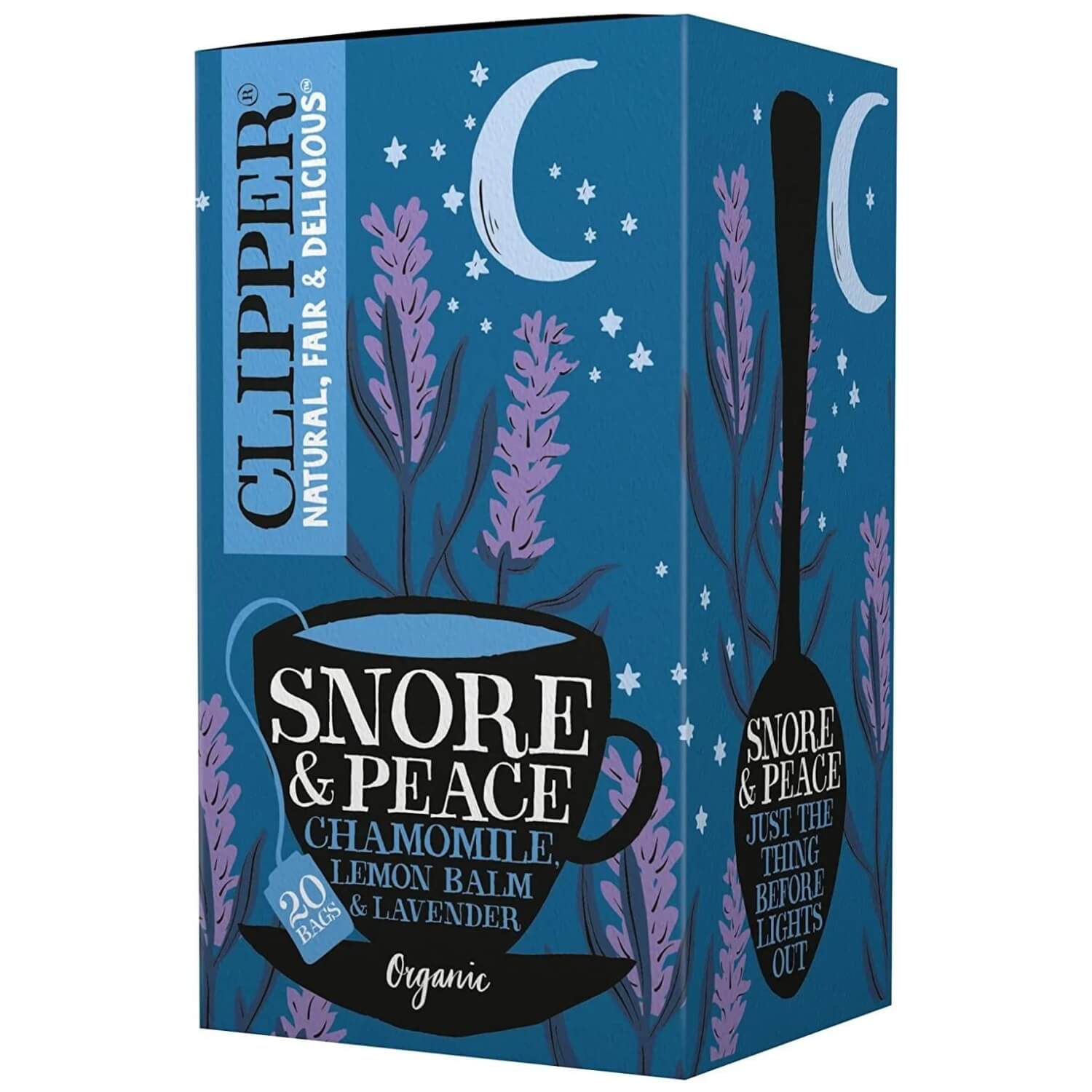
Lemon balm, passionflower, and lavender complement each other well – some herbal teas for calm and sleep combine these three plants.

Organic Lemon Balm and Lavender Tea (20 × 1.5g) 30g - Clipper
Looking for a wider selection of herbal stress supplements? In our store, you will find selected natural dietary supplements, including preparations with ashwagandha and other adaptogens, vetted for quality and standardization of extracts.
4. Vitamins and minerals for chronic stress
Chronic stress is not only a psychological burden – it is also an intense biochemical process that consumes micronutrients much faster than in conditions of calm. Even a well-balanced diet may not keep up with this demand when the body operates in a state of heightened readiness for months. Below, we discuss nutrients whose deficiencies are most common and best documented in the context of stress and cortisol.
4.1. Magnesium – why is it called the "anti-stress element"?
Magnesium participates in over 300 enzymatic reactions in the body, and its role in the nervous system is particular. It regulates the activity of NMDA receptors – responsible for neuronal excitation – and supports the action of GABA, the main inhibitory neurotransmitter. In practice, this means that an adequate level of magnesium promotes calming of the nervous system and reduces its overreactivity to stress stimuli.
The relationship between magnesium and cortisol is bidirectional: magnesium deficiency sensitizes the HPA axis to stressors and intensifies cortisol release, while high cortisol simultaneously accelerates the excretion of magnesium by the kidneys. This is a classic vicious cycle that explains why individuals living under chronic stress are particularly prone to deficiencies of this element.
It's worth remembering that not every form of magnesium in supplements is equivalent. Organic forms – citrate, glycinate, lactate, malate – are characterized by significantly higher bioavailability than magnesium oxide, which dominates in the cheapest preparations. When choosing a supplement, it is important to pay attention to this.
| Magnesium form | Bioavailability | Action profile | Notes |
|---|---|---|---|
| Glycinate | Very high | Calming, supports sleep | Best form for stress and insomnia |
| Citrate | High | Versatile, energizing | In large doses, may loosen bowels |
| Malate | High | Energy support, muscle fatigue reduction | Popular among physically active individuals |
| Lactate | High | Good gastric tolerance | Good choice for sensitive stomach |
| Oxide | Low (approx. 4%) | Mainly laxative effect | Most common in cheap supplements – poorly effective |
Scroll right to see the full table (on mobile devices) →
Vitamin B6 enhances the action of magnesium – both components work together in the synthesis of neurotransmitters and the regulation of the nervous system. This is one reason why preparations combining these two ingredients are more effective than magnesium alone in replenishing deficiencies during stress.
4.2. B vitamins – nervous system metabolism during stress
B vitamins are coenzymes essential for energy production in nerve cells and the synthesis of neurotransmitters – serotonin, dopamine, and GABA. Chronic stress depletes them at an accelerated rate, and their deficiencies can intensify feelings of fatigue, irritability, and difficulty concentrating – symptoms often mistakenly attributed solely to "too much work."
Among the entire B group, several vitamins play a special role during stress:
Vitamin B1 (Thiamine)
Essential for glucose metabolism in nerve cells – the brain uses glucose as almost its exclusive fuel. B1 deficiency quickly translates into difficulty concentrating and a feeling of general weakness. An EFSA-approved health claim confirms that thiamine contributes to the normal functioning of the nervous system and normal energy metabolism.
Vitamin B5 (Pantothenic Acid)
Directly involved in cortisol synthesis in the adrenal glands – it is an essential substrate for the adrenal cortex during the stress response. Long-term stress can deplete its resources. EFSA confirms that pantothenic acid contributes to the normal synthesis and metabolism of steroid hormones and to the reduction of tiredness and fatigue.
Vitamin B6 (Pyridoxine)
A key cofactor in the synthesis of serotonin, dopamine, and GABA. It supports the action of magnesium and regulates the nervous system. EFSA confirms that vitamin B6 contributes to the normal functioning of the nervous system, normal cysteine synthesis, and the regulation of hormonal activity.
Vitamin B12 (Cobalamin)
B12 deficiencies are particularly insidious – they develop over years and often remain asymptomatic for a long time. When they do manifest, they often present as chronic fatigue, memory problems, and low mood – symptoms easily confused with the effects of stress. EFSA confirms that vitamin B12 contributes to the reduction of tiredness and fatigue and the normal functioning of the nervous system. Individuals on plant-based diets, taking metformin, or proton pump inhibitors are particularly at risk of deficiency.

BICAPS B Complex Vitamin B group 60 capsules - ForMeds
4.3. Vitamin C, Vitamin D, and Zinc – Adrenal and Immune Support
Vitamin C
The adrenal cortex is among the tissues with the highest concentration of vitamin C in the entire body. During acute and chronic stress, it is intensely consumed for the synthesis of cortisol and adrenaline. Research suggests that vitamin C supplementation may support a faster return of cortisol to baseline levels after a stressful event, although the evidence base for this effect is still relatively limited.
EFSA confirms that vitamin C contributes to the normal functioning of the immune system and the reduction of tiredness and fatigue – and immunity is one of the first systems to suffer from chronic stress.
Vitamin D
Vitamin D receptors are present in almost every cell of the nervous and immune systems. Vitamin D deficiency – common in Poland, especially from autumn to spring – is associated with increased stress reactivity, worse mood, and sleep disturbances. Vitamin D3 supplementation is recommended year-round for most Polish adults due to insufficient skin synthesis.
EFSA confirms that vitamin D contributes to the normal functioning of the immune system and the maintenance of normal muscle function.
Zinc
Zinc plays a role in regulating the HPA axis and modulating the inflammatory response that intensifies during chronic stress. Its deficiencies are linked to increased anxiety reactivity and poorer mood control. EFSA confirms that zinc contributes to the normal functioning of the immune system and the protection of cells from oxidative stress. Natural sources of zinc include pumpkin seeds, meat, eggs, nuts, and whole grains.
💡 Where to start?
If you are just starting to manage micronutrients for stress, begin with the basics: magnesium (organic form) + B vitamins + vitamin D3. These are three pillars whose deficiencies are most common in Poland and have the most documented impact on nervous system function and stress response. Before reaching for complex preparations, it is worth checking current levels of vitamin D and B12 – these tests are available in every laboratory.

Zinc Bisglycinate 90 capsules - Vilgain
5. Physical activity and cortisol – how much exercise is too much?
Regular physical activity is one of the most effective tools for regulating cortisol – but the relationship between exercise and the stress hormone is more complex than commonly believed. The same cortisol that acts destructively during chronic psychological stress plays a crucial and desirable role during moderate physical exertion. The difference lies in the intensity, duration, and the body's ability to recover after exercise.
5.1. Why does moderate physical activity lower cortisol?
During exercise, cortisol increases – this is physiologically normal and necessary. It mobilizes glucose to muscles, regulates electrolyte balance, and supports exercise adaptation. The problem is not in the increase of cortisol during training itself, but in what happens to it after it ends.
In physically active individuals, several beneficial hormonal adaptations are observed:
- Faster return of cortisol to baseline levels after exercise – the HPA axis becomes more "resilient" and efficient
- Lower baseline cortisol levels at rest compared to sedentary individuals
- Increased secretion of endorphins and serotonin during exercise – these neurotransmitters directly lower perceived stress levels
- Improved insulin sensitivity – stable blood glucose levels mean fewer opportunities for stress-induced cortisol surges
- Improved sleep quality – and nocturnal recovery is the foundation of a healthy diurnal cortisol rhythm
The mechanism is thus two-fold: physical activity both directly normalizes cortisol metabolism and indirectly improves all other pillars of hormonal regulation – sleep, insulin sensitivity, and mood.

💡 Interesting fact
Even 20-30 minutes of a moderate walk in the fresh air is enough to significantly lower cortisol levels and improve mood. The effect is enhanced by contact with nature – which we discuss in more detail in Chapter 7. You don't need a gym or special equipment to start regulating your cortisol with movement.
5.2. Overtraining – when does sport increase cortisol?
Physical exertion acts on the HPA axis like a dose of medicine: the right dose cures, an excessive dose harms. Too intense or too long training without sufficient recovery ceases to be a tool for reducing stress and becomes another stressor – this time physical.
Overtraining syndrome is a state in which the total training load exceeds the body's adaptive capacities. At the hormonal level, it manifests as chronic elevated cortisol, decreased testosterone (in men), and disturbances in the diurnal cortisol rhythm – morning levels may paradoxically be low, and nocturnal levels elevated.
Warning signs to watch out for:
- Stagnation or worsening of results despite regular training
- Chronic fatigue that does not subside after rest days
- Sleep disturbances – difficulty falling asleep or excessive daytime sleepiness
- Irritability, low mood, decreased motivation for exercise
- Recurrent infections and slower healing of injuries
- Abnormal resting heart rate – elevated in the morning or irregular
⚠️ Strength training and cortisol
Strength training causes one of the highest acute cortisol spikes among all forms of activity – especially with high volumes, short rest periods, and multi-joint exercises. This is a natural and desirable element of strength adaptation. The problem arises when intense training is combined with high psychological stress, lack of sleep, and a restrictive diet – then the sum of stressors exceeds regenerative capabilities, and cortisol remains chronically elevated. Recovery is not an option, but a part of training.
5.3. Best forms of activity for chronic stress
Not every form of movement affects cortisol metabolism in the same way. In chronic psychological stress – when the HPA axis is already overloaded – it is worth consciously choosing the type of activity to match the current state of the body.
| Form of activity | Effect on cortisol | Optimal dose | Notes |
|---|---|---|---|
| Walking / Nordic walking | Significantly lowers – especially outdoors | 20–45 min, daily or almost daily | Easiest form to implement; effects quickly felt |
| Yoga and stretching | Strongly lowers – activates the parasympathetic system | 30–60 min, 3–5×/week | Especially effective in the evening; supports sleep quality |
| Moderate cardio | Lowers after completion | 30–50 min, 3–4×/week, approx. 60–70% max heart rate | Above 60 min or very high intensity – inverse effect |
| Strength training | Sharp increase during; lowering long-term | 45–75 min, 3–4×/week with full recovery | Do not combine with sleep deprivation and restrictive diet |
| HIIT / intervals | Strong acute increase; with chronic stress – use with caution | Max. 1–2×/week with high background stress | Good tool, but heavy load on an overloaded HPA axis |
| Swimming | Strongly lowering – combination of movement, breathing and water environment | 30–60 min, 2–3×/week | One of the best tolerated exercises for stress and tension |
Scroll right to see the full table (on mobile devices) →
With a clearly overloaded HPA axis – when chronic fatigue, sleep disturbances and lack of motivation appear despite rest – it is worth temporarily reducing the intensity of training and focusing on walks, yoga and stretching, instead of forcing yourself to have another heavy session. This is not a regression, but conscious regeneration management.
Regardless of the chosen form of activity, one thing is key: movement should be regular, not occasional. One very intense workout a week provides significantly fewer hormonal benefits than four moderate sessions spread evenly. Cortisol responds to patterns, not to one-off stimuli.
6. Sleep and regeneration – the foundation of cortisol regulation
Among all natural methods of cortisol regulation, sleep is probably the most important – and the most neglected. Studies consistently confirm (Leproult et al., 1997) that just one sleepless night raises cortisol levels the following evening and disrupts its circadian rhythm, as well as impairing insulin sensitivity and weakening emotional control. No supplement, adaptogen, or breathing technique will negate the effects of chronic sleep deprivation on hormonal balance.
6.1. How does sleep deprivation raise cortisol? The vicious cycle of insomnia
The relationship between sleep and cortisol works both ways – and that's what makes it so difficult to break without conscious intervention.
Under normal conditions, cortisol reaches its lowest level between midnight and 2 AM – this is a window of deep regeneration, during which the body repairs tissues, consolidates memory, and regulates hormonal balance. When we sleep too little or irregularly, this nocturnal cortisol minimum is disrupted: the hormone remains elevated during hours when it should be at its lowest.
The consequences spill over into the entire next day:
- Higher morning cortisol – or paradoxically blunted morning response (CAR) with prolonged sleep deprivation, which translates into lack of energy and difficulty getting into the daily rhythm
- Increased reactivity to stressors during the day – a rested brain filters stimuli; a sleep-deprived brain treats things that it would normally ignore as a threat
- Increased appetite for sugar and carbohydrates – cortisol and ghrelin (the hunger hormone) together boost the craving for high-calorie snacks
- Difficulty falling asleep the next night – elevated cortisol in the evening inhibits melatonin secretion and keeps the nervous system in an alert state
This is a classic vicious cycle: stress raises cortisol → cortisol disrupts sleep → poor sleep raises cortisol → higher cortisol intensifies stress. Breaking this cycle requires simultaneous action on several fronts.
💡 How much sleep do we really need?
According to the National Sleep Foundation's recommendations for adults, the optimal sleep duration is 7–9 hours per day. Below 6 hours, the risk of hormonal, metabolic, and immunological disorders significantly increases. Regularly exceeding 9 hours may indicate poor sleep quality or health problems that should be investigated. Regularity is also important: falling asleep and waking up at similar times stabilizes the circadian rhythm of cortisol better than "catching up on sleep" on weekends.
6.2. Natural methods to improve sleep quality
Improving sleep is one of the most effective ways to lower cortisol – and one that does not require any supplements or expenses. The following sleep hygiene rules have a solid basis in chronobiological research.
Consistent sleep and wake times
Regularity is more important than length. Waking up at the same time every day – even on weekends – is the strongest "clock" signal for the HPA axis and melatonin secretion. Variable sleep hours desynchronize the circadian rhythm of cortisol, making it harder each day to naturally calm down in the evening and mobilize in the morning.
Limiting evening blue light exposure
Blue light emitted by phone, tablet, and monitor screens inhibits melatonin secretion by up to 50% and delays its peak by 1.5–3 hours. It is worth limiting screen use for 60–90 minutes before bedtime or turning on warm light filters. Dim, warm lighting in the evening sends a signal to the brain that bedtime is approaching.
Bedroom temperature
The optimal sleep temperature for most adults is 16–19°C. A bedroom that is too warm disrupts the deep sleep phase (NREM), during which cortisol is lowest and the most intense regeneration occurs. Even simply ventilating the bedroom before bed can improve sleep quality.
Evening wind-down ritual
Cortisol does not drop sharply on demand – it needs time and signals. Regular, repeatable evening rituals teach the HPA axis that the alarm time is over. This can be a warm bath (lowering body temperature after getting out of the tub speeds up falling asleep), a few minutes of reading, stretching, or a relaxing caffeine-free herbal tea.

Goodnight Tea BIO (25 × 2 g) 50 g - Dary Natury
Avoiding alcohol and caffeine before bed
Alcohol shortens the time it takes to fall asleep but fragments sleep in the second half of the night – precisely the part most important for hormonal regeneration. Caffeine has a half-life of about 5–7 hours, meaning that coffee drunk at 4 PM is still stimulating around midnight. If you have trouble sleeping, it's worth moving your last coffee to before noon.
Herbs supporting sleep
Lemon balm, passionflower, and lavender discussed in chapter 3 are particularly effective in the evening – as an infusion or supplement taken 30–60 minutes before bed. Their effect is not sedative in the pharmacological sense: they do not cause drowsiness or addiction, but gently reduce nervous system tension, facilitating a natural transition to a state of calm.
You can find a wide range of evening herbal teas in our store.
6.3. Daytime regeneration – naps and micro-breaks
Regeneration is not limited to nighttime. Consciously managing activity and rest during the day can significantly support the cortisol rhythm and reduce the accumulation of fatigue.
Naps – when do they help and when do they harm?
A short nap at the right time is one of the best-studied regeneration tools. A nap lasting 10–20 minutes (a "power nap"), taken between 1 PM and 3 PM, improves alertness, mood, and cognitive performance without entering deep NREM sleep – which allows you to wake up without feeling disoriented (sleep inertia). Naps longer than 30 minutes or taken after 3 PM, however, can make it difficult to fall asleep at night and disrupt the cortisol rhythm.
Micro-breaks and stress relief techniques for the nervous system
The nervous system is not designed for uninterrupted concentration for many hours. Regular, short breaks from work – even 5-minute breaks every 60–90 minutes – allow the sympathetic nervous system (responsible for the stress response) to "breathe" a little and reduce the accumulation of cortisol during the workday. The Pomodoro Technique or its variations are a simple way to incorporate micro-breaks into your work rhythm without the need for special tools.
Morning daylight exposure
Exposure to natural light within the first hour after waking up – even on a cloudy day – is one of the strongest signals synchronizing the circadian rhythm. Morning light exposure strengthens the natural cortisol peak (CAR), which paradoxically translates into lower cortisol in the second half of the day and evening and better sleep quality the next night. This is a simple and free intervention with documented effects.

ℹ️ Practical evening protocol
A simple sequence to lower cortisol before sleep:
8:00 PM–9:00 PM – last meal; limit screens
9:00 PM–9:30 PM – warm bath or shower
9:30 PM – cup of herbal tea (lemon balm, passionflower, linden)
9:30 PM–10:30 PM – reading, stretching, or breathing exercises
10:30 PM–11:00 PM – quiet, dark environment, bedroom approx. 18°C
It doesn't have to be perfect every day – it's the regularity of the pattern that counts, not perfect execution.
7. Stress reduction techniques and daily habits
Diet, supplements, and sleep create the biochemical conditions for lowering cortisol – but without working on the stress response itself, they only work halfway. Stress reduction techniques change not so much the circumstances of life, but the way the nervous system reacts to them. When applied regularly, they literally restructure the HPA axis's response to stressful stimuli – in a measurable, documented way.
7.1. Meditation, mindfulness, and breathing exercises – how does it work?
Meditation and mindfulness techniques now have a solid scientific basis as tools for cortisol regulation. A meta-analysis published in the Journal of Psychiatric Research (Pascoe et al., 2017) included 20 randomized controlled trials and showed that mindfulness and meditation practices significantly lowered cortisol levels compared to control groups. The effect was visible with both short-term interventions (a few weeks) and long-term practice.
The mechanism is neurological: regular meditation reduces the activity of the amygdala – the brain structure responsible for detecting threats and initiating the stress response – and strengthens connections with the prefrontal cortex, which controls and dampens this response. In simplified terms: meditation teaches the brain to "turn off the alarm" faster.
Breathing exercises
Breathing is the only function of the autonomic nervous system over which we have conscious control – and that makes it an exceptionally powerful tool. Slow, deep breathing activates the vagus nerve and shifts the nervous system from sympathetic (fight or flight) to parasympathetic (rest and digest) mode, which directly lowers cortisol secretion.
Three techniques with the best practical documentation:
- 4-7-8 Breath – inhale through the nose for 4 seconds, hold for 7 seconds, slowly exhale through the mouth for 8 seconds. Even 3–4 repetitions significantly reduce tension within minutes. A good immediate technique – before a difficult conversation, in moments of intense stress.
- Diaphragmatic (abdominal) breathing – consciously engaging the diaphragm instead of the chest with each breath. Slows the breathing rate to 5–7 breaths per minute (the norm during stress is 15–20), which activates the relaxation response. Can be practiced at any time of day.
- Box breathing – inhale for 4 seconds, hold for 4, exhale for 4, hold for 4. Used, among others, by US Navy SEALs as a technique to regulate arousal under pressure. Effective for intense tension and difficulty calming thoughts.
ℹ️ Where to start with meditation?
You don't need an hour of silence or a special meditation cushion. Research shows that even 10–15 minutes a day for 8 weeks brings measurable changes in cortisol levels and subjective stress perception. Apps like Insight Timer (free) or Headspace offer guided sessions for beginners – it's a much easier entry point than practicing on your own from scratch.
7.2. Contact with nature – shinrin-yoku and its impact on cortisol
The Japanese practice of shinrin-yoku – literally "forest bathing" – involves consciously, calmly being in the forest with all senses engaged. It's not a sport or meditation, but simply presence in a natural environment. And while it sounds unassuming, scientific research consistently confirms its impact on cortisol metabolism.
One of the key studies in this area – a series of experiments conducted by Qing Li from Nippon Medical School in Tokyo – showed that a two-hour walk in the forest significantly lowered salivary cortisol levels in participants compared to a similar walk in an urban environment. The effect persisted for several days after the session. These studies have been replicated many times in various countries and populations. The effect was confirmed by a meta-analysis of 24 studies (Antonelli et al., 2019).
The mechanisms are likely multifactorial:
- Phytoncides – volatile organic compounds emitted by trees (especially conifers), which, when inhaled, have a calming effect on the nervous system and lower blood pressure
- Lack of urban stimuli – noise, visual signals, and the pace of the city keep the sympathetic nervous system in a heightened state of readiness; the forest eliminates them
- Fractal geometry of nature – recurring patterns in nature (leaves, branches, waves) engage vision in a way that preliminary electroencephalographic studies link to a reduction in amygdala activity
- Daylight exposure and movement – effects discussed in chapters 5 and 6 overlap during outdoor walks
Importantly: the effects of contact with nature are not reserved for those living near forests. Studies show that even a 30-minute walk in an urban park lowers cortisol and improves mood compared to sitting indoors or walking along a busy street.
7.3. Daily habits, day organization, and digital hygiene
Cortisol reacts not only to major crises but also to dozens of small, daily micro-stressors: unread notifications, endless to-do lists, a feeling of lack of control over time, an evening review of negative news. The sum of these stimuli – even if each one individually seems trivial – keeps the HPA axis in a state of chronic activation.
Planning and sense of control
One of the strongest psychological triggers for cortisol is unpredictability and a lack of a sense of control. A simple to-do list for the next day, written in the evening, significantly reduces rumination before sleep and lowers morning cortisol reactivity. It's not about a perfect productivity system – it's about the brain "knowing" what to expect and not having to keep everything in standby mode.
Digital hygiene and notification management
Every phone notification is a small stressor that activates the brain's orienting system and temporarily raises alertness. With dozens of notifications a day, the effect accumulates.
Practical steps that have a real impact on cortisol levels:
- Disabling push notifications from apps that do not require an immediate response (social media, newsletters, shopping apps)
- Designated windows for checking email instead of reacting immediately – e.g., in the morning, at noon, and in the afternoon
- Avoiding news and social media in the first hour after waking up and the last hour before sleep – these are two windows where the brain is most susceptible to the emotional coloring of the day
- Airplane mode at night – eliminates stimuli that interrupt sleep without the need for difficult decisions about availability
Social relationships as a cortisol buffer
Close social relationships have a documented impact on HPA axis reactivity. Contact with a close person – physical or conversational – stimulates the release of oxytocin, which directly inhibits HPA axis activity and lowers cortisol. Studies on social isolation consistently show higher resting cortisol levels in individuals lacking regular social contact. This is one argument for why hormonal health is largely a matter of relationship quality – not just diet and supplements.
Cold exposure
Brief cold exposure – a cold shower for 30–60 seconds or cold water immersion – induces an acute, short-term spike in cortisol and norepinephrine, after which studies suggest a reduction in cortisol levels and an improvement in mood. Regularly applied, it can lower HPA axis reactivity to stressors and improve mood by increasing dopamine levels. It's worth starting gradually – from the final 15–30 seconds of a cold shower – and observing your body's reaction.
⚠️ The optimization trap
Paradoxically, obsessively implementing all cortisol reduction techniques simultaneously – a rigorous sleep protocol, daily cold showers, meditation, supplements, diet control – can itself become a source of stress when it's impossible to maintain everything at once. A better strategy is to choose two or three changes that are easiest to fit into your current lifestyle and implement them consistently for 4–6 weeks before adding more.
Regular walks in nature, a few minutes of breathing exercises daily, and limiting evening screen time are changes that sound too simple – yet in practice, consistently applied for months, they yield measurable hormonal effects. Cortisol responds to behavioral patterns, not one-time efforts.
8. FAQ – frequently asked questions
Can cortisol be lowered in a week?
Some changes – such as reducing caffeine, improving sleep, or breathing techniques – can provide noticeable relief within a few days. However, a lasting reduction in resting cortisol levels and a change in HPA axis reactivity require consistent lifestyle changes for a minimum of 4–8 weeks. Adaptogens like ashwagandha start to show clear effects after 4–12 weeks of regular use. Cortisol responds to behavioral patterns – not one-time efforts.
Does coffee really raise cortisol?
Yes, caffeine directly stimulates the HPA axis and raises cortisol levels – the effect is more pronounced with large doses and when coffee is consumed on an empty stomach or in the evening hours. One to two cups in the morning, about 90 minutes after waking (when the natural cortisol peak has already passed), is a dose without significant impact on stress management for most healthy adults.
The problem is accumulation: several coffees a day, yerba mate, and energy drinks combined keep the HPA axis in a state of chronic activation.
Do physical and emotional stress raise cortisol equally?
Both types of stress activate the same HPA axis and lead to an increase in cortisol, but with different dynamics.
Physical stress (intense exercise, injury, illness, hunger) usually causes an acute, short-term spike in cortisol, after which the body quickly returns to normal. Emotional and psychological stress – especially chronic stress, associated with a feeling of lack of control, uncertainty, and rumination – more often leads to a sustained, slightly lower, but continuous elevation.
It is this second type that is most destructive in the long term for hormonal health.
Can cortisol be tested at home?
Yes, home cortisol measurement kits for saliva or urine are available on the market – they can be ordered online and performed without a laboratory visit. However, their accuracy is lower than laboratory tests, and interpretation of the result without clinical context (other hormones, symptoms, time of collection) is limited. The result of a home test should always be discussed with a doctor.
Standard serum cortisol testing in a laboratory is widely available and inexpensive – it's a better starting point for diagnosis.
Can children and adolescents also have chronically high cortisol?
Yes. The HPA axis functions the same way in children and adolescents, and sources of stress – academic pressure, peer problems, family instability, excessive digital stimuli – are very real for this age group today. Symptoms may include: difficulty concentrating and learning, mood swings, recurring headaches or stomach aches, and sleep disturbances.
Natural methods described in this article (regular physical activity, limited screen time, daily routine, contact with nature) are equally effective and safe for children. Supplementation with adaptogens in children and adolescents always requires consultation with a pediatrician or doctor.
Does high cortisol affect the thyroid?
Yes, there is a significant relationship between the HPA axis and thyroid function. Chronically elevated cortisol can inhibit the conversion of T4 to the active form T3, decrease the sensitivity of thyroid receptors, and exacerbate inflammation underlying autoimmune thyroid diseases such as Hashimoto's.
Individuals with thyroid conditions often observe a worsening of well-being during periods of severe stress – this is no coincidence. Working on cortisol regulation can be a valuable complement to standard thyroid treatment, though not a substitute.
9. Summary
Cortisol is an essential hormone for life – the problem is not its presence, but chronic elevation resulting from the fact that modern lifestyles constantly activate the HPA axis without allowing it time to regenerate. The good news is that most effective methods for cortisol regulation are available without a prescription and without expense – they only require consistency.
Key takeaways from this article:
- Sleep is the foundation – no supplement can replace regular, good quality sleep lasting 7–9 hours. This is the fastest and most effective intervention you can implement tonight.
- Diet stabilizes the HPA axis – magnesium, B vitamins, omega-3 fatty acids, regular meals, and limiting sugar and excessive caffeine create biochemical conditions for lower cortisol reactivity.
- Movement regulates, but must be appropriately dosed – moderate physical activity is one of the best tools for lowering cortisol; overtraining and the accumulation of stressors works in reverse.
- Adaptogens can help, but will not replace lifestyle – ashwagandha has the best clinical documentation; rhodiola rosea, lemon balm, and passionflower are valuable supplements with good tolerability and EMA monographs.
- Stress reduction techniques change the HPA axis itself – regular meditation, breathing exercises, and contact with nature lead to measurable, lasting changes in cortisol reactivity.
- Start with two or three changes – trying to implement everything at once is a straightforward path to frustration and giving up. Choose what is easiest to fit into your current rhythm of life, and give it a minimum of 6–8 weeks.
If you are looking for support in the form of proven supplements and herbs that support nervous balance, check out our offer of natural dietary supplements and herbal teas – you will find products that naturally fit into the strategies described in this article.
10. Sources
- Chandrasekhar K, Kapoor J, Anishetty S. A prospective, randomized double-blind, placebo-controlled study of safety and efficacy of a high-concentration full-spectrum extract of ashwagandha root in reducing stress and anxiety in adults. Indian J Psychol Med. 2012;34(3):255–262. doi: 10.4103/0253-7176.106022. PMID: 23439798.
- Pascoe MC, Thompson DR, Jenkins ZM, Ski CF. Mindfulness mediates the physiological markers of stress: systematic review and meta-analysis. J Psychiatr Res. 2017;95:156–178. doi: 10.1016/j.jpsychires.2017.08.004.
- Leproult R, Copinschi G, Buxton O, Van Cauter E. Sleep loss results in an elevation of cortisol levels the next evening. Sleep. 1997;20(10):865–870. doi: 10.1093/sleep/20.10.865. PMID: 9415946.
- Li Q. Effects of forest environment (Shinrin-yoku/Forest bathing) on health promotion and disease prevention – the establishment of "Forest Medicine". Environ Health Prev Med. 2022;27:43. doi: 10.1265/ehpm.22-00160.
- Antonelli M, Barbieri G, Donelli D. Effects of forest bathing (shinrin-yoku) on levels of cortisol as a stress biomarker: a systematic review and meta-analysis. Int J Biometeorol. 2019;63(8):1117–1134. doi: 10.1007/s00484-019-01717-x. PMID: 31001682.
- European Medicines Agency. Community herbal monograph on Rhodiola rosea L., rhizoma et radix. EMA/HMPC/232091/2011. Available: ema.europa.eu.
- European Medicines Agency. Community herbal monograph on Melissa officinalis L., folium. EMA/HMPC/196745/2012. Available: ema.europa.eu.
- European Medicines Agency. Community herbal monograph on Passiflora incarnata L., herba. EMA/HMPC/232161/2011. Available: ema.europa.eu.
- European Medicines Agency. Community herbal monograph on Lavandula angustifolia Mill., flos. EMA/HMPC/143183/2010. Available: ema.europa.eu.
- Commission Regulation (EU) No 432/2012 of 16 May 2012 establishing a list of permitted health claims made on foods, other than those referring to the reduction of disease risk and to children’s development and health. Official Journal of the European Union L 136/1. Available: eur-lex.europa.eu.