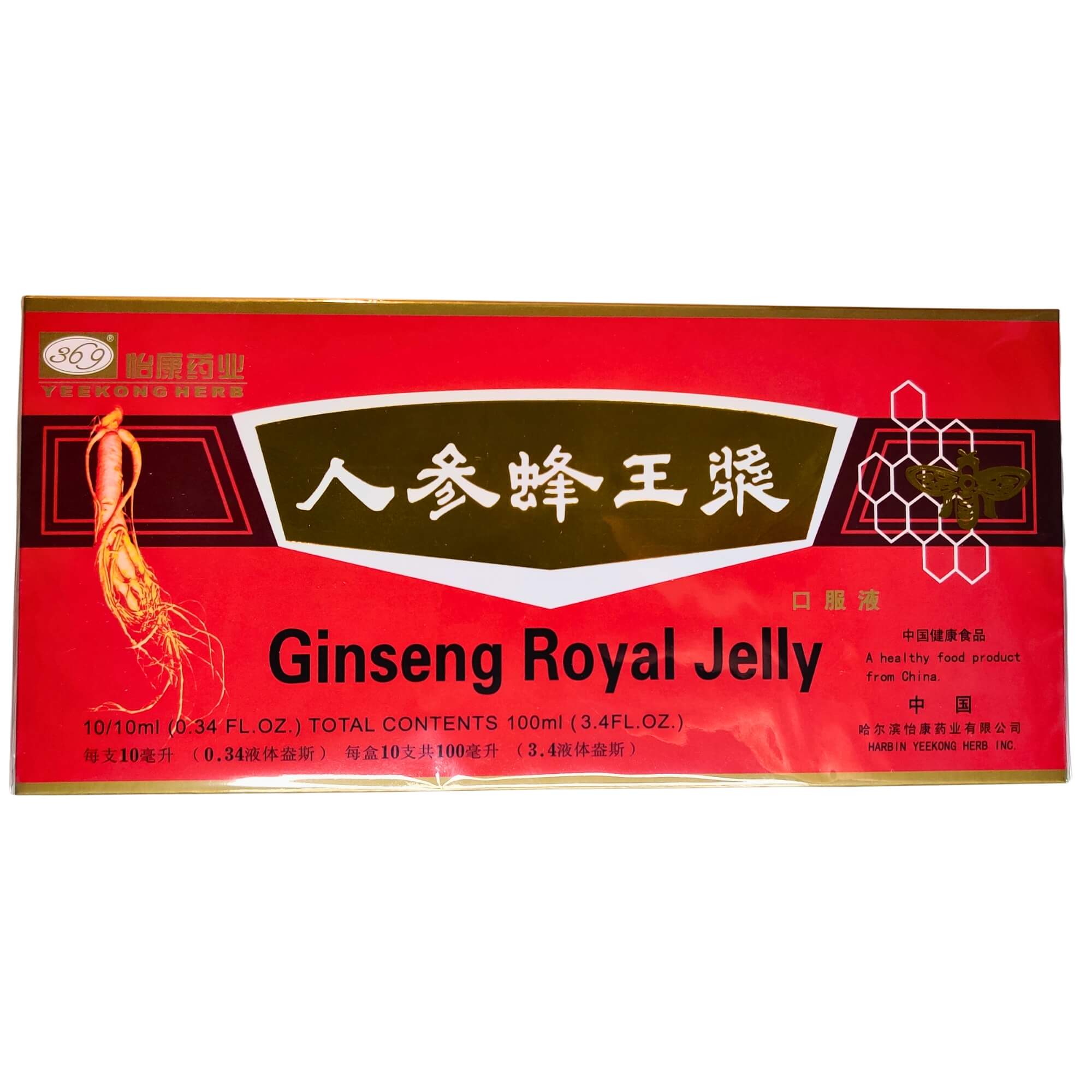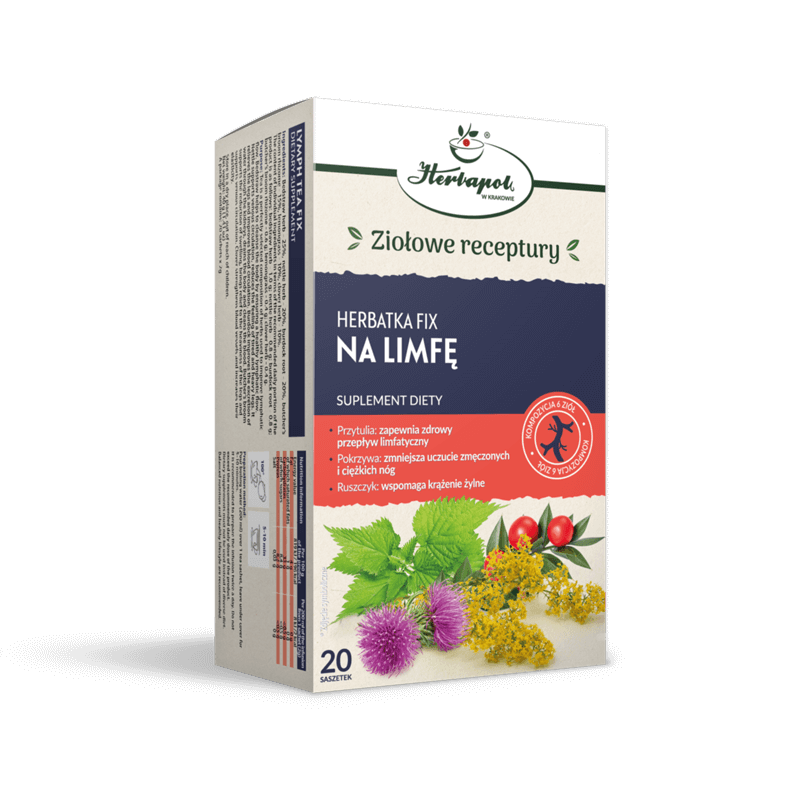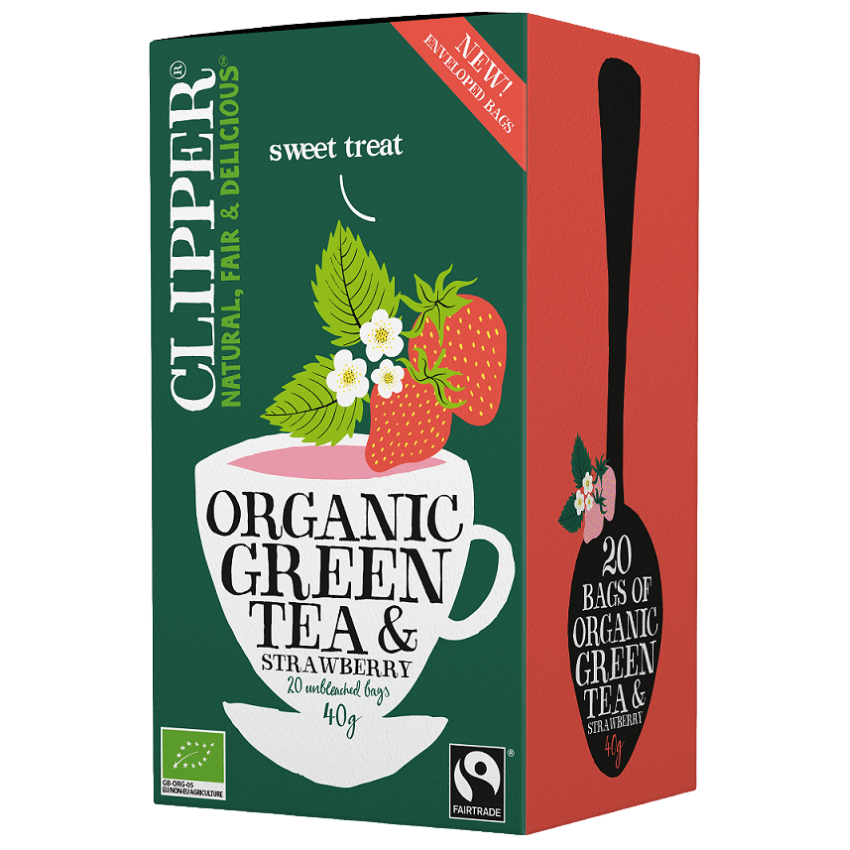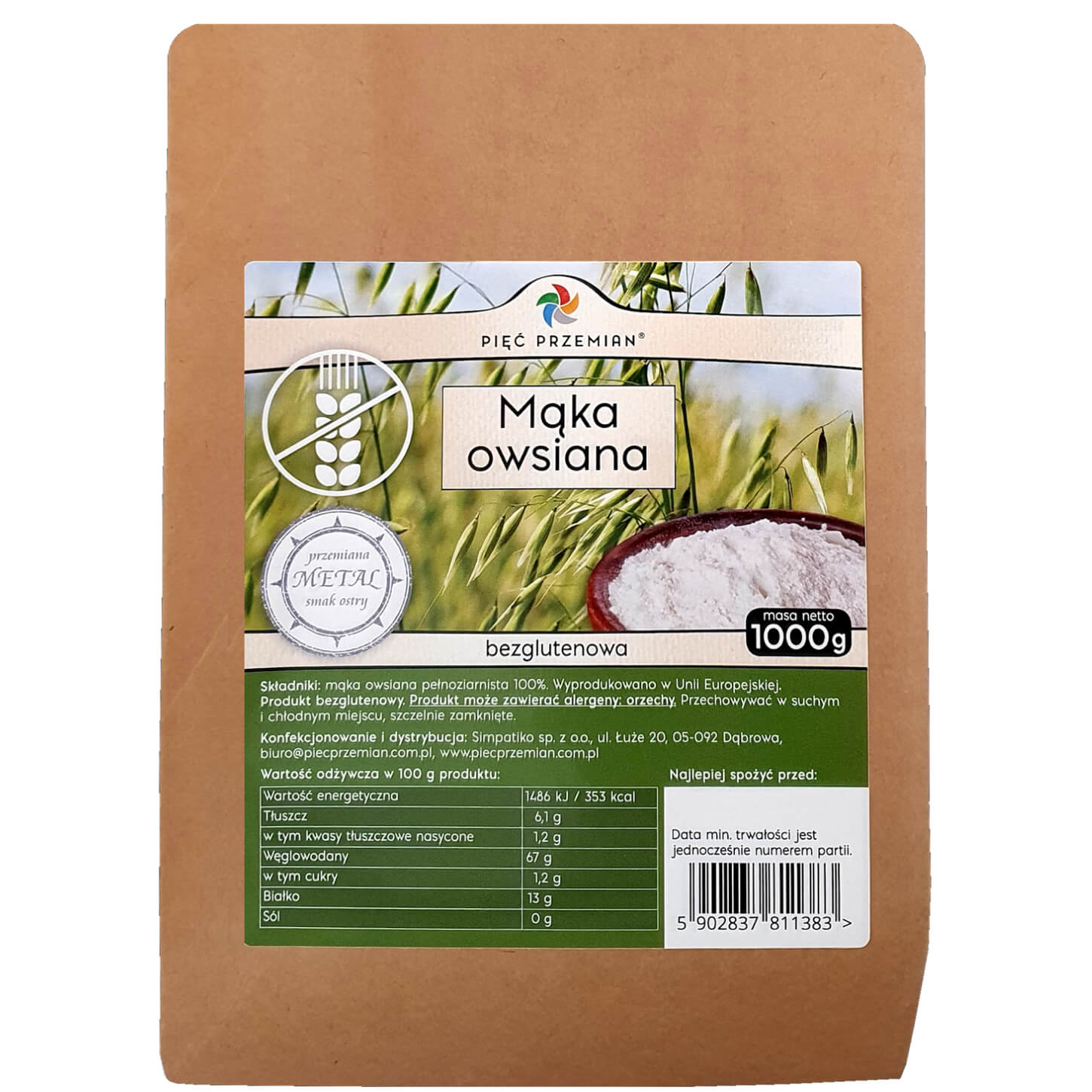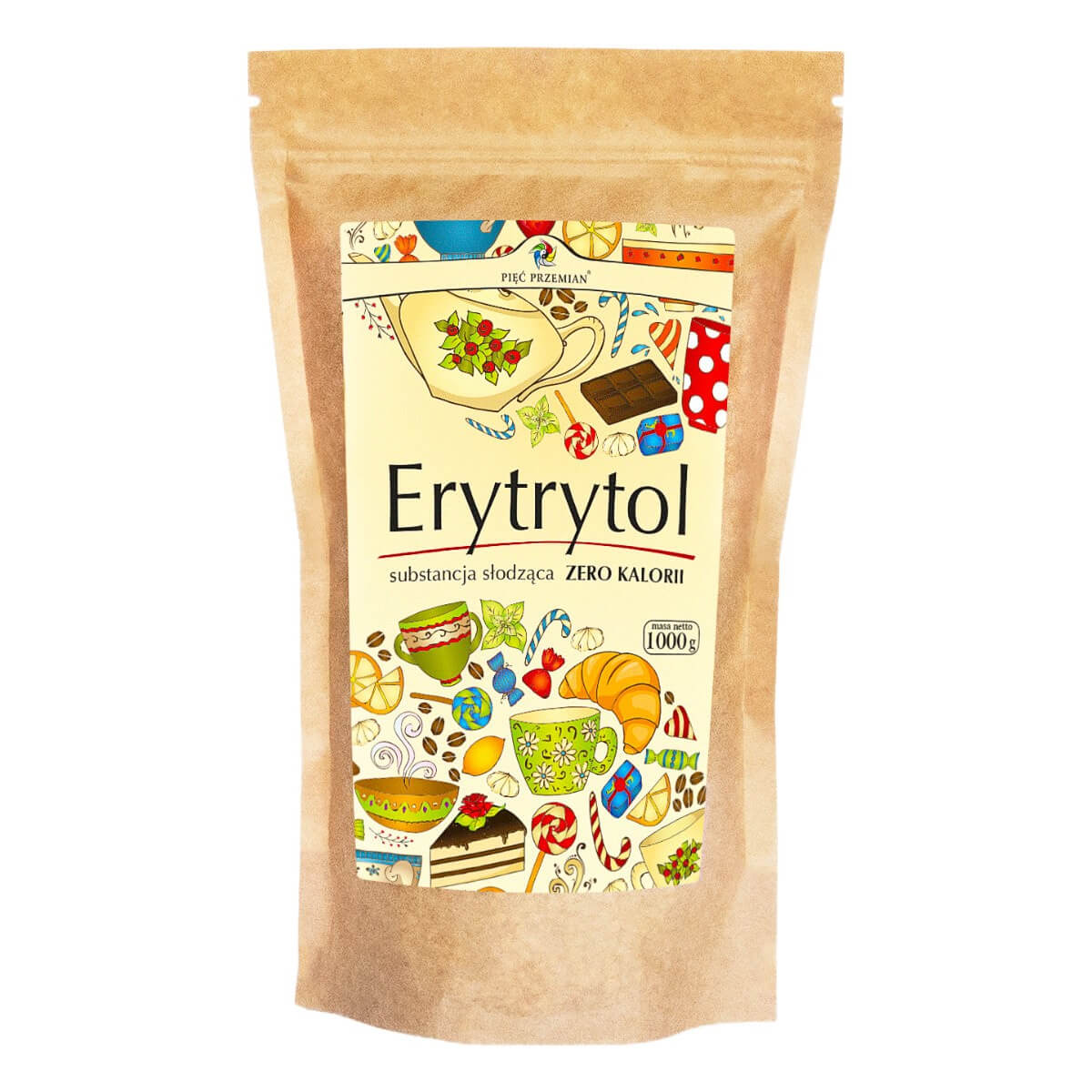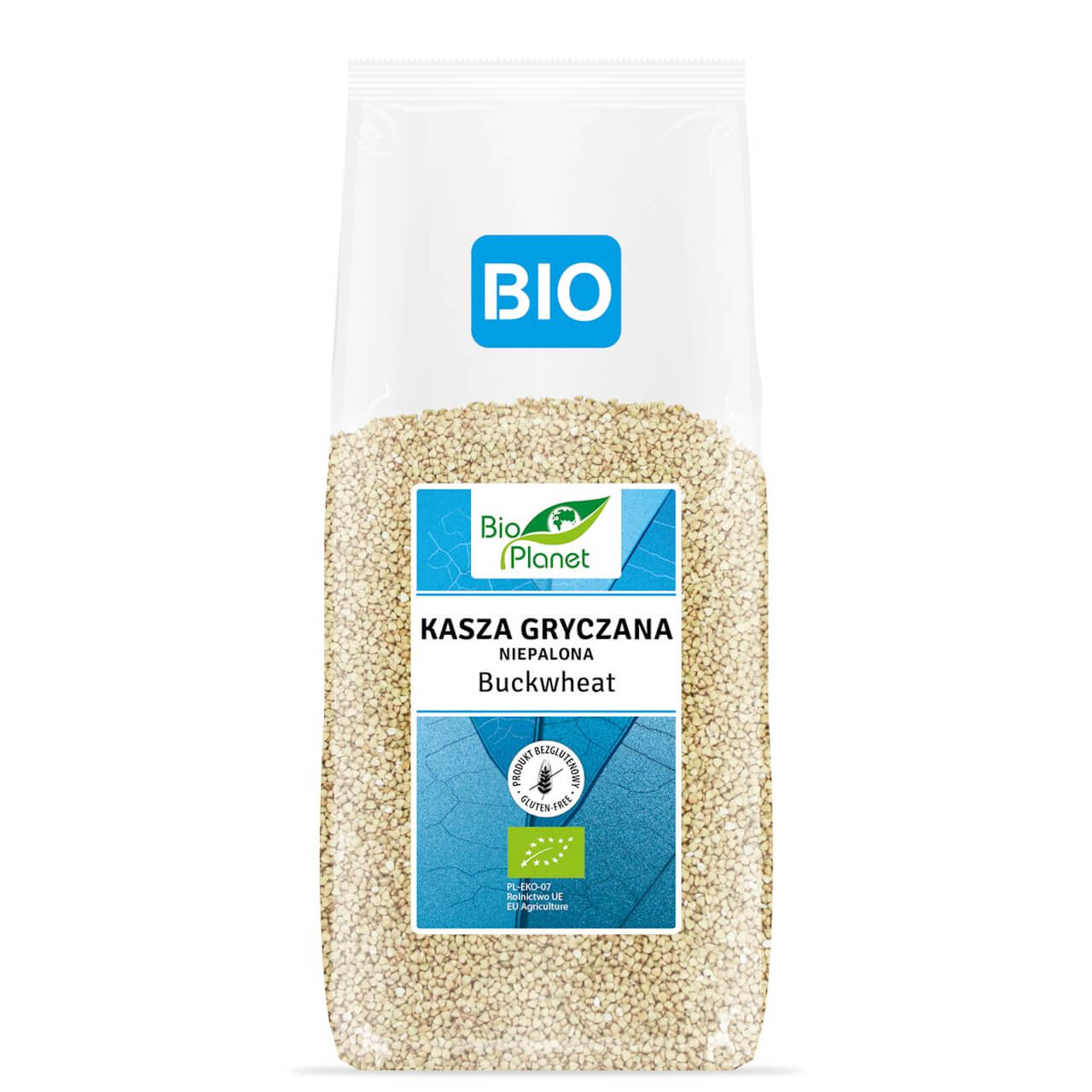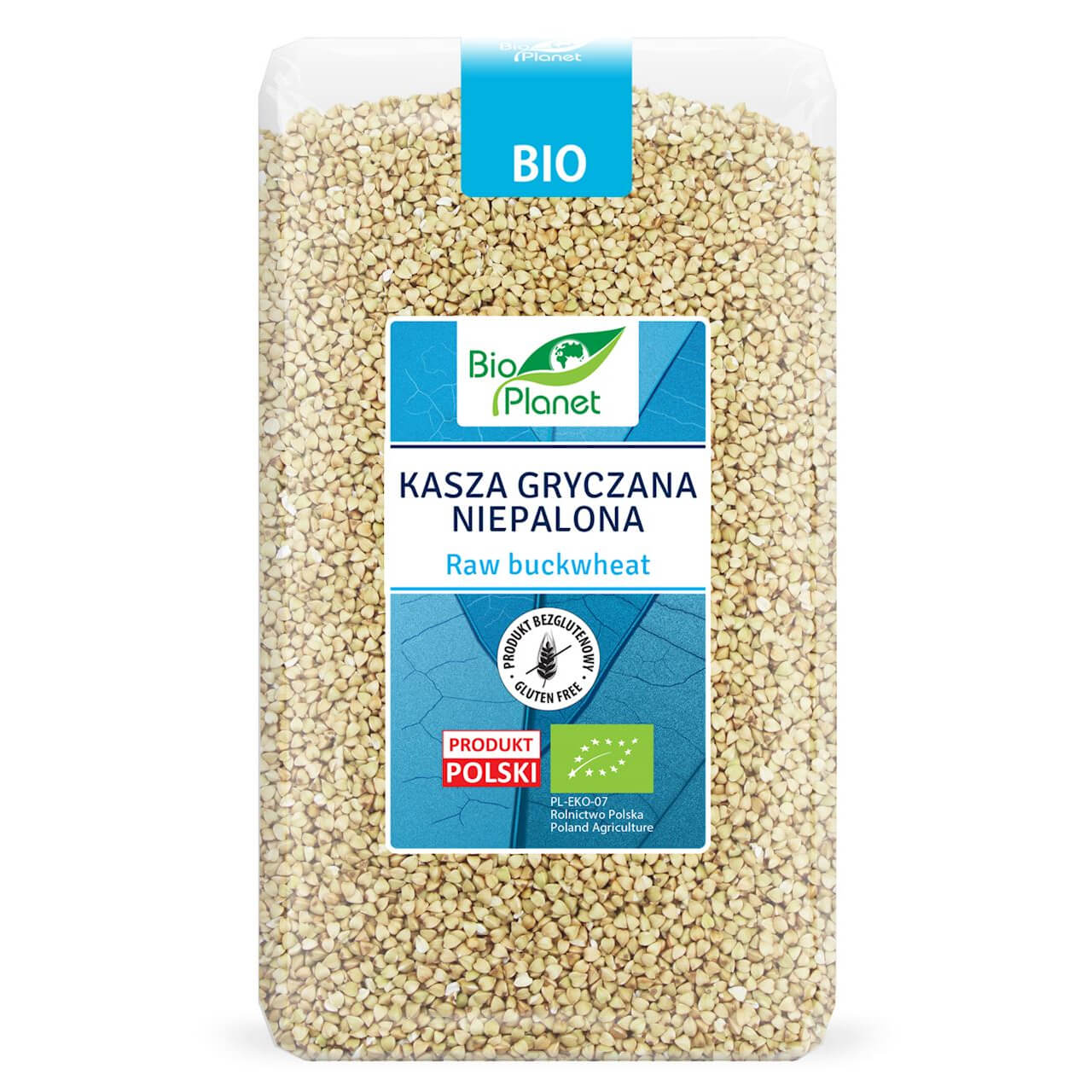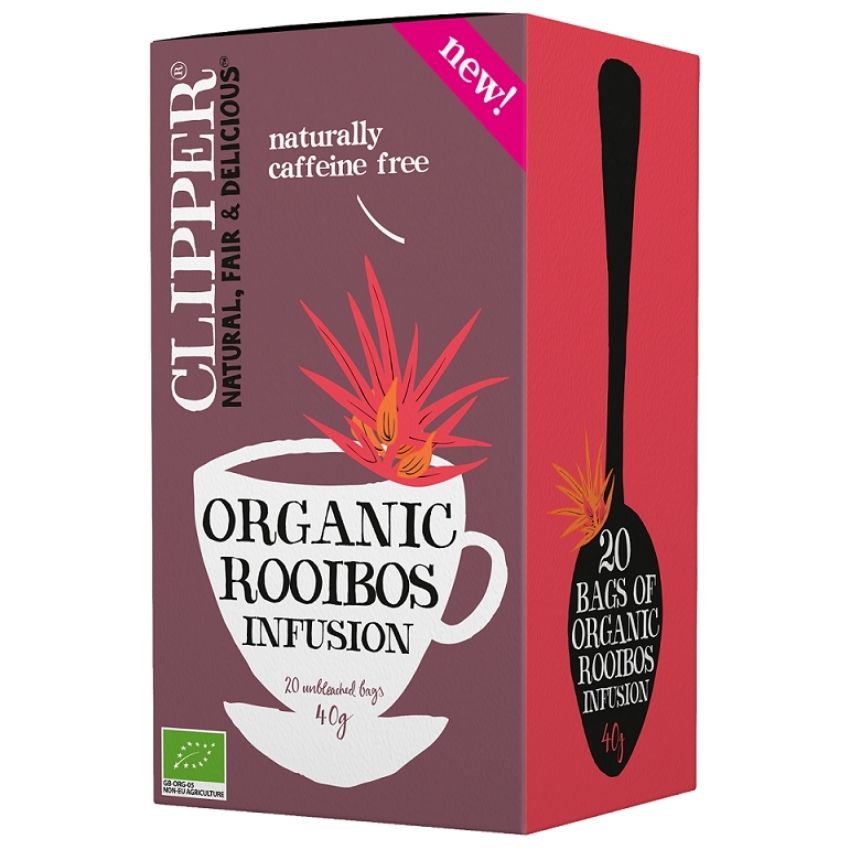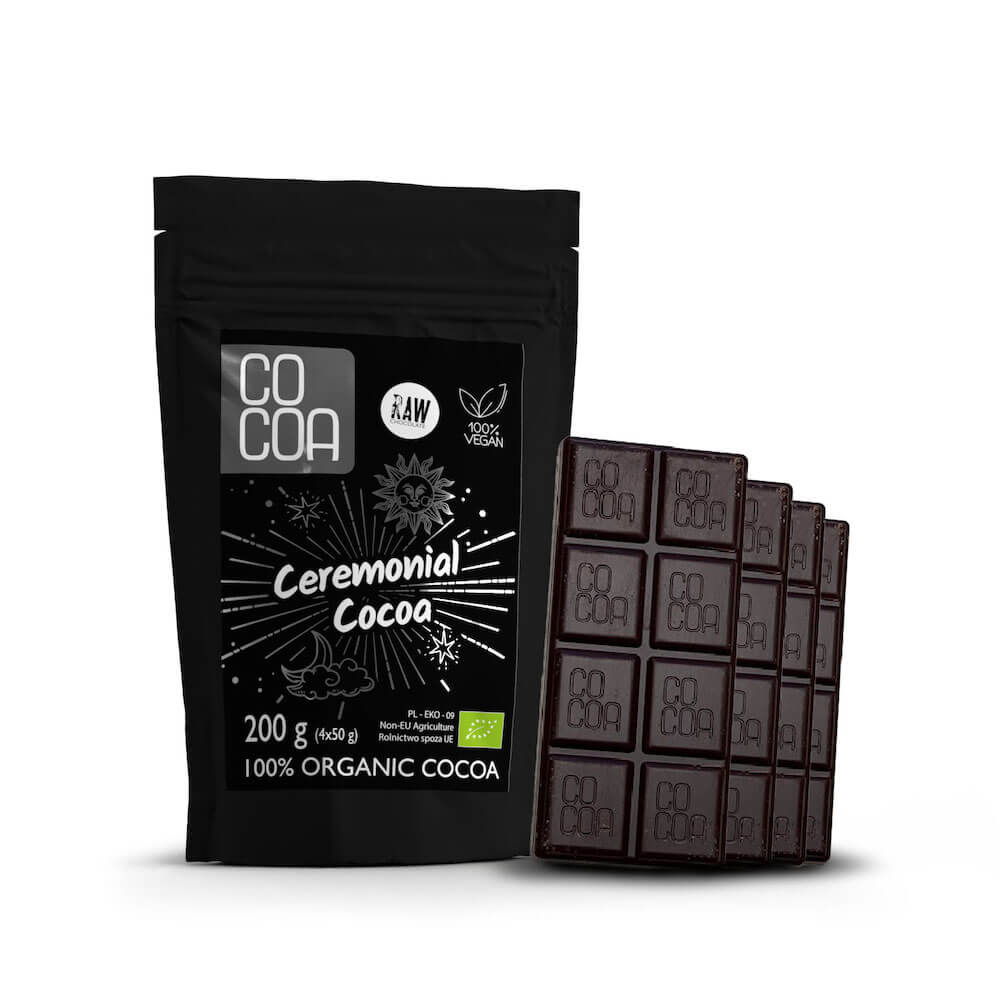
A product is not as "eco" as the label suggests if the green claims are not backed by a specific, verifiable certificate. Three things signal this: the absence of a certificate number and the name of an independent certification body next to the symbol, vague words like "natural" or "eco" without any numerical reference, and inconsistency between the marketing slogan and the actual list of ingredients.
In this article, we show you how to recognize these signals step-by-step – from typical greenwashing techniques, through which certificates on the market are real, to specific tools for self-verifying a product before purchase. This applies to organic food, as well as dietary supplements and natural cosmetics.

1. What is greenwashing and why is it a problem?
Greenwashing is a marketing practice that involves creating the impression that a product, service, or company is more environmentally friendly than it actually is. The term originated in 1986 when American environmentalist Jay Westerveld criticized hotels encouraging guests to reuse towels under the slogan "environmental protection" – while the real goal was to reduce laundry costs, not care for the planet.
Today, greenwashing has taken a much broader form and affects almost every product category: food, cosmetics, textiles, electronics, and packaging. Instead of genuinely reducing their environmental impact, companies invest in communication suggesting such an impact – because it's cheaper and faster than a real change in production processes.
1.1. The scale of the phenomenon – what do studies show?
The data clearly shows that we are not talking about isolated cases. In a 2020 study, the European Commission analyzed environmental claims used on the EU market and found that 53% of them contained vague, misleading, or unsubstantiated information, and 40% had no verifiable evidence at all.
The same report drew attention to the information chaos resulting from the multitude of labels – over 230 different sustainability labels and about 100 "green energy" labels operate on the EU market with very diverse levels of transparency and reliability of verification. For the average consumer, distinguishing a certificate awarded by an independent, accredited body from a symbol invented by a manufacturer's marketing department is practically impossible without additional knowledge.
1.2. Why does greenwashing harm consumers, honest manufacturers, and the environment?
Greenwashing is not an innocent marketing ploy – it generates real losses at three levels:
- Consumers pay a higher price for a product that in reality is no different from a cheaper equivalent, and their purchasing decisions – often motivated by concern for their own health or the environment – are made on the basis of false premises.
- Honest manufacturers incurring real costs of certification, audits, and changing production processes to more sustainable ones, compete unfairly with companies that omit these costs, limiting themselves to communication.
- The environment loses twice – resources that could go to real pro-environmental investments are spent on image campaigns, and consumers lose trust in the very idea of sustainable consumption, which in the long run weakens market pressure for real change.
1.3. Greenwashing and law – what is changing in the EU?
It is worth correcting a popular but outdated belief: the EU Green Claims directive, announced from 2023 and intended to introduce mandatory, independent verification of environmental claims before their publication, was suspended by the European Commission in June 2025 – after opposition from some MEPs who pointed to the excessive burden on small and micro-enterprises. Formally, the legislative process has not been closed, but negotiations have been suspended indefinitely, and it is unclear whether and in what form the directive will return.
However, this does not mean that the EU market remains without anti-greenwashing regulations. The genuinely binding and incoming legal act is the EmpCo directive (Empowering Consumers for the Green Transition, 2024/825), already adopted in March 2024.
What does the EmpCo directive introduce from September 27, 2026?
- A ban on using vague environmental slogans ("eco", "green", "environmentally friendly") without the possibility of proving them with specific data.
- A ban on manufacturers creating their own, unverified "eco" labels that suggest certification which does not actually exist.
- The obligation to clearly indicate what a given environmental claim refers to – the entire product, one ingredient, or only the packaging.
- Penalties for infringements up to 4% of a company's annual turnover in a given Member State.
Member States were obliged to transpose EmpCo into national law by March 27, 2026, and the provisions themselves will apply to consumers and companies from September 27, 2026. In practice, this means that many advertising slogans that were acceptable until recently will become legally risky for manufacturers in the coming months – which makes the ability to independently recognize greenwashing even more useful for consumers now, before the regulations fully take effect.
2. What are the most common greenwashing techniques? Catalog of manipulations
Most greenwashing techniques can be reduced to a few repeatable patterns. The Canadian company TerraChoice (now part of UL Solutions) was the first to systematize them. Between 2007 and 2010, they analyzed thousands of products with environmental claims in North America, the UK, and Australia, describing them as the "seven sins of greenwashing". Below, we discuss the seven most common techniques in a practical, European context – food, supplements, and natural cosmetics.
Curiosity: In TerraChoice's 2009 study, covering nearly 2,200 products in the US and Canada declaring "eco-friendliness," 98% of them violated at least one of the seven principles of honest environmental communication. Although the data is from years ago and a different market, the manipulation mechanisms they described remain current today – also in the European Union.

2.1. What are vague and unregulated slogans: "natural", "eco", "environmentally friendly"?
This is the most common and simplest form of greenwashing. Words like "natural", "eco", "green", or "environmentally friendly" do not have a single, strict definition in EU law that a manufacturer would have to meet to use them – unlike, for example, the term "organic" in the context of certified BIO food, which is legally protected. Thanks to this, practically any product can be described as "natural", regardless of its actual composition or production process.
As mentioned in the previous chapter, it is precisely this type of vague, unsubstantiated slogan that is to be outright banned by the EmpCo directive from September 2026 – which shows how seriously the EU legislator takes this particular problem.
2.2. What is an irrelevant truth in ecological advertising?
This technique involves highlighting a feature that is true but completely standard for an entire product category – and therefore does not constitute any real differentiator. A classic example outside the food industry is aerosols advertised as "CFC-free" – even though freon (CFC) has been legally banned in all aerosols for decades, so no manufacturer could legally use it.
In the food industry, an equivalent could be, for example, bottled water advertised as "GMO-free" – genetically modified plant organisms are not used in water production, so such a slogan, although technically true, provides no real information to the consumer.
2.3. What does hidden ecological compromise mean?
A hidden compromise (ang. hidden trade-off) occurs when a product is promoted as ecological due to one feature, while another stage of its life cycle generates a significant negative environmental impact that is overlooked in communication. The most famous example is the widely publicized case of paper straws introduced by fast food chains in 2019 – they solved the problem of single-use plastic, but their production and disposal generated their own distinct environmental footprint, which was rarely mentioned in communications.
In the food industry, a hidden compromise can be seen, for example, in organic food transported by plane from another continent – the product itself may meet all organic farming standards, but emissions related to air transport may outweigh the environmental benefits resulting from the cultivation method.
2.4. How to recognize fake certificates and manufacturer's proprietary "quality marks"?
This is one of the most insidious mechanisms because it consciously exploits consumer trust in genuine certification systems. The manufacturer designs their own graphic symbol – often a green leaf, a bird, a globe, or another element associated with nature – that visually resembles recognized ecological certificates, although in reality, no independent certification body or specific standard stands behind it.
In the next chapter, we show exactly what several real, reliable eco-certificates look like – this makes it easier to distinguish a genuine mark from its imitation.
2.5. What are exaggerated and unwarranted health and ecological claims?
This technique involves making claims that go beyond what can actually be proven or what is legally permissible. In the case of food and supplements, this most often concerns two areas simultaneously: ecological exaggeration ("100% natural" for a product containing synthetic additives) and unauthorized health claims that are not on the list approved by EFSA in accordance with EU Regulation 432/2012 (e.g., formulations suggesting that the product "treats" or "eliminates" a specific ailment).
2.6. What is visual greenwashing?
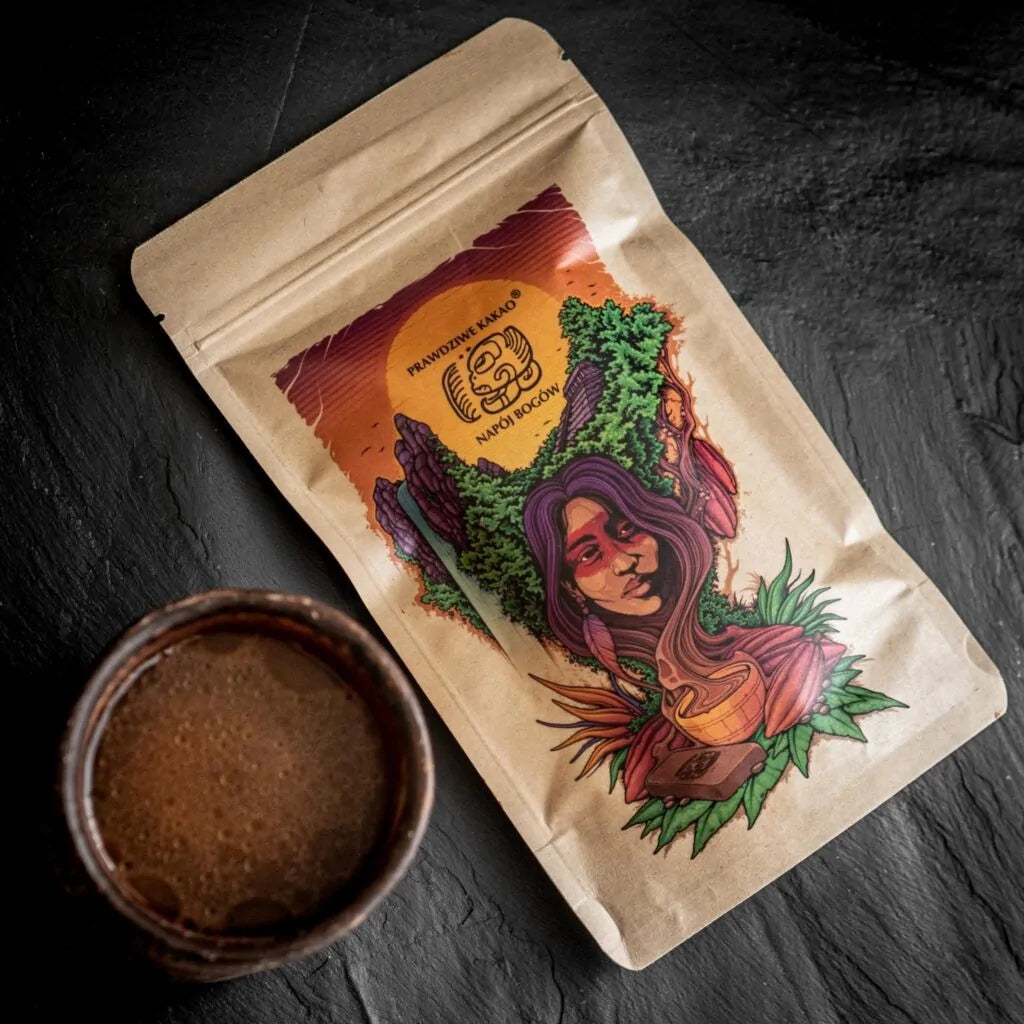
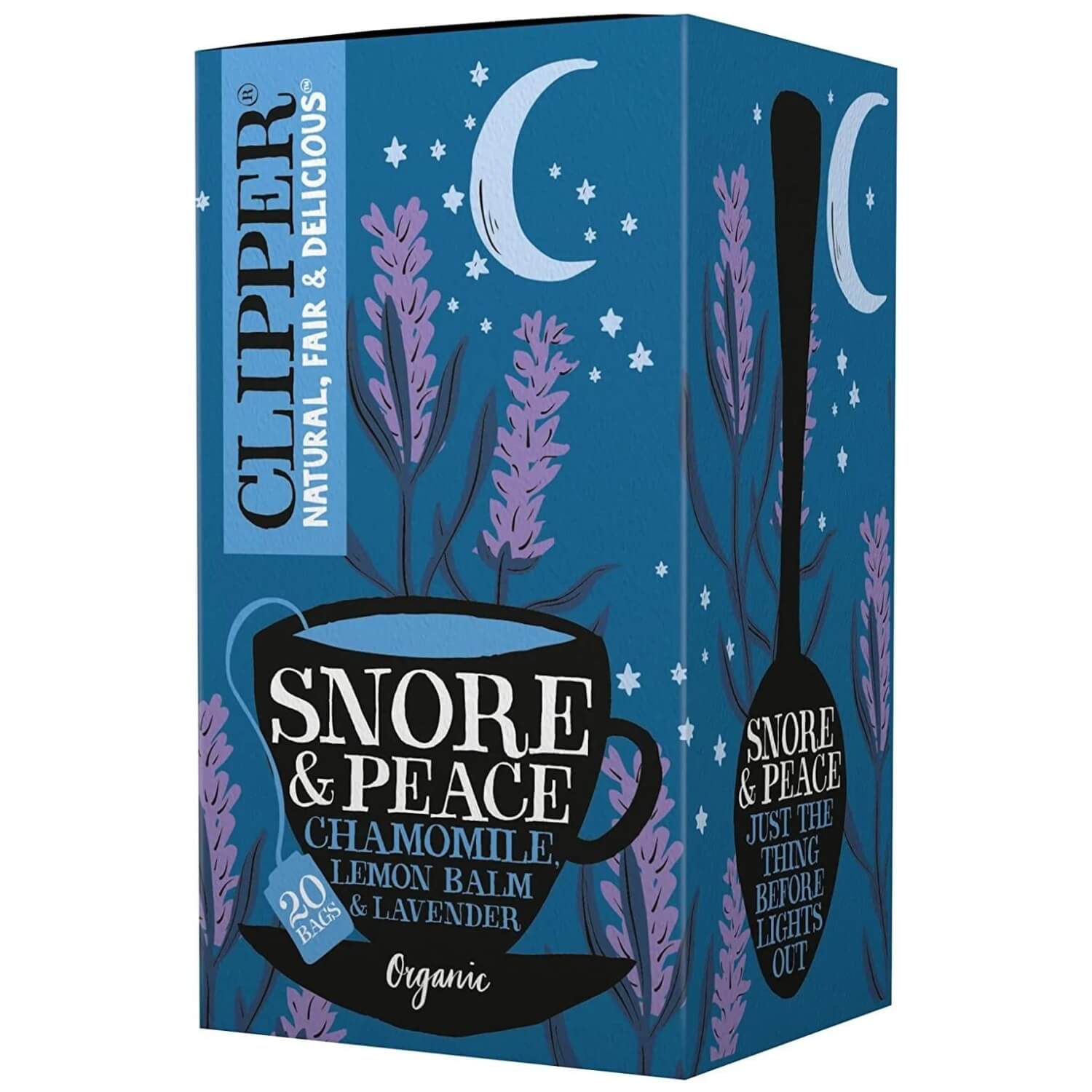
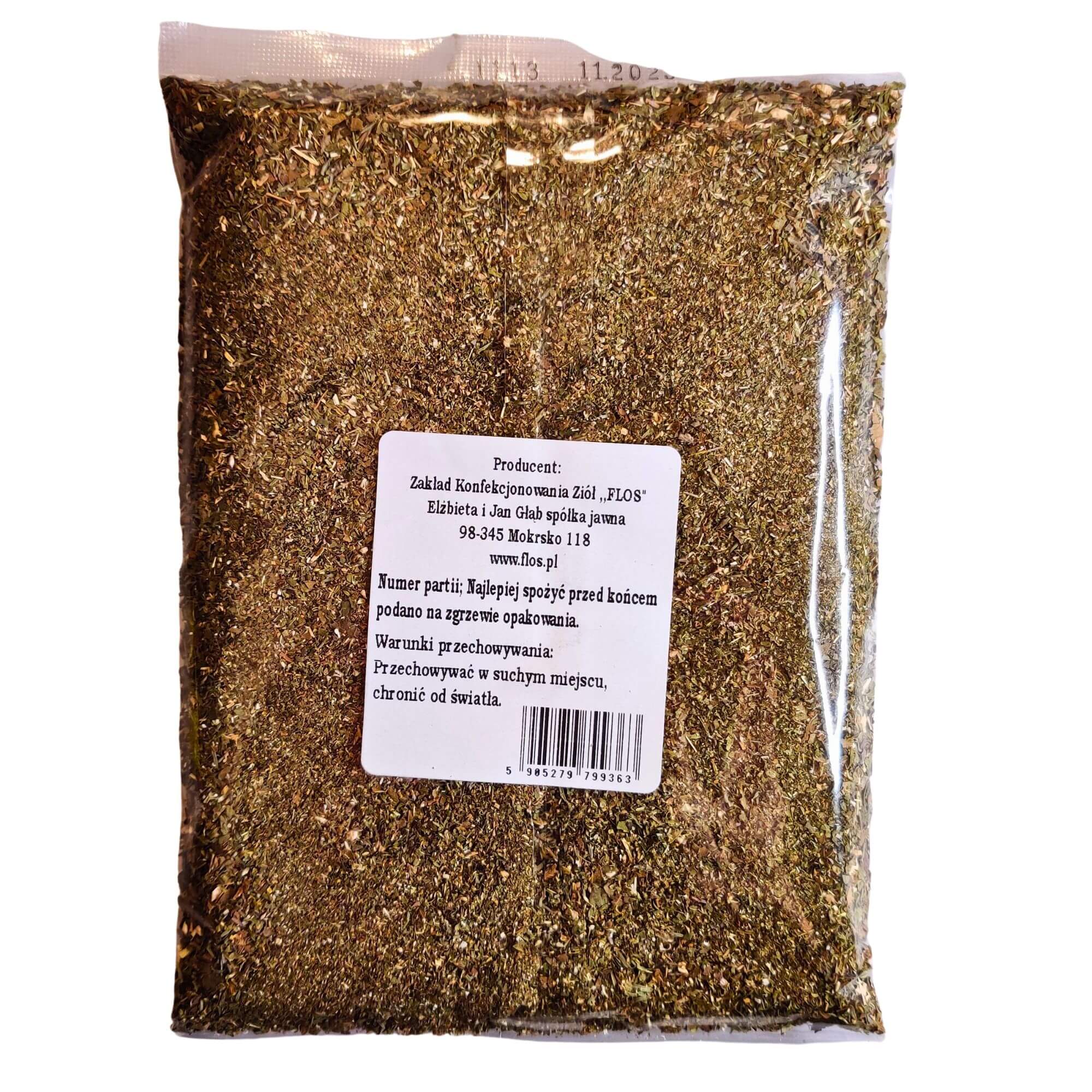
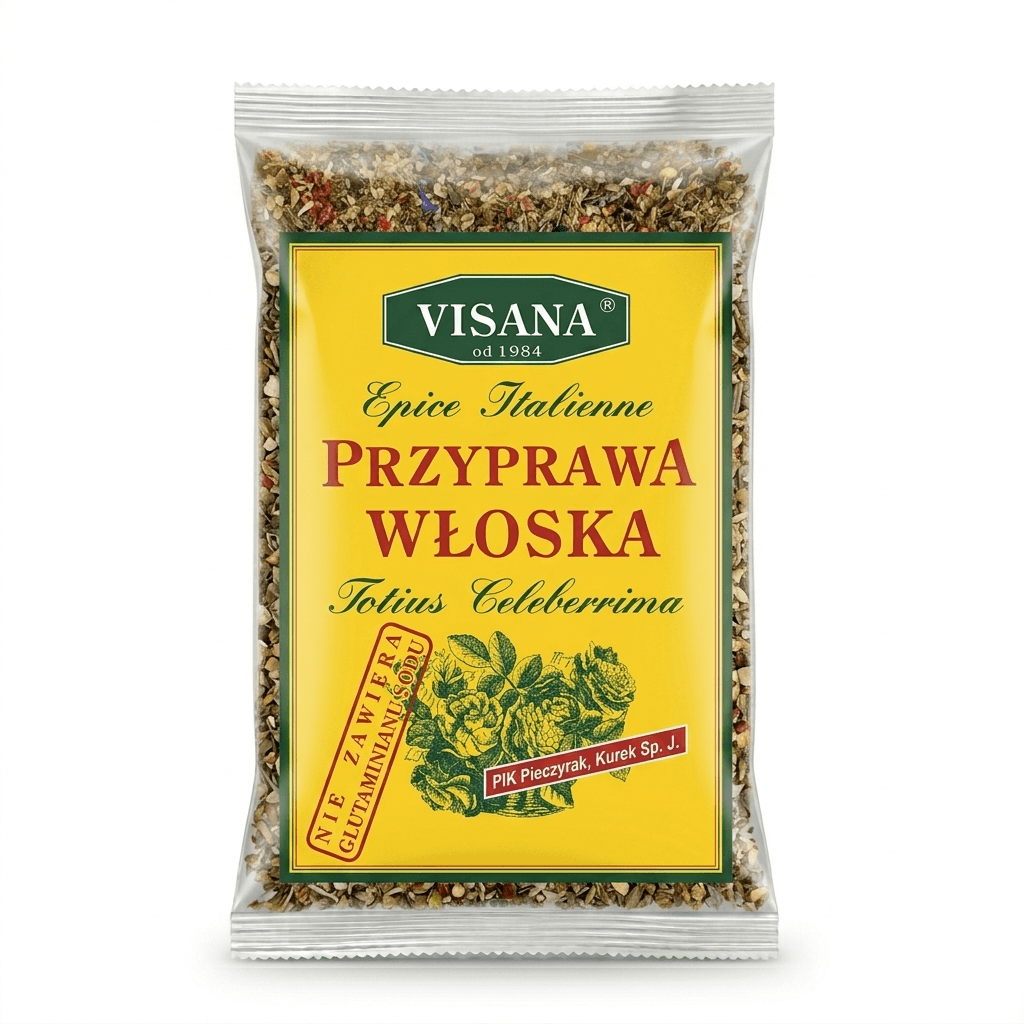
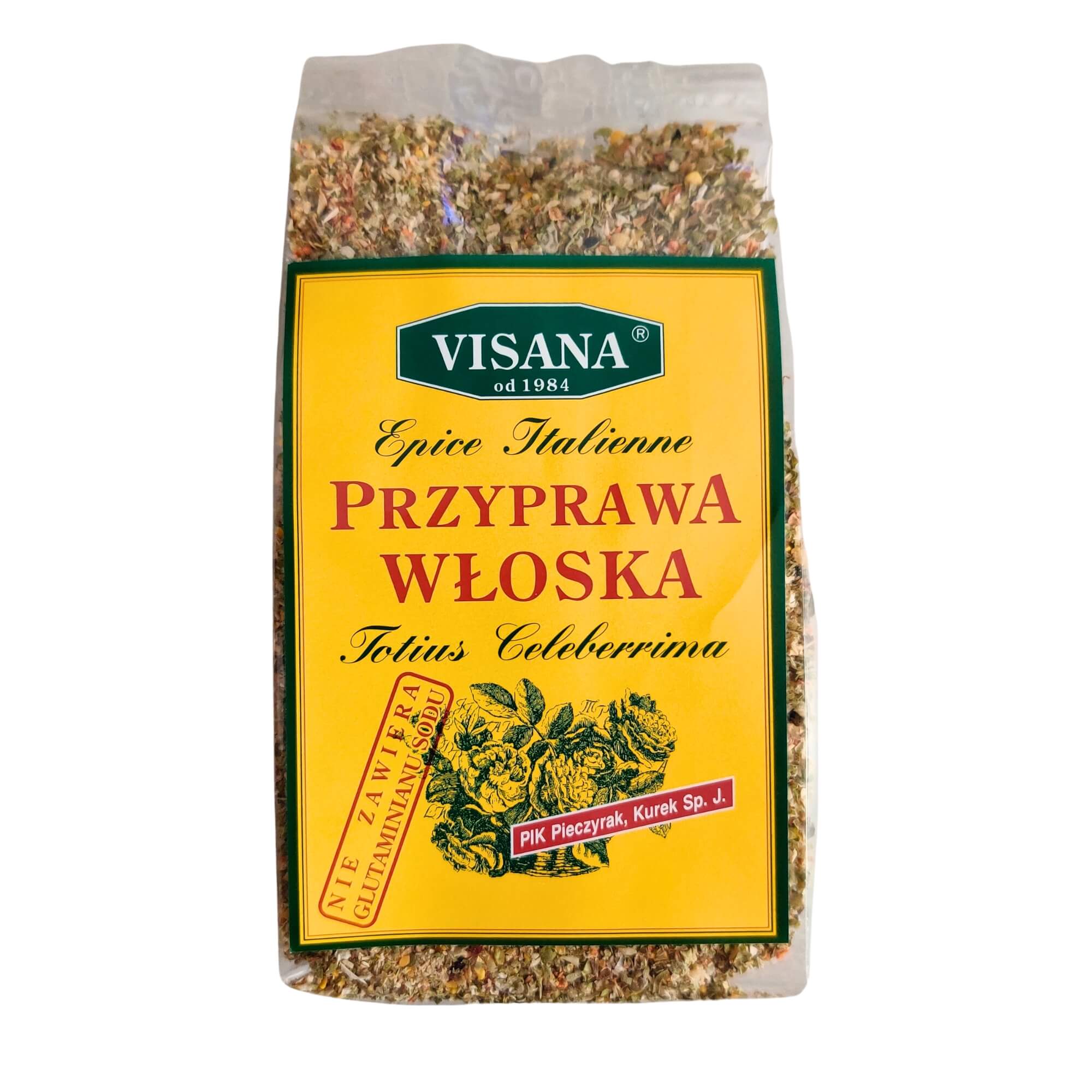
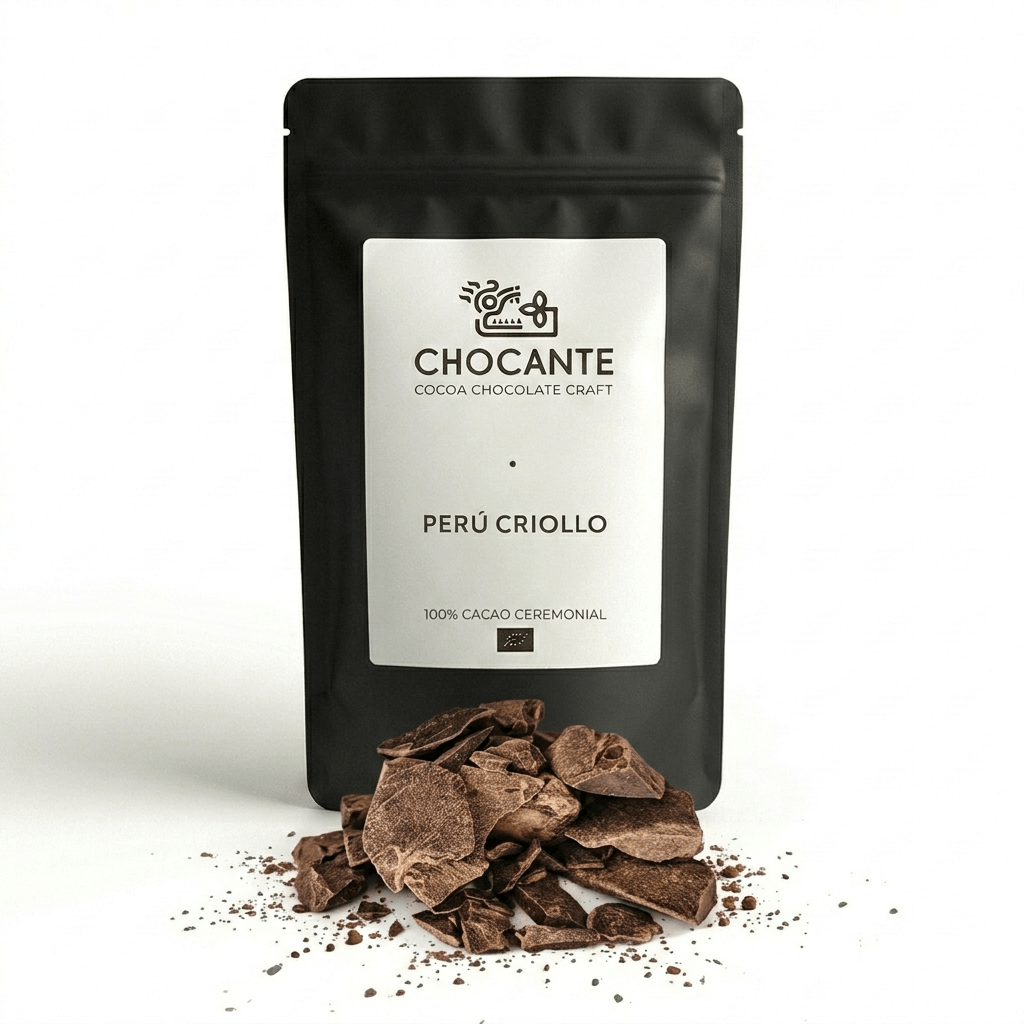
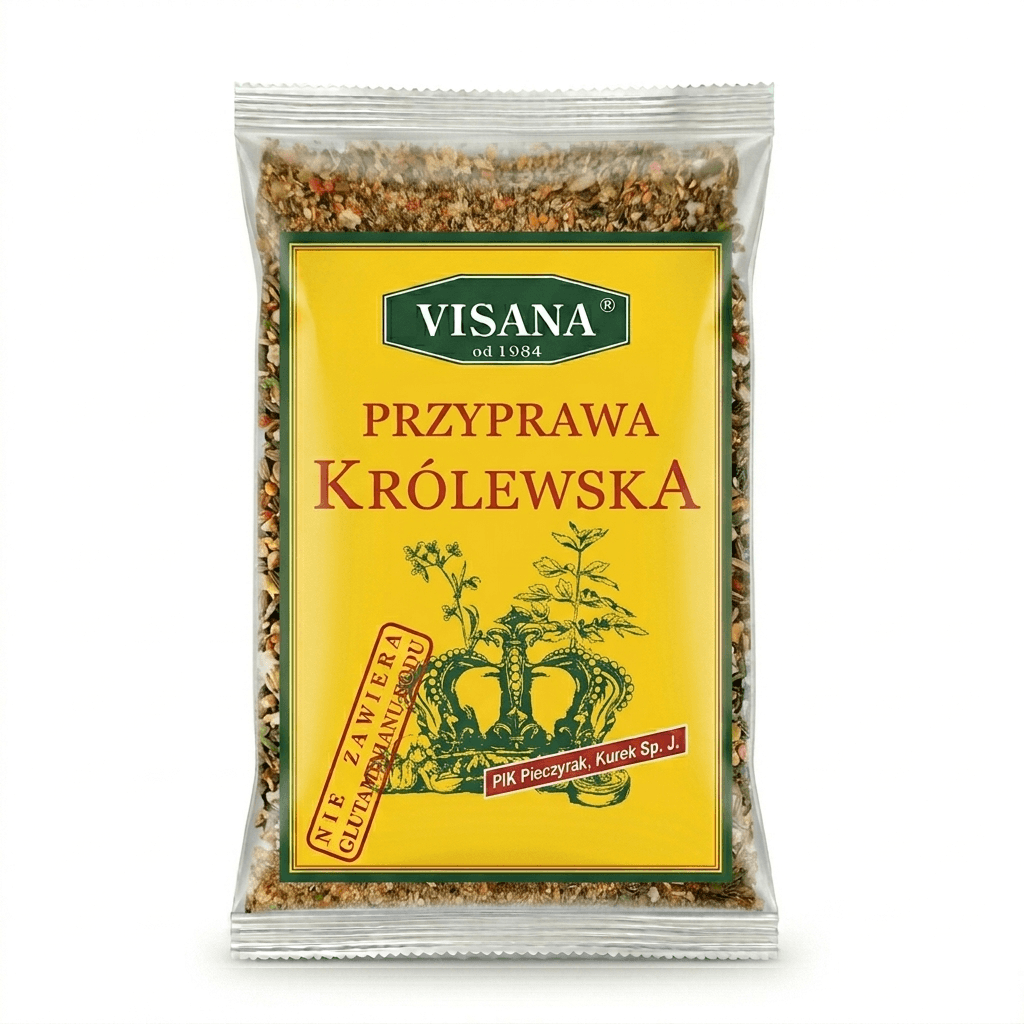
Visual greenwashing appeals to associations, not facts. Green packaging, leaves, images of forests, meadows, or clean water on the label suggest the product's ecological nature, even if its composition, production process, or packaging have nothing to do with genuine environmental concern. Color and symbolism work at the associative level faster than ingredient analysis – and that's what this technique exploits.
The appearance of the packaging itself is no confirmation – the only credible proof is a specific, verifiable certificate or numerical data.
2.7. What is selective data in ecological communication?
This technique involves citing research or data directly funded by the manufacturer that has not undergone independent scientific peer review, and at the same time presenting it as objective proof of the product's ecological or "natural" nature. This is often accompanied by omitting studies with different results or selecting only those fragments of data that support the marketing thesis.
2.8. Catalog of greenwashing techniques – summary table
| Technique | Example | How to recognize |
|---|---|---|
| Vague claims | "Natural", "eco", "environmentally friendly" without explanation | Lack of specific definition, percentage of ingredients, or reference to a standard |
| Irrelevant truth | "GMO-free" on a product that could never contain it | The feature is a category standard, not a differentiator |
| Hidden trade-off | Organic farming, but air transport from another continent | Communication omits other stages of the product's life cycle |
| False certificate | Manufacturer's own "leaf" without an accredited body | Absence of certificate number and name of independent body |
| Exaggerated claims | "100% natural" in the presence of synthetic additives | Claim does not match the full ingredient list |
| Visual greenwashing | Green packaging, leaves, nature motifs | Aesthetics without any concrete textual confirmation |
| Selective data | Manufacturer-funded study, no peer review | Lack of independent source or publication in a peer-reviewed journal |
Scroll right to see the full table (on mobile devices) →
3. Which eco-certificates are reliable and which are a sham?
As we mentioned in the chapter on fake certificates, not every green symbol on packaging means the same thing. A genuine eco-certificate always stands behind a specific, independent certification body that regularly audits the manufacturer – unlike proprietary "quality marks" created solely for marketing purposes.
3 characteristics of a genuine eco-certificate
- It has a certificate number and the name of a specific, independent certification body placed next to the symbol.
- The certification body maintains a publicly accessible database of certified products or producers.
- Certification is based on periodic, unannounced audits – not on a one-time declaration from the producer.

3.1. Organic Food Certifications: Euro-leaf, USDA Organic, and Demeter
The Euro-leaf is the mandatory EU organic food label, introduced in 2010 under Council Regulation (EC) No 834/2007, which was replaced by Council Regulation (EU) No 2018/848 (effective from January 1, 2022). It guarantees a minimum of 95% organic ingredients, no GMOs, and no artificial preservatives or colorings. We described its requirements and history in more detail in the article Organic Food – Definition, History, Certification.

Euro-leaf – the mandatory EU organic food label
USDA Organic is the American equivalent of the Euro-leaf, awarded under the National Organic Program (NOP) run by the US Department of Agriculture. Like the Euro-leaf, it requires a minimum of 95% organic ingredients and prohibits GMOs and artificial additives.

USDA Organic symbol
Demeter is a biodynamic agriculture certification, awarded by the German organization Demeter International. Its requirements are more stringent than standard organic certification – in addition to prohibiting synthetic fertilizers and pesticides, they also include specific cultivation rules in accordance with the biodynamic calendar.

Demeter symbol
3.2. Fair Trade and Rainforest Alliance Certifications – scope and limitations
Fairtrade, awarded by Fairtrade International, guarantees fair remuneration for farmers, a minimum price independent of market fluctuations, and a ban on child labor. However, it is an ethical certification, not an organic one – it does not in itself confirm the farming method, although it is often accompanied by an organic certification.

Fairtrade symbol
Rainforest Alliance (green frog) focuses on forest protection, biodiversity, and fair treatment of agricultural workers. Similar to Fairtrade, it is not an organic certification, but rather a sustainable agriculture label. It is worth noting that Rainforest Alliance requirements are less stringent regarding the guaranteed minimum price for farmers than those of Fairtrade.

Rainforest Alliance symbol
3.3. Certifications for "natural" cosmetics: COSMOS Organic, NATRUE, Ecocert
COSMOS Organic and COSMOS Natural are two distinct labels under the single COSMOS-standard, jointly developed by five European certification organizations. COSMOS Organic requires a higher proportion of organic ingredients than COSMOS Natural – this is a key difference to note, as both symbols look similar.

COSMOS Organic symbol
NATRUE, awarded by the Brussels-based non-profit organization founded in 2007, uses a three-tier labeling system: natural cosmetics, natural cosmetics with certified organic ingredients, and organic cosmetics.

NATRUE symbol
Ecocert, a French certification organization operating since 1991, covers not only food but also cosmetics, cleaning products, and textiles with its standard – which is why its symbol can be found in many different product categories.

Ecocert symbol
3.4. Certifications for supplements: how to distinguish real from decorative?
Dietary supplements are a category particularly susceptible to greenwashing and pseudo-certification – we discuss this mechanism in the next chapter. The most common labels found on supplement packaging are four:
- GMP (Good Manufacturing Practice) – confirms that the product was manufactured in accordance with good manufacturing practices regarding hygiene, quality control, and raw material traceability. This is a manufacturing standard, not an eco-certification.
- ISO – a series of quality management standards (e.g., ISO 22000 for food safety); it's worth checking if the given standard number actually exists and applies to the product category.
- Informed Sport – independent verification of the absence of prohibited substances on the WADA list; mainly relevant for competitive athletes subject to anti-doping controls.
- NSF – an American certification organization that tests products for contaminants and verifies the declared composition against the actual content.
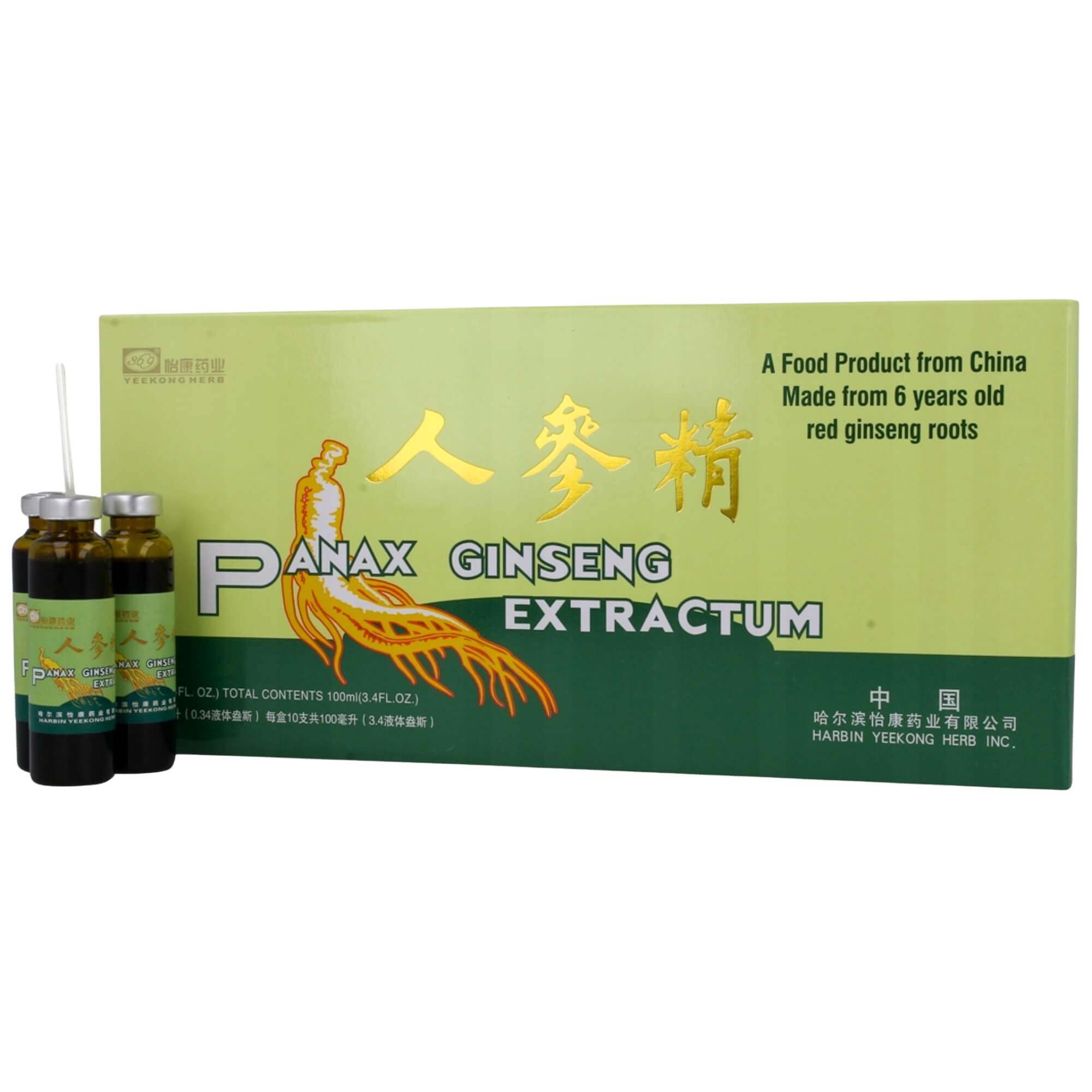
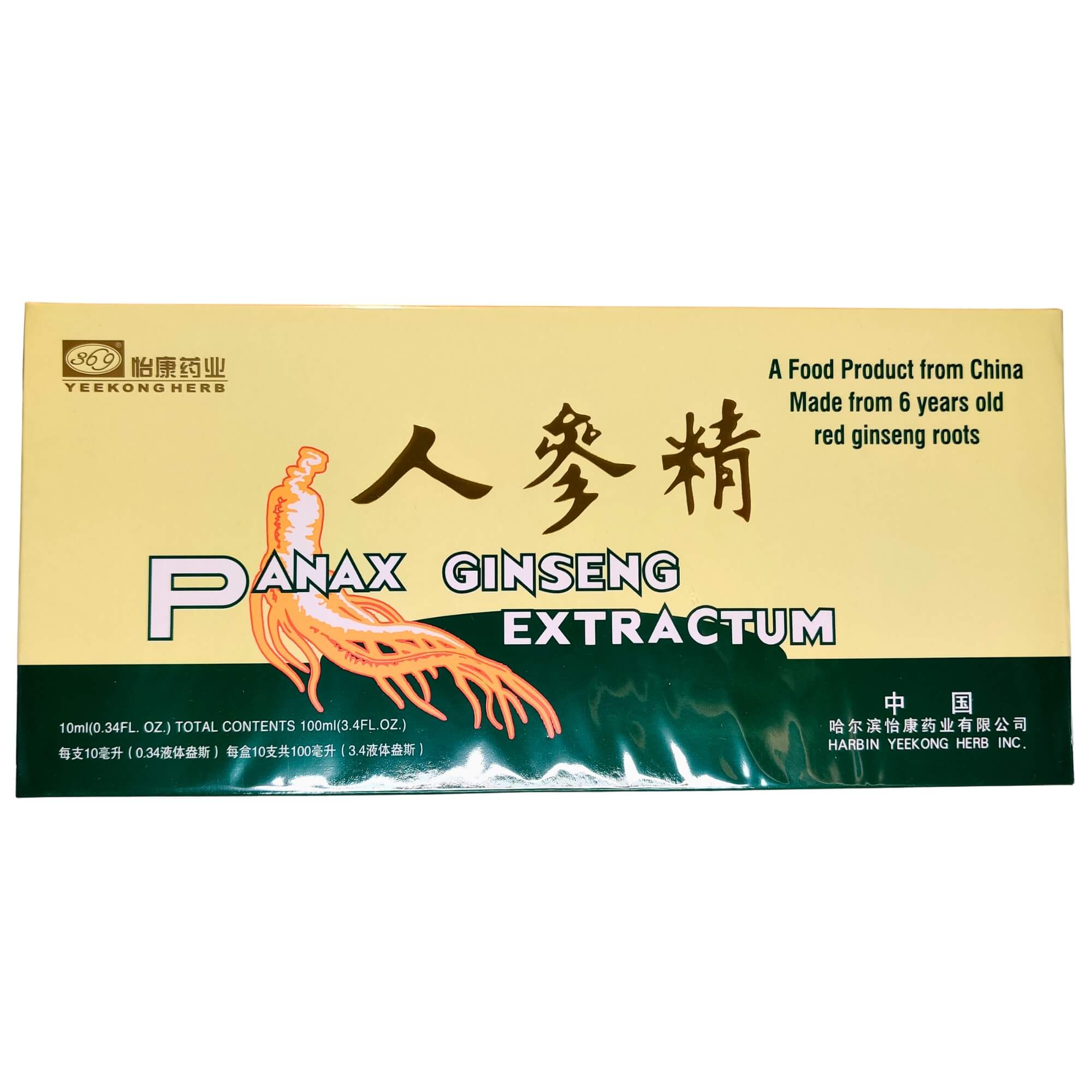
The key difference between a real and a decorative label: a genuine certificate can always be verified in the publicly accessible database of the certifying organization, by entering the batch number or product name. If the manufacturer only provides an acronym (e.g., "GMP") without a certificate number and the name of the auditing body, it is impossible to confirm the authenticity of such a label.
3.5. Summary table of organic certifications
| Certificate | Awarding Body | What it verifies | How to verify authenticity |
|---|---|---|---|
| Euro-leaf | Accredited EU certification bodies | Min. 95% organic ingredients, no GMOs | Certification body number next to the symbol |
| USDA Organic | USDA – National Organic Program | Min. 95% organic ingredients, no GMOs | Organic INTEGRITY Database (USDA) |
| Demeter | Demeter International | Biodynamic agriculture | Register of certified Demeter farms |
| Fairtrade | Fairtrade International | Fair remuneration, working conditions | Fairtrade Finder (online database) |
| Rainforest Alliance | Rainforest Alliance | Forest protection, working conditions | Certificate search on the organization's website |
| COSMOS Organic / Natural | COSMOS-standard (5 European organizations) | Proportion of organic ingredients in cosmetics | COSMOS certified product database |
| NATRUE | NATRUE (Brussels) | 3-tier classification of cosmetic naturalness | Product search on natrue.org |
| Ecocert | Ecocert (France) | Food, cosmetics, textiles, cleaning products | Ecocert certificate database |
| GMP / Informed Sport / NSF | Various industry bodies | Production quality, purity of supplements | Certificate number + body's database |
Scroll right to see the full table (on mobile devices) →
The above list is just a selection of the most important and common certifications. A full, detailed description of several ecological labels – along with the history of individual organizations and precise requirements – can be found in the article Ecological labels on food products.
4. How to read food and supplement labels?
A product label is the most reliable source of information about its actual composition – unlike a marketing slogan on the front of the packaging, the ingredient list is subject to strict legal regulations and must reflect the actual content of the product. The ability to read it is the most effective defense against greenwashing that a consumer has at their disposal.
4.1. What does the order of ingredients on the ingredient list mean?
According to EU Regulation 1169/2011 on the provision of food information to consumers, the producer is obliged to list all ingredients in descending order by weight – from the most abundant to the least abundant, calculated at the time of use in production.
This means that if on the ingredient list of a "protein" bar, sugar or glucose-fructose syrup is in the first or second place, and protein only appears further down the list, the product contains more sugar than protein – regardless of how prominent the "high protein content" slogan is on the packaging.
4.2. What ingredient names mask sugar, trans fats, and chemicals?
Manufacturers cannot omit an ingredient from the list, but they can name it in a way that means nothing to the average consumer. This is one of the legal, albeit ethically questionable, techniques for concealing an unfavorable composition.
| Name on label | What it actually is | Category |
|---|---|---|
| Glucose-fructose syrup, dextrose, maltodextrin | Forms of added sugar | Sugar |
| Fruit juice concentrate | Concentrated fruit sugar, technologically similar to added sugar | Sugar |
| Partially hydrogenated/hardened vegetable oil | Source of trans fats | Trans fats |
| Mono- and diglycerides of fatty acids (E471) | Emulsifier, may contain trace amounts of trans fats | Additive/emulsifier |
| Nature-identical flavor | Chemically recreated synthetic compound, despite the natural-sounding name | Flavoring substance |
Scroll right to see the full table (on mobile devices) →
4.3. When is a "free from..." label marketing, and when is it real value?
A label like "sugar-free," "gluten-free," or "lactose-free" has real informational value when it refers to an ingredient that could genuinely be found in that product category, and its absence requires a specific modification to the recipe or production process – e.g., "gluten-free" on oat flakes certified as gluten-free, which requires a separate production line and laboratory testing.
It becomes pure marketing when it refers to an ingredient that could never be found in that product category – we return here to "immaterial truth" described in section 2.2. Example: mineral water advertised as "preservative-free" – no mineral water contains preservatives, so this slogan provides no differentiating information.
4.4. Do nutritional values always correspond to the actual composition?
The nutrition facts panel provides averaged values, calculated based on the recipe, not laboratory-measured for each product batch. The law allows for specific tolerances for deviations here. In most cases, these differences are minimal and irrelevant to the consumer, but it is worth knowing that the nutrition facts panel itself is not proof of the quality or naturalness of a product – it only informs about the proportions of macronutrients, calories, and selected micronutrients, not about the origin or production method of the raw materials.
Therefore, a product with a "clean" nutrition facts panel (e.g., low sugar content) can simultaneously contain artificial additives, intense sweeteners, or flavorings – which are not reflected in the nutrition facts panel, but only in the ingredient list.
4.5. How do the expiration date and storage conditions affect product quality?
Labels show two different markings that are easy to confuse:
- "Best before" (minimum durability date) – after this date, the product may gradually lose its taste, aroma, or some nutritional value, but it does not necessarily become unsafe for health.
- "Use by" (expiration date) – applies to perishable products; after this date, the product should no longer be consumed for safety reasons.
The storage conditions stated on the label (temperature, humidity, light exposure) directly affect the stability of active ingredients – this particularly applies to herbs, teas, and supplements, where improper storage can accelerate the degradation of essential oils or vitamins, even though the product technically remains within its validity period.
5. How to identify greenwashing in dietary supplements?
Dietary supplements are one of the categories most susceptible to greenwashing and unsubstantiated marketing – this stems directly from the way they are legally regulated. Unlike medicines, no one verifies their effectiveness before they are introduced to the market.
5.1. Are dietary supplements subject to registration and composition verification in Poland and the EU?
Not in the sense that the word "registration" might suggest. In Poland and throughout the European Union, dietary supplements are legally classified as food, not medicinal products – in accordance with Directive 2002/46/EC. This means that before being placed on the market, they do not undergo a registration procedure analogous to medicines, which requires proof of efficacy and safety assessed by an independent body.
In Poland, an entrepreneur is only obliged to notify the Chief Sanitary Inspectorate (GIS) of the first introduction of a product to the market, in accordance with Art. 29 of the Act on Food and Nutrition Safety. This is a purely notification-based model – GIS does not issue any approval decision nor does it substantively assess the composition, effectiveness, or validity of claims made on the label. It merely records the fact of notification, and full responsibility for the product's compliance with the law rests with the entrepreneur. Control can only occur after the product has been placed on the market, as part of sanitary supervision.
This regulatory loophole is one of the main reasons why so many unconfirmed claims of "naturalness" and "eco-friendliness" appear on the supplement market – no one verifies them at the stage of product entry into the market.
5.2. Is a "natural" ingredient always better than a synthetic one?
No. This is one of the most common oversimplifications used in supplement marketing. The origin of an ingredient – natural or synthetic – does not in itself determine its quality, safety, or effectiveness. Many synthetic forms are structurally identical to natural forms (e.g., vitamin C synthesized from glucose has an identical molecular structure to vitamin C from fruits), and some synthetic forms even show higher stability or bioavailability than their natural counterparts.
On the other hand, "natural origin" is often emphasized as an inherent value precisely because it sells more easily – regardless of whether it actually translates into better action of a given ingredient in the body. The key question to ask when choosing a supplement is not "natural or synthetic," but: does the form of the ingredient have confirmed bioavailability, and is the dosage consistent with what research indicates.
5.3. What to look for in a supplement's composition, and what can be ignored?
When evaluating the composition of a supplement, it's worth focusing on a few specific elements and omitting those that are primarily for marketing purposes:
- Check: the exact chemical form of the active ingredient (e.g., magnesium citrate vs. magnesium oxide), the actual dose per serving in milligrams or micrograms, not a percentage of "recommended daily allowance" without an absolute value.
- Check: the full list of excipients (fillers, coatings, colorants) – their presence itself is not alarming, but it's good to know exactly what you're ingesting.
- Ignore: slogans like "premium," "exclusive," or "advanced formula" – they have no legal or substantive meaning.
- Ignore: the number of ingredients on the list as a determinant of quality – a larger number of ingredients does not automatically mean a better product; sometimes it only means more extensive marketing.
5.4. How to check a supplement's composition independently of the label?
The label is not the only source of information available. Here are a few ways to verify independently:
- Check if the manufacturer provides Certificates of Analysis (CoA) for a specific product batch – reputable manufacturers often make them available upon request or publicly on their website.
- Verify quality certificates described in section 3.4 (GMP, Informed Sport, NSF) in publicly available databases of certifying organizations, instead of relying solely on the symbol on the packaging.
- Check if the given form and dose of the ingredient are reflected in scientific publications available in the PubMed database – this is the most reliable, manufacturer-independent way to verify the validity of the applied dose.
6. What characterizes greenwashing in natural cosmetics?
The cosmetics industry is one of the sectors most susceptible to greenwashing – mainly because the word "natural" on a cosmetic label is not a legally protected term in the European Union, unlike, for example, "organic" in the context of certified food.

6.1. What is the difference between a "natural" cosmetic and a certified organic one?
These are two completely different categories, although they are often confused in marketing communication:
- "Natural" cosmetic – a legally unprotected term. A manufacturer can use it if the composition contains even a small percentage of plant-derived ingredients, even if the rest of the formula consists of synthetic ingredients.
- Certified organic cosmetic – requires meeting specific, externally audited percentage thresholds for organic ingredients (described in section 3.3), confirmed by an independent certifying body such as COSMOS-standard, NATRUE, or Ecocert.
In practice, this means that two cosmetics can stand next to each other on a shelf – one with a COSMOS Organic certificate, the other only with the slogan "natural cream" on the label – and have a completely different, measurable share of organic ingredients in the formula, despite seemingly similar communication.
6.2. How to read INCI and which ingredients only sound natural?
INCI (International Nomenclature of Cosmetic Ingredients) is an international, harmonized system for naming cosmetic ingredients, mandatory in the EU under Regulation (EC) No 1223/2009. Ingredients are listed in descending order by weight – analogous to the food ingredient list described in section 4.1.
The INCI system can be misleading for consumers for two opposing reasons:
- Natural ingredients sound chemical – botanical names in INCI are given in Latin, e.g., "Butyrospermum Parkii Butter" is simply shea butter, and "Cocos Nucifera Oil" is coconut oil. Consumers unfamiliar with this convention may mistakenly perceive a fully natural ingredient as a suspicious chemical substance.
- Synthetic ingredients sound natural – the opposite situation is equally common. The term "Parfum" or "Fragrance" on the INCI list can hide many different fragrance compounds under one name, including synthetic ones, protected as the manufacturer's trade secret and not listed separately.
6.3. What is the difference between COSMOS Organic and COSMOS Natural?
Both designations operate within the single COSMOS-standard, but visually they are so similar that they can be easily confused during quick shopping – which in itself can be a source of unwitting consumer deception, even if both labels are fully legal.
COSMOS Natural confirms that the product is made from natural ingredients and permissible processing methods, but it does not require these ingredients to come from certified organic farms. COSMOS Organic goes a step further – it requires a specific minimum proportion of organic ingredients in the entire formulation, confirmed by an organic farming certificate.
Consumers who intentionally choose organic products should look specifically for the word "Organic," not just the COSMOS logo – both variants share the same graphic design of the symbol.
6.4. What is packaging greenwashing in cosmetics?
This is a type of hidden trade-off, already described in section 2.3, but in the cosmetics industry, it takes a specific form. The manufacturer highlights one ecological element of the packaging – e.g., a glass jar, a paper label, or the slogan "recycled packaging" – while the cosmetic formula itself has no natural or organic certification.
A common variant is also the use of green colors, plant motifs, and materials imitating paper or linen on the packaging of a product that, in reality, does not differ in composition from conventional counterparts – this is a direct application of visual greenwashing described in section 2.6, transferred to the cosmetic context.
6.5. What to look for on a cosmetic label to distinguish between a certificate and marketing?
Quick checklist for cosmetics
- Is the name of a specific certifying body (e.g., Ecocert, COSMOS-standard) visible next to the certificate symbol?
- Does the phrase "natural" or "organic" refer to a specific, quantifiable percentage of ingredients, or is it used without any numerical reference?
- Do the INCI ingredient names correspond to what the packaging suggests – can they be verified as genuinely plant-based?
- Does the communication relate to the product formula, or exclusively to the packaging?
7. How to verify a product before purchase? Tools and methods
Recognizing manipulation techniques is one thing, but equally important is the ability to conduct independent, active verification – instead of relying solely on what is visible on the packaging. Below are specific tools and places where you can do this in a few minutes.

7.1. Where to check the authenticity of a certificate in official databases?
Each of the certificates described in section 3 has its own publicly available, official verification database:
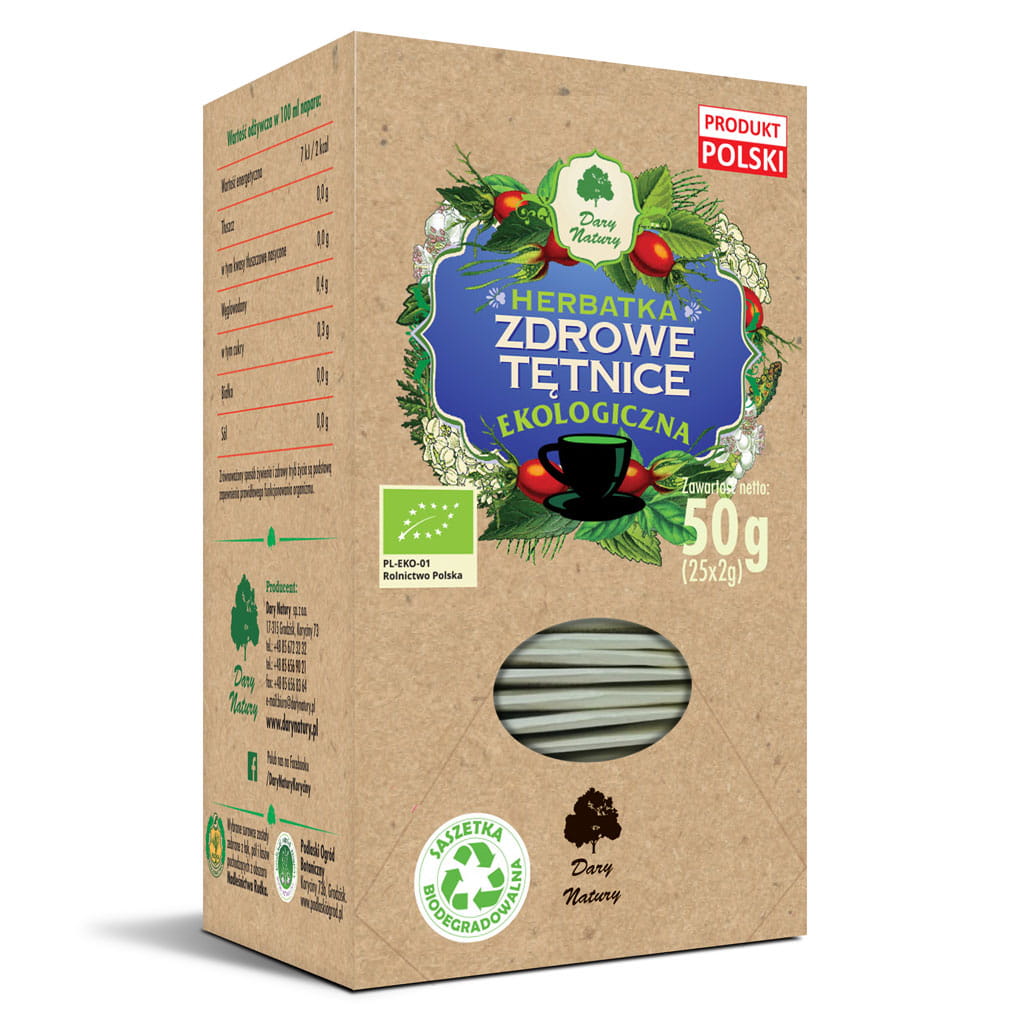
- Euro-leaf – every certified organic product in the EU must have the operator code and the name of the certifying body (e.g., "PL-EKO-01") on its label, which can be verified in the EU database TRACES NT – Organic Operator Certificates, maintained by the European Commission.
- COSMOS Organic / Natural – the official product database is available on the cosmos-standard.org website.
- Ecocert – an independent directory of certified clients and products can be found at certificat.ecocert.com.
- USDA Organic – verification is possible through the Organic INTEGRITY database maintained by the US Department of Agriculture.
7.2. What applications help verify product composition before purchase?
Beyond official certificate databases, there are publicly available mobile applications that allow scanning a product's barcode and quickly analyzing its composition:
- Apps like Yuka or INCI Beauty allow you to scan the barcode of food or cosmetics and receive a composition rating along with an explanation of the function of individual ingredients.
- Open Food Facts is an open, community-contributed database of food products from around the world, allowing you to check the full composition and nutritional values regardless of what is displayed on the front of the packaging.
Such applications are based on composition assessment algorithms, not independent certification – they are a good starting point for quick orientation, but they do not replace checking a real certificate in an official database.
7.3. How to read a manufacturer's website – credibility and warning signs?
| Credibility signal | Warning signal |
|---|---|
| Provided certificate number and name of the certifying body | Graphic symbol only, without any number or name of the authority |
| Clearly described supply chain and country of production | Vague "produced with care for nature" without specifics |
| Full list of ingredients available on the product page | Composition available only as a low-quality, difficult-to-read photo |
| Link to reports or audits by independent organizations | References exclusively to "own research" without citing the source |
Scroll right to see the full table (on mobile devices) →
7.4. What to do if a certificate seems suspicious?
If the symbol on the packaging looks like a certificate but cannot be found in any of the official databases described in section 7.1, it is worth taking the following steps:
- Check if the manufacturer provides the name and number of the certifying body on their website – if not, this is a strong indication that the symbol might be a proprietary marketing mark.
- Independently search online for the name of the alleged certifying organization – real certifying bodies have their own websites, registers, and verifiable history of activity.
- Report the concern directly to the Office of Competition and Consumer Protection (UOKiK) or the relevant local trade inspection body if the suspicion concerns a product sold in Poland.
8. How to distinguish an honest store and manufacturer from a greenwasher?
An individual product can be assessed by its label and certificate, but equally important is the assessment of the entire company behind the brand – because greenwashing rarely concerns a single product in isolation from the rest of the manufacturer's business practices.
8.1. What does full manufacturer transparency mean – country of production, supply chain, composition?
An honest manufacturer does not hide basic information about the product's origin. In practice, this means a clearly stated country of production (and not just the country of the company's headquarters, which can be misleading when the production itself takes place elsewhere), and ideally also information about where the key raw materials come from.
The second element is the full product composition, available not only on the physical label but also on the website – in text form, which can be copied and checked, and not solely as a photo of the packaging. Manufacturers who intentionally hinder access to the full list of ingredients (e.g., by publishing it only as a poor-quality photo, as discussed in section 7.3) rarely do so accidentally.
8.2. Does an honest manufacturer always provide the certificate number and certifying body?
Yes – this is one of the most unambiguous tests described already in section 3. If a company genuinely holds an organic, Fair Trade, or COSMOS certificate, there is no reason to hide the certificate number or the name of the certifying body – on the contrary, it is information that builds trust, so honest manufacturers willingly display it, usually directly next to the certificate symbol or in a separate section of the website dedicated to quality.
The absence of this information while simultaneously displaying only the graphic symbol of the certificate is one of the strongest warning signs a consumer can observe.
8.3. Where to look for independent reviews and opinions from consumer organizations?
Beyond customer reviews on the store's website (which the manufacturer can select), it's worth turning to sources entirely independent of the manufacturer:
- Office of Competition and Consumer Protection (UOKiK) – maintains a register of prohibited clauses and takes action against companies using misleading advertising, including greenwashing.
- Federacja Konsumentów (Consumers' Federation) – a Polish non-governmental organisation that publishes consumer warnings and guides, independent of producers.
- Europejskie Centrum Konsumenckie (European Consumer Centre - ECC-Net network) – helps in cross-border disputes and publishes information on unfair practices in the EU market.
- International organisations that specifically monitor greenwashing, such as the British Changing Markets Foundation and the legal organisation ClientEarth, which regularly publish reports and take legal action against companies that make unsubstantiated environmental claims.
8.4. Does a high price always mean higher quality and eco-friendliness?
No, although there is some correlation. Real eco-certification, fair trade, or certified, high-quality raw materials generate real costs – audits, higher raw material prices, limited production scale – which usually translates into a higher final price. In this sense, a very low price combined with declarations of full eco-certification should raise suspicion.
However, the correlation does not work the other way around: a high price alone is not proof of a product's eco-friendliness or quality. A high price can just as well result from positioning the brand as premium, marketing costs, or simply a higher margin – regardless of whether the product actually has any certification. The only reliable indicator remains a specific, verifiable certificate, not the shelf price itself.
9. FAQ – Frequently Asked Questions about Greenwashing
9.1. Is an online store legally responsible for its suppliers' greenwashing?
Responsibility depends on who makes the claim. If the store independently creates product descriptions containing unsubstantiated ecological slogans, it is responsible for them under the same rules as the manufacturer – regardless of the fact that the product itself was manufactured by another company. Therefore, verifying suppliers' certificates before publishing a product description is in the interest of every store, not just the manufacturer.
9.2. Does greenwashing only concern large corporations?
No – this is a common misconception. Small and medium-sized companies equally often use vague ecological slogans, sometimes unknowingly, without the intention of misleading, simply not knowing the exact legal requirements for individual certificates. The size of the company does not matter for assessing whether a given claim is legal – only the content of the communication and its factual basis matter.
9.3. How long does the eco-certification process for a product take?
It depends on the type of certificate and the size of the farm or production plant, but in the case of organic farming certification in the EU, the process usually involves a conversion period lasting 2 to 3 years, during which the farm gradually abandons conventional cultivation methods before gaining full right to label crops as organic. Certification of cosmetics or processed products usually takes less time, as it mainly concerns the audit of the recipe and production process, not a multi-year soil conversion.
9.4. Can a product without a certificate still be eco-friendly?
Theoretically, yes – small farms sometimes use cultivation methods consistent with organic standards but forgo formal certification due to its cost, which can be proportionally too high for a very small scale of production.
In practice, however, the consumer has no way to verify such a claim other than by trusting a direct relationship with the producer – which means that for larger-scale purchases, a certificate remains the only practically verifiable confirmation.
9.5. What should I do if I bought a product with a fake certificate?
It is advisable to keep proof of purchase and a photo of the label with the certificate symbol, and then report the matter to the Office of Competition and Consumer Protection or the Consumers' Federation, as described in section 8.3. Concurrently, the standard complaint procedure against the seller applies if the product does not match the description on the basis of which it was purchased.
9.6. Does the EmpCo directive only apply to companies registered in the EU?
No – the place of sale is crucial, not the company's headquarters. EmpCo regulations apply to all entities offering products to consumers within the European Union, regardless of where the selling company is formally registered – analogously to how GDPR applies to any company processing data of EU citizens.
10. Summary
Greenwashing relies on several repeatable mechanisms – vague slogans, hidden compromises, false certificates, and visual communication without factual basis – which, once understood, are easy to recognise regardless of the product category.
Key verification rules to remember:
- A genuine certificate always has a number and the name of an independent certifying body – verifiable in an official, public database.
- The words "natural", "eco", and "green" without reference to a specific certificate or numbers currently have no legally binding force – and from September 27, 2026, with the entry into force of the EmpCo directive, their use without evidence will become legally risky for producers.
- The ingredient list, sorted in descending order by weight, says more about the actual product than any slogan on the front of the packaging.
- Manufacturer transparency – clear country of origin, full composition, visible certificate numbers – is the simplest practical indicator of brand honesty.
A conscious consumer, equipped with these few habits of reading labels and verifying certificates in official databases, is able to distinguish genuine product eco-friendliness from mere marketing hype – without needing specialised legal or chemical knowledge.
11. Sources
- European Commission – Green claims
- Directive (EU) 2024/825 – Empowering Consumers for the Green Transition (EUR-Lex)
- UL Solutions – Sins of Greenwashing
- Regulation (EU) No 1169/2011 – EUR-Lex
- Chief Sanitary Inspectorate – notification system for food supplements
- TRACES NT – Organic Operator Certificates (European Commission)
- COSMOS-standard – database of certified products
- Ecocert – catalogue of certified clients