The article was updated on 20.02.2026.
Table of Contents:
- What are the causes of clogged and contaminated veins?
- Symptoms of vein and artery diseases – how to recognize them?
- Which herbs to choose for cleansing veins and arteries?
- What else supports vein and artery health? Key active substances
- FAQ – Frequently asked questions about herbs for cleansing veins and arteries
- Summary
- Sources and further reading
The best-researched herbs that support vein and artery health are hawthorn, garlic, ginkgo biloba, horse chestnut, and turmeric – each has clinically documented effects on the vascular system, confirmed in human studies. They are supplemented by: rosehip, rosemary, Japanese pagoda tree, buckwheat, and nettle. None of these herbs cure vascular diseases or replace medications, but they can provide valuable natural support for prevention – especially when combined with a healthy diet and physical activity.
In this article, you will find a reliable, research-based review of 10 herbs and 5 key active substances (including flavonoids, omega-3, vitamins C and B) that support the condition of blood vessels. We also explain the differences between venous and arterial diseases, what symptoms should prompt a doctor's visit, and what to be aware of when combining herbs with medications.
This article is intended for people looking for proven, natural methods to care for their circulatory system – both preventively and as a supplement to medical recommendations.
1. What are the causes of vein and artery diseases?
Blood vessel diseases usually develop over many years – silently and without clear symptoms. Their most common cause is atherosclerosis, a chronic inflammatory process in the artery walls that leads to the gradual accumulation of atherosclerotic plaques, narrowing of the vessels, and impaired blood flow. Untreated atherosclerosis can lead to a heart attack, stroke, or limb ischemia.
It is worth noting that the first atherosclerotic changes (so-called fatty streaks) can appear in childhood – their subsequent course largely depends on lifestyle and awareness of risk factors.

1.1. How does atherosclerotic plaque actually form?
The starting point is damage to the vascular endothelium – the thin lining inside the artery. Under the influence of various factors (high blood pressure, toxins from tobacco smoke, elevated blood sugar), the endothelium loses its protective properties. LDL cholesterol particles and inflammatory cells begin to penetrate the damaged areas. This leads to the gradual growth of atherosclerotic plaque and narrowing of the artery. When a vessel is more than 70% blocked, the first symptoms of ischemia begin to appear.
A sudden rupture of the plaque can, however, cause rapid vessel occlusion and an acute event – a heart attack or stroke.
1.2. Risk factors for atherosclerosis – modifiable and non-modifiable
Risk factors are divided into those we can influence and those we cannot change. This classification is practically important: the more modifiable factors we manage to eliminate or reduce, the lower the risk – even if we have unfavorable genes.
Non-modifiable factors (beyond our control):
- Age – with age, blood vessels lose elasticity and are more susceptible to damage. Symptoms of atherosclerosis most often appear after the age of 50, although the process itself begins much earlier.
- Gender – men are more susceptible to atherosclerosis earlier than women. In women, the risk significantly increases after menopause when the protective effect of estrogens on vessel walls declines. Ultimately, cardiovascular diseases cause higher mortality in women than in men.
- Genetics and family history – predispositions to lipid disorders can be hereditary. An example is familial hypercholesterolemia, a genetic disease in which LDL cholesterol levels are persistently elevated regardless of diet. It is estimated that in Poland, it remains largely undiagnosed.
Modifiable factors (we can influence):
- Lipid disorders (dyslipidemia) – elevated levels of LDL cholesterol and triglycerides, and low HDL levels, are one of the main drivers of atherosclerosis. According to the NATPOL 2011 study, hyperlipidemia affected about 61% of Poles aged 18–79, and as many as 65% of these cases remained undiagnosed. Regular lipid panel testing is fundamental to prevention.
- Arterial hypertension – high blood pressure mechanically damages the vascular endothelium, accelerating plaque deposition. It is one of the most important modifiable risk factors for cardiovascular diseases in Poland.
- Diabetes and insulin resistance – persistently elevated blood glucose levels damage blood vessels at many levels. In people with diabetes, atherosclerosis often proceeds asymptomatically and progresses faster than in healthy individuals.
- Unhealthy diet – a diet rich in saturated fats, trans fats (present in highly processed foods), simple sugars, and salt promotes lipid disorders, hypertension, and obesity. Conversely, a diet rich in vegetables, fruits, whole grains, nuts, and unsaturated fats has a protective effect on blood vessels.
- Lack of physical activity – a sedentary lifestyle promotes obesity, diabetes, and hypertension. Regular physical activity improves lipid profiles, lowers blood pressure, and improves endothelial function. The WHO recommends adults at least 150–300 minutes of moderate-intensity activity per week.
- Smoking – substances contained in tobacco smoke (including nicotine and carbon monoxide) directly damage the vascular endothelium, intensify inflammation, and increase blood viscosity. Smoking is one of the strongest modifiable risk factors for atherosclerosis – this applies to both traditional cigarettes and e-cigarettes.
- Excessive alcohol consumption – regular alcohol abuse raises blood pressure and triglyceride levels, damages the liver (which is responsible for cholesterol metabolism), and intensifies atherosclerotic processes. The potential benefits described for moderate alcohol consumption are debatable and do not constitute cardiological recommendations.
- Abdominal obesity – excess fat tissue in the abdominal area (so-called visceral obesity) is strongly associated with dyslipidemia, insulin resistance, and hypertension. Waist circumference is a better predictor of cardiovascular risk than body weight alone.
- Chronic stress – long-term psychosocial stress (work stress, low socioeconomic status, lack of social support) accelerates the development of cardiovascular diseases. Cortisol and other stress hormones raise blood pressure and glucose levels, and chronic tension can lead to behaviors harmful to blood vessels (overeating, smoking, lack of exercise).
Important: The co-occurrence of several risk factors does not add up, but multiplies the threat. Two risk factors together can increase the probability of a cardiovascular event fourfold, and three – more than tenfold. Therefore, a comprehensive approach to prevention is crucial, rather than eliminating only one factor.
1.3. Vein diseases – a separate issue
It is important to distinguish between arterial problems (atherosclerosis) and vein diseases, such as chronic venous insufficiency or varicose veins of the lower limbs. They have different origins – mainly weakening of vein walls and insufficiency of venous valves, which lead to blood stasis. They are promoted by prolonged standing or sitting, pregnancy, obesity, genetic predispositions, and lack of exercise. Symptoms include a feeling of heavy legs, swelling, and visible varicose veins.
Veins, unlike arteries, do not accumulate atherosclerotic plaques – their problems require a different diagnostic and therapeutic approach.

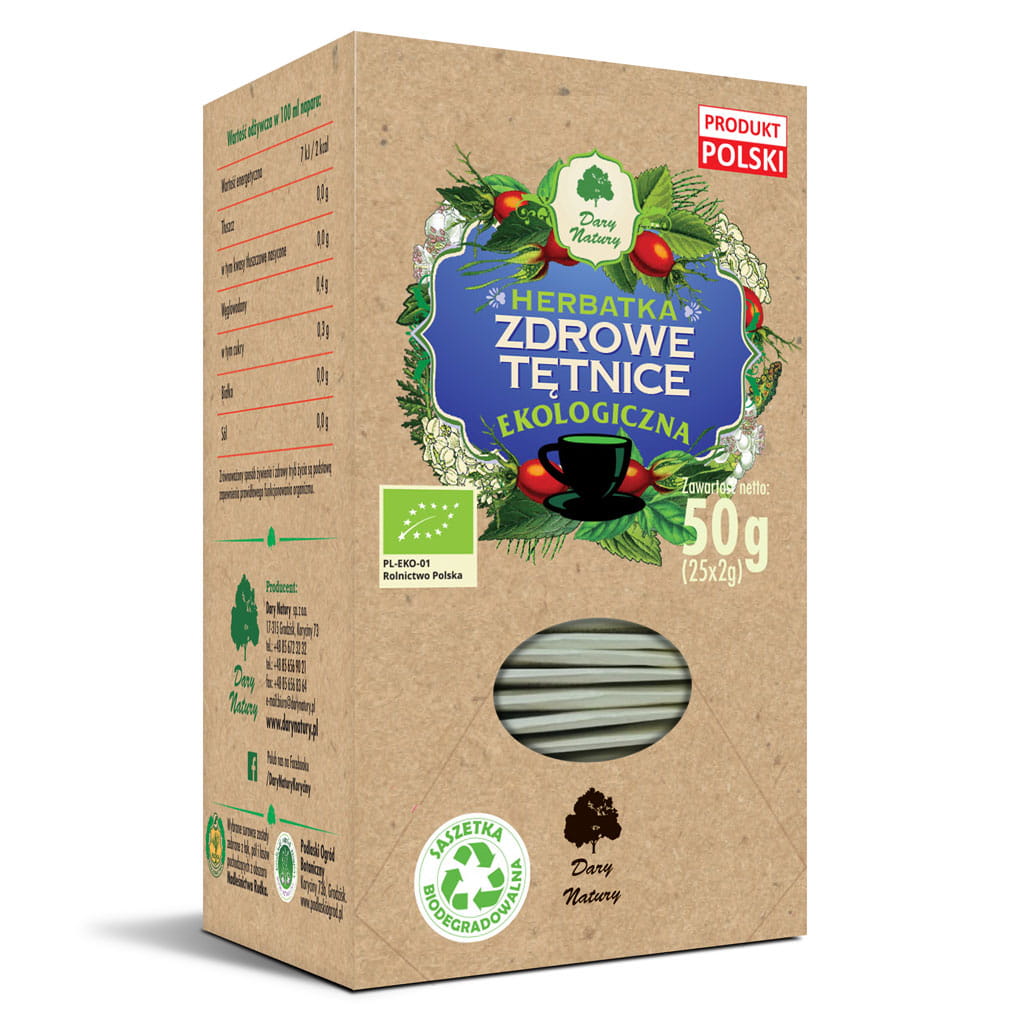
Healthy Arteries BIO Tea (25 × 2 g) 50 g - Dary Natury
2. Symptoms of vein and artery diseases – how to recognize them?
Problems with blood vessels manifest differently depending on whether they affect veins or arteries – these are two distinct systems with different physiology and different warning signs. Below we discuss them separately.
2.1. Symptoms of venous diseases (chronic venous insufficiency, varicose veins)
Chronic venous disease of the lower limbs is one of the most common vascular problems – according to studies, varicose veins affect approximately 47% of women and 37% of men in Poland. Its symptoms gradually increase and depend on the stage of the disease, described in medicine by the CEAP classification (from C0 to C6):
- Feeling of heaviness, fatigue, and tension in the legs – especially at the end of the day, after prolonged standing or sitting. This is often the first and, for a long time, the only sign of the disease.
- Swelling of ankles and feet – worsening in the evening and subsiding after night rest with legs elevated.
- Burning, feeling of heat, or bursting sensation in the calves – characteristic of increased venous pressure.
- Painful calf muscle cramps – especially at night.
- Visible spider veins (telangiectasias) and reticular veins – small, blue or purple dilations of veins under the skin.
- Varicose veins – palpable, twisted dilations of superficial veins over 4 mm in diameter.
- Skin changes – discoloration (brown spots above the ankle), venous eczema, lipodermatosclerosis (hardening of the skin and subcutaneous tissue) in advanced stages.
- Venous ulcers of the lower leg – in the most severe stage (C6) of the disease, usually located on the inner side of the shin, just above the ankle.
Note: Cold feet and numbness in the legs, mentioned in many articles as "symptoms of clogged veins," are actually more often arterial (ischemia) or neurological symptoms – they are not typical signs of chronic venous disease. They should not be confused.
2.2. Symptoms of arterial diseases (atherosclerosis, limb ischemia)
Atherosclerosis of the lower limb arteries often progresses asymptomatically for a long time – symptoms only appear when the artery is narrowed by half or more. Characteristic symptoms include:
- Intermittent claudication – calf pain (less commonly thigh or buttock pain) that appears during walking and subsides after a few tens of seconds of rest. This is the most important and characteristic symptom of chronic arterial ischemia of the lower limbs. The distance at which pain occurs decreases with the progression of the disease.
- Cold feet and toes – the skin of the limbs may be pale or bluish, cool to the touch due to insufficient blood supply.
- Rest pain – in advanced stages, pain occurs even without exertion, especially at night. This is an alarming signal requiring urgent medical consultation.
- Hair loss and muscle atrophy in the limbs, sensory disturbances – as a result of chronic tissue hypoxia.
- Slow-healing wounds and ischemic ulcers – unlike venous ulcers, these are usually located on the foot or toes.
2.3. Deep vein thrombosis and pulmonary embolism – alarming symptoms
A separate category includes life-threatening conditions that require immediate medical attention – not home herbal treatment:
- Deep vein thrombosis (DVT) – sudden pain, swelling, redness, and warmth of one lower limb. A blood clot in a deep vein can break off and travel to the lungs.
- Pulmonary embolism – sudden shortness of breath, chest pain, rapid heartbeat, cough (sometimes with blood), fainting. An immediate life-threatening condition – requires calling an ambulance.
Healthy Arteries BIO Tea (25 × 2 g) 50 g - Dary Natury
If you notice the first signs – a feeling of heavy legs, ankle swelling, spider veins, or calf pain when walking – consult a doctor or phlebologist. Early diagnosis and lifestyle changes can effectively halt the progression of the disease. Herbs and dietary supplements can provide natural supplementary prevention, but never replace diagnosis and treatment.
3. Which herbs support vein and artery health?
Among hundreds of medicinal plants, several have undergone rigorous clinical studies confirming their beneficial effects on the vascular system. Below, we present 10 herbs with the best scientific documentation – not just a tradition of use, but specific mechanisms of action and results from human studies.
Important note: none of the following herbs cure vascular diseases or replace pharmacotherapy. They can serve as natural support for prevention as part of a healthy lifestyle. For existing vascular conditions, always consult a doctor about the use of herbs.
3.1. Hawthorn (Crataegus spp.)
Hawthorn is one of the best clinically researched cardiological herbs. It contains oligomeric proanthocyanidins (OPCs) and flavonoids, which exhibit multidirectional protective effects on the cardiovascular system.
A 2024 meta-analysis published in PMC confirmed that standardized hawthorn extracts can support normal blood pressure – a review of studies indicates that hawthorn used for 10 weeks to 6 months can clinically significantly lower both systolic and diastolic blood pressure. Studies with over 4000 patients showed a beneficial effect on mild forms of heart failure. Hawthorn strengthens blood vessel walls, exhibits antioxidant and anti-inflammatory effects, and can support a healthy lipid profile.
Form of use: infusion of fruits or inflorescences, standardized capsule extracts (preferably standardized for flavonoids).
Note: do not combine with heart medications (digoxin) without medical consultation.
Healthy Arteries BIO Tea (25 × 2 g) 50 g - Dary Natury
3.2. Garlic (Allium sativum)
Garlic is one of the most well-researched dietary supplements in the context of the cardiovascular system. Organosulfur compounds, primarily allicin and S-allylcysteine (SAC), are responsible for its biological activity.
A meta-analysis of 20 clinical trials involving 970 participants showed that garlic supplementation lowered systolic blood pressure by an average of 5.1 mmHg and diastolic blood pressure by 2.5 mmHg compared to placebo. The effect was stronger in individuals with hypertension.
A separate meta-analysis of 39 clinical trials with 2300 participants showed that garlic used for more than 2 months can support normal total and LDL cholesterol levels in people with slightly elevated concentrations.
Form of use: fresh garlic (1–2 cloves daily), standardized capsule extracts. Allicin is unstable – fresh garlic crushed 10 minutes before consumption or a high-quality standardized extract is most effective.
Note: may enhance the effect of anticoagulants – medical consultation is mandatory.
3.3. Ginkgo biloba (Ginkgo biloba)
Ginkgo is one of the most commonly used herbs for peripheral circulation problems. Standardized extract EGb 761 (24% flavonoids and 6% terpene lactones) has been studied in over 50 clinical trials. Ginkgo biloba has been used clinically in the treatment of various vascular diseases, including hypertension, peripheral arterial disease, peripheral venous disease, and Raynaud's disease, although the results of most systematic reviews are less conclusive than individual studies.
Ginkgo extract improves blood flow to the limbs, fingers, and toes, most likely by reducing blood viscosity and regulating blood vessel tone. Ginkgo can support proper peripheral and cerebral circulation.
Form of use: exclusively standardized extract in capsules (leaf infusion does not provide sufficient concentration of active substances). Typical dose: 120–240 mg/day of EGb 761 extract.
Critical note: ginkgo interacts with anticoagulants (warfarin, aspirin, clopidogrel). Discontinue at least 2 weeks before surgery. Contraindicated during pregnancy.

Healthy Arteries BIO Tea 50 g - Dary Natury
3.4. Horse Chestnut (Aesculus hippocastanum)
Horse chestnut contains escin – a triterpene saponin whose mechanism of action on venous vessels is well-documented. Escin seals the walls of venous vessels, reduces their permeability, and supports venous tone, which can translate into a reduction in swelling and the feeling of heavy legs.
Horse chestnut is a classic herb indicated especially for venous diseases of the lower limbs. It is available in both oral preparations (capsules, teas) and gels for topical application.
Form of use: standardized oral preparations (escin-standardized extract), gels and ointments for topical application to tired, swollen legs.
Note: raw horse chestnut seeds are toxic – use only processed, standardized preparations.

Gel for tired legs with horse chestnut and arnica 170 g - Herbapol Kraków
3.5. Turmeric (Curcuma longa)
The active ingredient in turmeric is curcumin – one of the best-researched phytochemicals with anti-inflammatory and antioxidant properties. Studies confirm that curcumin can improve blood lipid profiles by increasing HDL, lowering LDL, and reducing lipid peroxidation.
Curcumin has also been shown to prevent vascular endothelial dysfunction and exhibit anti-atherosclerotic effects. A key limitation of turmeric is its low bioavailability – the spice itself is poorly absorbed. The addition of piperine (black pepper) can increase curcumin bioavailability by up to 2000%.
Form of use: most effective as a standardized extract with piperine in capsules. As a spice – regularly in the diet. Clinical effects were observed at doses of 500–2000 mg of curcumin daily for at least 8 weeks.
Note: caution with gallstones and when taking anticoagulants.
3.6. Rosehip (Rosa canina)
Rosehip is one of the richest plant sources of vitamin C – containing even 10–100 times more than citrus fruits. Vitamin C is essential for the synthesis of collagen, which provides elasticity and strength to blood vessel walls. It exhibits strong antioxidant properties, protecting vessels from damage by free radicals, and can support normal LDL cholesterol levels. Rosehip also contains bioflavonoids (rutin, quercetin) that synergistically enhance the effect of vitamin C on blood vessels.

Rosehip Fruit BIO Tea 50 g - Dary Natury
Form of use: infusion (tea), juice, capsule extract.
Note: avoid brewing tea with boiling water for a long time – high temperatures degrade vitamin C.
3.7. Rosemary (Rosmarinus officinalis / Salvia rosmarinus)
Rosemary contains rosmarinic acid and carnosol – compounds with well-documented anti-inflammatory and antioxidant effects. They inhibit the oxidation of LDL cholesterol, which is one of the key processes in the formation of atherosclerotic plaque. Traditionally used to improve circulation, especially cerebral circulation. In vitro and animal studies confirm its protective effect on the vascular endothelium. It can be used both internally (infusion, spice) and externally.
Form of use: leaf infusion, as a spice in the Mediterranean diet.
Note: do not use in large quantities during pregnancy.

Recommended Tea for High Cholesterol BIO 50 g - Dary Natury
3.8. Japanese Pagoda Tree (Styphnolobium japonicum)
Japanese pagoda tree flower buds are one of the richest natural sources of rutin – a flavonoid with clinically proven effects on blood vessels.
Rutin is classified as a venoactive natural substance used in the treatment of chronic venous insufficiency, where it exhibits a sealing and anti-inflammatory effect on vessel walls. Rutin reduces capillary permeability, strengthens their walls, and exhibits antioxidant activity. It is particularly useful for a tendency to bruising and swelling.
Form of use: infusion of dried flower buds, standardized rutin capsules.
Note: contains isoflavones – use with caution in hormone-dependent conditions.
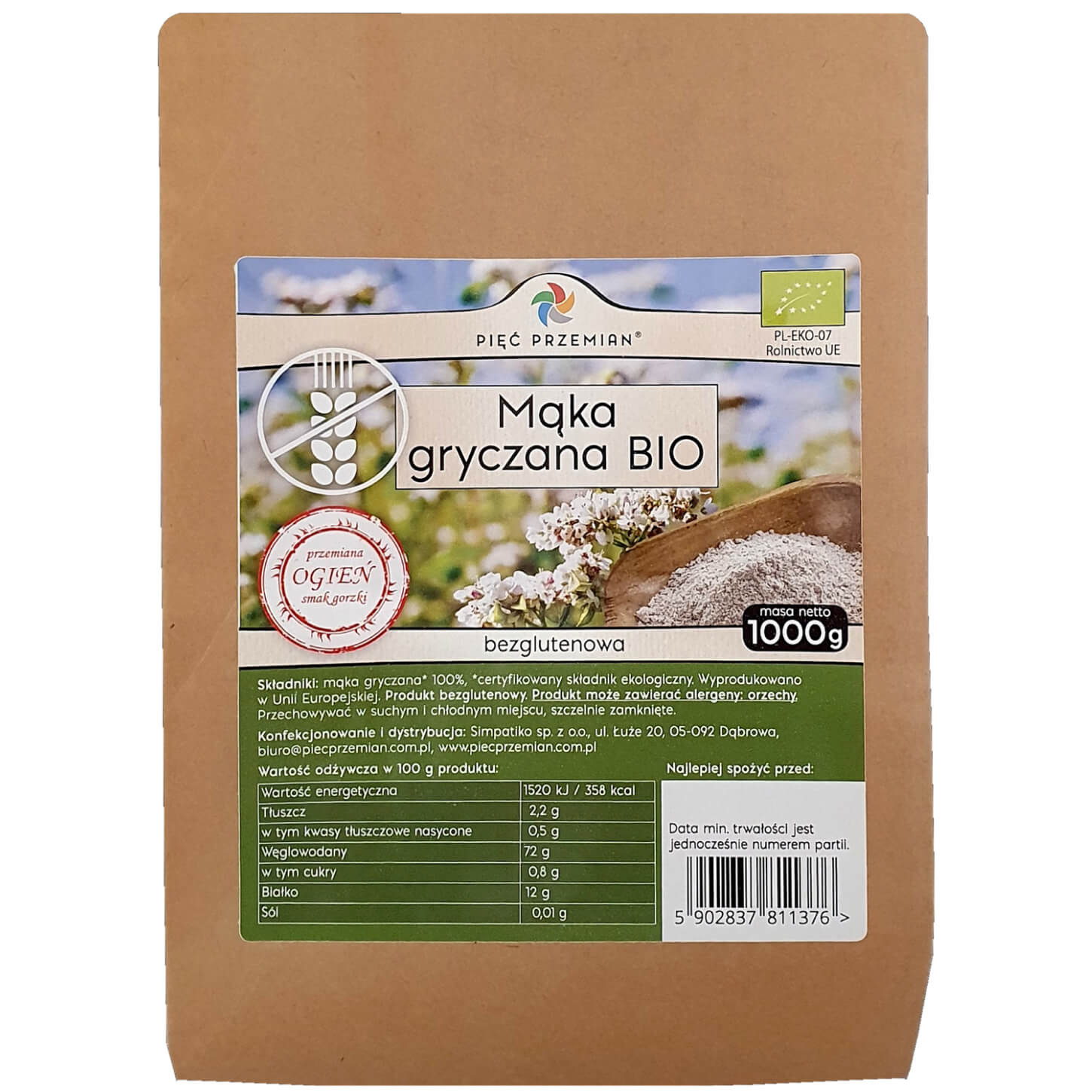
3.9. Buckwheat (Fagopyrum esculentum)
Buckwheat herb and inflorescence are the second (after pagoda tree) most important plant source of rutin. Buckwheat contains rutin, vitamin C, vitamin E, magnesium, and iron – a set of ingredients that beneficially affect vessel health.
Rutin from buckwheat is particularly valuable because it is accompanied by a whole complex of antioxidants that enhance its action. Regular consumption of buckwheat herb infusion can support the proper condition of blood vessels and may have a beneficial effect on blood pressure.
Form of use: buckwheat herb infusion (not to be confused with buckwheat groats), herbal blends.

Circulation BIO Tea 50 g - Dary Natury
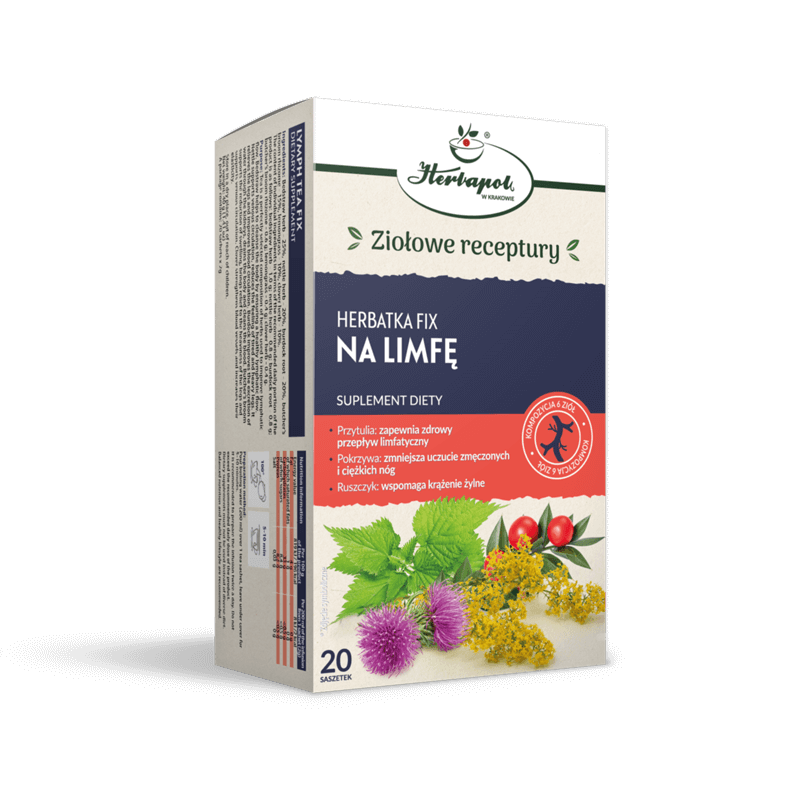
3.10. Common Nettle (Urtica dioica)
Nettle is an exceptionally rich composition of active ingredients: iron (supports red blood cell production and oxygen transport), vitamin C and folic acid (essential for proper blood cell synthesis), vitamin K (participates in clotting processes), as well as flavonoids and tannins with anti-inflammatory and antioxidant effects.
Studies indicate that nettle can support normal blood pressure levels and exhibits a moderate diuretic effect, which reduces fluid retention and relieves the vascular system. Nettle is also often an ingredient in herbal blends supporting liver and kidney detoxification.
Form of use: leaf or herb infusion, juices, capsules. One of the safest and best-tolerated medicinal plants.
Note: may enhance the effect of diuretics and blood pressure-lowering medications.

Lymph Tea fix (20 × 2 g) 40 g - Herbapol Kraków
Comparative table of 10 herbs – quick overview
| Herb | Active substance | Effect on blood vessels | Best form | Especially for whom |
|---|---|---|---|---|
| Hawthorn | OPCs, flavonoids | Supports normal blood pressure, strengthens vessel walls | Infusion, standardized extract | Atherosclerosis prevention, mild hypertension |
| Garlic | Allicin, S-allylcysteine | Supports normal lipid profile and blood pressure | Fresh, standardized extract | Elevated LDL cholesterol, hypertension |
| Ginkgo biloba | Flavonoids, terpenes | Supports peripheral and cerebral circulation | Only standardized EGb 761 extract | Peripheral circulation problems, cold extremities |
| Horse chestnut | Escin | Seals and strengthens vein walls, reduces swelling | Standardized capsules, topical gel | Varicose veins, leg swelling, feeling of heaviness |
| Turmeric | Curcumin | Anti-inflammatory action, endothelial protection | Extract + piperine in capsules | Atherosclerosis prevention, vascular inflammation |
| Rosehip fruit | Vitamin C, bioflavonoids | Supports collagen synthesis, antioxidant protection of vessels | Infusion (low temp.), extract | Strengthening vessel walls, general prevention |
| Rosemary | Rosmarinic acid, carnosol | Protects LDL from oxidation, supports cerebral circulation | Infusion, spice in diet | Atherosclerosis prevention, improving cerebral circulation |
| Japanese pagoda tree | Rutin | Seals and strengthens capillaries | Bud infusion, rutin capsules | Tendency to bruising, capillary fragility |
| Buckwheat | Rutin, vitamin C, E | Strengthens vessel walls, antioxidant action | Herb infusion, herbal blends | General vascular prevention |
| Nettle | Iron, vit. C, K, flavonoids | Supports blood production, anti-inflammatory action | Infusion, juice, capsules | Anemia, prevention, liver detox |
Scroll right to see the full table (on mobile devices) →
4. What else supports vein and artery health? Key active substances
In addition to herbs, the health of blood vessels depends on a whole spectrum of nutrients and bioactive substances. Below we describe the five best-documented ones – along with their mechanism of action, dietary sources, and practical tips for supplementation.
4.1. Flavonoids – and their specific form: diosmin and hesperidin
Flavonoids are a large family of polyphenolic plant compounds with well-documented antioxidant and anti-inflammatory properties. They help protect blood vessels from damage by free radicals, can support a healthy lipid profile, and have a beneficial effect on vascular endothelial function.
Flavonoids are found primarily in: citrus fruits, dark berries (blueberries, blackcurrants, chokeberries), red grapes, onions, garlic, broccoli, and cabbage. The abundance of flavonoids is one of the reasons why the Mediterranean and DASH diets have a beneficial effect on the cardiovascular system.

BICAPS DIOSMIN 60 capsules - ForMeds
A special example of therapeutically important flavonoids are diosmin and hesperidin. They are mainly obtained from citrus fruits. Diosmin and hesperidin belong to the class of venoactive substances – they exhibit a sealing effect on venous vessel walls and reduce their permeability. They are used as ingredients in dietary supplements supporting vein condition and reducing the feeling of heavy legs.

Diosmin and hesperidin 500 mg 60 capsules - PharmoVit
4.2. Dietary fiber
Fiber is a plant substance indigestible by the human digestive system, which performs a number of important health-promoting functions. In the context of the vascular system, soluble fiber (e.g., beta-glucans from oats, pectins from fruits, psyllium) is most important: it binds with bile acids in the intestine and facilitates their excretion, which prompts the liver to produce new bile acids from cholesterol – as a result, its level in the blood can decrease.
EFSA has approved a health claim that beta-glucans from oats and barley contribute to the maintenance of normal blood cholesterol levels – this effect applies to a daily intake of at least 3 g of beta-glucans.
Fiber also supports a beneficial intestinal microflora, stabilizes glucose levels after meals, and can contribute to maintaining normal arterial blood pressure. Its natural sources are: whole grain products, legumes, fruits, vegetables, chia seeds, and flaxseed.
4.3. Omega-3 fatty acids (EPA and DHA)
EPA (eicosapentaenoic) and DHA (docosahexaenoic) acids are long-chain polyunsaturated fatty acids with a widely documented impact on the cardiovascular system. According to an EFSA-approved health claim, EPA and DHA contribute to the normal function of the heart – a positive effect has been demonstrated with a daily intake of at least 250 mg of EPA and DHA combined.
Omega-3s lower triglyceride levels in the blood (a clinically well-documented effect – pharmacological doses of 2–3 g/day can lower triglycerides by as much as 25–30%), exhibit anti-inflammatory effects, and can support normal arterial blood pressure. However, there is no conclusive evidence that omega-3 supplementation alone reduces the risk of cardiovascular diseases in healthy individuals – the best effects are observed in combination with a diet rich in fish.
Natural sources of EPA and DHA are fatty marine fish: salmon, mackerel, sardines, herring, and anchovies. It is recommended to consume at least 2 servings of fatty marine fish per week. If the diet does not provide this, supplementation is advisable – it is worth choosing preparations with a high concentration of EPA+DHA and a low oxidation index (TOTOX).
Note: high doses of omega-3 (above 2–3 g/day) may mildly affect platelet aggregation. People taking anticoagulants (warfarin, clopidogrel) should consult their doctor about supplementation.

OLICAPS Omega-3 60 capsules - ForMeds
4.4. Vitamin C
Vitamin C (ascorbic acid) is a powerful antioxidant with multifaceted effects on blood vessels. EFSA-approved health claims include, among others: Vitamin C contributes to normal collagen formation for the normal function of blood vessels and the protection of cells from oxidative stress.
Collagen is a key structural protein of vessel walls – its proper synthesis directly depends on the availability of vitamin C. Vitamin C also inhibits the oxidation of LDL cholesterol, which is one of the early stages of atherosclerotic plaque formation. Studies also indicate a beneficial effect on vascular endothelial function – vitamin C can support the regeneration of damaged endothelial cells.
Vitamin C is found primarily in: rosehip, blackcurrant, bell peppers, broccoli, kiwi, and citrus fruits. The recommended daily intake for adults is 80 mg (EU RDA), but many studies suggest that doses of 200–500 mg/day from diet and supplementation may be optimally beneficial for vessel function.

Circulation Tea fix (20 × 2 g) 40 g - Herbapol Kraków
4.5. B vitamins – especially B6, B9, and B12
Vitamins B6 (pyridoxine), B9 (folic acid), and B12 (cobalamin) play a key role in the metabolism of homocysteine – an amino acid whose elevated blood concentration is a recognized risk factor for cardiovascular diseases. Deficiency of any of these vitamins leads to an increase in homocysteine levels, which damages the vascular endothelium and promotes the formation of atherosclerotic changes.
Approved EFSA health claims include, among others: folate contributes to normal homocysteine metabolism, which applies analogously to vitamins B6 and B12. These vitamins also support proper red blood cell production and nervous system function.
A separate issue is vitamin B3 (niacin). In pharmacological doses (1–3 g/day, only under medical supervision), niacin has a documented effect on lipid profiles – it can lower LDL and triglycerides and raise HDL. However, the doses available in over-the-counter dietary supplements are much lower than therapeutic doses and should not be expected to have the same effects. Supplementation with high doses of niacin without medical supervision carries the risk of a "flush effect," liver disorders, and interactions with medications.
B vitamins are found in: meat, fish, eggs, legumes, whole grains, nuts, and leafy green vegetables. Vegetarians and vegans are particularly susceptible to B12 deficiency, which is not found in plant products – in this group, B12 supplementation is a standard recommendation.

BICAPS Vitamin B Complex 120 capsules - ForMeds
If you want to take care of your vein and artery health and support circulation, we recommend our available organic herbal teas containing the ingredients discussed in the article. In our store, you will also find herbal teas supporting circulation and a wide range of dietary supplements with omega-3, vitamins B and C, and flavonoids.
Lymph Tea fix (20 × 2 g) 40 g - Herbapol Kraków
Teas are 100% natural and organic. You can drink them daily as part of a healthy diet or use them as a seasonal supportive treatment.
5. FAQ – Frequently asked questions about herbs for cleansing veins and arteries
5.1. Can herbs really support vein and artery health?
Herbs do not act like a "cleansing agent" in the literal sense and do not directly remove atherosclerotic plaques. However, some of them contain active substances – flavonoids, antioxidants, and anti-inflammatory compounds – which, according to research, can support the proper functioning of blood vessels, help maintain normal cholesterol levels, and protect vessel walls from oxidative stress. The action is gentle and long-term – the best effects are achieved with regular use combined with a healthy diet and physical activity.
5.2. What are the most effective herbs supporting the circulatory system?
The best-researched ones include: hawthorn (flavonoids supporting heart function), ginkgo biloba (improving blood flow, especially peripheral), garlic (may support normal cholesterol and blood pressure levels), turmeric (anti-inflammatory properties), nettle (rich in iron and vitamin C, supports blood cell production), as well as Japanese pagoda tree and buckwheat as rich sources of rutin strengthening blood vessels.
None of these herbs replace pharmacological treatment.
5.3. How long should herbs be used to notice effects?
The effects of herbs appear gradually – usually after 4–8 weeks of regular use, a difference in well-being can be felt. Consistency is key, along with combining the treatment with a proper diet and physical activity. Herbs are not fast-acting medications, and immediate results should not be expected.
5.4. Can herbs be combined with medications for hypertension or cholesterol?
Before combining herbs with medications, it is essential to consult a doctor or pharmacist. Some herbs may have significant pharmacological interactions.
Ginkgo biloba may enhance the effect of anticoagulants and antiplatelet drugs (e.g., warfarin, clopidogrel, aspirin), increasing the risk of bleeding. Garlic in larger quantities or in the form of concentrated supplements may enhance the effect of anticoagulants. St. John's wort – although not discussed in this article – can, in turn, weaken the effect of many medications. This applies especially to elderly people taking several medications simultaneously.
5.5. Which herbs support circulation in the legs and can help with varicose veins?
In case of problems with venous circulation in the legs, the most commonly used herbs are horse chestnut (contains escin, which can support the strength of venous vessels and reduce swelling), butcher's broom, and hawthorn. Both oral preparations and gels or ointments for topical application are available. It is worth remembering that varicose veins are a condition requiring diagnosis and medical care – herbs can only provide natural support.
Gel for tired legs with horse chestnut and arnica 170 g - Herbapol Kraków
5.6. What form of herbal use is best – infusion, tincture, or capsules?
Each form has its advantages. Infusions and herbal teas are gentle, well-absorbed, and suitable for daily, preventive use.
Standardized extracts in capsules contain a specific amount of active substances, which provides a more predictable effect – this is important, for example, with ginkgo, where efficacy depends on standardization for flavonoids and ginkgolides.
Tinctures are more concentrated than infusions. The choice depends on the type of herb and the desired effect.
5.7. Are vein herbs safe during pregnancy and breastfeeding?
No – the use of most herbs supporting the circulatory system is not recommended during pregnancy and breastfeeding without prior consultation with a doctor.
Ginkgo biloba is contraindicated during both these periods. Garlic in large quantities or in the form of supplements can pass into breast milk and change its taste. The active substances of many herbs can potentially affect the fetus or infant.
Always consult your gynecologist or general practitioner before starting any herbal treatment during this time.
5.8. What are the contraindications for using herbs for cleansing veins?
The main groups that should exercise particular caution or consult a doctor before herbal treatment are: people taking anticoagulants or antiplatelet drugs (risk of interaction with ginkgo and garlic), people with blood clotting disorders, pregnant and breastfeeding women, people with serious liver diseases (some herbs are metabolized by the liver), and people preparing for surgery (ginkgo should be discontinued at least 2 weeks before the procedure).
5.9. Can herbs replace cholesterol or blood pressure medications?
No. Herbs do not replace medications prescribed by a doctor, and you should not unilaterally discontinue pharmacotherapy in favor of herbal treatment. Herbs can be a natural complement to a healthy lifestyle and – after consultation with a doctor – support for therapy, but they act gently and do not have proven efficacy comparable to medications. Always consult your doctor about any changes in treatment.
5.10. Do herbs for veins also generally help "cleanse" the body?
Some herbs that support the circulatory system also have a beneficial effect on organs responsible for the natural cleansing of the body.
Milk thistle contains silymarin, which can support normal liver function. Nettle has diuretic properties and supports kidney function. Dandelion acts as a choleretic and supports digestion.
However, there is no scientific basis for using the term "detoxification" in the sense of removing undefined toxins – a healthy liver and kidneys do this independently and effectively.
5.11. How to use herbs preventively – can they be drunk all year round?
Most mild herbs, such as hawthorn, nettle, or rosehip fruit infusions, can be used regularly for a longer period. Stronger preparations – especially concentrated extracts of ginkgo or garlic – are better used in courses, e.g., for 6–8 weeks with a break. For long-term use, it is advisable to take a break from time to time and observe the body's reaction. If in doubt, ask a pharmacist.
5.12. What to look for when buying herbal circulation preparations?
First and foremost, check whether the supplement comes from a reputable manufacturer and whether it contains information about the standardization of the extract (especially important for ginkgo and hawthorn). Organic certifications (BIO, Ecocert) confirm the quality of the raw material and the absence of pesticide residues.
Avoid preparations without a specified composition or with an incomprehensible list of ingredients. Buy loose herbs for brewing from reliable sources – preferably in herbal or organic stores with documented raw material origin.
6. Summary – herbs and substances supporting vein and artery health
Blood vessel health is built over years – through daily dietary choices, physical activity, and conscious use of proven bioactive ingredients. Herbs and dietary supplements do not replace treatment or a healthy lifestyle, but they can be a valuable, natural complement to them.
In this article, we discussed 10 herbs with the best scientific documentation for the vascular system:
- Hawthorn – supports normal blood pressure and strengthens vessel walls
- Garlic – may support normal lipid profile and arterial blood pressure
- Ginkgo biloba – supports normal peripheral and cerebral circulation
- Horse chestnut – supports vein condition, may reduce swelling and the feeling of heavy legs
- Turmeric – has anti-inflammatory and protective effects on the vascular endothelium
- Rosehip fruit – provides vitamin C essential for collagen synthesis in vessel walls
- Rosemary – protects LDL cholesterol from oxidation, supports cerebral circulation
- Japanese pagoda tree – a rich source of rutin sealing capillaries
- Buckwheat – provides rutin, vitamin C and E supporting vessel condition
- Nettle – supports blood production and exhibits anti-inflammatory effects
We also discussed five key active substances to consider when choosing a diet and supplementation: flavonoids (including diosmin and hesperidin), dietary fiber (especially beta-glucans), omega-3 EPA and DHA fatty acids, vitamin C, and B vitamins – especially B6, B9, and B12 regulating homocysteine levels.

Organic herbal teas are one of the simplest ways to support the circulatory system daily
Equally important is a healthy lifestyle – no herb can compensate for chronic lack of exercise, a diet rich in trans fats and simple sugars, or smoking. The foundations of vascular prevention are: a diet rich in vegetables, fruits, whole grains, fatty fish, and nuts; regular physical activity (minimum 150 minutes per week); non-smoking; control of blood pressure, cholesterol, and glucose levels; and stress management.
It is worth remembering that venous diseases (varicose veins, chronic venous insufficiency) and arterial diseases (atherosclerosis, limb ischemia) are distinct conditions with different mechanisms and different therapeutic approaches. If you observe alarming symptoms – leg swelling, calf pain when walking, visible varicose veins, or elevated lipid panel results – consult a doctor or phlebologist. Natural support works best preventively, before more serious problems arise.
If you are looking for organic herbal teas containing the ingredients discussed in the article, check out our collection of herbal teas – you will find blends with hawthorn, nettle, buckwheat herb, and Japanese pagoda tree, among others. All products are 100% natural and organic.
7. Sources and further reading
Below are the studies and documents on which we based the claims made in this article, and links to additional materials for those interested in delving deeper into the topic.
Epidemiology and risk factors for cardiovascular diseases in Poland
- Zdrojewski T., Solnica B., Cybulska B. et al. Prevalence of lipid abnormalities in Poland. The NATPOL 2011 survey. Kardiologia Polska 2016; 74(3): 213–223. doi: 10.5603/KP.2016.0029.
→ Data source: hyperlipidemia in 61.1% of Poles aged 18–79; 58.7% of cases undiagnosed.
PubMed: 27004543
Hawthorn (Crataegus spp.)
- Kazemi E. et al. Hawthorn (Crataegus spp.) Clinically Significantly Reduces Blood Pressure in Hypertension: A Meta-Analysis of Randomized Placebo-Controlled Clinical Trials. PMC 2025 (PROSPERO: CRD42024557170).
→ Meta-analysis of 6 studies, 428 participants; intervention periods 10 weeks – 6 months. Hawthorn shows a tendency to lower blood pressure, insufficient for monotherapy of hypertension.
PMC12298042 - Cloud A., Vilcins D., McEwen B.J. The effect of hawthorn (Crataegus spp.) on blood pressure: A systematic review. Advances in Integrative Medicine 2020; 7: 167–175.
→ Review of 4 RCTs (254 participants); significant blood pressure reduction in 3 trials lasting 12–16 weeks in individuals with stage 1 hypertension.
ScienceDirect
Garlic (Allium sativum)
- Ried K. Garlic Lowers Blood Pressure in Hypertensive Individuals, Regulates Serum Cholesterol, and Stimulates Immunity: An Updated Meta-analysis and Review. Journal of Nutrition 2016; 146(2): 389S–396S. doi: 10.3945/jn.114.202192.
→ Meta-analysis of 20 RCTs, 970 participants: SBP reduction of 5.1 ±2.2 mmHg and DBP of 2.5 ±1.6 mmHg vs placebo; effect stronger in hypertensive individuals. Review of 39 RCTs (2300 participants) showed garlic efficacy on total and LDL cholesterol when used for >2 months.
PubMed: 26764326
Turmeric / curcumin (Curcuma longa)
- Qin S., Huang L., Gong J. et al. Efficacy and safety of turmeric and curcumin in lowering blood lipid levels in patients with cardiovascular risk factors: a meta-analysis of randomized controlled trials. Nutrition Journal 2017; 16(1): 68. doi: 10.1186/s12937-017-0293-y.
→ Meta-analysis of 7 RCTs, 649 patients with CVD risk factors: turmeric and curcumin may support normal lipid profile in individuals at risk of cardiovascular diseases.
PubMed: 29020971
Health claims approved by EFSA
- European Commission. Regulation (EU) No 432/2012 establishing a list of permitted health claims made on foods, other than those referring to the reduction of disease risk and to children’s development and health. Official Journal of the EU, L 136, 25.05.2012.
→ Legal basis for all health claims used in the article (vitamin C and vascular collagen; EPA and DHA and normal heart function; beta-glucans and cholesterol; B vitamins and homocysteine).
EUR-Lex: 32012R0432 - EFSA (European Food Safety Authority). Scientific Opinion on the substantiation of health claims related to EPA, DHA, DPA and maintenance of normal blood pressure (ID 502), and maintenance of normal blood triglyceride concentrations (ID 504). EFSA Journal 2010; 8(10): 1796.
→ Approved claim: EPA and DHA contribute to the normal function of the heart with an intake of ≥250 mg daily.
EFSA Journal
Physical activity – WHO recommendations
- World Health Organization. WHO guidelines on physical activity and sedentary behaviour. Geneva: WHO, 2020. ISBN 978-92-4-001512-8.
→ Source of recommendation: adults should perform 150–300 minutes of moderate-intensity aerobic activity per week.
WHO Publications
Additional materials – for those interested in delving deeper into the topic
- Polish Cardiac Society – cardiological guidelines and patient information:
www.ptkardio.pl - National Institute of Public Health – epidemiological data and CVD prevention in Poland:
www.pzh.gov.pl - EFSA – database of approved health claims (EU Register):
EU Register on Nutrition and Health Claims - PubMed – scientific database of medical articles (National Library of Medicine):
pubmed.ncbi.nlm.nih.gov
This article is for informational and educational purposes only. It does not replace medical or pharmaceutical advice. In case of symptoms of vascular diseases or doubts about supplementation, consult a specialist.