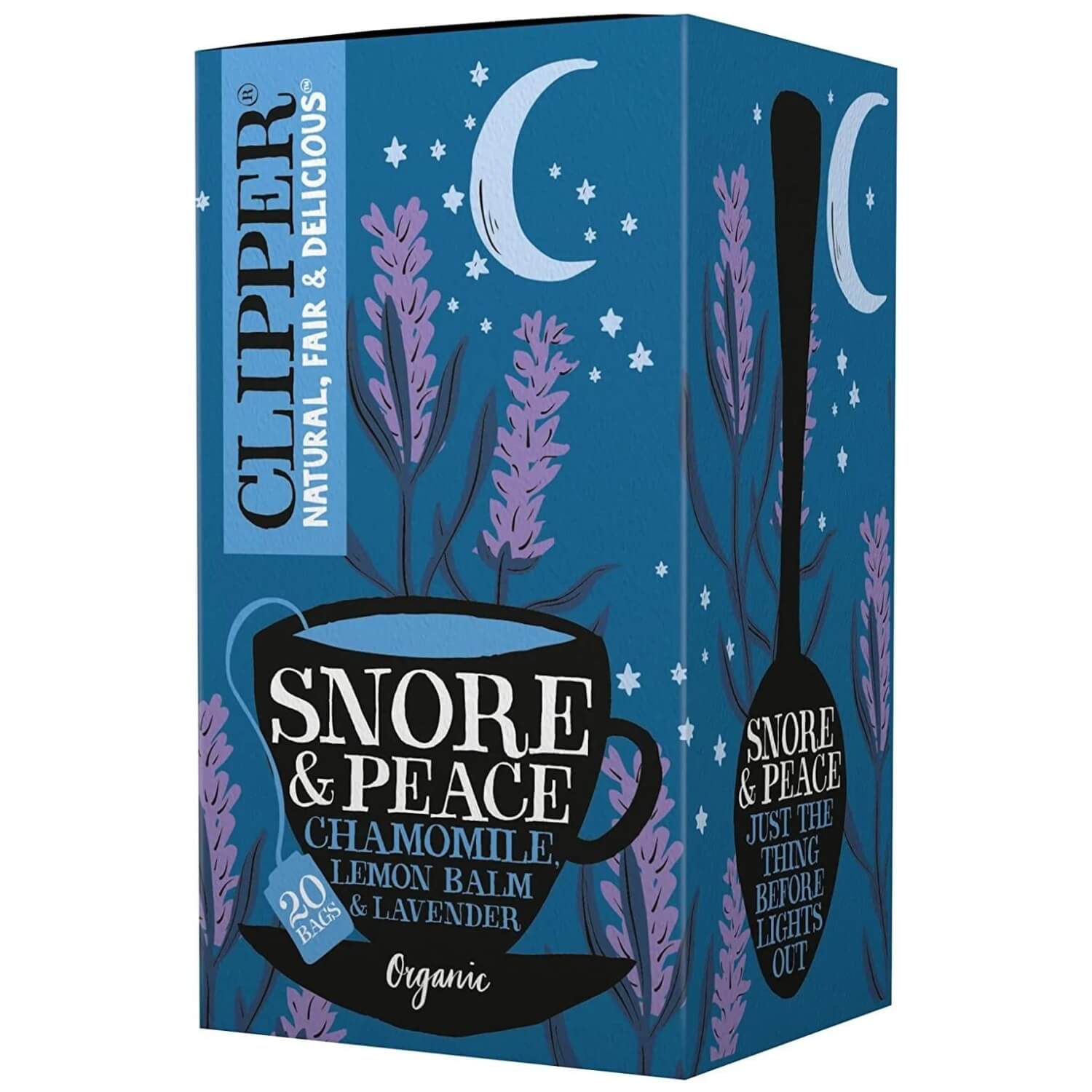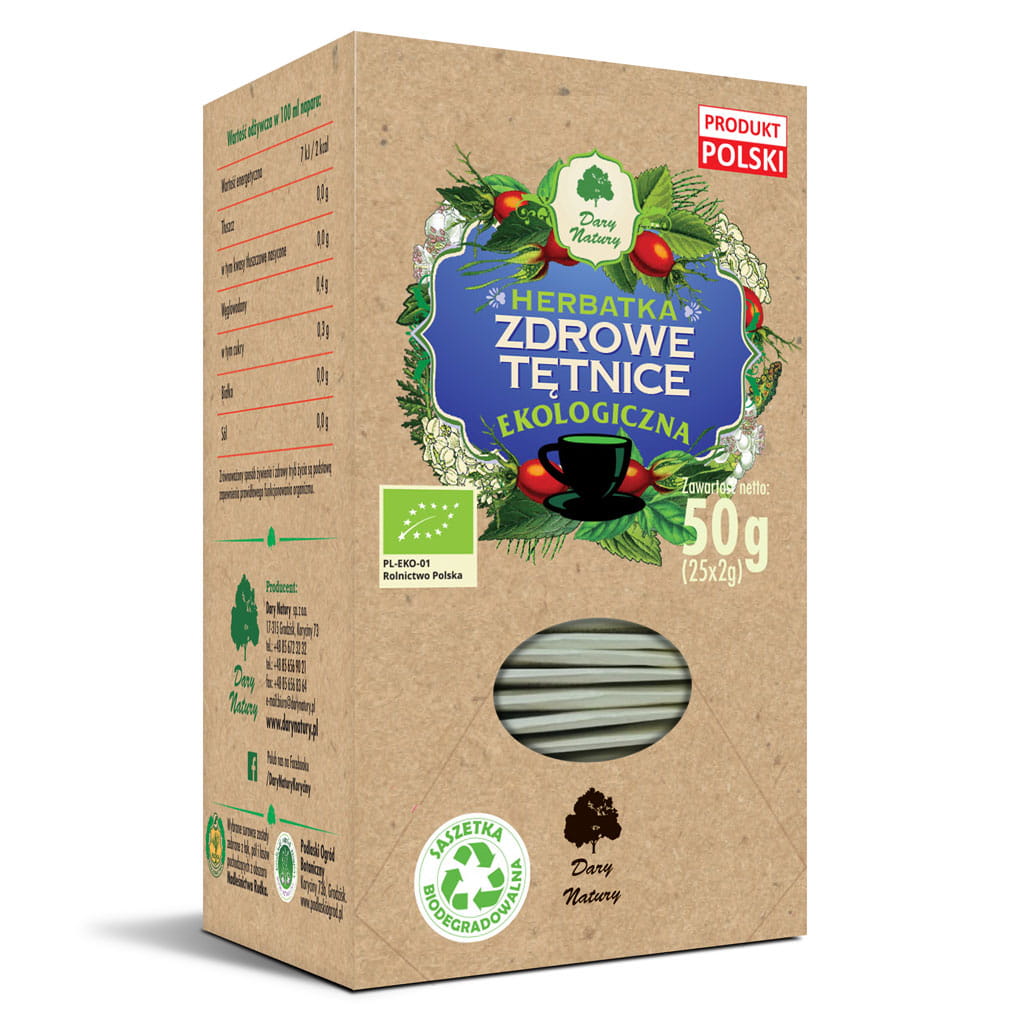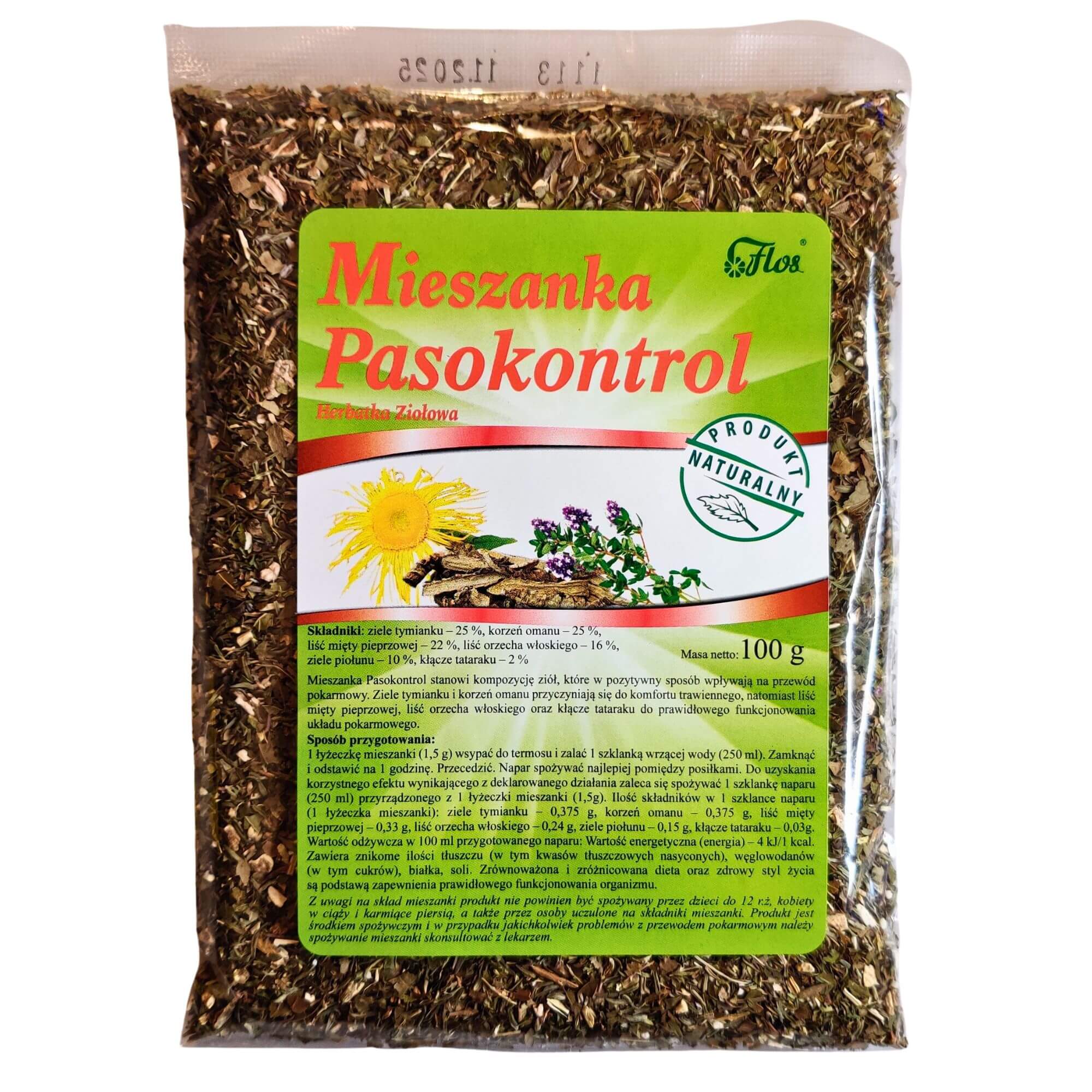
The article was updated on 03.04.2026
The most effective herbs with documented anti-inflammatory effects are turmeric (curcumin), ginger, boswellia, and green tea — each working through a different mechanism, making them particularly valuable for building a long-term anti-inflammatory strategy. Used regularly, in appropriate forms and doses, they can support the body in controlling chronic inflammation — one of the main risk factors for lifestyle diseases such as atherosclerosis, type 2 diabetes, and rheumatic diseases.
In this article, you will find: an overview of 10 best-researched anti-inflammatory herbs with a comparative table, a discussion of administration forms and their bioavailability, up-to-date information on drug interactions and contraindications (including during pregnancy), as well as data on the impact of sleep, physical activity, and stress on inflammatory processes — because herbs work best within the right lifestyle context. The article is aimed at anyone who wants to consciously, safely, and effectively harness the potential of plants.

1. What is inflammation and why can herbs help?
Inflammation is one of the body's primary defense mechanisms — a complex immunological response triggered in response to injury, infection, or the presence of harmful substances. In the short term, it is essential: it accelerates healing, neutralizes pathogens, and mobilizes immune resources. The problem begins when inflammation does not subside despite the threat disappearing — and becomes chronic.
Chronic low-grade inflammation often progresses without clear symptoms for a long time but gradually damages tissues and blood vessels. It is linked to the development of atherosclerosis, type 2 diabetes, autoimmune diseases, neurodegenerative disorders, and certain cancers.
1.1. Acute vs. chronic inflammation — what's the difference?
| Feature | Acute inflammation | Chronic inflammation |
|---|---|---|
| Duration | Days–weeks | Months–years |
| Cause | Injury, infection, external stimulus | Unresolved stimulus, diet, stress, autoimmune diseases |
| Symptoms | Pain, swelling, redness, fever | Often asymptomatic or non-specific fatigue, joint pain |
| Function | Protective and reparative | Destructive — damages healthy tissues |
| Role of herbs | Supportive (symptom relief) | Prophylactic and supportive (long-term modulation) |
1.2. What substances in herbs have anti-inflammatory effects?
The anti-inflammatory action of herbs stems from the presence of many classes of bioactive compounds that can simultaneously affect various stages of the inflammatory response — this is an advantage over synthetic drugs which usually act selectively:
- Flavonoids (quercetin, kaempferol, rutin) — neutralize free radicals and can inhibit pro-inflammatory COX and LOX enzymes responsible for the synthesis of prostaglandins and leukotrienes.
- Polyphenols (curcumin, EGCG from green tea, resveratrol) — act as antioxidants and can modulate the expression of pro-inflammatory genes, including the NF-κB pathway.
- Terpenes and essential oils (chamazulene in chamomile, α-bisabolol, borneol in sage) — exhibit antibacterial properties and soothe mucous membrane irritation.
- Phenolic acids (rosmarinic acid, chlorogenic acid) — protect cells from oxidative stress and support tissue repair processes.
- Phytosterols and lectins (e.g., in nettle) — can reduce the level of inflammatory markers such as CRP.

1.3. How do herbs affect the immune system?
Herbs do not "switch off" inflammation — they modulate the immune response, restoring its balance. In practice, this means they can:
- Inhibit excessive production of pro-inflammatory cytokines — such as TNF-α, IL-1β, and IL-6, elevated levels of which are found in rheumatic and autoimmune diseases, among others.
- Limit COX-2 activity — an enzyme responsible for the synthesis of prostaglandins that intensify pain and swelling.
- Support the regeneration of epithelium and mucous membranes — particularly important in inflammatory conditions of the digestive tract and respiratory system.
- Stimulate antioxidant enzymes — such as superoxide dismutase (SOD) and catalase, protecting cells from damage by reactive oxygen species.
2. Which herbs have the strongest anti-inflammatory effects?
Below we present ten herbs with documented anti-inflammatory effects — both those known for centuries in folk tradition and those that have received solid confirmation in clinical studies.
For ease of comparison, we have gathered the most important information in a summary table.
| Herb | Main active compounds | Mechanism of action | Best form | Key contraindications |
|---|---|---|---|---|
| Turmeric | Curcumin | Inhibits COX-2, LOX, NF-κB; reduces TNF-α and IL-6 | Supplement with piperine | Gallstones, anticoagulants |
| Ginger | Gingerols, shogaols | Blocks prostaglandin and leukotriene synthesis | Fresh, infusion, supplement | Anticoagulants (high doses) |
| Boswellia | Boswellic acids (AKBA) | Selective inhibition of LOX-5; inhibits cartilage degradation | Standardized extract | Pregnancy (no data), immunosuppressants |
| Ashwagandha | Withanolides | Modulates HPA axis, lowers cortisol and inflammatory markers | Supplement (KSM-66 or Sensoril extract) | Pregnancy, thyroid diseases, immunosuppressants |
| Chamomile | Chamazulene, bisabolol | Inhibits COX, has antispasmodic and soothing effects | Infusion, external extract | Allergy to Asteraceae (rare) |
| Nettle | Flavonoids, phytosterols, chlorogenic acid | May lower CRP; slightly diuretic effect | Infusion, juice, supplement | Diuretics and anticoagulants |
| Green tea | EGCG (catechins) | Inhibits NF-κB, neutralizes free radicals | Infusion (70–80°C) | Antihypertensive drugs, iron deficiency |
| Sage | Thujone, cineole, tannins | Antiseptic and astringent effect on mucous membranes | Infusion, rinse | Pregnancy, epilepsy (essential oil) |
| St. John's wort | Hypericin, hyperforin, flavonoids | Soothes nerve and skin inflammation; antibacterial | Infusion, oil (external) | Numerous drug interactions, photosensitivity |
| Licorice | Glycyrrhizin, flavonoids | Immunomodulation, protection of gastrointestinal mucous membranes | Infusion, DGL extract | Hypertension, prolonged use |
2.1. Turmeric (Curcuma longa)
Turmeric is one of the best-studied plant ingredients with anti-inflammatory effects worldwide. Its active compound — curcumin — simultaneously inhibits several key inflammatory pathways: COX-2 enzyme activity, NF-κB transcription factor expression, and the production of pro-inflammatory cytokines TNF-α and IL-6.
Curcumin stands out from other phytonutrients due to its multi-directional mechanism of action, which makes it particularly studied in the context of support for joint diseases, inflammatory bowel diseases, and metabolic inflammatory conditions.
Key issue: bioavailability. Curcumin itself is poorly absorbed from the digestive tract. A clinical study by Shoba et al. showed that co-administration of 20 mg piperine (a component of black pepper) with 2 g of curcumin increased its bioavailability by 2000% within a short timeframe. However, more recent independent studies suggest that the actual effect may vary depending on the preparation form — therefore, it is worth choosing supplements with standardized curcuminoid content and added piperine or in liposomal/phytosomal form.

Turmeric and Piperine 602 mg 60 capsules - Medica Herbs
2.2. Ginger (Zingiber officinale)
Ginger is a plant with an exceptionally wide spectrum of action — not only culinary but also clinically documented. This is primarily due to gingerols (in fresh root) and shogaols (in dried ginger), which can block the synthesis of prostaglandins and leukotrienes — mediators of pain and swelling — acting similarly to non-steroidal anti-inflammatory drugs, but without their typical gastrointestinal side effects.
- Application: support for joint and muscle pain, relief of digestive ailments, support for upper respiratory tract infections.
- Tip: fresh ginger is best added to infusions or dishes at the end of cooking. In dried powder, shogaols are more concentrated than in fresh root.
2.3. Boswellia — Frankincense (Boswellia serrata)
Boswellia (Indian frankincense) is a tree resin whose anti-inflammatory properties are exceptionally well documented — especially in the context of joint and intestinal ailments. Its active compounds, boswellic acids (including AKBA — acetyl-11-keto-β-boswellic acid), act by selective inhibition of the 5-LOX enzyme, which is responsible for the synthesis of leukotrienes involved in inflammation of joints, bronchi, and intestines.
Significantly, boswellia — unlike non-steroidal anti-inflammatory drugs — does not damage the gastric mucosa and does not inhibit COX-1, which makes it well tolerated with prolonged use. Clinical studies indicate that standardized boswellia extracts can help reduce joint pain and stiffness within a few weeks of regular use.
- Application: support for rheumatic diseases, arthritis, inflammatory bowel diseases, asthma.
- Tip: choose standardized preparations for boswellic acid content (minimum 65%) or AKBA (minimum 10%).

BICAPS BOSWELLIA 60 capsules - ForMeds
2.4. Ashwagandha (Withania somnifera)
Ashwagandha is primarily known as an adaptogen that supports the body's resistance to stress, but its anti-inflammatory effect results from a distinct mechanism. The active compounds — withanolides — can modulate the hypothalamic-pituitary-adrenal (HPA) axis, which translates into a reduction in cortisol levels. Chronically elevated cortisol is one of the factors exacerbating low-grade inflammation.
Clinical studies indicate that regular use of a standardized ashwagandha extract can contribute to lowering CRP protein levels — one of the main markers of inflammation. Ashwagandha thus acts on inflammation indirectly, through neuroendocrine regulation, which distinguishes it from typically "phytochemical" anti-inflammatory herbs.
- Application: support in chronic stress, fatigue, immune system support, relief of inflammation associated with oxidative stress.
- Tip: look for extracts standardized for withanolides (KSM-66 or Sensoril) — these are the forms with the best clinical documentation. Ashwagandha acts cumulatively — effects usually appear after 4–8 weeks of regular use.

BICAPS Ashwagandha 60 capsules - ForMeds
2.5. Common Chamomile (Matricaria chamomilla)
Chamomile is one of the most widely used herbs in Europe — and one of the few for which there is both centuries of traditional use and phytochemical confirmation. Its anti-inflammatory effects are primarily due to chamazulene (a bluish substance formed during the distillation of essential oil) and α-bisabolol, which inhibit COX activity and have a soothing effect on irritated mucous membranes.
- Application: inflammation of the digestive tract, mouth, and throat, skin irritations; infusion can be used internally and externally.
- Tip: brew chamomile infusion for 5–7 minutes covered, to retain the volatile components of the essential oil.

Organic Chamomile Basket Tea 25 g - Dary Natury
2.6. Common Nettle (Urtica dioica)
Nettle is an underestimated plant — mainly associated with its stinging contact with skin, yet its phytochemical composition is impressive. It contains flavonoids (quercetin, kaempferol), phenolic acids, phytosterols, and lectins, which research suggests may contribute to reducing levels of inflammatory markers, including CRP. Nettle also has a mild diuretic effect, supporting the elimination of metabolic byproducts.
- Application: support for rheumatic diseases, urinary tract inflammation, as part of a spring cleansing diet.
- Tip: young nettle leaves gathered in spring can be blanched and added to soups or smoothies — they lose their stinging properties while retaining their nutritional value.

Organic Nettle Leaf Tea 25 g - Dary Natury
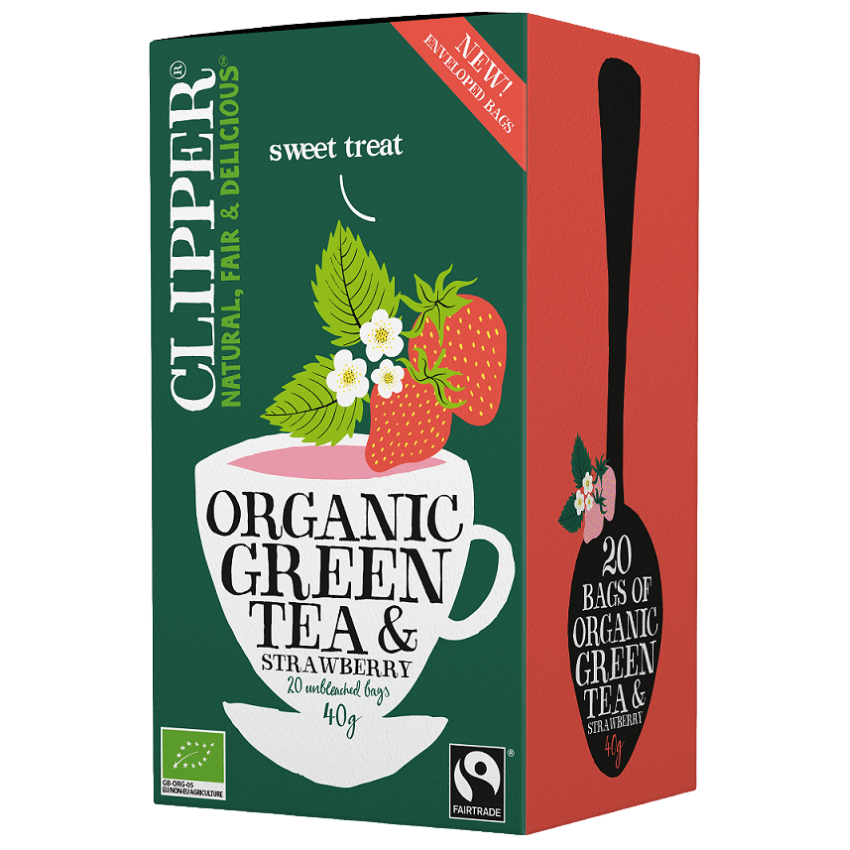
2.7. Green Tea (Camellia sinensis)
Green tea is one of the most well-researched functional beverages. Its anti-inflammatory effects are primarily due to catechins, and among them, epigallocatechin gallate (EGCG) — one of the most potent plant-based inhibitors of the NF-κB pathway. EGCG reduces the expression of pro-inflammatory genes and can contribute to decreased oxidative cell damage.
- Application: supporting cardiovascular health, protecting cells from oxidative stress, supporting metabolism.
- Tip: brew at 70–80°C for 2–3 minutes — higher temperatures destroy catechins and cause bitterness. Avoid drinking on an empty stomach if you have a sensitive stomach.

Green Tea in Cubes 125 g - Meridian
2.8. Common Sage (Salvia officinalis)
Sage is an herb with strong antiseptic and astringent properties, particularly valued for inflammation of the upper respiratory tract and oral cavity. Its essential oil, rich in 1,8-cineole, α-thujone, and borneol, exhibits antibacterial effects, and the tannins contained in the leaves reduce the permeability of mucous membranes, alleviating swelling and irritation.
- Application: rinses for sore throats and gum inflammation, infusions for digestive ailments, external use for skin inflammations.
- Tip: prepare an infusion from fresh or dried leaves (1 teaspoon/200 ml), steep for 5 minutes covered. Do not use large doses long-term due to thujone content.

Organic Sage Leaf Tea 25 g - Dary Natury
2.9. St. John's Wort (Hypericum perforatum)
St. John's Wort is a plant with a complex action profile — known primarily as natural support for mood, but also containing compounds with anti-inflammatory properties. Hyperforin and hypericin exhibit antibacterial effects and can alleviate inflammation of the skin and mucous membranes, while flavonoids (quercetin, kaempferol) limit the synthesis of inflammatory mediators.
- Application: compresses and oils for slow-healing wounds and skin irritations; internally for stomach ailments (only under specialist supervision when taking medication).

St. John's Wort 400 mg 60 capsules - Medica Herbs
2.10. Licorice (Glycyrrhiza glabra)
Licorice is a sweet-tasting root plant used for thousands of years in Chinese and Ayurvedic medicine. Its main component — glycyrrhizin — exhibits immunomodulatory properties and can support the regeneration of mucous membranes in the digestive tract. The anti-inflammatory action of glycyrrhizin results partly from the inhibition of the 11β-HSD enzyme, which regulates local cortisol metabolism in tissues.
- Application: support for stomach and esophageal inflammation, respiratory ailments.
- Tip: for stomach problems, DGL preparations in chewable tablet form are a safer and well-tolerated option.
3. In what form should anti-inflammatory herbs be used?
Anti-inflammatory herbs are available in many forms — from traditional infusions to standardized extracts and modern encapsulated supplements. The choice of appropriate form has a real impact on effectiveness: it determines how many active substances are actually absorbed by the body and how quickly the effect appears. There is no single "best" form — it's about matching the specific herb, purpose, and lifestyle.
3.1. Infusions and herbal teas — when is this enough?
An infusion is the simplest and most accessible way to use herbs. It involves pouring hot water over dried raw material and waiting for the active substances to infuse into the liquid. This form is sufficient for mild, everyday uses — for example, regularly drinking chamomile infusion for stomach problems, green tea as a source of catechins, or nettle as diuretic support.
When an infusion works well:
- For herbs containing water-soluble ingredients (flavonoids, tannins, mucilages, phenolic acids).
- For prevention and regular, long-term support of the body.
- When the primary effect is desired in the digestive tract and mucous membranes — the infusion reaches them directly.
Limitations of an infusion:
- Curcumin and other lipophilic polyphenols (fat-soluble) are poorly extracted into aqueous solutions — turmeric infusion provides minimal amounts of these.
- The concentration of active substances is difficult to control and depends on the quality of the raw material, temperature, and brewing time.
• Chamomile, nettle, mint — 5–7 min covered, ~90°C
• Green tea — 2–3 min, 70–80°C (higher temperatures destroy catechins and cause bitterness)
• Licorice root, ginger — can be boiled for 5–10 min (decoction), which extracts more substances from hard materials
• Sage — 5 min covered, to retain essential oils

3.2. Extracts and tinctures — when is it worth reaching for them?
An extract is a concentration of active substances that have been standardized to a specific level. This is an important difference compared to an infusion or powdered raw material — standardization guarantees that each dose contains the same amount of active substance, regardless of the product batch or harvest time of the plant.
Tinctures are alcoholic herbal extracts — alcohol effectively extracts both polar and some lipophilic components, making them richer in active substances than water infusions. Glycerine extracts are a non-alcoholic alternative.
When an extract or tincture has an advantage over an infusion:
- When a precise, repeatable dose is needed — e.g., boswellia extract standardized for boswellic acids, ashwagandha extract standardized for withanolides.
- When the herb has an unpleasant taste or would require drinking large volumes of infusion to deliver an effective dose.
- For external use — e.g., St. John's wort or arnica tincture for skin irritations and injuries.
Important limitations of alcoholic tinctures: they are not suitable for children, pregnant and breastfeeding women, individuals with liver diseases, and those who avoid alcohol for any reason.
3.3. Dietary supplements — how to choose a good product?
Supplements in capsules or tablets are a convenient form, especially for herbs that require high or precise doses of active substances, have a strong taste, or low bioavailability in infusion form (curcumin, boswellic acids, withanolides).
In the supplement market, product quality varies greatly. What to look for when choosing:
- Standardization of the extract — the label should state the specific content of the active substance (e.g., "turmeric extract standardized to 95% curcuminoids," "boswellia extract standardized to 65% boswellic acids"). Information about the amount of herbal powder without standardization says little about the product's strength.
- Form that increases bioavailability — for curcumin, look for preparations with piperine, in phytosomal (Meriva) or liposomal form. For boswellia, a form with added fat or in phytosomal form is beneficial.
- Quality certificates — GMP (Good Manufacturing Practice), certificates from independent laboratories (NSF, Informed Sport), or in the case of organic products — an organic certificate.
- Excipients — avoid preparations with excessive fillers, artificial colors, and substances you don't recognize.

3.4. Essential oils and ointments — for what applications?
Essential oils and herbal ointments are forms intended for external use — they act topically, reaching tissues through the skin. They are effective for inflammation of joints, muscles, skin, and mucous membranes when we want to avoid or supplement systemic action.
- Chamomile or sage oil — for massage for muscle pain, for relaxing baths, as an ingredient in soothing creams for skin irritations.
- St. John's wort oil — traditionally used externally for slow-healing wounds, minor burns, and nerve irritations.
- Arnica ointments — support regeneration after bruises and swelling (arnica is not discussed in this article as an internal herb — in oral form it shows toxicity).
When choosing essential oils, pay attention to information about the extraction method (steam distillation or cold pressing) and product purity — 100% natural, without synthetic diluents.

St. John's Wort Oil 100 ml - Pro Aktiv
4. Are anti-inflammatory herbs safe? Interactions and contraindications
The natural origin of herbs does not equate to complete safety. Active substances contained in plants are biologically active — this is why they work, but for the same reason, they can also interact with medications, cause side effects with excessive use, and be contraindicated in certain health conditions. Conscious use of herbs requires knowledge of these limitations.
4.1. Which herbs can interact with medications?
Herb-drug interactions are often underestimated — yet some plants significantly affect drug metabolism, which can reduce their effectiveness or intensify their action to dangerous levels. The most common mechanism is the influence on cytochrome P450 enzymes in the liver, which are responsible for breaking down most drugs.
| Herb | Drugs / drug groups | Nature of interaction | Risk |
|---|---|---|---|
| St. John's Wort | Hormonal contraceptives, antidepressant drugs (SSRIs), immunosuppressants, anticoagulants, antiretroviral drugs, digoxin | Induction of CYP3A4 and P-glycoprotein — accelerates drug breakdown, lowering their blood concentration | High |
| Turmeric / curcumin | Anticoagulants (warfarin), antiplatelet drugs (aspirin, clopidogrel) | May enhance anticoagulant effect, increasing bleeding risk | Moderate |
| Ginger | Anticoagulants and antiplatelet drugs (at doses > 2 g/day) | Potential enhancement of antiplatelet effect | Low–moderate |
| Green Tea (EGCG) | Antihypertensive drugs, iron-containing drugs, certain antibiotics | May impair iron absorption; catechins interact with some heart medications | Low |
| Licorice | Diuretics, corticosteroids, antihypertensive drugs | May enhance potassium loss and corticosteroid effects; antagonizes hypotensive drugs | Moderate |
| Ashwagandha | Thyroid medications, immunosuppressants, sedative drugs | May affect thyroid hormone levels; enhances sedative effect | Moderate |
| Nettle | Diuretics, antihypertensive drugs, anticoagulants | May enhance diuretic and hypotensive effects; contains vitamin K affecting coagulation | Low |
General rule: if you are taking any medications regularly — regardless of whether they are prescription or OTC drugs — consult your doctor or pharmacist about the use of herbal supplements before incorporating them.
4.2. What side effects can excessive use of herbs cause?
The principle of "more is better" does not apply to herbs — and this is particularly important information for people who associate natural products with complete safety. Every active substance has its dose range, above which the risk of adverse effects increases.
- Turmeric in large doses — can cause stomach irritation, nausea, and diarrhea. For those prone to gallstones, it may exacerbate symptoms as it stimulates bile production.
- Ginger (> 4–5 g/day) — can cause heartburn, reflux, and irritation of the stomach lining; in very large doses — clinically significant antiplatelet effect.
- Sage (essential oil or large doses of infusion) — contains thujone, which in excess can cause seizures; infusion in moderate amounts is safe.
- Licorice used long-term — leads to pseudoaldosteronism: sodium and water retention, potassium loss, increased blood pressure. The European Food Safety Authority (EFSA) recommends that adults should not exceed 100 mg of glycyrrhizin per day from all sources.
- St. John's Wort — causes photosensitivity (increased skin sensitivity to UV radiation), which can lead to sunburns even with short-term exposure.
- Green tea in very large doses (extract, > 800 mg EGCG/day) — cases of hepatotoxicity described in medical literature, although rare. When drinking tea as an infusion, the risk is minimal.
4.3. Herbs, pregnancy, breastfeeding, and chronic diseases
This group requires particular caution — in many cases, there is insufficient clinical safety data, which means the default answer should be: consult your doctor.
| Herb | Pregnancy | Breastfeeding | Chronic diseases — notes |
|---|---|---|---|
| St. John's Wort | ❌ Contraindicated | ❌ Avoid | Numerous drug interactions — see 4.1 |
| Sage | ❌ Contraindicated (stimulates uterus) | ⚠️ Cautiously (may inhibit lactation) | Epilepsy — avoid essential oil (thujone) |
| Licorice | ❌ Avoid (risk of premature birth) | ❌ Avoid | Hypertension, kidney disease, heart disease — contraindicated |
| Ashwagandha | ❌ Contraindicated | ❌ Avoid | Thyroid diseases — medical consultation required |
| Turmeric (supplement) | ⚠️ Cautiously (spice is safe, supplements — consult) | ✅ Safe as a spice | Gallstones — contraindicated in supplementation |
| Chamomile | ⚠️ Cautiously (infusion occasionally — OK, large amounts — avoid) | ✅ Generally safe | Allergy to Asteraceae — avoid |
| Ginger, nettle, green tea | ⚠️ Moderate amounts | ✅ Generally safe | For regular medication users — consult a pharmacist |
7. Frequently Asked Questions (FAQ)
How long does it take for anti-inflammatory herbs to start working?
This depends on the herb, its form, and individual body response.
Curcumin and ginger can provide noticeable digestive support after just a few days of regular use. Boswellia, in clinical studies, showed measurable effects on joint comfort in some participants after as little as 5–7 days — however, the recommended minimum treatment period is at least 4 weeks. Ashwagandha has cumulative effects, and its benefits usually appear after 4–8 weeks.
Herbs used as infusions for prevention should be treated as part of a long-term diet, not a short-term cure.
Can anti-inflammatory herbs be combined with NSAIDs (ibuprofen, naproxen, diclofenac)?
In the case of occasional OTC drug use, the risk is usually low, but combining herbs with antiplatelet effects (turmeric, ginger, green tea in high doses) with NSAIDs or anticoagulants may increase the risk of bleeding. St. John's Wort is particularly risky in this context — it accelerates the metabolism of many drugs, potentially reducing their effectiveness or altering their blood concentration.
If you take NSAIDs regularly or by prescription, consult your doctor or pharmacist about the concomitant use of herbal supplements.
Can children use anti-inflammatory herbs?
Chamomile infusions and diluted ginger infusions are traditionally used in older children and are generally considered safe in moderate amounts. Supplements containing standardized extracts (curcumin with piperine, boswellia, ashwagandha) are not intended for children without medical supervision — there is insufficient clinical research on their safety and dosage in this age group. Alcoholic tinctures are absolutely contraindicated for children.
What to look for when buying a herbal dietary supplement — what do BIO and GMP certificates mean?
A BIO (organic) certificate — confirmed by bodies such as Ecocert, SKAL or Bioagricert in accordance with EU Regulation 848/2018 — guarantees that the plant material was cultivated without synthetic pesticides and chemical fertilizers. This is important because pesticide residues in herbal raw materials can neutralize the action of active substances or burden the body.
A GMP (Good Manufacturing Practice) certificate applies to the supplement production process — it confirms that the facility meets specific standards of purity, quality control, and consistency of composition.
The best preparations combine both: organic raw material + GMP production. An additional sign of quality are certificates from independent laboratories, such as NSF International.
Which anti-inflammatory herbs are safe during pregnancy?
Most herbs used as supplements and in higher doses should be avoided during pregnancy or used only after consulting a doctor.
Exceptions include turmeric and ginger in culinary amounts (as ingredients in dishes) — considered safe for such use. Chamomile infusions are occasionally used in small amounts, although moderation should be exercised. St. John's wort, sage, licorice, and ashwagandha are absolutely contraindicated during pregnancy.
General rule: during pregnancy, any herb used regularly or in a higher dose requires consultation with an obstetrician or treating physician.

Is a diet rich in herbs sufficient, or are supplements needed?
For most healthy individuals consuming a diverse diet rich in vegetables and herbs — regular herbal infusions, turmeric in dishes, ginger, green tea — this forms a solid foundation for anti-inflammatory prevention that does not require supplementation.
Supplements with standardized extracts make sense primarily when the goal is to achieve an active substance dose impossible to obtain through diet — e.g., therapeutic doses of curcuminoids, boswellic acids for joint ailments, or withanolides from ashwagandha during periods of chronic stress.
The decision to supplement should be made consciously, tailored to a specific goal, and discussed with a pharmacist.
8. Summary
Anti-inflammatory herbs represent one of the best-documented groups of medicinal plants — combining thousands of years of traditional use with a growing body of clinical research. Turmeric, ginger, boswellia, ashwagandha, chamomile, nettle, green tea, sage, St. John's wort, and licorice act through various mechanisms — inhibiting COX and LOX enzymes, modulating the NF-κB pathway, regulating the HPA axis, neutralizing free radicals — which makes them a valuable complement to a health approach based on prevention.
A few conclusions worth remembering:
- Form matters. Turmeric infusion provides negligible amounts of curcumin — a supplement with a standardized extract and piperine offers a completely different level of bioavailability. The choice of form should be tailored to the herb and purpose.
- Natural does not mean risk-free. St. John's wort has serious interactions with many medications. Licorice, with prolonged use, can raise blood pressure. Sage and ashwagandha are contraindicated during pregnancy. Conscious use requires knowledge of these limitations.
- Herbs work best within a system. Sleep, exercise, stress management, and diet are pillars without which even the best supplement will yield limited results. Research unequivocally confirms that lack of sleep, a sedentary lifestyle, and chronic stress elevate the same inflammatory markers that herbs try to reduce.
- Consistency is key. A single chamomile tea will not change the biology of inflammation. Regular, long-term incorporation of herbs into the diet — like any dietary habit change — takes time to produce measurable effects.
From our client observations, the most frequently chosen combinations are turmeric with piperine as a foundational supplement, green tea as a daily beverage, ginger for autumn/winter dishes and infusions, and boswellia in standardized extract form for joint ailments. These choices have solid justification in both tradition and clinical research.
If you don't know where to start — the simplest step is to replace one daily drink with herbal tea and add turmeric with pepper to one meal a day. Small, repeatable changes build long-term health more effectively than intensive, short-term treatments.
9. Sources
- Shoba G. et al. (1998). Influence of piperine on the pharmacokinetics of curcumin in animals and human volunteers. Planta Medica, 64(4), 353–356. PubMed: 9619120
- Beauchamp G.K. et al. (2005). Phytochemistry: ibuprofen-like activity in extra-virgin olive oil. Nature, 437, 45–46. PubMed: 16136122
- Ballesio A. et al. (2025). Effects of experimental sleep deprivation on peripheral inflammation: an updated meta-analysis of human studies. Journal of Sleep Research. DOI: 10.1111/jsr.70099
- Irwin M.R., Cole J.C., Nicassio P.M. (2006). Sleep disturbance, sleep duration, and inflammation: a systematic review and meta-analysis of cohort studies and experimental sleep deprivation. Biological Psychiatry, 80(1), 40–52. PMC: 4666828
- Steptoe A. et al. (2007). Sleep duration and biomarkers of inflammation. Journal of the American College of Cardiology, 49(5), 664–665. PMC: 2635584
- Mavros Y. et al. (2025). The impact of exercise on chronic systemic inflammation: a systematic review and meta–meta-analysis. Sport Sciences for Health. DOI: 10.1007/s11332-025-01445-3
- Liu D. et al. (2022). Long-term exercise training and inflammatory biomarkers in healthy subjects: a meta-analysis of randomized controlled trials. Frontiers in Psychology. DOI: 10.3389/fpsyg.2023.1253329
- Cohen S. et al. (2012). Chronic psychological stress and the regulation of pro-inflammatory cytokines. Health Psychology, 31(6), 774–779. APA
- Yu G. et al. (2020). Effectiveness of Boswellia and Boswellia extract for osteoarthritis patients: a systematic review and meta-analysis. BMC Complementary Medicine and Therapies. PMC: 7368679
- Majeed M. et al. (2024). A standardized Boswellia serrata extract shows improvements in knee osteoarthritis within five days. Frontiers in Pharmacology. PubMed: 39092235
- EFSA Panel on Food Additives and Nutrient Sources (2008). Safety of liquorice root extract when used as a food additive. EFSA Journal, 6(7), 690. efsa.europa.eu
- Commission Regulation (EU) No 432/2012 of 16 May 2012 — Register of approved health claims made on foods. EUR-Lex