Most exercising individuals need 1.2 to 2.2 g of protein per kilogram of body weight daily, and during reduction periods, even 2.3–3.1 g/kg – the exact value depends on the type of training, goal, and age. The best protein source is a combination of animal products (meat, fish, eggs, dairy) and plant-based foods (legumes, tofu, tempeh, pseudocereals), chosen based on their amino acid quality, not just the number of grams listed on the label.
This article guides you step-by-step through the topic of protein in an athlete's diet: from the biochemical mechanisms behind muscle protein synthesis, through specific numerical recommendations for different groups of exercisers, to practical meal planning strategies and the most common mistakes that hinder achieving protein goals. You will also find comparative tables of animal and plant protein sources, and answers to questions not covered in the main text.

1. Why is protein crucial for physically active individuals?
Protein is the only macronutrient that provides the nitrogen needed to build new tissues, enzymes, antibodies, and most hormones. For individuals who train regularly, the demand for this nutrient increases because every strength or endurance workout simultaneously intensifies both the breakdown and rebuilding of muscle proteins. Which of these two reactions predominates determines whether the body builds muscle mass or loses it.
1.1. What is muscle protein synthesis (MPS) and how does training trigger it?
Muscle protein synthesis (MPS) is the process of building new protein fibers in muscle cells. It works in parallel with muscle protein breakdown (MPB) – the difference between these two processes, not the MPS value itself, determines the body's protein balance. A positive protein balance, where the rate of MPS exceeds the rate of MPB, is a necessary condition for muscle mass gain.
Strength training itself increases muscle sensitivity to amino acids supplied, but it is only an adequate amount of protein – specifically the amino acid leucine – that triggers a signaling cascade intensifying MPS via the mTORC1 pathway. Available research indicates that approximately 3–4 g of leucine per meal is needed for maximum stimulation of muscle protein synthesis. This is why proteins with a high leucine content, such as whey, elicit a faster anabolic response than proteins poorer in this amino acid.
Interesting fact: Leucine plays a dual role – it is not only a building block for muscle proteins but also a signaling molecule that activates the mTORC1 pathway, a kind of "switch" that initiates the MPS process. Whey protein contains about 12% leucine, and some milk protein fractions even up to 16%. This is one reason why the anabolic response to whey is often faster than to most plant proteins with lower leucine content – provided that the total protein intake in the diet is already sufficient.
1.2. How does protein affect recovery, immunity, and hormonal balance?
Recovery
Higher protein intake during periods of intense training supports faster muscle recovery after exercise. In studies comparing moderate (approx. 1.8 g/kg body weight) and high (approx. 2.9 g/kg) protein intake in strength-training individuals, higher intake was associated with more favorable recovery indicators during multi-day blocks of intense training.
Immunity
Protein is a building block for antibodies, cytokines, and other components of the immune system, so inadequate intake can weaken immunity – especially in endurance athletes with high training volumes. Competitive athletes, particularly in endurance disciplines, may need up to 2 g of protein per kg of body weight daily, which is significantly more than sedentary individuals for whom 0.7–1.0 g/kg is sufficient.
Hormonal Balance
Amino acids supplied by protein are substrates for the production of many peptide hormones and indirectly influence the functioning of hormonal axes related to muscle mass building, including testosterone and IGF-1. However, it should be noted that a high protein intake alone does not fully protect against a decrease in testosterone and IGF-1 levels under conditions of significant energy deficit combined with intense exercise – the energy balance is key here, and protein plays a supportive, not decisive, role. It is also worth dispelling a popular myth: in studies, soy protein did not lower testosterone levels in strength-training men compared to other protein sources.

1.3. What happens with chronic protein deficiency in exercising individuals?
Chronically low protein intake in physically active individuals leads to several interrelated consequences:
- Negative protein balance – the rate of muscle protein breakdown (MPB) begins to exceed the rate of synthesis (MPS), resulting in a gradual loss of muscle mass, even with regular training.
- Slower recovery – reduced amino acid availability slows down the rebuilding of muscle fibers and connective tissue damaged during training.
- Weakened immunity – protein deficiencies have long been associated with impaired immune system function, which in exercisers can translate into more frequent infections and longer breaks from training.
- Decrease in strength and endurance – in the long term, insufficient protein intake limits strength and endurance adaptations, regardless of the quality of the training plan itself.
Note: Chronic protein deficiency in exercising individuals rarely manifests immediately with spectacular symptoms. Most often, it is a slow process – worsening recovery, longer-lasting muscle soreness, stagnation in strength results, and more frequent colds. If you notice such a pattern, it is worth verifying your actual protein intake first, before reaching for additional supplements.
2. How much protein does an athlete really need?
Most individuals who train regularly should consume 1.2 to 2.2 g of protein per kg of body weight daily – the exact value depends on the type of training, goal (muscle building, reduction, fitness maintenance), and age. This range is broader than the popular "2 g per kilogram of body weight" often repeated without context, so it's worth adapting it to your situation.
2.1. What are the current protein recommendations for different training groups?
The position of the International Society of Sports Nutrition (ISSN) on protein and exercise indicates that for building and maintaining muscle mass in most exercising individuals, an intake of 1.4–2.0 g protein/kg body weight daily is sufficient. In practice, however, specific recommendations vary depending on the type of activity and goal:
| Group / Goal | Recommended protein intake | Notes |
|---|---|---|
| Inactive person (reference point, RDA) | 0.8 g/kg/day | Minimum to prevent deficiencies, not optimal level for exercisers |
| Recreational activity, general fitness | 1.2–1.6 g/kg/day | Training 2–3 times a week, goal: maintaining fitness |
| Endurance training | 1.2–2.4 g/kg/day | Protein supports recovery and reduces muscle damage, carbohydrates remain the priority |
| Strength training – muscle mass gain | 1.6–2.2 g/kg/day | Range with clear research support for mass and strength gain |
| Weight reduction with strength training | 2.3–3.1 g/kg/day | Higher intake protects muscle mass during caloric deficit (see: point 2.3) |
| Older adults (55+) doing strength training | 1.2–1.6 g/kg/day | Higher threshold due to age-related anabolic resistance (see: point 2.4) |
Scroll right to see the full table (on mobile devices) →
2.2. Body weight or lean body mass – what to base protein requirements on?
The above recommendations typically refer to total body weight, which is a sufficiently accurate approximation for most active individuals. The problem arises with higher body fat levels – fat tissue has significantly lower protein requirements than muscle tissue, so calculating protein based on total body weight for a person with a higher % body fat can lead to an overestimated, difficult-to-achieve goal.
In such a situation, a more practical reference point is lean body mass (FFM) – which is body weight minus fat tissue. For example: a person weighing 90 kg with 30% body fat has approximately 63 kg of lean body mass. Calculating 1.8 g of protein/kg from total body weight would yield 162 g of protein daily – calculating from FFM, the realistic goal closer to the physiological needs of muscles would rather be 110–130 g. The higher the percentage of body fat, the greater the difference between the two calculation methods.
2.3. Why does protein requirement increase during reduction?
In a caloric deficit, the body is more inclined to draw energy not only from fat tissue but also from muscle mass. A higher protein intake partially counteracts this – it protects muscle tissue while increasing satiety, which facilitates maintaining a caloric deficit.
For this reason, during periods of caloric restriction combined with strength training, protein recommendations rise to 2.3–3.1 g/kg body weight daily – significantly above the range used for weight maintenance. Data also suggest that even higher intake (above 3.0 g/kg) may further support fat loss in strength-training individuals, although the evidence here is preliminary and not all studies confirm an additional benefit above the threshold of approximately 2.2 g/kg in the context of muscle building itself.

2.4. Why do older exercising individuals need more protein?
With age, muscles become less sensitive to the anabolic signal from a protein meal – this phenomenon is referred to as "anabolic resistance". In practice, this means that the same portion of protein that effectively stimulates muscle protein synthesis in a younger person produces a weaker response in an older person.
The PROT-AGE expert group recommends an intake of at least 1.0–1.2 g protein/kg body weight daily for individuals over 65 – significantly above the standard RDA (0.8 g/kg). For older adults who engage in strength training and additionally wish to counteract sarcopenia (age-related loss of muscle mass and strength), studies indicate benefits from further increasing intake to 1.2–1.6 g/kg daily, combined with regular resistance training.
From our clients' observations: individuals aged 55+ starting their strength training journey most often consume too little protein in their first meal of the day, concentrating their daily intake in lunch and dinner. Distributing protein across more servings throughout the day – a topic we will return to in the timing chapter – is often a simpler change than increasing the total amount of food.
2.5. Is too much protein harmful? What current science says
In healthy individuals without previously diagnosed kidney disease, high protein intake has not been shown in studies to have a harmful effect on kidney function. Meta-analyses of studies comparing high-protein diets (≥1.5 g/kg) with standard protein diets found no differences in the change in glomerular filtration rate (GFR) – a transient increase in GFR after a protein meal is considered a normal physiological adaptation, not a sign of kidney damage.
The situation is different for individuals with pre-existing chronic kidney disease (CKD) – current KDIGO guidelines from 2024 advise against high protein intake (above 1.3 g/kg) in adults with CKD at risk of disease progression. If you have been diagnosed with kidney disease or another condition requiring protein intake control, it is advisable to consult your treating physician or a clinical dietitian to determine a safe level.
In healthy individuals, the upper safe limit for protein intake has not been clearly defined – institutions such as the Institute of Medicine and WHO have not yet established a formal Upper Intake Level (UL) due to insufficient evidence of harm. However, this does not mean that unlimited increases in protein intake provide additional benefits – above the range of 2.0–2.2 g/kg daily (and 3.1 g/kg during reduction), further increasing protein at the expense of other macronutrients usually does not yield an additional effect on muscle mass building.
3. What are essential amino acids and why does the protein's amino acid profile matter?
Essential amino acids (EAAs) are nine amino acids that the body cannot produce on its own and must obtain from food. It is these, rather than "protein" as a general concept, that are the real building blocks needed for muscle protein synthesis – which is why the amino acid profile of the protein consumed is as important as its quantity.
3.1. What are essential amino acids (EAAs) and which ones must be supplied by the diet?
Among the 20 amino acids that build proteins in the human body, nine are essential (EAAs) – meaning they cannot be produced internally and must come from the diet. These include: histidine, isoleucine, leucine, lysine, methionine, phenylalanine, threonine, tryptophan, and valine.
The remaining amino acids are endogenous (the body can synthesize them on its own) or conditionally essential – in certain situations, such as intense exercise or illness, the demand for them also increases beyond the body's ability to produce them. From a trainer's perspective, however, the key is that a deficiency of even one of the nine EAAs limits the body's ability to effectively synthesize muscle protein – regardless of how much total protein we consume.
3.2. What are BCAAs and why is leucine a key MPS stimulator?
BCAAs (branched-chain amino acids) are a subgroup of three essential amino acids: leucine, isoleucine, and valine. As discussed in Chapter 1, it is leucine that acts as the main "switch" activating the mTORC1 signaling pathway, responsible for enhancing muscle protein synthesis after a protein meal.
Animal-derived proteins – especially whey, meat, fish, eggs, and dairy – usually contain significantly more leucine per gram of protein than most plant-based proteins. In practice, this means that the same portion of plant protein may provide less leucine than an animal protein portion of the same weight – however, this difference can be compensated by eating a slightly larger portion of plant protein or by choosing plant sources particularly rich in this amino acid (e.g., soy).
Note: Standalone supplementation with pure BCAAs (without the other six EAAs) has limited benefit for individuals who already consume sufficient complete protein in their diet. Leucine itself "switches on" the signal for muscle protein synthesis, but the actual building of new tissue requires a complete set of all nine essential amino acids – which is why complete protein (e.g., from a meal or protein supplement) is a more effective choice than a BCAA supplement alone.
3.3. What is protein completeness and why is it important for plant-based diets?
Complete protein is one that provides all nine EAAs in proportions sufficient to meet the body's needs. Most animal proteins – meat, fish, eggs, dairy – are complete. Among plant sources, soy, quinoa, and buckwheat are complete, while most other plant protein sources have a "limiting amino acid" – the one whose content is lowest relative to demand. In grains, lysine is most often the limiting amino acid, and in legumes – methionine.
However, this does not mean that a plant-based diet without meat leads to amino acid deficiencies. If the diet is varied and includes different groups of plant products (legumes, grains, pseudocereals, nuts, seeds) throughout the day, the body has a full complement of essential amino acids – products with different limiting amino acids do not need to be consumed in the same meal; adequate variety throughout the day is sufficient. The practice of "combining complementary proteins at each meal" (e.g., rice with beans) can be helpful in diet planning, but it is not a necessary condition for fully meeting amino acid requirements.
3.4. What are BV, PDCAAS, and DIAAS, and how to assess protein quality?
Several indicators are used to assess protein quality, which have evolved chronologically with advances in research methods:
- BV (Biological Value) – an older indicator that determines what percentage of absorbed protein nitrogen is retained by the body. It is increasingly rarely used in modern protein quality classifications.
- PDCAAS (Protein Digestibility-Corrected Amino Acid Score) – a method adopted by FAO/WHO in 1991, combining the amino acid profile with total intestinal digestibility. The score is capped at a maximum of 1.0, which means it cannot differentiate between very high-quality proteins and "good enough" proteins.
- DIAAS (Digestible Indispensable Amino Acid Score) – a newer method, recommended by FAO since 2013 as a more accurate alternative to PDCAAS. It assesses the digestibility of each amino acid separately at the small intestine level and is not capped at 1.0, thus better differentiating high-quality proteins.
| Protein source | Approximate DIAAS | Quality Category (FAO) |
|---|---|---|
| Whey protein isolate (WPI) | ~1.09 | Excellent (≥1.0) |
| Soy protein isolate | ~0.90–1.0 | Good–Excellent |
| Pea protein isolate | ~0.82 | Good (0.75–0.99) |
| Rice protein concentrate | ~0.37–0.86 (wide range depending on processing) | Low–Good, usually requires combination with another source |
Scroll right to see the full table (on mobile devices) →
In purchasing practice, PDCAAS still appears on labels (it is legally required in the US and Canada, among other places), while DIAAS – though considered more accurate – has not yet been widely implemented as a labeling standard. For a person who trains, the general principle is what matters most: the higher the DIAAS/PDCAAS score, the smaller the amount of a given protein needed to meet the requirements for all essential amino acids – which is particularly relevant when planning a plant-based diet, where some sources achieve lower scores than animal proteins.
4. Animal protein sources – overview and comparison
Animal proteins – eggs, meat, fish, and dairy – are overwhelmingly complete and characterized by high digestibility, which is why they have been the benchmark for protein quality for decades. However, they differ in their amino acid profile, fat content, and additional nutrients, all of which are worth knowing when planning a diet.
4.1. Eggs – the gold standard and why?
Chicken egg protein has long served as the reference standard in protein quality research – it was the basis for the original biological value scale (BV = 100). This is due to its exceptionally balanced amino acid profile, closely matching human requirements, and very high digestibility.
A whole egg contains about 12–13 g of protein per 100 g (i.e., about 6–7 g in one large egg) and achieves an approximate DIAAS score of about 1.13, while egg white alone (without the yolk) scores about 1.0. The yolk is not just fat: it is also a source of choline, vitamin D, lutein, and zeaxanthin, as well as some of the egg's protein, so from a nutritional density perspective, a whole egg is usually a better choice than just the egg white, unless the diet requires limiting fat or cholesterol for other health reasons.
4.2. Meat: How do beef, poultry, and pork differ?
Meat – regardless of type – provides a full set of essential amino acids and is characterized by high digestibility (approximate DIAAS range 0.92–0.98 depending on species and cut). Differences between individual types of meat mainly concern fat content and micronutrients:
- Poultry (chicken, turkey) – chicken breast provides about 22 g of protein per 100 g with relatively low fat content, making it a popular choice for calorie control.
- Beef – lean cuts provide about 22–26 g of protein per 100 g and are significantly richer sources of heme iron, zinc, and vitamin B12 than poultry.
- Pork – tenderloin and other lean cuts provide a comparable amount of protein to beef (about 21–23 g/100 g), with a slightly different fat profile and high content of B vitamins, especially thiamine (B1).
From the perspective of muscle mass building, the differences between these three sources are of secondary importance – all provide sufficient leucine and other EAAs in a typical serving. The choice between them should therefore be based more on taste preferences, fat content relevant to calorie balance, and micronutrients that the diet may require supplementing.
4.3. Fish and seafood – protein with an omega-3 bonus
Fish and seafood provide high-quality protein (DIAAS similar to meat and eggs) with typically lower saturated fat content. Fatty sea fish – salmon, mackerel, herring – are also one of the few natural sources of omega-3 EPA and DHA fatty acids, which contribute to maintaining proper heart function.
Approximate protein content: salmon approx. 20–22 g/100 g, tuna (depending on form) 20–27 g/100 g, cod approx. 18 g/100 g. Seafood – shrimp, mussels, squid – are equally good sources of protein with very low fat content, although their micronutrient profile differs from fish (e.g., higher zinc and copper content in some crustaceans).

Sardines in organic olive oil 90 g - Vilgain
4.4. Dairy: cottage cheese, Greek yogurt, cheeses – bioavailability and differences
Dairy products contain two main protein fractions: casein (approx. 80% of milk protein) and whey (approx. 20%). They have different digestion kinetics – whey is absorbed quickly and causes a rapid but short-lived increase in blood amino acid concentration, while casein forms a clot in the stomach that releases amino acids gradually over several hours. This is why casein-rich products, such as cottage cheese, are sometimes recommended as a protein source to be consumed before bed.
- Cottage cheese (especially semi-fat and lean) – approx. 17–19 g of protein per 100 g, dominated by casein, relatively low carbohydrate content.
- Greek yogurt – approx. 9–10 g of protein per 100 g due to the process of straining whey, which concentrates the protein content compared to regular natural yogurt (approx. 4–5 g/100 g).
- Hard cheeses – some of the most concentrated sources of protein in the diet (Parmesan approx. 35–38 g/100 g, Gouda or Emmental type cheeses approx. 25–27 g/100 g), but also usually rich in saturated fat and sodium, which should be taken into account with larger portions.
From our clients' observations: cottage cheese and Greek yogurt are some of the most frequently chosen protein sources for breakfast or as an evening snack – they combine high protein content with a small amount of calories and work well both during mass building and reduction periods.
4.5. Comparative table of animal protein sources
| Protein source | Protein / 100 g (approx.) | DIAAS (approx.) | Good to know |
|---|---|---|---|
| Whole egg | 12–13 g | ~1.13 | Historical benchmark for protein quality, also rich in choline and vitamin D |
| Chicken breast (raw) | ~22 g | ~0.95 | Low fat content, popular choice for calorie control |
| Beef (raw, lean) | ~22 g | ~0.98 | Rich in heme iron, zinc, and vitamin B12 |
| Pork tenderloin (raw) | ~21 g | ~0.92–0.98 | Rich in thiamine (vitamin B1) |
| Salmon (raw) | 20–22 g | ~0.90–0.95 | Also a source of omega-3 EPA and DHA fatty acids |
| Semi-fat cottage cheese | 17–19 g | ~1.0 | Dominated by slow-digesting casein |
| Greek yogurt | 9–10 g | ~1.0 | Concentrated by straining off whey |
Scroll right to see the full table (on mobile devices) →
The values in the table are approximate – the actual protein content and DIAAS score depend on the specific cut of meat, cooking method, and brand of dairy product. They should be treated as a reference point for diet planning, rather than rigid values applicable to every product in a given category.

5. Plant protein sources – can an athlete's diet be balanced without meat?
Yes – a well-planned plant-based diet can fully meet the protein needs of a training individual, including muscle mass building. However, it requires a bit more awareness in product selection than a meat-based diet, as most individual plant sources have lower protein content per serving and an incomplete amino acid profile.
5.1. Legumes: lentils, chickpeas, beans, edamame
Legumes are one of the most important pillars of a high-protein plant-based diet – they contain about 21–25% protein on a dry weight basis, which after cooking usually translates to 8–9 g of protein per 100 g of product. Most legumes (lentils, chickpeas, beans) have methionine as a limiting amino acid, meaning it is beneficial to combine them throughout the day with grain products, which are typically richer in methionine.
An exception is edamame (young soybeans) – as a soy product, it provides a complete essential amino acid profile in favorable proportions and contains slightly more protein than other legumes, usually 11–12 g per 100 g after cooking.
5.2. Tofu and tempeh – differences in profile and digestibility
Tofu and tempeh are made from soy, and thus – like edamame – provide a complete amino acid profile. However, they differ significantly in production method and nutritional density:
- Tofu is made by coagulating soy milk and pressing out the whey – depending on firmness, it contains from about 8 g of protein per 100 g (silken tofu) to even 15–17 g per 100 g (very firm, well-pressed tofu).
- Tempeh is produced by fermenting whole soybeans with fungi of the genus Rhizopus, resulting in a significantly more nutrient-dense product – typically 19–20g of protein per 100g. The fermentation process also lowers the content of phytates (compounds that limit the absorption of certain minerals), which can improve the bioavailability of some micronutrients compared to unfermented soy.
5.3. Grains and pseudograins: buckwheat, quinoa, amaranth
Buckwheat, quinoa, and amaranth belong to the so-called pseudograins – botanically they are not grains, but they are prepared in a similar way. They stand out from classic grains due to a more favorable amino acid profile, especially a higher lysine content, which is a limiting amino acid in wheat, rice, or oats. For this reason, they are sometimes referred to as products similar to complete protein – although it is worth remembering that after cooking, their protein content per 100g is relatively moderate (buckwheat approx. 3.4g/100g, quinoa and amaranth approx. 4g/100g), mainly due to the absorption of a large amount of water during cooking.
In practice, this means that grains and pseudograins are excellent as a dietary supplement and a base for meals, but with higher protein requirements, they should not be the sole source – it is worth combining them with legumes, tofu, or dairy products.

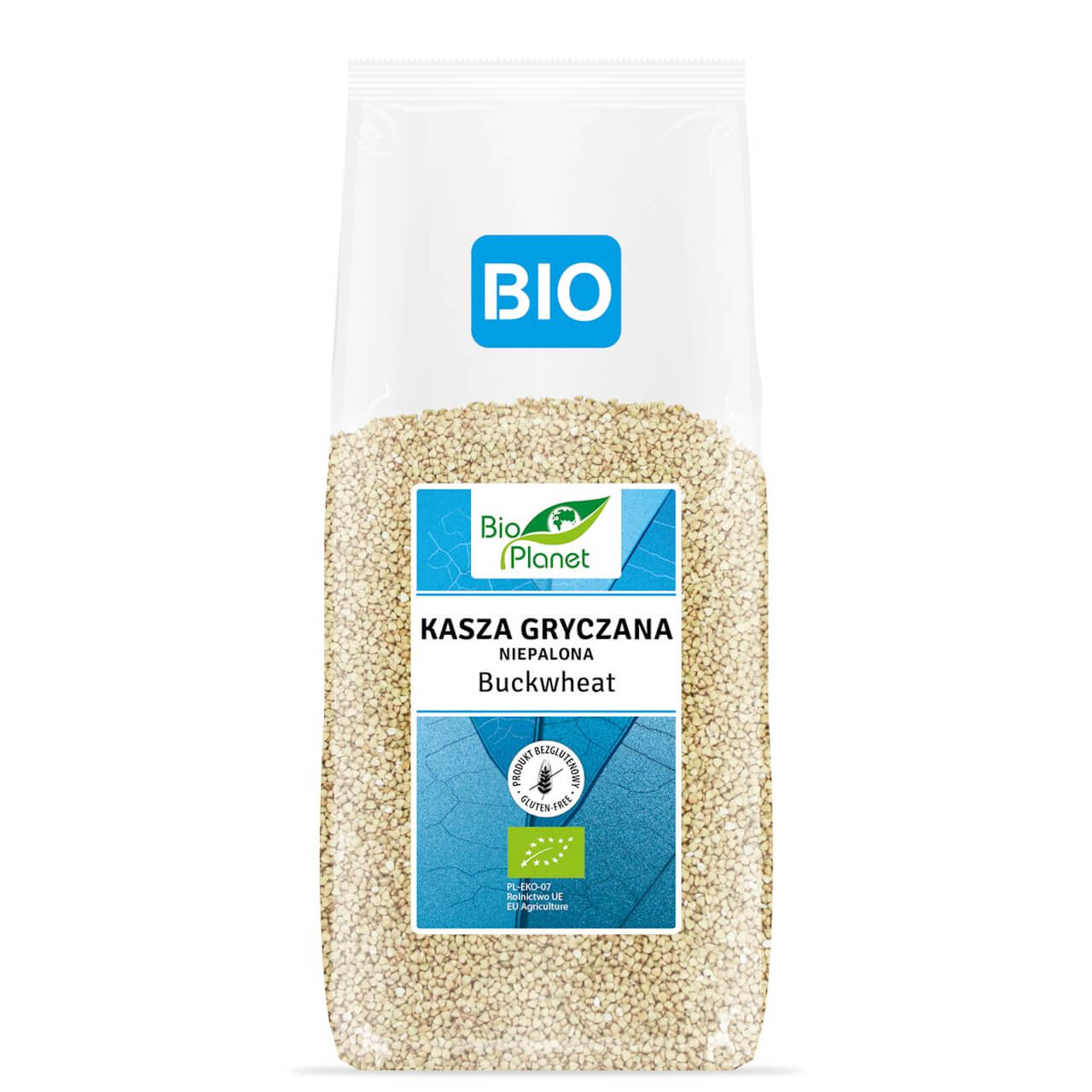
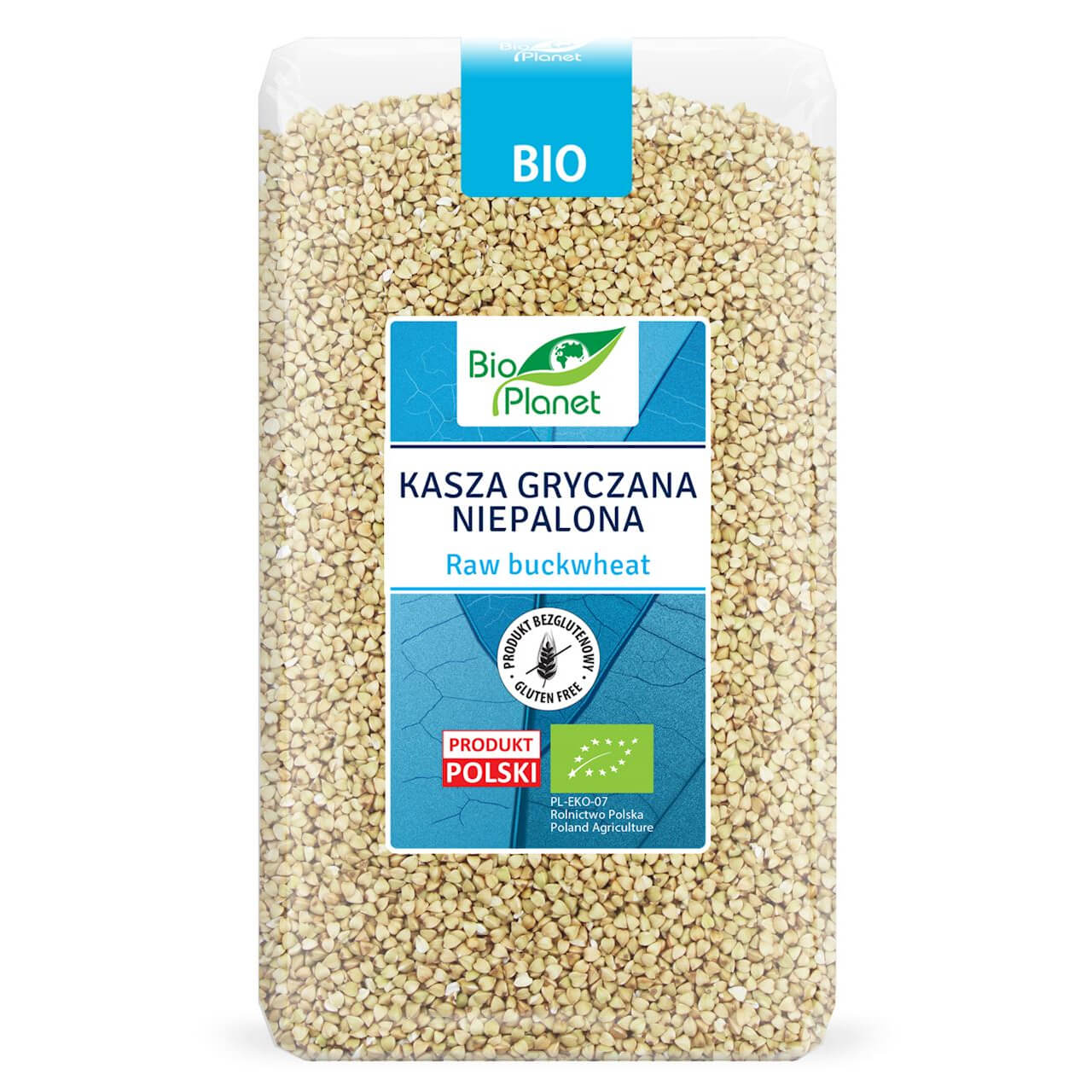
Buckwheat groats unroasted BIO 1 kg - Bio Planet
5.4. Nuts and seeds – protein or fat?
Nuts and seeds provide protein, but their dominant macronutrient is fat – a typical handful of almonds (28g) contains about 6g of protein and at the same time about 14g of fat. For this reason, it is not worth treating them as the main source of protein in the diet, especially when controlling calories – they are rather suitable as a supplement and diversification of the amino acid profile.
The most favorable protein-to-fat ratio in this group is found in pumpkin seeds (approx. 9g of protein per 28g serving) and hemp seeds, which are additionally one of the few seeds considered a source of complete plant protein.

Hemp protein BIO 500 g - Bio Planet
5.5. Completeness of plant protein – how to combine products?
As we wrote in chapter 3, most single plant sources have one or two limiting amino acids, but this does not mean that they need to be combined in every meal – adequate variety throughout the day is sufficient. A few practical, proven combinations:
- Rice or buckwheat + lentils or beans
- Hummus (chickpeas) + wholemeal bread or pita
- Tofu or tempeh + quinoa or amaranth
- Oats + hemp seeds or nuts
Individuals on a plant-based diet who want to build muscle mass should also remember about a slightly higher total protein intake than on a mixed diet – lower bioavailability and digestibility of some plant sources means that to achieve the same anabolic effect, a slightly larger portion of plant protein is usually needed than animal protein.
5.6. Comparative table of plant protein sources
| Protein source | Protein / 100 g (cooked) | Limiting amino acid | Notes |
|---|---|---|---|
| Lentils | 8–9 g | Methionine | Also rich in iron and fiber |
| Chickpeas | 8–9 g | Methionine | Hummus base, good source of folates |
| Beans (black, red) | 8–9 g | Methionine | High content of soluble fiber |
| Edamame | 11–12 g | None (complete protein) | The only legume with a full EAA profile |
| Tofu | 8–17 g (depending on firmness) | None (complete protein) | The firmer, the more protein per 100 g |
| Tempeh | 19–20 g | None (complete protein) | Fermented, more nutrient-dense than tofu |
| Buckwheat (cooked) | ~3.4 g | No significant limit | Gluten-free, favorable lysine profile |
| Quinoa (cooked) | ~4.4 g | No significant limit | Gluten-free, favorable lysine profile |
| Nuts and seeds (avg.) | 15–32 g (per 100 g, high variability) | Depends on type | Fat is the dominant macronutrient |
Scroll right to see the full table (on mobile devices) →

6. When is protein powder worth it, and when is it an unnecessary expense?
Protein powder is a convenient tool to supplement the diet, not a separate category of nutrient – the body does not distinguish between amino acids from a supplement and those from chicken or lentils. Supplementation makes sense when it facilitates achieving the daily protein goal, which for various reasons is difficult to meet through diet alone.
6.1. When does protein supplementation actually make sense?
- High protein goal difficult to achieve through diet – with requirements of 2.0–3.1 g/kg (see: chapter 2), eating food alone can be logistically challenging, especially with smaller meal volumes.
- Weight reduction with low appetite – in a caloric deficit, protein deficiency is more likely, and a serving of supplement provides a lot of protein with a small volume and calorie count.
- Limited time or access to full meals – travel, intense schedule, training away from home.
- Plant-based diet – plant-based protein (especially pea-rice blends) can help achieve both the quantity and amino acid completeness discussed in chapter 5.
- Post-workout window with limited access to a meal – a fast-absorbing portion of protein directly after training when a full meal is not possible within a reasonable time.
6.2. When is it an unnecessary expense?
If the diet already covers the target protein intake from whole foods, adding a protein supplement does not provide additional benefits – what matters is the total amount and quality of protein throughout the day, not its form. In such a situation, money spent on a protein supplement is often better invested in the quality of the diet itself or in supplements with a stronger, well-documented effect supporting training results, such as creatine.
Note: The popular belief that protein powder is "more effective" or "faster muscle building" than protein from food has no scientific confirmation when comparing similar amounts and quality of protein consumed. A supplement is a form of amino acid delivery – convenient, but not offering a physiological advantage over a whole meal with the same amino acid composition.
6.3. Overview of protein powder types
Several main types of protein supplements are available on the market, differing in source and digestion rate:
- Whey protein (WPC, WPI, WPH) – the most popular choice, rapidly absorbed, with a high leucine content (see: chapters 1.1 and 3.2), works well around training.
- Casein – slowly digested milk protein, releases amino acids gradually over several hours (see: chapter 4.4), often chosen for a portion before bedtime.
- Plant protein – most often based on pea, rice, soy, or hemp. A single plant source (e.g., pea alone) usually has a lower DIAAS score than animal protein (see: chapter 3.4), which is why manufacturers often combine pea with rice to mutually complement limiting amino acids and achieve a profile similar to complete proteins.
A detailed comparison of specific products, dosages, and selection criteria can be found in a separate article: Supplementation for strength training – what really works? A research-based guide.
7. Protein timing – when and how to distribute intake throughout the day?
The timing of protein intake is less important than its total daily amount, but it is not entirely irrelevant – reasonable distribution of protein meals throughout the day and appropriate portion sizes can further support training effects, especially when total protein intake is at the border of recommended values.
7.1. Does an "anabolic window" exist post-workout? What current science says
For many years, it was a popular theory that protein must be consumed within 30–60 minutes after training, otherwise the "anabolic window" closes, and training effects are lost. A review of literature published by Aragon and Schoenfeld as early as 2013 did not find sufficient evidence for the existence of such a narrow time window. A later meta-analysis by the same authors with additional researchers, comparing protein intake before and after training, showed similar effects on strength and muscle hypertrophy regardless of which option was used – and if an anabolic window exists at all, it is much wider than previously thought and includes at least several hours before and after a training session.
In practice, this means there is no need to hastily reach for a protein shake immediately after leaving the gym. What matters most is that within a reasonable timeframe (several hours) around the workout, a meal containing an adequate amount of protein is consumed – whether it's an hour before or two hours after, it doesn't significantly affect long-term results.
7.2. Even distribution of protein throughout the day or concentration in one meal?
Studies on the protein dose stimulating muscle protein synthesis indicate that a single meal can effectively use about 0.4 g of protein per kg of body weight for muscle building – above this value, the surplus of amino acids is used more for energy than for building. In practice, for most trainees, this means ultimately 25–40 g of high-quality protein per meal, spread over at least 3–4 meals a day.
The importance of the distribution itself, however, depends on the total protein intake in the diet: if the daily amount is low or borderline (below approx. 0.8 g/kg), even distribution helps maximize the utilization of available protein – a cross-sectional study showed that individuals consuming over 0.24 g of protein/kg of body weight in each of the three main meals had a higher percentage of lean body mass than individuals with uneven distribution. However, if the daily protein intake is already adequate (1.6–2.2 g/kg), the meal distribution itself is of secondary importance – the most important thing is that at least one meal a day contains a dose sufficient to maximally stimulate MPS.
7.3. Protein before bed – why does casein support nighttime recovery?
Consuming protein directly before bed increases the availability of amino acids in the body overnight and stimulates muscle protein synthesis during sleep. Studies using isotopically labeled proteins have shown that consuming 30–40 g of casein about 30 minutes before bed effectively increases the rate of MPS during nighttime rest after an evening workout – an effect confirmed in both younger and older men. In a long-term study, this approach, combined with regular strength training, also resulted in greater gains in muscle mass and strength compared to a placebo group.
Casein has long been considered the preferred source of protein before bed due to its slow digestion rate, described in chapter 4.4. However, a newer study directly comparing casein with whey before bed showed no significant difference between them in the rate of nighttime muscle protein synthesis – this means that while casein remains a good, proven choice for an evening protein portion, whey consumed just before bed apparently works similarly effectively.

7.4. What is the minimum leucine dose that stimulates MPS?
As we wrote in chapters 1 and 3, it is primarily the leucine content in a meal that determines the strength of the anabolic signal. A typical portion of 25–40 g of high-quality animal protein usually provides enough leucine (approx. 2.5–3 g) to maximally stimulate MPS – that's why the recommendations regarding portion size per meal (0.4 g protein/kg) and the leucine threshold practically overlap. For plant proteins with lower leucine content (see: chapters 3.2 and 5), it is worth appropriately increasing the portion size to achieve the same effect.
8. Common mistakes in trainees' approach to protein
Most problems with protein intake in trainees do not stem from a lack of theoretical knowledge, but from a few recurring habits that are easy to correct once identified.
8.1. Is focusing on protein powder instead of diet a mistake?
Yes – this is one of the most common mistakes beginners make. Protein powder is a tool that supplements the diet (see: chapter 6), not its foundation. The body uses amino acids regardless of their source, so treating a protein shake as the main element of a nutritional strategy, at the expense of varied meals, usually leads to deficiencies of other nutrients present in whole foods – fiber, micronutrients, fatty acids.
8.2. Why does too little protein intake during reduction harm results?
As we wrote in chapter 2.3, during a caloric deficit, the protein requirement increases to 2.3–3.1 g/kg, it does not decrease. A common mistake is to proportionally restrict all macronutrients during reduction – as a result, protein intake falls below the level that protects muscle mass, leading to loss of muscle tissue along with fat and deterioration of body composition despite weight loss.
8.3. Is a monotonous protein source (only chicken and rice) a problem?
Limiting your diet to one or two protein sources – a classic example being a diet consisting almost exclusively of chicken and rice – is not a critical error from the perspective of muscle protein synthesis itself. However, it does limit the diversity of micronutrients (different protein sources provide different sets of vitamins and minerals, see chapters 4 and 5) and increases the risk of dietary fatigue in the long run. Varying protein sources – combining meat, fish, dairy, eggs, and legumes – is a simpler path to maintaining a diet for months, not just weeks.
8.4. Why shouldn't you ignore protein digestibility and bioavailability?
Counting only grams of protein from the label, without considering its quality (see chapter 3.4), can lead to underestimating the real demand – especially with a diet based mainly on single plant sources with a lower DIAAS. The same numerical protein balance in the diet can practically deliver varying amounts of usable amino acids, depending on the products it comes from.
8.5. Why is breakfast often the weakest protein meal of the day?
Dietary pattern studies consistently show that the typical protein distribution throughout the day is shifted towards dinner, with breakfast providing the least – this pattern is repeated in both Western and Asian diets. A clinical study comparing a group consuming a protein-enriched breakfast with a group consuming a typical low-protein breakfast (with the same total daily protein intake) showed more beneficial effects on muscle mass gain in response to resistance training in the group with higher protein intake in the morning.
From our clients' observations: a typical Polish breakfast – sandwiches with cold cuts and yellow cheese, or cereal with milk – often provides only 10–15 g of protein, while lunch and dinner combined can exceed 60–70 g. Adding eggs, cottage cheese, or Greek yogurt to breakfast is one of the simplest changes to improve protein distribution throughout the day without increasing the number of meals.

9. How to practically plan protein intake? Example strategies
The theory from the previous chapters translates into three simple steps: calculating your daily protein target, distributing it across meals, and making small changes to your existing diet to increase protein intake without completely overhauling it.
9.1. How to calculate your daily protein target? Step-by-step example
The starting point is body weight (or lean body mass for higher % body fat, see chapter 2.2) and the goal from the table in chapter 2.1. Example for a person weighing 75 kg, strength training:
- Goal: muscle mass gain – range 1.6–2.2 g/kg, e.g., 1.8 g/kg → 75 × 1.8 = 135 g protein daily
- Goal: fat loss while preserving muscle mass – range 2.3–3.1 g/kg, e.g., 2.6 g/kg → 75 × 2.6 = 195 g protein daily
- Goal: maintaining fitness, recreational activity – range 1.2–1.6 g/kg, e.g., 1.4 g/kg → 75 × 1.4 = 105 g protein daily
9.2. How to distribute daily protein intake across meals? Example distribution
Assuming a target of 135 g of protein daily (muscle building) and distributing it across 4 meals according to the principles in chapter 7, we get approx. 30–35 g of protein per meal:
| Meal | Example content | Approximate protein |
|---|---|---|
| Breakfast | 3 eggs + 150 g cottage cheese | ~38 g |
| Lunch | 150 g chicken breast + buckwheat groats + vegetables | ~36 g |
| Post-workout meal | 200 g Greek yogurt + fruit or a serving of protein supplement | ~25 g |
| Dinner | 150 g salmon or tofu + lentils | ~35 g |
Scroll right to see the full table (on mobile devices) →
The total in this example (~134 g) matches the previously calculated target of 135 g. The distribution can be adjusted to your daily schedule and training time – the order of meals is less important in this case than the total amount of protein and the approximate portion size per meal.

9.3. How to increase protein in your diet without drastically overhauling your menu?
Instead of completely changing your eating habits, a few minor modifications to existing meals are usually sufficient:
- Add, don't swap – add an egg to your sandwich, a handful of lentils to soup or tomato sauce, a spoon of cottage cheese to oatmeal.
- Change snacks – instead of a bar or cookies, choose Greek yogurt, cottage cheese, or a handful of pumpkin seeds.
- Enrich breakfast – as we wrote in chapter 8.5, this is usually the weakest protein meal of the day, so this change brings the biggest effect with the least effort.
- Choose higher-protein varieties – cottage cheese instead of homogenized cheese, Greek yogurt instead of natural, whole milk instead of low-protein plant-based drinks (unless you choose a soy variant, which has comparable protein content to cow's milk).
- Keep a quick protein source handy – pre-cooked eggs, ready-to-eat cottage cheese, or a serving of protein powder make it easier to meet your daily goal on a busy day, without having to cook another full meal.
10. FAQ – Frequently Asked Questions
10.1. Is excess protein stored as fat?
Not directly. Amino acids are not stored in the body in a reserve form like fat in adipose tissue. Excess protein is broken down – the amino group is converted into urea and excreted in urine, while the remaining part of the molecule can be used for energy or converted into glucose or fatty acids.
However, if the total calorie intake (including from protein) exceeds the daily energy requirement, the energy surplus – regardless of its source – can ultimately be stored as adipose tissue.
In other words: it's not the protein itself that "fattens," but the total caloric balance.
10.2. Does cooking and heat treatment reduce the nutritional value of protein?
In most cases, moderate heat treatment (boiling, baking, stewing) does not significantly reduce the nutritional value of protein, and in the case of some products – such as eggs or legumes – it even improves its digestibility due to protein denaturation. Intense, prolonged searing at high temperatures (heavy browning, frying at very high heat) can, however, lead to the Maillard reaction, which reduces the bioavailability of lysine.
In practice, with typical home cooking methods, this effect has marginal significance for the overall amino acid balance of the diet.
10.3. Does a high-protein plant-based diet require additional vitamin B12 supplementation?
Yes – this recommendation is independent of the amount of plant protein consumed. Vitamin B12 occurs naturally almost exclusively in animal products, so people on a vegan diet (and to a lesser extent vegetarian) should regularly take a B12 supplement or consume fortified products. EFSA recommends an adequate intake of 4 µg daily for adults – even if a plant-based diet fully covers protein requirements, this micronutrient requires a separate source.
10.4. Does a high-protein diet require drinking more water?
Yes, to some extent. Protein metabolism leads to the production of urea, which the kidneys excrete with urine – this process requires an adequate amount of water. With a higher protein intake (above approx. 2 g/kg), it is worth consciously ensuring hydration, although in healthy individuals with normal kidney function, this is usually not a problem requiring a precisely calculated amount of fluids – careful reaction to thirst and observing the color of urine is usually sufficient.
10.5. Does protein eaten in the evening on non-training days also make sense?
Yes. The mechanism described in chapter 7.3 – increased amino acid availability during sleep supporting muscle protein synthesis – works regardless of whether training took place on a given day, although its effect is most strongly documented in combination with previous physical exertion. On non-training days, a portion of protein before bed still helps to meet the daily protein target and limits nocturnal muscle protein breakdown, although a visible effect as strong as after a training day should not be expected.
10.6. Does fasted training require a different approach to protein?
Not in terms of total daily intake – what matters most is the total protein consumed throughout the entire day, regardless of whether the training was performed fasted or after a meal. However, fasted training increases muscle protein breakdown during the exercise itself, which means that consuming a protein meal relatively soon after finishing the workout (within 1–2 hours) has slightly greater practical significance in this variant than with training after a meal – without the need to change the overall protein strategy in the diet.
11. Summary
Protein is one of the few elements of an athlete's diet where precision really matters – but precision concerns total quantity and quality, not rituals around timing of consumption. Key takeaways from the article:
- Most people who train need 1.2–2.2 g of protein/kg body weight daily, and during periods of caloric deficit, even 2.3–3.1 g/kg – the exact value depends on the type of training, goal, and age (chapter 2).
- Not only the quantity but also the quality of protein matters – the amino acid profile and digestibility (DIAAS) differentiate animal and plant sources (chapter 3).
- A plant-based diet can fully meet an athlete's protein needs, provided it is sufficiently varied (chapter 5).
- Protein powder is a convenient tool to supplement the diet, not a substitute for it (chapter 6).
- There is no narrow "anabolic window" – what matters is a reasonable distribution of protein across 3–4 meals daily, each with approximately 25–40 g (chapter 7).
- The most common mistakes are too low protein intake during caloric deficit and at breakfast, and excessive focus on supplements at the expense of a proper diet (chapter 8).
The simplest first step is to calculate your own protein target according to the table in chapter 2 and compare it with what is actually in your current diet – in most cases, the difference is smaller than it seems and can be covered by a few minor changes described in chapter 9.
12. Sources
- Stark M. et al., Journal of the International Society of Sports Nutrition – doi.org/10.1186/1550-2783-9-54
- mTORC1 mechanism and leucine content in milk proteins – PMC10265785
- Effect of higher protein intake on recovery – PMC5697135
- Link between protein deficiency and immune dysfunction – ScienceDirect, S2405457725000324
- Soy protein and testosterone levels – PMC1997115
- ISSN position on protein and exercise – PMC5477153
- Protein recommendations for endurance and strength athletes – doi.org/10.1186/s12970-017-0177-8
- PROT-AGE Position Paper, protein recommendations for seniors – Journal of the American Medical Directors Association
- Benefits of protein intake in older adults training with resistance – PMC12400859
- KDIGO 2024 guidelines for people with chronic kidney disease – Kidney International, Oxford Academic
- PDCAAS methodology, FAO/WHO – FAO Food and Nutrition Paper 92
- No evidence for a narrow "anabolic window" – Aragon A.A., Schoenfeld B.J. – PMC3577439
- Meta-analysis of protein timing – Schoenfeld B.J., Aragon A.A., Krieger J.W. – doi.org/10.1186/1550-2783-10-53
- Threshold of 0.4 g/kg/meal maximizing muscle protein synthesis – PMC5828430
- Even protein distribution and lean body mass – PMC6471574
- Importance of protein distribution depends on total daily intake – PMC7285146
- Casein before bed and nocturnal muscle protein synthesis – Trommelen J. et al. – doi.org/10.1152/ajpendo.00273.2016
- Long-term effect of pre-sleep protein on muscle mass and strength – Snijders T. et al., J Nutr 2015 – doi.org/10.3945/jn.114.208371
- No difference between casein and whey before bed – PMC10289916
- Typical pattern of low protein intake at breakfast – PMC7330467
- Fate of excess amino acids in the body – NCBI Bookshelf, "Protein and Amino Acids – RDA"
- Recommendations for vitamin B12 supplementation for vegans – MDPI, Nutrients 2024