The best-researched herbs for stress and nervous tension are ashwagandha and Rhodiola rosea – adaptogens supporting the body's resistance to chronic burden – as well as lemon balm, valerian, passionflower, and hops, which are herbs with traditional or established use for nervous tension and sleep problems. None of them will remove the source of stress, but several have randomized clinical trials showing a reduction in subjectively felt tension, and sometimes also an impact on cortisol levels.
In this article, we go through the physiology of stress, the mechanism of action of each of these herbs, research-backed dosages, the legal status of individual raw materials, and situations where herbs are not enough and it is worth consulting a doctor. You will also find a comparative table to help you choose the herb best suited to your situation.

1. What is stress and how does it affect the body?
Stress is a physiological response of the body to a situation perceived as a threat or challenge. It is triggered by the nervous and hormonal systems, which within seconds mobilize the body to act – they speed up the heart rate, raise blood pressure and blood glucose levels, and tense muscles. This is an evolutionarily old mechanism and, in its short-term form, beneficial – it only becomes a problem when the stress response is triggered too often or lasts too long.
1.1. What happens in the body during a stress response?
The stress response is triggered by two systems in parallel.
The first is the sympathetic nervous system, which acts almost immediately – within seconds, the adrenal glands release adrenaline and noradrenaline, which accelerates heart rate, raises blood pressure, and sharpens perception. This is the classic "fight or flight" response.
The second system is the hypothalamic-pituitary-adrenal axis (HPA axis), which acts more slowly – its effects appear after several to several dozen minutes and last longer. The hypothalamus releases CRH hormone, which stimulates the pituitary gland to secrete ACTH, which in turn commands the adrenal cortex to produce cortisol.
The HPA axis (hypothalamic-pituitary-adrenal axis) is the main hormonal system responsible for the body's long-term response to stress. The name comes from the three structures involved: the hypothalamus, the pituitary gland, and the adrenal cortex.
In a short-term stress episode, cortisol performs adaptive functions: it raises blood glucose levels, providing energy to muscles and the brain, temporarily suppresses non-priority processes at that moment (digestion, part of the immune response), and sharpens alertness. After the stressful stimulus subsides, cortisol levels should return to baseline – usually within an hour to several hours.
1.2. Acute vs. chronic stress – why does this distinction matter?
Acute stress is a single episode with a clear beginning and end – an exam, a difficult conversation, a sudden deadline at work. The body mobilizes, reacts, and then returns to a state of balance. In this form, stress is not harmful – short-term mobilization can even be necessary for effective action.
Chronic stress occurs when stressful stimuli repeat frequently or persist for a long time without time for full regeneration – work under constant pressure, family conflicts, chronic financial worries. The HPA axis does not return to its starting point between episodes, which leads to its dysregulation: in some people, elevated cortisol levels persist, while in others – after years of overload – the cortisol response becomes blunted.
Acute vs. chronic stress – the most important difference
- Acute stress: has a beginning and an end, cortisol returns to normal, the body regenerates.
- Chronic stress: repeats or lasts without interruption for regeneration, the HPA axis does not return to its starting point.
It is precisely with chronic stress and its subjective symptoms – nervous tension, sleep problems, irritability – in mind that research is conducted on the herbs discussed in this article. No herb will eliminate the source of stress, but some can support the body in alleviating its effects.
The mechanism of cortisol itself and natural ways to support its proper level are described in more detail in the article How to naturally lower cortisol?

1.3. How does chronic stress affect sleep, digestion, and immunity?
Chronically elevated or dysregulated cortisol levels affect several systems simultaneously.
- Sleep – cortisol has a natural diurnal rhythm: the highest level occurs in the morning, the lowest in the evening and the first phase of sleep. Chronic stress flattens this rhythm and raises evening cortisol concentrations, which makes it difficult to fall asleep and lowers the quality of deep sleep.
- Digestion – activation of the sympathetic nervous system reduces blood flow to the gastrointestinal tract and slows peristalsis, and the gut-brain axis means that chronic stress is often associated with functional digestive ailments.
- Immunity – in the short term, cortisol has anti-inflammatory effects, but with constant exposure, immune cells become less sensitive to its signal, which promotes the maintenance of low-grade inflammation in the body.
The described symptoms relate to a physiological reaction to stress, not anxiety or depressive disorders. If tension, sleep problems, or low mood persist for a long time, worsen, or affect daily functioning, it is a sign to consult a doctor or psychologist – the herbs described in this article are not intended for self-management of such conditions.
2. Adaptogens or calming herbs? What's the difference and what does the law say?
"Adaptogen" and "traditional herbal medicinal product" are two different concepts that are often confused in common parlance. Neither of them is the same as a legal health claim for a food supplement or herbal tea – and this distinction is directly relevant to how the herbs described later in the article can (and cannot) be discussed.
2.1. What are adaptogens?
The concept of an adaptogen originated from Soviet pharmacology in the 1940s and 1950s (researchers Nikolai Lazarev and Israel Brekhman). According to the original definition, an adaptogenic substance should: not be toxic in standard doses, elicit a non-specific – i.e., broad, stressor-independent – response that increases the body's resistance, and act normalizing, regardless of the direction of deviation from equilibrium.
Plants most often described as adaptogens include ashwagandha, Rhodiola rosea, and ginseng – all discussed in subsequent chapters. It is crucial, however, that "adaptogen" is not a legal category in either EU food law or pharmaceutical law. It is a descriptive term from pharmacognosy, which in itself does not authorize the formulation of any health claims.
2.2. Herbs with traditional use (HMPC) – what does it mean in practice?
Some of the herbs described in this article – lemon balm, lavender, valerian, passionflower, hops – have the status of a traditional herbal medicinal product, granted by the Committee on Herbal Medicinal Products (HMPC) at the European Medicines Agency (EMA). Inclusion in a community monograph is based on documented use of the raw material for at least 30 years, including a minimum of 15 years in the European Union, and does not require full clinical trials – unlike the "well-established use" category.
Herbal medicine vs. food supplement – they are not the same. A traditional herbal medicinal product is a registered OTC drug subject to Pharmaceutical Law, with a leaflet and a specific medical indication. A food supplement and herbal tea are foodstuffs, subject to Regulation (EC) No 1924/2006 – and this is the category that most products available in health food stores fall under.
In practice, this means that indications from the HMPC monograph – e.g., "alleviating symptoms of nervous tension" for lemon balm or lavender – refer to registered herbal medicinal products sold as OTC medicines with appropriate registration documentation. The same plant in the form of a tea, infusion, or food supplement is subject to completely different regulations and cannot automatically assume the medical indication assigned to a registered medicine.
2.3. What health claims are permitted for herbs for stress?
The answer to this question is short: currently, no herb described in this article has an EFSA-approved health claim regarding stress reduction, calming, or supporting mental resilience to stress.
Health claims for botanicals were suspended in 2010 by the European Commission – EFSA did not complete their scientific evaluation under Article 13(1) of Regulation (EC) No 1924/2006, so they remain in "on hold" status. For years, the supplement industry has practiced citing this status as a basis for cautious claims.
Important legal change (2025). On April 30, 2025, the Court of Justice of the EU (case C-386/23) confirmed that health claims for botanicals "awaiting" EFSA assessment cannot be used in advertising and marketing communication – the "on hold" status itself is not a legal basis for formulating such claims.
For the content on this blog, this means that we do not formulate claims such as "reduces stress" or "alleviates nervous tension" as product properties for food supplements and herbal teas. However, we can – as in this article – describe the tradition of herbal medicine, scientifically studied mechanisms of action, and the regulatory status of individual raw materials, clearly distinguishing this from a marketing claim attributed to a specific product.
3. Ashwagandha – does it really lower cortisol levels?
Ashwagandha (Withania somnifera) is one of the best-researched adaptogens in terms of its effect on cortisol and subjectively perceived stress. Several randomized, placebo-controlled studies have shown a reduction in cortisol levels and a reduction in stress symptoms after supplementation with standardized root extract – however, the evidence comes mainly from small studies, which limits the certainty of the conclusions.
3.1. What does the research say?
The most frequently cited study is the work by Chandrasekhar et al. from 2012 (Indian Journal of Psychological Medicine), in which 64 people with chronic stress took 600 mg daily of a standardized ashwagandha root extract (KSM-66) or placebo for 60 days. In the ashwagandha group, a statistically significant decrease in stress scale scores (p<0.0001) and a reduction in serum cortisol levels by approximately 28% compared to the placebo group (p=0.0006) were observed.
The results of this study have been partially replicated in subsequent, also small, clinical trials, which generally confirm the direction of the effect – a reduction in stress markers and cortisol – although they differ in dosages and extracts used.
The assumed mechanism of action is not to directly "block" cortisol, but to modulate the activity of the HPA axis – ashwagandha influences the regulation of the body's response to stress stimuli, rather than the hormone itself in isolation from this mechanism.
Available evidence has significant limitations: these are mainly small studies conducted in India, often funded by specific extract manufacturers, with short observation periods (usually 6–8 weeks). Larger, independent studies are needed to unequivocally confirm the scale and durability of the effect.

BICAPS Ashwagandha 60 capsules - ForMeds
3.2. How to dose and what to watch out for?
Clinical studies most often used 300–600 mg daily of a standardized root extract (e.g., to a minimum of 5% withanolides), usually in two divided doses, for at least 6–8 weeks – this is the typical time needed to assess the effect. Traditionally, powdered root is also used, but its active ingredient content is much less predictable than that of a standardized extract.
When to exercise particular caution or avoid ashwagandha
- Pregnancy and breastfeeding – traditional herbal medicine associates high doses of the root with abortifacient effects, so use should be avoided.
- Thyroid diseases – ashwagandha can affect TSH, T3, and T4 levels.
- Autoimmune diseases – may stimulate the immune system.
- Immunosuppressants, sedatives, and sleeping pills – possible potentiation of their effects.
- Isolated cases of drug-induced liver injury have been reported with long-term use of high doses – breaks in supplementation are recommended after 8–12 weeks of continuous use.
Withania somnifera is also included in the EU register of plants that may contain naturally occurring substances requiring caution when used in food and food supplements – this is a signal to choose certified, standardized extracts of known origin, and not a reason to completely forgo ashwagandha for individuals without contraindications.
4. Rhodiola rosea (Rhodiola rosea) – support for mental fatigue
Rhodiola rosea has a slightly different research profile than ashwagandha – most of the evidence concerns not so much the direct reduction of cortisol, but rather the alleviation of mental fatigue and improvement of concentration in conditions of chronic stress, e.g. in people with burnout symptoms.
4.1. Mechanism of action and research
Rhodiola rosea rhizome contains, among others, rosavins and salidroside – compounds to which antioxidant effects and effects on neurotransmission are attributed. The plant has a long tradition of use in Scandinavia, Siberia, and mountainous regions of Eurasia – it was traditionally used to increase resistance to cold, physical exertion, and fatigue.
The most frequently cited clinical study is the work of Olsson et al. from 2009 (Planta Medica), in which 60 people diagnosed with chronic fatigue syndrome related to stress took a standardized SHR-5 extract (576 mg daily) or placebo for 28 days. In the group taking the extract, an improvement in burnout symptoms (Pines scale), better concentration in attention tests, and a reduction in the morning cortisol response were observed compared to the placebo group.
A similar trend of results – improved concentration and reduced perceived fatigue – was obtained in earlier, smaller studies involving people functioning under conditions of chronic stress, e.g., doctors on night duty. As with ashwagandha, the trials were small, and the authors of some publications were associated with the manufacturer of the studied extract, which requires cautious interpretation of the results.

4.2. Dosage and form of administration
Clinical studies used extracts standardized for rosavin content (usually approx. 3%) and salidroside (usually min. 1%), in daily doses most often ranging from 200–600 mg. Effects were usually assessed after several to several weeks of regular use.
The time of intake matters. Unlike the calming herbs discussed in later chapters (lemon balm, valerian), rhodiola rosea has a more stimulating than calming profile – it is best taken in the morning or early afternoon to avoid potential difficulty falling asleep.
When to be especially cautious or avoid rhodiola rosea
- Bipolar disorder – due to its stimulating nature, there are reports of possible exacerbation of manic episodes.
- Antidepressants from the SSRI and MAOI groups – use caution and consult a doctor about combining due to potential effects on serotonergic neurotransmission.
- Pregnancy and breastfeeding – lack of sufficient safety data, therefore use is discouraged.
- Individuals sensitive to stimulants – at higher doses or when taken late in the afternoon, irritability or difficulty sleeping may occur.
5. Lemon balm – gentle support for nervous tension and sleep
Lemon balm (Melissa officinalis) is one of the mildest calming herbs – with a long tradition of use and preliminary, promising clinical studies, although mainly conducted on small groups and for short-term, situational stress, rather than chronic conditions.
5.1. Traditional use of lemon balm
Lemon balm leaf raw material (Melissae folium) has the status of a traditional herbal medicinal product – the indication includes alleviating symptoms of nervous tension, aiding sleep, and nervous gastrointestinal complaints, thanks to its antispasmodic properties.
The mechanism of action is primarily associated with rosmarinic acid, which inhibits the GABA-transaminase enzyme responsible for the breakdown of GABA in the brain – slowing this breakdown increases the concentration of GABA in the synaptic cleft, which translates into a calming effect, similar (though much weaker) to the mechanism of anxiolytic drugs acting on the same neurotransmitter.
In a 2004 study by Kennedy et al. (Psychosomatic Medicine), a single administration of lemon balm extract to healthy volunteers before a laboratory-induced stress test alleviated the mood deterioration observed in the placebo group. This is a small study of acute action, not proof of effect with long-term use – but consistent with the traditional use of lemon balm in moments of sudden tension.
Lemon balm is also studied for its mild effect on mood and cognitive functions with a simultaneous calming effect – we wrote more about herbs supporting concentration and memory in the article Herbs for memory and concentration.

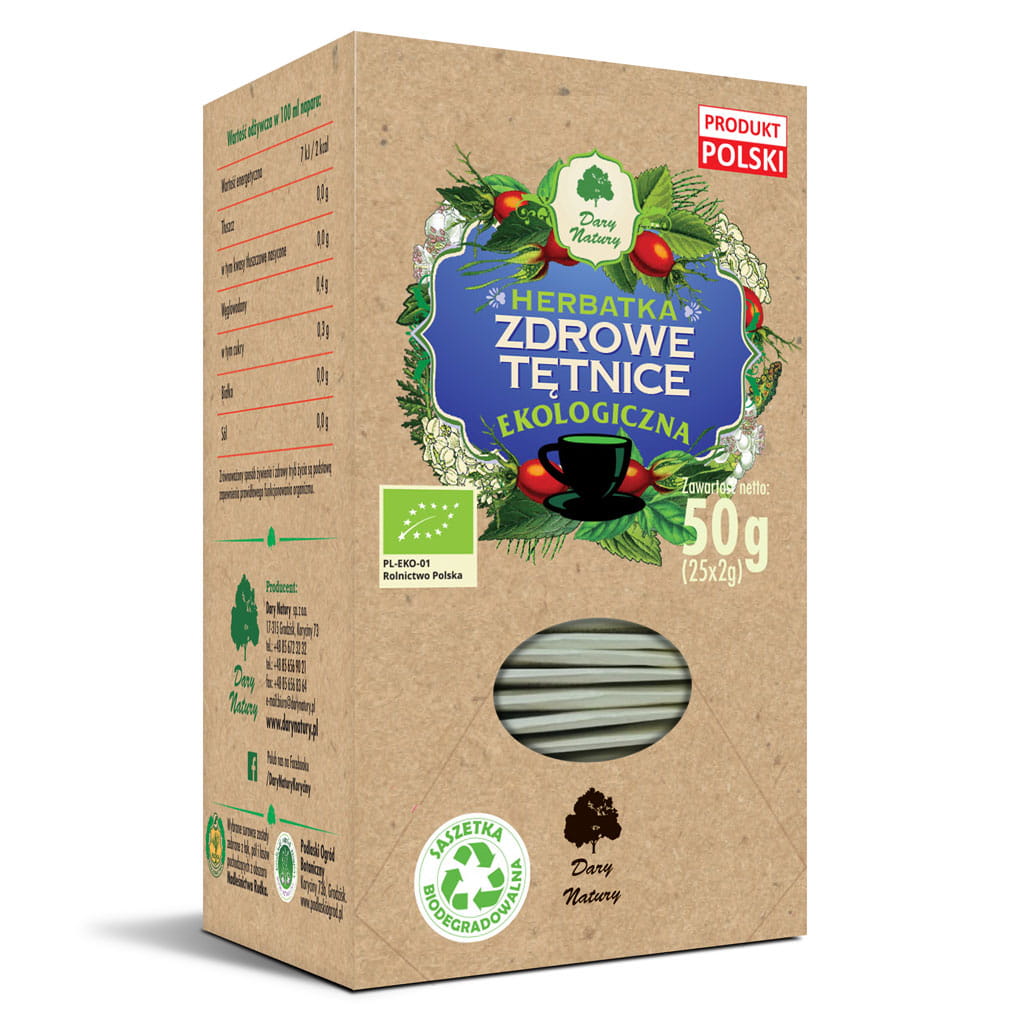
Lemon Balm Leaf Tea BIO (25 × 1.5 g) 37.5 g - Dary Natury
5.2. Lemon balm in practice – infusion, extract, combinations with other herbs
Lemon balm can be used in several forms:
- Infusion – 1.5–4.5 g of dried leaf per glass of boiling water, brewed covered for 10–15 minutes, 2–3 times a day or once in the evening.
- Tincture – according to the manufacturer's recommendations, usually several dozen drops dissolved in water.
- Standardized extract in capsules – a convenient form with a consistent content of active substances, especially useful when a specific, known dose is desired.
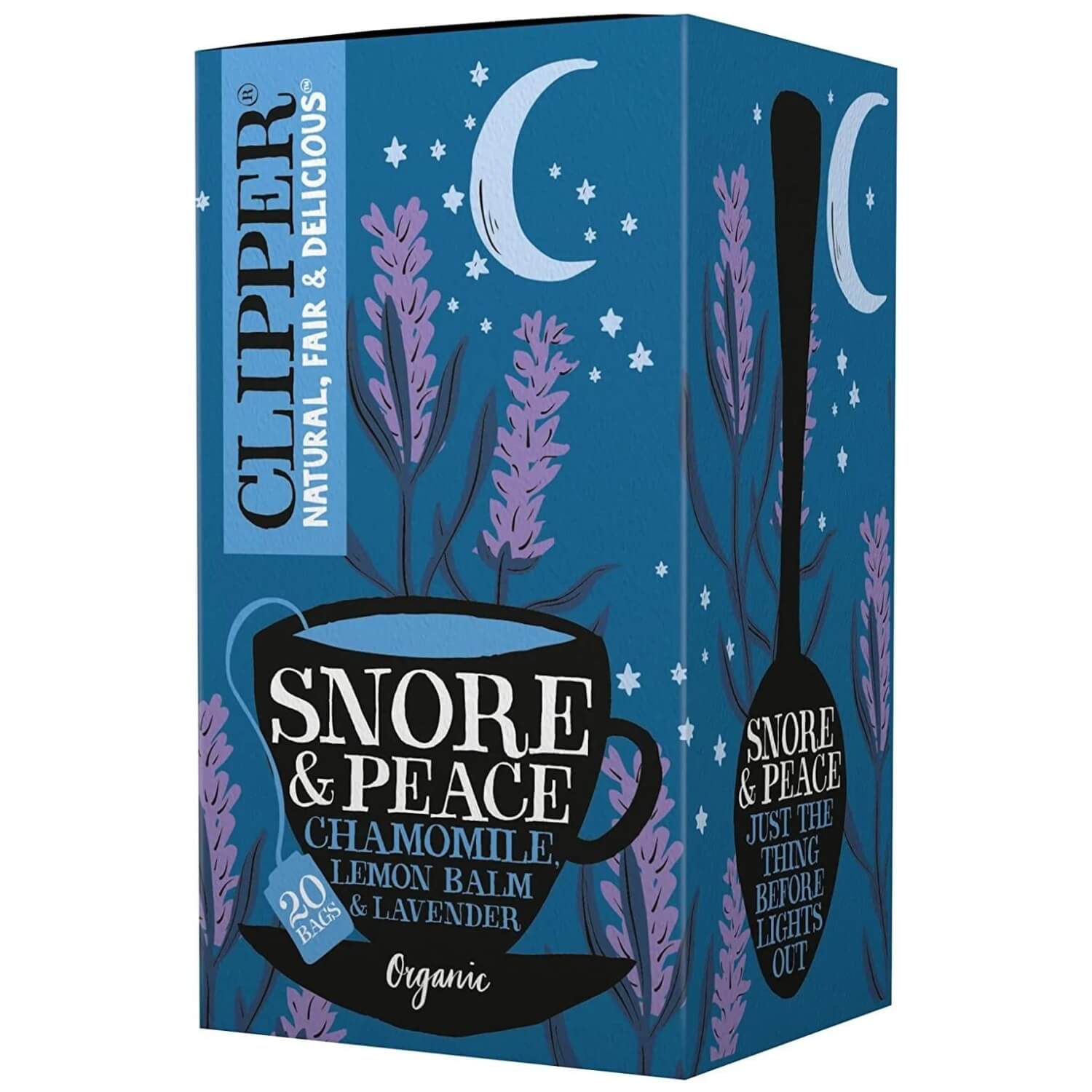
Lemon balm is one of the most commonly combined herbs in mixtures for sleep and nervous tension – it blends well with valerian, hops, and passionflower, which we discuss in subsequent chapters. Combining several herbs with different, complementary mechanisms of action on the GABA-ergic system is a common practice in phytotherapy.
Lemon balm is among the best-tolerated herbs in this comparison – it does not cause the daytime drowsiness typical of benzodiazepines or the risk of addiction. Due to insufficient data, caution is advised during pregnancy and breastfeeding, and when combining it with other sedative or hypnotic agents, it is worth exercising common sense regarding the total dose.
6. Valerian (Valeriana officinalis) – a classic herb for nervous tension
Valerian (Valeriana officinalis) stands out from the other herbs in this article – its use for insomnia has the status of well-established medicinal use, not just traditional. This means that it has more clinical research backing it than most of the raw materials discussed earlier.
6.1. How does valerian work?
The action of valerian is primarily due to valerenic acid and valepotriates contained in the root. The mechanism is not fully understood, but research indicates several parallel pathways: increasing GABA release, inhibiting its reuptake and degradation, and directly binding to the GABA-A receptor – in a different location than benzodiazepines, which partly explains its milder side effect profile. Effects on adenosine A1 receptors (sedative effect) and 5-HT1A receptors (possible anxiolytic effect) have also been described.
A meta-analysis by Bent et al. from 2006 (American Journal of Medicine), covering 16 clinical trials and 1093 participants, showed an improvement in subjectively assessed sleep quality after valerian use – without a clear improvement in objective polysomnographic measurements. This is a typical picture for calming herbs: the effect perceived by patients is stronger than what measuring devices record.

6.2. Dosage, interactions, and limitations
According to the EMA monograph, the typical dose is 400–600 mg of dry root extract or 0.3–3 g of powdered root, up to three times a day. For sleep problems, it is best to take valerian 30 minutes to two hours before bedtime – unlike lemon balm, which works more gently and can be used more flexibly throughout the day.
Valerian is often combined with common hops – in a 2005 study by Morin et al., the valerian-hops combination showed a modest, statistically insignificant improvement in sleep onset, comparable to diphenhydramine in terms of perceived sleep quality, with a similarly good safety profile for both interventions (no serious side effects in any group).
When to be especially cautious or avoid valerian
- Children under 12 years of age – EMA does not recommend use in this age group.
- Pregnancy and breastfeeding – insufficient safety data.
- Combining with other sedatives, hypnotics, alcohol, or benzodiazepines – risk of increased inhibitory effect on the central nervous system.
- Driving and operating machinery – at higher doses, some people experience morning drowsiness or headache, so it's advisable to check your own reaction first.
Unlike benzodiazepines, short- and medium-term use of valerian has not been associated with the typical risk of addiction or withdrawal syndrome – this is one of the more frequently cited advantages of this herb compared to synthetic sleeping pills.
7. Passionflower and common hops – lesser known, but valuable
Passionflower and common hops less often make it to the forefront of guides on stress-relief herbs than ashwagandha or lemon balm, yet they have solid traditional and regulatory foundations – especially when combined with other herbs discussed earlier.
7.1. Passionflower (Passiflora incarnata)
Passionflower herb (Passiflorae herba) has the status of a traditional herbal medicinal product – its indication includes alleviating symptoms of mild psychological stress and aiding sleep. The mechanism of action is linked to flavonoids and indole alkaloids affecting the GABA-ergic system in the brain.
In a pilot study by Akhondzadeh et al. in 2001, 36 individuals with generalized anxiety disorder took passionflower extract (45 drops daily) or oxazepam (30 mg) – a benzodiazepine drug – for 4 weeks. Anxiety reduction was comparable in both groups; oxazepam worked faster but was associated with more frequent deterioration in work performance than passionflower. This was a small pilot study, not proof of equivalence with drugs – but it suggests a favorable safety profile with retained efficacy.
Passionflower can be found as dried herb for brewing, dry extract in capsules, or tincture – most often in combination with lemon balm, valerian, or hops, as discussed in previous chapters.

7.2. Common hops
Hop cones (Lupuli flos) have the status of a traditional herbal medicinal product for nervous tension and difficulty sleeping. The calming effect is mainly due to methylbutenol – a volatile compound formed during drying and storage of the raw material – and humulene, which enhance GABA activity. Bitter hop acids (humulone, lupulone) further support this effect.
Hops are rarely used alone – they most often appear in combination with valerian, as described in Morin et al.'s study in the previous chapter. A traditionally used method is also a pillow with dried hop cones placed under the pillow – the released methylbutenol is supposed to have a calming effect through inhalation. This practice originates from folk tradition, not clinical research, but is worth mentioning as a curiosity.

Stress fix tea (20 × 2 g) 40 g - Herbapol Kraków
Precautions for passionflower and hops
- Pregnancy, breastfeeding, and children under 12 years of age – insufficient data, EMA does not recommend use.
- Combining with sedatives, hypnotics, anticoagulants – use caution and consult a doctor.
- Hops may interact with drugs metabolized by CYP2B and CYP3A enzymes – enhancing their action.
- Rarely, but possible, skin or respiratory allergic reactions, especially with direct contact with the raw material.
8. Ginseng – an adaptogen supporting psychological and physical resistance to stress
Panax ginseng is one of the longest-used adaptogens in the world – the active substances responsible for its action are ginsenosides, triterpene saponins that affect, among other things, the HPA axis and the body's overall resistance to stress. The literature describes ginseng's modulating effect on cortisol secretion and neuroprotective action, although a significant portion of available research combines ginseng with other ingredients, which makes it difficult to clearly isolate its standalone effect on stress.
The name "ginseng" in practice refers to various plants – besides Panax ginseng, you can also find Siberian ginseng (Eleutherococcus senticosus) on the market, a botanically distinct species with a different profile of active substances (eleutherosides instead of ginsenosides) and a slightly different traditional use.
The differences between them, including tips on which to choose depending on the purpose, are discussed in detail in the article Siberian or Panax ginseng – which to choose?

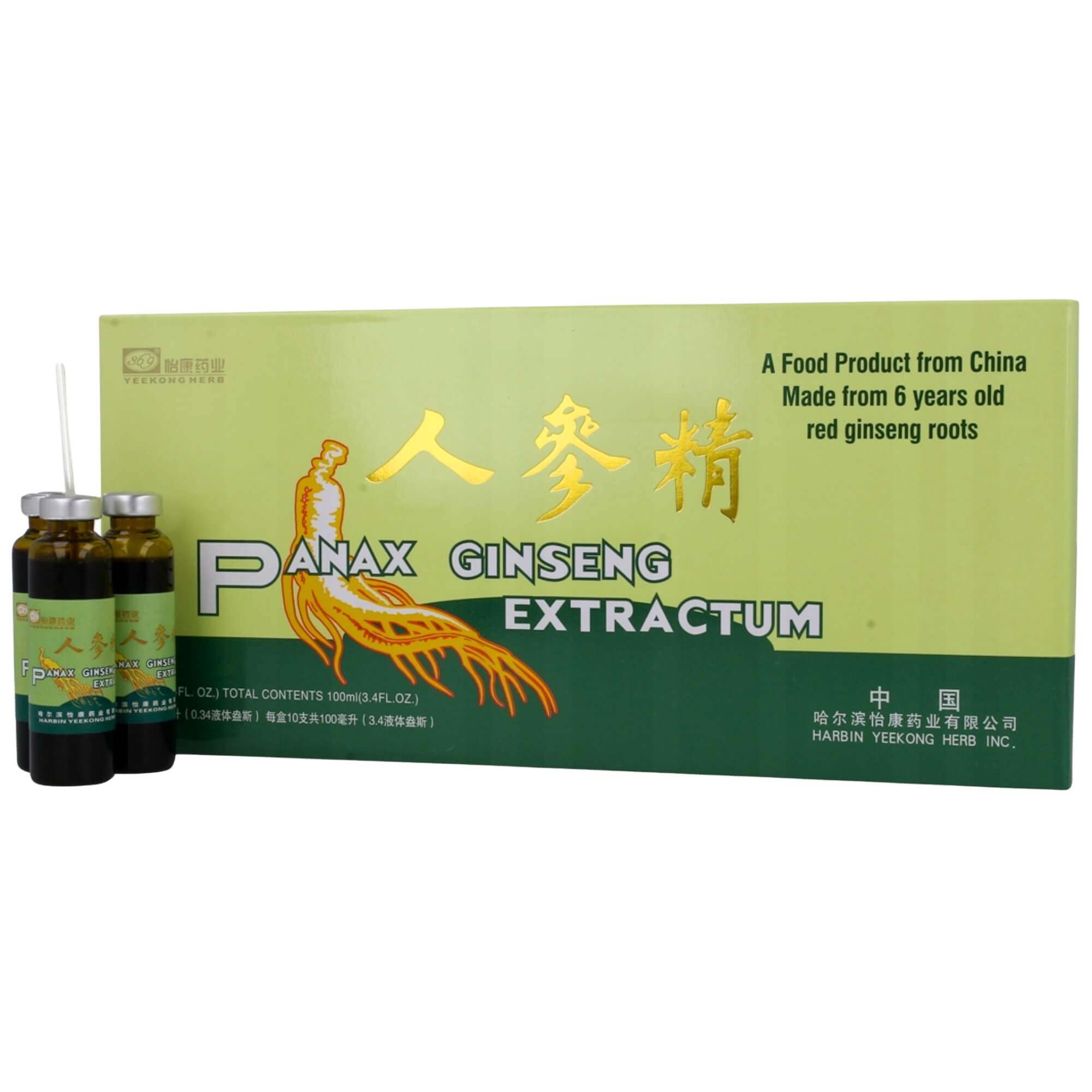
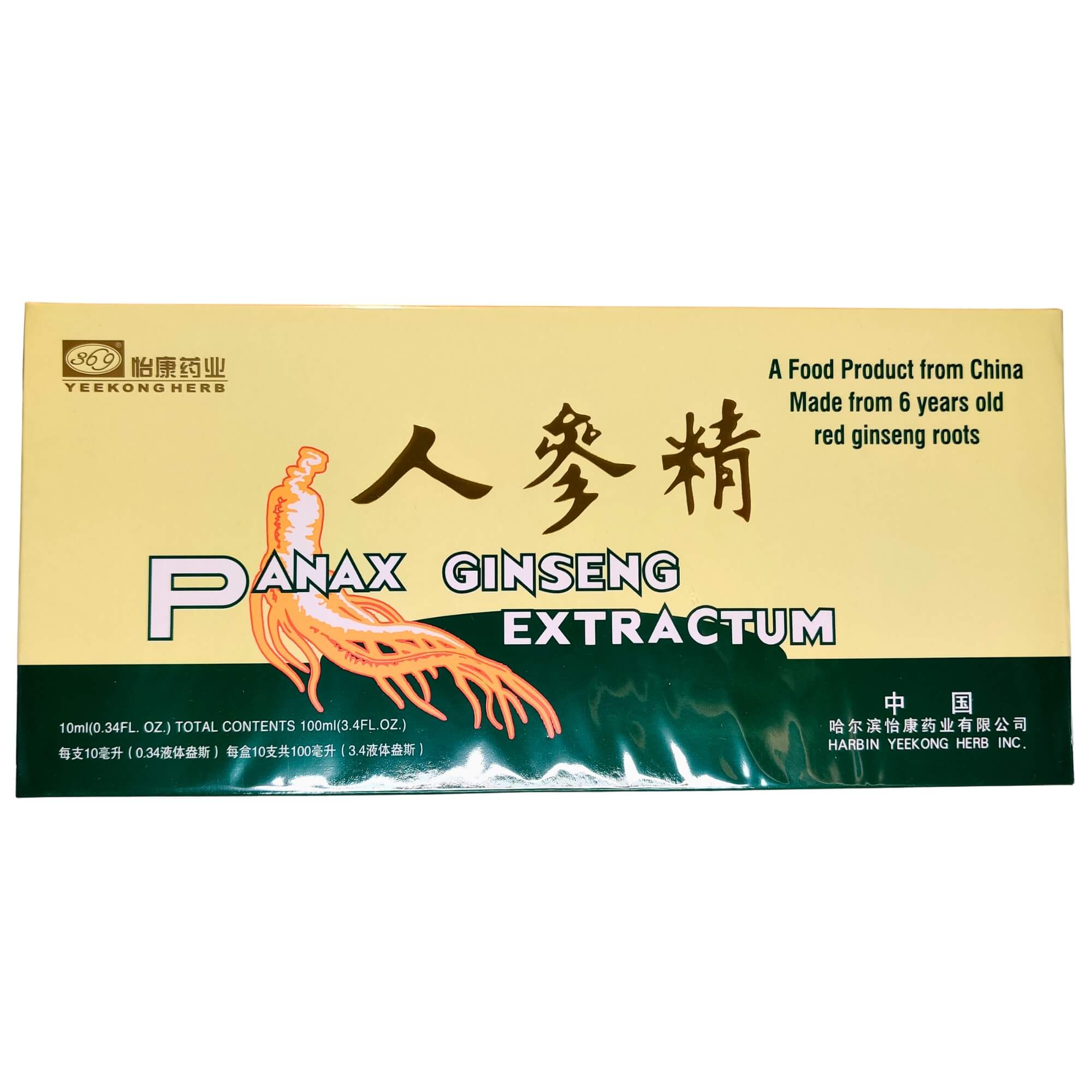
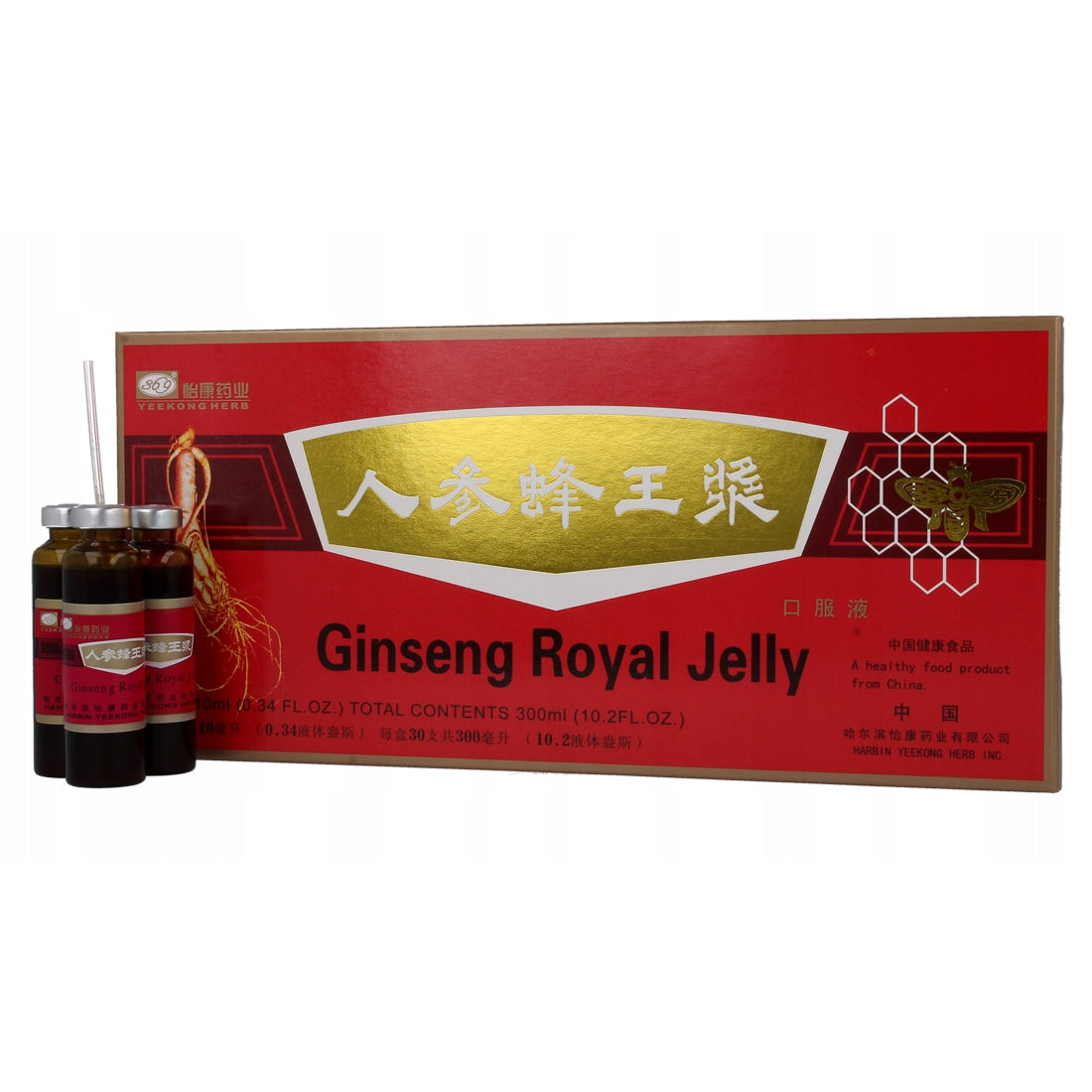
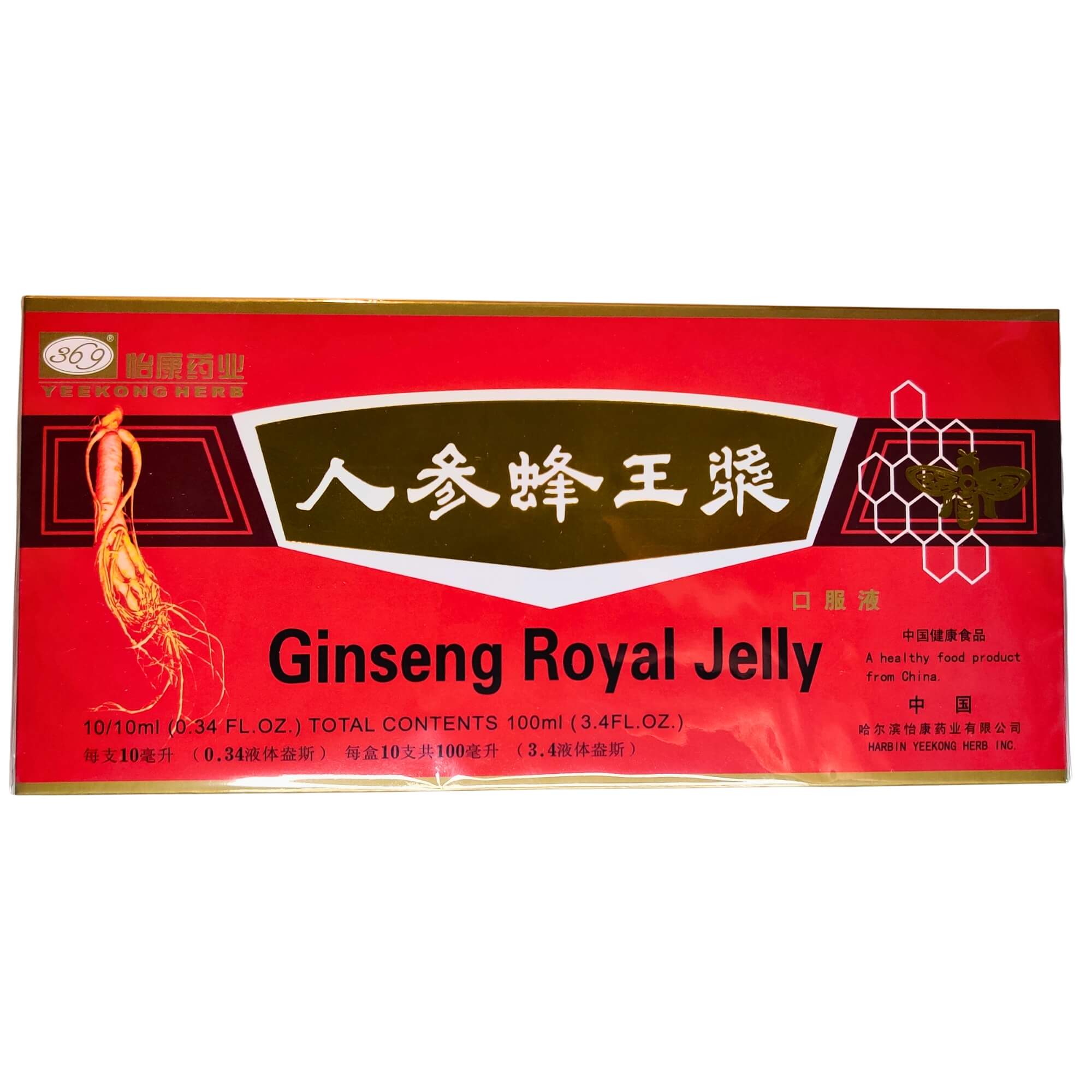
Ginseng extract (Panax Ginseng Extractum) ampoules 100 ml - Meridian
Ginseng is not recommended for continuous use for many months without a break, during pregnancy and breastfeeding, or without consultation when simultaneously taking anticoagulants, antidiabetics, or antihypertensives – ginseng can affect blood clotting, glucose levels, and blood pressure.
9. What forms of supplementation to choose – teas, tinctures, extracts, or capsules?
The choice of form mainly depends on whether you are looking for precise dosing consistent with what has been tested in research, or rather convenience, ritual, and the flexibility of combining several herbs at once.
9.1. Herbal teas and infusions
This is the most traditional and accessible form – it works well for lemon balm, valerian, hops, and passionflower, which are herbs with a long history of use in this form. The advantage is the ease of combining several raw materials in one mixture and the ritual of brewing and drinking a warm infusion in the evening, which for many people has additional calming value, independent of the action of the active substances themselves.
The disadvantage of herbal infusions is the variable content of active substances – it depends on the quality, freshness, and storage method of the dried herbs, so reproducibility of the dose comparable to clinical studies is difficult.

9.2. Tinctures and liquid extracts
Tinctures (alcohol-based extracts) are characterized by rapid absorption, flexible drop dosing, and a long shelf life. However, they are not a good choice for people avoiding alcohol for any reason – in such a situation, it is worth looking for an alternative in the form of vegetable glycerin-based extracts, available from some herbal manufacturers.
9.3. Capsules and tablets – standardized extracts
This form is closest to what was used in the clinical trials cited in this article – standardized extracts (e.g., for a specific content of withanolides in ashwagandha or rosavins and salidroside in rhodiola) allow for repeatable dosing similar to what was scientifically studied. This is a good choice if you want to get as close as possible to the conditions of the studies – at the cost of less flexibility in combining herbs as you wish and usually a higher price than raw material for brewing.
There is no single "best" form – a good choice depends on whether you want to get as close as possible to the doses from studies (capsules), need flexibility and ritual (herbal tea), or prioritize quick absorption and convenient drop dosing (tincture). Many people combine forms depending on the time of day and situation.
If, in addition to nervous tension, you also suffer from chronic fatigue and lack of energy, you might be interested in the article What causes constant fatigue and lack of energy?, where we discuss this issue in more detail.
10. Which herb to choose for stress? Comparison table
There is no single "best" herb for stress – the choice depends on whether you are primarily concerned with sleep problems, daytime tension, chronic mental overload, or situational anxiety before a specific event. The following compilation organizes all herbs discussed in this article by regulatory status, main application, and practical tips for use.
| Herb | Regulatory status | Best for | Form / typical dose | Time to effect | For whom |
|---|---|---|---|---|---|
| Ashwagandha | Adaptogen, no HMPC status | Reduction of perceived stress, cortisol regulation support | Standardized extract, 300–600 mg/day | 6–8 weeks | Chronic, long-term stress |
| Rhodiola rosea | Adaptogen, no HMPC status | Mental fatigue, decreased concentration | Standardized extract, 200–600 mg/day, in the morning | Several–dozen weeks | Burnout symptoms, daytime overload |
| Lemon balm | Traditional herbal medicinal product (HMPC) | Mild, situational nervous tension | Infusion 1.5–4.5 g/cup or standardized extract | Noticeable even with single use | Mildest, temporary support |
| Valerian | Well-established use (insomnia) / traditional (tension) | Difficulty falling asleep, evening tension | 400–600 mg extract, 30 min–2 h before sleep | From the first days, full effect after 2–4 weeks | Problems falling asleep |
| Passionflower | Traditional herbal medicinal product (HMPC) | Mild stress, sleep support | Herb for infusion, tincture or dry extract | Several weeks of regular use | Situational anxiety, before a stressful event |
| Common hop | Traditional herbal medicinal product (HMPC) | Sleep support, enhancement of other herbs | Cones for infusion, usually combined with valerian | Usually the same evening | Evening use, rarely alone |
| Ginseng | Adaptogen, no HMPC status | General resistance to physical and mental overload | Standardized extract, dose according to manufacturer | Several–dozen weeks | Stress combined with significant physical exertion |
Scroll right to view the entire table (on mobile devices) →
If you don't know where to start, here are some simple tips to help you choose:
- Sleep problems – valerian, possibly combined with hops.
- Daytime tension, want to stay alert – lemon balm or rhodiola rosea (in the morning).
- Chronic, long-term burden and burnout – ashwagandha or rhodiola rosea, used regularly for several weeks.
- Stress before a specific event (exam, presentation, procedure) – passionflower.
- Stress combined with significant physical exertion – ginseng.
Herbs with the status of traditional herbal medicinal product (lemon balm, valerian, passionflower, hops) usually have a milder action profile and more safety data than adaptogens without this status (ashwagandha, rhodiola, ginseng) – this is a good starting point if you are just beginning and prefer to start with proven, well-tolerated options.
11. How to safely combine herbs for stress – interactions and contraindications
Specific precautions for each herb have already been discussed in chapters 3–8. Here, we summarize them as general rules that are worth knowing regardless of which herb (or combination thereof) you choose.
11.1. Interactions with medications
The highest risk of interactions concerns several groups of drugs:
- Sedatives, hypnotics, and benzodiazepines – the risk of enhanced inhibitory effect on the central nervous system primarily concerns lemon balm, valerian, hops, and passionflower, i.e., herbs with direct action on GABA receptors.
- Antidepressants (SSRIs, SNRIs, MAOIs) – particular caution is advised with rhodiola rosea, due to its possible influence on serotonergic neurotransmission.
- Anticoagulants and antiplatelet drugs – mainly applies to ginseng, which can affect blood clotting.
- Drugs metabolized by CYP2B and CYP3A enzymes – hops can enhance their action.
- Thyroid, diabetes, and hypertension medications – ashwagandha can affect thyroid hormones, and ginseng can affect glucose levels and blood pressure.
Most data on herb-drug interactions come from case reports, animal studies, or theoretical predictions based on the mechanism of action – not from large clinical trials in humans. This means that the actual scale of risk can be difficult to precisely determine, so if you are permanently taking any medications, it is safest to consult your planned herbal supplementation with a doctor or pharmacist – even if a specific interaction is not yet well documented.
11.2. Pregnancy, breastfeeding, and children
None of the herbs described in this article have sufficient safety data for use during pregnancy and breastfeeding – this applies to both adaptogens and herbs with HMPC status. A lack of confirmed safety does not automatically mean that a given plant is harmful, but in the absence of solid research on this group, the safest approach is to avoid herbal supplementation without prior consultation with your obstetrician.
The situation is similar for children – EMA/HMPC monographs for lemon balm, valerian, hops, and passionflower consistently exclude children under 12 years of age from recommended use, and adaptogens (ashwagandha, rhodiola, ginseng) are even less studied in this age group.
11.3. When herbs are not enough – when to consult a doctor?
The herbs described in this article are intended as support for daily, situational tension and chronic burden – not as a way to cope with anxiety disorders, depression, or conditions requiring medical treatment.
When to consult a doctor or psychologist instead of relying solely on herbs:
- Tension, anxiety, or sleep problems persist for longer than several weeks despite lifestyle changes and herbal supplementation.
- Symptoms significantly interfere with daily functioning, work, or relationships with others.
- Panic attacks, severe anxiety without a clear cause, or mood changes occur.
- Physical symptoms requiring diagnosis appear – heart palpitations, shortness of breath, severe headaches – which could have another, non-stress-related cause.
- You are considering discontinuing medications prescribed by a doctor (e.g., antidepressants or anxiolytics) in favor of herbs – never do this without consulting your treating physician.
12. FAQ – frequently asked questions about herbs for stress
12.1. Can several herbs for stress be combined simultaneously, or is it better to choose one?
It is safest to start with one herb and observe the effect for 2-3 weeks before adding another. If you decide to combine them, a reasonable starting point is a maximum of 2-3 herbs at different times of the day – e.g., rhodiola in the morning, lemon balm or valerian in the evening – instead of several remedies with similar, overlapping effects taken simultaneously.
12.2. Are stress herbs addictive, like sedatives?
In available studies, usually covering several to a dozen weeks of use, no physical addiction or withdrawal syndrome typical of benzodiazepines has been described for the herbs discussed in this article. However, the data mainly concern short- and medium-term use – there is a lack of high-quality research on the safety of long-term, uninterrupted supplementation.
12.3. Can stress herbs be combined with coffee and other stimulants?
It depends on the herb. Caffeine can partially counteract the effects of calming herbs (lemon balm, valerian, hops, passionflower), and in combination with rhodiola rosea or ginseng – which themselves have a stimulating profile – it increases the risk of excessive stimulation, irritability, or sleep problems. If you want a noticeable calming effect, it is worth limiting caffeine on the day you are assessing it.
12.4. Do adaptogens need to be taken with breaks?
In the case of ashwagandha and ginseng, the practice of taking breaks (e.g., 8-12 weeks of use, then 2-4 weeks break) is more often recommended than for herbs with HMPC status, such as lemon balm or valerian – mainly due to the smaller number of long-term safety studies for adaptogens, rather than confirmed risk with continuous use.
12.5. Do stress herbs affect the effectiveness of hormonal contraception or other hormonal medications?
Data on this topic are limited and mainly concern individual ingredients metabolized by the same liver enzymes as some hormonal medications (e.g., hops and the CYP3A pathway). There is no basis to claim that the herbs discussed in the article significantly reduce the effectiveness of contraception, but when using hormonal medications simultaneously, it is worth mentioning this to a pharmacist or treating physician.
12.6. Will stress herbs help with a sudden panic attack?
The herbs described in this article act too slowly to be real support during an acute panic attack – breathing techniques and immediate help are more effective here. If panic attacks recur, it is a signal to consult a doctor or psychologist, and not to try to cope with them solely with herbs.
13. Summary – which herb to choose for stress?
Herbs for stress fall into two groups with different types of evidence. Adaptogens – ashwagandha, rhodiola rosea, and ginseng – have clinical studies suggesting an impact on cortisol regulation and resistance to chronic overload, but they require several to a dozen weeks of regular use and do not have the status of a traditional herbal medicinal product in the EU. Herbs with a more calming effect – lemon balm, valerian, passionflower, and hops – have a longer regulatory history (HMPC status) and usually a milder, more temporary action profile, particularly useful for sleep problems and situational tension.
The choice between them should be based on the specific problem, not on trends or marketing hype – the table in chapter 10 and the tips in chapter 11 facilitate matching the herb to your situation.
Three rules for safe choice, regardless of the herb:
- Start with one ingredient and observe the effect before adding another.
- Choose standardized extracts if you want a dose close to that used in clinical trials.
- Consult your doctor about supplementation if you are taking medication regularly, are pregnant, or breastfeeding.
The herbs described in this article can provide real support for daily tension and chronic burden, but they will not replace addressing the source of stress – sleep, diet, and regeneration. Treat them as one element of a broader puzzle, not the only solution.
14. Sources
- Chandrasekhar K, Kapoor J, Anishetty S. A prospective, randomized double-blind, placebo-controlled study of safety and efficacy of a high-concentration full-spectrum extract of ashwagandha root in reducing stress and anxiety in adults. Indian Journal of Psychological Medicine. 2012;34(3):255-262.
- Olsson EM, von Schéele B, Panossian AG. A randomised, double-blind, placebo-controlled, parallel-group study of the standardised extract SHR-5 of the roots of Rhodiola rosea in the treatment of subjects with stress-related fatigue. Planta Medica. 2009;75(2):105-112.
- Kennedy DO, Little W, Scholey AB. Attenuation of laboratory-induced stress in humans after acute administration of Melissa officinalis (Lemon Balm). Psychosomatic Medicine. 2004;66(4):607-613.
- Bent S, Padula A, Moore D, Patterson M, Mehling W. Valerian for sleep: a systematic review and meta-analysis. American Journal of Medicine. 2006;119(12):1005-1012.
- Morin CM, Koetter U, Bastien C, Ware JC, Wooten V. Valerian-hops combination and diphenhydramine for treating insomnia: a randomized placebo-controlled clinical trial. Sleep. 2005;28(11):1465-1471.
- Akhondzadeh S, Naghavi HR, Vazirian M, et al. Passionflower in the treatment of generalized anxiety: a pilot double-blind randomized controlled trial with oxazepam. Journal of Clinical Pharmacy and Therapeutics. 2001;26(5):363-367.
- Regulation (EC) No 1924/2006 of the European Parliament and of the Council of 20 December 2006 on nutrition and health claims made on foods.
- Judgment of the Court of Justice of the European Union of 30 April 2025, Case C-386/23.
- European Medicines Agency, Committee on Herbal Medicinal Products (HMPC). Community herbal monograph on Melissa officinalis L., folium. EMA/HMPC/196745/2012, 14 May 2013.
- European Medicines Agency, Committee on Herbal Medicinal Products (HMPC). Community herbal monograph on Valeriana officinalis L., radix. EMEA/HMPC/340719/2005, 13 July 2006.
- European Medicines Agency, Committee on Herbal Medicinal Products (HMPC). Community herbal monograph on Passiflora incarnata L., herba. EMA/HMPC/669740/2013, 25 March 2014.
- European Medicines Agency, Committee on Herbal Medicinal Products (HMPC). Community herbal monograph on Humulus lupulus L., flos. EMA/HMPC/682384/2013, 6 May 2014.