To reduce cardiovascular risk, it's worth limiting saturated and trans fats, salt, and simple sugars, and increasing the intake of unsaturated fats, fiber, fish, and vegetables – preferably following the proven Mediterranean diet pattern. Regular adherence to such a diet supports healthy cholesterol levels, blood pressure, and blood vessel function, which are the three main mechanisms behind heart disease risk.
This step-by-step guide discusses which fats, protein sources, and carbohydrates to choose, the role of fiber, plant sterols, sodium and potassium, and when to consider supplementation. You'll also find a sample meal plan, comparative tables, and answers to frequently asked questions about heart-healthy nutrition.

1. How does diet affect cardiovascular risk?
Diet is one of the most powerful factors you can personally influence to reduce the risk of heart and blood vessel diseases. The type of fats consumed, the amount of fiber, the level of sodium and potassium in the diet, as well as the presence of simple sugars and ultra-processed foods – all of this directly impacts cholesterol levels, blood pressure, and inflammation in blood vessels.
Cardiovascular diseases have remained the leading cause of death worldwide for several decades, and a significant portion of cases are linked to modifiable factors – including diet. This is good news: unlike genetic predispositions, diet can be changed today, and the effects (improved lipid profile, lower blood pressure) can be visible within a few to several weeks of consistent changes.
The scale of the problem: According to the World Health Organization, cardiovascular diseases have been the leading cause of death worldwide for decades – in 2022, they accounted for approximately 19.8 million deaths, or about 32% of all global deaths. A significant portion of these cases are linked to dietary factors and lifestyle, which can be influenced through daily food choices.
1.1. Which dietary factors have the greatest impact on heart health?
Research and guidelines from cardiology societies (including the European Society of Cardiology) point to several dietary elements that are particularly important for cardiovascular health:
- Type of fats consumed – the ratio of unsaturated to saturated and trans fats is more important than the total amount of fat in the diet.
- Amount of dietary fiber – especially soluble fiber, which binds cholesterol in the digestive tract.
- Sodium and potassium intake – crucial for blood pressure regulation.
- Proportion of simple sugars and ultra-processed foods – affects triglycerides, insulin resistance, and body weight.
- Regularity and eating pattern – a long-term dietary model (e.g., Mediterranean) is more important than individual products.
- Alcohol consumption – affects blood pressure, triglycerides, and body weight.
No single product – neither "good" nor "bad" – solely determines cardiovascular risk. The overall dietary pattern consistently maintained over years is what matters.
1.2. How does nutrition affect cholesterol, blood pressure, and vascular inflammation?
Diet affects heart health through three main mechanisms, which often act simultaneously and reinforce each other:
Lipid metabolism (cholesterol and triglycerides)
Saturated and trans fats increase LDL cholesterol (the so-called "bad" cholesterol), which accumulates in arterial walls and contributes to the development of atherosclerosis. Unsaturated fats – especially omega-3 fatty acids – work in reverse, supporting a healthy lipid profile. Excess simple sugars and alcohol, in turn, raise triglyceride levels.
Blood pressure
Sodium retains water in the body and raises blood pressure, while potassium does the opposite – it aids in its excretion and the relaxation of blood vessels. A diet rich in sodium and poor in potassium (typical of highly processed foods) promotes the development of hypertension – one of the main risk factors for heart disease.
Inflammation and endothelial function
Chronic, low-grade inflammation plays a significant role in the development of atherosclerosis. A diet rich in antioxidants, polyphenols, and omega-3 fatty acids, and low in trans fats and simple sugars, helps maintain proper function of the vascular endothelium – the inner lining of blood vessels responsible, among other things, for their elasticity.
In the following chapters, we will discuss each of these areas in detail – starting with fats, which raise the most questions and misunderstandings.
2. Which fats are best for the heart?
Fats have often been entirely demonized over the years, although it is their type, not quantity, that is crucial for heart health. Replacing saturated and trans fats with unsaturated fats is one of the most well-documented dietary interventions affecting blood lipid profiles.
2.1. Omega-3 fatty acids – where to find them and how much to consume?
Omega-3 fatty acids are divided into two main groups with different significance for the body:
- EPA and DHA – long-chain marine-derived acids, present in fatty fish (salmon, mackerel, herring, sardines) and in algal oil.
- ALA (alpha-linolenic acid) – a plant-based acid, present in flaxseed oil, chia seeds, walnuts, and rapeseed oil; the body converts it to EPA/DHA to a limited extent (usually a few percent).
Approved health claims (EFSA):
- DHA and EPA contribute to the normal function of the heart – with a daily intake of 250 mg DHA and EPA.
- Alpha-linolenic acid (ALA) contributes to the maintenance of normal blood cholesterol levels – with a daily intake of 2 g ALA.
In practice, this means that two servings of fatty marine fish per week (approx. 200–300 g) allow you to approach the recommended levels of EPA and DHA. People who do not eat fish can opt for flaxseed oil, ground flax seeds, or algal oil – the latter being one of the few plant sources that directly provides EPA and DHA, not just ALA.

2.2. Saturated and trans fats – what to avoid?
Saturated fats
Mainly found in animal products (fatty meat, butter, lard, full-fat dairy products) and in coconut and palm oil. They raise LDL cholesterol levels, which, with long-term, excessive consumption, increases the risk of atherosclerosis. This does not mean complete elimination – it's about moderation and conscious selection of proportions relative to unsaturated fats.
Trans fats
Primarily formed during the industrial hydrogenation of vegetable oils (partially hydrogenated oils) and are present in many highly processed products: older types of hard margarines, fast foods, cakes, and confectionery with a long shelf life. They have the most unfavorable effect on the lipid profile of all types of fats – they simultaneously raise LDL and lower HDL ("good" cholesterol).
How to identify trans fats on the label? Look for terms like "partially hydrogenated vegetable oil" or "hydrogenated vegetable fat" in the ingredients. Since 2021, the EU has had a limit of 2 g of industrial trans fats per 100 g of fat in food, which has significantly reduced their presence on the market – it's still worth checking the ingredients of highly processed products.
2.3. Which oil to choose for cooking and which for cold dishes?
The choice of cooking oil depends on two independent parameters: the smoke point (the temperature at which the oil begins to physically break down and smoke) and oxidative stability (resistance to rancidity and the formation of harmful compounds under the influence of heat and oxygen, sometimes even below the smoke point). Overheated oil loses nutritional value and begins to form harmful oxidized compounds – we wrote more about how to check the real quality and stability of oil in the article on the Totox index.
Are rapeseed and sunflower oils really unsuitable for frying?
This is a partial oversimplification popular in social media. Refined rapeseed oil has good thermal stability and performs well in typical home frying conditions (approx. 165–190°C). The problem arises with prolonged, repeated heating of the same portion of oil at very high temperatures – then the ALA (omega-3) contained in it is more susceptible to oxidation than monounsaturated fats. Refined sunflower oil, in turn, has a high proportion of polyunsaturated fats (approx. 68%), which makes it less stable for frequent frying despite its high smoke point – it is better suited for occasional use or in a high-oleic variant.
| Oil / fat | Dominant fatty acids | Smoke point | Oxidative stability | Best use |
|---|---|---|---|---|
| Extra virgin olive oil | Monounsaturated (oleic acid) | ~165–210°C | Very high (thanks to polyphenols) | Cold, cooking, and moderate frying |
| Refined rapeseed oil | Monounsaturated + ALA (omega-3) | ~204–232°C | Good (ALA sensitive to prolonged heating) | Frying, baking, cold |
| Flaxseed oil | ALA (omega-3) | Very low | Very low | Only cold – salads, smoothies |
| Refined sunflower oil | Polyunsaturated (omega-6, ~68%) | ~232°C | Lower (high PUFA content) | Occasional frying, in moderation |
| Coconut oil | Saturated (over 80%) | ~177°C (refined higher) | Very high | Occasionally, in small amounts |
| Butter | Saturated | ~177°C | Medium | Short frying, cold, in moderation |
| Ghee (clarified butter) | Saturated | ~232–252°C | Very high | High-temperature frying, baking |
| Refined avocado oil | Monounsaturated (~70%) | ~260–270°C | Very high | High-temperature frying, grilling |
Scroll right to see the full table (on mobile devices) →
Practical rule: for everyday cooking and frying, refined rapeseed oil or olive oil is best, while for higher temperatures – ghee or avocado oil. Flaxseed oil should be kept refrigerated and added only to cold dishes, and sunflower oil reserved for occasional use or its high-oleic variant chosen. Regardless of the oil chosen, the key principles are: using a fresh portion for each frying and avoiding reheating the same fat multiple times.
More about choosing oil for specific culinary techniques can be found in the article which frying oil to choose.
3. Dietary fiber, cholesterol, and the heart
Dietary fiber is one of the most thoroughly researched dietary components in the context of lowering LDL cholesterol. However, not all types of fiber act in the same way – the soluble fraction is key for heart health.
3.1. Beta-glucan and soluble fiber – how do they lower cholesterol?
Soluble fiber forms a gel-like substance in the digestive tract that binds bile acids produced from cholesterol. To produce more bile acids, the body draws cholesterol directly from the blood, which effectively lowers its concentration. The most extensively studied fiber fraction in this regard is beta-glucan, primarily found in oats and barley.
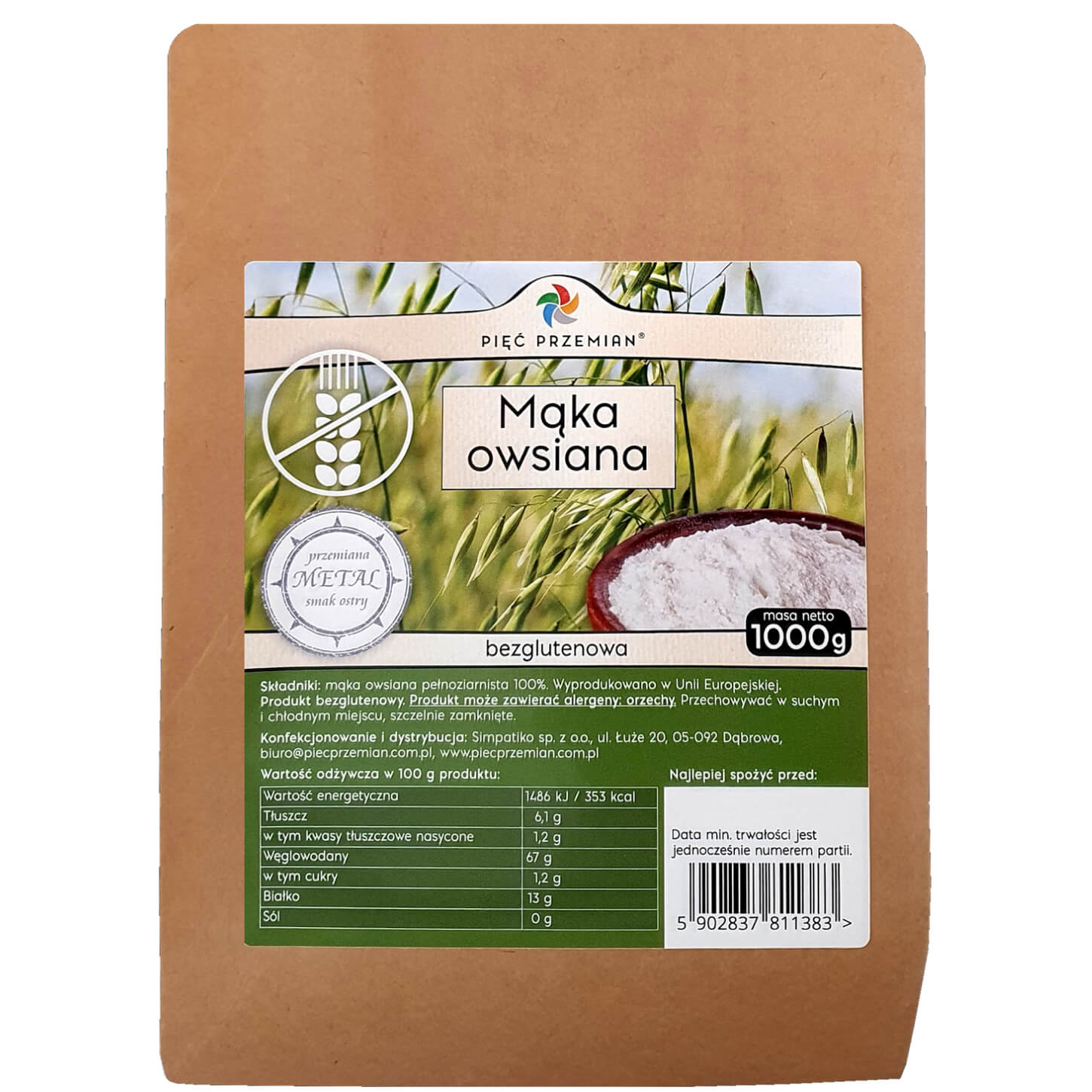
Approved health claim (EFSA): Oat and barley beta-glucan contributes to the maintenance of normal blood cholesterol levels – with a daily intake of at least 3 g of beta-glucan from oats, oat bran, barley, barley bran, or mixtures thereof.
3 g of beta-glucan practically translates to about 60–80 g of oat flakes per day (one, rather substantial bowl of oatmeal) or an appropriate amount of oat bran added to yogurt or a smoothie. Besides oats and barley, good sources of soluble fiber also include legumes, apples, citrus fruits, and flaxseed.
3.2. Whole grains versus refined carbohydrates
Whole-grain products – in contrast to their refined counterparts (white flour, white rice) – retain the bran and germ of the grain, which are the main source of fiber, B vitamins, and magnesium. Swapping bread and pasta made from refined flour for whole-grain options is one of the simpler dietary changes with a documented impact on lipid profiles and blood sugar regulation.
- Choose: whole-grain rye/spelt bread, buckwheat and barley groats, brown rice, oat flakes
- Limit: wheat bread from refined flour, white toast bread, sweetened breakfast cereals
Refined carbohydrates are digested faster, leading to more rapid spikes in blood glucose and insulin – if repeated regularly, these can promote elevated triglyceride levels and insulin resistance, which is an additional cardiovascular risk factor. We have written more about the types and sources of fiber in the guide dietary fiber – types, sources, and dosage.
4. Protein in a heart-healthy diet
Protein itself does not increase or decrease cardiovascular risk – its source is key. Protein products differ significantly in terms of saturated fat content, fiber, and other ingredients affecting the lipid profile.
4.1. Fish, legumes, or red meat?
Regularly replacing red meat (beef, pork, cold cuts) with fish and legumes is one of the most frequently recommended changes in a heart-healthy diet. This is due to differences in the fat profile and accompanying ingredients of these products:
- Fish – especially fatty sea fish, provide omega-3 fatty acids (EPA, DHA) which beneficially affect the lipid profile and vascular endothelial function
- Legumes (lentils, chickpeas, beans) – in addition to protein, they provide soluble fiber and practically no saturated fat
- Skinless poultry – a good alternative to red meat, with a lower content of saturated fat
- Red meat and processed meat products (cold cuts, sausages, bacon) – high in saturated fat and sodium; their regular, frequent consumption is associated with a higher cardiovascular risk in observational studies
It's not about completely eliminating red meat, but about consciously limiting its frequency in favor of fish and legumes – in line with the Mediterranean diet model, which we will discuss in more detail in Chapter 7.
4.2. The role of plant protein (soy, legumes)
Plant protein, especially soy protein, has long been of interest to researchers in the context of heart health. The mechanism of its beneficial effect is linked not so much to the protein itself, but to the entire "package" of the plant product – fiber, isoflavones, and the absence of saturated fats that accompany animal-derived protein.
Interesting fact: Replacing some animal protein with plant protein in the diet is one of the pillars of the so-called flexitarian diet – a flexible eating pattern combining the benefits of a plant-based diet with occasional consumption of animal products, increasingly recommended in the context of cardiovascular prevention.
In practice, it is worth including legumes (lentils, chickpeas, beans, peas) in your diet several times a week – as a standalone dish, an addition to salads, or a base for sandwich spreads (e.g., hummus). You don't have to completely give up animal protein – just ensure a variety of sources.
5. Plant sterols and stanols – natural support for cholesterol
Plant sterols and stanols (phytosterols) are plant compounds with a chemical structure similar to cholesterol, naturally present in vegetable oils, nuts, and seeds, among others. This is one of the few areas of heart-healthy diet for which EFSA has approved a very specific, quantitative health claim.
5.1. Mechanism of action and effective dose
Plant sterols and stanols work by competing with cholesterol for absorption in the small intestine – because they have a similar structure, they partially "displace" cholesterol from the micelles transporting it to the intestinal cells, limiting its absorption into the bloodstream.
Approved health claim (EFSA): Plant sterols and stanols contribute to the maintenance of normal blood cholesterol levels. The lowering effect is confirmed with a daily intake of 1.5–3 g of plant sterols/stanols.
EFSA has estimated that a daily intake of plant sterols and stanols in the range of 1.5–3 g lowers blood LDL cholesterol levels by 7–12%. This effect usually appears after 2–3 weeks of regular use and is maintained with continued consumption, while increasing the dose above 3 g per day does not yield additional benefits.
Natural sources of phytosterols are vegetable oils (rapeseed, sunflower, soybean), nuts, seeds, and whole-grain products – however, their content in a typical diet is too low to achieve a therapeutic effect (on average, we consume much less than 1.5 g per day this way). Therefore, food products specifically enriched with sterols/stanols (margarines, yogurts, dairy drinks) are available on the market – this is the only category of products for which EFSA has confirmed the effectiveness of the claim in this form; sterols in the form of dietary supplements will be discussed in Chapter 9.
Who should NOT use products enriched with sterols/stanols? They are not recommended for children under 5 years of age, pregnant and breastfeeding women – cholesterol is essential for their proper development during this period. People with normal cholesterol levels will not derive additional benefits from their use.
6. Sodium, potassium and blood pressure
Blood pressure is largely regulated by the balance between two elements: sodium and potassium. An excess of the former combined with a deficiency of the latter is one of the main, fully modifiable risk factors for hypertension.
6.1. How much salt per day to avoid harming your heart?
The World Health Organization recommends limiting table salt intake to below 5 g per day (which corresponds to about 2 g of sodium) – meanwhile, the average intake in Poland and many other European countries significantly exceeds this value, mainly due to processed foods.
Where is most salt hidden? Counterintuitively, the salt shaker on the table is not the main source of sodium in the diet, but processed foods: bread, cold cuts, yellow cheeses, ready meals, salty snacks, and canned goods. Even products not associated with a salty taste – such as bread or breakfast cereals – can provide significant amounts of sodium.
Practical ways to reduce sodium intake:
- Reading labels and choosing product variants with reduced salt content
- Limiting cold cuts, yellow cheeses, and ready meals in favor of fresh products
- Seasoning dishes with herbs and spices instead of salt – basil, oregano, garlic, lemon juice
- Gradual, rather than abrupt, salt reduction – taste buds adapt to less salty flavors within a few weeks
6.2. Potassium and magnesium-rich foods
Potassium acts as a natural "counterbalance" to sodium – it supports its excretion from the body and the dilation of blood vessels.
Approved health claim (EFSA): Potassium contributes to the maintenance of normal blood pressure.
Good dietary sources of potassium include: bananas, avocados, potatoes (best boiled in their skins), tomatoes, spinach, legumes, dried apricots, and nuts. Magnesium, while not having a direct, approved health claim regarding blood pressure, plays an important role in regulating blood vessel tone and heart muscle function – it can be found in cocoa, pumpkin seeds, nuts, and green leafy vegetables, among others.
People interested in natural support for normal blood pressure can also turn to herbs traditionally used for this purpose – we wrote more about them in the article herbs for blood pressure.
7. The Mediterranean Diet as a Heart-Healthy Eating Pattern
Among all dietary models, the Mediterranean diet has the richest scientific documentation in the context of cardiovascular prevention. It is not a single product or supplement, but a holistic eating pattern – and its strength lies precisely in this comprehensiveness.
7.1. What do studies say about the Mediterranean diet and cardiovascular risk?
In practice, the Mediterranean diet combines all the elements discussed in previous chapters:
- Olive oil as the primary fat source (monounsaturated fats)
- Regular consumption of fish, especially fatty sea fish (omega-3)
- Large amounts of vegetables, fruits, legumes, and whole-grain products (fiber, potassium, antioxidants)
- Moderate consumption of dairy and poultry
- Limited consumption of red meat and highly processed products
- Nuts and seeds as a daily snack
This combination allows the Mediterranean diet to simultaneously influence the lipid profile, blood pressure, and vascular inflammation – three mechanisms we discussed in Chapter 1.2. Numerous observational and interventional studies link consistent adherence to this eating pattern with a lower risk of cardiovascular events compared to a Western diet, which is rich in processed foods, saturated fats, and simple sugars.
Interesting fact: The Mediterranean diet is inscribed on UNESCO's list of intangible cultural heritage – not only as a way of eating, but as a holistic lifestyle encompassing shared meals, seasonality of products, and physical activity.
If you're wondering how to implement this eating model step by step in practice, we've written more about it in the guide the Mediterranean diet – principles, pyramid, products, and you can find specific culinary inspirations in the article Mediterranean recipes for everyday. In the next part of this guide, in Chapter 11, we have prepared a sample meal plan based on this eating model.

8. Antioxidants, polyphenols, and herbs supporting the circulatory system
This area of heart-healthy diet requires particular caution in communication – many popular beliefs about red wine, green tea, or garlic precede the available scientific evidence and applicable regulations regarding health claims.
8.1. Dark chocolate, green tea, red wine – facts and myths
Dark chocolate and cocoa flavanols
Cocoa flavanols have one of the few EFSA-approved health claims in this group of compounds.
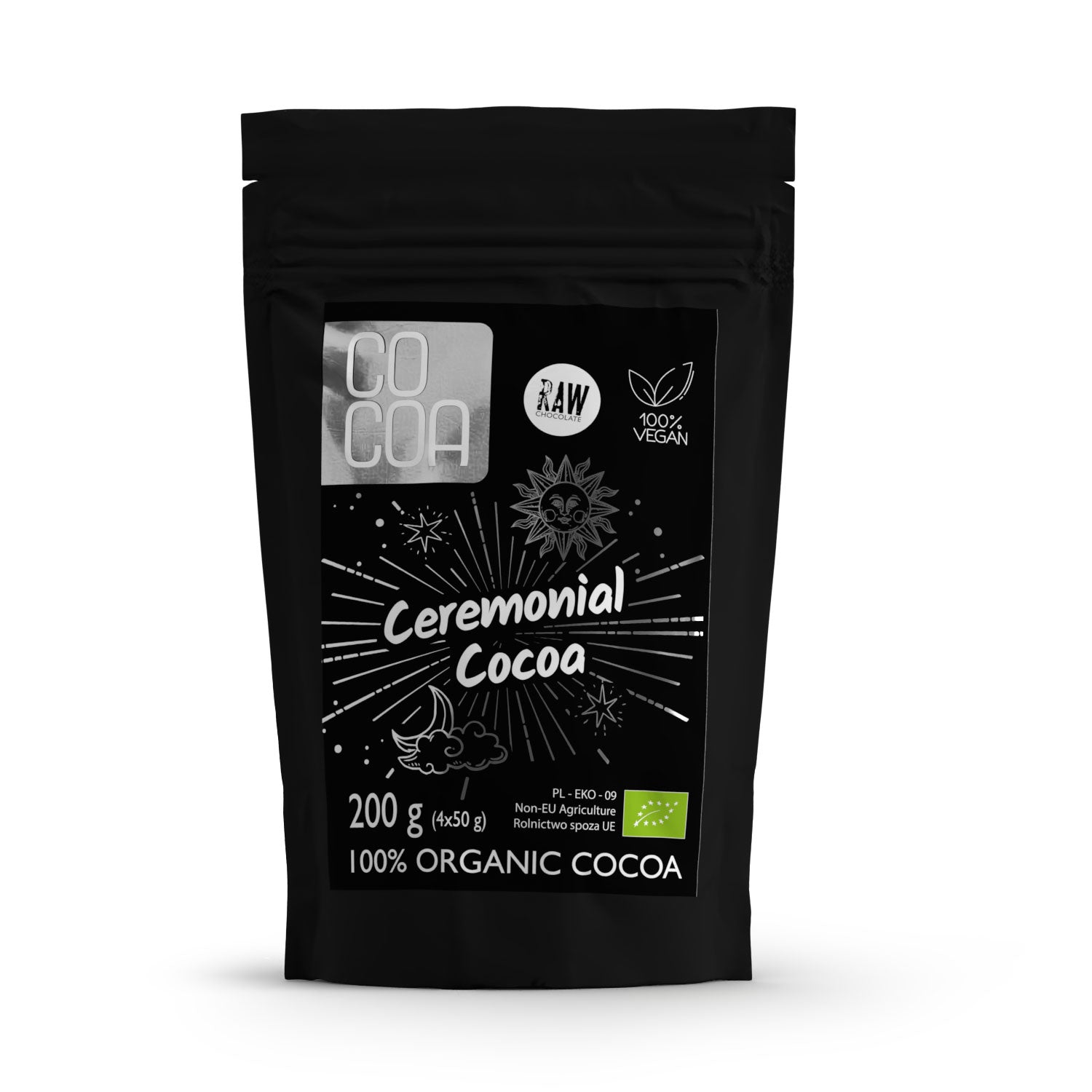
Approved health claim (EFSA): Cocoa flavanols contribute to the maintenance of blood vessel elasticity, which supports normal blood flow – with a daily intake of at least 200 mg of cocoa flavanols.
In practice, this is difficult to achieve with chocolate alone – typical dark chocolate (70% cocoa) provides significantly less flavanols than the required 200 mg, and trying to reach this dose solely through chocolate would mean consuming a considerable amount of calories and fat. Individuals who wish to consciously consume cocoa flavanols can check the cocoa content in the product (the higher and less processed the cocoa, the more flavanols) – however, dark chocolate itself, consumed in moderation, remains a better choice than milk or white chocolate due to its lower sugar content.
More about its properties can be found in the article dark chocolate – health properties.
Green tea
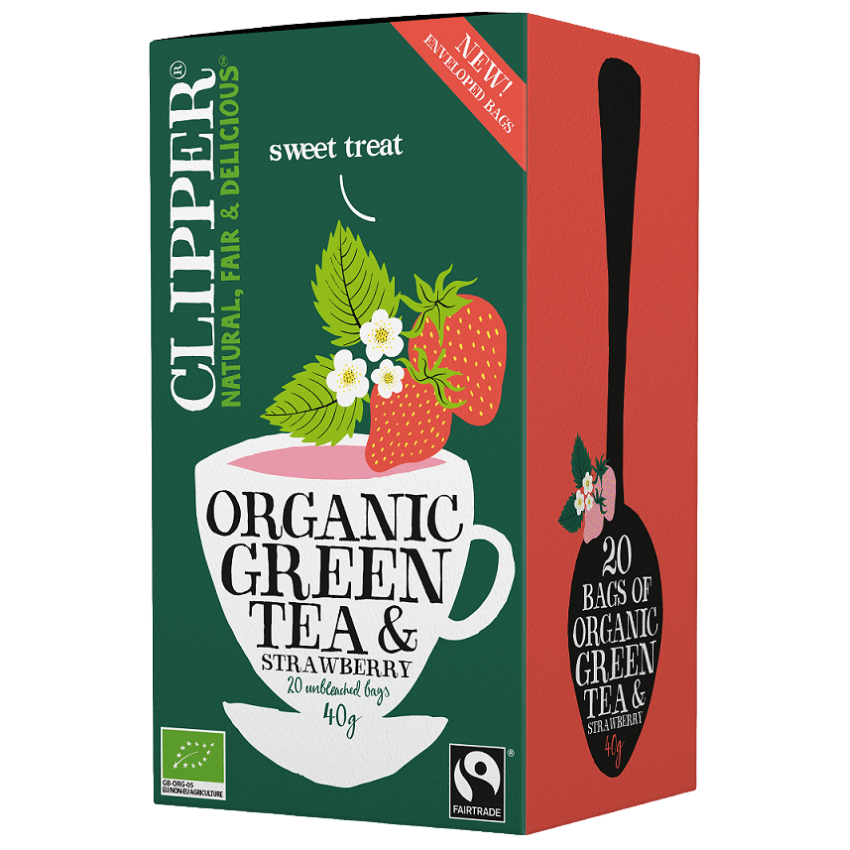
Green tea is rich in catechins, including epigallocatechin gallate (EGCG) – a compound intensively studied for its effects on the circulatory system. Currently, no health claim concerning green tea and heart health has been approved by EFSA – applications in this regard were rejected due to insufficient scientific evidence. Therefore, green tea can be spoken of as an element traditionally associated with a healthy lifestyle and a source of polyphenols, without attributing specific, confirmed protective effects on the heart.
We described the differences between green tea and matcha in terms of active compound content in the article green tea versus matcha.
Red wine
According to EU law, alcoholic beverages with an alcohol content above 1.2% cannot be attributed any health claims – regardless of their resveratrol or other polyphenol content. Therefore, there are no legal grounds or sufficiently unequivocal scientific evidence to recommend red wine as an element of a heart-healthy diet. The current stance of public health organizations, including WHO, indicates that no safe threshold for alcohol consumption has been established – thus, any alcohol consumption remains an individual decision, not an element of dietary recommendations.
8.2. Herbs traditionally used as supportive remedies
Several herbs have a long tradition of use in the context of supporting the circulatory system, although in most cases their use is based on traditional application (as understood by regulations on herbal medicinal products by the EMA), rather than on approved health claims for food:
- Garlic – despite its popularity in this context, applications for health claims regarding garlic and cholesterol or blood pressure were rejected by EFSA due to insufficient evidence; garlic remains a valuable dietary ingredient, but without a basis for attributing specific effects on the heart
- Hawthorn (Crataegus) – a plant with a long tradition of use in folk medicine in the context of supporting heart function; hawthorn-based products available as traditional herbal medicinal products are subject to different regulations than dietary supplements
- Artichoke – traditionally used as a supportive remedy in the context of lipid metabolism, mainly due to its cynarin content
When it comes to herbs and herbal preparations, a key distinction must be made: a dietary supplement containing a given herb cannot suggest medicinal properties or claim unapproved health benefits – even if the herb has a long tradition of folk use. Those interested in this topic can find a broader discussion in the articles herbs for cholesterol and triglycerides and herbs for cleansing veins and arteries.
9. Supplements supporting heart health – when should you consider supplementation?
Supplementation can complement a heart-healthy diet, but it cannot replace its basic elements discussed in previous chapters. Regulations regarding certain ingredients have changed in recent years, directly affecting which products and at what dosages are legally available on the EU market today.
9.1. When does supplementation make sense, and when is diet enough?
Supplementation is sometimes justified in several situations: when a certain food group is not consumed at all (e.g., lack of fish in the diet – then omega-3s should be considered), when it is difficult to achieve an effective dose solely from food (e.g., 3g of beta-glucan daily), or when there are specific health indications, preferably consulted with a doctor or dietitian. A dietary supplement, according to its legal definition, complements a normal diet – it does not replace a varied diet.
9.2. Omega-3, plant sterols, monacolin K, and coenzyme Q10 – what you should know?
Omega-3 fatty acids (EPA, DHA)
Fish oil or algal oil supplements are a practical option for people who do not eat fish regularly. The same EFSA-approved dosage applies as for dietary intake – 250 mg of DHA and EPA daily to maintain normal heart function (see chapter 2.1). Higher doses may be used for specific health purposes, but then require consultation with a specialist.

Plant sterols and stanols in capsules
The effectiveness of plant sterols/stanols (1.5–3 g daily, see chapter 5) has been best documented in enriched food products (margarines, yogurts, dairy drinks) – it is in this form and dosage that EFSA confirmed their cholesterol-lowering effect. Phytosterol capsules are available on the market, but it is worth checking whether the dose per serving actually corresponds to the tested amounts.
Monacolin K from red fermented rice
Important legal change: The health claim for monacolin K, originally approved by EFSA, required a daily intake of 10 mg to achieve the effect of maintaining normal LDL cholesterol levels. Since 2022 (EU Regulation 2022/860), only dietary supplements containing less than 3 mg of monacolin K per recommended daily serving are permitted in the European Union – due to the risk of side effects similar to those occurring with statin drugs.
In practice, this means that red rice products currently available on the EU market cannot legally contain the dose needed to achieve the originally approved effect – the health claim regarding cholesterol reduction is therefore currently practically unavailable for products compliant with the 3 mg limit. Products with monacolin K should not be used by pregnant and breastfeeding women, individuals under 18 and over 70 years of age, and patients taking cholesterol-lowering medications (e.g., statins) – only after consulting a doctor.
Coenzyme Q10
Coenzyme Q10 is a compound naturally present in the body, involved in cellular energy production, including in heart muscle cells. Currently, no health claim regarding coenzyme Q10 and heart health is listed on the EU list of approved health claims – thus, manufacturers of coenzyme Q10 supplements should not attribute specific cardioprotective effects in product descriptions. It is sometimes used as a supportive measure, especially in people taking statins, which can lower natural Q10 levels in the body – the decision for such supplementation is best discussed with a doctor.

Coenzyme Q10 100 mg 40 capsules - Medica Herbs
Magnesium
Magnesium has several EFSA-approved health claims, although none of them directly refer to "heart health" – they concern the normal function of muscles (including the heart muscle as a muscle), the reduction of tiredness and fatigue, and the maintenance of electrolyte balance. It is an element whose deficiencies in a typical diet are relatively common, so supplementation is sometimes justified – preferably based on actual needs, rather than "just in case."

BICAPS mag chelate (magnesium diglycinate) 60 capsules - ForMeds
10. What to avoid in a heart-healthy diet?
Just as important as adding beneficial foods is limiting those that, when consumed regularly, burden the cardiovascular system. In this chapter, we gather the most important dietary elements whose excess is most harmful.
10.1. Sugar, salt, ultra-processed foods
Highly processed foods often combine several unfavorable characteristics simultaneously – high content of simple sugars, sodium, and saturated or trans fats, with low content of fiber and micronutrients.
- Simple sugars – excessive consumption contributes to elevated triglycerides, insulin resistance, and overweight; this applies to both added sugar and sweetened beverages
- Sodium – the main source was discussed in chapter 6.1; processed foods account for most salt intake in a typical diet
- Excessive trans and saturated fats – present in many confectionery products, fast foods, and ready meals (chapter 2.2)
- Ultra-processed foods as a category – products with a long list of ingredients, containing numerous technological additives, usually combine all the above characteristics simultaneously
Practical tip: Instead of eliminating individual products, it's worth assessing the proportion of processed foods in your overall diet. A simple rule: the shorter the ingredient list and the more recognizable, individual ingredients, the better the product usually fits into a heart-healthy eating model.
10.2. Alcohol – is there a safe dose?
For years, there was a belief that moderate alcohol consumption, especially red wine, could protect the heart. The current position of public health organizations, including the World Health Organization, is different: no amount of alcohol has been established as completely safe for health. Alcohol raises triglyceride levels, contributes to overweight, and can increase blood pressure with regular consumption, even in moderate amounts.
Individuals who drink alcohol should treat it as a conscious choice unrelated to health benefits – not as part of a heart care strategy. Reducing or eliminating alcohol remains one of the simplest changes with a potentially beneficial impact on lipid profile and blood pressure.
11. Sample meal plan for a healthy heart
The meal plan below shows how to practically combine the elements discussed in previous chapters – unsaturated fats, fiber, fish, legumes, and limited sodium – into a single, realistic day of eating based on the Mediterranean model. This is a starting point for modifications according to your own preferences, not a rigid scheme to be replicated to the gram.
| Meal | Suggestion | Key heart-healthy ingredients |
|---|---|---|
| Breakfast | Oatmeal with plant-based drink, flax seeds, walnuts, and berries | Beta-glucan, ALA (omega-3), antioxidants |
| Morning snack | Handful of almonds or walnuts + apple | Monounsaturated fats, soluble fiber |
| Lunch | Baked salmon, buckwheat groats, vegetable salad with olive oil | EPA/DHA, potassium, monounsaturated fats |
| Afternoon snack | Hummus with vegetables (carrots, bell peppers, cucumber) | Plant protein, fiber |
| Dinner | Lentil salad with tomatoes, spinach, and olive oil, whole-grain bread | Fiber, potassium, monounsaturated fats, whole grain |
Scroll right to see the full table (on mobile devices) →
This plan can be freely modified – the key principles are: fish at least twice a week, legumes almost daily, olive oil as the main fat, and limited amounts of salt and highly processed products. More ready-to-use recipes in the spirit of this eating model can be found in the article Mediterranean recipes for everyday life.

12. Lifestyle and heart health – what beyond diet?
Diet is one of several pillars of cardiovascular health – even the best-balanced meal plan cannot fully compensate for other harmful habits.
12.1. Physical activity, sleep, stress, smoking
- Physical activity – regular exercise (e.g., brisk walking, cycling, swimming) supports healthy blood pressure, lipid profile, and body weight; WHO recommendations call for at least 150 minutes of moderate-intensity activity per week
- Sleep – both too little and excessively long sleep are linked in observational studies to a higher cardiovascular risk; 7–9 hours of sleep per night is the recommended range for most adults Chronic stress – prolonged stress affects blood pressure and promotes behaviors detrimental to the heart (e.g., reaching for highly processed foods, sleep disturbances)
- Smoking tobacco – one of the strongest, fully modifiable risk factors for cardiovascular diseases; quitting smoking brings measurable benefits for the circulatory system within the first few months of giving up the habit
The most important message of this chapter: A heart-healthy diet works best as part of a broader lifestyle – combined with regular physical activity, adequate sleep, stress reduction, and abstaining from nicotine. No single element can replace the others.

13. FAQ – frequently asked questions
13.1. Is a heart-healthy diet the same for everyone?
General principles (less sodium, more fiber, unsaturated fats instead of saturated) work for most people, but individual needs depend on risk factors – age, body weight, cholesterol levels, or co-existing conditions such as diabetes. People with diagnosed cardiovascular disease or significantly elevated test results should consult a doctor or dietitian about dietary details.
13.2. How quickly can diet lower cholesterol?
The first changes in the lipid profile after dietary modifications (e.g., increased intake of soluble fiber or changes in fat type) can be visible within 2–4 weeks of consistent application, although the full effect is usually assessed after 8–12 weeks. The pace and scale of changes depend on the initial cholesterol level and consistency in implementing changes.
13.3. Is coffee bad for the heart?
Moderate coffee consumption (usually defined as 3–4 cups a day) is not associated with an increased cardiovascular risk in healthy adults in observational studies, and according to some studies, it may be associated with beneficial relationships. People with hypertension or heart rhythm disorders should observe their own reaction to caffeine and, if in doubt, consult their doctor about coffee consumption.
13.4. Can you eat eggs on a heart-healthy diet?
Current nutritional guidelines move away from previous, restrictive egg consumption limits – for most healthy individuals, moderate egg consumption (e.g., several per week) is no longer considered a significant cardiovascular risk factor. More important is the preparation method (frying in butter/lard vs. boiling) and the context of the overall diet in which eggs are consumed.
13.5. Does intermittent fasting support heart health?
Some studies indicate a potentially beneficial effect of intermittent fasting on selected metabolic parameters, such as body weight or insulin sensitivity, which are indirectly linked to cardiovascular health. However, evidence regarding the direct impact on hard endpoints (heart attack, stroke) is currently limited, so intermittent fasting should be treated as one of the possible strategies, not a necessary condition for a heart-healthy diet.
13.6. Should children follow a heart-healthy diet?
General healthy eating principles (limiting sugar, salt, and trans fats, more vegetables and whole grains) are beneficial at any age, but a child's diet has different energy and nutrient needs than that of an adult with an increased cardiovascular risk. Restrictive diets or supplements described in this article (e.g., products with plant sterols or monacolin K) are not intended for children without explicit medical indication.
14. Summary
A heart-healthy diet is not based on one "miracle" product or restrictive elimination – it is a consistently applied eating pattern where the type of fats consumed, the amount of fiber, the sodium-to-potassium ratio, and the limitation of sugar and ultra-processed foods are paramount.
Key takeaways from this guide:
- Replace saturated and trans fats with unsaturated fats – olive oil, rapeseed oil, nuts, fatty fish
- Ensure a daily serving of soluble fiber – oats, barley, legumes
- Limit sodium, increase potassium intake from vegetables and fruits
- Treat the Mediterranean diet as a proven starting pattern, not a rigid meal plan
- Treat supplementation (omega-3, plant sterols, magnesium) as a complement to your diet, not a substitute
- Remember that diet is one of several pillars of heart health – alongside physical activity, sleep, stress reduction, and quitting smoking
Changing eating habits to support heart health doesn't require a revolution – the best results usually come from gradually implementing several changes at once and maintaining them consistently for months and years, rather than weeks.
15. Sources
- World Health Organization, Cardiovascular diseases (CVDs) – fact sheet, updated July 2025
- Commission Regulation (EU) No 432/2012 establishing a list of permitted health claims made on foods – register of claims approved for omega-3 fatty acids, ALA, beta-glucan, potassium, plant sterols/stanols and cocoa flavanols
- Commission Regulation (EU) 2022/860 of 1 June 2022 concerning the limit of monacolins from fermented red rice
- Commission Regulation (EU) 2024/2041 of 29 July 2024 amending the conditions of the health claim concerning monacolin K
- Commission Regulation (EU) No 686/2014 concerning the extension of the scope of the claim on plant sterols/stanols (1.5–3 g daily)
- Estruch R. et al., PREDIMED study (revised, 2018), New England Journal of Medicine, DOI: 10.1056/NEJMoa1800389
- World Health Organization, guidelines on sodium and potassium intake (SHAKE, recommendations <5 g salt daily)