Contents :
- A Brief History of Dark Chocolate
- Properties of chocolate
- Dark chocolate – calories and energy
- Dark chocolate and weight loss
- How does dark chocolate affect health?
A Brief History of Dark Chocolate
Xocolatl is the name the ancient Maya gave to a drink made from fermented cacao beans, cornmeal, honey, and chili peppers. They considered it a special, divine beverage, reserved for high-ranking members of the tribe. They used cacao in official ceremonies, religious rituals, feasts and festivals, as funerary offerings, and for medicinal purposes. Cacao beans were also used as currency to purchase other goods.

Cocoa beans
By 1400, the Aztec Empire ruled much of Central America. Since they didn't cultivate cocoa beans themselves, they collected them from conquered peoples as tribute. The Aztecs enriched the recipe with vanilla and paprika, among other ingredients. They preferred to drink the beverage cold. For them, cocoa was also a valuable currency and was given a divine character.
Cocoa came to Europe after the Spanish conquest of the Aztecs, and the Spanish court quickly took a liking to this exotic drink, modifying it with their own spices and sugar.
The history of chocolate in solid bar form begins in 1828, when Dutchman Casparus van Houten Sr. invented a method for extracting pure cocoa from cocoa butter. A dozen or so years later, Francis Fry learned how to form bars from cocoa, sugar, and fat. To this day, manufacturers in Belgium, the Netherlands, Switzerland, and England are considered experts in creating the highest quality chocolate.
Properties of chocolate
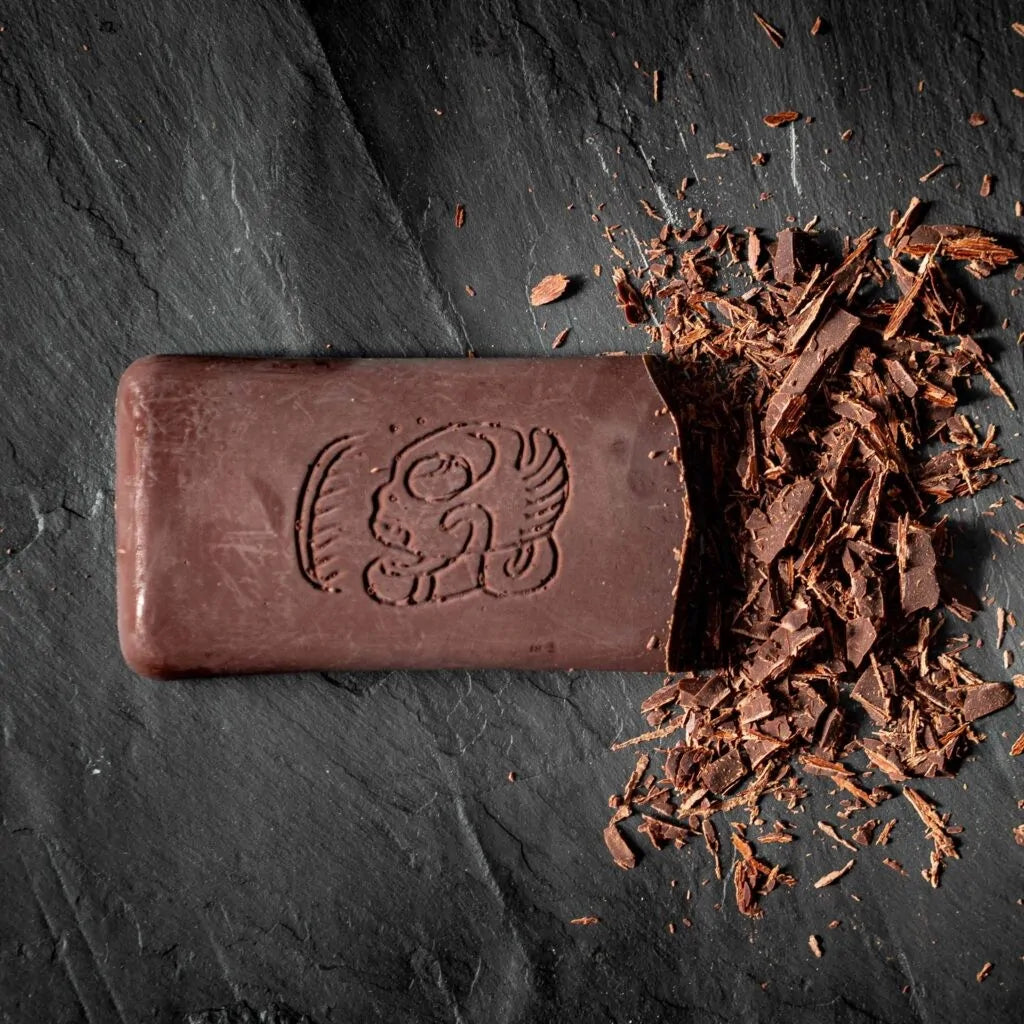
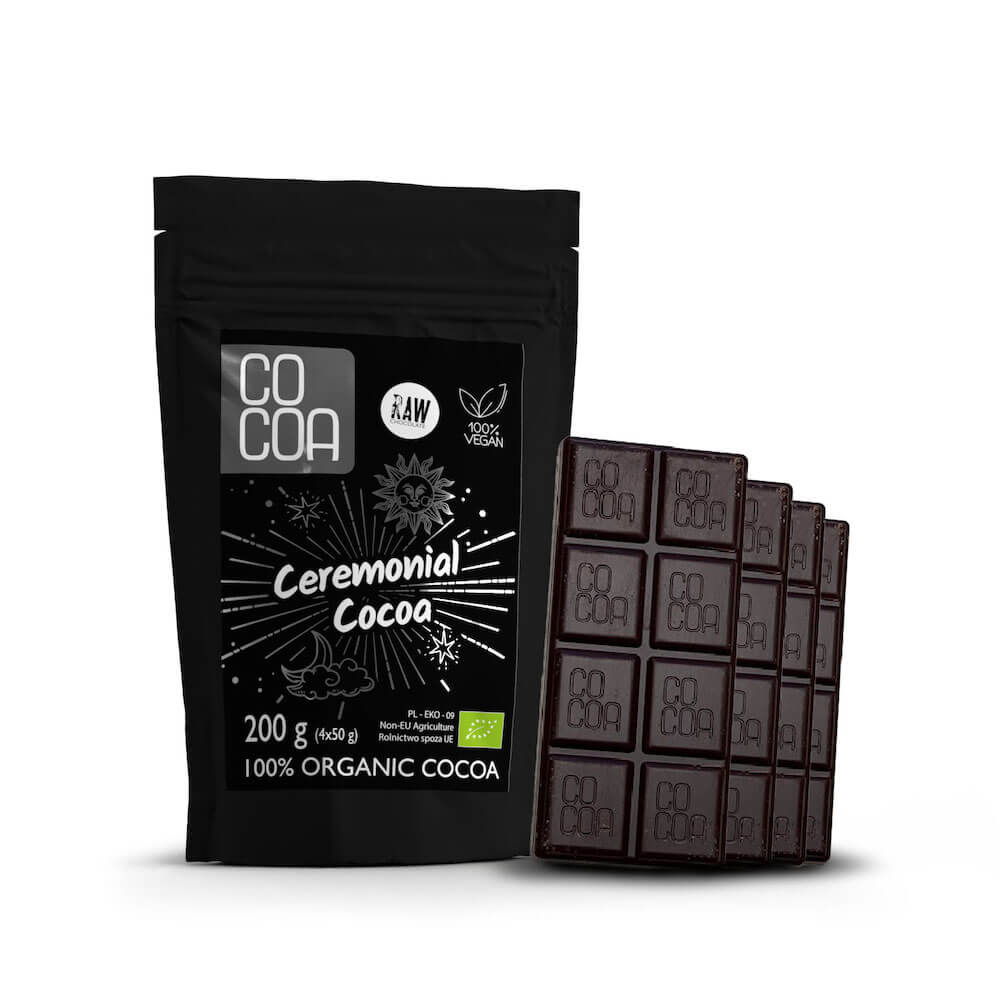
Dark chocolate is characterized by a high cocoa solids content, between 70% and 100%. This is responsible for the bitter taste. A high cocoa content means more of its valuable nutrients, which is why dark chocolate is considered the healthiest type.

Cocoa fruit
Dark chocolate with a high cocoa content is a rich source of magnesium , potassium, and copper, and contains significant amounts of polyphenols (including flavonoids). These reduce oxidative stress, which contributes to accelerated aging and the development of lifestyle diseases. Polyphenols have a beneficial effect on the circulatory system, lowering blood pressure and "bad" cholesterol levels, preventing heart attacks, atherosclerosis, and other cardiovascular diseases. They also improve the elasticity and strength of blood vessels. The magnesium in dark chocolate strengthens the nervous system and muscles, and prevents cramps, hypertension, and diabetes.
Dark chocolate is also believed to have a positive impact on brain function. It contains many substances (including pyrazine) that help the brain function more efficiently. It improves concentration, memory, and thought processes. For this reason, some people may have trouble falling asleep after consuming dark chocolate in the evening.
Chocolate also contains significant amounts of theobromine. It's a diuretic that's great for cleansing the kidneys. It can also help soothe a cough.
Dark chocolate – calories and energy
Dark chocolate is a high-calorie sweet. The calorie count depends on the cocoa content and any added sugar or other additives.
100 g of chocolate usually contains 500 – 600 kcal, mainly from fat and carbohydrates.
Due to its high calorie content, it provides an easily accessible source of energy. It also provides many valuable nutrients, as discussed above.
Dark chocolate is perfect for around training and during periods of intense physical or mental activity. It quickly boosts energy and supports muscle recovery after an intense workout. It's easy to transport, so you can take it to work, on a trip, or to a workout.
Dark chocolate and weight loss
Despite its high energy value, dark chocolate is used in the diet of people trying to lose weight. The polyphenols contained in cocoa promote the reduction of body fat by influencing carbohydrate and fat metabolism. They reduce the expression of genes responsible for fatty acid synthesis and create a feeling of fullness, curbing the desire to eat.
Of course, you should always maintain a negative calorie balance throughout your diet; a few cubes a day is quite enough.
How does dark chocolate affect health?
Dark chocolate with a high cocoa content is undoubtedly a product with extraordinary effects. When choosing dark chocolate, it's worth paying attention to its quality and composition. Classic dark chocolate should contain over 70% cocoa. Lower percentages are also okay, but only in chocolates with added ingredients.
Our organic shop offers dark chocolates with mint, orange, nuts, and truffles, among others. It's worth checking out the organic certification – our organic dark chocolates taste great and have a good composition.
To sum up, here is a brief overview of the health benefits of dark chocolate:
- a rich source of magnesium, necessary for the proper functioning of the nervous system and muscles (including the heart), as well as potassium, copper and polyphenols,
- delays the body's aging processes,
- makes blood vessels more elastic, improving blood circulation,
- regulates blood pressure and cholesterol levels,
- prevents atherosclerosis, heart attack and stroke,
- supports brain function,
- quickly adds energy and improves mood,
- stimulates kidney function and their cleansing,
- helps relieve cough,
- supports metabolism,
- compared to other sweets, it is the least harmful to teeth and can prevent tooth decay,
- It tastes great with various additions 😊