Article updated on 27.02.2026
Herbs such as garlic, wormwood, and thyme have documented antimicrobial properties and have been used for centuries to support the digestive system. They will not replace pharmacotherapy for confirmed parasitic infections – but as part of intestinal hygiene, prevention, and intestinal regeneration after treatment, they have a real and justified place in daily routine.
In this article, you will find a reliable overview based on scientific research and official EMA monographs: which herbs to choose, how to use them, what are the contraindications, and when herbs are definitely not enough.
The article is intended for people who want to consciously take care of their gut health – without unnecessary scaremongering and without promises that science does not confirm.

1. What are intestinal parasites and where do they come from?
Intestinal parasites are organisms – protozoa or worms (helminths) – that inhabit the human digestive tract and feed at the expense of their host. They can remain in the body for weeks or years, sometimes without causing any clear symptoms.
The scale of the problem is larger than most people assume. According to WHO data, the number of people infected with parasites worldwide is estimated at approximately 2 billion people. In Poland, official statistics for most parasitoses are no longer kept – since 2008, sanitary and epidemiological stations are not obliged to report infections with intestinal nematodes and trematodes (including ascariasis, enterobiasis, or taeniasis).
1.1. Which parasites most commonly inhabit the human intestines?
Intestinal parasites are divided into two main groups: protozoa (single-celled organisms) and helminths, which are worms – nematodes and trematodes. In Poland, the most common species are:
| Parasite | Type | Habitat | Characteristics |
|---|---|---|---|
| Human pinwormEnterobius vermicularis | Nematode | Large intestine | The most common intestinal parasite in Poland; especially in children; characteristic anal itching at night |
| Human roundwormAscaris lumbricoides | Nematode | Small intestine | Reaches 15–35 cm in length; one of the most common helminths worldwide |
| Giardia lambliaGiardia intestinalis | Protozoan | Small intestine and duodenum | Causes digestive and absorption disorders; can lead to secondary lactose intolerance |
| WhipwormTrichuris trichiura | Nematode | Cecum and large intestine | Approx. 800 million infected worldwide according to WHO; infection through contaminated soil and food |
| Beef tapewormTaenia saginata | Tapeworm | Small intestine | Transmitted by raw or undercooked beef; can reach several meters in length |
| Pork tapewormTaenia solium | Tapeworm | Small intestine | Transmitted by pork; in larval form, it can localize outside the intestine |
| ThreadwormStrongyloides stercoralis | Nematode | Small intestine | Penetrates through the skin; can remain in the body for years without symptoms |
1.2. How can you get infected with intestinal parasites?
Infection most commonly occurs via the fecal-oral route – through consuming contaminated water or food, and through dirty hands. Less commonly, parasites penetrate through the skin or air. Below are the most common routes of infection:
- Unwashed vegetables and fruits – roundworm eggs, whipworm, or Giardia can be found on the surface of vegetables and fruits grown in soil fertilized with natural feces or irrigated with contaminated water.
- Raw or undercooked meat – beef tapeworm is transmitted by beef, pork tapeworm – by pork and game, and trichinosis (Trichinella spiralis) – by raw pork and game.
- Contaminated water – Giardia and other parasites can survive in water from natural reservoirs, sometimes even typical water treatment methods.
- Fecal-oral route – dirty hands after contact with the toilet, playing in the dirt (especially in children), or contact with an infected person is the most common mechanism for the spread of pinworm.
- Contact with animals – dogs and cats can be carriers of animal roundworms (Toxocara sp.), which are capable of infecting humans.
- Transdermal route – threadworm and hookworm penetrate directly through the skin, most often when walking barefoot on contaminated soil.
- Exotic travel – countries with low sanitation infrastructure significantly increase the risk of infection with parasites rarely encountered in Poland.
Important: Suspected intestinal parasite infection requires diagnostic confirmation – stool examination (for parasite eggs and cysts) or serological blood tests. Self-treatment with herbs or supplements without a diagnosis will not replace proper causal treatment.
2. How do you know if you might have intestinal parasites?
Intestinal parasite infection often shows no symptoms – or the symptoms are so non-specific that they can easily be confused with irritable bowel syndrome, food intolerance, or ordinary fatigue. Clinical symptoms are never a sufficient basis for diagnosing parasitosis – confirmation requires laboratory tests.
This is important information, as many lists of "parasite symptoms" circulate online, attributing almost every ailment to them. The reality is more complex: the course of the disease depends on the species of parasite, the number of individuals in the body, and the immunity of the infected person.
2.1. What symptoms might suggest a parasitic infection?
Below are symptoms that may indicate the presence of intestinal parasites – but each of them can also have other causes. Their occurrence is a signal for a medical consultation and tests, not for self-medication.
Symptoms from the gastrointestinal tract:
- Recurrent abdominal pain, bloating, gas
- Diarrhea, constipation, or their alternating occurrence
- Nausea, vomiting, loss of appetite
- Unexplained weight loss
- Presence of mucus or blood in stool (an alarming symptom – requires urgent diagnosis)
General and skin symptoms:
- Chronic fatigue and weakness disproportionate to lifestyle
- Pale skin, dark circles under eyes
- Itchy skin, hives, rash
- Itching around the anus – especially severe at night (characteristic of pinworm)
- Sleep disturbances, irritability, concentration problems
Symptoms less commonly associated with parasites:
- Teeth grinding at night (bruxism) – sometimes linked to infection, though the connection is not unambiguously confirmed scientifically
- Cough without clear respiratory infection – possible in the larval phase of human roundworm, which migrates through the lungs
- Anemia – a result of parasites competing for nutrients or damaging the intestinal lining
2.2. When should you get tested for parasites?
Medical consultation and diagnosis are particularly indicated when:
- intestinal discomfort persists for more than 2-3 weeks without improvement,
- you have or have had close contact with an infected person (e.g., pinworm in a child – usually the whole family gets infected),
- you have recently returned from a trip to tropical countries or those with low sanitary standards,
- you have children of preschool or early school age – this group is most susceptible to pinworm,
- there are pets in the house that are not regularly dewormed.
2.3. How are intestinal parasites diagnosed?
The primary test is a stool examination for the presence of parasites – microscopic evaluation of a sample for eggs, cysts, or fragments of adult individuals. An important technical note: due to the irregular shedding of parasites into stool, a single test has low diagnostic value. It is standard to recommend three sample collections at 2-3 day intervals.
Depending on the suspected parasite, the doctor may also order:
- Anal swab – the basic test for suspected pinworm (pinworms lay eggs on the skin, not in stool, so a standard stool test will not detect them),
- Serological blood tests – detection of antibodies, useful for suspected toxocariasis or echinococcosis,
- Stool PCR test – a modern molecular method with very high sensitivity, detects parasitic genetic material even at low infection intensity; available in private laboratories,
- Complete blood count with differential – an elevated number of eosinophils (acid-loving white blood cells) may suggest a parasitic invasion.
Note: Some popular methods of "parasite diagnostics" offered by alternative medicine clinics – such as bioresonance or hair analysis – have no confirmed scientific efficacy and are not recommended by the medical community. In case of doubt, use only diagnostic methods available in accredited laboratories.
3. How to effectively prevent intestinal parasite infection?
The good news is that the vast majority of intestinal parasite infections are preventable through consistent hygiene habits and conscious dietary choices.
Dr. hab. Elżbieta Gołąb from the National Institute of Hygiene emphasizes that by adhering to basic hygiene rules, we are not exposed to intestinal parasite invasion in Polish sanitary conditions. The risk increases primarily when traveling to countries with lower sanitary standards and in particularly vulnerable groups – primarily children of preschool and early school age.
3.1. Personal and home hygiene – the first line of defense
Most intestinal parasites are transmitted via the fecal-oral route, i.e., from feces to mouth – through dirty hands, contaminated food, or surfaces. Regular hand washing interrupts this transmission route and is the most effective single preventive method.
Key moments when hand washing is essential:
- before every meal and food preparation,
- after using the toilet,
- after contact with animals – domestic and farm,
- after returning from outside, market, garden, or sandbox,
- after changing a diaper or contact with a sick child.
In home prevention – especially for pinworm, which easily recurs – it is also worth taking care of:
- regular washing of bedding and towels at a temperature of min. 60°C – pinworm eggs die at high temperatures,
- daily change of underwear,
- short-clipped nails for children – parasite eggs accumulate under them during night scratching,
- regular vacuuming and airing of rooms,
- avoiding shared towels in case of confirmed infection in the family.
3.2. Safe food and water – what should you know?
Food and water are the second main source of infections. The following rules significantly reduce the risk:
- Wash vegetables and fruits thoroughly – especially those eaten raw. Pay particular attention to leafy greens, strawberries, and products growing near the ground. If you have doubts about their origin, peel them or scald them with boiling water.
- Cook meat and fish thoroughly – tapeworms and trichinella die at temperatures above 70°C inside the meat. Avoid raw or undercooked pork, beef, and game (tartare, carpaccio, rare steaks) if you are unsure of their origin.
- Freezing does not always kill parasites – freezing in home conditions (–18°C) inactivates some parasites, but not all. For full safety, it does not replace heat treatment.
- Be careful with water when traveling – in countries with low sanitary standards, drink only bottled or boiled water. The WHO recommends the rule "boil it, cook it, peel it, or forget it".
- Sandboxes and open water bodies – can be contaminated with parasite eggs from animal feces. Children should wash their hands every time after playing in the sandbox.
3.3. Pets and the risk of infection – what about prophylactic deworming of humans?
Dogs and cats can be carriers of animal roundworms (Toxocara canis and Toxocara cati), which are capable of infecting humans – especially children. Therefore, regular deworming of pets is an important element of prevention for the entire family. It is worth establishing a deworming schedule with the veterinarian – usually every 3-6 months, depending on the pet's lifestyle.
A common question we hear from our customers is whether it's worth prophylactically supporting the intestines with herbs and natural preparations – without prior confirmation of infection. This is a different question than about pharmacological antiparasitic drugs, for which specialists agree: their use without confirmed infection is not recommended, partly due to the risk of resistance development.

Herbs and herbal teas work differently – they are not antiparasitic drugs, but preparations that support the natural functions of the digestive system: digestion, intestinal motility, the microbiological environment of the gastrointestinal tract. Their regular use as part of intestinal hygiene has a completely different justification than pharmacological deworming and does not require prior diagnosis. Which herbs to choose and how to use them – we discuss in detail in the following chapters.
3.4. What to watch out for when traveling abroad?
Travel to tropical and subtropical countries, as well as countries with low sanitary standards, carries a significantly higher risk of infection with parasites not encountered in Poland. Before traveling, it is advisable to:
- consult a travel medicine doctor or a tropical disease clinic,
- get vaccinated according to the requirements for the given region,
- take a travel first-aid kit with anti-diarrheal preparations and water disinfection agents,
- upon return - if any gastrointestinal ailments last longer than a week - perform tests for parasites and inform your doctor about the trip taken.
Good to know: parasites brought from exotic travels can be more difficult to diagnose because general practitioners are less likely to consider them. Always inform your doctor about the places you have visited in the last few months.
4. Herbs supporting bowel cleansing - which ones to choose?
Several herbs have scientifically documented antimicrobial and antiparasitic properties, confirmed in both in vitro laboratory studies and some animal studies. However, it is important to be thorough: most available evidence comes from laboratory studies, not from randomized clinical trials in humans. This does not mean that herbs are ineffective - it means that science is still researching them, and we are honestly describing this state of knowledge.
Below you will find an overview of herbs with the best-documented properties supporting intestinal hygiene, along with a comparative table and information on safe use.
4.1. Garlic - the most researched herb in this category
Garlic (Allium sativum) is the herb with the best-documented antimicrobial properties among all the plants discussed here. Its key active substance is allicin - an organic sulfur compound that is formed only after crushing or mincing fresh garlic, when the enzyme alliinase comes into contact with alliin.

Scientific studies confirm that allicin is active against a range of intestinal microorganisms. A study published in Microbes and Infection (Ankri and Mirelman, 1999) showed that pure allicin exhibits antiparasitic activity against important human intestinal protozoa, including Entamoeba histolytica and Giardia lamblia. Subsequent studies on an animal model (Argüello-García et al., 2018, PMC6196658) confirmed that both raw garlic extract and allicin reduced the number of Giardia duodenalis trophozoites in infected gerbils - with allicin showing a stronger and more consistent effect.
Our customers' observations indicate that garlic is one of the most frequently sought-after herbs in the context of immune support and intestinal hygiene - both in raw form and in capsules standardized for allicin content.
Important practical note: allicin is an unstable and heat-sensitive compound - cooking destroys its properties. To benefit from the active effects of garlic, it should be consumed raw (crushed or finely chopped) or in the form of a standardized supplement.
Contraindications and caution: garlic can enhance the effect of anticoagulants (e.g., warfarin). In case of reflux and hyperacidity, it can worsen symptoms. Pregnant women should limit consumption to culinary quantities.
4.2. Wormwood - a bitter herb with a long history and an EMA monograph
Wormwood (Artemisia absinthium) is one of the oldest herbs used in traditional European and Asian medicine for intestinal ailments and helminthiasis. Importantly, from the point of view of reliability: wormwood has an official monograph from the European Medicines Agency (EMA/HMPC/751490/2016), in which it is classified as a herb with traditional use in digestive disorders.
The active substances in wormwood are primarily bitter sesquiterpene lactones (absinthin, anabsinthin), essential oil containing α- and β-thujone, and flavonoids. A study published in the Journal of Helminthology (Beshay, 2018) showed that wormwood extract exhibited activity against the dwarf tapeworm (Hymenolepis nana) comparable to praziquantel - a standard antiparasitic drug. A scientific review published in Plants (Szopa et al., 2020, PMC7570121) confirms that Artemisia absinthium exhibits antiparasitic activity in both animal models and in vitro studies.
According to the EMA monograph, wormwood can support the proper functioning of the digestive system and contribute to improved digestion. The EMA permits its use for a maximum of 2 weeks.

Syrop Na Robaka 100 ml - Herbapol Kraków
Contraindications and caution: thujone contained in wormwood essential oil exhibits neurotoxic properties with long-term use or overdose. Wormwood is absolutely contraindicated during pregnancy and breastfeeding, in epilepsy, kidney and heart diseases, and in allergies to plants from the daisy family (Asteraceae). Do not use for longer than 2 weeks without interruption.
4.3. Thyme - a kitchen herb with proven properties
Thyme (Thymus vulgaris) is widely known as a spice, but its properties extend far beyond the kitchen. The key active compound is thymol - a monoterpene constituting 30-40% of thyme essential oil, with well-documented antibacterial, antifungal, and antiparasitic properties.
A review of scientific literature published in the International Journal of Science and Research Archive (2024) confirms that thyme exhibits antiprotozoal activity against Giardia lamblia, Toxoplasma gondii, and Entamoeba histolytica. A study published in Parasitology Research (Machado et al., 2010, PMID: 20217133) showed that essential oils rich in thymol - including those from Thymus zygis - inhibited the growth of Giardia lamblia trophozoites in vitro. In turn, a study on a mouse model showed that thyme extract was 79.4% effective against adult Trichinella spiralis worms (PMC4708024).
Thyme also has an official EMA monograph (EMA/HMPC), in which it is recognized as a herb with well-established use in respiratory and gastrointestinal disorders. Thyme can support the proper functioning of the digestive system.
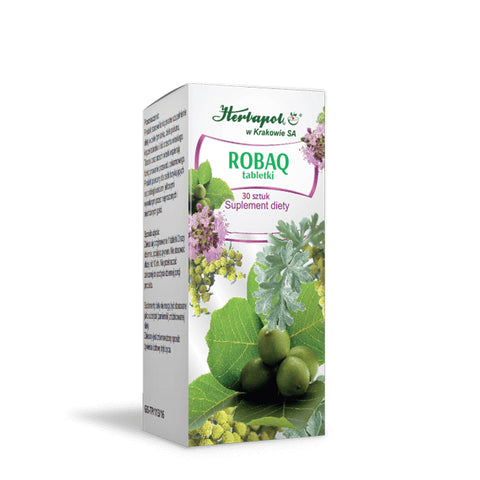
Robaq 30 tablets - Herbapol Kraków
Contraindications and caution: safe in typical culinary doses and as a tea. Large doses of essential oil are contraindicated in pregnancy. Possible allergic reactions in people allergic to plants from the Lamiaceae family.
4.4. Black Walnut - a popular herb with an important legal caveat
Black walnut (Juglans nigra) has been very popular for years as a natural preparation supporting intestinal hygiene. Its active ingredient is juglone - a phenolic compound found mainly in the green husks of the walnut, which in laboratory studies shows antibacterial, antifungal properties, and is toxic to some microorganisms.
However, here we must be honest with you about an issue that many stores do not directly address: green black walnut husks cannot be sold in the European Union as food or a dietary supplement for internal use. The European Commission has assessed that juglone in higher doses can have an adverse effect on the human body, and the available evidence for the safety of internal use is insufficient. In the EU, black walnut preparations are approved only for external use.
This means that products described as "black walnut extract for drinking" or "black walnut tincture" available in Polish herbal shops and online operate in a regulatory gray area or are formally intended for external use. Before purchasing, it is worth checking the legal status of a specific product.
4.5. Wild Garlic - a milder alternative to garlic
Wild garlic (Allium ursinum) contains similar sulfur compounds to common garlic, but in a lower concentration - making it better tolerated by people sensitive to the smell and taste of garlic. It exhibits antimicrobial properties and supports a healthy gut flora. It is available mainly as dried herb, tea, or in capsules.
Especially recommended for people who want to regularly include garlic herbs in their diet but cannot tolerate raw garlic due to its taste or stomach ailments.
4.6. Tansy - effective but requires caution
Tansy (Tanacetum vulgare) was traditionally used in European herbal medicine as a plant with anthelmintic properties. It contains thujone and other essential oil components with antimicrobial activity. Due to the thujone content, similar precautions apply as with wormwood.

Pasout Complex + Tansy 100 ml - Plon Pharm
Important: tansy is absolutely contraindicated in pregnancy (it can cause uterine contractions), in children under 12 years of age, and in epilepsy. Do not use long-term. In ready-made herbal mixtures, its concentration is controlled by the manufacturer - when preparing decoctions yourself, special caution should be exercised.
4.7. Comparative table of herbs supporting bowel cleansing
| Herb | Key substances | Scientific basis | Form of use | Safety |
|---|---|---|---|---|
| GarlicAllium sativum | Allicin, ajoene, diallyl disulfides | Good In vitro and animal model studies | Raw, capsules, tincture | Caution with anticoagulants and reflux; avoid large doses in pregnancy |
| WormwoodArtemisia absinthium | Absinthin, anabsinthin, thujone, essential oil | Good EMA monograph; in vitro and animal studies | Tea, tincture, capsules | Max. 2 weeks; contraindicated in pregnancy, epilepsy, kidney disease |
| ThymeThymus vulgaris | Thymol, carvacrol, essential oil | Good EMA monograph; activity against Giardia in vitro | Tea, oil, spice, capsules | Safe in typical doses; large doses of oil contraindicated in pregnancy |
| Wild GarlicAllium ursinum | Sulfur compounds (similar to garlic, lower concentration) | Moderate Analogy to garlic; fewer clinical studies | Dried herb, tea, capsules, fresh leaves | Good tolerance; caution with anticoagulants |
| TansyTanacetum vulgare | Thujone, camphor, essential oil | Moderate Traditional use; limited clinical studies | Tea, herbal mixtures | Absolutely contraindicated in pregnancy; do not use in children under 12 years of age |
| Black WalnutJuglans nigra | Juglone, tannins, organic iodine | Moderate In vitro studies; limited clinical data | External use only in the EU | Warning Internal use not permitted in the EU; contraindicated in pregnancy |
5. How to use herbs supporting bowel cleansing?
You can use the herbs discussed in the previous section in several ways - as teas, tinctures, capsules, or ready-made mixtures. Each form has its advantages and practical limitations. Below you will find specific tips on brewing, dosage, and duration of use, which will help you safely and consciously incorporate herbs into your daily routine.
5.1. Tea, tincture, or capsules - which form to choose?
The choice of form primarily depends on your taste preferences, lifestyle, and which herbs you want to use. Here's a practical comparison:
- Herbal tea - the simplest and most traditional form. Works well with milder tasting herbs (thyme, wild garlic). With wormwood, the intense bitterness can be difficult for some people to accept - it is worth combining it with other herbs in mixtures. The disadvantage is less control over the dose of active substances than with standardized capsules.
- Ready-made herbal mixtures - a convenient option where the manufacturer has taken care of the appropriate proportions of ingredients and their mutual supplementation. Choose products from proven, reputable manufacturers with a clearly described composition. In our store, you will find proven herbal mixtures, composed of certified raw materials.
- Tinctures and extracts - higher concentration of active substances than in tea, easier to precisely dose (dropper). Important: tinctures contain alcohol - they are not suitable for people with alcoholism, children, and pregnant women.
- Capsules - the most convenient form for people who cannot tolerate intense herbal flavors. A standardized extract in a capsule guarantees a repeatable dose of the active substance. It is worth choosing preparations with a specified content of the active substance (e.g., standardized for allicin content in garlic).

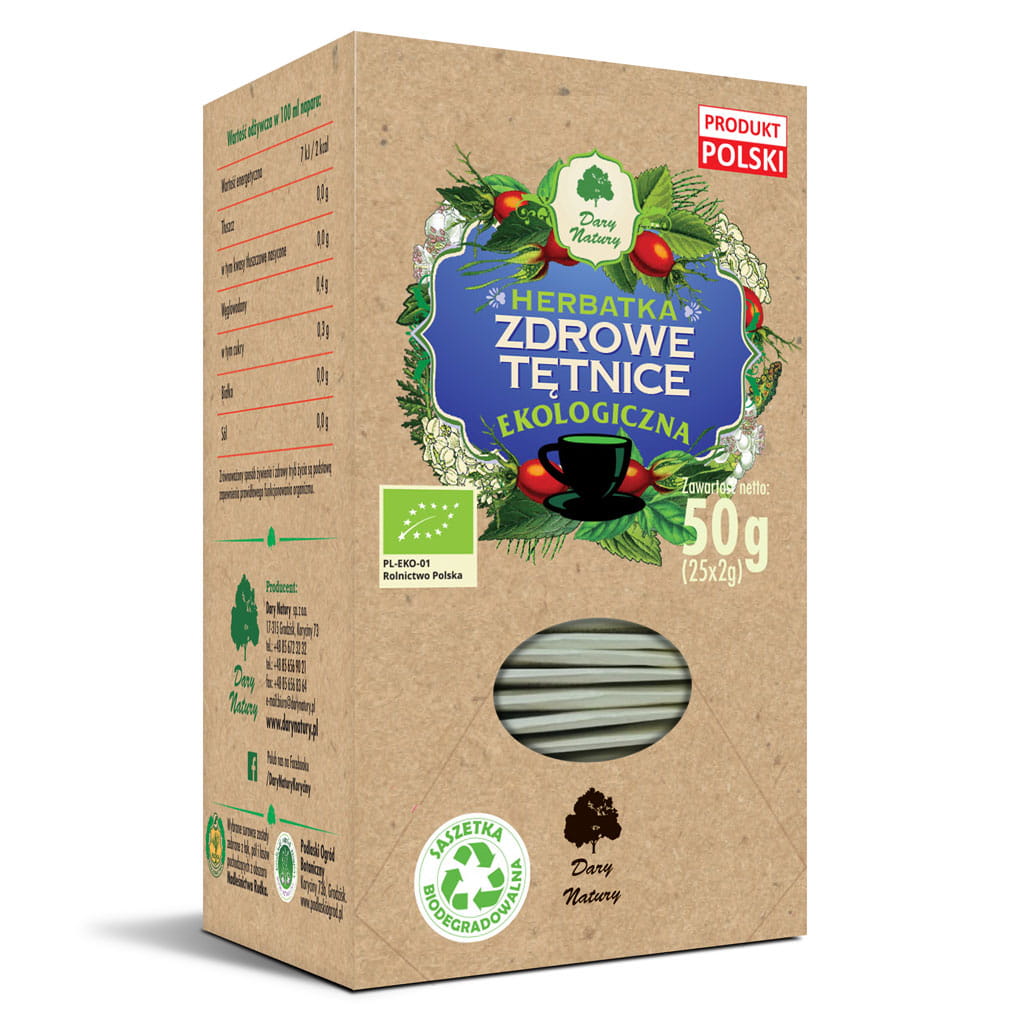
Parasites Tea BIO 50 g - Dary Natury
5.2. How to properly brew herbal teas?
The brewing method has a real impact on the amount of active substances in the cup. A few rules to remember:
- Water temperature - most herbs are brewed with boiling water (95–100°C). The exception is herbs with delicate essential oils (e.g., mint), where water at 80–90°C is sufficient - higher temperatures can partially evaporate active ingredients.
- Brewing time - too short brewing (below 5 minutes) yields a weak infusion. Too long (over 20 minutes) can lead to the leaching of undesirable compounds, especially with herbs containing thujone (wormwood, tansy). Optimal times are given in the table below.
- Covering during brewing - always brew covered to avoid losing essential oils with steam.
- Vessel - preferably a ceramic or glass teapot. Avoid metal strainers made of aluminum for bitter herbs - they can affect the taste.
| Herb | Dose per cup (200 ml) | Water temp. | Brewing time | How many times a day / notes |
|---|---|---|---|---|
| WormwoodArtemisia absinthium | 1–1.5 g dried herb (approx. 1 teaspoon) | 95–100°C | 10–15 min covered | 2–3 times a day, max. 2 weeks; daily dose of herb below 2 g |
| ThymeThymus vulgaris | 1.5–2 g dried herb (approx. 1 teaspoon) | 90–95°C | 10 min covered | 2–3 times a day; safe for longer use in typical doses |
| Wild garlicAllium ursinum | 1–2 g dried herb | 90°C | 5–10 min covered | 1–2 times a day; well-tolerated with regular use |
| Common TansyTanacetum vulgare | 1 g dried herb (not more) | 95–100°C | 10 min covered | Max. 2 times a day; not longer than 2 weeks; for adults only |
5.3. Raw garlic – how to use it effectively?
Garlic is an exception among the discussed herbs, as it works most effectively in raw, crushed form – not as a tea. Allicin, responsible for its properties, is an unstable and heat-sensitive compound, and it is only formed after mechanical cell disruption (crushing or chopping).
Practical tips for using raw garlic:
- Crush or finely chop a clove of garlic and wait 10–15 minutes before consumption – during this time, the enzymatic reaction producing allicin occurs.
- Consume preferably on an empty stomach or with a meal – on an empty stomach, it acts more intensely, but in people with sensitive stomachs, it may cause irritation. If discomfort occurs, use it with food.
- The daily dose of fresh garlic should not exceed 4 g (approx. 1–2 cloves), if well-tolerated.
- If you do not tolerate the taste or smell of raw garlic, opt for capsules with standardized extract – check the label for allicin or alliin content.
5.4. When to use herbal teas – morning or evening?
There is no single rule for all herbs, but several tips have good practical justification:
- Herbs stimulating digestion and bile secretion (wormwood, tansy) – best used 30 minutes before or after a meal. Bitter substances work most effectively in contact with the oral and stomach mucosa before eating.
- Thyme and wild garlic – more flexible, can be used at any time of day, regardless of meals.
- In the evening, avoid wormwood and tansy – their stimulating effect on the digestive system and thujone content can disrupt sleep in sensitive individuals.
- Raw garlic on an empty stomach – an effective but demanding form; start with half a clove to check tolerance.

5.5. How long to use herbs and when to take a break?
The duration of use depends on the chosen herb and the purpose. Several important rules apply here:
- Wormwood and tansy – due to thujone content, a maximum of 2 weeks, followed by a mandatory break of at least 4 weeks. This is specified by both the EMA monograph for wormwood and the recommendations of the Polish Team for Dietary Supplements (December 2025).
- Thyme and wild garlic – safe for longer use; can be used regularly without breaks, although it is worth changing herbs periodically to prevent the body from adapting.
- Ready-made blends – always use according to the manufacturer's instructions, who has adjusted the treatment duration to the composition of the product.
Practical tip: if you use herbs as support for general gut hygiene, rather than for a confirmed infection, a popular approach is 2–3-week treatments 1–2 times a year (e.g., in spring and autumn) – taking into account the time limits for individual herbs. However, this is not a medical recommendation, but an established herbal practice.
5.6. What to eat (and what to avoid) while using herbs?
Diet during herbal therapy can significantly affect its effects. Here are some practice-based tips:
- Limit sugar and processed foods – simple sugars provide nutrients for many intestinal microorganisms. Limiting their consumption during treatment is practically justified.
- Ensure adequate hydration – water supports natural intestinal cleansing processes; at least 1.5–2 liters per day.
- Include fiber – vegetables, fruits, flaxseed, and chia seeds support intestinal motility and regular bowel movements.
- Fermented foods – kefir, natural yogurt, pickled cucumbers, and sauerkraut provide lactic acid bacteria, which can support a healthy gut environment during and after treatment.
- Alcohol – limit to a minimum; alcohol burdens the liver, which works more intensively during any herbal therapy.
6. Can herbs replace pharmacological treatment?
The short and honest answer is: no – and they should not when a parasitic infection is confirmed. But that doesn't mean herbs are useless. The key is to understand how these two categories differ and in what situations each makes sense.
6.1. How do antiparasitic drugs work and when are they essential?
Pharmacological antiparasitic drugs available in Poland are primarily albendazole (Zentel – prescription only), mebendazole (Vermox – prescription only), and pyrantel (available without prescription).
Each of them works differently and has a specific range of indications:
- Albendazole – broadest spectrum of action: pinworm, roundworm, whipworm, threadworm, hookworm, and some tapeworms. It acts on eggs, larvae, and adult individuals. Available only by prescription.
- Mebendazole – effective against pinworm, roundworm, whipworm, and hookworm. It acts mainly in the intestine, poorly absorbed into the bloodstream. Prescription only.
- Pyrantel – available without prescription; indicated primarily for pinworm and roundworm. It acts only on adult individuals, requiring repeated treatment after 2–3 weeks.
These drugs have undergone rigorous clinical trials, have strictly defined dosages, and have proven efficacy in eliminating specific parasites. In the case of a confirmed infection – especially in children, the elderly, or with a massive invasion – they are the first-line method, and there is no justification for replacing them with herbs.
It is also worth noting that albendazole's effectiveness is decreasing due to growing drug resistance – which is another argument for not using antiparasitic drugs preventively without indications.
6.2. What are the limits of herbal action?
The herbs discussed in chapter 4 have documented antimicrobial properties – but most of the evidence comes from laboratory studies in vitro or animal models.
A reliable summary of the current knowledge is as follows:
- Lack of large randomized clinical trials confirming the efficacy of herbs in eliminating intestinal parasites in humans – this is a fact that must be stated honestly.
- Herbs act more gently than synthetic drugs – which means both a lower risk of side effects with reasonable use and lower potency in active infection.
- Herbs do not act on all stages of parasites – most synthetic drugs are effective against eggs, larvae, and adult individuals. The activity of herbs against parasite eggs is poorly documented.
- They will not replace causal treatment for tapeworm, roundworm, or giardia infection – in such cases, pharmacotherapy chosen by a doctor for the specific parasite is necessary.

6.3. Where do herbs have a real justification?
Herbs have their place – but different from medicines. Their use is justified primarily in three situations:
1. Support for intestinal hygiene and prevention
Regular use of herbs such as garlic, thyme, or wild garlic can support the natural intestinal environment and proper functioning of the digestive tract. This is not treatment – it is care for the condition of the intestines, similar to using probiotics or fiber.
2. Supplementation of pharmacotherapy
Herbs supporting digestion and intestinal motility can be used in parallel with pharmacological treatment – as support for the digestive system, not as a substitute for medication. However, it is always worth informing your doctor about the herbs used, as some may interact with medications (e.g., garlic with anticoagulants).
3. Intestinal regeneration after treatment
After pharmacological treatment, the intestines need support – especially if the treatment was intensive. Herbal teas supporting digestion and probiotics help rebuild the proper intestinal flora and restore comfort to the digestive system. In our store, you will find both herbal teas and supplements supporting intestinal regeneration.
Summary: medicines for confirmed infection – herbs as support for intestinal hygiene, treatment supplementation, and post-treatment regeneration. This is not a competition, but two different applications with different goals.
7. Who should be careful with herbs for parasites?
Herbs are often perceived as completely safe because they are natural. This is a misconception – some of the herbs discussed in this article contain substances with real toxic potential when used incorrectly. Below you will find a clear overview of groups that should exercise particular caution or completely abstain from certain herbs.
7.1. Pregnancy and breastfeeding
This is the most important group of contraindications for this category of herbs. Several substances contained in the discussed plants can have adverse effects on the fetus or pass into breast milk:
- Wormwood – absolutely contraindicated. Thujone contained in the essential oil can cause uterine contractions and be toxic to the fetus. Absinthin passes directly into breast milk, which is why wormwood is also excluded during breastfeeding.
- Common Tansy – absolutely contraindicated in pregnancy. Thujone and other essential oil components can cause uterine contractions and act abortifacient even in relatively small doses.
- Garlic – safe in culinary quantities; large supplemental doses or standardized extracts during pregnancy only after consulting a doctor.
- Thyme and wild garlic – safe as a spice and tea in typical quantities; large doses of thyme essential oil are contraindicated in pregnancy.
7.2. Children and adolescents
Herbs containing thujone (wormwood, tansy) are absolutely contraindicated in children – children's nervous systems are much more sensitive to the neurotoxic effects of thujone than adults'.
For pinworm in children – the most common parasitosis in this age group – the primary course of action is pediatric consultation and eventual pharmacological treatment (pyrantel in appropriate dosage for body weight).
Milder herbs, such as thyme or garlic as a dietary supplement, can be used in children without restrictions.

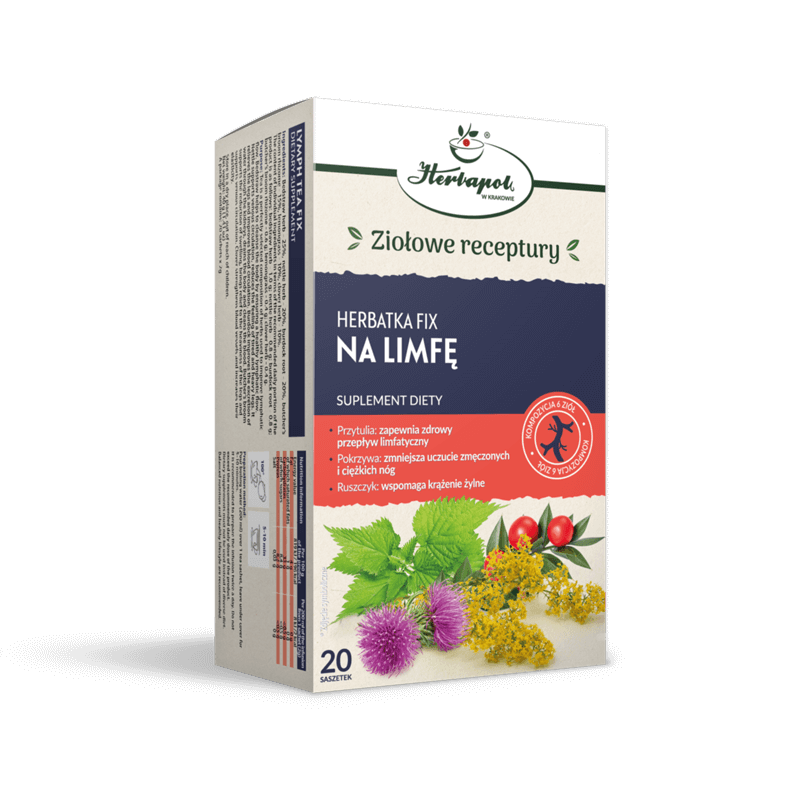
Herbata Na Robaka fix (20 × 2 g) 40 g - Herbapol Kraków
7.3. Drug interactions – what to watch out for?
This is an area often overlooked when it comes to herbs. The table below summarizes the most important confirmed interactions:
| Herb | Drugs with which it interacts | Nature of interaction |
|---|---|---|
| GarlicAllium sativum | Warfarin and other anticoagulants, antiplatelet drugs (e.g., aspirin), antiretroviral drugs (saquinavir, ritonavir), antidiabetic drugs | Enhances anticoagulant effect – risk of bleeding; may reduce antiretroviral drug levels in blood by inducing liver enzymes; may enhance the effect of glucose-lowering drugs |
| WormwoodArtemisia absinthium | Antiepileptic drugs, CNS-acting drugs (benzodiazepines, barbiturates), choleretic drugs | Thujone may lower the seizure threshold and antagonize the effect of antiepileptic drugs; enhances the effect of CNS-acting drugs |
| Common TansyTanacetum vulgare | Antiepileptic drugs, anticoagulants | Similar to wormwood – thujone may interfere with antiepileptic drugs; antiplatelet properties may enhance the effect of anticoagulants |
| Wild garlicAllium ursinum | Warfarin and antiplatelet drugs | Analogous to common garlic, though weaker effect due to lower concentration of sulfur compounds |
| ThymeThymus vulgaris | No clinically significant interactions when used in typical doses | Essential oil in large doses may be irritating; safe when used as tea and spice |
7.4. Chronic diseases – when is medical consultation required?
For the following conditions, the use of herbs from this group requires mandatory consultation with a doctor or pharmacist before starting treatment:
- Epilepsy and other neurological disorders – wormwood and tansy are absolutely contraindicated; thujone can lower the seizure threshold and provoke seizures.
- Liver diseases – the liver metabolizes active herbal substances; in case of liver damage, the risk of toxic metabolite accumulation is significantly higher.
- Kidney diseases – wormwood is contraindicated in kidney diseases; its metabolites are excreted by the kidneys and can accumulate in case of renal failure.
- Stomach and duodenal ulcers, reflux, gastritis – wormwood and garlic in large doses can exacerbate symptoms in inflammatory conditions of the upper gastrointestinal tract.
- Gallstones – herbs stimulating bile secretion (wormwood, elecampane) can trigger biliary colic in unrecognized cholelithiasis.
- Allergies to plants from the daisy family (Asteraceae) – wormwood and tansy belong to the same family as chamomile, arnica, marigolds, and ragweed. People allergic to these plants should exercise particular caution.

7.5. Warning signs – when to immediately stop using herbs?
Discontinue use and consult a doctor if any of the following occur during herbal treatment:
- nausea, vomiting, or severe diarrhea,
- dizziness, headaches, vision disturbances,
- muscle tremors, seizures, or disorientation,
- pain or pressure in the liver area (right side under the ribs),
- allergic reaction – rash, skin itching, swelling of the lips or throat,
- worsening of intestinal symptoms instead of their improvement after 5–7 days of use.
General rule: if you are taking any regular medication, consult a doctor or pharmacist before starting regular herbal treatment. Natural does not automatically mean safe in all circumstances.
8. Frequently Asked Questions
8.1. Is it worth choosing organic certified herbs and what does it guarantee?
Yes – for herbs used for health purposes, organic certification has real significance.
Organic raw materials are grown without synthetic pesticides and herbicides, whose residues can accumulate in dried herbs. For plants where the entire herb or roots are consumed, the risk of exposure to plant protection products is higher than, for example, for fruits that are peeled.
A BIO certificate (e.g., Ecocert, IJHARS certificate in Poland) confirms a controlled production chain from field to packaging. However, it does not guarantee a higher concentration of active substances – this depends on the species, cultivation site, and drying method.
8.2. Is it worth using probiotics after herbal treatment?
This is a reasonable approach, especially after more intensive treatments with wormwood or tansy. Stronger antimicrobial herbs act non-selectively – they can not only limit undesirable microorganisms but also temporarily disrupt the composition of the gut microbiota.
Probiotics containing Lactobacillus and Bifidobacterium strains can support the restoration of a healthy gut flora after treatment. It's advisable to start using them after the herbal treatment is completed, not concurrently – strong plant substances can reduce the survival rate of probiotic bacteria. The typical duration of probiotic supplementation after treatment is 4–6 weeks.
8.3. How long does it take to see the effects of using herbs?
This depends on the purpose of use and the initial state. When using herbs to support gut hygiene – improved digestive comfort (less bloating, better regularity) can be felt within 1–2 weeks. When supporting an active parasitic infection, herbs work slower than pharmacotherapy, and the effects are not as predictable – which is one reason why doctors resort to medication for confirmed infections.
If, after 2–3 weeks of regular herb use, symptoms do not subside or worsen, it's a signal for a medical consultation, not to continue the treatment.
8.4. From what age can children drink herbal teas for parasites?
Herbs containing thujone – wormwood and tansy – are absolutely contraindicated in children of all ages.
For other herbs, the age limit depends on the specific preparation: thyme and wild garlic in tea form are usually safe for children over 4–6 years of age in reduced doses, but it's always worth checking the manufacturer's recommendations on the packaging.
If parasites are suspected in children – especially pinworm infection, which is the most common parasitic infection in the 3–10 age group – the primary course of action is consultation with a pediatrician and possible pharmacological treatment, not herbal remedies.
8.5. Can several herbs be combined simultaneously in one treatment?
Yes, and many ready-made herbal blends do exactly that – they combine herbs with complementary actions and different active substances.
If you are composing a blend yourself, pay attention to one important limitation: do not combine two thujone-containing herbs (wormwood and tansy) in one treatment – the cumulative dose of thujone may exceed a safe level. Garlic or thyme, however, can be safely used together with bitter herbs as a supplement.
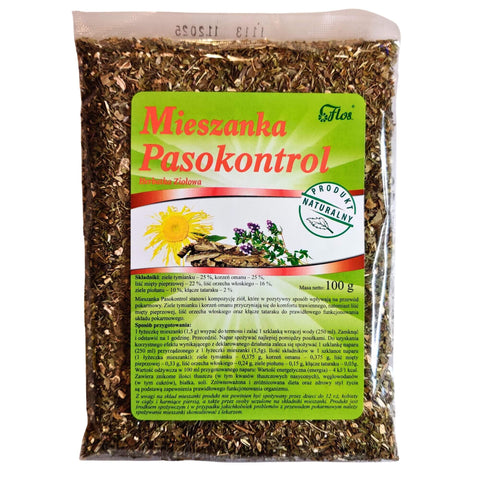
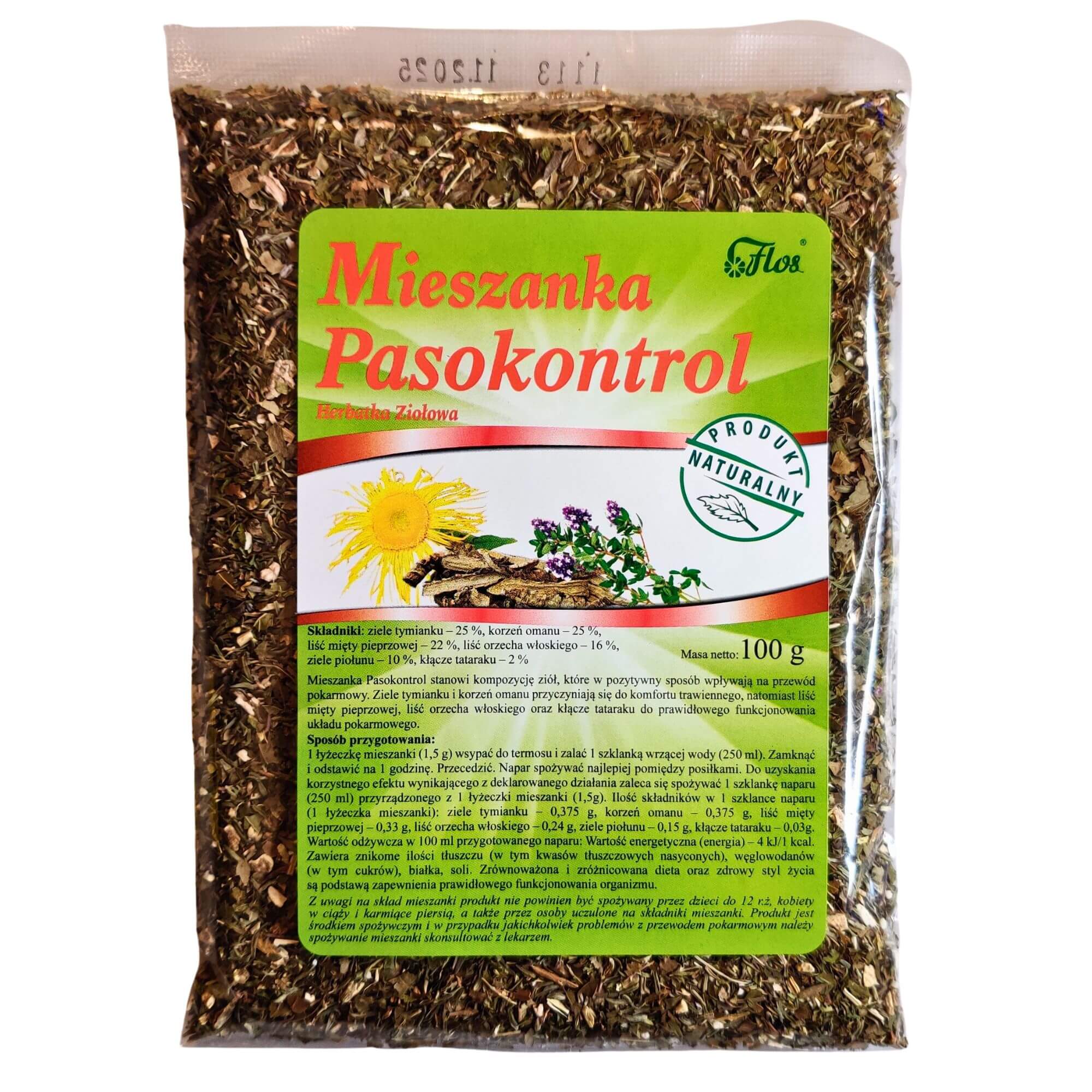
Herbal Blend "Pasokontrol" 100 g - Flos
The simplest and safest solution are ready-made blends from reputable manufacturers, where the proportions have already been appropriately balanced – you can find them in our herbal teas section.
8.6. Do weakened immunity and stress increase the risk of parasitic infection?
Stress and weakened immunity do not directly increase the risk of parasitic infection – infection always occurs through a specific transmission route (food, contact, or skin).
However, the condition of the immune system has a real impact on the course and severity of symptoms after infection: in people with reduced immunity, parasitic invasion can lead to a more severe course and be more difficult to control.
Therefore, caring for immunity – a healthy diet, sleep, physical activity, and stress reduction – is indirectly important for overall gut resistance to infections.
9. Summary – Herbs as conscious support for the intestines
Intestinal parasites are a real health problem that affects many more people than commonly thought – and one that is easy to overlook due to non-specific, easily dismissed symptoms. The first and most important step when a parasitic infection is suspected is always laboratory diagnostics and medical consultation – not reaching for herbs or preparations on your own.
However, herbs have their justified and valuable place in this area. Garlic, wormwood, thyme, wild garlic, and tansy are plants with documented antimicrobial properties, which have been present in European herbal tradition for centuries – and which modern science is gradually verifying. Their role is to support the natural defense mechanisms of the intestines, prevention, and regeneration after treatment – not to replace pharmacotherapy in active infection.
By using herbs consciously – taking into account contraindications, time limitations, and possible interactions with medications – you can genuinely take care of the condition of your digestive system. In our store, you will find both herbal teas and blends from proven, certified manufacturers, as well as dietary supplements supporting the proper functioning of the intestines.
10. Sources
The article was written based on verified scientific sources and official regulatory documents. Below is a list of all materials on which the information contained therein is based.
Scientific studies – PubMed / PMC:
- Ankri S., Mirelman D. Antimicrobial properties of allicin from garlic. Microbes and Infection. 1999; 1(2): 125–129. DOI: 10.1016/S1286-4579(99)80003-3. PMID: 10594976. PubMed
- Argüello-García R. et al. An Extrachromosomal Genetic Element Controls Resistance to Nitro Compounds in Giardia lamblia. (study on a mouse model with allicin). PMC: PMC6196658. PMC
- Beshay E.V.N. Therapeutic efficacy of Artemisia absinthium against Hymenolepis nana: in vitro and in vivo studies in comparison with the anthelmintic praziquantel. Journal of Helminthology. 2018; 92(3): 298–308. DOI: 10.1017/S0022149X17000529. PMID: 28606189. PubMed
- Szopa A. et al. Artemisia absinthium L.—Importance in the History of Medicine, the Latest Advances in Phytochemistry and Therapeutical, Cosmetological and Culinary Uses. Plants. 2020; 9(9): 1063. PMC: PMC7570121. PMC
- Machado M. et al. Anti-Giardia activity of phenolic-rich essential oils: effects of Thymbra capitata, Origanum virens, Thymus zygis subsp. sylvestris, and Lippia graveolens on trophozoites growth, viability, adherence, and ultrastructure. Parasitology Research. 2010; 106(5): 1205–1215. DOI: 10.1007/s00436-010-1800-7. PMID: 20217133. PubMed
- Salehi B. et al. The anti-parasitic activity of Thymus vulgaris (Thyme): A literature review. International Journal of Science and Research Archive. 2024. IJSRA
Regulatory documents and monographs:
- European Medicines Agency (EMA) / Committee on Herbal Medicinal Products (HMPC). European Union herbal monograph on Artemisia absinthium L., herba. EMA/HMPC/751490/2016 Corr. 1. EMA
- European Medicines Agency (EMA) / HMPC. Final assessment report on Artemisia absinthium L., herba – Revision 1. EMA/HMPC/732886/2010. EMA – PDF
- European Medicines Agency (EMA) / HMPC. European Union herbal monograph on Thymus vulgaris L. and Thymus zygis L., herba. EMA/HMPC/342332/2013. EMA
- World Health Organization (WHO). Soil-transmitted helminth infections – Fact sheet. WHO
National sources:
- Państwowy Zakład Higieny (PZH) – Narodowy Instytut Zdrowia Publicznego. Educational materials on intestinal parasitoses. pzh.gov.pl