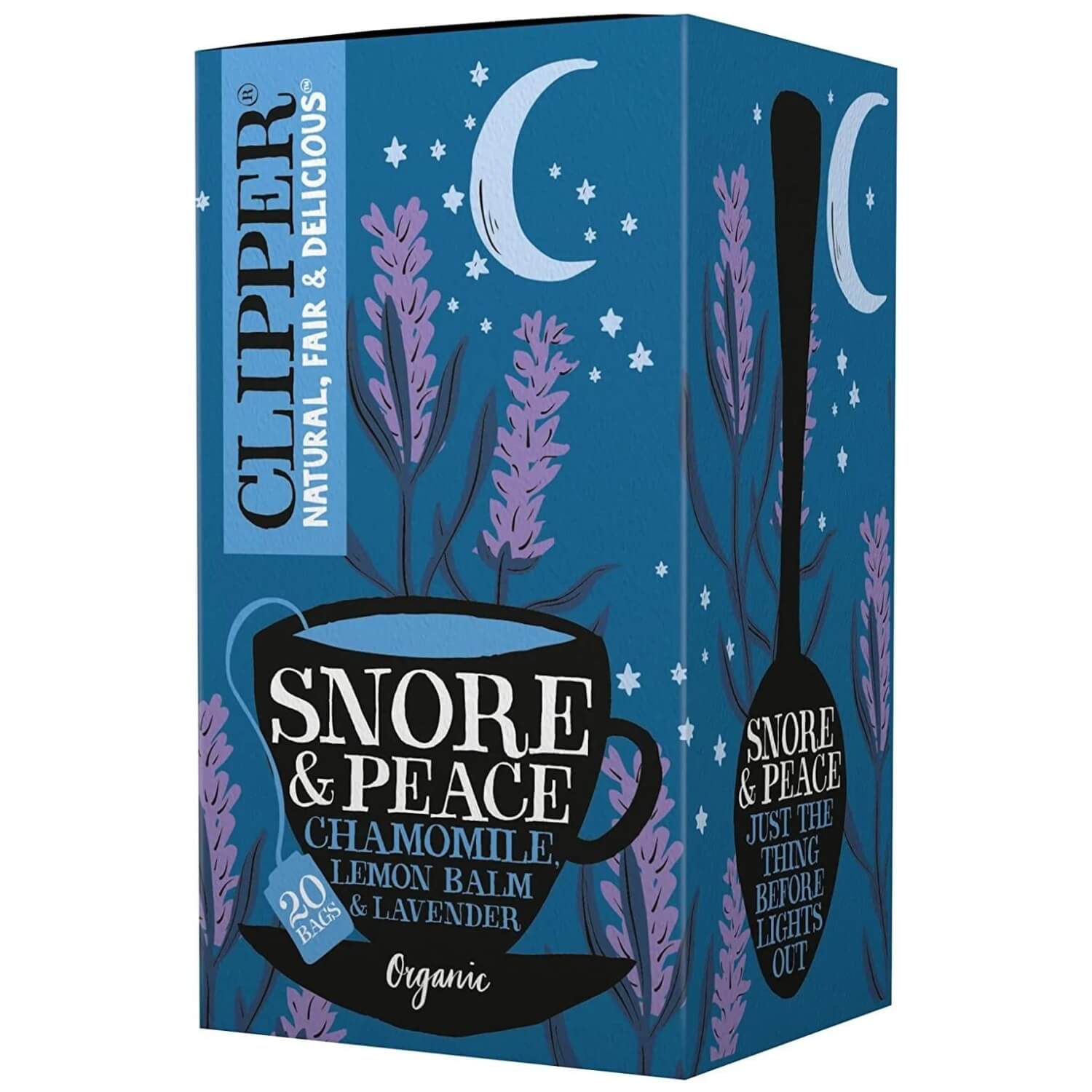
Among the eight plants described in this article, four have the strongest support from clinical studies: artichoke and garlic primarily lower LDL cholesterol, flaxseed lowers triglycerides (and incidentally also LDL), and milk thistle regulates the lipid profile indirectly by improving liver function. Hawthorn, fenugreek, white mulberry, and dandelion are valuable supplements, but with clear evidentiary limitations. All herbs on this list work best as a complement to diet and physical activity — not as a standalone lipid intervention, and certainly not as a substitute for pharmacotherapy.
This article is aimed at individuals who have received an abnormal lipid panel result and are seeking documented methods of natural support, as well as those who are taking cholesterol-lowering medication and wish to consciously supplement their treatment. Here you will find updated lipid norms for 2024 (including the revised triglyceride norm), detailed information on the mechanisms of action of each herb with references to meta-analyses, a comparative table of all eight plants, and — particularly importantly — a table of drug interactions for individuals taking statins, anticoagulants, or antidiabetic medications.

1. Cholesterol and triglycerides — when should lipid panel results be concerning?
Cholesterol and triglycerides are lipids essential for the proper functioning of the body — cholesterol builds cell membranes and is a substrate for hormone synthesis, while triglycerides are the main energy source for muscles. The problem arises when their blood levels exceed safe thresholds, leading to the gradual accumulation of deposits in artery walls. Regular lipid panel testing allows for the detection of this process before any clinical symptoms appear.
1.1. Blood lipid norms — how to interpret a lipid panel?
A lipid panel includes four parameters: total cholesterol (TC), LDL cholesterol, HDL cholesterol, and triglycerides (TG). In 2024, the Polish Lipid Association and the Polish Society of Laboratory Diagnostics updated national guidelines for the diagnosis of lipid disorders — the most significant change concerns the triglyceride norm.
| Parameter | Desired value | Borderline value | Elevated / Risk |
|---|---|---|---|
| Total Cholesterol (TC) | < 190 mg/dl | 190–240 mg/dl | > 240 mg/dl |
| LDL Cholesterol | depends on CV risk * | — | — |
| HDL Cholesterol — men | > 40 mg/dl | — | < 40 mg/dl = risk factor |
| HDL Cholesterol — women | > 50 mg/dl | — | < 50 mg/dl = risk factor |
| Triglycerides (TG) | < 100 mg/dl ★ | 100–150 mg/dl | > 150 mg/dl |
Scroll right to see the full table (on mobile devices) →
* Therapeutic target for LDL depends on individual cardiovascular risk: low CV risk < 116 mg/dl, moderate < 100 mg/dl, high < 70 mg/dl, very high < 55 mg/dl. Source: PTL/KLRWP/PTK/PTDL/PTD/PTNT 2024 Guidelines.
★ New triglyceride norm from 2024 — important change
For years, a TG level below 150 mg/dl was considered normal. In 2024, Polish scientific societies tightened this norm — the desired value is now below 100 mg/dl. Results in the range of 100–150 mg/dl, which were previously considered within the normal range, are now a warning sign and an indication for dietary intervention.
It is worth knowing that the LDL result alone is not enough to assess risk — the doctor always considers the entire lipid profile in the context of other factors: age, sex, blood pressure, diabetes, smoking, and family history. Interpretation of the lipid panel should therefore take place in the doctor's office, not solely based on the norms from a leaflet.

1.2. What causes elevated cholesterol and triglycerides?
Lipid disorders rarely have a single cause — they are usually the result of a combination of environmental and genetic factors. This distinction is practically important: herbs and lifestyle changes primarily address modifiable factors.
Environmental factors (modifiable by diet and lifestyle):
- Diet rich in saturated and trans fats — raises LDL and lowers HDL
- Excess simple sugars, processed foods, and alcohol — the main cause of elevated triglycerides; the liver converts excess fructose and alcohol directly into TGs
- Low physical activity — lowers HDL and disrupts triglyceride regulation
- Overweight, especially abdominal obesity — insulin resistance drives hypertriglyceridemia
- Chronic stress — cortisol stimulates hepatic synthesis of cholesterol and triglycerides
Causes requiring medical diagnosis:
- Familial hypercholesterolemia — genetically determined very high LDL (often > 190 mg/dl), unresponsive to diet alone
- Hypothyroidism — one of the most common metabolic causes of elevated LDL
- Type 2 diabetes — particularly promotes hypertriglyceridemia
- Kidney disease and certain medications (corticosteroids, thiazide diuretics, beta-blockers)
🩺 When diet and herbs may not be enough
Natural methods work best for mild to moderate disorders of an environmental nature. However, if elevated LDL has a genetic basis, results are very high (LDL > 190 mg/dl or TG > 500 mg/dl), or cardiovascular disease has already been diagnosed — medical consultation is necessary. In such cases, herbs can play a complementary role to pharmacotherapy, but they do not replace it.
2. Herbs particularly effective for high cholesterol — which ones have documented effects?
This group includes plants whose effect on lowering LDL cholesterol and total cholesterol is best documented in clinical studies. Each of them works through a slightly different mechanism — which is worth understanding to consciously choose the right herb for a specific situation.

2.1. Artichoke (Cynara scolymus) — how does cynarin affect cholesterol metabolism?
Artichoke is one of the most studied herbs regarding its effect on the lipid profile. The main active substances in artichoke leaves — cynarin and chlorogenic acid — stimulate bile production in the liver and accelerate its flow to the digestive tract. The mechanism is simple: bile is formed from cholesterol, so its more intense synthesis means greater cholesterol utilization by the liver and lower blood levels. Cynarin also inhibits the activity of the HMG-CoA reductase enzyme, which is involved in cholesterol synthesis.
A 2018 meta-analysis, comprising 9 randomized clinical trials with a total of 702 participants, showed that supplementation with artichoke leaf extract was associated with a statistically significant reduction in total cholesterol (average of 17.6 mg/dl), LDL cholesterol (by 14.9 mg/dl), and triglycerides (by 9.2 mg/dl) compared to placebo. The effect was stronger in individuals with higher baseline LDL values. Supplementation did not significantly affect HDL levels (Sahebkar et al., Crit Rev Food Sci Nutr, 2018, PMID: 28609140).

Cholesterol+ 90 capsules - Herbapol Kraków
Artichoke is available in capsule form with leaf extract (standardized for cynarin content), infusions from dried leaves, and as an ingredient in herbal mixtures. The supplement form ensures a standardized and repeatable dose of active substances — important when you want a predictable effect.
ℹ️ Who is artichoke best for?
Artichoke may be particularly beneficial for individuals with simultaneous elevation of LDL cholesterol and triglycerides, especially when accompanied by symptoms of liver overload — elevated liver enzymes, bloating, feeling of heaviness after fatty meals. It is a plant that regulates the lipid profile "from the liver's side."
2.2. Garlic (Allium sativum) — how does allicin lower cholesterol synthesis?
Garlic acts through allicin — an organosulfur compound that is not present in an intact garlic clove but forms when it is cut or crushed from inactive alliin under the influence of the enzyme alliinase. Allicin and its derivatives (ajoenes, diallyl disulfide) inhibit the activity of the HMG-CoA reductase enzyme — the same enzyme that is the therapeutic target of statins. The mechanism is therefore similar to pharmacotherapy, although with significantly less potency. Additionally, garlic reduces platelet aggregation and exhibits anti-atherosclerotic effects independent of its lipid-lowering influence.
A meta-analysis published in 2024, including randomized clinical trials searched across databases until June 2024 (PubMed, Scopus, Embase, Cochrane), showed that garlic consumption was associated with a statistically significant reduction in total cholesterol, LDL, and triglycerides, and an increase in HDL. The effects were more pronounced in participants with elevated baseline lipid values (Zhao et al., PMC11308468).

Cholesterol Tea fix (20 × 2 g) 40 g - Herbapol Kraków
Raw garlic is most potent — allicin is thermally unstable and decomposes at high temperatures, so heat treatment significantly limits its activity. It is also crucial to wait about 10 minutes after slicing or crushing a clove before consuming it — this is the time needed for full enzymatic activation of allicin. For people with sensitive stomachs or those deterred by the strong smell, alternatives include capsules with standardized allicin or alliin content.
2.3. Milk Thistle (Silybum marianum) — why does a healthy liver mean a better lipid profile?
Milk thistle is primarily known as a hepatoprotective herb. Its main active substance, silymarin (a complex of flavonoids: silybin A and B, silydianin, silychristin), protects liver cells from oxidative damage, supports their regeneration, and reduces fat accumulation in the liver. The mechanism of its lipid-lowering action is indirect but significant: the liver is responsible for cholesterol synthesis and removal, bile production, and triglyceride regulation — when it functions properly, it better regulates the body's entire lipid metabolism. Silymarin also inhibits hepatic expression of enzymes responsible for de novo lipogenesis, which reduces triglyceride production.
Milk thistle, and particularly the silymarin it contains, is primarily renowned for its strong hepatoprotective properties (protecting liver cells). Since the liver is where the crucial stage of cholesterol synthesis and its conversion into bile acids occurs, efficient functioning of this organ is fundamental to maintaining a proper lipid profile. Although milk thistle does not lower cholesterol levels as directly and dramatically as statins or red yeast rice, its regular use provides invaluable metabolic support. This is especially beneficial for individuals whose cholesterol problems are accompanied by non-alcoholic fatty liver disease (NAFLD), which very often co-occurs with lipid disorders and insulin resistance.

Organic Milk Thistle Seeds 200 g - Dary Natury
Milk thistle is available in the form of ground or whole seeds (ground seeds can be added to oatmeal, yogurt, or smoothies), as well as an extract in capsules. Ground seeds contain silymarin, fiber, and healthy plant fats — however, a standardized extract provides a higher and more predictable content of the active substance.
ℹ️ Who is milk thistle best for?
Milk thistle can be particularly beneficial for individuals whose elevated lipid levels are due to an overburdened or fatty liver — for example, with elevated liver enzymes (ALT, AST), abdominal obesity, or regular alcohol consumption. This herb has a broad metabolic effect that extends beyond just the lipid profile.

Milk Thistle 312 mg 60 capsules - Medica Herbs
2.4. Hawthorn (Crataegus spp.) — what do flavonoids do for blood vessels and cholesterol?
Hawthorn does not stand out as a plant with the strongest direct hypolipidemic effect — its unique value lies in its complementary cardioprotective action to other herbs. Hawthorn fruits, leaves, and flowers are rich in oligomeric proanthocyanidins (OPC) and flavonoids (vitexin, hyperin), which exhibit strong antioxidant activity. They inhibit LDL oxidation — and it is precisely the oxidation of LDL particles that is the first step in the formation of atherosclerotic plaque. Hawthorn also improves the elasticity and permeability of blood vessels and has a mild effect supporting normal blood pressure.
Some studies suggest that hawthorn preparations may contribute to a slight reduction in total cholesterol, but direct evidence of its effect on the lipid profile is weaker than for artichoke or garlic. Hawthorn is primarily an herb that supports heart and vascular health — it works best as part of a broader lipid strategy, not as a standalone intervention.
More about its effects on the circulatory system can be found in the article Herbs for blood pressure — which ones really lower hypertension and how to use them?

Circulation Tea BIO 50 g - Dary Natury
Hawthorn is most commonly used in the form of infusions from flowers and leaves, dried fruits, or standardized extracts. It combines well with other herbs targeting the circulatory system — including ginkgo, lemon balm, and horsetail.
3. Herbs most effective in lowering triglycerides — how do they differ from cholesterol-lowering herbs?
Triglycerides react to different stimuli than LDL cholesterol — they are primarily elevated by an excess of simple sugars, alcohol, a sedentary lifestyle, and insulin resistance. Therefore, herbs that act on TG work differently than those in section 2: they inhibit the absorption of fats and carbohydrates, improve insulin sensitivity, or reduce hepatic triglyceride synthesis. The effects are usually more pronounced the higher the baseline TG value and the more caloric and sugar-rich the diet.
3.1. Flaxseed (Linum usitatissimum) — how ALA acid and lignans regulate TG?
Flaxseed is a functional food with an exceptionally broad lipid profile. It acts through three complementary mechanisms:
- Alpha-linolenic acid (ALA, omega-3) — reduces hepatic de novo triglyceride synthesis and accelerates their oxidation in mitochondria
- Soluble fiber — forms a gel in the intestines that absorbs fats and carbohydrates, reducing postprandial increases in TG and LDL
- Lignans (SDG) — exhibit estrogenic and antioxidant effects, inhibit LDL oxidation, and support lipid metabolism
A 2020 meta-analysis, encompassing as many as 62 randomized clinical trials with a total of 3772 participants, showed that flaxseed supplementation was associated with a statistically significant reduction in triglycerides (average of 9.4 mg/dl), total cholesterol (5.4 mg/dl), and LDL (4.2 mg/dl). No significant effect on HDL levels was found. The effects on TG were stronger when using whole or ground flaxseed than with flaxseed oil — which indicates the key role of fiber and lignans, not just ALA (Hadi et al., Pharmacol Res, 2020 PMID: 31899314).

Brown Flaxseed BIO 1 kg - Bio Planet
In practice, flaxseed is best used in the form of freshly ground seeds — whole seeds often pass through the digestive system undigested. Just 1–2 tablespoons daily, added to oatmeal, yogurt, smoothies, or bread. It's important to remember proper hydration — flaxseed fiber needs water to work properly. Flaxseed oil is a good source of ALA, but it does not contain fiber or lignans, so it has a narrower lipid-lowering profile.
💡 Flaxseed or fish omega-3 for triglycerides?
EPA and DHA from cod liver oil have a stronger direct TG-lowering effect than ALA from flaxseed. However, flaxseed acts more broadly on lipids thanks to its fiber and lignans — it simultaneously affects TG, LDL, and fat absorption. This is a good solution for vegetarians and vegans and as a supplement to a diet rich in fatty fish.
3.2. Fenugreek (Trigonella foenum-graecum) — how do saponins and fiber inhibit lipid absorption?
Fenugreek acts on the lipid profile in two ways. Diosgenin — a steroidal saponin present in the seeds — inhibits cholesterol absorption in the intestines by binding bile acids, which forces increased bile production from hepatic cholesterol and lowers its concentration in the blood. At the same time, galactomannan, a soluble fiber from fenugreek seeds, forms a viscous gel in the intestines that slows down the absorption of both fats and carbohydrates — which indirectly reduces the postprandial increase in triglycerides. Fenugreek also improves insulin sensitivity, which is important for people with elevated TG due to insulin resistance.
A 2020 meta-analysis (Askari et al., Phytotherapy Research, 2020, PMID: 32385866), including randomized clinical trials with database searches up to December 2019, showed that fenugreek supplementation was associated with a reduction in total cholesterol, LDL, and triglycerides, and an increase in HDL compared to the control group. The effects on TG were particularly pronounced in individuals with type 2 diabetes and glycemic-metabolic disorders.
Fenugreek is available in the form of seeds for grinding or soaking, powder added to dishes (with a characteristic, slightly bitter taste), and capsules with extract. The seeds can be soaked overnight and consumed in the morning on an empty stomach — this is a traditional form of use in Ayurvedic medicine.
Caution: fenugreek may enhance the effect of antidiabetic drugs — individuals on pharmacotherapy should consult their doctor before using it.

3.3. Dandelion (Taraxacum officinale) — choleretic action and fat metabolism
Dandelion is a plant with well-documented traditional uses, but unlike artichoke or flaxseed — its effect on lipids in human clinical trials has not yet been confirmed in high-quality randomized clinical trials. It is important to state this explicitly, as dandelion is often presented online as a powerful "cholesterol-lowering" agent, which lacks solid support in human studies.
The mechanisms by which dandelion may support lipid metabolism are biologically sound:
- Choleretic and cholagogue action — bitter sesquiterpene lactones (taraxacin, taraxacerin) stimulate bile production and flow, supporting fat digestion and cholesterol elimination from the body (action confirmed by EMA in the monograph of traditional uses)
- Inulin — prebiotic fiber contained in the root, supports beneficial gut microbiome and can slow down fat absorption
- Flavonoids and polyphenols — antioxidant action protects LDL from oxidation in in vitro studies
Studies on animal models (mice and rats on a high-fat diet) show significant reductions in TG and TC after administration of dandelion extracts, but direct translation to randomized human studies is currently lacking. Dandelion is a safe, well-tolerated support for liver and fat metabolism — it is worth reaching for, while maintaining realistic expectations regarding the strength of its lipid-lowering effect.

Dandelion Root Tea BIO 100 g - Dary Natury
Dandelion is most often used as an infusion of dried root or herbal tea. Dandelion root is also available in tincture or powder form to add to smoothies. Leaf infusions have a stronger diuretic effect, while root infusions are more choleretic and hepatoprotective.
3.4. White mulberry (Morus alba) — how does inhibiting sugar absorption affect triglycerides?
White mulberry affects triglycerides differently than other herbs in this compilation — not through direct action on lipid metabolism, but by regulating carbohydrate metabolism. Its main lipid mechanism is indirect but biologically important.
The key active compound in mulberry leaves is 1-deoxynojirimycin (DNJ) — an alkaloid that inhibits the activity of alpha-glucosidase, an enzyme that breaks down starch and disaccharides in the intestines. Its inhibition slows down carbohydrate absorption, reduces postprandial glycemic spikes, and — crucially for triglycerides — lowers postprandial insulin increases. This is important because insulin is the main stimulator of hepatic triglyceride synthesis (de novo lipogenesis): the lower the postprandial insulin peak, the less TG the liver produces.
Clinical meta-analyses confirm the effectiveness of mulberry in reducing postprandial glucose levels. However, the direct effect on fasting triglyceride and LDL cholesterol levels in randomized clinical trials is inconclusive so far — some studies show an improvement in lipid profile, others do not (Chen et al., J Clin Pharm Ther, 2022). White mulberry is therefore a particularly valuable herb for people whose elevated TG is accompanied by glycemic disorders or insulin resistance — i.e., where the insulin mechanism drives hypertriglyceridemia.
ℹ️ Who is white mulberry best for?
White mulberry may be particularly beneficial for individuals with elevated triglycerides accompanying glycemic disorders — prediabetes, type 2 diabetes, or insulin resistance. For people with isolated elevated TG without a glycemic component, the effect will be weaker. It is a "metabolic" herb — it acts at the root of one of the key mechanisms driving hypertriglyceridemia.
White mulberry is available as a tea from dried leaves, extract capsules, or powder. Traditionally, it is consumed as an infusion of leaves before or during a carbohydrate meal — that is when the alpha-glucosidase inhibition mechanism is most significant.
4. Comparison of herbs for cholesterol and triglycerides — a table of action, forms of use, and evidence levels
The table below summarizes all eight discussed herbs in terms of mechanism, impact on specific lipid parameters, preferred forms of use, and level of clinical evidence. This is a quick guide to facilitate informed selection — for a single herb with strong evidence or a well-thought-out combination of several with complementary mechanisms.
| Herb | Main mechanism of action | Effect on LDL | Effect on TG | Forms of use | Evidence level* | Particularly indicated for |
|---|---|---|---|---|---|---|
|
Artichoke Cynara scolymus |
Increased bile synthesis from cholesterol; inhibition of HMG-CoA reductase (cynarin) | ↓↓ strong | ↓ moderate | Capsules with extract, leaf infusion, mixtures | ★★★ RCTs / meta-analyses |
Individuals with elevated LDL + bloating, fat digestion problems, elevated liver enzymes |
|
Garlic Allium sativum |
Inhibition of HMG-CoA reductase (allicin); antiplatelet and anti-atherosclerotic effects | ↓↓ moderate | ↓ weak | Fresh (most effective), powder, capsules with standardized allicin | ★★★ RCTs / meta-analyses |
General dyslipidemia, atherosclerosis prevention, hypertension accompanying elevated LDL |
|
Milk Thistle Silybum marianum |
Hepatocyte protection; inhibition of de novo lipogenesis (silymarin); improved lipid metabolism by the liver | ↓ moderate | ↓ moderate | Capsules with extract, ground seeds (e.g., for oatmeal) | ★★★ RCTs / meta-analyses |
NAFLD (fatty liver), elevated liver enzymes, metabolic dyslipidemia |
|
Hawthorn Crataegus spp. |
Inhibition of LDL oxidation (OPCs, flavonoids); improvement of vascular elasticity and microcirculation | ↓/○ weak | ↓/○ weak | Flower and leaf infusion, extract, dried fruits, mixtures | ★★☆ Limited RCTs for lipids |
CV risk, hypertension, palpitations — complement to lipid strategy, not a standalone intervention |
|
Flaxseed Linum usitatissimum |
Reduction of hepatic TG synthesis (ALA/omega-3); fiber binding fats in the intestines; antioxidant lignans | ↓ moderate | ↓↓ strong | Freshly ground seeds (most effective), flaxseed oil (weaker effect on TG) | ★★★ 62 RCTs / meta-analysis |
Elevated TG and/or LDL, vegans/vegetarians seeking plant-based omega-3s, constipation accompanying dyslipidemia |
|
Fenugreek Trigonella foenum-graecum |
Bile acid binding (diosgenin/saponins); fiber slowing down fat and carbohydrate absorption (galactomannan) | ↓ moderate | ↓ moderate | Seeds (soaked or ground), powder, extract capsules | ★★☆ RCTs, heterogeneous results |
Elevated TG accompanying diabetes or insulin resistance; individuals aiming to improve glycemia and lipids simultaneously |
|
Dandelion Taraxacum officinale |
Stimulation of bile production (sesquiterpene lactones); inulin — prebiotic supporting microbiota; hepatoprotective effect | ○ no data (human RCTs) |
○ no data (human RCTs) |
Infusion from root or leaves, tincture, root powder | ★☆☆ Mainly animal models |
General support for liver metabolism and digestion — safe supplement, but not a standalone lipid intervention |
|
White mulberry Morus alba |
Inhibition of alpha-glucosidase (DNJ) → reduction of postprandial glycemia → less TG synthesized by the liver | ↓/○ weak (unclear) |
↓ indirect | Leaf tea (before meal), extract capsules | ★★☆ RCTs for glycemia; TG indirectly |
Elevated TG due to insulin resistance / diabetes / prediabetes; not for isolated hypertriglyceridemia |
Scroll right to see the full table (on mobile devices) →
* Level of clinical evidence in humans: ★★★ — at least two meta-analyses of RCTs with statistically significant results; ★★☆ — limited or heterogeneous RCTs; ★☆☆ — mainly preclinical studies (in vitro / animal models). ↓↓ strong / ↓ moderate / ↓/○ weak or ambiguous / ○ no data from human RCTs.
💡 How to combine herbs for cholesterol and triglycerides?
Herbs from chapters 2 and 3 are not mutually exclusive — their mechanisms act at different levels and can complement each other. A natural combination for simultaneously elevated LDL and TG is, for example, artichoke + flaxseed (one strong effect on LDL, the other on TG) or garlic + fenugreek (inhibition of synthesis + reduction of absorption). Combining more than 2-3 herbs at once does not proportionally increase the effect and may make it difficult to assess what is actually working.

Recommended Tea for High Cholesterol BIO 50 g - Dary Natury
5. How to use herbs for cholesterol and triglycerides — forms, dosage, and drug interactions?
The form of administration has a real impact on the effectiveness of herbs — not every capsule extract is equivalent to an infusion from the same plant, and fresh garlic acts differently from powdered. Before reaching for herbal support for your lipid profile, it's worth understanding these differences. A separate issue is drug interactions — especially important for people on statins, fibrates, or anticoagulants.
5.1. Which forms of administration provide the best results — infusions, capsules, or natural raw material?
The choice of form depends on the specific herb and the desired effect. There is no single answer for all eight plants in this article — each has a different profile of active ingredients and different thermal stability.
| Herb | Most effective form | Duration of use | Practical notes |
|---|---|---|---|
| Artichoke | Leaf extract capsules (standardized to cynarin); infusion as a supplement | Min. 6–8 weeks of continuous use | Take before meals; for gallstones — only after consulting a doctor |
| Garlic | Fresh (chopped or crushed, wait 10 min); capsules with standardized alliin or allicin as an alternative | Min. 8–12 weeks | Cooking destroys allicin; garlic powder is less effective than fresh raw material |
| Milk thistle | Extract capsules (silymarin, 70–80% standardization); ground seeds as a daily dietary supplement | Min. 8–12 weeks | Silymarin is poorly soluble in water — seed infusions have low bioavailability of active ingredients |
| Hawthorn | Flower and leaf infusion or standardized extract (OPCs, vitexin) | Long-term | Traditional use — effects gradually increase with regular use |
| Flaxseed | Freshly ground seeds — 1–2 tablespoons daily; whole seeds are ineffective (pass through intestines undigested) | Min. 8–12 weeks | Grind immediately before consumption or store in refrigerator (ALA oxidizes quickly); drink with water |
| Fenugreek | Seeds soaked overnight (traditional form); powder or extract capsules; powder as a spice | Min. 8 weeks | Strong, slightly bitter taste; consume in the morning on an empty stomach or before a meal for best effect on glycemia and TG |
| Dandelion | Infusion from dried root (choleretic); leaf infusion (diuretic) | Treatment for 4–6 weeks, then a break | Consume 2–3 times a day before meals; avoid with gallstones |
| White mulberry | Leaf tea or extract capsules; best directly before or during a carbohydrate-rich meal | Regularly with meals | Timing is key — DNJ must be present in the intestines at the time of starch digestion |
Scroll right to see the full table (on mobile devices) →
💡 How long to wait for effects?
Herbs do not work overnight. In clinical studies that showed statistically significant lipid effects, interventions typically lasted 8–12 weeks. A follow-up lipid panel should only be performed after this time — an earlier test may give a false impression of no effect. Lipids also respond strongly to dietary changes accompanying supplementation, which makes it difficult to assess the effect of the herb alone.
5.2. What to watch out for — interactions of herbs with drugs used for dyslipidemia?
This is the most important practical element of this chapter for people already treating lipid disorders or co-existing conditions. Some interactions are well-documented clinically, others are based mainly on theoretical grounds or come from in vitro studies — I indicate this for each one.
| Herb | Drug / drug class | Mechanism and effect | Risk level | Recommendation |
|---|---|---|---|---|
| Garlic | Warfarin, heparin, clopidogrel, NSAIDs, aspirin | Allicin inhibits platelet aggregation — possible potentiation of anticoagulant effects and increased risk of bleeding. Case reports of increased INR have been described. | Moderate | Inform your doctor. Discontinue allicin supplements at least 2 weeks before planned surgery. |
| Fenugreek | Insulin, metformin, sulfonylureas, gliptins | Additive lowering of glycemia — risk of hypoglycemia with concomitant use of antidiabetic drugs (clinically documented effect). | Moderate | Monitor glycemia after starting fenugreek. Consult your doctor about the possibility of adjusting drug dosage. |
| White mulberry | Insulin, acarbose, sulfonylureas, metformin | DNJ acts similarly to acarbose (alpha-glucosidase inhibitor) — additive slowing of sugar absorption, risk of hypoglycemia. | Moderate | Monitor glycemia. When used concurrently with acarbose — the effect may be too strong. |
| Milk thistle | Statins (atorvastatin, simvastatin, lovastatin) | In vitro: silymarin inhibits CYP3A4 and P-glycoprotein — theoretically may increase statin concentrations in the blood. However, clinical studies with standard doses (140–420 mg/day) have not shown clinically significant interactions. |
Low (at std. doses) |
Inform your doctor. With doses of standardized extract — caution; with ground seeds — minimal risk. |
| Flaxseed | Oral medications (any) | Fiber contained in flaxseed may delay the absorption of drugs taken concomitantly. | Low | Take medications at least 1–2 hours before or after consuming ground flaxseed. |
| Artichoke, hawthorn, dandelion | Cholagogue drugs, drugs for gallstone disease | Increased choleretic action may cause colic in the presence of existing gallstones. |
Moderate (gallstone disease) |
In case of a history of gallstones, medical consultation is required before use. |
Scroll right to see the full table (on mobile devices) →
🩺 Who should absolutely consult a doctor before incorporating herbs?
This applies to: individuals treated with warfarin or other anticoagulants; patients on insulin or oral antidiabetic drugs; individuals taking statins in doses > 20 mg; individuals with gallstones or advanced liver disease; pregnant and breastfeeding women (most herbs on this list are contraindicated or lack safety data during these periods). In other cases, herbs at standard doses are well-tolerated – however, the rule of informing your doctor about supplementation remains a sensible habit.
6. Diet and lifestyle supporting lipid regulation – what has the greatest effect?
Herbs are most effective as a complement to changes in diet and lifestyle – not as a substitute. No herb will neutralize the effects of a diet rich in sugar, trans fats, and alcohol. Therefore, it's worth knowing which changes have the greatest lipid-lowering effect – and focusing on them, instead of looking for a "miracle" supplement.
6.1. How to lower triglycerides with diet – what has the biggest impact?
Triglycerides are a parameter exceptionally sensitive to diet – changes within a few weeks can be spectacular. Key levers:
- Limiting simple sugars and fructose – the strongest factor. The liver converts excess fructose directly into triglycerides. This means reducing sugary drinks, fruit juices, sweets, and processed foods containing glucose-fructose syrup. Simply eliminating sweetened beverages can lower TG by 20-30% within 4-6 weeks.
- Limiting or eliminating alcohol – alcohol is a direct cause of elevated TG; even moderate consumption can significantly raise results in predisposed individuals.
- Reducing refined carbohydrates – white bread, white rice, pasta from white flour, and fast food act similarly to sugar. Switching to whole-grain equivalents reduces TG.
- Increasing omega-3 intake – fatty marine fish (salmon, mackerel, sardines) 2-3 times a week or DHA/EPA supplementation; plant-based ALA sources are flaxseed and walnuts.
- Regular meal rhythm and avoiding large carbohydrate portions in one meal – spreading carbohydrate intake into smaller portions reduces postprandial glucose and TG spikes.
6.2. How to lower LDL cholesterol with diet – key changes?
LDL cholesterol is less susceptible to rapid changes than TG, but diet can lower it by 10-20% with consistent use.
- Limiting saturated fats – fatty meats, full-fat dairy products, coconut and palm oil raise LDL by reducing LDL receptors in the liver. This is the biggest dietary risk factor for LDL.
- Eliminating trans fats – present in partially hydrogenated vegetable oils, hard margarines, and fast food; they raise LDL and lower HDL simultaneously.
- Increasing soluble fiber intake – oats (beta-glucan), legumes (beans, lentils, chickpeas), apples, and pears. Fiber binds bile acids in the intestines, forcing the use of cholesterol to replenish them.
- Olive oil instead of saturated fats – monounsaturated fatty acids (MUFA) lower LDL without significantly lowering HDL.
- Nuts, especially almonds and walnuts – regularly consumed (30g/day) lower LDL by an average of 5-10% according to meta-analyses.
- Plant sterols and stanols – naturally present in legumes and whole grains; they inhibit cholesterol absorption from the digestive tract. Products fortified with phytosterols can lower LDL by 7-12%.
ℹ️ Anti-inflammatory diet and lipids
Chronic inflammation exacerbates lipid disorders and accelerates atherosclerotic plaque formation. A diet rich in antioxidants, vegetables, fish, nuts, and olive oil favorably affects lipids precisely through an anti-inflammatory mechanism – not only through its fat content. More on this topic in the article Anti-inflammatory diet – what to eat and what to avoid?

6.3. How does physical activity affect the lipid profile?
Regular exercise is one of the most effective tools for regulating triglycerides – more effective than most herbs used alone. Every form of activity helps, but the mechanisms differ depending on the type of training:
- Aerobic activity (brisk walking, running, cycling, swimming) – lowers triglycerides and slightly raises HDL. Even 150 minutes of moderate exercise per week (WHO recommendation) yields a measurable lipid effect.
- Strength training – improves insulin sensitivity, which indirectly reduces TG in insulin resistance; building muscle mass increases glucose and fat utilization by muscles.
- Weight reduction – every 1 kg of weight loss lowers TG by an average of 2 mg/dL and slightly reduces LDL.
Important practical rule: physical activity directly affects triglycerides – best within 12-24 hours after a meal. A walk or light workout after a large, carbohydrate-rich meal limits the postprandial increase in TG more than fasted training. A lipid panel should be performed at least 48 hours after intense exercise, as activity can temporarily elevate results (especially muscle enzymes) and distort interpretation.

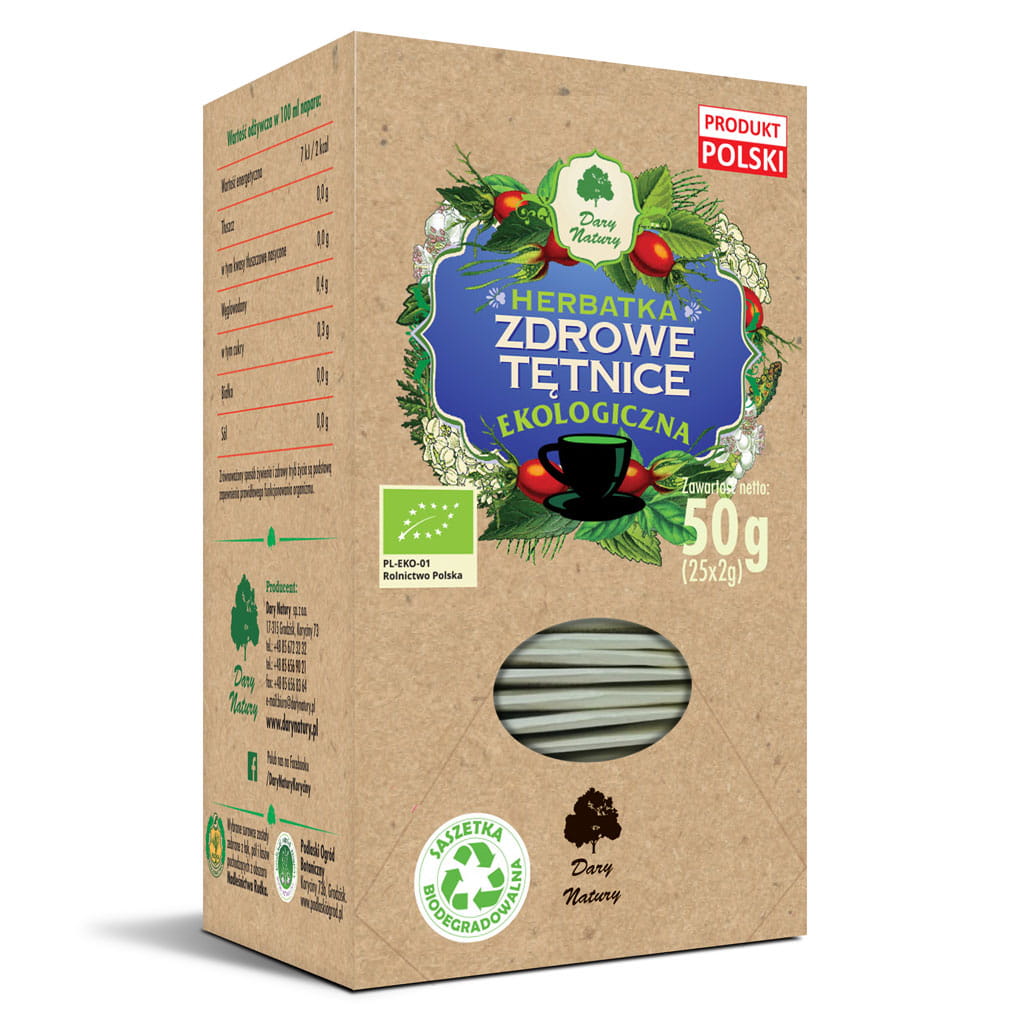
Healthy Arteries Organic Tea 50 g - Dary Natury
7. Most Frequently Asked Questions about Herbs for Cholesterol and Triglycerides
7.1. Do elevated cholesterol and triglycerides cause any symptoms?
Usually not – and this constitutes the greatest danger of these disorders. Hypercholesterolemia and hypertriglyceridemia are asymptomatic for years, while damage to blood vessels progresses. A heart attack or stroke can be the first "symptom" a patient experiences.
Exceptions are rare: very high TG levels (above 1000 mg/dL) can cause acute pancreatitis – abdominal pain radiating to the back. Xanthomas (xanthoma) on tendons or eyelids are a symptom indicating familial hypercholesterolemia with extremely high LDL. Apart from these cases, the only way to detect elevated lipids is a laboratory test. The Polish Lipidology Society recommends the first lipid panel for individuals after age 20, and then follow-up every 1-5 years depending on individual cardiovascular risk.
7.2. Can herbs replace statins?
No. Statins are drugs with documented, repeatedly confirmed ability to reduce the risk of cardiovascular events – heart attack, stroke, death from cardiac causes – in clinical trials involving hundreds of thousands of patients. The herbs in this article have a lipid-lowering effect in the range of a few to a dozen percent reduction in LDL or TG. Statins lower LDL by 30-55% depending on the preparation and dose.
For individuals with high and very high cardiovascular risk (post-heart attack, with diagnosed coronary artery disease, with diabetes, with familial hypercholesterolemia), herbs are not an alternative – discontinuing statins in favor of herbs in this group is medically unjustified. For mild dyslipidemia in individuals with low CV risk, herbs combined with diet and lifestyle modifications may be sufficient – but this decision is made by a physician based on the full clinical picture, not by the patient alone.
7.3. Are herbs for cholesterol safe during pregnancy and breastfeeding?
Most of the herbs discussed in this article are not sufficiently studied for safety during pregnancy and lactation – and available data for several of them raise specific concerns:
- Fenugreek is classically contraindicated in pregnancy – it contains compounds with documented uterine contracting effects.
- Garlic in large doses (supplements, not culinary consumption) is discouraged in late pregnancy due to its antiplatelet effect.
- Flaxseed in culinary amounts (1-2 tablespoons daily as food) is generally considered safe, while lignans in high doses may have estrogen-like effects.
- Artichoke, milk thistle, dandelion – insufficient clinical data; the precautionary principle dictates avoiding supplements.
Lipid levels physiologically increase during pregnancy and do not require herbal intervention. In case of abnormal lipid panel results during pregnancy, the decision regarding eventual treatment is made solely by the attending physician.
7.4. How often should a lipid panel be performed when using herbs?
The optimal schedule: a lipid panel before starting herbs (baseline), followed by a control test after 10-12 weeks – as this is the time needed for the effect to stabilize and for a reliable assessment of changes. Earlier testing may underestimate the effect.
A few rules that significantly affect the results and are often overlooked:
- 12 hours fasted before blood draw (TG particularly sensitive to the last meal)
- At least 48 hours after intense physical exertion – exercise temporarily raises enzymes and can distort interpretation
- Absence of acute inflammation (infection, fever) – inflammation temporarily changes the lipid profile
- Stable diet in the week preceding the test – results after a holiday week or vacation do not reflect everyday metabolic reality
If there is no improvement after 12 weeks of regular use of herbs and dietary changes – medical consultation is advised to assess whether pharmacotherapy is needed.
7.5. Can herbs help raise HDL cholesterol?
HDL is a parameter exceptionally resistant to interventions – pharmacological attempts to raise it (niacin, CETP inhibitors) in large clinical trials have not translated into a reduction in cardiovascular risk as expected. None of the eight herbs discussed in the article have strong, consistent evidence for a clinically significant increase in HDL. Fenugreek and garlic showed a slight increase in HDL in some meta-analyses, but the results between studies are inconsistent and the effects are small.
The most effective, well-documented methods for raising HDL are: regular aerobic activity (can raise HDL by 5-10% after several months), weight reduction (especially visceral fat), elimination of trans fats, and – for non-smokers – quitting smoking. Low HDL should be a priority for lifestyle modification, not supplementation.
8. Summary
Among the eight plants discussed, four have the strongest support in human clinical trials: artichoke and garlic primarily affect LDL cholesterol by inhibiting its synthesis and increasing bile production; milk thistle indirectly regulates the lipid profile by improving liver function; flaxseed is the best-studied herb for lowering triglycerides – and also affects LDL.
The other four – hawthorn, fenugreek, dandelion, and white mulberry – are valuable complements, but with limitations: hawthorn has cardioprotective effects, not directly lipid-lowering; white mulberry indirectly lowers TG through carbohydrate metabolism; dandelion has not yet been confirmed in randomized human clinical trials.
Three principles that determine the effectiveness of the entire strategy:
- Form matters – freshly ground flaxseed is more effective than whole seeds; fresh garlic works differently than cooked; artichoke or milk thistle extract capsules provide a standardized dose of active substances
- Time matters – lipid effects appear after 8-12 weeks of regular use, not after a few days
- Context matters – herbs work best as a complement to dietary changes: reduction of simple sugars and alcohol (TG) and saturated and trans fats (LDL), not instead of them
Individuals taking anticoagulants, antidiabetics, or statins should discuss planned herbal supplementation with their doctor – especially for garlic, fenugreek, and white mulberry. Herbs are not an alternative to statins for individuals with high cardiovascular risk.
9. Sources
Below is a list of scientific and institutional sources referenced in this article.
9.1. Guidelines and institutional documents
- PTL / KLRWP / PTK / PTDL / PTD / PTNT (2024). Guidelines for the diagnosis and treatment of lipid disorders in Poland 2024. Polish Lipidology Society. Available at: ptlipid.pl
- Mach F, Baigent C, Catapano AL et al. (2020). 2019 ESC/EAS Guidelines for the management of dyslipidaemias: lipid modification to reduce cardiovascular risk. Eur Heart J. 2020;41(1):111–188. doi: 10.1093/eurheartj/ehz455. PMID: 31504418
- European Medicines Agency (EMA). Community herbal monograph on Taraxacum officinale Weber ex Wigg., radix cum herba. EMA/HMPC/212895/2008. Available at: ema.europa.eu
- European Medicines Agency (EMA). Community herbal monograph on Crataegus spp., folium cum flore. EMA/HMPC/159076/2012. Available at: ema.europa.eu
9.2. Clinical studies and meta-analyses
- Sahebkar A, Pirro M, Banach M et al. (2018). Lipid-lowering activity of artichoke extracts: A systematic review and meta-analysis. Crit Rev Food Sci Nutr. 58(15):2549–2556. doi: 10.1080/10408398.2017.1332572. PMID: 28609140
- Zhao X et al. (2024). Garlic consumption can reduce the risk of dyslipidemia: a meta-analysis of randomized controlled trials. PMC11308468
- Hadi A, Askarpour M, Salamat S, Ghaedi E, Symonds ME, Miraghajani M. (2020). Effect of flaxseed supplementation on lipid profile: An updated systematic review and dose-response meta-analysis of sixty-two randomized controlled trials. Pharmacol Res. 152:104622. doi: 10.1016/j.phrs.2019.104622. PMID: 31899314
- Askari G, Iraj B, Salehi-Abargouei A, Fallah AA, Jafari T. (2020). The effect of fenugreek consumption on serum lipid profile: A systematic review and meta-analysis. Phytother Res. 34(5):1046–1058. doi: 10.1002/ptr.6580. PMID: 32385866
- Chen W et al. (2022). Impact of mulberry consumption on cardiometabolic risk factors: A systematic review and meta-analysis of randomized-controlled trials. J Clin Pharm Ther. 47(12):1982–1993. doi: 10.1111/jcpt.13822