Herbs with documented blood pressure-lowering effects primarily include hibiscus (Hibiscus sabdariffa), hawthorn (Crataegus spp.), and garlic (Allium sativum) — three plants for which meta-analyses of human clinical trials confirm a measurable reduction in systolic and diastolic blood pressure. Olive leaf and chokeberry have a weaker but real evidence base. Linden, nettle, and valerian act indirectly — by reducing nervous tension or mild diuresis — and cannot replace herbs with direct vascular effects.
Important disclaimer at the outset: arterial hypertension is a disease requiring medical diagnosis, and for values above 160/100 mmHg or co-existing cardiovascular conditions, mandatory pharmacotherapy is necessary. Herbs can support treatment or act preventively for high normal blood pressure, but they do not replace medication or regular measurements.

If your blood pressure is in the upper normal range, this article will help you understand which herbs actually work and how, how to use them safely, which drug interactions are important, and which herbs to avoid with hypertension. You will find an overview of their mechanisms of action, comparative tables, and specific guidance on form and dosage.
1. What is hypertension and how can herbs help?
1.1. How blood pressure rises — physiological mechanisms
Blood pressure is the force with which blood acts on the artery walls. Its value depends on two variables: cardiac output (how much blood the heart pumps per minute) and peripheral vascular resistance (how constricted or stiff the arteries are). When either of these variables increases long-term, blood pressure goes up.
Several overlapping systems are responsible for blood pressure regulation. The renin–angiotensin–aldosterone system (RAAS) controls circulating blood volume and vascular tone — angiotensin II causes vasoconstriction and sodium retention in the kidneys. The autonomic nervous system (mainly the sympathetic part) regulates heart rate and vascular tone on an ongoing basis. The vascular endothelium produces nitric oxide (NO) — a substance that relaxes smooth muscle in arteries. When its production decreases — which happens with oxidative stress, smoking, or aging — blood vessels lose elasticity and blood pressure rises.
Primary (idiopathic) hypertension accounts for approximately 90–95% of cases and results from a combination of factors: genetics, high-sodium diet, obesity, lack of physical activity, chronic stress, and sleep disturbances. Secondary hypertension (5–10% of cases) has a specific, treatable cause — kidney disease, adrenal tumor, thyroid disorders — and requires specialized diagnosis.
1.2. When herbs can help, and when they are insufficient
Blood pressure-lowering herbs are not a substitute for pharmacological therapy — they are a potential complement, and sometimes prevention. The boundary depends on blood pressure levels and the presence of complications.
For blood pressure in the upper normal range or in a so-called prehypertensive state, lifestyle changes (diet, activity, stress reduction) combined with herbal aids may be sufficient to halt progression. For grade I hypertension, the decision is individual and should be made with a doctor. For grade II and III hypertension (≥160/100 mmHg) or with co-existing cardiovascular diseases, diabetes, or kidney disease — pharmacotherapy is mandatory. Herbs can at most accompany treatment here, never replacing it.
⚠️ Important Information
Arterial hypertension is a disease requiring medical diagnosis. Self-discontinuation of antihypertensive drugs in favor of herbs is dangerous. Any change in supplementation while taking medications should be consulted with a doctor or pharmacist.
1.3. Mechanisms of action of hypotensive herbs
Herbs that lower blood pressure usually act multi-directionally, rather than through one isolated mechanism. The best-studied pathways include:
- Inhibition of angiotensin-converting enzyme (ACE) — a similar mechanism to the class of ACE-inhibitor drugs (e.g., enalapril). Plant compounds block the conversion of angiotensin I to angiotensin II, which reduces vasoconstriction and sodium retention. This mechanism is exhibited by hibiscus and olive leaf, among others.
- Direct vasodilation (relaxation of blood vessels) — some plant substances stimulate nitric oxide production in the endothelium or directly relax smooth muscle in arteries. This mechanism is characteristic of garlic (allicin and organosulfur compounds) and hawthorn flavonoids.
- Mild diuresis — diuretic herbs (nettle, horsetail) reduce circulating blood volume by increasing water and sodium excretion in urine, which indirectly lowers blood pressure.
- Calming effect on the nervous system — reducing sympathetic activity (stress, tension, anxiety) translates into a lower heart rate and lower vascular resistance. This effect is attributed to valerian and linden, among others.
- Antioxidant and anti-inflammatory action — chronic oxidative stress damages the vascular endothelium and promotes hypertension. Polyphenols found in many herbs limit this process.
1.4. Blood pressure levels and the role of herbs
| Blood Pressure Category | Values (mmHg) | Role of Pharmacotherapy | Role of Herbs and Lifestyle |
|---|---|---|---|
| Optimal | <120/80 | Not required | Prevention, no indication |
| Normal | 120–129 / 80–84 | Not required | Supportive, without urgent indications |
| High Normal | 130–139 / 85–89 | Considered with risk factors | First line of action — lifestyle changes + herbs |
| Hypertension I° | 140–159 / 90–99 | Indicated, depending on risk | Supplement to pharmacotherapy or lifestyle — after consultation with a doctor |
| Hypertension II° | 160–179 / 100–109 | Mandatory | Only as a supplement after consultation with a doctor |
| Hypertension III° | ≥180 / ≥110 | Mandatory, urgent | Do not replace medications — immediate medical attention is necessary |
Scroll right to see the full table (on mobile devices).
2. Which herbs have a proven blood pressure-lowering effect?
Below, I discuss herbs for which human clinical trials exist — randomized controlled trials (RCTs) or their meta-analyses. I distinguish them clearly from herbs with a weaker level of evidence, described in a separate subsection.
2.1. Hibiscus (Hibiscus sabdariffa) — the best-studied hypotensive herb
Hibiscus is currently the herb with the largest number of reliable clinical trials regarding blood pressure. A meta-analysis of 17 RCTs published in Nutrition Reviews (Ellis et al., 2022) showed that hibiscus supplementation lowered systolic blood pressure by approximately 7.1 mmHg compared to placebo. The effect was stronger in individuals with higher baseline blood pressure, and effective action was confirmed at doses above 1g of hibiscus calyces per day.
A second independent meta-analysis of 13 RCTs with 1205 participants (Journal of Cardiovascular Pharmacology, 2022) confirmed a statistically significant reduction in systolic blood pressure (average −6.67 mmHg) and diastolic blood pressure (−4.35 mmHg) compared to the placebo group — with the effect observed in patients with isolated hypertension, not co-existing with metabolic syndrome.
The mechanism of action is multi-pronged: anthocyanins (delphinidin-3-sambubioside and cyanidin-3-sambubioside) inhibit ACE activity, polyphenols have antioxidant effects on the vascular endothelium, and infusions exhibit a mild diuretic effect.

Organic Hibiscus Tea 50g - Dary Natury
Hibiscus is most readily available as an infusion from dried flower calyces — a popular herbal tea with an intensely red color and tart taste. This is also the form with documented efficacy in clinical trials.
Curiosity: The hypotensive effect of hibiscus is stronger in individuals with higher baseline blood pressure. In studies on people with normal blood pressure, the effect was significantly weaker or absent — suggesting that the mechanism primarily acts where there is excessive vascular tension.
2.2. Hawthorn (Crataegus spp.) — support for the heart muscle and blood vessels
Hawthorn is one of the longest-used herbs in European herbal tradition for cardiovascular diseases, with a confirmed place in the monographs of the European Medicines Agency (EMA). Its hypotensive effect results from several mechanisms: flavonoids (quercetin, vitexin) relax blood vessels by inhibiting phosphodiesterase and stimulating nitric oxide release, proanthocyanidins exhibit ACE-inhibitory properties, and fruits and leaves improve endothelial function.
A meta-analysis of 6 randomized controlled trials with 428 participants (Pharmaceuticals, 2025) showed that hawthorn used as monotherapy for 10 weeks to 6 months significantly lowered both systolic and diastolic blood pressure. The effect increased over time — more pronounced after 4–6 months of use than after 10 weeks.
Hawthorn is available as an infusion from fruits (dried berries) or from leaves and flowers (standardized extract). The fruit infusion form is the simplest to implement and sufficient for prophylactic use or as support for high normal blood pressure.

Organic Hawthorn Fruit Tea (25 × 2 g) 50 g – Dary Natury
2.3. Garlic (Allium sativum) — allicin and vasodilation
Garlic is one of the most thoroughly studied natural hypotensive agents. The mechanism of action is primarily based on allicin and other organic sulfur compounds (S-allylcysteine, ajoene), which act as hydrogen sulfide (H₂S) donors — a vascular gas that induces relaxation of arterial smooth muscle. Simultaneously, they inhibit the RAAS, reduce oxidative stress, and improve endothelial function.
A meta-analysis of 12 randomized studies with a total of 738 participants showed a significant decrease in systolic blood pressure of approximately 8.1 mmHg and diastolic blood pressure of 4.3 mmHg compared to placebo — exclusively in individuals diagnosed with hypertension. In individuals with normal blood pressure, the effect was not statistically significant. Other meta-analyses confirm efficacy in a similar range: from −3.75 to −8 mmHg for SBP.
Garlic works when blood pressure is elevated — this is an important observation, as it indicates a selective mechanism rather than a general blood pressure reduction regardless of its baseline value.
2.4. Olive leaf (Olea europaea) — oleuropein and ACE inhibition
Olive leaf extract primarily contains oleuropein — a phenolic compound with strong antioxidant, ACE-inhibitory, and vasodilatory effects. The mechanism is similar to the class of ACE-inhibitory drugs, albeit weaker and non-selective.
A 2021 meta-analysis published in PeerJ (Ismail et al.), encompassing studies in adults with prehypertension and hypertension, confirmed a significant reduction in systolic blood pressure. A newer meta-analysis from 2025 (Phytotherapy Research) with 248 participants showed a significant hypotensive effect for both SBP and DBP. Olive leaf is primarily available in the form of standardized extracts — and this is the form used in research.
Olive leaf infusion is known in Mediterranean tradition, however, its clinical efficacy when prepared in this way is significantly less documented than for extracts.
2.5. Chokeberry (Aronia melanocarpa) — anthocyanins with proven effects
Chokeberry is a native fruit rich in anthocyanins and proanthocyanidins — compounds that act similarly to those in hibiscus. Clinical studies have shown that regular consumption of chokeberry (in the form of juice or extract) can contribute to lowering systolic blood pressure in individuals with hypertension or cardiovascular risk factors. The mechanism involves ACE inhibition, reduction of oxidative stress, and improvement of endothelial function.
Chokeberry does not have as extensive a meta-analysis base as hibiscus or garlic, but available human clinical trials are promising, and its safety profile is very good.
2.6. Herbs with weaker evidence or indirect action
Linden (Tilia cordata) — traditionally used for elevated blood pressure associated with stress and nervous tension. The mechanism probably involves a calming effect on the autonomic nervous system, which indirectly reduces sympathetic activity. However, there is a lack of high-quality clinical studies confirming a direct hypotensive effect. In herbal tradition, it is considered a soothing herb, not hypotensive per se.
Valerian (Valeriana officinalis) — similar situation as with linden. It has a calming effect, and may indirectly lower blood pressure by reducing tension and stress. There are no clinical studies confirming a direct hypotensive effect of clinical significance.
Stinging nettle (Urtica dioica) and field horsetail (Equisetum arvense) — exhibit documented diuretic effects, which can indirectly support blood pressure by reducing circulating blood volume. However, there are no clinical studies confirming a direct, clinically significant hypotensive effect. They can be a supplement in cases of accompanying swelling or water retention.

Organic Nettle Leaf Tea 80g - Dary Natury
You can read more about their diuretic use in the article Herbs for swelling and leg edema — which ones to choose?
2.7. Comparative table of hypotensive herbs
| Herb | Active compounds | Main mechanism | Level of evidence | Best form | Main contraindications |
|---|---|---|---|---|---|
| Hibiscus | Anthocyanins, hibiscus acid | ACE inhibition, vasodilation | High — multiple RCTs and meta-analyses | Calyx infusion | Antihypertensives, diuretics, pregnancy |
| Hawthorn | Flavonoids, proanthocyanidins, vitexin | Vasodilation (NO), ACE inhibition | Moderate–High — meta-analysis of RCTs 2025 | Fruit infusion or standardized extract | Digoxin, cardiac medications, pregnancy |
| Garlic | Allicin, S-allyl cysteine, ajoene | H₂S donor, vasodilation, RAA inhibition | High — numerous RCTs and meta-analyses | Standardized extract or fresh | Anticoagulants, warfarin, pre-surgery |
| Olive leaf | Oleuropein, hydroxytyrosol | ACE inhibition, antioxidant effect | Moderate — several RCTs, meta-analyses 2021–2025 | Standardized extract | Antihypertensives (risk of excessive reduction) |
| Chokeberry | Anthocyanins, proanthocyanidins | ACE inhibition, endothelial function | Moderate — clinical studies, no full meta-analyses | Juice, extract, fruit | No significant ones with typical use |
| Linden | Flavonoids | Relaxing effect (indirect) | Low — tradition, no RCTs for blood pressure | Flower and leaf infusion | Heart disease (use with caution) |
| Nettle / Horsetail | Flavonoids, mineral salts | Mild diuresis (indirect) | Low for blood pressure, high for diuretic effect | Infusion | Diuretics, kidney disease |
Scroll right to see the full table (on mobile devices).
3. How to use herbs for blood pressure?
The form of administration directly affects effectiveness — not every herb works the same in an infusion as in a standardized extract. Below is a practical guide for each of the main herbs.
3.1. Infusions — hibiscus, hawthorn, linden: how to brew and in what quantity
Hibiscus is one of the few herbs where infusion is a form documented in clinical trials. Most studies used 1.25–2 g of dried calyces per 240 ml of water, steeped for 5–10 minutes, 2–3 times a day. In home settings, this translates to a large teaspoon of dried calyces (or a sachet of ready-made tea) per glass of hot, but not boiling water (85–90°C). Boiling water should be avoided — high temperatures can destroy some of the anthocyanins. Regular consumption of at least 2 cups a day for a minimum of 4–6 weeks is the minimum for a noticeable effect.

Hawthorn in the form of an infusion from dried fruits is brewed for 10–15 minutes, using 1–2 spoons of fruits per glass of water. Fruit infusion is richer in flavonoids than leaf infusion — although clinical studies used both fruits and leaves with flowers. One to two cups a day is a dose used as a supportive measure. Effects develop slowly — the first weeks are not necessarily a time for clear measurements.
Linden is brewed briefly (3–5 minutes), using 1–2 teaspoons of dried flowers per cup. It is best to drink in the evening due to its relaxing effect — not as a direct blood pressure lowering agent, but as support for tension-related elevated blood pressure.

Blood Pressure Tea BIO 50g – Dary Natury
3.2. Standardized extracts — when infusion is not enough
For olive leaf and berberine, a standardized extract is the only form that makes sense. Olive leaf infusion contains oleuropein, but in an unpredictable and much lower amount than in a encapsulated extract. Clinical studies used extracts standardized for oleuropein content, usually at doses of 500–1000 mg of extract per day.
Hawthorn in the form of a standardized extract (e.g., WS 1442 — an extract of leaves and flowers standardized to 18.75% oligomeric proanthocyanidins) was used in most clinical studies on blood pressure and heart failure. If we are interested in clinically confirmed action, the extract provides a more certain and reproducible dose of active compounds than an infusion.
In the case of hibiscus, infusion and extract show comparable efficacy — which makes hibiscus an exceptionally practical herb, as its hypotensive effect can be achieved in a daily, pleasant tea form.
3.3. Garlic: fresh vs. powdered vs. odorless extract — differences in action
This is one of the more non-obvious aspects of garlic use, and it is worth explaining precisely, because the choice of form really matters.
Fresh garlic — allicin is only formed after crushing or chopping a clove, through an enzymatic reaction of alliin with alliinase. It is biologically active, but unstable and quickly decomposes — especially after cooking. Therefore, cooked garlic has a significantly weaker hypotensive effect than raw garlic. It is generally recommended to consume 1–2 cloves of raw garlic daily as a supportive dose.
Powdered garlic (tablets) — if the tablets are well-manufactured and contain alliin with active alliinase (not destroyed by processing), after ingestion and contact with gastric juice, allicin is produced in vivo. The quality of these products varies greatly between manufacturers — it is crucial to choose a product from a trusted supplier.
Aged Garlic Extract (AGE) — produced by macerating garlic in alcohol for several months. It does not contain allicin, but is rich in S-allyl cysteine (SAC) — a stable, well-absorbed compound with confirmed hypotensive action. A meta-analysis of 19 clinical studies (Phytotherapy Research, 2025) showed that AGE significantly lowers SBP (average -2.49 mmHg). AGE is odorless, which is its main advantage for people who are sensitive to the smell of fresh garlic.
Practical tip: If you use raw garlic — crush or chop it and wait 5–10 minutes before consuming or adding it to a dish. This time is needed for the enzymatic reaction to produce allicin. Consumed immediately after chopping, it provides significantly fewer active compounds.
Below is a comparison of garlic forms in the context of blood pressure:
| Form of garlic | Main active compound | Hypotensive action | Practical notes |
|---|---|---|---|
| Fresh (raw) | Allicin | High | Crush, wait 5–10 min; do not cook |
| Powdered (tablets) | Alliin → allicin in vivo | Moderate–high | Quality highly depends on manufacturer |
| Cooked / roasted | Allicin thermally destroyed | Low | Good taste, weak hypotensive action |
| AGE (aged extract) | S-allyl cysteine (SAC) | Moderate | Odorless, best-researched standardized form |
Scroll right to see the full table (on mobile devices).
It is also worth reading the article Herbs for cleansing veins and arteries — which to choose?, where we discuss in more detail the effect of garlic and other plants on the circulatory system.

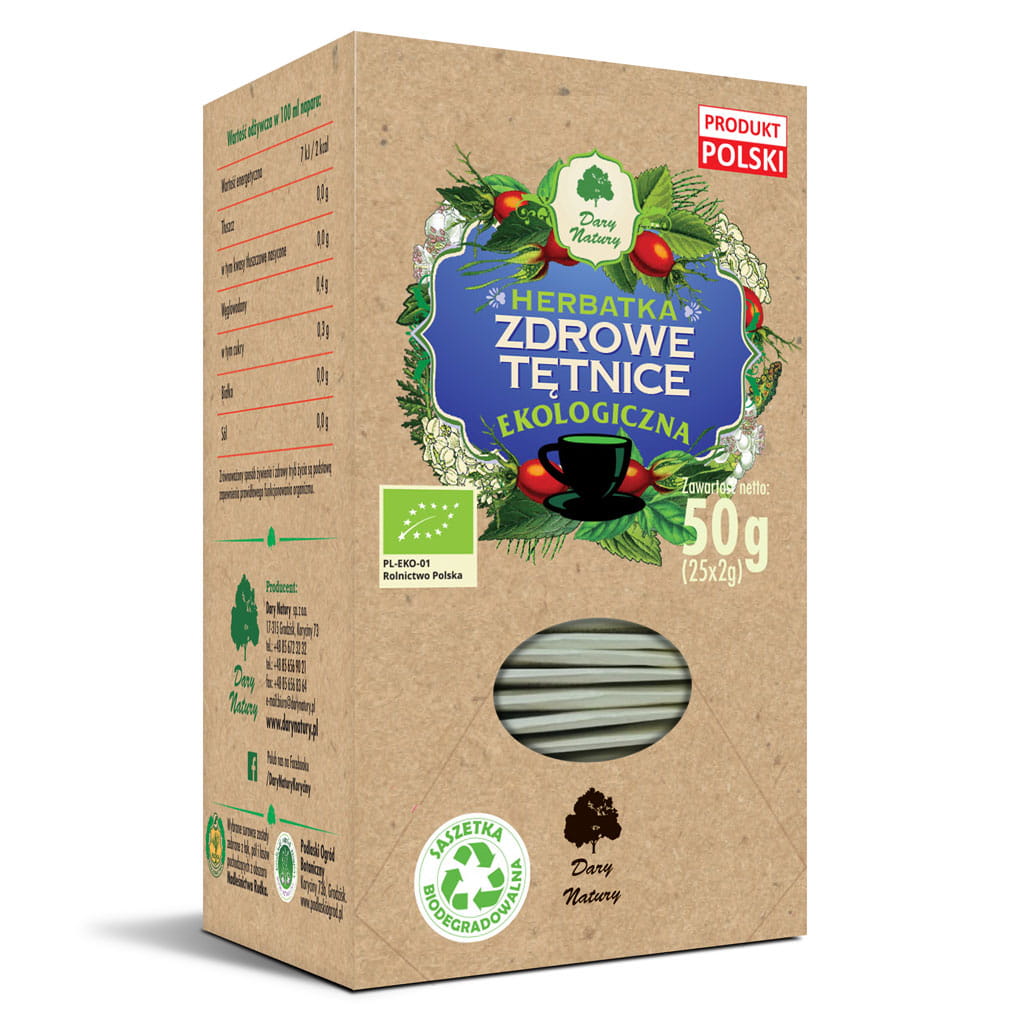
Healthy Arteries Tea BIO 50g – Dary Natury
4. Safety, interactions, and contraindications
Hypotensive herbs are generally well tolerated, but they are not pharmacologically neutral — especially when used concurrently with medications. Below you will find the most important interactions and risk groups.
4.1. Interactions with hypotensive drugs — risk of excessively low blood pressure
Any herb with documented hypotensive effects can combine with blood pressure-lowering medication and lead to hypotension (low blood pressure). In practice, this means a risk of dizziness, fainting, or falls — especially in older adults.
Hibiscus used concurrently with diuretics (hydrochlorothiazide) may increase water excretion, increasing the risk of dehydration. Animal studies also indicate the possibility of hibiscus extract enhancing the effects of losartan and captopril — although this interaction has not yet been confirmed in human clinical trials. Nevertheless, individuals taking ACE inhibitors, sartans, beta-blockers, or diuretics should inform their doctor about regular hibiscus tea consumption, especially in larger quantities (more than 2 cups a day).
Olive leaf has an ACE-inhibitory effect and can additively enhance the action of drugs from the same group. For individuals regularly using olive leaf extracts at therapeutic doses (500+ mg/day) and simultaneously taking hypotensive drugs, blood pressure monitoring every few weeks is recommended, especially at the beginning of use.
4.2. Interactions with cardiac medications
Hawthorn and digoxin — this interaction requires particular caution. Hawthorn can enhance the effect of cardiac glycosides (digoxin), which, given the narrow therapeutic window of this drug, poses a real risk of toxicity. Individuals taking digoxin should not use hawthorn preparations without consulting a cardiologist.
Garlic and anticoagulants — allicin and other organic sulfur compounds in garlic exhibit antiplatelet effects and can enhance the action of warfarin, acenocoumarol, or NOACs (novel oral anticoagulants). In individuals taking anticoagulants, regular consumption of large amounts of fresh garlic or garlic supplements requires INR monitoring or consultation with a doctor.
Garlic and pre-surgery medications — due to its antiplatelet effect, it is recommended to discontinue garlic supplements at least 7–10 days before planned surgery.
4.3. Pregnancy and breastfeeding
| Herb | Pregnancy | Breastfeeding | Notes |
|---|---|---|---|
| Hibiscus | ❌ Not recommended | ⚠️ Caution | Potential uterine action; lack of safe clinical data |
| Hawthorn | ❌ Not recommended | ❌ Not recommended | Lack of safety studies in pregnancy and lactation |
| Garlic (supplements) | ⚠️ Culinary doses safe; supplements — caution | ⚠️ Caution | Garlic in cooking is safe; large doses of supplements without indications |
| Olive leaf | ⚠️ No data | ⚠️ No data | Olive oil and olives safe; extract — no studies |
| Linden, nettle | ⚠️ Infusions in moderate amounts usually safe | ⚠️ Caution | Lack of solid data; consultation recommended |
Scroll right to see the full table (on mobile devices).
4.4. Who should absolutely consult a doctor about using herbs
Using hypotensive herbs without medical consultation is particularly risky for the following groups:
- Individuals taking hypotensive drugs (regardless of class — ACE inhibitors, sartans, beta-blockers, diuretics, calcium channel blockers)
- Individuals with diagnosed heart disease, arrhythmia, or after a heart attack
- Individuals taking anticoagulants or antiplatelet drugs
- People with kidney or liver disease
- Pregnant or breastfeeding women
- People prone to hypotension or fainting
- Children and adolescents — no safety data for most of the discussed herbs
4.5. Herbs that may increase blood pressure — licorice and Siberian ginseng
Not all herbs used by health-conscious individuals are neutral for blood pressure. Two require special attention.
Licorice (Glycyrrhiza glabra) — is a herb that actively increases blood pressure. The mechanism is well understood: glycyrrhizic acid (the main active component of licorice root) inhibits the 11β-HSD2 enzyme in the kidneys, leading to sodium and water retention and potassium loss — the clinical picture resembles hyperaldosteronism.
A meta-analysis of 8 clinical trials published in Nutrients (2024) confirmed that glycyrrhizic acid significantly increases systolic (by approx. 3.5 mmHg) and diastolic blood pressure. A 2024 study from Linköping University showed that even a daily dose of 100 mg of glycyrrhizic acid — considered safe by WHO — raises systolic blood pressure by approx. 3 mmHg and strains the heart in sensitive individuals.
Licorice is commonly used as an ingredient in herbal teas, sweets, and dietary supplements. People with hypertension should avoid products containing licorice root or licorice extract, and when using herbal teas, check the ingredients for the presence of this component.
🚫 Licorice and hypertension
Individuals with arterial hypertension should avoid regular consumption of products containing licorice root or glycyrrhizic acid — including teas and supplements. Even small amounts consumed regularly can significantly increase blood pressure.
Siberian ginseng (Eleutherococcus senticosus) — unlike true ginseng (Panax ginseng), eleuthero may have a stimulating effect on the autonomic nervous system, which in some individuals translates into a temporary increase in blood pressure and heart rate.
This effect is variable individually and poorly studied clinically, but it is a sufficient reason to use it cautiously in arterial hypertension and not combine it with cardiac medications.
You can find more about the differences between ginseng species in the article Siberian or true ginseng – which to choose and when does it matter?
5. Herbs for blood pressure in practice — dosage and protocols
5.1. How to incorporate herbs as a dietary supplement, not a replacement for medication
The basic rule is simple: herbs become part of the daily regimen as a lifestyle supplement, not as a substitute for pharmacotherapy. In practice, this means several specific rules.
First — before you start, establish a baseline. Measure your blood pressure several times over several days (in the morning before getting up and in the evening, in calm conditions) and record the results. Without baseline values, you won't be able to assess if the herb is changing anything.
Second — introduce one herb at a time. If you change several things at once (diet, activity, herbs), you won't know what actually worked. The exception is ready-made tea blends that contain several ingredients — here you treat the whole as one product.
Third — effects build up slowly. Clinical studies show that a significant hypotensive effect of hibiscus and hawthorn is visible after 4–6 weeks of regular use, not after a few days. Evaluate results after at least one month.

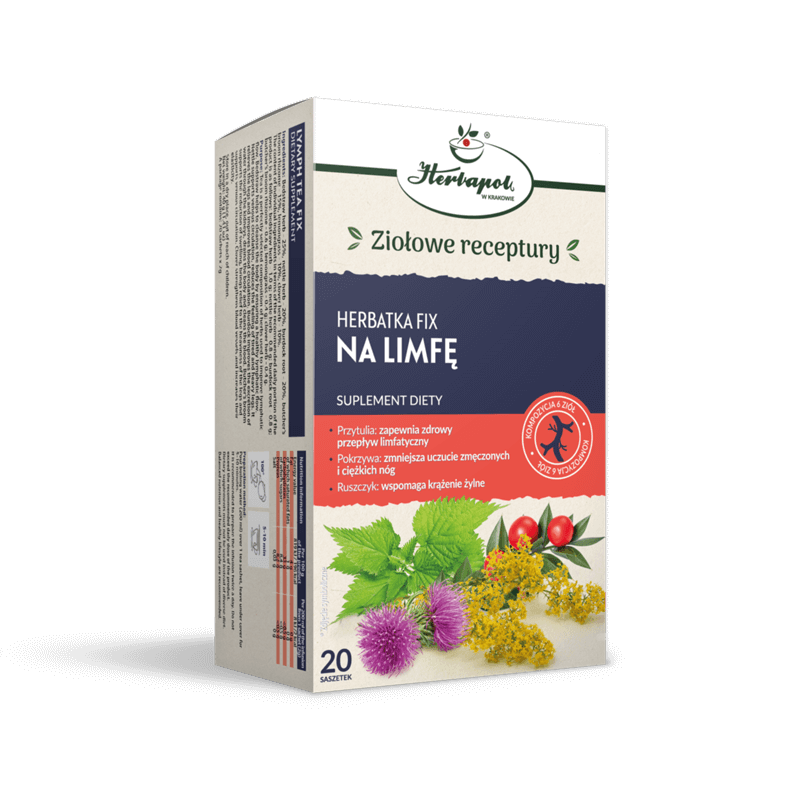
Blood Pressure Tea fix (20 × 2 g) 40 g - Herbapol Kraków
5.2. Example protocols: high normal and mild hypertension
Scenario A: high normal blood pressure (130–139/85–89 mmHg), without medication
Goal: prevention, halting progression to hypertension. Herbs as part of a broader lifestyle change.
- Morning: 1–2 cups of hibiscus infusion (1.5–2 g dried calyxes per cup, 85–90°C, 8–10 min)
- Optional evening: 1 cup of hawthorn fruit infusion (1–2 tablespoons of fruit, 15 min)
- In the diet: regular raw garlic (1 clove daily, crushed 5 minutes in advance)
- Blood pressure monitoring: every 2 weeks for the first 2 months, then once a month
- Assessment after 6–8 weeks: if no improvement or blood pressure rises — consult a doctor
Scenario B: Grade I hypertension (140–159/90–99 mmHg), with pharmacotherapy or after medical consultation
Goal: supporting pharmacotherapy or lifestyle under medical supervision. Any change requires informing the treating physician.
- Hibiscus twice daily (morning and afternoon) — as an infusion or standardized extract
- Olive leaf in standardized extract form (500–1000 mg/day) — after consultation with a doctor, due to additive ACE-inhibitory effect
- Blood pressure monitoring: daily for the first 4 weeks with each change in supplementation
- Absolutely: inform your doctor about all herbs and supplements being used
Practical tip: When measuring blood pressure while using herbs, always do so at the same time of day (preferably in the morning, before taking medication and before a meal), after 5 minutes of calm sitting. Measurements under different conditions yield incomparable results and can lead to incorrect conclusions.
5.3. Monitoring blood pressure while using herbs
Home blood pressure measurement is the primary tool for assessing effectiveness. A medical-grade upper arm blood pressure monitor is more accurate than wrist models. The correct measurement protocol is: 5 minutes of rest in a seated position, both arms supported, no talking, no coffee or cigarettes for at least 30 minutes before measurement. Record the results in a notebook or application — the blood pressure monitor itself without recorded results is useless as a monitoring tool.
In pharmacological treatment supplemented with herbs, any drops below 100/60 mmHg, dizziness after getting out of bed, or sudden weakness require contact with a doctor — they may signal an excessive drop in blood pressure due to the cumulative effect of the medication and the herb.

5.4. DASH Diet and lifestyle as essential background
No herb can replace lifestyle changes that have a documented and strong hypotensive effect — often comparable to the effect of first-line drugs in mild hypertension.
The DASH (Dietary Approaches to Stop Hypertension) diet developed by the National Heart, Lung, and Blood Institute (NHLBI, USA) is still one of the best-studied dietary interventions for hypertension. Its principles are: abundance of fruits and vegetables, whole-grain products, lean dairy and lean protein sources, limiting salt to 1500–2300 mg of sodium per day, and reducing saturated fats and simple sugars. Combining the DASH diet with increased physical activity can lower systolic blood pressure by 8–14 mmHg — more than most of the herbs described in this article.
Practical lifestyle changes with a documented impact on blood pressure also include: weight reduction (every lost kilogram is approx. 1 mmHg SBP less), regular aerobic exercise (30–45 min of moderate activity 5 times a week), limiting alcohol and quitting smoking, as well as stress reduction techniques — because chronic autonomic tension is one of the real mechanisms for maintaining elevated blood pressure.

Circulation Tea fix (20 × 2 g) 40 g – Herbapol Kraków
Herbs fit into this picture as a convenient, tasty, and relatively safe supplement — not as the main therapeutic agent. In our store, you will find a wide selection of herbal teas, including dedicated blends supporting the circulatory system, as well as single-ingredient raw materials — hibiscus, hawthorn, or linden — allowing for self-composition of infusions.
6. FAQ — frequently asked questions about blood pressure herbs
How long do you have to use herbs to see an effect on blood pressure?
In clinical studies, the hypotensive effects of hibiscus and hawthorn were measurable after 4–6 weeks of regular use. Garlic in extract form showed effects after 8 weeks. There is no point in assessing effectiveness after a few days — this is too short a time for the mechanisms of action (improvement of endothelial function, normalization of vascular tension) to become apparent in measurements. The minimum assessment period is 4–6 weeks of daily use.
Can several hypotensive herbs be used simultaneously?
Combinations are possible, but require caution. Combining hibiscus with hawthorn is a safe and logical combination — they act through partially different mechanisms. The problem arises when hypotensive drugs are added — each additional herb adds to the potential for blood pressure reduction and increases the risk of hypotension.
In pharmacotherapy, each new hypotensive herb should be introduced after consulting a doctor and with blood pressure monitoring for the first few weeks.
Does daily hibiscus tea work the same as an extract capsule?
Yes — and this is one of the advantages of hibiscus. Clinical studies have used both infusions from a standardized amount of dried calyxes and encapsulated extracts, achieving comparable results. The key is to maintain the appropriate dose: a minimum of 1.5–2 g of dried calyxes per cup (approx. 240 ml), brewed for 8–10 minutes, twice daily. Ready-made sachets with certified organic hibiscus are the most convenient form ensuring a repeatable dose.
What should you pay attention to when buying ready-made herbal blends for blood pressure?
Firstly, the ingredients — look for the presence of hibiscus, hawthorn, or linden as main components. Avoid blends containing licorice root or its extract if you have hypertension or a tendency to water retention.
Also check if the manufacturer provides information about standardization or at least the percentage content of individual herbs — ready-made blends with unknown quantitative composition are difficult to evaluate for effectiveness.
Is diet change enough, or are herbs also needed?
Dietary changes (especially salt restriction and weight reduction) and regular physical activity have a stronger and more certain hypotensive effect than herbs. For many people with high normal blood pressure, lifestyle, not herbs, is the decisive element.
Herbs are an additional option — convenient and relatively safe — but they do not replace basic non-pharmacological interventions.
7. Summary
Among all the herbs discussed, three have the most solid evidence base: hibiscus, garlic, and hawthorn. Hibiscus is the only herb where an infusion — not an extract — is the form documented in multiple human clinical trials. Garlic acts selectively: it lowers blood pressure in people with hypertension, not in those with normal blood pressure. Hawthorn shows a progressive hypotensive effect with at least 10–12 weeks of use, and its additional advantage is a direct effect on the heart muscle. Olive leaf has documented effects in the form of a standardized extract, not an infusion.
Herbs work best where there is real elevated vascular tension — in people with high normal or mild hypertension. In advanced hypertension (Grade II and above), they cannot replace pharmacotherapy and should not be used for this purpose.
Two herbs require a clear warning: licorice actively raises blood pressure through a hormonal mechanism and should be avoided by people with hypertension. Siberian ginseng can stimulate the nervous system and is not a safe choice for coexisting hypertension.
Any herb used in parallel with hypotensive drugs requires informing the doctor — the risk of additive effects and excessive blood pressure lowering is real. Home blood pressure monitoring is not an option, but an essential element of safe use of herbal support for hypertension.
Herbs work best in conjunction with lifestyle changes: salt restriction, physical activity, stress reduction, and a balanced diet. In isolation, without changes in diet and lifestyle, their effect will always be limited.
8. Sources
- Ellis LR, Zulfiqar S, Holmes M, Marshall L, Dye L, Boesch C. A systematic review and meta-analysis of the effects of Hibiscus sabdariffa on blood pressure and cardiometabolic markers. Nutrition Reviews. 2022;80(6):1723–1737. doi:10.1093/nutrit/nuab104
- Abdelmonem M, Ebada MA, Diab S, et al. Efficacy of Hibiscus sabdariffa on reducing blood pressure in patients with mild-to-moderate hypertension: a systematic review and meta-analysis. Journal of Cardiovascular Pharmacology. 2022;79(1):e64–e74. doi:10.1097/FJC.0000000000001161
- Csupor D, Lantos T, Hegyi P, et al. Hawthorn (Crataegus spp.) clinically significantly reduces blood pressure in hypertension: a meta-analysis of randomized placebo-controlled clinical trials. Pharmaceuticals. 2025;18(7):1027. doi:10.3390/ph18071027
- Ismail MA, Norhayati MN, Mohamad N. Olive leaf extract effect on cardiometabolic profile among adults with prehypertension and hypertension: a systematic review and meta-analysis. PeerJ. 2021;9:e11173. doi:10.7717/peerj.11173
- Cuffaro D, et al. Efficacy of olive leaf extract in improving blood pressure in pre-hypertensive and hypertensive individuals: a systematic review and meta-analysis. Phytotherapy Research. 2025. doi:10.1002/ptr.8509
- Khani S, et al. The effect of garlic on the lowering of blood pressure in the patients with hypertension: an updated meta-analysis and trial sequential analysis. PMC / Frontiers. 2025. pmc.ncbi.nlm.nih.gov
- Ried K, et al. Effect of garlic on blood pressure: a meta-analysis. The Journal of Clinical Hypertension. 2016;18(3). pmc.ncbi.nlm.nih.gov
- Omar HR, Komarova I, El-Ghonemi M, et al. Pseudohyperaldosteronism, liquorice, and hypertension. Journal of the American Society of Hypertension. 2012. pmc.ncbi.nlm.nih.gov
- Allemann Y, et al. Effects of licorice functional components intakes on blood pressure: a systematic review with meta-analysis and network toxicology. Nutrients. 2024;16(21):3768. doi:10.3390/nu16213768