The best-documented herbs for kidneys and urinary tracts are: common goldenrod (strong diuretic and anti-inflammatory effect), cranberry (prevention of bladder infections by blocking bacterial adhesion), bearberry (antibacterial action in acute lower urinary tract infections), and birch leaf and nettle (mild, safe diuresis for long-term use). Horsetail and lovage complement this group with additional properties — remineralizing and antispasmodic, respectively.

Diuretic herbs and kidney herbs are not one and the same — each has slightly different indications, contraindications, and mechanisms of action. A poorly chosen herb can be ineffective or, in certain situations, even contraindicated. This article will guide you through practical knowledge: which herb to choose for a specific ailment, in what form, for how long, and when a doctor is needed instead of herbs.
1. How do herbs for kidneys and urinary tracts work?
1.1. Mechanisms of action: diuretic, antibacterial, anti-inflammatory, antispasmodic
Herbs affect the urinary system in multiple ways — and this is what makes herbal medicine have so much to offer. It's not about one mechanism, but several parallel effects that can complement each other.
Diuretic effect — herbs like goldenrod, horsetail, or birch leaf increase the volume of urine excreted. More urine means physical flushing of microorganisms from the urethra and bladder, as well as dilution of substances that promote kidney stone formation.
Antibacterial action — some herbs contain substances that make it difficult for bacteria to attach to the walls of the urinary tract or directly inhibit their growth. A classic example is arbutin from bearberry, which in the acidic environment of urine is converted into hydroquinone, exhibiting antibacterial properties. Proanthocyanidins from cranberries work differently — they block the adhesion of E. coli bacteria to the bladder epithelium.
Anti-inflammatory action — inflammation in the urinary tract or kidneys is associated with swelling, pain, and tissue irritation. Flavonoids, phenolic acids, and other active compounds present in diuretic herbs can help alleviate these conditions. Goldenrod and birch leaf are the best-documented examples here.
Antispasmodic action — spasms of the smooth muscles of the urinary tract are one of the symptoms of kidney stones and inflammation. Herbs like lovage have spasmolytic properties, meaning they can help relax smooth muscles and relieve pain associated with renal colic.
🌿 Important
The diuretic effect of herbs requires adequate hydration. Without adequate water intake, diuretic herbs may be less effective, and with insufficient hydration, even harmful. During a course of diuretic herbs, you should drink at least 2 liters of fluids daily.

1.2. When can herbs help, and when is a doctor's visit necessary?
Herbs for kidneys and urinary tracts are best used as preventive support and for mild, non-recurrent ailments. They are also a justified supplement to pharmacological treatment — always after consulting a doctor.
Herbs can be helpful for:
- prevention of recurrent urinary tract infections,
- mild support at the first symptoms of a bladder infection (burning, frequent urination),
- edema not related to heart or kidney disease,
- prevention of kidney stone formation in predisposed individuals,
- general support for kidney function as part of a "spring cleanse."
When you absolutely need to see a doctor, not just use herbs — these signs require diagnosis:
- blood in the urine,
- severe pain in the lumbar region or flank,
- fever above 38°C with urinary system symptoms,
- unexplained facial or leg swelling,
- no urine or significantly reduced urine output,
- symptoms of urinary tract infection in children, men, or pregnant women (high-risk groups for complications),
- recurrent infections — more than 2–3 per year.
⚠️ Remember
A urinary tract infection that is not treated or treated solely with herbs can spread from the bladder to the kidneys and cause pyelonephritis — a serious illness requiring antibiotic therapy and often hospitalization.
1.3. Table: types of ailments and appropriate herbs
| Ailment | First-choice herbs | Auxiliary herbs | Notes |
|---|---|---|---|
| Bladder infection (UTI) | Bearberry, cranberry | Goldenrod, parsley | With fever — see a doctor |
| Prevention of recurrent UTI | Cranberry, goldenrod | Birch leaf, nettle | Safe for long-term use |
| Edema (not disease-related) | Birch leaf, horsetail | Nettle, goldenrod | Rule out cardiac cause |
| Prevention of kidney stones | Goldenrod, nettle | Birch leaf, parsley | Avoid horsetail with oxalate stones |
| General prevention and kidney support | Goldenrod, birch leaf | Nettle, horsetail | Adequate hydration is key |
Scroll right to see the full table (on mobile devices).
2. Which herbs have the strongest effect on the urinary system?
Below we discuss eight herbs with the best-documented effects on the kidneys and urinary tract — according to EMA monographs (European Medicines Agency) and phytotherapeutic tradition. Each has a slightly different spectrum of action and indications.
2.1. Common Goldenrod (Solidago virgaurea) — the queen of diuretic herbs
Common goldenrod is one of the best-researched herbs used in urinary tract diseases. EMA recognizes its traditional use as a diuretic herbal medicine supporting flushing of the urinary tract in mild inflammatory conditions and in the prevention of kidney stones.
The active substances in goldenrod are primarily flavonoids (rutin, quercetin, astragalin), triterpene saponins, chlorogenic acid, and tannins. Their synergistic action is responsible for the diuretic, anti-inflammatory, and weakly antibacterial effects.
In practice, goldenrod is best used as an infusion (2–3 g of dried herb per glass of boiling water, steep for 15 minutes, 2–3 times a day) or in the form of a standardized extract. It works well with birch leaf and nettle in ready-made herbal blends for kidneys.
📌 Fun Fact
Goldenrod is often confused with Canadian goldenrod (Solidago canadensis) or giant goldenrod (Solidago gigantea) — invasive species from North America that grow along roadsides. Both species have similar properties and are used interchangeably in supplements, but the EMA monograph mainly concerns Solidago virgaurea.

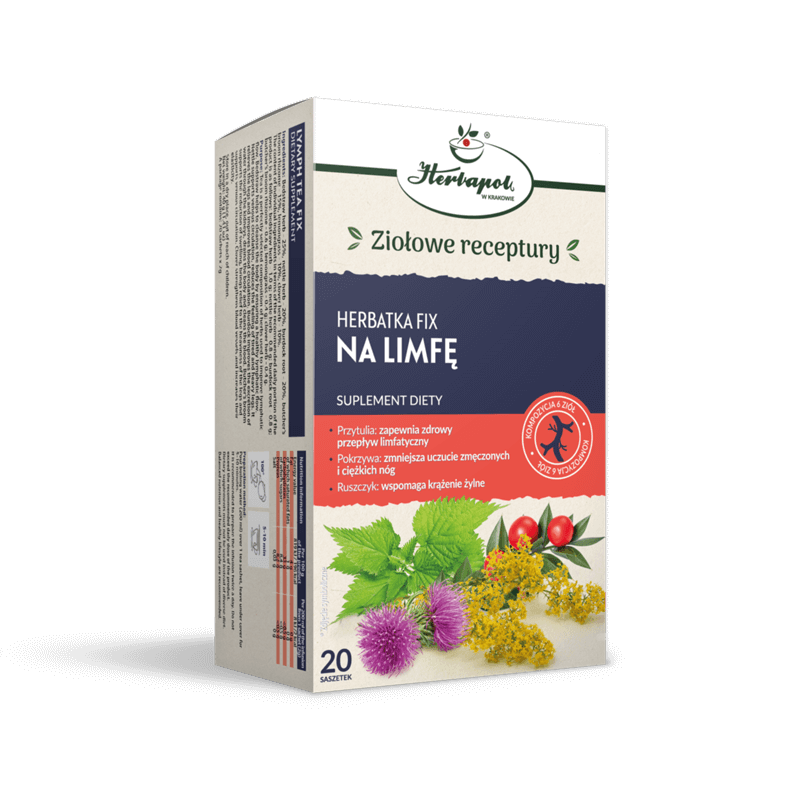
Tea for Excess Water fix (20 × 2 g) 40 g - Herbapol Kraków
2.2. Horsetail (Equisetum arvense) — silica and diuretic action
Horsetail stands out among other diuretic herbs due to its exceptionally high content of organic silica (up to 10% of dry mass), which gives it a unique action profile. EMA recognizes its traditional use in mild inflammatory conditions of the urinary tract and as an aid in flushing the urinary tract.
The diuretic effect of horsetail is relatively mild compared to goldenrod, but it is well tolerated with long-term use. Horsetail also contains flavonoids (isoquercitrin, equisetrin), organic acids, and plant steroids.
An important practical note: horsetail should be brewed longer than typical herbs — it is recommended to boil it for 10–15 minutes (not just steep it with boiling water) to release the active substances from the plant's tough structure. As an infusion, it is weaker.
⚠️ Caution
Horsetail contains insignificant amounts of thiaminase (an enzyme that breaks down vitamin B1). Long-term use of raw horsetail in large quantities could theoretically lower thiamine levels. In practice, when using ready-made dried herbs or supplements, the risk is marginal, but for treatments lasting more than 4–6 weeks, it is worth taking breaks.
2.3. Birch leaf (Betula pendula) — mild diuresis and anti-inflammatory action
Birch leaf is one of the milder and safest diuretic herbs, particularly recommended for people who need long-term support or have a sensitive digestive system. EMA recognizes its traditional use as support for flushing the urinary tract in inflammatory conditions and for minor joint ailments.
Active substances include flavonoids (hyperoside, quercetin, myricetin), tannins, triterpenes (betulin, betulol), and vitamin C. The diuretic effect is clear but milder than goldenrod — birch leaf increases water excretion without significantly affecting electrolyte excretion, which is an advantage for long-term use.
In herbal teas, birch leaf often appears in "kidney" or "cleansing" blends — and this is justified. It combines well with goldenrod, horsetail, and nettle.

Healthy Kidneys Tea BIO 50 g - Dary Natury
2.4. Cranberry (Vaccinium macrocarpon) — proanthocyanidins and bacterial adhesion
Cranberry is probably the best-researched herb/fruit in the context of preventing urinary tract infections. Its action is based on a completely different mechanism than other diuretic herbs — it's not about diuresis, but about inhibiting bacterial adhesion to the urinary tract epithelium.
This effect is due to type A proanthocyanidins (PAC-A), which block the fimbriae (adhesive structures) of Escherichia coli bacteria — responsible for 80–90% of uncomplicated urinary tract infections. Bacteria unable to attach to the bladder walls are simply flushed out with urine.
Clinical studies on cranberry in UTI prevention yield inconsistent results — meta-analyses indicate a moderate protective effect with regular use, especially in women with recurrent infections. The European Medicines Agency classifies cranberry as a traditional herbal remedy used to aid flushing of the urinary tract.
Key to effectiveness: the daily dose of proanthocyanidins matters — it is standardly accepted to take a minimum of 36 mg of PAC-A daily from certified cranberries. Low-concentration juices or sweetened cranberry are significantly less effective than standardized extracts or freeze-dried powder.

2.5. Stinging Nettle (Urtica dioica) — diuresis and mineral support
Nettle is a herb with a broad spectrum of action, and its diuretic properties are just one aspect. Nettle leaf is traditionally used as an aid for flushing the urinary tract, but nettle also stands out for its exceptionally rich mineral composition — it contains iron, magnesium, calcium, potassium, and silicon, as well as B vitamins, vitamin C, and K.
Nettle's diuretic effect is mild and well-tolerated. Nettle leaf tea is a classic element of "spring cleansing treatments" in traditional Central European phytotherapy — and in this context, it has solid justification.
Nettle is also one of the cheaper and more readily available diuretic herbs — it grows practically everywhere. In our store, you can find it in various forms in the herbal teas category.

Nettle Leaf Tea BIO 80 g - Dary Natury
2.6. Lovage (Levisticum officinale) — traditional diuretic herb
Lovage is primarily known as a culinary spice (known as "Maggi herb"), but for centuries it has also been used as a diuretic and antispasmodic herb. EMA recognizes the traditional use of lovage root as an aid for flushing the urinary tract.
Active substances include essential oils (with z-ligustilide as the dominant component), phthalides, flavonoids, and coumarins. Essential oils are responsible for the spasmolytic (antispasmodic) effect on the smooth muscles of the urinary tract, which can help with pain associated with kidney stones or inflammation.
Lovage is less commonly used alone, more often as an ingredient in herbal blends. It is not recommended during pregnancy due to its stimulating effect on uterine muscles.
2.7. Parsley (Petroselinum crispum) — apiol and diuretic action
Parsley — a plant we have in the kitchen — is also a traditional diuretic. Tea made from parsley leaves or root stimulates diuresis, and its action is primarily due to apiol, myristicin, and flavonoids (apigenin, luteolin). Parsley also has anti-inflammatory properties and is rich in vitamin C.
Important limitation: parsley in large quantities (as an infusion/extract, not a spice) is contraindicated in pregnancy — apiol and myristicin can stimulate uterine contractions. In culinary amounts, it is safe. As a diuretic herb, it is used in moderate doses and rather as a supplement to other herbs than a standalone remedy.

Herbata Na Opuchnięcia z Przytulią fix (20 × 2 g) 40 g - Herbapol Kraków
2.8. Bearberry (Arctostaphylos uva-ursi) — arbutin for urinary tract infections
Bearberry is an herb with a specific, narrowly focused application — it is primarily intended for short-term support in treating mild, uncomplicated lower urinary tract infections. It is not a general diuretic or prophylactic herb.
The main active substance is arbutin (phenolic glycoside), which in the acidic environment of urine hydrolyzes to hydroquinone — a compound with documented antibacterial activity against many urinary tract pathogens, including E. coli, Staphylococcus, and Enterococcus. EMA recognizes the traditional use of bearberry in the treatment of mild UTIs.
A key condition for bearberry's effectiveness: urine should be alkaline (pH above 7). In an acidic environment, arbutin's effectiveness drastically decreases. Therefore, during treatment, it is worth ensuring an alkalizing diet (rich in vegetables) and avoiding highly acidifying products.
⚠️ Important bearberry restrictions
Bearberry should be used for a maximum of 7–10 days and no more than 2–3 times a year. Hydroquinone in high concentrations shows hepatotoxic effects. Bearberry is contraindicated in pregnancy, during breastfeeding, and in children under 12 years of age. Do not use in case of liver and kidney diseases.
2.9. Comparative table of diuretic herbs
| Herb | Main active ingredients | Mechanism of action | Best form | Key contraindications |
|---|---|---|---|---|
| European goldenrod | Flavonoids, saponins, chlorogenic acid | Diuretic, anti-inflammatory, weakly antibacterial | Infusion, extract | Edema of cardiac origin, pregnancy |
| Field horsetail | Organic silica, flavonoids | Diuretic, remineralizing | Decoction (boiling) | Oxalate stones, pregnancy, B1 deficiency |
| Birch leaf | Flavonoids, betulin, vitamin C | Diuretic (mild), anti-inflammatory | Infusion, extract | Birch allergy |
| Cranberry | Proanthocyanidins PAC-A | Inhibits bacterial adhesion | Standardized extract, lyophilizate | Caution with anticoagulants |
| Nettle | Flavonoids, minerals, vitamins | Diuretic (mild), nourishing | Infusion, dried herb | Caution with diuretic treatment |
| Lovage | Essential oils (ligustilide), phthalides | Diuretic, antispasmodic | Root infusion, extract | Pregnancy, kidney disease |
| Parsley | Apiol, myristicin, flavonoids | Diuretic, anti-inflammatory | Leaf or root infusion | Pregnancy (in therapeutic doses) |
| Bearberry | Arbutin, tannins | Antibacterial (in acidic urine) | Infusion, standardized extract | Pregnancy, lactation, children <12 years, liver disease; max. 10 days |
Scroll right to see the full table (on mobile devices).
3. In what form should herbs for kidneys be used?
3.1. Infusions and decoctions — when are they sufficient?
An infusion is the simplest and oldest form of using herbs — pour boiling water over the dried herb, cover, wait a dozen minutes, and drink. For diuretic herbs, an infusion is perfectly sufficient for most applications, and an additional advantage is that each cup of infusion is also a portion of liquid enhancing the diuretic effect.
An exception is field horsetail — due to the hard structure of the plant and poorly soluble silica, horsetail requires boiling (decoction), not just steeping. A decoction is prepared by pouring cold water over the herb, bringing it to a boil and simmering for 10–15 minutes covered, then straining and drinking after cooling.
Practical tips for herbal infusion:
- Water temperature: 90–95°C (not boiling water directly from the kettle — wait a moment)
- Brewing time: 10–15 minutes covered (covering retains essential oils)
- Dose of dried herb: usually 1.5–2 g (approx. a teaspoon) per 200–250 ml of water
- Frequency: 2–3 cups a day during treatment
- Drinking temperature: warm infusion has a better diuretic effect than cold

Herbata Do Dna z Podagrycznikiem fix (20 × 2 g) 40 g - Herbapol Kraków
3.2. Standardized extracts and supplements — when do they have an advantage?
Capsule or tablet extracts have several real advantages over infusions — and it's not just about convenience.
Standardization means that each capsule contains a guaranteed, reproducible amount of the active substance. Regular dried herbs can have varying active ingredient content depending on the harvest location, drying conditions, and storage. For herbs like cranberry (where a specific dose of PAC-A is crucial) or bearberry (where arbutin content matters) — a standardized extract is definitely a better choice than an infusion.
When to reach for an extract or supplement instead of an infusion:
- when you need a specific, guaranteed dose of the active substance (cranberry, bearberry),
- when the taste and smell of the infusion are difficult to accept (lovage),
- when convenience is important to you — e.g., when traveling,
- when you use herbs long-term and want to control the dose.
When an infusion is better:
- when the diuretic effect results not only from the active ingredient but also from the volume of liquid (goldenrod, birch leaf, nettle),
- when you want to ritualize — herbal tea as a conscious part of your day,
- when you use high-quality ready-made herbal teas.

Do Dna z Podagrycznikiem 60 kapsułek - Herbapol Kraków
3.3. Ready-made herbal blends — what to look for?
Ready-made "kidney" teas and herbal blends are a convenient option, but the quality of products can vary greatly. What to look for when choosing:
Ingredients — the list should contain specific species with a Latin name or at least a systematic Polish name. The shorter and more precise the list of ingredients, the better. Blends containing 10+ ingredients in trace amounts may look impressive, but often no ingredient is in a therapeutic dose.
Organic certification — diuretic herbs are metabolized by the kidneys. Conventionally grown herbs can contain pesticide residues that go straight into the urine and kidneys. An organic product has a special health justification here, not just an ideological one.
No artificial flavors — for kidney herbs, artificial flavors and fillers are unnecessary and can irritate the urinary tract.
Tea bag vs. loose dried herb — loose dried herb usually retains a better composition and aroma, while express tea bags can be filled with lower quality herbal dust. An exception are tightly hermetic, biodegradable bags from reputable manufacturers.
3.4. The role of hydration — why do diuretic herbs require adequate fluid intake?
This is a point that is often overlooked, but it is fundamental to the effectiveness and safety of diuretic herbal treatment.
Diuretic herbs increase urine excretion. If you do not also increase your fluid intake, the body "takes" water from tissues — including blood. This can lead to dehydration, which in turn concentrates the urine and paradoxically promotes the formation of crystals (kidney stones) and irritation of the urinary tract epithelium.
Minimum fluid intake during diuretic herbal treatment: 2–2.5 liters per day, including herbal infusions. In hot weather, during intense physical exertion, or with fever — more.
A good sign of adequate hydration is light straw-colored, almost transparent urine. Dark yellow, intense urine color during diuretic herbal treatment is a sign that you are not drinking enough.
💧 Golden rule
For every cup of herbal infusion, drink an additional glass of plain water. Diuretic herbs act like a "pump" — for the pump to work efficiently, the reservoir must be full.
4. Are kidney herbs safe? Interactions and contraindications
4.1. Interactions with medications
Diuretic herbs can interact with several important groups of medications. The following information applies to the use of herbs in therapeutic doses (infusions, supplements) — culinary amounts are safe.
Diuretics — combining diuretic herbs with medications such as furosemide, torasemide, hydrochlorothiazide can intensify the diuretic effect beyond the intended level, leading to dehydration and electrolyte imbalances (especially potassium and sodium deficiency). When using diuretics — consultation with a doctor before herbal diuretic treatment is mandatory.
Lithium — diuretic herbs can decrease lithium excretion by the kidneys, leading to an increase in its concentration in the body (potentially to toxic levels). People taking psychiatric lithium should not use diuretic herbal treatments without medical supervision.
Antihypertensive drugs — the synergistic effect of diuretic herbs and hypotensive drugs can cause an excessive drop in blood pressure (orthostatic hypotension — dizziness when standing up). It is important to monitor blood pressure.
Anticoagulants (warfarin, acenocoumarol) — cranberry has documented interactions with warfarin (it enhances its effect, which can increase the risk of bleeding). Clinical studies confirm this interaction — people on anticoagulant therapy should avoid cranberry supplements or use them only under medical supervision with INR monitoring.
NSAIDs (ibuprofen, naproxen) — long-term use of NSAIDs stresses the kidneys. Concomitant intensive diuretic herbal treatment at the same time can theoretically increase kidney burden. In short-term use, the risk is minimal.
4.2. Herbs and kidney stones — which help, which can harm?
This is one of the most common questions and one of the most important distinctions in the topic of urinary herbs. The answer depends on the type of kidney stones.
The most common type of kidney stones is calcium oxalate stones (approx. 75–80% of cases). For this type of stone, diluting urine and avoiding oxalate-rich foods are crucial.
Field horsetail with oxalate stones — horsetail contains oxalic acid. In the case of oxalate stones, its long-term use can theoretically supply additional oxalates, which is not advisable. For phosphate or uric acid stones, horsetail is not a problem.
Herbs safe for most types of kidney stones — goldenrod, birch leaf, and nettle help flush the urinary tract and dilute urine, which is desirable preventatively for kidney stones. Increased urination slows crystallization and can aid in the expulsion of small deposits.
Bearberry with kidney stones — it is not indicated, as its action is directed at infections, not kidney stones. For uric acid stones, where urine alkalization is necessary, bearberry (which requires acidic urine) is actually contraindicated.
4.3. Pregnancy, breastfeeding, and chronic diseases — contraindications table
| Herb | Pregnancy | Breastfeeding | Children | Chronic diseases — notes |
|---|---|---|---|---|
| European goldenrod | ❌ No | ❌ No | ⚠️ Caution | Do not use for edema of cardiac or renal origin; caution with asteraceae allergy |
| Field horsetail | ❌ No | ❌ No | ⚠️ Caution | Caution with oxalate stones; avoid with vit. B1 deficiency; do not use long-term without breaks |
| Birch leaf | ⚠️ Caution | ⚠️ Caution | ✅ Yes | Contraindicated in birch pollen allergy; generally one of the safer herbs |
| Cranberry | ⚠️ Caution | ✅ Yes | ✅ Yes | Interaction with warfarin; caution in oxalate kidney stones (cranberries contain oxalates) |
| Nettle | ⚠️ Caution | ✅ Yes | ✅ Yes | One of the safer herbs; may affect blood clotting at very high doses |
| Lovage | ❌ No | ❌ No | ❌ No | Do not use in kidney disease (chronic inflammation) or hypertension |
| Parsley | ❌ No* | ⚠️ Caution | ⚠️ Caution | *In therapeutic doses (infusion); culinary amounts are safe. Caution in oxalate kidney stones |
| Bearberry | ❌ No | ❌ No | ❌ No (<12 years) | Do not use in liver and kidney diseases; max. 10 days; no more than 2–3 times a year |
Scroll right to see the full table (on mobile devices).
4.4. When should you definitely go to the doctor, not for herbs?
Herbs have their place in the prevention and support of the urinary system, but there are situations where self-treatment with herbs is genuinely dangerous. The following symptoms require a doctor's visit — preferably immediately:
- Blood in urine (pink, red, or brown urine) — may indicate kidney stones, infection, cancer, or other serious conditions.
- Severe, unilateral pain in the lumbar region or side — a classic symptom of renal colic, which requires diagnosis and often pharmacological or surgical treatment.
- Fever above 38°C with urinary symptoms — suggests pyelonephritis or a complicated urinary tract infection; antibiotic therapy is necessary.
- Painful urination in men — urinary tract infections in men are rare and often indicate a more serious underlying cause (e.g., prostate disease).
- Any urinary symptoms during pregnancy — even a mild bladder infection during pregnancy requires pharmacological treatment due to the risk of complications.
- No improvement after 2–3 days of using herbs for a mild bladder infection.
- Diagnosed chronic kidney disease (CKD) — diuretic herbs are contraindicated here without nephrologist supervision.
⚠️ Safety Rule
Herbs for kidneys are a support for a healthy urinary system, not an alternative to diagnosing and treating kidney diseases. If you have any doubts about the cause of your ailments — first consult a doctor, then possibly use herbs as a supplement.
The article on herbs for swelling and leg edema separately discusses situations where edema requires cardiological diagnosis before resorting to diuretic herbs.
5. How to use herbs for kidneys in practice — dosage and treatments
5.1. Example protocols: urinary tract infection, relapse prevention, edema, kidney stones
Below you will find practical herb usage schemes for the most common situations. The protocols are based on traditional uses approved by the EMA and phytotherapeutic recommendations — however, they do not replace medical advice.
🔴 Mild, uncomplicated bladder infection (UTI) — first symptoms
- Bearberry: infusion or standardized extract (300–400 mg arbutin daily), for a maximum of 7 days
- Additionally: common goldenrod — 2–3 infusions daily (diuretic effect helps flush out bacteria)
- Optionally: cranberry in extract form (min. 36 mg PAC-A daily) for additional anti-adhesive effect
- Drink at least 2.5 liters of fluids daily
- If symptoms do not subside after 2–3 days or fever develops — see a doctor
🟡 Prevention of recurrent urinary tract infections
- Cranberry: standardized extract (min. 36 mg PAC-A) — daily, long-term
- Infusion of goldenrod or birch leaf: 1–2 times daily, 4–6 week courses with a 2-week break
- Do not use bearberry preventively — only in the acute phase
🔵 Functional edema (legs, ankles — without cardiac cause)
- Birch leaf: infusion 2–3 times daily or extract, 3–4 week course
- Horsetail: decoction (boil 10–15 min), 1–2 times daily
- Alternatively: goldenrod as an infusion 2 times daily
- Always combine with adequate hydration and reduced salt in the diet
🟢 Prevention of kidney stones (after consultation with a urologist — type of stone matters)
- Goldenrod: infusion 2 times daily — dilutes urine, which slows crystallization
- Nettle: infusion 1–2 times daily — supports diuresis without risk for most types of stones
- Avoid horsetail in oxalate kidney stones
- Key: at least 2–2.5 liters of fluids daily — without this, no herb will help

Detox Tea fix (20 × 2 g) 40 g - Herbapol Kraków
5.2. How long to use and when to take breaks?
Diuretic herbs are not intended for unlimited use. Long-term, intense diuresis can lead to electrolyte imbalances and dehydration. It is assumed that:
- Acute treatment (infection, edema): 7–14 days of intensive use, then a break of at least 2 weeks.
- Preventive treatment: 4–6 weeks of use, 2–3 weeks break, repeat. A typical rhythm is 2–3 courses per year (e.g., spring, summer, autumn).
- Bearberry: an absolute maximum of 10 days, no more than 2–3 times a year — due to hydroquinone metabolites.
- Cranberry for prevention: can be used long-term without breaks — it is safe with regular use.
📌 Tip
Traditional phytotherapy recommended "spring cleansing" using diuretic herbs — and it makes sense. Spring is a good time for a 4–6 week course of goldenrod, birch leaf or nettle infusion, after winter, when physical activity is lower and the body may be overloaded.
5.3. Herbs worth combining (and those not to combine)
Synergistic combinations — work well together:
- Goldenrod + birch leaf + nettle — a classic "for kidneys" triad, mild, safe, good for preventive treatments. Complementary spectra of action: goldenrod as a stronger diuretic and anti-inflammatory, birch as mild and long-term, nettle as mineralizing.
- Cranberry + goldenrod — for UTI prevention: cranberry blocks bacterial adhesion, goldenrod aids urine flushing.
- Bearberry + goldenrod — in the acute phase of infection: bearberry acts antibacterially, goldenrod increases diuresis and helps alleviate inflammation.
Avoid or use with caution:
- Bearberry + nettle/horsetail — horsetail can affect urine alkalization, which may weaken the action of bearberry. It's better not to combine bearberry with herbs that promote an increase in urine pH.
- Intensive diuretic herb therapy + diuretic medications — potential risk of excessive diuresis and electrolyte disturbances.
- Cranberry + warfarin/acenocoumarol — pharmacological interaction; use only under medical supervision with INR monitoring.

5.4. Diet supporting kidney function — background for herbal therapy
Diuretic herbs work best when supported by proper dietary habits. A few principles that have solid justification and do not require a lifestyle revolution:
Hydration above all — 2–2.5 liters of fluids daily is an absolute must. Water, herbal infusions, and diluted fruit juices are better choices than sugary drinks and alcohol.
Salt restriction — excess sodium causes water retention and strains the kidneys. If prone to edema and recurrent infections, it's worth limiting processed foods, salty snacks, and cold cuts.
Moderate animal protein intake — kidneys metabolize protein breakdown products. A diet very rich in animal protein (especially red meat) increases uric acid concentration and the risk of uric acid kidney stones.
Vegetables and fruits that alkalize urine — citrus, melons, bananas, and most vegetables cause slight alkalization of urine, which is desirable when prone to uric acid kidney stones.
Oxalate restriction in oxalate kidney stones — spinach, rhubarb, nuts, chocolate, beetroot contain large amounts of oxalates. In oxalate kidney stones, it's worth limiting them and ensuring adequate calcium intake (calcium binds oxalates in the intestines, reducing their absorption).
More about how to support digestive and excretory system health through proper nutrition can be found in the article on herbs for digestion and natural ways to improve digestion.
6. Frequently asked questions about herbs for kidneys and urinary tract
Does cranberry really prevent bladder infections?
Yes, but with an important caveat: cranberry acts preventively, not therapeutically. Type A proanthocyanidins (PAC-A) block the adhesion of E. coli bacteria to the bladder walls, which reduces the risk of infection. Meta-analyses of clinical studies indicate a moderate protective effect with regular use, especially in women with recurrent UTIs.
The form of the product is crucial — a standardized extract with a minimum of 36 mg PAC-A daily matters, not sweet cranberry juices, in which the content of proanthocyanidins is not clinically significant.
Is horsetail safe for long-term use?
For short courses (up to 4–6 weeks with breaks), horsetail is generally safe for healthy adults. The problem arises with very long-term use without breaks — horsetail contains thiaminase, an enzyme that breaks down vitamin B1 (thiamine).
In practice, the risk is low with standard doses of ready-made dried herbs or supplements, but it is worth using horsetail in cycles, not continuously for months. Horsetail is contraindicated in pregnancy, in children, and in oxalate kidney stones.
Can diuretic herbs be used for kidney stones?
It depends on the type of kidney stone and the specific herb.
Goldenrod, birch leaf, and nettle — by increasing diuresis and diluting urine — can support kidney stone prevention and facilitate the excretion of very small deposits. Horsetail is problematic in oxalate kidney stones because it provides additional oxalates. Cranberry also contains oxalates and should be avoided or limited in oxalate kidney stones. Bearberry is not indicated for kidney stones.
In any case of active kidney stones — especially during a crisis (renal colic) — consultation with a urologist is necessary before implementing any herbal treatment.
Which herbs to choose for kidney pain?
"Kidney pain" is a term that covers very different conditions — from mild lower back tension to renal colic in kidney stones or pain in kidney inflammation.
For mild, dull pain without fever or blood in the urine, associated with urinary tract infection or inflammation, herbs with anti-inflammatory and antispasmodic effects can help — goldenrod, lovage (antispasmodic) or birch leaf infusion.
For severe, acute pain in the side radiating to the groin or perineum — this is likely renal colic and requires a doctor's visit, not herbal treatment.
Can herbs replace antibiotics for urinary tract infections?
For uncomplicated, mild lower urinary tract infections in healthy non-pregnant women — herbs (especially bearberry) may be considered as a first line of treatment if symptoms are mild and there is no fever. Some European phytotherapeutic guidelines allow such an approach.
However, if symptoms do not subside after 2–3 days, fever appears, back pain, or blood in the urine — an antibiotic is necessary. Herbs will not replace antibiotics for: infections in men, children, pregnant women, people with diabetes or compromised immunity, as well as any complicated or recurrent infection without an explained cause.
7. Summary
Herbs for kidneys and urinary tract are not a marketing slogan — it is an area of phytotherapy with real scientific documentation and centuries-old traditions of use, the credibility of which is confirmed by the European Medicines Agency. The key to their effective and safe use, however, is knowledge of which herb is for what and when herbs are not enough.
Key takeaways from the article:
- Common goldenrod is the most powerful and best-documented diuretic herb — good for both treatment and prevention.
- Cranberry works differently from others — not through diuresis, but by blocking bacterial adhesion. It is the best-researched prophylactic option for recurrent UTIs.
- Bearberry is the most potent antibacterial herb in this group, but used short-term and only for infections — not preventively.
- Birch leaf and nettle are mild herbs, safe long-term and good for daily infusions supporting kidney function.
- Every course of diuretic herbs requires a minimum of 2–2.5 liters of fluids daily — without this, the effect of herbs is limited, and the risk of paradoxical urine concentration increases.
- Herbs are support and prevention — they do not replace diagnosis in case of blood in urine, fever, severe pain, or lack of improvement after a few days.
In our store, you will find a wide selection of herbal teas and organic teas — including the herbs discussed in this article in the form of dried herbs and ready-made blends. By choosing organic products, you can be sure that herbs intended to support the kidneys are free from pesticides, which these kidneys would then have to filter.
8. Sources
- European Medicines Agency (EMA). Community herbal monograph on Solidago virgaurea L., herba. EMA/HMPC/285758/2009. ema.europa.eu
- European Medicines Agency (EMA). Community herbal monograph on Equisetum arvense L., herba. EMA/HMPC/278091/2012. ema.europa.eu
- European Medicines Agency (EMA). Community herbal monograph on Betulae folium. EMA/HMPC/573240/2014. ema.europa.eu
- European Medicines Agency (EMA). Community herbal monograph on Arctostaphylos uva-ursi (L.) Spreng., folium. EMA/HMPC/530117/2010. ema.europa.eu
- Jepson RG, Williams G, Craig JC. Cranberries for preventing urinary tract infections. Cochrane Database of Systematic Reviews. 2012;(10):CD001321. cochranelibrary.com
- Beerepoot MA, ter Riet G, Nys S, et al. Cranberries vs antibiotics to prevent urinary tract infections: a randomized double-blind noninferiority trial in premenopausal women. Archives of Internal Medicine. 2011;171(14):1270–1278. PubMed: 21788542
- Commission Regulation (EU) No 432/2012 of 16 May 2012 establishing a list of permitted health claims made on foods. EUR-Lex