The most effective herbs for digestion are peppermint, fennel, chamomile, ginger, and turmeric – each works differently and is suitable for different ailments. Herbs are supplemented by fiber (flaxseed, chia seeds), fermented foods, and a few simple habits – regular exercise, eating slowly, and adequate hydration. For chronic problems, it is worth considering probiotics or sodium butyrate.

In this article, you will find an overview of 10 of the best-researched herbs for digestion, discussing their mechanisms of action and how to use them, a comparative table, practical dietary tips, and answers to frequently asked questions. This material is intended for anyone who wants to improve digestive comfort naturally – without unnecessary chemicals and without unnecessary complications.
1. Why does digestion fail? The most common causes of problems
The digestive system is one of the most hardworking systems in our body – every day it processes kilograms of food, absorbs nutrients, and removes what the body does not need. It's no wonder that sometimes it makes itself known. Bloating, a feeling of heaviness after a meal, irregular bowel movements, or heartburn are symptoms that most of us are familiar with.
However, before reaching for herbs or supplements, it is worth understanding where these problems come from.
1.1. Bloating, feeling of heaviness, constipation – where do they come from?
Digestive problems rarely have a single cause. Most often, they are the result of several overlapping factors:
- Eating too quickly – swallowing air and insufficient breakdown of food is a direct path to bloating and a feeling of fullness.
- Low-fiber diet – intestines need fiber like an engine needs oil. Without it, peristalsis slows down, and food remains in the digestive tract for too long.
- Digestive enzyme deficiency – especially after 40, the body produces fewer enzymes, making it difficult to digest fats and proteins.
- Microbiome disorders – antibiotics, processed foods, and chronic stress destroy beneficial gut bacteria, disrupting the entire gut function.
- Stress and lifestyle – the gut and brain are connected by the gut-brain axis. Nervous tension literally "stops" digestion.
- Lack of physical activity – movement drives peristalsis. A sedentary lifestyle slows down bowel function.
1.2. The role of the gut microbiome – what it is and why it matters
About 38 trillion microorganisms – bacteria, fungi, and viruses forming the so-called gut microbiome – live in the intestines. These are not parasites, but essential inhabitants that:
- break down dietary fiber into short-chain fatty acids (including butyric acid) that nourish intestinal cells,
- regulate immunity – it is estimated that approx. 70–80% of immune system cells are located in the intestines,
- produce some B vitamins and vitamin K,
- protect against the excessive proliferation of harmful bacteria and fungi.
When the balance of the microbiome is disturbed (a condition called dysbiosis), not only bloating and irregular bowel movements appear, but also fatigue, low mood, and even skin problems. Therefore, supporting digestion largely means taking care of the microbiome – and here herbs, fiber, and fermented foods play a key role.
1.3. When do digestive problems require a doctor's visit?
⚠️ Important – when not to delay a visit
Natural methods effectively support digestion for everyday ailments. However, blood in stool, sudden weight loss, severe abdominal pain, prolonged vomiting, or symptoms worsening despite dietary changes are signals requiring medical consultation. Do not substitute diagnostics with supplements.
This article concerns digestive support for healthy individuals or those with mild, chronic ailments (bloating, feeling of heaviness, irregular bowel movements). If you have a diagnosed gastrointestinal disease (e.g., IBS, SIBO, Crohn's disease, ulcers), consult your doctor or dietitian about using herbs and supplements.
2. Herbs for digestion – which ones work and how to use them?
Herbs used to improve digestion have both centuries of tradition and an increasingly solid scientific basis. They work in several ways simultaneously: they relax the smooth muscles of the digestive tract, stimulate the secretion of digestive juices and bile, alleviate inflammation of the mucous membrane, and regulate the composition of the microbiome.
Below you will find an overview of the best-researched and most widely used herbs – with a discussion of their mechanism of action, form of use, and possible contraindications.
2.1. Peppermint (Mentha piperita)
Peppermint is one of the best-researched herbs in the context of digestion. Its main active ingredient – menthol – has a antispasmodic effect on the smooth muscles of the digestive tract, reduces excessive tension in the intestines, and facilitates gas expulsion. Additionally, menthol inhibits pain receptors in the intestines, which can reduce the feeling of discomfort.
Meta-analyses published in gastroenterological journals indicate that peppermint essential oil can alleviate symptoms of irritable bowel syndrome (IBS) – including abdominal pain, bloating, and a feeling of incomplete evacuation. Peppermint tea is a milder form with mainly antispasmodic and carminative effects – ideal after heavy meals.
🌿 How to use
Tea: 1–2 teaspoons of dried herb per glass of boiling water, brew for 8–10 minutes covered (to avoid losing essential oils). Drink after a meal or for bloating.
Note: For reflux and heartburn, peppermint can worsen symptoms – it relaxes the esophageal sphincter. In this case, it is better to opt for chamomile or ginger.

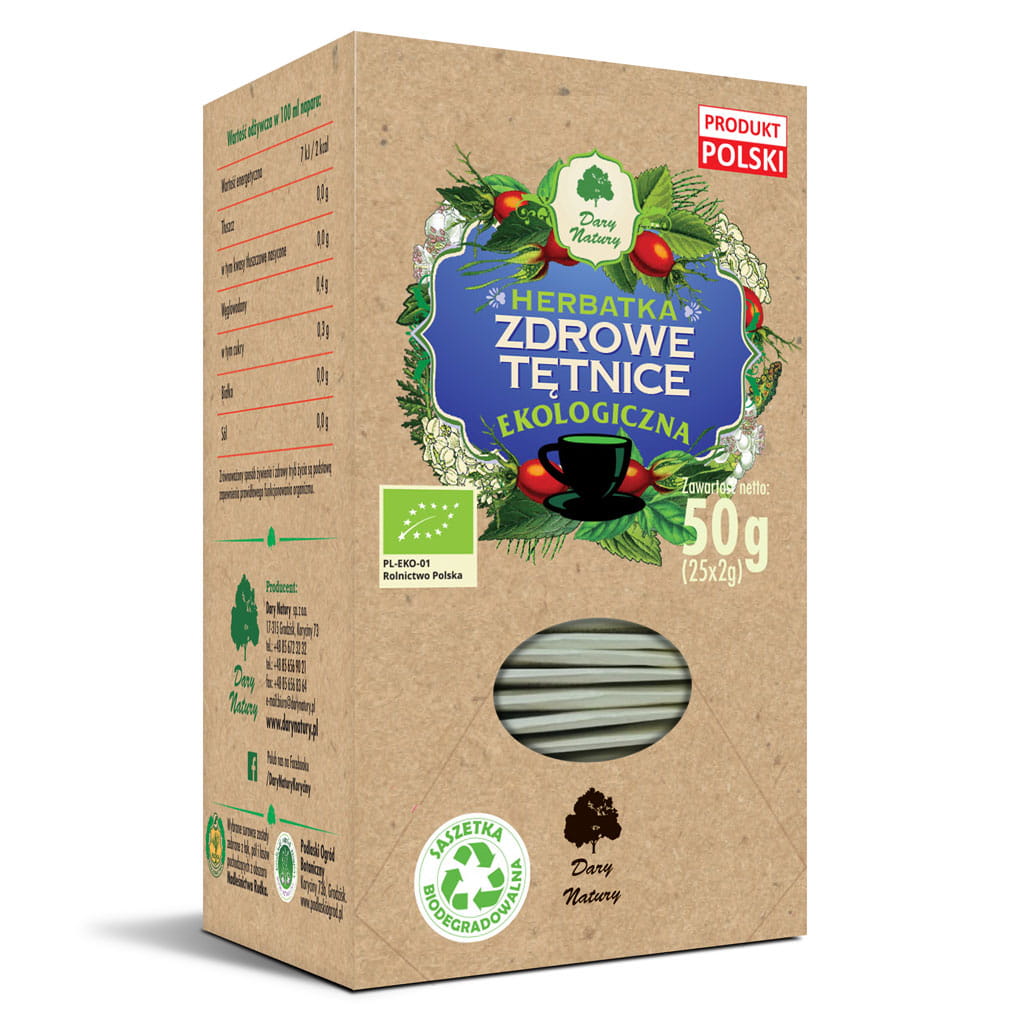
Organic Peppermint Leaf Tea 25 g - Dary Natury
2.2. Fennel (Foeniculum vulgare)
Fennel is a classic carminative herb – used since ancient times for bloating, colic, and a feeling of fullness. The anethole and fenchone it contains relax the intestinal muscles, facilitate gas expulsion, and relieve cramps. This is why fennel teas are so popular for infant colic and digestive problems in children.
In adults, fennel is particularly effective for post-meal bloating, a feeling of fullness, and irregular bowel movements. It also stimulates the secretion of digestive juices, supporting fat digestion.
🌿 How to use
Seed tea: lightly crush 1 teaspoon of seeds, pour boiling water over them, brew for 10 minutes covered. Drink after a meal or for bloating. Can be combined with chamomile and lemon balm.

Organic Fennel Fruit Tea 50 g - Dary Natury
2.3. Chamomile (Matricaria chamomilla)
Chamomile is a versatile herb that works on several fronts simultaneously. Azulene and bisabolol – compounds formed during chamomile oil distillation – exhibit anti-inflammatory properties and regenerate the mucous membrane of the digestive tract. Chamomile soothes intestinal cramps, reduces stomach acidity, and has a calming effect on the nervous system – which is important given the link between stress and digestion.
It is effective for stomach inflammation, ulcers, bloating, intestinal cramps, and as part of an evening routine to reduce digestive-nervous stress.
🌿 How to use
Tea: 1–2 teaspoons of chamomile flowers per glass of boiling water, brew for 10 minutes covered. Drink 2–3 times a day between meals or in the evening.
2.4. Ginger (Zingiber officinale)
Ginger is one of the best-researched herbs with prokinetic effects – meaning it accelerates stomach emptying and improves the movement of food through the digestive tract. The active ingredients – gingerols and shogaols – stimulate the secretion of digestive enzymes, bile, and saliva, while also acting as antiemetics and anti-inflammatories.
Clinical studies confirm ginger's effectiveness in alleviating nausea (including post-meal and pregnancy-related nausea), and systematic reviews indicate its beneficial effect on functional dyspepsia – i.e., chronic feelings of fullness and discomfort in the upper abdomen without an identifiable organic cause.
🌿 How to use
Tea: a few slices of fresh ginger or 1 teaspoon of dried root per glass of boiling water, brew for 10–15 minutes. Lemon and honey can be added. Drink before or after a meal. For nausea – before eating.
Note: When taking anticoagulants (e.g., warfarin), large quantities of ginger can enhance their effect – consult your doctor.
2.5. Turmeric (Curcuma longa)
Curcumin – the main polyphenol in turmeric – is one of the most intensely studied plant substances in gastroenterology. It has strong anti-inflammatory effects at the level of the intestinal mucosa, inhibits NF-κB activity (a key mediator of inflammatory states), and supports the regeneration of the intestinal epithelium. Turmeric also stimulates the secretion of bile by the liver and its release from the gallbladder, which directly translates into better fat digestion.
EFSA recognizes the traditional use of turmeric in supporting digestion and liver function. Research also suggests a beneficial effect of curcumin on IBS symptoms and inflammatory bowel diseases – although these indications require further clinical studies.
🌿 How to use
Tea / golden milk: turmeric is best absorbed when combined with black pepper (piperine increases curcumin bioavailability by up to 2000%) and fat. In supplement form, look for preparations with piperine or in liposomal form.
Note: Turmeric in high doses is contraindicated for gallstones and obstruction of the bile ducts.

Turmeric and Piperine 602 mg 60 capsules - Medica Herbs
2.6. Artichoke (Cynara scolymus)
Artichoke is a herb particularly valued for digestive problems related to the liver and gallbladder. The cynarin and luteolin it contains stimulate the production and secretion of bile (choleretic and cholagogue action), which translates into more efficient fat digestion and a reduction in the feeling of heaviness after fatty meals.
Clinical reviews indicate that artichoke extract can alleviate symptoms of functional dyspepsia – bloating, nausea, feelings of fullness – better than placebo. Artichoke also exhibits hepatoprotective properties, supporting the regeneration of liver cells.
🌿 How to use
Most effective in the form of a standardized extract (supplement). As a tea – artichoke leaves, 1–2 teaspoons per glass of boiling water, brew for 10 minutes. Drink before meals.
Note: Artichoke is contraindicated for gallstones and obstruction of the bile ducts.
2.7. Lemon Balm (Melissa officinalis)
Lemon balm works in two ways – it has an antispasmodic effect on the smooth muscles of the digestive tract and a calming effect on the nervous system. This makes it particularly valuable for digestion disturbed by stress – nervous stomach pains, intestinal cramps, and bloating that worsen in stressful situations. Rosmarinic acid and essential oils of lemon balm inhibit the breakdown of GABA, a neurotransmitter responsible for calm and relaxation.
Lemon balm blends well with peppermint, chamomile, and fennel – such mixtures are a classic combination in traditional teas for digestion and nerves.
🌿 How to use
Tea: 1–2 teaspoons of dried herb per glass of boiling water, brew for 10 minutes covered. Especially recommended in the evening or in stressful situations that worsen digestive ailments.

Organic Lemon Balm Leaf Tea (25 × 1.5 g) 37.5 g - Dary Natury
2.8. Goldenseal (Hydrastis canadensis)
Goldenseal contains berberine – an alkaloid with broad and well-documented effects on the digestive tract. Berberine regulates the composition of the gut microbiome, inhibits the growth of pathogenic bacteria and fungi (including Candida), and simultaneously supports proper peristalsis. Clinical studies have shown its effectiveness in reducing traveler's diarrhea and bacterial diarrhea.
Goldenseal also has choleretic effects and supports liver function. It is a particularly useful herb for intestinal dysbiosis, Candida overgrowth, and liver dysfunction coexisting with digestive problems.
🌿 How to use
Most often in the form of capsules or extract – standardized for berberine content. Less commonly as a tea (very bitter taste). Do not use chronically without breaks – recommended cycles of 4–8 weeks.
Note: Goldenseal is contraindicated during pregnancy. Berberine can interact with some medications (including metformin, statins) – consult your doctor.
2.9. Licorice (Glycyrrhiza glabra)
Licorice root contains glycyrrhizic acid and flavonoids, which have regenerating properties for the stomach lining and anti-inflammatory effects on the entire digestive tract. Traditionally used for stomach ulcers, reflux, and gastritis. DGL (deglycyrrhizinated licorice) is particularly popular – it is free of glycyrrhizin, making it safer for long-term use.
🌿 How to use
Tea: 1 teaspoon of shredded root per glass of boiling water, brew for 10–15 minutes. For stomach problems, drink before meals. In supplement form, prefer DGL.
Note: Licorice (especially in large doses and with prolonged use) can raise blood pressure and lower potassium levels. Contraindicated for hypertension, kidney disease, and during pregnancy.
2.10. Anise (Pimpinella anisum)
Anise works similarly to fennel – anethole relaxes intestinal smooth muscles, relieves bloating, and aids gas expulsion. Additionally, anise exhibits antifungal and antibacterial properties, which can support microbiome balance. In traditional medicine, it is used for indigestion, nausea, and intestinal cramps.
🌿 How to use
Tea: lightly crush 1 teaspoon of anise seeds, pour boiling water over them, steep for 10 minutes covered. It combines well with fennel and lemon balm in blends for bloating.

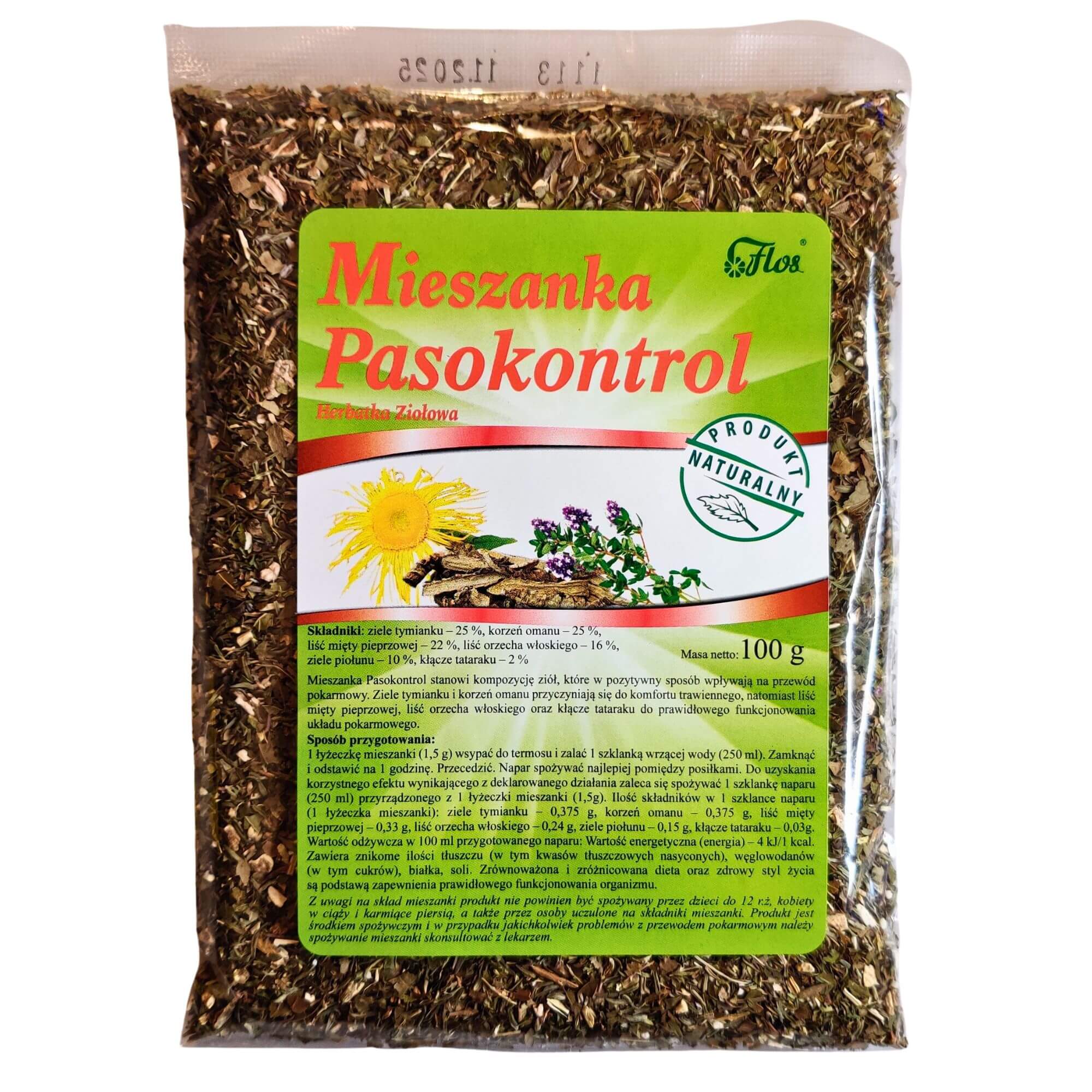
Pasout Complex + Tansy 100 ml - Plon Pharm
2.11. Comparative table of herbs for digestion
| Herb | Main action | Best for | Form of use | Notes / contraindications |
|---|---|---|---|---|
| Peppermint | Antispasmodic, carminative, pain-relieving | Bloating, IBS, intestinal cramps | Tea, essential oil (capsules) | Avoid with reflux and heartburn |
| Fennel | Carminative, antispasmodic, aids digestion | Bloating, colic, feeling of fullness | Seed tea, syrup | Safe, also for children |
| Chamomile | Anti-inflammatory, antispasmodic, protective | Gastritis, ulcers, digestive stress | Tea | Allergy to Asteraceae family plants |
| Ginger | Prokinetic, antiemetic, stimulates enzymes | Nausea, dyspepsia, slow digestion | Tea, capsules, fresh root | Caution with anticoagulants |
| Turmeric | Anti-inflammatory, choleretic, hepatoprotective | Fat digestion, intestinal inflammation | Tea, supplement with piperine | Contraindicated in cholelithiasis |
| Artichoke | Choleretic, hepatoprotective | Heaviness after fatty meals, dyspepsia | Extract (supplement), tea | Contraindicated in cholelithiasis |
| Lemon balm | Antispasmodic, sedative, carminative | Nervous digestion, stress-related bloating | Tea, herbal blends | Caution with hypothyroidism |
| Goldenseal | Regulates microbiome, antibacterial, choleretic | Dysbiosis, Candida, diarrhea | Capsules, extract | Contraindicated in pregnancy; interacts with medications |
| Licorice | Regenerates mucous membrane, anti-inflammatory | Ulcers, reflux, gastritis | Tea, DGL (supplement) | Avoid with hypertension and during pregnancy |
| Anise | Carminative, antispasmodic, antifungal | Bloating, indigestion, nausea | Tea, herbal blends | Allergy to Apiaceae family plants |
3. Fiber and fermented foods – the foundation of healthy digestion
Herbs are an effective support, but they alone cannot replace a proper diet. Two pillars of healthy digestion that directly impact intestinal function and microbiome composition are dietary fiber and fermented foods. Without them, even the best herbal tea will work less effectively and for a shorter period.
3.1. What is fiber and how does it work in the intestines?
Dietary fiber is a group of plant compounds that the human body does not digest – but intestinal bacteria do. And this is precisely its value. There are two main types:
- Soluble fiber (e.g., pectins, beta-glucan, psyllium) – forms a gel-like mass in the intestines, which slows down the absorption of sugars and fats, lowers cholesterol, and provides nourishment for beneficial bacteria (prebiotic effect).
- Insoluble fiber (e.g., cellulose, lignins) – increases stool volume, accelerates intestinal transit, and prevents constipation.
According to EFSA recommendations, an adult should consume at least 25 g of fiber daily. Meanwhile, the average diet in Poland provides only 15–18 g. This deficiency is one of the main causes of constipation, bloating, and intestinal dysbiosis in the general population.
💡 Important when increasing fiber intake
Increase fiber gradually – a sudden switch from a low-fiber to a high-fiber diet can worsen bloating and discomfort. At the same time, increase water intake – without adequate hydration, fiber can paradoxically worsen constipation.
3.2. Flaxseed and chia seeds – natural support for peristalsis
Flaxseed and chia seeds are two of the most valuable sources of soluble fiber available in the daily diet.
Flaxseed contains both soluble fiber (flax mucilage) and insoluble fiber, plus lignans with anti-inflammatory properties and omega-3 acids. Flax mucilage coats the mucous membrane of the digestive tract, providing protective and soothing effects – this is why flaxseed is traditionally used for stomach inflammation, reflux, and constipation. It works best when soaked – it forms a characteristic gel when mixed with water.
Chia seeds can absorb 10–12 times their weight in water, forming a gel with strong prebiotic effects and regulating stool consistency. They also provide significant amounts of fiber (approx. 34 g per 100 g of product) and omega-3 acids.
🌿 How to use
Flaxseed: 1–2 tablespoons of ground or soaked flaxseed daily – e.g., in oatmeal, yogurt, or a glass of water. Chia seeds: 1–2 tablespoons daily, soaked for at least 20–30 minutes in water, plant-based milk, or oatmeal.

Organic Brown Flaxseed (flax seeds) 1 kg - Bio Planet
3.3. Pickled foods, kefirs, yogurts – fermented foods and the microbiome
Fermented foods are a natural way to supply the body with live bacterial cultures – without the need for probiotic supplements. Regular consumption of pickled foods, kefirs, and natural yogurts supports microbiome diversity, which is one of the key indicators of gut health.
A study published in 2021 in the journal Cell (Wastyk et al.) showed that a diet rich in fermented foods for 10 weeks significantly increased the diversity of the gut microbiome and reduced markers of inflammation – more clearly than a high-fiber diet. This is an important argument for not limiting oneself solely to probiotic supplements.
The most valuable sources in a daily diet:
- Sauerkraut and pickled cucumbers – rich in lactic acid bacteria, vitamin C, and digestive enzymes. Important: buy naturally fermented products, not those pickled with vinegar.
- Kefir and natural yogurt – contain live cultures of Lactobacillus and Bifidobacterium bacteria; kefir has a richer and more diverse microbiological composition than yogurt.
- Kimchi, tempeh, miso – less popular in Poland, but increasingly available; tempeh and miso, in particular, also provide valuable plant protein.
- Kombucha – fermented tea with a SCOBY culture; contains organic acids and enzymes, although its microbiological composition is less predictable than kefir.

3.4. What to avoid – products and habits that sabotage digestion
Supporting digestion is not just about adding the right foods to your diet – it's also about eliminating those that actively harm it. The biggest "saboteurs" of digestion:
- Sugar and highly processed foods – feed pathogenic bacteria and fungi, disrupt the microbiome, and exacerbate inflammation of the intestinal lining.
- Alcohol – damages the intestinal epithelium, impairs gastrointestinal motility, and destroys beneficial gut bacteria.
- Excess trans fats (margarine, fast food, deep-fried products) – slow down gastric emptying and exacerbate inflammation.
- Irregular meals and eating in a hurry – disrupt the rhythm of digestive enzyme and bile secretion.
- Excessive antibiotics – destroy the gut microbiome, often leading to dysbiosis and antibiotic-associated diarrhea. After any antibiotic therapy, it is worth rebuilding the microbiome through fermented foods and probiotics.
4. Habits and lifestyle that improve digestion
Even the best set of herbs and the most carefully chosen diet will not yield lasting results if daily habits work against the digestive system. The good news is that lifestyle changes that most improve digestion are relatively simple – and require no supplements.
4.1. How and when to eat – meal rhythm, chewing, breaks
Digestion begins in the mouth – quite literally. Saliva contains enzymes (salivary amylase and lingual lipase) that begin breaking down starches and fats even before the bite is swallowed. Thorough chewing – at least 20–30 jaw movements per bite – is the simplest and most often overlooked way to improve digestion.

The rhythm of meals is equally important. The digestive system works according to an internal biological clock (circadian rhythm). Eating at regular times synchronizes the secretion of digestive enzymes, bile, and intestinal hormones, which translates into more efficient digestion and better peristalsis. Irregular meals – especially very late dinners – disrupt this rhythm.
Some practical rules:
- Eat in peace, without a screen in front of your eyes – stress and distraction inhibit the secretion of digestive juices.
- The last meal 2–3 hours before sleep – late eating strains the stomach and promotes reflux.
- Breaks between meals of at least 3–4 hours – this is the time needed to activate the migrating motor complex (MMC), which "sweeps" the intestines of food residues.
4.2. Physical activity and intestinal peristalsis
Physical activity is one of the strongest natural stimulators of peristalsis. Muscle contractions during movement mechanically massage the intestines, accelerate intestinal transit, and stimulate blood flow to the gastrointestinal tract. Epidemiological studies unequivocally indicate that a sedentary lifestyle is an independent risk factor for chronic constipation.
It is not necessary to engage in intense sports. The most accessible forms of movement supporting digestion are:
- A walk after a meal – even 10–15 minutes of walking after eating accelerates gastric emptying and lowers post-meal blood glucose levels.
- Yoga and Pilates – torso twists and abdominal engaging positions directly stimulate bowel function.
- Strength and aerobic training – regular moderate-intensity exercise reduces intestinal transit time and supports microbiome diversity.
⚠️ Caution with intense exercise
Very intense exercise (especially long-distance running) can paradoxically irritate the intestines – a phenomenon known as "runner's gut". If you have digestive problems, avoid heavy meals directly before intense exercise.
4.3. Stress and the gut – the gut-brain axis in a nutshell
The gut and brain are connected by the gut-brain axis – a bidirectional communication system involving the vagus nerve, the enteric nervous system (the so-called "second brain" containing about 500 million neurons), gut hormones, and the microbiome. This is why psychological stress so directly translates into digestive complaints – abdominal pain, diarrhea or constipation, nausea, bloating.
Chronic stress:
- reduces the secretion of digestive juices and digestive enzymes,
- disrupts peristalsis – it can either accelerate it (stress diarrhea) or inhibit it (constipation),
- increases the permeability of the intestinal barrier (so-called "leaky gut"),
- negatively changes the composition of the gut microbiome.
Stress reduction techniques that have a documented impact on digestive functions primarily include mindfulness, breathing exercises (e.g., diaphragmatic breathing), yoga, and regular sleep. It is also worth remembering about adaptogenic herbs and calming herbs – lemon balm, ashwagandha, and rhodiola rosea – which can support the body's resistance to stress.

BICAPS Ashwagandha 60 capsules - ForMeds
4.4. Hydration – how much water and when to drink?
Water is essential for proper bowel function at every stage of digestion – from the production of saliva and stomach acid, through the transport of nutrients, to the formation and excretion of stool. Dehydration is one of the most common and easily preventable causes of constipation.
General WHO recommendations suggest 1.5–2 liters of water daily for an adult – though the requirement increases with physical exertion, high ambient temperatures, and a high-protein diet. This includes all beverages – including herbal teas, which also deliver active substances that support digestion.
Some tips on hydration and digestion:
- A glass of warm water in the morning on an empty stomach stimulates peristalsis and facilitates morning bowel movements.
- Drink between meals, not during – large amounts of water during eating dilute digestive juices and can slow down digestion.
- Warm drinks (including herbal teas) have a diastolic effect on the digestive tract – a better choice for bloating than cold carbonated drinks.
5. Supplements supporting digestion – when diet alone is not enough?
Herbs, fiber, and healthy habits are the foundation. However, there are situations where the digestive system needs more targeted support – especially after antibiotic therapy, with chronic ailments, intense stress, or after years of an improper diet.
In such cases, it is worth reaching for well-chosen supplements. The key principle: well-chosen – the supplement market is vast, and product quality varies greatly.
5.1. Probiotics and prebiotics – what do studies say?
Probiotics are live microorganisms that, when administered in adequate amounts, confer a health benefit on the host – as defined by the WHO. Prebiotics, in turn, are substances (mainly types of fiber) that selectively nourish beneficial gut bacteria. Together, they form a synbiotic.
Clinical studies confirm the effectiveness of probiotics primarily in:
- preventing and treating antibiotic-associated diarrhea (Lactobacillus rhamnosus GG and Saccharomyces boulardii strains have the strongest evidence),
- alleviating IBS symptoms – meta-analyses indicate a significant reduction in abdominal pain and bloating,
- shortening the duration of infectious diarrhea in children and adults,
- restoring the microbiome after antibiotic therapy.

Important: the action of probiotics is strain-specific – there is no single "best probiotic." When choosing a supplement, check whether the manufacturer lists specific strains (e.g., Lactobacillus rhamnosus GG, Bifidobacterium longum BB536) and whether the product has clinical studies confirming its declared properties.
5.2. Sodium butyrate – the role of butyric acid in gut health
Butyric acid (butyrate) is a short-chain fatty acid naturally produced by gut bacteria during fiber fermentation. It is the main energy source for colonocytes – cells of the large intestine lining – and plays a key role in maintaining the integrity of the gut barrier, regulating inflammation, and proper peristalsis.
The problem is that with dysbiosis, fiber deficiency, or after antibiotic therapy, butyrate production by the microbiome decreases. Supplementation with sodium butyrate can then directly provide colonocytes with the fuel they need for regeneration.
Clinical reviews indicate the beneficial effects of sodium butyrate in cases of leaky gut, IBS, intestinal mucosal inflammation, and as support after antibiotic therapy. Research also suggests its role in regulating gut immunity and inhibiting the growth of pathogenic bacteria.
💊 What to look for when choosing sodium butyrate?
Choose preparations in microencapsulated or enteric-coated form – sodium butyrate has an intense odor and without a coating, it may be released too early, before reaching the large intestine where it is most effective.

BICAPS Butyric Sodium Butyrate 60 capsules - ForMeds
5.3. Digestive enzymes – for whom and when?
Digestive enzymes are proteins produced by the pancreas, stomach, and small intestine that break down proteins, fats, and carbohydrates into absorbable molecules. Their natural production decreases with age, but also with chronic stress, pancreatic and liver diseases, and low-calorie diets.
Supplementation with digestive enzymes can be helpful for:
- a feeling of heaviness and fullness after meals, especially fatty ones,
- bloating and gas after consuming legumes (enzymes containing alpha-galactosidase),
- lactose intolerance (lactase),
- general weakening of digestion after the age of 50.
However, it is worth remembering that enzyme supplementation is symptomatic support, not addressing the root cause of the problem. If symptoms are severe and chronic, it is worth ruling out exocrine pancreatic insufficiency with a doctor.
5.4. Complex herbal preparations – for whom and what to look for?
On the market, there are preparations combining several herbal and/or probiotic ingredients in one formula – aimed at people with more complex digestive problems, such as chronic bloating, dysbiosis, or a feeling of heaviness after meals. Their advantage is the synergistic action of the ingredients – e.g., a combination of artichoke extract, turmeric, and digestive enzymes acts simultaneously as a choleretic, anti-inflammatory, and aids in food breakdown.
When choosing a ready-made preparation, pay attention to:
- standardization of extracts – the manufacturer should state the content of active substance to which the extract is standardized (e.g., "turmeric extract standardized to 95% curcuminoids"),
- form and bioavailability – enteric-coated capsules, liposomal extracts, or combinations with piperine can significantly increase effectiveness,
- composition without unnecessary fillers – especially with intestinal problems, it is worth avoiding preparations with a large amount of excipients.

5.5. When supplements are not enough – consultation with a specialist
Supplements can effectively support digestion, but they cannot replace diagnosis when a more serious cause underlies intestinal problems. It is worth consulting a doctor or gastroenterologist if:
- digestive ailments are chronic (lasting more than 4–6 weeks) and do not subside despite dietary changes,
- they are accompanied by unplanned weight loss, blood in the stool, or severe abdominal pain,
- you suspect SIBO (small intestinal bacterial overgrowth), celiac disease, or food intolerance,
- you intend to use supplements long-term or combine them with prescription medications.
🔗 Read also
If your digestive problems are related to suspected bacterial overgrowth, parasites, or you want to perform a comprehensive intestinal cleanse, check out our article: Herbs for intestinal cleansing – which ones really work and how to use them?
6. Frequently asked questions about natural digestive support
6.1. How long do you have to use herbs to feel the effects?
It depends on the type of herb and the nature of the ailment.
Herbs that act symptomatically – such as peppermint, fennel, or ginger – provide relief after just one or a few cups of tea. Regenerating and anti-inflammatory herbs (chamomile, licorice, turmeric) require regular use for 2–4 weeks before the effects become noticeable.
Supplements such as sodium butyrate or probiotics are usually assessed after 4–8 weeks of regular use.
6.2. Which digestive herbs are safe during pregnancy?
During pregnancy, herbs should be approached with caution and always discussed with your doctor. Ginger (especially for morning sickness), chamomile, and fennel are considered relatively safe in moderate amounts.
However, goldenseal and licorice are absolutely contraindicated during pregnancy. Also, avoid herbs in the form of concentrated extracts and supplements without consulting a doctor.
6.3. Can herbal teas be drunk daily for a long time?
Most herbal teas for digestion – peppermint, chamomile, fennel, lemon balm – are safe for daily use over an extended period.
However, it is worth applying the rotation principle: every few weeks, change the herb or use mixtures to prevent the body from becoming accustomed to one ingredient and to benefit from a broader spectrum of action.
Caution is advised with licorice (no longer than 4–6 weeks without a break) and goldenseal (maximum 8 weeks).
6.4. Can herbal teas replace digestive supplements?
Teas and supplements work on different levels and complement each other well. Teas provide active substances in milder concentrations, act mainly in the upper gastrointestinal tract, and have an additional relaxing effect.
Supplements – especially standardized extracts, probiotics, or sodium butyrate – allow for higher, more predictable doses of specific substances, often delivered to the lower parts of the intestine.
For mild, everyday ailments, teas are often sufficient. For more chronic problems, a combination of both forms may be considered.
6.5. How to reduce bloating after consuming legumes?
Legumes are very nutritious but contain oligosaccharides (FODMAPs), which ferment in the intestines and cause bloating.
Several proven ways to reduce this effect: soaking seeds for at least 8–12 hours before cooking and draining the water, cooking until tender, adding fennel, caraway, or ginger to the dish (they have carminative properties), and for particular sensitivity – supplementing with enzymes containing alpha-galactosidase, which break down problematic sugars.
6.6. What is SIBO and can herbs help?
SIBO (Small Intestinal Bacterial Overgrowth) is a condition where bacteria normally residing in the large intestine excessively colonize the small intestine. It manifests as chronic bloating, abdominal pain, diarrhea or constipation, and nutritional deficiencies.
SIBO requires medical diagnosis (breath test) and most often treatment with systemic antibiotics or targeted intestinal antibiotics. Herbs (including berberine from goldenseal) can be a helpful adjunct to therapy, but they do not replace proper treatment. If you suspect SIBO, consult a gastroenterologist.
6.7. What to look for when buying herbs and digestive supplements?
When buying dried herbs, it is worth looking for organically certified products (BIO/Organic certificate) – you reduce the risk of pesticide presence, which can additionally burden the intestines.
In the case of supplements, key factors are: standardization of extracts (the manufacturer specifies the content of the active substance), GMP certificate (Good Manufacturing Practice, guarantees repeatability and quality of production), and a transparent label without an excessive amount of fillers and excipients.
7. Summary
Healthy digestion is the result of several elements working together: appropriately selected herbs, a diet rich in fiber and fermented foods, regular physical activity, and stress reduction. None of these elements will work fully without the others.
Peppermint, fennel, chamomile, ginger, or turmeric are a great starting point – especially in the form of daily teas, which combine therapeutic action with a pleasant ritual. For more chronic ailments, it is worth considering support in the form of probiotics, sodium butyrate, or standardized herbal preparations.
Remember, however, that if digestive ailments are severe, recurring, or accompanied by alarming symptoms – no herb can replace a consultation with a doctor.
In our store, you will find a wide selection of teas and herbs for digestion, as well as supplements supporting gut function – all carefully selected for quality and composition.
8. Sources
The article was prepared using the following sources:
- EFSA Panel on Dietetic Products, Nutrition and Allergies – register of approved health claims (EU Regulation 432/2012)
- Wastyk H.C. et al. (2021). Gut-microbiota-targeted diets modulate human immune status. Cell, 184(16), 4137–4153. doi:10.1016/j.cell.2021.06.019
- Alammar N. et al. (2019). The impact of peppermint oil on the irritable bowel syndrome: a meta-analysis of the pooled clinical data. BMC Complementary and Alternative Medicine, 19(1), 21. doi:10.1186/s12906-018-2409-0
- Giacosa A. et al. (2015). Can nausea and vomiting be treated with ginger extract? European Review for Medical and Pharmacological Sciences, 19(7), 1291–1296. PMID: 25912592
- Holtmann G. et al. (2003). Efficacy of artichoke leaf extract in the treatment of patients with functional dyspepsia. Alimentary Pharmacology & Therapeutics, 18(11–12), 1099–1105. pubmed.ncbi.nlm.nih.gov/14653829/
- Canani R.B. et al. (2011). Potential beneficial effects of butyrate in intestinal and extraintestinal diseases. World Journal of Gastroenterology, 17(12), 1519–1528. doi:10.3748/wjg.v17.i12.1519