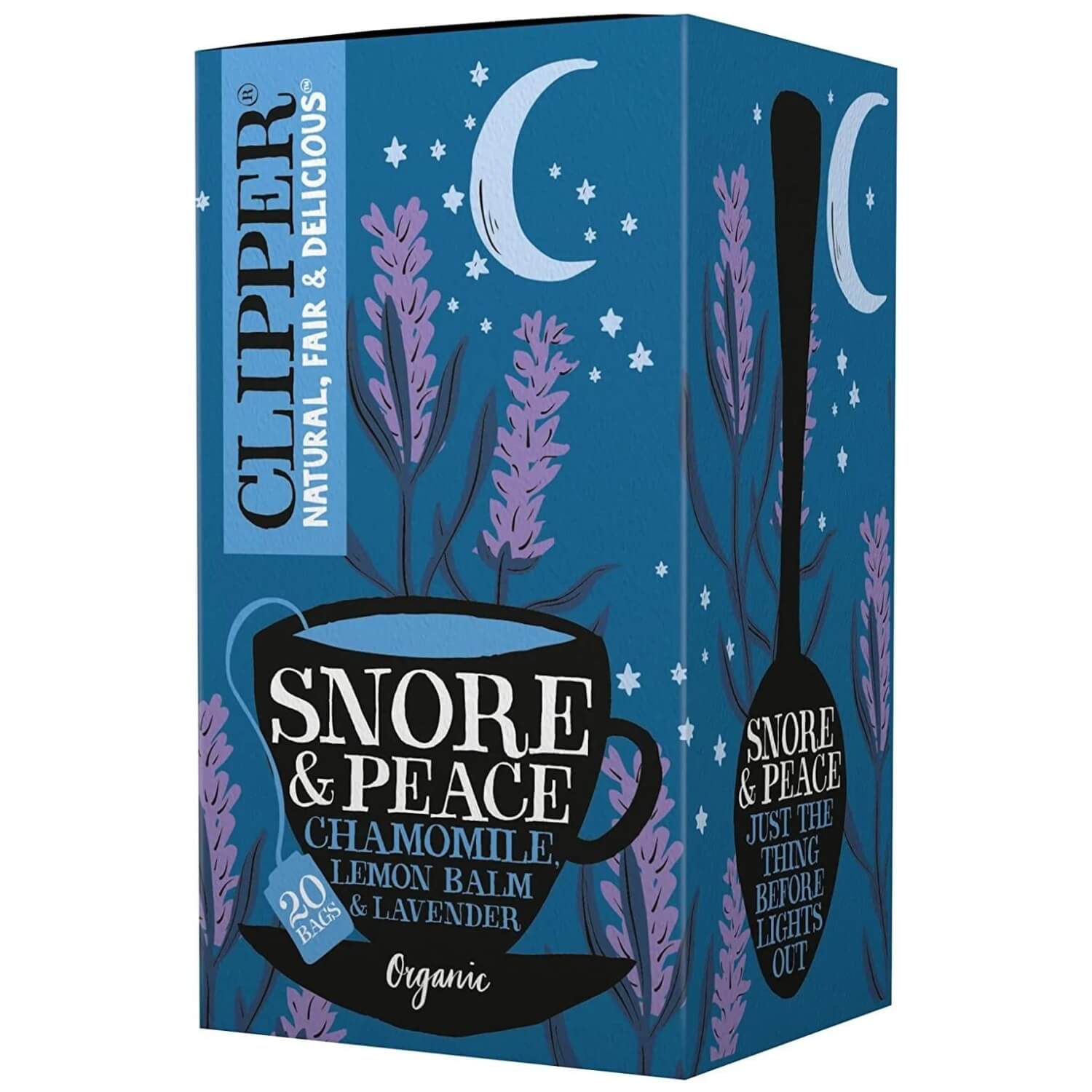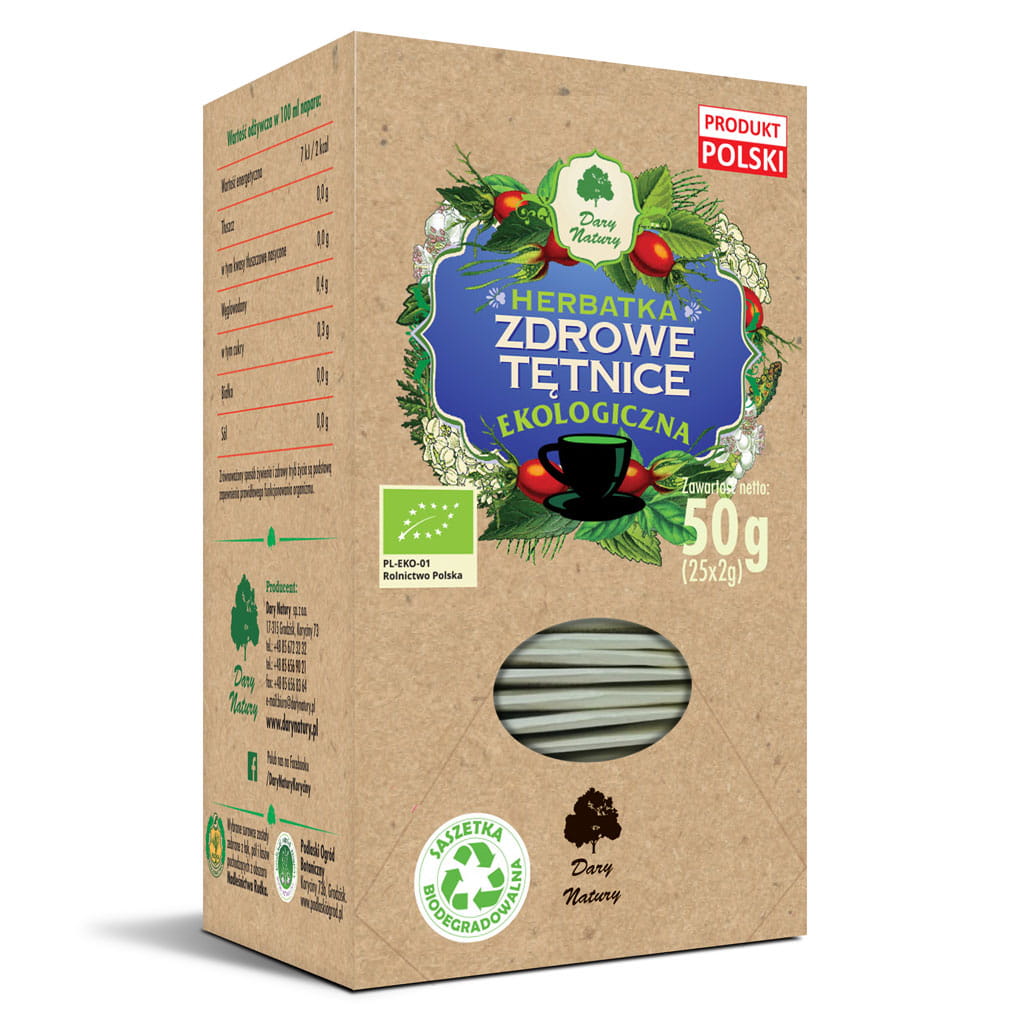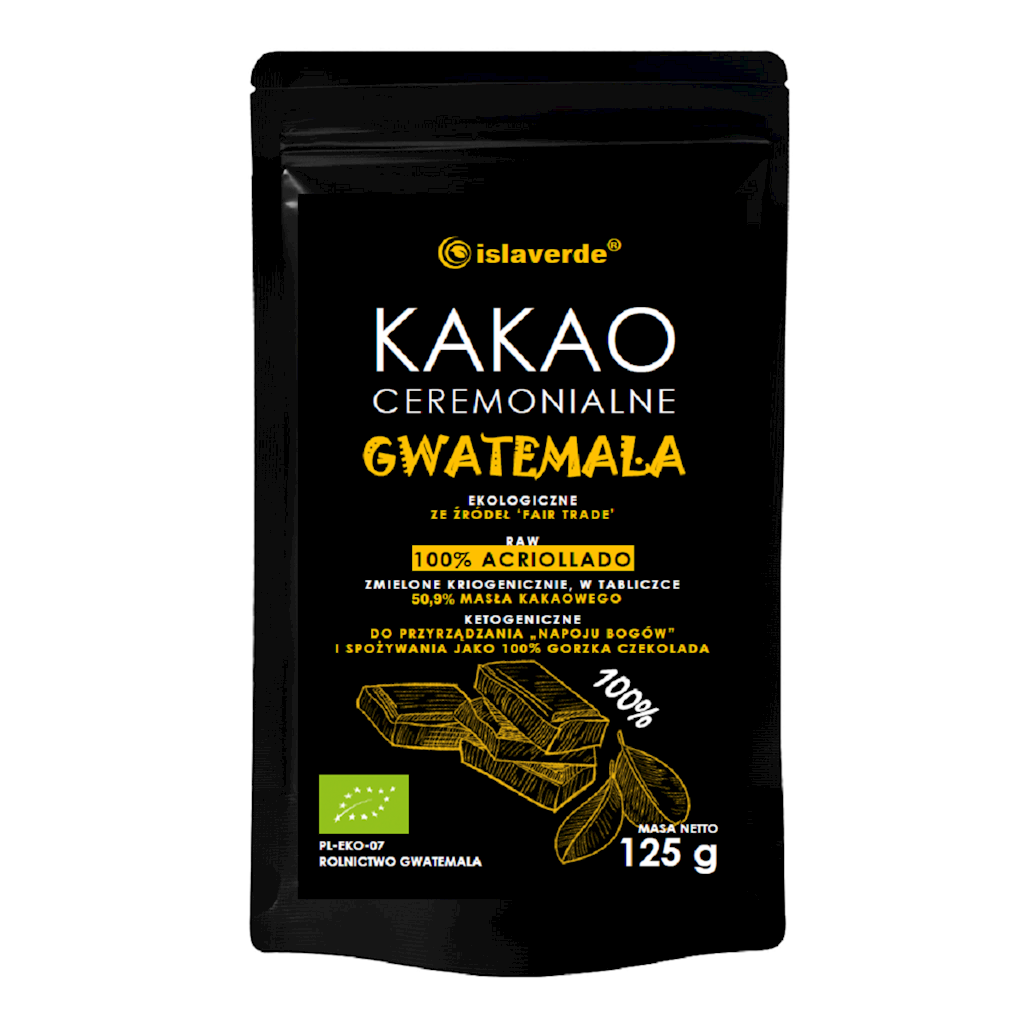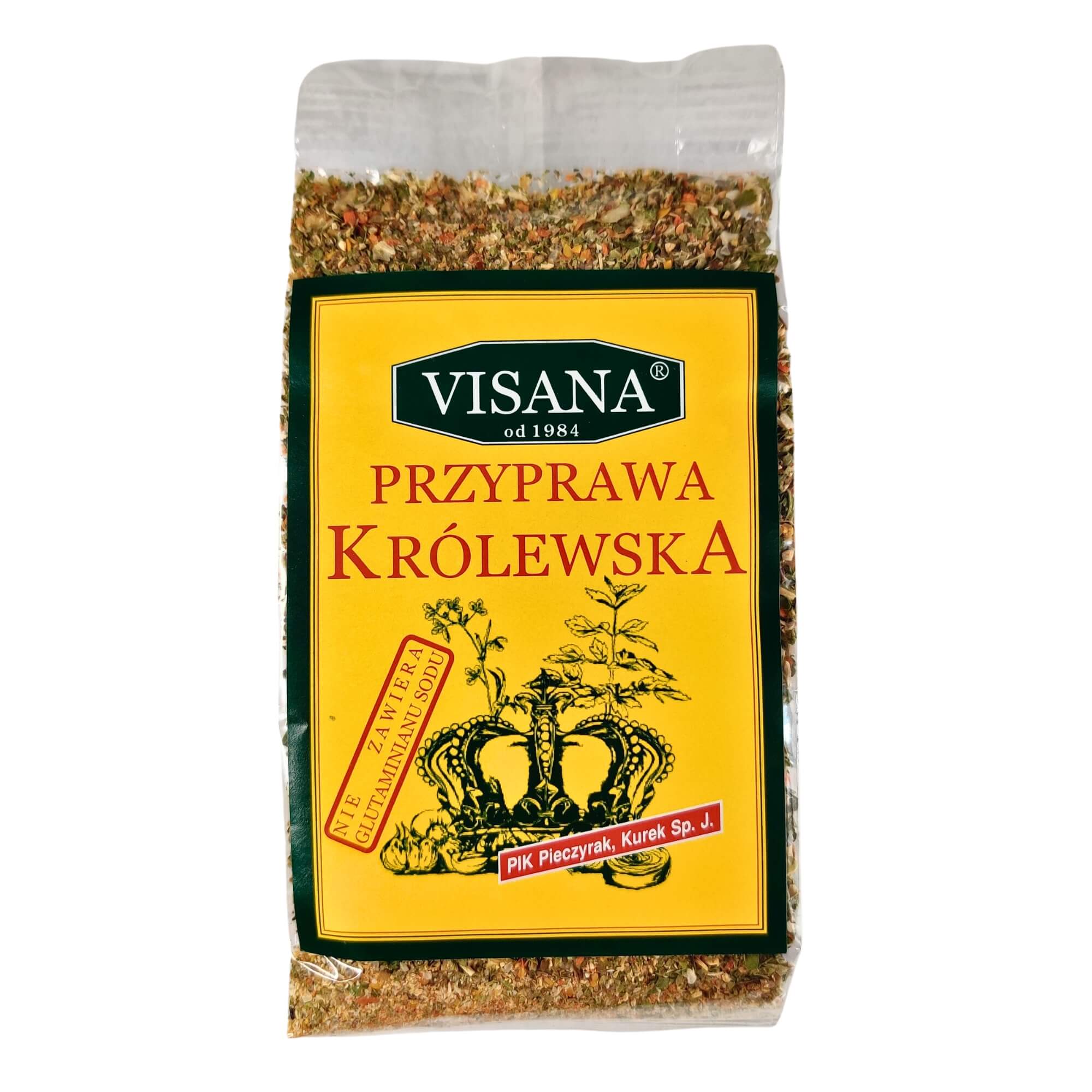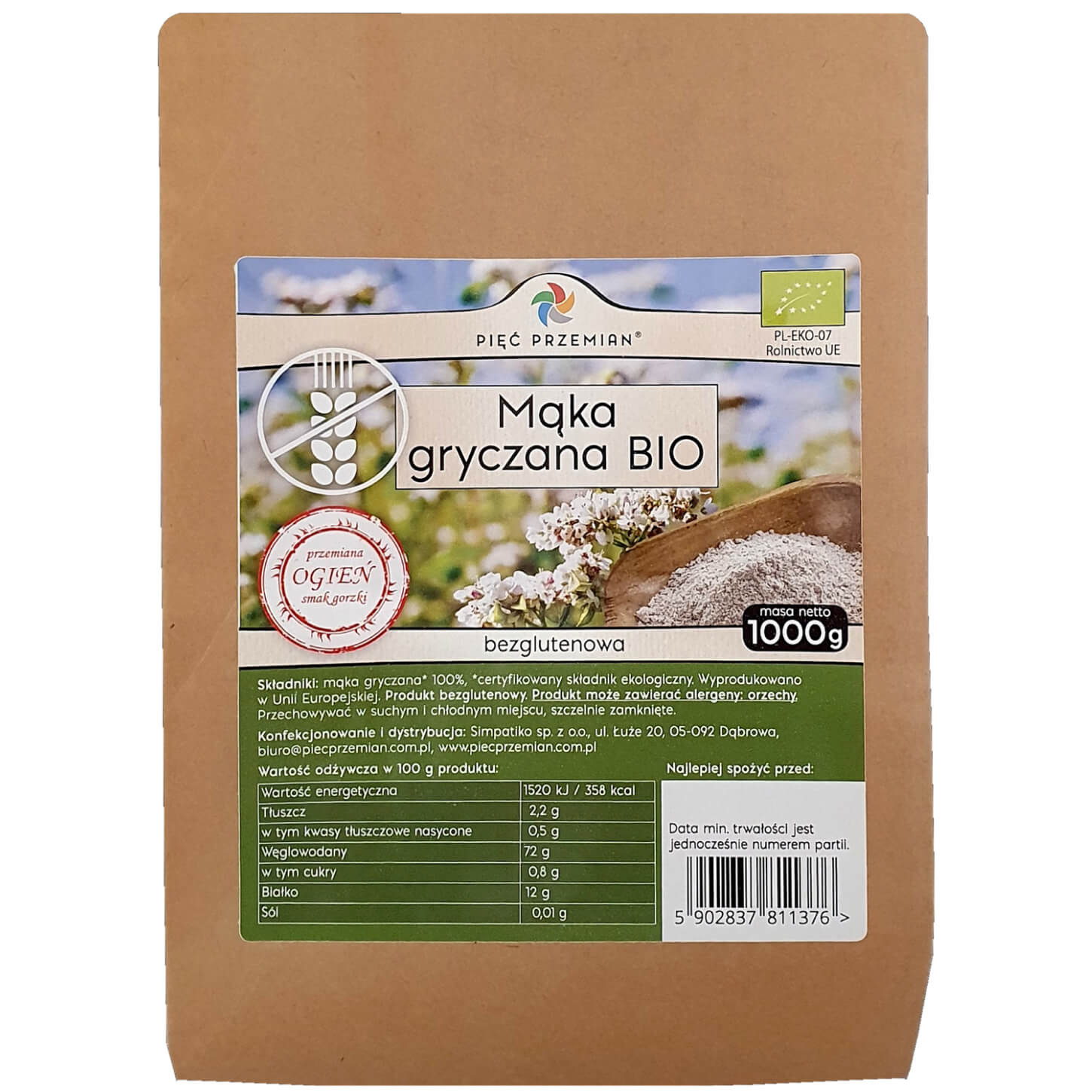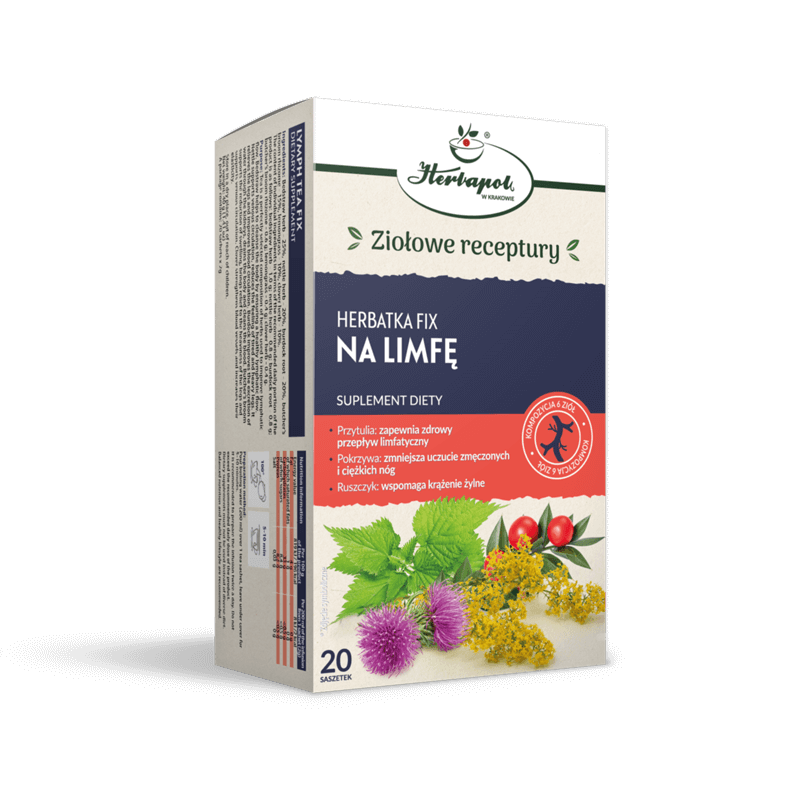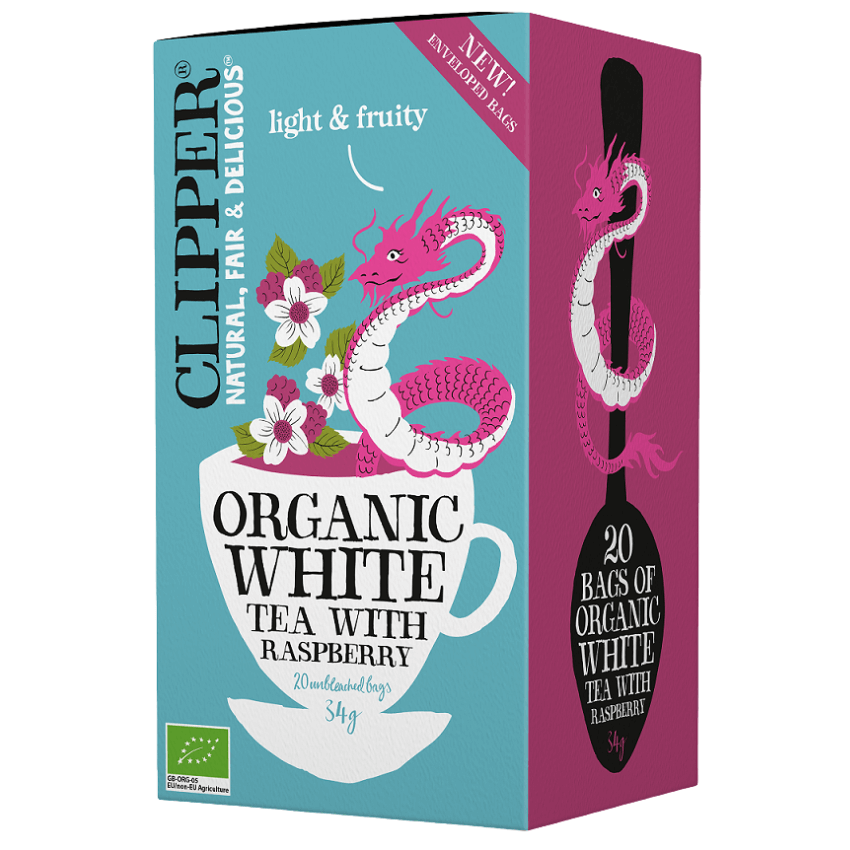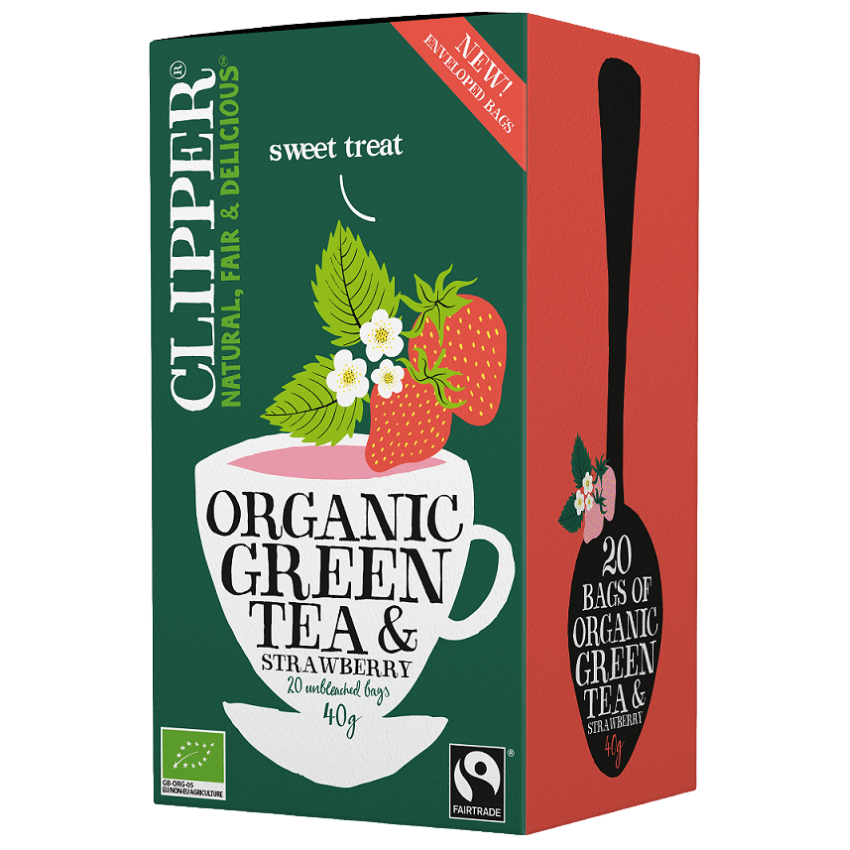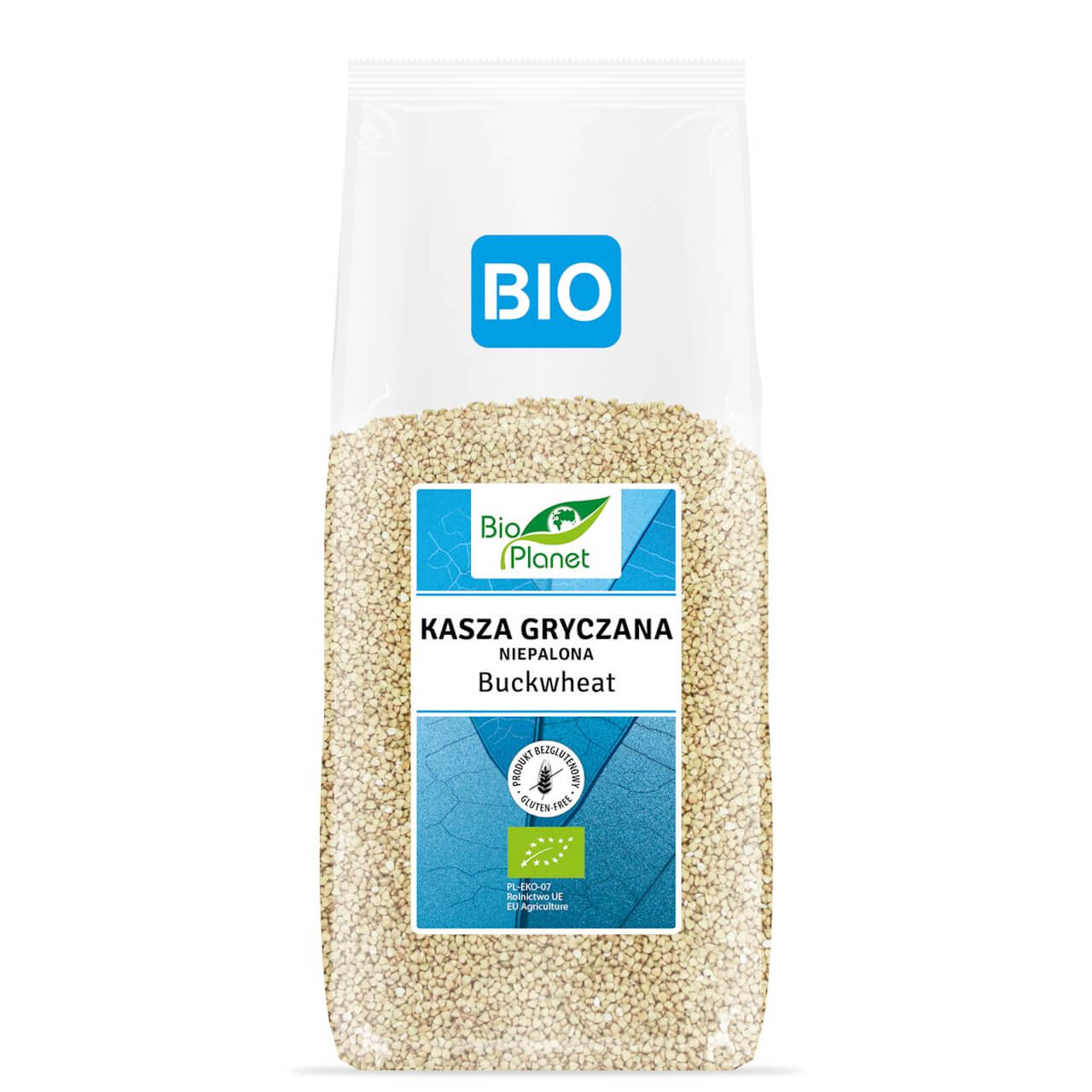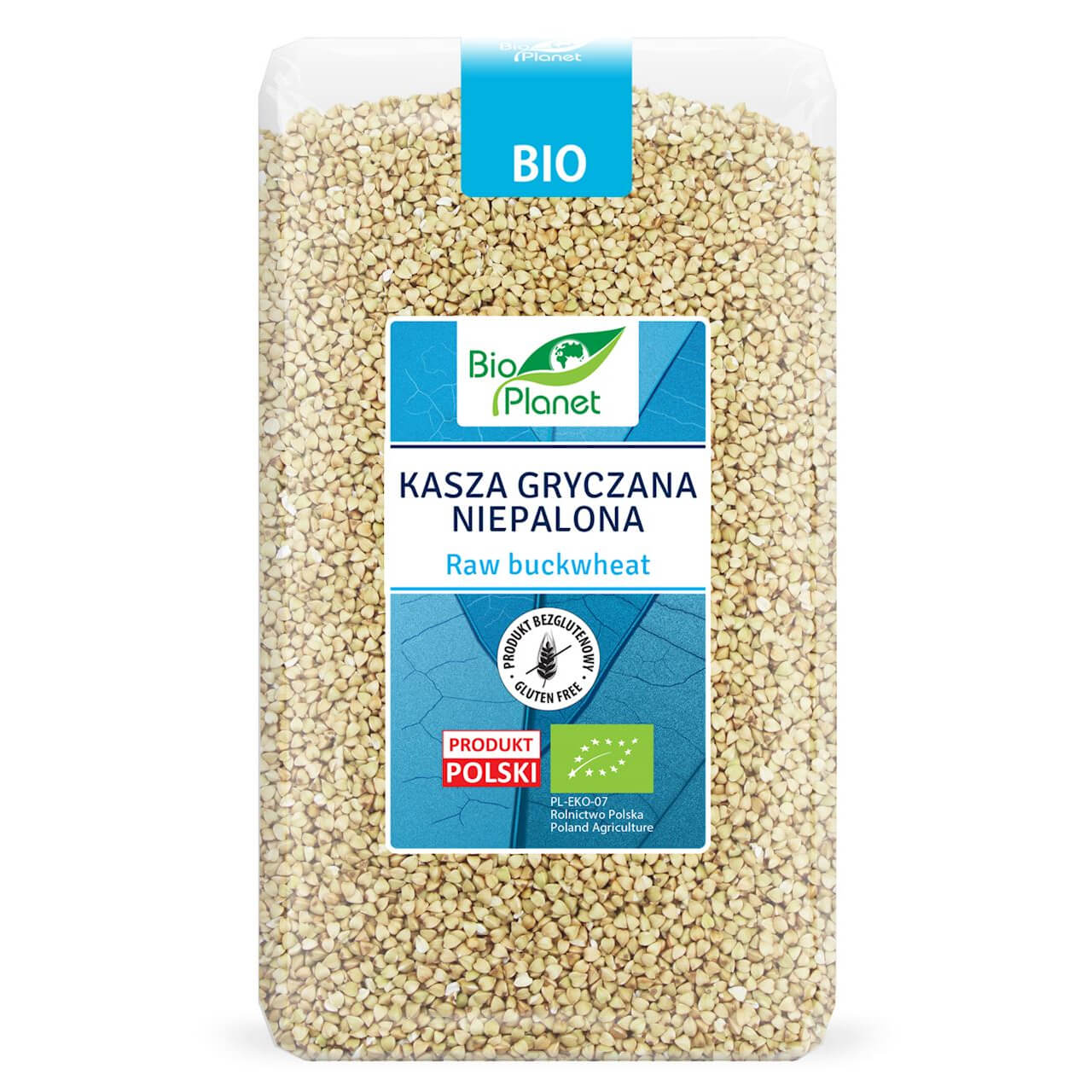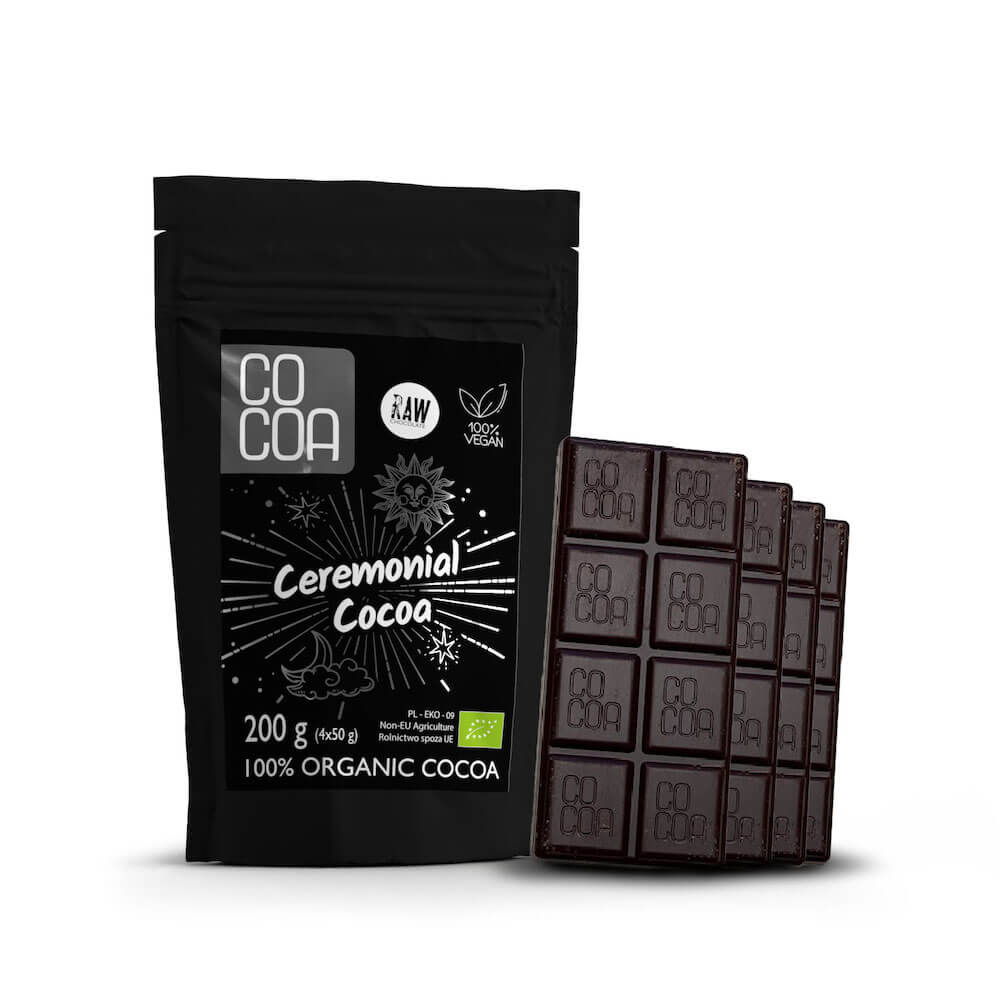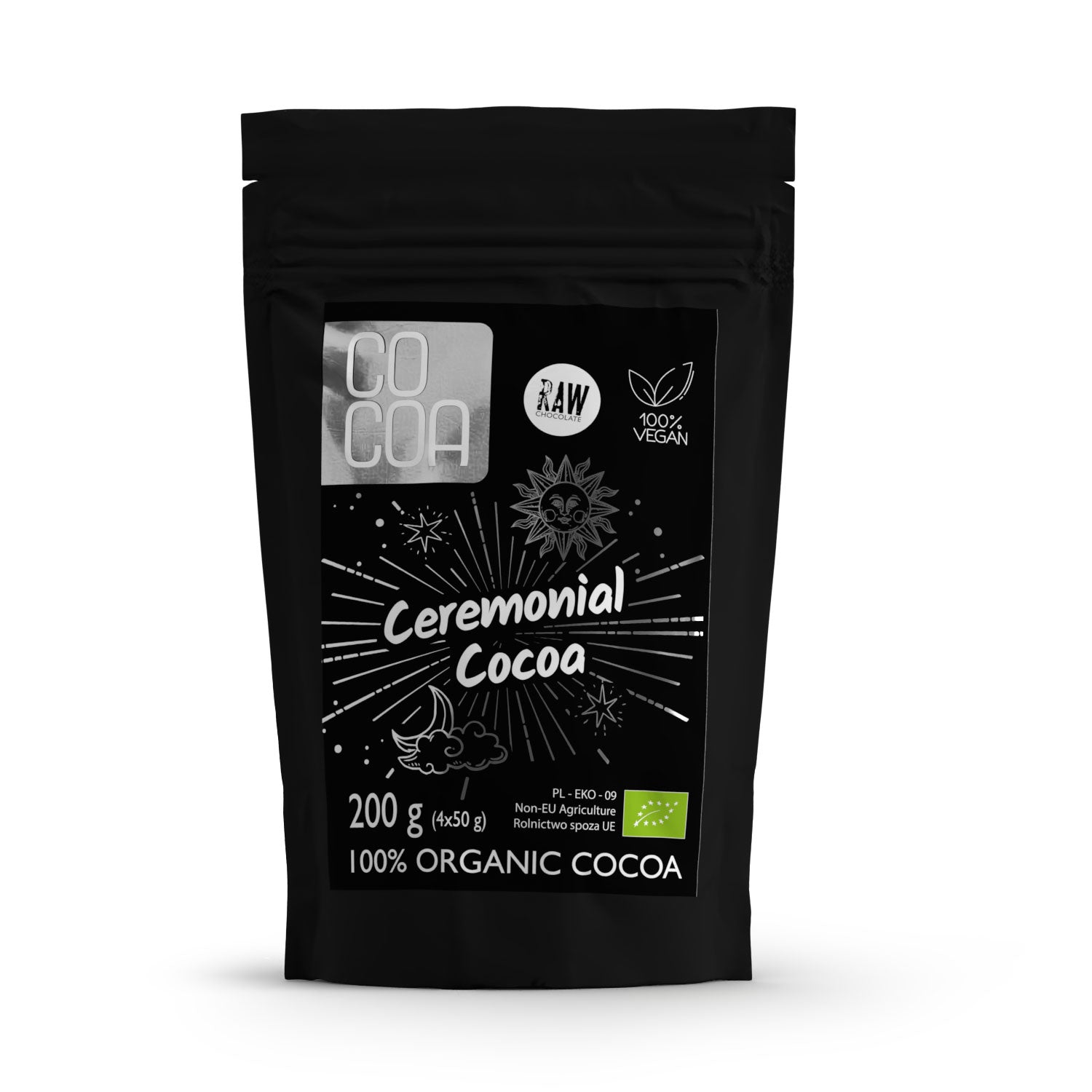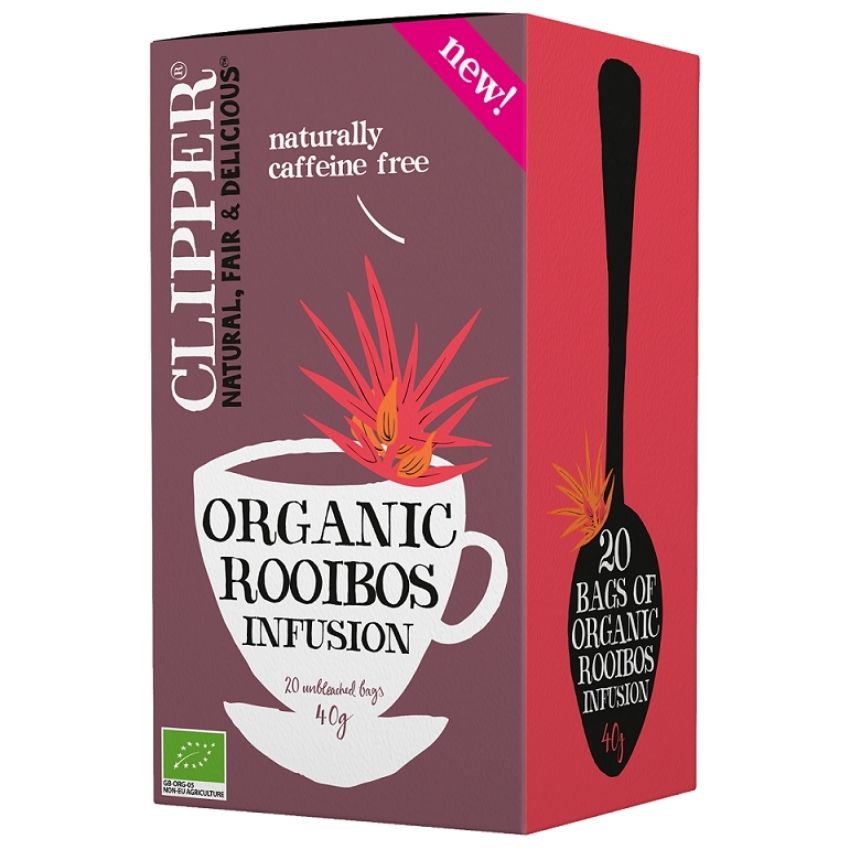
Packaging often contains a wealth of information about a given product. This information allows buyers to better understand the product and its properties. Among the markings found on labels are eco-labels . These can apply to various product categories, such as food, cosmetics, packaging, cleaning products, and electronics.
In this article, you'll learn about the most popular organic labels and certifications used on food and its packaging. We'll explain their meaning, the requirements they meet, and the benefits they bring to consumers and the environment.
Contents :
- What are eco-labels?
- Food ecolabels
- The EU organic production logo – "Euroleaf"
- Bio-Siegel
- Ecocert
- Soil Association Organic
- USDA Organic
- Fairtrade
- Rainforest Alliance
- Demeter
- MSC Certificate
- Ecolabels for packaging
What are eco-labels?
Organic certifications were created to guarantee customers that a given product is truly organic. A customer seeing a certification symbol on a label doesn't have to analyze the product themselves to distinguish it from a product that merely pretends to be organic.
Certifications were developed in the last decades of the 20th century as a result of dishonest food producers and distributors who sold ordinary food as organic. This led to declining consumer confidence and a decline in the credibility of honest sellers.
Ecolabels and certificates are awarded by various institutions and organizations, both public and private, that verify and certify the compliance of products or services with specific ecological criteria. Their purpose is not only to inform consumers about the ecological properties of products or services but also to promote and encourage responsible consumption and production that reduces negative environmental impacts.
Food ecolabels
Organic certification symbols are placed on product labels. Their sheer number can be confusing. To make informed choices, it's important to know what the individual organic symbols on organic foods mean.
The following list includes several of the most popular organic labels found on organic food labels. Organic labels can apply to organic products in general, organic food, or organic packaging. In this article, we'll focus on organic food and its packaging.
The EU organic production logo – "Euroleaf"
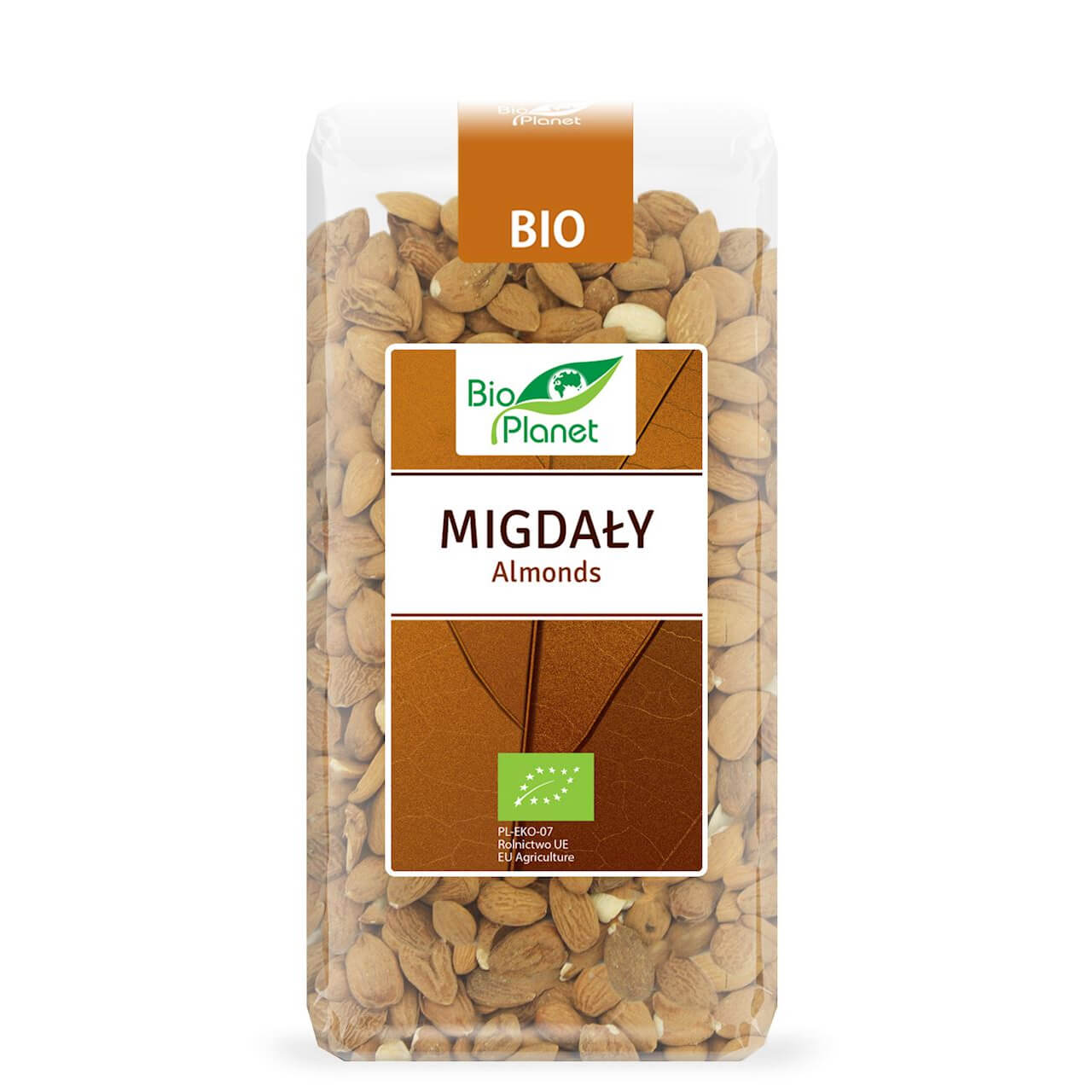
Since 2010, a new, uniform organic food label has been in force across the European Union. It is commonly known as the Euroleaf . Displaying the Euroleaf on packaging is mandatory for all food products packaged in the EU that are produced and sold as organic.
Optionally, the symbol may also be placed on:
- products imported from outside the EU that meet the standards,
- products exported from the EU to third country markets,
- organic products that are not packaged.
It is prohibited to use the EU symbol on products that do not meet the requirements. The identification number of the body that issued the certificate and the origin of the ingredients must be displayed alongside the symbol.

The EU symbol of organic production - Euroleaf
For a product to bear an EU certificate on its packaging, it must meet the organic production requirements of European Union Council Regulation (EC) No. 834/2007. We discussed these requirements in more detail in our article on organic food .
What does an EU organic certificate mean? A product like this:
- contains at least 95% organic ingredients;
- does not contain genetically modified organisms (GMOs);
- does not contain any artificial stabilizers, colorants, preservatives or flavor enhancers;
- was created without the use of artificial fertilizers and plant protection products;
- was created with care for environmental and climate protection and the preservation of biodiversity;
- was created with concern for animal welfare.
Bio-Siegel
The Bio-Siegel is the most popular organic farming label in Germany, in operation since 2001. Products marked with the green hexagon meet the same requirements as the EU eco-label.
Despite the introduction of a uniform organic product label in the EU in 2010, the Bio-Siegel label remains in use. Producers apply for this certification because it continues to enjoy popularity and trust among consumers. Like the EU certification, the Bio-Siegel guarantees compliance with stringent organic production standards.

Bio-Siegel Symbol
Ecocert
The organic certification from the French certification organization Ecocert, established in 1991, is also popular (especially in France). It is one of the largest such organizations in the world. It certifies not only organic food but also cosmetics, cleaning products, and textiles.
The Ecocert mark means that the product:
- contains at least 95% organic ingredients,
- does not contain GMOs, artificial stabilizers, dyes, preservatives and flavor enhancers,
- no artificial fertilizers or plant protection products were used in production,
- was created with concern for animal welfare and environmental protection.

EcoCert Symbol
Ecocert not only awards its own certificates, but also offers over 150 public and private, national and international standards covering a wide variety of product categories.
Soil Association Organic
The Soil Association Organic is a charitable organization founded in 1946 in the United Kingdom, dedicated to environmental protection. Since 1967, it has set standards for organic food and awarded its organic label to products. This label guarantees the organic nature of food and the best possible animal husbandry. In addition to food and agriculture, the organization also certifies organic cosmetics, textiles, and wood.
Soil Association Organic is the most popular organic certification awarded to UK products, trusted by consumers. Its requirements are among the most stringent in the world, exceeding even EU regulations.
In addition, the Soil Association conducts public education and campaigns related to nutrition, agriculture, forestry and climate.

Soil Association Organic symbol
USDA Organic
This is the official symbol of organic agriculture in the United States. The United States Department of Agriculture (USDA) operates the National Organic Program (NOP), which aims to certify organic products produced according to established principles.
The USDA Organic certification is awarded to food, personal care products, and animal feed. Just as organic food in the EU must be marked with the Euroleaf, in the US organic food is marked with this symbol.
The USDA Organic mark means that the product:
- contains at least 95% of organic ingredients;
- does not contain genetically modified organisms (GMOs) or artificial agricultural chemicals;
- does not contain artificial stabilizers, dyes or preservatives.
During the production process, care is taken to preserve biodiversity, natural cycles and animal welfare.

USDA Organic Symbol
Fairtrade
Fairtrade is the most well-known and trusted ethical certification system in the world. Thanks to the program, affiliated farmers and workers receive fairer wages for their work, build stronger local communities, and gain influence over their own future.
The Fair Trade mark is most often found on products imported from more exotic corners of the world. It applies to producers in Latin America and the Caribbean, Africa, Southeast Asia, and Oceania.
It is awarded by Fairtrade Labelling Organizations International , which is an association of various fair trade organizations from many countries.
Fairtrade is not a certification for organic products, but it may appear alongside them. The organization prohibits member farms from using GMOs, polluting the environment, or wasting water. Fairtrade products are often produced organically and certified organic. However, not every producer can afford certification according to European or American standards.
The presence of this certificate on the product label confirms compliance with the principles set by FLO Int. The most important Fairtrade principles are:
- a fair price that producers receive for their products (covering the costs of ecologically and socially sustainable production),
- short waiting time for payment,
- shortening the chain of intermediaries,
- fair wages and safe working conditions for employees,
- not exploiting children for labor,
- fair wages for women and men.
This sign usually applies to food products (e.g. fruit, drinks, coffee, cocoa, tea), but may also apply to cotton, plants, cosmetics, sports balls, and gold.

Fairtrade symbols
The Fairtrade mark is placed on a black background on single-ingredient products, and on a white background on multi-ingredient products in which only selected ingredients were obtained according to Fairtrade principles.
Rainforest Alliance
Rainforest Alliance is an international non-governmental organization founded in 1987 by Daniel Katz , an American environmental activist, who serves as chairman of the board of directors.
It works to protect forests and the creatures that live within them, improve the living conditions of farmers, promote human rights, and help mitigate the negative impacts of human activity on nature. It also educates farmers, entrepreneurs, and the public on best practices for the efficient use of natural resources.
The Rainforest Alliance's vision and mission is to create a more sustainable world by harnessing social and market forces to protect nature and improve the lives of farmers and forest ecosystems.
The Rainforest Alliance certification, a symbol with a green frog, has a primarily ethical dimension. It signifies that the product's manufacturing process did not result in harmful deforestation or the killing of animals living in it. It also guarantees fair treatment of workers who harvest cocoa and timber, among other things.
The Rainforest Alliance certification isn't an organic certification, but it does indicate that a product comes from sustainable agriculture. The organization awards its green frog seal to food whose production has not negatively impacted surrounding forests, rivers, soils, or animals, and is conducted in a nature-friendly manner. Additionally, this symbol ensures that workers involved in production are treated fairly and honestly, and that child labor is avoided.

Rainforest Alliance Symbol
The green sign with a frog can most often be seen on the packaging of products such as cocoa, coffee, tea, fruit, nuts, herbs and spices, as well as wood and paper.
Rainforest Alliance certified farms can be found all over the world, but most of them are located in areas close to the equator – particularly in South and Central America, Africa, India, China, Indonesia and Malaysia.
Demeter
The label belongs to the German organization Demeter International eV , which certifies biodynamic food—food produced according to the principles of anthroposophy. We wrote more about the origins of biodynamic agriculture and the Demeter brand in our article on the history of organic farming.
Biodynamic agriculture assumes that a farm functions like an organism and is closely connected to other elements of the universe. Each element plays a vital role in the process of organic food production—people, animals, plants, the air, all minerals, the moon, and the entire cosmos.
A holistic approach to farming ensures that food from biodynamic crops is truly of the highest quality. Furthermore, nature itself benefits from this, as it is fertilized with natural products and uncontaminated by pesticides, artificial fertilizers, and GMOs.

Symbol of Demeter
Demeter- certified organic food can be found on every continent, but is most popular in Europe. In Poland, two certification bodies inspect farms each year to ensure that products meet the required criteria.
MSC Certificate
The MSC certification is an international distinction for seafood sourced from sustainable fisheries. It is a mark of quality and responsibility, guaranteeing that products bearing it do not pose a threat to the health of the oceans and their inhabitants. It is awarded by the independent Marine Stewardship Council , which works to conserve and sustainably manage fish stocks worldwide.

MSC Certificate
To receive MSC certification, a product must come from a fishery that meets the three main principles of the MSC standard :
- the state of the fish population is at a level that ensures their long-term survival,
- fishing minimizes the impact on the marine environment and does not threaten other species and ecosystems,
- fisheries are managed effectively and responsibly, in accordance with the law and best practices.
Furthermore, the product must be traceable and trackable throughout the supply chain, from harvest to sale. To achieve this, the company must have a Chain of Custody (CoC) certificate, which confirms that the product has not been mixed or substituted with other non-certified products.
The MSC certification aims to promote good practices in the fishing and fish processing sectors, and to encourage consumers to make informed choices about ocean-friendly products.
Ecolabels for packaging
When considering organic food as a whole, we must remember that it also includes packaging . The production process, and especially the post-consumption stage, can have a significant impact on the natural environment. Every day, we produce tons of garbage and waste that damage the environment, polluting water and air.
It's therefore worth looking for products in packaging that minimizes resource use and negative impact on our environment. Biodegradable and recyclable packaging is becoming increasingly common.
Biodegradable packaging is one that decomposes without polluting soil, water, or air. It is therefore safe for humans, animals, and plants and leaves no significant trace behind. Recycling is the ability to reuse or recover some or all of the raw materials used in production.
As with organic food, packaging has also received its own certifications. Below, we discuss several eco-labels for packaging, allowing us to make more informed choices.
FSC - Forest Stewardship Council
Founded in Mexico in 1993, FSC is an international non-profit organization dedicated to the responsible and sustainable management of the world's forests. It sets standards for responsible forest management , taking into account social, ecological, and economic issues.
The FSC certification guarantees that the product is made from responsibly sourced raw materials. By pursuing a sustainable forestry policy , we combat deforestation, biodiversity loss, and the extinction of animal species. We minimize the use of chemicals during wood processing. Furthermore, we prioritize fair treatment of workers, their safety while working in the forest, and the well-being of local communities.

FSC symbol - Forest Stewardship Council
Knowing the FSC label, you can easily recognize packaging produced with support for reforestation. This applies not only to paper and cardboard packaging, but also to all products made from wood.
Recycling sign
A symbol everyone is probably familiar with, indicating that the packaging is made from recyclable materials. It allows for some of the raw materials to be recovered or reused.
Sometimes a percentage appears in the middle of the symbol or next to it – it indicates the percentage of recycled materials used to create the packaging.

Recycling sign
Reusable packaging
The sign indicates that the packaging can be reused multiple times, at least twice. It does not become waste after the first use. The reusable sign can be found on cardboard, glass, or metal packaging.

Reusable packaging sign
Biodegradable and compostable packaging
Some packaging is designed to decompose without harming the environment through composting (usually industrial composting). It can be composted with other organic waste.

Biodegradable and compostable packaging symbol
Compostable packaging is marked with the ecological seedling mark or with OK Biodegradable and OK Compost certificates.
Green dot
The "green dot" symbol is one of the most popular symbols used on packaging. It indicates that the manufacturer has paid an organization responsible for the recovery and recycling of packaging materials. It is sometimes confused with the recycling symbol.

Green Dot Sign
Keep it clean
The sign serves as a reminder – it builds good habits among consumers by reminding them that waste belongs in the garbage container.

Keep it clean sign
Aluminum sign
Means that the packaging is made of aluminum and can be recycled.

Aluminum packaging mark