Contents :
- Where did the idea for organic food come from?
- The history of organic farming in Poland
- What is organic food and what requirements does it meet?
- Certification of organic food products
- Organic and conventional food – what are the differences?
- Organic food and healthy food
- Why is organic food more expensive?
- Where to buy organic food?
Where did the idea for organic food come from?
Once upon a time, there was no distinction between organic and conventional food. Before the development of chemical pesticides and agricultural machinery, which allowed for unprecedented exploitation of the earth, all food could be considered natural, and the production process itself had little impact on the wider environment. However, traditional methods of food production, used for hundreds of years, had their limitations, and the harvested crops often failed to fully meet food demand.
The Industrial Revolution and technological advancements in the 19th and 20th centuries brought the world numerous inventions and scientific discoveries in a wide variety of fields. Farming and food production methods also evolved. As late as the mid-20th century, European countries faced food shortages, and agricultural policy during this period emphasized increasing food production to meet the demands of a rapidly growing population.

Agricultural machinery has significantly increased food production
Increased productivity was made possible by the use of artificial agricultural chemicals and the combustion of fuels in agricultural machinery. This led to sufficiently high levels of food production, but at the expense of food quality and soil sterilization and contamination.
The history of organic farming in Poland
Dr. Rudolf Steiner, an Austrian philosopher, mystic and naturalist, is widely considered to be the pioneer of organic farming.
In 1924, he was invited by the Countess von Keyserlingk to their estate in Koberwitz (Kobierzyce, near Wrocław). There, he conducted a course entitled "The Fundamentals of Spiritual Knowledge for Success in Agriculture," which later became the basis for the book "The Agricultural Course." His lectures were dedicated to members of the Anthroposophical Society, who were searching for the causes of declining crop yields, the declining health of farm animals, and the degradation of agricultural land. Dr. Steiner understood the consequences of excessive interference with nature and developed an alternative farming method: biodynamic agriculture.
Biodynamic agriculture was based on anthroposophy, the idea that humans, the earth, and the cosmos are closely interconnected. Biodynamic food production utilizes certain material and immaterial elements to increase soil fertility and yields. Biodynamic agriculture assumes maximum natural production, the preservation of biodiversity, and cultivation in accordance with the lunar phases. It utilizes special composts and biodynamic preparations made from minerals and plants, which, according to Dr. Steiner's research, had the ability to absorb cosmic forces into the soil. Subsequent research showed that these mixtures do positively influence plant development, but the exact impact of these cosmic forces remains unclear. In 1932, the name of the Greek goddess of fertility, Demeter, was registered with the patent office. Since then, the Demeter mark has been used to certify biodynamic agricultural products.

Symbol of biodynamic farming products
Over time, other methods of farming and producing natural food emerged. These differed in detail but were based on similar foundations. Artificial agricultural chemicals, monocultures (cultivating the same plants for many years), and the use of natural fertilizers were excluded.
Organic farming developed slowly in Poland until World War II, and the topic only resurfaced at the end of the 20th century. The first Polish organic farms and certification bodies were established, but the largest increase in organic farms began after 2004, when Poland joined the European Union. The growing interest in higher-quality food also stemmed from growing environmental awareness and an increasingly affluent society.
What is organic food and what requirements does it meet?
The term "organic food" refers to food produced using ecological farming methods. It is also called organic food or BIO food.
According to current regulations, organic food can be defined as a product (made of several ingredients) in which at least 95% of the weight of the ingredients of agricultural origin are organic . For an ingredient to be organic, it must be produced using organic farming methods, the principles of which are outlined below.
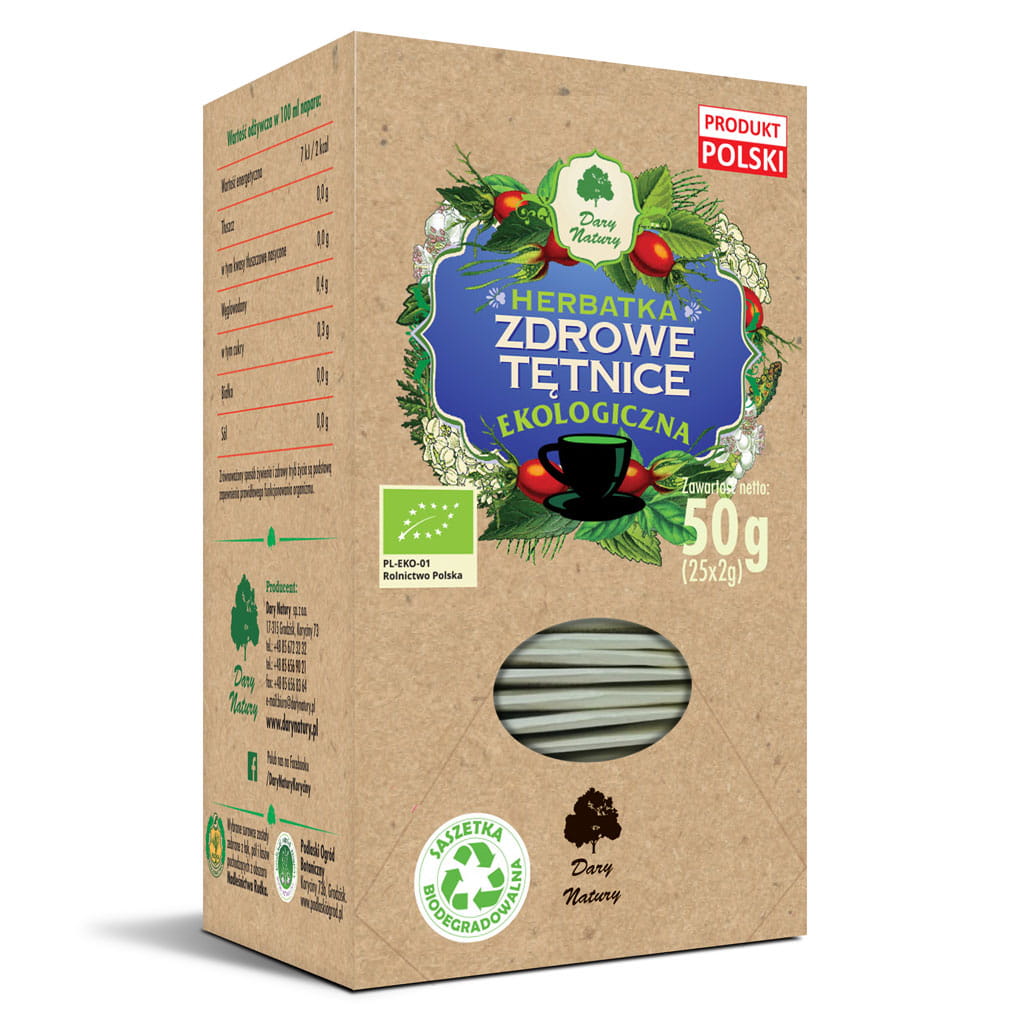
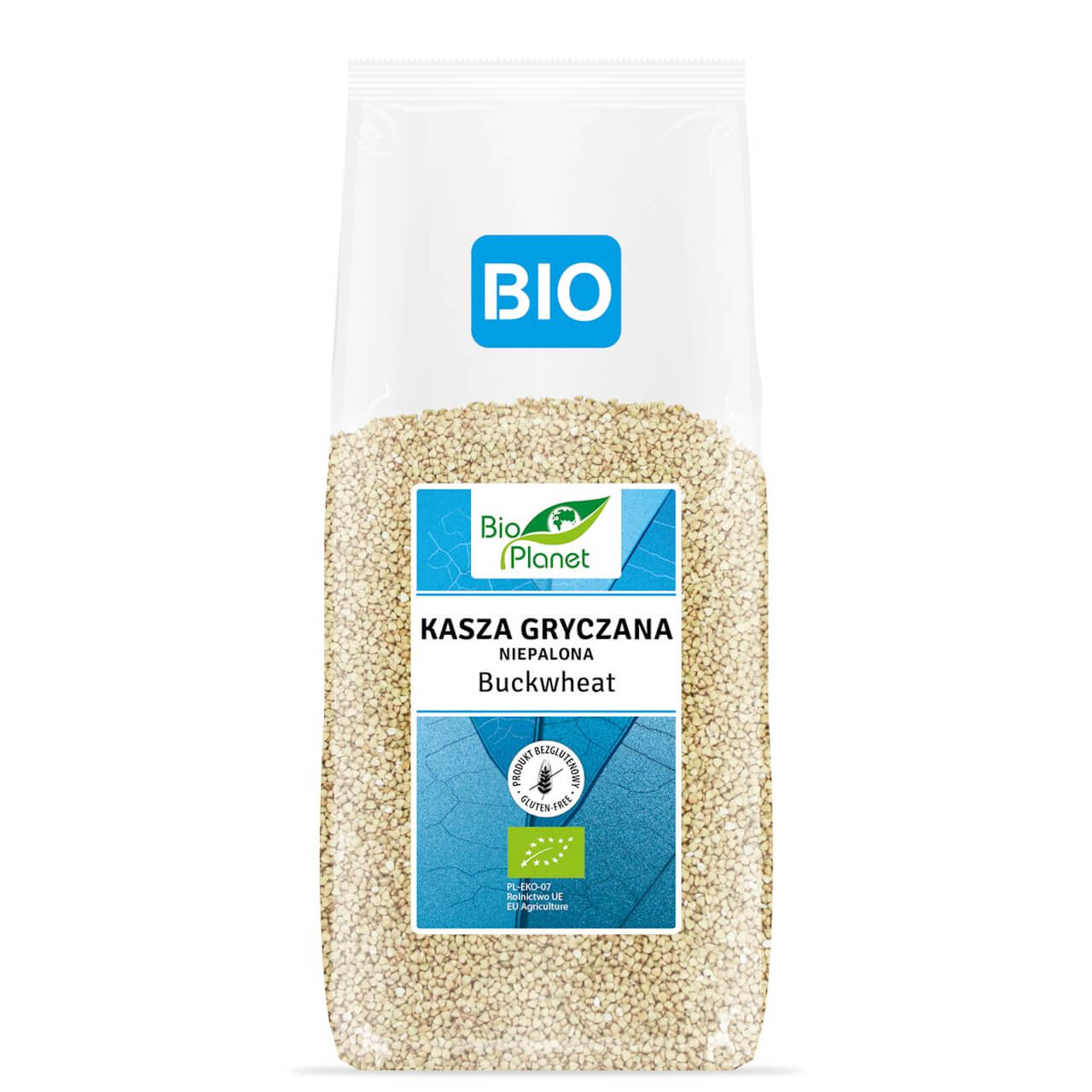
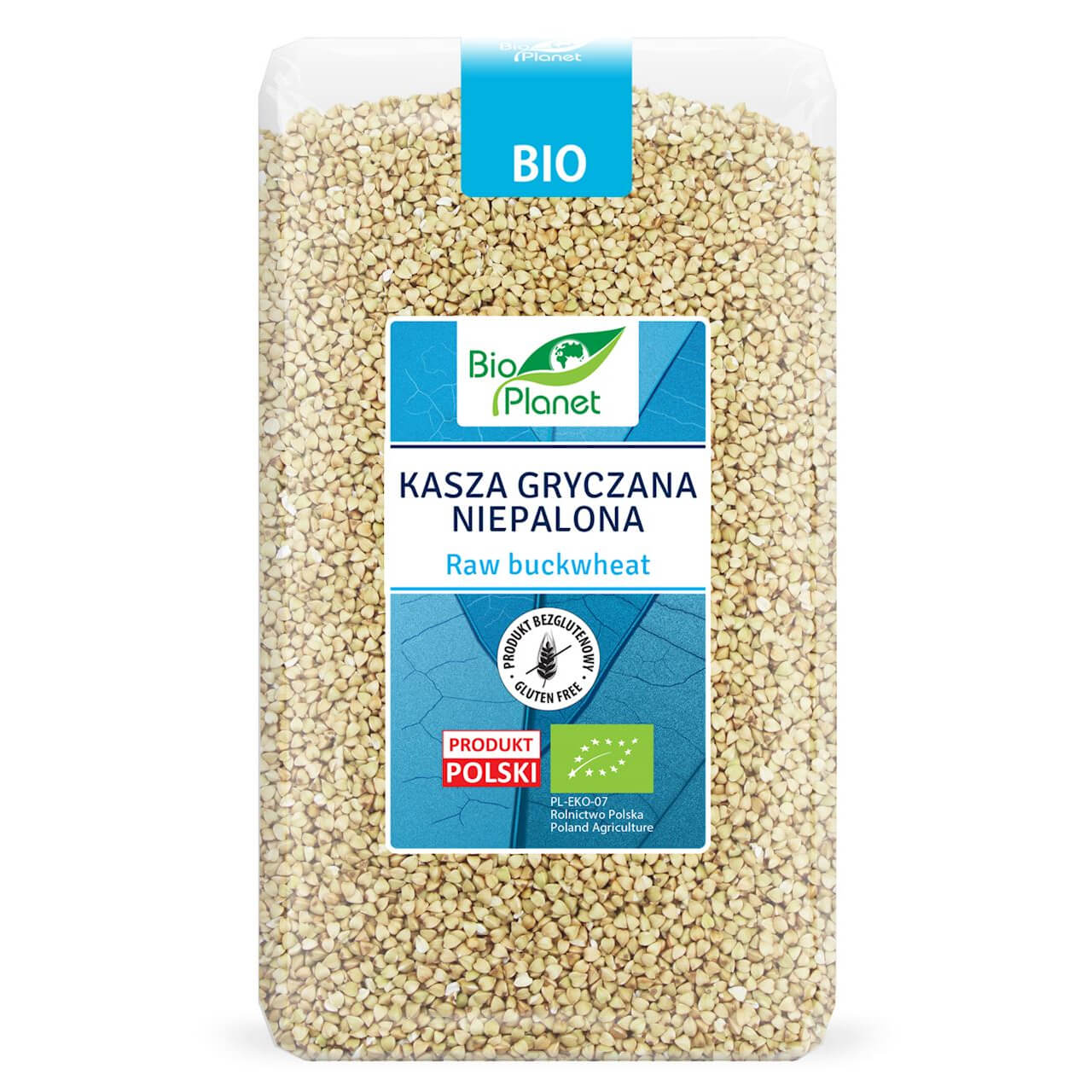
Additionally, organic products are marked with a European Union organic production certificate and the certification body's number. Since 2010, the Euroleaf symbol has been the universal organic certification symbol and is mandatory on food packaging packaged in the EU.

Organic food symbol
In Poland, the regulations contained in the EU Council Regulation (EC) No. 834/2007 apply. The definition of organic farming in the regulation states that it is:
an overall system of farm management and food production that combines best environmental practices, a high level of biodiversity, the protection of natural resources, the application of high animal welfare standards and a production method that meets the requirements of certain consumers who prefer products produced using natural substances and processes.
Organic farming is a farming system that aligns with the concept of sustainable development. It addresses the following issues:
- environmental – does not degrade the environment and protects it for people and animals;
- economic — creates value and supports economic development;
- social - meets the demand for food, helps economically develop rural areas.
Organic farms face numerous requirements , the fulfillment of which is regularly monitored by authorized certification bodies. These include:
- ban on the use of GMOs, hormones, most antibiotics, ionizing radiation, artificial preservatives, flavors or dyes;
- ban on the use of artificial fertilizers and plant protection products;
- ban on the use of monoculture crops;
- using crop rotation to maintain biodiversity and soil fertility;
- use of fertilizers based on organic material;
- preventing pests and diseases through the use of natural enemies, appropriate selection of plant species and biological techniques;
- caring for animal welfare and feeding them organic feed.
According to IFOAM , an international organization working to introduce truly sustainable agriculture worldwide, organic farming should be based on four principles :
- The principle of health – soil, plants, animals, people and the entire Earth are one, and organic farming aims to multiply the health of these elements.
- The Principle of Ecology —Organic agriculture operates within and similarly to other living ecological systems. It must take into account the flow of matter and energy in nature and cooperate with the processes occurring within it.
- The principle of justice — the need to build honest interpersonal relationships and respect all living beings.
- Principle of care – organic farming is conducted responsibly, with future generations in mind, to maintain human health and the environment in the best condition.
Therefore, sustainable food production has a lower environmental impact because it positively influences soil fertility, maintains water quality, preserves biodiversity and ecological balance, and responsibly uses natural resources and energy. Furthermore, it emphasizes interpersonal fairness, respectful treatment of animals, and the future generations who will inherit the nature around us.
Certification of organic food products
When faced with two similar products in the store, it can be difficult to distinguish organic from non-organic, as we rely primarily on organoleptic assessment. This problem is addressed by certificates awarded to products by certification bodies. A customer who trusts such organizations doesn't have to analyze each product themselves. Seeing a specific mark on the packaging lets them know which requirements have been met.
The very emergence of certifications and inspection bodies was prompted by the actions of dishonest producers and distributors in the last decades of the 20th century. They sold ordinary food as organic, deceiving and confusing consumers. This led to a loss of trust and credibility in organic products.
Within the EU, the rules set out in Council Regulation (EC) No 834/2007 apply. A certification body is an independent private third party that inspects and certifies organic production in accordance with the provisions of this regulation.
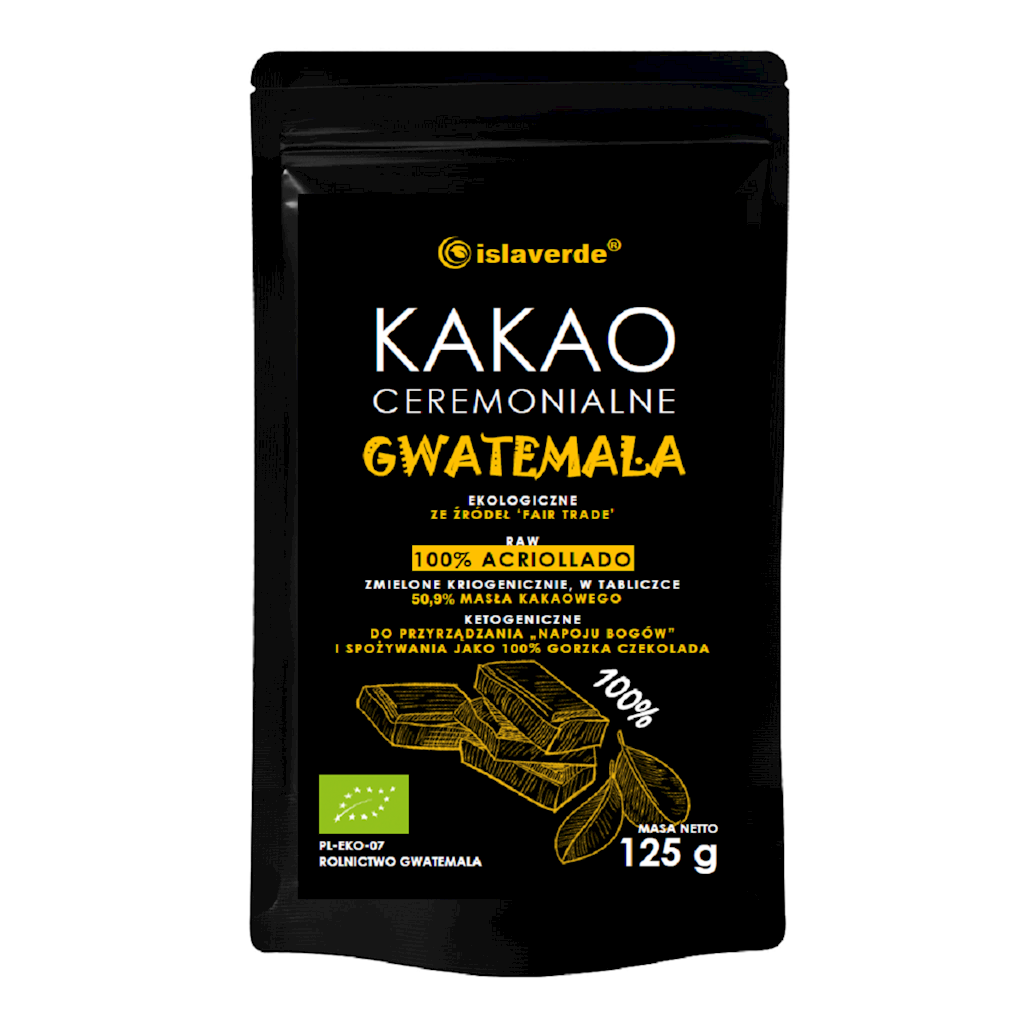
In Poland, authorization is granted by the Ministry of Agriculture and Rural Development. Each entity has an identification number (e.g., PL-EKO-01), which is included with the organic certificate on the packaging. This identifies which entity verified the product.
To obtain organic certification, a food producer or processor must meet the requirements for organic production, register with a selected certification body, and undergo the certification process at least once a year. A producer can produce both organic and conventional food simultaneously, but the two processes must be kept separate.
In addition to the EU certificate, many other labels can be found on organic food packaging. We discussed the most popular ones in our article on organic labels .
Organic and conventional food – what are the differences?
The fundamental difference between organic and conventional food is the production method. Artificial substances are not used, and care is taken to protect the environment and farm animals. Organic food production undergoes a specific control process.
In the table below we compare organic and conventional products .
|
Organic food |
Conventional food |
|
Produced using organic farming methods. |
Produced using conventional farming methods. |
|
The manufacturer's goal is to maximize profit by producing the appropriate amount of food with high nutritional value, while caring for the environment, animals and people. |
The producer's goal is to maximize profit by producing the maximum amount of food. |
|
Optimal efficiency and yields – product available in smaller quantities. |
High efficiency and yields – mass product. |
|
Usually a higher price. |
Usually lower price. |
|
Monoculture crops are excluded. |
Monoculture crops are allowed. |
|
The use of synthetic fertilizers and plant protection products is excluded. |
The use of synthetic fertilizers and plant protection products is permitted. |
|
The use of genetically modified organisms (GMOs) is excluded. |
The use of genetically modified organisms (GMOs) is permitted. |
|
The use of artificial stabilizers, colorants, preservatives and flavor enhancers is excluded. |
The use of artificial stabilizers, colorants, preservatives and flavor enhancers is permitted. |
|
Overexploitation of land and livestock is excluded. |
High exploitation of land and livestock is permitted. |
|
Little or no environmental contamination. |
Environmental contamination. |
|
Potentially higher nutritional value. |
Potentially lower nutritional value. |
|
Low degree of processing. |
Higher degree of processing. |
|
It requires more human work. |
Requires less human work. |
|
Food safety is regulated by appropriate regulations. |
Food safety is regulated by appropriate regulations. |
Organic food and healthy food
These terms often appear together, but they don't necessarily mean the same thing. The earlier part of this article explained what organic food is. Organic products are certified, confirming they meet certain requirements. However, any product can be called organic food . This term is primarily a marketing term and doesn't imply that the product is of a specific quality.
Organic products can certainly be called healthy due to their nutritional value and composition. However, it's important to remember that individual exceptions exist. For someone with a gluten allergy, organic wheat flakes will be unhealthy, while for those who are gluten-tolerant, they won't harm them. Therefore, it's always important to consider your personal health situation and adjust your diet accordingly.
Why is organic food more expensive?
The higher price of organic food products is due to several factors. Primarily, it stems from the ecological production method, which generates higher costs. Production is environmentally friendly, so land and other resources are not exploited excessively. More effective synthetic pesticides are also not used. All of this results in lower yields than with conventional crops.

Organic production requires more human labor than conventional production.
Furthermore, producing organic food is more labor-intensive and requires more hours. Annual certifications and any necessary development research are also expensive.
Where to buy organic food?
Organic farms and the products they produce still constitute a very small portion of the entire food industry. In Poland, in 2021, only 3.5% of all agricultural land was under organic farming, and the share of organic food sales in the overall food market was just 0.5%.
Most Poles buy regular food, with organic products being a relatively rare choice. The reason cited for this, in addition to higher prices, is the limited availability of certified food. In recent years, it has appeared in a growing number of stores of all kinds.
In Poland, organic products can be purchased in several places:
- Organic stores are specialized stores that primarily sell organic foods. You can also find natural cosmetics, cleaning products, and dietary supplements there. They are usually staffed by people who know their products and are able to advise customers. These are usually small brick-and-mortar stores. There are also online organic stores where you can conveniently order products to your home or pick them up at a pickup point. One of these is Żywioł Zdrowia, our health food store;
- in supermarkets and discount stores – in the mass-visited supermarkets and discount stores, organic products are merely a supplement. Despite this, over three-quarters of all organic purchases are made in supermarkets. Look for products on designated shelves or sections;
- At markets and fairs, producers themselves often sell their products at stalls. It's worth checking whether their products have an organic certificate. However, even the lack of one doesn't automatically mean the product is of poor quality. There's simply no guarantee that the requirements will be met;
- in drugstores – stores selling cosmetics and cleaning products rarely supplement their product range with healthy food. These are places where you can buy such products only occasionally;
- Directly from the manufacturer — Products purchased directly from the manufacturer are usually cheaper and fresher. However, such purchases can pose many difficulties and logistical challenges.