Iron deficiency in women primarily manifests as chronic fatigue, weakness, paleness, and difficulty concentrating — it most often results from blood loss during menstruation, increased demand during pregnancy, or insufficient dietary intake. It can only be confirmed by a blood test (ferritin, hemoglobin), and treatment depends on its cause and degree: from diet modification, through supplementation, to gynecological or gastroenterological diagnostics.
In this guide, you will find a full overview of the topic: how to recognize the symptoms of deficiency at different stages of its development, what are its most common causes in women, what tests to perform and how to interpret the results, which diet to follow to naturally increase iron intake, and also when and in what form to take a supplement — and why iron supplementation, unlike many other ingredients, requires prior diagnostics.

1. What is iron deficiency and why does it mainly affect women?
Iron deficiency is a condition in which the body does not have sufficient stores of this element to properly produce hemoglobin and supply tissues with oxygen. It is the most common nutrient deficiency in the world, and women of reproductive age are affected much more often than men — for physiological reasons, not lifestyle.
1.1 What role does iron play in the body?
Iron is a key component of hemoglobin — a protein in red blood cells that transports oxygen from the lungs to all body tissues. It also participates in muscle function (myoglobin), cellular energy production, and the functioning of enzymes involved in DNA synthesis.
According to health claims approved by the EFSA, iron contributes to:
- normal oxygen transport in the body,
- normal energy metabolism,
- reduction of tiredness and fatigue,
- normal functioning of the immune system,
- normal production of red blood cells and hemoglobin,
- normal cell division.
Good to know: the body cannot produce iron on its own — all of it must come from diet or supplementation. At the same time, it is absorbed relatively poorly, which makes this element one of the most difficult to balance in the daily diet.
1.2 Why are women more at risk than men?
The difference primarily stems from regular blood loss during menstruation. An average menstrual period involves the loss of about 30–40 ml of blood, which translates into an additional iron requirement compared to men. In women with heavy periods (menorrhagia), this loss can be several times higher, significantly increasing the risk of deficiency.
Additional factors increasing iron demand in women include:
- pregnancy and lactation — increased demand for blood production for the fetus and postpartum recovery,
- physiologically lower iron stores (ferritin) than in men, even with a proper diet,
- intense physical activity — microtrauma to blood vessels and increased red blood cell turnover in physically active women.
That is why the recommended daily iron intake for women aged 19–50 is significantly higher than for men of the same age — the difference results directly from menstrual blood loss, not from a generally higher metabolic demand.
2. What are the symptoms of iron deficiency in women?
Iron deficiency develops gradually, so its first symptoms are often mistaken for ordinary fatigue or stress. The longer the deficiency lasts, the more severe the symptoms become — from a mild drop in energy to full-blown iron deficiency anemia.
| Stage of deficiency | What happens in the body | Typical symptoms |
|---|---|---|
| Depletion of stores | Ferritin drops, hemoglobin still normal | Often asymptomatic or mild fatigue |
| Latent anemia | Low ferritin, hemoglobin at the lower limit of normal | Fatigue, decreased concentration, worse exercise tolerance |
| Overt iron deficiency anemia | Hemoglobin below normal | Pallor, shortness of breath, heart palpitations, dizziness |
Scroll right to see the full table (on mobile devices) →
2.1 What are the early symptoms of iron deficiency?
At this stage, the body's iron stores (measured by ferritin levels) are already reduced, but hemoglobin remains within the normal range. Symptoms can be subtle and easily attributed to fatigue or an autumn slump:
- feeling of chronic fatigue, disproportionate to effort,
- weakness and faster fatigability during daily activities,
- difficulty concentrating, "brain fog",
- headaches and dizziness,
- reduced immunity — more frequent infections.
2.2 What are the symptoms of advanced iron deficiency (anemia)?
As the deficiency deepens and hemoglobin levels drop, overt iron deficiency anemia occurs. Symptoms become more pronounced and harder to ignore:
- pallor of the skin, conjunctiva, and mucous membranes,
- shortness of breath with little physical exertion,
- accelerated heartbeat (palpitations), sometimes a feeling of the heart "skipping a beat",
- dizziness, and even fainting,
- stronger headaches and dizziness than at an earlier stage,
- tinnitus.

2.3 What are the less obvious symptoms of iron deficiency?
Some symptoms are rarely associated with iron, which means the deficiency is often diagnosed only at an advanced stage:
- Hair and nails — excessive hair loss, brittle, thin nails, in extreme cases koilonychia (spoon-shaped, concave nails).
- Skin and mucous membranes — dry skin, cracked corners of the mouth (angular cheilitis), inflammation of the tongue (glossitis).
- Restless legs syndrome — an unpleasant sensation in the legs, worsening in the evening and at rest.
- Pica — unusual craving for eating non-food substances (e.g., ice, chalk, dirt); a rare but characteristic symptom of severe deficiency.
- Decreased libido and overall decrease in vitality.
Interesting fact: a craving for chewing ice (so-called pagophagia) is one of the most specific symptoms of iron deficiency described in medical literature — in some people, it subsides quite quickly after starting supplementation, even before blood test results improve.
2.4 When do iron deficiency symptoms require an urgent doctor's consultation?
Some symptoms are a signal that it's not worth waiting for a "better time" for tests. Consult a doctor as soon as possible if you notice:
Consult a doctor if you experience:
- shortness of breath or heart palpitations during daily activities,
- fainting or severe dizziness,
- very heavy or irregular periods,
- blood in stool or black, tarry stools (may indicate gastrointestinal bleeding),
- severe, increasing weakness persisting despite rest.
Self-interpretation of symptoms has its limits — some of them (e.g., shortness of breath, heart palpitations) may indicate not only iron deficiency but also other conditions requiring differential diagnosis. We discuss what tests allow unambiguous verification of this in Chapter 4.
3. What are the causes of iron deficiency in women?
Iron deficiency rarely has a single cause — most often it is a combination of several factors acting simultaneously: increased blood loss, increased demand, and insufficient intake or absorption from the diet. Understanding which mechanism dominates in your case is crucial, because it determines whether a change in diet is enough, or if diagnosis and treatment of the underlying cause are necessary.
3.1 Can heavy periods cause iron deficiency?
This is the most common cause of iron deficiency in women of reproductive age. Menorrhagia, or excessively heavy or prolonged menstrual bleeding, leads to the loss of significantly more iron than the body is able to replenish from a typical diet.
Heavy periods are considered to be bleeding lasting longer than 7 days or requiring changing a pad/tampon more often than every 2 hours. The most common gynecological causes that cause them include:
- Uterine fibroids — benign tumors of the uterine muscle, one of the most common causes of heavy bleeding in women over 30,
- Endometriosis and adenomyosis — the presence of endometrial tissue outside the uterine cavity or in its wall,
- Hormonal disorders, including polycystic ovary syndrome (PCOS), which can cause irregular but very heavy bleeding,
- Clotting disorders — a rarer but possible cause of chronically heavy periods,
- Intrauterine devices (non-hormonal) — may increase the volume of menstrual bleeding.
Important: if periods are so heavy that they disrupt daily functioning, it's not something to "wait out" with diet or supplements. Gynecological diagnostics allow finding the cause of the bleeding and effectively stopping further iron loss — without it, supplementation will only patch up the symptoms.
3.2 How do pregnancy and puerperium affect iron requirements?
Pregnancy is a period when the demand for iron increases most rapidly in a woman's entire life. The body must supply iron not only to its own blood volume, which increases by about 50%, but also to the developing fetus and placenta.
The demand changes depending on the trimester — it is relatively small at the beginning of pregnancy and increases sharply in the second and third trimesters, when the most intensive fetal growth and increase in maternal blood volume occur. Additionally:
- childbirth involves blood loss, which the body must replenish during the puerperium,
- breastfeeding, although it does not itself cause blood loss, requires additional energy and nutrients during the postpartum recovery period,
- women entering pregnancy with already low iron stores (low ferritin) are significantly more at risk of anemia during it.
For this reason, iron levels are routinely monitored during prenatal visits, and the decision about possible supplementation during pregnancy should always be made by the attending physician — dosage and form of iron are selected individually based on test results.
3.3 Can diet be a cause of iron deficiency?
Insufficient iron intake from food is a common, though rarely the sole, factor in deficiency. This applies to both diets with low overall calorie content (e.g., during weight loss) and diets simply poor in iron-rich products — regardless of whether they contain meat or not.
The risk of insufficient intake increases in several situations:
- restrictive weight loss diets, with a long-term calorie deficit,
- a diet poor in variety — based on a narrow group of products,
- elimination diets without proper balancing of substitutes,
- too low consumption of products that are the main source of iron in the daily diet — we describe in detail which products are worth including in Chapter 5.
The mere fact of eating meat does not automatically protect against deficiency — if the diet is irregular, low in calories, or poorly balanced, iron deficiency can occur regardless of its overall nature.

BICAPS ferr C chelate Iron and Vitamin C 60 capsules - ForMeds
3.4 What diseases impair iron absorption?
Even with a properly balanced diet, iron may not be effectively absorbed if there is a disease process in the body that damages the intestinal lining or changes the digestive environment. The most common causes include:
- Celiac disease — untreated celiac disease damages intestinal villi, which significantly impairs the absorption of iron and other micronutrients,
- Inflammatory bowel diseases (IBD) — Crohn's disease and ulcerative colitis, which can cause both chronic microbleeding and malabsorption,
- Helicobacter pylori infection — a bacterium inhabiting the stomach, which is associated with reduced iron absorption, among other things, by affecting the acidity of gastric juice,
- Chronic use of gastric acid neutralizers (proton pump inhibitors, antacids) — lower stomach acidity makes it difficult to convert iron into a more easily absorbable form,
- State after bariatric surgery or intestinal resections — reduced absorption surface in the gastrointestinal tract.
Observations from our female clients show that iron deficiency, which does not improve despite dietary changes and regular supplementation, most often stems from this group of causes — and requires gastroenterological diagnostics, not increasing the supplement dose on one's own.
In practice, several factors often overlap in many women — for example, heavy menstruation combined with a diet low in iron. Therefore, before reaching for a supplement, it is worth assessing the actual extent of the deficiency through blood tests, which we discuss in the next chapter.
4. How to check if you have an iron deficiency? Diagnostics and norms
The symptoms described in chapter 2 may indicate iron deficiency, but the only way to confirm it is a blood test. Well-being does not always reflect the real state of iron stores – some women function relatively well with low ferritin, while others experience severe fatigue even with a slight drop in iron levels. Therefore, laboratory diagnostics, not a subjective assessment of symptoms, should be the basis for deciding on supplementation.
4.1 What blood tests should be done if iron deficiency is suspected?
A single blood iron level test (so-called serum iron) is insufficient — its result changes throughout the day and due to meals, which can be misleading. A full picture of iron metabolism is only provided by a set of several parameters:
- Complete blood count with differential — basic test assessing the number and size of red blood cells and hemoglobin level,
- Ferritin — the best indicator of iron stores in the body; it drops first, even before changes appear in the blood count,
- Serum iron (Fe) — current level of iron circulating in the blood,
- TIBC (Total Iron-Binding Capacity) — shows how much iron the body "would like" to bind; it increases with deficiency,
- Transferrin saturation (TSAT) — percentage ratio of serum iron to TIBC, helps differentiate iron deficiency from other causes of anemia,
- CRP (C-reactive protein) — worth measuring concurrently with ferritin, as inflammation in the body artificially raises ferritin levels and can mask actual deficiency.
Why is serum iron alone not enough? Its level can be normal even with a real deficiency of stores, and at the same time temporarily lowered, for example, after intense training or during an infection. Ferritin in combination with a blood count gives a much more reliable picture of the situation.
4.2 What are the normal iron and ferritin levels for women?
Reference ranges may vary slightly between laboratories, so the result should always be interpreted against the norms given on the specific test result. The table below shows approximate ranges most commonly used for adult women.
| Parameter | Approximate norm for women | What a below-normal result means |
|---|---|---|
| Hemoglobin | approx. 12–15.5 g/dL | Possible anemia |
| Ferritin | approx. 15–150 ng/mL | Low iron stores in the body |
| Serum iron | approx. 37–145 µg/dL | Circulating iron deficiency |
| TIBC | approx. 250–450 µg/dL | Elevated TIBC suggests iron deficiency |
| Transferrin saturation (TSAT) | approx. 20–50% | Low saturation indicates iron deficiency |
Scroll right to see the full table (on mobile devices) →
Note: the values provided are indicative and may vary depending on the laboratory, method of determination, and units. It is best to consult a doctor for interpretation of the results, especially when the results are borderline or accompanied by alarming symptoms.
4.3 How does iron deficiency anemia differ from other types of anemia?
Not all anemia (anemia) results from iron deficiency — this distinction is directly relevant to treatment, as iron supplementation will not help, and sometimes can even harm, if the cause is different.
- Iron deficiency anemia — the most common type, characterized by low ferritin and so-called microcytosis (red blood cells smaller than usual),
- Megaloblastic anemia — results from vitamin B12 or folic acid deficiency, characterized by enlarged red blood cells (macrocytosis),
- Anemia of chronic disease — accompanies inflammation, autoimmune diseases, or cancer; ferritin may then be normal or even elevated despite an actual deficiency of available iron,
- Thalassemia and other genetic anemias — congenital disorders of hemoglobin structure, requiring entirely different management than iron supplementation.
Therefore, self-supplementation of iron "just in case," without prior testing, may not only fail to solve the problem but in some types of anemia can even be contraindicated. A full panel of tests described in subsection 4.1 allows for unambiguous determination of the type of anemia present.
5. Iron-rich diet – what to eat for deficiency?
Diet is the first line of action for mild iron deficiency and an important supportive element even when supplementation is necessary. However, it's not just what we eat, but also how we combine individual products – iron is one of those ingredients whose absorption strongly depends on the context of the entire meal.
5.1 What is the difference between heme and non-heme iron?
Two forms of iron exist in food, which the body absorbs to entirely different extents:
- Heme iron — comes exclusively from animal products (meat, offal, fish). Its bioavailability is high, approximately 15–35%, and absorption is relatively insensitive to the composition of the rest of the meal.
- Non-heme iron — found in plant products (legumes, green leafy vegetables, whole grains) and to a lesser extent in animal products. Its absorption is much lower, usually between 2–20%, and strongly depends on what it is consumed with — vitamin C can increase it, while strong tea or coffee consumed with a meal, for example, can significantly lower it.
In practice, this means that a diet based mainly on plant sources of iron requires more attention to combining products than a diet that also contains heme sources — not because it is worse, but because the margin for error is smaller.
5.2 What are the best sources of iron in the diet?
| Product (portion) | Approximate iron content | Type of iron |
|---|---|---|
| Chicken liver (100 g) | approx. 8–9 mg | Heme |
| Cooked lentils (1 cup) | approx. 6–7 mg | Non-heme |
| Pumpkin seeds (30 g) | approx. 2.5–3 mg | Non-heme |
| Beef (100 g) | approx. 2.5–3 mg | Heme |
| Cooked spinach (1 cup) | approx. 3.5–6 mg | Non-heme (low bioavailability) |
| Cooked chickpeas (1 cup) | approx. 4.5 mg | Non-heme |
| Egg (1 piece) | approx. 0.9–1 mg | Heme/non-heme (mixed) |
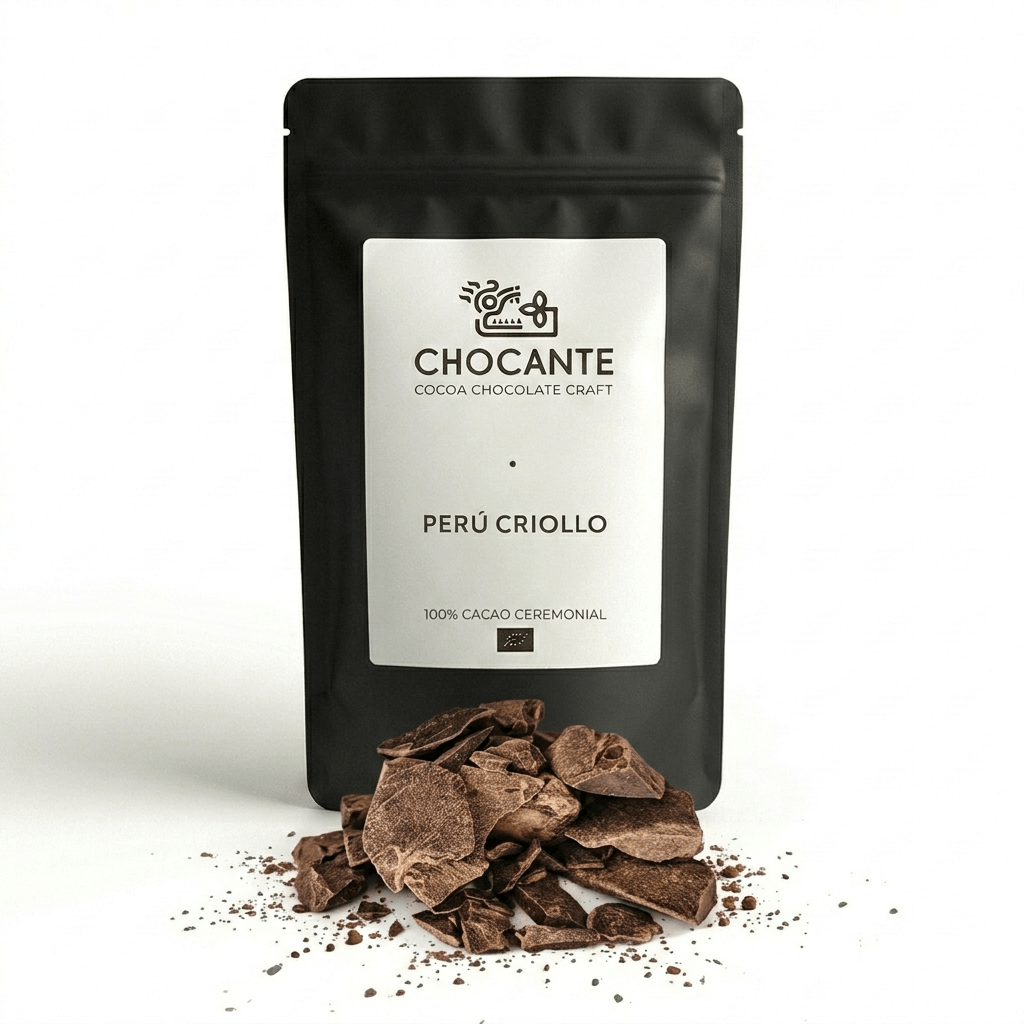
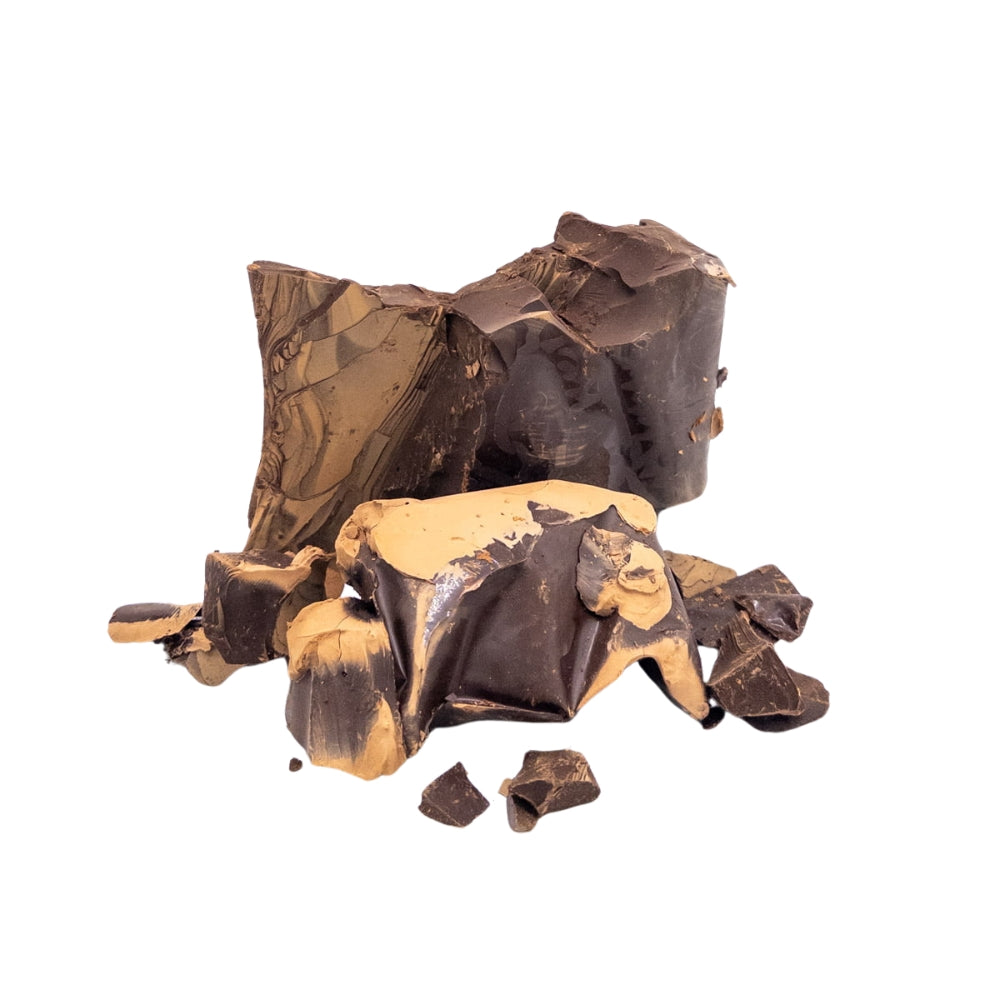
| Bitter cocoa (2 tablespoons) | approx. 2–3 mg | Non-heme |
Scroll right to see the full table (on mobile devices) →
Approximate values, may vary depending on origin and preparation method.

5.3 What increases iron absorption?
Because non-heme iron absorption is limited, it is worth consciously combining meals to support it:
- Vitamin C — one of the strongest enhancers of non-heme iron absorption; it is worth combining plant products rich in iron with bell peppers, parsley, citrus fruits, or fermented foods,
- Animal protein — the presence of meat or fish in a meal improves the absorption of non-heme iron from other components of the same dish,
- Organic acids — present, for example, in sauerkraut or apple cider vinegar, can slightly support absorption,
- Separation in time — if an iron-rich meal is difficult to combine with absorption-enhancing products, simply avoiding inhibitors (see 5.4) in the same meal already makes a difference.
5.4 What blocks iron absorption?
Just as important as knowing what to eat is being aware of what to avoid in the same meal where iron-rich foods are consumed:
- Tannins and polyphenols — present in tea (black, green) and coffee; consumed directly with a meal, they can significantly reduce non-heme iron absorption. It is advisable to allow at least an hour between an iron-rich meal and a cup of tea or coffee,
- Calcium — competes with iron for the same absorption mechanisms in the intestine; large amounts of dairy or calcium supplements consumed with an iron-rich meal can lower its absorption,
- Phytates — present in bran, raw legumes, and whole grains; soaking, sprouting, and fermentation of these products partially reduce their content and improve iron availability,
- Fiber in very large quantities — an excess of dietary fiber in one meal can slightly limit iron absorption; more about the role of fiber in the diet can be found in a separate guide,
- Antacids — lower stomach acidity needed to convert iron into a more absorbable form.
Curiosity: this is why the classic combination of "spinach with a glass of milk" or "sandwich with cheese and tea" is a worse choice from the point of view of iron absorption than it might seem — even though each of these products separately is valuable.
5.5 What might an iron-rich day of eating look like?
The example below shows how to practically combine iron-rich foods with those that support its absorption, while avoiding combinations that block it.
- Breakfast: scrambled eggs with parsley and tomato, whole-grain bread — coffee or tea should preferably be delayed by an hour,
- Second breakfast: a handful of soaked almonds and pumpkin seeds with a vitamin C-rich fruit (e.g., kiwi or orange),
- Lunch: beef goulash or lentils stewed with bell peppers and spinach, accompanied by sauerkraut salad,
- Afternoon snack: cocoa with plant-based or cow's milk and a bit of dark chocolate,
- Dinner: chickpeas with vegetables and lemon, e.g., in the form of hummus spreads.
Consistent use of such combinations for several weeks genuinely increases the amount of iron available for absorption — even if the products themselves remain similar to those eaten previously. However, this is a long-term action: when the deficiency is already confirmed by tests, diet alone is usually not enough to quickly replenish stores. We discuss when to reach for a supplement and how to choose its form in the next chapter.
6. When diet is not enough – iron supplementation
Iron supplementation is an effective method of replenishing deficiencies, but — unlike many other micronutrients — it should not be used prophylactically "just in case." Excess iron is difficult to eliminate from the body, so the decision to supplement is best made when based on test results, not solely on perceived symptoms.
6.1 When should iron supplementation be considered?
Supplementation makes sense primarily in situations where diet — even a well-balanced one — cannot keep up with the rate of loss or increased demand for iron:
- iron deficiency or low ferritin confirmed by tests, even with normal hemoglobin,
- diagnosed iron deficiency anemia,
- very heavy menstruation, where the cause has been diagnosed and treated, but the body needs support in rebuilding stores,
- pregnancy, where the treating physician recommends supplementation based on tests,
- convalescence after blood loss (e.g., after surgery),
- diagnosed absorption disorders where diet cannot meet the demand.
The mere presence of fatigue or weakness — without confirmation by tests — is not a sufficient basis to start supplementation. The same symptoms can have completely different causes, and taking iron "on trial" without prior diagnosis can mask the actual problem and delay accurate diagnosis.

6.2 What are the forms of iron in supplements and how do they differ?
Several iron compounds are available on the market, differing in bioavailability, tolerance by the digestive system, and price. The choice of the appropriate form should be individualized — especially those prone to gastrointestinal complaints may better tolerate milder forms.
| Form of iron | Bioavailability | Gastric tolerance | For whom |
|---|---|---|---|
| Iron(II) sulfate | High | Lower – frequent side effects | Individuals without a predisposition to stomach problems |
| Iron(II) gluconate | High | Medium | An alternative for those who tolerate sulfate poorly |
| Iron(II) fumarate | High | Medium | Individuals needing a concentrated dose in a smaller tablet |
| Iron(II) bisglycinate | High, well-absorbed | Good – less likely to irritate the stomach | Individuals sensitive to classic forms of iron |
| Heme iron (from hemoglobin) | Very high | Good | Individuals seeking a form similar to what naturally occurs in the diet |
| Liposomal iron | High, less dependent on the presence of other substances in the meal | Very good | Individuals with a history of severe side effects from other forms |
Scroll right to see the full table (on mobile devices) →
Higher bioavailability does not always mean a better choice for every person — if a given form causes severe stomach discomfort, the risk of discontinuation before the deficiency is supplemented can be a bigger problem than slightly lower theoretical absorption of a milder form.

BICAPS ferr C Iron and Vitamin C 60 capsules - ForMeds
6.3 How to dose iron and when to take it for better absorption?
Iron supplement dosage should be individually selected based on test results and the recommendations of a doctor or pharmacist — there is no single universal dose suitable for every person with a deficiency. General rules that increase the effectiveness of supplementation include:
- Taking on an empty stomach or between meals — iron is absorbed better without food, although for some individuals this causes stomach discomfort, in which case it is acceptable to take it with a small snack,
- Avoiding combination with coffee, tea, calcium, and calcium supplements — maintain a gap of at least 1–2 hours from these products,
- Support with vitamin C — a glass of orange juice or a vitamin C supplement taken with iron can improve its absorption,
- Supplementation every other day — increasingly indicated as a strategy that for some individuals allows comparable effectiveness with fewer side effects than daily intake; however, the decision on the regimen should be consulted individually,
- Regular monitoring of results — ferritin levels should be checked every few to several weeks to assess the effectiveness of supplementation and avoid unnecessarily prolonging it after reserves are replenished.
Good to know: replenishing iron stores is a long-term process — improved well-being often appears faster than ferritin levels normalize. This does not mean that supplementation can be stopped immediately; its duration is best determined based on follow-up tests, not just the disappearance of symptoms.
6.4 What are the side effects of iron supplementation and how to manage them?
Gastrointestinal discomfort is the most common reason why iron supplementation is discontinued too early. Typical side effects include:
- nausea and epigastric discomfort,
- constipation or, less commonly, diarrhea,
- dark stool coloration,
- metallic taste in the mouth.
If side effects are bothersome, instead of completely giving up supplementation, consider:
- changing the form of iron to one that is better tolerated (e.g., bisglycinate or liposomal iron),
- taking the supplement with a small amount of food instead of on an empty stomach,
- dividing the daily dose into smaller portions,
- switching to an every-other-day regimen instead of daily intake,
- increasing dietary fiber and fluid intake in case of constipation.
6.5 What to combine iron supplements with, and what to avoid?
The effectiveness of supplementation depends not only on the form and dose but also on what iron is taken with during the day:
- Good combinations: vitamin C, meals without large amounts of calcium, time gap from coffee and tea,
- Avoid taking simultaneously with: calcium and magnesium supplements, milk and dairy products in large quantities, antacids, and certain antibiotics — in this case, it's worth consulting a pharmacist about the time interval,
- Be cautious when combining with other iron-containing supplements — for example, some multivitamin and mineral complexes already contain iron, which, when taken with a separate supplement, can lead to exceeding the safe dose.
However, before reaching for an iron supplement, it's worth knowing that — unlike many other micronutrients — its excess is not harmless. We discuss the consequences and why supplementation without tests can be risky in the next chapter.
7. Is iron supplementation always safe?
Iron differs from most popular supplements in that the body does not have an effective mechanism to get rid of its excess. Unlike water-soluble vitamins, which are largely excreted in urine, excess iron accumulates in tissues and organs — which can be harmful in the long run.
7.1 What is the risk of excess iron in the body?
Chronically high iron levels can lead to its deposition in internal organs, including the liver, heart, and pancreas, which over time can impair their function. Situations where iron supplementation is contraindicated or requires particular caution include:
- Hemochromatosis — a genetically determined disease leading to excessive absorption and accumulation of iron in the body; individuals with this condition or a family history of it should not supplement iron without strict medical supervision,
- Liver diseases — this organ is particularly susceptible to damage related to excess iron,
- Certain blood disorders where iron supplementation is contraindicated regardless of blood count results,
- Anemias not resulting from iron deficiency — as described in subsection 4.3, supplementation in such cases not only does not help but can additionally burden the body.
Acute iron poisoning, although rare in adults, can occur with a single intake of a very large dose and is a potentially dangerous condition for health — iron supplements should be kept out of reach of children, for whom even relatively small amounts can be dangerous.
Symptoms that may indicate excess iron include chronic fatigue (paradoxically similar to deficiency symptoms), joint pain, abdominal pain, and abnormal liver function tests. If these occur during supplementation, consult a doctor and perform follow-up tests.
7.2 Why is it not advisable to supplement iron "by feel" without tests?
Starting iron supplementation solely based on perceived fatigue, without prior blood tests, carries several real risks:
- the possibility of masking the actual cause of symptoms that requires entirely different management (e.g., thyroid problems, vitamin B12 deficiency, sleep disorders),
- risk of unconscious supplementation with existing but undiagnosed iron overload or a condition like hemochromatosis,
- delay in diagnosing a more serious cause if symptoms (e.g., heavy bleeding) result from a problem requiring causal treatment, not just deficiency replenishment,
- unnecessary burden on the gastrointestinal tract with side effects of a supplement that may be completely unnecessary in a given case.
The blood tests described in chapter 4 are inexpensive, widely available, and provide a clear answer as to whether supplementation is indicated at all, and if so — at what dose and for how long. This is the safest starting point before reaching for any iron preparation.
8. FAQ – frequently asked questions about iron deficiency in women
8.1 Can iron deficiency resolve on its own without treatment?
In very mild and short-term deficiency, resulting for example from a temporarily poorly balanced diet, dietary improvement may be sufficient. However, if the cause is chronic blood loss (e.g., heavy menstruation) or malabsorption, the deficiency usually persists or worsens without identifying and addressing the root cause.
8.2 How long does it take to replenish iron stores in the body?
This is a process that spans weeks, not days. Improved well-being often appears after 2–4 weeks of supplementation, but full replenishment of stores (ferritin normalization) usually requires several months of regular iron intake — which is why supplementation should not be stopped too early, even if symptoms have already subsided.
8.3 Does intense training increase the risk of iron deficiency in women?
Yes, especially in endurance disciplines. Intense physical exertion exacerbates microdamage to blood vessels in the feet (so-called march hemolysis), increases iron loss through sweat, and raises hepcidin levels — a hormone that temporarily limits iron absorption from the gastrointestinal tract. For women who train competitively, more frequent ferritin monitoring should be considered.
8.4 Can iron deficiency affect the menstrual cycle or fertility?
Advanced iron deficiency is sometimes linked to menstrual cycle disorders, although this relationship is complex and also works in reverse — menstrual cycle disorders (heavy bleeding) are most often the cause of deficiency, not its consequence. Regarding the impact on fertility, it is best to consult a gynecologist, as the clinical picture can be individualized.
8.5 Can iron levels be checked without a blood test?
Not reliably. Symptoms such as paleness or fatigue may suggest a deficiency but do not allow for determining its degree or distinguishing it from other causes with a similar clinical picture. The only reliable method remains the panel of laboratory tests described in chapter 4.
8.6 Do plant-based diets always require iron supplementation?
Not automatically — a well-planned plant-based diet, including products rich in non-heme iron and consciously combining them with vitamin C, can provide a sufficient amount of this element. The decision to supplement, regardless of the type of diet, should result from blood test results, not from the mere fact of excluding meat.
9. Summary
Iron deficiency in women rarely has a single, simple cause — it is most often a combination of regular menstrual blood loss, increased demand (e.g., during pregnancy), and a diet that does not keep up with these needs. Key conclusions from this guide:
- Deficiency symptoms can be non-specific (fatigue, poor concentration) and easily underestimated — but signals such as shortness of breath, heart palpitations, or very heavy periods require medical consultation.
- The only reliable way to confirm a deficiency is a blood test panel including a complete blood count, ferritin, iron, TIBC, and TSAT — not just self-assessment.
- A diet rich in iron, taking into account factors that increase and block its absorption, is effective support, but with confirmed deficiency, it is usually not enough on its own.
- Iron supplementation should be based on test results, not intuition — its excess, unlike many other ingredients, can be as problematic for the body as a deficiency.
If you have been experiencing persistent fatigue for a long time and suspect that the cause may lie deeper than just iron levels, it is worth reading our article on what causes constant fatigue and lack of energy. Regardless of the suspected cause, the first and most important step remains to perform basic blood tests — they, not diet or supplements, should be the starting point for further decisions.
10. Sources
- National Institutes of Health, Office of Dietary Supplements – Iron: Fact Sheet for Health Professionals. ods.od.nih.gov
- Pasricha S-R, Tye-Din J, Muckenthaler M.U., Swinkels D.W. Iron deficiency. The Lancet, 2021;397(10270):233–248. doi.org/10.1016/S0140-6736(20)32594-0
- European Commission – Regulation (EU) No 432/2012 establishing a list of permitted health claims made on foods. eur-lex.europa.eu