Among the herbs and raw materials most often advertised as support for memory and concentration, only a few have solid randomized clinical trials in humans. The best-confirmed are: Ginkgo biloba (improving cerebral microcirculation, especially in existing cognitive impairments), Bacopa monnieri (slowing the rate of forgetting with regular use for 8–12 weeks), L-theanine from green tea and matcha (calm concentration, effect measurable in EEG after a single dose), and Rhodiola rosea (reduction of mental fatigue under stress). Ashwagandha, sage, Gotu kola, and Lion's Mane have interesting biological profiles, but with significant caveats regarding the strength of evidence or safety of use.
Herbs do not work like caffeine – most of them require weeks of regular use and act through mechanisms other than simple stimulation. Some support cerebral circulation, some modulate neurotransmitters, some act by reducing cortisol or stimulating nerve growth factors. The choice of the right raw material depends on why you are having problems with memory or concentration – and on what you can realistically expect from phytotherapy.
In this article, you will find a detailed discussion of nine raw materials: mechanisms of action, results of clinical studies, dosage and standardization of extracts, interactions, and contraindications. At the end – a comparative table of all herbs and practical rules for their use, combination, and assessment of effectiveness.

1. How herbs can support memory and concentration? Mechanisms of action
Herbs do not affect the brain in a single, universal way. Each of the plants discussed in this article acts through a different mechanism – and often through several simultaneously. To assess which ones actually have a chance to help and in what situations, it is worth first understanding how the brain regulates memory and concentration at a biological level. It is this knowledge that allows us to separate effective phytotherapeutic strategies from marketing promises.
1.1. Cerebral circulation and neuron oxygenation
The brain constitutes only about 2% of body weight, yet it consumes about 20% of total oxygen intake and nearly 25% of glucose circulating in the blood. This disproportionately high energy demand makes the brain extremely sensitive to any disturbances in blood flow – even short-term hypoxia causes an immediate deterioration in concentration, working memory, and information processing speed.
Proper cerebral circulation depends on several factors: blood vessel tone, blood viscosity, elasticity of vessel walls, and efficiency of microcirculation – a dense network of tiny vessels reaching directly into nerve tissue. With age, microcirculation deteriorates, which partly explains the natural slowing of cognitive functions. Some plant substances – primarily flavonoids from Ginkgo biloba – show the ability to dilate blood vessels, inhibit platelet aggregation, and improve blood flow in the brain. This is one of the best-studied mechanisms of phytotherapeutic support for cognitive functions.
The brain has no energy reserves of its own. Neurons must be supplied with oxygen and glucose almost continuously – an interruption of a few minutes results in irreversible damage to nerve cells. This is why efficient cerebral circulation is so crucial for daily mental performance.
1.2. Neurotransmitters: acetylcholine, dopamine, serotonin
Neurons communicate with each other via neurotransmitters – chemical compounds released in synapses. The concentration and activity of these substances directly translate into the ability to concentrate, learn, and remember. Three neurotransmitters play a particularly important role in this context:
Acetylcholine is a key neurotransmitter of the cholinergic system, responsible for memory consolidation, attention, and learning. Cholinergic neurons are located, among others, in the hippocampus – a structure essential for forming new memories. Acetylcholine activity is regulated by the enzyme acetylcholinesterase, which breaks down the neurotransmitter after its release. Some plants – including common sage – show the ability to inhibit the activity of this enzyme, which translates into a higher available concentration of acetylcholine in the synapses.
Dopamine is responsible for motivation, reward, and – importantly for the purpose of this article – working memory and selective attention. Dopaminergic activity in the prefrontal cortex directly regulates the ability to focus on a task and filter out distracting stimuli. Too low dopamine levels are associated with distraction, impulsivity, and difficulty maintaining attention.
Serotonin affects cognitive functions indirectly – mainly by regulating mood, anxiety, and sleep rhythm. Chronic serotonin deficiency impairs concentration and slows down information processing. It is worth remembering that about 90% of serotonin is produced in the intestines, which, in the context of phytotherapy, makes gut microbiota health an important, albeit indirect, element of supporting cognitive functions.
The hippocampus – the structure responsible for forming new memories – is one of the few areas of the adult human brain where neurogenesis, i.e., the formation of new neurons, occurs. This process is stimulated, among others, by physical activity, sleep, and some bioactive plant-derived substances.
1.3. Oxidative stress and neuroprotection
The brain is particularly vulnerable to damage caused by free radicals. The paradox is that the intense oxygen consumption – essential for neuron function – generates a large amount of reactive oxygen species (ROS). At the same time, brain tissue contains relatively few antioxidant enzymes compared to other organs.
Chronic oxidative stress leads to damage to neuronal cell membranes, mitochondrial dysfunction, and – in the long term – to the intensification of neurodegenerative processes. A related mechanism is neuroinflammation: a chronic low-grade inflammatory state in nerve tissue, which is increasingly linked to impaired memory and concentration, and in extreme cases – to neurodegenerative diseases.
Many plant substances show antioxidant and anti-inflammatory activity in the nervous system. Flavonoids, terpenoids, rosmarinic acid, or bacosides from Bacopa – these are compounds that can contribute to protecting neurons from oxidative stress. Unlike pharmaceutical antioxidants, plant substances often act multi-directionally, simultaneously modulating several metabolic pathways.
1.4. BDNF and NGF – nerve growth factors and their significance
BDNF (Brain-Derived Neurotrophic Factor) and NGF (Nerve Growth Factor) are proteins that regulate neuronal survival, growth, and plasticity. Their role for cognitive functions is hard to overstate – BDNF is sometimes called "brain fertilizer" because it promotes the formation of new synaptic connections, which are the physical basis of learning and memory.
BDNF levels naturally decrease with age, as well as under the influence of chronic stress, sleep deprivation, and a sedentary lifestyle. Physical activity works in reverse – regular aerobic exercise is one of the strongest known stimulators of BDNF, which directly translates into cognitive performance. NGF performs a similar function, with particular importance for cholinergic neurons – the same ones responsible for acetylcholine discussed earlier.
Some plant raw materials discussed in this article – primarily Lion's Mane mushroom – show in studies the ability to stimulate the synthesis of NGF and BDNF, although the strength and clinical significance of these effects differ significantly between in vitro models, animal studies, and human clinical trials. We will discuss this issue in detail for each herb separately.
The results of in vitro studies (on cell cultures) and animal models do not automatically translate into effects in humans. In the case of plant substances affecting BDNF and NGF, the difference between "works on neurons in a test tube" and "works in humans after oral administration" can be fundamental. In the article, we consistently distinguish between both levels of evidence.
1.5. Why do the effects of phytotherapy appear after weeks, not after a single dose?
This is one of the most important, and at the same time most often overlooked, issues in popular texts about herbs for the brain. Most of the plant substances discussed in this article do not act like caffeine – they do not provide immediate, noticeable stimulation after a single dose. Their mechanisms of action are of a different nature.
Herbs such as Bacopa monnieri or Gotu kola act mainly by modulating gene expression, gradually increasing the density of neurotransmitter receptors, regulating the inflammatory response, and slowly remodeling synaptic connections. These are processes that require time – in clinical studies on Bacopa monnieri, effective protocols usually involve 8–12 weeks of regular use. Shorter tests simply do not yield reliable results.
From a practical point of view, this means two things. First – realistic expectations: if someone expects an effect after a week, they will most likely not notice it and will prematurely give up. Second – the necessity of regularity: intermittent, irregular use of herbs acting through cumulative mechanisms will not bring the benefits observed in studies conducted under controlled conditions.
An exception to this rule is green tea and the L-theanine it contains, which shows measurable effects on brain activity after a single administration, as confirmed by EEG studies. Nevertheless, even in this case, long-term, regular use provides more stable and reproducible effects than occasional consumption.
2. Ginkgo biloba – how does it work and what do studies truly confirm?
Ginkgo biloba is probably the best-studied plant raw material used in the context of cognitive functions – the number of published clinical studies with its participation is greater than for any other herb discussed in this article. However, this does not mean that the picture is unambiguously positive. A thorough analysis of studies reveals a clear differentiation of results depending on the target group, extract form, and duration of use – and it is these nuances that are worth understanding before deciding on supplementation.
2.1. Mechanism of action – cerebral circulation and antioxidant effect
Ginkgo leaves contain two main groups of active substances with documented biological activity: flavonoids (primarily ginkgoflavonoids) and terpenoids (ginkgolides A, B, C, and bilobalide). Each of these groups acts differently and is responsible for a different aspect of the raw material's activity.
Flavonoids primarily act as antioxidants – they neutralize reactive oxygen species, protecting neuronal cell membranes from lipid peroxidation. They also exhibit anti-inflammatory effects by inhibiting the activation of pro-inflammatory factors in nerve tissue.
Ginkgolides, especially ginkgolide B, are strong antagonists of PAF (platelet-activating factor). PAF plays a role in platelet aggregation and vasoconstriction – its inhibition translates into improved blood rheological properties and vasodilation, including cerebral vessels. Bilobalide, on the other hand, exhibits neuroprotective effects and can reduce neuronal apoptosis under hypoxic conditions.
The resultant of these mechanisms is improved blood flow in the cerebral microcirculation, increased oxygen and glucose supply to neurons, and protection of nerve cells from oxidative stress. It is this multi-directional action profile that makes ginkgo particularly interesting in the context of cerebral circulation disorders – and not just as a "memory supplement."
Raw ginkgo leaves contain ginkgolic acids – compounds with potential allergenic and toxic effects. A properly prepared standardized extract limits their content to less than 5 ppm, making it safe for use. Non-standardized raw material (leaf tea, cheap powders) may contain significantly more – this is one of the key arguments for choosing a standardized extract instead of a tea form.

2.2. What do clinical studies say – for whom and for what problems?
Studies on ginkgo can be divided into two distinctly different categories: studies on dementia prevention in healthy individuals and studies on alleviating symptoms of existing cognitive impairments. The results in both groups are fundamentally different.
Regarding dementia prevention, two large randomized studies – the American GEM (Ginkgo Evaluation of Memory, DeKosky et al., JAMA 2008) and the French GuidAge (Vellas et al., Lancet Neurology 2012) – found no significant reduction in the risk of developing Alzheimer's disease or other forms of dementia in older individuals without prior cognitive impairment. GEM included over 3,000 participants and lasted nearly 6 years – it is one of the largest studies on a herbal supplement in history.
The picture looks different in the group of people with existing mild cognitive impairment or early symptoms of vascular dementia. A number of clinical studies with EGb 761 extract, as well as systematic reviews (e.g., Cochrane Database of Systematic Reviews), indicate possible improvement in memory, attention, and daily functioning in this group. The effects are moderate but statistically significant and clinically noticeable by patients and caregivers.
The European Medicines Agency (EMA) monograph recognizes the use of standardized ginkgo leaf extract as justified in alleviating age-related cognitive disorders within the framework of traditional herbal use. However, EFSA has not approved general health claims regarding ginkgo and memory under Regulation 432/2012 – which translates into restrictions in marketing communication, although it does not change the assessment of the scientific evidence itself.
Ginkgo is not a preventive supplement for healthy thirty-year-olds seeking "turbo memory." Its most justified use applies to older individuals with subjective or objective memory impairments, cerebral circulation problems, or early signs of cognitive decline. In this group, the level of evidence is clearly higher than for most herbal raw materials.
2.3. Dosage and extract standardization (EGb 761)
EGb 761 extract is a standardized Ginkgo biloba leaf extract developed by the German company Schwabe, which serves as a reference point in the vast majority of clinical trials. Its composition is strictly defined: 24% flavonoid glycosides (ginkgoflavonoids), 6% terpene lactones (ginkgolides and bilobalide), and ginkgolic acid content below 5 ppm.
When choosing a Ginkgo supplement, it's worth checking if the manufacturer provides these values on the label. Preparations described only as "Ginkgo extract 50:1" or "leaf powder" without specifying the active fraction content are difficult to compare with what has actually been clinically studied.
| Form | Standardization | Daily Dose | Notes |
|---|---|---|---|
| EGb 761 | 24% flavonoids, 6% lactones | 120–240 mg | Standard for clinical trials; best documented |
| Standardized extract (others) | Typically 24% / 6% | 120–240 mg | Comparable if it meets standardization norms |
| Leaf powder / tea | None | Undetermined | Not comparable with research; risk of higher ginkgolic acid content |
Scroll right to see the full table (on mobile devices) →
In clinical trials, 120–240 mg of extract per day is typically used, divided into two or three doses (e.g., 2 × 80 mg or 3 × 80 mg). The minimum duration of use to assess the effect is 8–12 weeks. Taking Ginkgo with food reduces the risk of gastrointestinal discomfort.
2.4. Interactions and contraindications
Ginkgo biloba is one of the herbal raw materials with the best-documented drug interaction profile – and precisely for this reason, it requires particular caution in some individuals.
Anticoagulant and antiplatelet drugs are the most important category of interactions. Ginkgolides inhibit platelet aggregation, which, in combination with warfarin, acenocoumarol, aspirin, clopidogrel, or heparin, can significantly enhance anticoagulant effects and increase the risk of bleeding. Individuals taking drugs from this group should not use Ginkgo without consulting a doctor.
Before planned surgical procedures, it is recommended to discontinue Ginkgo preparations for at least two weeks due to the risk of prolonged bleeding.
Other significant limitations include:
- Pregnancy and breastfeeding – not recommended due to insufficient safety data
- Epilepsy – isolated cases of lowered seizure threshold have been reported; individuals with epilepsy should exercise particular caution
- MAO inhibitors – possible pharmacokinetic interactions; concomitant use requires medical supervision
- Allergy to plants of the Ginkgoaceae family – a rare but possible cross-reaction
Ginkgo is one of the herbal raw materials where interaction with anticoagulant drugs has real clinical significance – this is not a theoretical warning. If you are taking blood thinners or have planned surgery, consult your doctor or pharmacist about using Ginkgo preparations before incorporating them.
3. Bacopa monnieri (brahmi) – does the Ayurvedic herb for memory hold up in clinical trials?
Bacopa monnieri is one of the few herbs for which we have a relatively solid base of clinical trials in healthy adults – not just in older people with cognitive impairment. In Ayurvedic tradition, it has been used for over two thousand years, and modern science has partially explained the mechanisms behind it. Partially – because the picture is somewhat more complicated than descriptions on supplement labels suggest.
3.1. Ayurvedic tradition vs. modern research
In Ayurveda, Bacopa monnieri is known as brahmi – from the word Brahman, referring to consciousness and knowledge in Hindu philosophy. Traditionally, it was given to children as a means to support learning and knowledge acquisition, and to adults as a mental tonic, especially in states of chronic fatigue and excessive stress. The plant grows naturally in wetlands of South Asia and has been a component of preparations called rasayana – herbal concoctions used to maintain vitality – for centuries.
Modern interest in Bacopa seriously began in the 1990s when Indian researchers published the first animal studies showing improved learning. The next two decades brought a dozen randomized, controlled clinical trials conducted mainly in Australia, India, and the USA. It is these studies – and not millennia of tradition – that now form the main argument for using brahmi in people interested in supporting cognitive functions.
The name "brahmi" is sometimes used interchangeably in India for two different plants: Bacopa monnieri and Asian pennywort (Centella asiatica). In supplements available on the European market under the name brahmi, almost exclusively Bacopa monnieri is found – however, it is worth checking the Latin name on the label to be sure about the raw material.

3.2. Impact on working memory and information processing speed
The active ingredients of Bacopa are primarily bacosides – glycosidic saponins, the most important of which are bacosides A and B. Their mechanism of action is multifaceted and involves several mutually complementary pathways:
- Modulation of acetylcholinesterase activity – bacosides inhibit the enzyme that breaks down acetylcholine, increasing its availability in synapses (a mechanism similar to sage, discussed in chapter 5.)
- Stimulation of dendritic branching – animal studies show increased formation of dendritic processes in the hippocampus, which may translate into a higher density of synaptic connections
- Antioxidant activity in nervous tissue – bacosides exhibit the ability to neutralize reactive oxygen species, with particular activity in brain areas responsible for memory
- Modulation of serotonin and dopamine – influence on these systems may partially account for the anxiolytic effects observed in some studies
Clinically, the effects of Bacopa are most apparent in two areas: declarative memory (especially delayed recall of information) and a reduction in the rate of forgetting newly acquired content. Simply put: Bacopa doesn't make you acquire information faster – but it can make you lose it slower.
A study by Roodenrys et al. published in Neuropsychopharmacology (2002) showed a statistically significant improvement in verbal memory tests in healthy adults after 12 weeks of supplementation with a standardized extract. Stough et al. (Psychopharmacology, 2001) published similar results from a 12-week randomized study – improvement primarily concerned the speed of visual information processing and long-term memory. A systematic review by Pase et al. in 2012, covering several clinical trials, confirmed the effectiveness of Bacopa in improving attention speed and memory, with the caveat that results across studies were inconsistent.
Important caveat: some studies showed a paradoxical slowing of information processing speed in the first weeks of use, before memory improvement appeared. This effect – confirmed by several independent researchers – suggests that Bacopa may operate at the expense of speed for accuracy, at least at the beginning of use. People working in environments requiring quick reactions should consider this.
Bacopa works best where retention and accuracy of information acquisition are important – studying for exams, learning new skills, work requiring precise memorization. It is not a raw material for a "faster brain" or immediate concentration – it is an herb that works slowly, but on a specific aspect of memory.
3.3. Dosage and the need for long-term use
Bacopa extract standardization is based on bacoside content. Two main standards are available on the market:
| Standardization | Typical daily dose | Notes |
|---|---|---|
| 20% bacosides | 300–450 mg | Most commonly used in clinical trials; good reference point |
| 45–55% bacosides | 150–250 mg | More concentrated extract; less clinical data at this standardization |
| Whole herb powder | 1–2 g | Traditional form; variable content of active ingredients, difficult to compare with studies |
Scroll right to see the full table (on mobile devices) →
Two practical details regarding Bacopa are often overlooked, yet they have real significance. First, bacosides are lipophilic compounds – fat-soluble. Taking the extract on an empty stomach significantly lowers their bioavailability. Bacopa should always be taken with a meal containing fat. Second, the minimum duration of use to expect effects confirmed in studies is 8–12 weeks. Most studies lasted this long or longer – shorter protocols do not yield reliable results and cannot serve as a basis for evaluating effectiveness.
3.4. Side effects and limitations
Bacopa monnieri has a relatively well-documented safety profile at correct dosages, but it is not without side effects. The most commonly reported are gastrointestinal complaints: nausea, stomach cramps, diarrhea, and bloating. These symptoms occur mainly when taking the extract on an empty stomach or at higher doses – and in the vast majority of cases, they subside after taking it with food or reducing the dose.
Significant limitations and contraindications include:
- Pregnancy and breastfeeding – insufficient safety data; not recommended
- Thyroid medications – Bacopa may increase thyroid hormone levels (T4); individuals with hypothyroidism treated with levothyroxine should consult a doctor about its use
- Cholinergic and anticholinergic drugs – due to acetylcholinesterase inhibition, interactions with drugs affecting the cholinergic system are possible
- Bradycardia – cases of slowed heart rate have been reported at high doses; caution is advised in individuals with heart rhythm disorders
Bacopa monnieri is not a supplement suitable for occasional use. Its mechanism of action is cumulative and requires regularity. Taking it for a week before an exam or for a few days during an intense project will not yield effects seen in studies – and may only result in stomach discomfort without any cognitive benefits.
4. Gotu kola (Centella asiatica) – the herb for calm concentration
Gotu kola is one of the more underrated raw materials in the context of cognitive function – less frequently mentioned than Ginkgo or Bacopa, although its mechanism of action is unique in some respects. As one of the few plants discussed in this article, it combines potential neuroprotective properties with probable anxiety-reducing effects – and does so through completely different pathways than adaptogens like Rhodiola or ashwagandha. The clinical evidence base is smaller than for Ginkgo and Bacopa, but sufficient to take Gotu kola seriously.
4.1. Neuroprotective and adaptogenic properties
The biological activity of Centella asiatica mainly derives from a group of triterpenoid saponins: asiaticoside, madecassoside, asiatic acid, and madecassic acid. These compounds are the reference point for extract standardization and form the biological basis of the observed effects.
In the context of neuroprotection, the most important mechanisms of Gotu kola's action are:
- Protection against oxidative stress – triterpenoid saponins exhibit the ability to neutralize reactive oxygen species in nervous tissue; in animal models, protection of hippocampal neurons against oxidative damage has been observed
- Anti-inflammatory action in the CNS – Centella inhibits the expression of pro-inflammatory cytokines (including IL-1β and TNF-α) in microglial cells, which can limit neuroinflammation, a factor accelerating cognitive decline
- Stimulation of BDNF synthesis – some preclinical studies indicate the ability of Centella extract to increase BDNF levels in the hippocampus, which translates into better synaptic plasticity and neurogenesis; the strength of this effect in humans is not yet well quantified
- Improvement of microcirculation – Gotu kola is widely used in dermatology and phlebology due to its ability to strengthen vessel walls and improve microcirculation; this mechanism may also be important for supplying the brain with oxygen, although there are definitely fewer clinical studies in this context than for Ginkgo
Centella asiatica is one of the longest-used medicinal plants in the history of medicine. Mentions of its use appear in Ayurvedic texts from over 3000 years ago, in traditional Chinese medicine, and in the medicine of the Indian subcontinent. In Sri Lanka, there is a popular legend that elephants – animals known for exceptional memory – readily feed on it. There is no hard evidence for this correlation, but the legend itself says a lot about the plant's reputation in South Asian culture.
4.2. Anxiety reduction and improved focus – how to combine them?
One of the most interesting aspects of Gotu Kola is its ability to combine two effects that intuitively seem contradictory: anxiety reduction and improved concentration. In most sedative raw materials, we observe a concurrent slowing of cognitive processes. Gotu Kola works differently – and this stems directly from its mechanism of action.
The anxiolytic effect of Centella asiatica is primarily linked to the modulation of GABA-A receptors – the same system targeted by benzodiazepines, though with a completely different potency and safety profile. Asiaticosides and asiatic acid have shown the ability to increase GABAergic activity in preclinical studies, which translates into a reduced reactivity of the nervous system to stressful stimuli without inducing drowsiness at supplemental doses.
The study by Bradwejn et al. (Journal of Clinical Psychopharmacology, 2000) – one of the better-designed studies on Gotu Kola – demonstrated a significant reduction in the anxiety response to an acoustic startle stimulus in healthy volunteers after a single dose of 12g of Centella preparation. The effect was statistically significant and interpreted as clinical confirmation of an anxiolytic effect without sedation.
The practical significance of this mechanism is as follows: anxiety and excessive nervous system arousal are one of the main causes of impaired concentration – not only in people with anxiety disorders, but in anyone working under pressure, in noise, or experiencing excessive stress. An herb that improves concentration by reducing anxiety – rather than by stimulation – represents a completely different strategy than that of caffeine or ginseng. For a certain group of people, it may be significantly more effective.
Gotu Kola is a particularly interesting option for individuals whose concentration difficulties stem from excessive tension, stress-induced distraction, or a tendency to ruminate. If the problem is "a brain that can't switch off" – the GABAergic mechanism can be beneficial here. People seeking stimulation or arousal are not the primary target group for this raw material.
4.3. Clinical studies and level of evidence
The base of clinical studies on Gotu Kola in the context of cognitive functions is distinctly smaller and less homogeneous than for ginkgo or Bacopa. The number of randomized, controlled trials is limited, most trials are small, and the methodology is inconsistent. These are facts that must be honestly stated – and which should shape expectations.
The most interesting published results concern several areas:
Memory and cognitive functions in older adults. A study by Wattanathorn et al. (Journal of Ethnopharmacology, 2008) conducted on healthy seniors showed improvement in working memory tests and mood after 2 months of using a standardized extract. The results were statistically significant, although the study group was relatively small.
Information processing speed. Several studies with healthy adults observed a reduction in reaction time and improved alertness after Centella administration – however, these effects are less well-documented and require confirmation in larger trials.
Neuroprotection in aging models. Preclinical studies and some clinical observations suggest that regular use of Centella extract may slow the rate of age-related cognitive decline – the mechanism here is likely related to reducing oxidative stress and neuroinflammation.
The European Medicines Agency (EMA) has a monograph for Centella asiatica, recognizing its traditional use in improving venous circulation and treating small wounds. However, claims regarding cognitive function are not part of the EMA-approved uses for this raw material – which reflects the current state of the evidence base: promising, but requiring further research of higher methodological quality.
| Area of action | Level of clinical evidence | Notes |
|---|---|---|
| Anxiety reduction / anxiolysis | Moderate | Best documented effect; several RCTs |
| Working memory in seniors | Preliminary / promising | Small trials; positive results, but require replication |
| Processing speed / reaction time | Preliminary | Inconsistent results between studies |
| Neuroprotection / slowing aging | Preclinical | Strong in vitro and animal data; lack of large clinical studies |
| Microcirculation improvement | Good (venous) | Well-documented for venous circulation; extrapolation to brain requires caution |
Scroll right to see the full table (on mobile devices) →
4.4. Dosage and available forms
Gotu Kola is available in several forms, which differ in the content of active ingredients and indications for use:
- Standardized extract (10–20% triterpenoids) – the form best documented in clinical studies on cognitive functions; the typical daily dose is 60–180 mg of extract, usually in divided doses
- TECA / TTFCA (Total Triterpenic Fraction of Centella Asiatica) – a standardized fraction mainly used in studies on venous circulation; doses in these studies are usually 60–120 mg daily
- Whole herb powder or tea – traditional form of use; doses of 2–4 g of dried herb daily; variability in the content of active ingredients is significant and difficult to control here
- Topical form – cream and gel with Centella extract, commonly used in skin care and scar treatment; this form is not applicable in the context of cognitive functions
In the context of cognitive functions, there is no strictly established dosing protocol based on large clinical studies – unlike ginkgo with its EGb 761 standard. Based on available research, a reasonable starting point is 60–120 mg of standardized extract daily for a minimum of 6–8 weeks. Anxiolytic effects may appear faster (some studies show effects after a single dose), while effects on memory and cognitive functions – similar to Bacopa – require regular use for several weeks.
The safety profile of Centella asiatica is generally good at standard doses. However, two important caveats should be noted:
- Potential hepatotoxicity at high doses – isolated cases of liver damage have been reported with long-term use of very high doses; at supplemental doses, the risk is very low, but caution is advised for liver conditions
- Pregnancy and breastfeeding – not recommended due to insufficient safety data
Due to its action on GABA-A receptors, Gotu Kola may enhance the effects of sedatives, hypnotics, and anxiolytics (including benzodiazepines). Combining the two is not recommended without medical consultation. Similar caution applies to alcohol and other substances acting on the central nervous system.
5. Sage and Rosemary – what is really known about their effect on memory?
Common sage and rosemary are the only culinary herbs in this compilation – plants we use daily as spices, yet which also possess documented bioactive properties of neurological interest. However, it is worth clarifying from the outset: the level and nature of evidence for both these plants differ dramatically. Sage boasts several solid randomized clinical trials. Rosemary – mainly interesting observational and preclinical data that paint a promising picture but do not yet warrant strong conclusions. This difference is important to understand before reaching for either of them.
5.1. Sage and acetylcholine – the mechanism of cholinesterase inhibition
Common sage (Salvia officinalis) contains several groups of active compounds with confirmed biological effects on the nervous system. The most important of these are terpenoids (α-thujone, camphor, 1,8-cineole) and polyphenolic compounds (rosmarinic acid, caffeic acid, luteolin). Their biological activity in the context of cognitive functions primarily concentrates on one well-described mechanism.
Sage components demonstrate the ability to inhibit acetylcholinesterase (AChE) and butyrylcholinesterase (BChE) – enzymes responsible for the breakdown of acetylcholine in synapses. This is precisely the same mechanism on which the action of pharmaceutical cholinesterase inhibitors used in the treatment of Alzheimer's disease (donepezil, rivastigmine, galantamine) is based. Of course, the strength of this effect in the case of sage is incomparably smaller than with drugs – but the mechanism is identical, which lends biological credibility to the observed clinical effects.
Additionally, sage extracts show affinity for muscarinic and nicotinic receptors of the cholinergic system, and rosmarinic acid has antioxidant and anti-inflammatory effects in nervous tissue. The activity profile is therefore multidirectional – which is typical for plant raw materials – although AChE inhibition remains the central mechanism of interest.
Thujone – one of the sage terpenoids responsible for AChE inhibition – is also a toxic compound at high doses. This is why a standardized extract with reduced thujone content (the so-called thujone-free extract) is a safer form of supplementation than essential oil or very high doses of the raw material. At typical supplemental doses, the thujone content in dry sage leaf does not pose a threat, but essential oil taken orally in large quantities can be toxic.
5.2. Clinical studies on sage – what has been confirmed and in whom?
Clinical studies on sage have been conducted in two distinctly different groups: healthy adults and patients with mild to moderate Alzheimer's disease. The results in both groups are positive, although the range of effects differs.
In the healthy adult group, a key study is Kennedy et al., published in Neuropsychopharmacology in 2006 (PMID: 16205785). In this randomized, double-blind, crossover study, 30 healthy participants received placebo, 300 mg, or 600 mg of dried sage leaf in different sessions. Higher doses led to improved mood and performance in cognitive tests – including accuracy and reaction time – during a demanding multitasking assignment. In a parallel in vitro study, sage leaf extract showed dose-dependent inhibition of AChE and BChE, confirming the consistency of the observed effect with the proposed mechanism.
In the group of Alzheimer's patients, the study by Akhondzadeh et al. (Journal of Clinical Pharmacy and Therapeutics, 2003, PMID: 12605619) included 42 individuals with mild to moderate forms of the disease. After 4 months of using sage extract (constant dose), scores on the ADAS-cog scale – a standard tool for assessing cognitive functions in Alzheimer's research – were significantly better than in the placebo group. The effect was statistically and clinically significant, although the sample size was relatively small.
| Study | Group | Dose / duration | Main outcome |
|---|---|---|---|
| Kennedy et al. 2006 Neuropsychopharmacology |
Healthy adults (n=30) | 300 or 600 mg dried leaf, single dose | Improved mood and cognitive performance at 600 mg dose |
| Akhondzadeh et al. 2003 J Clin Pharm Ther |
Alzheimer's disease (n=42) | Constant dose of extract, 4 months | Significant improvement in ADAS-cog scale vs. placebo |
| Kennedy et al. 2018 Nutrients |
Healthy adults (n=36) | S. lavandulaefolia essential oil, single dose | Improved cognitive performance and mood; strong AChE inhibition in vitro |
Scroll right to see the full table (on mobile devices) →
In the context of available supplemental forms, doses used in studies are typically 300–600 mg of dried leaf or an equivalent in standardized extract form. Sage is also one of the few plants in this group for which effects have been observed after a single dose – which distinguishes it from Bacopa or Gotu Kola, which require weeks of regular use.
The European Medicines Agency has a monograph for common sage, recognizing its traditional use, among other things, in relieving digestive complaints and excessive sweating. However, the EMA has not approved health claims regarding cognitive functions for this raw material, although the base of clinical evidence is – for an herb – relatively solid.
5.3. Rosemary – what do studies actually say and why limitations matter here
Rosemary (Salvia rosmarinus, formerly Rosmarinus officinalis) contains 1,8-cineole (eucalyptol) as one of the main components of its essential oil – a small-molecule terpenoid capable of crossing the blood-brain barrier. This is a biologically interesting property and a starting point for research on the effects of rosemary on cognitive functions.
A key study is the work by Moss and Oliver published in Therapeutic Advances in Psychopharmacology in 2012. Twenty healthy volunteers performed cognitive tests in a room with diffused rosemary essential oil. The concentration of 1,8-cineole in the participants' venous blood was measured, and a significant correlation was shown between the level of this compound and the results of memory and attention tests – the higher the concentration of 1,8-cineole in the blood, the better the cognitive results.
This study is authentic and methodologically sound – but it is important to understand what it actually showed, and what it did not. It showed a correlation between 1,8-cineole concentration and results after aromatherapy exposure. However, it did not show that oral intake of rosemary (in the form of a spice, tea, or supplement) improves memory in a controlled, randomized clinical trial – because such studies for rosemary as an oral raw material are simply very few and methodologically weaker.
There is one important fact linking aromatherapy with oral administration: 1,8-cineole is detectable in the blood after both inhalation and oral administration, suggesting that the mechanism of action may be similar regardless of the route of administration. However, this is not equivalent to proving the effectiveness of oral supplementation – differences in pharmacokinetics are significant, and clinical studies confirming the effects of oral rosemary on cognitive functions in humans are lacking.
Rosemary has an interesting biological profile, and the initial observation of a correlation between 1,8-cineole and cognitive functions is scientifically valuable. However, at the current level of evidence, rosemary remains a herb with potential, not proven effectiveness in the context of memory and concentration with oral use. Unlike sage, for which we have several RCTs, rosemary as an oral supplement for cognitive function cannot be presented with the same certainty.
5.4. Culinary vs. supplementary use – what does it mean in practice?
Both sage and rosemary function in two completely different contexts: as culinary spices and as supplementary raw materials. This duality has real significance when assessing dosage and expected effects.
In the kitchen, a typical serving of sage is a few leaves – about 1–2 g fresh or 0.5 g dried herb. Clinical studies observing effects on cognitive functions used doses of 300–600 mg of dried leaf or an extract equivalent. This means that culinary use of sage is at the borderline or below the doses used in studies. It may contribute to daily exposure to active substances, but it should not be treated as equivalent to supplementation.
The situation with rosemary is similar: culinary spice contributes a few dozen milligrams of essential oil, while aromatherapy studies operated with concentrations in a closed room, and 1,8-cineole concentrations in participants' blood were the result of continuous exposure, not a single intake.
Practical conclusions from this perspective:
- Regular, abundant culinary use of sage and rosemary is a good habit for many health reasons – but it will not replace a standardized extract if one expects effects documented in studies.
- Rosemary aromatherapy (essential oil in a diffuser) has more support in the literature than oral rosemary supplements – which is the opposite situation compared to most raw materials discussed in this article.
- Standardized sage extract (with reduced thujone content) at doses of 300–600 mg is the form most similar to research protocols and provides the greatest certainty regarding the content of active substances.
- Individuals taking anticholinergic drugs (e.g., some medications for overactive bladder, allergies, or Parkinson's disease) should consult a doctor about using sage preparations – the AChE inhibition effect may interfere with the mechanism of action of these drugs.
Common sage is an underrated raw material with a solid base of clinical evidence for cholinergic action – particularly interesting for those seeking memory support based on the acetylcholine mechanism. Rosemary has a biologically plausible mechanism of action and an initial promising clinical observation, but it requires further research before it can be recommended with the same certainty – especially in the form of oral supplementation.
6. Rhodiola rosea – adaptogen for mental fatigue and cognitive performance
Rhodiola rosea is one of the few herbs discussed in this article for which the European Medicines Agency has issued a formal monograph confirming traditional use – and it is precisely the precise wording of this monograph that says a lot about what Rhodiola actually is and is not. It is not a memory herb in the same sense as ginkgo or Bacopa – it is an adaptogen whose primary and best-documented effect is to alleviate mental fatigue under stress conditions.
However, for cognitive functions, this has very real significance, as fatigue and cognitive stress are among the most common and measurable causes of impaired concentration and mental efficiency in healthy adults.
6.1. Mental fatigue as the main target of Rhodiola's action
The EMA monograph (EMA/HMPC/232091/2011, approved March 2012) classifies Rhodiola as a traditional herbal medicinal product used for the temporary relief of symptoms of stress, such as fatigue, exhaustion, and a general feeling of weakness. This is a traditional use, not a well-established medical one – meaning that EMA has acknowledged a sufficient level of historical and preliminary clinical evidence, but has not qualified Rhodiola for drug status with proven efficacy in the sense of full clinical trials.
Mental fatigue, which Rhodiola has the most documented effect on, is a state with a specific profile: reduced ability to concentrate, slowed information processing, increased number of errors in tasks requiring attention, subjective feeling of mental exhaustion – all of which occur despite sufficient sleep and without an organic cause. This is a state well known to people working under chronic pressure, students during periods of intensive study, or night shift workers.
And it is in this group that Rhodiola has been best studied. One of the key early clinical trials – the work of Darbinyan et al. published in Phytomedicine in 2000 – involved doctors working night shifts. Participants received SHR-5 extract or placebo. In the group receiving Rhodiola, a statistically significant improvement was observed in several measures of mental performance: associative thinking, short-term memory, attention concentration, audiovisual perception speed, and calculations. The study was crossover and double-blind, although its methodology – as with most early Rhodiola studies – is not without limitations.
A systematic review by Ishaque et al. published in BMC Complementary Medicine and Therapies (2012, PMID: 22643043) evaluated 11 clinical trials on Rhodiola and found that the results were conflicting, and all included studies showed a high level of risk of bias or reporting deficiencies making it impossible to confidently assess efficacy. Three of the five RCTs evaluating mental fatigue showed positive results, two did not. This is a fair picture of the available evidence base: promising, but requiring cautious interpretation.

6.2. Mechanism of action and active ingredients – rosavins and salidroside
Rhodiola rosea contains several dozen biologically active ingredients, but two of them are considered the main markers of activity and serve as a reference point for extract standardization:
Rosavins (rosavin, rosarin, rosin) are phenylpropanoids specific to Rhodiola rosea – their presence distinguishes this species from botanically similar but cheaper substitutes. They exhibit adaptogenic effects and modulate the HPA axis (hypothalamic-pituitary-adrenal axis), which is the body's main stress response pathway.
Salidroside is a tyrosolopropyl glucoside also present in other species of the genus Rhodiola. It is biochemically better studied than rosavins – it exhibits strong antioxidant, neuroprotective, and mitochondrial activity-modulating properties. It activates the SIRT1 pathway, increasing cell resistance to oxidative stress.
At the neurotransmitter level, one of the postulated mechanisms of Rhodiola's action is monoamine oxidase (MAO) inhibition – an enzyme that breaks down serotonin, dopamine, and norepinephrine. MAO inhibition leads to an increase in the concentration of these neurotransmitters in synapses, which translates into a better mood, higher motivation, and a reduced feeling of fatigue. This mechanism is similar to the action of some antidepressant drugs from the MAOI group – of course, with a significantly smaller effect strength and without the risk of serotonin syndrome at standard supplemental doses.
The second important mechanism is the direct effect on the HPA stress axis: regular use of Rhodiola can modulate cortisol reactivity – i.e., the amplitude of cortisol release in response to acute stress. Reduced cortisol reactivity while maintaining the ability to mobilize in real danger is precisely the definition of adaptogenic action.
Rhodiola rosea grows naturally on rocky slopes and in rock crevices of the Arctic, Scandinavia, Siberia, Altai, and the Carpathians. The plant is adapted to extreme conditions – large temperature amplitudes, strong winds, and soil scarcity. Paradoxically, the very substances produced by the plant as an adaptation mechanism to an extreme environment – rosavins and salidroside – are biologically active in the context of human body adaptation to stress.
6.3. Dosage, standardization, and duration of use
The quality standard for Rhodiola in clinical trials was set by the SHR-5 extract developed by the Swedish Herbal Institute. Its composition is a dry extract of Rhodiola root and rhizome with a content of 3% rosavins and 1% salidroside – and these proportions serve as a reference point for evaluating other preparations. Important: rosavins must be specific to Rhodiola rosea, not general phenylpropanoids – this guarantees the authenticity of the raw material.
| Parameter | Value / recommendation | Notes |
|---|---|---|
| Extract standardization | 3% rosavins + 1% salidroside | Clinical study standard (SHR-5); basis for comparing preparations |
| Daily dose | 200–600 mg extract | Range used in studies; start with a lower dose |
| Time of intake | Morning or before noon, on an empty stomach or with a light meal | Taken late in the evening may disrupt sleep due to activating effect |
| Duration of use | 4–12 weeks, then a break | Some protocols involve cyclical use with breaks; data on long-term continuous use are limited |
| Form | Standardized dry extract in capsules or tablets | Root tea: unspecified content of active ingredients, difficult to compare with studies |
Scroll right to see the full table (on mobile devices) →
An important difference between Rhodiola and Bacopa or Gotu Kola concerns the time to effect. Some studies indicate measurable effects on mental fatigue after a single dose or after a few days of use. This is biochemically understandable – the MAO inhibition mechanism works faster than the cumulative synaptic restructuring on which Bacopa's action is based. However, this does not mean that Rhodiola is an "on-demand" supplement – its full adaptogenic potential is revealed with regular use for several weeks.
One of the most commonly reported side effects is excessive stimulation or insomnia with too high doses or when taken too late in the day. Otherwise, the safety profile of Rhodiola at standard doses is good. Caution should be exercised when co-administering antidepressant medications (especially SSRIs and MAOIs) due to possible serotonergic interactions, as well as when taking antidiabetic drugs – salidroside may affect glucose metabolism. Use during pregnancy and breastfeeding is not recommended due to insufficient safety data.
6.4. Panax Ginseng – a brief mention and where to find more
Panax ginseng (Panax ginseng) is an adaptogen that, in the context of cognitive performance and functions, requires a separate, extensive discussion. Its mechanism of action – through ginsenosides modulating HPA axis activity, neurotransmitters, and cerebral circulation – is interesting and supported by clinical studies. This herb appears in the literature as both a means of reducing mental fatigue and potentially supporting working memory with short-term use.

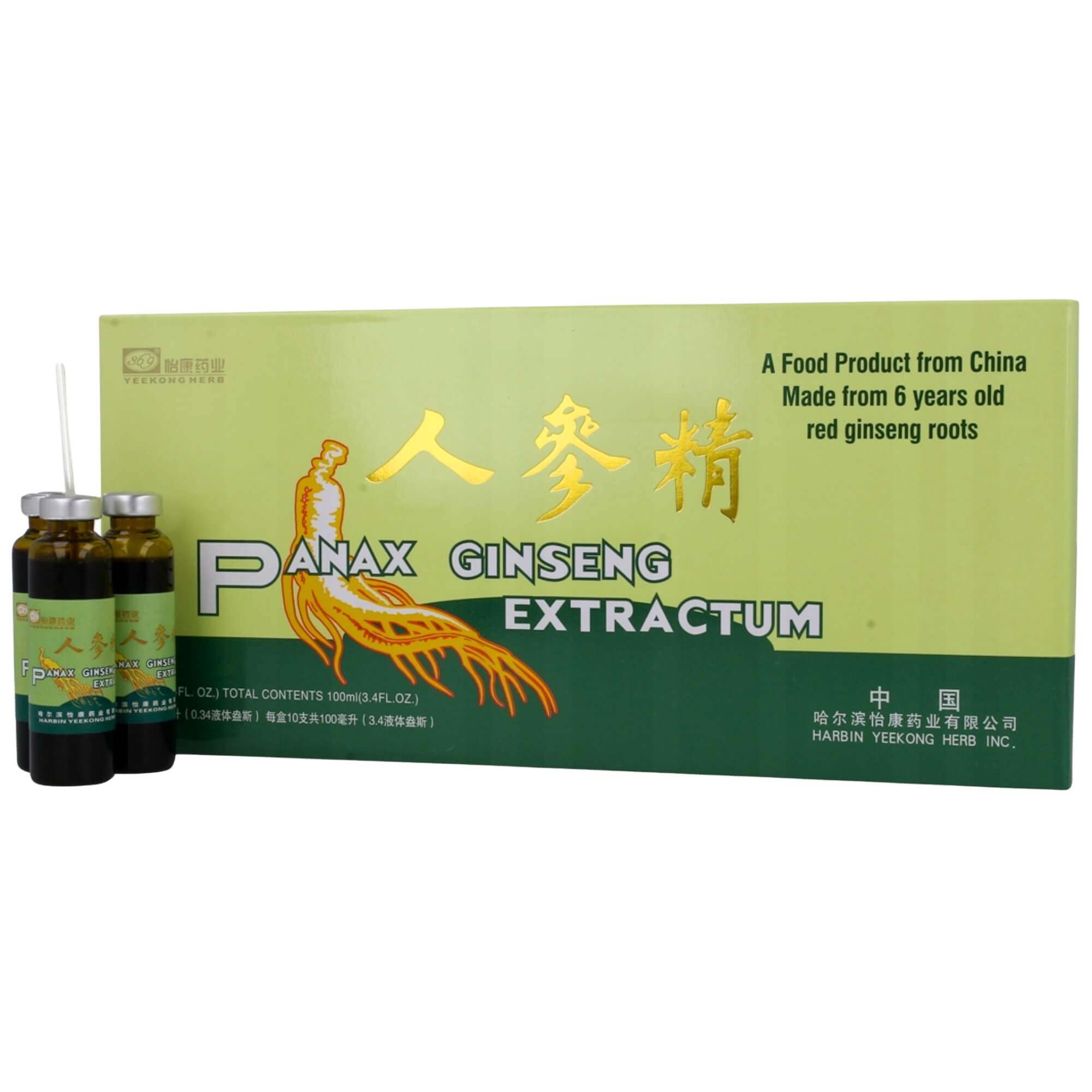
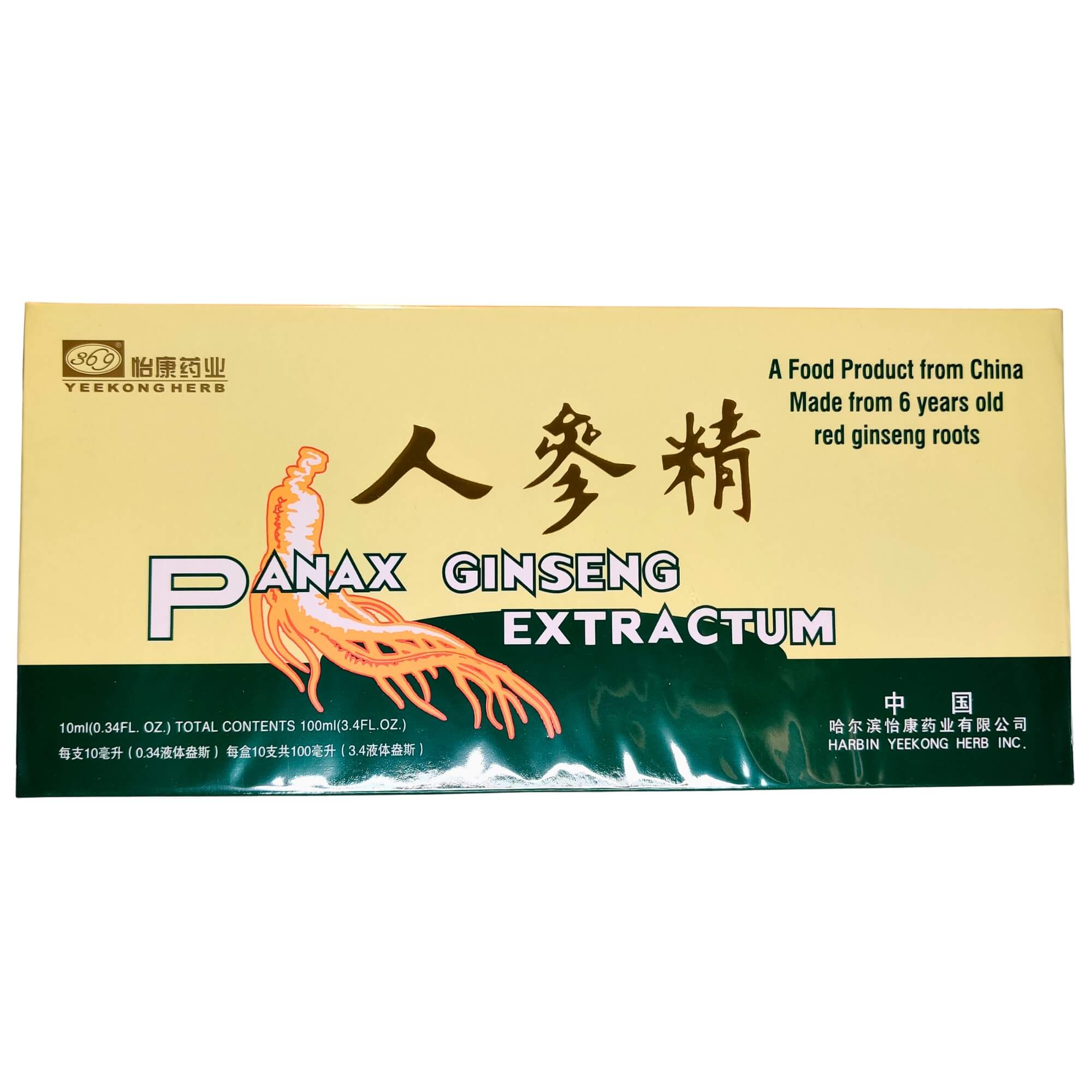
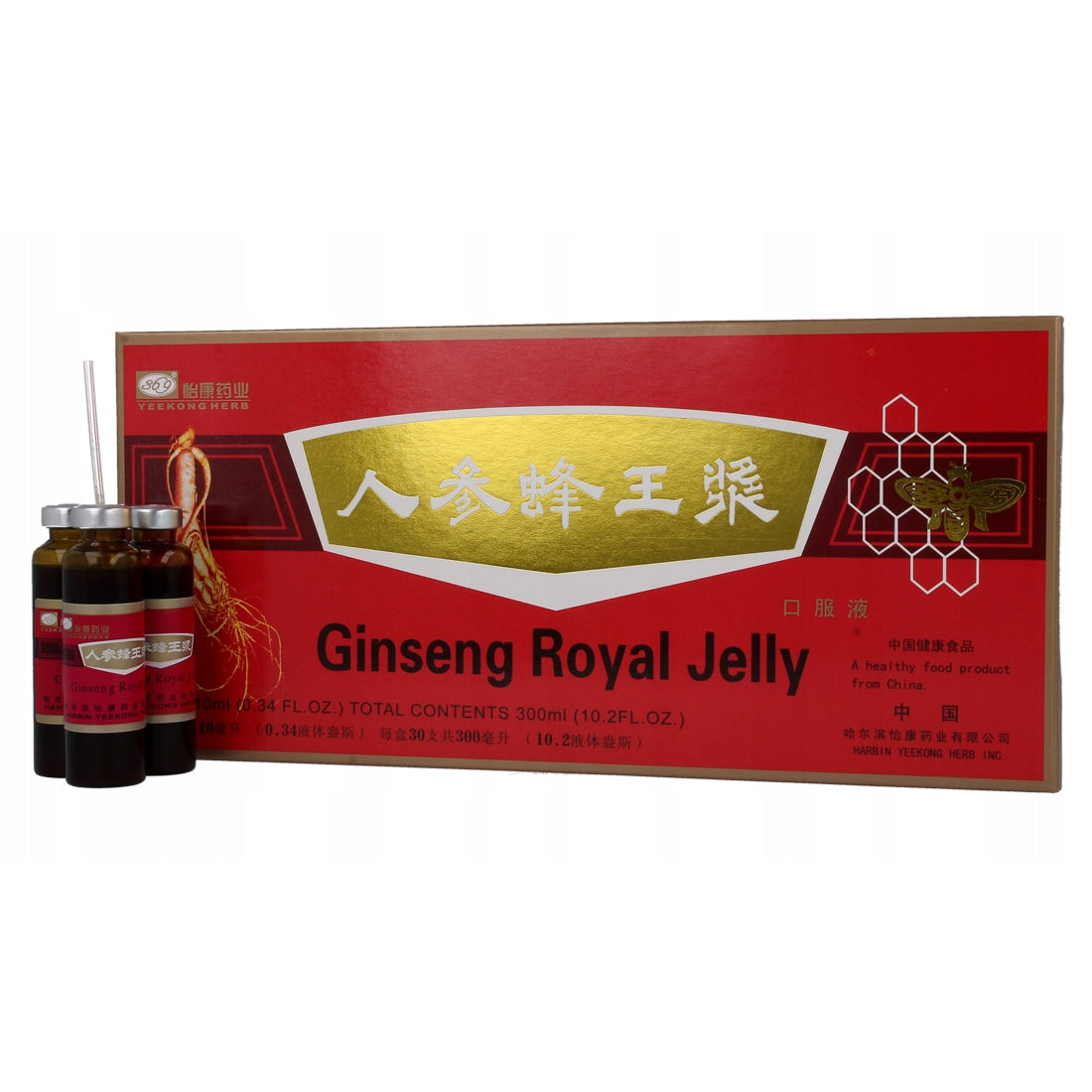
Panax Ginseng Extract (10 × 10 ml) 100 ml - Meridian ampoules
The decision to separate ginseng from this chapter is conscious: on our blog, we have published a detailed article dedicated exclusively to this raw material, discussing the difference between Panax ginseng and Siberian ginseng, their different action profiles, dosage, and indications – Siberian or Panax Ginseng – which to choose and when it matters?. Instead of duplicating this content, we refer to this material as a complete source of information about ginseng in the context of adaptogens and cognitive performance.
Rhodiola and ginseng are sometimes combined in supplemental formulas as an "adaptogenic complex." Both raw materials have a stimulating effect on the nervous system, so their simultaneous use may increase the risk of excessive stimulation or insomnia, especially at higher doses or in individuals sensitive to stimulation. Combining both requires caution and starting with minimal doses of each.
7. Ashwagandha (Withania somnifera) – adaptogen for cognitive stress and memory
Ashwagandha is a raw material that has gained popularity in Poland and Europe in recent years, comparable to magnesium or vitamin D. As an adaptogen with the longest tradition in Ayurvedic medicine, it also enjoys a growing number of clinical studies – including several well-designed RCTs with clinically significant results. At the same time, it is a raw material around which justified safety concerns regarding hepatotoxicity have grown since 2021, leading to regulatory actions in several EU countries. Both of these facts cannot be honestly overlooked – and both will be discussed in detail in this chapter.
Ashwagandha does not have a list of health claims approved by EFSA (Regulation (EC) No 432/2012) or an EMA monograph as a traditional herbal medicinal product – the HMPC Committee stated in 2013 that there was insufficient data for its issuance. It is sold exclusively as a food supplement. The Danish Food Agency (Fødevarestyrelsen) banned ashwagandha in food supplements from 2023 due to safety concerns. Dutch and French authorities have issued recommendations against its use in specific groups. All claims in this chapter regarding the properties of ashwagandha are based on the results of clinical studies and should be treated as scientific information, not approved health claims.
7.1. Cortisol, stress, and its impact on cognitive function
The mechanism by which ashwagandha may support cognitive function is fundamentally different from that of ginkgo, Bacopa, or sage. These raw materials mainly act directly on neurotransmitters or cerebral circulation. Ashwagandha primarily works by modulating the HPA axis (hypothalamic-pituitary-adrenal axis) and reducing cortisol reactivity – and the impact of cortisol on cognitive function is well-documented and clinically significant.
Cortisol at physiological concentrations supports the short-term mobilization of cognitive resources – attention, reaction speed, selective focus. The problem arises with chronically elevated cortisol, which accompanies chronic stress: hippocampal neurons then show decreased synaptic density, BDNF levels drop, and memory consolidation and working memory worsen. Chronic hypercortisolism literally rebuilds the structure of the hippocampus – a key area for learning and memory – towards reducing its volume.
The active ingredients of ashwagandha – primarily withanolides (withanolide A, withaferin A, withanoside IV and VI) – have the ability to regulate the sensitivity of glucocorticoid receptors and modulate the activity of the HPA axis. The effect can be reduced cortisol reactivity to stress stimuli while maintaining the ability to properly mobilize in situations of actual threat – a classic adaptogenic action. Through this mechanism, ashwagandha can indirectly contribute to better cognitive function in individuals for whom chronic stress is one of the main factors impairing memory and concentration.

7.2. Clinical studies on memory and concentration
The body of clinical research on ashwagandha and cognitive function is relatively robust for an Ayurvedic raw material and is constantly growing. Several well-designed RCTs have yielded statistically and clinically significant results – with the understanding that most studies were conducted on populations with elevated subjective stress, and not on perfectly healthy individuals without risk factors.
Gopukumar et al. (2021) study involved 130 cognitively healthy adults with elevated subjective stress (PSS 14–24). Participants received 300 mg of extended-release ashwagandha or placebo for 90 days. Results evaluated using the CANTAB battery showed a significant improvement in episodic memory – in the ashwagandha group, the first recall score significantly increased and the total number of errors decreased compared to the placebo group. This was accompanied by a reduction in serum cortisol levels, improved sleep quality, and lower scores on the PSS scale.
Remenappa et al. (2022) study, involving 60 adults with perceived stress, showed significant differences compared to placebo in tests of cognitive flexibility, visual memory, reaction time, psychomotor speed, and executive functions after 30 days of 225 mg and 400 mg doses. Both ashwagandha groups showed a reduction in salivary cortisol concentration compared to a non-significant increase in the placebo group.
Kale et al. (2024) study – a prospective RCT with 120 healthy adults reporting cognitive and energy problems – showed a significantly greater improvement in episodic memory, working memory, and attention accuracy after 8 weeks of 600 mg ashwagandha daily compared to placebo.
| Study | Population | Dose / duration | Key findings |
|---|---|---|---|
| Gopukumar et al. 2021 | 130 adults, elevated stress | 300 mg SR, 90 days | Improved episodic memory, reduced cortisol and PSS, better sleep quality |
| Remenapp et al. 2022 PMID: 34838432 |
60 adults, perceived stress | 225 or 400 mg, 30 days | Improved cognitive flexibility, visual memory, reaction time; reduced cortisol |
| Choudhary et al. 2017 PMID: 28471731 |
50 adults, mild cognitive impairment | 300 mg × 2, 8 weeks | Improved memory and cognitive function vs. placebo |
| Lopresti et al. 2024 | 120 adults, cognitive and energy problems | 600 mg, 8 weeks | Improved episodic memory, working memory, and attention accuracy |
Scroll right to view the entire table (on mobile devices) →
The common denominator of most positive studies is an adult population with elevated subjective stress levels or objectively measurable cortisol levels. This is an important caveat: the effects of ashwagandha on cognitive function may be stronger where stress is an actual limiting factor – and weaker or absent in individuals without chronic stress.
7.3. Standardization of KSM-66 and Sensoril – how to choose an extract
The ashwagandha supplement market is highly diverse in terms of quality. Two standardized extracts dominate in published clinical studies and serve as a reference point for comparisons:
| Parameter | KSM-66 | Sensoril |
|---|---|---|
| Plant part | Root only | Root and leaves |
| Withanolide content | min. 5% | min. 10% |
| Typical daily dose | 300–600 mg | 125–250 mg |
| Extraction method | Alcohol-free, milk-based (traditional Ayurvedic) | Aqueous extraction |
| Best documented use | Stress, cortisol, cognitive functions, physical performance | Stress, sleep quality |
| Clinical research base | Widest among standardized extracts | Solid, especially in the context of sleep |
Scroll right to view the entire table (on mobile devices) →
Supplements containing unlabelled ashwagandha root powder without specified withanolide standardization are difficult to compare with clinical products – the variability in active substance content between batches can be significant. For cognitive function and stress management, KSM-66 at a dose of 300–600 mg daily has the strongest backing in published research.
7.4. Safety and contraindications
Ashwagandha's safety profile has long been considered good – and at standard doses, short-term use, and in healthy individuals without risk factors, it is still evaluated as such by most researchers. However, since 2021, a series of case reports have been published suggesting a link between the use of ashwagandha supplements and liver damage, which has sparked growing interest among European regulators.
Hepatotoxicity. A systematic review from 2023 noted 23 cases of liver damage linked to ashwagandha, including one requiring liver transplantation. The mechanism is likely idiosyncratic – meaning rare, unpredictable, independent of dose, and affecting individuals with a specific genetic or pharmacological predisposition, rather than a toxic effect in the classical sense. The incidence of this adverse effect is very small relative to the number of people using ashwagandha globally, but its consequences in individual cases can be serious.
In response to these reports: The Danish Food Agency banned the use of ashwagandha in food supplements. Dutch and French food safety authorities advise against its use by pregnant and breastfeeding women, individuals with autoimmune diseases, and children. The UK FSA (Food Standards Agency) launched a safety assessment procedure in 2024 and stated that it was not possible to establish a safe level of consumption due to the variability of preparations.
Other important safety concerns include:
- Thyroid – ashwagandha may increase T3 and T4 concentrations. Individuals with hyperthyroidism or those taking thyroid hormone medications should exercise particular caution and consult a doctor before use.
- Pregnancy – absolutely contraindicated; traditionally documented abortifacient properties, confirmed in animal studies.
- Autoimmune diseases – ashwagandha may increase immune system activity, which is potentially unfavorable in conditions such as lupus, rheumatoid arthritis, multiple sclerosis.
- Sedatives and immunosuppressants – possible pharmacodynamic interactions requiring medical consultation.
- Hypoglycemic drugs – ashwagandha may lower blood glucose levels; caution in individuals with diabetes treated pharmacologically.
With good health, no liver, thyroid, or autoimmune diseases, and short-term use (up to 3 months), the risk of serious adverse effects is very low. Nevertheless, it is worth exercising caution: start with lower doses, choose standardized preparations from reputable manufacturers, do not use during pregnancy or with liver and thyroid diseases, and if any symptoms of jaundice, dark urine, abdominal pain, or increasing fatigue occur, immediately discontinue the supplement and consult a doctor.
8. Green tea and L-theanine – how does the effect of calm concentration work?
L-theanine is unique in several respects among the raw materials discussed in this article. Firstly, it is the only substance in this list for which a measurable effect on brain activity appears after a single dose – not after weeks of regular use. Secondly, its mechanism of action is exceptionally precisely studied at the neurophysiological level, with objective confirmation in EEG measurements. Thirdly, in combination with caffeine, it forms one of the best replicated and most practically useful cognitive "stacks" in the scientific literature.
This makes green tea and matcha – natural sources of L-theanine and caffeine simultaneously – deserve a separate chapter in any reliable article on herbal methods of supporting concentration.
8.1. L-theanine and alpha waves – the mechanism of calm concentration
L-theanine (γ-glutamylethylamide) is a non-protein amino acid found almost exclusively in tea leaves (Camellia sinensis). It is structurally similar to glutamate – the brain's primary excitatory neurotransmitter – and it is precisely through antagonism against glutamatergic receptors (NMDA and AMPA) that it exhibits some of its neuroprotective action. It crosses the blood-brain barrier within approximately 30–60 minutes of oral ingestion, enabling direct action on the central nervous system.
The central documented mechanism of L-theanine is the selective modulation of alpha wave activity (8–14 Hz) in EEG. Alpha waves are the electrical correlate of a state of relaxed alertness – an active, focused mind without excessive arousal or drowsiness. Juneja et al. (1999, published in Trends in Food Science & Technology) were the first to demonstrate an increase in alpha activity after L-theanine administration. Gomez-Ramirez et al. in a series of studies (2008–2009) refined this effect: L-theanine at a dose of 250 mg reduces tonic (background) alpha activity during attention-demanding tasks, while enhancing phasic alpha activity associated with anticipatory attention orienting to a stimulus – which is interpreted as increased selective attention while maintaining calmness.
Concurrently, L-theanine increases the activity of GABA, serotonin, and dopamine, reducing the cortisol response to stress. It is this combination of mechanisms that is responsible for the subjectively experienced "calm focus" effect – lack of distraction while maintaining alertness – which green tea users have described for centuries, and science has only objectively confirmed in recent decades.
L-theanine is an almost exclusively tea-derived amino acid – it is not found in any other popular food source. Its content in tea leaves is highest in plants grown in the shade, which explains why matcha (produced from leaves shaded for 3–4 weeks before harvest) has many times higher L-theanine content than regular green tea brewed from leaves grown in full sun.
A meta-analysis published in 2024 in Nutrients (PMC12609247), covering randomized placebo-controlled studies up to July 2024, evaluated the results as "promising, but not fully conclusive". The effects of L-theanine on individual cognitive domains (reaction time, working memory, attention) are statistically significant in some studies but not homogeneous across them. The effect size is moderate, and most clearly expressed under conditions of cognitive stress and when co-administered with caffeine – which leads us to the next subsection.

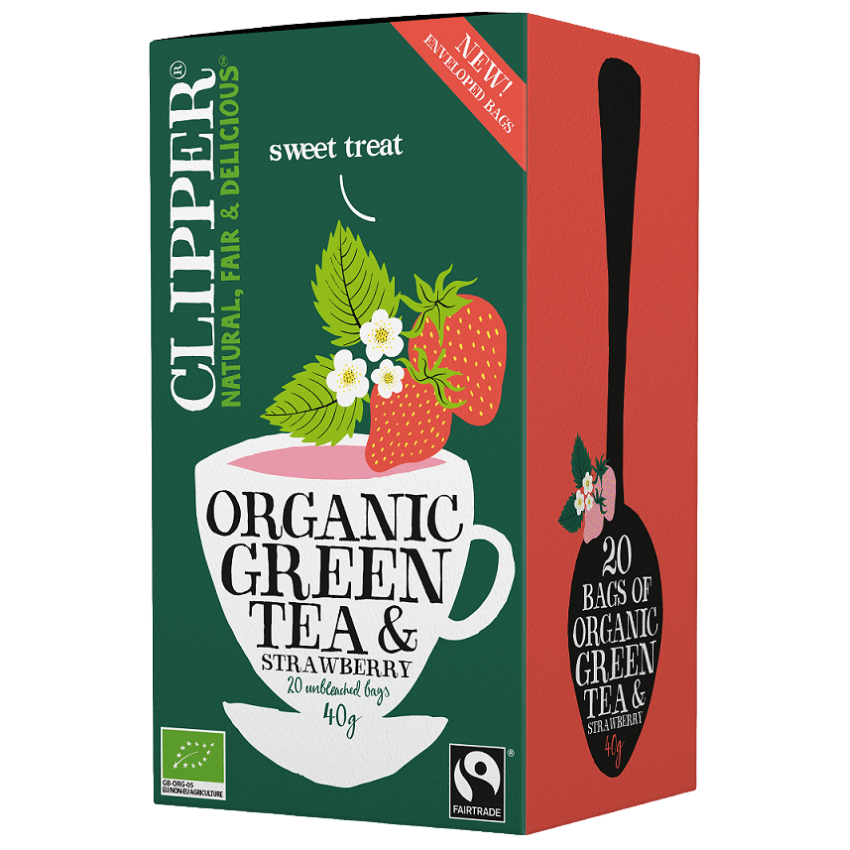
Organic Green Tea (20 × 2 g) 40 g - Clipper
8.2. Synergy of L-theanine with caffeine – the "calm focus" effect
The combination of L-theanine with caffeine is probably the most replicated cognitive "stack" in the scientific literature. The mechanisms of both substances are complementary and mutually balancing in a beneficial way:
Caffeine blocks adenosine receptors (A1 and A2a), increasing arousal, information processing speed, and alertness – but can also exacerbate anxiety, hand tremors, and impair precision in sensitive individuals or at higher doses.
L-theanine modulates alpha waves and GABAergic activity, reducing anxiety and excessive arousal – without inhibiting the alertness that caffeine provides.
The combination effect is something neither substance provides individually in the same configuration: caffeine's increased alertness and speed with L-theanine's lower anxiety and higher accuracy. A study by Gomez-Ramirez et al. published in the Journal of Nutrition (2008, PMID: 18641209) showed that a combination of 100 mg of caffeine and 100 mg of L-theanine improved hit rate and stimulus discriminability (d') in visuospatial tasks more than each substance alone compared to a placebo. A systematic review by Sohail et al. (Cureus, 2021, PMC8794723) and a comprehensive meta-analysis in Nutrition Reviews (Payne et al., 2025, Oxford Academic, 50 RCTs) confirm the consistency of this effect in independent research groups.
| Substance | Effect on alertness | Effect on accuracy | Effect on anxiety/tension |
|---|---|---|---|
| Caffeine (100 mg) | ↑↑ significant improvement | ↑ moderate improvement | ↑ possible exacerbation |
| L-theanine (100–200 mg) | → minimal change | ↑ improved accuracy | ↓ reduced tension |
| Combination (2:1 or 1:1) | ↑↑ sustained alertness | ↑↑ better than either alone | ↓↓ significant reduction |
Scroll right to see the full table (on mobile devices) →
In clinical studies, the most common L-theanine to caffeine ratio is 2:1 or 1:1 – e.g., 200 mg L-theanine and 100 mg caffeine. A cup of ceremonial matcha naturally contains about 60–70 mg of caffeine and about 45–60 mg of L-theanine, giving a ratio close to 1:1. Supplements combining both ingredients allow for more precise dose control, but matcha and green tea provide this synergy in the form of a natural complex with additional polyphenols.
The synergistic effect of L-theanine and caffeine is particularly noticeable in people who react to coffee alone with anxiety, tremors, or concentration disorders due to excessive stimulation. L-theanine does not eliminate the effects of caffeine – it preserves its beneficial effect on alertness while reducing unwanted side effects. For those for whom coffee "works too strongly," adding L-theanine or switching to matcha (which provides both ingredients in a balanced proportion) may be a better solution than giving up caffeine.

Organic Matcha Green Tea Powder 100g - Bio Planet
8.3. Matcha vs. Green Tea Extract – What to Choose for Cognitive Function?
Green tea and matcha are the same species (Camellia sinensis), but significantly different products in terms of composition, concentration of active substances, and action profile. We discussed this topic in detail in the article Green tea vs. matcha – what's the difference and which to choose? – here we focus exclusively on aspects relevant to cognitive function.
The key difference is that when drinking regular green tea, you brew the leaf and discard it – about 30–40% of the active substances pass into the infusion. With matcha, you consume the entire ground leaf – providing your body with a complete profile of ingredients: L-theanine, caffeine, EGCG (epigallocatechin gallate), chlorophyll, vitamins, and fiber, which modulates the absorption rate of other components.
| Parameter | Regular Green Tea (1 cup) | Matcha (2g / 1 serving) | Standardized Extract (capsule) |
|---|---|---|---|
| L-theanine | ~5–8 mg | ~45–60 mg | Variable (if included – marked on label) |
| Caffeine | ~30–50 mg | ~60–70 mg | Usually trace or none |
| EGCG | ~50–100 mg | ~100–200 mg | 200–400 mg+ (standardized) |
| Synergy of ingredients | Partial (brewing limits extraction) | Full (whole leaf) | None or limited (isolated ingredients) |
| Risk at high doses | Minimal | Minimal | Hepatotoxicity of EGCG at doses >800 mg/day |
Scroll right to see the full table (on mobile devices) →
In the context of cognitive function, matcha is a better choice than regular green tea (due to its significantly higher L-theanine content) and safer than high-dose extract (which lacks the fiber buffer and natural leaf matrix). Standardized extract is justified for specific health goals requiring high doses of EGCG – in the context of concentration and working memory, however, it primarily provides EGCG, not L-theanine, which is the main active ingredient in this context.
High-dose green tea extracts standardized for EGCG (above 400–800 mg EGCG daily) are associated with a documented risk of hepatotoxicity – similar to ashwagandha extracts discussed in the previous chapter, the mechanism is likely idiosyncratic. With daily consumption of matcha or green tea, this risk is minimal due to natural dilution and the presence of fiber slowing absorption. Individuals with liver disease should avoid highly concentrated EGCG extracts.

8.4. Dosage and Practical Application
In clinical trials on L-theanine as an isolated supplement, dosages typically range from 100–400 mg per day. Effects on alpha waves and subjective feelings of focus have been observed with as little as 50–100 mg in a single dose, while more pronounced effects on working memory and reaction time appear at 200 mg. A 2023 study by Dassanayake et al. (Nutrition Neuroscience) evaluated the effects of 100, 200, and 400 mg doses – results indicated a dose-dependent effect for attention and inhibitory control tasks.
For practical use, several aspects are worth considering:
- Matcha as a natural source: 2–3 g of ceremonial matcha daily provides approximately 90–180 mg of L-theanine and approximately 120–200 mg of caffeine – with a natural synergy of both ingredients and no risk of hepatotoxicity. Matcha prepared with cold or lukewarm water retains more L-theanine than when brewed with boiling water.
- L-theanine as a supplement: particularly useful when precise control over the L-theanine to caffeine ratio is desired, or when tea taste is not tolerated; available as a standalone supplement and in combination with caffeine.
- Time of use: L-theanine does not cause drowsiness and can be used at any time of day; when combined with caffeine, best in the morning or before a demanding cognitive task – not in the evening.
- Regular green tea: with 5–8 mg of L-theanine per cup, it requires drinking 8–10 cups to achieve the dose used in studies; a realistic option for general health support, but not an equivalent to L-theanine supplementation.
L-theanine has a very good safety profile – no clinically significant adverse effects have been reported at supplemental doses. The only situation requiring caution is combination with blood pressure-lowering medications, as L-theanine may exhibit a slight hypotensive effect. Pregnant and breastfeeding women should limit caffeine intake, which also applies to matcha and green tea.
L-theanine is the only substance in this article with an objectively confirmed effect on brain activity after a single dose – documented in EEG. In combination with caffeine, it creates a synergistic "calm focus" that is also one of the most thoroughly researched and practically available ways to support concentration without a prescription. Matcha combines these two ingredients in a natural, safe form and provides a coherent dietary and supplementary strategy for individuals seeking daily cognitive support.
9. Lion's Mane Mushroom (Hericium erinaceus) – A Fungus with Neuroprotective Potential
Lion's Mane is the only raw material in this article that is not formally a herb – it is a mushroom. We include it here for good reason: in supplement practice and popular science literature, it consistently appears alongside adaptogenic and nootropic herbs, and its potential mechanism of action – stimulation of nerve growth factors – is biologically unique and has no equivalent among the plants discussed in previous chapters.
Lion's Mane is also probably the raw material where the gap between what has been shown in laboratory conditions and what has actually been confirmed in healthy humans is most evident. This gap does not disqualify the mushroom as an interesting supplementary option – but it requires a thorough discussion.
9.1. Stimulation of NGF and BDNF – What Research Shows vs. Biological Assumptions
Interest in Lion's Mane in the context of cognitive function stems from the discovery of two families of bioactive compounds specific to this species:
Hericenones (A–H) are aromatic compounds present exclusively in the fruiting body of Lion's Mane. They show the ability to stimulate the synthesis of NGF (Nerve Growth Factor) – a nerve growth factor – in astrocyte cell cultures. Their biological activity is well documented in vitro, and the Japanese researcher Hirokazu Kawagishi, who isolated them in the 1990s, opened a new branch of research into medicinal mushrooms with this discovery.
Erinacines (A–K, P, S) are cyathane diterpenoids present primarily in the mycelium. Their key property is the ability to cross the blood-brain barrier – which, unlike most bioactive plant and fungal compounds, enables direct stimulation of NGF synthesis within the central nervous system. Erinacine A is the best-studied among them – it shows NGF stimulation in hippocampal neurons and neuroprotective effects in numerous animal models.
The biological mechanism is thus well described and credible: NGF is a key factor for the survival and plasticity of cholinergic neurons – the same ones that play a central role in memory and concentration. The stimulation of NGF synthesis by the components of Lion's Mane is a phenomenon repeatedly documented in laboratory conditions. The problem is that from an in vitro mechanism to clinical efficacy in a healthy human, the road is long – and in the case of Lion's Mane, that road is not yet fully traveled.
Lion's Mane is an edible mushroom with a delicate, slightly seafood-like flavor – used in Asian cuisine as a substitute for seafood. Fresh fruiting bodies contain hericenones, but in culinary form, they are consumed in much lower doses than those used in clinical studies. Cooking can also affect the thermal stability of some active ingredients, which is an additional argument for standardized extract in supplemental use.

9.2. In Vitro and Animal Studies vs. Human Clinical Trials – How Big is the Gap?
The comparison of evidence levels for Lion's Mane is one of the more instructive examples of how popular perception of a raw material can outpace the state of scientific knowledge.
At the cellular and animal model level, the evidence base is impressive: hundreds of publications document NGF and BDNF stimulation, neuroprotection in Alzheimer's and Parkinson's disease models, improved learning and spatial memory in rodents, and reduced beta-amyloid plaque deposition in the brains of transgenic mice. The mechanism is credible, and preclinical data are consistent.
At the level of human clinical trials, the picture is more modest and ambiguous. The most important published studies:
Mori et al. (2009, Phytotherapy Research, PMID: 18844328) – a groundbreaking and most frequently cited clinical study. 30 Japanese patients aged 50–80 with mild cognitive impairment (MCI) received 3g daily of dried fruiting body powder or placebo for 16 weeks. In the Lion's Mane group, HDS-R (Hasegawa Dementia Scale) scores were significantly higher than in the placebo group at weeks 8, 12, and 16. A crucial and often overlooked detail: the improvement reversed within 4 weeks after discontinuation, suggesting the need for continuous use to maintain the effect. The study was properly blinded, but the sample size was very small (n=30).
Docherty et al. (2023, Nutrients, PMC10675414) – a pilot RCT with 41 healthy adults aged 18–45. After a single dose of 1.8g, participants completed the Stroop test faster (p=0.005). After 28 days, a trend towards a reduction in subjective stress was observed (p=0.051, not statistically significant). The authors themselves emphasize the limitations: small sample sizes and the need for replication.
| Research Level | State of Knowledge | Assessment |
|---|---|---|
| In vitro (cells) | Strong NGF stimulation by hericenones and erinacines; repeatable in independent laboratories | Strong |
| Animal models | Improved memory, neuroprotection, reduced AD/PD pathology – consistent results across multiple models | Robust |
| Clinical (MCI / cognitive impairment) | Several small studies with positive results (Mori 2009, Saitsu 2019); effects reverse after discontinuation | Promising, but limited |
| Clinical (healthy adults) | Mixed results; largest study (n=436, 24 wks) showed no effect; pilot studies with positive trends | Inconclusive |
Scroll right to see the full table (on mobile devices) →
Lion's Mane has one of the most biologically plausible neuroprotective mechanisms of all the raw materials in this article. It also has some of the least documented effects in healthy people – the largest study in this group was negative. The popularity of Lion's Mane in social media and nootropic supplements definitely outpaces the current clinical evidence. This is not a reason to reject the raw material, but to have realistic expectations.
9.3. Fruiting body, mycelium and extract – how to navigate the supplement market
The Lion's Mane supplement market is exceptionally diverse and – unfortunately – exceptionally susceptible to low-quality products. Understanding a few basic concepts can help avoid the most common pitfalls.
Fruiting body vs mycelium. Hericenones (compounds best documented as NGF stimulators) come from the fruiting body. Erinacines (capable of crossing the blood-brain barrier) – from the mycelium. Both types of raw material have their justification – but products declared as "mycelium on grain" can contain a very high starch content (alpha-glucans) from the growth substrate, with a low content of active beta-glucans and erinacines. A reliable manufacturer will state the content of beta-glucans (not alpha-glucans) on the label – this is a key quality marker.
Extract vs powder. Raw powder from dried fruiting body is unextracted – mushroom polysaccharides are partially trapped in the chitin cell wall and require hot water or two-step (water + alcohol) extraction for full bioavailability. An 8:1 or 10:1 extract means that 1g of extract comes from 8-10g of raw material. Mori et al. used 3g per day of dried powder – which would be equivalent to a 300mg dose of a 10:1 extract.
| Product form | Typical active content | Equivalent dose (powder) | Notes |
|---|---|---|---|
| Raw fruiting body powder | Variable, ~15–30% beta-glucans | 1–3 g / day | Form used in Mori 2009 study; limited bioavailability without extraction |
| 8:1 / 10:1 fruiting body extract | Stated on label; min. 20–30% beta-glucans | 300–600 mg / day | Best bioavailability; check beta-glucan declaration |
| Mycelium on grain | Often high starch content (alpha-glucans); low beta-glucan content | Difficult to compare | Avoid products without beta-glucan declaration; check if manufacturer states "starch-free" |
| Erinacine A-enriched mycelium | Standardized to erinacine A | 1–1.05 g / day | Used in Saitsu 2019 study; more expensive and harder to find |
Scroll right to see the full table (on mobile devices) →
The minimum duration of use for any neuroprotective effects to be expected – based on the mechanism of NGF stimulation and synaptic remodeling – is at least 8–16 weeks, which directly results from the time-consuming nature of neuronal plasticity processes. The safety profile of Lion's Mane is very good: no significant side effects have been reported in clinical trials. Rare cases include gastrointestinal discomfort and – occasionally – allergic reactions in individuals sensitive to mushrooms. There are no documented drug interactions.
9.4. Who might find Lion's Mane an interesting option?
Given the current level of evidence, Lion's Mane can be recommended with cautious optimism in specific situations – and with a clear caveat that expectations should be appropriately calibrated.
Older individuals with subjective memory impairment or early symptoms of MCI are the group for whom the clinical evidence is strongest. The Mori et al. study focused precisely on this population and yielded statistically significant results. Lion's Mane may serve as a long-term neuroprotective support here – with the understanding that the effect requires continuous use.
Individuals seeking long-term neuroprotective support, not necessarily expecting immediate improvements in concentration, can consider incorporating Lion's Mane as part of a broader strategy – alongside sleep, physical activity, and diet. The NGF/BDNF mechanism works at the level of structural brain remodeling, not at the neurotransmitter level, which means effects are measured in months, not weeks.
Healthy middle-aged and younger individuals expecting a clear and rapid improvement in concentration or working memory may be disappointed – the largest study in this group was negative, and pilot studies with positive results had too small samples to draw firm conclusions. In this group, other raw materials from this article – L-theanine, Bacopa, Ginkgo – have stronger clinical support.
Lion's Mane is a raw material with an exceptionally interesting and biologically plausible mechanism of action – NGF and BDNF stimulation is not marketing, it is biochemistry confirmed in vitro and in animal models. However, the clinical evidence in humans is currently modest and heterogeneous: the best results concern older patients with cognitive impairment, and for healthy adults, a large study yielded a negative result. Lion's Mane deserves further, better-designed clinical studies – and will likely get them, given the growing scientific interest. For now, it is a raw material with great potential and moderate evidence.
10. Comparison of herbs for memory and concentration – which to choose and when?
The nine raw materials discussed in the previous chapters act through different mechanisms, in different target groups, and with varying levels of clinical confirmation. The table below summarizes the key parameters of each – so that the choice can be based on specific needs, not marketing labels.
| Herb / raw material | Main mechanism | Target effect | Time to effect | Level of clinical evidence | For whom |
|---|---|---|---|---|---|
|
Ginkgo biloba Ginkgo biloba |
Improved cerebral microcirculation, PAF inhibition, antioxidation | Memory and attention in existing cognitive or vascular disorders | 8–12 weeks |
High (MCI, vascular dementia) Low (prevention in healthy individuals) |
Individuals aged 50+ with memory disorders, subjective cognitive problems, or poor cerebral circulation |
|
Bacopa monnieri Brahmi |
AChE inhibition, dendrite branching stimulation, hippocampal antioxidation | Memory retention, slowing down of forgetting, long-term memory | 8–12 weeks |
Moderate–Good (healthy adults and seniors) |
Intensive learners, individuals working with large amounts of new information, seniors |
|
Gotu kola Gotu kola, Centella asiatica |
GABA-A receptor modulation, neuroprotection, BDNF stimulation, microcirculation improvement | Anxiety reduction → improved focus; working memory in seniors | Anxiolysis: possible after 1 dose; cognitive effects: 4–8 weeks |
Moderate (anxiolysis well confirmed; cognitive effects: preliminary) |
Individuals whose concentration suffers due to anxiety, tension, rumination; individuals aged 50+ |
|
Sage Salvia officinalis |
AChE and BChE inhibition, muscarinic and nicotinic receptor agonism | Working memory, attention, mood | Effect after 1 dose possible; sustained with regular use |
Moderate–Good (healthy adults, early AD) |
Adults seeking cholinergic support; individuals aged 50+ with subjective memory decline |
|
Rosemary Salvia rosmarinus |
1,8-cineole crossing BBB; AChE inhibition with aromatherapy | Short-term memory (aromatherapy) | Short (aromatherapy) |
Preliminary (aromatherapy: 1 observational study; oral: insufficient) |
Aromatherapy users; supplementary in cooking; not as a standalone supplementation strategy |
|
Rhodiola rosea Rhodiola rosea |
MAO inhibition, HPA axis modulation, mitochondrial antioxidation | Reduction of mental fatigue, alertness under stress overload | Several days – 4 weeks |
Moderate (results heterogeneous; best for fatigue and stress) |
Individuals under chronic stress and mental overload; night shift workers; students during exam periods |
|
Ashwagandha Withania somnifera |
HPA axis modulation, cortisol regulation, antioxidation | Episodic and working memory under stress, cortisol reduction | 4–8 weeks |
Moderate–Good (under stress) ⚠️ Banned in Denmark; caution with liver diseases |
Individuals with stress as the main factor impairing cognitive functions; not for: pregnancy, liver diseases, thyroid problems |
|
L-theanine green tea / matcha |
Alpha wave stimulation, GABA and glutamate modulation; synergy with caffeine | Calm concentration, reduction of caffeine anxiety, attention | 30–60 minutes (acute effect); more stable with regular use |
Good–High (one of the best-researched substances in this category) |
Broad group – anyone seeking calm concentration; especially individuals sensitive to caffeine or working under pressure |
|
Lion's Mane Lion's Mane, Hericium erinaceus |
NGF and BDNF stimulation (hericenones and erinacines), neuroprotection, antioxidation | Neuroprotection, memory (mainly in individuals with MCI); long-term effect | 8–16+ weeks |
Promising (MCI/seniors) Inconclusive (healthy adults) |
Individuals 50+ with subjective memory complaints; long-term neuroprotective support; not for those expecting quick results |
Scroll right to see the full table (on mobile devices) →
The level of evidence refers exclusively to human clinical trials – not to in vitro data or animal models. "High" means several well-designed RCTs with consistent results; "promising" means preliminary clinical data requiring replication in larger trials. None of the listed raw materials have EFSA-approved health claims for cognitive function within the meaning of EU Regulation 432/2012.
11. How to use herbs for memory? Practical rules
Knowledge of mechanisms and clinical studies has limited practical value if it does not translate into specific decisions: how long to use, in what form, what to combine, and what to avoid – and when herbs are not the right answer to a memory or concentration problem at all. This chapter answers these questions straightforwardly.
11.1. How long until effects – what to realistically expect?
Realistic expectations are one of the key factors determining whether using herbs makes sense – and whether it will be continued long enough to produce effects. Based on the review of clinical studies discussed in previous chapters, several general conclusions can be drawn.
Raw materials with rapid acute effects are the exception, not the rule. L-theanine shows measurable changes in EEG within 30–60 minutes of administration. Sage can improve cognitive test scores after a single dose. Rhodiola can reduce mental fatigue within a few days. These raw materials act on readily available neurotransmitter mechanisms and brain wave modulation.
Raw materials requiring weeks of regular use – i.e., Bacopa, Gotu kola, Ginkgo, Ashwagandha, and Lion's Mane – work through cumulative mechanisms: synaptic remodeling, gene expression regulation, gradual receptor modulation, growth factor synthesis. In clinical trials, the minimum evaluation periods for these raw materials are 8–16 weeks. Assessing efficacy after 2–3 weeks of Bacopa or Ginkgo use is a methodological error that leads to falsely negative conclusions.
Practical consequence: if you start using herbal cognitive support, plan for a minimum of 8–12 weeks of regular use before drawing conclusions about efficacy. Irregular, interrupted use of cumulatively acting herbs is equivalent to no use at all.
1–7 days: possible effect of Rhodiola (fatigue), L-theanine (concentration), sage (single dose).
4–6 weeks: first effects of Gotu kola (anxiolysis), Ashwagandha (cortisol).
8–12 weeks: efficacy assessment of Bacopa, Ginkgo, Gotu kola, and Ashwagandha.
12–16+ weeks: assessment of Lion's Mane for cognitive impairment.
11.2. Tea, tincture, or standardized extract – differences in efficacy
The form in which we take a herb directly affects how many active substances we actually deliver to the body – and how this relates to the doses used in clinical studies. This is not an aesthetic issue.
Teas and infusions are the most pleasant, but in most cases, the least effective form of supplementation. Most bioactive herbal ingredients extracted with hot water require an appropriate time and temperature, and even then, only a fraction of the available compounds usually end up in the infusion. With herbs like Ginkgo, Bacopa, or Lion's Mane, infusions do not allow achieving the doses used in clinical studies without drinking unrealistically large volumes. Exception: matcha – where you consume the entire ground leaf, not an infusion of it.
Alcoholic tinctures have an advantage over infusions where active substances are more soluble in alcohol than in water – this applies, for example, to terpenes from Ginkgo or rosemary. The problem is standardization: the concentration of active substances in a homemade tincture is difficult to control and can vary significantly between batches. Pharmacy tinctures produced according to pharmacopoeia have a precisely defined composition – choose these if you prefer this form.
Standardized extracts (capsules, tablets) are the form in which you can be sure that you are delivering the amount of active substances that was used in clinical studies. Standardization for a specific fraction (e.g., 24% flavone glycosides in Ginkgo, 20% bacosides in Bacopa, 3% rosavins in Rhodiola) means a predictable dose with each intake. This is the only form that allows actual replication of study protocols – and the only one worth using if you are looking for scientifically confirmed effects.
| Form | Dose predictability | Bioavailability | Comparability with studies | Notes |
|---|---|---|---|---|
| Standardized extract | High | High | Direct | Recommended for targeted supplementation |
| Pharmacy tincture | Moderate | Good (lipophilic compounds) | Partial | Better than infusion; worse than standardized extract |
| Infusion / tea | Low | Variable | Limited or none | Exception: matcha (whole leaf). Good as a healthy habit, not as targeted supplementation |
| Raw powder | Low–moderate | Variable | Partial (e.g., Lion's Mane in Mori 2009) | Acceptable for raw materials where clinical studies used this form |
Scroll right to see the full table (on mobile devices) →
11.3. Combining memory herbs – what makes sense, what to avoid
Combining several raw materials is tempting – in theory, complementary mechanisms can produce a synergistic effect. In practice, it requires caution: both due to the risk of interactions and the fact that "nootropic complexes" composed of many ingredients have rarely been studied as a whole, making it difficult to attribute any potential effect to specific components.
Mechanistically justified and relatively safe combinations:
- L-theanine + caffeine (matcha) – the best replicated synergy in the entire article; both components mutually balance side effects and enhance desired ones. Naturally present in matcha in a similar ratio.
- Ginkgo + Bacopa – complementary mechanisms (cerebral circulation + cholinergic); no significant known interactions at standard doses; combination used in Ayurvedic studies.
- Rhodiola + L-theanine – reduction of mental fatigue (Rhodiola) plus calm concentration (L-theanine); logical synergy for cognitive stress without the risk of excessive stimulation.
- Sage + Ginkgo – two different cholinergic mechanisms (AChE inhibition by sage + improved microcirculation by Ginkgo); no documented negative interactions.
Combinations requiring caution or not recommended:
- Ashwagandha + Rhodiola – both raw materials activate the HPA axis and the nervous system; combined at high doses, they can exacerbate arousal, insomnia, and irritability. If used, use lower doses of both and monitor the reaction.
- Bacopa + sage + Ginkgo simultaneously in full doses – three raw materials with cholinergic effects (AChE inhibitors or acetylcholine modulators) combined in full doses can excessively inhibit acetylcholinesterase; potentially excessive activation of the cholinergic system (nausea, cramps, bradycardia). If combining, reduce the doses of each component.
- Ginkgo + anticoagulants / antiplatelet drugs – discussed in section 2.4; this is not a matter of combining herbs with each other, but a clinically significant drug interaction requiring medical consultation.
- Gotu kola + benzodiazepines or sleeping pills – both act on GABA-A receptors; summing effects can lead to excessive sedation.
- Ashwagandha + thyroid or immunosuppressive drugs – discussed in detail in section 7.4.
When combining any herbal raw materials – start by introducing one at a time, observe the reaction for 2–3 weeks, and only then consider adding another. Combining 4–5 raw materials simultaneously at full doses is a strategy that has not been studied and whose potential effects are unpredictable – even if each component separately is safe.
11.4. When herbs are not enough – sleep, diet, and exercise as a foundation
Herbs and supplements work at the margin of a properly functioning nervous system – they cannot fix cognitive deficits resulting from fundamental lifestyle neglect. This is not moralizing detached from the topic. It is a biological fact that directly stems from the mechanisms discussed throughout the article.

Sleep is an absolute priority. Memory consolidation – transferring information from short-term to long-term memory – occurs primarily during slow-wave sleep (SWS) and REM sleep. Chronic sleep deprivation literally prevents this process, regardless of the amount of Bacopa or Ginkgo taken. Studies clearly show that one night of lost sleep impairs cognitive functions to a degree comparable to moderate alcohol intoxication. No supplement can compensate for this. If you regularly sleep less than 7 hours, memory herbs are symptomatic treatment without addressing the cause.
Physical activity is the strongest known stimulator of BDNF – a nerve growth factor whose stimulation Bacopa, Lion's Mane, and Gotu kola indirectly rely on. One 30-minute moderate-intensity aerobic workout raises serum BDNF levels by 20–30%. The effect is repeatable and independent of age. Regular exercise for several months literally increases hippocampal volume. No supplement comes close to this scale of effect. Physical activity and herbs do not compete with each other – they can complement each other, but exercise should be the foundation, not an option.
Diet affects cognitive functions through many channels. Deficiencies in vitamin B12, D3, and magnesium directly impair nervous system function and can mimic symptoms of primary cognitive disorders. Omega-3 fatty acids (EPA and DHA) are essential components of neuronal membranes and have a documented effect on synaptic plasticity. A diet rich in polyphenols – berries, olive oil, green vegetables, dark chocolate – provides natural antioxidant compounds with neuroprotective effects. If your diet is poor in these ingredients, no amount of herbal supplements can replace this foundation.
Stress management has a direct impact on cognitive functions through the cortisol axis discussed with Ashwagandha and Rhodiola. Chronic stress damages the hippocampus – which is a histologically documented fact in humans and animals. Adaptogens can modulate cortisol reactivity at the margin but cannot replace real stress coping strategies. If you are interested in a broader topic of natural methods for regulating the stress system, we have expanded on it in the article How to naturally lower cortisol?
If you are struggling with chronic fatigue, concentration difficulties, or memory impairment, before reaching for supplements, it is worth asking yourself about the basics: how much do you sleep, how regularly do you exercise, and does your diet cover key micronutrients. Herbs as support for a well-functioning body make sense and can produce measurable effects. As the only strategy for neglected basics – no. More on the causes of chronic fatigue and regaining energy can be found in the article Constant fatigue and lack of energy – causes and how to overcome them.
1. Sleep (7–9 hours, regular circadian rhythm) → memory consolidation, neuronal regeneration
2. Physical activity (min. 3× weekly, at least 30 min aerobic) → BDNF, neurogenesis, hippocampal volume
3. Diet (B12, D3, magnesium, omega-3, polyphenols) → neuronal membranes, neurotransmitters, antioxidation
4. Stress management → hippocampus protection from cortisol effects
5. Herbs and supplements → support at the margin of a well-functioning nervous system
12. FAQ – frequently asked questions about memory herbs
12.1. Should memory herbs be used continuously, or in cycles?
This depends on the specific raw material and the purpose of use. There is no single rule for all herbs discussed in this article.
For Bacopa monnieri and Ginkgo biloba – raw materials that act cumulatively through synaptic remodeling – breaks during treatment (e.g., one week per month) are not justified in clinical studies and interrupt the accumulating therapeutic effect. However, it makes sense to evaluate the effects after a full course (minimum 12 weeks) and only then decide whether to continue, take a break, or change the raw material.
For Rhodiola and Ashwagandha – adaptogens acting on the HPA axis – some protocols suggest cyclic use (e.g., 6–8 weeks, then 2–4 weeks off) due to limited data on the safety of long-term continuous use. This is particularly important for Ashwagandha, where the issue of hepatotoxicity with several months of use has not yet been fully investigated.
L-theanine from matcha or green tea in beverage form can be consumed daily without time limits – it is a standard dietary component in many Asian cultures with no documented negative effects of long-term use.
12.2. Are memory herbs safe for children and adolescents?
No. None of the raw materials discussed in this article have a sufficient base of clinical safety studies in individuals under 18 years of age to be recommended for this group.
Most clinical studies on these herbs have been conducted exclusively on adults. An adolescent brain is still undergoing intensive development – especially the prefrontal cortex responsible for planning, impulse inhibition, and working memory matures until around 25 years of age. Interference with neurotransmitter systems (acetylcholine, GABA, dopamine) and the HPA axis during this time carries an unpredictable risk, even if the same substances are safe in adults.
If a child or teenager is struggling with concentration or memory, before reaching for any supplements, it is advisable to consult a doctor or psychologist to assess potential causes—including ADHD, sleep disorders, anxiety, or academic difficulties—and implement appropriate, age-group-tested interventions.
12.3. How to recognize a good quality herbal supplement for memory?
The market for herbal supplements in Poland and the EU is regulated less strictly than the pharmaceutical market, and differences between products from various manufacturers can be significant. Here are a few practical tips.
Firstly – look for a standardization declaration: a good supplement should state not only the name of the raw material but also the specific composition of the extract (e.g., "24% flavonoid glycosides, 6% terpene lactones" for Ginkgo; "20% bacosides" for Bacopa; "3% rosavins, 1% salidroside" for Rhodiola). Products that only state the concentration ratio (e.g., "500 mg equivalent 10:1") without information on the active fraction composition are difficult to compare with what has been clinically studied.
Secondly – check the extract name: if the manufacturer uses a registered name (KSM-66, Sensoril for ashwagandha; EGb 761 for Ginkgo; SHR-5 for Rhodiola), it usually means that the supplement corresponds to the extract used in clinical trials. This is an important sign of quality.
Thirdly – beta-glucan content for Lion's Mane: a good manufacturer specifies this indicator instead of (or alongside) the concentration ratio. Products from mycelium cultivated on grain without this information may contain more starch than active substances.
Fourthly – certifications: GMP (Good Manufacturing Practice), ISO, independent third-party composition testing (Certificate of Analysis available upon request) are signs of a manufacturer's credibility, although they are not required from all suppliers in the EU.
12.4. Can herbal memory supplements be combined with antidepressants (SSRIs, SNRIs)?
This is an important question that requires precision, as the answer varies among raw materials.
Rhodiola rosea – potentially problematic with SSRIs and SNRIs due to MAO (monoamine oxidase) inhibition. Simultaneous MAO inhibition by Rhodiola and serotonin reuptake blockade by SSRIs could theoretically lead to excessive serotonin levels in synapses. Clinical risk is not well quantitatively documented, but caution is warranted—combining requires medical consultation.
Ashwagandha – with SSRIs, it generally does not show significant clinical interactions at standard doses, but data are limited. With tricyclic antidepressants (TCAs) and MAO inhibitors (IMAOs), extreme caution is indicated.
Ginkgo biloba – isolated cases of interaction with sertraline and trazodone have been described, although these primarily concerned an increased risk of bleeding (due to simultaneous antiplatelet action), not direct serotonergic interaction. Any combination with antidepressants requires medical consultation.
Bacopa, Gotu Kola, L-theanine, Lion's Mane – are not described as raw materials with significant interactions with SSRIs/SNRIs at standard doses. With L-theanine, caution should be exercised with blood pressure-lowering medications.
12.5. Do the effects of herbal memory supplements persist after discontinuation?
This is a crucial question, to which research provides different answers depending on the raw material.
For Lion's Mane, the study by Mori et al. (2009) clearly showed that cognitive performance improvement reverted to pre-treatment levels within 4 weeks of discontinuation. The effect was therefore dependent on continuous use—which makes biological sense, as NGF stimulation requires a constant stimulus.
For Bacopa monnieri, some studies suggest that memory effects (especially a slowed rate of forgetting) persist for several weeks after the course of treatment, although they diminish over time. The mechanism of dendritic remodeling has some durability—unlike pure neurotransmitter effects.
For L-theanine and Rhodiola—raw materials with a faster, more direct mechanism—the effects disappear relatively quickly after discontinuation, usually within a few days. This is consistent with their mechanism: modulation of brain waves and neurotransmitters does not leave lasting structural changes with short-term use.
12.6. Can herbal memory supplements help with cognitive problems associated with menopause?
Concentration and memory problems during perimenopause and menopause are a very common phenomenon with a specific biological basis: fluctuating estrogen levels directly affect acetylcholine activity, serotoninergic function, and synaptic plasticity—especially in the hippocampus.
Among the raw materials discussed in the article, those that act on mechanisms directly related to this context have the best justification for this group. Ashwagandha—by reducing cortisol and modulating the HPA axis—may be of interest if stress and sleep disturbances are the main factors exacerbating cognitive function (with due consideration for safety caveats in section 7.4). L-theanine—as a means of reducing tension and improving sleep quality—has good justification for typical menopausal symptoms. Bacopa—as a raw material supporting memory retention—can be considered for subjective memory problems.
It should be noted, however, that none of these raw materials have been clinically studied specifically in the population of menopausal women for improving cognitive function. If symptoms are severe, a doctor may assess the appropriateness of hormone replacement therapy, which has a documented effect on cognitive functions in this group.
12.7. Can the herbs discussed in the article replace ADHD treatment?
No. ADHD (Attention-Deficit/Hyperactivity Disorder) is a neurodevelopmental disorder with specific, well-researched neurobiological causes—primarily related to dysfunction of the dopaminergic and noradrenergic systems. Medications used in ADHD (methylphenidate, amphetamine, atomoxetine) act directly on these systems with a precision and strength of effect that no herbal raw material can achieve.
Raw materials such as L-theanine, Rhodiola, or Gotu Kola can—as complementary support—contribute to reducing tension and improving calm concentration in people with ADHD. Several small studies indicate moderately positive effects of L-theanine and Bacopa in this group. However, none of them should replace clinical diagnosis and evidence-based treatment—especially in children and adolescents. The decision regarding potential supplementary supplementation for ADHD should always be discussed with a psychiatrist or the treating physician.
13. Summary
The herbs and raw materials discussed in this article are not just marketing or alternative medicine detached from science. These are nine substances with documented biological mechanisms and—to varying degrees—clinical evidence of efficacy. However, the level of this evidence is very diverse, and precisely this distinction is the most important practical information you can take away from this reading.
The best clinically studied substance in the context of daily concentration support remains L-theanine—the only one discussed that shows measurable effects after a single dose, objectively confirmed in EEG studies. In combination with caffeine, it creates a synergistic effect of calm concentration, which—naturally provided by matcha—is one of the most accessible and safe daily cognitive strategies. Ginkgo biloba and Bacopa monnieri have the broadest base of clinical RCTs, although they act slowly and more noticeably in individuals with existing cognitive impairments than in young, healthy adults.
Adaptogens—Rhodiola, ashwagandha, and to some extent Gotu Kola—have the strongest justification not as "memory supplements" in the classic sense, but as raw materials that reduce cognitive stress, which is one of the most common causes of impaired concentration in professionally active adults. With ashwagandha, awareness of growing regulatory concerns regarding liver safety is necessary. Lion's Mane has unique neuroprotective potential resulting from the NGF/BDNF mechanism, but the available clinical evidence in healthy adults is currently insufficient to formulate strong recommendations.
Herbs work on the margins of a well-functioning nervous system. Sleep, exercise, diet, and stress management remain the foundation—no supplement can replace these basics. When choosing a raw material, be guided by precision: a mechanism that fits your problem (stress, fatigue, memory retention, circulation), the level of clinical evidence for your group, and a form that matches research protocols. Experimenting with five raw materials simultaneously makes it difficult to assess the effects of each and can lead to unpredictable interactions.
14. Sources
Below are the research and regulatory documents cited in the article, grouped by topic.
Ginkgo biloba
- DeKosky ST, Williamson JD, Fitzpatrick AL, et al. Ginkgo biloba for Prevention of Dementia: A Randomized Controlled Trial. JAMA. 2008;300(19):2253–2262. PMID: 19017911
- Vellas B, Coley N, Ousset PJ, et al. Long-term use of standardised ginkgo biloba extract for the prevention of Alzheimer's disease (GuidAge): a randomised placebo-controlled trial. Lancet Neurology. 2012;11(10):851–859. PMID: 22959217
- European Medicines Agency (EMA). Community herbal monograph on Ginkgo biloba L., folium. EMA/HMPC/321232/2012. ema.europa.eu
Bacopa monnieri
- Roodenrys S, Booth D, Bulzomi S, et al. Chronic Effects of Brahmi (Bacopa monnieri) on Human Memory. Neuropsychopharmacology. 2002;27(2):279–281. PMID: 12093601
- Stough C, Lloyd J, Clarke J, et al. The chronic effects of an extract of Bacopa monniera (Brahmi) on cognitive function in healthy human subjects. Psychopharmacology. 2001;156(4):481–484. PMID: 11498727
- Pase MP, Kean J, Sarris J, et al. The Cognitive-Enhancing Effects of Bacopa monnieri: A Systematic Review of Randomized, Controlled Human Clinical Trials. J Altern Complement Med. 2012;18(7):647–652. DOI: 10.1089/acm.2011.0367. PMID: 22747190
Gotu Kola (Centella asiatica)
- Bradwejn J, Zhou Y, Koszycki D, Shlik J. A double-blind, placebo-controlled study on the effects of Gotu Kola (Centella asiatica) on acoustic startle response in healthy subjects. J Clin Psychopharmacol. 2000;20(6):680–684. PMID: 11106141
- Wattanathorn J, Mator L, Muchimapura S, et al. Positive modulation of cognition and mood in the healthy elderly volunteer following the administration of Centella asiatica. J Ethnopharmacol. 2008;116(2):325–332. PMID: 18191355
Sage and Rosemary
- Kennedy DO, Pace S, Haskell C, et al. Effects of cholinesterase inhibiting sage (Salvia officinalis) on mood, anxiety and performance on a psychological stressor battery. Neuropsychopharmacology. 2006;31(4):845–852. PMID: 16205785
- Akhondzadeh S, Noroozian M, Mohammadi M, et al. Salvia officinalis extract in the treatment of patients with mild to moderate Alzheimer's disease. J Clin Pharm Ther. 2003;28(1):53–59. PMID: 12605619
- Kennedy DO, Okello EJ, Chazot PL, et al. Monoterpenoid Extract of Sage (Salvia lavandulaefolia) with Cholinesterase Inhibiting Properties Improves Cognitive Performance and Mood in Healthy Adults. Nutrients. 2018;10(8):1065. PMID: 30087294
- Moss M, Oliver L. Plasma 1,8-cineole correlates with cognitive performance following exposure to rosemary essential oil aroma. Ther Adv Psychopharmacol. 2012;2(3):103–113. PMID: 23983963
Rhodiola rosea
- Darbinyan V, Kteyan A, Panossian A, et al. Rhodiola rosea in stress induced fatigue – a double blind cross-over study of a standardized extract SHR-5 with a repeated low-dose regimen on the mental performance of healthy physicians during night duty. Phytomedicine. 2000;7(5):365–371. DOI: 10.1016/S0944-7113(00)80055-0
- Ishaque S, Shamseer L, Bukutu C, Vohra S. Rhodiola rosea for physical and mental fatigue: a systematic review. BMC Complement Altern Med. 2012;12:70. PMID: 22643043
- European Medicines Agency (EMA). Community herbal monograph on Rhodiola rosea L., rhizoma et radix. EMA/HMPC/232091/2011. ema.europa.eu
Ashwagandha (Withania somnifera)
- Gopukumar K, Thanawala S, Somepalli V, et al. Efficacy and Safety of Ashwagandha Root Extract on Cognitive Functions in Healthy Adults: A Randomized, Double-blind, Placebo-controlled Study. Evid Based Complement Alternat Med. 2021;2021:8254344. PMID: 34858513
- Remenapp A, Coyle K, Orange T, et al. Efficacy of Withania somnifera supplementation on adult's cognition and mood. J Ayurveda Integr Med. 2022;13(2):100510. PMID: 34838432
- Choudhary D, Bhattacharyya S, Bose S. Efficacy and Safety of Ashwagandha (Withania somnifera) Root Extract in Improving Memory and Cognitive Functions. J Diet Suppl. 2017;14(6):599–612. PMID: 28471731
- Kale S, Lopresti A, Suri R, Garg N, Langade D. Safety and Efficacy of Ashwagandha Root Extract on Cognition, Energy and Mood Problems in Adults: Prospective, Randomized, Placebo-Controlled Study. J Psychoactive Drugs. 2026;58(1):45–57. DOI: 10.1080/02791072.2024.2424279. PMID: 39498904
Green Tea and L-theanine
- Gomez-Ramirez M, Kelly SP, Montesi JL, Foxe JJ. The Effects of L-theanine on Alpha-Band Oscillatory Brain Activity During a Visuo-Spatial Attention Task. Brain Topography. 2009;22(1):44–51. DOI: 10.1007/s10548-008-0068-z
- Gomez-Ramirez M, Higgins BA, Rycroft JA, et al. The deployment of intersensory selective attention: a high-density electrical mapping study of the effects of theanine. Clin Neuropharmacol. 2007;30(1):25–38. PMID: 17272967
- Baba Y, Inagaki S, Nakagawa S, et al. Effects of L-Theanine on Cognitive Function in Middle-Aged and Older Subjects: A Randomized Placebo-Controlled Study. J Med Food. 2021;24(4):333–341. PMID: 33751906
- Sohail AA, Ortiz F, Varghese T, et al. The Cognitive-Enhancing Outcomes of Caffeine and L-theanine: A Systematic Review. Cureus. 2021;13(12):e20828. PMC: 8794723
- Poléšková M, Šírová J, Řehák V, et al. Promising, but Not Completely Conclusive – The Effect of l-Theanine on Cognitive Performance Based on the Systematic Review and Meta-Analysis of Randomized Placebo-Controlled Clinical Trials. Nutrients. 2024. PMID: 39599726. PMC: 12609247
- Juneja LR, Chu D-C, Okubo T, Nagato Y, Yokogoshi H. L-theanine – a unique amino acid of green tea and its relaxation effect in humans. Trends Food Sci Technol. 1999;10(6–7):199–204. DOI: 10.1016/S0924-2244(99)00044-8
- Dassanayake TL, Wijesundara D, Kahathuduwa CN, Weerasinghe VS. Dose–response effect of L-theanine on psychomotor speed, sustained attention, and inhibitory control: a double-blind, placebo-controlled, crossover study. Nutr Neurosci. 2023;26(11):1057–1067. DOI: 10.1080/1028415X.2022.2136884
- Payne ER, Aceves-Martins M, Dubost J, Greyling A, de Roos B. Effects of Tea (Camellia sinensis) or its Bioactive Compounds l-Theanine or l-Theanine plus Caffeine on Cognition, Sleep, and Mood in Healthy Participants: A Systematic Review and Meta-Analysis of Randomized Controlled Trials. Nutr Rev. 2025;83(10):1873–1891. DOI: 10.1093/nutrit/nuaf054. PMID: 40314930
Lion's Mane (Hericium erinaceus)
- Mori K, Inatomi S, Ouchi K, Azumi Y, Tuchida T. Improving effects of the mushroom Yamabushitake (Hericium erinaceus) on mild cognitive impairment: a double-blind placebo-controlled clinical trial. Phytother Res. 2009;23(3):367–372. PMID: 18844328
- Docherty S, Doughty FL, Smith EF. The Acute and Chronic Effects of Lion's Mane Mushroom Supplementation on Cognitive Function, Stress and Mood in Young Adults: A Double-Blind, Parallel Groups, Pilot Study. Nutrients. 2023;15(22):4842. PMC: 10675414
- Menon A, Jalal A, Arshad Z, et al. Benefits, side effects, and uses of Hericium erinaceus as a supplement: a systematic review. Front Nutr. 2025. PMC: 12434001