Herbs that truly help you fall asleep include valerian, lemon balm, ashwagandha, passionflower, and hops – they have the best documentation in both traditional herbal medicine and clinical studies. Valerian shortens sleep onset time by modulating GABA receptors, ashwagandha regulates cortisol levels in stress-induced insomnia, and lemon balm calms the nervous system after just a few days of regular use. Chamomile, linden, and lavender act more gently, but are safe for almost everyone and excellent as part of an evening ritual.
Herbs do not work like sleeping pills – the effect builds up over 1-4 weeks of regular use and is stronger the better you maintain sleep hygiene. An evening tea is not only a source of active compounds – it is also a ritual that teaches the nervous system to switch to rest mode.

In this article, you will find a detailed discussion of 10 sleep-inducing herbs supported by research, a practical guide to forms and dosages, a table of drug interactions, and answers to the most common questions. Everything you need to choose the herb tailored to your type of insomnia and start using it effectively and safely.
1. What is insomnia and why do so many people experience it?
Insomnia is a sleep disorder characterized by difficulty falling asleep, staying asleep, or waking up too early – despite adequate conditions and time allocated for rest. We distinguish two main types: transient insomnia (lasting up to 4 weeks, usually caused by a specific stressor) and chronic insomnia (lasting more than 3 months, at least 3 nights a week).
1.1. How common is the problem of falling asleep?
Sleep problems affect a significant part of the population. According to data from the European Sleep Research Society (ESRS), about 30–35% of adult Europeans report insomnia symptoms, and 10–15% of the population meet the criteria for full-blown chronic insomnia. In Poland, the problem is equally widespread – it is estimated that one in three adults experiences sleep difficulties at least several times a month.
Significantly, sleep deprivation is not just a matter of discomfort. Chronic lack of sleep is associated with an increased risk of cardiovascular diseases, metabolic disorders, reduced immunity, and worsening mental health.
1.2. What most often causes insomnia?
The causes of sleep problems are usually multifactorial. The most common include:
- Stress and excessive nervous system arousal – thoughts racing through the head, inability to "switch off" after a hard day
- Exposure to blue light from screens – phone and laptop before bed inhibit melatonin secretion
- Irregular circadian rhythm – shift work, time zone travel, irregular sleep times
- Stimulants – caffeine, nicotine, certain medications (e.g., corticosteroids, blood pressure medications)
- Hormonal factors – menopause, thyroid disorders, fluctuations in cortisol levels
- Sleep environment – noise, too high temperature, unsuitable mattress
- Mental disorders – anxiety and depression very often coexist with insomnia
⚠️ When herbs are not enough – consult a doctor
Herbs and natural methods can effectively support sleep quality in case of transient or mild insomnia. However, if sleep problems last longer than 4 weeks, are accompanied by severe anxiety, depression, sleep apnea (snoring and breathing pauses), or daytime sleepiness that prevents normal functioning – consultation with a doctor is necessary. Chronic insomnia requires diagnosis and often cognitive-behavioral therapy (CBT-I), which is considered a first-line treatment.
1.3. When is it worth reaching for herbs for sleep?
Herbal sleep preparations work best as an element of a daily evening ritual for transient insomnia, difficulty calming down after a stressful day, and mild sleep quality problems. They act gently, without the risk of addiction typical of synthetic sleeping pills, and integrate well with other elements of sleep hygiene.
2. How do herbs for sleep work? Mechanisms and active compounds
Herbs used for sleep problems do not work the same way as synthetic sleeping pills – they do not "turn off" consciousness, but rather support the natural processes of calming the nervous system. Each herb works through a different biochemical mechanism, so it is worth knowing what lies behind their calming effect.
2.1. Modulation of the GABA system – a natural brake for the nervous system
GABA (gamma-aminobutyric acid) is the main inhibitory neurotransmitter in the brain – a natural "calmer" of neuronal activity. Many sleep-inducing herbs work by enhancing or mimicking GABA activity.
- Valerian (Valeriana officinalis) – contains valerenic acid, which binds to GABA-A receptors, acting similarly to benzodiazepines, but much more gently and without the risk of addiction
- Common hops – its active ingredients (2-methyl-3-buten-2-ol) are converted in the body into compounds that act on GABA receptors; often used synergistically with valerian
- Passionflower (Passiflora incarnata) – flavonoids (including chrysin) show affinity for benzodiazepine receptors of the GABA system
💡 Curious fact: valerian and benzodiazepines – similar goal, different risk
Synthetic sleeping pills from the benzodiazepine group (e.g., diazepam) act on the same GABA-A receptors as valerenic acid from valerian. Key difference: valerian binds to them much weaker and more selectively, which means a milder effect, but also no typical drug-related risk of physical addiction and withdrawal effects.

GABA gamma-aminobutyric acid 90 capsules - Vilgain
2.2. Adaptogens and cortisol – stress as an enemy of sleep
Cortisol – the stress hormone – should be lowest at night and peak in the morning. In people living with chronic stress, this rhythm is disrupted: evening cortisol levels remain too high, which makes it difficult to fall asleep and worsens sleep quality. Adaptogens are plants that can support the regulation of the body's response to stress.
- Ashwagandha (Withania somnifera) – the withanolides contained in the root can help maintain proper cortisol levels; studies also suggest a direct effect on improving sleep quality and shortening sleep onset time
- Rhodiola rosea (Rhodiola rosea) – acts more as a stimulant for fatigue, but can support sleep disturbed by chronic stress; used rather in the morning than in the evening
2.3. Flavonoids and essential oils – gentle support for the nervous system
Some herbs work through polyphenolic compounds (flavonoids, phenolic acids) and essential oil components, which exhibit calming properties without directly affecting GABA receptors.
- Lemon balm (Melissa officinalis) – rosmarinic acid and essential oil (mainly citral, geranial) can support calming the nervous system; it also shows activity towards GABA receptors by inhibiting the enzyme that breaks down GABA (GABA transaminase)
- Small-leaved linden (Tilia cordata) – flavonoids (tiliroside, quercetin) have a mild calming effect; linden flower infusion is one of the longest-used traditional sleep remedies in Europe
- Chamomile (Matricaria chamomilla) – apigenin, a flavonoid found in chamomile, binds to benzodiazepine receptors, which can cause a mild calming and sleep-inducing effect
- Narrow-leaved lavender (Lavandula angustifolia) – linalool and linalyl acetate from lavender oil act on the central nervous system; efficacy has been shown for both aromatherapy and oral lavender oil preparations (Silexan)
2.4. Melatonin and plants affecting its secretion
Melatonin is a pineal gland hormone that regulates the circadian rhythm – its secretion increases after dark and signals to the body that it's time to sleep. Although no herb contains melatonin in clinically significant amounts, some plants can indirectly support its proper secretion:
- Plants rich in tryptophan (a precursor of serotonin and melatonin) – e.g., fenugreek seeds
- Plants that reduce nocturnal arousal and oxidative stress, which disrupts pineal gland function
- Darkness and avoiding blue light remain the most effective way to support natural melatonin secretion
2.5. Overview of the mechanisms of action of the most important sleep-inducing herbs
| Herb | Main mechanism | Key active compounds | Best use |
|---|---|---|---|
| Valerian | GABA-A receptor modulation | Valerenic acid, valepotriates | Difficulty falling asleep, restless sleep |
| Lemon balm | Inhibition of GABA breakdown, nervous system action | Rosmarinic acid, essential oil | Stress, tension, difficulty calming down |
| Hops | GABA modulation, sedative effect | 2-methyl-3-buten-2-ol, lupulin | Synergistically with valerian |
| Ashwagandha | Adaptogen – regulation of stress response | Withanolides (withaferin A) | Insomnia caused by stress and fatigue |
| Chamomile | Binding to benzodiazepine receptors | Apigenin | Mild calming, evening ritual |
| Lavender | CNS action via essential oils | Linalool, linalyl acetate | Aromatherapy, anxiety, pre-sleep restlessness |
| Passionflower | GABA and benzodiazepine receptor modulation | Chrysin, orientin, vitexin | Restless sleep, nocturnal waking |
| Linden | Flavonoids with calming effect | Tiliroside, quercetin, essential oil | Traditional calming agent, cold with insomnia |
ℹ️ Important legal and substantive note
Herbs and herbal preparations are classified as dietary supplements or traditional herbal products – not medicines. This means that they can support proper sleep quality and contribute to calming the nervous system, but they do not treat insomnia in the medical sense.
In accordance with EU Regulation 432/2012 and EMA/HMPC monographs, the use of herbal sleep preparations is based on well-established traditional use, and in the case of some plants (valerian, lemon balm, lavender) – also on data from clinical studies.
3. Overview of the 10 most effective herbs for sleep – what does science say?
Below you will find a detailed discussion of ten plants that have the best documentation – both in traditional herbal medicine and in modern clinical studies. For each of them, I describe the active compounds, what science actually suggests, forms of use, and contraindications.
3.1. Valerian (Valeriana officinalis) – the most thoroughly researched sleep herb
Valeriana officinalis
Valerian is undoubtedly the most thoroughly researched herb used for sleep problems in Western phytotherapy. Its roots and rhizomes contain valerenic acid, valepotriates, and essential oil, which collectively account for its calming and sleep-inducing effects.
What does science say? A meta-analysis published in the American Journal of Medicine (Bent et al., 2006), comprising 16 clinical trials, showed that valerian can improve subjective sleep quality without causing side effects. However, the results are heterogeneous – some studies indicate significant improvement, while others do not confirm the effect. The EMA/HMPC monograph recognizes valerian as a traditional herbal product for sleep support in mild disturbances.
⚠️ Contraindications and important information
- Do not use during pregnancy or breastfeeding
- Do not combine with benzodiazepines and barbiturates (risk of intensified effects)
- Do not drive after consumption – may cause drowsiness
- Full effect usually appears after 2–4 weeks of regular use
- In some people, it paradoxically causes agitation
Forms and dosage: root infusion (1–2 teaspoons / 150 ml water, 30–45 min before bedtime), dry extract in capsules (300–600 mg), tincture. The characteristic, intense smell is a natural feature of the raw material.
3.2. Lemon balm – for those whose stress prevents them from sleeping
Melissa officinalis
Lemon balm is one of the most widely used calming plants in Europe. Its leaves contain rosmarinic acid, caffeic acid, and essential oil (citral, geranial, linalool), which are responsible for its calming and sleep-inducing effects.
What does science say? Research suggests that standardized lemon balm extract can help reduce anxiety and improve sleep quality. A clinical study (Cases et al., 2011) showed improved sleep quality in 85% of participants taking a lemon balm extract preparation. Lemon balm acts, among other things, by inhibiting the GABA-transaminase enzyme, which increases GABA concentration in nerve synapses.
EMA recognizes lemon balm as a traditional herbal product to support mild mental stress and facilitate sleep.
⚠️ Contraindications and important information
- Use with caution in hypothyroidism – lemon balm extracts may inhibit TSH binding
- Do not use with sedatives without consulting a doctor
- Safe in moderate amounts as an infusion; children over 12 years – after consultation
Forms and dosage: leaf infusion (1–2 teaspoons dried leaves / 200 ml, steep covered for 10 min), dry extract 300–600 mg. It combines well with valerian and hops – many effective mixtures combine these three plants.

Organic Lemon Balm Leaf Tea (25 × 1.5 g) 37.5 g - Dary Natury
3.3. Common hop – an underestimated ally for good sleep
Humulus lupulus
Hops are mainly associated with beer, but their cones have been used for centuries as a calming and sleep-inducing agent. They contain 2-methyl-3-buten-2-ol (a metabolite of humulone and lupulone), as well as bitter acids and essential oil responsible for their sedative effect.
What does science say? Clinical studies on hops used alone are limited, but there is stronger evidence for the effectiveness of preparations combining hops with valerian. A review of studies indicates that the valerian–hops combination can help shorten sleep onset time and improve sleep continuity. EMA recognizes hop cones as a traditional herbal product used for nervous tension and sleep disorders.
⚠️ Contraindications and important information
- Do not use in depression – sedative effects may exacerbate it
- Do not use during pregnancy (estrogen-like effect of phytoestrogens contained in the cones)
- Increased effect of sleeping pills and sedatives
Forms and dosage: most often as an ingredient in herbal mixtures and combined preparations with valerian and lemon balm; hop cone infusion (1 teaspoon / 200 ml, 15 min before bedtime).
3.4. Ashwagandha – when insomnia results from stress and exhaustion
Withania somnifera
Ashwagandha (winter cherry) is an adaptogen from Ayurveda, whose Latin name – somnifera – literally means "sleep-inducing". The root of this plant contains withanolides, which exhibit multi-directional effects on the body.
What does science say? A randomized clinical trial (Langade et al., 2019, PLOS ONE) involving 60 participants showed that standardized ashwagandha root extract (KSM-66, 300 mg twice/day for 10 weeks) can contribute to a significant improvement in sleep quality, reduction in sleep onset time, and decreased anxiety compared to placebo. Another study (Cheah et al., 2021) confirmed similar results, with particular effectiveness in people with insomnia.
💡 Why does ashwagandha improve sleep?
The mechanism is not fully understood, but studies point to several pathways: lowering cortisol levels, acting on the GABA-A receptor via triethylene glycol (TEG) contained in the leaves, and general adaptogenic action reducing reactivity to stress. Ashwagandha works most effectively for insomnia due to chronic stress and burnout.
⚠️ Contraindications and important information
- Do not use during pregnancy – may cause uterine contractions
- Use with caution in autoimmune diseases (stimulates the immune system)
- May interact with thyroid medications and immunosuppressants
- Full effect usually appears after 4–8 weeks of regular use
- Rarely: in hypersensitivity, may cause gastric discomfort
Forms and dosage: standardized extract in capsules (300–600 mg daily), root powder. Best taken in the evening, approx. 1 hour before bedtime. When supplementing, pay attention to standardization for withanolides (min. 5%).

BICAPS Ashwagandha 60 capsules - ForMeds
3.5. Passionflower (Passiflora incarnata) – for waking up at night
Passiflora incarnata
Passionflower, also known as maypop, is a vine traditionally used in North America and Europe for anxiety and sleep disorders. The aerial parts of the plant contain flavonoids (chrysin, orientin, vitexin) and alkaloids (harmine), which show affinity for benzodiazepine and opioid receptors.
What does science say? A double-blind clinical trial (Ngan and Conduit, 2011, Phytotherapy Research) showed that passionflower infusion taken for a week can contribute to improved subjective sleep quality compared to placebo – especially by extending deep sleep phase. EMA recognizes passionflower as a traditional herbal product to support mild stress and facilitate sleep.
⚠️ Contraindications and important information
- Do not use during pregnancy (harman alkaloids may stimulate the uterus)
- Do not combine with sedatives and anxiolytics
- Do not confuse with Passiflora edulis (maracuja) – different properties and composition
Forms and dosage: infusion (1–2 teaspoons of herb / 200 ml, 30–45 min before bedtime), dry extract 200–400 mg. Particularly recommended for those prone to waking up at night and light sleep.

Ashwagandha Balance Organic Tea (17 × 2 g) 34 g - Yogi Tea
3.6. Small-leaved lime – grandma's remedy with scientific backing
Tilia cordata
Linden flowers are one of the most known and longest-used calming agents in Polish herbal tradition. They contain flavonoids (tiliroside, quercetin, kaempferol), mucilage, essential oil, and tannins. The calming and diaphoretic effects make linden particularly useful for insomnia accompanying colds or fever.
What does science say? Clinical studies on linden as a standalone sleep aid are limited. Its calming effect has been confirmed mainly in in vitro and in vivo models for the flavonoids contained in the flowers. EMA and Commission E (Germany) recognize linden flowers as a traditional remedy for nervous tension. Tiliroside shows anxiolytic properties in laboratory studies.
⚠️ Contraindications and important information
- For regular, long-term use (>4 weeks) – consult a doctor
- Use with caution in heart conditions – diaphoretic effects can lead to dehydration
- Allergy to linden pollen (rare) – may also apply to flower preparations
Forms and dosage: flower infusion (1–2 tablespoons / 200 ml boiling water, cover and steep for 10–15 min). One of the safest options for older people and as a supplement for colds with insomnia.

Organic Linden Flower Tea 30 g - Dary Natury
3.7. Chamomile – more than a stomach tea
Matricaria chamomilla
Chamomile is one of the most widely used medicinal plants in the world. Its flower heads contain apigenin – a flavonoid with documented affinity for benzodiazepine receptors in the brain – as well as chamazulene, bisabolol, and an essential oil with anti-inflammatory and antispasmodic effects.
What does science say? A randomized clinical trial (Zick et al., 2011, BMC Complementary Medicine) involving 34 individuals with chronic insomnia showed that chamomile extract (270 mg twice/day for 28 days) can contribute to reduced sleep onset time and less frequent nighttime awakenings. The effect was moderate but statistically significant. Another study (Chang and Chen, 2016) confirmed improved sleep quality in postpartum women consuming chamomile tea.
⚠️ Contraindications and important information
- Allergy to plants from the daisy family (Asteraceae) – chamomile may trigger it
- Use with caution when taking anticoagulants (warfarin) – possible interactions
- Do not use large quantities during pregnancy (essential oil – controversial topic; infusions in moderate amounts considered safe)
Forms and dosage: flower head infusion (2 teaspoons / 200 ml, steep covered for 5–10 min), dry extract 200–400 mg. One of the mildest remedies – good as an evening ritual for almost anyone.

Organic Chamomile Flower Head Tea 25 g - Dary Natury
3.8. Narrow-leaved lavender – the scent that works
Lavandula angustifolia
Lavender is a plant with an established position in both aromatherapy and, more interestingly, clinical pharmacology. Lavender essential oil contains linalool and linalyl acetate, which affect the central nervous system via GABA receptors and the serotonergic system.
What does science say? The most significant clinical evidence concerns an oral preparation of lavender oil – Silexan (80 mg/day). Several randomized clinical trials (e.g., Woelk and Schläfke, 2010) showed that Silexan can contribute to reduced anxiety and improved sleep quality comparable to lorazepam, without the risk of addiction. Lavender aromatherapy shows weaker but statistically significant sedative effects in a series of smaller studies.
💡 Lavender also works externally
A few drops of lavender oil on a pillow or an ultrasonic diffuser in the bedroom is a simple and documented method for supporting sleep. Studies from 2015 (Karadag et al.) showed improved sleep quality in nursing students using lavender aromatherapy for 5 weeks.

Organic Narrow-Leaved Lavender Essential Oil 10 ml - Physalis
⚠️ Contraindications and important information
- Lavender oil for oral use only in standardized preparations (e.g., Silexan) – do not use raw oil orally
- Do not use during pregnancy and in children under 12 years (oral oil)
- Rarely: phytoestrogenic effect of the oil – in prepubescent boys associated with cases of gynecomastia
Forms and dosage: flower infusion (1 teaspoon / 200 ml, 10 min), aromatherapy (diffuser, pillow), standardized oral preparation with oil. Lavender tea combines well with chamomile and lemon balm.

3.9. Motherwort – for sleep with heart palpitations
Leonurus cardiaca
Motherwort is a plant less frequently mentioned in the context of sleep, though in European and Slavic tradition, it has been used for centuries for heart palpitations, nervousness, and difficulty falling asleep. The herb contains iridoids (leonurine, leonuridine), alkaloids (stachydrine), and flavonoids.
What does science say? Clinical studies on motherwort are limited. Available data primarily concern its effects on the cardiovascular system (lowering blood pressure, reducing tachycardia), which can indirectly improve sleep quality in individuals whose heart palpitations make it difficult to fall asleep. EMA recognizes motherwort as a traditional herbal product used for mild nervous tension and heart-related nervous conditions.
⚠️ Contraindications and important information
- Do not use during pregnancy – strong uterine stimulant effect
- Do not combine with anticoagulants and cardiac medications without medical consultation
- Do not use in cases of bleeding or clotting disorders
- An herb with a distinct pharmacological profile – not a "mild tea"
Forms and dosage: infusion of the herb (1 teaspoon / 200 ml, 2–3 times a day or in the evening), dry extract in capsules. Particularly indicated for insomnia accompanying cardiac neurosis and heart palpitations.
3.10. Rhodiola rosea – an adaptogen regulating circadian rhythm under stress
Rhodiola rosea
Rhodiola rosea is an adaptogen with primarily energizing and anti-stress effects – it would seem, therefore, that this is the last plant one would reach for when experiencing sleep problems. However, there is an important nuance here: when insomnia results from chronic stress and nervous system exhaustion, rhodiola can indirectly improve sleep quality by normalizing the HPA axis (hypothalamic-pituitary-adrenal) and reducing excessive cortisol levels.
What does science say? Clinical studies on rhodiola primarily focus on reducing fatigue and burnout symptoms. A study (Olsson et al., 2009, Planta Medica) showed that standardized SHR-5 extract can contribute to reducing symptoms of occupational burnout, including sleep disturbances. It is not a classic sleep aid – it works by eliminating the cause (chronic stress) rather than directly on sleep.
💡 Important rule for using rhodiola
Rhodiola should be taken in the morning or before noon – not in the evening. Taken late, it can hinder falling asleep instead of facilitating it, due to its stimulating component. For stress- and burnout-related insomnia – it works best as a supplement to evening sleep herbs, taken during the day.
⚠️ Contraindications and important information
- Do not use in bipolar affective disorders (may trigger manic episodes)
- Use with caution in hypertension
- Do not use in the evening – take only in the morning or before noon
- May interact with antidepressants (SSRIs, MAOIs)
Forms and dosage: standardized extract (200–400 mg in the morning, standardized to 3% rosavin and 1% salidroside), tincture. For stress-related insomnia – as part of a broader strategy, not a standalone sleep aid.
3.11. Comparative summary of 10 herbs supporting sleep
| Herb | Main Action | Strength of Evidence | Best Form | Duration of Action | Especially for Whom | Main Precautions |
|---|---|---|---|---|---|---|
| Valerian | GABA-A modulation, shortened sleep onset latency | ⭐⭐⭐⭐ | Capsules, infusion | 2–4 weeks | Difficulty falling asleep, restless sleep | Pregnancy, benzodiazepines |
| Lemon Balm | GABA-T inhibition, calming under stress | ⭐⭐⭐⭐ | Infusion, capsules | 1–2 weeks | Stress, nervous tension, children >12 y.o. | Hypothyroidism |
| Hops | Sedation, synergism with valerian | ⭐⭐⭐ | Blends, infusion | Rapid (1–2 days) | Component of blends, valerian support | Depression, pregnancy |
| Ashwagandha | Adaptogen, cortisol regulation, GABA-A | ⭐⭐⭐⭐ | Capsules (extract) | 4–8 weeks | Insomnia due to stress, exhaustion, burnout | Pregnancy, autoimmune diseases |
| Passionflower | GABA and benzodiazepine receptors, prolonged deep sleep | ⭐⭐⭐ | Infusion, capsules | Several days | Waking up at night, shallow sleep, anxiety | Pregnancy, sedative medications |
| Linden | Calming flavonoids, diaphoretic effect | ⭐⭐ | Infusion | Rapid (1–2 days) | Elderly, colds with insomnia | Allergy to linden pollen |
| Chamomile | Apigenin – benzodiazepine receptors | ⭐⭐⭐ | Infusion, extract | Several days | Evening ritual, wide age group | Allergy to Asteraceae, warfarin |
| Lavender | Linalool – CNS, GABA, serotonin | ⭐⭐⭐⭐ | Aromatherapy, oral preparation (Silexan) | 1–2 weeks | Pre-sleep anxiety, nervousness, women | Pregnancy, children (oral oil) |
| Motherwort | Iridoids – calming, heart rhythm regulation | ⭐⭐ | Infusion, capsules | Several days | Insomnia with heart palpitations, neurosis | Pregnancy, cardiac medications |
| Rhodiola | Adaptogen, HPA axis regulation, cortisol reduction | ⭐⭐⭐ | Capsules (extract) | 2–4 weeks | Burnout, chronic stress (morning!) | Bipolar disorder, hypertension, SSRI/MAOI |
Strength of evidence: ⭐⭐⭐⭐ strong clinical evidence | ⭐⭐⭐ moderate/mixed evidence | ⭐⭐ mainly traditional use and preclinical data
4. Herbal teas and blends for sleep – how to compose them and when to drink them?
Herbal infusion is one of the most effective and pleasant ways to take sleep-inducing herbs. The warm liquid itself has a relaxing effect, and the ritual of preparing tea in the evening can become an important signal for the nervous system: "it's time to slow down."
However, for the tea to be truly effective, it's worth knowing how to brew it, when to drink it, and what to avoid.
4.1. How to properly brew herbs for sleep?
Most sleep-inducing herbs contain active substances that are sensitive to high temperatures or require a longer extraction time than popular black or green teas.
A few rules that have a real impact on the effectiveness of the infusion:
- Always brew covered – essential oils (lemon balm, lavender, chamomile) evaporate with steam. Covering the mug with a saucer during brewing preserves the active ingredients in the infusion.
- Water temperature: 90–95°C, not boiling water – especially for lemon balm and lavender; too high a temperature destroys essential oils. Exception: valerian roots and motherwort herb can be steeped in boiling water.
- Brewing time: 10–15 minutes – significantly longer than for tea. Shorter brewing (3–5 min) may not extract enough active substances.
- Amount of raw material – usually 1–2 teaspoons of dried herb or flowers per 200 ml of water. For ready-made blends, follow the manufacturer's recommendations.
- Strain the infusion before drinking – prolonged contact with the raw material after brewing does not increase effectiveness, but may give the infusion excessive bitterness (e.g., valerian, hops).

4.2. When to drink tea for it to work?
Timing matters. Most active substances from sleep herbs need time to be absorbed and reach the central nervous system. The optimal window is 45–60 minutes before the planned bedtime.
Drinking tea directly before going to bed can have the opposite effect – the need to go to the toilet in the middle of the night will disrupt sleep more than insomnia. For those prone to nocturia (nighttime urination), it's worth shortening the window to 30 minutes and limiting the volume to 150 ml.
✅ Practical evening schedule
- 3–4 hours before sleep: last coffee or strong tea (caffeine)
- 2 hours before sleep: last main meal
- 60 min before sleep: brew and drink herbal tea, dim lights, put away phone
- 30 min before sleep: evening ritual – shower, reading, stretching
- Bedtime: cool bedroom (16–19°C), darkened
4.3. Single herbs or ready-made blends – what to choose?
Both approaches have their advantages. Single-ingredient herbs allow for precise dose control and observing the body's reaction to a specific plant – this is important when first encountering herbs or if allergies are suspected. Blends, on the other hand, utilize synergies between plants: valerian + hops + lemon balm is a combination for which studies confirm a stronger effect than each ingredient separately.
Our customers' observations show that ready-made sleep blends are the most frequently chosen form – mainly due to convenience and a balanced taste, which individual herbs (especially valerian and hops) often do not provide.

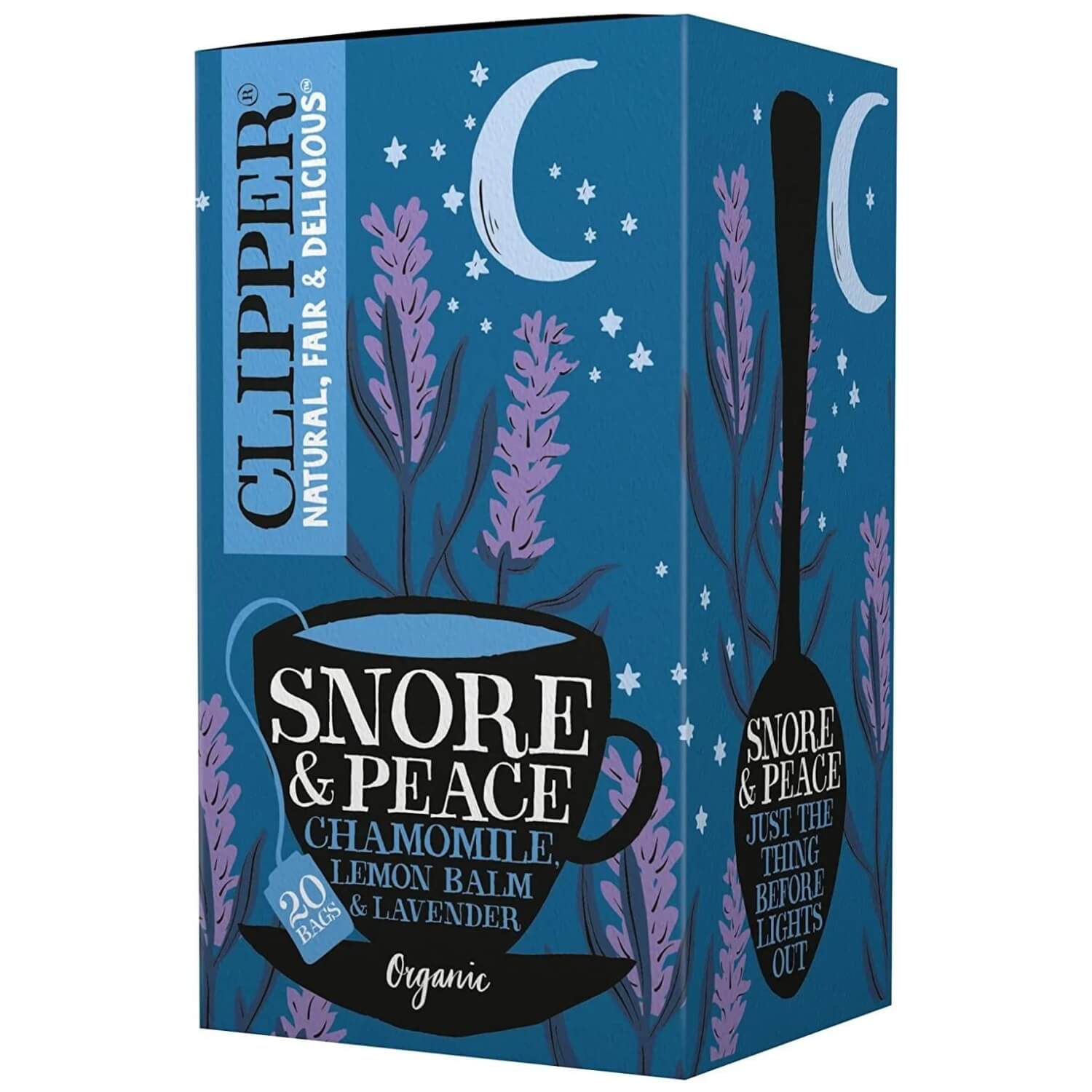
Organic Lemon Balm and Lavender Tea (20 × 1.5 g) 30 g - Clipper
4.4. Infusion, capsule, syrup, tincture – which form works best?
The choice of form affects ease of use, absorption speed, and bioavailability of active substances. There is no single answer – it depends on what you expect and what your preferences are.
| Form | Absorption | Advantages | Disadvantages | For Whom |
|---|---|---|---|---|
| Infusion (tea) | Medium | Calming ritual, warm liquid, taste, easy accessibility | Difficult dose standardization, time-consuming | Most people, especially for mild problems |
| Capsules / tablets | High (standardized extract) | Precise dose, convenience, no taste | No ritual effect, higher cost | People needing a standardized dose, travelers |
| Herbal syrup | Fast (absorption through oral mucous membranes) | Quick effect, pleasant taste, easy to administer to children | Sugar or alcohol content (depending on product) | Children (after consultation), people seeking quick effect |
| Tincture | Fast | Concentrated dose, long-lasting | Alcohol content – excludes many groups (pregnancy, children, AA) | Adults with no alcohol contraindications |
| Essential oil (aromatherapy) | Via olfactory system and skin | No swallowing, easy to use, works through pillow/diffuser | Only lavender and a few others; cannot replace oral forms | Supplement to other methods, people sensitive to scents |

Sleep Syrup 100 ml - Herbapol Kraków
4.5. How long should sleep herbs be used?
The duration of use depends on the type of herb and the nature of the sleep problem. Some practical rules:
- Lemon balm, chamomile, linden – can be used long-term without breaks; these herbs are safe for regular consumption
- Valerian, hops, passionflower – recommended courses of up to 4–6 weeks, then a break; EMA monographs indicate a lack of data confirming the safety of very long-term use
- Ashwagandha – 8–12-week courses, after which a 4-week break is advisable
- Valerian's effect appears after 2–4 weeks – do not assess effectiveness after 2–3 days
⚠️ When herbs are not enough
If, after 4–6 weeks of regular herb use and good sleep hygiene, sleep problems do not subside or worsen – do not prolong self-treatment. Chronic insomnia requires medical evaluation. An effective treatment method confirmed by research is Cognitive Behavioral Therapy for Insomnia (CBT-I), which, in long-term studies, outperforms the effectiveness of sleeping pills.
5. Sleep hygiene – without it, even the best herbs won't help
Sleep herbs are effective support – but only when they work in a conducive environment. If you spend hours in front of a screen in the evenings, drink coffee in the afternoon, and go to bed at different times, no tea will "fix" your sleep. Sleep hygiene is the foundation upon which herbs can build their effect.
5.1. Why is a regular sleep rhythm more important than its duration?
Our body operates according to an internal biological clock – a circadian rhythm regulated by the suprachiasmatic nucleus (SCN) in the hypothalamus. This clock synchronizes the secretion of melatonin, cortisol, body temperature, and dozens of other processes. When you go to bed and wake up at different times – even on weekends – you disrupt this synchronization.
Chronobiological studies indicate that irregular sleep times can be as harmful as lack of sleep. The phenomenon of "social jet lag" (a difference of more than 1 hour between weekday and weekend rhythms) affects an estimated 40% of the population and is associated with an increased risk of metabolic disorders, worse mood, and concentration difficulties.
Practical rule: wake up at the same time every day – even if you slept poorly the night before. This is the most effective single habit for improving sleep in the long term.
5.2. What should a sleep-friendly bedroom look like?
The bedroom should be associated by the brain exclusively with sleep (and sex). Any other activity – work, watching TV series, browsing the phone – weakens this conditioned stimulus and makes it harder to fall asleep.
- Temperature: optimal is 16–19°C. Lowering body temperature is a physiological signal for sleep – too warm a bedroom inhibits this process. Studies confirm that this is one of the strongest external regulators of sleep.
- Darkness: even a small light source (stand-by lamp, street light) can disrupt melatonin secretion. Blackout blinds or an eye mask are a simple and effective investment.
- Silence: if you cannot eliminate noise, consider white noise (fan, app) – it masks random sounds more effectively than trying to achieve absolute silence.
- Bed only for sleeping: avoid working and using your phone in bed – your brain needs to learn that bed = sleep.

💡 Why does a hot bath before bed help you fall asleep?
Paradox: a hot bath or shower 1–2 hours before bedtime speeds up falling asleep. Mechanism: heat expands the blood vessels in the skin, which accelerates heat loss from the body and a faster drop in body temperature – and it is this drop in temperature that signals sleep. Studies published in Sleep Medicine Reviews (Haghayegh et al., 2019) confirm that bathing at 40–42.5°C 1–2 hours before bed can shorten the time it takes to fall asleep by an average of 10 minutes.
5.3. Screens and melatonin – what does research really say?
Blue light emitted by smartphones, tablets, and laptops (wavelength 450–490 nm) is the strongest external inhibitor of melatonin secretion – the hormone that signals to the body the onset of night. Melanopsin cells in the retina of the eye are exceptionally sensitive to this wavelength.
A Harvard study (Czeisler et al.) showed that 2 hours of screen exposure before bed can delay melatonin secretion by 1.5 hours and shift the internal biological clock by almost 3 hours. In practice, this means: difficulty falling asleep, shallower sleep, and a worse mood the next morning – even if you don't subjectively feel tired during evening scrolling.
What works:
- Putting away your phone/laptop at least 60 minutes before bed (ideally 90 min)
- Night mode / blue light filter on devices – partially helpful, but does not completely eliminate the problem
- Dimming all light sources in the evening, not just screens
- Blue light filtering glasses – research is mixed, but some users report improvement
5.4. Caffeine, alcohol, and dinner – how many hours before bed?
These are the three most frequently underestimated dietary factors disrupting sleep.
Caffeine has a half-life in the body of 5–7 hours – meaning that coffee drunk at 4:00 PM is still half "active" at 9:00–11:00 PM. In individuals who metabolize caffeine slowly (CYP1A2 gene variant), this time can be even longer. Practical rule: last coffee no later than 6–8 hours before bedtime. Remember that caffeine is also in tea (especially black and green), energy drinks, cola, and dark chocolate.
Alcohol is the number one sleep myth. A glass of wine indeed speeds up falling asleep, but it seriously impairs sleep quality: it inhibits REM phase, causes micro-awakenings in the second half of the night, and exacerbates snoring. The net effect is shallower and less restorative sleep – even if you sleep the same number of hours.
A heavy meal 1–2 hours before bed forces the digestive system to work intensively, raises body temperature, and can cause reflux. Optimally: the last larger meal 2–3 hours before bed. If you are hungry in the evening, a light snack rich in tryptophan (a small cup of warm milk, a handful of nuts, a banana) can even aid sleep.
| Factor | Effect on sleep | Recommended interval before sleep | Notes |
|---|---|---|---|
| Coffee / caffeine | Delays falling asleep, shortens deep sleep | min. 6–8 hrs. | Also applies to black/green tea, cola, energy drinks |
| Alcohol | Speeds up falling asleep, but destroys sleep quality and REM phase | min. 3–4 hrs. | Ideally: complete abstinence for sleep problems |
| Heavy meal | Raises body temperature, stresses digestion, reflux | min. 2–3 hrs. | Light snack with tryptophan is permissible |
| Screens (phone, TV) | Inhibits melatonin, shifts circadian rhythm | min. 60–90 min | Night mode reduces the problem, but does not eliminate it |
| Intense workout | Raises temperature and cortisol – can delay falling asleep | min. 2–3 hrs. | Gentle exercise (yoga, walk) in the evening is beneficial |
5.5. Evening wind-down ritual – why a cup of tea is more than just an infusion
The nervous system does not fall asleep the moment your head hits the pillow, but gradually – over 60–90 minutes preceding sleep. Research on classical conditioning indicates that repetitive, predictable evening cues teach the brain to switch into rest mode faster and more effectively.
That's why an evening herbal tea is more than just a source of active compounds. The ritual itself – brewing, the scent of steam, holding a warm cup, slow sipping – acts as a conditioned stimulus informing the nervous system that it's time for sleep. Our customer observations show that people who integrate tea into a consistent evening ritual experience improved sleep faster than those who drink it irregularly.
A simple sequence for an evening ritual worth adopting:
- Dimming the lights in the home
- Putting away the phone and turning off screens
- Brewing herbal tea (lemon balm, chamomile, linden, or a favorite blend)
- 10–15 minutes of quiet activity: reading, stretching, gratitude journaling
- Tea drunk slowly, without rushing
- Bath or warm shower (optional)
- Sleep at a regular, planned time

Sleep Well Tea 30 g - Dworzysk
🌿 Herbs + sleep hygiene = synergy effect
Sleep herbs work most effectively when accompanied by good habits. Valerian or ashwagandha can shorten the time it takes to fall asleep and improve sleep depth – but no plant will fully compensate for three coffees in the afternoon, a screen until midnight, and irregular sleep hours. Approach herbs as part of a larger system, and the results will be lasting.
6. Sleep herbs for different groups – who should be careful?
Sleep herbs are generally safe for healthy adults when used as directed. However, there are groups who require particular caution or should completely avoid certain plants. Below you will find practical tips for the most important of these.
6.1. Pregnant and breastfeeding women
Pregnancy and breastfeeding are periods during which herbs should be approached with extreme caution. Many active substances pass through the placenta or into breast milk, and clinical studies on the safety of herbs in pregnancy are, for obvious reasons, very limited.
Herbs contraindicated in pregnancy:
- Valerian – lack of data confirming safety; do not use
- Hops – phytoestrogenic effect; do not use
- Passionflower – harman alkaloids may stimulate uterine contractions; absolutely contraindicated
- Motherwort – strong uterine stimulant; absolutely contraindicated
- Ashwagandha – may induce uterine contractions and miscarriage; absolutely contraindicated
- Rhodiola rosea – insufficient data; do not use
Herbs considered relatively safe in moderate amounts (as an infusion, not concentrated extract):
- Chamomile – traditionally used, but in large quantities can have antispasmodic effects; moderate consumption (1 cup per day) considered safe
- Lemon balm – moderate amounts of infusion considered safe, but lack of clinical studies confirming safety in pregnancy
- Linden – flower infusion traditionally used in pregnancy for colds; moderate amounts considered safe
⚠️ General rule for pregnant and breastfeeding women
Before using any herb or supplement during pregnancy and breastfeeding, consult your doctor or midwife. The rule "natural = safe" does not apply during this period. The most effective and well-documented method for improving sleep during pregnancy remains non-pharmacological techniques: Cognitive Behavioral Therapy for Insomnia (CBT-I), progressive relaxation, and sleep hygiene.
6.2. Children and adolescents
Sleep problems in children are common, but their causes and treatment differ significantly from adults. Sleep herbs used in children require special caution due to different pharmacokinetics and lack of sufficient clinical data.
- Children under 3 years: no sleep herbs without clear medical recommendation
- Children 3–12 years: only mild teas (chamomile, lemon balm, linden) in small quantities and after consultation with a pediatrician; avoid standardized extracts and capsules
- Adolescents over 12 years: lemon balm, chamomile, and linden are generally considered safe; valerian – with caution and only after consultation with a doctor
- Herbal syrups dedicated to children – use only according to manufacturer's age recommendations
💡 Before reaching for herbs for your child
Sleep problems in children very often result from inadequate sleep hygiene, too much screen time in the evening, or an irregular daily rhythm – not a lack of herbs. Before reaching for herbal preparations, it is worth optimizing the child's evening routine first: consistent bedtime, calming rituals (warm bath, story, tea), and eliminating screens an hour before bedtime.
6.3. Older adults (over 65 years of age)
Older adults are a group particularly susceptible to sleep problems – it is estimated that they affect up to 50% of people over 65. At the same time, they are more sensitive to the adverse effects of herbs due to altered pharmacokinetics, polypharmacy, and co-existing diseases.
- Preferred herbs: lemon balm, chamomile, and linden – mild, well-tolerated, low risk of interactions
- Valerian with caution: may enhance the effect of other sedative medications; in some older adults, it causes morning "grogginess" and increases the risk of falls
- Ashwagandha: can be considered in the absence of autoimmune diseases and drug interactions, but after consulting a doctor
- Avoid alcoholic tinctures due to interactions with medications and liver burden
6.4. People taking medications – most important interactions
This is the most important section of this chapter for people undergoing chronic treatment. Herbs are not pharmacologically inert and can interact with medications in clinically significant ways.
| Herb | Drug / Drug Group | Nature of Interaction | Recommendation |
|---|---|---|---|
| Valerian | Benzodiazepines, barbiturates, sleeping pills, alcohol | Increased sedative effect – risk of excessive drowsiness | Do not combine without medical consultation |
| Valerian | Drugs metabolized by CYP3A4 (including some statins, cardiac drugs) | Possible disruption of drug metabolism | Inform your doctor |
| Lemon Balm | Thyroid medications (levothyroxine) | Inhibition of TSH uptake – may reduce drug efficacy | Avoid with hypothyroidism |
| Ashwagandha | Immunosuppressive drugs, thyroid medications | Stimulation of the immune system, change in thyroid hormone levels | Do not use without medical consultation |
| Rhodiola | SSRI, SNRI, MAOI (antidepressants) | Risk of serotonin syndrome | Absolutely do not combine |
| Chamomile | Warfarin and other anticoagulants | Possible increased anticoagulant effect – risk of bleeding | Consult your treating physician |
| Motherwort | Cardiac, anticoagulant, antiarrhythmic drugs | Increased or decreased effect of heart medications | Do not use without consulting a cardiologist |
6.5. Drivers and machine operators
Valerian, hops, passionflower, and motherwort can cause drowsiness that lasts until the next morning – especially at higher doses or in sensitive individuals. If you drive or operate machinery, start with minimal doses and observe how you react. Do not drive if you feel morning grogginess after taking herbal preparations.
7. Common mistakes when using herbs for sleep
Sleep herbs can really help – but many people don't feel their effects because they make a few common mistakes. Here are the most common ones and how to avoid them.
7.1. Judging effectiveness after 2–3 days
This is the most common mistake, especially with valerian and ashwagandha. Both plants act through mechanisms that require time – receptor modulation, hormonal axis regulation, changes in neurotransmission. Valerian needs 2–4 weeks of regular use to show its full effect. Ashwagandha – even 6–8 weeks.
People who, after three days, declare "valerian doesn't work for me" and give up, often don't give the herb a chance to demonstrate its potential. Exception: chamomile, lemon balm, and linden act gently but relatively quickly – here the effect appears after just a few days.
7.2. Too weak an infusion or too low a dose
Tea brewed for 2–3 minutes with one tea bag is almost a placebo. The active substances in sleep herbs – especially valerian and passionflower – require longer extraction. A minimum of 10–15 minutes of brewing covered, and the amount of raw material should be 1–2 teaspoons of dried herb per 200 ml of water.
A similar problem concerns supplements – preparations with a low content of standardized active ingredients (e.g., valerian extract not standardized for valerenic acid) may simply not be concentrated enough to produce a measurable effect.
7.3. Drinking tea too late – right before bed
Many people drink tea directly before going to bed. Meanwhile, active substances need time to be absorbed, and an additional 200–250 ml of liquid just before bed increases the risk of waking up at night with the need to use the toilet.
The optimal window is 45–60 minutes before bed – early enough for the active substances to start working, but not too close to sleep to avoid nocturia.
7.4. Combining herbs with alcohol
A glass of wine with evening valerian tea is a combination that should be absolutely avoided. Alcohol enhances the sedative effect of herbs (especially valerian, hops, and passionflower), which can lead to excessive drowsiness, problems with concentration the next day, and – with regular combination – to an undesirable increase in tolerance. Moreover, as discussed in the chapter on sleep hygiene, alcohol alone worsens sleep quality, nullifying the effect of herbs.
7.5. Expecting an effect like a sleeping pill
Sleep herbs are not pills for instant sleep. They work subtly – shortening sleep onset, improving sleep depth and continuity, reducing nervous tension. A person who expects to "fall asleep in 5 minutes like after medicine" will be disappointed.
The correct expectation is: gradual, noticeable improvement in sleep quality within 1–4 weeks of regular use in combination with good sleep hygiene.
7.6. Irregular, occasional use
Sleep herbs, especially those acting through GABA receptor modulation (valerian, passionflower), require some regularity to build and maintain a therapeutic effect. Drinking tea "from time to time, when sleep is really bad" yields much weaker results than a daily evening ritual for several weeks.
Regularity of use is one of the key factors distinguishing people who experience significant improvement from those who claim that herbs "don't work."
7.7. Treating the symptom instead of the cause
Herbs can effectively support sleep, but they will not solve the problem if its source is untreated depression, sleep apnea, restless legs syndrome, chronic pain, or severe occupational stress.
If, despite good sleep hygiene and regular use of herbs, sleep problems persist or worsen – it's a signal that it's worth seeking a deeper cause with the help of a doctor or psychologist.
8. FAQ – frequently asked questions about sleep herbs
8.1. Which sleep herb works fastest?
Herbs with a mild, direct effect on the nervous system work fastest: lemon balm, chamomile, and linden – a calming effect can be felt after a few days of regular use, and sometimes even after the first drink.
Valerian and passionflower work deeper but need more time – the full effect appears after 1–4 weeks.
Ashwagandha works slowest (4–8 weeks) but can bring the most lasting improvement for stress-induced insomnia.
8.2. Is valerian addictive?
Valerian does not cause physical addiction in the medical sense – it does not act like benzodiazepines and does not cause withdrawal symptoms upon discontinuation. However, with long-term use, minor withdrawal symptoms (anxiety, irritability) may occur in some sensitive individuals.
For this reason, it is recommended to gradually reduce the dose when ending a longer course of treatment, rather than abrupt cessation. The EMA considers valerian a traditional herbal product safe when used according to recommendations.
8.3. Can different sleep herbs be combined?
Yes – and it is often beneficial. The best-studied and most effective combination is valerian + hops + lemon balm, for which clinical studies confirm a synergistic effect stronger than each component individually. Many ready-made sleep blends are based on this trio. Milder herbs like chamomile, linden, and lavender can also be combined without restrictions.
More caution should be exercised when combining several strongly sedative plants (e.g., valerian + passionflower + motherwort) – the effect may be too strong, especially with concomitant use of medications.
8.4. Is lemon balm tea safe during pregnancy?
Moderate consumption of lemon balm infusion (1 cup daily) is traditionally considered safe during pregnancy, but there are no clinical studies definitively confirming this. Lemon balm in the form of concentrated extracts and capsules is contraindicated during pregnancy.
In case of any doubts – and pregnancy is a condition where such doubts should be the rule – it is always worth consulting your doctor or midwife before introducing even a herbal tea.
8.5. How long does it take for sleep herbs to work?
It depends on the herb and the form. Lemon balm, chamomile, and linden can bring a noticeable calming effect after a few days. Valerian and passionflower usually require 2–4 weeks of regular use. Ashwagandha – 4–8 weeks.
The key word is "regular" – occasional use significantly prolongs the time needed to feel the effect or completely eliminates it. Parallel implementation of good sleep hygiene clearly accelerates and strengthens the effect of herbs.
8.6. Does ashwagandha really help with insomnia?
Yes, but with an important caveat: ashwagandha is most effective for insomnia caused by stress, anxiety, and chronic exhaustion, not for all types of sleep problems.
Several randomized clinical trials (e.g., Langade et al., 2019; Cheah et al., 2021) showed significant improvement in sleep quality, reduced sleep onset latency, and decreased anxiety in people using standardized root extract. Effects appear after 4–8 weeks.
For insomnia without a clear stress component, valerian or passionflower may be a better choice.
8.7. Can sleep herbs be used long-term?
It depends on the plant. Lemon balm, chamomile, and linden are safe for long-term use as daily infusions. Valerian, hops, and passionflower – recommended courses up to 4–6 weeks with breaks; EMA monographs do not contain data confirming safety of use longer than 6 weeks without a break. Ashwagandha – 8–12 week courses, after which a 4-week break is recommended.
In case of any doubts or if taking medications – consult a doctor or pharmacist.
8.8. Are herbal sleep supplements better than teas?
There is no single better form – each has its advantages. Standardized extracts in capsules offer a precise, repeatable dose of active substances and are convenient for travel. Teas, on the other hand, combine the biochemical action of herbs with the calming ritual effect – the very act of brewing and drinking warm tea acts as a conditioned stimulus signaling to the brain that it's time for sleep.
Research suggests that the ritual nature of evening activities is an important factor in improving sleep, regardless of pharmacology. In practice, many people use both forms: valerian or ashwagandha capsules in the evening and a calming tea as part of the ritual.
8.9. What does the BIO certificate on herbs mean and does it matter for effectiveness?
The BIO (organic) certificate, compliant with EU regulation 848/2018, means that the raw material was cultivated without synthetic pesticides, herbicides, and chemical fertilizers.
For sleep herbs, this has several practical consequences: lower risk of pesticide residues in the finished infusion, often higher content of active substances (plants growing in tougher conditions produce more secondary metabolites as a defense mechanism), and better traceability of the raw material's origin.
The BIO certificate is not a guarantee of effectiveness, but it is an indicator of raw material quality – especially important for herbs used daily for a longer period.
8.10. Can sleep herbs be given to children?
Only selected ones and with great caution. Mild teas of chamomile, lemon balm, and linden are traditionally used in children over 3 years of age as calming agents before sleep – in small quantities and after consulting a pediatrician. Valerian, passionflower, motherwort, and ashwagandha are not intended for children. Dedicated herbal syrups for children can be used according to the information on the packaging regarding the minimum age.
Before giving any herbal preparation to a child under 12, it is advisable to consult a doctor or pharmacist.

Children's Tea - Sleep with Organic Lemon Balm (20 × 2 g) 40 g - Apotheke
8.11. Do sleep herbs interact with depression and anxiety medications?
Yes, and this is one of the more important risk areas.
Rhodiola rosea should absolutely not be combined with SSRI, SNRI, or MAOI medications due to the risk of serotonin syndrome. Valerian enhances the effect of benzodiazepines and other sedative medications. Lemon balm can weaken the effect of levothyroxine. Ashwagandha can interact with immunosuppressive drugs and thyroid hormones.
If you are taking psychotropic, cardiac, or immunosuppressive medications – consult your treating physician or clinical pharmacist before introducing any herbal sleep preparation.
9. Sleep Herbs – A Small Ritual That Changes Nights
Good sleep is not a luxury – it is the foundation of physical, mental health, and immunity. If you have trouble falling asleep or wake up unrefreshed, herbs can be an effective and safe first step – especially when accompanied by conscious evening habits.
You don't have to implement all changes at once. Start with one thing: brew a cup of lemon balm or chamomile tea in the evening, put your phone away 60 minutes before bed, and go to bed at a regular time. If after 2–3 weeks you feel an improvement – you can gradually expand your evening ritual with other elements described in this article.
If you are looking for proven sleep support products, in our store you will find carefully selected herbal teas and blends, as well as natural supplements – both for those just starting their adventure with herbs and for the more experienced.
🌿 Remember the most important thing
Herbs support – they do not replace treatment. If insomnia lasts longer than 4 weeks, is accompanied by severe anxiety, depression, or symptoms of sleep apnea – consult a doctor. Effective help is available, and cognitive-behavioral therapy for insomnia (CBT-I) is the method with the best documented, long-term effectiveness.
10. Sources
- Bent S. et al. (2006). Valerian for Sleep: A Systematic Review and Meta-Analysis. American Journal of Medicine, 119(12), 1005–1012. https://pubmed.ncbi.nlm.nih.gov/17145239/
- Cases J. et al. (2011). Pilot trial of Melissa officinalis L. leaf extract in the treatment of volunteers suffering from mild-to-moderate anxiety disorders and sleep disturbances. Mediterranean Journal of Nutrition and Metabolism, 4(3), 211–218. https://pubmed.ncbi.nlm.nih.gov/22207903/
- Langade D. et al. (2019). Efficacy and Safety of Ashwagandha (Withania somnifera) Root Extract in Insomnia and Anxiety: A Double-blind, Randomized, Placebo-controlled Study. PLOS ONE, 14(9). https://pubmed.ncbi.nlm.nih.gov/31728244/
- Cheah K.L. et al. (2021). Effect of Ashwagandha (Withania somnifera) extract on sleep: A systematic review and meta-analysis. PLOS ONE, 16(9). https://pubmed.ncbi.nlm.nih.gov/34559859/
- Ngan A., Conduit R. (2011). A double-blind, placebo-controlled investigation of the effects of Passiflora incarnata (passionflower) herbal tea on subjective sleep quality. Phytotherapy Research, 25(8), 1153–1159. https://pubmed.ncbi.nlm.nih.gov/21294203/
- Zick S.M. et al. (2011). Preliminary examination of the efficacy and safety of a standardized chamomile extract for chronic primary insomnia: A randomized placebo-controlled pilot study. BMC Complementary and Alternative Medicine, 11, 78. https://pubmed.ncbi.nlm.nih.gov/21939549/
- Chang S.M., Chen C.H. (2016). Effects of an intervention with drinking chamomile tea on sleep quality and depression in sleep disturbed postnatal women. Journal of Advanced Nursing, 72(2), 306–315. https://pubmed.ncbi.nlm.nih.gov/26483209/
- Woelk H., Schläfke S. (2010). A multi-center, double-blind, randomised study of the Lavender oil preparation Silexan in comparison to Lorazepam for generalized anxiety disorder. Phytomedicine, 17(2), 94–99. https://pubmed.ncbi.nlm.nih.gov/19962288/
- Karadag E. et al. (2015). Effects of aromatherapy on sleep quality and anxiety of patients. Nursing in Critical Care, 22(2), 105–112. https://pubmed.ncbi.nlm.nih.gov/26211735/
- Olsson E.M. et al. (2009). A randomised, double-blind, placebo-controlled, parallel-group study of the standardised extract SHR-5 of the roots of Rhodiola rosea in the treatment of subjects with stress-related fatigue. Planta Medica, 75(2), 105–112. https://pubmed.ncbi.nlm.nih.gov/19016404/
- Haghayegh S. et al. (2019). Before-bedtime passive body heating by warm shower or bath to improve sleep: A systematic review and meta-analysis. Sleep Medicine Reviews, 46, 124–135. https://pubmed.ncbi.nlm.nih.gov/31102877/
- European Medicines Agency (EMA) – Committee on Herbal Medicinal Products (HMPC). Herbal monographs: Valeriana officinalis, Melissa officinalis, Humulus lupulus, Passiflora incarnata, Lavandula angustifolia, Matricaria chamomilla, Leonurus cardiaca. https://www.ema.europa.eu/en/committees/committee-herbal-medicinal-products-hmpc
- Commission Regulation (EU) No 432/2012 of 16 May 2012 establishing a list of permitted health claims made on foods. https://eur-lex.europa.eu/legal-content/PL/TXT/?uri=CELEX:32012R0432
- Riemann D. et al. (2023). The European Insomnia Guideline: An update on the diagnosis and treatment of insomnia. Journal of Sleep Research. European Sleep Research Society (ESRS). https://pubmed.ncbi.nlm.nih.gov/38016484/