Supplements for immunity
33 products
Showing 1 - 33 of 33 products
Immunity is not something that can be built with a single pill before the cold season. It is a result of many factors – sleep, diet, physical activity, and several key nutrients whose deficiencies significantly weaken the immune response. Immunity supplements make sense when they fill specific gaps, not when they replace the fundamentals.
How the immune system works and what supports it
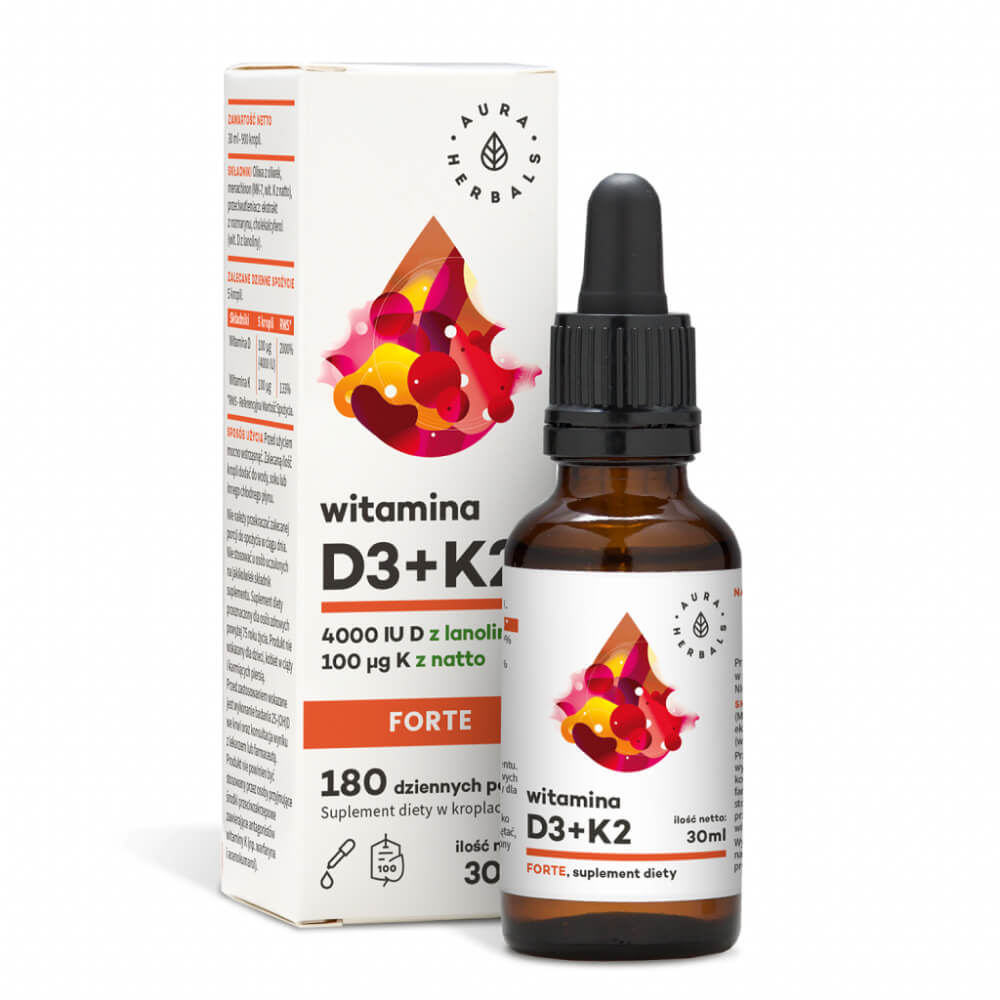
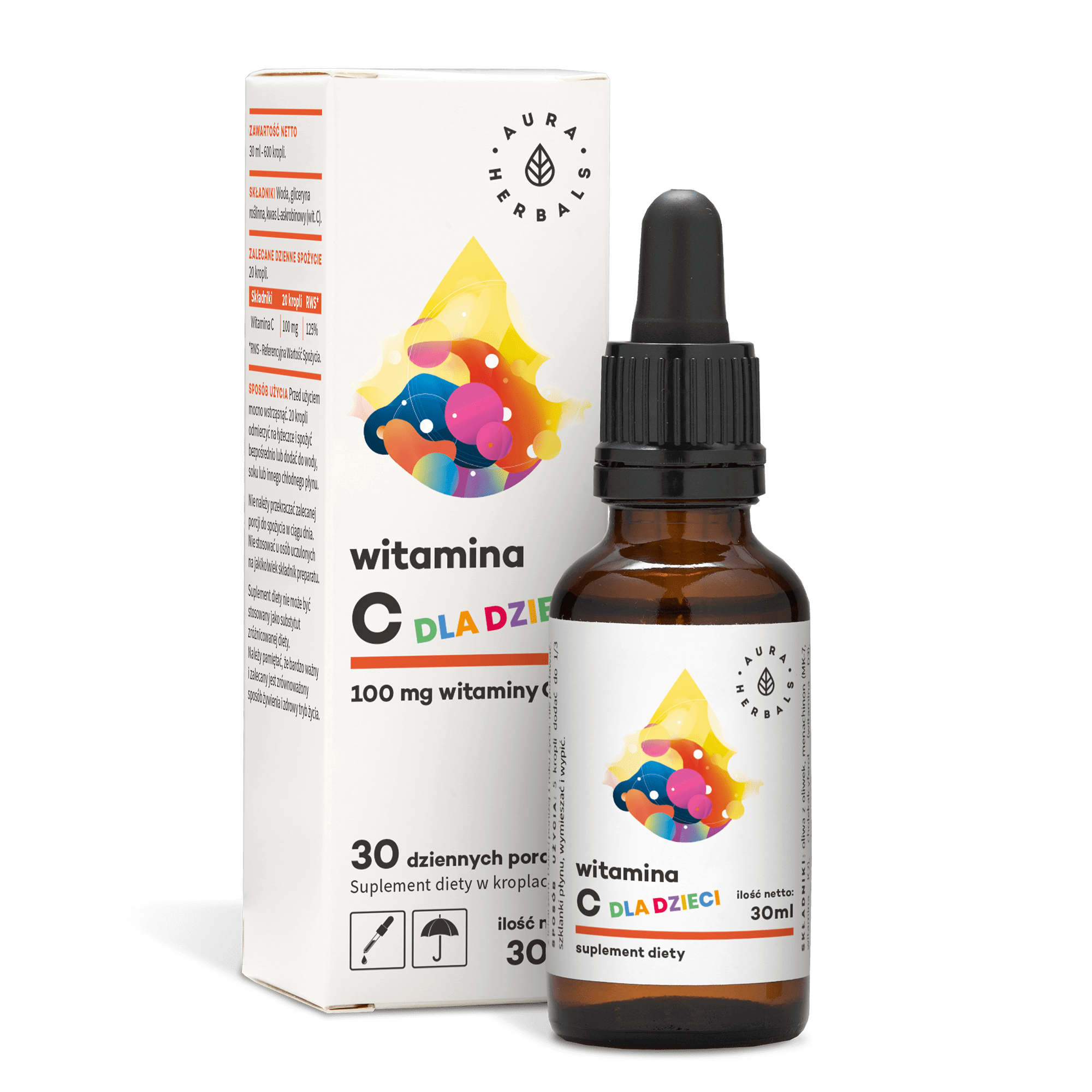
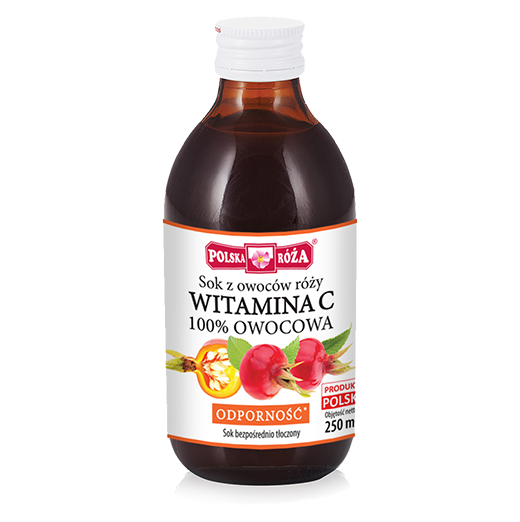
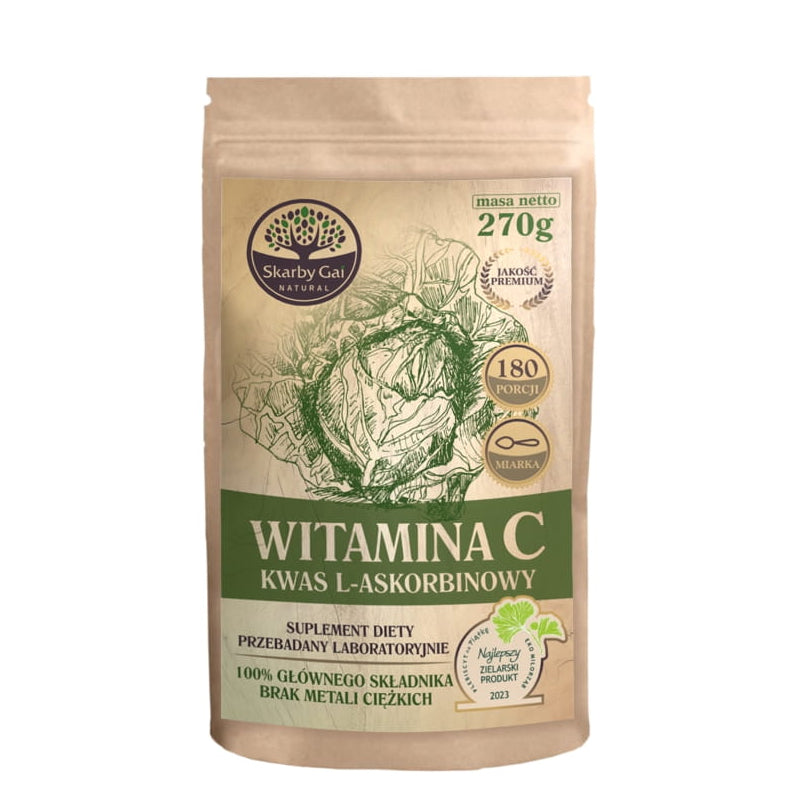
The immune system is a complex network of cells, tissues, and organs. Its proper functioning depends, among other things, on adequate levels of vitamin D3, zinc, selenium, and vitamin C – ingredients whose deficiencies are scientifically documented and whose impact on immune function has been confirmed and approved by EFSA. Vitamin D3 is a special case: its skin synthesis in Poland is insufficient for most of the year, and deficiencies are common regardless of diet.
In addition to micronutrients, plants and bioactive substances traditionally used to support immunity – such as propolis, elderberry, or beta-glucans from mushrooms – also play a significant role.
What supplements you will find in this category
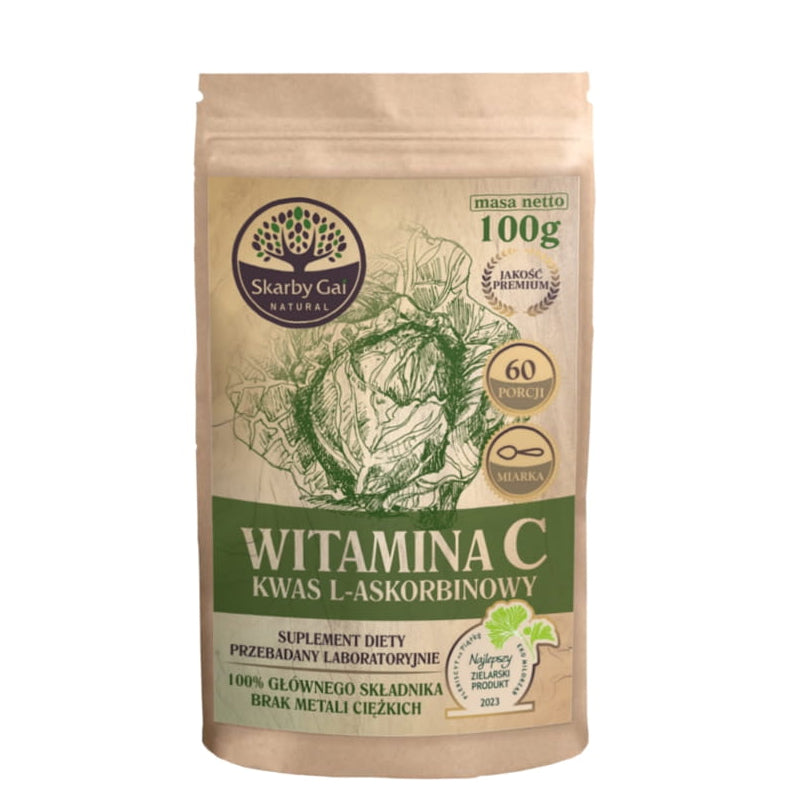
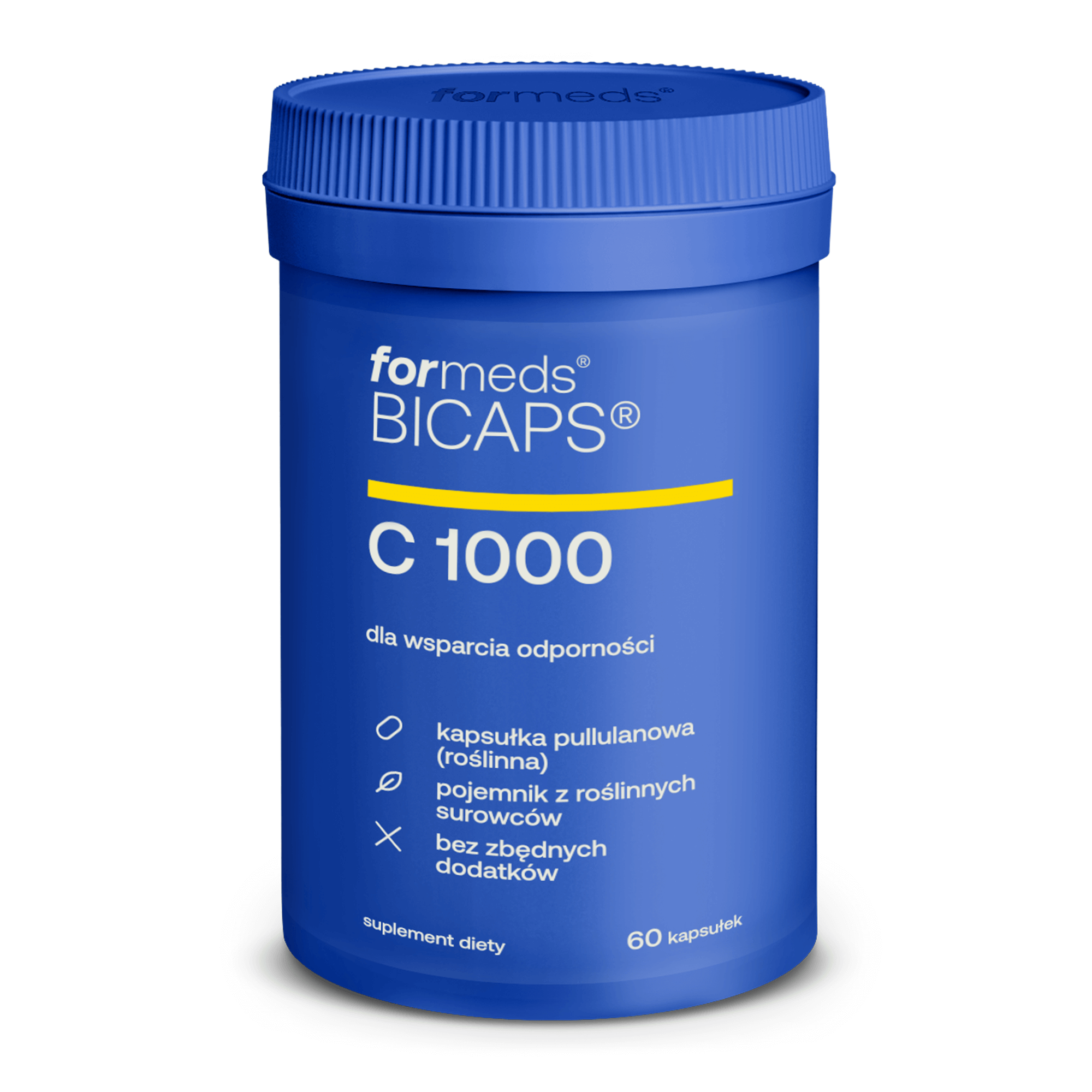
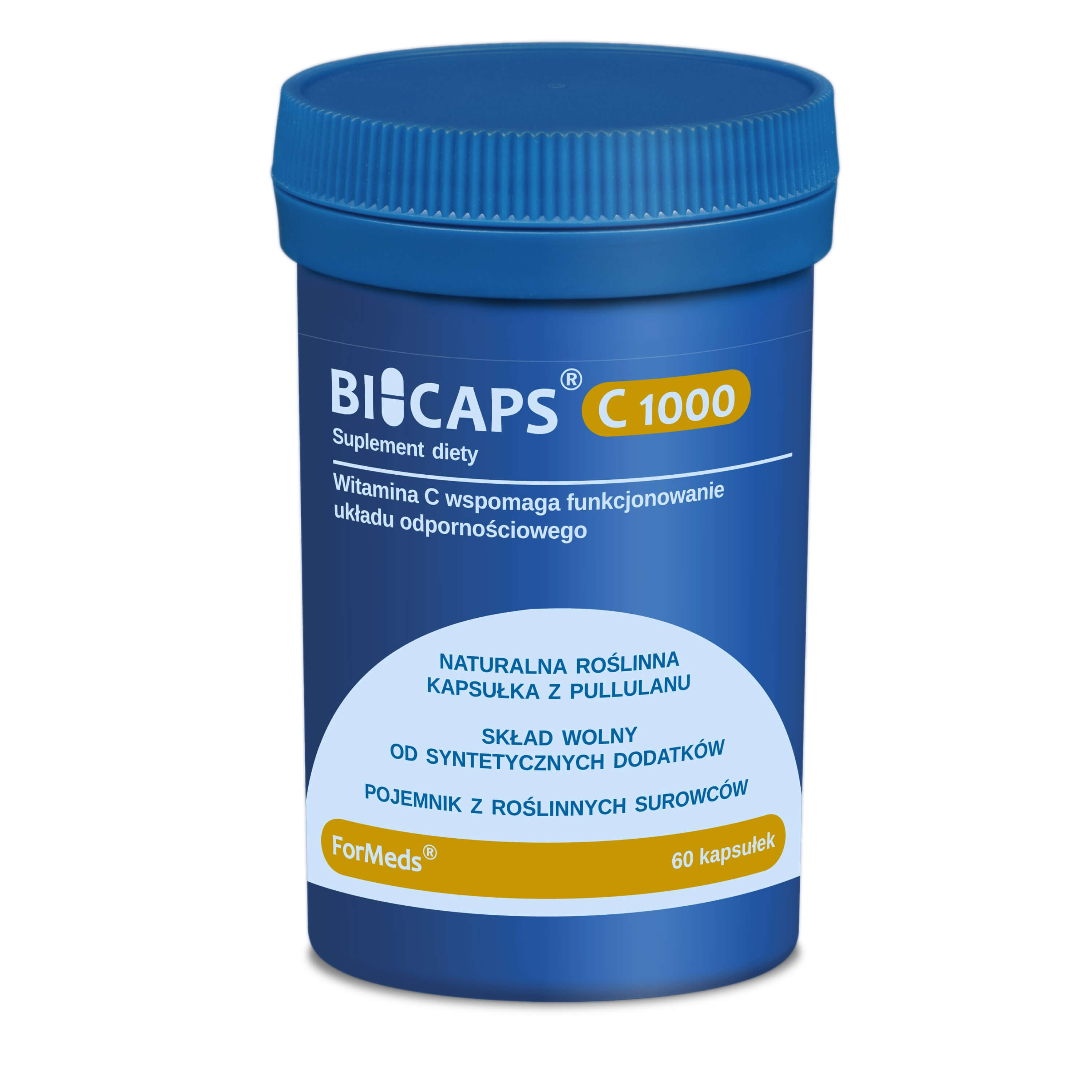
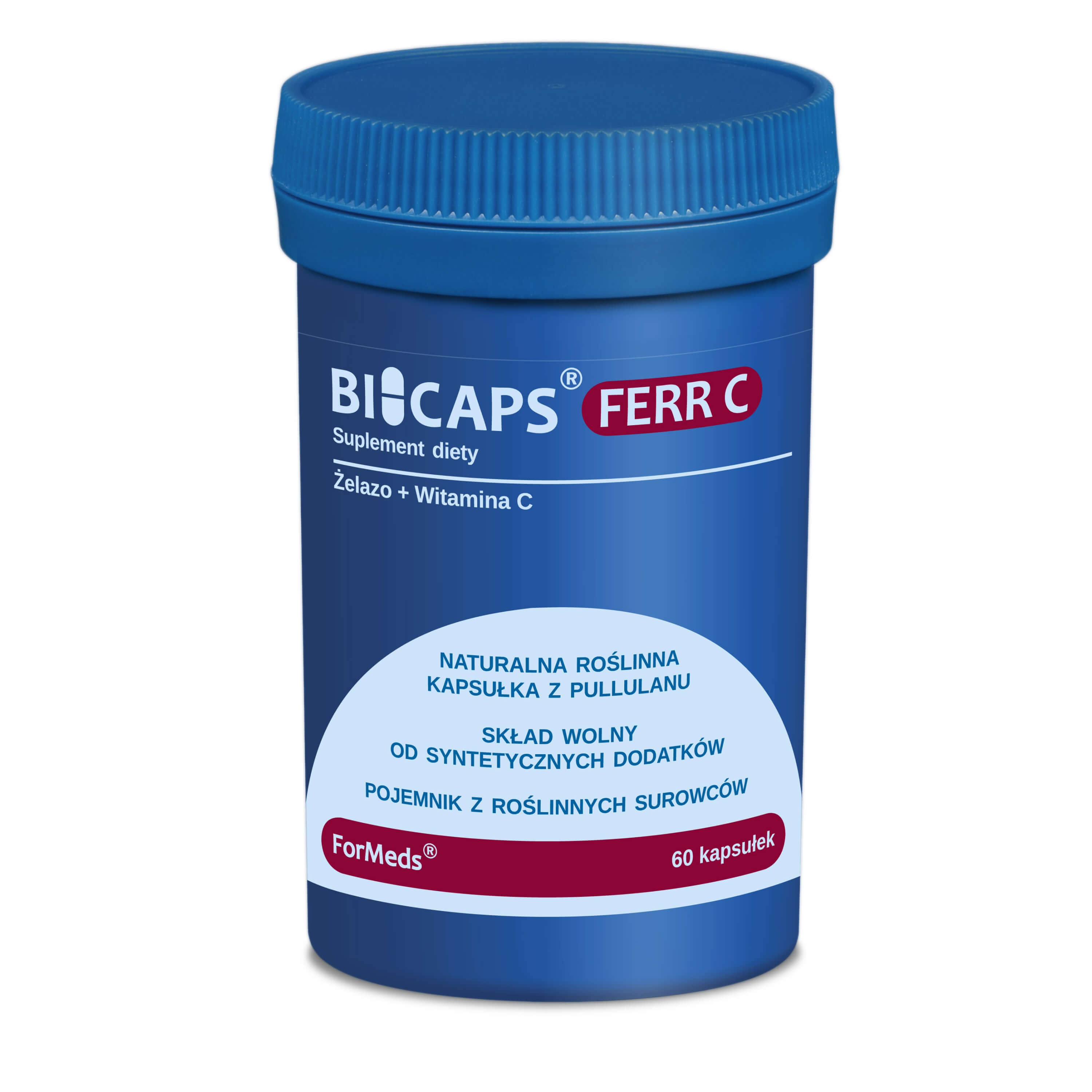
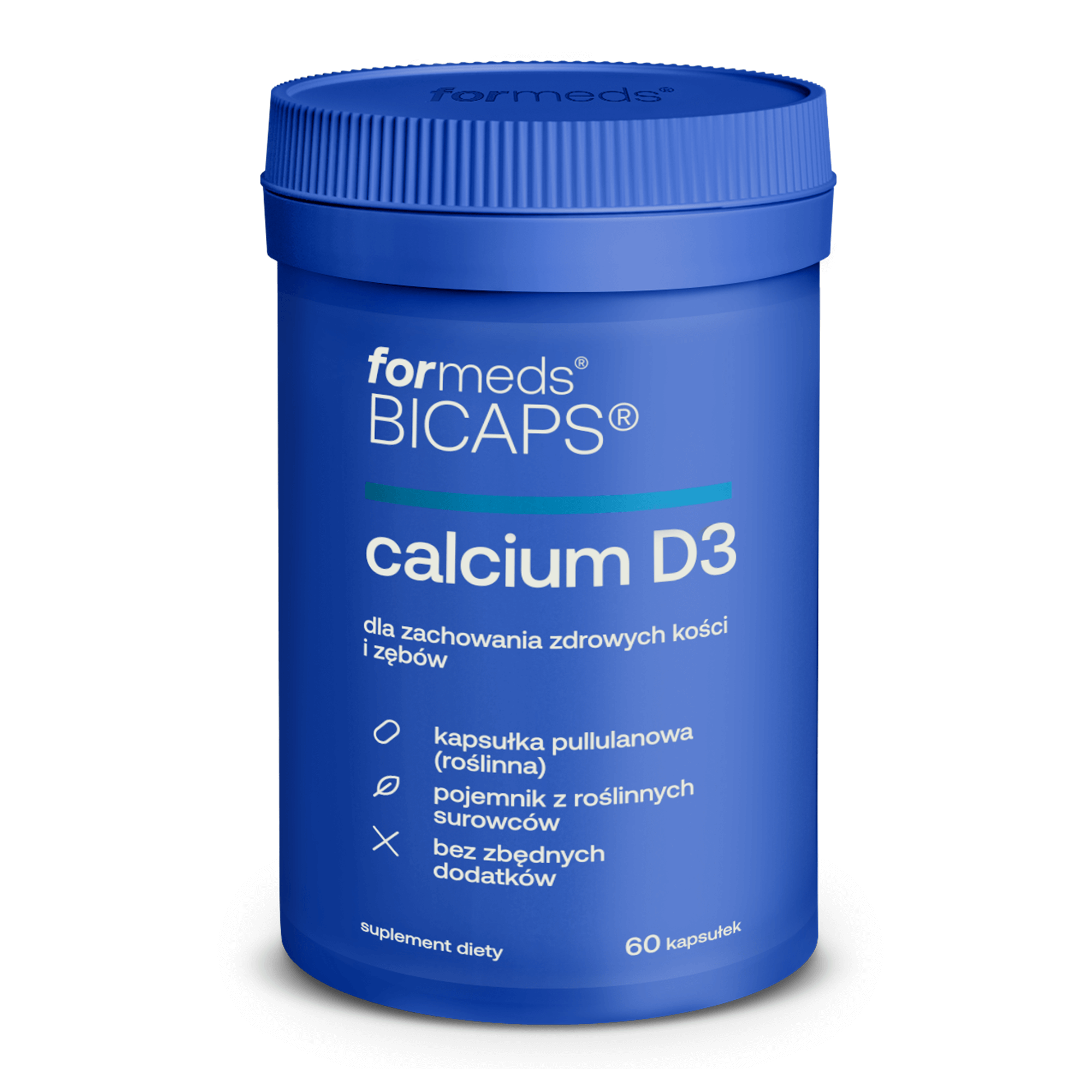
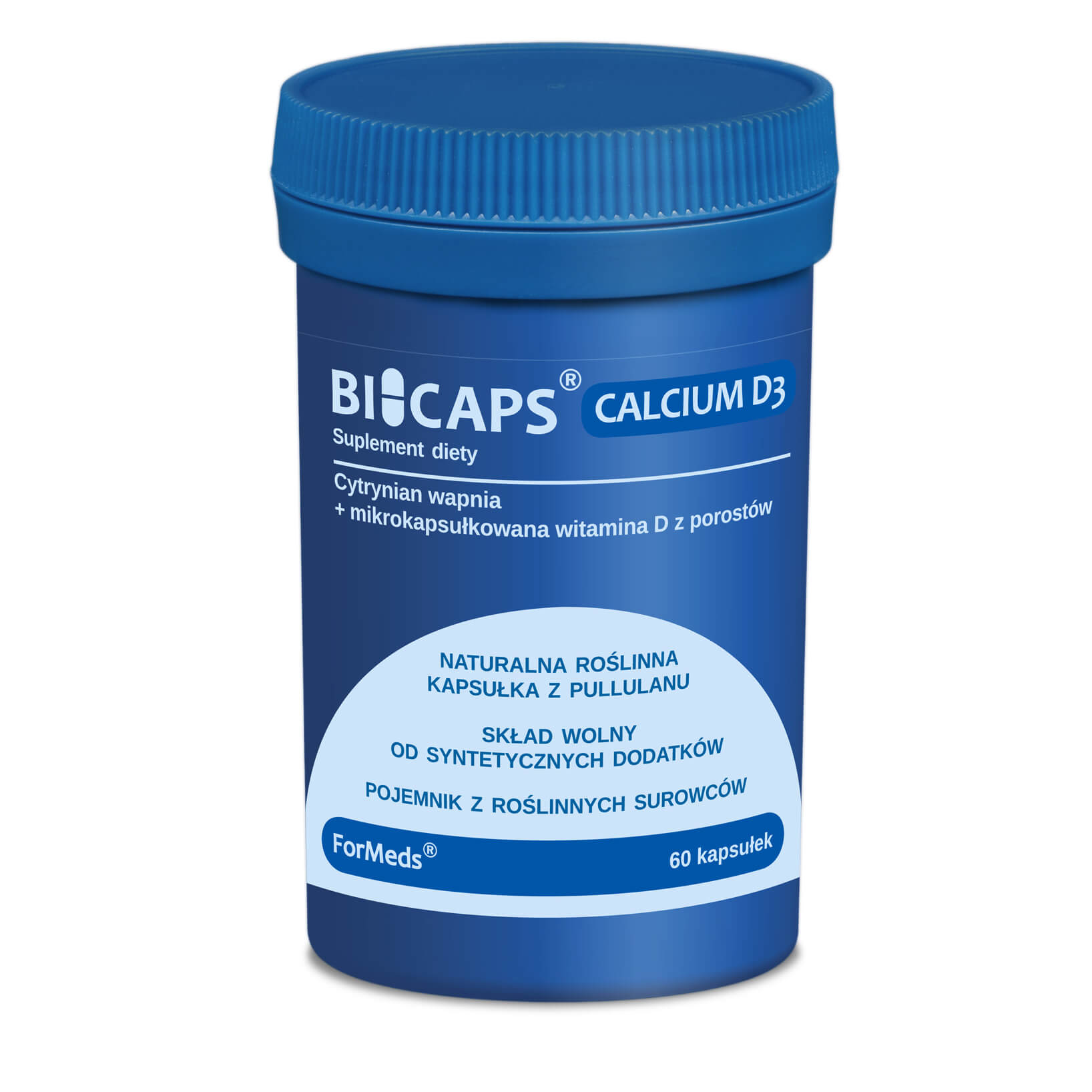
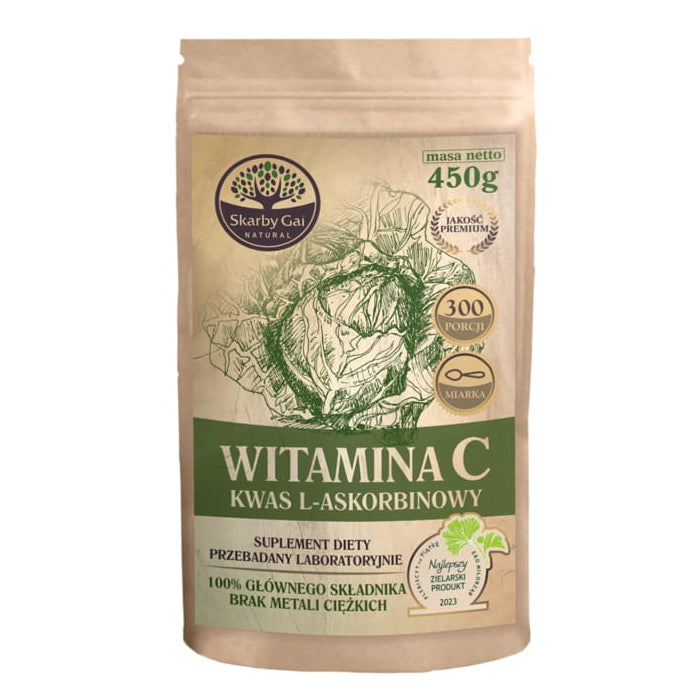
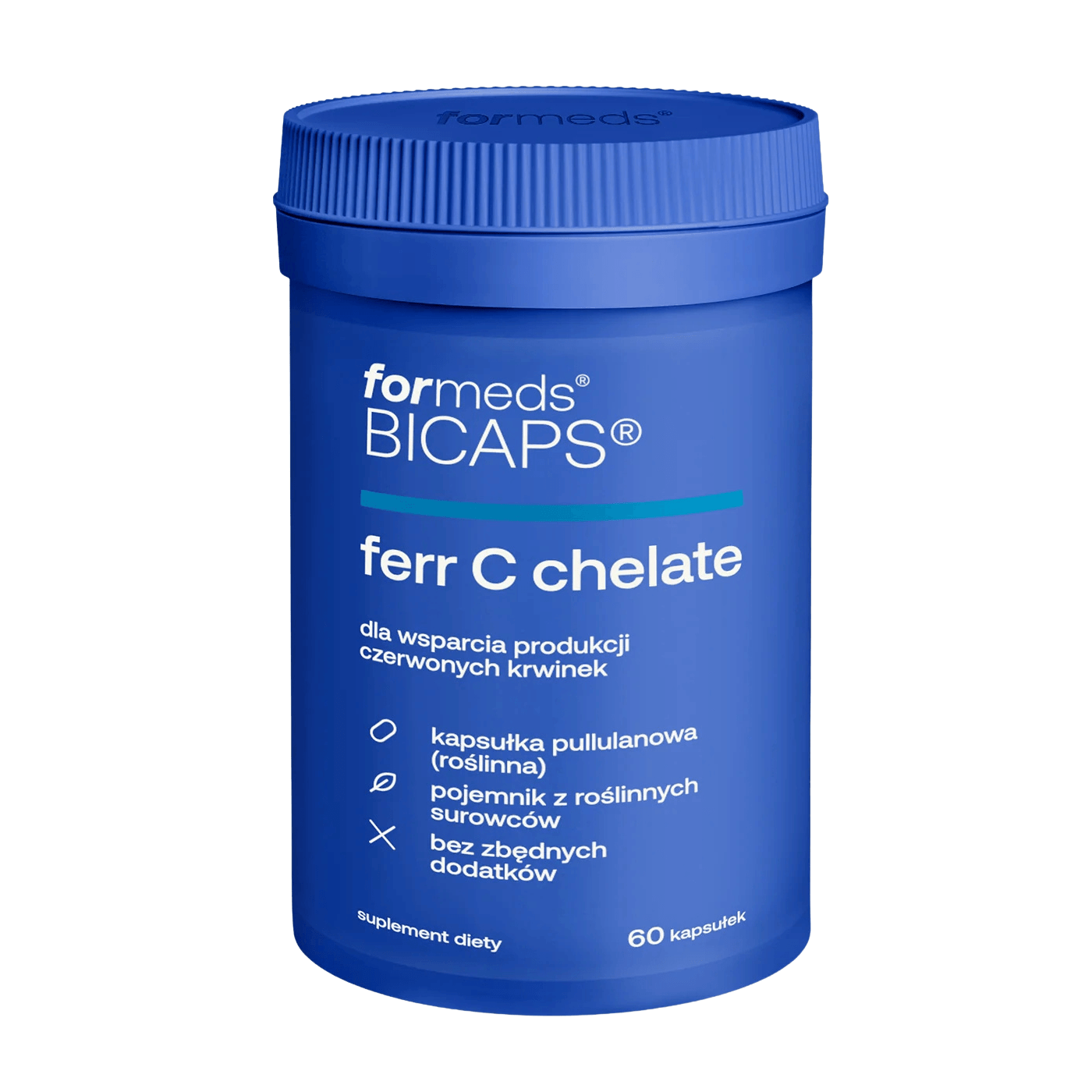
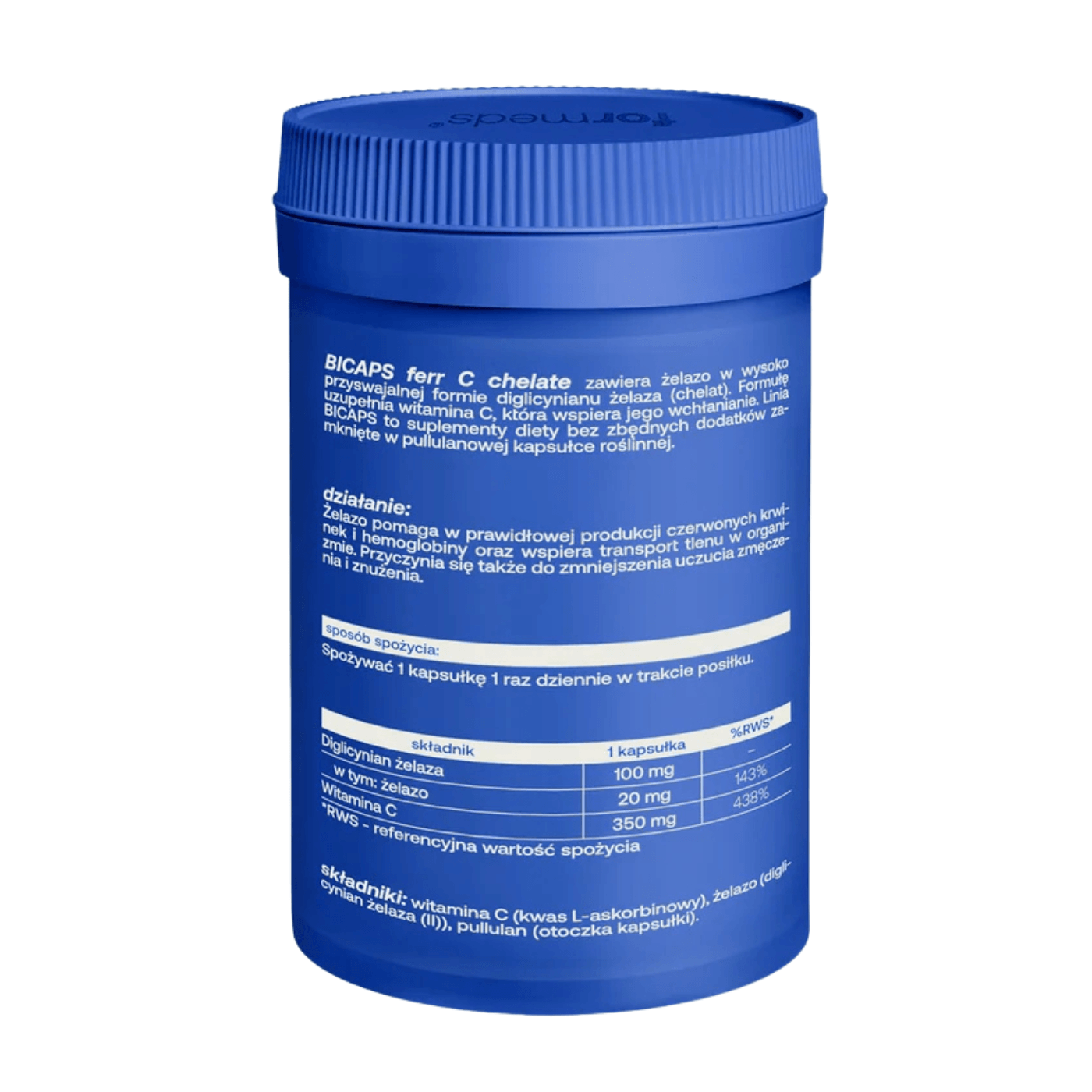
The core of the offer consists of ForMeds BICAPS series products – encapsulated supplements of single ingredients in highly bioavailable forms: vitamin C (including an enriched version), vitamin D3, zinc as citrate, selenium, and iodine obtained from kelp algae. Each of these ingredients has a documented, positive impact on the proper functioning of the immune system.
Supplements also include Vilgain preparations – including zinc bisglycinate, a highly bioavailable form, available in a larger package of 90 capsules.
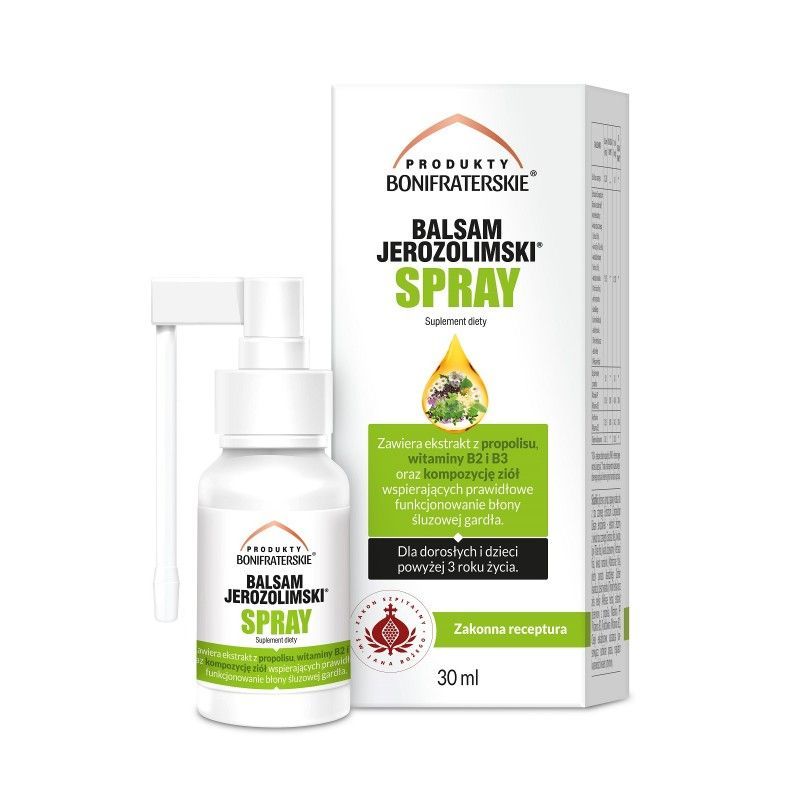
In this category, you will also find bee products – propolis and honey – which are traditionally used as immune support during the autumn and winter season. A wider selection of such products can be found in the bee products section.
It is also worth checking out the adaptogens section – plants such as ashwagandha or reishi act, among other things, at the level of regulating the stress response, which indirectly affects the condition of the immune system.