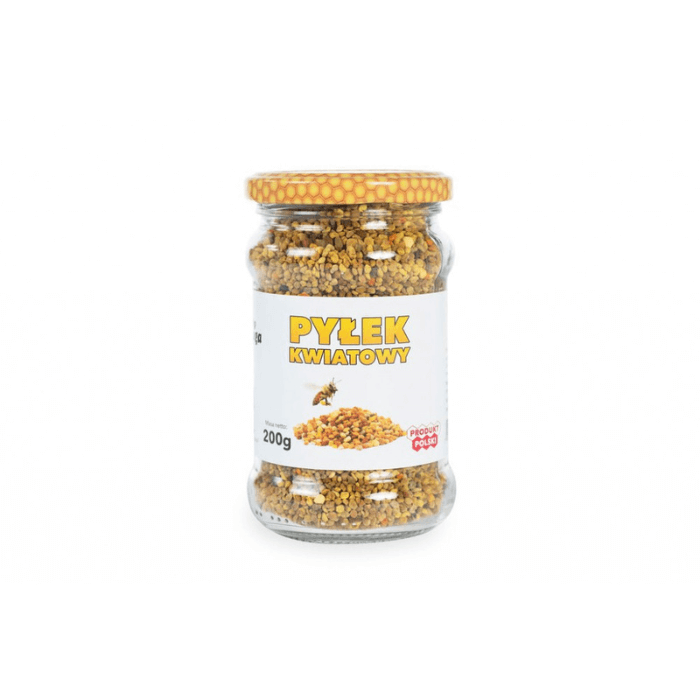
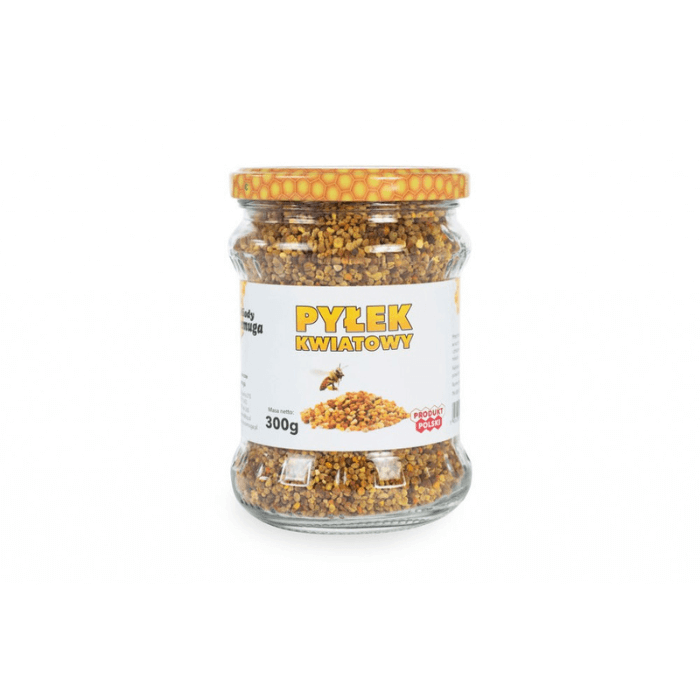
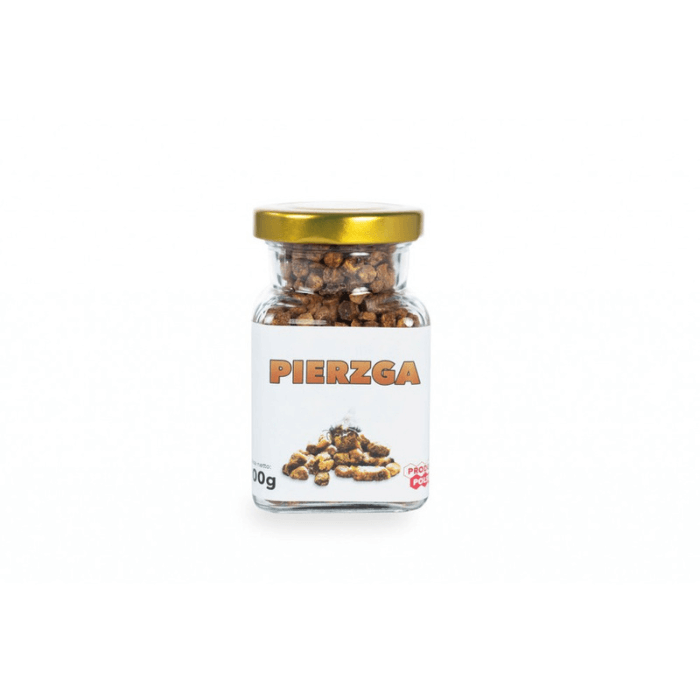
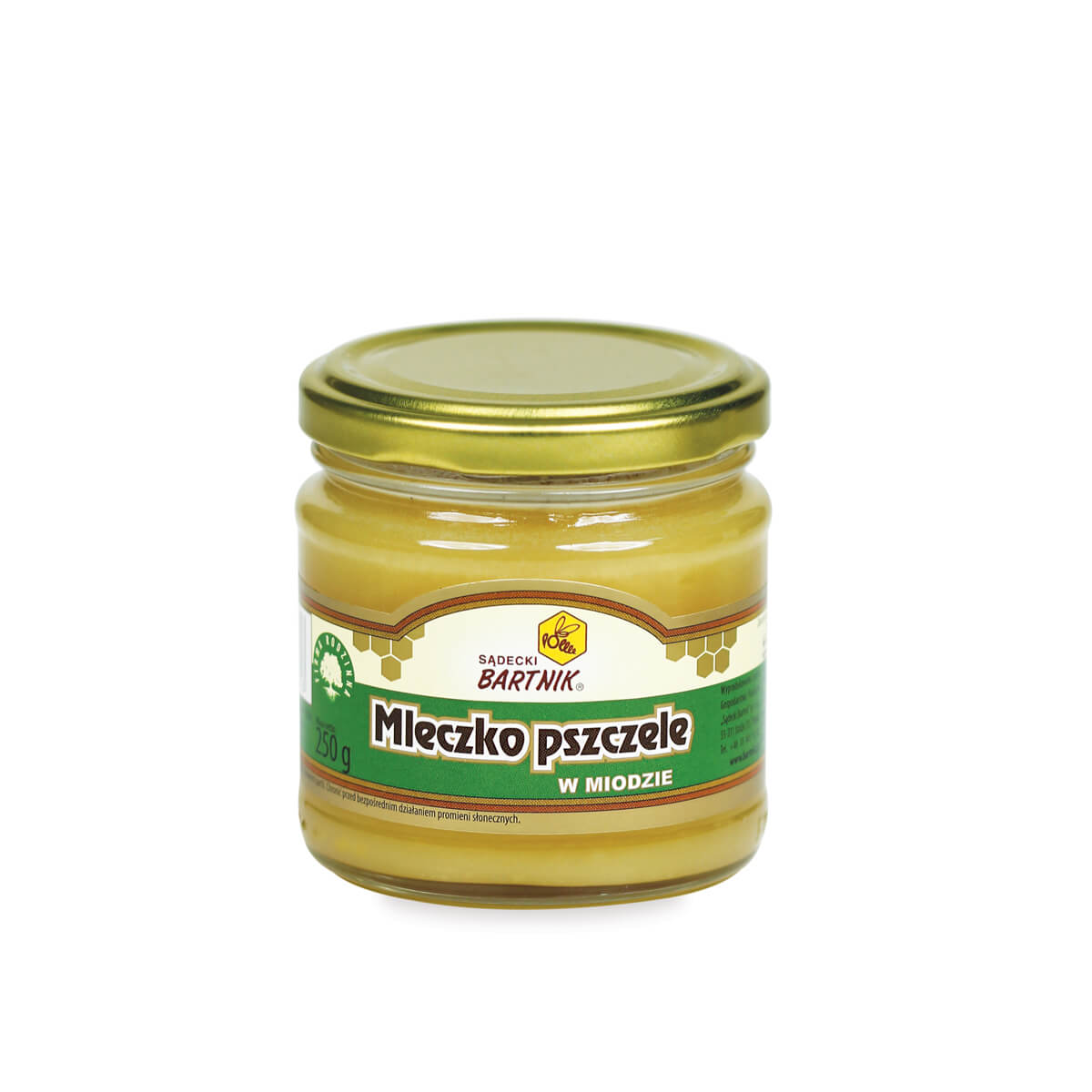
The beehive provides much more than honey. Bee products such as bee pollen, bee bread, and royal jelly have been used for centuries as natural health support – and while apitherapy is not pharmacology, the composition of these products is truly complex and still well-researched.
What are individual bee products
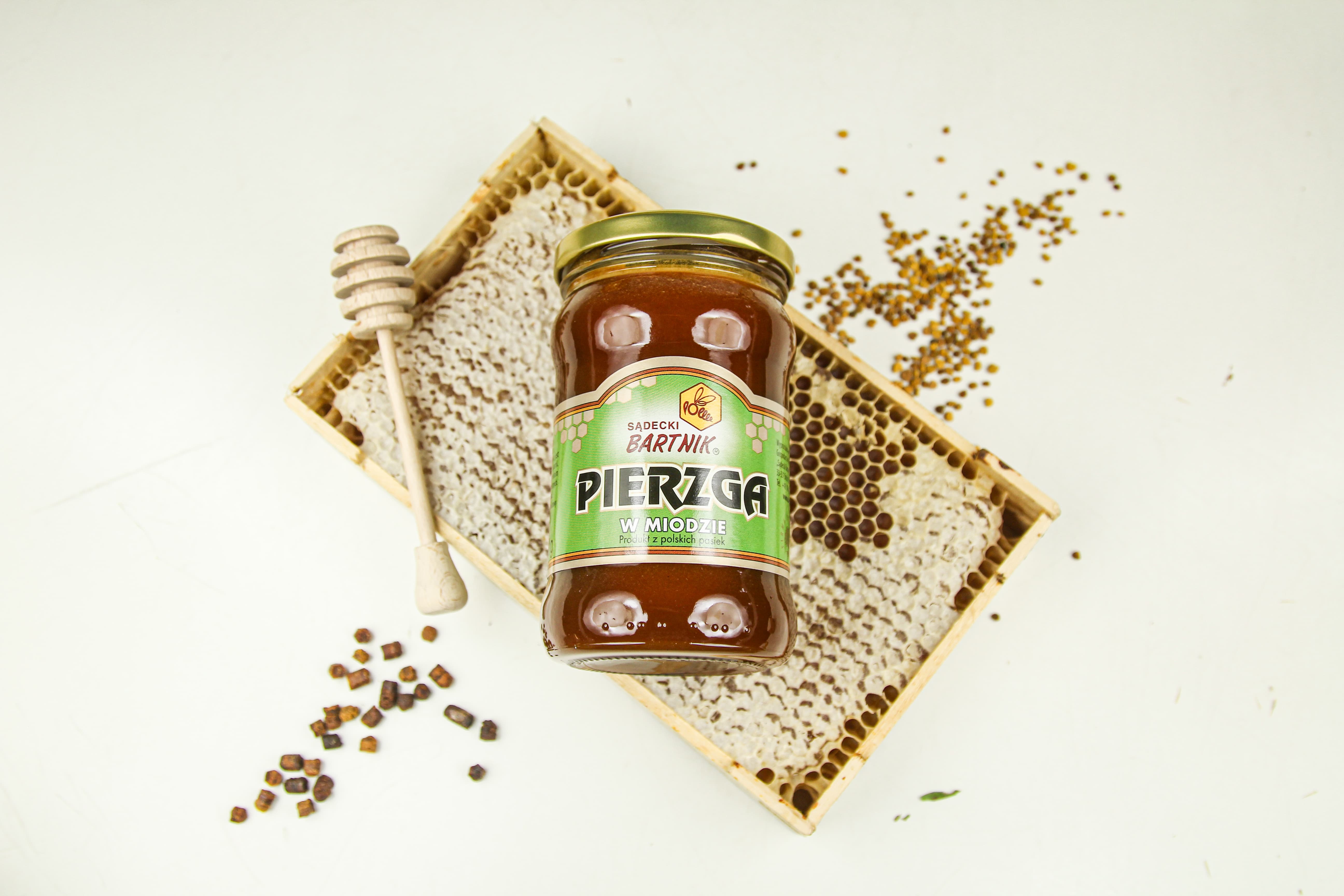
Bee pollen is plant pollen collected by bees, rich in proteins, amino acids, B vitamins, flavonoids, and micronutrients. Bee bread (also known as ambrosia) is pollen fermented in honeycombs – fermentation increases the bioavailability of ingredients and makes it more easily absorbed by the body. Royal jelly is a secretion from the pharyngeal glands of worker bees, containing, among other things, the unique 10-hydroxydecenoic acid (10-HDA).
Application of bee products
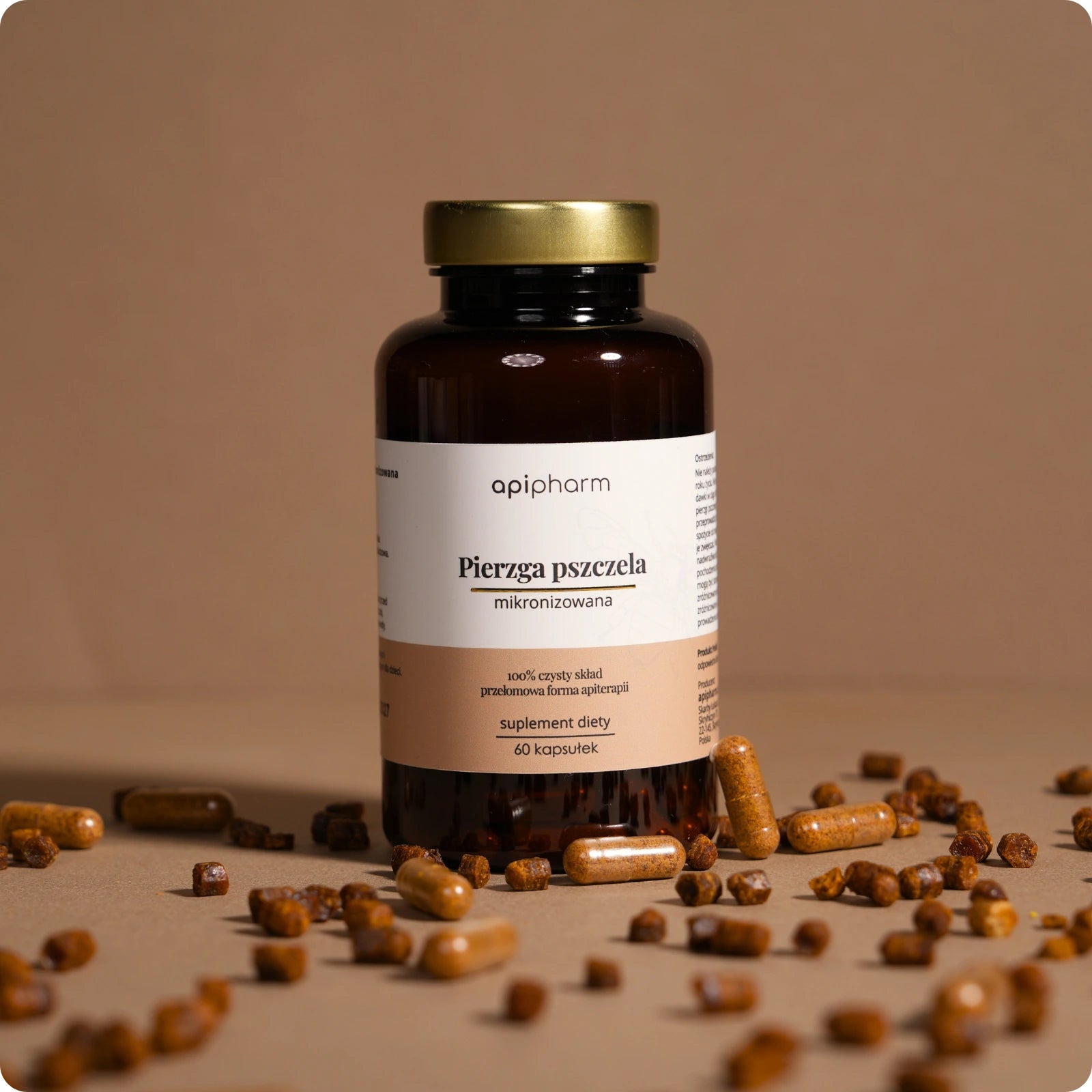
Pollen and bee bread are most often used as a natural dietary supplement – a spoon added to yogurt, a smoothie, or taken directly. Bee bread in capsule form (micronized) is a convenient option for those who value precise dosing. Royal jelly most often appears in combination with honey or as an ingredient in complex preparations (e.g., with ginseng).
Bee products – what we offer
In this category, you will find both products for direct consumption and supplements in capsules:
Bee pollen – loose in a jar from Polish producers.
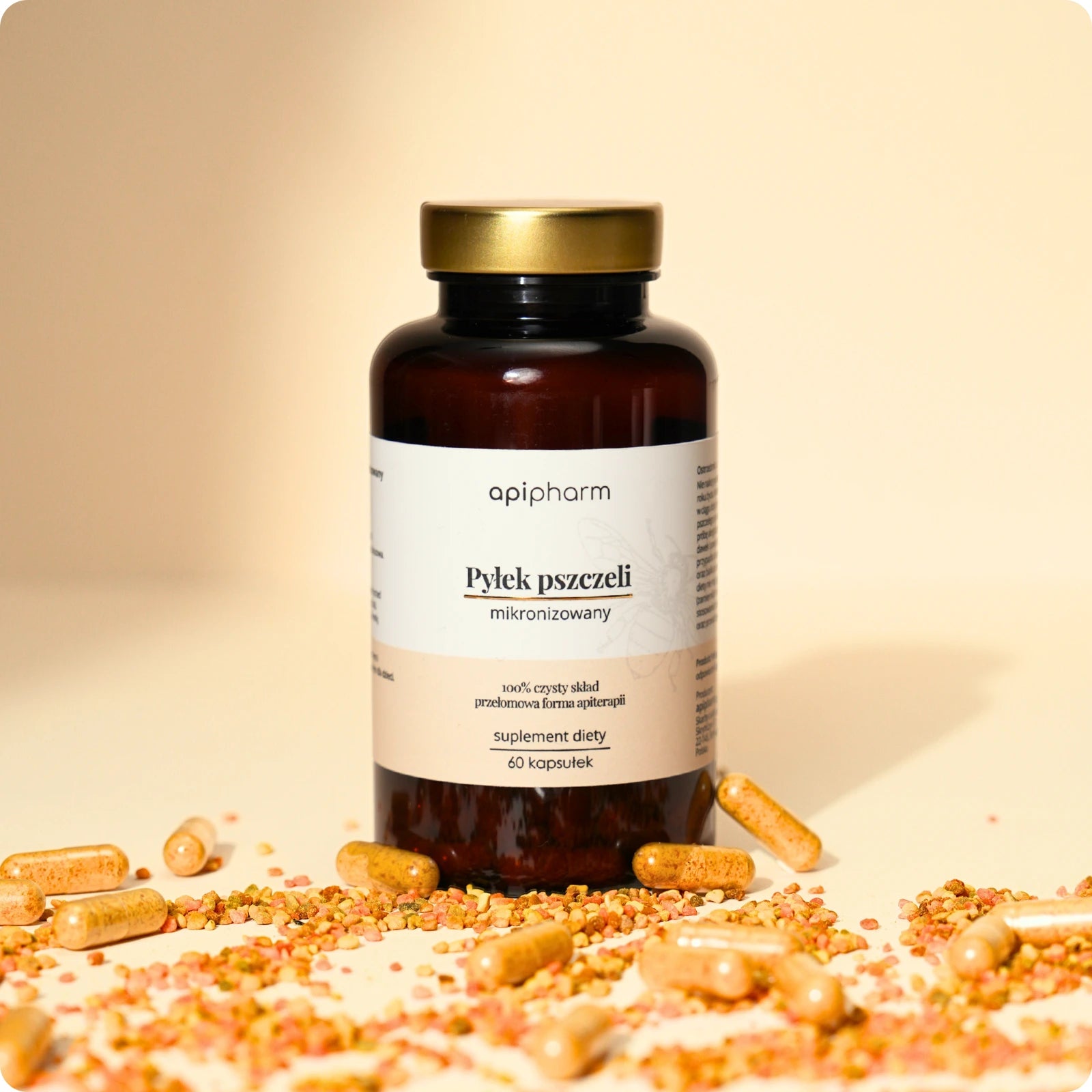
Micronized pollen in capsules – Apipharm 60 capsules – standardized dosing without the need for measuring.
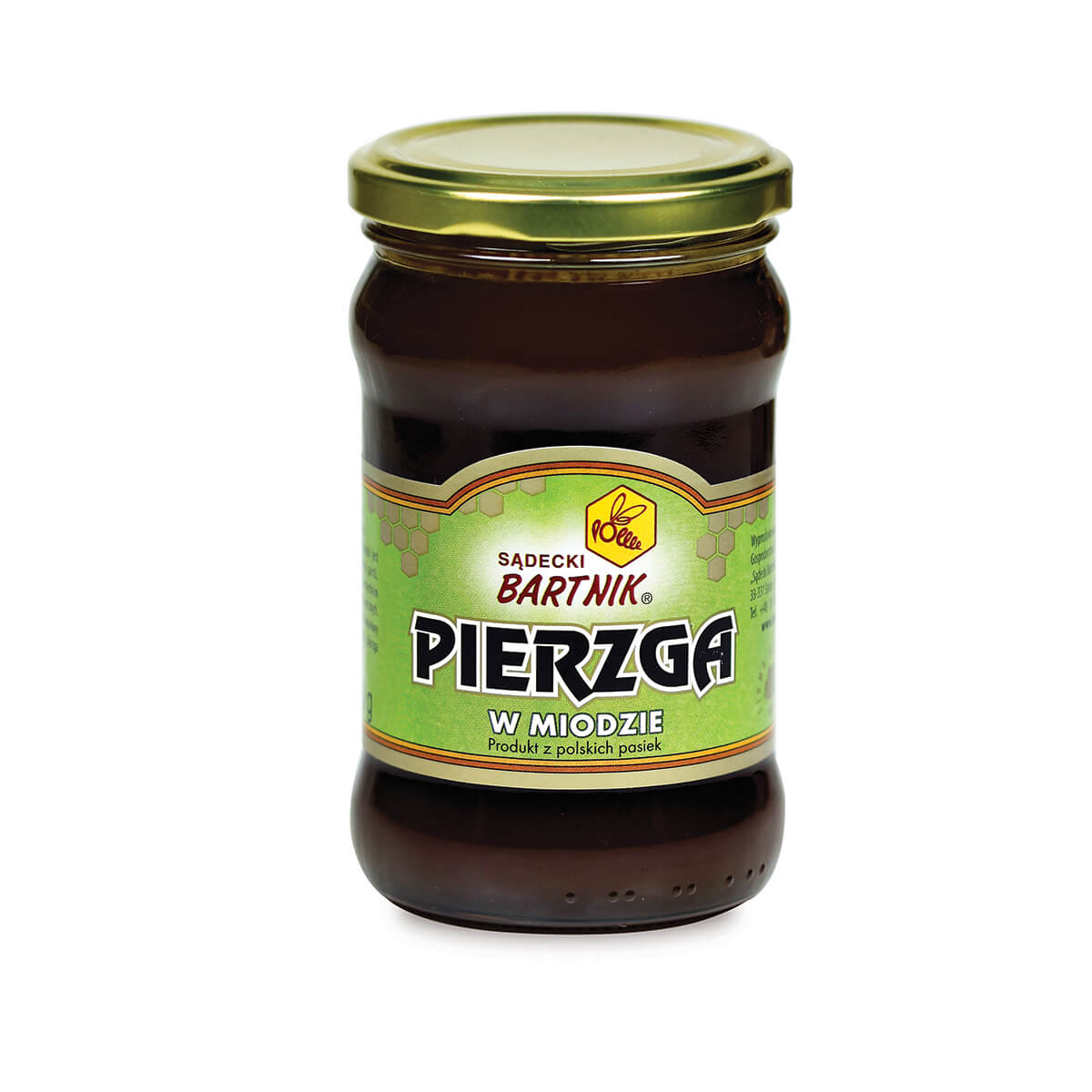
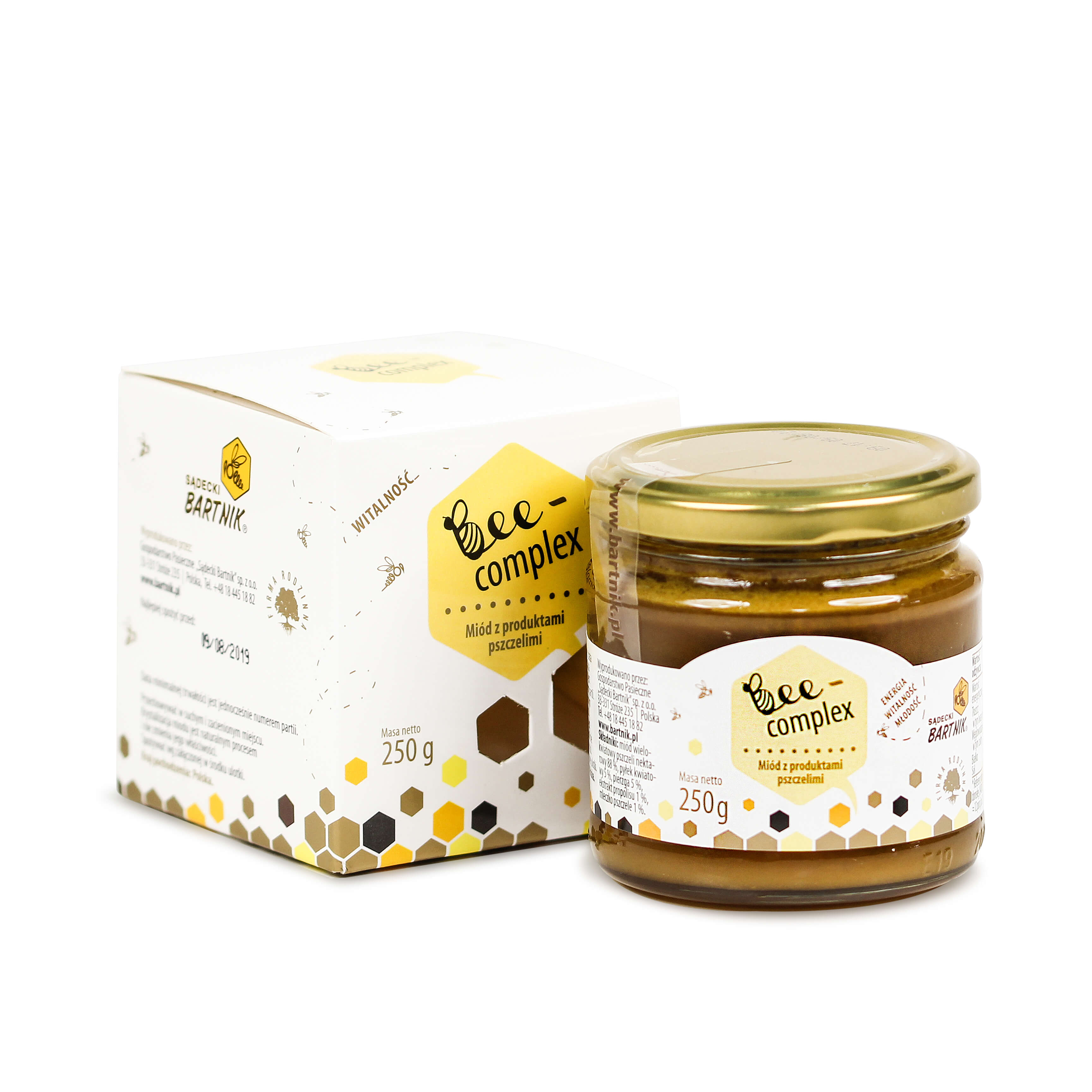
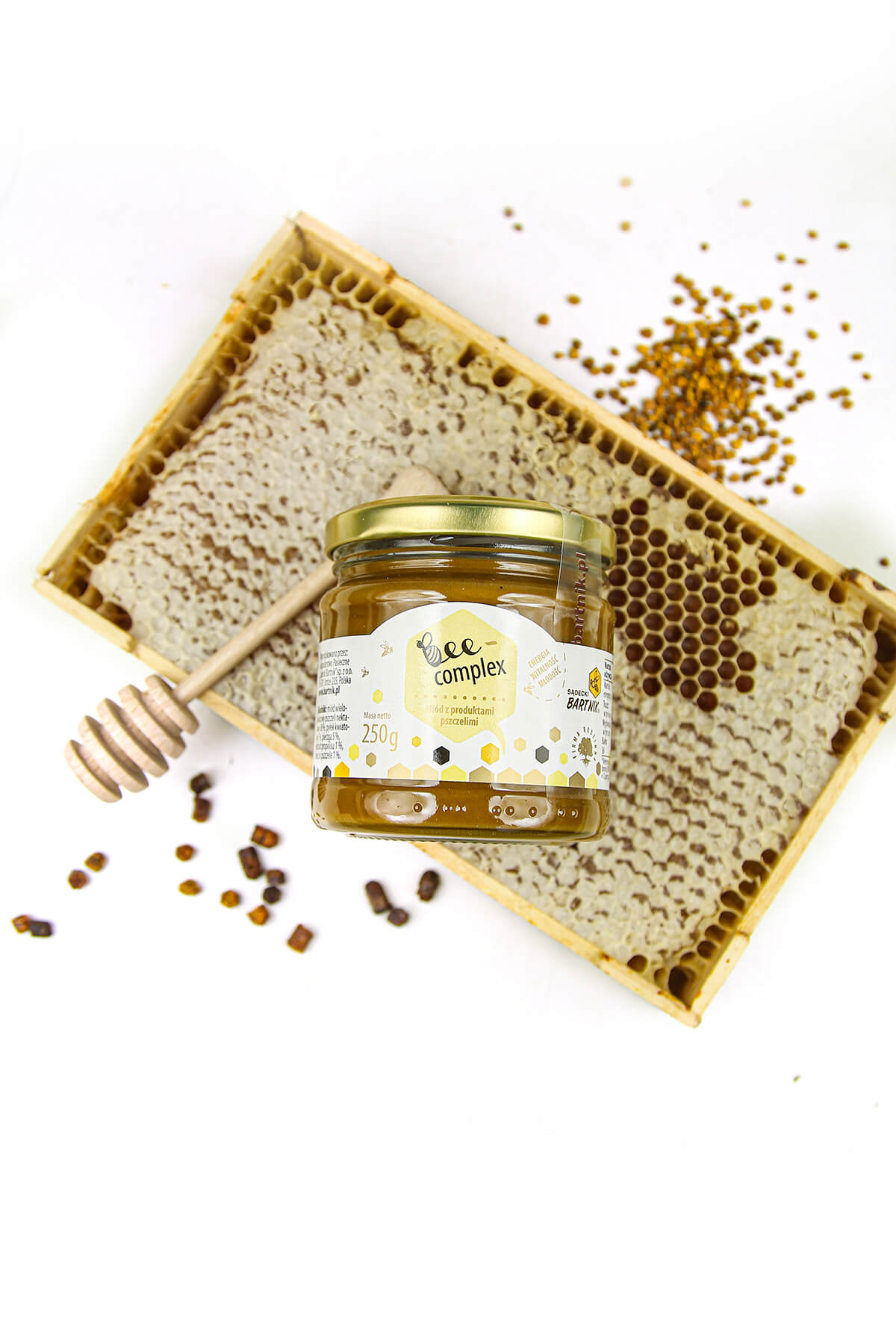
Honey with royal jelly and Bee Complex (honey with several bee products) from Sądecki Bartnik – a good base for those who want to incorporate bee products into their diet daily in a tasty form.
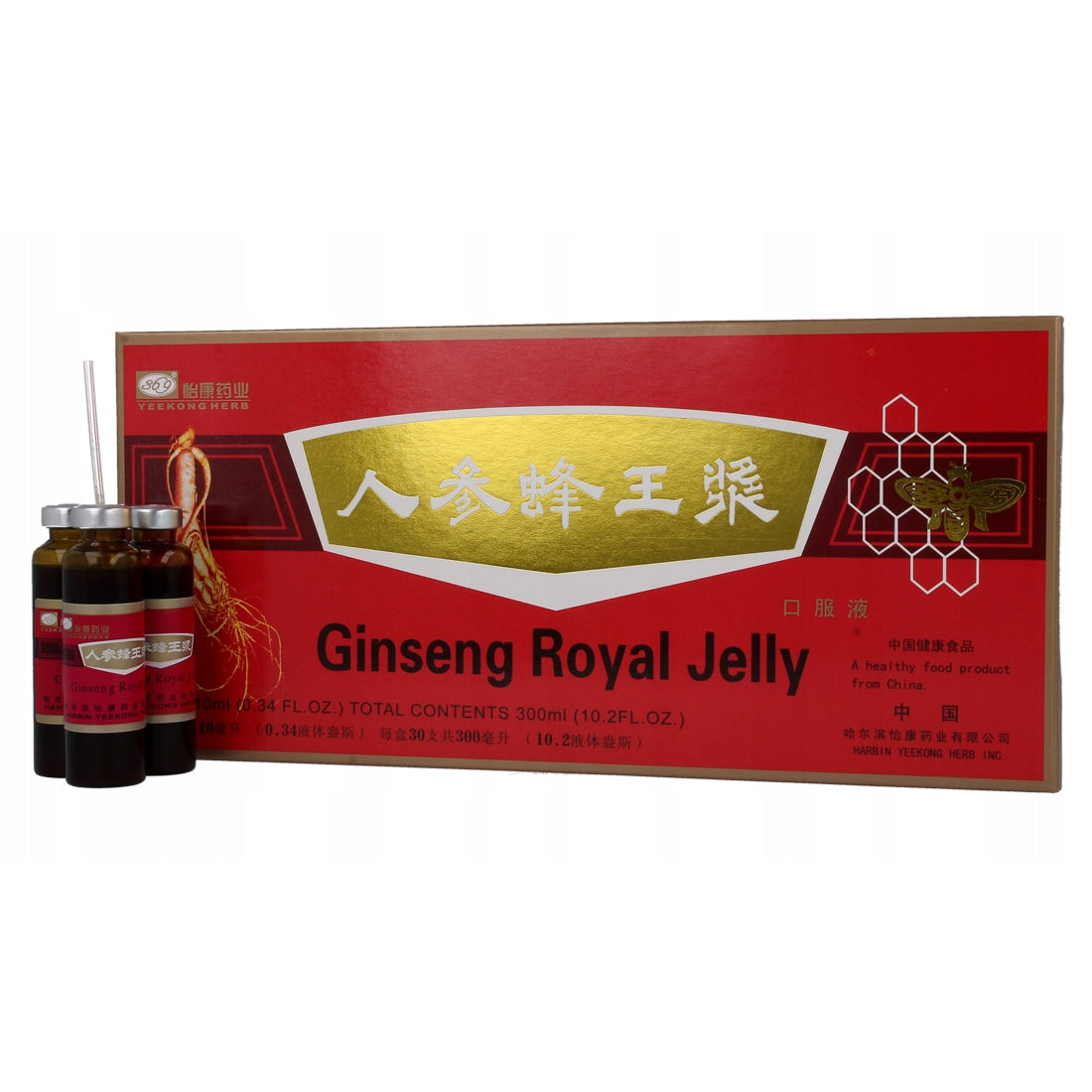
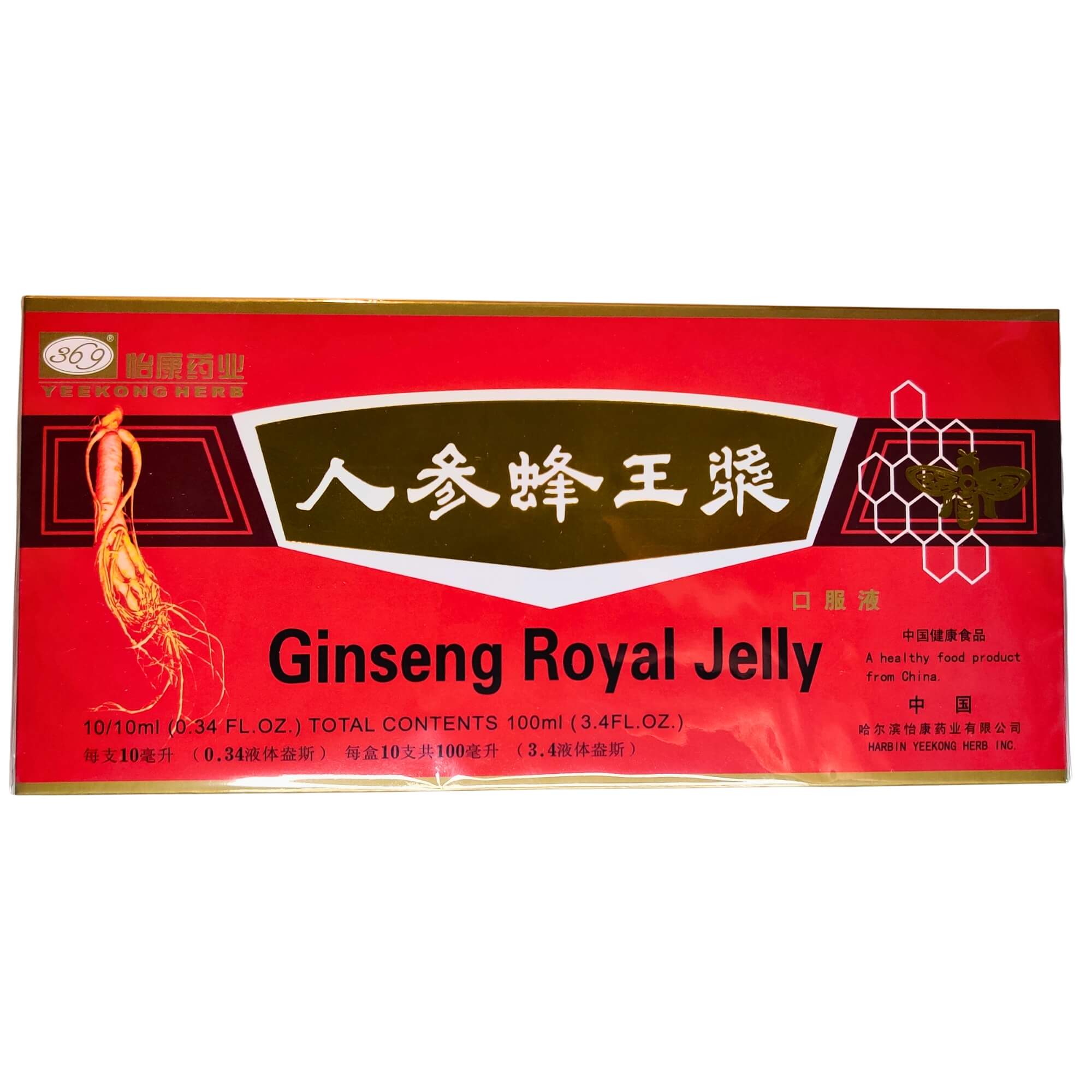
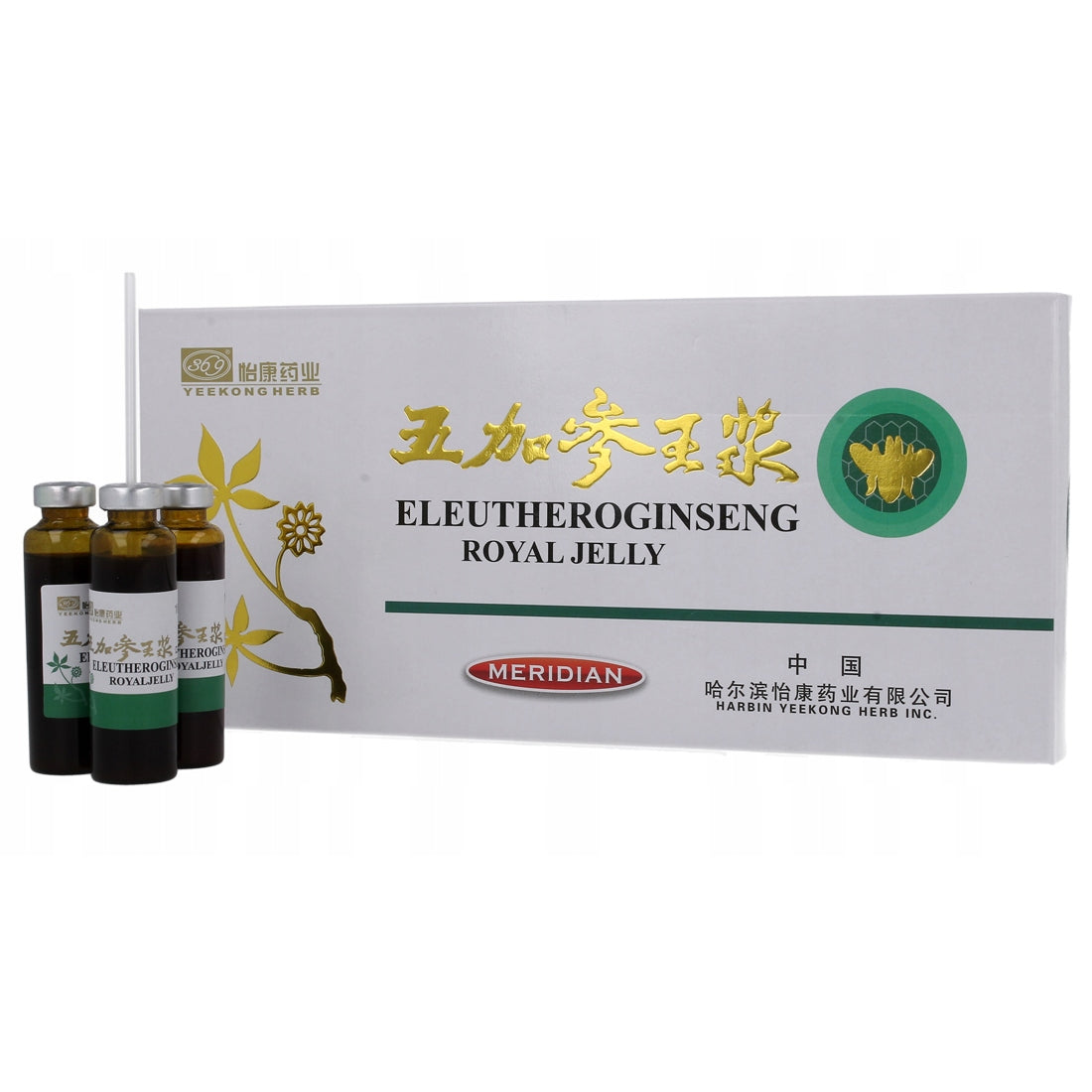
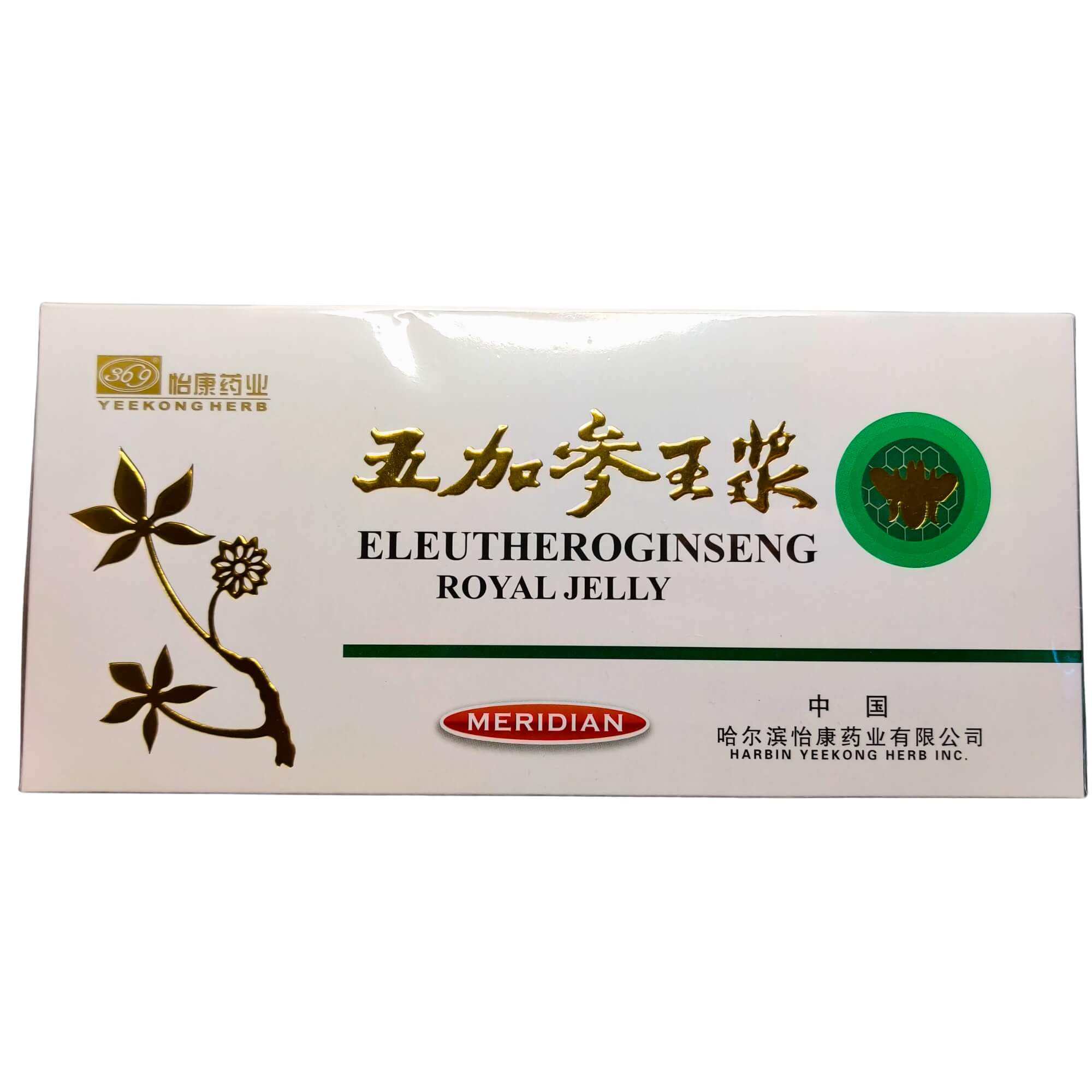
Ginseng with royal jelly from Meridian – true and Siberian in ampoules – a combination of adaptogen and royal jelly for those seeking a more complex preparation.
Bee products can cause allergic reactions in individuals allergic to pollen or bee venom – especially in the case of bee pollen, it is advisable to start with small amounts.