For Hashimoto's, diet will not replace treatment, but it can genuinely impact well-being, energy levels, and the intensity of inflammation. The best-documented effects come from: adequate selenium intake (lowers anti-TPO antibodies), vitamin D (modulates immune response), omega-3 fatty acids (anti-inflammatory action), and — for those with confirmed celiac disease — gluten elimination. A pro-inflammatory diet rich in simple sugars and highly processed foods exacerbates disease mechanisms. Excess iodine and unwise supplementation can be harmful.
This article is for individuals diagnosed with Hashimoto's who want to understand which dietary changes have a real rationale and which are internet myths. We discuss key nutrients for the thyroid, recommended products and those requiring caution, controversies surrounding gluten and dairy, supplements with an assessment of evidence levels, and practical tips – including the often-overlooked topic of levothyroxine interactions with coffee, calcium, and iron.
Important: This article is for informational and educational purposes only. It does not replace consultation with a doctor or clinical dietitian. Treatment for Hashimoto's disease requires medical care.
1. Hashimoto and diet – what is the connection?
1.1. What is Hashimoto's?
Hashimoto's disease (chronic lymphocytic thyroiditis) is an autoimmune disease in which the immune system attacks its own thyroid gland. Over time, this leads to gradual destruction of the gland's tissue and – in most patients – to hypothyroidism. It is the most common cause of hypothyroidism in Poland and countries with sufficient iodine intake.
It's important to immediately distinguish between two issues: the inflammation itself (presence of anti-TPO and anti-TG antibodies, lymphocytic infiltration) and thyroid function (TSH, FT3, FT4 levels). Diet can potentially affect inflammation and well-being, but it does not change the diagnosis or replace a doctor's decision regarding treatment.

1.2. Why is diet important?
The thyroid is exceptionally sensitive to what we eat – more so than most organs. Its proper functioning requires specific micronutrients: selenium for hormone conversion, iodine for their synthesis, iron for the enzymatic activity of thyroid peroxidase, and zinc and vitamin D for regulating the immune response.
Another important mechanism is the gut-thyroid axis. The gut microbiome participates in regulating the immune system – and in Hashimoto's, this system functions abnormally. Observational studies indicate that individuals with autoimmune diseases are more likely to have disturbances in the composition of their gut microbiota. Can dietary changes reverse this trend? The evidence is preliminary but sufficient not to ignore this relationship.
Also significant is gut permeability – a phenomenon in which the intestinal barrier becomes more permeable to food antigens and bacteria. Some researchers link this to the exacerbation of autoimmune reactions, although the mechanism and direction of this relationship in Hashimoto's are not yet fully understood.
1.3. What diet won't do?
Setting honest boundaries here is more important than with most diseases. A Hashimoto's diet will not cure the autoimmune disease, will not normalize TSH if the thyroid is already damaged, and will not replace levothyroxine for hypothyroidism requiring pharmacological treatment. There is also no diet that will work the same for every person with Hashimoto's – individual variability in this disease is very high.
What diet can realistically address: supplementing micronutrient deficiencies, supporting gut function and the microbiome, limiting pro-inflammatory dietary patterns, and – in some individuals – reducing the severity of symptoms such as fatigue or digestive problems.
1.4. Key nutrients for the thyroid
Four micronutrients are particularly important, as documented in clinical and observational studies:
| Ingredient | Role in Hashimoto's | Effects of deficiency |
|---|---|---|
| Selenium | Conversion of T4→T3, antioxidant protection of the gland, regulation of immune response | Increase in anti-TPO antibody levels, exacerbation of inflammation |
| Iodine | Synthesis of thyroid hormones (T3 and T4) | Hypothyroidism; excess can exacerbate autoimmunity |
| Iron | Cofactor for thyroid peroxidase (TPO) – an enzyme essential for hormone synthesis | Impaired hormone synthesis even with normal iodine levels |
| Zinc | Regulation of T4→T3 conversion, support for the immune system | Hormone conversion disorders, exacerbation of hypothyroidism symptoms |
| Vitamin D | Modulation of immune response, regulation of genes associated with autoimmunity | Higher risk of autoimmune diseases; deficiencies common in Poland throughout the year |
Scroll right to see the full table (on mobile devices)
To these four, it's worth adding omega-3 fatty acids – due to their documented anti-inflammatory effects – and magnesium, which participates in thyroid hormone synthesis and is often deficient in Hashimoto's (especially if an elimination diet is used). Magnesium also contributes to the proper functioning of the nervous system, which is important for typical disease symptoms such as fatigue and mood disorders.

BICAPS MAG B6 Magnesium and Vitamin B6 60 capsules - ForMeds
A detailed discussion of each of these ingredients – what to eat, in what quantities, and when to consider supplementation – can be found in subsequent chapters.
2. What to eat with Hashimoto's? Particularly recommended products
There isn't one "Hashimoto's diet" – however, there are several groups of products that have solid justification in the context of this disease. Below, we discuss those with the best ratio of evidence to practical availability.
2.1. Sources of selenium
Selenium is the micronutrient with the most direct relevance to the thyroid among all others. The thyroid gland accumulates it in the highest concentration in the entire body and uses it to produce selenoprotein – an enzyme that converts inactive T4 hormone into active T3, while also protecting thyroid tissue from oxidative damage.
In several randomized clinical trials, selenium supplementation (most often at a dose of 200 µg/day for 3–6 months) led to a significant reduction in anti-TPO antibody levels in people with Hashimoto's. This is one of the few supplements for this disease with a clear signal in interventional studies.
Best dietary sources: Brazil nuts (one Brazil nut can provide 70–150 µg of selenium (content varies depending on the growing region), which easily covers the daily requirement of 55 µg), marine fish (tuna, salmon, sardines), eggs, meat (especially offal), sunflower seeds. In Poland, soils are poor in selenium, which translates into lower concentrations of this element in local plant products – hence a higher risk of deficiency in people on a meat-free diet.

2.2. Iodine in the diet – how much and from where?
Iodine is essential for thyroid hormone synthesis – without it, the gland literally has nothing to produce them from. However, in Hashimoto's, the relationship with iodine is more complicated than in a healthy person: both deficiency and excess can exacerbate inflammation or accelerate gland damage.
For most adults, the daily norm is 150 µg of iodine, and for pregnant women – 200 µg. Good sources include: marine fish and seafood, seaweed (with great caution – iodine content can be very variable), milk and dairy products, iodized table salt. Iodine supplementation without prior testing of its level in the body with Hashimoto's is risky – we will return to this in the chapter on supplements.

BICAPS KELP Iodine 60 capsules - ForMeds
2.3. Iron and zinc
Iron is a cofactor for thyroid peroxidase (TPO) – an enzyme that is both a key element of hormone synthesis and the main antigen attacked by antibodies in Hashimoto's. Iron deficiency anemia can exacerbate symptoms of hypothyroidism even with normal TSH. At the same time, iron blocks the absorption of levothyroxine – more on this in Chapter 6.
Zinc participates in the conversion of T4 to T3 and the regulation of thyroid hormone receptors. Its deficiency is more common with elimination diets and in people with digestive disorders.
Best sources of iron: red meat and offal (heme iron – best absorbed), legumes with vitamin C (improves absorption of non-heme iron), pumpkin seeds, quinoa.
Best sources of zinc: meat, seafood (especially oysters), pumpkin seeds, nuts, whole grain cereals.
2.4. Vitamin D
Vitamin D acts as a regulator of the immune response – its receptors are present on most immune system cells. Observational studies consistently show that individuals with autoimmune diseases, including Hashimoto's, are more likely to have vitamin D deficiencies than the general population. However, it is not known whether the deficiency contributes to the disease, or if the disease promotes the deficiency – likely both directions act simultaneously.
In Poland, skin synthesis of vitamin D is sufficient only from May to September, with adequate sun exposure. For the rest of the year – and year-round for people who spend most of their time indoors – supplementation is a necessity, not an option.
More on this in the article Vitamin D – how to synthesize it from the sun and when to supplement?
Dietary sources: fatty marine fish (salmon, mackerel, herring), egg yolks, sun-dried mushrooms. Diet alone cannot cover the demand – supplementation is standard here.

BICAPS Vitamin D3 4000 120 capsules - ForMeds
2.5. Omega-3 fatty acids
Omega-3 fatty acids (EPA and DHA) have anti-inflammatory effects through several mechanisms: they inhibit the production of pro-inflammatory eicosanoids, modulate the expression of genes related to inflammation, and affect the composition of immune cell membranes. In autoimmune diseases, where chronic inflammation is a central mechanism, this effect has biological justification.
Studies on general populations and groups with autoimmune diseases suggest a beneficial effect of regular consumption of marine fish and omega-3 supplementation on markers of inflammation. Evidence directly for Hashimoto's is still limited, but the mechanism and safety of use are well-documented.
Best sources: fatty marine fish 2–3 times a week (salmon, mackerel, sardines, herring), flax seeds and flaxseed oil (ALA – a precursor to EPA/DHA, although conversion in humans is poor), walnuts. If fish consumption is irregular, supplementation should be considered.
2.6. Fermented products and the microbiome
Kefir, natural yogurt, buttermilk, sauerkraut, pickled cucumbers, kimchi – all these products provide live bacterial cultures and are a natural way to support the gut microbiome. From the perspective of Hashimoto's, this is important because the gut microbiota participates in "educating" the immune system and regulates its reactivity.
Observational studies show differences in the composition of the gut microbiota in people with Hashimoto's compared to healthy individuals. Can dietary intervention – e.g., regular consumption of fermented products or probiotics – translate into a change in the course of the disease? Preliminary results are promising, but high-quality randomized clinical trials are still too few to formulate clear recommendations. Regardless, fermented products are a valuable part of the diet for many other reasons.
2.7. Antioxidant-rich vegetables and fruits
Oxidative stress – an excess of free radicals with an insufficient supply of antioxidants – exacerbates thyroid tissue damage in Hashimoto's. A diet rich in vegetables and fruits provides polyphenols, carotenoids, vitamins C and E, which act as free radical "scavengers."
Particularly valuable: berries and other dark fruits (anthocyanins), leafy vegetables (lutein, vitamin K, folate), tomatoes (lycopene), carrots and sweet potatoes (beta-carotene), olive oil (oleuropein, vitamin E). It's not about exotic superfoods, but about regularity and variety – the classic principle of "eating the rainbow" works well here.
2.8. Nutrients recommended for Hashimoto's – summary
| Ingredient | Role in Hashimoto's | Best sources | Notes |
|---|---|---|---|
| Selenium | Conversion of T4→T3, gland protection, lowering anti-TPO | Brazil nuts, fish, eggs | Polish soils poor in selenium; risk of deficiency with plant-based diet |
| Iodine | Synthesis of T3 and T4 hormones | Marine fish, dairy, iodized salt | Excess can exacerbate autoimmunity – do not supplement without testing |
| Iron | TPO cofactor, oxygen transport | Red meat, legumes with vitamin C, pumpkin seeds | Blocks levothyroxine absorption — maintain a 4-hour interval |
| Zinc | T4→T3 conversion, immune regulation | Meat, pumpkin seeds, nuts | Deficiencies more common with elimination diets |
| Vitamin D | Modulation of immune response | Fatty fish, egg yolks; mainly supplementation | Supplementation necessary from October to April in Poland (and often all year round) |
| Omega-3 (EPA/DHA) | Anti-inflammatory action | Fatty marine fish 2–3×/week, flaxseed | Indirect evidence; safety well documented |
| Magnesium | Thyroid hormone synthesis, nervous system function | Nuts, buckwheat, dark chocolate, leafy greens | Often deficient with elimination diets |
Scroll right to see the full table (on mobile devices)
3. What to avoid or limit with Hashimoto's?
The list of "forbidden" products for Hashimoto's is much longer online than it should be. Below, we discuss only what has a real justification — noting where the evidence is strong and where it is a precautionary measure, but not a necessity.
3.1. Gluten — controversies and facts
The topic of gluten with Hashimoto's is one of the most overloaded with inaccuracies. The factual situation is this: celiac disease and Hashimoto's coexist more frequently than by chance — it is estimated that celiac disease affects about 3–5% of people with Hashimoto's (compared to about 1% in the general population). In these individuals, gluten elimination is absolutely necessary and often leads to an improvement in thyroid parameters.
However, there is no convincing evidence that gluten elimination benefits individuals with Hashimoto's without celiac disease and without confirmed non-celiac gluten sensitivity. Several interventional studies have examined this effect — the results are inconsistent. Nevertheless, some Hashimoto's patients report an improvement in well-being after discontinuing gluten, which may be due to a placebo effect, an improvement in overall diet quality, or a genuinely existing but undiagnosed hypersensitivity.
Practical conclusion: if you do not have confirmed celiac disease or gluten sensitivity, you do not need to eliminate it from your diet — but it is worth observing your well-being. Section 4 is dedicated to this topic in more detail.
3.2. Goitrogens — myth or real threat?
Goitrogens are substances naturally present in certain vegetables (cabbage, broccoli, cauliflower, kale, Brussels sprouts, radishes, turnips) and soy, which can inhibit the absorption of iodine by the thyroid or interfere with hormone synthesis. It sounds alarming, but the devil is in the details.
Firstly, goitrogens are dangerous mainly with simultaneous iodine deficiency in the diet — which in Poland, where salt is iodized, is rare. Secondly, heat treatment inactivates most goitrogens (cooking, blanching, baking) — raw cabbage is a completely different level of risk than cooked. Thirdly, quantity matters: by eating moderate portions of cooked cruciferous vegetables, you are not exposing your thyroid to anything special.
Soy is an exception — and here caution is more justified. Soy isoflavones can interfere with thyroid peroxidase and hinder levothyroxine absorption. When using thyroid medications and regularly consuming soy (e.g., soy milk, tofu, edamame), it is advisable to maintain a time interval and mention this to your doctor.
3.3. Processed foods and simple sugars
There are no controversies here. A diet rich in highly processed products, simple sugars, and trans fats exacerbates systemic inflammation — and Hashimoto's is a disease in which inflammation is the central damaging mechanism. Western dietary patterns (high sugar, low fiber, processed fats) are consistently linked to increased inflammatory markers in population studies.
Reversing this pattern — more whole grains, vegetables, fish, limiting sweets, fast food, sugary drinks — is recommended regardless of Hashimoto's, but it has particular justification in this disease.
3.4. Excess iodine — when supplementation can harm
Paradoxically, in Hashimoto's, excess iodine is potentially more problematic than a moderate deficiency. The mechanism is as follows: high doses of iodine can enhance the activation of the immune system within the thyroid and accelerate the destruction of its cells by lymphocytes. Population studies from countries that rapidly increased food iodization showed an increase in the incidence of Hashimoto's in subsequent years.
This does not mean that fish or dairy should be avoided. It refers to iodine supplementation without indication and without testing its level — especially popular in "thyroid" supplements, which often contain sea algae with a very variable and unpredictable iodine content. In Hashimoto's, such products require medical consultation before use.
3.5. Alcohol
Alcohol affects the thyroid in multiple ways: it lowers T3 and T4 levels, impairs hormone conversion in the liver, disrupts levothyroxine metabolism, and increases intestinal permeability. Regular alcohol consumption is a pro-inflammatory factor — unfavorable in any autoimmune disease. There is no safe dose of alcohol in Hashimoto's from the perspective of thyroid function.
3.6. Summary of products and ingredients requiring caution
| Product / Ingredient | Mechanism of negative impact | Recommendation |
|---|---|---|
| Gluten | Immune reaction (celiac disease / NCGS) can exacerbate thyroid autoimmunity | Elimination only with confirmed celiac disease or NCGS; individually for others |
| Soy (concentrates) | Isoflavones can interfere with TPO and hinder levothyroxine absorption | Limit consumption; when on pharmacological treatment, maintain at least a 4-hour interval from the medication |
| Raw Goitrogens (cabbage, broccoli, radish) | Inhibition of iodine absorption with simultaneous iodine deficiency | Cook before consumption; moderate amounts are not a problem |
| Iodine/Algae Supplements | Excess iodine can exacerbate autoimmunity and accelerate thyroid destruction | Do not use without medical consultation and iodine level testing |
| Simple sugars and processed foods | Exacerbation of systemic inflammation | Limitation — a general rule, especially important in autoimmune diseases |
| Alcohol | Hormone conversion disorders, exacerbation of inflammation, increased intestinal permeability | Elimination or significant limitation |
Scroll right to see the full table (on mobile devices)
4. Gluten and dairy with Hashimoto's — eliminate or not?
This is probably the most frequently asked question by people newly diagnosed. The internet is full of categorical answers in both directions — "you must give up gluten and dairy" or "it's unnecessary hysteria." The truth is more nuanced and depends on the individual.
4.1. Hashimoto's and celiac disease and non-celiac gluten sensitivity
Celiac disease and Hashimoto's have a common denominator: both are autoimmune diseases with a genetic component (HLA-DQ2/DQ8 haplotypes for celiac disease partially overlap with a predisposition to thyroid diseases). Studies show that celiac disease occurs several times more frequently in people with Hashimoto's than in the general population, and in people with celiac disease, the risk of autoimmune thyroid diseases is elevated.
In confirmed celiac disease, gluten elimination is absolute and not subject to discussion. Importantly — in some of these patients, after several months on a gluten-free diet, a decrease in thyroid antibody levels and an improvement in gland function are observed. This is probably the effect of reduced systemic inflammation and improved absorption of nutrients (including selenium and iron).
A separate issue is non-celiac gluten sensitivity (NCGS) — a condition in which gluten causes symptoms (fatigue, abdominal pain, brain fog, headaches), but without the intestinal villi damage characteristic of celiac disease and without IgA anti-tTG antibodies. NCGS is difficult to diagnose because there is no single marker for it — diagnosis requires excluding celiac disease and wheat allergy, and then observing the reaction to elimination and reintroduction of gluten.
4.2. When does a gluten-free diet make sense, and when does it not?
A gluten-free diet is justified in Hashimoto's in the following situations: confirmed celiac disease (mandatory), confirmed NCGS (recommended), significant improvement in well-being after elimination lasting at least 8–12 weeks, diagnosed nutrient deficiencies suggesting impaired intestinal absorption.
However, there is no justification to preventively eliminate gluten in every person with Hashimoto's without any digestive symptoms and without prior testing for celiac disease. A gluten-free diet is not inherently healthier — processed gluten-free products often have a higher glycemic index, less fiber, and more additives than their gluten-containing counterparts. It can also lead to deficiencies of B vitamins and iron if not well-balanced.
4.3. Dairy in Hashimoto's — lactose, casein, and inflammation
Dairy appears in this context for two reasons. The first is lactose — milk sugar, which some adults digest incompletely due to lactase deficiency. Symptoms of lactose intolerance (bloating, diarrhea, abdominal pain) are not specific to Hashimoto's but can increase discomfort and impaired nutrient absorption. Fermented products — yogurt, kefir, cottage cheese — contain significantly less lactose and are usually well tolerated even with intolerance.
The second reason is casein, specifically the A1-beta-casein protein present in the milk of most European cattle breeds. Some researchers suggest that this type of casein may exacerbate inflammation and increase intestinal permeability in predisposed individuals. However, the evidence is still in its early stages — much weaker than in the case of gluten and celiac disease. Milk from A2 cows (e.g., some goat or sheep milk products) contains a different protein variant and may be better tolerated.
Practically: if you experience clear digestive symptoms after consuming dairy, it is worth checking for lactose intolerance and possibly limiting or substituting products. If dairy causes no ailments, there is no reason to eliminate it — it provides valuable calcium, iodine, and protein.

4.4. How to conduct an elimination diet?
If you want to check whether gluten or dairy affect your well-being, an elimination diet should be conducted methodically — otherwise, the results will be unreliable.
Basic rules: eliminate one ingredient at a time, not both simultaneously (if you feel better, you won't know which was responsible). Conduct elimination for at least 8 weeks — a shorter period may not be enough to notice an effect. Keep a symptom diary: fatigue, digestion, mood, brain fog, muscle pain. After the elimination phase, reintroduce the ingredient and observe for 72 hours — this is a crucial step, without which you will not get a clear answer.
If you plan long-term elimination, consult a clinical dietitian to balance your diet for potential deficiencies.
5. Supplements for Hashimoto's — what to consider?
The market for "thyroid" supplements is vast and full of products of questionable value. Below, we discuss only those that have real scientific justification or at least a solid biological mechanism — with an honest assessment of the strength of evidence for each of them.
5.1. Selenium — the most thoroughly studied supplement for Hashimoto's
Among all supplements discussed in the context of Hashimoto's, selenium has by far the strongest and most consistent evidence. Meta-analyses of randomized clinical trials show that selenium supplementation (typically selenomethionine or sodium selenite, 200 µg/day for 3–6 months) leads to a statistically significant reduction in anti-TPO antibody levels. Some studies also observed an improvement in thyroid ultrasound images and patients' well-being.
The standard dose used in studies is 100–200 µg/day. The upper safe limit for selenium intake for adults is 400 µg/day — above this value, symptoms of selenosis may appear (brittle nails, hair loss, gastrointestinal disorders). The best form is selenomethionine — it is better absorbed and more similar to selenium from food than sodium selenite.
Before supplementation, it is worth checking blood selenium levels — especially in people who eat a lot of fish and Brazil nuts, where additional supplementation may not be necessary.

BICAPS SELENIUM Selenium 60 capsules - ForMeds
5.2. Vitamin D — supplementation as standard
Vitamin D deficiency is very common in Poland — it is estimated to affect over 90% of the population during winter months. In Hashimoto's, the problem is exacerbated: studies indicate more frequent and deeper deficiencies in people with this disease compared to the general population, and vitamin D receptors are present on thyroid cells and regulatory lymphocytes involved in autoimmunity.
The optimal serum 25(OH)D concentration for people with Hashimoto's, according to most recommendations, is 40–60 ng/ml (100–150 nmol/l) — slightly higher than the minimum laboratory norm. Supplement dosage should be based on the current blood test result — not a general rule.
For adults with deficiency, typical therapeutic doses are 2000–4000 IU/day, always in combination with vitamin K2 (MK-7), which directs calcium to bones instead of blood vessels.
5.3. Magnesium
Magnesium participates in thyroid hormone synthesis and is a cofactor for over 300 enzymatic reactions in the body. Its deficiencies are common in the general population, and in Hashimoto's — especially when an elimination diet excluding whole-grain cereal products is used — the risk of deficiency is even higher.
Magnesium contributes to the proper functioning of the nervous system and reduces feelings of fatigue — two areas that are particularly problematic for people with Hashimoto's.
When choosing a supplement, it is worth opting for forms with good bioavailability: magnesium citrate, glycinate, or taurate. Magnesium oxide — the cheapest and most common form — is absorbed much worse.

Magnesium Bisglycinate 200 capsules - Vilgain
5.4. Omega-3
Supplementing with omega-3 fatty acids (EPA and DHA) when marine fish intake is insufficient is reasonable from the perspective of its mechanism of action — suppressing pro-inflammatory immune pathways — although direct clinical studies specifically on Hashimoto's are limited. Doses used in studies on inflammatory diseases typically range from 1–3 g EPA+DHA/day.
When purchasing a supplement, pay attention to the combined EPA and DHA content – not just the total amount of "fish oil" – and to a purity certificate (IFOS or equivalent), as fish also concentrate environmental pollutants.

5.5. Probiotics — the gut-thyroid axis
Interest in probiotics for Hashimoto's is growing with research into the role of the microbiome in regulating autoimmune responses. Observational studies document differences in gut microbiota composition in people with Hashimoto's, and several preliminary interventional studies suggest that probiotic supplementation may positively influence thyroid antibody levels and metabolic parameters.
However, the evidence is still preliminary – too weak to recommend a specific strain or preparation. The most sensible approach is to support the microbiome with diet (fermented products, prebiotic fiber) as the first line of defense, and to consider probiotic supplementation after consulting a doctor or dietitian, especially with coexisting irritable bowel syndrome or after antibiotic therapy.
5.6. Ashwagandha — an adaptogen requiring caution
Ashwagandha (Withania somnifera) is popular as an adaptogen that supports stress resilience, but for Hashimoto's, it requires particular caution for a specific reason: clinical studies have shown that ashwagandha can increase T4 and T3 levels by stimulating the thyroid-hypothalamic-pituitary axis. For people with hypothyroidism, this might sound encouraging, but the effect is unpredictable and can lead to excessive stimulation of the gland — which is particularly dangerous when levothyroxine is also being used.
Ashwagandha is contraindicated in hyperthyroidism and Graves' disease. For Hashimoto's with hypothyroidism, it should only be used after consulting the treating physician and under hormonal monitoring. This is not a supplement that can be used on one's own for thyroid diseases.
5.7. What not to supplement without testing
Iodine — as discussed in Chapter 3.4, excessive iodine in Hashimoto's can exacerbate autoimmunity. Supplementing with iodine-containing preparations (including sea algae) without prior testing of its levels in the body is risky. This also applies to popular over-the-counter "thyroid complexes" — many of which contain iodine in doses exceeding the daily norm.
Iron — iron supplementation without confirmed deficiency in blood tests (ferritin, complete blood count) can lead to iron overload, which itself is pro-inflammatory. Iron also blocks the absorption of levothyroxine — therefore, if supplementation is necessary, it must be taken at least 4 hours apart from the medication dose.
5.8. Supplements for Hashimoto's — level of evidence
| Supplement | Role | Level of evidence | Notes and contraindications |
|---|---|---|---|
| Selenium | Reduced anti-TPO, gland protection | ★★★★☆ Good (RCT meta-analyses) | Max 200 µg/day; do not combine with high intake of Brazil nuts |
| Vitamin D | Immune modulation, common deficiency supplementation | ★★★★☆ Good (observational studies + mechanism) | Dose based on 25(OH)D; use with K2-MK7 |
| Magnesium | Thyroid hormone synthesis, fatigue reduction | ★★★☆☆ Moderate (indirect evidence) | Preferred forms: citrate, glycinate; avoid oxide |
| Omega-3 | Anti-inflammatory action | ★★★☆☆ Moderate (mechanism documented, RCTs for Hashimoto's limited) | 1–3 g EPA+DHA/day; purity certificate |
| Probiotics | Microbiome support, immune modulation | ★★☆☆☆ Preliminary (promising data, lack of consistent RCTs) | High-fiber diet + fermented products as first line |
| Ashwagandha | Adaptogen; may increase T3/T4 | ★★☆☆☆ Preliminary / risky | Only after medical consultation; contraindicated in hyperthyroidism |
| Iodine | Thyroid hormone synthesis | ⚠️ Risky without indication | Do not supplement without testing levels; excess exacerbates autoimmunity |
| Iron | TPO cofactor, oxygen transport | ⚠️ Only with confirmed deficiency | Maintain at least 4 hours between levothyroxine; monitor ferritin |
Scroll right to view the entire table (on mobile devices)
When selecting supplements, it's important to remember that dietary supplements complement the diet – they don't replace it. The best results come from combining a well-balanced diet with targeted supplementation based on test results, rather than supplementing "just in case."
More about elimination diets – when they make sense and how to implement them – in the next chapter.
6. Practical tips — how to implement a diet for Hashimoto's?
Knowing what to eat and what to avoid is one thing. Translating that into daily decisions—without obsessing over every meal and without throwing out half your fridge—is another. This chapter is about how to start practically.
6.1. Where to start — what tests to perform before changing your diet?
Changing your diet without knowing your current body condition is like operating in the dark. A few tests worth performing before making significant dietary or supplementary modifications:
Basic — thyroid and autoimmunity: TSH, FT3, FT4, anti-TPO, anti-TG. If you don't have recent results, this is a starting point for discussing your thyroid status and inflammation levels with your doctor.
Micronutrient deficiencies: ferritin (not just hemoglobin — you can have normal blood counts with low ferritin), 25(OH)D (vitamin D), zinc in serum or erythrocytes, selenium in serum or whole blood (less available, but worth asking). A complete blood count with differential completes the picture.
Celiac disease — if considering gluten elimination: anti-tTG IgA antibodies + total IgA (absolutely necessary before stopping gluten). If results are ambiguous — consult a gastroenterologist and possibly consider a duodenal biopsy.
Lipid and glucose metabolism: hypothyroidism (common in Hashimoto's) affects cholesterol metabolism and insulin resistance. It is worth knowing your fasting glucose, insulin levels, and lipid profile.
6.2. What does a Hashimoto's diet look like in practice?
There is no single meal plan for all individuals with Hashimoto's – there are too many differences in tolerance to gluten, dairy, goitrogens, and other ingredients. However, a general nutritional framework can be outlined that implements the principles discussed earlier:
Breakfast — a source of protein and healthy fats: eggs (provide selenium, iron, vitamin D), possibly with vegetables; oatmeal with walnuts and berries; natural yogurt with flaxseed and fruits. Avoid sugary cereals and white bread as main elements.
Lunch — marine fish 2–3 times a week (salmon, mackerel, sardines) or meat, cooked vegetables (including cruciferous vegetables – cooked, not raw), buckwheat or quinoa as a source of magnesium and zinc, legumes as a supplement of iron and plant protein.
Dinner — light, rich in vegetables and fiber: salads with olive oil, vegetable soups, fermented products (kefir, pickles) as a regular part of the day.
Snacks — nuts (including 1–2 Brazil nuts as a source of selenium), fruits, hummus with vegetables. Avoid sugary bars and highly processed snacks.
6.3. Reading labels — what to look out for?
A few things to look out for on product labels:
Soy and its derivatives — hidden in a surprising number of products: cold cuts, margarines, sauces, ready meals, bread. If you're cautious about soy, read ingredients carefully; look for: "soy lecithin," "soy protein," "soy oil," "soy extract."
Iodine in multi-ingredient supplements — vitamin-mineral complexes often contain iodine in doses of 100–150 µg. If you also consume dairy, iodized salt, and fish, it's easy to exceed the safe daily dose.
Gluten under different names — if you are eliminating gluten: wheat, spelt, einkorn, kamut, rye, barley and their derivatives (wheat starch, barley malt, semolina). Oats themselves do not contain gluten, but are often contaminated — look for oats certified as gluten-free.
Simple sugars in "healthy" products — flavored yogurts, muesli bars, plant-based shakes, gluten-free products. The sugar content is often higher than in standard equivalents.
6.4. Cooking for Hashimoto's — thermal processing of goitrogens
Cooking, blanching, and baking reduce the goitrogen content in cruciferous vegetables by 30–50% depending on the method and time. Practical rules:
Broccoli, cauliflower, kale, Brussels sprouts, and cabbage should be cooked or blanched instead of consumed raw in large quantities – smoothies with raw kale daily are a completely different level of exposure than cooked vegetables a few times a week. Sauerkraut is a special case: fermentation reduces some goitrogens, and its probiotic benefits speak in its favor – consumed in moderate amounts, it should not be a problem. Radishes and turnips eaten occasionally in small quantities do not require any special treatment.

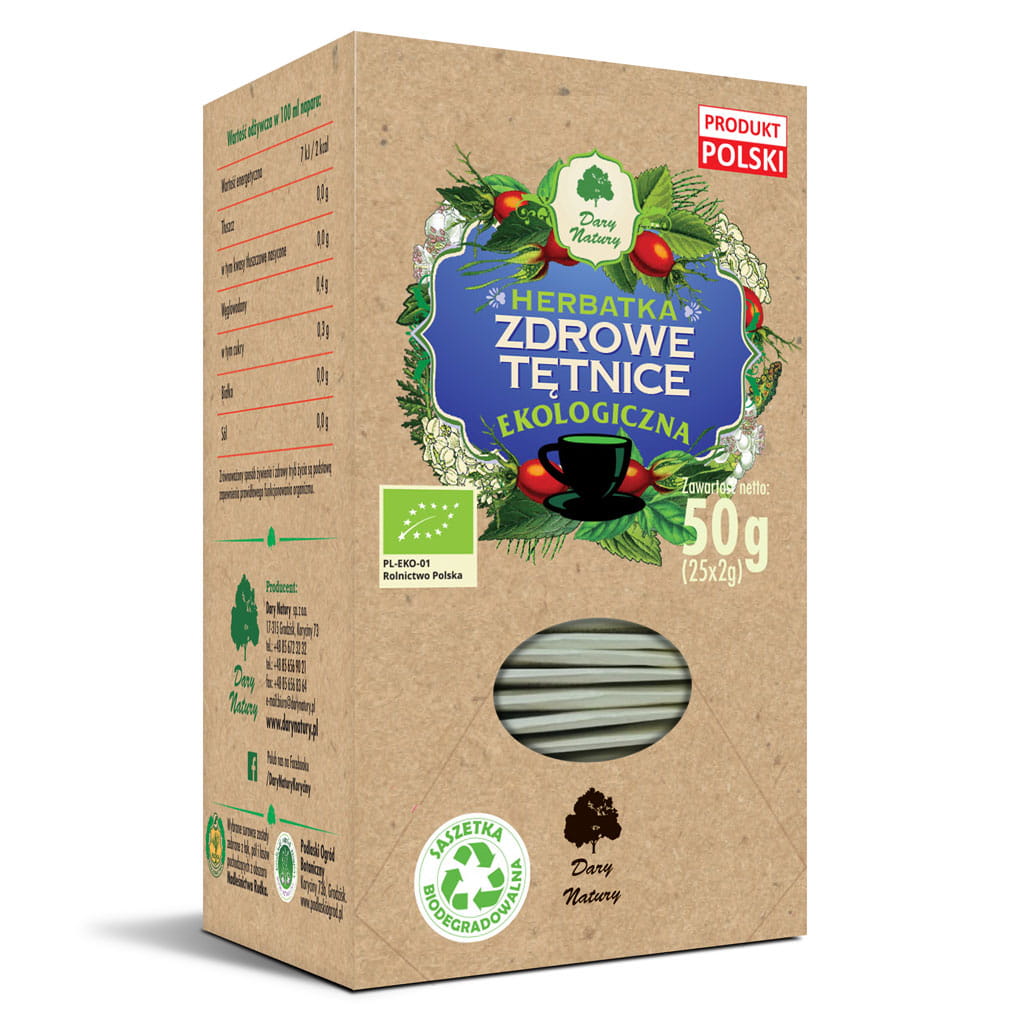
Thyroid Tea BIO (25 × 2 g) 50 g - Dary Natury
6.5. Levothyroxine and diet — what blocks drug absorption?
This is one of the most frequently overlooked, yet practically most important topics for individuals undergoing treatment for Hashimoto's. Levothyroxine (Euthyrox, Letrox) is a medication with a narrow therapeutic window — small changes in its absorption can translate into real fluctuations in TSH and well-being.
The medication should be taken on an empty stomach, 30–60 minutes before a meal, with water only. This is not just a "for order's sake" recommendation — pharmacological studies show a clear impact of food on levothyroxine's bioavailability.
Substances that significantly reduce levothyroxine absorption and require a gap of at least 4 hours from the medication dose:
Coffee — even black coffee consumed directly after taking the medication can reduce levothyroxine absorption by 25–30%. This is one of the more common reasons for persistently elevated TSH in patients who "regularly take their medication." A 30–60 minute gap from black coffee is the minimum; espresso and coffee with milk — analogously.
Calcium — calcium supplements, milk, some high-calcium mineral waters. Calcium forms insoluble complexes with levothyroxine, hindering absorption.
Iron — iron supplements (chelates, iron sulfate) significantly reduce levothyroxine's bioavailability. If you take both preparations, a 4-hour gap is mandatory.
Soy — soy isoflavones interfere with drug absorption. Regular consumption of soy beverages or tofu while on levothyroxine treatment may require dose adjustment.
Fiber and antacids — flaxseed, psyllium husk, heartburn medications containing aluminum hydroxide or magnesium. All can bind levothyroxine in the intestine and reduce its absorption.

6.6. When to consult a clinical dietitian?
Self-optimizing your diet has its limits. A visit to a clinical dietitian (not just a nutritionist — a clinical one, meaning with knowledge of diseases) is particularly advisable when:
- you are planning an elimination diet (gluten-free, dairy-free) and want to ensure it is balanced in terms of nutrient deficiencies;
- you have other coexisting conditions (insulin resistance, SIBO, autoimmune bowel diseases);
- you are taking levothyroxine and have unstable TSH despite regular medication intake;
- you are pregnant or planning a pregnancy — the demand for iodine, iron, and vitamin D increases significantly.
7. FAQ — Frequently Asked Questions
Does Hashimoto's affect weight, and can diet change this?
Yes — hypothyroidism accompanying Hashimoto's slows down metabolism, which can lead to weight gain even with an unchanged diet. The mechanism is hormonal: lower levels of active T3 mean less energy burned at rest. A low-processed diet, rich in protein and fiber, can support maintaining a healthy weight, but with active hypothyroidism requiring treatment, diet alone will not compensate for the hormonal deficit. Normalization of TSH under pharmacological treatment often brings metabolic improvement.
How much selenium daily for Hashimoto's?
The dose used in studies that showed a reduction in anti-TPO was 100-200 µg/day of selenomethionine for 3–6 months. The upper safe intake limit for adults is 400 µg/day — above this, symptoms of selenosis may appear.
If you regularly eat fish and Brazil nuts, it's worth checking your blood selenium levels before supplementing to avoid exceeding the safe range.
Does coffee really interfere with thyroid medication?
Yes, and significantly so. Pharmacological studies show that coffee (including black coffee, without milk) consumed immediately after levothyroxine can reduce its absorption by 25–30%. The effect is pronounced enough that it can lead to abnormal TSH despite seemingly regular medication intake.
The solution is simple: medication in the morning on an empty stomach, coffee at least 30–60 minutes later.
Can I eat cabbage and broccoli with Hashimoto's?
Yes, after cooking — and in moderate amounts. Cooking reduces the goitrogen content by 30–50%, and a real risk arises with daily, large consumption of raw cruciferous vegetables combined with iodine deficiency. In Poland, where salt is iodized, this scenario is unlikely. Raw smoothies with a lot of kale daily are a different situation than a portion of cooked broccoli for dinner a few times a week.
Can Hashimoto's be "quieted" with diet?
The concept of "quieting" Hashimoto's does not have a precise medical definition. Diet can contribute to lowering antibody levels (especially with selenium supplementation and gluten elimination in people with celiac disease), reducing systemic inflammation, and improving well-being. However, it cannot stop the autoimmune disease itself or reverse existing thyroid damage. Some patients observe spontaneous stabilization of the disease over time – but this is not solely a diet effect.
What tests should be done to check for deficiencies with Hashimoto's?
The basic panel should be expanded to include: ferritin (not just a complete blood count – you can have normal hemoglobin with iron deficiency in tissues), 25(OH)D (vitamin D), serum zinc, serum or whole blood selenium, erythrocyte magnesium (more reliable than serum magnesium).
If celiac disease is suspected – anti-tTG IgA and total IgA before gluten withdrawal. It is also worth checking homocysteine and vitamin B12, especially with an elimination or vegetarian diet.
Does stress exacerbate Hashimoto's?
Yes – and it is one of the better-documented environmental factors in autoimmune diseases. Cortisol secreted in response to stress affects immune system activity and can exacerbate autoimmune reactions. Many people with Hashimoto's notice a worsening of well-being and an increase in antibody levels during periods of intense stress.
Stress regulation techniques (sleep, physical activity, mindfulness) are a justified element of a holistic approach to the disease – although they will not replace pharmacological treatment.
8. Summary
The Hashimoto's diet is not a set of prohibitions and commands – it is rather a direction that can be implemented in many ways, adapted to individual tolerance and preferences.
A few things that have solid justification and are worth implementing regardless of individual differences: ensure adequate selenium intake (Brazil nuts, fish, eggs, or supplementation after checking levels), regularly eat fatty marine fish as a source of omega-3 and vitamin D, include fermented products in your daily diet, limit highly processed foods and simple sugars, cook cruciferous vegetables instead of eating them raw in large quantities.
Gluten and dairy – assess individually, not prophylactically. Get tested for celiac disease before deciding on elimination. Choose supplements based on test results, not internet protocols – especially be careful with iodine, iron, and ashwagandha without medical consultation.
If you are taking levothyroxine, remember that coffee, calcium, and iron can significantly reduce its absorption – this is an often overlooked but very practical aspect of daily life with Hashimoto's.
Diet is one tool among many. It does not replace pharmacological treatment, regular check-ups, or cooperation with your doctor. However, it can genuinely affect well-being, energy levels, and quality of life – and that is already a good reason to take it seriously.
You can find more about natural support for the immune system and inflammation in the article The Most Effective Anti-Inflammatory Herbs – Natural Therapy for Inflammation.
9. Sources
The following sources formed the factual basis of the article. These are peer-reviewed publications, regulatory documents, and scientific institution databases available at the time of content creation.
- Liontiris MI, Mazokopakis EE. A concise review of Hashimoto thyroiditis (HT) and the importance of iodine, selenium, vitamin D and gluten on the autoimmunity and dietary management of HT patients. Hell J Nucl Med. 2017;20(1):51–56. PubMed
- Ventura M, Melo M, Carrilho F. Selenium and Thyroid Disease: From Pathophysiology to Treatment. Int J Endocrinol. 2017;2017:1297658. PubMed
- Wichman J, Winther KH, Bonnema SJ, Hegedüs L. Selenium Supplementation Significantly Reduces Thyroid Autoantibody Levels in Patients with Chronic Autoimmune Thyroiditis: A Systematic Review and Meta-Analysis. Thyroid. 2016;26(12):1681–1692. PubMed
- Sategna-Guidetti C, Volta U, Ciacci C, et al. Prevalence of thyroid disorders in untreated adult celiac disease patients and effect of gluten withdrawal. Am J Gastroenterol. 2001;96(3):751–757. PubMed
- Ihnatowicz P, Drywień M, Wątor P, Wojsiat J. The importance of nutritional factors and dietary management of Hashimoto's thyroiditis. Ann Agric Environ Med. 2020;27(2):184–193. PubMed
- European Food Safety Authority (EFSA). Scientific Opinion on Dietary Reference Values for iodine. EFSA Journal. 2014;12(5):3660. EFSA
- European Food Safety Authority (EFSA). Scientific Opinion on the Tolerable Upper Intake Level of selenium. EFSA Journal. 2023;21(1):7704. EFSA