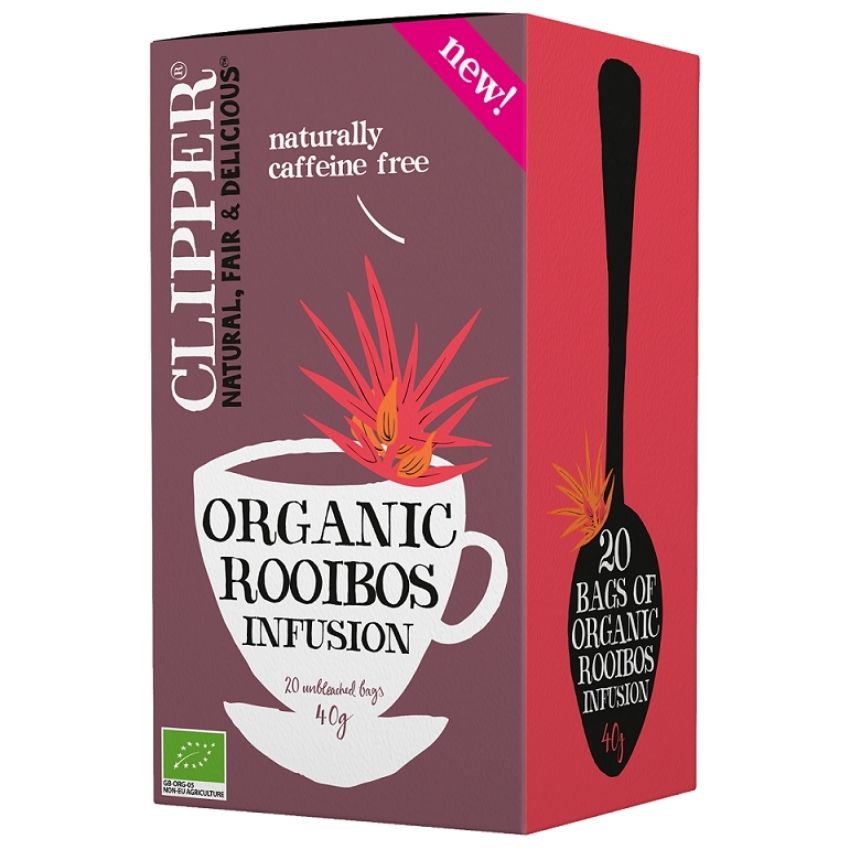
Among the herbs used for joint ailments, four have the best clinical documentation: boswellia, curcumin (in combination with piperine or in phytosome form), devil's claw, and ginger. They have anti-inflammatory effects, reduce pain, and improve joint mobility – but they require at least 4–8 weeks of regular use to show measurable effects. For milder pain, externally applied preparations of comfrey and St. John's wort oil are effective.
This article is intended for people suffering from joint pain – both those with diagnosed osteoarthritis and those seeking natural support after an injury or for preventive purposes.
Here you will find a discussion of 8 plants and substances with an assessment of scientific evidence, practical application schemes, information about drug interactions, and tips on how to choose a preparation that actually works – and not just looks convincing on the label.
1. Why do joints ache and how can herbs help?
Joint pain is a symptom that can have completely different causes – and it is precisely the cause that determines which herbs will be effective and which will not bring the desired effect. Before we move on to specific plants, it is worth understanding what actually happens in a diseased joint.
1.1. Mechanisms of joint pain: inflammation, cartilage degradation, neuropathic pain
In simplified terms, joint pain arises on three levels. The first and most common is inflammation – the activation of the inflammatory cascade leads to an increase in the concentration of prostaglandins, leukotrienes, and pro-inflammatory cytokines (including IL-1β, TNF-α, IL-6), which irritate pain receptors in the synovial membrane and periosteum. The second mechanism is cartilage degradation – the progressive destruction of the collagen matrix by enzymes (metalloproteinases, aggrecanase) causes bones to rub against each other, generating mechanical pain. The third, less commonly discussed mechanism, is neuropathic pain – in chronic joint diseases, central sensitization occurs, meaning that the nervous system itself becomes hypersensitive, and the pain threshold is lowered.
Herbs primarily act at the level of the first mechanism – inhibiting inflammatory processes. They have a limited, though documented, effect on cartilage degradation (mainly boswellia and curcumin). They have a minimal effect on neuropathic pain.
1.2. Difference between Osteoarthritis (OA) and Rheumatoid Arthritis (RA)
This distinction has direct practical significance, as the goals of herbal therapy are different in both cases.
| Feature | Osteoarthritis (OA) | Rheumatoid Arthritis (RA) |
|---|---|---|
| Basis | Mechanical cartilage wear | Autoimmune disease |
| Inflammation | Secondary, local | Primary, systemic |
| Typical joints | Knee, hip, spine, fingers | Small joints of hands and feet, symmetrically |
| Conventional treatment | NSAIDs, physiotherapy, endoprosthesis | Methotrexate, biological drugs, GCS |
| Goal of herbal therapy | Pain reduction, support for cartilage regeneration | Modulation of inflammation, support for main therapy |
| Independence of herbal therapy | Possible as support for mild OA | Solely as a supplement, not a substitute for treatment |
Scroll right to see the full table (on mobile devices)
1.3. How do herbs affect inflammatory processes and connective tissue regeneration?
Medicinal plants used for joint ailments act through several mechanisms. The best-known are inhibition of inflammatory enzymes – COX-2 (cyclooxygenase-2) and 5-LOX (5-lipoxygenase) are responsible for the synthesis of prostaglandins and leukotrienes, which drive pain and swelling. Boswellia selectively inhibits 5-LOX, while curcumin and ginger mainly inhibit COX-2. Unlike classic NSAIDs, which block both enzymes non-selectively, many herbs act more selectively, leading to a more favorable gastric safety profile.

The second mechanism is the modulation of inflammatory signaling pathways. Curcumin inhibits the transcription factor NF-κB, which is a key regulator of pro-inflammatory gene expression. By blocking NF-κB, curcumin reduces the production of many cytokines simultaneously – this is one reason why it generates interest in research on autoimmune diseases.
The third mechanism, particularly important in OA, is the support for collagen and proteoglycan synthesis – components of the cartilage matrix. Horsetail provides organic silicon, which participates in collagen biosynthesis. Vitamin C (not an herb, but often accompanying supplementation) is a cofactor for proline hydroxylation – a crucial step in the formation of the collagen triple helix.
2. Which herbs most effectively support joints?
Below, I have collected plants and substances for which there are clinical studies or well-documented traditional uses in the context of joint ailments. For each, we provide the mechanism of action, level of evidence, and indications – so you know what you can realistically expect.
2.1. Boswellia (Boswellia serrata) – selective 5-LOX inhibition
Boswellia is a resin from the Indian frankincense tree and one of the most thoroughly studied plant active ingredients in the context of joint pain. Its main active compounds – boswellic acids, particularly AKBA (3-acetyl-11-keto-β-boswellic acid) – selectively inhibit the 5-LOX enzyme, blocking the synthesis of inflammatory leukotrienes. Unlike NSAIDs, they do not damage the gastric mucosa because they do not affect COX-1.
Clinical evidence is solid for a plant-based supplement: a meta-analysis published in BMC Complementary Medicine and Therapies (Yu G. et al., 2020) comprising 7 RCTs showed a statistically significant reduction in pain and improvement in joint function in knee OA patients using a standardized boswellia extract. Effects appeared after 4–8 weeks of regular use. Studies also indicate inhibition of cartilage degradation by reducing metalloproteinase activity.
Effective dose: 100–250 mg of extract standardized to 30–65% boswellic acids daily. Formulas with elevated AKBA content (e.g., Aflapin, 5-Loxin) show activity at lower doses.

BICAPS BOSWELLIA 60 capsules - ForMeds
2.2. Curcumin (Curcuma longa) – COX-2, NF-κB, and bioavailability
Curcumin is a polyphenol isolated from the turmeric rhizome, responsible for its yellow color and most of its biological activity. The mechanism is multi-directional: curcumin inhibits COX-2, blocks the transcription factor NF-κB (a key regulator of inflammatory gene expression), and lowers the concentration of pro-inflammatory cytokines IL-1β, IL-6, and TNF-α. In in vitro models, it also shows inhibition of metalloproteinases degrading cartilage.
Clinical studies show promising results – systematic reviews indicate a reduction in joint pain and stiffness comparable to ibuprofen, with a significantly better gastric safety profile. The problem, however, is the very low bioavailability of pure curcumin: when taken without absorption enhancers, it is absorbed in trace amounts. This is the main reason why many studies with raw extracts yielded poor results.
Solutions increasing bioavailability (discussed in more detail in Chapter 3.4):
- Piperine (from black pepper) – increases curcumin absorption by ~2000% by inhibiting intestinal and hepatic metabolism
- Liposomal form – lipid envelope protects curcumin from degradation in the digestive tract
- Phytosomal form (Meriva, BCM-95) – complex with soy phospholipids, 20–29 times higher bioavailability compared to pure extract
- Nanoemulsions – latest technologies, still limited clinical data

Turmeric and piperine 602 mg 60 capsules - Medica Herbs
2.3. Devil's Claw (Harpagophytum procumbens) – harpagosides and chronic pain
Devil's Claw is a plant from the African savannas, traditionally used by the Khoisan people for joint and back pain. The active compounds – harpagoside and harpagid – exhibit anti-inflammatory and analgesic effects by inhibiting COX-2 and 5-LOX, as well as by affecting the NO (nitric oxide) pathway.
The EMA (European Medicines Agency) has granted Devil's Claw the status of a traditional herbal medicinal product for mild joint, muscle, and back pain – meaning recognized traditional use supported by sufficient safety data. Clinical reviews indicate effectiveness for lower back pain and knee pain, with a minimum treatment period of 8–12 weeks.
Effective dose: 50–100 mg of harpagoside daily (calculated based on the active substance, not the herb's mass). The extract must be standardized – non-standardized preparations may contain trace amounts of active substances.
2.4. Ginger (Zingiber officinale) – gingerols, shogaols and prostaglandins
Ginger is one of the longest-used medicinal plants in the world, and its effects on joint ailments are now well explained biochemically. Fresh rhizome mainly contains gingerols, which are converted into shogaols during drying and cooking – compounds with stronger anti-inflammatory effects. Both inhibit prostaglandin synthesis by COX-2 and COX-1, and leukotriene synthesis by 5-LOX.
A meta-analysis published in Osteoarthritis and Cartilage (Bartels et al., 2015) covering 5 RCTs showed a statistically significant reduction in pain and disability in knee OA patients using ginger extract. The effects were moderate but consistent – positioning ginger as a safe supportive ingredient, especially for individuals who do not tolerate NSAIDs.
Effective dose: 510–1000 mg of standardized extract daily or 2–4 g of fresh rhizome. Ginger tea delivers significantly fewer active compounds than encapsulated extract.
Ginger has an additional advantage: it has prokinetic effects and reduces nausea, which is beneficial when using other supplements concurrently.

2.5. White Willow (Salix alba) – salicin, natural NSAIDs
White willow bark is a historical source of salicin – a glycoside from which the body produces salicylic acid, and the pharmaceutical industry synthesized aspirin. The analgesic and anti-inflammatory effects are well-documented, although the mechanism differs slightly from aspirin – salicin and its derivatives have a weaker effect on COX, but they also activate additional anti-inflammatory pathways (including by inhibiting NF-κB).
The EMA has granted willow bark the status of a traditional herbal medicinal product indicated for mild headaches, back pain, and feverish aches. Clinical studies on lower back pain (Chrubasik et al., 2000, American Journal of Medicine) showed the effectiveness of an extract with a standardized salicin content of 120–240 mg daily.
Effective dose: 120–240 mg of salicin daily (standardized extract). Infusion from willow bark is weaker, and it is harder to control the dose.
2.6. Horsetail (Equisetum arvense) – silica and connective tissue regeneration
Horsetail is a plant with an exceptionally high content of organic silicon (in the form of orthosilicic acid and its derivatives) – up to 7–8% of dry mass. Silicon participates in the biosynthesis of collagen and elastin, influencing the activity of prolyl hydroxylase – a key enzyme for the maturation of collagen fibers. In bone and cartilage tissue, silicon regulates mineralization and osteoblast activity.
There are few direct RCTs evaluating horsetail for OA, and they have limited sample sizes. However, epidemiological data and in vitro studies consistently point to the role of silicon in maintaining connective tissue integrity. Horsetail is also a source of flavonoids (quercetin, kaempferol) with antioxidant properties.
Horsetail works best in the form of an infusion or aqueous extract – organic silicon is highly water-soluble. Caution: long-term use of high doses can be diuretic and lead to thiamine (vitamin B1) deficiency – do not use for more than 4–6 weeks without a break.
2.7. Nettle (Urtica dioica) – support for RA, lowering CRP
Nettle is an undervalued plant in the context of joints, yet it has increasingly solid scientific backing, especially for rheumatoid arthritis. Nettle leaves contain chlorogenic acid, lectins, plant sterols, and the flavonoid isorhamnetin, which together inhibit the synthesis of pro-inflammatory cytokines.
Clinical reviews indicate that supplementation with nettle extract can lower CRP levels in patients with RA. Other studies suggest the possibility of reducing NSAID dosage when nettle is used concurrently – which is of significant practical importance due to the side effects of these drugs.
Nettle also has diuretic properties and aids in the elimination of uric acid, making it useful in gout – a joint disease with a different etiology but a clear inflammatory component.
Form: Preferably an extract of fresh leaves or a lyophilized powder. Infusion is less potent but safe and available. Fresh nettle juice has the highest concentration of active compounds.

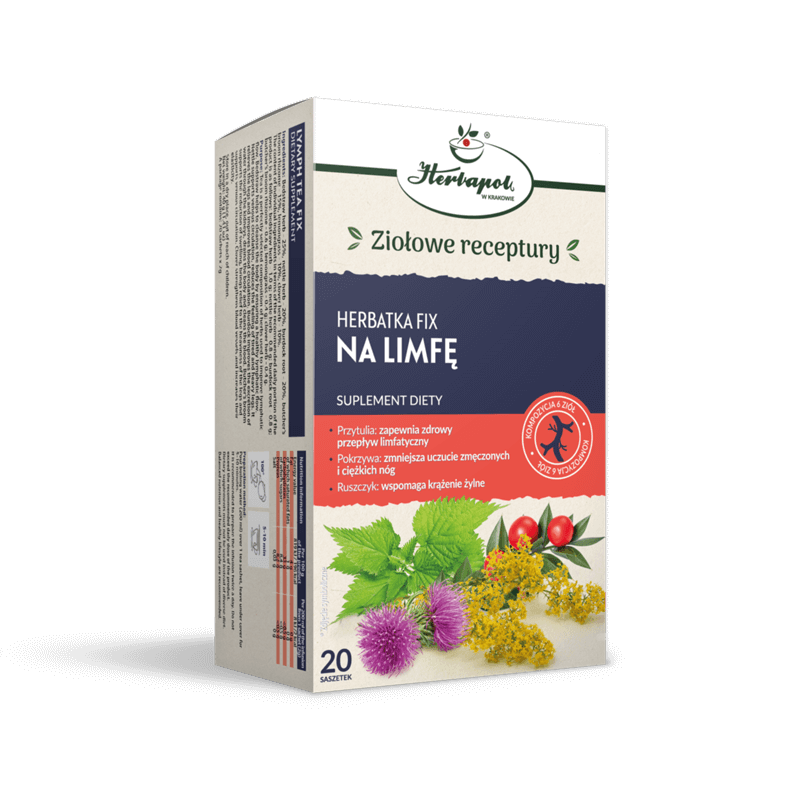
Herbata Na Stawy fix (20 × 2 g) 40 g - Herbapol Kraków
2.8. Bromelain (Ananas comosus) – proteolytic enzyme and joint swelling
Bromelain is a complex of proteolytic enzymes obtained from pineapple stems – it is not technically a herb, but due to its natural origin and frequent concurrent use with joint herbs, it is worth discussing here. Its mechanism of action differs from others: as a proteolytic enzyme, it breaks down inflammatory proteins at the site of swelling, reduces platelet aggregation, and lowers bradykinin concentration (a pain mediator).
In clinical studies, bromelain has shown effectiveness in postoperative swelling, sports injuries, and knee pain in OA. Maurer's review (2001) in Cellular and Molecular Life Sciences confirmed its effectiveness in reducing swelling and joint pain. An additional advantage is its protein-digesting action, which is beneficial when collagen is supplemented simultaneously.
Effective dose: 400–500 mg daily between meals (taking it with food directs enzymatic activity towards digestion rather than systemic action). Standardized to GDU (gelatin digesting units) or CDU.
2.9. Comparative table of joint herbs
| Herb / substance | Active compounds | Main mechanism | Indications | Level of evidence | Key contraindications |
|---|---|---|---|---|---|
| Boswellia | Boswellic acids, AKBA | Selective 5-LOX inhibition | OA ★★★, RA ★★ | RCT meta-analyses ✓ | Pregnancy, interactions with immunosuppressants |
| Curcumin | Curcuminoids | Inhibition of COX-2, NF-κB, cytokines | OA ★★★, RA ★★ | RCTs and meta-analyses ✓ (form-dependent) | Gallstones, anticoagulants, hormonal contraception |
| Devil's Claw | Harpagosides | Inhibition of COX-2, 5-LOX, NO pathway | OA ★★★, back pain ★★★ | EMA traditional use, RCT ✓ | Stomach ulcers, anticoagulants, pregnancy |
| Ginger | Gingerols, shogaols | Inhibition of COX-2, 5-LOX, prostaglandins | OA ★★, general inflammatory pain ★★ | RCT meta-analysis ✓ | Anticoagulants, high doses in pregnancy |
| White Willow | Salicin, salicylates | Inhibition of COX, NF-κB | Back pain ★★★, OA ★★ | EMA traditional use, RCT ✓ | Salicylate allergy, anticoagulants, children |
| Horsetail | Organic silica, flavonoids | Support collagen synthesis | OA (connective tissue support) ★★ | Epidemiological data, in vitro | Kidney disease, long-term use (B1 deficiency) |
| Nettle | Chlorogenic acid, lectins, isorhamnetin | Inhibition of cytokines, CRP reduction | RA ★★, gout ★★ | Single RCTs, reviews | Diuretics and anticoagulants, pregnancy |
| Bromelain* | Proteolytic enzymes | Breakdown of inflammatory proteins, bradykinin reduction | Joint swelling ★★★, OA ★★ | RCTs, reviews ✓ | Pineapple allergy, anticoagulants |
* Bromelain is an enzyme, not a herb – included due to its frequent co-administration with herbal joint preparations. Scroll right to see the full table (on mobile devices)
Indication level ratings: ★★★ good clinical evidence, ★★ moderate or preliminary clinical evidence / recognized traditional EMA use, ★ mainly preclinical or traditional evidence
3. In what form should joint herbs be used?
The form in which you take a herb is often more important than which herb you choose. Some plants are effective as an infusion, while others require a standardized extract to even reach the bloodstream in sufficient concentration. Below, we explain what makes practical sense.
3.1. Supplements with standardized extract – why form is key
A standardized extract is a preparation where the manufacturer guarantees a specific content of the active substance – for example, "boswellia extract standardized to 65% boswellic acids." It sounds technical, but it's simple: you know exactly how much active substance you are delivering to your body with each capsule.
Raw herb – dried rhizome, leaf, bark – has a variable content of active substances depending on the growing location, harvest time, and drying method. The difference between batches can be several times over. For herbs that have a clear minimum effective dose (boswellia, devil's claw, white willow), using non-standardized powders is often a gamble.
For joint herbs with documented efficacy – boswellia, devil's claw, curcumin with piperine – a standardized extract in a capsule is usually the most sensible choice. Our bone and joint supplements include products from this category, selected for their standardization and ingredient quality.
3.2. Infusions and decoctions – which herbs work in this form and which do not
An infusion (steeping in boiling water for 10–15 minutes) works well for herbs whose active substances are readily water-soluble and temperature-stable. A decoction (boiling for 10–20 minutes) is used for tougher raw materials – bark, roots, hard seeds.
For joint ailments, several herbs work in this form:
- Horsetail – organic silica dissolves very well into a water infusion; this is also the traditional and most commonly recommended form of this herb
- Nettle – an infusion of dried leaves provides flavonoids and phenolic acids; it is less potent than a lyophilized powder but is safe and inexpensive
- Ginger – an infusion of fresh or dried rhizome provides gingerols and shogaols; its effectiveness is lower than a encapsulated extract, but sufficient as a daily anti-inflammatory prophylaxis
- White Willow – a decoction of the bark provides salicin; requires longer boiling (15–20 minutes)
Which herbs are not effective as an infusion? Primarily boswellia and curcumin. Boswellia is poorly water-soluble – its boswellic acids are lipophilic compounds that require the presence of fat or special carriers to be absorbed. Curcumin has the same problem, and it is also unstable at high temperatures. Brewing these herbs is a waste of raw material.
3.3. Ointments, gels and compresses – external use of herbs
Applying herbs directly to the skin at the site of pain makes sense – and not just as a placebo effect. Some substances actually penetrate the skin and act locally on pain receptors and superficial tissues. This is particularly useful for knee, wrist, or hand joint pain, where cartilage and synovial membrane are relatively close to the skin surface.
Capsaicin from chili peppers is the best-studied substance for external use in joint pain. It works by depleting substance P – a pain neurotransmitter in nerve endings. Initially, it causes a burning sensation (which is a normal effect) that subsides after a few days, and with it, the perception of pain gradually decreases. Available in creams and patches (0.025–0.1% capsaicin).
Arnica (Arnica montana) applied externally reduces swelling, bruising, and pain after joint injuries. Its active compounds – helenalins – have local anti-inflammatory effects. External effectiveness is better documented than oral (oral arnica in larger doses is toxic). Available as a gel, ointment, and diluted tincture for skin application.

Ziołun: Olejek z Arniki 60 ml - Tyma Herbs
St. John's Wort oil is a traditional preparation used for muscle pain, nerve pain, and rheumatic ailments. Its red color comes from hypericin – the active substance of St. John's Wort. Applied externally by rubbing or as a compress on a painful joint, it can bring relief in mild pains – its traditional use in this context is well documented in the EMA/HMPC monograph for St. John's Wort.
You can read more about the properties of St. John's Wort and the use of its oil in our article: St. John's Wort Oil – properties and application.

St. John's Wort Oil 100 ml - Pro Aktiv
Comfrey (Symphytum officinale) used externally is one of the most traditional remedies for bruises, sprains, and joint pain. Its main active substance – allantoin – accelerates tissue regeneration and has anti-inflammatory effects. Clinical studies confirm the effectiveness of external comfrey preparations for knee pain and ankle sprains.
Note: Comfrey contains pyrrolizidine alkaloids that are harmful to the liver – it is safe only for external use, not orally.

Ziołun: Comfrey Oil 60 ml - Tyma Herbs
3.4. Curcumin bioavailability – how to choose a preparation that actually works
Curcumin deserves a separate subheading because purchasing mistakes are most common here. Pure curcumin taken orally is absorbed in trace amounts – the body quickly metabolizes and excretes it before it can reach tissues in a useful concentration. This is why many people supplement with turmeric for months and feel no difference: they bought the wrong preparation.
For curcumin to work, it needs help. Here's what actually increases its absorption:
| Form / technology | Increase in bioavailability* | How to recognize on the label | Notes |
|---|---|---|---|
| Pure extract (without enhancer) | Reference point (1×) | "Turmeric extract 95%" | Poor efficacy at typical doses |
| Curcumin + piperine | ~20× higher | "BioPerine", "piperine from black pepper" | Best price-to-efficacy ratio; caution with drugs metabolized by CYP3A4 |
| Phytosome form | ~29× higher | "Meriva", "Phytosome" | Good option for piperine or black pepper intolerance |
| Liposomal form | ~5–10× higher | "Liposomal curcumin" | More often in liquid form; limited clinical data vs. phytosomes |
| BCM-95 / Curcugreen | ~6–7× higher | "BCM-95", "Curcugreen" on label | Curcuminoid complex with turmeric essential oil; no piperine |
* Approximate comparative data, based on available pharmacokinetic studies. Scroll right to see the full table (on mobile devices)
Practical rule: If there is no information on the label about a bioavailability-enhancing form, and the price is very low, the preparation is probably not absorbed to a useful extent. It is worth paying extra for a form with piperine or a phytosomal form.
4. Are joint herbs safe? Interactions and contraindications
Natural does not automatically mean safe - especially if you are also taking prescription medications. Below is the most important information to know before reaching for any of the discussed preparations.
4.1. Interactions with painkillers and anticoagulants
Several herbs discussed in this article affect blood clotting and drug metabolism - to a clinically significant, not just theoretical, extent.
Anticoagulants (warfarin, acenocoumarol, heparin, new anticoagulants like rivaroxaban): Ginger, white willow, curcumin, and devil's claw can enhance the effect of these drugs, increasing the risk of bleeding. If you are taking blood thinners - consult your doctor about every herb before starting supplementation, without exception.
NSAIDs (ibuprofen, naproxen, diclofenac, acetylsalicylic acid): White willow acts similarly to aspirin - combining them can increase the risk of stomach irritation and side effects. For long-term NSAID use, herbs can be a useful supplement to reduce the drug dosage, but this decision should be made by a doctor.
Piperine (present in curcumin preparations with black pepper) inhibits liver enzymes from the CYP3A4 group and P-glycoproteins, which metabolize many drugs. This means that the concentration of some drugs in the blood can increase to unexpectedly high levels. This applies, among others, to some cardiac drugs, immunosuppressants, and antidepressants.
4.2. Interactions with drugs used in RA
Rheumatoid arthritis requires strong disease-modifying drugs - and here the risk of interactions is greatest.
Methotrexate is an immunosuppressive drug used as the basis of RA therapy. Curcumin can interfere with its absorption and metabolism - do not use curcumin simultaneously with methotrexate without the consent of a rheumatologist. Similar caution applies to boswellia, which affects metabolic pathways important for immunosuppression.
Biologics (adalimumab, etanercept, tocilizumab, and others): there is no data on direct interactions with the discussed herbs, but with such strong immunosuppression, any change in supplementation should be discussed with the treating rheumatologist.
Glucocorticosteroids (GCS): ginger and curcumin can mildly lower cortisol levels and affect the immune response - theoretically, this could interfere with the action of steroids, although clinically significant cases are few.
4.3. Pregnancy, breastfeeding, and chronic diseases - contraindications table
| Herb | Pregnancy | Breastfeeding | Chronic diseases – special caution |
|---|---|---|---|
| Boswellia | ❌ Avoid | ⚠️ No data | Liver disease, immunosuppression |
| Curcumin | ⚠️ Caution (high doses) | ⚠️ No data for supplements | Gallstones, reflux, bleeding disorders |
| Devil's claw | ❌ Avoid | ❌ Avoid | Stomach and duodenal ulcers, gallstones |
| Ginger | ⚠️ Small doses OK, large - avoid | ✅ Safe in small amounts | Bleeding disorders, gallstones |
| White willow | ❌ Avoid | ❌ Avoid | Salicylate allergy, ulcers, aspirin asthma |
| Horsetail | ❌ Avoid | ❌ Avoid | Kidney disease, heart failure, low blood pressure |
| Nettle | ⚠️ Caution | ⚠️ Caution | Kidney disease, taking diuretics |
| Bromelain | ⚠️ Caution | ⚠️ No data | Pineapple/latex allergy, bleeding disorders |
Scroll right to see the full table (on mobile devices)
4.4. When herbs are not enough - warning signs requiring medical diagnosis
Herbs can effectively relieve pain and inflammation in mild to moderate joint ailments. However, there are situations where reaching for supplements without prior consultation with a doctor is a mistake - because it delays the diagnosis of a disease requiring other treatment.
Consult a doctor (do not wait and do not rely on herbs) if:
- Joint pain appeared suddenly, is very severe, and is accompanied by fever - this may be septic arthritis requiring urgent antibiotic treatment.
- The joint is noticeably swollen, red, and hot, without an obvious traumatic cause.
- Joint pain is accompanied by weight loss, chronic fatigue, or night sweats - these are signals requiring diagnostic tests.
- Pain appears symmetrically in the small joints of the hands and feet, especially in the morning, with accompanying stiffness lasting more than an hour - a classic picture of early RA.
- You have used herbs for 8-12 weeks without any improvement - it's time for a diagnosis, not a change in herbal therapy.
- You already have a diagnosed autoimmune disease and are thinking about stopping or limiting prescribed medications in favor of supplementation - this decision is exclusively for the treating physician.
5. How to use joint herbs in practice?
Knowing which herbs work is not enough - how to use them is also important for real effects. Below you will find specific schemes for the most common situations, tips on treatment duration, and combinations that make sense.
5.1. Sample protocols: acute joint pain, chronic osteoarthritis, post-injury support
Each of these situations has a different dynamic and requires a different approach. The following schemes are a starting point - not a substitute for individual health assessment.
| Situation | First steps | Herbs / supplements | Minimum duration |
|---|---|---|---|
| Acute joint pain (inflammation, swelling) | Medical consultation to rule out serious causes | Bromelain (between meals) + externally: arnica or comfrey | 2-4 weeks |
| Chronic osteoarthritis (OA) | Diagnosis confirmation, physiotherapy as basis | Boswellia + curcumin with piperine; optionally devil's claw for back pain | 8-12 weeks (evaluation after this time) |
| Post-injury support (sprain, bruise) | Imaging diagnostics if damage is suspected | Bromelain + external comfrey; after acute swelling subsides: collagen + vitamin C | 4-8 weeks |
| RA - support for main therapy | Only as an adjunct to rheumatological treatment, after consulting a doctor | Nettle + ginger (infusion or extract); curcumin - only if methotrexate is not used or after consultation | Min. 8 weeks, long-term |
| Prevention and general joint support (physical activity, age 40+) | No ailments as a starting point | Collagen + vitamin C; ginger in diet or tea; horsetail cyclically | Continuous or cyclical use (6 weeks of treatment, 2 weeks break) |
Scroll right to see the full table (on mobile devices)
5.2. How long to use - minimum treatment times for individual herbs
This is one of the most common reasons why people give up herbal therapy too early. Herbs do not work like ibuprofen - you won't feel a difference after one capsule. The mechanisms by which they affect inflammation and tissues need time to produce measurable effects.
- Bromelain - effects for acute swelling visible after 3-7 days; for chronic use, evaluation after 4 weeks
- Ginger and white willow - first effects after 2-4 weeks of regular use
- Curcumin - minimum 4-6 weeks; full effects often only after 8-12 weeks
- Boswellia - in clinical studies, significant improvement was observed after 4-8 weeks; some studies indicate further improvement up to the 12th week
- Devil's claw - minimum 8 weeks; for back pain, 12 weeks is often the right time for evaluation
- Horsetail - recommended cyclical use: 4-6 weeks, then a break of at least 2 weeks
- Collagen - studies indicate significant effects after 8-24 weeks of regular supplementation

5.3. Synergistic herb combinations
Some herbs work better together than separately - not because it's a marketing slogan, but because they target different points of the same inflammatory cascade simultaneously.
Boswellia + curcumin is the best-documented combination for OA. Boswellia blocks 5-LOX (leukotrienes), curcumin - COX-2 and NF-κB (prostaglandins and cytokines). Together, they cover a wider range of inflammatory pathways than each alone. Several clinical trials have tested this combination directly, with better results than for each ingredient alone.
Ginger + white willow - a natural pain-relieving combination, useful for general musculoskeletal pain. Both plants inhibit COX, acting additively. Well tolerated long-term in people without stomach problems.
Bromelain + curcumin - bromelain increases curcumin absorption through proteolytic action on the intestinal barrier. This combination is useful for inflammation with an edematous component.
Collagen + vitamin C + horsetail - a trio supporting connective tissue regeneration. Collagen provides amino acid building blocks (glycine, proline, hydroxyproline), vitamin C is a cofactor essential for its synthesis in the body, horsetail provides silicon involved in collagen fiber maturation. This combination makes particular sense after injuries and as long-term prevention.
Marine collagen supplementation is a convenient way to supplement the diet with amino acid building blocks for joints and skin - especially with a diet low in foods rich in natural collagen (gelatin, bone broth, pork knuckles).

Marine collagen 450 mg 60 capsules - Medica Herbs
5.4. Diet and physical activity - what strengthens the effect of herbs
Herbs operate within a specific biological context - and this context can either be supported or undermined by daily choices.
An anti-inflammatory diet is the most important foundation. A high intake of omega-3 fatty acids (fatty fish, flaxseed, walnuts) acts anti-inflammatory by synthesizing resolvins and protectins - compounds that actively resolve inflammation. A diet rich in processed foods, trans fats, and simple sugars fuels inflammation and literally weakens the effects of herbs. There's no point in taking boswellia while eating fast food every day.
Physical activity for joint diseases is a topic surrounded by many myths. Movement does not destroy joints - its absence does. Articular cartilage has no blood supply of its own and is nourished only by diffusion from the synovial fluid during movement. An immobilized joint literally degenerates faster than a regularly used joint. Recommended forms are movements without large axial loads: swimming, cycling, Nordic walking, water exercises.
Body weight has a direct impact on weight-bearing joints (knees, hips, spine). Every extra kilogram adds approximately 3-6 kg of additional load on the knee joint when walking. A 5-10% reduction in body weight in overweight individuals translates into a measurable reduction in pain, regardless of any supplementation.
Sleep and regeneration - at night, during deep sleep, the body produces the largest amounts of growth hormone and repairs tissues. Chronic sleep deprivation elevates levels of inflammatory markers (CRP, IL-6) - exactly those we want to lower with herbs.
6. FAQ - most common questions about joint herbs
Does drinking turmeric tea help with joints?
To a limited extent. Curcumin, the active ingredient in turmeric, is poorly water-soluble and poorly absorbed from the digestive tract without enhancers. Turmeric tea provides significantly less active ingredient than a standardized supplement with piperine or in phytosomal form. An infusion can be a pleasant addition to an anti-inflammatory diet, but it will not replace an extract for specific joint ailments.

Organic Turmeric Tea (25 × 2 g) 50 g - Dary Natury
How quickly will I see the effects of using joint herbs?
It depends on the herb and the severity of the ailment. Bromelain can show results in acute edema within a few days. Boswellia and curcumin, for chronic osteoarthritis, usually need 4–8 weeks to show measurable results. Devil's claw for back pain – often 8–12 weeks.
If there's no improvement after 3 months of regular use, it's worth re-evaluating the diagnosis with a doctor, rather than looking for another herb.
Is collagen an herb for joints, and should it be combined with herbs?
Collagen is not an herb – it's a structural protein that makes up about 60–70% of the dry weight of articular cartilage. Its supplementation has a different purpose than herbal therapy: it provides building material for the regeneration of connective tissue, rather than acting as an anti-inflammatory. Therefore, collagen and anti-inflammatory herbs (boswellia, curcumin) work complementarily and are worth combining – especially in OA with cartilage degradation.
For better results, collagen should be used together with vitamin C, which is essential for its synthesis in the body.
Can St. John's wort oil be applied daily to aching joints?
Yes, but with an important caveat: St. John's wort applied externally causes photosensitization – the skin becomes more sensitive to the sun. When used daily in summer, avoid direct sun exposure to the areas where the oil has been applied, or use it in the evening. In winter and with limited sun exposure, this restriction is less significant.
St. John's wort (neither externally nor orally) should not be used with antidepressant drugs from the SSRI group or with hormonal contraception without consulting a doctor.

Can children use herbs for joint pain?
Most of the herbs discussed in this article have not been studied in children and should not be used without consulting a pediatrician. White willow is absolutely excluded (risk of Reye's syndrome, analogous to aspirin). Ginger in small amounts as a food additive is safe, but encapsulated extracts for children – only after a doctor's recommendation.
Can I use herbs for joints together with prescription medications?
Not always, and not without checking. Several herbs discussed in the article (white willow, ginger, curcumin, devil's claw) have potentially significant interactions with anticoagulants, immunosuppressants, and some cardiac medications.
If you are taking any chronic medications, consult a doctor or pharmacist before starting herbal supplementation – preferably by showing the specific preparation you intend to use.
7. Summary
Herbs for joints are not an alternative medicine for those distrustful of science – some of them have solid clinical backing and provide real effects when used properly. The key, however, is to be aware of what to expect and what not to.
What works best and is best documented: boswellia and curcumin (in appropriate form with piperine or phytosomal) for osteoarthritis, devil's claw for back and joint pain, bromelain for post-traumatic swelling and pain. Externally – comfrey and St. John's wort oil for mild muscle and joint pain.
What requires patience: none of the discussed herbs work immediately. The minimum time for a reliable assessment is 8 weeks of regular use in the appropriate dose and form.
What is as important as herbs: an anti-inflammatory diet, maintaining a healthy body weight, regular physical activity adapted to joint capabilities, and an adequate amount of sleep. Without these elements, even the best supplement will have limited effects.
What herbs cannot replace: medical diagnosis for severe or unclear ailments, pharmacotherapy for RA and other autoimmune diseases, physiotherapy as the basis for joint rehabilitation.
If you are looking for proven products to support joint health, check out our category bone and joint supplements – you will find products I wrote about in this article, including standardized extracts of boswellia and curcumin with piperine.
8. Sources
- Yu G. et al., Effectiveness of Boswellia and Boswellia extract for osteoarthritis patients: a systematic review and meta-analysis, BMC Complementary Medicine and Therapies, 2020 – PubMed 32680575
- Bartels E.M. et al., Efficacy and safety of ginger in osteoarthritis patients: a meta-analysis of randomized placebo-controlled trials, Osteoarthritis and Cartilage, 2015 – PubMed 25300574
- Chrubasik S. et al., Treatment of low back pain exacerbations with willow bark extract: a randomized double-blind study, American Journal of Medicine, 2000 – PubMed 10936472
- Maurer H.R., Bromelain: biochemistry, pharmacology and medical use, Cellular and Molecular Life Sciences, 2001, 58(9):1234–1245 – PubMed 11577981
- European Medicines Agency (EMA) / HMPC, Community herbal monograph on Harpagophytum procumbens DC. and/or Harpagophytum zeyheri Decne., radix – ema.europa.eu
- European Medicines Agency (EMA) / HMPC, Community herbal monograph on Salix, cortex – ema.europa.eu
- European Medicines Agency (EMA) / HMPC, Community herbal monograph on Hypericum perforatum L., herba – ema.europa.eu
- Shep D. et al., Safety and efficacy of curcumin versus diclofenac in knee osteoarthritis: a randomized open-label parallel-arm study, Trials, 2019, 20:214 – PMC 6460672
- Gupta S.C. et al., Therapeutic roles of curcumin: lessons learned from clinical trials, AAPS Journal, 2013 – PubMed 23143785
- Daily J.W. et al., Efficacy of turmeric extracts and curcumin for alleviating the symptoms of joint arthritis: a systematic review and meta-analysis of randomized clinical trials, Journal of Medicinal Food, 2016 – PubMed 27533649
- Dragos D. et al., Phytomedicine in Joint Disorders, Nutrients, 2017, 9(1):70 – PubMed 28275210
- Commission Regulation (EU) No 432/2012 establishing a list of permitted health claims made on foods, other than those referring to the reduction of disease risk – EUR-Lex