The Mediterranean diet is an eating pattern based on extra virgin olive oil, vegetables, fish, legumes, whole grains, and nuts — with limited red meat and processed foods. It is the most thoroughly researched dietary model in the world: the PREDIMED study showed that it is associated with a lower incidence of major cardiovascular events (the original publication from 2013 was retracted and re-published in 2018 after correction of randomization errors — the conclusions remained similar), and numerous systematic reviews confirm its beneficial effect on glucose metabolism, inflammation, brain health, and longevity.
This article is a complete guide to the principles of the Mediterranean diet: you will learn what it is and where it comes from, what its food pyramid looks like, which products are its foundation, what to avoid — and how to translate these principles into daily cooking in Polish conditions, without exotic ingredients and without a kitchen revolution.
1. What is the Mediterranean Diet and Where Does It Come From?
1.1. History and Context — from Ancel Keys' Research to UNESCO Listing
The Mediterranean diet was not created in a dietitian's office — it evolved over centuries in the Mediterranean basin as a natural way of eating for local communities. It entered the scientific radar in the 1950s when American epidemiologist Ancel Keys began extensive research into the relationship between diet and heart disease. Observing populations from Southern Europe — especially Greece and Southern Italy — Keys noticed that despite a diet rich in fats, people in these regions suffered less from cardiovascular diseases than Americans or Finns. His long-term Seven Countries Study was the first major work to place this relationship at the center of scientific discussion.

Over the following decades, the Mediterranean diet was the subject of hundreds of clinical and population studies. In 2010, UNESCO inscribed it on the Representative List of the Intangible Cultural Heritage of Humanity — not as a collection of recipes, but as a holistic lifestyle encompassing communal meals, seasonality of products, local traditions, and respect for food. The inscription covered four countries: Italy, Greece, Spain, and Morocco (expanded in 2013 to include Cyprus, Croatia, and Portugal).
1.2. Which Countries and Cultures Form It — Diversity within Common Principles
"Mediterranean diet" is a collective term, not a single unified menu. The common denominator is the products characteristic of this region — olive oil, vegetables, legumes, fish, whole grains, and fruits — but each country's specific cuisine has its own identity.
Greece emphasizes simplicity: raw vegetables, olives, sheep cheeses, and grilled fish. Southern Italy — Sicily, Calabria, Sardinia — means pasta with vegetables, legumes, and fresh herbs. Spain brings sofrito (a base of tomatoes, onions, and garlic fried in olive oil) and fish and seafood to this mosaic. Turkey and Lebanon complement the picture with bulgur, hummus, eggplant, and intense spices.
They are all united by several fundamental principles: the dominance of plant-based products, olive oil instead of other fats, limited red meat, and a strong social context of eating.
1.3. Why Science So Often Refers to It — A Review of Population Studies
The Mediterranean diet is probably the most thoroughly researched dietary pattern in the world. Two studies set the standards here.
The Nurses' Health Study — one of the longest nutritional observations conducted on women, tracking nearly 75,000 nurses for over 20 years — showed that women strictly adhering to the Mediterranean model were less likely to develop coronary heart disease and less likely to die from it.
The PREDIMED Study (Prevención con Dieta Mediterránea), conducted in Spain on over 7,000 participants with high cardiovascular risk, is one of the few randomized controlled trials concerning a holistic dietary pattern — rather than a single ingredient. Its results became a milestone in clinical nutrition and will be referenced later in this article.
This diet is also often a reference point in studies on longevity, brain health, and diabetes prevention — which makes it a unique object of interest for both scientists and practicing physicians.
2. The Mediterranean Diet Pyramid – What to Eat Daily, What Less Often?
The Mediterranean diet pyramid is a graphical tool that shows not only what to eat, but also how often. Unlike traditional food pyramids focused solely on macronutrients, this one also considers lifestyle — physical activity and communal meals — as full-fledged elements of a healthy model.
2.1. The Base of the Pyramid — Vegetables, Fruits, Whole Grains, Olive Oil
The base of the pyramid consists of products that should appear at every meal or daily. They form the caloric and nutritional foundation of the diet.
Vegetables take center stage — the recommended minimum is two servings a day, and the greater the variety of colors and types, the better. Tomatoes, bell peppers, eggplant, zucchini, spinach, onions, garlic — these are vegetables that appear in Mediterranean cuisine on almost every occasion.
Fruits — 1-2 servings daily, preferably seasonal. They serve as a natural sweet element of the meal, replacing sugar-based desserts.
Whole grains — bread, pasta, rice, bulgur, couscous — form the energy base. The key word is "whole grain": refined counterparts are limited in this model.
Extra virgin olive oil is the primary fat used for cooking, frying, and salad dressings. It replaces butter, margarine, and other vegetable oils — and is one of the elements that most distinguishes this eating model from the Western one.
2.2. The Middle of the Pyramid — Legumes, Nuts, Fish, Dairy
The middle part of the pyramid consists of products consumed several times a week.
Legumes — chickpeas, lentils, beans, broad beans — appear at least twice a week as a main or complementary source of protein. In many traditional Mediterranean cuisines, they replaced meat for centuries.
Fish and seafood — recommended at least twice a week. Particularly valued are fatty marine fish rich in omega-3 acids: sardines, mackerel, salmon, tuna.
Nuts and seeds — a handful daily or several times a week, as a snack or an addition to dishes. Almonds, walnuts, pistachios, sunflower or pumpkin seeds — provide healthy fats, protein, and minerals.
Dairy — primarily yogurt (especially Greek yogurt) and cheeses, mainly sheep or goat. Consumed in moderate amounts, not as the basis of the diet, but as its supplement. Cow's milk plays a much smaller role here than in the Central European diet.
Eggs — 2-4 times a week, without the restrictions popularized in the past by theories about cholesterol.
2.3. The Top of the Pyramid — Red Meat, Sweets, Processed Foods
At the top of the pyramid — meaning least frequently in the diet — are:
Red meat (beef, pork, lamb) — a few times a month, not a few times a week, as is customary in Poland. Poultry is permissible more often, but also in moderation.
Processed meat (cold cuts, sausages, hot dogs) — limited to a minimum or completely eliminated.
Sweets and desserts — occasionally. Traditional Mediterranean desserts are often based on honey, nuts, and fruits, not on refined sugar and trans fats.
Processed foods, fast food, and sweetened beverages — have no place in this model.

2.4. What Distinguishes This Pyramid from Others — Physical Activity and Communal Meals
The Mediterranean diet pyramid contains something that most other dietary models do not: at its base — even before food — is placed daily physical activity and communal meals.
This is no coincidence. This diet was conceptualized from the beginning not as a set of dietary rules, but as a lifestyle. Studies indicate that eating in company — slower, at the table, without rushing — promotes better food choices, smaller portions, and better mental well-being. In Mediterranean regions, a communal meal is an element of culture, not a luxury.
Physical activity in this context does not mean intense workouts — it's about movement integrated into daily life: walking to the market, gardening, an after-dinner stroll.
2.5. Product Groups — Frequency and Examples
| Product Group | Frequency | Examples | Notes |
|---|---|---|---|
| Vegetables | Every meal | Tomatoes, bell peppers, eggplant, spinach, zucchini, garlic, onion | Min. 2 servings daily, variety of colors |
| Fruits | Daily | Figs, grapes, citrus, melons, apples, peaches | 1–2 servings, preferably seasonal |
| Whole Grains | Daily | Whole grain bread, whole grain pasta, bulgur, couscous, oats | Whole grain versions instead of refined ones |
| Olive Oil | Every meal | Extra virgin as primary fat | Replaces butter and other oils |
| Legumes | ≥ 2× weekly | Chickpeas, lentils, beans, broad beans, peas | As a main dish or supplement |
| Nuts and Seeds | Daily or several times a week | Almonds, walnuts, pistachios, pumpkin seeds, sunflower seeds | A handful as a snack or addition |
| Fish and Seafood | ≥ 2× weekly | Sardines, mackerel, salmon, tuna, shrimp, calamari | Fatty marine fish are a priority |
| Dairy | Moderately | Greek yogurt, feta, sheep and goat cheeses | Dietary supplement, not a base |
| Eggs | 2–4× weekly | Any preparation method | Without strict restrictions |
| Poultry | Several times a week | Chicken, turkey | Less often than fish |
| Red Meat | Several times a month | Beef, pork, lamb | Occasionally, not as daily protein |
| Sweets and Processed Foods | Rarely or never | Fast food, sweetened beverages, cold cuts, industrial snacks | Limit to a minimum |
Scroll right to see the full table (on mobile devices).
3. What to Eat on the Mediterranean Diet? Key Products
3.1. Extra Virgin Olive Oil — The Heart of the Diet, How to Choose and Use
Extra virgin olive oil is one of the foundations of the Mediterranean diet and a product that most distinguishes it from the Western eating model. It replaces butter, margarine, and refined vegetable oils — it is used for frying, braising, baking, and as a salad dressing.
Extra virgin olive oil (EVOO) means olive oil obtained solely by mechanical means, without the use of high temperature or chemicals, with an acidity below 0.8%. This particular type — not refined olive oil or "regular" olive oil — contains the most polyphenols and monounsaturated fatty acids, which are responsible for its health benefits.
What to look for when buying:
- The designation "extra virgin" on the label — any other term means a lower quality
- Year of olive harvest — fresh oil is from harvests no more than 12–18 months old
- Dark bottle — protects against oxidation by light
- Country and region of origin — oils from Greece, Italy, Spain, and Tunisia have the longest tradition and best quality
EVOO is thermally stable up to approx. 180–190°C, making it suitable for typical pan-frying and braising. Contrary to popular belief, there is no need to fear it for thermal processing — its smoke point is sufficient for daily cooking.

3.2. Vegetables and Fruits — Seasonality and Diversity as a Principle
The Mediterranean diet is not about a specific list of vegetables to buy at the supermarket — it's about the principle of seasonality and diversity. Each season brings different products, and each of them lands on the plate in its own time.
Vegetables appear at almost every meal — both raw (salads, antipasti) and cooked, baked, or braised. Tomatoes, bell peppers, eggplant, zucchini, spinach, leek, celery, artichoke, fennel — these are vegetables without which it is difficult to imagine Mediterranean cuisine. Garlic and onion play the role of a flavor base in practically every dish.
Fruits—figs, grapes, pomegranates, citrus, peaches, apricots—are eaten as a natural dessert or snack, not as a special element. Seasonality is the rule here, not a trend: summer tomatoes taste completely different from those from a greenhouse in December, and their nutritional value is incomparably higher.
💡 Interesting fact: In traditional Mediterranean cuisines, the concept of "imported vegetables" as a norm doesn't exist—for centuries, people ate what grew locally and seasonally. This approach is embedded in the culture, not a dietary strategy.
3.3. Fish and seafood—which types, how often, fresh vs. canned
Fish and seafood are the main source of animal protein in the Mediterranean diet—appearing at least twice a week, often more frequently. Particularly valued are fatty sea fish rich in omega-3 acids: sardines, mackerel, herring, salmon, tuna, and anchovies.
Seafood—shrimp, calamari, octopus, mussels—are equally important and appear regularly in coastal cuisines. They are usually prepared simply: grilled, baked in olive oil with garlic and herbs, stewed with tomatoes.
An important practical point: canned fish are a full-fledged product in this model, not an inferior alternative. Sardines in olive oil, tuna in brine, or anchovies are products that Mediterranean cuisine has used for centuries. They retain their nutritional value and are significantly more affordable than fresh sea fish in Poland.

Sardines in brine 120g - Vilgain
3.4. Legumes—chickpeas, lentils, beans as a protein base
Legumes are one of the pillars of the Mediterranean diet that is often underestimated in Poland. Chickpeas, lentils (red, green, black), beans (white, black, red), broad beans, and peas—these are products that have been a staple food in Mediterranean countries for centuries, especially where meat was expensive or scarce.
They provide both protein and fiber, have a low glycemic index, and are one of the cheapest and most filling dietary ingredients. Hummus (chickpea paste), falafel, lentil soup, Mediterranean-style baked beans, or pasta e fagioli—these are classic dishes with centuries of tradition in this cuisine.
The recommended frequency is at least twice a week as a main dish or a significant meal supplement—not just as a garnish.
3.5. Nuts and seeds—almonds, walnuts, seeds as a snack and addition
Nuts and seeds are a constant element of the Mediterranean diet—a handful daily as a snack or an addition to dishes and salads. Almonds, walnuts, pistachios, cashews, pumpkin seeds, sunflower seeds, or sesame seeds provide healthy fats, plant protein, B vitamins, magnesium, and zinc.
Walnuts hold a special place—they are one of the few plant sources of omega-3 fatty acids (ALA) and regularly appear in studies on heart health and brain function. Almonds, in turn, are one of the best plant sources of vitamin E.

Organic Walnuts 300g - Bio Planet
Sesame seeds—both whole and as tahini (sesame paste)—are an ingredient in many classic Mediterranean and Middle Eastern dishes: hummus, dressings, less sweet baklava.
If you don't know how to use tahini in cooking, you can find inspiration in our article What to do with tahini? Ideas for using sesame paste.
3.6. Whole grains—the difference between whole grain and refined
Grains are a daily energetic staple of the Mediterranean diet—but only in their whole grain version. Bread, pasta, rice, bulgur, couscous, oats, spelt—each of these products exists in two variants: whole grain and refined, and this difference matters.
A grain of cereal consists of three layers: bran (fiber, minerals, B vitamins), germ (healthy fats, vitamin E), and endosperm (mainly starch). Refining removes the bran and germ, leaving only the endosperm—a product with a higher glycemic index, poorer in nutrients. White bread, white rice, and traditional pasta are precisely the refined versions of grains.
The Mediterranean diet is dominated by whole grain or minimally processed versions. Bulgur—cooked and dried cracked wheat grains—is one of the simplest whole grain products to prepare. Couscous in its whole grain version is equally quick to prepare.
The article What do flour types mean? explains how to read package labels and what the term "whole grain" actually means in Poland.
3.7. Dairy—Greek yogurt and cheeses as a supplement, not a base
Dairy exists in the Mediterranean diet, but it plays a completely different role than in the average Central European diet. It is not a protein base or a constant element of every meal—it is rather a supplement that appears a few times a week.
The dominant form of dairy is Greek yogurt—thick, fermented, high in protein and live bacterial cultures. It is eaten with fruit and honey for breakfast, as a sauce for meats and vegetables (tzatziki), or as a base for dressings. Cheeses—feta, halloumi, pecorino, parmigiano—are used more as a seasoning or addition than as a main ingredient of a dish.
Liquid cow's milk plays a much smaller role here than in Poland. Traditional Mediterranean dairy often comes from sheep and goats, and fermented dairy products (yogurt, kefir) take precedence over fresh milk.
3.8. Herbs and spices instead of salt—rosemary, oregano, thyme, garlic
One of the characteristic features of Mediterranean cuisine is the intensive use of fresh and dried herbs and spices—which translates into less salt consumption without losing flavor.
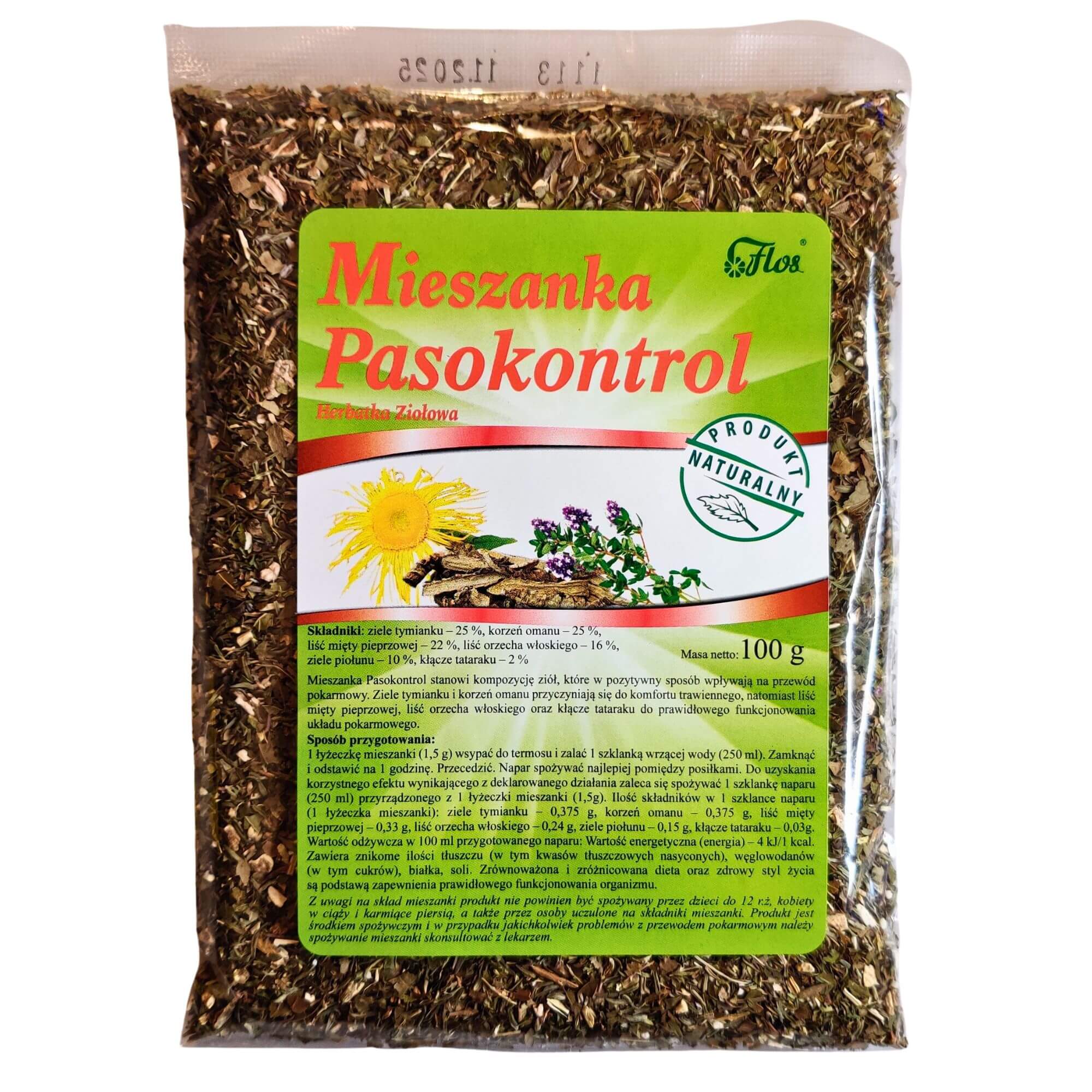
Oregano, rosemary, thyme, basil, sage, mint, tarragon—these herbs appear almost everywhere in this cuisine: in marinades, sauces, on fish and meats, in salads and soups. Garlic is a separate chapter—present in practically every dish as a flavor base, raw or sautéed in olive oil. Turmeric, cinnamon, cumin, and coriander are influences from Middle Eastern and North African cuisines, particularly evident in Moroccan and Turkish cuisine.
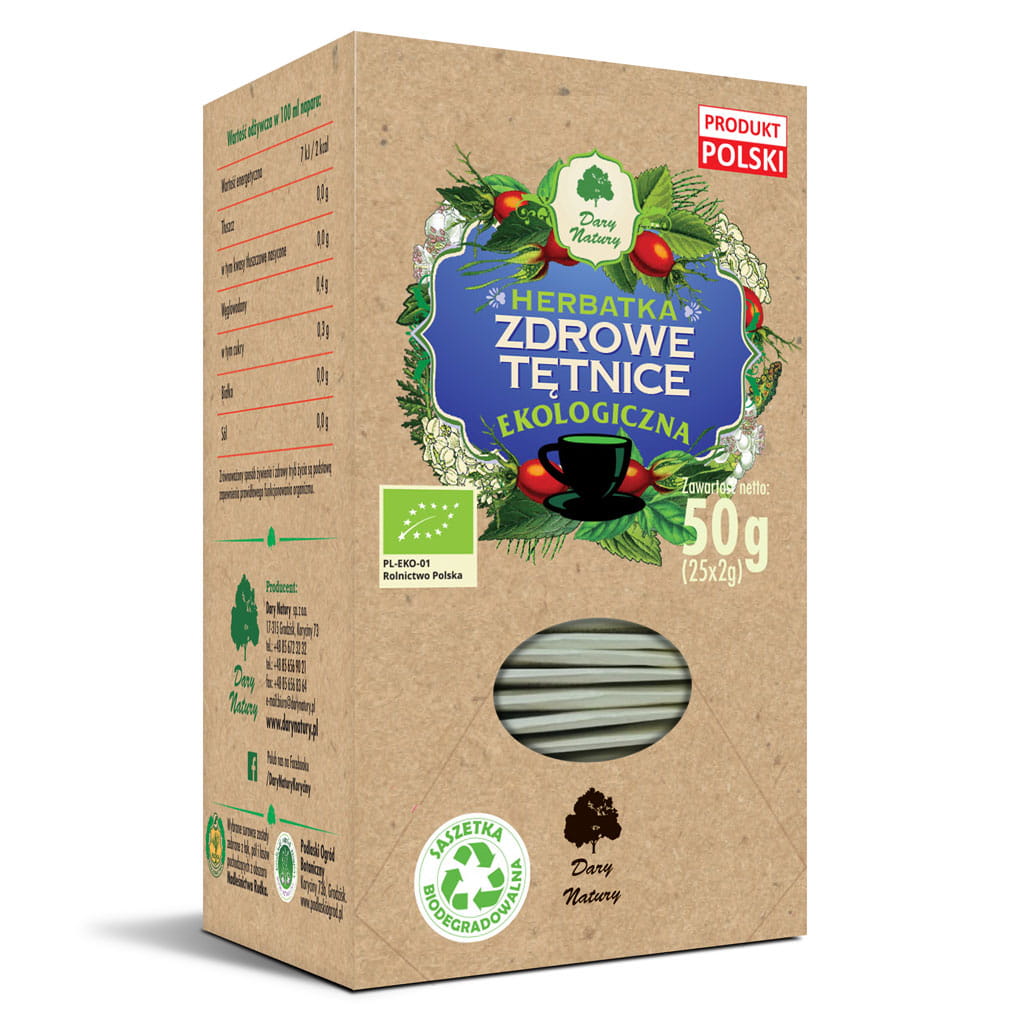
Limiting salt is important not only from a taste perspective but also for health—excess sodium is one of the risk factors for hypertension. If you are interested in herbs that support healthy blood pressure, it's worth checking out our article Herbs for blood pressure—which ones really lower hypertension and how to use them?
3.9. Red wine—cultural context and what research says
Red wine is an indispensable element of table culture in Mediterranean countries—drunk with meals, in company, in moderation. In population studies, it appears as one of the elements of the Mediterranean pattern, which for years was interpreted as proof of its beneficial health effects.
However, the matter is not so obvious. Newer analyses, which better control confounding variables, cast doubt on earlier enthusiastic conclusions. Currently, the prevailing view is that no level of alcohol consumption is definitively safe for health, and any potential benefits from resveratrol and polyphenols contained in wine can be obtained from other sources—grapes, berries, pomegranates—without the risks associated with alcohol. Non-drinkers have no reason to reach for wine for health reasons.
4. What to avoid on the Mediterranean diet?
The Mediterranean diet is a model based on what to add to the menu, not on strict counting and elimination. Nevertheless, there are several categories of products that clearly do not fit into it—and limiting them has a real impact on health.
4.1. Processed foods and fast food
Highly processed food—i.e., food that has undergone many stages of industrial processing and contains a long list of additives: emulsifiers, flavor enhancers, preservatives, artificial flavors—is in direct contradiction to the philosophy of the Mediterranean diet. Fast food, ready-made meals in boxes, vending machine snacks, chips, cheese sticks, instant soups—these are products that are simply not found in traditional Mediterranean cuisine.
The problem with highly processed food lies not only in what it contains (salt, sugar, trans fats) but also in what it lacks: fiber, micronutrients, polyphenols, and other ingredients that build the nutritional value of wholesome food.
4.2. Simple sugars and sweetened beverages
Sweetened beverages—cola, boxed fruit juices, energy drinks, flavored waters with sugar—are one of the worst-tolerated categories of products in the context of metabolic health. They deliver large doses of sugar without any nutritional value and without the feeling of fullness that solid food provides.
Sweets based on refined sugar, glucose-fructose syrup, and trans fats (industrial cookies, candy bars, store-bought donuts) are limited to an absolute minimum in the Mediterranean diet. Traditional desserts of this cuisine—baklava with nuts and honey, yogurt with figs, baked fruits—are sweet, but sweetened in a completely different way and in much smaller portions.
4.3. Trans fats and refined vegetable oils
Trans fats—formed during the partial hydrogenation of vegetable oils—were commonly used for decades in margarines and industrial baked goods. They are unequivocally detrimental to cardiovascular health and are subject to legal regulations limiting their content in food in an increasing number of countries.
Refined vegetable oils—sunflower, corn, soybean—are another category that the Mediterranean diet replaces with extra virgin olive oil. It's not that they are harmful in any amount, but that EVOO is simply a better choice—both in terms of fatty acid profile and polyphenol content.
Butter and lard are not forbidden, but in this dietary model, they appear sporadically, not as the primary cooking fat.
4.4. Excessive red and processed meat
Red meat—beef, pork, lamb—is not forbidden in the Mediterranean diet, but its role is significantly limited: a few times a month, not a few times a week. In Polish cuisine, meat can be present at every main meal, which is a significant difference compared to this model.
Processed meat is treated much more seriously: cold cuts, sausages, hot dogs, bacon, pâtés. This category is minimized—not because it contains meat, but because the processing involves the addition of salt, nitrates, and preservatives, and regularly consumed processed red meat is the subject of numerous epidemiological studies indicating adverse health associations.
4.5. Products to limit—summary
| Product | Why limit | What to replace with |
|---|---|---|
| Butter and margarine | High content of saturated fats (butter) or trans fats (hard margarine) | Extra virgin olive oil |
| White bread and white rice | Refined grains—high glycemic index, poor nutritional value | Whole grain bread, brown rice, bulgur, whole grain couscous |
| Sweetened beverages | Large doses of sugar without nutritional value, no satiety | Water, unsweetened tea, water with lemon or mint |
| Industrial sweets and baked goods | Sugar, trans fats, empty calories | Fresh fruit, nuts, Greek yogurt with honey |
| Cold cuts and processed meat | Salt, nitrates, preservatives, high saturated fat content | Canned fish, eggs, legumes, sheep cheese |
| Red meat (in excess) | In the Mediterranean model—occasionally, not as daily protein | Fish, legumes, poultry (less often), eggs |
| Refined vegetable oils | Worse fatty acid profile than EVOO, lack of polyphenols | Extra virgin olive oil |
| Highly processed food and fast food | Salt, sugar, trans fats, lack of nutritional value, excess additives | Cooking from unprocessed or minimally processed products |
Scroll right to see the full table (on mobile devices).
📌 Important: The Mediterranean diet is not an elimination diet. Eating a piece of good sausage or white bread once in a while does not destroy the effects of the entire model. It's about the dominant pattern of eating over weeks and months, not the perfection of every meal.
5. Health benefits of the Mediterranean diet—what does research say?
The Mediterranean diet did not gain scientific recognition by chance. It is one of the few dietary patterns for which there is a broad research base—from large randomized clinical trials to long-term population observations. Below are the areas where scientific evidence is strongest.
5.1. Cardiovascular system—PREDIMED study and risk of cardiovascular events
This is the area where the evidence is strongest and best documented. The aforementioned PREDIMED study showed that among individuals at high cardiovascular risk who followed a Mediterranean diet supplemented with extra virgin olive oil or nuts, the risk of major cardiovascular events—heart attack, stroke, or death from cardiovascular causes—was significantly lower than in the group following a low-fat diet. This was a randomized controlled trial—the highest level of scientific evidence in nutrition.
The mechanisms are manifold: extra virgin olive oil and nuts provide monounsaturated fatty acids and polyphenols that favorably affect blood lipid profiles; omega-3 rich fish support proper heart function; fiber from vegetables, fruits, and legumes helps maintain healthy cholesterol levels. The Mediterranean diet works comprehensively—not through one ingredient, but through the entire dietary pattern.
More about natural ways to support healthy lipid levels can be found in the article Herbs for cholesterol and triglycerides.
5.2. Type 2 diabetes and insulin resistance
The Mediterranean diet is characterized by a low to moderate glycemic index—thanks to the dominance of vegetables, legumes, whole grains, and healthy fats. This translates into more stable blood sugar levels after meals and smaller insulin fluctuations.
Observational and interventional studies indicate that people following this dietary model are less likely to develop type 2 diabetes, and for those already diagnosed with it—or with insulin resistance—the Mediterranean diet can be an element of a management strategy supporting glycemic control. Legumes (low GI, high fiber content) and olive oil and nuts, which slow down the absorption of sugars from meals, play an important role here.
5.3. Anti-inflammatory action
Chronic low-grade inflammation underlies many lifestyle diseases – heart disease, diabetes, certain cancers, autoimmune and neurodegenerative diseases. The Mediterranean diet provides an exceptionally high amount of ingredients with documented anti-inflammatory effects: polyphenols from olive oil and vegetables, omega-3 fatty acids from fish, and antioxidants from fruits and herbs.
In studies measuring inflammatory markers in the blood – such as C-reactive protein (CRP) or interleukin-6 – individuals following the Mediterranean diet show lower concentrations of these compared to groups on a Western diet. This is one of the mechanisms through which this eating pattern can support health in many different areas simultaneously.
We elaborate on the topic of diet and inflammation in the article Anti-inflammatory diet – what to eat and what to avoid? A practical guide.
5.4. Brain health and dementia risk
The brain is one of the organs most susceptible to chronic inflammation and oxidative stress – and it is precisely here that the Mediterranean diet seems to have significant long-term importance. Population studies indicate that individuals adhering more closely to the Mediterranean dietary pattern are less likely to develop dementia, including Alzheimer's disease, and show a slower rate of cognitive decline with age.
Omega-3 fatty acids from fatty marine fish (essential for the structure of neuronal cell membranes), polyphenols from extra virgin olive oil, berries, and vegetables (antioxidant action), and generally low levels of pro-inflammatory dietary components play a special role here.
A diet that is an extension of the Mediterranean model, specifically aimed at brain health, is called MIND (Mediterranean-DASH Intervention for Neurodegenerative Delay) and is the subject of a growing number of studies.
5.5. Weight control – why it's not a weight-loss diet, but helps maintain weight
The Mediterranean diet is not a reduction diet in the classic sense – it does not rely on calorie counting, does not eliminate entire food groups, and is not designed as a weight-loss protocol. Yet, people who follow this eating pattern long-term are less likely to struggle with overweight and obesity.
There are several reasons. The high fiber content from vegetables, fruits, and legumes provides a long-lasting feeling of fullness. Healthy fats from olive oil and nuts – though caloric – slow stomach emptying and stabilize blood sugar levels, preventing hunger pangs. The low intake of highly processed foods means fewer so-called hyperpalatable products designed to be eaten without restraint. It's a pattern that encourages eating according to hunger, not beyond it.
💡 Good to know: Studies comparing the Mediterranean diet with low-fat and low-carbohydrate diets show that all three can lead to similar short-term weight reduction. The advantage of the Mediterranean diet becomes apparent in the long term – it is easier to maintain and beneficial for health regardless of its effect on weight.
5.6. Longevity – what population studies say
The Mediterranean diet is regularly cited in the context of longevity and health in old age. Population studies conducted in Greece, Italy, and Spain, among other places, indicate that people who adhere more closely to this dietary pattern live longer and in better health – with lower mortality from cardiovascular and cancerous causes.
However, some interpretive caution is warranted. Populations traditionally following this diet differ from Western populations not only in their eating habits but also in their lifestyle, stress levels, social cohesion, and physical activity integrated into daily life. Isolating the sole impact of diet is methodologically difficult. What we know with high certainty is that the Mediterranean diet is a component of a lifestyle conducive to a long and healthy life – even if it is not its only factor.
6. How to implement the Mediterranean diet in Polish conditions?
The Mediterranean diet originated in a specific climate, from specific products, and within a specific table culture. However, this does not mean that in Poland it can only be applied in theory. It requires certain adaptations – but fewer than one might think.
6.1. What is missing in Poland – product availability and seasonality
The biggest challenge concerns products that are a daily norm in the Mediterranean basin, but in Poland are more expensive, seasonally unavailable, or purchased less frequently due to habit.
Extra virgin olive oil is available in every supermarket, but its quality varies greatly, and the price of good olive oil is clearly higher than that of sunflower oil, which dominates Polish kitchens. Seafood – fresh sardines, mackerel, good tuna – is available in large cities, but outside of them often only in canned or frozen versions. Seasonal vegetables in Poland have a shorter season than in southern Europe – good quality tomatoes are realistically available for 3–4 months, not all year round.
Legumes, nuts, and seeds are readily available in Poland and relatively inexpensive – this is an area where the barrier is not availability, but habit.

6.2. Polish substitutes for Mediterranean products
The key principle of adaptation is to preserve the principles of the Mediterranean diet, not its specific recipes. You don't have to eat Greek olives and Italian feta to follow this eating model.
| Mediterranean product | Polish substitute | Notes |
|---|---|---|
| Fresh sardines | Canned sardines, smoked mackerel, herring | Herring is one of the best sources of omega-3 available in Poland |
| Tomatoes (fresh, year-round) | Seasonal tomatoes in summer, canned tomatoes off-season | Canned tomatoes often have a higher lycopene content than winter greenhouse ones |
| Feta, sheep's cheese | Semi-fat cottage cheese, oscypek, bryndza | Bryndza is a sheep's cheese – a direct equivalent of feta |
| Greek yogurt | Full-fat natural yogurt, skyr | Greek yogurt is now widely available in Poland |
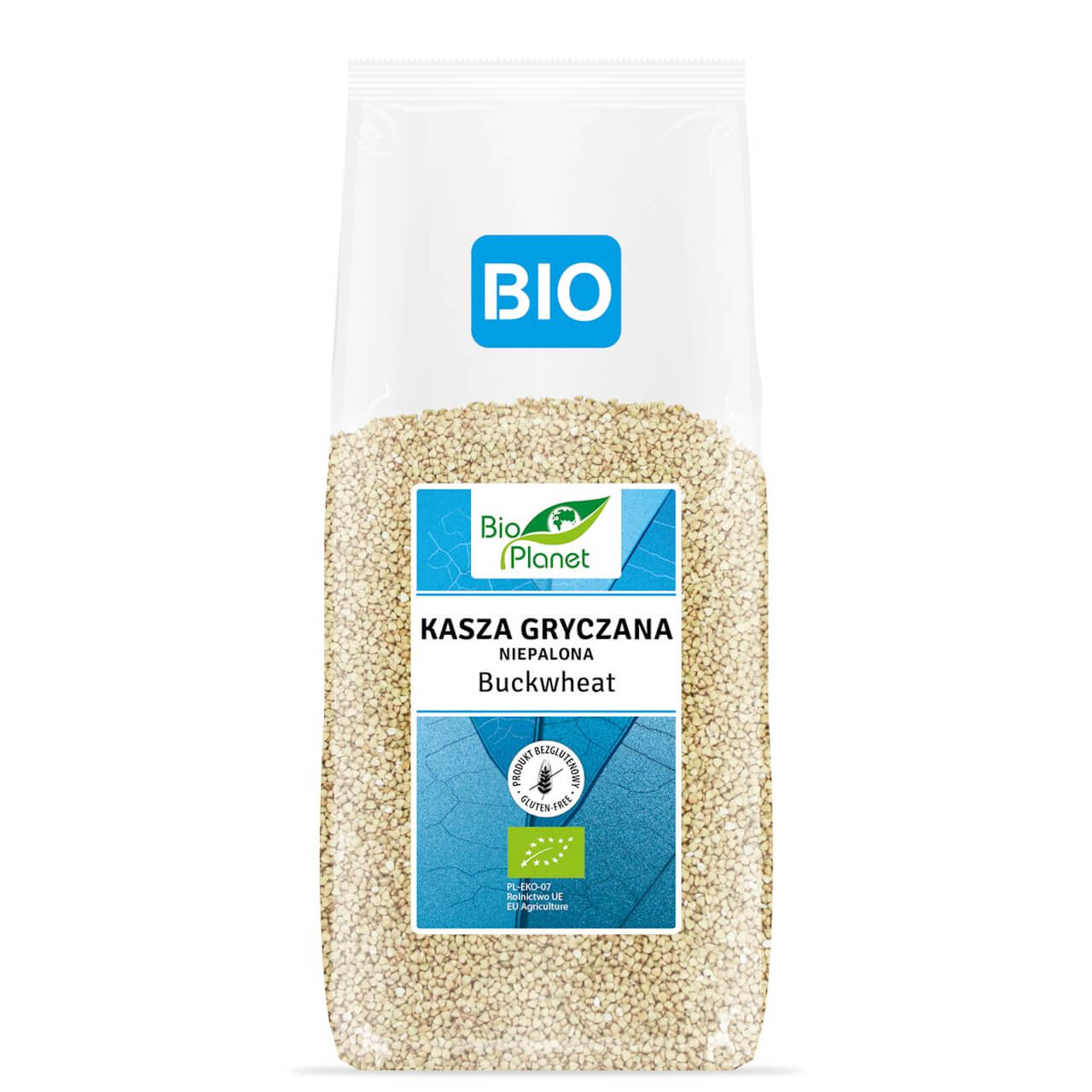
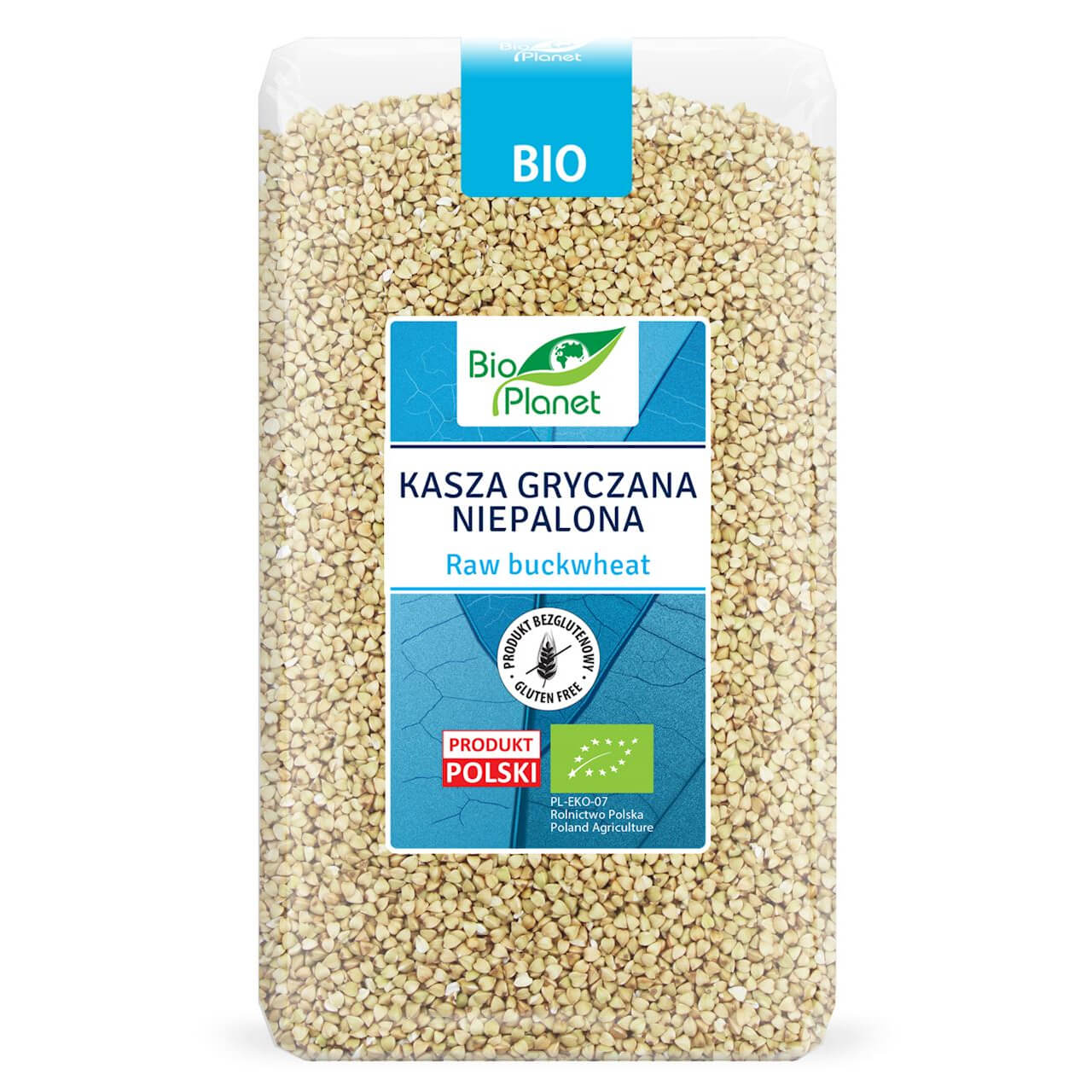
| Couscous, bulgur | Buckwheat groats, barley groats, millet groats | Buckwheat groats are a valuable substitute – available and cheap |
| Figs, pomegranates, citrus fruits | Apples, pears, plums, currants, blueberries, raspberries | Polish seasonal fruits are equally nutritious |
| Oregano, rosemary, basil (fresh) | Marjoram, thyme, lovage, dill, parsley | Marjoram is Polish oregano – tastes similar and is cheap |
Scroll right to see the full table (on mobile devices).
6.3. How to gradually change your cooking – evolution, not revolution of habits
The biggest mistake when implementing a new eating model is trying to change everything at once. The Mediterranean diet does not require a refrigerator revolution in one weekend – it works best as a gradual evolution of habits.
Several practical steps that can be introduced sequentially:
- Step 1: Change your cooking fat. Instead of butter and sunflower oil – extra virgin olive oil. This is one change that immediately shifts your diet towards the Mediterranean model.
- Step 2: Add legumes twice a week. Lentil soup, hummus as a bread spread, chickpea salad – requires no special culinary skills.
- Step 3: Replace one meat dish a week with fish. Canned mackerel with vegetables, baked salmon, herring with onions and olive oil – simple, quick, cheap.
- Step 4: Increase vegetable intake in every meal. The plate rule: half vegetables, a quarter grains, a quarter protein.
- Step 5: Replace processed snacks with nuts and fruits. A handful of almonds or walnuts instead of chips or a candy bar.
- Step 6: Cook with herbs instead of adding salt. Oregano (or marjoram), garlic, thyme – intensify flavor without needing the salt shaker.
📌 80/20 Rule: The Mediterranean diet is not a protocol requiring 100% adherence. If 80% of your food choices align with this model, the remaining 20% will not negate the benefits. This is a long-term pattern, not a weekly diet.

Organic Olive Oil Spray 200 ml - Vilgain
6.4. Meal planning – an example day
Instead of a detailed weekly schedule, here's an example of one day showing how the Mediterranean diet looks in Polish realities – without exotic products and without hours of cooking.
Breakfast: Greek yogurt with a handful of walnuts, a spoon of honey, and seasonal fruits (blueberries, raspberries, or sliced apple). Alternatively: fried eggs in olive oil with tomatoes and marjoram, wholemeal bread.
Lunch: Chickpea salad with roasted bell pepper, red onion, parsley, and an olive oil and lemon dressing. Alternatively: creamy lentil soup with wholemeal bread croutons.
Dinner: Baked mackerel or salmon fillet with buckwheat groats and stewed vegetables (zucchini, tomatoes, garlic) in olive oil. Alternatively: wholemeal pasta with tomato sauce, olives, and anchovies.
Snack: A handful of almonds or pistachios, fresh fruit.
Supper: Wholemeal bread with hummus, slices of tomato and cucumber, a hard-boiled egg, or a slice of sheep's cheese.
More specific recipes and ready-made meal ideas – breakfasts, lunches, dinners, and desserts – can be found in our article Mediterranean Recipes – 25 ideas for breakfasts, lunches, dinners, and desserts.
6.5. How much does the Mediterranean diet cost – is it an expensive eating model?
The common belief that the Mediterranean diet is expensive mainly stems from equating it with imported premium products: Kalamata olives, fresh seafood, Italian cheeses. Meanwhile, the pillars of this diet – legumes, seasonal vegetables, eggs, nuts, groats, canned fish – are some of the cheapest food products available in Poland.
The actual cost depends on how you interpret this diet. If you buy fresh salmon and first-press olive oil from a small producer in Crete every day – it will indeed be more expensive. If you build your menu on legumes, groats, seasonal vegetables, eggs, and canned mackerel, supplementing it with good olive oil (the only element worth not skimping on) – the total cost of food can even be lower than with a meat-based diet.
The only item where the expense is genuinely higher than with a standard Polish diet is precisely good quality extra virgin olive oil. This is an investment worth considering, given that it is the primary fat used for everything.
7. FAQ – most common questions about the Mediterranean diet
Is the Mediterranean diet suitable for everyone?
In short – yes. It is one of the few dietary models recommended for both the prevention of cardiovascular diseases, diabetes, and as a healthy eating pattern for individuals without specific medical indications. It can be used by adults of all ages, including the elderly and seniors. It only requires appropriate adaptation for specific conditions requiring an elimination diet (e.g., celiac disease, allergy to fish or nuts) – in such cases, it is worth consulting a dietitian.
Can you lose weight on the Mediterranean diet?
Yes, although it is not a diet designed as a weight-loss protocol. The high content of fiber, healthy fats, and plant protein promotes a long-lasting feeling of fullness and reduces snacking. Comparative studies show that the Mediterranean diet yields similar short-term weight reduction results as low-fat or low-carbohydrate diets, while being easier to maintain long-term. The key is to completely eliminate highly processed foods – this is usually the biggest factor in change.
How much olive oil should be consumed daily on the Mediterranean diet?
In the PREDIMED study, participants in the group adhering to the Mediterranean diet with extra virgin olive oil consumed at least 50 ml of olive oil daily – which is about 4 tablespoons. In practical cooking, there's no need to measure it: just use olive oil as the primary fat for cooking, frying, and dressings, avoiding butter and refined vegetable oils. Quality is more important than quantity – good EVOO is key here.
Can you eat pasta and bread on the Mediterranean diet?
Yes – provided they are whole-grain or minimally processed versions. Pasta and bread are an integral part of Mediterranean cuisine. White pasta and white bread are not forbidden, but in this model, they appear less frequently than whole-grain equivalents. Portion size and serving method are also important: pasta in Italian cuisine is usually a small portion with vegetables and olive oil, not a plate filled to the brim with meat sauce.
How long does it take to see effects from the Mediterranean diet?
Some effects – improved well-being, increased energy, fewer blood sugar fluctuations – may be noticeable after just a few weeks, especially if the previous diet was rich in processed foods. Measurable effects in studies – improved lipid profile, reduction of inflammatory markers – usually appear after 3-6 months of regular use. Long-term benefits, such as reduced risk of cardiovascular disease or dementia, result from a multi-year eating pattern, not a short-term intervention.
Is the Mediterranean diet the same as an anti-inflammatory diet?
They are not the same, although both models largely overlap. An anti-inflammatory diet is a broader concept describing an eating pattern that limits pro-inflammatory factors – it can take various forms. The Mediterranean diet is one such model that naturally exhibits anti-inflammatory effects due to its high content of polyphenols, omega-3 fatty acids, and fiber.
A detailed discussion of the anti-inflammatory diet – what to eat and what to avoid – can be found in the article Anti-inflammatory diet – what to eat and what to avoid? A practical guide.
8. Summary
The Mediterranean diet is the most thoroughly researched eating pattern in the world – and one of the few for which there is strong scientific evidence from randomized clinical trials, not just population observations. Its foundations are extra virgin olive oil, seasonal fruits and vegetables, legumes, fish, whole grains, and nuts and seeds – with limited red meat, processed foods, and simple sugars.
Health benefits primarily include the cardiovascular system, blood sugar management, inflammation, and brain health. But equally important is what the Mediterranean diet is in its essence: not a restrictive protocol, but a lifestyle based on wholesome products, seasonality, shared meals, and moderate physical activity integrated into daily life.
In Polish conditions, it can be adopted without exotic products – buckwheat groats instead of bulgur, herring instead of sardines, bryndza instead of feta. The barrier is rarely availability, more often habit. And habits change gradually – and that's precisely the point.
9. Sources
- Estruch R. et al. Primary Prevention of Cardiovascular Disease with a Mediterranean Diet Supplemented with Extra-Virgin Olive Oil or Nuts. New England Journal of Medicine, 2018. PMID: 29897866. pubmed.ncbi.nlm.nih.gov/29897866