Article updated on 28.05.2026
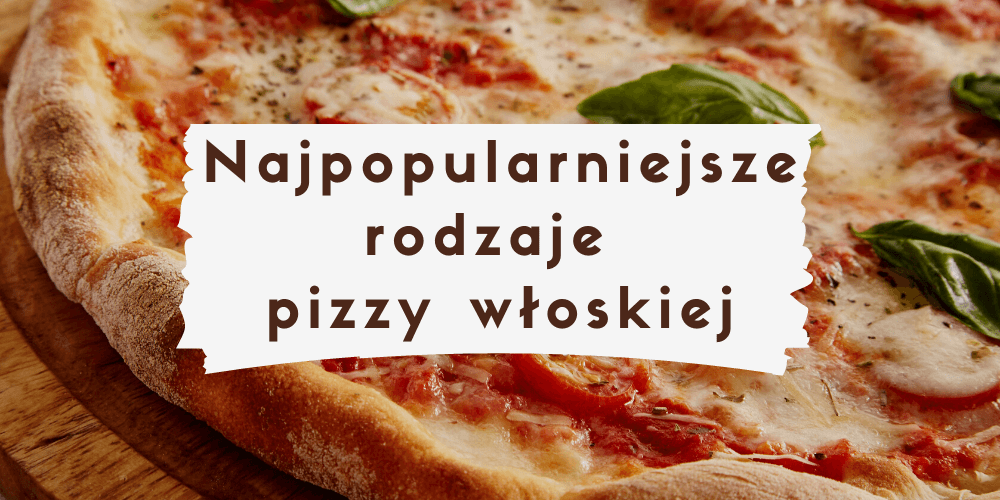
Italian pizza comes in dozens of regional styles, each differing in dough type, baking technique, and choice of ingredients. Neapolitan has a thin, elastic dough baked at very high temperatures, Roman is crispy and firm, Sicilian is thick and fluffy, and fried fritta is the street heritage of Naples.
In this article, you will find a detailed description of 12 classic Italian pizza styles, a practical guide to choosing flour for each, three recipes for homemade dough, and information on how Italian pizza differs from American pizza and how it fits into a balanced diet.

1. A brief history of Italian pizza
Pizza has a much longer history than one might think. Its roots date back to antiquity, and the journey from a simple flatbread to one of the world's most recognizable dishes lasted over two thousand years.
1.1. Ancient beginnings — from Greeks to Romans
The origins of pizza can be traced back to ancient Greece, where flatbreads called plakous were baked — they were brushed with olive oil and sprinkled with herbs, garlic, or cheese. These were cheap and filling dishes for ordinary people. When colonizing the south of the Apennine Peninsula, the Greeks brought this custom with them to Italy.
The Romans adopted the idea and developed it under the name focaccia. Flatbreads with various toppings — fish, meat, olives, or vegetables — were popular among soldiers and lower social classes. The word pizza first appeared in writing in a document from 997 AD from Gaeta in southern Italy, where it referred to a type of flatbread offered as a tribute.
1.2. The tomato that changed everything
For centuries, pizza remained a humble, local dish. The real revolution occurred only in the 16th century, when tomatoes, brought to Europe by the Spanish from South America, arrived. Initially, they were considered ornamental, and even poisonous plants — their culinary use became widespread in Italy only in the 18th century, first in Naples.
It was in Naples — a city full of poverty-stricken people looking for cheap and filling food — that pizza in the form we know today was born. Street vendors, called pizzaioli, baked flatbreads with tomato sauce and sold them on the streets. Naples became the cradle of modern pizza.
1.3. Margherita and the birth of a legend
A turning point in the history of pizza was the year 1889. Neapolitan pizzaiolo Raffaele Esposito from the pizzeria Pietro il Pizzaiolo prepared a special pizza for the arrival of Queen Margherita of Savoy. He used three ingredients symbolizing the colors of the Italian flag: tomato sauce (red), mozzarella (white), and fresh basil (green). He named the pizza after the queen — margherita — and thus one of the most classic culinary recipes in history was created.
1.4. How did pizza conquer the world?
In the late 19th and early 20th centuries, waves of Italian immigrants — mainly from the south of the country — reached the United States, Argentina, and other parts of the world, taking their culinary traditions with them. The first pizzeria in the USA, Lombardi's, opened in New York in 1905 and operates to this day.
After World War II, pizza spread rapidly. Americans developed their own styles — thicker crusts, more cheese, abundant toppings — and began to export this version back to Europe. Today, pizza is one of the most frequently ordered dishes in the world, and every culture has managed to create its own interpretation of this simple dish.
Italians view this with mixed feelings. In response to globalization and increasing standardization, the Associazione Verace Pizza Napoletana (AVPN) was established in Naples in 1984 to protect and certify the original Neapolitan pizza recipe. In 2017, the art of Neapolitan pizzaiuolo was added to the UNESCO Intangible Cultural Heritage list.
2. Types of Italian pizza — an overview of 12 classic styles
Italian pizza is not one recipe, but an entire family of different styles, each with its own history, region of origin, and strictly defined preparation rules. Below you will find a detailed description of the 12 most popular types — from the iconic Neapolitan to the fried fritta from the streets of Naples.
2.1. Neapolitan pizza — the queen of Italian pizzas
Neapolitan pizza is a benchmark for all other styles and one of the most recognizable symbols of Italian cuisine. Its recipe is strictly defined and protected by the AVPN (Associazione Verace Pizza Napoletana) association, and since 2017, the art of its baking has been included in the UNESCO Intangible Cultural Heritage list.
The dough is prepared exclusively from 00 flour, water, salt, and yeast — without fat or sugar. The key is a long fermentation time: a minimum of 8, optimally 24 hours. The dough is shaped exclusively by hand — a rolling pin is unacceptable. The pizza is baked in a wood-fired oven at a temperature of 450–485°C for just 60–90 seconds. The result is a soft, elastic dough with a slightly charred and bubbly edge (cornicione).
Originally, Neapolitan pizza comes in two variants: marinara (tomato sauce, garlic, oregano, olive oil — no cheese) and margherita (tomato sauce, mozzarella fior di latte or mozzarella di bufala, basil). No other toppings — in the traditional version, simplicity is the rule, not a compromise.

2.2. Roman pizza — thin and crispy
Roman pizza is the stylistic opposite of Neapolitan. The dough is much thinner, firmer, and crispier — after baking, it does not bend under the weight of the toppings and can be eaten without folding. The key difference in the recipe is the addition of olive oil to the dough and baking in an electric oven at a lower temperature (about 300–320°C) for a longer time.
In Rome, there are two main serving styles. The first is pizza tonda — round, served in a restaurant on a plate, whole for one person. The second is pizza al taglio (discussed in more detail in subheading 2.5) — baked on rectangular trays and sold by weight, in slices.
Typical flavor variants of Roman pizza include capricciosa (ham, mushrooms, olives, artichokes), diavola (salami, hot pepper), and quattro formaggi (four types of cheese). Tomato sauce is applied more sparingly than in the Neapolitan version, but the toppings are richer and more varied.
2.3. Sicilian pizza — thick and hearty
Sicilian pizza, also known as sfincione, comes from Palermo and is a completely different dish than Neapolitan or Roman pizza. It has a thick, fluffy crust baked in a rectangular pan, soaked in olive oil from below — which gives a slightly fried base effect. It resembles focaccia more than what most people imagine under the word pizza.
Traditional sfincione is covered with tomato sauce with onions, anchovies, caciocavallo cheese, and breadcrumbs — without mozzarella. Oregano and olive oil are an integral part. It's a street food — in Palermo, vendors wheel sfincione around on three-wheeled bikes, loudly praising their wares.
In Sicily, there is also pizza al padellino — baked in small, deep round molds, with an equally thick and fluffy dough. Outside Sicily, the term "Sicilian pizza" is sometimes used more broadly — in the USA, it usually means any thick pizza on a rectangular pan, regardless of the ingredients.

2.4. Pizza bianca — white pizza without tomatoes
Pizza bianca is literally "white pizza" — prepared without tomato sauce. In its most classic, Roman version, it consists only of dough, olive oil, coarse sea salt, and rosemary. It is crispy, light, and aromatic — more bread than pizza in the colloquial sense.
In Rome, pizza bianca is everyday bread — it is bought in bakeries by the piece or by weight and eaten as a snack, breakfast, or sandwich. It is popular to cut it lengthwise and fill it with cold cuts, cheese, or mortadella — thus creating one of Rome's favorite street foods.
Outside Rome, pizza bianca can be more elaborate: with mozzarella, ricotta cheese, arugula, truffles, or various vegetable variants. In Italy, each region has its own interpretation of white pizza, and the line between it and focaccia is often fluid.

2.5. Pizza al taglio — pizza sold by weight
Pizza al taglio (literally "pizza by the slice") is not so much a distinct dough style as a characteristic way of baking and selling deeply rooted in Roman culture. It is baked on large rectangular trays, then cut with scissors and sold to customers by weight — each chooses a piece with their chosen filling and pays proportionally to its weight.
The dough for pizza al taglio is slightly thicker than pizza tonda, but lighter and more aerated than Sicilian sfincione. Characteristic is the long, cold fermentation of the dough — often 48–72 hours in the refrigerator — which gives a unique flavor and digestibility despite its apparent thickness.
The choice of toppings is practically unlimited — from classic Margherita to combinations with vegetables, cheeses, and cold cuts, to versions with potatoes, zucchini, or eggplant. In a good Roman pizzeria al taglio, you can find a dozen different flavors displayed on the counter at the same time. This pizza style has gained great popularity outside Italy in recent years — you can find it today in many European cities.
2.6. Pizza caprese — a tribute to the Capri salad
Pizza caprese is a direct reference to the classic Caprese salad from the island of Capri — a combination of fresh tomatoes, mozzarella, and basil drizzled with olive oil. In the pizza version, the same ingredients land on a thin, crispy crust, creating a light and fresh dish.
The key to good Caprese pizza is the quality of the ingredients. Mozzarella di bufala (from buffalo milk) is used instead of cheaper fior di latte — its creaminess and distinct flavor are an indispensable part of this pizza's character. Tomatoes should be ripe and sweet, preferably served fresh after baking, not baked in the oven. Basil is always added after removing the pizza from the oven to preserve its aroma and color.
Caprese pizza is the most seasonal style among all discussed — it tastes best in summer when tomatoes are fully ripe. It often appears on the menu as pizza estiva (summer pizza), served in restaurants in coastal regions of Italy.

Pizza Spice BIO 30 g - Dary Natury
2.7. Pizza quattro stagioni — four seasons on one crust
Pizza quattro stagioni, or "four seasons," is one of the most distinctive Italian culinary inventions — a way to serve four different flavors simultaneously without mixing ingredients. The crust is visually divided into four equal quarters, each symbolizing a different season and having a different topping.
The traditional division is as follows: spring — artichokes, summer — tomatoes and basil or salami, autumn — mushrooms and olives, winter — ham and capers. All quarters share a common base of tomato sauce and mozzarella. In practice, the division of ingredients varies depending on the region and restaurant — the above arrangement is exemplary, but not the only one allowed.
Pizza quattro stagioni is particularly popular among those who cannot decide on one flavor, as well as in families with different preferences. It is baked on a thin crust in the Roman or Neapolitan style — both versions are commonly found.
2.8. Pizza al pesto — a green alternative to tomato sauce
Pizza al pesto replaces the classic tomato sauce with pesto alla genovese — an intense, green sauce from Genoa prepared with fresh basil, garlic, pine nuts, Parmesan (or Pecorino), and olive oil. This pizza originates spiritually from Liguria, although today it is popular throughout Italy.
Pesto is applied to the dough raw or lightly baked — it should never be exposed to high temperatures for long, as it loses its intense green color and fresh aroma. The most common toppings are mozzarella, sun-dried tomatoes, arugula, and Parmesan added after baking. Versions with shrimp, salmon, or cherry tomatoes can also be found.
Good pizza al pesto requires the highest quality pesto — preferably prepared at home from fresh basil. Industrial versions have too mild a taste that is lost after baking. This pizza is for people who like intense, herbal aromas and are looking for an alternative to classic, tomato-based compositions.
2.9. Pizza quattro formaggi — for cheese lovers
Pizza quattro formaggi is a proposal for those for whom mozzarella on pizza is definitely not enough. As the name suggests, it consists of four different cheeses — their selection varies, but the classic Italian version combines mozzarella, gorgonzola (blue cheese), parmigiano reggiano, and fontina or scamorza.
Each cheese contributes something different: mozzarella provides stretchiness and mildness, gorgonzola — intensity and a slight spiciness, Parmesan — saltiness and depth of flavor, fontina — creaminess and a delicate nutty taste. The pizza can be served with or without tomato sauce (in the bianca version), although the latter allows for better showcasing of the cheeses' flavor.
This is one of the more caloric and filling dishes in this compilation — recommended primarily as a main course, not a snack. In some regional versions, honey or walnuts are added as a counterpoint to the saltiness and spiciness of the cheese.
2.10. Focaccia — the matriarch of pizza
Focaccia is one of the oldest Italian baked goods and the direct predecessor of pizza. It is a thick, soft flatbread baked in a pan, with characteristic indentations on the surface (made with fingers before baking), generously drizzled with olive oil, and sprinkled with coarse sea salt. In its simplest form, it has no other toppings — and its strength lies precisely in this simplicity.
The most famous is focaccia alla genovese from Genoa, which is distinguished by its exceptionally thin, crispy crust and soft, moist interior. In Liguria, it is eaten for breakfast, often dipped in cappuccino — which can be a cultural shock for the rest of Italy. Other well-known versions include focaccia di Recco (with crescenza cheese inside a thin, unleavened dough) and focaccia barese from Puglia (with cherry tomatoes and olives).
Focaccia is also an excellent base for culinary experimentation at home. It can be enriched with onions, rosemary, olives, sun-dried tomatoes, cheese, or prosciutto — it always turns out filling and aromatic. In Poland, it is gaining increasing popularity as an alternative to traditional bread.

2.11. Calzone — folded pizza
Calzone is a pizza folded in half and sealed — the filling is inside, not on top. The name comes from the Italian word for trouser leg, which refers to the shape of the finished dish. Calzone originated in Naples, where it was popular as street food — the sealed filling allowed people to eat it on the go, without the risk of ingredients spilling out.
Classic calzone filling includes ricotta, mozzarella, ham, and salami. Before sealing, the dough is spread with tomato sauce on the inside or added after baking — alongside the calzone as a dip. The dough is identical to Neapolitan pizza dough, and the baking process takes longer because the filling needs to heat evenly from the inside.
Outside of Naples, calzone is baked in various sizes — from small, single-serving portions to large ones baked on trays and cut into pieces. There is also a fried version (calzone fritto), particularly popular in Neapolitan bars as a quick snack.

2.12. Pizza fritta — fried pizza from the streets of Naples
Pizza fritta is a fried version of pizza that was once much more popular in Naples than oven-baked pizza. After World War II, when many city residents could not afford firewood or oven rental, frying in oil became a cheaper and more accessible alternative. Pizza fritta was literally the food of the poor.
It is made from the same dough as Neapolitan pizza — it is formed into a round flatbread, filled (most often with ricotta, salami, or chicory with olives), folded in half, and the edges are tightly sealed. The whole thing is deep-fried in oil until it achieves a golden-brown, crispy crust. The result is surprisingly light — good yeast dough, when fried, is airy and doesn't absorb fat.
Pizza fritta gained worldwide fame thanks to Sophia Loren, who repeatedly mentioned in interviews that she ate it regularly as a child in post-war Naples. Today, it is experiencing a renaissance — it is served in trendy Neapolitan establishments as a conscious nod to the city's culinary heritage.

2.13. Comparison of 12 Italian Pizza Styles — Table
| Style | Region | Dough type | Characteristic ingredients | Baking technique | For whom |
|---|---|---|---|---|---|
| Neapolitan | Naples | Thin, soft, elastic | Tomato sauce, mozzarella, basil | Wood-fired oven, 450–485°C, 60–90 sec. | Lovers of classics and tradition |
| Roman | Rome | Very thin, firm, crispy | Diverse, capricciosa, diavola | Electric oven, 300–320°C | Those who like crispy dough and many toppings |
| Sicilian | Sicily (Palermo) | Thick, fluffy, rectangular | Anchovies, caciocavallo, onion, breadcrumbs | Baking sheet, electric or wood-fired oven | Those who like rich, substantial dishes |
| Bianca | Rome and all of Italy | Thin, crispy | Olive oil, salt, rosemary — no tomato sauce | Electric or wood-fired oven | Those who appreciate simplicity and herbal aromas |
| Al taglio | Rome | Medium, airy, rectangular | Any — a wide selection of flavors | Baking sheet, electric oven, 48–72h fermentation | Those who like to choose and try different flavors |
| Caprese | Campania / Capri | Thin, crispy | Buffalo mozzarella, fresh tomatoes, basil | Wood-fired or electric oven | Those who like fresh, summer flavors |
| Quattro stagioni | All of Italy | Thin or medium | Artichokes, mushrooms, ham, olives, capers | Wood-fired or electric oven | The indecisive and lovers of variety |
| Al pesto | Liguria | Thin, crispy | Pesto genovese, mozzarella, sun-dried tomatoes | Wood-fired or electric oven | Those who like intense, herbal flavors |
| Quattro formaggi | All of Italy | Thin or medium | Mozzarella, gorgonzola, parmesan, fontina | Wood-fired or electric oven | Cheese lovers and those who like intense flavor |
| Focaccia | Liguria (Genoa) | Thick, soft, fluffy | Olive oil, salt, rosemary, olives, tomatoes | Baking sheet, electric or wood-fired oven | Those who like soft bread and simple flavors |
| Calzone | Naples | Like Neapolitan — folded in half | Ricotta, mozzarella, ham, salami | Wood-fired or electric oven | Those who like stuffed, hearty dishes |
| Fritta | Naples | Like Neapolitan — folded in half | Ricotta, salami, chicory, olives | Deep-fried in oil | The curious and street food lovers |
Scroll right to see the full table (on mobile devices) →
3. Italian vs. American Pizza — What's the Difference?
Pizza arrived in the United States with Italian emigrants at the turn of the 19th and 20th centuries. Over the following decades, Americans transformed it into something completely new — and while the inspiration is the same, Italian and American pizza are now two distinct worlds. The differences concern almost every element: dough, ingredients, flavor philosophy, and eating style.
3.1. Flavor Philosophy — Less is More vs. Abundance
The fundamental difference between Italian and American pizza lies not in the recipe, but in the approach to eating. Italian pizza is based on the principle of "less is more" — what matters is the quality of each ingredient, its freshness, and the way flavors complement each other. Classic Margherita has three ingredients and is considered the pinnacle of a pizzaiolo's skill. Overloading pizza with toppings in Italy is a sign of bad taste, not generosity.
American pizza goes in the opposite direction. An abundance of toppings, a thick layer of cheese, rich sauce, and diverse fillings are signals of quality and value for the customer. Pizza should be filling, intense in flavor, and visually appealing. This is a cultural difference, not a culinary mistake — each approach is consistent with its own tradition.
3.2. Main American Pizza Styles
Just as Italy developed dozens of regional styles, the United States has its own deeply rooted regional traditions:
- New York Style — thin, flexible crust on large, round slices that are folded lengthwise before eating. The dough is chewy, not crispy. A generous amount of tomato sauce and mozzarella. Considered the closest to Italian roots among American styles.
- Chicago Deep Dish — pizza baked in a deep, round pan with high sides. The dough is thick and buttery, more like shortcrust pastry than yeast dough. Ingredients are layered in reverse order: first cheese, then toppings, finally tomato sauce. A single serving can weigh up to a kilogram.
- Detroit Style — rectangular pizza baked in a steel pan, with a very thick, fluffy crust and crispy, caramelized cheese edges. Tomato sauce is applied on top after baking, in two parallel stripes. It is gaining increasing popularity outside the USA.
- California Style — thin crust with unusual, often seasonal toppings: avocado, salmon, arugula, figs, or goat cheese. Pizza treated as a base for culinary creativity, without attachment to tradition.
3.3. Italian vs. American Pizza — Comparison
| Feature | Italian Pizza | American Pizza |
|---|---|---|
| Dough thickness | Thin or medium (exceptions: sfincione, focaccia) | From thin (NY) to very thick (Chicago deep dish) |
| Amount of cheese | Moderate, cheese does not dominate the flavor | Large, cheese is the main ingredient |
| Number of toppings | Few, carefully selected | Many, often combined without limits |
| Tomato sauce | Light, made from fresh tomatoes, uncooked | Thick, cooked, heavily seasoned |
| Baking temperature | Very high (400–485°C in a wood-fired oven) | Lower (220–290°C in an electric oven) |
| How to eat | By hand (Neapolitan), with fork and knife (Roman) | By hand, often from a box |
| Philosophy | Ingredient quality, simplicity, tradition | Abundance, variety, satiety |
| Portion size | One pizza = one person | One pizza = several people (exception: NY slice) |
Scroll right to see the full table (on mobile devices) →
4. What flour to choose for a specific type of pizza?
Flour is the most important ingredient in dough — it determines its structure, flavor, elasticity, and whether the pizza will be crispy, soft, or fluffy. Choosing the right flour depends on the type of pizza you want to prepare. Below is a practical guide tailored to specific styles.
4.1. Type 00 and Type 0 Flour — for Neapolitan and Caprese Pizza
Type 00 flour is the Italian standard and a benchmark for Neapolitan pizza dough. It is very finely milled, snow-white, and has a high gluten content (usually 11–13%), which gives the dough exceptional elasticity and resilience. Well-risen dough made from type 00 flour stretches without tearing, creates a delicate, slightly bubbly crust, and remains soft inside even after a short bake at very high temperatures.
Type 0 flour is its close equivalent — slightly coarser ground, but equally suitable for pizza dough. Both types are available in organic, BIO-certified versions, ensuring the quality of the ingredient without unnecessary additives.

Organic Wheat Flour Type 0 for Pizza 1 kg - Alce Nero
The Polish equivalent of type 00 flour is wheat flour type 450 or 500. It has similar properties — finely milled, light color, high gluten content — and can successfully replace authentic Italian flour in homemade recipes. It works well for Neapolitan pizza, as well as caprese or thin al pesto pizza.

Organic Wheat Flour Type 500 1 kg - Młyn Kopytowa
4.2. Wheat flour type 750 — for Roman pizza and pizza al taglio
Pizza romana and pizza al taglio have a crispier, firmer crust than Neapolitan pizza. For their preparation, wheat flour type 750 works well — it's darker, with more bran and minerals than type 500. The dough is slightly heavier and less elastic, but after baking at a lower temperature, it yields a characteristic hard crust and a dry base.
Type 750 flour also gives the dough a more distinct, fuller flavor — which pairs well with the rich, diverse toppings typical of the Roman style. For pizza al taglio with long fermentation, it can be mixed 1:1 with type 500 flour to achieve an airy dough with a pronounced character.

Organic Bread Wheat Flour Type 750 1 kg - Młyn Kopytowa
4.3. Organic Spelt Flour — a lighter alternative to wheat
Spelt is an ancient variety of wheat with a more complex flavor profile and a slightly different gluten structure. Spelt flour contains gluten, but it is more brittle and less elastic than in wheat flour — spelt dough requires gentler kneading and shorter fermentation time, as it can easily over-ferment.
In practice, spelt flour works best for pizza bianca, focaccia, and pizza with a small amount of moist toppings. The dough is light, aromatic, and has a pleasant, slightly nutty taste. The light version (type 650) behaves most similarly to wheat flour and is easiest for beginners to work with.

Organic Light Spelt Flour Type 650 1 kg - Młyn Kopytowa
4.4. Rye and Whole Wheat Flour — for richly flavored pizza
Rye and whole wheat flour contain little gluten, making the dough denser, heavier, and harder to knead. They are not suitable for Neapolitan or thin pizza — but they are excellent as an addition to dough for sfincione, Sicilian pizza, or thick focaccia. A mixture of 20–30% rye or whole wheat flour with type 500 wheat flour gives the dough depth of flavor and a distinct aroma without sacrificing proper structure.
Using rye flour alone for pizza requires experience — the dough does not rise like wheat dough and requires a longer fermentation time. However, the taste of the finished pizza is distinct and very different from the classic version. The collection of organic flours and starches in our store includes both rye and whole wheat flour in certified organic versions.
4.5. Gluten-Free Flours — for wheat-free pizza
Gluten-free pizza dough is a separate category, requiring a different approach than classic recipes. The absence of gluten means there is no natural binder — the dough doesn't hold together on its own, and it becomes crumbly and brittle after baking. To achieve a good consistency, gluten-free flours are combined with binding ingredients: egg, guar gum, psyllium husk, or flaxseed.
The most popular gluten-free flours for pizza are:
- Organic Rice Flour — neutral in taste, yields a light and delicate dough. Best as a base in gluten-free blends.
- Organic Buckwheat Flour — gluten-free, with an intense, nutty flavor. The dough is crumbly and dry — it's worth mixing it with rice flour in a 1:2 ratio.
- Organic Corn Flour — produces a yellowish, crispy dough. Works well in mixtures as an element that provides structure.
- Ready-made gluten-free flour mixes — the most convenient option for those starting their gluten-free pizza journey.

Gluten-Free Pizza Baking Mix 250 g - Pięć Przemian
4.6. Which flour for which pizza? — table
| Type of flour | Gluten content | Dough characteristic | Best for | Difficulty |
|---|---|---|---|---|
| Wheat type 00 / 0 / 500 | High (11–13%) | Elastic, soft, delicate | Neapolitan, caprese, al pesto, calzone | ⭐⭐ easy |
| Wheat type 750 | Medium–high | Crispy, distinct, fuller | Romana, al taglio, quattro stagioni | ⭐⭐ easy |
| Light spelt (type 650) | Medium | Light, aromatic, subtly nutty | Bianca, focaccia, al pesto | ⭐⭐⭐ medium |
| Whole wheat / rye | Low–medium | Heavy, dense, intensely flavored | Sicilian, focaccia, as an addition to mixtures | ⭐⭐⭐⭐ hard |
| Organic rice | None | Light, neutral, crumbly | Base for gluten-free mixtures | ⭐⭐⭐ medium |
| Organic buckwheat | None | Crumbly, intensely flavored, grayish | Gluten-free mixtures, richly flavored pizza | ⭐⭐⭐⭐ hard |
| Organic corn | None | Crispy, yellowish, slightly sweet | Gluten-free mixtures, crispy pizza | ⭐⭐⭐ medium |
Scroll right to see the full table (on mobile devices) →
5. How to make pizza dough at home?
Homemade pizza dough doesn't require specialized equipment or years of experience. However, it does require time — and that's the only thing that cannot be skipped. Below you'll find recipes for the three most popular dough styles that you can easily make in your home kitchen, along with a few rules that apply to each of them.
5.1. A few rules that apply to every dough
Before you dive into specific recipes, it's worth knowing a few common rules for all styles:
- Water matters. Use water at a temperature of 20–24°C for the dough. Too hot kills the yeast, too cold slows down fermentation. The best is still, filtered, or bottled water — chlorine from tap water can negatively affect yeast activity.
- Salt and yeast separately. Never combine salt directly with yeast — salt can kill them and stop the fermentation process. Dissolve the yeast in water first, then add salt to the flour.
- Kneading builds gluten. The longer and more thoroughly you knead the dough, the better developed the gluten network — the dough will be more elastic and easier to stretch. A minimum of 8–10 minutes by hand.
- Fermentation = flavor. The dough rising time is not just about volume — it's primarily about developing aromas. Dough that rises overnight in the refrigerator tastes much better than the same dough that rises for an hour at room temperature.
- Stretch the dough, don't roll it. A rolling pin destroys the air bubbles created during fermentation and makes the baked dough hard and flat. Stretch it by hand, starting from the center and moving your hands towards the edges.
5.2. Neapolitan dough — classic and elastic
This is the most demanding dough of all, but also the one that yields the best results. The key is long, cold fermentation and high baking temperature — in a home oven, bake at maximum temperature, preferably on a pizza stone or preheated baking sheet.
Ingredients for 2 pizzas (approx. 30 cm diameter):
- 500 g organic wheat flour type 00, 0 or 500
- 325 ml water (65% hydration)
- 10 g salt
- 2 g fresh yeast (or 0.5 g dry)
Preparation:
- Dissolve the yeast in water. Put the flour into a bowl, add salt and mix. Pour in the water with yeast and knead the dough for 10–12 minutes until smooth and elastic.
- Form a ball, cover with cling film, and leave at room temperature for 1 hour.
- Divide into 2 equal parts, form balls, place in a sealed container and refrigerate for 24–48 hours (minimum 8 hours).
- 2 hours before baking, remove the dough from the refrigerator to reach room temperature.
- Stretch by hand into a round disc, add toppings, and bake at the oven's maximum temperature (250–270°C) for 7–10 minutes.

5.3. Roman style dough — thin and crispy
Roman dough differs from Neapolitan by the addition of olive oil, lower hydration, and baking method — at a lower temperature for a longer time. The result is a hard, crispy crust that doesn't bend under the weight of toppings.
Ingredients for 2 pizzas (rectangular, approx. 30×40 cm):
- 500 g organic wheat flour type 500 or 750
- 280 ml water (56% hydration)
- 15 g extra virgin olive oil
- 10 g salt
- 3 g fresh yeast (or 1 g dry)
Preparation:
- Dissolve yeast in water. Combine flour with salt, add water with yeast, and knead for 8 minutes. Towards the end of kneading, pour in olive oil and knead for another 2 minutes.
- Cover and let rest for 30 minutes at room temperature, then refrigerate for 12–24 hours.
- Remove from the refrigerator 1 hour before baking. Roll out or stretch by hand into a thin rectangle, place on a baking sheet lined with parchment paper.
- Add toppings and bake at 220–230°C for 12–15 minutes, until the edges are golden brown.
5.4. Pizza al taglio dough — fluffy with a crispy bottom
Pizza al taglio dough has higher hydration than other styles — making it more aerated and lighter despite its apparent thickness. Kneading wet dough by hand is harder; here, the stretch and fold technique is used instead of traditional kneading.
Ingredients for 1 large baking tray (approx. 30×40 cm):
- 500 g organic wheat flour type 500
- 400 ml water (80% hydration)
- 12 g salt
- 2 g fresh yeast (or 0.5 g dry)
- 20 g olive oil
Preparation:
- Dissolve yeast in half of the water. Mix flour with salt, add water with yeast and the rest of the water, mix with a spoon until ingredients are combined — the dough will be very wet and sticky.
- Every 30 minutes for 2 hours, perform a stretch and fold: with wet hands, lift the dough from one side, stretch it upwards, and fold it into the center. Repeat from all four sides. The dough will become increasingly elastic after each round.
- After the last fold, refrigerate for 24–72 hours. The longer, the better the flavor.
- Remove from the refrigerator 2 hours before baking. Transfer to a well-oiled baking tray and gently stretch with your fingers to its edges — do not roll.
- Add toppings and bake at 230–250°C for 15–20 minutes.
5.5. Comparison of the three dough styles
| Parameter | Neapolitan | Roman | Al taglio |
|---|---|---|---|
| Hydration | 65% | 56% | 80% |
| Olive oil in dough | No | Yes | Yes |
| Fermentation time | 24–48 h (fridge) | 12–24 h (fridge) | 24–72 h (refrigerator) |
| Baking temperature | 250–270°C | 220–230°C | 230–250°C |
| Baking time | 7–10 min | 12–15 min | 15–20 min |
| Difficulty | ⭐⭐⭐ medium | ⭐⭐ easy | ⭐⭐⭐⭐ difficult |
| For whom | For those who like classics | For beginners | For experienced |
Scroll right to see the full table (on mobile devices) →
6. Nutritional values of pizza — what you should know?
Pizza has a reputation as heavy, fattening food — and while in some versions this is justified, the picture is much more varied. The nutritional composition of pizza depends primarily on three factors: the type and thickness of the dough, the amount and type of cheese, and the choice of toppings. The same ingredients in different proportions result in a completely different nutritional profile.
6.1. Dough — carbohydrates and fiber
Dough is the dominant source of carbohydrates in pizza. In the case of wheat dough made from type 00 or 500 flour, these are mainly simple carbohydrates with a high glycemic index — energy is released quickly. Long fermentation (24–72 hours) partially changes this picture: bacteria and yeasts break down some of the starch and sugars, which can lower the glycemic index of the finished dough compared to its quickly risen counterpart.
Whole-grain or rye flour dough contains significantly more dietary fiber, which slows down sugar absorption and keeps you feeling full longer. Whole-grain pizza is also more satiating for the same weight — which naturally encourages eating smaller portions.
6.2. Cheese — protein and fat
Mozzarella, which is the basis of most pizzas, primarily provides protein and fat. Mozzarella fior di latte (from cow's milk) has a moderate fat content — lower than hard cheeses such as Parmesan or Gorgonzola. Mozzarella di bufala (from buffalo milk) is slightly fattier, but also richer in calcium and protein.
Pizza quattro formaggi is a completely different league in terms of calories — four cheeses, including Gorgonzola and Parmesan, result in significantly higher saturated fat and sodium intake per serving. It's not a dish to eat every day, but in the context of a balanced diet, once in a while it's not a problem.
6.3. Toppings — where the biggest difference lies
It is the choice of toppings that most differentiates the nutritional profiles of individual pizzas. A few examples showing how large these differences are:
- Pizza marinara (tomato sauce, garlic, oregano, olive oil — no cheese) is one of the lightest options. Tomato sauce is a source of lycopene — an antioxidant whose absorption improves after heat treatment. This is one of the few pizzas that can be eaten in larger quantities without significant caloric burden.
- Pizza caprese with mozzarella di bufala and fresh tomatoes provides good protein, calcium, and vitamin C from fresh vegetables — with moderate calories, provided the dough is thin.
- Pizza with vegetables (zucchini, eggplant, bell pepper, spinach) significantly increases the fiber, vitamin, and mineral content of the meal. Vegetables on pizza are often baked, which intensifies their flavor without the need for a lot of cheese.
- Pizza with salami, pepperoni, or sausage has a higher content of saturated fat and sodium — especially in versions with a lot of processed meat. In reasonable amounts, it's not a problem, but it's worth supplementing regular consumption of such versions with lighter meals throughout the day.

6.4. Can pizza be part of a balanced diet?
Yes — and it doesn't require any culinary compromises. Neapolitan pizza in its classic form is a relatively simple dish: thin dough, a moderate amount of cheese, and unprocessed ingredients. Italians eat it regularly and do not treat it as an occasional or forbidden food.
A few practical tips that improve the nutritional profile of homemade pizza without affecting the taste:
- Long dough fermentation — 24–72 hours in the refrigerator instead of quick rising in warmth. The dough is easier to digest and tastier.
- Organic flour from a good source — without improvers and preservatives. In the case of whole-grain or spelt flour — additional fiber and minerals.
- More vegetables, less processed meat — a simple way to increase nutritional value while lowering calories.
- Quality cheese instead of quantity — good mozzarella di bufala or fresh Parmesan in moderate amounts give more flavor than a large amount of cheap processed cheese.
- Olive oil instead of other fats — both in the dough and as a finish for the ready pizza.
6.5. Homemade vs. restaurant and frozen pizza
The greatest advantage of homemade pizza over restaurant and frozen pizza is control over the ingredients. Industrial frozen pizzas often contain significant amounts of salt, hydrogenated fats, stabilizers, and flavor enhancers — which affects both the taste and the overall nutritional profile of the product. Restaurant pizza is better in this regard, but also varies greatly in quality.
Homemade pizza made with organic flour, good cheese, and fresh vegetables is a meal that, with the right proportions, fits perfectly into a balanced diet — both in terms of nutrients and calories.
FAQ — frequently asked questions
What is the difference between Margherita and Neapolitan pizza?
Neapolitan pizza refers to the dough style and baking method — thin, elastic dough baked in a wood-fired oven at a very high temperature. Margherita, on the other hand, is a specific recipe for the topping: tomato sauce, mozzarella, and basil.
Margherita is one of two classic variants of Neapolitan pizza (alongside marinara) — so it can be said that every authentic Margherita is Neapolitan, but not every Neapolitan pizza has to be a Margherita.
Do you need a pizza stone for home baking?
A pizza stone definitely improves results, but it's not essential. Its main advantage is accumulating heat and transferring it to the dough from below — which mimics the effect of a wood-fired oven.
In a home oven, a thick steel baking sheet or a regular baking sheet heated with the oven for at least 30–45 minutes before baking is a good substitute. Pizza placed on a hot baking sheet will have a distinctly crispy bottom even without a stone.
Can pizza dough be made with sourdough?
Yes — sourdough pizza (also known as pizza a lievitazione naturale) is increasingly popular both in Italy and beyond. Wheat sourdough replaces yeast and gives the dough a distinctly more complex, slightly sour taste and very good digestibility. However, it requires much longer fermentation — usually 24–48 hours — and some experience working with sourdough.
For those starting their adventure with homemade pizza, yeast is a better starting point.
Can pizza dough be frozen?
Yes, pizza dough freezes very well. It is best to freeze it after the first fermentation — shaped into balls, each individually wrapped in cling film. Before use, simply transfer the ball to the refrigerator overnight, and then take it out at room temperature 1–2 hours before baking.
The taste and structure of the dough after thawing are very similar to fresh dough — it's a convenient way to prepare a larger batch of dough in advance.
Is focaccia a type of pizza?
It depends on the definition. Historically, focaccia is older than pizza and considered its predecessor — both baked goods come from the same tradition of flat, yeast bread. Nowadays, focaccia and pizza are distinct products with different recipes and baking techniques.
In Italy, no one orders focaccia instead of pizza — it's a completely different culinary experience, although the line can be blurred, especially with white pizza bianca.
Does gluten-free pizza taste the same as traditional pizza?
Honestly — no. Gluten-free dough has a different structure, stretches differently, and bakes differently. Good gluten-free pizza can be very tasty, but it is a different product, not an identical substitute. The best results are achieved with mixtures of several gluten-free flours (e.g., rice, corn, and starch) with the addition of psyllium husk or egg as a binder. It is also worth accepting that gluten-free dough is often slightly thinner and crispier than wheat dough.
Summary
Italian pizza is not just one recipe, but an entire culinary culture with centuries of history and dozens of regional interpretations. From the thin and elastic Neapolitan, through the crispy Roman, the hearty Sicilian sfincione, to the fried fritta from Neapolitan streets — each style has its own identity, its own rules, and its own ardent supporters.
What connects all Italian pizzas is the philosophy of ingredient quality. Good flour, ripe tomatoes, fresh mozzarella, and proper dough fermentation time — this is the foundation on which each of the discussed styles is based. In a home kitchen, you don't need a wood-fired oven or an AVPN certificate to bake a pizza that tastes really good. You need good dough and patience.
If you want to start with the basics, reach for organic wheat or spelt flour with a BIO certificate — this is the simplest way to improve the quality of homemade pizza without any compromise on taste. And if you are interested in broader Italian cuisine, also check out our offer of organic pasta — another pillar of Italian culinary tradition.