The best-documented herbs for dry and sensitive skin are calendula, chamomile, and aloe; for oily skin — rockrose and sage; for mature skin — green tea and horsetail. Each works through a specific biochemical mechanism — mucilage, tannins, flavonoids, or antioxidants — and effectiveness depends on matching the herb to the skin type and the appropriate method of use.
Herbs can be used externally (toners, macerates, compresses) and internally (infusions, extracts, capsules) — both approaches are complementary but work at different times and levels. Topical preparations show effects within a few days, while internal herbs take 4–12 weeks of regular use.
This article is a guide to herbs selected for four main skin types: dry, oily, mature, and sensitive. You will find mechanisms of action of specific active substances, practical tips on forms and dosages, comparative tables, and information on safety and contraindications. The article covers general skincare — if your main concern is acne, refer to a separate article dedicated solely to this issue.
1. How herbs affect the skin — externally and internally
1.1. Skin as a reflection of the body's condition
The skin does not function in isolation from the rest of the body. Its condition is closely linked to the state of the intestines, the endocrine system, and the level of chronic inflammation. Disturbances in the gut microbiome can exacerbate problems such as acne, psoriasis, or atopic dermatitis — this mechanism is referred to as the gut-skin axis. Similarly, elevated cortisol (the stress hormone) accelerates collagen degradation and increases skin reactivity.
Therefore, effective herbal support for the complexion often includes not only topically applied preparations but also herbs that act systemically — on the liver, hormonal balance, or microbiome.
1.2. Active substances in herbs acting on the skin
The action of herbs on the skin results from specific groups of chemical compounds. Knowledge of these substances allows for conscious selection of herbs for a specific skin type and problem:
- Tannins (sage, rockrose, oak bark) — have astringent properties, reduce sebum secretion, and seal blood vessels. Recommended for oily skin and enlarged pores.
- Mucilage (marshmallow, linden, aloe) — forms a protective layer on the skin's surface, reduces irritation, and limits transepidermal water loss (TEWL). Recommended for dry and sensitive skin.
- Flavonoids (chamomile, calendula, green tea) — powerful antioxidants, neutralize free radicals, inhibit inflammatory mediators. Provide protective action for reactive and mature skin.
- Saponins (calendula, licorice) — facilitate the penetration of other active substances, exhibit mild anti-inflammatory and antibacterial effects.
- Allantoin (comfrey) — accelerates epidermal regeneration, has keratolytic and soothing properties. Effective for skin prone to irritation and slow-healing lesions.
- Essential oils (lavender, tea tree) — have antibacterial and antiseptic properties. Always used diluted; unsuitable for sensitive skin in higher concentrations.
1.3. External vs. internal use — when each approach makes sense
Herbs used externally act faster and locally — sage toner will have an astringent effect after just a few applications. However, for problems with deeper causes (hormones, inflammation, microbiome disorders), external action alone is insufficient. Herbs used internally work slower — effects are visible after 4–12 weeks of regular use — but address the root of the problem.
The best results come from combining both approaches: external for local effects and internal for systemic support. An exception is sensitive skin with contact allergies — here, caution in selecting external preparations is a priority, and internal herbs (e.g., chamomile, nettle) may be a safer first line of support.

1.4. Which herbs for which skin type? — table
| Skin type / problem | External herbs | Internal herbs |
|---|---|---|
| Dry and irritated skin | Aloe, marshmallow, calendula, chamomile, linden | Marshmallow, linden, chamomile |
| Oily and combination skin | Rockrose, sage, horsetail | Nettle, rockrose, dandelion |
| Mature skin | Green tea, horsetail, St. John's wort oil | Ashwagandha, horsetail, green tea |
| Sensitive and reactive skin | Chamomile, calendula, lavender (diluted), marshmallow | Chamomile, nettle, linden |
| Acne and blackhead-prone skin | Tea tree, rockrose, sage, calendula | Chasteberry, burdock, nettle, dandelion |
Scroll right to see the full table (on mobile devices) →
2. Herbs for dry and irritated skin
2.1. Aloe (Aloe vera) — hydration and regeneration
Aloe is one of the most well-researched herbs in dermatology. The gel contained in its leaves is over 98% water, with the remainder consisting of polysaccharides (mainly acemannan - aloe polysaccharide), amino acids, B vitamins, and phenolic compounds. Acemannan forms a protective film on the skin's surface, limiting transepidermal water loss (TEWL) without clogging pores. Aloe's moisturizing effect is well-documented — studies confirm its effectiveness in alleviating skin dryness and accelerating the healing of superficial irritations and sunburns.
Externally, it is used as a gel, toner, or a component of creams. Internally — aloe juice can support the mucous membranes of the intestines, which indirectly affects skin condition via the gut-skin axis, although the effects are much less documented here. When choosing a gel for topical application, it is worth checking the ingredients: the higher the percentage of aloe juice (preferably as the first INCI ingredient), the better.

2.2. Marshmallow (Althaea officinalis) — skin barrier protection
The root and leaves of marshmallow contain a high concentration of plant mucilage — polysaccharides that form a sticky, protective coating on the surface of mucous membranes and skin. This action is described as demulcent — soothing and relieving irritated tissues. Externally, an infusion of marshmallow root is used as a compress or toner for dry, flaky, and irritation-prone skin. Internally (infusion, syrup), it supports the mucous membrane of the intestines and upper respiratory tract.
Marshmallow is one of the milder dermatological herbs — it does not cause photosensitivity or irritation, making it a safe choice even for very reactive skin. The EMA classifies it as a herbal medicinal product with traditionally documented use in relieving irritation of mucous membranes and skin.
2.3. Calendula (Calendula officinalis) — healing and anti-inflammatory action
Calendula contains triterpene saponins, flavonoids (including quercetin and isorhamnetin), carotenoids, and essential oil. The combination of these substances provides an anti-inflammatory effect, accelerates epidermal regeneration, and has a mild antibacterial action. In clinical studies, calendula has shown efficacy in accelerating wound healing and alleviating skin inflammation, including radiation dermatitis in oncology patients.
Used externally in the form of an infusion (compresses, toner), oil macerate, or ready-made creams and ointments. Calendula ointment is one of the classic preparations for dry, cracked, and irritation-prone skin. It is worth noting that calendula belongs to the Asteraceae family — people allergic to pollen from this family (chamomile, arnica, dandelion) should exercise caution on first contact.

Ziołun: Marigold Oil 60 ml - Tyma Herbs
2.4. Common Chamomile (Matricaria chamomilla) — bisabolol and soothing
Chamomile essential oil contains α-bisabolol and chamazulene — compounds with strong anti-inflammatory and soothing effects. Chamazulene (responsible for the characteristic blue color of the essential oil) inhibits the synthesis of prostaglandins and leukotrienes, which are mediators of inflammation. Bisabolol accelerates epidermal regeneration and reduces skin reactivity to irritating factors.
Chamomile is effective for dry, sensitive, reddened skin, as well as for mild irritations and itching. Externally, it is used in the form of an infusion (compress, toner, bath), cream extract, or oil. Internally — as an infusion — it has antispasmodic and mild anti-inflammatory effects on the digestive tract, which can indirectly affect skin condition in cases of gut microbiome problems.
For sensitive skin, it is advisable to use the infusion in a lower concentration (1 teaspoon per 200 ml of water) to avoid possible irritation from the essential oil.

Organic Chamomile Basket Tea 25 g - Dary Natury
2.5. Linden (Tilia cordata) — soothing and moisturizing action
Linden flowers contain mucilage, flavonoids (tiliroside, quercetin), essential oil, and small amounts of tannins. The mucilage has a soothing effect on irritated skin, while flavonoids strengthen blood vessels and have antioxidant properties. Externally, an infusion of linden flowers is used as a toner for sensitive, dry, and reactive skin — it alleviates redness and reduces the feeling of tightness.
Linden is one of the most underrated herbs in skincare. Its action is milder than that of chamomile or calendula, but this makes it exceptionally safe and rarely causes allergic reactions. Internally, it is primarily used as a diaphoretic and calming agent, which can indirectly have a beneficial effect on reactive skin exacerbated by stress.
💡 Practical tip
When preparing a herbal toner for dry skin, you can combine chamomile flowers, linden flowers, and marshmallow root in a 1:1:1 ratio. Infuse 2 tablespoons of the mixture in 200 ml of water, wait 15 minutes, strain, and use after cooling as a toner after cleansing your face. Store in the refrigerator for up to 3 days.
3. Herbs for oily and combination skin
3.1. Rockrose (Cistus incanus) — polyphenols and sebum regulation
Rockrose is one of the most valuable herbs for oily and blemish-prone skin. The herb contains exceptionally high concentrations of polyphenols — primarily proanthocyanidins and phenolic acids — which act on multiple levels: they limit the activity of bacteria inhabiting the skin's surface, reduce inflammation, and regulate sebum secretion by influencing the activity of sebaceous glands. The astringent action of rockrose is milder than sage, making it a good choice for combination skin, where we do not want to over-dry dry areas.
Externally, an infusion of the herb is used as a toner or a component of masks. Internally, rockrose has systemic antibacterial effects and supports the immune system — this effect is particularly important for inflammatory acne, where the skin condition often reflects the body's burden.
More about the use of rockrose for acne can be found in the article Herbs for acne – which ones really work and how to use them?

Rockrose (herbal tea) BIO 150 g - Bio Planet
3.2. Sage (Salvia officinalis) — tannins and astringent action
Sage leaves contain tannins (rosmarinic acid, chlorogenic acid), essential oil (with dominant thujone), and flavonoids. Tannins react with proteins on the skin's surface, causing an astringent effect: they constrict pores, reduce shine, and limit sebum secretion. The antibacterial action of the essential oil further limits the proliferation of bacteria responsible for imperfections.
Externally, a sage infusion works well as a toner for oily and combination skin, especially in the T-zone. It can be used alone or in combination with rockrose. Important note: sage contains thujone — a neurotoxic compound in high doses. Internally, it should be avoided for extended periods and in large quantities, and its internal use is strictly contraindicated during pregnancy and breastfeeding. For external skincare, sage infusion is safe.

Organic Sage Leaf Tea 25 g - Dary Natury
3.3. Horsetail (Equisetum arvense) — silica and firming
Horsetail is one of the richest plant sources of organic silica — an element essential for the synthesis of collagen and elastin. Silica strengthens the structure of the skin's connective tissue, improves its elasticity, and reduces the visibility of enlarged pores. Horsetail also contains flavonoids (isoquercitrin, kaempferol) with antioxidant and diuretic properties.
For oily skin, horsetail is primarily used internally — an infusion or extract supports skin condition from within, improving collagen synthesis and the elimination of excess fluids. Externally, horsetail infusion can be used as a firming toner. Horsetail is also a valuable herb for mature skin with loss of elasticity — for details, see chapter 4.
ℹ️ Good to know
The silica contained in horsetail is absorbable only after proper preparation of a decoction — the herb should be simmered over low heat for 20–30 minutes (not brewed like tea), which releases organic forms of silicon. Short steeping with boiling water yields a much weaker effect.

3.4. Nettle (Urtica dioica) — hormonal support from within
Nettle primarily works internally for oily skin. It contains phytosterols, flavonoids, iron, and silicic acid. The key mechanism for oily skin is its influence on androgen metabolism—in vitro studies suggest that nettle can inhibit the activity of the enzyme 5-alpha-reductase, which converts testosterone into the stronger dihydrotestosterone (DHT). DHT is one of the main factors intensifying sebaceous gland activity, so limiting its secretion may lead to reduced sebum production. However, the direct translation of this mechanism to sebum reduction in humans has not been confirmed in clinical trials.
The hormonal effect of nettle is moderate and takes time—results are visible after a minimum of 6–8 weeks of regular use. Nettle is also a good source of iron and chlorophyll, making it a valuable herb for overall body support, especially for diets with micronutrient deficiencies.
3.5. Table — Herbs for Oily and Combination Skin
| Herb | Form of use | Main mechanism | Effect on skin | Action time |
|---|---|---|---|---|
| Cistus | External and internal | Polyphenols — antibacterial, sebum regulation | Reduced shine, fewer imperfections | 2–4 weeks |
| Sage | External | Tannins — astringent, antibacterial | Pore tightening, sebum reduction | 1–2 weeks |
| Horsetail | Internal and external | Silica — collagen synthesis, firming | Reduced pores, improved texture | 6–8 weeks |
| Nettle | Internal | Phytosterols — 5-alpha-reductase inhibition | Sebum reduction, hormonal support | 6–8 weeks |
Scroll right to see the full table (on mobile devices) →
4. Herbs for Mature Skin and Wrinkles
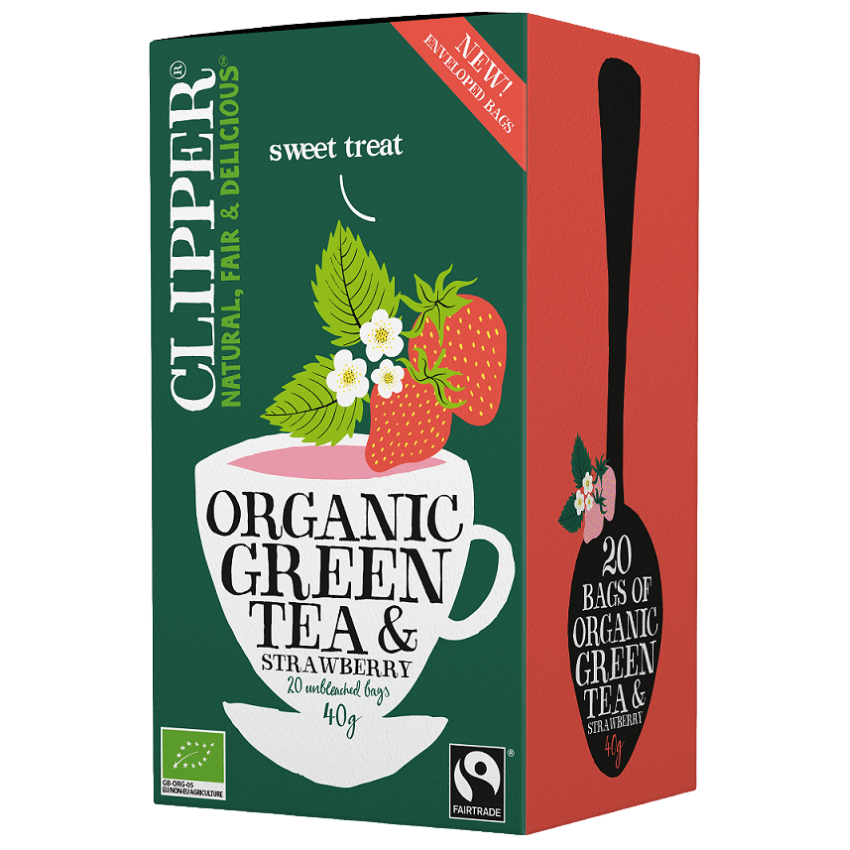
4.1. Green Tea (Camellia sinensis) — EGCG and Anti-aging Protection
Green tea contains one of the most well-researched plant antioxidants — epigallocatechin gallate (EGCG). This compound neutralizes free radicals responsible for collagen and elastin degradation, inhibits the activity of matrix metalloproteinases (MMPs) — enzymes that break down skin structure — and has photoprotective effects, limiting the effects of UV radiation at the cellular level. Clinical data suggest that regular use of green tea extract—both external and internal—can slow down the visible signs of skin photoaging.
Externally, green tea infusion is used as a tonic or compress—especially under the eyes for puffiness and post-inflammatory hyperpigmentation. Internally, 2–3 cups daily provide therapeutic amounts of EGCG. It is worth remembering that green tea contains caffeine—sensitive individuals should avoid consuming it in the afternoon.
If you are interested in a detailed comparison of green tea and matcha, check out our article Green tea vs matcha – what's the difference and which to choose?
4.2. Horsetail — Silica and Collagen Synthesis
Horsetail, discussed in relation to oily skin (section 3.3), is equally valuable for mature skin, although its mechanism of action is slightly different here. While for oily skin we are interested in its firming and pore-tightening effects, for mature skin the key is silica's role in the synthesis of collagen and elastin—proteins responsible for skin elasticity and density. Their production naturally decreases after age 25, and silica is an essential cofactor for enzymes involved in this process.
Regular consumption of horsetail infusion (boiled, not steeped—cf. tip in section 3.3) for a minimum of 8–12 weeks can support the natural rebuilding of skin structure. Horsetail should be combined with vitamin C, which is another key cofactor for collagen synthesis.

4.3. Ashwagandha (Withania somnifera) — Cortisol and Skin Aging
Ashwagandha belongs to adaptogens — plants that modulate the body's response to stress. Its effect on the skin is indirect but significant: chronically elevated cortisol accelerates collagen degradation, intensifies skin inflammation, and disrupts its nocturnal regeneration. Withanolides in ashwagandha help normalize the HPA axis (hypothalamic-pituitary-adrenal), leading to lower cortisol levels and slower stress-dependent skin aging.
Clinical studies with a control group have shown that supplementation with standardized ashwagandha root extract can contribute to lowering serum cortisol levels. Externally, ashwagandha appears in some creams as an adaptogenic ingredient, though its topical action is much less documented than its systemic action. For mature skin, it is best used internally—as a standardized extract in capsules or powder added to beverages.
💡 Interesting fact
Cortisol accelerates skin aging not only by degrading collagen but also by shortening telomeres—the end segments of chromosomes, whose length is a biological indicator of cellular aging. Stress management and adaptogens are therefore not just a matter of well-being, but literally the pace of skin aging.
4.4. St. John's Wort (Hypericum perforatum) — Macerated Oil and Regeneration
St. John's Wort in the context of mature skin care is only relevant in the form of macerated oil (oil macerate)—not essential oil or internal preparations. St. John's Wort oil macerate contains hypericin, hyperforin, and flavonoids extracted into a carrier oil. It has anti-inflammatory properties, supports epidermal regeneration, and soothes irritations. It is applied topically to fine lines, around the eyes and mouth, and to skin prone to irritation after cosmetic procedures.
⚠️ Important warning
St. John's Wort—both in oil form and internal preparations—is strongly photosensitizing. After applying St. John's Wort oil to the skin, strictly avoid exposure to sun and UV. Use only in the evening or in combination with high SPF protection. Internally, St. John's Wort interacts significantly with many medications (hormonal contraception, antidepressants, HIV drugs, immunosuppressants) by inducing the CYP3A4 enzyme—do not use without consulting a doctor.

St. John's Wort Oil 100 ml - Pro Aktiv
4.5. Table — Herbs for Mature Skin
| Herb | Form of use | Main mechanism | Effect on skin | Notes |
|---|---|---|---|---|
| Green tea | External and internal | EGCG — MMP inhibition, photoprotection | Slows photoaging, collagen protection | Contains caffeine |
| Horsetail | Internal | Silica — collagen synthesis cofactor | Improved skin elasticity and density | Boil for 20–30 min, do not steep |
| Ashwagandha | Internal | Withanolides — cortisol normalization | Slows stress-dependent aging | Standardized extract (KSM-66) |
| St. John's Wort (oil) | External (evening only) | Hypericin, flavonoids — epidermal regeneration | Soothing fine lines, regeneration | Strongly photosensitizing — evening only |
Scroll right to see the full table (on mobile devices) →
5. Herbs for Sensitive and Reactive Skin
5.1. Chamomile and Calendula — First Line of Support
For sensitive and reactive skin, chamomile and calendula are the best-documented and most widely used herbs. Both, discussed in detail in section 2 (for dry skin), work equally well for skin reactivity—redness, burning sensations, excessive response to external factors such as temperature changes, wind, or cosmetics.
Key difference in application for sensitive skin: the concentration of the preparation should be lower than for dry skin. Too strong an infusion of chamomile (especially if used regularly) can paradoxically irritate reactive skin due to its essential oil content. A safe concentration is 1 teaspoon of herb per 200 ml of water—a weaker infusion, used for longer, will yield better results than a strong extract.
5.2. Lavender (Lavandula angustifolia) — Antiseptic and Soothing Action
Lavender is one of the few essential oils that can be applied to the skin in diluted form without the risk of severe irritation—although the precautionary principle always applies to sensitive skin. Lavender essential oil contains linalool and linalyl acetate, which have anti-inflammatory, antibacterial, and soothing effects on the skin's nervous system (neuromodulation). It is this action on the skin's nerve receptors that makes lavender reduce itching, burning, and tactile hypersensitivity.
For sensitive skin, lavender essential oil is used only diluted in a carrier oil (e.g., jojoba or sweet almond) at a concentration of 0.5–1%—which is 3–6 drops of oil per 30 ml of base oil. Lavender flower infusion is a milder alternative—it can be used as a tonic or added to baths for irritated skin on the body.
ℹ️ Good to know
Linalool contained in lavender oil can oxidize during storage and become a contact allergen. Store lavender oil in a dark, cool place and do not use after 12 months from opening—especially for reactive and atopic skin.

Lavender essential oil 10 ml - Etja
5.3. Marshmallow — Skin Barrier Protection
Marshmallow, discussed in section 2.2, is a particularly valuable herb for sensitive skin with a weakened hydrolipid barrier—a condition that underlies many cases of reactivity, including atopic dermatitis. Marshmallow mucilages mimic the action of natural components of the skin's hydrolipid mantle, forming a protective layer on its surface without penetrating deeper layers of the epidermis.
This makes marshmallow exceptionally safe for skin with a damaged barrier—unlike many active substances that, with a compromised barrier, penetrate too deeply and cause reactions. An infusion of marshmallow root (prepared at 70°C, not boiling water) used as a compress or tonic is one of the first herbs that can be safely introduced for very reactive skin.
5.4. What to Avoid for Sensitive Skin — Herbs That Can Irritate
For sensitive and reactive skin, not all herbs are safe. Several groups of substances and specific herbs require particular caution or complete exclusion:
- St. John's Wort — strongly photosensitizing (cf. section 4.4). For reactive skin, the risk of a phototoxic reaction is higher than for normal skin.
- Citrus essential oils (bergamot, orange, lemon) — contain furanocoumarins, which are strong photosensitizers. Absolutely avoid for sensitive skin exposed to the sun.
- Ginger and cinnamon — have a warming effect and can exacerbate redness and vascular reactivity. For rosacea or skin with dilated capillaries, avoid them externally.
- Chamomile in high concentrations — in case of allergy to asters (chamomile, arnica, calendula, yarrow), it can cause contact dermatitis. Always perform a patch test before introducing a new herb from this family.
- Peppermint — menthol has a cooling effect by irritating TRPM8 receptors. For sensitive and vascular skin, it can increase reactivity instead of soothing it.
- Sage in high external concentrations — tannins in excessive concentration can excessively dry and irritate sensitive skin, especially with a damaged barrier.
⚠️ Patch test — mandatory rule
For sensitive skin, each new herb used externally should be tested before the first full application. Apply a small amount of the preparation to the inside of the wrist or behind the ear and observe for 24–48 hours. Absence of reaction does not guarantee safety with long-term use, but it eliminates the risk of an acute allergic reaction.
6. In what form to use herbs for skin?
6.1. Infusions as tonics and compresses — how to prepare and use
An infusion is the simplest and most accessible form of using herbs on the skin. It is prepared like tea—by pouring boiling water (or water at a lower temperature for mucilaginous herbs, like marshmallow) over dried herbs and letting it steep covered for 10–15 minutes. After cooling and straining, the infusion is used as a tonic (cotton pad or spray bottle), compress (gauze or cloth), or bath additive.
Several practical rules:
- Brewing temperature matters — mucilaginous herbs (marshmallow, linden) should be brewed at 60–70°C to preserve polysaccharides. Tannin-rich herbs (sage, cistus) and floral herbs (chamomile, calendula) — boiling water, 10–15 minutes covered.
- Shelf life — an infusion without preservatives should be stored in the refrigerator for a maximum of 2–3 days. Longer storage risks bacterial growth, especially in summer.
- Concentration — for tonics: 1 tablespoon of herb per 200 ml of water. For compresses: 2–3 tablespoons per 200 ml of water. For baths: 5–10 tablespoons per 1 liter of water, strain and add to the tub.
- pH — herbal infusions usually have a slightly acidic pH, similar to the natural pH of the skin, making them safer for the skin than tap water with a pH of ~7.
6.2. Herbal oils and macerates — the key difference
This distinction is important because both terms are often confused even in descriptions of cosmetic products:
- Essential oil — a volatile substance obtained by steam distillation or cold pressing (citrus fruits). It contains concentrated active substances — it is very potent and always requires dilution in a carrier oil before contact with the skin. Never apply undiluted (with the exception of spot application of lavender oil by some specialists, though caution is still advised here).
- Macerated oil (infused oil) — produced by prolonged soaking of dried herbs in a carrier oil (e.g., sunflower, olive, jojoba). Active substances transfer to the oil, creating a gentle preparation ready for direct application to the skin. Examples: calendula oil, St. John's wort oil, arnica oil.
Macerated oils are definitely safer for sensitive skin than essential oils and are a better starting point for those beginning herbal skincare. When choosing a ready-made macerated oil, it's worth checking the INCI list — the carrier oil should be listed first, and the herb as an extract ingredient (Calendula officinalis flower extract or Hypericum perforatum extract).
💡 How to make homemade calendula macerate?
Pour dried calendula flowers into a jar (to about ⅓ of its volume), then cover with sunflower or jojoba oil, ensuring the herbs are submerged by 2–3 cm. Close the jar and leave it in a warm but shaded place for 4–6 weeks, shaking daily. Afterward, strain through gauze and pour into a dark bottle. Store in a cool place for up to 12 months. This macerate can be used directly on the skin as a serum or as a base for cream.
6.3. Creams, ointments, and gels with herbs — what to look for in the ingredients
Ready-made cosmetic products with herbs offer a convenient alternative to homemade preparations, but the quality and concentration of active ingredients vary significantly between products. What to look for when choosing:
- Ingredient position in INCI — ingredients are listed in descending order by concentration. A calendula or chamomile extract at the end of the list (after preservatives) indicates a concentration below 1% and minimal therapeutic effect.
- Form of extract — aqueous and glycolic extracts are cheaper to produce but less stable. Oil and CO₂ extracts retain more active substances.
- Absence of unnecessary irritating ingredients — for sensitive skin, avoid products with denatured alcohol (Alcohol denat.) at the beginning of the list, artificial fragrances (Parfum), and dyes.
- Ointment vs. cream — an ointment (petrolatum or wax base) creates an occlusion and works better for very dry, cracked skin. A cream (water-oil emulsion) is lighter and suitable for daily use on normal and combination skin.

6.4. Internal herbs for skin — infusions, capsules, juices
Herbs used internally reach the skin through the bloodstream — their active substances affect processes occurring in the dermis and epidermis from within. Available forms differ in bioavailability and convenience of use:
- Infusions and decoctions — a traditional and inexpensive form. Advantage: rapid absorption, no unnecessary fillers. Disadvantage: requires regular preparation, short shelf life, less precise dosage.
- Capsules and tablets — convenience and standardized dosage. When choosing, look for standardized extracts (indicated % of active substance, e.g., withanolides in ashwagandha or EGCG in green tea) — they provide a predictable effect.
- Juices and liquid extracts — good bioavailability, easy to dose. Example: nettle juice as support for oily and acne-prone skin.
- Powders — popular for ashwagandha and green tea in its matcha form. Can be added to smoothies and drinks, making regular use easier.
6.5. Table — forms of applying herbs to the skin
| Form | Example Herbs | Application | Notes |
|---|---|---|---|
| Infusion (tonic/compress) | Chamomile, calendula, linden, sage, cistus | Local soothing, astringent, moisturizing effect | Shelf life 2–3 days in the refrigerator |
| Macerated oil | Calendula, St. John's Wort, arnica | Regeneration, anti-inflammatory, nourishing | Ready for direct application to the skin |
| Essential oil | Lavender, tea tree, chamomile | Antibacterial, soothing, antiseptic | Always dilute in a carrier oil (1–2%) |
| Herbal cream / ointment | Calendula, chamomile, marshmallow, aloe vera | Daily care, regeneration, barrier protection | Check the extract's position in INCI |
| Internal infusion | Nettle, horsetail, chamomile, linden, green tea | Systemic support — hormones, microbiome, collagen | Effects after 4–8 weeks of regular use |
| Capsules / extract | Ashwagandha, horsetail, green tea, cistus | Standardized dosage, convenience of use | Choose standardized extracts with indicated % of active substance |
Scroll right to see the full table (on mobile devices) →
7. Safety and contraindications
7.1. Contact allergies — patch test and rules for introducing new herbs
Herbs are active substances — and like any active substance, they can cause allergic reactions. Contact allergy to herbs is not uncommon, especially with the Asteraceae family (chamomile, calendula, arnica, yarrow, dandelion) — cross-allergens in this group mean that an allergy to one species increases the risk of reaction to others.
Before introducing a new herbal topical preparation, a patch test is mandatory:
- Apply a small amount of the preparation to the inner wrist or behind the ear.
- Leave it on for 24–48 hours without washing.
- Observe the reaction: redness, itching, swelling, or the appearance of bumps signal that the preparation should not be used.
- No reaction at the test site does not give 100% certainty of safety for long-term use on the entire face, but it eliminates the risk of an acute allergic reaction upon first application.
When introducing new herbs internally, it is recommended to start with lower doses than recommended and observe the body's reaction for the first 3–5 days. This applies especially to potent herbs (chasteberry, St. John's wort, ashwagandha).
7.2. Photosensitizing herbs — St. John's wort, bergamot, and others
Photosensitization is an increased skin reactivity to UV radiation after contact with certain substances. In the case of herbs, the mechanism can be phototoxic (a chemical reaction without immune system involvement, occurring upon first contact) or photoallergic (dependent on the immune system, requiring prior exposure). Herbs and plant substances with documented photosensitizing potential:
- St. John's wort (Hypericum perforatum) — hypericin absorbs UV radiation and generates reactive oxygen species in skin tissues. Photosensitization applies to both external (oil, extract) and internal use.
- Citrus essential oils (cold-pressed bergamot, lime, orange, lemon) — contain furanocoumarins (bergapten, psoralen), which are potent phototoxins. Citrus oils subjected to furanocoumarin removal (bergapten-free) are safer.
- Wild carrot, lovage, angelica — contain furanocoumarins similar to those in citrus. Contact with the sap of these plants and sun exposure can cause permanent discoloration.
- Calendula — in rare cases, may exhibit weak photosensitizing effects at very high external concentrations.
General rule: if you apply herbs externally and plan extended sun exposure the next day, limit herbal preparations to evening care or ensure that the herbs used are not photosensitizing.
7.3. Pregnancy and breastfeeding — which herbs to use with caution
During pregnancy and breastfeeding, a principle of minimalism applies — use only herbs with a well-documented safety profile and avoid those with hormonal, abortifacient, or insufficient safety data. Below is a breakdown of herbs strictly excluded and those requiring caution:
- Strictly excluded in pregnancy — sage (thujone, emmenagogic (abortifacient) effect), St. John's wort (drug interactions, no safety data in pregnancy), chasteberry (hormonal effect), arnica (abortifacient effect with internal use).
- Caution in pregnancy — chamomile in large internal quantities (weak uterine relaxant effect at very high doses), horsetail internally (insufficient data), ashwagandha internally (no safety data in pregnancy).
- Generally safe externally in pregnancy — calendula, aloe vera (external gel), lavender (diluted), marshmallow, linden. Infusions of these herbs used externally as tonics and compresses do not pose a significant risk.
- Generally safe internally in moderate amounts — linden infusion, chamomile infusion in reasonable amounts (1–2 cups per day), marshmallow infusion.
⚠️ Important
The above information is general and does not replace medical consultation. During pregnancy and breastfeeding, any herb used internally — even those generally considered safe — should be discussed with your doctor or pharmacist.
7.4. Drug interactions with internal use
Herbs used internally can have significant interactions with medications. The mechanisms vary — most often, it involves their effect on cytochrome P450 enzymes responsible for drug metabolism in the liver. The most important interactions relevant to the herbs discussed in this article:
- St. John's wort — a strong CYP3A4 inducer. It accelerates the metabolism of many drugs, lowering their blood concentration to ineffective levels. This includes, among others, hormonal contraceptives, immunosuppressants (cyclosporine), antiretroviral drugs, warfarin, and some antidepressants. This interaction is clinically significant and well-documented.
- Ashwagandha — may enhance the effect of sedative and tranquilizing drugs (benzodiazepines, barbiturates). It can also affect thyroid medications by stimulating the production of T3 and T4 hormones — individuals with thyroid conditions should monitor hormone levels when supplementing.
- Green tea in high doses (extract) — may weaken the effect of warfarin and other anticoagulants. Standard consumption (2–3 cups daily) is safe for most people.
- Horsetail — its diuretic action can enhance the effect of diuretic drugs and affect electrolyte excretion. Use with caution with medications for hypertension and heart failure.
If you are taking medications regularly — especially for chronic diseases, thyroid conditions, cardiovascular issues, or psychotropic drugs — consult your doctor or pharmacist about using herbs internally before starting treatment.
8. FAQ — frequently asked questions
Does aloe vera from a pot work the same as pharmacy gel?
Fresh gel squeezed directly from an aloe leaf contains more active polysaccharides and enzymes than most ready-made products, but it also has significant limitations.
Firstly, durability — fresh gel oxidizes within a few hours and should be used almost immediately or stored in the refrigerator for a maximum of one day. Secondly, the concentration of active substances depends on the age and condition of the plant — leaves from older aloe (over 3 years) contain significantly more acemannan than young plants.
A good pharmacy gel with a high percentage of aloe vera juice (over 95%, without denatured alcohol and artificial colorings) is a convenient and effective alternative — especially if you don't have access to a mature plant.
How long should I use herbs to see effects on my skin?
It depends on the form and mechanism of action. Herbs used externally (tonics, compresses, macerated oils) show initial effects more quickly — soothing irritation and redness can be noticed within a few days of regular use.
Herbs used internally act more slowly because they influence processes deep within the tissues: the first visible changes in skin condition usually appear after 4–6 weeks, and the full effect — after 8–12 weeks of regular treatment.
Herbs affecting hormone balance (nettle, chasteberry) require even more time — a minimum of 3 months of systematic use.
Can several herbs be used on the skin simultaneously?
Yes, but with certain precautions. Externally, herbs with similar actions can be combined — for example, chamomile with calendula and marshmallow in one tonic for dry skin, or cistus with sage for oily skin.
Problems may arise when combining herbs with opposing actions (e.g., highly astringent tannins of sage with delicate mucilages of marshmallow — tannins can denature mucilages and reduce their effectiveness) or when applying too many active preparations simultaneously to sensitive skin.
Internally, when combining several herbs, it's best to start with one and introduce others gradually, so that in case of an adverse reaction, you know which herb caused it.
Can herbs be used on the skin daily, or are breaks needed?
Gentle herbs used externally — chamomile, calendula, aloe vera, marshmallow, linden — can be safely used daily without breaks. More potent external herbs (sage, cistus as a tonic) are best used once a day or every other day, especially for sensitive skin.
Internally, most herbs are recommended to be used in cycles: 6–8 weeks of treatment, followed by 2–4 weeks of break. This applies especially to herbs with strong systemic effects — ashwagandha, horsetail, nettle.
Breaks help to avoid the body's adaptation and reduced effectiveness, and in the case of herbs affecting hormonal balance, they prevent potential imbalances with prolonged use.
Which herbs are best for hyperpigmentation?
Licorice (Glycyrrhiza glabra) shows direct lightening action on hyperpigmentation — it contains glabridin, which inhibits the activity of tyrosinase, a key enzyme in melanin synthesis. Green tea (EGCG) works indirectly by protecting against photoaging and reducing the formation of new post-sun hyperpigmentation. Calendula and chamomile can gently lighten post-inflammatory hyperpigmentation due to their anti-inflammatory action — by reducing inflammation, they limit the stimulation of melanocytes to produce melanin.
It is worth noting that no herb works as effectively on hyperpigmentation as acids (AHA, azelaic acid) or vitamin C — herbal support here is a supplement, not an alternative to proven depigmenting ingredients.
9. Summary
Herbs offer real support for the skin — provided that the selection is conscious and based on the mechanism of action, not on marketing generalities.
Key takeaways from this article:
- Skin type determines the choice of herbs. Dry skin needs mucilages and flavonoids (marshmallow, chamomile, linden), oily skin — tannins and hormonal regulation (sage, cistus, nettle), mature skin — antioxidants and collagen synthesis support (green tea, horsetail, ashwagandha), and sensitive skin — gentle substances that strengthen the skin barrier (marshmallow, calendula, diluted lavender).
- External and internal use of herbs are complementary. Topical preparations provide a faster, but superficial effect. Internal herbs act slower (4–12 weeks), but address deeper causes of skin problems — inflammation, hormonal balance, and gut microbiome.
- The form of application matters. Macerated oil is not the same as essential oil. Horsetail infusion requires boiling, not just brewing. An extract at the end of the INCI list is often a symbolic amount. Conscious reading of ingredients and choosing the right form determines effectiveness.
If your problem is acne-prone skin, check out the article Herbs for Acne – which really work and how to use them?, where we discuss in detail herbs that address specific mechanisms of acne formation — sebum overproduction, inflammation, bacteria, and the hormonal axis.
10. Sources
- Surjushe A., Vasani R., Saple D.G. Aloe vera: a short review. Indian Journal of Dermatology. 2008;53(4):163–166. PMID: 19882025.
- Dawid-Pać R. Medicinal plants used in treatment of inflammatory skin diseases. Postepy Dermatologii i Alergologii. 2013;30(3):170–177. PMID: 24278070.
- Levin J., Momin S.B. How much do we really know about our favorite cosmeceutical ingredients? Journal of Clinical and Aesthetic Dermatology. 2010;3(2):22–41. PMID: 20725560.
- Srivastava J.K., Shankar E., Gupta S. Chamomile: a herbal medicine of the past with bright future. Molecular Medicine Reports. 2010;3(6):895–901. PMID: 21132119.
- Hamidpour R. et al. Sage: the functional novel natural medicine. Journal of Traditional and Complementary Medicine. 2014;4(2):82–88. PMID: 24860730.
- Granica S. et al. Phytochemical profile, standardization and quality control of Equisetum arvense herb. Natural Product Communications. 2014. — concerning the chemical composition of horsetail.
- Khan N., Mukhtar H. Tea polyphenols for health promotion. Life Sciences. 2007;81(7):519–533. PMID: 17655876.
- Chandrasekhar K. et al. A prospective, randomized double-blind, placebo-controlled study of safety and efficacy of a high-concentration full-spectrum extract of ashwagandha root in reducing stress and anxiety in adults. Indian Journal of Psychological Medicine. 2012;34(3):255–262. PMID: 23439798.
- Wölfle U., Seelinger G., Schempp C.M. Topical application of St. John's Wort (Hypericum perforatum). Planta Medica. 2014;80(2–3):109–120. PMID: 24214835.
- European Medicines Agency. Community herbal monograph on Althaea officinalis L., radix. EMA/HMPC/437859/2010.
- European Medicines Agency. Community herbal monograph on Matricaria recutita L., flos. EMA/HMPC/55843/2011.
- European Medicines Agency. Community herbal monograph on Hypericum perforatum L., herba. EMA/HMPC/101303/2008.
- Fu J. et al. Glycyrrhiza glabra (licorice): a phytochemical and pharmacological review. Phytotherapy Research. 2016. — concerning glabridin and melanogenesis.