The article was updated on 07.04.2026
The most thoroughly researched herbs for immunity are purple coneflower, elderberry, and African geranium – and these are the ones worth reaching for at the first signs of infection, when every hour counts. For daily prevention throughout the autumn-winter season, rosehip, thyme, ginger, and garlic are effective – plants available in every kitchen and herbal store. However, no herb works in a vacuum: without proper vitamin D supplementation, sufficient sleep, and a balanced diet, its effect will only be a fraction of its potential.
This article is a practical guide to 11 herbs that support immunity – with an honest assessment of the strength of scientific evidence, information on safe use in children, advice on the form and timing of use, and a chapter dedicated to lifestyle. You will also find a comparative table of all discussed plants, an FAQ addressing the most common questions from our customers, and a list of sources we used to verify each piece of information.
1. How do herbs affect the immune system?
Before we move on to specific plants, it's worth understanding how the substances contained in herbs interact with our immune system – because this is not a magical action, but a biochemical one, quite well described in scientific literature.
1.1. Innate and acquired immunity – a brief reminder
Immunity is the body's ability to recognize and neutralize threats – viruses, bacteria, fungi, and other pathogens. This process is carried out by the immune system, which includes the skin and mucous membranes (the first line of defense), white blood cells (lymphocytes, macrophages, neutrophils), organs such as the thymus, spleen, and lymph nodes, as well as signaling substances – cytokines and immunoglobulins.
In simple terms, we distinguish between two types of immunity:
- Non-specific immunity (innate) – acts immediately, without prior contact with a pathogen. It is responsible for fever, inflammation, and the body's initial defensive impulses.
- Specific immunity (acquired) – develops in response to contact with a specific pathogen or vaccine. The immune system "remembers" the threat and reacts faster and more effectively upon subsequent contact.
1.2. How do plant substances affect immunology?
Herbs do not act like drugs – they do not replace immune cells or directly "kill" viruses. Their role is to modulate and support the body's natural defense mechanisms.
Key groups of active substances and their mechanisms of action include:
- Polysaccharides (e.g., in echinacea) – stimulate the activity of macrophages and NK cells (natural killers), which are the first line of antiviral defense.
- Flavonoids and polyphenols (e.g., in cistus, elderberry, rosehip) – exhibit antioxidant properties, reducing oxidative stress accompanying inflammation and infections.
- Organosulfur compounds (e.g., allicin in garlic) – have documented antimicrobial activity in in vitro studies.
- Adaptogens (e.g., ginseng, ashwagandha) – help the body maintain homeostasis under conditions of physical and mental stress, which is one of the main factors reducing immunity.
- Essential oils and gingerols (e.g., in ginger) – exhibit anti-inflammatory properties by inhibiting pro-inflammatory pathways, including those involving COX-2.
📌 Important distinction
Most herbs act prophylactically and supportively – this means that their use makes sense primarily before the infection season or at the very beginning of an illness. They do not replace medical treatment and should not be treated as an alternative to a doctor's visit in case of severe symptoms.
2. Why do we get sick more often in autumn and winter?
The autumn-winter season in Poland is a time of a significant increase in respiratory tract infections. The peak of incidence falls between October and March, with the most intense waves recorded between January and March – this is based on data from the Chief Sanitary Inspectorate and reports from the e-Health Center. Annually, Poland registers from several hundred thousand to several million cases of influenza and influenza-like illnesses.
Several well-documented mechanisms explain the seasonality of diseases:
2.1. Low temperature and dry air
Cool and dry air in heated rooms dries out the mucous membranes of the nose and throat. This is a significant problem, as a moist mucous membrane forms the first mechanical barrier against pathogens – it traps and removes microorganisms before they can penetrate the respiratory tract. When it is dry, this barrier becomes less effective.
At the same time, low temperatures favor the stability of some respiratory viruses (including rhinoviruses and influenza virus), extending their survival time outside the host organism.

Autumn and winter are times of increased risk of respiratory infections
2.2. Vitamin D deficiency
This is one of the most underestimated seasonal factors. In Poland, due to its geographical latitude, effective skin synthesis of vitamin D practically does not occur from October to April.
Meanwhile, vitamin D plays a key role in activating T lymphocytes and producing antimicrobial proteins – studies indicate a clear link between its deficiency and a higher susceptibility to respiratory tract infections. It is estimated that the vast majority of Poles experience vitamin D deficiency during the winter months.
💡 Fun fact
Vitamin D is the only nutrient that EFSA has approved for a health claim confirming its role in the proper functioning of the immune system (EU Regulation No. 432/2012). Its supplementation in Poland is officially recommended by scientific societies from September/October to April.

BICAPS Vitamin D3 4000 120 capsules - ForMeds
2.3. Enclosed spaces and close proximity to people
In autumn and winter, we spend significantly more time in enclosed, poorly ventilated spaces – offices, schools, public transport. Droplet transmission and contact with contaminated surfaces are the main routes for respiratory virus transmission, and the crowding of people in rooms promotes their rapid spread. According to WHO data, viruses are responsible for 60-90% of cases of acute upper respiratory tract infections.
2.4. Stress, disturbed sleep, and dietary changes
Shorter days and less natural light affect circadian rhythm and sleep quality. Insufficient sleep directly reduces the production of cytokines – proteins that coordinate the immune response. This is often accompanied by an increase in stress levels and changes in dietary habits (fewer fresh vegetables and fruits), which further depletes the availability of vitamins and antioxidants necessary for the efficient functioning of the immune system.
All these factors act simultaneously – which is why the autumn-winter season is the best time to reach for natural support, including herbs that boost immunity. The key, however, is to choose plants for which reliable scientific data exist – and this is what we will discuss in the next chapter.
3. Which herbs really support immunity? An overview with evidence assessment
Below you will find a discussion of 11 herbs and plants for which there are reliable scientific premises regarding their effect on the immune system. For each herb, I honestly assess the strength of available evidence – because the difference between "traditionally used" and "confirmed in randomized clinical trials" is significant.
3.1. Purple coneflower Echinacea purpurea (L.) Moench
Echinacea is one of the most clinically researched immunological herbs in the world and a reference point when discussing herbal immune support. The raw materials are the herb and root, and the key active substances are polysaccharides, alkamides (alkylamides), flavonoids, and caffeic acid derivatives.
Mechanism of action: echinacea polysaccharides stimulate the activity of macrophages and NK cells (natural killers), alkamides modulate endocannabinoid system receptors associated with the inflammatory response, and caffeic acid derivatives exhibit antioxidant and antiviral properties. Together, echinacea extracts can enhance the secretion of antiviral substances against influenza viruses and coronaviruses.
What do studies say? The current scientific consensus indicates that echinacea can shorten the duration of the common cold and alleviate its symptoms if used in the early phase of infection. Evidence for prophylactic effectiveness is weaker and less consistent. Meta-analyses (including Cochrane) indicate a statistically significant, though moderate, benefit. Preparations differ in quality and standardization – this is one reason for the heterogeneity of study results.
⚠️ Important contraindications
Echinacea is not recommended for people with autoimmune diseases (multiple sclerosis, lupus, rheumatoid arthritis), transplant patients taking cyclosporine (it may weaken its effect), and those allergic to plants from the daisy family (e.g., chamomile, calendula). Preparations are intended for adults and children over 12 years of age.
Form of use: infusion from herb or root, tincture, juice, capsules with standardized extract. Suggested duration of intermittent use: 7–10 days. After 8 weeks of continuous use, a break is recommended.

Echinacea BIO Tea (17 × 1.8 g) – Yogi Tea
3.2. Elderberry Sambucus nigra L.
Elderberry is one of the few medicinal plants for which both solid in vitro data and confirmed clinical studies exist in the context of viral infections. The medicinal raw materials are ripe fruits and flowers – these should not be confused with leaves and bark, which contain toxic cyanogenic glycosides.
Key active substances: anthocyanins (mainly cyanidin-3-sambubioside), flavonoids (quercetin, rutin, isoquercitrin), polysaccharides, vitamin C. Elderberries contain an average of about 485 mg of anthocyanins per 100 g of fresh raw material – an exceptionally high content for a European fruit.
What do studies say? Several randomized clinical trials have confirmed that elderberry fruit extract can shorten the duration of influenza symptoms. In a 2004 study of 60 patients with confirmed influenza A and B, administering elderberry syrup (15 ml 4x daily for 5 days) resulted in faster subjective improvement than placebo.
A 2020 review covering 5 studies (936 participants) showed that elderberry preparations can alleviate symptoms of viral infections by half if applied within the first 48 hours. Fruit extract exhibits antiviral activity against 10 strains of influenza virus, inhibiting the entry of viruses into host cells.
Studies on prophylactic use still require further confirmation.
⛔ Warning: raw fruit is toxic
Immature and raw elderberries contain sambunigrin – a cyanogenic glycoside that causes nausea, vomiting, and diarrhea. Heat treatment or drying effectively neutralizes this substance. Only consume processed products or standardized supplements.
Form of use: fruit syrup, infusion of dried flowers, standardized extract in capsules or syrup. Elderflowers are registered in Poland as a medicinal product (a diaphoretic agent for colds).

Elderflower Tea BIO 50 g – Dary Natury
3.3. African Geranium Pelargonium sidoides DC.
African geranium is a plant that many people in Poland have not yet heard of – and in terms of the clinical evidence base for respiratory tract infections, it is among the top herbs supporting immunity. It is known by the trade name "Umckaloabo" (from Zulu: "severe cough").
Key active substances: coumarins (umckalin, scopoletin), phenolic acids (gallic acid), flavonoids, proanthocyanidins. A standardized aqueous extract from the root is designated as EPs 7630 and is the most thoroughly studied form of this plant.
What do studies say? EPs 7630 has undergone extensive clinical trials. Several randomized, double-blind, placebo-controlled studies confirmed that the extract shortens the duration of symptoms of acute bronchitis and upper respiratory tract infections in adults and children.
In studies involving over 2000 adult patients, a clear remission of symptoms occurred after just 4 days in 69% of patients, and complete recovery after a week in 45%. The mechanism of action includes inhibiting virus replication (e.g., by blocking the neuraminidase enzyme), activating macrophages, increasing interferon production, and stimulating the mucociliary apparatus of the respiratory tract.
Geranium can reduce the need for antibiotics in the course of upper respiratory tract infections. Geranium preparations are safe from 6 years of age.
Form of use: drops, syrup, or tablets with EPs 7630 extract. Duration of use: 7–14 days for adults, 7–10 days for children. Used symptomatically at the first signs of infection, not preventatively.
3.4. Garlic Allium sativum L.
Garlic is one of the oldest natural antimicrobial agents, used by humans for over 5000 years. The key active substance is allicin – an organosulfur compound formed when garlic is crushed or chopped, due to the action of the alliinase enzyme on alliin.
Mechanism of action: allicin and its derivatives show documented antibacterial and antifungal properties in in vitro studies. They can inhibit the proliferation of viruses and bacteria by disrupting their metabolism. Garlic also has anti-inflammatory properties by inhibiting NF-κB pathways and positively affects the circulatory system – it lowers LDL cholesterol levels and blood fluidity.
What do studies say? Clinical evidence for the effectiveness of garlic in preventing colds is promising but still limited – a Cochrane review indicates the need for larger, well-designed studies. Allicin is thermally unstable – heating garlic above 60°C significantly reduces its biological activity. Therefore, for prophylactic purposes, it is worth consuming it raw or as supplements with a standardized extract.
Form of use: raw garlic in dishes, ground garlic as a spice, garlic oil, capsules with extract (standardized extract for allicin content is preferred).

Ground Garlic 50 g – Dary Natury
3.5. Ginger Zingiber officinale Roscoe
Ginger is a plant from the ginger family, whose root (rhizome) is a raw material with multifariously confirmed health-promoting properties. The key active substances are gingerols and shogaols – polyphenols responsible for the characteristic pungent taste and biological activity of the plant.
Mechanism of action: gingerols exhibit anti-inflammatory properties by inhibiting COX-2 and LOX enzymes (a similar mechanism to non-steroidal anti-inflammatory drugs, but weaker). They also inhibit platelet aggregation and show antiemetic properties. In in vitro studies, antiviral properties (e.g., against RSV virus) and support for respiratory mucosa were found.
What do studies say? The anti-inflammatory and antiemetic properties of ginger are well-confirmed clinically. Data on the direct effect on the immune system in infection prevention are more limited – available studies suggest a supportive effect, but require further confirmation. However, ginger is a valuable dietary additive as a natural agent with anti-inflammatory and warming effects, favorably supporting the respiratory mucosa.
Form of use: fresh root added to dishes or drinks, ginger tea (especially in combination with honey and lemon), dried powdered ginger, tincture.

Ginger-Lemon Tea BIO (17 × 1.8 g) 30.6 g - Yogi Tea
3.6. Turmeric Curcuma longa L.
Turmeric, known as the "golden root," is one of the most studied medicinal plants in the world – over 3000 scientific papers dedicated to its active component, curcumin, are available in the PubMed database. Curcumin constitutes 2–5% of the turmeric root's mass and is responsible for most of its biological properties.
Mechanism of action: curcumin exhibits immunomodulatory effects by influencing the activation of T and B lymphocytes, macrophages, and dendritic cells. It inhibits the transcription factor NF-κB, which translates into a reduction in the production of pro-inflammatory cytokines (TNF-α, IL-1β, IL-6). It also exhibits antioxidant properties and can activate cathelicidin – a protein with antimicrobial activity. Studies have shown that curcumin can act synergistically with vitamin D in strengthening non-specific immunity.
What do studies say? The anti-inflammatory properties of curcumin are well-confirmed clinically, including in studies comparing its effectiveness with diclofenac. Its direct impact on the prevention of seasonal infections requires further research. A significant limitation is the low bioavailability of standard curcumin administered orally – in supplementation practice, it is worth choosing preparations with piperine (increases absorption several times) or liposomal and micronized formulations.
Form of use: culinary spice (small dose of active substance), turmeric tea (so-called "golden milk"), supplements with standardized extract – preferably with piperine or in a form with increased bioavailability.

Turmeric and Piperine 602 mg 60 capsules - Medica Herbs
3.7. Rosehip Rosa canina L.
Rosehip fruit is one of the richest plant sources of vitamin C. 100 g of fresh rosehip fruit contains from 400 to even 2000 mg of vitamin C – depending on the variety and maturity – which is many times more than citrus fruits. The raw material consists of false fruits (so-called hips) collected after the first frosts.
Key active substances: vitamin C (ascorbic acid), carotenoids (β-carotene, lycopene), flavonoids (quercetin, rutoside), pectins, organic acids.
What do studies say? The role of vitamin C in the proper functioning of the immune system is approved by EFSA and explicitly listed in EU Regulation No 432/2012 – this is one of the few approved health claims for a plant ingredient.
Vitamin C supports phagocyte activity, stimulates collagen production, and protects cells from oxidative stress accompanying infections. Rosehip fruits provide it in a natural, easily absorbable form, with accompanying bioflavonoids that can increase bioavailability.
Form of use: tea from dried fruits, rosehip syrup, jam, juice, capsules with extract. Remember not to boil the fruits for too long – high temperature destroys vitamin C.

Rosehip Tea BIO 100 g – Dary Natury
3.8. Black Cumin Nigella sativa L.
Black cumin, also known as "black seed" or "black caraway," originates from the Middle East and South Asia, where it has been used as a medicinal remedy for centuries. The key active substance is thymoquinone – a component of the essential oil from the seeds, responsible for most of the plant's biological properties.
Mechanism of action: thymoquinone exhibits antioxidant, anti-inflammatory (inhibition of COX-2 and NF-κB) properties and can modulate the activity of immune system cells. In vitro studies also suggest antibacterial and antifungal properties. It stimulates interferon production – a protein playing a key role in the body's antiviral response.
What do studies say? The base of clinical studies concerning the immunological action of black cumin is still relatively limited compared to echinacea or elderberry. There are promising studies indicating a beneficial effect of black cumin oil supplementation on immunological parameters and the severity of allergy symptoms. Anti-inflammatory and antioxidant properties are better documented than a direct effect in preventing seasonal infections.
Form of use: cold-pressed black cumin oil (consumed directly, 1–2 teaspoons daily), seeds added to bread and dishes, infusion of seeds.

Cold-pressed Black Cumin Oil 100 ml – Dary Natury
3.9. Cistus Cistus incanus L.
Cistus is a Mediterranean plant with white or pink flowers that has gained popularity in Poland as an "immunity herb." Its main active ingredients are polyphenols – especially proanthocyanidins and flavonoids – which exhibit strong antioxidant activity.
Mechanism of action: the high concentration of polyphenols in cistus extract protects cells from damage by free radicals (oxidative stress, which intensifies during infection). In in vitro studies, cistus extracts showed antibacterial properties and inhibited the proliferation of some viruses. A protective effect on cellular structures is also suggested – polar lipids in the leaves may hinder viruses from entering host cells.
What do studies say? The clinical evidence base is more modest than for echinacea or elderberry. Some of the available studies are funded by manufacturers, which reduces their reliability. There is data suggesting that cistus may help shorten the symptoms of upper respiratory tract infections. Claims about its effectiveness in Lyme disease are not supported by reliable clinical studies – this is a marketing myth that appears on the Polish internet and should be strongly debunked.
Form of use: herbal tea (several cups a day during the infection season), standardized extract in capsules.

Cistus (herbal tea) BIO 150 g - Bio Planet
3.10. Ginseng Panax ginseng C.A. Meyer
Ginseng (Korean/Chinese) is the king of adaptogens and one of the most widely studied medicinal plants in history. The key active substances are ginsenosides – triterpene saponins, of which several dozen different types have been identified.
📌 Important: not all ginseng is the same
At least two botanically different species operate under the common name "ginseng" on the market: Panax ginseng (true/Korean ginseng) containing ginsenosides, and Eleutherococcus senticosus (Siberian ginseng) containing eleutherosides. These are different plants with similar, but not identical, action profiles. Check the supplement's composition – the Latin name, not the trade name, is important.
Read more in our article: Siberian or true ginseng – which to choose and when it matters?
Mechanism of action on immunity: ginsenosides and polysaccharides from ginseng stimulate the immune system by increasing the activity of T lymphocytes and NK cells, increasing antibody synthesis, and increasing interleukin-1 production. The adaptogenic mechanism involves the modulation of the hypothalamus-pituitary-adrenal axis, which translates into better resistance of the body to stress – and chronic stress is one of the main factors weakening immunity.
What do studies say? Systematic reviews, including those published in the Journal of Ginseng Research, indicate the immunomodulatory properties of ginsenosides. Clinical studies confirm that ginseng can support natural defense mechanisms, especially under conditions of stress and fatigue. The results are generally positive, although the methodological quality of individual studies varies.
Contraindications: should not be used with hypertension, when taking anticoagulants, during pregnancy and lactation. After 3 months of continuous use, a 4-week break is recommended. Choose preparations standardized for ginsenoside content (recommended 1.5–7%).
Form of use: standardized extract (200–400 mg/day), root tea, tincture.

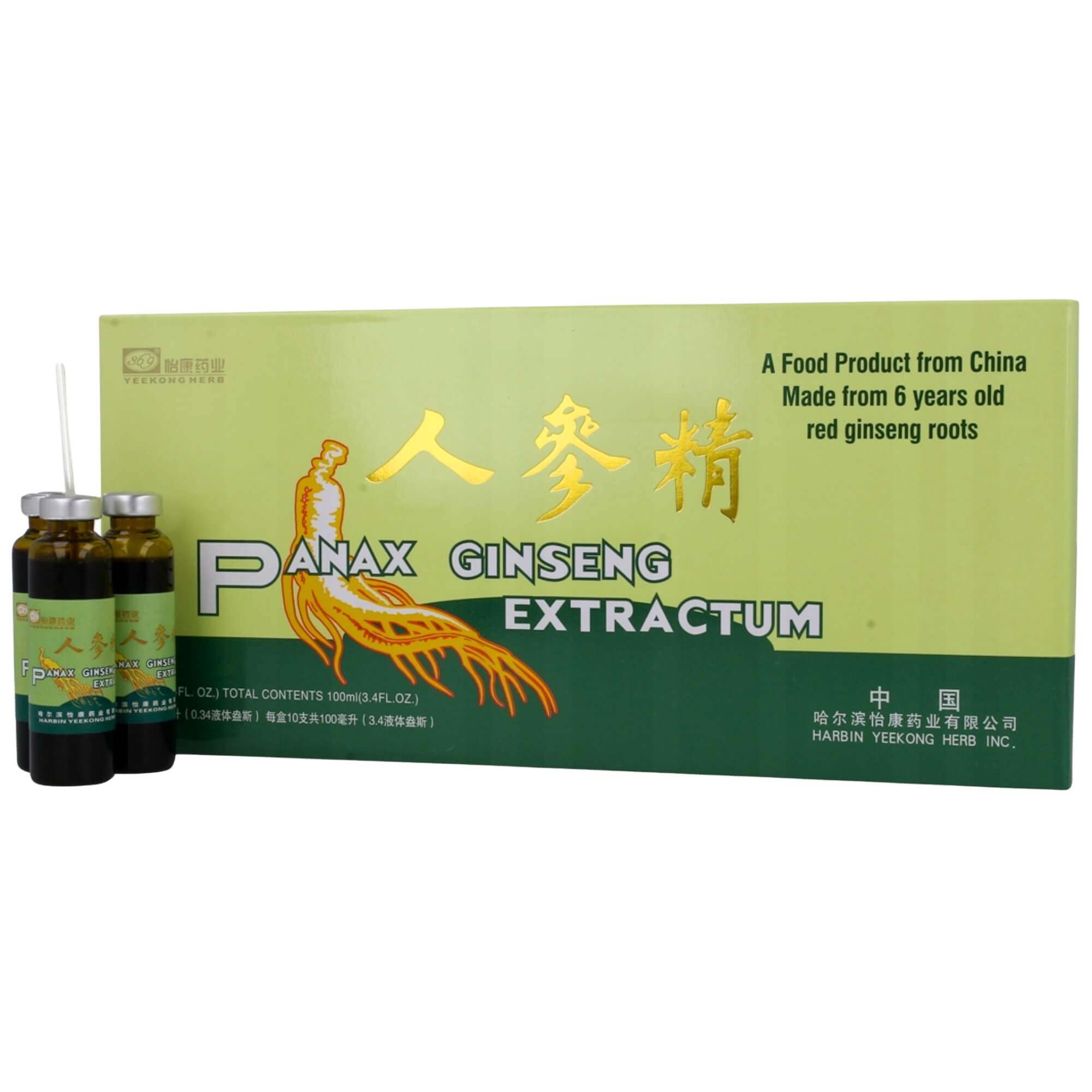
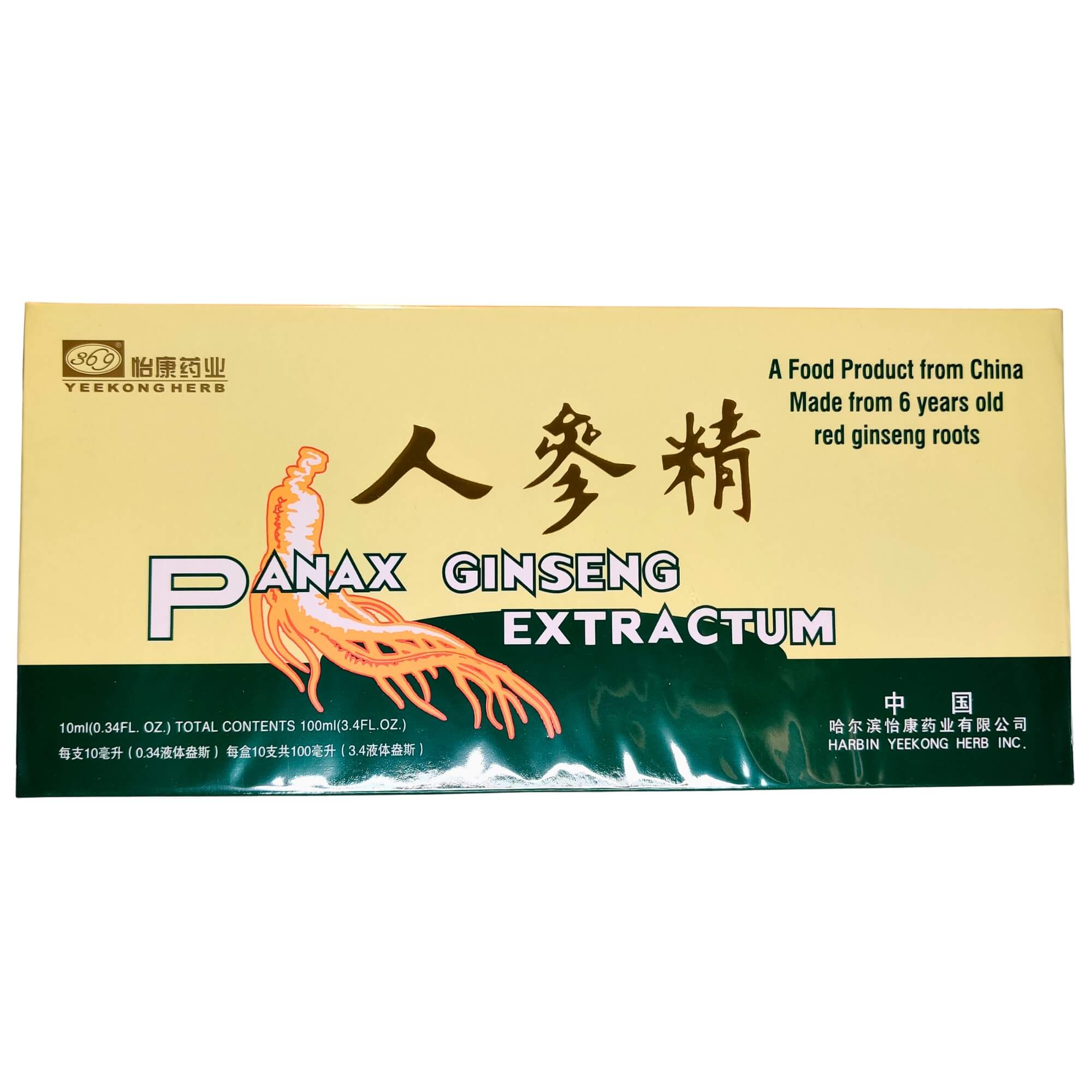
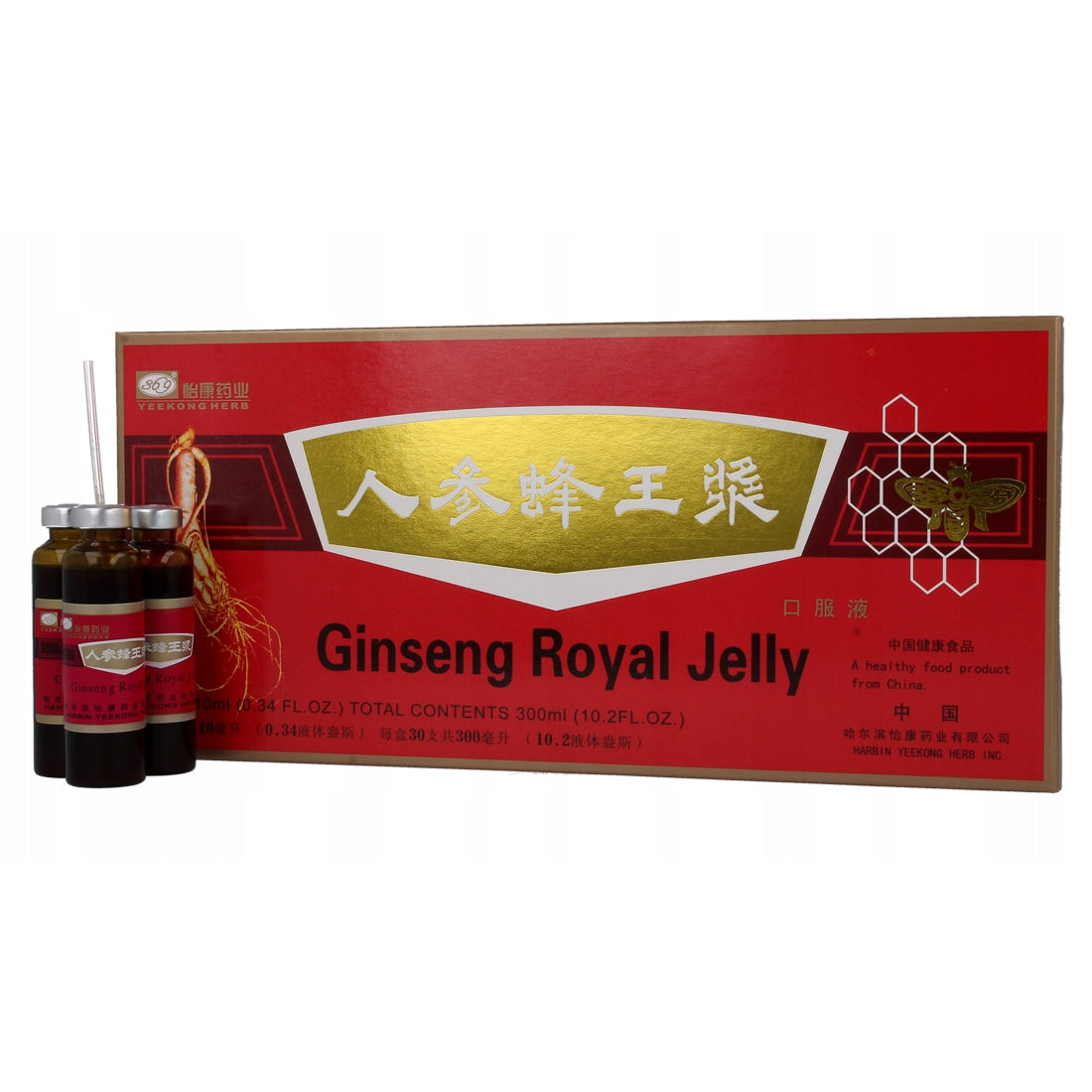
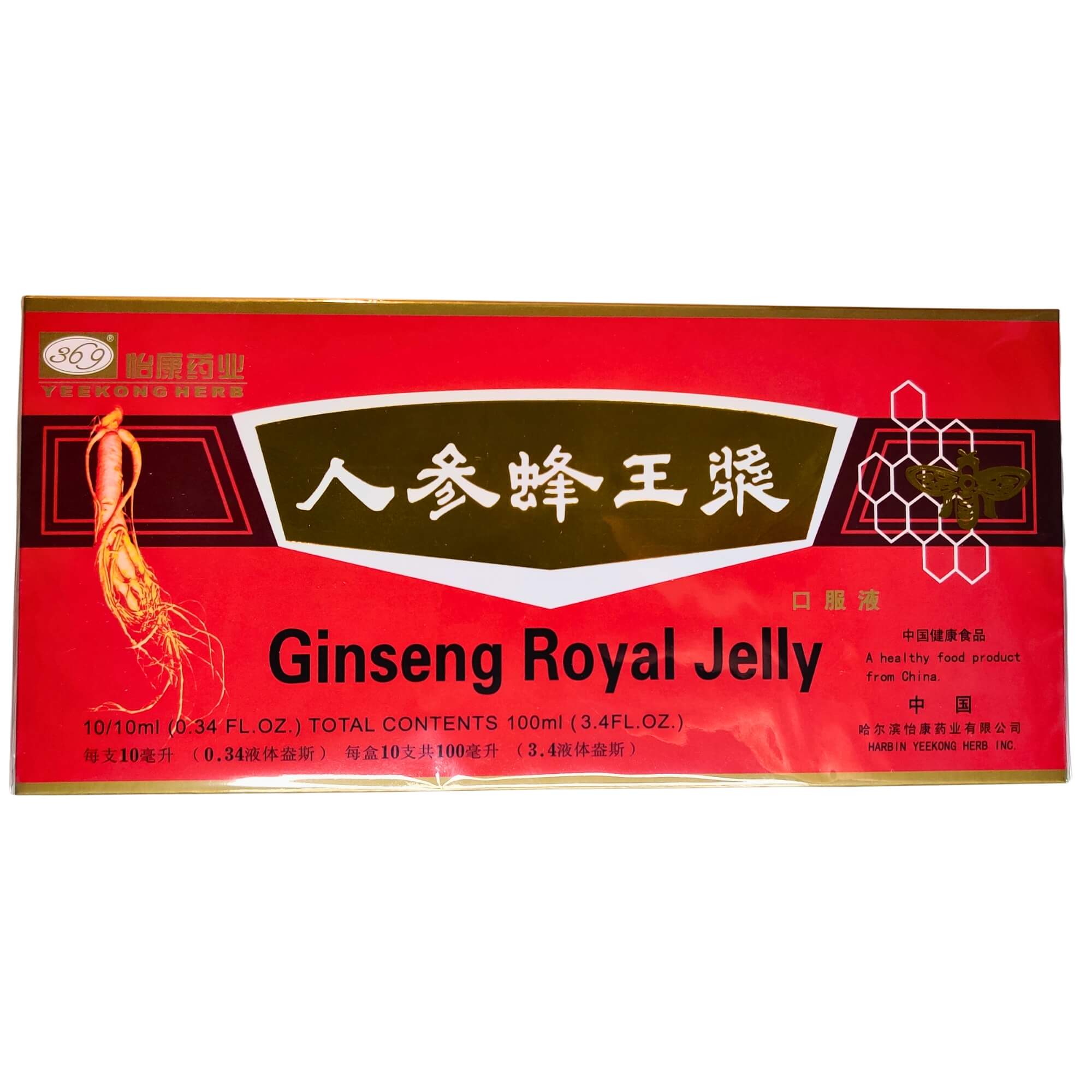
Ginseng Extract (10 × 10 ml) 100 ml - Meridian
3.11. Thyme Thymus vulgaris L.
Thyme is a culinary herb with underappreciated immunological potential. Key ingredients are thymol and carvacrol – essential oil components with documented antimicrobial activity. Thymol is such an active compound that it is an ingredient in clinical antiseptic preparations and mouthwashes.
Mechanism of action: Thymol and carvacrol have confirmed antibacterial, antifungal, and antiviral properties in in vitro studies. Thyme also exhibits expectorant and antispasmodic properties, making it particularly valuable for infections accompanied by a cough. Thyme essential oil shows activity against Streptococcus and Staphylococcus bacteria, responsible for some throat infections.
What do studies say? Thyme is officially recognized by the European Medicines Agency (EMA) as a traditional herbal medicinal product indicated for the relief of cough and cold symptoms. Preparations containing thyme extract (e.g., in combination with ivy) have OTC drug status, not dietary supplement status – which indicates a more robust evidence base than many other herbs.
Form of use: Infusion of dried thyme (1–2 teaspoons per glass, steep covered), thyme syrup (for cough), essential oil in inhalations (not orally), thyme as a spice for dishes.

Thyme and Coltsfoot Syrup 100 ml - Herbapol Kraków
4. Comparison table: immune-boosting herbs at a glance
The table below compiles key information about all the discussed herbs in one place. The evidence rating reflects the strength of available clinical studies – it is not an assessment of effectiveness for every individual.
| Herb | Key ingredient | Main immune support | Strength of evidence* | Form of use | When to use |
|---|---|---|---|---|---|
| Purple coneflower (Echinacea) | Polysaccharides, alkamides | Stimulating macrophages and NK cells; shortening colds | ⭐⭐⭐⭐ | Tea, tincture, capsules | Prophylactically and at the first symptoms |
| Elderberry | Anthocyanins, flavonoids | Inhibiting influenza virus replication; alleviating symptoms | ⭐⭐⭐⭐ | Syrup, flower tea, capsules | At the first symptoms of flu / infection |
| African Geranium | Coumarins (umckalin), phenolic acids | Shortening respiratory tract infections; inhibiting neuraminidase | ⭐⭐⭐⭐ | Drops, syrup (EPs 7630 extract) | At the first symptoms of infection |
| Garlic | Allicin | Antimicrobial action; immune modulation | ⭐⭐⭐ | Raw in dishes, capsules, powder | Prophylactically (regularly in diet) |
| Ginger | Gingerols, shogaols | Anti-inflammatory action; supporting respiratory mucous membranes | ⭐⭐⭐ | Tea, fresh root, capsules | Prophylactically and during infection |
| Turmeric | Curcumin | Immunomodulation; strong anti-inflammatory action | ⭐⭐⭐ | Spice, tea, capsules with piperine | Prophylactically (regularly in diet) |
| Rosehip | Vitamin C, carotenoids | Supporting phagocytes; protection against oxidative stress | ⭐⭐⭐⭐ | Tea, syrup, juice | Prophylactically throughout the season |
| Black seed (Nigella sativa) | Thymoquinone | Anti-inflammatory, antioxidant properties; interferon induction | ⭐⭐ | Oil, seeds, infusion | Prophylactically (regularly in diet) |
| Cistus | Polyphenols, proanthocyanidins | Antioxidant protection; support during infections | ⭐⭐ | Tea, capsules with extract | Prophylactically in autumn-winter season |
| Ginseng | Ginsenosides | Immunomodulation; adaptogenic reduction of stress impact on immunity | ⭐⭐⭐ | Standardized extract, tea, tincture | Prophylactically; cycles max. 3 months |
| Thyme | Thymol, carvacrol | Antimicrobial action; support for cough and throat infections | ⭐⭐⭐ | Infusion, syrup, essential oil inhalations | For cough and respiratory tract infections |
* Clinical evidence strength rating: ⭐⭐⭐⭐ – robust RCTs / meta-analyses; ⭐⭐⭐ – several good quality clinical trials; ⭐⭐ – limited clinical data, mostly in vitro studies or small trials. The rating does not reflect individual effectiveness for everyone.
5. Immune-boosting herbs for children – what is safe and from what age?
Herbs and children are a topic requiring special caution. A child's immune system is still immature, and their liver metabolizes active substances differently than an adult's body – therefore, not every herb effective for adults is automatically safe for a child. Parents often ask us about natural ways to support immunity, so we have compiled reliable, verified information here.
⛔ Basic rule: do not transfer recommendations for adults to children
Herbs used by adults are not always suitable for children – the permissible age of use, dosage, and form differ. Before giving any supplement or herbal preparation to a child (especially under 3 years of age), consult a pediatrician. This applies particularly when the child is taking medication.
5.1. Which herbs to avoid in children?
Let's start with the most important issue – herbs that should not be given to children or should be used with extreme caution:
- Purple coneflower (Echinacea) – standard pharmacy preparations are approved from 12 years of age. This is due to a lack of sufficient safety studies in younger children, not confirmed harmfulness. The European Medicines Agency (MHRA) approves some preparations from 7 years of age – always check the indications of the specific product.
- Ginseng – not recommended for children due to a lack of safety studies in this age group.
- Black seed (oil) – lack of standardized studies in children; do not use prophylactically as a "treatment".
- Honey – strictly prohibited for infants under 12 months of age due to the risk of infant botulism. For older children, permissible as a natural sweetener in infusions.
- Raw elderberries – contain toxic sambunigrin. Only processed products (cooked, dried) or standardized supplements are safe.

Herbal tea for children - Rosehip and Sea Buckthorn for immunity BIO (20 × 1.5 g) 30 g - Apotheke
5.2. Safe herbs for children – age-by-age overview
Below you will find an overview of herbs that can support immunity in children, divided by age group. Herbal teas for children in a mild form are usually the best and safest choice for the youngest – much safer than concentrated extracts or tinctures.
| Herb | Minimum age | Notes | Form for children |
|---|---|---|---|
| Rosehip | from 9 months | Mild, rich in vitamin C. Excellent as a fruit tea daily throughout the season. | Organic tea, syrup |
| Thyme | from 1 year | Weak infusion (½ teaspoon per glass), ¼–½ glass daily. Essential oil for external use only (diffusion, compresses), not orally for children. | Weak infusion, thyme syrup |
| Elderberry (processed) | from 3 years | Only processed fruits or standardized extract. Flower tea permissible earlier – check product label. | Herbal tea, syrup (extract) |
| African Geranium | from 6 years | Use only at the first symptoms of infection, not prophylactically. Clinical studies confirmed in children from 6 years of age. Duration of use: 7–10 days. | Drops or syrup (EPs 7630) |
| Echinacea | from 7–12 years* | *Depends on the preparation – always check the indications of the specific product. Avoid in children with allergies to aster family plants. | Preparations specifically for children (alcohol-free) |
| Ginger | from 2 years | Weak infusion or as a spice in dishes. In large quantities, it may irritate the stomach. | Weak infusion with honey (after 1 year), spice |
5.3. Organic teas for children – a safe choice for the whole season
For parents looking for a simple and safe way to naturally support children's immunity, ready-made organic herbal and fruit teas are the most convenient and best calibrated for safety choice. Manufacturers of responsible children's lines select age-appropriate ingredients and test the safety of mixtures.

Herbal tea for children - Fairytale Garden mix of 4 flavors BIO (20 × 1.5 g) 30 g - Apotheke
In our store, you can find Apotheke teas dedicated to children from 9 months of age, based on rosehip and sea buckthorn fruits – natural sources of vitamin C. The Apotheke line also offers mixtures for older children (from 3 years of age) enriched with elderberry and thyme, i.e., ingredients supporting both immunity and respiratory comfort.
📌 Remember the basics
No herb can replace the foundations of a child's healthy immune system: a balanced diet rich in vegetables and fruits, adequate sleep, physical activity outdoors, and regular hand washing. Herbs are a valuable complement to these habits – not an alternative to them.
6. How to use immune-boosting herbs? A practical guide
Knowing which herbs support immunity is only half the battle. The form of use, time of introduction, and duration of supplementation are crucial – because the same herbs act differently when taken prophylactically throughout the season and when taken at the first symptoms of a cold. Below, we answer our customers' most frequent questions.
6.1. Herbal tea or dietary supplement – which form is better?
This is one of the most common questions, and the answer depends on the purpose of use.
Herbal teas are the mildest and most natural form of taking herbs. They contain lower concentrations of active substances than standardized extracts, which is both their advantage (lower risk of side effects) and limitation (weaker therapeutic effect).
They are excellent for daily prevention and building the habit of drinking herbs – especially for children and people just starting their adventure with phytotherapy. Important: the infusion should be steeped covered for 10–15 minutes to allow the active compounds to transfer to the water.
Standardized supplements and extracts contain a specific, repeatable dose of active substances. This is particularly important for echinacea, African geranium, or ginseng – for these herbs, clinical evidence of efficacy refers to specific extracts in specific doses, not arbitrarily prepared infusions.
If you reach for herbs as support for the first symptoms of infection, it is worth having a standardized preparation in your medicine cabinet, rather than relying on a self-made tea.
💡 Practical rule
Seasonal prevention → herbal teas and infusions (rosehip, elderflower, thyme, ginger, rockrose) – a daily habit throughout the season.
First symptoms of infection → standardized extract (echinacea, elderberry fruit, African geranium) – rapid action in the early phase.
6.2. Preventively or at the first symptoms – when to start?
This distinction is fundamental and varies between herbs:
- Preventive herbs (rosehip, rockrose, ginger, turmeric, garlic, thyme in the diet) – work best when consumed regularly throughout the autumn-winter season, building an antioxidant and anti-inflammatory "background" in the body. There is no point in reaching for them only when ill.
- Herbs for the first symptoms (echinacea, elderberry fruit, African geranium) – their effectiveness is best documented when used early. Clinical studies on echinacea and elderberry involve preparations used within the first 24–48 hours of symptom onset. The sooner – the better.
- Adaptogens (ginseng) – work by regulating the stress response and require time – effects appear after several weeks of regular use, so it is worth starting before entering a stressful, demanding season.
6.3. How long can herbs for immunity be used?
The duration of use depends on the specific herb and purpose:
- Purple coneflower (Echinacea purpurea) – acutely: 7–10 days. Preventively: maximum 8 weeks, then a break. Too long continuous use can paradoxically weaken the primary immunostimulatory effect.
- African geranium – only during infection, 7–14 days. Do not use preventively.
- True ginseng – cycles of up to 3 months, then a 4-week break.
- Elderberry fruit – acutely 5–7 days for flu or cold symptoms.
- Preventive herbal teas (rosehip, rockrose, thyme, ginger) – no time limits in normal culinary and infusion use throughout the season.

Herbs are a natural way to improve health
6.4. Can several herbs be combined at the same time?
Combining herbs can be tempting – since each supports immunity, perhaps several together will work better? The answer is nuanced.
Combining herbs from the preventive group (e.g., rosehip tea, black cumin in the diet, ginger in dishes) is safe and completely natural. Problems arise when several strong extracts or supplements are used simultaneously.
Combining several immunostimulants (e.g., echinacea + ginseng + geranium) can excessively burden the liver and has not been studied for safety. For people taking any medications – especially immunosuppressants, anticoagulants, or cardiological drugs – combining herbs requires consultation with a doctor or pharmacist.
6.5. When herbs are not enough – when to see a doctor?
Herbs are support – not an alternative to diagnosis and treatment. Consult a doctor when:
- fever persists above 3 days or exceeds 39°C;
- severe earache, sinus pain, or pain on swallowing appear – these may indicate a bacterial infection requiring antibiotic therapy;
- symptoms worsen instead of subsiding after 5–7 days;
- a child has difficulty breathing, is very weak, or refuses to drink fluids;
- infections recur regularly – this may signal a deeper immune problem requiring diagnosis.
📌 Concise plan for the autumn-winter season
September–October (start of season): introduce regular rosehip and thyme infusions into your diet. Ensure vitamin D supplementation. Consider a ginseng cycle (3 months).
Daily throughout the season: garlic and ginger in cooking, rockrose or elderberry teas, balanced diet.
At the first symptoms of infection: immediately reach for a standardized extract of echinacea or African geranium. Elderberry (fruit syrup) as a supplement.
7. What else supports immunity? Diet, sleep, and physical activity
Herbs are an effective tool – but they work best when they have a foundation to build on. The immune system is a system, not a button – it cannot be activated with a single capsule or tea if the other pillars of health are neglected.
Below are three areas that have a stronger impact on immunity than most supplements combined.
7.1. Diet – a foundation that no herb can replace
As much as 70% of immune system cells are concentrated in the intestines, and the gut microbiome directly communicates with the immune system. This means that what we eat every day translates into the efficiency of our immunity literally from within.
What is particularly worth including in the autumn-winter diet:
- Fermented foods and fermented dairy products (sauerkraut, pickled cucumbers, kefir, natural yogurt) – a natural source of probiotics that support the gut microbiome and intestinal barrier. Sauerkraut is also one of the richest plant sources of vitamin C.
- Seasonal vegetables rich in vitamin C and beta-carotene – bell peppers, broccoli, parsley, pumpkin, carrots. Vitamin C has an EFSA-approved health claim regarding the normal functioning of the immune system.
- Fatty marine fish (salmon, mackerel, herring) – a source of omega-3 acids with documented anti-inflammatory effects and vitamin D.
- Nuts and seeds – pumpkin seeds and Brazil nuts are some of the richest sources of zinc and selenium, deficiencies of which significantly lower immunity. Clinical studies indicate that zinc used in the first days of infection (above 75 mg/day in lozenges) can shorten its duration by an average of one-third.
- Garlic, onion, and leek – natural prebiotics that nourish gut bacteria, and also sources of organosulfur compounds with antimicrobial activity.
What to avoid: excess simple sugar weakens neutrophil activity (immune cells that attack bacteria) for several hours after consumption. Processed food, alcohol, and trans fats exacerbate systemic inflammation, which long-term depletes the resources of the immune system.
💡 Interesting fact
Sauerkraut contains 30 to 70 mg of vitamin C per 100 g – a similar content to fresh oranges. Unlike cooking, fermentation does not destroy vitamin C but preserves it. This is one of the reasons why fermented foods were a traditional remedy for scurvy among sailors.
7.2. Sleep – the natural reset of the immune system
Sleep is not passive rest – it is a time of active work for the immune system. During deep sleep, the body produces cytokines, proteins that regulate the inflammatory response and coordinate the fight against pathogens. Sleep deprivation – even a single instance – significantly reduces NK cell activity and antibody production.
Studies show that people who regularly sleep less than 6 hours are statistically more susceptible to respiratory infections than those who sleep 7–8 hours. The quality of sleep is as important as its length – fragmented, shallow sleep does not give the immune system time for full regeneration.
In practice, this means: a consistent circadian rhythm, a dark and cool bedroom, limiting screens an hour before bed, and avoiding alcohol in the evenings (alcohol disrupts the REM phase, during which sleep is most regenerative).
7.3. Physical activity – too little and too much are equally harmful
The relationship between physical activity and immunity is shaped like an inverted U. Moderate physical activity (30–60 minutes daily at moderate intensity) significantly strengthens the immune system – it speeds up lymph circulation, mobilizes immune cells, and reduces cortisol levels. Both gym workouts and brisk walks, cycling, or swimming fall within this zone.

For gym-goers, frost and wind are nothing to fear
Extremes work the opposite way: a sedentary lifestyle weakens immunity, but so does excessive, exhausting exertion (intense workouts lasting over 90 minutes without adequate regeneration). This is important information, especially for actively training individuals – the autumn-winter season is a good time to ensure full regeneration after workouts.
📌 Three steps that work better than most supplements
1. Eat fermented foods every day – sauerkraut, pickled cucumbers, kefir. The gut microbiome is the foundation of immunity.
2. Sleep 7–8 hours and maintain a consistent circadian rhythm. Without this, no herb can replace immunological regeneration.
3. Move regularly – 30 minutes of moderate activity daily is enough to genuinely strengthen immunity without the risk of overtraining.
Natural dietary supplements and herbs make sense when they complement these three pillars – not when they replace them.
8. Frequently Asked Questions (FAQ)
Do immune-boosting herbs replace vaccinations?
No. Herbs support the general condition of the immune system – they help alleviate symptoms, shorten the duration of infections, and build an antioxidant and anti-inflammatory "background" in the body. Vaccinations, on the other hand, induce specific immunity to particular pathogens, creating lasting immunological memory. These are completely different mechanisms that are not in conflict – both can be used simultaneously.
Can immune-boosting herbs be used during pregnancy and breastfeeding?
Most immunostimulating herbs are not recommended during pregnancy or lactation due to a lack of sufficient safety studies in these groups. This applies particularly to purple coneflower (echinacea purpurea), ginseng, and African geranium. Ginger and thyme remain safe in moderate amounts as culinary spices. Rosehip tea as a source of vitamin C is widely considered safe, although even here, moderation is advised, and consultation with the doctor managing the pregnancy is recommended.
How long does it take to see effects from using herbs?
This depends on the purpose and type of herb. Herbs used acutely for infection symptoms (echinacea, elderberry, geranium) can show a noticeable effect within 2–4 days. Preventive herbs and adaptogens (ginseng, rockrose, turmeric) require regular use for at least 3–4 weeks before significant changes appear. Rosehip and thyme teas work best as a habit throughout the season – their effect is subtle but cumulative.
Can herbs be used with antibiotics?
Generally yes, with a few exceptions. Echinacea and ginseng can theoretically interfere with the metabolism of some drugs. Garlic in large doses can enhance the effect of anticoagulants.
The most important practical rule: inform the doctor prescribing antibiotics about any herbal preparations you are using – especially if you are taking them in the form of standardized extracts, and not just as herbal teas. Cooked herbal infusions are generally safe in parallel with antibiotic therapy.
Does BIO/organic certification matter for immune-boosting herbs?
Yes, for several reasons. Organic raw materials are grown without synthetic pesticides and herbicides, which translates into the purity of the final product – especially important for herbs consumed regularly.
Research also suggests that organically grown plants may contain higher concentrations of polyphenols and other active substances because, without "chemical protection," they develop stronger defense mechanisms of their own.
BIO certification (in accordance with EU Regulation No. 848/2018) guarantees consistent standards throughout the European Union and can be verified with the producer.
I've had a cold for 2 days – does it make sense to reach for herbs?
Yes, especially for elderberry (fruit syrup) and African geranium – both plants have a documented effect even when used on the 2nd–3rd day of infection. The effect will be weaker than if administered within the first 24 hours, but still noticeable in the form of a milder course of the disease and faster symptom resolution.
In parallel, it is worth ensuring rest, hydration, and warm infusions of thyme or ginger with honey – this is a simple but effective combination.
I used immune-boosting herbs, but I still got sick. Does this mean they don't work?
Not necessarily. Immune-supporting herbs do not create an impenetrable shield – they can reduce the risk of illness and alleviate the course of infections, but they do not eliminate it completely. It's similar to regular exercise: a person who exercises may catch a cold, but statistically, they will recover faster and experience a milder course. If infections recur regularly despite a healthy lifestyle, it is worth consulting a doctor to rule out other causes of weakened immunity.
9. Summary
Herbs are a valuable, natural support for the immune system – but their effectiveness depends on choosing the right plants, using them in the right form, and at the right time. Not all herbs are created equal – they differ in the strength of their evidence base, mechanism of action, and optimal time of use.
If you were to remember only a few things from this article, let them be these:
- At the first symptoms of infection, reach for purple coneflower (echinacea purpurea), elderberry syrup, or African geranium (EPs 7630) – these are the herbs with the best documented efficacy when used early.
- Throughout the autumn-winter season, it is worth drinking rosehip and thyme teas, regularly consuming garlic and ginger in your cooking, and incorporating fermented foods into your daily diet.
- Supplement vitamin D from October to April – this is a priority for every resident of Poland, regardless of the herbs used.
- Herbs work best as a complement to good sleep, a balanced diet, and regular physical activity – not as a substitute for these foundations.
Health is built daily, not just when the first hoarseness appears. We encourage you to gradually build habits – even one cup of rosehip tea a day is a good start.
In our store, you will find a wide selection of organic herbal teas and natural dietary supplements supporting immunity – all from verified producers, with certified organic ingredients.
10. Sources
The article was based on scientific publications, regulatory documents, and reports from public health institutions.
Seasonality of infections and epidemiological data
- Centrum e-Zdrowia: Report on acute respiratory infections. ezdrowie.gov.pl
- Główny Inspektorat Sanitarny: Sanitary Condition of the Country. stansanitarny.gis.gov.pl
- World Health Organization (WHO): Influenza (Seasonal). who.int
Law and health claims
- Commission Regulation (EU) No 432/2012 of 16 May 2012 establishing a list of permitted health claims made on foods. Official Journal of the European Union
- European Food Safety Authority (EFSA): EU Register of Nutrition and Health Claims. efsa.europa.eu
Purple coneflower (Echinacea)
- Karsch-Völk M., Barrett B., Kiefer D. et al.: Echinacea for preventing and treating the common cold. Cochrane Database of Systematic Reviews, 2015
- Jawad M., Schoop R., Suter A. et al.: Safety and Efficacy Profile of Echinacea purpurea to Prevent Common Cold Episodes: A Randomized, Double-Blind, Placebo-Controlled Trial. Evidence-Based Complementary and Alternative Medicine, 2012
- Coelho J., Barros L., Dias M.I. et al.: Echinacea purpurea (L.) Moench: Chemical Characterization and Bioactivity of Its Extracts and Fractions. Pharmaceuticals, 2020, 13(6): 125
Elderberry (Sambucus nigra)
- Zakay-Rones Z., Thom E., Wollan T., Wadstein J.: Randomized Study of the Efficacy and Safety of Oral Elderberry Extract in the Treatment of Influenza A and B Virus Infections. Journal of International Medical Research, 2004, 32(2): 132–140
- European Medicines Agency (EMA): Assessment Report on Sambucus nigra L., fructus. EMA/HMPC/44208/2012
- Zielińska-Pisklak M., Szeleszczuk Ł., Młodzianka A.: Black elderberry (Sambucus nigra) a home remedy not only for flu and common cold. Lek w Polsce, 2013, 23(6–7): 48–54
African Geranium (Pelargonium sidoides)
- Timmer A., Günther J., Motschall E. et al.: Pelargonium sidoides extract for acute respiratory tract infections. Cochrane Database of Systematic Reviews, 2013, 10: CD006323
- Chuchalin A.G., Berman B., Lehmacher W.: Treatment of acute bronchitis in adults with a pelargonium sidoides preparation (EPs 7630): a randomized, double-blind, placebo-controlled trial. Explore (NY), 2005, 1(6): 437–445
- Bachert C., Schapowal A., Funk P.: Treatment of acute rhinosinusitis with the preparation from Pelargonium sidoides EPs 7630: a randomized, double-blind, placebo-controlled trial. Rhinology, 2009, 47(1): 51–58
Turmeric (Curcuma longa) and Ginger (Zingiber officinale)
- Przybylska S.: Curcumin – a health-promoting pigment of turmeric. Problemy Higieny i Epidemiologii, 2015, 96(2): 414–420
- Menon V.P., Sudheer A.R.: Antioxidant and anti-inflammatory properties of curcumin. Advances in Experimental Medicine and Biology, 2007, 595: 105–125
Ginseng (Panax ginseng)
- Kang S., Min H.: Ginseng, the "Immunity Boost": The Effects of Panax ginseng on Immune System. Journal of Ginseng Research, 2012, 36(4): 354–368
- Todorova V., Ivanov K., Delattre C. et al.: Plant Adaptogens – History and Future Perspectives. Nutrients, 2021, 13(8): 2861
Vitamin D and immunity
- Aranow C.: Vitamin D and the Immune System. Journal of Investigative Medicine, 2011, 59(6): 881–886
- Rusińska A., Płudowski P., Walczak M. et al.: Vitamin D Supplementation Guidelines for General Population and Groups at Risk of Vitamin D Deficiency in Poland. Frontiers in Endocrinology, 2018, 9: 246
Supplementation in children and safety of herbal remedies
- Łuczak A., Nowak M., Szałek E.: Safety of herbal medicines in pregnancy. Farmacja Współczesna, 2017, 10: 140–146
- European Medicines Agency (EMA): Community Herbal Monograph on Thymus vulgaris L.. EMA/HMPC/234113/2012