Contents :
- What are sprouts and what properties do they have?
- How to grow sprouts at home?
- How to use sprouts in the kitchen?
- Summary
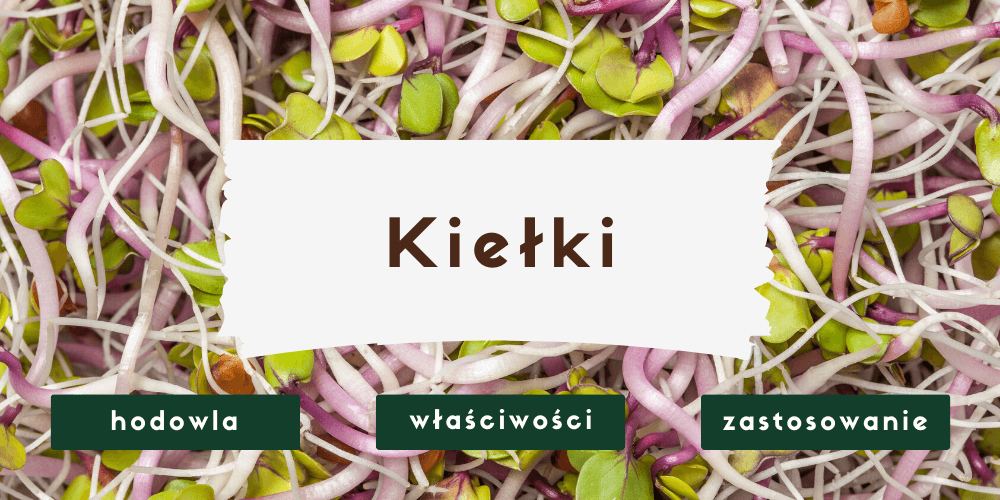
Sprouts are not only a healthy addition to salads and sandwiches, but also a real vitamin bomb that can improve our health and immunity .
They are made from the seeds of legumes, cereals, vegetables, or herbs that germinate under the influence of water and heat. This increases their nutritional value and becomes richer in vitamins, minerals, protein, and fiber.
Can you grow sprouts at home? Absolutely! What's more, it's easy and affordable to do using a sprouter or jar. In this article, you'll learn about the properties of sprouts, how to grow them at home, and what to add them to . Read on!
What are sprouts and what properties do they have?
Sprouts are young plants that grow from the seeds of legumes, cereals, vegetables, or herbs. Germination is the process by which seeds, when exposed to water and heat, begin to germinate, producing roots, stems, and leaves.

Sprouts are considered a functional food, meaning they have a beneficial effect on health and well-being. They are rich in antioxidant vitamins, such as A, C, and E, which protect cells from damage and aging . They also provide B vitamins, which are essential for the proper functioning of the nervous and metabolic systems.
In addition, sprouts are a source of many minerals , such as iron, phosphorus, magnesium, calcium, potassium and zinc, which support the structure and regeneration of tissues, as well as regulate electrolyte balance and blood pressure.
Sprouts are also rich in plant protein , which contains all the essential amino acids. Protein is important for the growth and repair of muscles, bones, skin, hair, and nails. Sprouts are also high in fiber , which improves intestinal function, prevents constipation, lowers cholesterol and blood sugar levels, and also promotes a feeling of fullness and helps maintain a healthy weight.
Depending on the type of seed they come from, sprouts can have different properties and flavors. Here are some examples of popular sprouts and their benefits:
Radish sprouts
They have a sharp and spicy flavor, similar to radishes. They are rich in vitamin C, which strengthens immunity and fights infections. They have anti-inflammatory, cleansing, and digestive properties. They also contain sulfur, which improves the condition of skin, hair, and nails.

Daikon seeds for sprouting, organic, 20 g - Vita Line
Alfalfa sprouts
They have a delicate and nutty flavor and complement many dishes. They are rich in vitamin K, which is essential for proper blood clotting and bone health. They are also high in vitamin E, which protects cells from oxidative stress.

Alfalfa (sprouting) seeds 80 g - Diet-Food
They also contain protein, unsaturated fatty acids, magnesium and zinc, which support the nervous, cardiac and hormonal systems.
Lentil sprouts
They have a sweet and sour flavor and are perfect for salads, soups, and spreads. They are rich in protein, which is important for building muscle and tissue. They are also rich in iron, which prevents anemia and improves oxygen transport in the body. They also contain folic acid, which is essential for proper fetal development and prevents birth defects.
Mung bean sprouts
They have a crunchy and fresh flavor and are often used in Asian cuisine. They are rich in vitamin C, which strengthens immunity and aids in wound healing. They are also high in vitamin B9, which supports red blood cell production and prevents anemia. They also contain protein, potassium, phosphorus, and copper, which improve heart, kidney, and liver function.
Broccoli sprouts
They have a slightly bitter taste and are perfect for salads, soups, and spreads. They are rich in vitamin C, which strengthens the immune system and aids in wound healing. They are also high in vitamin A, which improves skin and vision. They also contain protein, carotene, and omega-3 fatty acids, which support the nervous, cardiac, and hormonal systems.

Broccoli sprouting seeds 20 g - Diet-Food
The most important benefit of broccoli sprouts, however, is their content of sulforaphane , a compound with anticancer properties . Sulforaphane deactivates harmful enzymes and reduces the development of a protein responsible for tumor growth.
Coriander sprouts
They have an intense and aromatic flavor, perfect for oriental, Mexican, and Indian dishes. They are rich in vitamin K, essential for proper blood clotting and bone health. They are also high in vitamin C, which strengthens the immune system and fights infections. They also contain protein, unsaturated fatty acids, magnesium, and iron, which improve heart, kidney, and liver function.

Coriander seeds for sprouting ORGANIC 20 g - Vita Line
Additionally, coriander sprouts have anti-inflammatory, antibacterial, and antifungal properties. They also help treat indigestion, flatulence, diarrhea, and constipation. Coriander is also a source of phytoestrogens, plant hormones that can alleviate menopausal symptoms in women.
How to grow sprouts at home?
Growing sprouts at home is very simple and doesn't require much time or equipment . You can use a special sprouter, which will provide optimal conditions for germination, or a regular jar with a strainer or cheesecloth.
Here's a step-by-step guide on how to grow sprouts at home:
1. Select seeds for sprouting
You can choose from a variety of sprouts, such as radish sprouts, alfalfa sprouts, lentil sprouts, broccoli sprouts, cilantro sprouts, and more. Make sure the seeds you use for sprouting are fresh, clean, and unprocessed.

You can choose from a variety of seeds
Avoid seeds intended for sowing, as they may be coated with chemicals. You can buy organic seeds for sprouting in our online health food store .
2. Soak the seeds in water
Depending on the size and type of seed, soaking time can range from a few hours to overnight. The appropriate amount of water and soaking time are usually listed on the seed package.
If you don't have this information, you can check online or follow the general rule: pour the seeds into a container and pour water over them so that they are covered with about 2-3 cm of water.
Allow the seeds to soak at room temperature, away from direct light.
3. Strain the seeds and rinse them
After soaking, the seeds will swell and develop roots. Strain the seeds and rinse them thoroughly under running water. You can use a strainer, colander, or cheesecloth. Remove any damaged or moldy seeds.
4. Transfer the seeds to a sprouter or jar
If using a sprouter, distribute the seeds evenly across trays or bowls. If using a jar, pour the seeds into the jar and cover it with a strainer or cheesecloth, securing it with a rubber band. Do not fill the jar with seeds more than 1/4 full, as the sprouts will need room to grow.
5. Place the sprouter or jar in the appropriate location
Some sprouts require light to turn green, such as alfalfa, broccoli, and radish sprouts. Others grow better in the dark, such as lentil, mung bean, and chickpea sprouts. The seed package usually lists information about the sprouts' light preferences.

If you don't have this information, you can check online or use a general rule: if the sprouts have green leaves, they need light; if not, darkness is enough.
Place the sprouter or jar in a location that provides the appropriate temperature (around 20-25°C) and humidity. Avoid direct sunlight, radiators, and drafts.
6. Rinse the sprouts daily
Sprouts need moisture to grow and not dry out. Therefore, it's important to rinse them daily under running water, preferably in the morning and evening.
If you're using a sprouter, simply submerge it in a bowl of water and shake gently to drain the water through the holes. If you're using a jar, simply pour the water through a strainer or cheesecloth and pour it out by turning the jar upside down.
Do not leave water in the sprouter or jar as this may cause the sprouts to rot or mold.
7. Harvest the sprouts when they reach the appropriate size
Sprouts are typically ready to harvest 3-7 days after soaking, depending on the type and conditions . You can tell if they're ready by looking at their appearance and taste.
Sprouts should have distinct roots, stems, and leaves. They should be crunchy and tasty, with no signs of rot or mold.
Once the sprouts are ready, you can collect them from the sprouter or jar, rinse them thoroughly, and pat them dry . You can eat them immediately or store them in an airtight container in the refrigerator for a few days.
What to add sprouts to - kitchen inspirations?
Sprouts are not only a healthy addition to salads and sandwiches, but also a tasty and colorful ingredient in many other dishes. You can use them both raw and lightly cooked. What can you add sprouts to? They're perfect for dishes with organic pasta , rice, meat, vegetables, cheese, and even fruit.

Sprouts and sandwiches are a delicious combination
Here are some ideas for sprout dishes that will surely surprise and delight your guests:
- Pasta with meat and sprouts is a quick and simple dish. Just cook your favorite pasta, sauté the ground meat with natural spices , and finally add radish sprouts for a spicy, fresh flavor. You can also sprinkle the dish with grated cheese and parsley.
- This light and quick salad with sprouts is perfect for a second breakfast, lunch, or dinner. Add alfalfa sprouts, hard-boiled eggs, tomato, and mozzarella to the iceberg lettuce. Drizzle with a garlic-herb dressing made with organic olive oil or olive oil . This salad is packed with vitamins and is low in calories.
- Sprout Salad – This is another version of the salad, this time with the addition of quinoa , which is rich in fiber and magnesium. Cook the quinoa according to the package instructions, then toss it with broccoli sprouts, cilantro, red onion, bell pepper, and corn. Drizzle with a dressing of apple cider vinegar, honey, mustard, and salt.
- Spring rolls are delicious and colorful snacks with an Asian twist. Wrap mung bean sprouts, carrots, cucumbers, lettuce, and mint in thin rice pancakes. You can also add shrimp, chicken, or tofu. Serve the spring rolls with sweet and sour sauce or fish sauce with lime and chili.
I hope you enjoy these recipes and they inspire you to create your own dishes with sprouts.
Summary
In this article, you learned what sprouts are, what nutritional value and health properties they have, how to grow them at home and how to use them in the kitchen .
Sprouts are not only a healthy addition to salads and sandwiches, but also a tasty and colorful ingredient in many other dishes. They are rich in vitamins, minerals, protein, and fiber, and also have anti-inflammatory, anti-cancer, and digestive benefits.
Sprouts can be easily and inexpensively grown in a sprouter or jar by rinsing them daily under running water . They're perfect for dishes with pasta, rice, meat, vegetables, cheese, and even fruit. You can eat them raw or lightly cook them.
We hope this article has inspired you to try growing sprouts yourself at home and making some delicious dishes with them. You'll find organic sprouting seeds in our store, which you can order with fast delivery .