Contents
- 1. Siberian Ginseng (Eleuthero)
- How does eleuthero support immunity?
- The effect of eleuthero on energy levels and stress resistance
- How to use eleuthero?
- 2. Rhodiola rosea
- 3. Ashwagandha (Withania somnifera)
- 4. Astragalus (Astragalus membranaceus)
- 5. Maca (Lepidium meyenii)
- Summary
Fall and winter are times when our bodies especially need support. Low temperatures, shorter days, and an increased number of infections put both our immunity and energy levels to the test. During this time, many people seek natural ways to boost their vitality and protect themselves from seasonal ailments.
One of the most effective ways to support the body in the fight against stress and weakened immunity are adaptogens – plants and fungi with unique properties that help our bodies better cope with difficult conditions.
Adaptogens, as the name suggests, support the body's ability to adapt—that is, to adapt to various stressors, both physical and mental. Unlike artificial stimulants, they work harmoniously, strengthening the body in a natural and safe way.

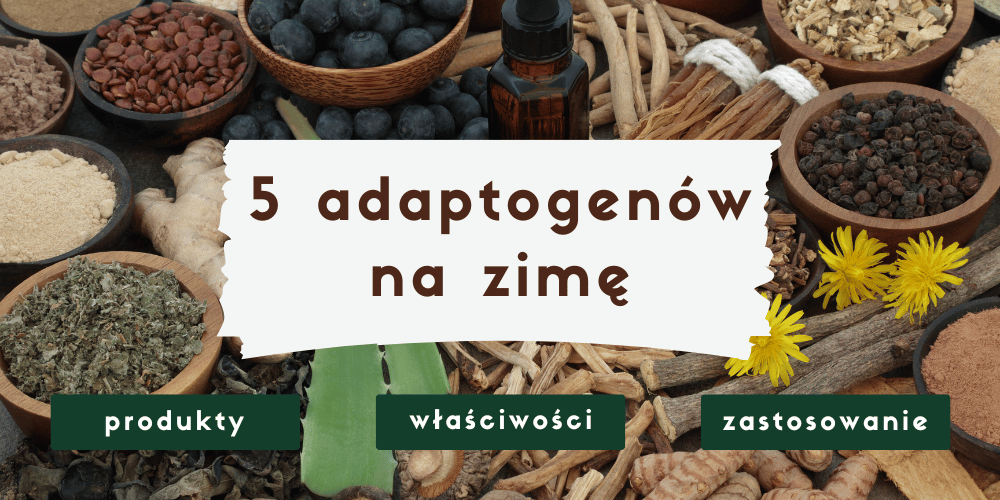
In this article, we'll explore five popular and effective adaptogens that are especially worth incorporating into your daily diet during the colder months. Each has unique properties that support the immune system, boost energy, and help maintain mental balance.
Discover the best adaptogens for fall and winter that can help you survive this season healthy and full of energy!
1. Siberian Ginseng (Eleuthero)
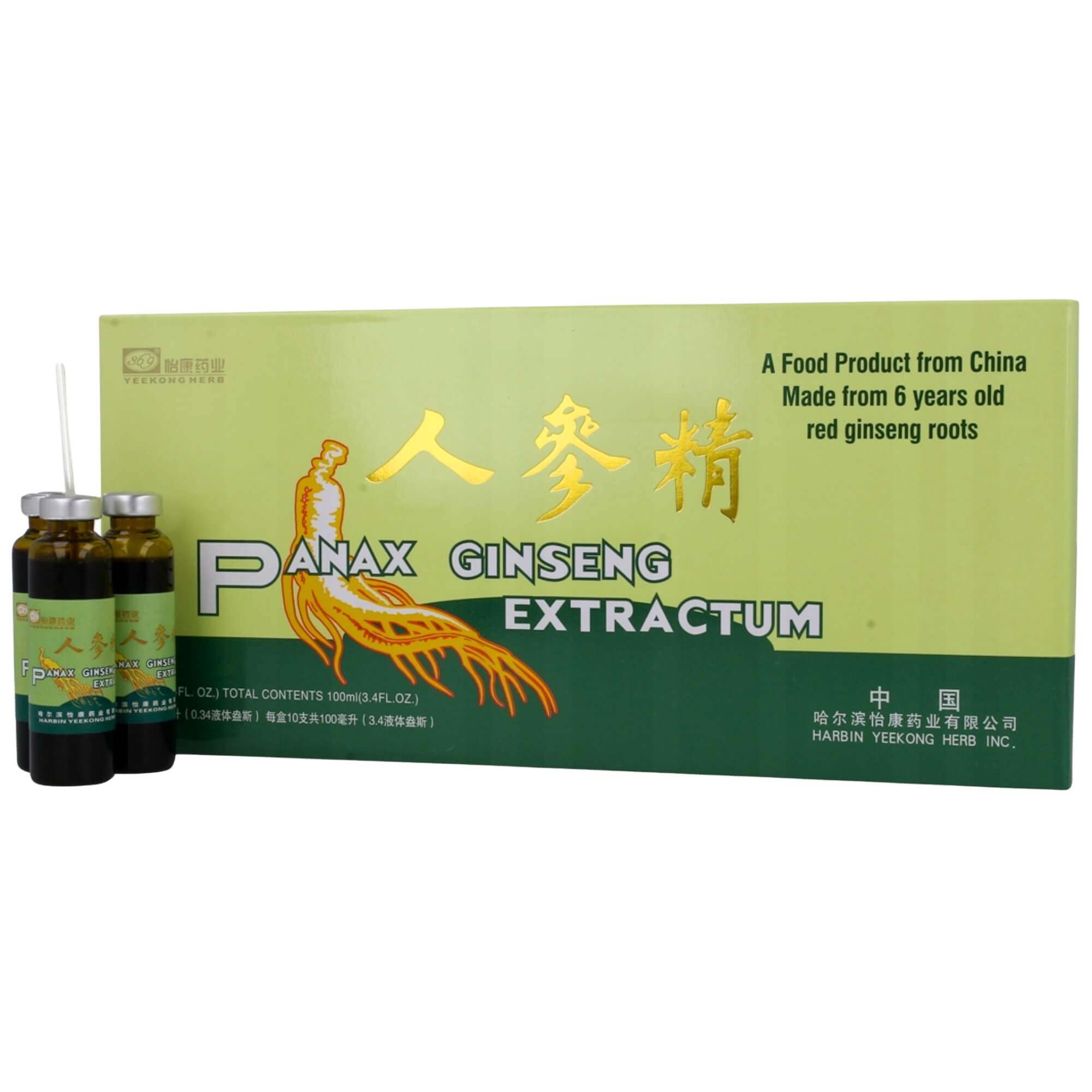
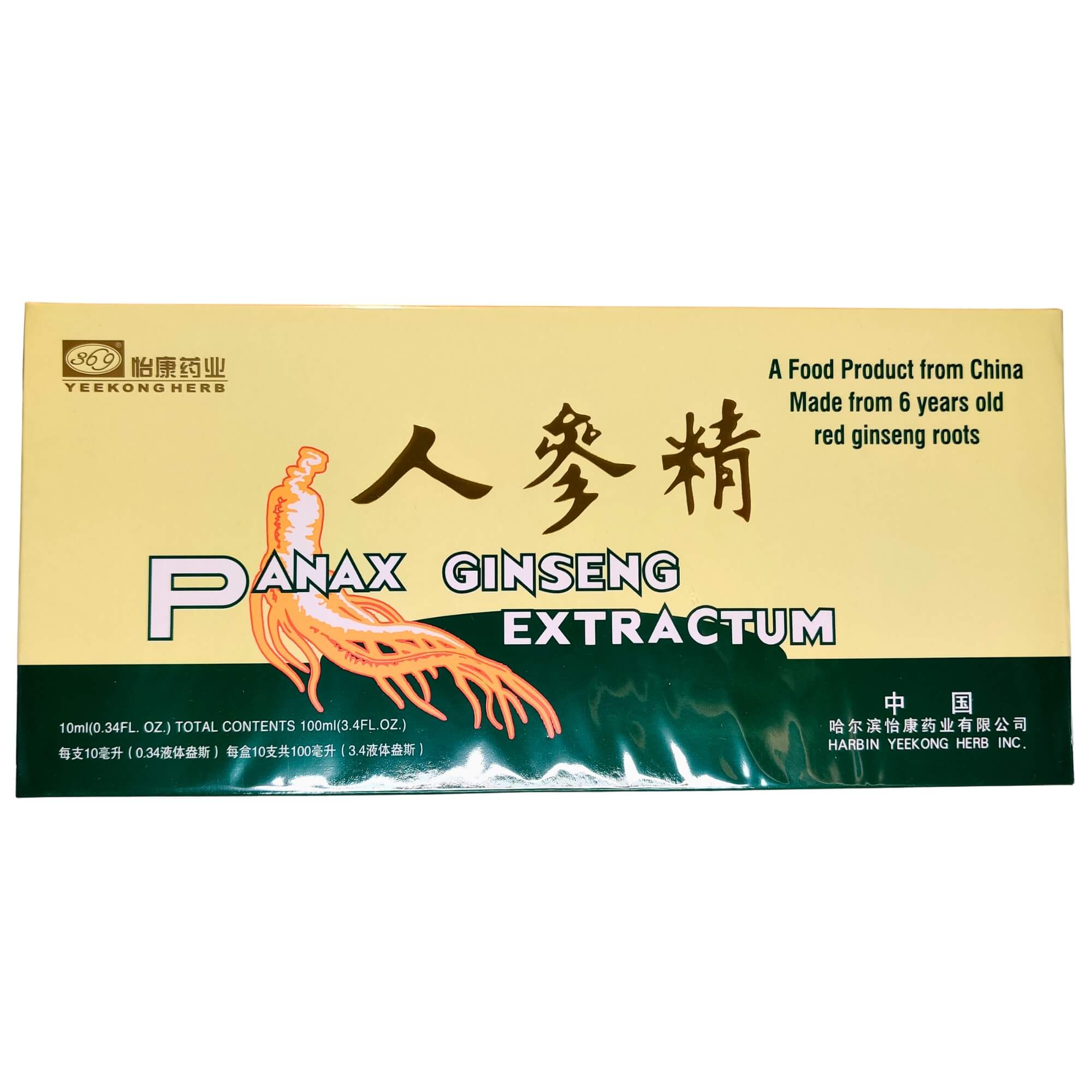
Siberian ginseng, also known as eleuthero, is one of the most popular adaptogenic plants used in traditional medicine. Although it comes from the ginseng family, it differs from classic Korean or American ginseng in both appearance and action profile.
Eleuthero has gained widespread recognition for its ability to support endurance and alleviate fatigue. It is an ideal adaptogen that can prove valuable support during the fall and winter seasons.
How does eleuthero support immunity?
Siberian ginseng stimulates the immune system , which translates into better protection against seasonal infections. This plant works by increasing the activity of immune cells, such as lymphocytes and macrophages, which are responsible for destroying pathogens and protecting against disease.

Regular use of eleuthero can therefore help increase resistance to bacteria and viruses that attack our bodies, especially in the colder months.
The effect of eleuthero on energy levels and stress resistance
One of the key reasons eleuthero is valued as an adaptogen is its ability to alleviate the effects of physical and mental fatigue . Siberian ginseng supports the body's energy management, which translates into better endurance and faster recovery after exercise.
Thanks to this, it can be used by people exposed to stress and exhaustion, as well as athletes or those who need an extra dose of energy during more difficult periods.
How to use eleuthero?
Eleuthero is available in various forms, from capsules and powders to extracts and tinctures. It's recommended to use it regularly for several weeks to fully experience its benefits. Dosage should be adjusted according to individual needs and the manufacturer's recommendations, but a typical daily dose is usually 300 to 1200 mg of extract.
Siberian ginseng can also be used preventively in the fall and winter to help the body better adapt to weather changes and increased pathogen activity.
2. Rhodiola rosea
Rhodiola rosea, also known as golden root, is an adaptogenic plant with an exceptionally long history of use, particularly in traditional Siberian and Scandinavian medicine. For centuries, its root has been used by people living in cold regions of the world to improve endurance, concentration, and overall resistance to stress.
Thanks to its versatile properties, Rhodiola rosea can be an excellent support for the body in the autumn and winter season.
How does Rhodiola Rosea support energy and immunity?
Rhodiola rosea's main benefit is its impact on the body's nervous and energy systems. This plant stimulates the production of serotonin and dopamine, two key neurotransmitters responsible for well-being, motivation, and concentration.
Rhodiola rosea not only helps increase energy levels, but also improves mental performance , which is especially valuable in the autumn and winter season, when many people experience fatigue and low mood.

Rhodiola works in two ways in the context of immunity. First, it helps the body better cope with stress , which can weaken the immune system. Second, rhodiola has anti-inflammatory and antioxidant properties that support the body's natural defenses and reduce the risk of infection.
When and how to use Rhodiola rosea?
Rhodiola rosea is available in capsules, tablets, powders, and extracts. It's recommended to take it in the morning or during the day, as its effects can improve alertness and energy, which can make it difficult for some people to sleep at night. A daily dose typically ranges from 200 to 600 mg of extract, depending on individual needs.
Using rhodiola regularly over a period of several weeks can help your body respond better to winter challenges such as low temperatures, stress, and seasonal infections.
Rhodiola rosea is an adaptogen that supports both the body and mind, which is why its popularity is constantly growing among people looking for natural ways to improve their physical and mental health.
3. Ashwagandha (Withania somnifera)
Ashwagandha , also known as withania somnifera, is an adaptogen that has gained widespread popularity not only in Ayurveda but also in Western medicine. This plant, native to India, is valued for its properties that support mental balance, as well as its anti-inflammatory and immune-boosting effects.

Ashwagandha powder ORGANIC 150 g - Bio Planet
Ashwagandha, being a strong adaptogen, is an ideal solution for autumn and winter challenges, when the body is particularly susceptible to stress and weakness.
How does ashwagandha support immunity and relieve stress?
Ashwagandha works holistically, supporting the body both physically and mentally. Its main benefit is its ability to lower cortisol levels , a "stress hormone" that can weaken the immune system. By reducing the impact of stress on the body, ashwagandha indirectly supports immunity, helping the body better defend itself against infections.
Additionally, ashwagandha has anti-inflammatory and antioxidant properties that support the body in fighting free radicals and maintaining a balanced immune system. It may also help improve sleep quality, which is crucial for recovery and maintaining a strong immune system.
How to use ashwagandha?
Ashwagandha is available in various forms: capsules, powders, extracts, and teas. It is most often taken in the evening, as it helps calm and relax, supporting the body's regeneration during sleep. The recommended dose is 300 to 600 mg of extract daily, but this can be adjusted to individual needs and the manufacturer's recommendations.

BICAPS Ashwagandha 60 capsules - ForMeds
Long-term use of ashwagandha during the fall and winter months can help reduce stress levels, improve sleep quality, and strengthen the immune system, supporting the body in coping with daily challenges, both mental and physical.
4. Astragalus (Astragalus membranaceus)
Astragalus, also known as astragalus, is a plant with exceptional immunostimulating and adaptogenic properties that has been used in traditional Chinese medicine for centuries. Astragalus is known for its ability to support the immune system and protect against viruses and bacteria, making it an ideal adaptogen for the fall and winter seasons.
How does astragalus support immunity?
Astragalus works by supporting and strengthening the body's natural defenses. This plant increases the production of immune system cells, such as lymphocytes, and stimulates their activity, which helps fight infections and prevent their recurrence. Additionally, astragalus supports the production of interferon, a protein that plays a key role in fighting viruses.

Another benefit of astragalus is its ability to reduce inflammation. As a powerful antioxidant, astragalus helps eliminate free radicals that can damage cells and weaken the immune system. This supports regeneration and long-term health, especially in harsher weather conditions.
How to use astragalus?
Astragalus is available in capsules, extracts, teas, and powders. During the fall and winter, it can be used preventatively or as support for colds. A typical dose is 250 to 500 mg of extract daily, but you should always adjust the dosage to your needs and the manufacturer's recommendations.
Regularly using astragalus during periods of increased risk of infection can help strengthen the immune system and support overall endurance. Thanks to its versatile properties, astragalus is one of the most valuable adaptogens in the fight for health and energy during the fall and winter seasons.
5. Maca (Lepidium meyenii)
Maca , also known as "Peruvian ginseng," is an adaptogen root packed with nutrients that has been used by Andean people for centuries. This plant is particularly valued for its energy-boosting properties, supporting hormonal balance, and strengthening the immune system, making it an ideal choice for the colder months.
How does maca affect energy and mood?
Maca is known for its tonic properties, supporting overall energy and vitality. This plant provides not only physical but also mental energy, improving mood and helping to combat fatigue. Maca is rich in B vitamins, iron, magnesium, and potassium, which support the nervous system and help cope with low mood and seasonal energy deficits.

Maca powder ORGANIC 150 g - Bio Planet
Thanks to its natural sterols, maca may also have a beneficial effect on hormonal balance , which is especially valuable during periods of increased stress or changing weather conditions. Stabilizing hormones helps improve mood and reduce emotional swings, which can be helpful during the darker days of winter.
How does maca support immunity?
Maca has immune-boosting properties thanks to its high antioxidant content, which supports the body's natural defenses. This plant helps eliminate free radicals , reducing the risk of infection and promoting regeneration.
Maca can be used preventively to support the body in the fight against viruses and bacteria that become more active in the winter.
How to use maca?
Maca is available in powder, capsules, and extract forms. Due to its delicate, slightly nutty flavor, maca powder can be added to smoothies, yogurt, or oatmeal. A typical dose is 1 to 3 teaspoons daily (approximately 5-15 grams) , depending on individual needs and the manufacturer's recommendations.
Regular use of maca during the fall and winter months can benefit from increased energy, improved mood, and enhanced immunity. It's one of the safest and most versatile adaptogens, ideal for those seeking natural support for the harsh winter days.
Summary
Adaptogens are unique plants that play a crucial role in supporting the body during challenging periods, such as the fall and winter seasons. These plants, like Siberian ginseng, rhodiola rosea, ashwagandha, astragalus, and maca, help boost immunity, improve energy levels, and manage stress. They work in multiple ways, positively impacting the immune, hormonal, and nervous systems, and helping to naturally adapt to seasonal changes.
Regular use of the best adaptogens can support both physical and mental health , resulting in better immunity, a more stable mood, and greater resistance to stress. By choosing the right adaptogen and adapting its use to your needs, you can strengthen your body in the face of the challenges of the winter season.
It's worth remembering that adaptogens work best when used regularly and over a long period of time . By choosing to incorporate them into your daily diet, you're providing your body with natural support that will help you get through the winter season healthy and in good shape.