The article was updated on 27.07.2026
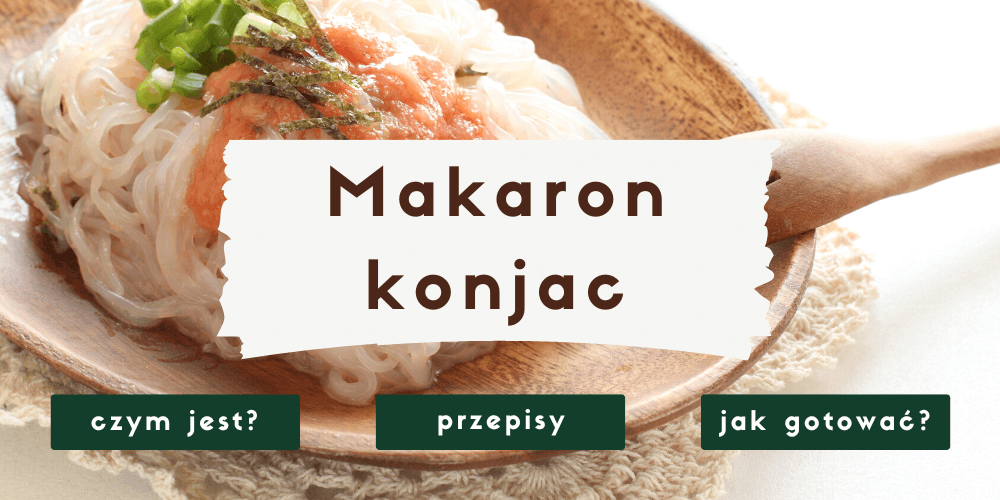
Konjac pasta (shirataki) is perfect for soups, salads, main dishes in Asian and classic cuisine, and even for a quick breakfast or lunch for work — below you will find 16 proven recipes divided in this way. It's an almost fat-free, gluten-free, and low-carb pasta made from the root of the konjac plant, which takes on the flavor of any sauce it's combined with. In this article, we also show you how to cook it properly to get rid of its characteristic smell, and what its real nutritional properties are.
1. What is konjac pasta and what are its properties?
Konjac pasta, also known as shirataki, is a pasta with almost zero calories, made from flour obtained from the root of the Amorphophallus konjac plant. Unlike classic grain pastas, it consists of 95–97% water, and the rest is glucomannan — a water-soluble dietary fiber that is not digested by the human body. This composition is responsible for its unique properties and growing popularity among people on reduction, ketogenic, and low-carb diets.

Thanks to this composition, konjac pasta has several features that distinguish it from traditional pastas:
- Very low calorie content: it's just a few calories per 100g after cooking — significantly less than any grain pasta.
- Gluten-free: it doesn't contain gluten, so it's also suitable for gluten-free pastas as an alternative for people with celiac disease or gluten intolerance.
- Very high fiber content: almost the entire dry mass of the product is glucomannan, which supports satiety and bowel function — you can read more about how diet affects bacterial flora in the article How to improve the state of the microbiome?
- Negligible carbohydrate content: it's one of the few pastas that genuinely fits into a keto and low-carb diet.
- No fat and practically no protein: this is important — konjac pasta itself is not a nutritionally complete meal.
- Neutral taste: it essentially has no taste of its own, so it takes on the flavor of the sauces and spices it's combined with.
Knowledge in a nutshell: Konjac pasta is almost pure fiber and water — it does not provide protein or fat. To make the meal complete, it should be combined with a source of protein (meat, fish, tofu, eggs) and good fats, as in the recipes in this article.
How does konjac pasta compare to traditional pastas?
The table below shows approximate nutritional values for 100g of the cooked product — the differences are so significant that it's worth seeing them side by side.
| Type of pasta (100g, cooked) | Calories | Carbohydrates | of which fiber | Protein | Fat |
|---|---|---|---|---|---|
| Konjac pasta (shirataki) | approx. 9 kcal | approx. 3 g | approx. 3 g | approx. 0 g | approx. 0 g |
| Wheat pasta (durum) | approx. 131 kcal | approx. 25 g | approx. 1.8 g | approx. 5 g | approx. 1.1 g |
| Whole grain pasta | approx. 124 kcal | approx. 26 g | approx. 3.9 g | approx. 5.3 g | approx. 1.1 g |
Scroll right to see the full table (on mobile devices) →
Approximate values — may vary slightly depending on the manufacturer and product variant.
The main ingredient of konjac pasta, glucomannan, also has real support in EU regulations — it is one of the few fibers with a health claim approved by EFSA. Glucomannan contributes to the maintenance of normal blood cholesterol levels with a daily intake of 4g, and in the context of a low-calorie diet, it can support weight reduction with an intake of at least 3g daily (in three doses of 1g, taken with 1–2 glasses of water before meals).
Note: these doses refer to pure glucomannan, not to a single serving of konjac pasta — in practice, the glucomannan content in a package of pasta is often lower and varies between manufacturers. The recipes in this article should be treated as part of a varied diet, not as a way to achieve a specific health effect.
2. How to cook and prepare konjac pasta step by step?
Konjac pasta just needs to be rinsed under running water, briefly blanched or cooked for 2–3 minutes, thoroughly drained, and pan-fried dry for 2–3 minutes — this last step, though often omitted, makes the biggest difference in taste and texture. Below is the full step-by-step instruction.
- Open the package and drain the liquid. Konjac pasta is packed in a characteristic, slightly cloudy liquid — it should be completely drained.
- Rinse the pasta under cold, running water. Rinse it for about a minute, gently separating the strands or ribbons of pasta.
- Blanch or briefly cook. Pour boiling water over the pasta for 1–2 minutes, or put it in boiling, lightly salted water for 2–3 minutes — without covering the pot.
- Drain very thoroughly. The less water remains in the pasta, the better it will absorb the sauce and the less watery the final result will be.
- Pan-fry dry on a hot pan for 2–3 minutes, without fat. This step evaporates any remaining water, giving the pasta a more "al dente," traditional pasta-like consistency.
- Only now add sauce, spices, or other ingredients to the dish. Konjac pasta itself is practically tasteless, so this is the stage where the flavor of the entire dish is decided.
Tip: konjac pasta has a characteristic, slightly fishy smell, which comes from the preservative liquid. According to our customers' observations, a thorough rinse combined with dry pan-frying works best — this smell almost completely disappears, and the pasta itself does not reabsorb it after draining.
Note: konjac pasta is a concentrated source of soluble fiber, so it is worth introducing it into your diet gradually and drinking an adequate amount of water with it. Consuming very large portions at once can cause bloating or digestive discomfort in some people.
3. Which soups with konjac pasta are worth cooking?
Thanks to its neutral taste and quick preparation time, konjac pasta works great in soups — it absorbs the flavor of the broth, and at the same time, it doesn't get overcooked or change the consistency of the soup like traditional pastas do. Below are two suggestions: classic Japanese ramen and spicy Thai tom yum soup.
3.1. Ramen with konjac pasta and tofu
Ingredients:
- 1 package of konjac pasta
- 200 g tofu
- 1 liter of vegetable broth
- 1 tablespoon miso paste
- 100 g fresh mushrooms
- 1 egg
- Green onion, nori, and sesame for garnish

Konjac noodle udon BIO 270 g - Keto Chef
Preparation method:
- Dice the tofu and brown it in a pan.
- Bring the broth to a boil, add miso paste, and mix well.
- Add mushrooms and cook for 5 minutes.
- Prepare konjac pasta according to the instructions in the previous chapter (rinse, blanch, drain).
- Place the pasta in a ramen bowl, pour in the broth with mushrooms, add tofu.
- Boil the egg soft, add to ramen.
- Garnish with green onion, nori, and sesame before serving.
3.2. Spicy tom yum soup with konjac pasta and shrimp
Ingredients:
- 1 package of konjac pasta
- 200 g shrimp (peeled)
- 1 liter of vegetable or fish broth
- 1 stalk of lemongrass (or zest of 1 lime)
- 2 cloves garlic (minced)
- 1 cm ginger (grated)
- 1 red chili pepper (sliced)
- 100 g button mushrooms or oyster mushrooms
- 100 g cherry tomatoes (halved)
- Juice of 1 lime
- 1 tablespoon fish sauce or soy sauce
- Fresh cilantro for garnish

Konjac pasta Thai style BIO 270 g - Keto Chef
Preparation method:
- In a pot, bring the broth to a boil with lemongrass, garlic, ginger, and chili. Simmer for 5 minutes to let the flavors meld.
- Add mushrooms and cook for another 3 minutes.
- Add shrimp and cook for 2–3 minutes, until they turn pink.
- Add cherry tomatoes, lime juice, and fish or soy sauce. Season to taste.
- Prepare konjac pasta according to the instructions in the previous chapter and add to the soup just before serving.
- Serve hot, sprinkled with fresh cilantro.
Tip: the spiciness of the soup is most easily adjusted by the amount of chili and its cooking time — the longer the pepper cooks in the broth, the more spiciness it releases. If you prefer a milder version, add chili only 1–2 minutes before the end of cooking.
4. Which salads and cold dishes to prepare with konjac pasta?
Konjac pasta does not lose its consistency when cooled like wheat pastas do, making it excellent for salads and dishes served cold or at room temperature — as a light lunch or a summer side dish.
4.1. Asian salad with konjac pasta
Ingredients:
- 1 package of konjac pasta
- 200 g fresh vegetables (e.g., bell pepper, cucumber, carrot, lettuce)
- 2 tablespoons soy sauce
- 1 tablespoon sesame oil
- 1 teaspoon honey
- Fresh cilantro for garnish

Konjac noodle rice shaped BIO 270 g - Keto Chef
Preparation method:
- Prepare konjac pasta according to the instructions in the previous chapter.
- Cut vegetables into thin strips.
- In a small bowl, mix soy sauce, sesame oil, and honey to create a dressing.
- Combine pasta with vegetables and dressing.
- Sprinkle the salad with fresh cilantro before serving.
4.2. Konjac pasta in sesame sauce with vegetables
Sesame sauce ingredients:
- 2 tablespoons peanut butter
- 2 tablespoons soy sauce
- 1 tablespoon sesame oil
- 1 tablespoon rice vinegar
- 1 teaspoon honey
- 1 clove garlic (minced)
- 1 teaspoon grated ginger
- 1/2 teaspoon chili flakes (optional)
- Salt and pepper to taste

Konjac noodle BIO 385 g - Better Than Foods
Other ingredients:
- 1 package of konjac pasta
- 1 cucumber (cut into thin strips)
- 2 carrots (grated)
- 2 green onions (chopped)
- 1 tablespoon sesame seeds (toasted)
Preparation method:
- Prepare the sauce: in a bowl, mix peanut butter, soy sauce, sesame oil, rice vinegar, honey, garlic, ginger, chili flakes (if using), and a pinch of salt and pepper. Set aside.
- Prepare konjac noodles according to the instructions in the previous chapter.
- In a large bowl, combine the noodles, sliced cucumbers, grated carrots, and chopped green onions.
- Pour the prepared sesame sauce over everything and mix thoroughly.
- Sprinkle the dish with toasted sesame seeds and serve cold or at room temperature.
4.3. Greek salad with konjac noodles, feta, and olives
Ingredients:
- 1 package konjac noodles
- 1 cucumber (diced)
- 2 tomatoes (diced)
- 1/2 red onion (sliced into thin strips)
- 100 g feta cheese (cubed)
- 50 g Kalamata olives
- 2 tablespoons olive oil
- 1 tablespoon lemon juice
- 1 teaspoon dried oregano
- Salt and pepper to taste

Konjac Penne Organic 270 g - Keto Chef
Preparation method:
- Prepare konjac noodles according to the instructions in the previous chapter and set aside to cool.
- In a large bowl, combine cucumber, tomatoes, onion, feta, and olives.
- In a separate bowl, whisk together olive oil, lemon juice, oregano, salt, and pepper.
- Add the cooled konjac noodles to the vegetables with feta.
- Pour the dressing over the salad and mix gently, being careful not to crumble the feta.
- It tastes best after 15–20 minutes of chilling in the refrigerator, when the flavors have blended.
5. What Asian main dishes can you make with konjac noodles?
Asian cuisine is a natural environment for konjac noodles — intense sauces, aromatic spices, and quick frying techniques perfectly mask their neutral taste. Below are four satisfying main dishes, from classic teriyaki to warming curry.
5.1. Konjac noodles with vegetables and teriyaki sauce
Ingredients:
- 1 package konjac noodles
- 1/2 zucchini
- 1/2 red bell pepper
- 1/2 carrot
- 1/2 onion
- 2 tablespoons teriyaki sauce
- 1 tablespoon coconut oil
- 1 teaspoon sesame seeds
- 1/2 teaspoon salt
- 1/2 teaspoon pepper

Preparation method:
- Prepare konjac noodles according to the instructions in chapter 2.
- Cut zucchini, bell pepper, carrot, and onion into thin strips.
- Heat coconut oil in a pan, add vegetables and fry for 3–4 minutes.
- Add konjac noodles and pour in teriyaki sauce. Mix everything and fry for 2 minutes.
- Season with salt and pepper, sprinkle with sesame seeds.
- Serve immediately after preparation.
5.2. Konjac noodles in peanut sauce with tofu
Ingredients:
- 1 package konjac noodles
- 200 g tofu (natural or smoked)
- 1 tablespoon sesame oil
- 2 tablespoons peanut butter
- 1 tablespoon soy sauce
- 1 teaspoon rice vinegar
- 1 teaspoon honey or maple syrup
- 1/2 teaspoon ginger (grated)
- 1/2 teaspoon chili powder
- 1/4 cup coconut milk
- 1 tablespoon chopped cilantro

Konjac Noodle Organic 270 g - Keto Chef
Preparation method:
- Prepare konjac noodles according to the instructions in chapter 2.
- Cut tofu into cubes and fry in sesame oil until golden.
- In a bowl, mix peanut butter, soy sauce, rice vinegar, honey, ginger, chili, and coconut milk.
- Add konjac noodles to tofu, pour in peanut sauce and mix thoroughly.
- Fry for another 2–3 minutes over low heat.
- Serve sprinkled with chopped cilantro.
5.3. Konjac noodles with shrimp and garlic sauce
Ingredients:
- 1 package konjac noodles (e.g., spaghetti or fettuccine)
- 200 g shrimp (peeled)
- 2 cloves garlic
- 1/2 chili pepper (optional)
- 2 tablespoons olive oil
- 2 tablespoons butter
- 1/2 lemon (juice)
- 1/2 teaspoon salt
- 1/2 teaspoon pepper
- Parsley for garnish
Preparation method:
- Prepare konjac noodles according to the instructions in chapter 2.
- Heat olive oil and butter in a pan, add chopped garlic and chili. Fry for 1 minute.
- Add shrimp and fry for 2–3 minutes until pink.
- Squeeze lemon juice over the shrimp, season with salt and pepper.
- Add konjac noodles, mix and fry everything for another minute.
- Transfer to a plate and sprinkle with parsley.
5.4. Konjac noodle curry with chicken and coconut milk
Ingredients:
- 1 package konjac noodles
- 300 g chicken breast (diced)
- 400 ml coconut milk
- 2 tablespoons curry paste (red or yellow)
- 1 onion (sliced into thin strips)
- 2 cloves garlic (chopped)
- 1 cm ginger (grated)
- 1 bell pepper (sliced into strips)
- 1 tablespoon coconut oil
- Juice of 1/2 lime
- Fresh cilantro for garnish

Konjac Fettuccine Organic 270 g - Keto Chef
Preparation method:
- Heat coconut oil in a pan or pot, add onion, garlic, and ginger. Fry for 2 minutes.
- Add chicken and fry until white on all sides.
- Stir in curry paste and fry for another minute until fragrant.
- Pour in coconut milk, add bell pepper, and simmer for 10–12 minutes until chicken is tender and sauce thickens slightly.
- Prepare konjac noodles according to the instructions in chapter 2 and add to the curry for the last 2 minutes of cooking.
- Squeeze lime juice over it, serve sprinkled with fresh cilantro.
Tip: The intensity of the curry depends mainly on the amount of curry paste, not the coconut milk itself — if you prefer a milder version, start with 1 tablespoon of paste and season gradually at the end of cooking.
6. What classic main dishes can you prepare with konjac noodles?
Konjac noodles also serve as a low-calorie base for European and Mediterranean dishes, traditionally associated with heavy, carbohydrate-rich pasta. Below are five main dishes that prove you don't have to give up your favorite flavors to eat lighter.
6.1. Konjac noodles a la spaghetti bolognese
Ingredients:
- 1 package konjac noodles
- 300 g ground beef
- 1 can canned tomatoes
- 1 onion
- 2 cloves garlic
- 1 tablespoon olive oil
- Salt, pepper, Italian herbs to taste

Konjac Noodle Spaghetti Organic 270 g - Keto Chef
Preparation method:
- Heat olive oil in a pan, add chopped onion and garlic, fry until translucent.
- Add meat and fry until completely brown.
- Pour in canned tomatoes, season with salt, pepper, and herbs, simmer for 15 minutes.
- Prepare konjac noodles according to the instructions in chapter 2.
- Serve noodles topped with bolognese sauce.

6.2. Salmon with konjac noodles and steamed vegetables
Ingredients:
- 1 salmon fillet (approx. 150 g)
- 1/2 broccoli
- 1/2 cauliflower
- 1 carrot
- 1 package konjac noodles
- 1 tablespoon olive oil
- Salt and pepper to taste
- Lemon juice (optional)

Preparation method:
- Prepare konjac noodles according to the instructions in chapter 2.
- Cut broccoli, cauliflower, and carrot into small pieces.
- Place salmon, broccoli, cauliflower, and carrot in a steamer pot.
- Steam for about 10 minutes, until salmon is cooked and vegetables are tender.
- Drizzle salmon with olive oil, season with salt and pepper to taste.
- Serve salmon with konjac noodles and vegetables.
- (Optional) Squeeze lemon juice over the salmon before serving.
6.3. Konjac noodles with shrimp and pesto
Ingredients:
- 1 package konjac noodles
- 200 g fresh or frozen shrimp
- 1/4 cup pesto (choose your preferred type)
- 2 tablespoons olive oil
- 1 clove garlic, minced
- 1/4 cup cherry tomatoes, halved (you can also use canned tomatoes)
- Salt and pepper to taste

Preparation method:
- Prepare konjac noodles according to the instructions in chapter 2.
- Heat olive oil in a pan and sauté garlic for about 30 seconds.
- Add shrimp and sauté until golden on each side.
- Pour in pesto and cherry tomatoes and simmer for a few minutes until the sauce thickens.
- Season with salt and pepper to taste.
- Add konjac noodles to the sauce and mix thoroughly.
- Serve immediately, sprinkled with fresh basil (optional).
6.4. Konjac noodles in creamy mushroom sauce
Ingredients:
- 1 package konjac noodles
- 200 g mushrooms
- 1/2 onion
- 2 cloves garlic
- 1 tablespoon butter
- 1/2 cup 18% cream (or plant-based alternative)
- 1/2 teaspoon salt
- 1/2 teaspoon pepper
- 1 teaspoon dried thyme
- 1 tablespoon grated Parmesan (optional)

Preparation method:
- Prepare konjac noodles according to the instructions in chapter 2.
- Slice mushrooms, finely chop onion and garlic.
- Heat butter in a pan, add onion and garlic, fry for 2 minutes.
- Add mushrooms and fry for another 5 minutes until they release their juices and lightly brown.
- Pour in cream, season with salt, pepper, and thyme, cook for another 2 minutes.
- Add konjac noodles, mix, and heat for 1 minute.
- Sprinkle with Parmesan and serve immediately.
6.5. Light carbonara with konjac noodles, bacon, and egg
Ingredients:
- 1 package konjac noodles (preferably spaghetti)
- 100 g bacon (diced)
- 2 whole eggs
- 1 extra egg yolk
- 40 g grated Parmesan cheese
- 1 clove garlic
- Plenty of freshly ground black pepper
- Salt to taste

Konjac Noodle Spaghetti Organic 385 g - Better Than Foods
Preparation method:
- Prepare konjac noodles according to the instructions in chapter 2, but keep them very well drained and warm.
- In a bowl, whisk eggs with egg yolk and Parmesan, season with plenty of pepper.
- In a dry pan, fry bacon until crispy, add crushed garlic for 30 seconds at the end.
- Remove the pan from heat, wait about a minute for it to cool slightly (this is important — too hot a pan will scramble the eggs).
- Add warm konjac noodles to the bacon, mix, then pour in the egg mixture, stirring vigorously off the heat until the sauce thickens and coats the noodles.
- Season with salt and extra pepper, serve immediately.
Knowledge in a nutshell: The secret to a light, creamy carbonara is to remove the pan from the heat before adding the eggs — cooking them directly over high heat almost always results in scrambled eggs instead of a smooth sauce.
7. What light dishes and quick ideas are worth knowing?
Konjac noodles are also a good base for quick, satisfying everyday meals — breakfast before work or lunch to take with you. Below are two ideas you can prepare in less than 15 minutes.
7.1. Breakfast bowl with konjac noodles, egg, and avocado
Ingredients:
- 1 package konjac noodles
- 2 eggs
- 1 ripe avocado
- 1 tablespoon butter or olive oil
- 1/2 teaspoon chili flakes (optional)
- Juice of 1/2 lemon
- Salt and pepper to taste
- Chives for garnish

Konjac Noodle Angel Hair Organic 385 g - Better Than Foods
Preparation method:
- Prepare konjac noodles according to the instructions in chapter 2 and transfer to a bowl.
- Mash avocado with a fork, season with salt, pepper, and lemon juice.
- Fry sunny-side up eggs or scrambled eggs in butter or olive oil.
- Top the noodles with mashed avocado, then the eggs.
- Sprinkle with chili flakes and chopped chives.
7.2. Quick lunch with konjac noodles and tuna
Ingredients:
- 1 package konjac noodles
- 1 can of tuna in water or oil
- 1/2 red onion (finely chopped)
- 1 pickled or fresh cucumber (diced)
- 2 tablespoons natural yogurt or mayonnaise
- 1 teaspoon mustard
- Salt and pepper to taste
- Dill for decoration

Organic Konjac Noodle Rice Shaped 385g - Better Than Foods
Preparation method:
- Prepare the konjac noodles according to the instructions in section 2 and cool thoroughly.
- Drain the tuna and flake it with a fork in a bowl.
- Add the onion, cucumber, yogurt or mayonnaise, and mustard. Mix well.
- Combine with the cooled konjac noodles, season with salt and pepper.
- Serve chilled, sprinkled with dill – it also works well as a packed lunch for work.
8. Summary
Konjac noodles are an almost fat-free and almost carb-free base that can be used equally well in soup, salad, or a hearty main course – as long as you remember two things: thorough rinsing and pan-frying before serving, and supplementing the meal with a source of protein and fat, which the noodles themselves do not provide.
In this article, you will find 16 recipes for dishes with konjac noodles:
- Ramen with konjac noodles and tofu
- Spicy Tom Yum soup with konjac noodles and shrimp
- Asian salad with konjac noodles
- Konjac noodles in sesame sauce with vegetables
- Greek salad with konjac noodles, feta, and olives
- Konjac noodles with vegetables and teriyaki sauce
- Konjac noodles in peanut sauce with tofu
- Konjac noodles with shrimp and garlic sauce
- Curry with konjac noodles, chicken, and coconut milk
- Konjac noodles à la spaghetti bolognese
- Salmon with konjac noodles and steamed vegetables
- Konjac noodles with shrimp and pesto
- Konjac noodles in creamy mushroom sauce
- Light carbonara with konjac noodles, bacon, and egg
- Breakfast bowl with konjac noodles, egg, and avocado
- Quick lunch with konjac noodles and tuna
Whether you're looking for a light soup, a salad for a hot day, or a hearty dinner – konjac noodles can be adapted to almost any time of day and any cuisine in the world.