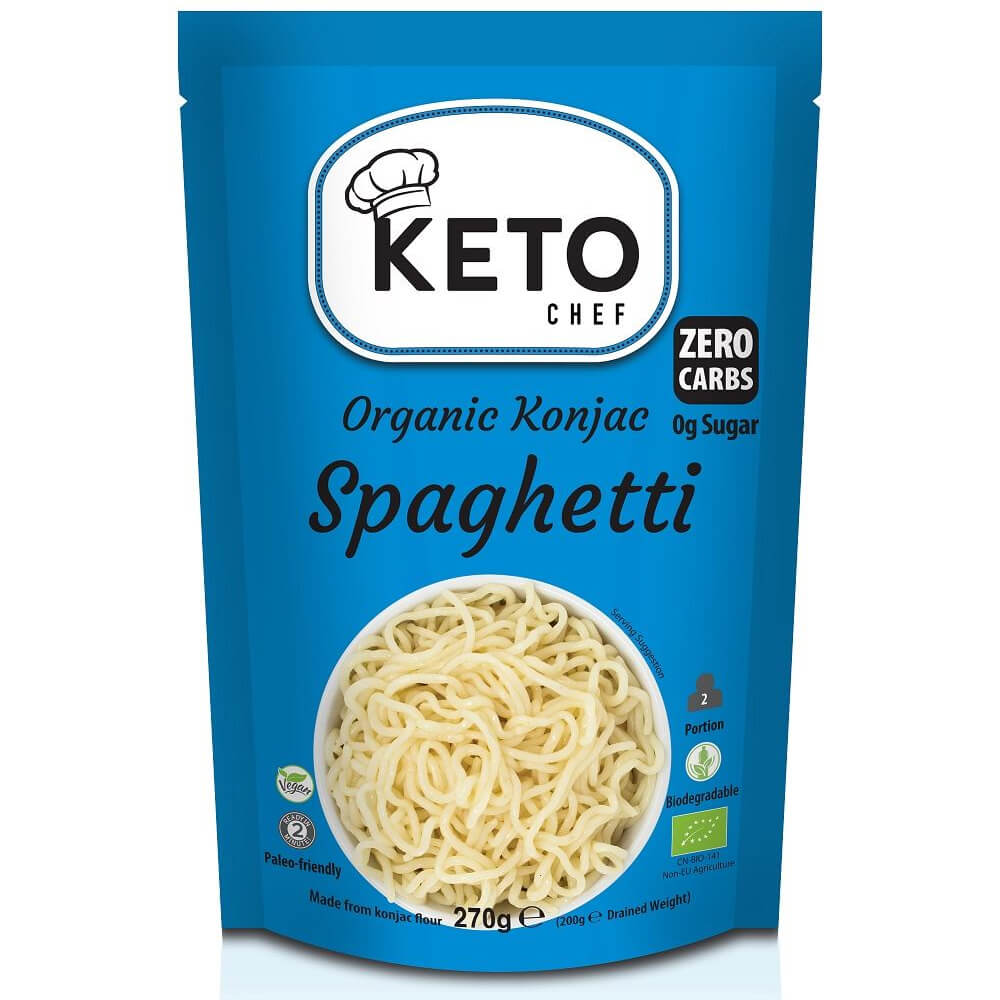
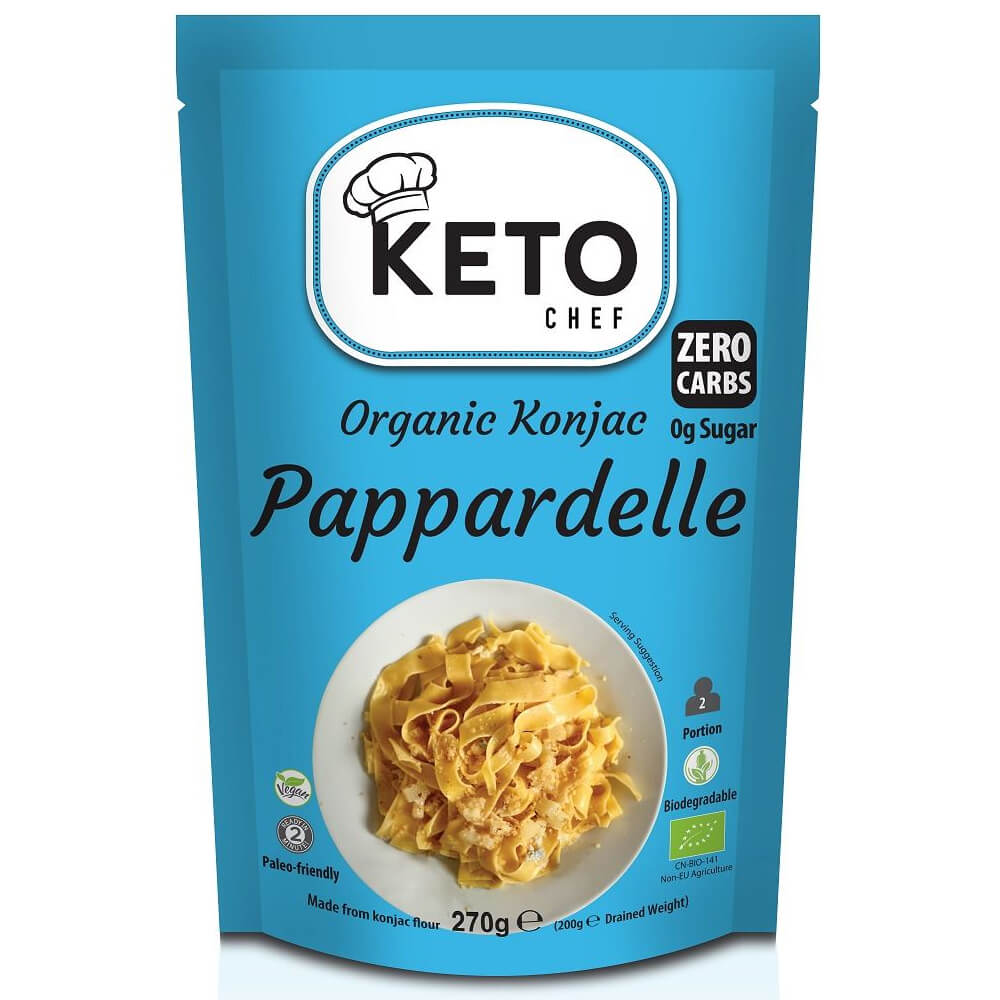
Konjac noodles (Shirataki)
22 products
Showing 1 - 22 of 22 products
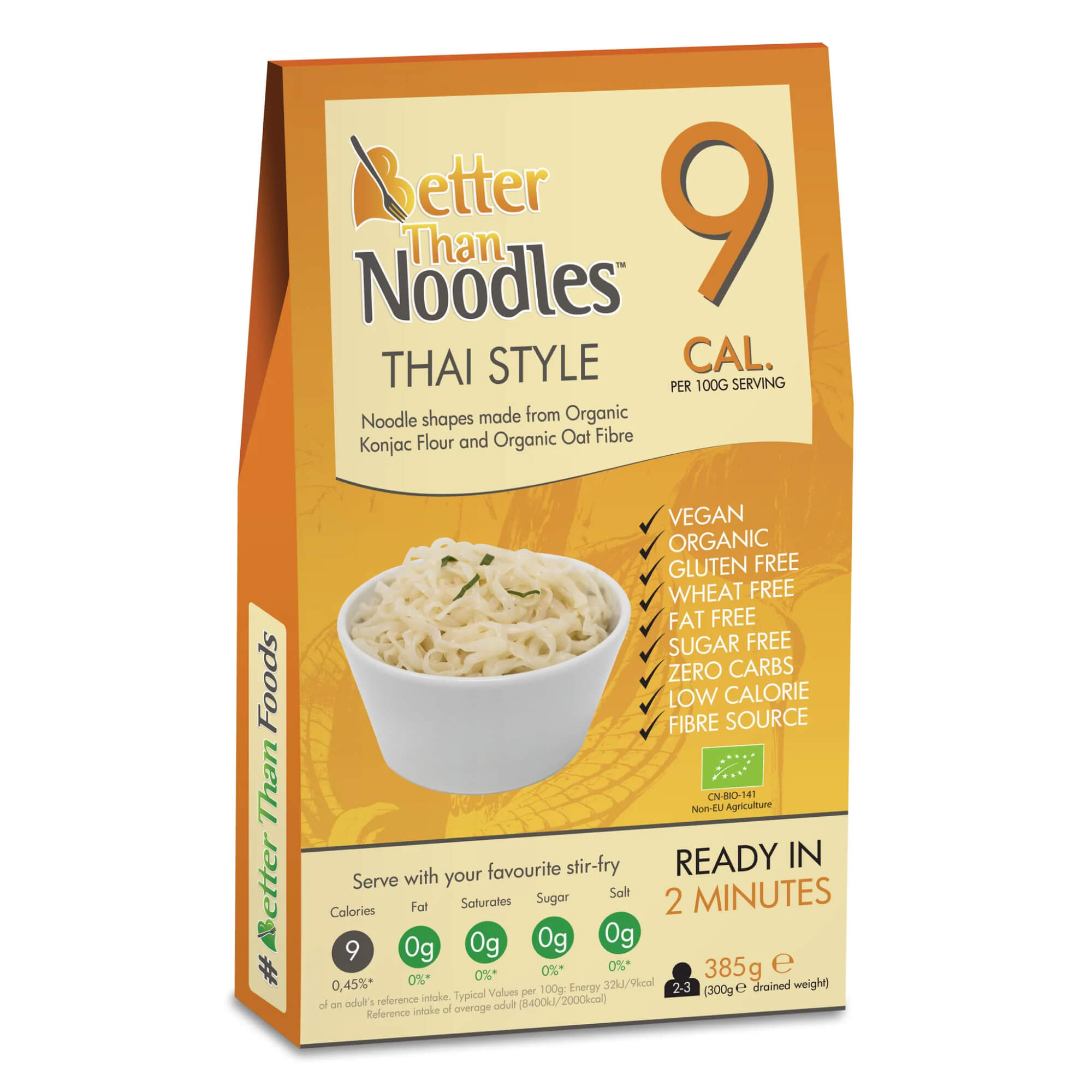
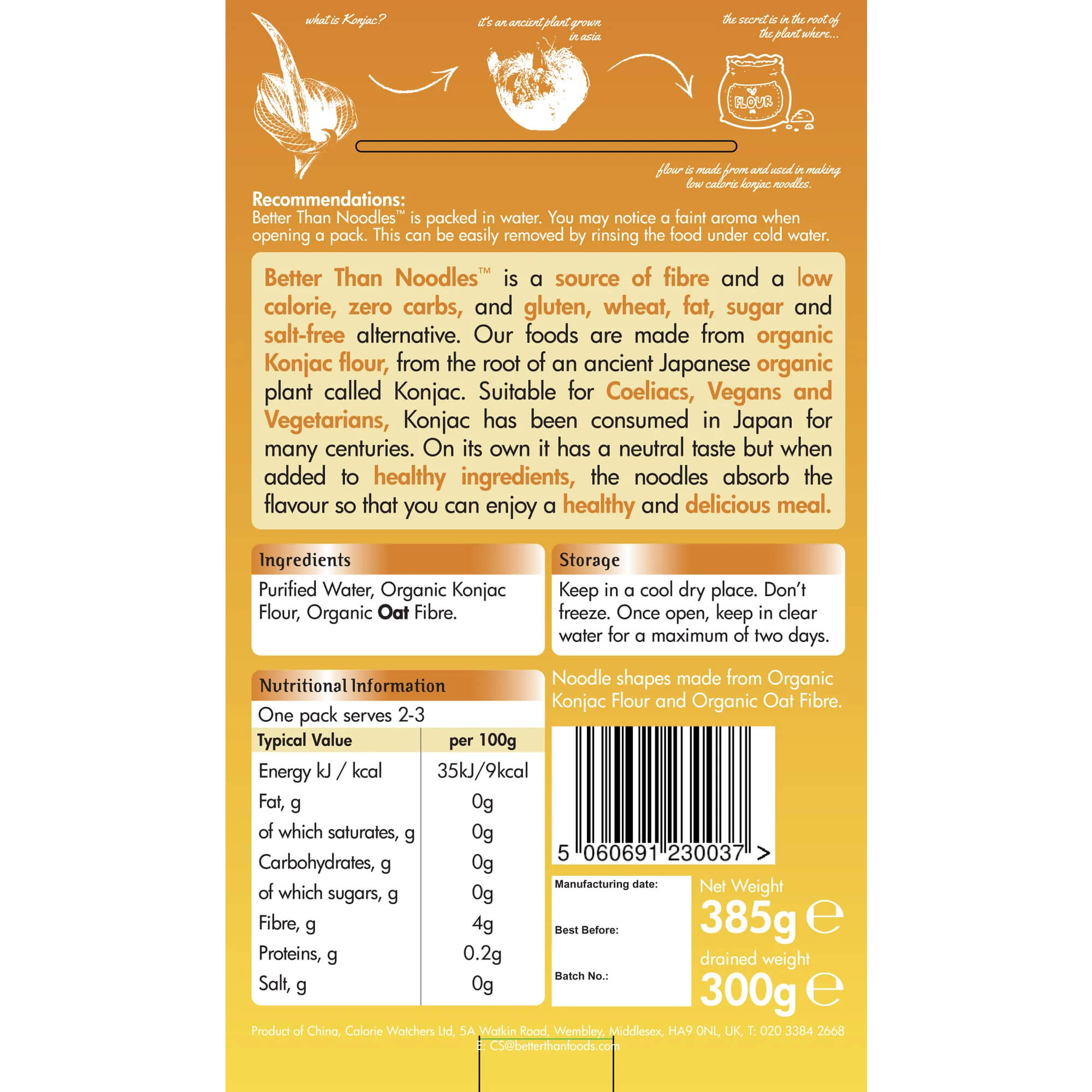
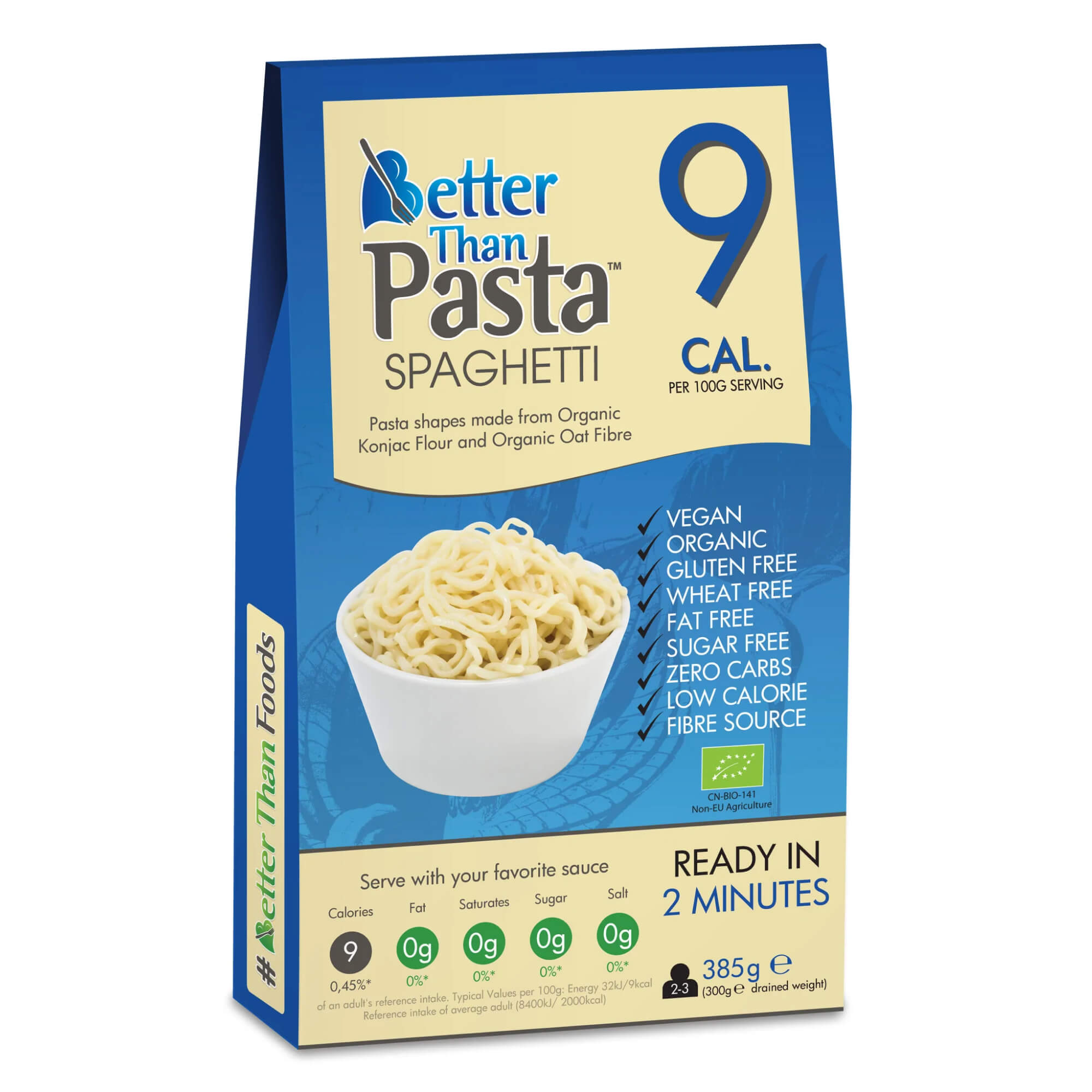
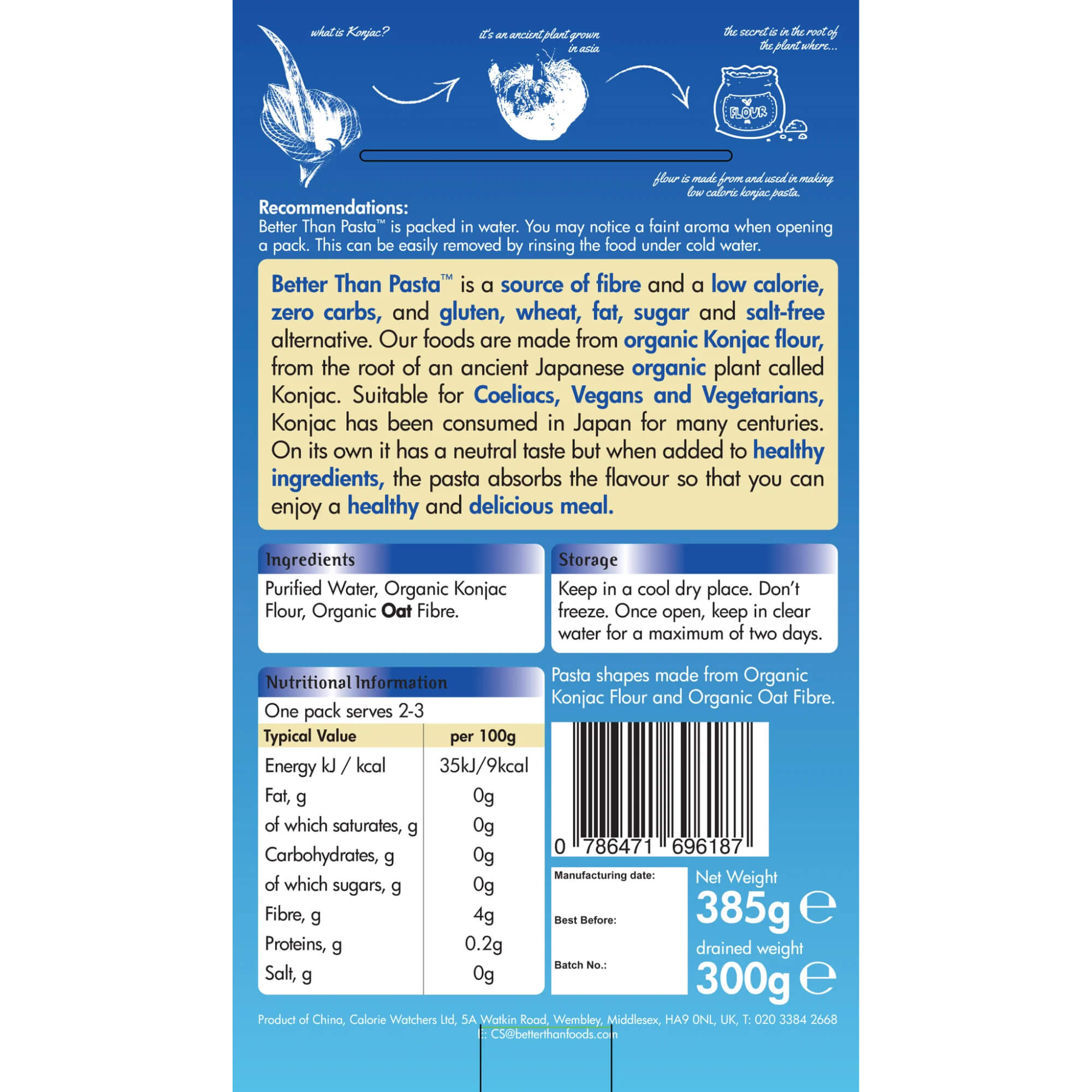
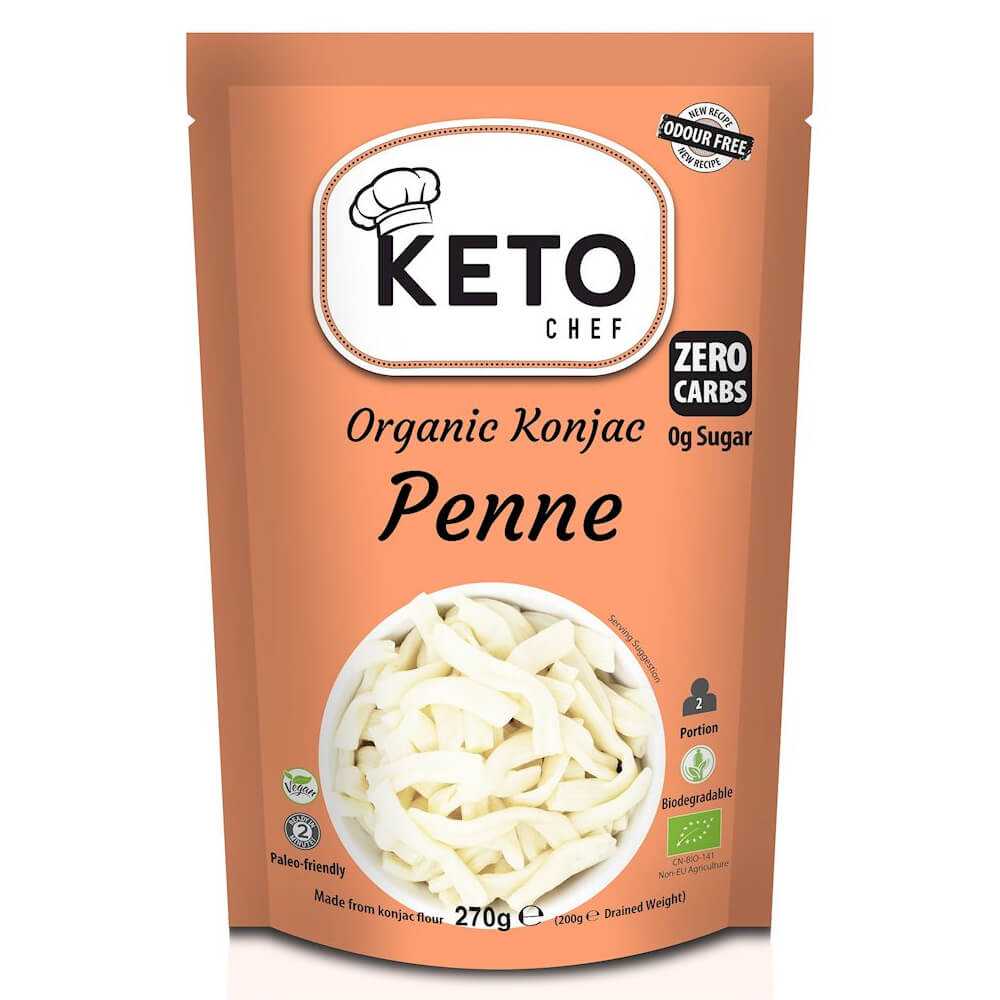
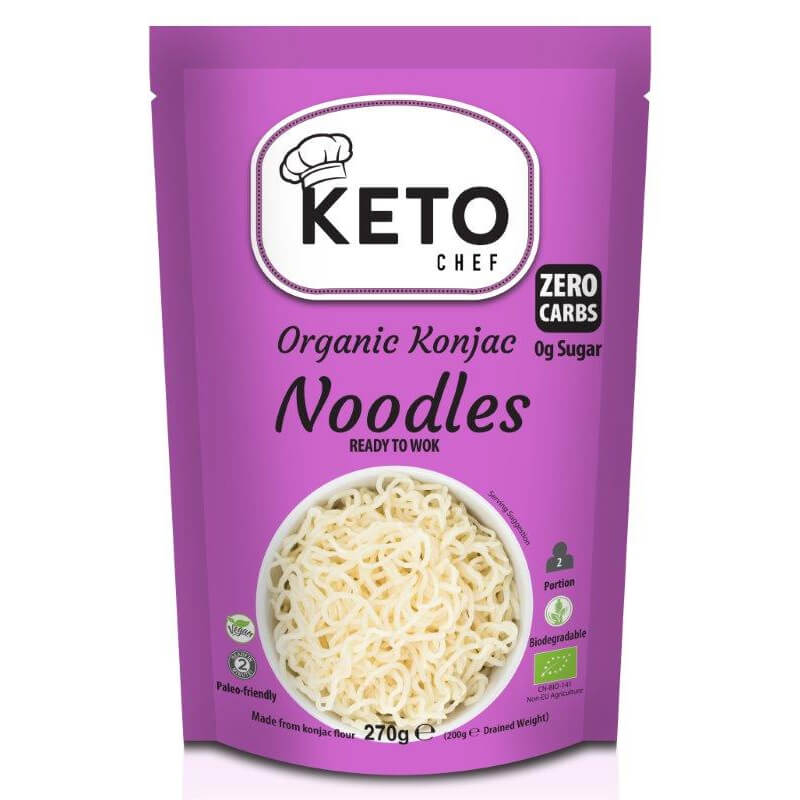
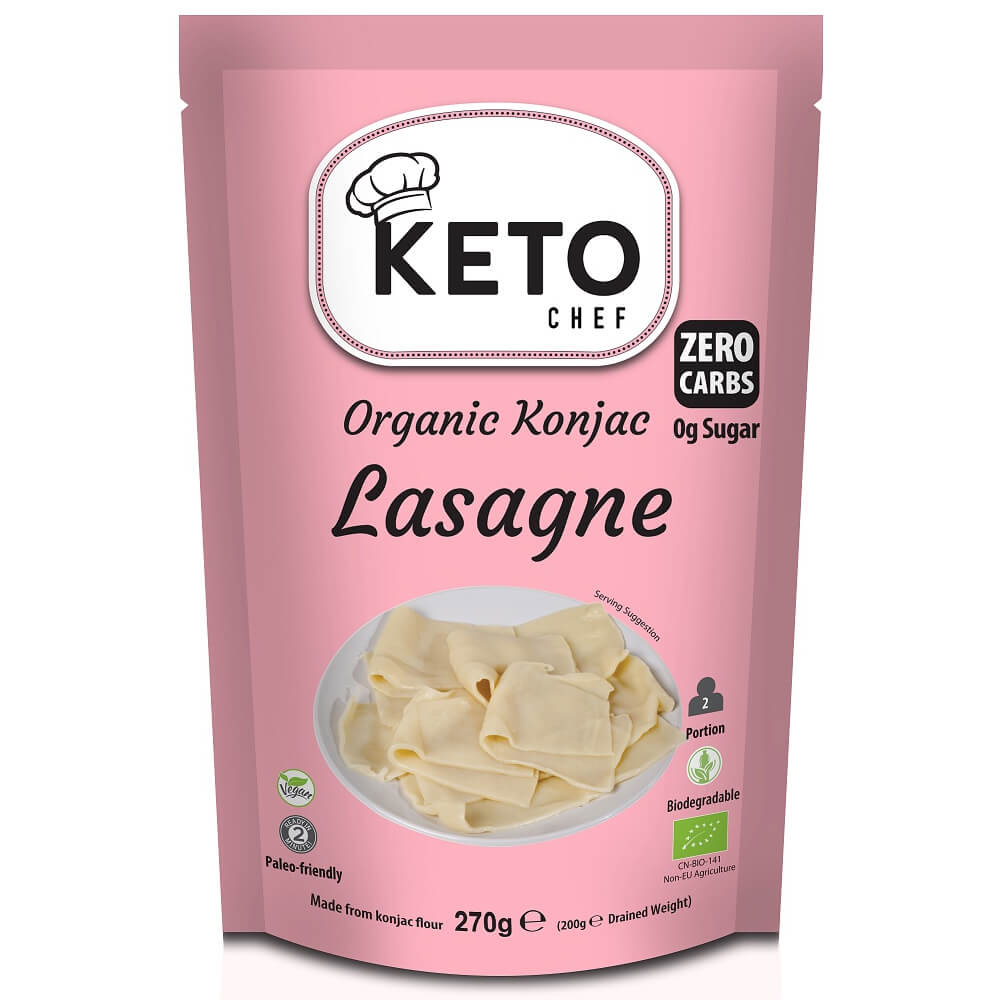
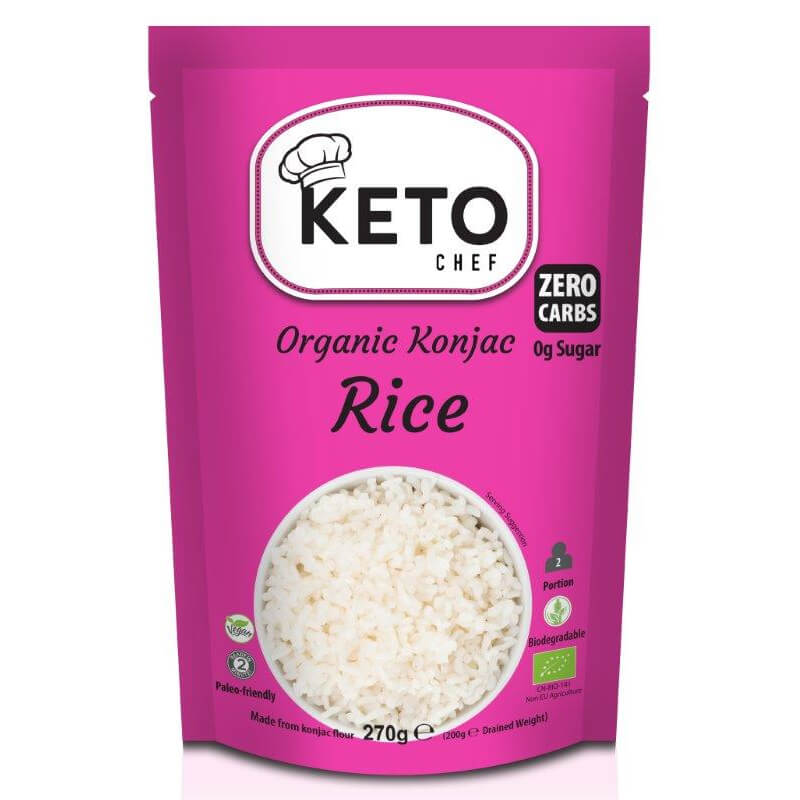
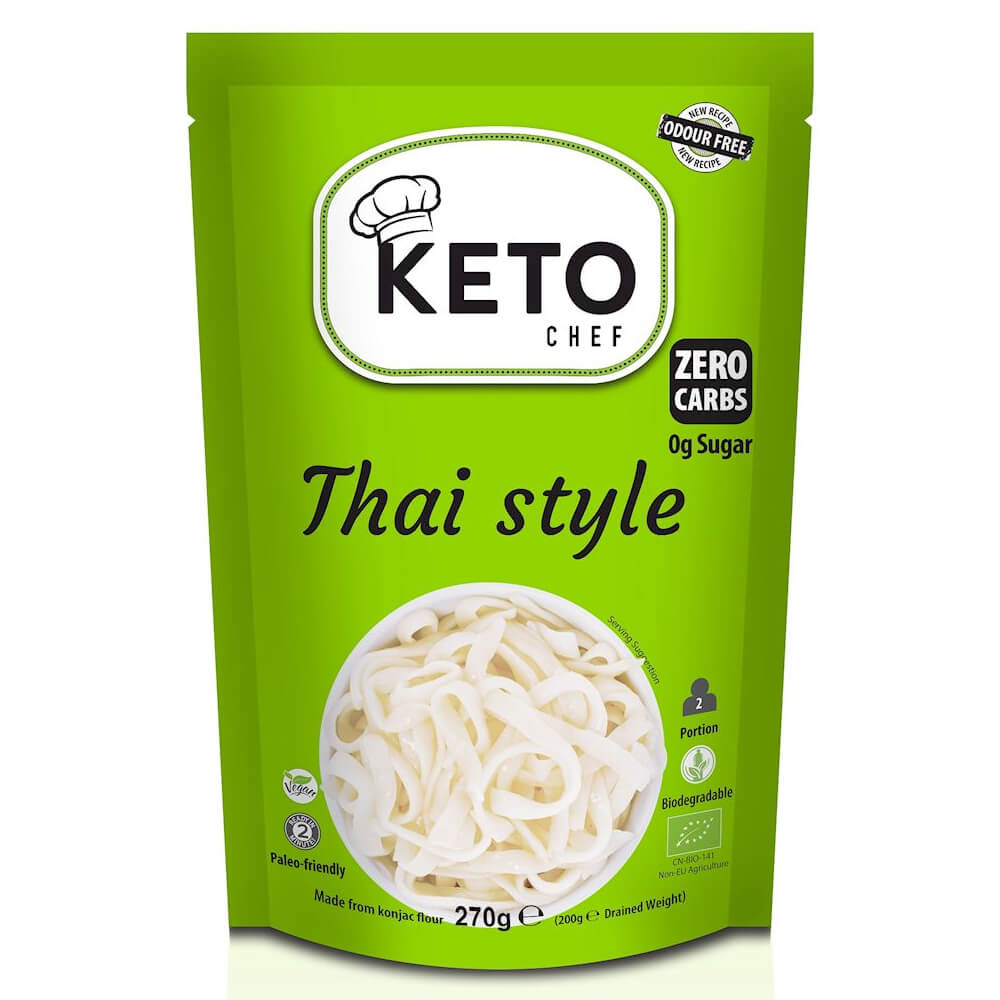
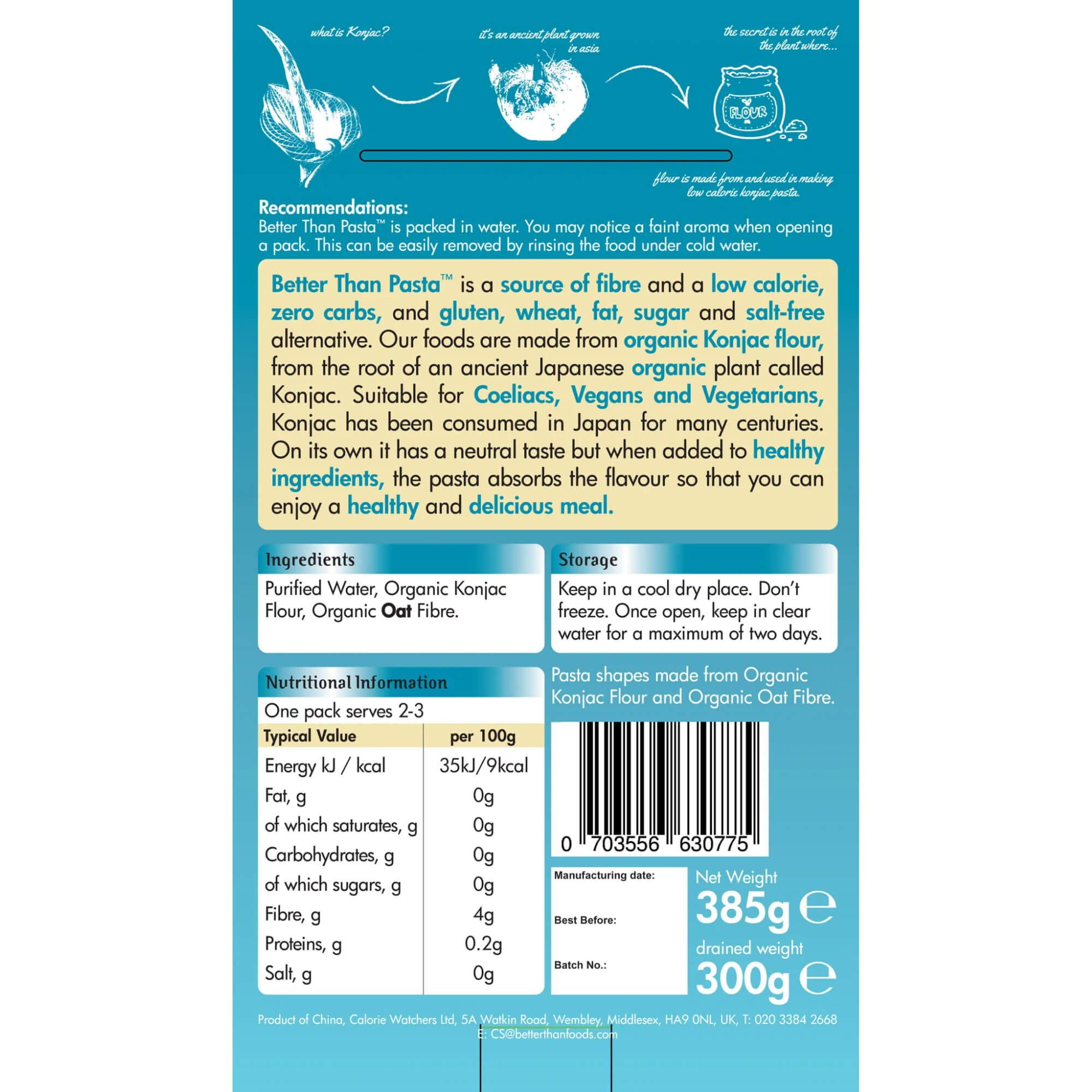
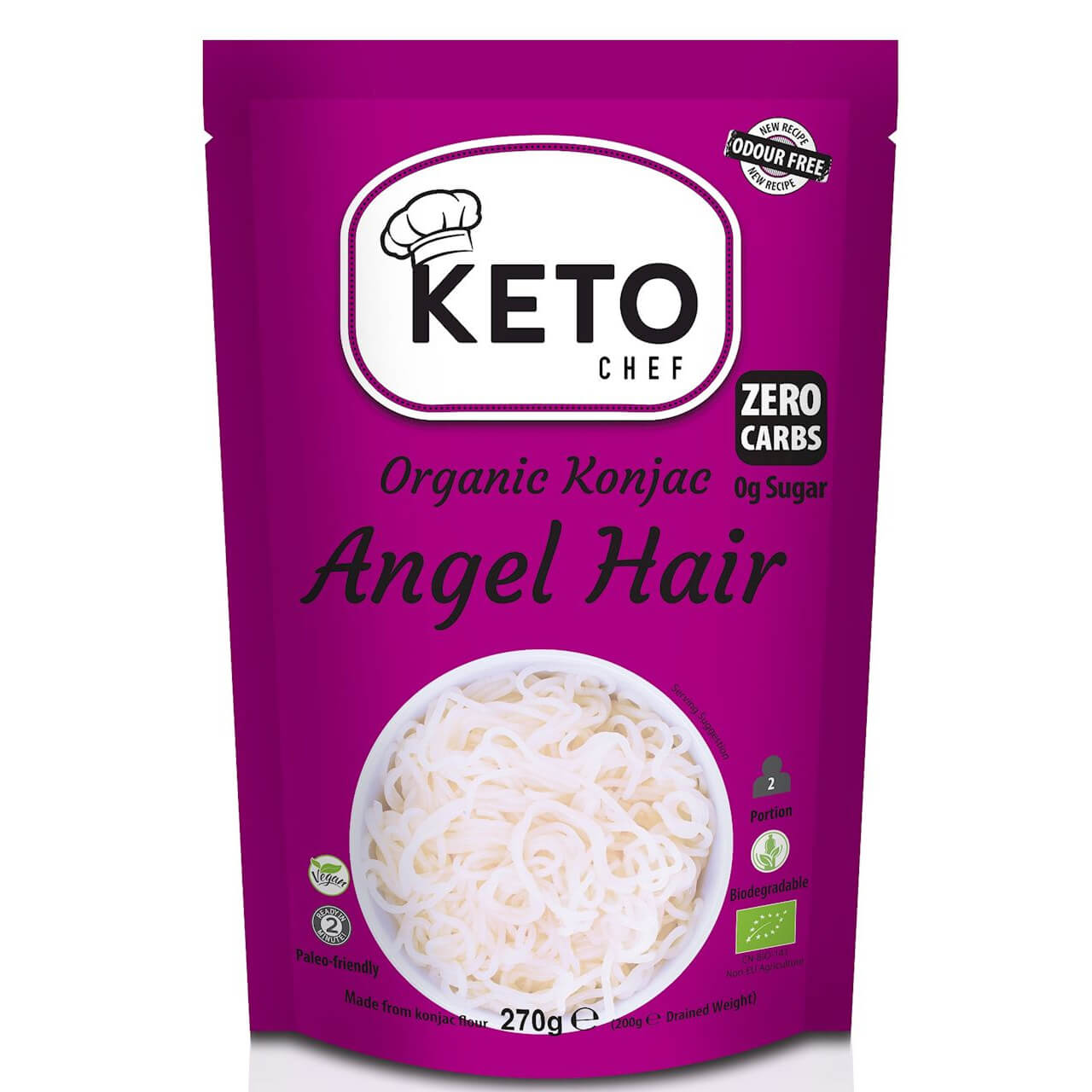
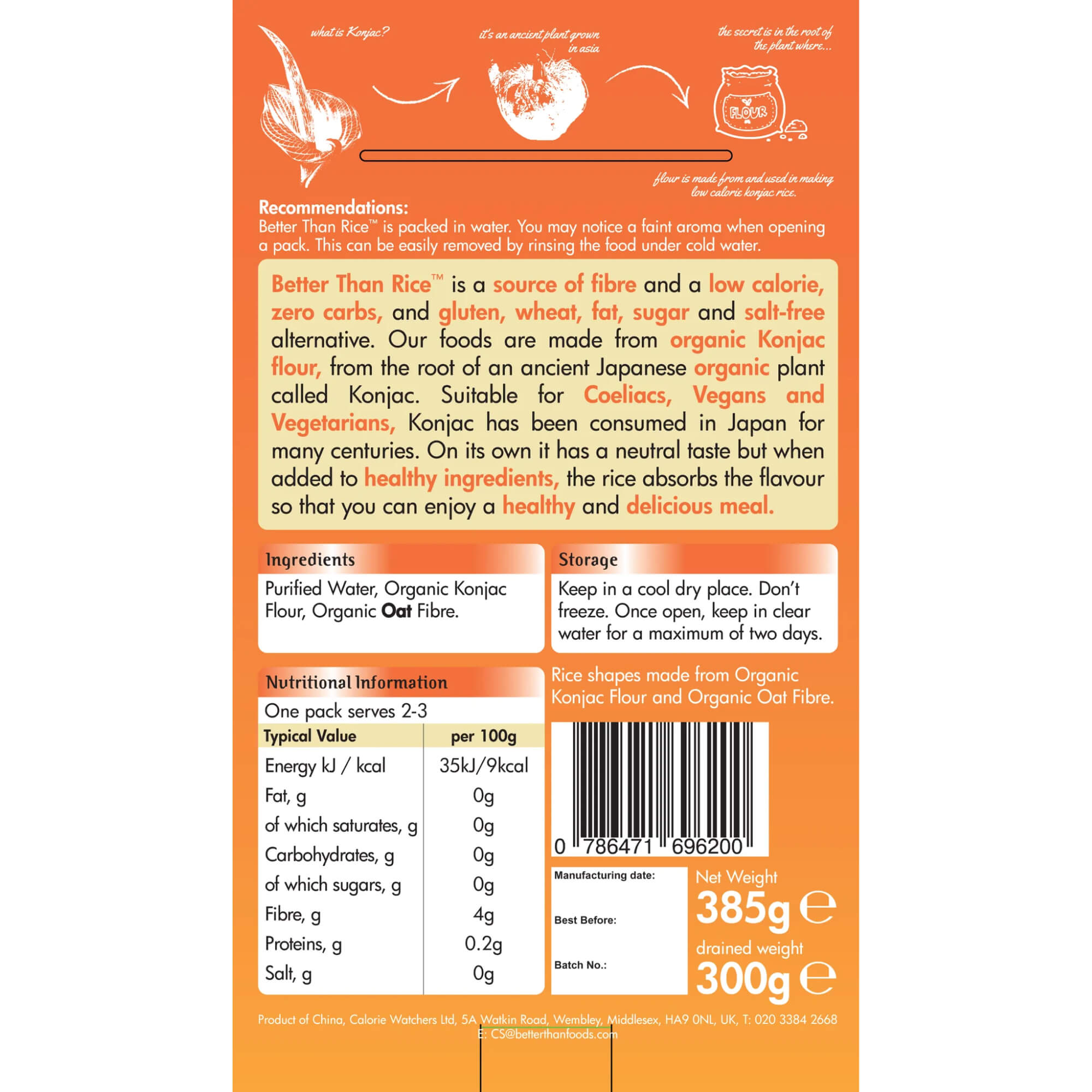
Konjac noodles, also known as Shirataki noodles or white waterfall noodles, are made from flour from the root of the konjac plant ( Amorphophallus konjac) . Originally native to southwestern China, its cultivation has spread throughout various parts of Asia. The Riviera arum lily is cultivated for its large tubers, which are edible after proper preparation. In China and Japan, it is a popular ingredient in traditional dishes. It owes its Polish name to its distinctly unusual appearance.
Konjac pasta – properties
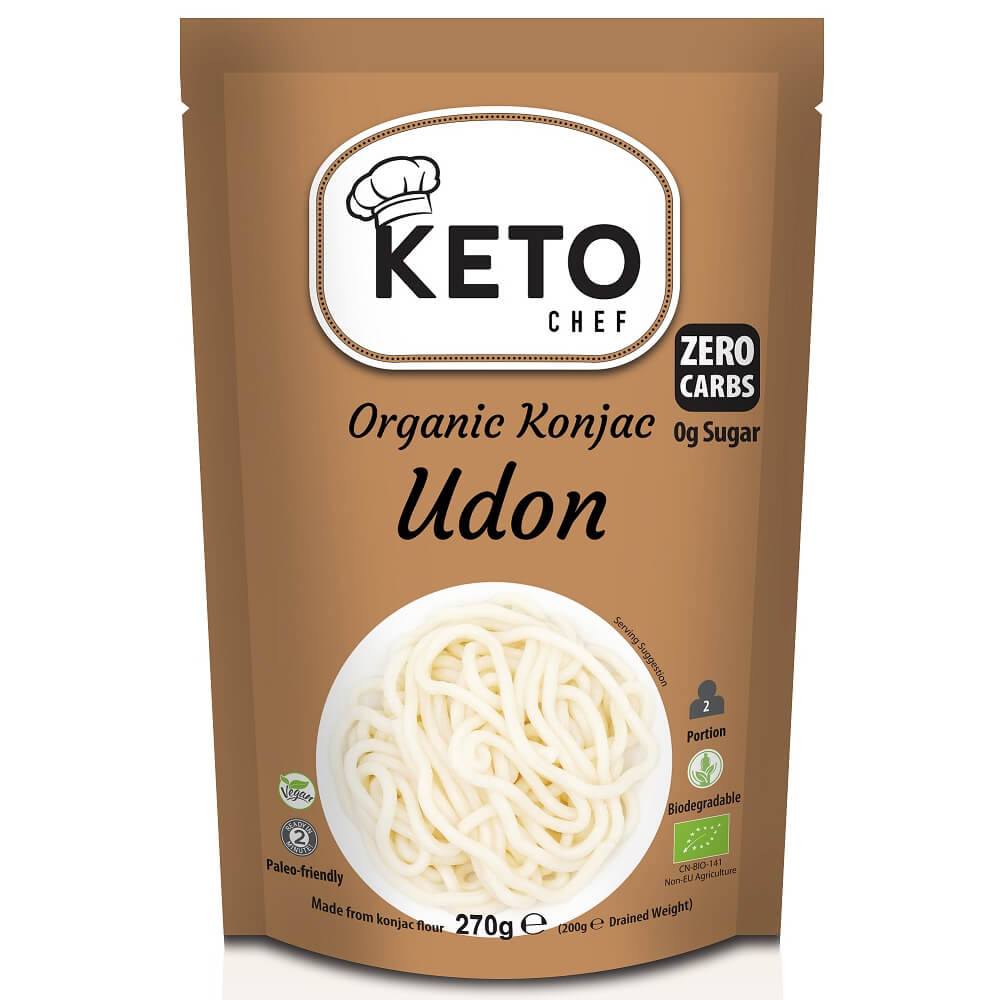
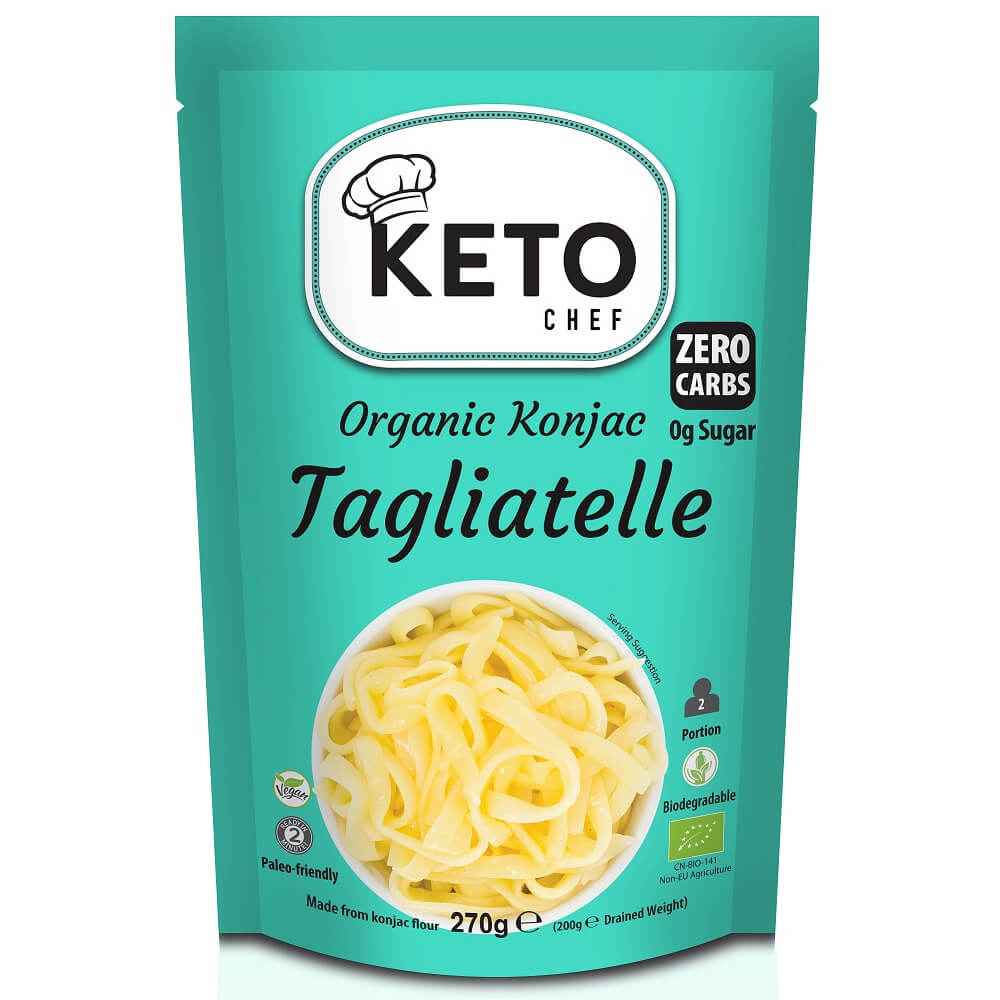
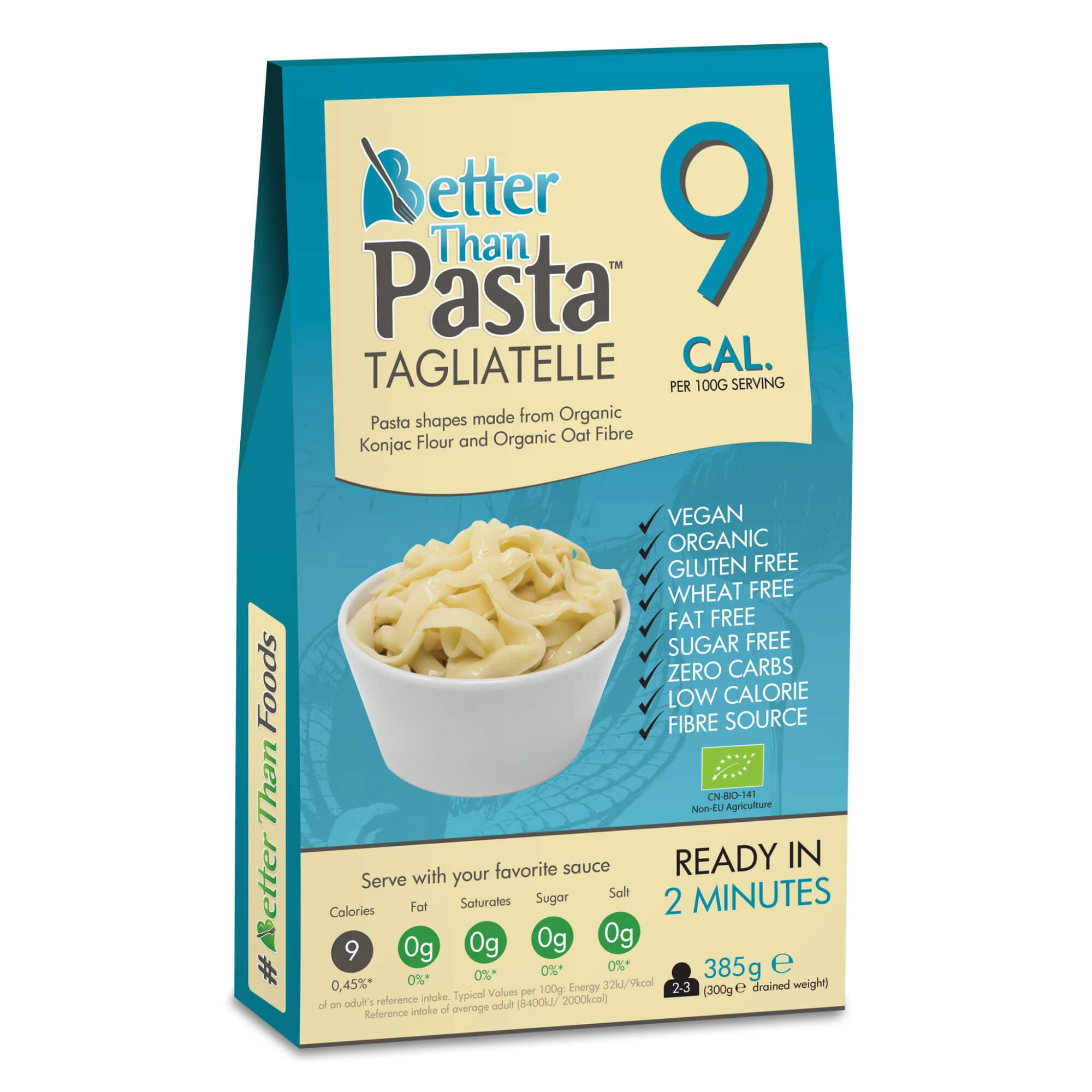
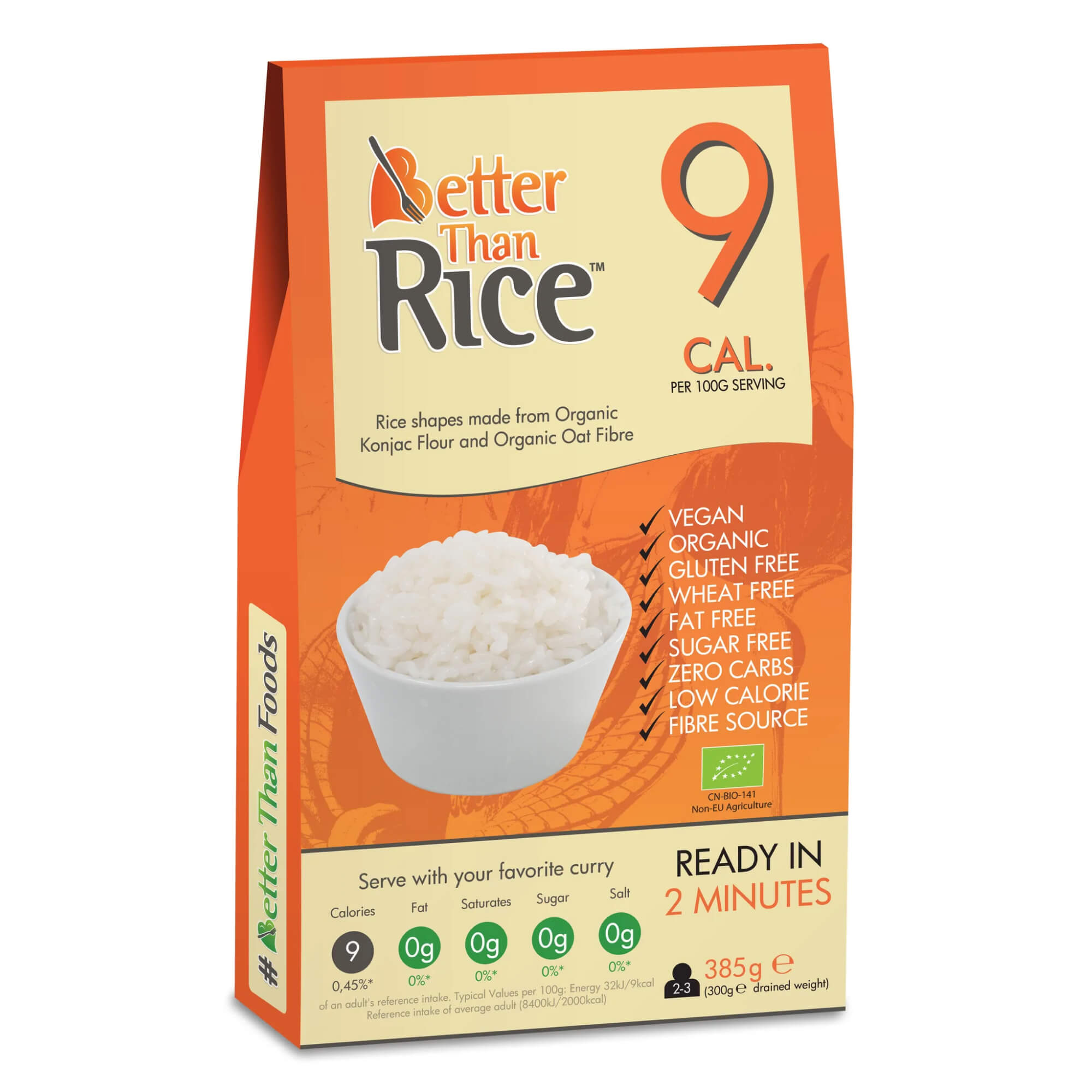
Flour from the tubers of the konjac plant is used to produce these pastas. As much as 97% of their composition is water, giving them a slightly gelatinous consistency. A key advantage is their low calorie content. 100g of this ready-made organic pasta contains 9 kcal – no carbohydrates, protein, or fat. It contains only plant fiber (glucomannan), which can help regulate cholesterol and blood sugar levels and promote a feeling of fullness. It is also a source of calcium.
It is recommended for those on a weight-loss or ketogenic diet, vegans, and those with gluten intolerance. Shirataki noodles may also be a good choice for people with type 2 diabetes, as glucomannan, thanks to its fiber, slows the absorption of macronutrients . This reduces the potential for rapid increases in blood glucose levels.
How to prepare organic Shirataki noodles?
The pasta requires little preparation; it's practically ready right out of the box. Simply strain the water from the package, rinse it in cold water, and add it to other ingredients— organic sauce , salad, stew, or meat. Our canned organic fish also works well as a healthy fat addition. Alternatively, after rinsing, boil or fry the konjac pasta for about 1 minute and then add it to the dish . It's a good idea to rinse the pasta thoroughly to reduce its odor.
Pasta itself doesn't have much flavor—it's mostly water. However, it absorbs other flavors well, so it's worth combining it with other ingredients and spices. This allows you to create a tasty, low-calorie meal reminiscent of traditional pasta or rice.