Contents :
- Linden – a mighty tree with precious flowers
- What are the effects of linden tea?
- Linden honey
- The use of linden in cosmetics
- Linden – use
- Lime in culture
- What is linden good for?
Linden – a mighty tree with precious flowers
The linden tree is a tall and quite powerful tree, typically reaching up to 35 meters in height. Popular in Poland and throughout the northern hemisphere, the linden has been used for centuries in phytotherapy , or treatment with herbs and plant substances. Linden trees produce flowers, fruit (small, round nuts), leaves, and, of course, wood. In Poland, the most common varieties are the small-leaved and large-leaved linden.
From a health perspective, the most valuable are the linden blossoms , which are not easily obtained due to the tree's large size. The collected linden blossoms, along with the leaves, are dried to be used for infusions or other products.

The linden tree reaches up to 35 m in height and 25 m in width
What are the effects of linden tea?
Linden blossom is primarily used for upper respiratory tract problems. Linden tea is recommended for colds, fever, coughs, sore throats, and runny noses.
It has anti-inflammatory, diaphoretic, and respiratory-protective properties, reducing throat irritation. Linden tea reduces body temperature and coughing. It relieves nervous tension, calms, relaxes, and aids in falling asleep.
Linden tea also has a diuretic effect, which has a beneficial effect on the urinary tract. In folk medicine, it has been used as a remedy for kidney and bladder ailments.
An infusion of linden flowers can help with stomach problems, stimulating the secretion of gastric juices and soothing irritation. This tea is a good addition to heavier meals.
The beneficial properties of linden tea are due to the ingredients contained in the flowers. These are primarily flavonoids, phytosterols, tannins, and mucilages. It also contains vitamins C and PP, as well as organic acids and mineral salts.
Linden honey
Linden is a plant whose melliferous flowers are beloved by bees. Linden honey is one of the tastiest honeys. It has a golden yellow or greenish-yellow color and the scent of linden flowers.
Like linden tea, honey has many valuable properties that make it effective in treating colds and upper respiratory tract infections, especially coughs. It has fever-reducing, antitussive, expectorant, and diaphoretic properties. It also alleviates allergy symptoms, helps lower high blood pressure, and has a calming effect.
The use of linden in cosmetics
Linden flowers are also used in natural cosmetics . A prepared infusion can be applied externally as a compress to the skin or eyes. Linden's anti-inflammatory properties are beneficial for those with acne-prone, oily, and dry skin. It soothes irritations and smooths the skin.
Linden extract is also a common ingredient in cosmetics due to its anti-allergic properties. It is added to shampoos and conditioners for dry and damaged hair.
Linden – use
As we already know, linden flowers are the most valuable element of the tree and various products are made from them.
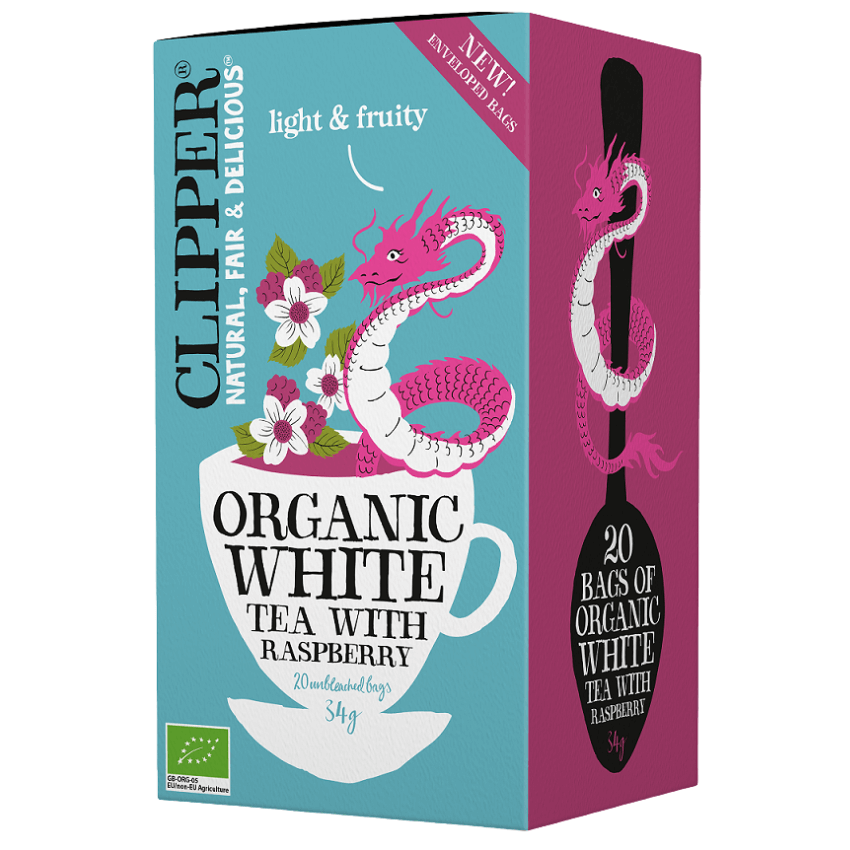
Linden teas are the most commonly used. It's worth considering blends of different ingredients. Linden with raspberry and rosehip is a great combination for times of illness – these ingredients provide a lot of vitamin C and are known for their healing properties. A linden flower infusion is easy to prepare. Simply pour boiling water over 1-2 teaspoons of dried leaves or a prepared tea bag and steep for about 15 minutes. It's recommended to drink twice daily.

Linden flowers
Bees readily produce honey from linden blossoms. It has a light color and is widely loved for its flavor and aroma. Linden honey can be eaten directly, added to tea, or spread on bread.
Linden blossoms can also be used to make syrup . Dried blossoms are poured into a jar and hot water with sugar dissolved in it is poured over it. After two days, the linden blossom syrup is ready.
The characteristic aroma of linden is also sought after by alcohol lovers. Linden liqueur is prepared from linden blossoms or linden honey. Of course, you'll also need vodka and spirits.
Lime in culture
The linden tree is a common tree found in areas inhabited by Slavs. It is one of the most important plants in Slavic culture. It was associated with happiness, prosperity, and friendship. It was believed to ward off evil spirits, witches, demons, and other misfortunes, and to protect against lightning strikes. In pre-Christian times, the linden tree was sacred to Svetovid, the chief deity of the Slavs.
In Christian tradition, it was associated with the Virgin Mary, and village shrines and paintings were hung on this tree. The linden tree frequently appeared in the works of Polish poets and writers, as a permanent feature of the Polish landscape. The name of the month, "July," comes from the linden trees that bloom during this time.
What is linden good for?
It's no coincidence that linden has been used for hundreds of years in the form of infusions and honey. It offers numerous health benefits:
- it is used for diseases of the upper respiratory tract;
- helps treat colds, fever, cough, sore throat;
- has a diuretic effect, cleansing the urinary tract and kidneys;
- has a calming effect and soothes the nerves;
- relieves allergy symptoms;
- linden inflorescence is rich in flavonoids, mucilages and phytosterols;
- when applied to the skin, it helps people with acne, oily and dry skin;
- teas, honey, syrups, tinctures and cosmetics are made from it;
- occupies an important place in the culture of the Slavs.