The FODMAP diet is a three-phase nutritional program developed by scientists at Monash University in Melbourne, which in most patients with Irritable Bowel Syndrome (IBS) significantly reduces the severity of symptoms – bloating, abdominal pain, diarrhea, and constipation. It involves temporarily eliminating fermentable carbohydrates (oligosaccharides, disaccharides, monosaccharides, and polyols), and then systematically testing their tolerance to establish an individual sensitivity threshold. This is not a weight loss diet or a lifestyle – it is a precise diagnostic and therapeutic tool with a limited period of use and a specific goal.
This article will guide you through all three phases of the program: it explains the mechanism of action and medical indications, describes the principles of elimination and reintroduction step by step, discusses allowed and excluded products along with a practical example of a daily diet, and also points out common mistakes, risks of long-term use, and situations requiring dietitian supervision. The content is intended for individuals with IBS or SIBO who are considering implementing the diet, and for those who are already using it and want to do so more effectively and safely.

1. What is FODMAP and how was this method developed?
1.1. What does the acronym FODMAP stand for?
FODMAP is an acronym for English words describing groups of carbohydrates with similar properties: Fermentable Oligosaccharides, Disaccharides, Monosaccharides and Polyols. They all have one thing in common: they are poorly absorbed in the small intestine and ferment quickly in the large intestine.
| Letter | Full name | Examples |
|---|---|---|
| F | Fermentable | — (common characteristic of all groups) |
| O | Oligosaccharides | Fructans (wheat, onion, garlic), GOS (legumes) |
| D | Disaccharides | Lactose (milk, yogurt, cottage cheese) |
| M | Monosaccharides | Fructose (honey, mango, apples, pears) |
| A | And | — (conjunction) |
| P | Polyols | Sorbitol, mannitol, xylitol, maltitol (some fruits, sweeteners) |
Scroll right to see the full table (on mobile devices) →
Crucially, none of these groups are harmful in themselves. For most people, they are a normal part of the diet and do not cause any discomfort. The problem arises in individuals with a sensitive digestive tract — especially those with Irritable Bowel Syndrome (IBS) — for whom these same carbohydrates become the main trigger for symptoms.
1.2. How was the FODMAP method developed?
The FODMAP method originated in Australia. It was developed by scientists from Monash University in Melbourne — Professor Peter Gibson and dietitian Dr. Sue Shepherd. The first works on the role of fermentable carbohydrates in the pathophysiology of IBS appeared at the beginning of the 21st century; Gibson and Shepherd published the key article defining the FODMAP concept in 2005 in Alimentary Pharmacology & Therapeutics.[2]
Over the following years, the Monash team systematically tested food for the content of individual FODMAP groups and published subsequent clinical studies confirming the effectiveness of the low-FODMAP diet in alleviating IBS symptoms. Monash University still maintains the only regularly updated FODMAP database and the official mobile application (Monash University FODMAP Diet app), which is a standard tool for both patients and dietitians working with this method.
Monash University has laboratory tested hundreds of food products, measuring the exact content of each FODMAP group. The database is constantly being expanded — new products are added to the application several times a year. This is why it is recommended to use the Monash application instead of general lists available online, which are often outdated or imprecise.
1.3. Why do FODMAPs cause symptoms in some people?
The mechanism is two-stage and well understood.
Stage 1 — osmotic effect. Poorly absorbed FODMAPs in the small intestine bind water and draw it into the intestinal lumen. This results in accelerated peristalsis and diarrhea in individuals susceptible to this effect.
Stage 2 — bacterial fermentation. Carbohydrates that reach the large intestine become food for the bacteria residing there. Fermentation is rapid and leads to the production of gases — primarily hydrogen, carbon dioxide, and methane. In a healthy person, the amount of gas produced is not problematic. In a person with IBS, whose intestines exhibit visceral hypersensitivity and impaired motility, even physiological amounts of gas cause severe bloating, painful cramps, and a feeling of urgency.
It is worth emphasizing: FODMAPs are not the cause of IBS — they are its trigger. The elimination of these carbohydrates does not cure the disease, but effectively limits the frequency and intensity of symptoms, which for many patients means a significant improvement in quality of life.
FODMAP tolerance is individual and dose-dependent. Many people tolerate small amounts of high-FODMAP products without symptoms — the sensitivity threshold varies among individuals, and even within the same person, it can change depending on stress, gut microbiota status, or the composition of the entire meal.
2. Who is the FODMAP diet for? Indications and contraindications
2.1. IBS – the main indication for using the FODMAP diet
Irritable Bowel Syndrome (IBS) is the best-documented indication for the use of a low-FODMAP diet. IBS is a chronic functional bowel disorder, diagnosed based on the Rome IV diagnostic criteria, which include recurrent abdominal pain at least once a week for the last three months, associated with a change in the frequency or consistency of stool.
IBS affects an estimated 10–15% of the population in Western countries, with the vast majority of cases remaining undiagnosed. The disease does not destroy the structure of the intestine and does not increase the risk of colon cancer, but it can significantly lower the quality of life — limiting the professional, social, and psychological activity of patients.
The low-FODMAP diet is today one of the best-studied nutritional interventions for IBS. In a groundbreaking randomized clinical trial published in 2014 in Gastroenterology, Halmos et al. showed that a low-FODMAP diet significantly reduces the severity of IBS symptoms compared to a typical Australian diet — an effect observed in most participants in the study group.[1] Subsequent systematic reviews and meta-analyses consistently confirm the effectiveness of this intervention in reducing pain, bloating, and irregular bowel movements.
IBS is divided into four subtypes depending on the predominant bowel habit pattern: with predominant diarrhea (IBS-D), with predominant constipation (IBS-C), mixed type (IBS-M), and unclassified type (IBS-U). The FODMAP diet is effective in all subtypes, although the mechanisms and severity of the effect may differ — in IBS-D, the osmotic component dominates, in IBS-C — the gaseous component.
2.2. SIBO and other digestive tract disorders
SIBO (Small Intestinal Bacterial Overgrowth) is a condition in which bacteria colonize the small intestine in excessive amounts, causing symptoms strikingly similar to IBS: bloating, gas, diarrhea, abdominal pain. A low-FODMAP diet can help alleviate these symptoms by limiting substrates for fermenting bacteria in the small intestine, but it does not replace causal treatment — the standard of care for SIBO remains antibiotic therapy (rifaximin and other regimens), prescribed and supervised by a gastroenterologist.
In addition to IBS and SIBO, a low-FODMAP diet is considered as an辅助 measure in the following clinical situations:
- Inflammatory Bowel Disease (IBD) in remission — in some patients with Crohn's disease or ulcerative colitis, where inflammatory activity is controlled but functional symptoms persist, a low-FODMAP diet may reduce intestinal discomfort. It is not used during an exacerbation phase.
- Functional dyspepsia — some high-FODMAP products may worsen early satiety, nausea, and epigastric discomfort.
- Endometriosis — preliminary data suggest that intestinal symptoms associated with endometriosis may respond to FODMAP restriction, however, the evidence base here is much weaker than for IBS.
| Condition | Role of the FODMAP diet | Notes |
|---|---|---|
| IBS | Main indication, best studied | Recommended as a first or second-line intervention |
| SIBO | Symptomatic support | Does not replace antibiotic therapy |
| IBD in remission | Supportive, for functional symptoms | Contraindicated during exacerbation |
| Functional dyspepsia | Possible symptom improvement | Weaker evidence than in IBS |
| Endometriosis | Preliminary data, possible improvement of intestinal symptoms | Limited evidence base |
Scroll right to see the full table (on mobile devices) →
2.3. When does the FODMAP diet require dietitian supervision?
The FODMAP diet is a complex, three-phase nutritional program — it is not simply "removing a few products from the menu." Errors in the elimination or reintroduction phase can lead to false conclusions, unnecessarily restrictive eating, and nutritional deficiencies. For this reason, most gastroenterological and dietary societies — including the British Dietetic Association and the European Society for Neurogastroenterology and Motility (ESNM) — recommend that the FODMAP diet be conducted under the supervision of a qualified dietitian.
Specialist supervision is particularly indicated in the following situations:
- Children and adolescents — dietary restriction during growth requires precise balancing of calories, calcium, iron, and vitamins.
- Pregnant and lactating women — increased demand for nutrients means that the elimination phase carries a significant risk of deficiencies.
- Individuals with a history of eating disorders — rigorous elimination can exacerbate or reactivate restrictive behaviors; in this group, the FODMAP diet requires close cooperation with a dietitian and psychologist.
- Malnourished individuals or those with low body weight — the elimination phase can deepen caloric deficit.
- Patients with multiple overlapping restrictions (e.g., IBS + celiac disease + nut allergy) — self-balancing such a narrow diet is very difficult.
- No improvement after 4–6 weeks of elimination — if symptoms do not subside, it is necessary to verify the correctness of the diet or expand the diagnostics.
The FODMAP diet should not be used as a tool for self-diagnosis. Symptoms such as blood in stool, unintentional weight loss, fever, anemia, or nocturnal symptoms require urgent medical consultation and exclusion of organic diseases — before any dietary actions are undertaken.
3. Three phases of the FODMAP program
The FODMAP diet is not just a list of forbidden products — it is a structured, three-phase diagnostic and therapeutic program. Each phase has a distinct goal and strictly defined rules. Skipping or shortening any of them undermines the purpose of the entire process.
3.1. Elimination phase — principles and goals
The elimination phase involves strict exclusion of all high-FODMAP products from the diet for a period of 2 to 6 weeks. The goal is not long-term adherence to a restrictive diet, but to answer one question: do FODMAPs actually cause symptoms in this particular person?
If symptoms subside or significantly decrease after implementing the elimination phase, it means that fermentable carbohydrates are a significant trigger of ailments and the patient is a candidate for further program management. If there is no improvement — other causes of symptoms should be considered and diagnosis sought in a different direction.
The elimination phase lasts a maximum of 6 weeks — and no longer. Extending it does not provide additional therapeutic benefits, and exposes you to deficiencies in fiber, calcium, flavonoids, and prebiotics. Elimination is a diagnostic tool, not a long-term eating pattern.
Key principles of the elimination phase:
- Strictness matters — even small amounts of high-FODMAP foods can perpetuate symptoms and interfere with evaluating results. The elimination phase must be conducted consistently.
- Portion size is important — many foods have a dual status: a small portion falls within the FODMAP limit, while a large one exceeds the threshold. For example, ripe avocado: ⅛ of the fruit is a low-FODMAP portion, ½ of the fruit already exceeds the threshold.
- Verify data in the Monash app — general lists available online are often outdated or imprecise. The Monash University FODMAP Diet app is the only source of regularly updated laboratory data.
- Keep a symptom diary — documenting ailments before and during the elimination phase allows for an objective assessment of the intervention's effectiveness and is valuable material for your dietitian.

3.2. Reintroduction Phase — Systematic Testing of FODMAP Groups
The reintroduction phase is the heart of the entire program — and simultaneously its most challenging stage. It involves systematically, controlled reintroducing individual FODMAP groups back into the diet, one group at a time, to determine which ones and in what quantity trigger symptoms in a given person.
The testing scheme for one group is as follows:
- Days 1–3: consumption of the test product in increasing portions (small → medium → large) while maintaining the rest of the diet at a low-FODMAP level. Observation and recording of symptoms.
- Days 4–6 (washout): return to the strict elimination phase to quell any potential symptoms before the next test.
- Day 7: start testing the next group.
Testing of groups is done separately — even if one person tolerates fructose well, it does not mean they tolerate fructans (molecules of another group) well. Cross-testing falsifies results.
| FODMAP Group | Test Product (example) | Typical Symptoms of Intolerance |
|---|---|---|
| Fructans (grains) | Wheat bread | Bloating, gas, abdominal pain |
| Fructans (vegetables) | Onion or garlic | Bloating, gas, abdominal pain |
| GOS (galactooligosaccharides) | Lentils, chickpeas | Gas, discomfort in the lower abdomen |
| Lactose | Cow's milk | Diarrhea, bloating, nausea |
| Excess fructose | Honey or mango | Diarrhea, gas, abdominal pain |
| Sorbitol | Apricots or plums (larger portion) | Diarrhea, cramps |
| Mannitol | Mushrooms or cauliflower | Bloating, loose stools |
Scroll right to see the full table (on mobile devices) →
The reintroduction phase typically lasts 6–10 weeks, depending on the number of groups tested and the time needed for symptoms to subside between trials. This is an investment that pays off — the results of the reintroduction phase form the basis for a personalized, long-term diet.
During testing, consume the test product as part of a normal meal — not on an empty stomach and not as the sole dish. The way products are combined affects digestion speed and can modify symptom severity. Testing under conditions similar to everyday life yields more reliable results.
3.3. Personalization Phase — Long-term Diet Tailored to You
The personalization phase is the target stage — it is indefinite and represents the proper, long-term way of eating after completing the FODMAP program. It is based on the results of the reintroduction phase: knowledge of which FODMAP groups and in what quantities an individual tolerates without symptoms.
In practice, this means returning to the broadest possible, varied diet, with restrictions only on those groups and portions that actually cause discomfort. Most people, after completing reintroduction, find that their diet is much less restrictive than in the elimination phase — intolerance to all FODMAP groups simultaneously is rare.
Several important principles of the personalization phase:
- Tolerance may change over time — stress, infections, antibiotic therapy, or changes in microbiota can temporarily lower the sensitivity threshold. It is worth verifying your current tolerance limits every few months.
- The cumulative effect still applies — even if you tolerate each FODMAP group separately, combining several groups in one meal can exceed your individual threshold. Meal composition matters.
- The goal is variety, not restriction — long-term, broad exclusions negatively affect the composition of the gut microbiota. All tolerated foods should be returned to the diet.
Elimination (2–6 weeks): exclusion of all FODMAPs → checking if symptoms subside.
Reintroduction (6–10 weeks): testing groups one by one → identification of individual triggers and tolerance thresholds.
Personalization (indefinite): return to a broad diet, excluding only products and portions that actually cause discomfort.
4. High and Low FODMAP Foods – What to Eat and What to Avoid?
The classification of foods into high-FODMAP and low-FODMAP is not black and white. The status of a product is determined by two factors simultaneously: FODMAP content and the size of the consumed portion. The same product can be low-FODMAP in small amounts and high-FODMAP in large amounts. Therefore, the tables below always provide the context of the portion where it is relevant, and for verifying specific values, we always recommend the Monash University FODMAP Diet app — the only source of regularly updated laboratory data.
The following tables are based on Monash University data and are current at the time of publication of this article. The FODMAP content in products may vary depending on the variety, ripeness, preparation method, and manufacturer. Always verify specific products and portions in the Monash app.
4.1. Permitted Products in the Elimination Phase
The following table includes the main groups of products safe during the elimination phase. For products where portion size is crucial, an approximate limit is given.
| Category | Permitted Products | Portion Notes |
|---|---|---|
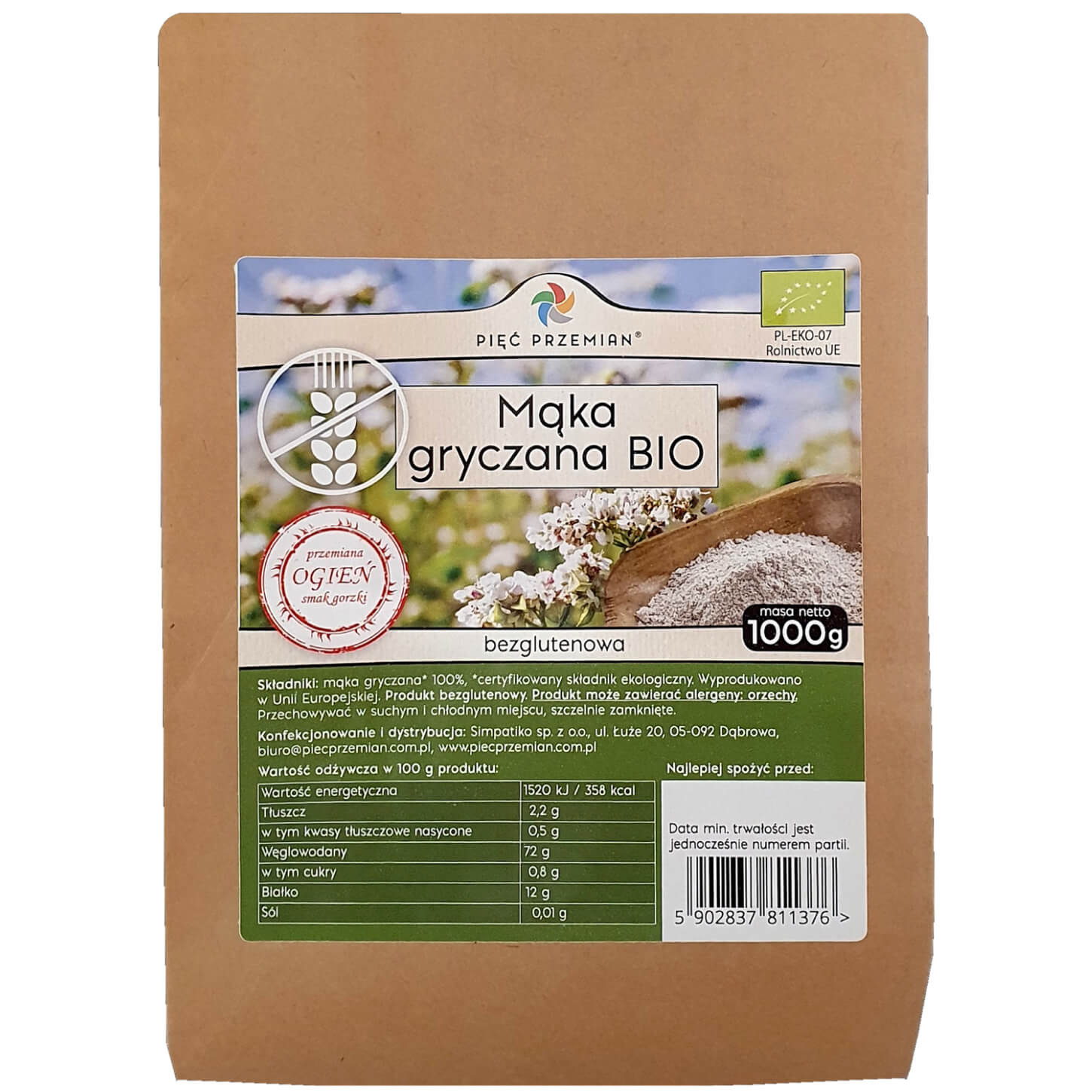
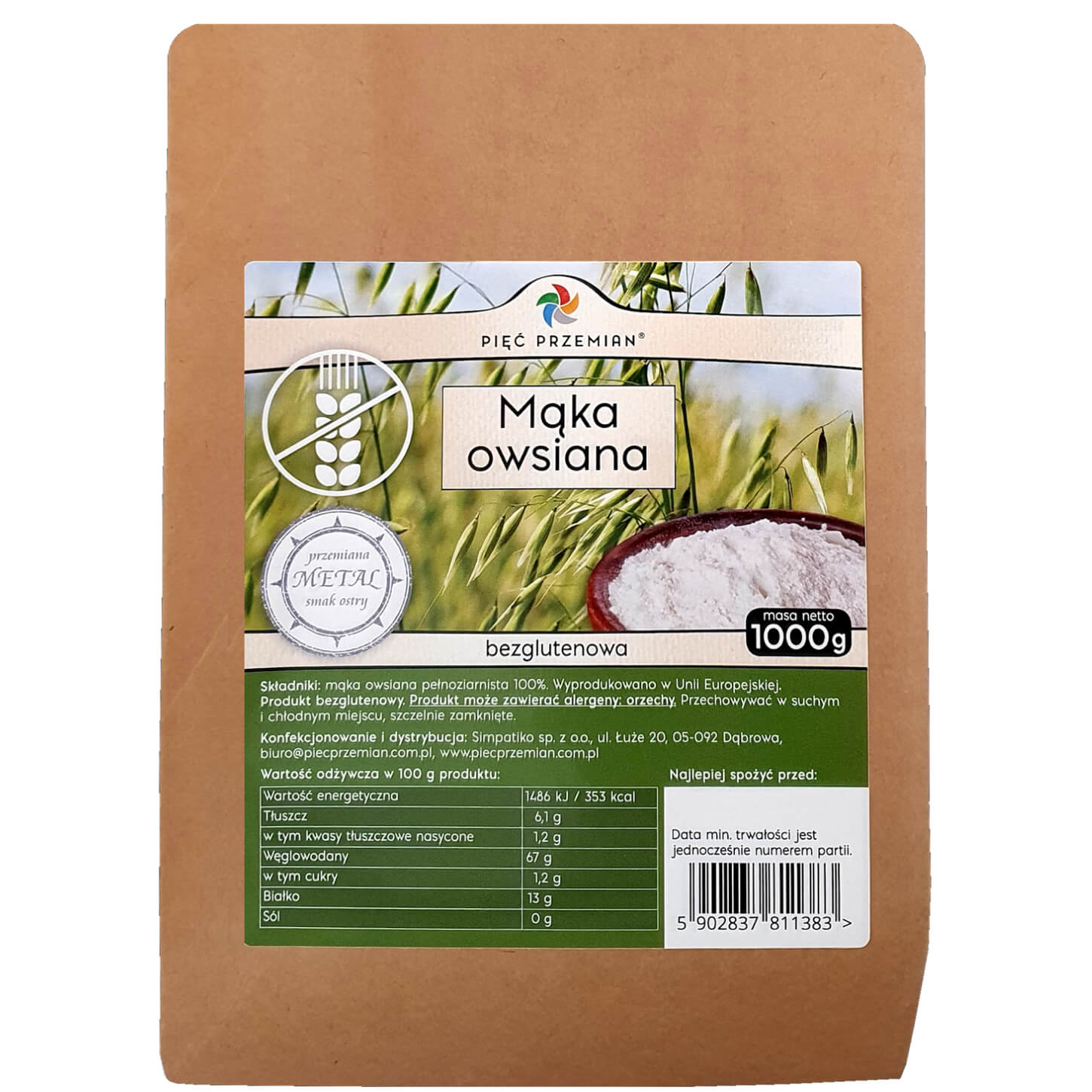
| Grains and Starches | Rice (white, brown), quinoa, buckwheat groats, gluten-free oats, rice noodles, corn tortilla, gluten-free bread | Oats: max. ½ cup dry product |
| Vegetables | Carrots, cucumber, zucchini, bell peppers (red, yellow), eggplant, potatoes, sweet potato, lettuce, spinach, kale, tomato, bamboo shoots, chives (green part only) | Tomato: max. 1 small; eggplant: up to 182 g |
| Fruits | Strawberries, blueberries, raspberries, kiwi, orange, tangerine, grapes, pineapple, papaya, banana (under-ripe) | Blueberries; banana: only firm, under-ripe; pineapple: up to 140 g |
| Protein | Meat (beef, poultry, pork, lamb), fish and seafood, eggs, firm tofu (not silken) | No portion limits without high-FODMAP additives |
| Dairy and Alternatives | Lactose-free milk, rice drink (no added inulin), almond drink (no added inulin), hard cheeses (cheddar, parmesan, brie, camembert), butter, lactose-free cheeses | Check the ingredients of plant-based drinks — inulin and fructooligosaccharides (FOS) disqualify the product |
| Nuts and Seeds | Macadamia nuts, peanuts, pecans, pumpkin seeds, sesame seeds, chia seeds | Peanuts: max. 32 pieces (approx. 28g); cashews and pistachios — excluded |
| Fats and Oils | Olive oil, coconut oil, rapeseed oil, clarified butter (ghee) | No restrictions |
| Spices and Additives | Salt, pepper, turmeric, ginger, paprika (ground), oregano, basil, thyme, maple syrup, sugar (in limited quantities), vinegar (most types) | Avoid ready-made spice mixes with onion or garlic in the ingredients |
Scroll right to see the full table (on mobile devices) →

4.2. Products Excluded in the Elimination Phase
| Category | Excluded Products | Main FODMAP Group |
|---|---|---|
| Grains and Bread | Wheat and rye bread, wheat pasta, couscous, bulgur, most breakfast cereals made from wheat or rye | Fructans |
| Vegetables | Onion (white, red, shallots), garlic, leeks (white part), cauliflower, mushrooms (most), asparagus, artichokes, beetroot (large portions), Brussels sprouts | Fructans, GOS, mannitol |
| Fruits | Apples, pears, watermelon, mango, peaches, nectarines, sour and sweet cherries, plums, apricots, dates, figs | Fructose, sorbitol, fructans |
| Legumes | Lentils, chickpeas, beans (most varieties), soy (soy milk, edamame) | GOS, fructans |
| Dairy | Cow's, goat's, and sheep's milk (regular), plain and flavored yogurt (regular), cottage cheese, cream cheese, ricotta, buttermilk, dairy ice cream | Lactose |
| Sweeteners and Sweets | Honey, agave syrup, high-fructose corn syrup (HFCS), sorbitol (E420), mannitol (E421), xylitol (E967), maltitol (E965), inulin, FOS | Fructose, polyols, fructans |
| Nuts | Cashews, pistachios (both groups have high levels of GOS and fructans even in small portions) | GOS, fructans |
Scroll right to see the full table (on mobile devices) →
4.3. FODMAP Groups and Corresponding Products
Understanding which FODMAP group a particular food belongs to is of practical importance in the reintroduction phase — it allows for precise identification of triggers. Below is a discussion of each group with characteristic dietary sources.
Oligosaccharides — Fructans and GOS
Fructans are chains of fructose molecules. Their main dietary sources are wheat, rye, onion, and garlic — four products whose elimination brings significant relief to the largest percentage of people with IBS. GOS (galactooligosaccharides) primarily come from legumes: lentils, chickpeas, and beans. Both subgroups are tested separately in the reintroduction phase.
Disaccharides — Lactose
Lactose requires the enzyme lactase for digestion. In individuals with lactase deficiency, undigested lactose has both osmotic and fermentative effects. An important distinction: lactose intolerance and cow's milk protein allergy are two separate issues — the FODMAP diet only addresses the former. Products with negligible lactose content (hard cheeses, butter) remain allowed even for those with lactose intolerance.
Monosaccharides — Fructose Excess
In the context of FODMAP, it's not so much the total fructose level in a product that matters, but its excess relative to glucose. Fructose is absorbed in the small intestine with the help of GLUT5 transporters, and glucose facilitates this transport. When fructose exceeds glucose levels (as in honey, agave syrup, apples, or mangoes), the absorption mechanism becomes saturated, and the excess reaches the large intestine. Fruits containing fructose and glucose in a 1:1 ratio (e.g., strawberries, oranges) are generally well-tolerated.
Polyols — Sorbitol and Mannitol
Polyols are sugar alcohols naturally present in some fruits and vegetables, and also commonly used as sweeteners in "sugar-free" products, chewing gums, and medications (syrups, lozenges). Sorbitol predominates in stone fruits (plums, apricots, peaches, cherries) as well as apples and pears — in the latter, it combines with excess fructose, doubling the osmotic load. Mannitol is found primarily in mushrooms and cauliflower.
Products labeled "sugar-free," "light," or "diet" very often contain sorbitol, mannitol, xylitol, or maltitol as sucrose substitutes. For someone following a FODMAP diet, the "sugar-free" label can be a trap — always check the full ingredient list, especially in chewing gums, protein bars, diet jams, and some medications.
Read more about healthy gut function, including the role of herbs in supporting it, in the article Herbs for gut cleansing – which ones really work and how to use them?
5. How to practically plan meals on a FODMAP diet?
The low-FODMAP diet seems complicated until you understand its logic. In practice, it comes down to a few recurring principles and the ability to read labels. Below you'll find specific meal planning tips, a sample daily meal plan, and shopping instructions — everything you need to get started.
5.1. Meal planning principles
Before you sit down to plan your meals, it's worth internalizing a few rules that will significantly simplify daily decisions:
- Build meals around a "safe core." Plan each meal so that its basis consists of unequivocally low-FODMAP products: rice, buckwheat, potatoes, meat, eggs, fish, or tofu. Pair them with allowed vegetables and fruits. This approach eliminates most risks already at the planning stage.
- Control portions of conditionally allowed products. Some products have a dual status — the safe portion sometimes differs from the problematic one by just a few grams. For the first few weeks, it's worth weighing portions or using kitchen measures until you develop an intuition.
- Do not combine several "borderline" products in one meal. Each of them individually may be within the limit, but together they can exceed the FODMAP threshold. This applies, for example, to blueberries + unripe banana + almond drink + oat groats — each of these ingredients is allowed, but together they create a significant fructose and GOS load.
- Prepare meals yourself. Ready-made sauces, bouillon cubes, spice mixes, and processed products very often contain hidden garlic, onion, inulin, or high-fructose corn syrup. Home cooking gives you full control over the ingredients.
- Plan meals in advance. Improvisation in the kitchen during the elimination phase is a direct path to mistakes. A weekly meal plan and a shopping list created based on it drastically reduce the risk of reaching for an unsuitable product.
5.2. Sample day on a FODMAP diet
Below is a sample meal plan for one day of the elimination phase — balanced, varied, and free of high-FODMAP products. This is a framework that can be modified according to your taste preferences, while maintaining the principle of building meals around a safe core.
| Meal | Suggestion | Notes |
|---|---|---|
| Breakfast | Oatmeal with gluten-free oats (½ cup) made with lactose-free milk, with blueberries and a tablespoon of chia seeds, sweetened with maple syrup | Use certified gluten-free oats — oats can be contaminated with wheat |
| Snack | Handful of peanuts (approx. 28 g) + kiwi (1 piece) | Kiwi is very well tolerated and rich in vitamin C |
| Lunch | Chicken breast baked with turmeric and ground paprika, served with basmati rice and pan-fried vegetables: zucchini, red pepper, carrots, spinach — fried in olive oil, flavored with garlic-infused oil* | *Garlic-infused oil (garlic fried in oil, then removed) is allowed — FODMAPs from garlic do not transfer to fat |
| Snack | 2 rice cakes with peanut butter (from peanuts, no additives) and a few strawberries | Check peanut butter ingredients — it cannot contain high-fructose corn syrup |
| Dinner | 3-egg omelet with spinach, tomato, and chives (green part only), fried in clarified butter; with 2 slices of gluten-free bread | The white part of chives is high-FODMAP — use only the green part |
Scroll right to see the full table (on mobile devices) →
Fructans contained in garlic are water-soluble, not fat-soluble. This means that frying or steeping garlic in oil transfers the flavor, but not the FODMAPs. Garlic-infused oil (available ready-made or easy to prepare at home) allows you to retain the taste of garlic in dishes without the risk of triggering symptoms — it's one of the most popular ways patients use to bypass one of the most common ingredients in European cuisine.

5.3. Shopping and reading labels
The ability to read labels is essential on a FODMAP diet — and surprising to many people who don't expect how many processed products contain hidden FODMAP sources.
What to look for on the label — a list of ingredients to immediately exclude a product:
- Onion, garlic, leek — in any form: dried, powdered, extract, onion oil (unlike garlic oil — onion oil may contain FODMAPs)
- Inulin, FOS (fructooligosaccharides), oligofructose — popular prebiotics added to yogurts, bars, plant-based drinks, and bread
- High-fructose corn syrup (HFCS), agave syrup, honey — in sweetened products
- Sorbitol (E420), mannitol (E421), xylitol (E967), maltitol (E965), isomalt (E953) — in "sugar-free" products and chewing gums
- Milk powder, whey, lactose — in products where you don't expect dairy (processed meats, bread, bars)
Product categories requiring special attention:
- Broths and bouillon cubes — almost always contain powdered onion or garlic. Look for broths without these ingredients or make your own stocks.
- Ready-made sauces and marinades — soy sauce, teriyaki, ketchup, barbecue sauce, and most salad dressings contain HFCS or garlic.
- Processed meats and meat products — sausages, pâtés, and luncheon meats often contain milk powder, wheat starch, or garlic.
- Gluten-free bread — not all of it is low-FODMAP. Some contain inulin or FOS as a gluten substitute to improve texture.
- Medications and supplements — lozenges, syrups, and capsules often contain sorbitol, mannitol, or lactose as excipients. If in doubt, consult a pharmacist.
The Monash University FODMAP Diet app allows you to scan barcodes of products available in Australian and British retail chains. For Polish or European products without Monash certification, a manual analysis of ingredients is necessary. However, the app is indispensable as a database for fresh products — fruits, vegetables, dairy, and nuts — where FODMAP content depends on the portion, not the label's ingredients.

6. The FODMAP diet and nutritional deficiencies – what to watch out for?
The elimination phase of the FODMAP diet excludes many foods that are valuable sources of fiber, calcium, polyphenols, and prebiotics in a normal diet. Awareness of this risk — and the ability to minimize it — is one of the key elements of safely using this method.
6.1. Which deficiencies carry the greatest risk?
| Nutrient | Why is it at risk? | Safe sources during the elimination phase |
|---|---|---|
| Fiber | Elimination of legumes, whole grain wheat products, and many fruits significantly lowers fiber intake | Chia seeds, flax seeds, gluten-free oats (½ cup), quinoa, carrots, zucchini, kale, brown rice, strawberries |
| Calcium | Exclusion of milk, yogurt, cottage cheese, and buttermilk eliminates major calcium sources in a typical Polish diet | Lactose-free milk, hard cheeses (cheddar, parmesan — naturally low in lactose), calcium-fortified plant-based drinks (without inulin), tofu pressed with calcium sulfate, canned fish with bones (sardines, salmon), kale, bok choy |
| Flavonoids and polyphenols | Apples, pears, onions, and garlic — some of the richest sources of flavonoids in the European diet — are excluded | Strawberries, blueberries (in allowed portions), oranges, kiwi, grapes, green tea, extra virgin olive oil, dark chocolate (without high-FODMAP additives) |
| Prebiotics | Most natural prebiotics (chicory, garlic, onion, Jerusalem artichoke, legumes) are high-FODMAP products — their elimination impacts food for beneficial gut bacteria | Unripe bananas and cooked, cooled rice (resistant starch), gluten-free oats (beta-glucan), chia seeds |
| Magnesium | Elimination of legumes, sunflower seeds, and cashews lowers the magnesium pool in the diet | Pumpkin seeds, quinoa, brown rice, spinach, almonds (in limited portions), fish, dark chocolate |
| Iron (non-heme) | Legumes are an important source of non-heme iron, especially in plant-based diets | Red meat and poultry (heme iron), fish, eggs, quinoa, spinach, firm tofu, pumpkin seeds |
Scroll right to see the full table (on mobile devices) →
6.2. How to balance the elimination phase?
The most important rule: an elimination diet must not be a nutrient-poor diet. Excluding high-FODMAP products does not exempt you from the obligation to provide your body with all essential nutrients — it only requires a thoughtful selection of substitutes.
Fiber — instead of legumes and wheat, opt for chia seeds (2 tablespoons in a smoothie or oatmeal provide approx. 8 g of fiber), flax seeds, quinoa, and low-FODMAP vegetables eaten in several portions daily. Cooked and cooled rice and unripe bananas contain resistant starch — a fraction that acts similarly to prebiotic fiber and is well-tolerated during the elimination phase.
Calcium — an adult needs approximately 1000 mg of calcium daily. A glass of lactose-free milk (approx. 300 mg) + a portion of hard cheese (approx. 200–300 mg) + a calcium-fortified plant-based drink (approx. 300 mg) without inulin in the ingredients — this is a realistic and safe way to meet daily requirements without yogurts and cottage cheese. Calcium contributes to proper muscle function and maintaining healthy bones, so its adequate supply at every stage of the diet is crucial.
Variety of vegetables and fruits — focusing solely on rice with chicken is a mistake. The list of allowed vegetables is long: carrots, zucchini, bell peppers, sweet potatoes, spinach, kale, eggplant, cucumber, tomatoes, lettuce. Consuming 4–5 different vegetables daily helps maintain a decent intake of vitamins, minerals, and polyphenols.
The elimination of natural prebiotics (fructans, GOS) leads to a temporary reduction in the population of beneficial gut bacteria, particularly Bifidobacterium. Studies conducted by the Monash University team confirm this effect, while also noting that it is reversible after reintroducing tolerated foods during the personalization phase. This is one of the key arguments for the elimination phase lasting no longer than 6 weeks and for the personalization phase concluding with as broad a return to a varied diet as possible.
6.3. Supportive supplementation on a FODMAP diet
Supplementation does not replace a balanced diet, but in the elimination phase, it can provide reasonable protection against deficiencies that are difficult to cover solely through food.
Calcium — if the elimination diet does not provide approx. 1000 mg of calcium daily from food, consider supplementation at a dose that makes up for the deficiency (typically 300–500 mg/day). Calcium carbonate is the cheapest and most well-researched, but requires taking with a meal. Calcium citrate is absorbed independently of food and is a better choice for individuals with reduced stomach acid secretion.
Magnesium — with limited intake of legumes and seeds, magnesium may require supplementation. Magnesium glycinate or citrate are forms with good bioavailability and are well-tolerated by the digestive tract. Magnesium oxide, despite its low price, has significantly poorer absorption and can exacerbate diarrhea — which is particularly undesirable in IBS.

Magnesium Bisglycinate 200 capsules - Vilgain
Probiotics — the use of probiotics during a FODMAP diet is discussed in the literature. Probiotics themselves do not contain FODMAPs and are considered safe during the elimination phase, provided that the preparation does not contain inulin, FOS, or GOS as excipients — which must be thoroughly checked in the ingredients. Studies suggest that supplementation with selected strains can help alleviate IBS symptoms, but the evidence varies depending on the strain used and the studied population. Currently, there are no clear recommendations for a specific strain in the context of a FODMAP diet.
Check the full composition of the supplement — not only the bacterial strains but also the excipients. Popular prebiotics added to probiotic preparations: inulin, FOS (fructooligosaccharides), GOS (galactooligosaccharides) — all are high-FODMAP and can exacerbate symptoms in the elimination phase. Choose preparations with a clean composition: bacteria + carrier (e.g., corn starch, microcrystalline cellulose, or rice maltodextrin).
Vitamin D — its deficiency is common in the Polish population regardless of the diet, and in people with IBS, it is observed more frequently than in the general population. Supplementation with vitamin D3 (cholecalciferol) at a dose adjusted to the current serum level is justified regardless of the FODMAP program stage.

BICAPS Vitamin D3 4000 120 capsules - ForMeds
Fiber in supplement form — psyllium husk (Plantago ovata, psyllium) is considered safe in the elimination phase and can support bowel regularity in both IBS-D and IBS-C. However, it should be introduced gradually and consumed with plenty of water to avoid increased bloating.
7. Common Mistakes when following a FODMAP Diet
The FODMAP diet is a precise method — its effectiveness depends on correctly executing each phase. The following mistakes are common enough to warrant direct discussion: some of them undermine the entire process, while others lead to unnecessary restrictions or exacerbation of symptoms.
7.1. Elimination phase too long without transitioning to reintroduction
This is the most serious and also the most common mistake. Many patients who experience significant relief during the elimination phase simply stay on it — for months, and sometimes years. The logic is understandable: "I feel good, why risk a return of symptoms?" In practice, this approach is an error for several reasons.
Firstly, prolonged, broad FODMAP elimination leads to impoverishment of the gut microbiota composition — particularly reducing the population of Bifidobacterium and other symbiotic bacteria that feed on fermentable carbohydrates. This effect is reversible but requires an active return to a diverse diet.
Secondly, a lack of reintroduction means that the patient will never know which specific products they cannot tolerate — and unnecessarily avoids everything, instead of only their actual triggers.
Thirdly, prolonged elimination increases the risk of deficiencies discussed in chapter 6.
The elimination phase lasts from 2 to a maximum of 6 weeks. If symptoms have subsided after this time — immediately proceed to reintroduction. If they have not subsided — look for other causes instead of extending elimination.
7.2. Ignoring portion sizes and the accumulation effect
The FODMAP diet is not a black-and-white system. Many products have a dual status — allowed in small portions, problematic in large ones. However, some people treat a "low-FODMAP" product as unlimited and consume it in any quantity, then are surprised by a recurrence of symptoms.
The second, subtler dimension of this error is the accumulation effect. If a single meal contains several products close to the FODMAP limit — each allowed individually — their combined load can exceed an individual's threshold. Example: oatmeal with blueberries + unripe banana + almond drink + a tablespoon of maple syrup — each ingredient is within low-FODMAP limits, but together they create a significant load of fructose and GOS, which can trigger symptoms in a sensitive person.
The consequence of this error is particularly severe in the reintroduction phase: if the dietary background is not "clean" (other borderline products have not been removed) during the testing of a specific group, the test results are impossible to reliably interpret.
7.3. Using outdated or imprecise FODMAP lists
The internet is full of lists of "allowed" and "forbidden" FODMAP products — varying among themselves, often contradictory, and largely outdated. The problem stems from the fact that the FODMAP content in products is constantly verified by the Monash University laboratory, and research results are updated several times a year. A product that was classified as high-FODMAP a few years ago might now have a verified, lower result — and vice versa.
Examples of discrepancies that appear in publicly available sources: the status of avocado (strictly depends on the portion), the status of various types of tofu, the status of aged cheeses, the status of some plant-based drinks depending on their composition. A general list from a blog or newspaper article does not account for these nuances.
The Monash University FODMAP Diet app (available on iOS and Android, one-time payment) is the only regularly updated source of laboratory data on FODMAP content in products. The data in the app are the result of research conducted by the Monash laboratory — not the opinions of dietitians or an aggregation of internet information. Its unique version should be considered the reference.
7.4. Confusing the FODMAP diet with a gluten-free diet
A low-FODMAP diet eliminates wheat — but not because of gluten, but because of the fructans it contains. This is an important distinction with practical consequences. Gluten-free products are not automatically low-FODMAP — and vice versa: sourdough spelt bread is well-tolerated by some patients, even though it contains gluten, because long fermentation significantly lowers fructan levels.
Confusing the two diets leads to two types of errors: either an excessive narrowing of the diet (avoiding everything "gluten-containing," which is not required), or a false sense of security (consuming gluten-free products believing they are automatically safe).
7.5. Underestimating the role of stress and non-dietary factors
IBS is a disorder of the gut-brain axis — the nervous system and intestines communicate bidirectionally, and psychological stress directly affects gut motility and visceral sensitivity. Even a perfectly followed FODMAP diet may not bring complete relief if factors such as chronic stress, sleep disturbances, or anxiety are not addressed concurrently.
In practice, this means that a lack of improvement despite proper elimination is not always a sign that the diet "isn't working" — it may indicate that the symptom trigger lies outside the diet. In such cases, it is worth considering psychological support, stress reduction techniques, or consulting a gastroenterologist to assess whether there are additional components requiring treatment.
8. Is the FODMAP diet safe long-term?
The low-FODMAP diet is safe as a short-term tool — in the elimination phase lasting up to 6 weeks, its safety profile is well-documented. The question of long-term safety primarily concerns situations where someone remains on a broad FODMAP exclusion for many months or years — which, as discussed above, is not consistent with the method's principles, but often happens in practice.
8.1. Impact of long-term elimination on the gut microbiome
The human gut microbiome consists of trillions of microorganisms and is highly dependent on diet — especially on the supply of fermentable carbohydrates, which are the primary food source for bacteria inhabiting the large intestine. Fructans and GOS, eliminated in the elimination phase of the FODMAP diet, are among the most important natural prebiotics in the European diet.
Research by the Monash University team and independent research groups shows that a low-FODMAP diet leads to a significant reduction in the number of Bifidobacterium species after just a few weeks of use.[3] Bifidobacteria play a key role in maintaining gut barrier integrity, modulating immune responses, and producing short-chain fatty acids (SCFAs), particularly acetate. A reduction in their population is an undesirable effect that should be taken seriously.
However, several caveats are important. Firstly, this effect is reversible — after returning to a diverse diet in the personalization phase, the microbiome returns to its initial composition. Secondly, the degree of change depends on the initial microbiome composition, the length of the elimination phase, and the degree of restriction — individuals applying broad elimination for many months are more at risk than those who strictly adhere to the 6-week window. Thirdly, in individuals with active IBS, the initial state of the microbiome is often already disturbed — which does not negate the importance of its rebuilding in the personalization phase, but changes the reference point.
| Duration of elimination | Risk to the microbiome | Reversibility |
|---|---|---|
| 2–6 weeks (as recommended) | Transient reduction in Bifidobacterium | Complete, after returning to a diverse diet |
| 3–6 months (exceeding recommendations) | Significant reduction in microbiome diversity, further decline in Bifidobacterium | Possible, but requires time and active reintroduction |
| Over 6 months (long-term use) | Significant and unpredictable consequences for microbiome composition and function | Uncertain, insufficiently studied |
Scroll right to see the full table (on mobile devices) →

8.2. Why the FODMAP diet should be temporary, not a lifestyle?
The creators of the FODMAP method — Professor Gibson and Dr. Shepherd from Monash University — have emphasized from the beginning that the program is inherently temporary and diagnostic, not a permanent way of eating. The elimination phase is meant to answer whether FODMAPs trigger symptoms; the reintroduction phase — which ones specifically and in what quantity; the personalization phase — how to live as normally as possible with this knowledge. None of these phases assumes lifelong elimination.
Beyond its impact on the microbiome, long-term use of a broad elimination diet carries several additional problems:
- Risk of nutritional deficiencies — discussed in detail in Chapter 6. Without conscious balancing, deficiencies in calcium, fiber, and polyphenols accumulate over time.
- Impact on quality of life and social relationships — a restrictive diet complicates communal meals, eating out, and spontaneity. Quality of life studies in IBS patients indicate that excessive dietary restrictiveness can itself worsen psychological well-being.
- Risk of developing or exacerbating orthorectic behaviors — a rigorous classification of foods into "safe" and "unsafe" can, in susceptible individuals, lead to an obsessive focus on dietary purity at the expense of flexibility and enjoyment of food.
- Loss of tolerance for previously tolerated products — there is evidence suggesting that prolonged avoidance of specific FODMAPs may, over time, lower the tolerance threshold for them, paradoxically making it harder to return to a normal diet.
A properly conducted FODMAP program results in a diet that is as broad and varied as possible, restricted only in terms of products and portions that truly cause discomfort for a given individual. The goal is not to adhere to the most restrictive diet possible — the goal is to live with the fewest possible restrictions at an acceptable level of symptoms.
9. FAQ – frequently asked questions
9.1. Can I drink coffee and alcohol on a FODMAP diet?
Coffee — black brewed coffee (espresso, filtered, French press) is low-FODMAP and allowed in the elimination phase. Problems arise with additions: cow's milk, sweetened syrups, and large quantities of plant-based milk with inulin can turn coffee into a high-FODMAP beverage. Instant coffee contains slightly higher levels of fructooligosaccharides and may be problematic for sensitive individuals if consumed in amounts exceeding one teaspoon per day.
Alcohol — dry wine (up to 150 ml) and most distilled spirits (vodka, gin, whiskey without additives) are low-FODMAP in moderate portions. Beer contains fructans from barley, but in amounts up to 375 ml, it is often tolerated by some individuals. Problematic, however, are: sweet dessert wines, ciders, drinks based on fruit juices, fruit liqueurs, and beverages with glucose-fructose syrup. Regardless of FODMAPs, alcohol irritates the intestinal lining and can independently exacerbate IBS symptoms — it's important to keep this in mind.
9.2. What does a FODMAP diet look like for vegetarians or vegans?
A low-FODMAP diet is much more challenging to balance in a plant-based version, as most high-protein plant products — lentils, chickpeas, beans, soy tempeh — are high-FODMAP.
Safe protein sources in the elimination phase for vegetarians and vegans primarily include firm tofu (cooking water releases some FODMAPs, and pressed tofu is low-FODMAP), tempeh (fermentation significantly lowers GOS levels), eggs (for lacto-vegetarians), nuts and seeds in allowed portions, and quinoa.
The good news is that a can of chickpeas or lentils, after thorough draining and rinsing with cold water, has significantly lower GOS content than home-cooked produce — a portion of about 42g (¼ cup) prepared this way falls within the low-FODMAP limit.
Vegetarians and vegans following a FODMAP diet should definitely consult a specialist to avoid deficiencies in protein, iron, and calcium.
9.3. Does the cooking method change the FODMAP content?
Yes — and to a degree that has practical significance. FODMAPs, particularly fructans and GOS, are water-soluble, meaning that cooking in water and draining it after cooking can reduce the content of these compounds in the product. This effect is well-documented for legumes: draining and rinsing a can of chickpeas removes a significant portion of GOS released into the liquid.
Long fermentation in baking (classic sourdough) breaks down fructans in wheat effectively enough that sourdough bread with a long rising time is often tolerated by some patients with fructan intolerance — although this is not a rule and should be verified individually during the reintroduction phase.
Baking and frying without water do not significantly reduce FODMAP content.
9.4. How soon after starting the elimination phase can improvement be expected?
Most people for whom FODMAPs are a real trigger of symptoms notice a significant improvement within 2–3 weeks of strictly implementing the elimination phase. Some people feel improvement after just a few days; for others, the full effect only becomes apparent after 4–5 weeks.
If, after 4 weeks of strict adherence to the diet, symptoms have not decreased at all, it is worth verifying two things: first, whether the elimination is truly complete (hidden sources of FODMAPs in spices, sauces, or medications), and second – whether IBS is the sole cause of symptoms, or if it coexists with another condition requiring separate diagnosis.
9.5. Can the FODMAP diet be combined with a gluten-free diet for celiac disease?
Yes, combining both diets is possible and occurs in clinical practice, as celiac disease and IBS can coexist. However, it is important to know that both diets have partially different assumptions and different exclusion lists – a gluten-free diet is not identical to a low-FODMAP diet. Gluten-free products are not automatically low-FODMAP (some contain inulin or FOS), and low-FODMAP products are not automatically gluten-free.
Simultaneous use of both diets significantly narrows the available menu and substantially increases the risk of nutritional deficiencies – in this situation, dietitian supervision is not just advisable, but necessary.
9.6. Can stress negate the effects of the FODMAP diet despite correct adherence?
Yes — and this is one reason why the FODMAP diet sometimes does not produce the expected results despite exemplary elimination.
IBS is a disorder of the gut-brain axis: the nervous system and gastrointestinal tract communicate bidirectionally, and activation of the stress system directly affects gut motility, visceral sensitivity, and intestinal barrier permeability. In some patients, even a correctly conducted elimination phase provides only partial relief if chronic stress, sleep disturbances, or untreated anxiety persist simultaneously.
In such cases, expanding therapy to include stress reduction techniques, cognitive-behavioral psychotherapy (CBT), or gut-directed hypnotherapy — methods with documented efficacy in IBS — can bring improvements unattainable with diet alone.
10. Summary
The FODMAP diet is the most extensively researched dietary intervention for irritable bowel syndrome – effective, but requiring precision at every stage. Below are the most important conclusions from the entire article.
- FODMAPs are not a disease, but a trigger. Fermentable oligosaccharides, disaccharides, monosaccharides, and polyols are not harmful in themselves – however, in people with visceral hypersensitivity and impaired gut motility, they cause symptoms through osmotic effect and rapid bacterial fermentation.
- The main indication is IBS. The diet is considered as an辅助 measure in SIBO, IBD in remission, and functional dyspepsia, but the strongest clinical evidence is exclusively for irritable bowel syndrome.
- The program consists of three precisely defined phases. Elimination (2–6 weeks) is a diagnostic tool, not a permanent eating pattern. Reintroduction identifies individual triggers. Personalization — the long-term, indefinite phase — should be a diet as broad and varied as possible.
- Portion size and cumulative effect are crucial. Many products are low-FODMAP in small portions and problematic in large ones. Combining several "borderline" products in one meal can exceed an individual's tolerance threshold even if each of them separately is within the limit.
- The elimination phase cannot last indefinitely. Long-term use of broad elimination impoverishes the gut microbiome, increases the risk of calcium, fiber, and polyphenol deficiencies, and reduces quality of life. This effect is reversible but requires an active return to a diverse diet.
- The only reliable source of data is the Monash University app. General lists available online are often outdated or imprecise. The Monash FODMAP Diet app contains regularly updated laboratory test results and is a standard tool for patients and dietitians.
- Dietitian supervision is recommended, and in many situations, necessary. This applies particularly to children, pregnant women, individuals with a history of eating disorders, patients with multiple overlapping restrictions, and anyone for whom no improvement appears after 4–6 weeks of elimination.
- The FODMAP diet does not work in isolation. IBS is a disorder of the gut-brain axis – stress, sleep disturbances, and anxiety can negate the effects of even a perfectly conducted diet. If complete improvement is not achieved, it is worth expanding therapy to include psychological interventions with documented efficacy in IBS.
11. Sources
[1] Halmos EP, Power VA, Shepherd SJ, Gibson PR, Muir JG. A diet low in FODMAPs reduces symptoms of irritable bowel syndrome. Gastroenterology. 2014;146(1):67–75. PMID: 24076059
[2] Gibson PR, Shepherd SJ. Personal view: food for thought — western lifestyle and susceptibility to Crohn's disease. The FODMAP hypothesis. Alimentary Pharmacology & Therapeutics. 2005;21(12):1399–1409. PMID: 15948806
[3] Staudacher HM, Lomer MCE, Farquharson FM, et al. A Diet Low in FODMAPs Reduces Symptoms in Patients With Irritable Bowel Syndrome and A Probiotic Restores Bifidobacterium Species: A Randomized Controlled Trial. Gastroenterology. 2017;153(4):936–947. PMID: 28625832