The article was updated on 2026-04-11
Dandelion, oregano, chamomile, and fennel are herbs with the best-documented traditional use for supporting gut function. Dandelion stimulates bile secretion and nourishes beneficial microbiota, oregano and garlic support microbial balance in the intestines, chamomile soothes inflammation of the mucous membrane, and fennel reduces bloating and excessive fermentation. However, the effectiveness of herbs depends on how and for how long you use them – a one-time "detox" will not yield lasting results.
It is worth stating directly: the concept of "colon cleansing" is largely a marketing construct. A healthy body removes unnecessary metabolic waste on its own. The sensible goal of using herbs is different – supporting the natural functions of the intestines: peristalsis, mucosal integrity, and microbiota composition. This is a subtle yet significant difference that translates into how herbs are chosen and what effects are expected.

In this article, you will find profiles of eight gut-supporting herbs with a discussion of their mechanisms of action, a ready-to-use 14-day protocol, reliable information on the role of herbs in the context of gut hygiene and parasites, as well as a list of contraindications and potential drug interactions. The content is based on monographs from the European Medicines Agency (EMA) and current scientific research – not on marketing promises.
1. What does "colon cleansing" mean and is it scientifically sound?
The term "colon cleansing" is often used very loosely – from advertising slogans to serious dietary recommendations. Before we move on to herbs, it is worth establishing what this concept truly entails and where marketing ends and physiology begins.
1.1. What is the gut microbiome and why is it important?
The human digestive tract is home to 10 to 100 trillion microorganisms – bacteria, viruses, fungi, and protozoa. Their total mass is approximately 1.5–2 kg. This community of microorganisms, called the gut microbiome, is not a parasite – it is an essential metabolic partner for humans.
The microbiome participates in the digestion of fiber and the production of short-chain fatty acids (SCFAs), the synthesis of certain vitamins (K2, B12, biotin), the regulation of the immune system, and communication with the brain via the so-called gut-brain axis. Disruption of its composition – known as dysbiosis – is associated with digestive problems, weakened immunity, and according to current research, also with mood disorders.
💡 What is dysbiosis?
Dysbiosis is a condition in which the proportions between beneficial and harmful microorganisms in the intestines are disrupted. It can result from antibiotic therapy, a diet poor in fiber, chronic stress, or parasitic infection. It manifests as bloating, irregular bowel movements, fatigue, and weakened immunity, among other symptoms.
1.2. What symptoms may indicate impaired gut function?
The intestines rarely "scream" in pain – they more often signal a problem in a diffuse manner. It is worth paying attention to the following symptoms, especially if they persist for longer than a few weeks:
- bloating and excessive gas, worsening after meals
- irregular bowel movements – constipation, diarrhea, or their alternation
- feeling of incomplete bowel emptying
- chronic fatigue disproportionate to effort
- susceptibility to infections, recurrent colds
- skin problems (acne, eczema) without clear cause
- difficulty concentrating, so-called "brain fog"
These symptoms are not specific – they can have many causes. If they are severe or long-lasting, it is always worth consulting a doctor who will rule out more serious gastrointestinal diseases.
1.3. What does science say about "colon cleansing" – between myth and fact
The human body has an efficient, multi-organ system for eliminating toxins: the liver filters blood, the kidneys excrete waste products of metabolism, and the intestines – provided proper peristalsis – regularly remove undigested food residues and bacterial metabolites.
The intestines do not require "resetting" in the literal sense. There is no scientific evidence that a healthy body accumulates "toxins" that it cannot remove on its own. The concept of "detox" as a one-time cleansing course is largely a marketing construct.
However, what does science confirm? That regular support for natural gut functions – through an appropriate diet, hydration, and selected medicinal plants – can genuinely improve digestive comfort, support peristalsis, and favorably influence the composition of the microbiome. This is the sensible goal of using gut-supporting herbs: not to "cleanse the body of toxins," but to create conditions in which the intestines work more efficiently.
⚠️ Important Distinction
This article concerns supporting natural gut functions using herbs with documented traditional use. It is not a medical guide or treatment protocol. In case of suspected serious intestinal conditions, parasitic infection, or alarming symptoms (blood in stool, severe pain, unexplained weight loss), you should consult a doctor immediately.
2. How do herbs affect the intestines? Mechanisms of action
Herbs used for intestinal ailments act in several different ways – often simultaneously. Understanding these mechanisms helps consciously select plants for a specific purpose, instead of reaching for the first "cleansing blend" available.
2.1. Prebiotic action – fiber and inulin in herbs
Some medicinal plants contain prebiotics – compounds that are not digested by humans but serve as food for beneficial gut bacteria. The most important of these is inulin – a soluble fiber fraction present in, among others, dandelion root, chicory, and burdock.
When inulin reaches the large intestine, bacteria of the Lactobacillus and Bifidobacterium genera ferment it into short-chain fatty acids (SCFAs) – mainly butyrate, propionate, and acetate. Butyrate is a primary energy source for intestinal epithelial cells and plays a key role in maintaining the integrity of the intestinal barrier.
Herbs particularly rich in prebiotics: dandelion root, chicory root, burdock, garlic.

BICAPS Butyric Sodium Butyrate 60 capsules - ForMeds
2.2. Cholagogue and digestive action – what stimulates intestinal peristalsis
Bile produced by the liver and stored in the gallbladder is essential for fat digestion. Too little bile secretion slows down peristalsis, leads to a feeling of heaviness after meals, and can promote constipation.
Cholagogue herbs stimulate the secretion of bile and its flow into the duodenum, which directly accelerates intestinal transit. Choleretic herbs, in turn, increase bile production in the liver itself.
This group includes: dandelion, artichoke, milk thistle, turmeric root, peppermint. This is why dandelion teas or artichoke blends are traditionally used after heavy, fatty meals – they support digestion and improve gut function.
2.3. Anti-inflammatory and protective action on the mucous membrane
Chronic, low-level inflammation in the intestines – often imperceptible but constantly present – can lead to damage to the intestinal epithelium and the so-called leaky gut syndrome. This condition, though still debated in the medical community, is associated with heightened immune responses and digestive problems.

Some medicinal plants contain active compounds that soothe inflammation of the intestinal mucous membrane. Chamomile (azulene, alpha-bisabolol) and marshmallow (plant mucilage) form a protective layer on the gastrointestinal mucosa, relieve irritation, and support epithelial regeneration. Turmeric – thanks to curcumin – exhibits documented anti-inflammatory properties, although its bioavailability without piperine is limited.
2.4. Antimicrobial action – how herbs affect intestinal pathogens
Some plants contain compounds active against bacteria, fungi, and other microorganisms that can disrupt the balance of the gut microbiota. The mechanisms of this action vary and depend on specific phytochemicals.
Essential oils (e.g., thymol and carvacrol in oregano, allicin in garlic) show activity against many bacterial strains and Candida fungi in laboratory studies. Tannins present in, among others, oak bark and walnut leaves have an astringent effect on the mucous membrane and can hinder the adhesion of pathogens to the intestinal epithelium. Alkaloids such as berberine (from barberry) and other plant compounds are the subject of intensive research on modulating microbiota composition.
💡 In vitro studies vs. action in the body
Many studies on the antimicrobial action of herbs have been conducted in laboratory conditions (in vitro) – directly on cell cultures or bacterial strains. The results of such studies do not always translate directly to effects observed in a living organism. Therefore, when using herbs for support, it is worth maintaining realistic expectations and treating them as part of a broader approach to gut health – not as a substitute for diagnosis and treatment.
2.5. Table: Mechanisms of action of gut-supporting herbs
| Mechanism | Effect in the intestines | Example herbs | Typical form |
|---|---|---|---|
| Prebiotic | Nourishes beneficial microbiota, strengthens the intestinal barrier | Dandelion, chicory, burdock, garlic | Herbal tea, dried root |
| Cholagogue / digestive | Accelerates peristalsis, facilitates fat digestion | Dandelion, artichoke, mint, turmeric | Herbal tea, tincture, supplement |
| Anti-inflammatory / protective | Protects and regenerates the intestinal mucous membrane | Chamomile, marshmallow, turmeric, flaxseed | Herbal tea, infusion, flaxseed |
| Antimicrobial | Limits pathogen growth, supports microbiome balance | Oregano, garlic, barberry, walnut | Supplement, essential oil, tincture |
3. Which herbs most effectively support colon cleansing?
Below you will find profiles of eight medicinal plants with documented traditional use in the context of gut health. Each herb works slightly differently – that's why the best results come from consciously combining several of them, rather than searching for one "miraculous" solution.
3.1. Dandelion – the cholagogue foundation of cleansing
Dandelion (Taraxacum officinale) is one of the most versatile plants supporting the digestive tract. Dandelion root contains inulin (prebiotic fiber), bitter sesquiterpenes (taraxacin, taraxacerin), and flavonoids. Leaves have diuretic properties and are a rich source of potassium.
In traditional European phytotherapy, dandelion root is used as a stimulant for bile and digestive juice secretion. The European Medicines Agency (EMA) recognizes its traditional use for digestive complaints such as bloating and flatulence, as well as an aid to increased urine excretion.
- Form: root or leaf tea, tincture, dried root
- How to use: infusion of 1–2 teaspoons of dried root, 2–3 times a day before meals
- Contraindications: gallstones and bile duct obstruction (absolute), allergy to asteraceae family plants

Dandelion Root Tea 100 g - Dary Natury
3.2. Nettle – filtration support and mineral boost
Nettle (Urtica dioica) is primarily associated with its diuretic effect, but its role in the context of gut health is broader. Nettle leaves contain chlorophyll, flavonoids, mineral salts (iron, silicon, magnesium), and vitamins K and C. Traditionally, it is used as an aid for spring "body cleansing" – which in practice means stimulating the excretion of excess water and supporting kidney function as a filtering organ.
In the context of the intestines, nettle can support peristalsis and is a valuable addition to a cleansing regimen due to its fiber and mineral content. The EMA confirms its traditional use as an aid for increased urine excretion in mild urinary tract complaints.
- Form: leaf tea, nettle juice, supplement
- How to use: infusion of 1–2 teaspoons of dried leaves, 2–3 times a day
- Contraindications: pregnancy (may stimulate uterine contractions), cardiac or renal edema requiring diagnosis

Nettle Leaf Tea BIO 25 g - Dary Natury
3.3. Common Chamomile – protection and soothing of the mucous membrane
Chamomile (Matricaria chamomilla) is one of the best-researched herbs in European phytotherapy. Its flowers contain alpha-bisabolol, azulenes (formed during distillation from chamazulene), flavonoids (apigenin), and plant mucilage. These compounds have a antispasmodic effect on the smooth muscles of the digestive tract, soothe irritated mucous membranes, and support epithelial regeneration processes.
EMA recognizes the traditional use of chamomile for spasmodic gastrointestinal pain, bloating, and indigestion. Chamomile tea is one of the few herbal beverages that – with proper dilution – can also be used in children over a certain age.
- Form: flower tea, essential oil (external use only)
- How to use: infusion from 1 teaspoon of dried flowers, 3 times a day between meals
- Contraindications: allergy to plants from the aster family (mugwort, ragweed – possible cross-reaction)

Chamomile Flower Tea BIO 25 g - Dary Natury
3.4. Peppermint – antispasmodic and efficient peristalsis
Peppermint (Mentha × piperita) contains an essential oil rich in menthol and menthone, which have an antispasmodic effect on the smooth muscles of the intestines and stomach. Menthol activates cold receptors (TRPM8) in the digestive tract, which explains the characteristic cooling sensation and relief from bloating.
The German Commission E (a German phytotherapeutic agency) and EMA confirm the use of peppermint for gastrointestinal spasms, bloating, and indigestion. Peppermint also supports bile secretion, which accelerates fat digestion. Note: In people with gastroesophageal reflux, menthol can exacerbate symptoms by relaxing the lower esophageal sphincter.
- Form: leaf tea, essential oil in enteric-coated capsules (for IBS)
- How to use: infusion from 1–2 teaspoons of dried leaves, 2–3 times a day after meals
- Contraindications: reflux, hiatal hernia, gallstones (large doses), children under 2 years of age (menthol can cause laryngospasm)

Peppermint Leaf Tea BIO 25 g - Dary Natury
3.5. Fennel – bloating, fermentation, and post-meal comfort
Fennel fruits (Foeniculum vulgare) contain an essential oil with a predominance of trans-anethole (approx. 60–80%), which exhibits antispasmodic and carminative effects – it reduces excessive fermentation in the intestines and facilitates gas expulsion. Fennel is one of the classic carminative herbs used in Europe for centuries.
EMA confirms the traditional use of fennel fruits for mild gastrointestinal spasms, bloating, and indigestion. Fennel preparations are also traditionally used in infants for colic – however, in this age group, only under medical supervision and in appropriately selected forms.
- Form: fruit tea (seeds), infusion
- How to use: infusion from 1 teaspoon of lightly crushed fruits, 2–3 times a day after meals
- Contraindications: allergy to umbelliferous plants (carrot, celery – possible cross-reaction), pregnancy (large doses of essential oil)

Fennel Fruit Tea BIO 50 g - Dary Natury
3.6. Elderberry – supporting gut immunity
Elderberry (Sambucus nigra) – specifically its flowers and ripe fruits – contains flavonoids (rutin, quercetin, kaempferol), anthocyanins (fruits), and plant mucilage. Anthocyanins from elderberries show antioxidant properties in studies and may support the integrity of the intestinal barrier.
In traditional European medicine, elderflowers were used as diaphoretics and expectorants – mainly for colds. The fruits and their preparations (syrups, concentrates) are traditionally used as immunity-boosting agents. The intestines contain about 70–80% of the immune system cells, which is why supporting immunity and gut health are largely the same actions.
- Form: fruit syrup, flower tea, supplement
- How to use: syrup according to manufacturer's recommendations; flower infusion 1–2 times a day
- Contraindications: raw, unripe fruits are toxic (sambunigrin) – use only heat-treated preparations or standardized supplements

Elderberry Fruit Tea BIO 100 g - Dary Natury
3.7. Oregano and Garlic – natural support for microbiota balance
Oregano (Origanum vulgare) contains essential oil rich in carvacrol and thymol – phenolic compounds with strong antimicrobial activity, documented in numerous laboratory studies. Garlic (Allium sativum) provides allicin (formed from alliin after crushing garlic) and other sulfur compounds with activity against a broad spectrum of microorganisms.
Both herbs are traditionally used as agents supporting the balance of intestinal microbiota and the body's natural defense mechanisms. It is worth emphasizing that in vitro (laboratory conditions) activity does not always directly translate into effects observed in a living organism – therefore, products based on these ingredients should be treated as support, not as therapy.
- Form: oregano oil in capsules, complex supplement, dried garlic in capsules
- How to use: according to the manufacturer's recommendations for the specific product
- Contraindications: large doses of garlic can enhance the effect of anticoagulant medications; large amounts of oregano – use with caution during pregnancy

Pasout Complex 100 ml - Plon Pharm
⚠️ Important information
Herbal products containing oregano, garlic, or other herbs with antimicrobial effects are not medicinal products and are not intended for diagnosing or treating parasitic infections. If you suspect a parasitic infection, consult a doctor who will order appropriate tests and, if necessary, implement appropriate pharmacological treatment.
3.8. Flaxseed – protection, regulation, and fiber
Flaxseed (Linum usitatissimum) refers to flax seeds, rich in soluble fiber (mucilage), insoluble fiber, omega-3 fatty acids (ALA), and lignans. When soaked in water, the plant mucilage from flaxseed forms a gel-like coating that mechanically coats the digestive tract's mucous membrane, soothing irritation and facilitating intestinal transit.
EMA recognizes the traditional use of flaxseed for constipation and for mild irritation of the stomach and intestinal mucous membranes. Flaxseed acts mechanically, not pharmacologically – therefore, it is crucial to drink plenty of water with it (min. 150–200 ml per tablespoon). Without adequate hydration, it can paradoxically worsen constipation.
- Form: whole seeds (for soaking), ground (for eating), flax oil
- How to use: 1–2 tablespoons of seeds soaked in water overnight, first thing in the morning; or 1 tablespoon of ground seeds with plenty of water
- Contraindications: intestinal obstruction, esophageal stricture; use with caution when taking oral medications (mucilage may delay their absorption – maintain a 1–2 hour interval)
3.9. Comparison Table of Gut Herbs
| Herb | Main Action | Best Form | Especially for | When to Avoid |
|---|---|---|---|---|
| Dandelion | Cholagogic, prebiotic | Root tea | Slow digestion, feeling of heaviness | Gallstones, bile duct obstruction |
| Nettle | Diuretic, mineralizing | Leaf tea | Water retention, spring cleansing | Pregnancy, cardiac/renal edema |
| Chamomile | Antispasmodic, protective | Flower tea | Sensitive intestines, spasms, irritations | Allergy to asters |
| Peppermint | Antispasmodic, carminative, cholagogic | Leaf tea | Bloating, spasms, post-meal heaviness | Reflux, hiatal hernia |
| Fennel | Carminative, antispasmodic | Fruit tea | Bloating, excessive fermentation | Allergy to umbellifers, pregnancy (large doses) |
| Elderberry | Immunomodulating, antioxidant | Fruit syrup | Support for gut immunity | Raw/unripe fruits – toxic |
| Oregano / Garlic | Support for microbiota balance | Supplement, capsules | Prophylactic microbiome support | Anticoagulants (garlic), pregnancy (oregano) |
| Flaxseed | Protective, peristalsis regulation | Seeds soaked in water | Constipation, irritated mucous membrane | Intestinal obstruction, esophageal stricture |
4. Intestinal cleansing protocol with herbs – step by step
Herbs work best when used regularly and in a well-thought-out sequence – not as a one-off "week-long detox". The following protocol is based on a traditional phytotherapeutic approach and can be used as a starting point for your own experiments.
💡 Before you start
This herbal protocol is a support for a healthy body, not a substitute for medical treatment. If you are taking medication regularly, have a diagnosed digestive system disease (IBD, IBS, SIBO, reflux), or are pregnant – consult your doctor or pharmacist before starting.
4.1. How long should intestinal cleansing with herbs last?
There is no single universal answer, as the duration depends on the goal and the initial state of the intestines. In traditional phytotherapy, two approaches are distinguished:
- Short-term treatment (14–21 days): more intensive, focused on a specific goal – e.g., supporting microbiota balance after antibiotic therapy or strengthening gut immunity in autumn. Higher, but still safe, doses of selected herbs are used.
- Long-term support (6–12 weeks): gentler, based on daily infusions supporting peristalsis and microbiota. Better for people with chronic digestive complaints.
After each treatment, it is advisable to take a break lasting at least as long as the treatment – this gives the body time to maintain the achieved balance on its own.
4.2. Morning ritual – which herbs to use on an empty stomach?
In the morning, before breakfast, the digestive system is "clean" and ready to receive active substances. This is the best time for cholagogic and peristalsis-stimulating herbs – they work faster and more efficiently than after a meal.
Morning recommendation:
- A glass of warm water with lemon juice or a teaspoon of apple cider vinegar – stimulates bile secretion and "starts" digestion
- Infusion of dandelion root or artichoke blend – 15–20 minutes before breakfast
- Alternatively: a tablespoon of soaked flaxseed followed by a glass of water – protects and stimulates peristalsis

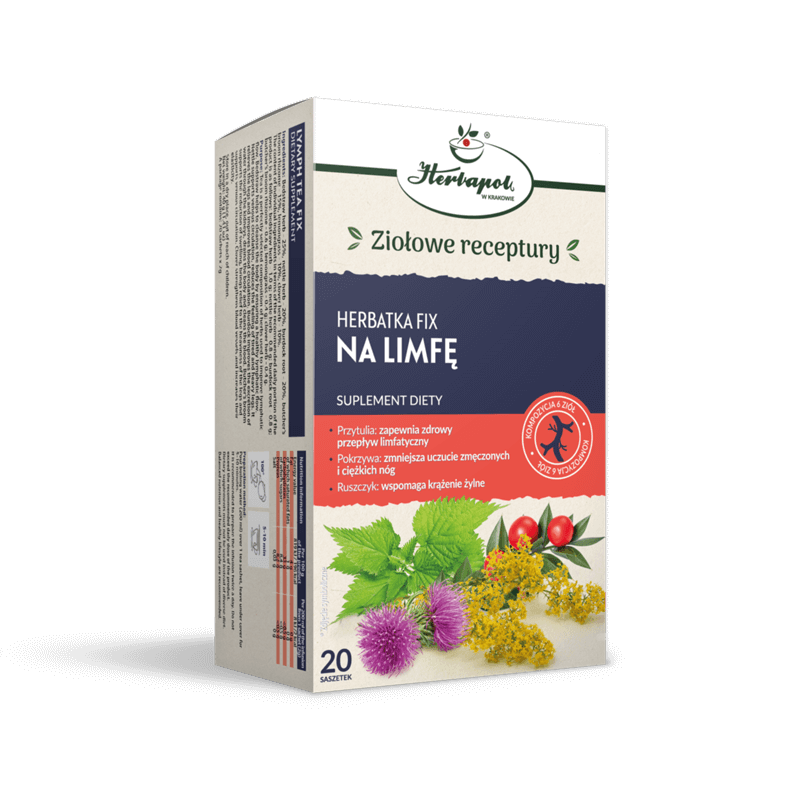
Cleansing Tea fix (20 × 2 g) 40 g - Herbapol Kraków
4.3. Evening protocol – gut regeneration during sleep
Night is a time of intensive regeneration of the intestinal epithelium. Evening herbs should have a protective and antispasmodic effect – not stimulating. Avoid diuretic herbs (nettle) and strongly cholagogic herbs in the evening, as they may disrupt sleep.
Evening recommendation:
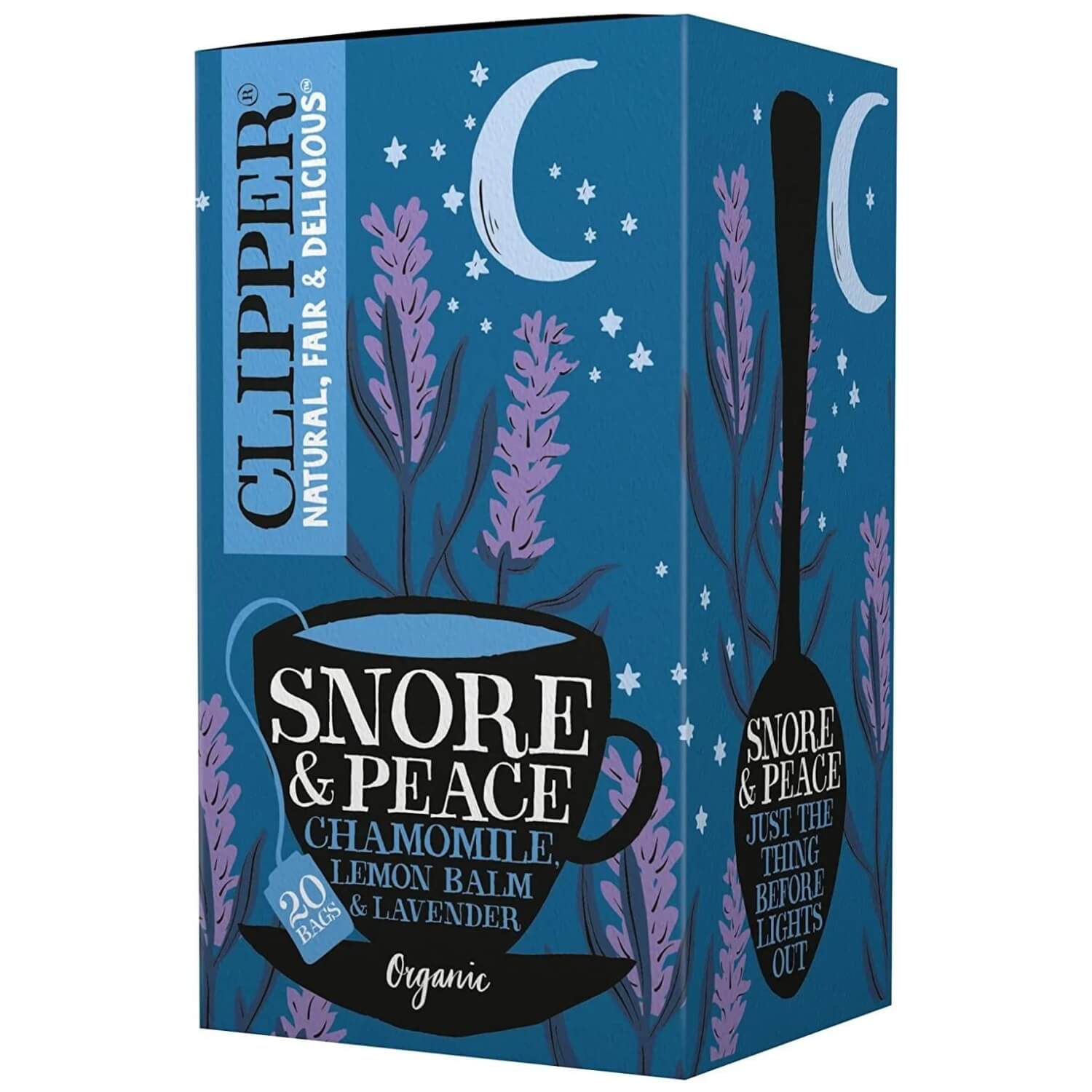
- Infusion of chamomile – has an antispasmodic and calming effect; supports mucosal regeneration during nocturnal rest
- Infusion of fennel or peppermint – reduces daily fermentation residues and prevents nocturnal bloating
- Optionally, to support microbiota balance: an herbal supplement based on oregano or garlic – according to the manufacturer's recommendations

Tea For Intestines fix (20 × 2 g) 40 g - Herbapol Kraków
4.4. How to combine herbs – synergistic combinations
Some herbs enhance each other's effects when used together. The following combinations have established use in traditional phytotherapy:
- Dandelion + nettle: a classic combination for spring support – dandelion stimulates digestion and bile, nettle aids excretion and provides minerals
- Chamomile + fennel + mint: synergistic antispasmodic and carminative action – a good blend for bloating and intestinal cramps
- Oregano + garlic: enhanced support for microbiota balance – complex products (like multi-ingredient supplements) are often based on this combination
- Flaxseed + chamomile: double mucous membrane protection – mechanical (flaxseed mucilage) and biochemical (chamomile bisabolol)
Avoid combining more than 3–4 herbs at once – it makes it difficult to assess which one is working and which might cause an undesirable reaction.

4.5. Example 14-day herbal protocol
| Time of day | Action | Herb / form | Notes |
|---|---|---|---|
| Morning, on an empty stomach | Stimulation of bile and peristalsis | Dandelion tea or dandelion root + chicory infusion | 15–20 min before breakfast, no sugar |
| After breakfast | Digestive support | Herbal supplement (according to manufacturer's recommendations) | E.g., 7PEPAS / Pasout Complex – if used |
| During the day | Hydration and mineralization | Nettle or mint tea | 1–2 glasses between meals |
| After lunch | Bloating reduction | Fennel or peppermint tea | Especially after heavy meals |
| Evening | Mucosal regeneration and soothing | Chamomile tea or chamomile + fennel | 30–60 min before sleep, infusion temperature approx. 50–60°C |
4.6. When to take a break and how to assess the effects?
The effects of regular use of intestinal herbs are usually gradual. The first changes – reduced bloating, more regular bowel movements – may be noticeable after 5–10 days. Improving the condition of the intestinal microbiota is a long-term process, requiring several weeks of consistent action.
Signs that it's time to take a break or change your approach:
- worsening of diarrhea or loose stools despite no dietary changes
- abdominal pain that does not subside after 2–3 days of using a particular herb
- allergic reactions: rash, itching, swelling of the lips or tongue (requires immediate discontinuation and medical consultation)
- no improvement whatsoever after 4 weeks – a sign that the problem may require diagnosis, not just herbal support
5. Intestinal cleansing and parasites – what you need to know?
The topic of intestinal parasites is either downplayed or, on the contrary, surrounded by excessive fear and pseudomedical myths. The truth lies in the middle: parasitic infestations are a real health problem, but their diagnosis and treatment require an approach based on facts, not speculation.
5.1. Where do intestinal parasites come from and who is at risk?
Intestinal parasites are organisms living in the digestive tract at the expense of their host. The most common in Poland are pinworms (Enterobius vermicularis), human roundworms (Ascaris lumbricoides), Giardia (Giardia lamblia), and – less commonly – tapeworms. According to data from the National Institute of Public Health, pinworm infection remains one of the most common parasitic infestations in Poland, especially among school-aged children.
Infection most often occurs via the fecal-oral route – by consuming parasite eggs with contaminated food, water, or through direct contact with an infected person.
Factors increasing the risk include:
- frequent contact with children (nursery, school, kindergarten)
- consumption of raw or undercooked meat and fish
- travel to countries with lower sanitary standards
- working with soil without gloves (soil may contain parasite eggs)
- weakened immunity – a healthy gut microbiome forms a natural barrier that makes it difficult for parasites to colonize the intestines

5.2. What symptoms may suggest the presence of parasites in the intestines?
Symptoms of parasitic infestation are non-specific and can easily be mistaken for other gastrointestinal ailments. Recurring or worsening symptoms should prompt diagnostic tests, rather than self-treatment with herbs.
Symptoms that may indicate the presence of intestinal parasites:
- recurrent abdominal pain, especially around the navel or right hypochondrium
- unexplained bowel movement disorders – diarrhea, constipation, or their alternation
- anal itching, worsening at night (characteristic of pinworm infection)
- unexplained weight loss despite normal appetite
- chronic fatigue and weakness disproportionate to effort
- recurrent nausea and loss of appetite
- in children: teeth grinding during sleep, irritability, concentration problems
⚠️ Do not self-diagnose
The listed symptoms can have dozens of other causes – from irritable bowel syndrome to inflammatory bowel diseases. The only reliable method to confirm parasitic infestation is a stool test for parasites (preferably three times, from different days) or serological blood tests. These can be ordered by a general practitioner or an infectious disease specialist.
5.3. What role can herbs play in the context of intestinal hygiene?
Herbs are not antiparasitic drugs and do not replace pharmacotherapy prescribed by a doctor. It is worth stating this directly before we move on to what is actually documented.
Some medicinal plants contain compounds that have been traditionally used to support digestive tract hygiene and maintain a healthy intestinal environment. The mechanisms through which they can act include influencing the intestinal environment (pH, osmolality), hindering the adhesion of microorganisms to the epithelium, and supporting the natural defense mechanisms of the mucous membrane.
Plants with documented traditional use in this context:
- Black walnut (Juglans nigra) – the hulls of unripe walnuts contain juglone, a naphthoquinone with a broad spectrum of biological activity; traditionally used in folk herbal medicine
- Wormwood (Artemisia absinthium) – contains absinthin and artabsin; strongly bitter sesquiterpene lactones traditionally used for digestive ailments and as an aid to intestinal hygiene; note: wormwood is an herb with a narrow safety window – it should not be used long-term or in large doses
- Cloves (Syzygium aromaticum) – eugenol contained in cloves shows broad biological activity in laboratory studies
- Oregano and garlic – discussed in detail in Chapter 3; their essential oils and allicin are traditionally used to support the balance of the gut microbiota
- Pumpkin (Cucurbita pepo) – pumpkin seeds contain cucurbitacins and amino acids (including cucurbitine); traditionally used in many cultures as an element supporting intestinal hygiene
💡 Multi-ingredient supplements – what to look for?
Herbal preparations combining several of the listed ingredients in one formula are available on the market. When choosing such a product, it is worth paying attention to the standardization of extracts (information on the content of active substances), the reputation of the manufacturer, and a composition free of unnecessary fillers. Products available from trusted organic sellers usually have a better documented composition than those offered by anonymous online sellers.

Pasout Complex + Tansy 100 ml - Plon Pharm
5.4. When herbs are not enough – when to see a doctor?
Using herbs as preventive support or as a supplement to prescribed therapy is rational. However, in the following situations, medical consultation is necessary – no exceptions:
- when symptoms are severe, prolonged, or rapidly worsening
- when parasite fragments or blood are visible in the stool
- when symptoms concern a child under 6 years of age
- when you are pregnant or breastfeeding – most herbs used for parasites are contraindicated at this time
- when you are taking immunosuppressants or have weakened immunity
- when symptoms recur despite treatment
Treating parasitic infestation with medications (e.g., albendazole, mebendazole, metronidazole) is effective, safe, and usually short. There is no reason to postpone it in favor of self-experimentation with herbs in the case of a confirmed infection.
6. Lifestyle that supports gut health
Herbs work best in a favorable environment. If the diet is low in fiber, hydration is insufficient, and stress is chronic – even the best-selected tea will not be able to compensate for these deficiencies.
Below are four pillars of lifestyle that directly affect gut condition.
6.1. Diet rich in fiber – what to eat and what to avoid?
Dietary fiber is the primary substrate for beneficial gut microbiota. Adults should consume 25–38 g of fiber daily – meanwhile, the average Polish diet provides only about 15 g. This deficit directly translates into slower peristalsis, poorer microbiome composition, and greater susceptibility to digestive disorders.
Products particularly beneficial for the intestines:
- Legumes (lentils, chickpeas, beans) – rich in fiber and prebiotics
- Root and leafy vegetables – especially chicory, Jerusalem artichoke, leek, onion (inulin)
- Whole grain cereal products – oats, rye, buckwheat
- Fermented dairy products – kefir, natural yogurt, buttermilk (live bacterial cultures)
- Pickles – sauerkraut, pickled cucumbers, kimchi (natural probiotics)

Products whose excess harms the intestines:
- highly processed foods with high sugar and trans fat content
- alcohol – disrupts microbiota composition and damages intestinal epithelium
- red processed meat in large quantities
- artificial sweeteners (especially saccharin and sucralose) – according to studies, they can negatively affect the microbiome
6.2. Hydration – how much water do the intestines need?
The large intestine absorbs approximately 1.3–1.8 liters of water from food content daily. Insufficient hydration directly thickens stool and slows intestinal transit – this is one of the most common, yet most easily remedied, causes of constipation.
The general WHO recommendation is approximately 2 liters of fluids per day for adult women and 2.5 liters for men – including water contained in meals. When using diuretic herbs (nettle) or during flaxseed therapy, the water requirement increases.
Herbal teas count towards the daily fluid balance – this is an additional argument for replacing sweetened drinks or coffee with them during the day.
6.3. Physical activity and intestinal peristalsis
Physical activity mechanically stimulates intestinal peristalsis – diaphragm and abdominal muscle contractions during movement literally "massage" the intestines from the outside, speeding up the passage of food content. Studies indicate that regular aerobic activity (walking, running, cycling, swimming) shortens intestinal transit time and can reduce the risk of constipation.
Intensive training is not necessary – even 30 minutes of moderate exercise daily significantly improves intestinal motility. A walk after the main meal of the day is particularly beneficial: 15–20 minutes of a calm walk after lunch speeds up stomach emptying and reduces the feeling of heaviness.
6.4. Stress and the microbiome – how cortisol affects the intestines?
The intestines and brain communicate through the gut-brain axis – a neural, hormonal, and immune network connecting the central nervous system with the digestive tract. This bidirectional communication means that psychological stress directly affects gut function – and vice versa.
Cortisol secreted during chronic stress slows peristalsis, reduces protective mucus production, increases intestinal barrier permeability, and negatively changes the microbiome composition – particularly decreasing the number of beneficial bacteria of the genus Lactobacillus. This explains why people living with chronic stress so often suffer from digestive problems despite a healthy diet.
Practical strategies to reduce the impact of stress on the intestines:
- Regular meals at fixed times – the circadian rhythm directly synchronizes intestinal function
- Slow eating and thorough chewing – digestion begins in the oral cavity; rushing while eating increases the amount of swallowed air and overloads the stomach
- Relaxation techniques (diaphragmatic breathing, meditation, yoga) – activate the vagus nerve, which directly regulates intestinal motility
- Regular sleep – sleep deprivation disrupts the circadian rhythm of the microbiota and slows down the regeneration of the intestinal epithelium
💡 Adaptogenic herbs and intestinal stress
Some medicinal plants – such as ashwagandha, rhodiola rosea, or lemon balm – are traditionally used to support the body's resistance to stress. Although they do not act directly on the intestines, indirectly – by alleviating nervous system tension – they can support the proper functioning of the gut-brain axis.

BICAPS Ashwagandha 60 capsules - ForMeds
7. For whom herbal gut support may be inappropriate?
Herbs are natural – but "natural" does not automatically mean "safe for everyone." Some medicinal plants contain biologically active compounds that, in certain situations, may be contraindicated or require special caution.
7.1. Pregnancy and breastfeeding
This group requires the most caution. Many herbs used for intestinal ailments and in cleansing protocols are contraindicated during pregnancy, as they can stimulate uterine contractions or pass into breast milk.
Herbs to avoid during pregnancy:
- Wormwood – absolutely contraindicated (strong uterine stimulant)
- Oregano in large doses – safe in culinary amounts, with supplements – use caution
- Dandelion – generally considered safe in small quantities, but insufficient research in pregnant women
- Nettle – traditionally avoided during pregnancy due to its potential uterine-stimulating effects
- Black walnut, pumpkin seeds in high doses – insufficient data on safety during pregnancy
Safe in moderate amounts during pregnancy (after consulting a doctor): chamomile (occasionally), ginger (for morning sickness – EMA recognizes traditional use), fennel in culinary quantities.
7.2. Chronic gastrointestinal diseases
People with diagnosed bowel conditions should be particularly cautious with any herbal treatments:
- IBD (Crohn's disease, ulcerative colitis): during exacerbation, avoid herbs that irritate the mucous membrane (wormwood, high-dose oregano). During remission – only after consulting a gastroenterologist.
- IBS (irritable bowel syndrome): some herbs can worsen symptoms, especially those rich in fermentable fiber fractions (FODMAPs). However, peppermint in enteric-coated capsules is considered helpful for pain-dominant IBS.
- SIBO (small intestinal bacterial overgrowth): prebiotic herbs (dandelion, chicory, garlic) can worsen symptoms because they feed bacteria in the wrong part of the digestive tract.
- Gallstones: highly choleretic herbs (dandelion, artichoke, mint) are contraindicated in bile duct obstruction and require caution in case of gallstones.
7.3. Herb-drug interactions – what you must tell your doctor
Active compounds in herbs can interact with medications prescribed by your doctor – accelerating or slowing their metabolism, strengthening or weakening their effects.
| Herb | Potential interaction | Drugs / Drug groups |
|---|---|---|
| Garlic | Increased anticoagulant effect | Warfarin, acenocoumarol, heparin, ASA |
| Flaxseed | Delayed drug absorption (mucilage) | All oral medications – maintain 1–2 h interval |
| Dandelion | Increased diuretic effect | Diuretics (furosemide, hydrochlorothiazide) |
| Wormwood | Possible lowering of seizure threshold | Antiepileptic drugs, phenobarbital |
| Oregano (oil) | Possible potentiation of effect | Antidiabetic, anticoagulant drugs |
If you are taking any medications regularly, consult your doctor or pharmacist before starting any herbal treatment. This is especially important for drugs with a narrow therapeutic window.
7.4. Intestinal herbs for children – which are safe?
Children metabolize active substances differently than adults, and their digestive system and microbiome are still developing. Most cleansing protocols and herbal preparations aimed at supporting intestinal hygiene are not intended for children – especially under 12 years of age.
Exceptions – herbs traditionally considered safe in children (in appropriate doses and forms):
- Chamomile – low-concentration infusions; EMA approves use for mild gastrointestinal complaints in children above a certain age (according to the monograph)
- Fennel – low-concentration tea for bloating; traditionally used in infants for colic, but only after consulting a pediatrician
- Flaxseed – in small amounts, with adequate water; safe in older children
Preparations containing wormwood, black walnut, high-dose oregano, garlic capsules, or complex anti-parasitic supplements are not suitable for children without explicit medical advice.
8. Frequently Asked Questions
8.1. Can herbal bowel treatment be done regularly, or only once a year?
It depends on the type of herbs used. Mild herbs supporting digestion and peristalsis – like chamomile, mint, or fennel – can be drunk daily without time limits.
More intensive protocols with stronger-acting herbs (wormwood, black walnut, oregano capsules) should be in the form of treatments with breaks – a classic regimen is 3–4 weeks of use, followed by at least an equally long break. Continuous use for months does not provide additional benefits and can lead to mucosal irritation or disturbances in microbiota composition.
8.2. Can herbal teas interact with medications?
Yes – and this is an underestimated problem. Active compounds in herbs can affect liver enzymes that metabolize drugs (especially cytochrome P450), enhance or weaken their effects, and change the rate of absorption. Particularly important interactions involve anticoagulants (garlic, oregano), diuretics (dandelion), and drugs with a narrow therapeutic window.
If you are taking medications regularly, consult your doctor or pharmacist about your choice of herbs – preferably before starting treatment, not after.
8.3. How long does it take to see the effects of herbal bowel cleansing?
The first effects – reduced bloating, more regular bowel movements, less feeling of heaviness after meals – are usually noticeable after 5–10 days of regular use. Deeper changes in the intestinal microbiota composition are a process that takes several weeks.
If after 4 weeks of consistent use you do not observe any improvement, it is worth consulting a doctor – the ailments may have a cause requiring diagnosis.
8.4. Does herbal bowel support help with bloating and IBS?
For functional bloating – yes, with good traditional evidence and increasingly strong scientific evidence. Peppermint, fennel, and chamomile are recognized by EMA as traditional remedies helpful for intestinal cramps and bloating.
For IBS, the situation is more complex: peppermint in enteric-coated capsules has documented efficacy for pain-dominant IBS, while herbs rich in fermentable fiber (dandelion, garlic) can worsen symptoms in individuals sensitive to FODMAPs.
In IBS, the selection of herbs should be individualized, preferably in consultation with a gastroenterologist.
8.5. What certifications should I check when buying herbal teas and supplements?
For herbal teas, it is worth looking for an organic certificate (BIO / EU Organic) – this confirms the absence of pesticides and synthetic fertilizers in the raw material. For dietary supplements, the GMP (Good Manufacturing Practice) certificate is crucial – it guarantees standardization of the production process and compliance of the composition with the label declaration.
For imported products (e.g., black walnut, oregano from foreign cultivation), it is also worth looking for certificates confirming microbiological purity and the absence of heavy metals.
Polish herbs from reputable manufacturers (with a long market history) usually meet the stringent standards of the European Pharmacopoeia.

Robaq 30 tablets - Herbapol Kraków
8.6. Can intestinal herbs be used preventively – without specific ailments?
Yes, and this is a sensible approach, especially after antibiotic therapy, during periods of increased stress, after traveling to countries with different sanitary standards, or at the turn of seasons.
Preventive use of mild herbs supporting digestion and microbiota – such as dandelion, chamomile, nettle, or fennel – is safe and can genuinely support daily intestinal comfort.
Preventive use of stronger preparations (wormwood, black walnut, complex supplements) without specific indications is not recommended.
9. Summary – what really works?
Intestinal herbs are one of the best-documented areas of traditional phytotherapy – and one of those where the line between sensible support and marketing exaggeration can be thin. Below are the most important conclusions from this article:
- The intestines do not require a "reset." The concept of detox is largely a marketing construct. A sensible goal is to support the natural functions of the intestines – peristalsis, microbiota composition, and mucosal integrity.
- Different herbs work through different mechanisms. Dandelion stimulates bile and nourishes the microbiota, chamomile protects the mucous membrane, and oregano and garlic support the microbiological balance of the intestines. Consciously combining several herbs with complementary mechanisms of action yields better results than searching for one "best" solution.
- The protocol matters. Choleretic herbs on an empty stomach in the morning, and protective and antispasmodic herbs in the evening – the order and regularity of use translate into effects.
- Parasites are a matter for a doctor. Herbs can support intestinal hygiene and preventively hinder the colonization of the intestines by pathogens, but a confirmed parasitic invasion requires diagnosis and pharmacotherapy – not self-experimentation.
- Lifestyle is fundamental. No herb can replace dietary fiber, adequate hydration, regular exercise, and stress management. Herbs work best as a complement to a good lifestyle – not as its substitute.
- Safety is not obvious. Pregnancy, chronic diseases, regular medications – in these situations, it is always advisable to consult a specialist about the selection of herbs.
10. Sources
- European Medicines Agency (EMA) – Community herbal monograph on Taraxacum officinale Weber ex Wigg., radix cum herba. EMA/HMPC/European Union herbal monograph. Available at: ema.europa.eu
- European Medicines Agency (EMA) – Community herbal monograph on Matricaria chamomilla L., flos. Available at: ema.europa.eu
- European Medicines Agency (EMA) – Community herbal monograph on Mentha × piperita L., folium. Available at: ema.europa.eu
- European Medicines Agency (EMA) – Community herbal monograph on Foeniculum vulgare Mill., fructus. Available at: ema.europa.eu
- European Medicines Agency (EMA) – Community herbal monograph on Linum usitatissimum L., semen. Available at: ema.europa.eu
- Commission Regulation (EU) No 432/2012 of 16 May 2012 establishing a list of permitted health claims made on foods. Official Journal of the EU. Available at: eur-lex.europa.eu
- Moayyedi P. et al. – The effect of fiber supplementation on irritable bowel syndrome: a systematic review and meta-analysis. Am J Gastroenterol 2014; 109(9):1367–74. Available at: pubmed.ncbi.nlm.nih.gov
- Bayan L. et al. – Garlic: a review of potential therapeutic effects. Avicenna J Phytomed 2014; 4(1):1–14. Available at: pubmed.ncbi.nlm.nih.gov
- Carabotti M. et al. – The gut-brain axis: interactions between enteric microbiota, central and enteric nervous systems. Ann Gastroenterol 2015; 28(2):203–209. Available at: pubmed.ncbi.nlm.nih.gov
- National Institute of Public Health – National Institute of Hygiene (NIZP-PZH) – epidemiological data on parasitic invasions in Poland. Available at: pzh.gov.pl