The article was updated on February 6, 2026.
In the world of healthy eating, new concepts are constantly emerging, sparking curiosity and encouraging us to delve deeper into our daily diet. One of these is resistant starch – an ingredient that until recently was overshadowed by fiber, but is now increasingly being cited as a key element supporting gut health, metabolism, and immunity.

Resistant starch is a form of carbohydrate that isn't digested in the small intestine, allowing it to reach the large intestine almost unchanged. There, it becomes a food source for "good" gut bacteria, acting as a prebiotic. Although resistant starch occurs naturally in many foods, its presence in most people's diets remains limited—primarily due to a lack of awareness of its existence and properties.
Why is it worth considering? What are its health benefits? Where can you find it and how can you incorporate it into your daily diet? In this article, we'll clear up any doubts and show you how you can easily enrich your diet with this unique ingredient.
1. Types of resistant starch
Although resistant starch sounds like one specific ingredient, it is actually a group of compounds that differ in their chemical structure, origin, and how they act in the body.
There are five main types of resistant starch (RS):
1.1. RS1 – Physically inaccessible starch
Description: This type of starch is physically trapped within the intact cell structure of the plant, preventing digestive enzymes from accessing it. The cell walls act as a barrier. Only thorough grinding or chewing can partially release this starch.
Sources: Whole or partially ground cereal grains (e.g. wheat, rye, barley), seeds, legumes (e.g. beans, peas, lentils).
1.2. RS2 – Raw starch (non-gelatinized)
Description: The natural, granular structure of this type of starch is resistant to digestion in its raw state. This starch loses its resistant properties during thermal processing involving water (cooking, baking), when it gelatinizes.
Sources: Raw potatoes*, green (unripe) bananas, raw high amylose corn starch (HAMS), some raw legumes.
*Theoretically, raw potatoes are a rich source of RS2, but due to the presence of natural glycoalkaloids (e.g., solanine), their consumption is not recommended. Raw potato starch is a much better, safer, and convenient source of RS2.
1.3. RS3 – Retrograded starch
Description: This type of starch is formed during the cooling of starchy foods that have been previously heat-treated (cooked, baked). During cooking, starch absorbs water and swells (gelatinizes). During cooling, amylose molecules, in particular, rearrange, forming ordered, crystalline structures that are resistant to the action of digestive enzymes. This process is called retrogradation . Reheating can partially reduce the amount of RS3.
Sources: Boiled and cooled potatoes (e.g. in vegetable salad), boiled and cooled rice (e.g. in sushi), boiled and cooled pasta, stale bread.

1.4. RS4 – Chemically modified starch
Description: This is a starch that has been intentionally chemically modified (e.g., by esterification, etherification, or cross-linking) in industrial processes to render it resistant to digestion. It does not occur naturally.
Sources: Added to some processed products, such as bread, cookies, and thickeners, to increase fiber content or improve the product's technological properties. Its presence must be declared on the product label.
1.5. RS5 – Lipid-bound starch
Description: This type of resistant starch results from the formation of complexes between starch molecules (primarily amylose) and lipids (fats). These amylose-lipid complexes are more difficult for digestive enzymes to digest. It can form during the processing of foods containing both starch and fat.
Sources: May be found in industrially processed cereal products or dishes where starch is cooked together with fats.
1.6. Types of resistant starch in a nutshell
| Type of resistant starch | How it is made / characteristics | Sample sources | Main practical advantages |
|---|---|---|---|
|
RS1 Starch physically inaccessible |
Trapped in intact plant cell walls – digestive enzymes cannot access it | Whole grains, seeds, legumes (beans, peas, lentils) | Naturally present in whole grains and legumes – easy to incorporate into your daily diet |
|
RS2 Raw starch |
Grainy structure resistant to digestion when raw – loses its properties when cooked | Green (unripe) bananas, raw corn starch (HAMS), raw potato starch | High RS content – perfect for adding to smoothies, yogurts (no cooking!) |
|
RS3 Retrograded starch |
It is formed when cooked starch products are cooled – the starch molecules are reorganized into a resistant form | Cooked and cooled potatoes, rice, pasta, groats, stale bread | A simple way to increase RS without changing your diet – just chill cooked carbohydrates |
|
RS4 Chemically modified starch |
Purposely industrially modified to be resistant to digestion | Added to bread, cookies, thickeners - must be marked on the label | Increases the fiber content of processed products - requires checking the composition |
|
RS5 Lipid-bound starch |
It is formed by the formation of starch-fat complexes during food processing. | Cereal products cooked with fats, some industrial products | May occur in foods combining starch and fat – more difficult to control |
🔸 RS1 – Starch physically unavailable
🔸 RS2 – Raw starch
🔸 RS3 – Retrograded Starch
🔸 RS4 – Chemically modified starch
🔸 RS5 – Lipid-bound starch
Different types of resistant starch can coexist in a single food. Consuming resistant starch provides health benefits, primarily by supporting gut microbiota and producing short-chain fatty acids (e.g., butyrate), which are important for colon health.
2. How does resistant starch work in the body?
Resistant starch, as its name suggests, resists digestion in the upper gastrointestinal tract. Unlike regular starch, which is broken down into glucose in the small intestine and absorbed into the bloodstream, resistant starch passes through the small intestine almost unchanged , going straight to the large intestine. And this is where its most important role begins.
2.1. Food for good bacteria – prebiotic action
In the large intestine, resistant starch becomes a food source for beneficial gut bacteria , such as Bifidobacterium and Lactobacillus . This provides a prebiotic effect, supporting the development of healthy gut microflora, which is crucial for immunity, digestion, and even mood. Increasing resistant starch consumption can support the recovery of microbiota after antibiotic treatment, reduce the risk of inflammation, and improve overall digestive health.
2.2. Fermentation and butyrate production
When resistant starch is fermented by gut bacteria, short-chain fatty acids (SCFAs) are produced, including one of the most important: butyrate (butyric acid) . Butyrate plays a key role in gut health because:
-
is the main source of energy for the cells of the large intestine , supporting their regeneration,
-
has anti-inflammatory properties and potentially reduces the risk of colon cancer,
-
seals the intestinal barrier , reducing the risk of leaky gut syndrome,
-
has a positive effect on metabolism , including insulin sensitivity and sugar metabolism.

BICAPS Butyric Sodium Butyrate 60 capsules - ForMeds
2.3. Effect on sugar levels and satiety
Because resistant starch isn't digested in the small intestine, it doesn't cause spikes in blood glucose after a meal. Furthermore, it can slow the absorption of other carbohydrates from a meal, providing additional benefits for people with insulin resistance, type 2 diabetes, or those trying to lose weight. Resistant starch also increases feelings of fullness , which can help control appetite and reduce snacking between meals.
In short, resistant starch acts as a natural "superfood" for the gut , supporting not only digestion but also overall metabolic health. This is further proof of the profound impact our daily diet can have on our well-being.
3. Health benefits of consuming resistant starch
Including resistant starch in your daily diet can bring a range of health benefits, both for your digestive system and your entire body. Although it was underestimated for years, it is now increasingly recognized as one of the most important ingredients supporting gut health, metabolism, and even preventing lifestyle diseases .
3.1. Improving gut health and microbiota
Resistant starch acts as a prebiotic , a substance that feeds beneficial gut bacteria. Regular consumption of this starch promotes the growth of beneficial strains of bacteria that aid digestion, counteract inflammation, and strengthen the intestinal barrier. A healthy microbiota also translates into better immunity, a stable mood, and a reduced risk of autoimmune diseases.

3.2. Production of butyrate – a natural “fuel” for the intestines
One of the most important effects of resistant starch fermentation in the large intestine is the production of butyrate , a fatty acid with powerful anti-inflammatory and protective properties. Butyrate supports the regeneration of the intestinal epithelium, helps maintain normal pH in the colon, and may reduce the risk of colon cancer. Its presence also supports the healing of minor lesions in the intestinal mucosa.
3.3. Better blood sugar control
Because resistant starch does not rapidly raise glucose levels after a meal , it is a valuable dietary component for people with insulin resistance, prediabetes, or type 2 diabetes. It may also improve cell sensitivity to insulin , helping the body better manage blood sugar.
3.4. Support for metabolic health and weight loss
Consuming resistant starch may help control appetite by increasing satiety and reducing the urge to snack. Research suggests it may also reduce body fat while improving lipid profiles (e.g., triglyceride levels). This makes it an interesting ingredient in weight-loss and anti-inflammatory diets.

3.5. Anti-inflammatory effect
Resistant starch fermentation and the resulting short-chain fatty acids have the potential to reduce inflammation in the body . Chronic, silent inflammation underlies many lifestyle diseases, including heart disease, diabetes, metabolic syndrome, and even depression.
3.6. Protection against intestinal diseases
Research on the effects of resistant starch indicates that its inclusion in the diet may potentially reduce the risk of colon cancer , one of the most commonly diagnosed cancers. It also has a beneficial effect on inflammatory bowel diseases such as ulcerative colitis and Crohn's disease (as a dietary supplement, not a substitute for treatment).
In summary, resistant starch is an incredibly valuable dietary ingredient whose benefits extend far beyond the digestive system. Regular consumption can improve intestinal health, stabilize blood sugar levels, strengthen immunity, and even help fight obesity and inflammation.
4. What products contain resistant starch?
Resistant starch isn't a component found in any one specific product – it's found in a variety of foods, both naturally and through processing. Interestingly, the way food is prepared can significantly impact its content . Therefore, it's worth knowing where to look for it and how to increase its amount in your daily diet.
4.1. Cooked and cooled potatoes
This is one of the most well-known and readily available sources of resistant starch. After cooking and cooling, potatoes undergo a process of retrogradation , which converts some of the easily digestible starch into a resistant form.
The best results are achieved when potatoes are refrigerated for at least a few hours. They can be eaten cold (e.g., in potato salad) or gently reheated without completely losing their nutritional value.
4.2. Green, unripe bananas
Green bananas (and banana flour from unripe fruit) contain a significant amount of resistant starch, which gradually breaks down as the fruit ripens. Therefore, the greener the banana, the more resistant starch it contains. However, keep in mind that their flavor is less sweet and their texture is more floury.

Organic banana flour 500 g - Batom
4.3. Cooked and cooled rice
Like potatoes, white and brown rice also increase their resistant starch content after cooking and cooling. Rice that has been refrigerated for at least 12 hours contains the highest levels of resistant starch. This type of rice is perfect for salads, side dishes, or as a breakfast pudding.
4.4. Cooked and cooled groats
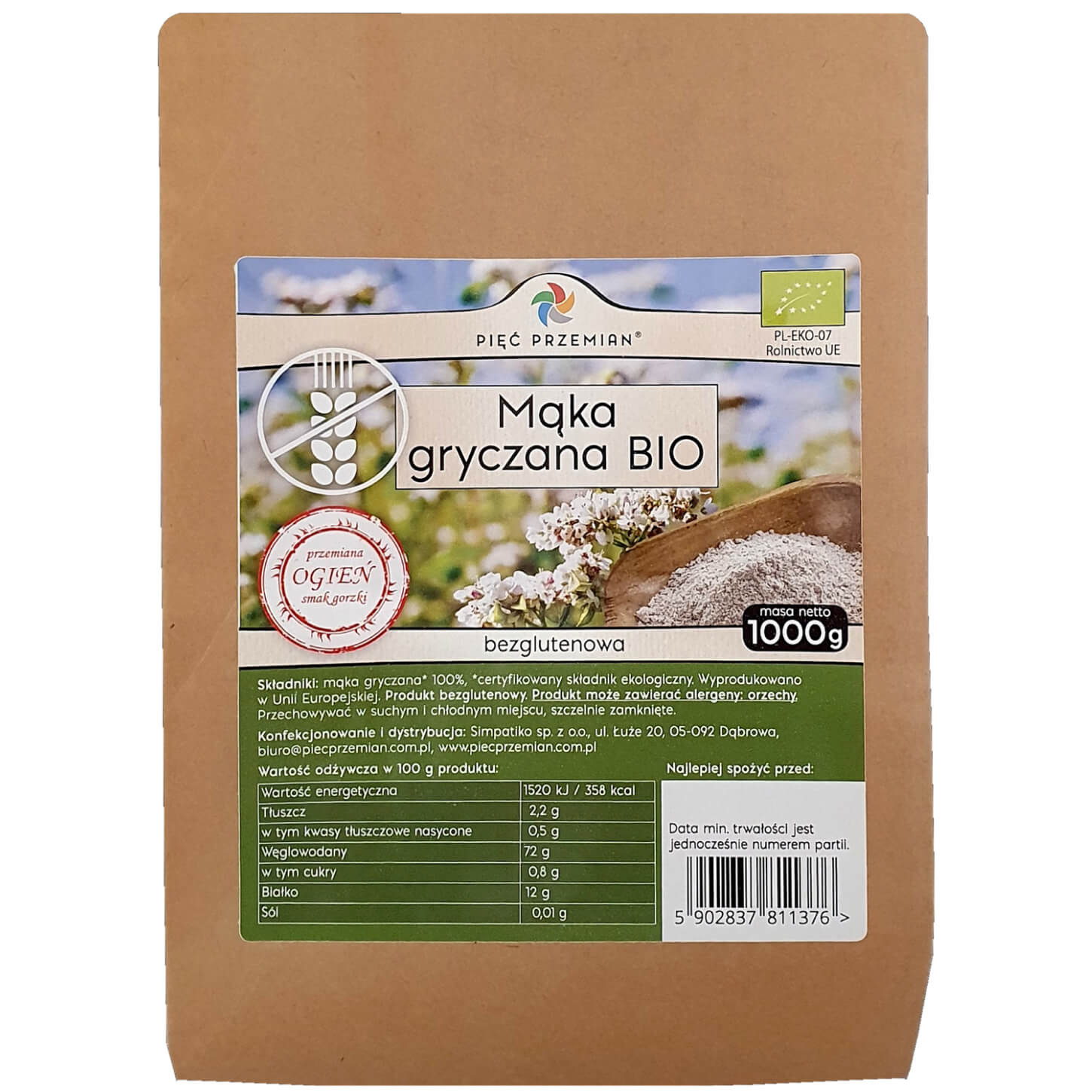
Groats like millet, buckwheat, and barley also contain more resistant starch after cooking and cooling. Adding these groats to salads or reusing them in dinner dishes (e.g., vegetable cutlets) is a great way to incorporate them into your diet.

Unroasted gluten-free buckwheat groats, organic, 1 kg - Bio Planet
4.5. Legume seeds
Beans, chickpeas, lentils, and other legumes are rich not only in protein and fiber but also in resistant starch—especially when cooked and cooled. Additionally, they ferment more slowly in the gut than other carbohydrates, which reduces bloating and promotes a balanced microbiome.
4.6. Raw potato starch
Pure, raw potato starch (uncooked!) is one of the richest sources of RS2 resistant starch. It can be added to smoothies or yogurts in small amounts (e.g., 15-20 g per day), starting gradually and observing your body's response. Important: it should not be cooked, as high temperatures can cause it to lose its resistant properties.

Organic potato starch 400 g - Bio Planet
4.7. Whole grain products and some flours
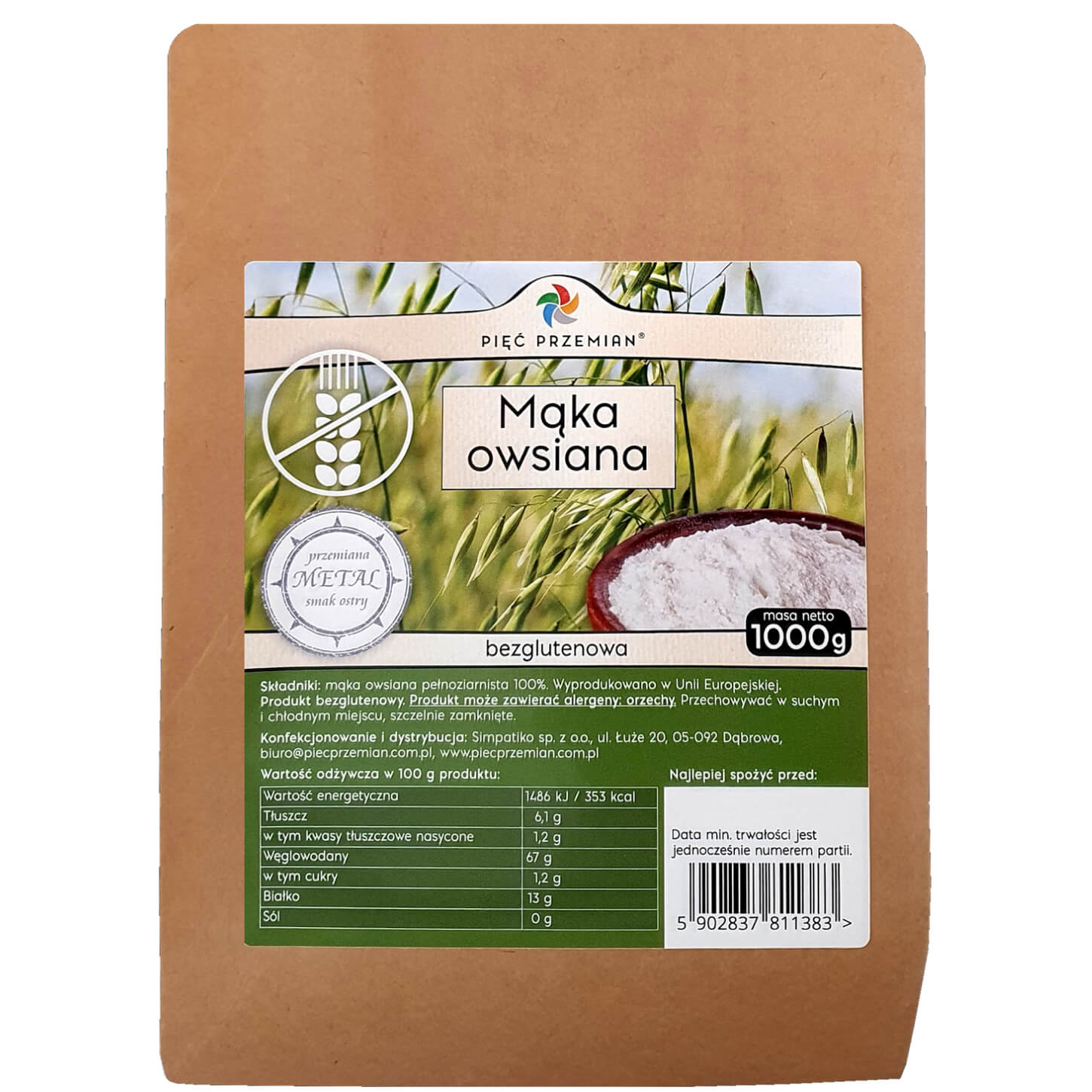
Whole grain cereals, unprocessed oatmeal , and some flours (such as the aforementioned banana flour or raw potato flour) can also provide resistant starch – especially if they have not been extensively thermally processed.
Introducing natural sources of resistant starch into your diet doesn't require a major revolution – just a few simple changes, such as refrigerating cooked carbohydrates or choosing less processed products, will allow you to enjoy its health-promoting properties in an easy, tasty way, and at no extra cost.
5. How much resistant starch should you take per day? Dosages and practical recommendations
There are no official guidelines yet for resistant starch consumption , as there are for vitamins or traditional fiber. However, it is known that the typical Western diet contains low amounts – on average, just a few grams per day, often in the 3–9g range. Research suggests that increasing this amount to around 15–20g of resistant starch per day, preferably from a variety of sources (natural products + possibly a small addition of starch in the form of a supplement), may be beneficial for gut health .
In practice, achieving this level from diet alone requires conscious choices. A portion of cooked and cooled potatoes, a bowl of rice salad from the day before, or a serving of legumes can each provide several grams of resistant starch, so only combining several such foods throughout the day allows you to approach the recommended level.
Therefore, a good solution is often a combination of:
-
1–2 servings of chilled carbohydrates (potatoes, rice, groats, pasta),
-
1 portion of legumes,
-
and a small amount of raw potato starch or green banana flour.
When it comes to raw potato starch, a reasonable starting point is 1 level teaspoon per day, dissolved in water, yogurt, or a smoothie, for example. If your gut tolerates it well, you can gradually increase the dose to 1–2 tablespoons per day, monitoring for excessive bloating, gas, or abdominal pain.
The literature mentions doses of up to several dozen grams of resistant starch per day, which were well tolerated, but such high amounts are not needed by most people – regularity is more important than a “maximum” single dose.
Two principles are key when introducing resistant starch into your diet:
-
gradually increasing the amount – too rapid an increase in supply may worsen intestinal symptoms,
-
variety of sources – combining products naturally rich in resistant starch (potatoes, rice, groats, legumes, green bananas) with a small addition of a concentrated source (e.g. potato starch) allows you to achieve a beneficial dose without excessive burden on the digestive tract. csiro +1
This approach makes it easier to practically achieve a level of around 15–20 g of resistant starch per day, which can support gut health, microbiota, and metabolism while remaining manageable on a daily basis.
6. How to increase the amount of resistant starch in your diet?
Incorporating resistant starch into your daily diet doesn't require radical changes to your eating habits. Just a few simple tricks will not only increase its intake but also add additional health benefits. Here are practical ways to naturally increase the amount of resistant starch in your meals.
6.1. Cook and chill starchy foods
The most effective and simplest way to increase resistant starch is to use cooking and cooling techniques. This includes:
- potatoes,
- rice (white, brown),
- pasta,
- groats (e.g. buckwheat, millet, barley),
- legumes (lentils, chickpeas, beans).
After cooking, it's a good idea to chill them in the refrigerator for at least a few hours (ideally 12 hours). They can then be eaten cold or slightly warmed up – the retrograded resistant starch is no longer completely broken down by heat.
6.2. Eat more unripe bananas
Green bananas are a natural source of RS2 resistant starch. While their taste may not be to everyone's taste, they can be blended into smoothies, added to oatmeal, or made into banana flour, which also contains this valuable ingredient.
6.3. Include raw potato starch in your diet (with caution)
Raw potato starch is a concentrated source of resistant starch. 15-20g per day, dissolved in water, yogurt, or a smoothie, is sufficient. Start with a small amount and observe your body's reaction – too much can cause bloating and discomfort.
6.4. Choose legumes
Regularly eating beans, chickpeas, lentils, and peas is not only an excellent source of plant protein and fiber, but also resistant starch—especially after cooking and cooling. They're great in salads, pastas, veggie burgers, and soups.

6.5. Use whole grain flours and products
Products such as green banana flour, raw potato flour, unprocessed oatmeal and whole grain bread also contain some amounts of resistant starch – it is worth including them in your meals regularly and alternating them with more refined grain products.
6.6. Don't be afraid of eating "the next day"
Many foods prepared in advance and stored in the refrigerator gain in nutritional value, especially in terms of resistant starch content. Therefore:
- reheated pasta for salad,
- yesterday's potatoes as an ingredient in a new dish,
- or a portion of rice from yesterday's dinner
it's not only a culinary zero waste, but also a healthier choice!
Increasing the amount of resistant starch in your diet doesn't require supplements or specialized products—all it takes is a conscious approach to cooking, choosing the right ingredients, and knowing how to utilize their natural properties. Such changes can positively impact your gut microflora, digestion, metabolism, and overall well-being.
7. Resistant starch and the ketogenic and low-carbohydrate diet
The ketogenic diet and various low-carb diets (e.g., low-carb, LCHF) are incredibly popular among those concerned about their figure, blood sugar levels, and metabolic health. However, due to their nature—significantly limiting carbohydrate intake—they can raise concerns about starch consumption, even in its resistant form. So how does resistant starch fit into the principles of these diets?
7.1. Does resistant starch “break” ketosis?
One of the biggest advantages of resistant starch is that, although it is technically a carbohydrate, it is not digested in the small intestine and does not raise blood glucose levels like traditional simple sugars or rapidly digesting starches. It acts more like dietary fiber, reaching the large intestine, where it serves as a food source for gut bacteria.

Thanks to this, resistant starch has a very low glycemic index and minimal impact on insulin levels , which makes it a potentially safe addition even in a ketogenic diet – especially when consumed in small amounts and well tolerated by the body.
7.2. Benefits of Resistant Starch in Low-Carb Diets
-
Support for gut microbiota – low-carbohydrate diets are often also low in fiber, which can lead to gut microbiota imbalances. Resistant starch can help maintain a healthy bacterial environment despite low fiber intake.
-
Improved intestinal peristalsis – one of the more common side effects of the keto diet is constipation. Resistant starch, thanks to its prebiotic properties, can restore normal bowel habits.
-
Improving insulin sensitivity – some studies suggest that regular consumption of resistant starch may improve the body's response to insulin, which is especially important for people with insulin resistance or metabolic syndrome.
-
Increased production of ketone bodies – paradoxically, even though resistant starch is a carbohydrate, its fermentation in the large intestine can lead to increased levels of butyrate – a short-chain fatty acid that supports the production of ketones in the liver.
7.3. How to incorporate resistant starch into a low-carb diet?
People on a keto or low-carb diet should introduce resistant starch cautiously – ideally starting with small doses (e.g., 15 g of potato starch per day) and observing their body's response. It's also worth considering:
- green bananas (e.g. green banana flour),
- chilled legumes (in moderate amounts),
- special resistant starch supplements (e.g. RS2 or RS3),
- products with retrograded starch, e.g. chilled rice or potatoes, if they are acceptable in a given dietary pattern.
In summary, resistant starch can be a valuable addition to a ketogenic or low-carb diet , as long as it's used carefully and tailored to your individual needs. Its unique prebiotic properties and minimal impact on blood sugar levels make it a compelling option for supporting gut health, metabolism, and digestive comfort—even with a low-carb intake.
8. Resistant starch – side effects and contraindications
While resistant starch has many health benefits, for some people—especially if the dose is increased too quickly— it can cause unpleasant gastrointestinal symptoms . These most commonly include bloating, gas, bowel movements, a feeling of fullness, and sometimes looser stools or worsening constipation. These symptoms result from increased fermentation in the large intestine and usually subside as the body gradually becomes accustomed to the increased amounts of fermentable fiber .
People with a sensitive digestive tract, such as irritable bowel syndrome (IBS) or small intestinal bacterial overgrowth (SIBO), should be especially cautious . For them, an additional serving of fermentable carbohydrates (including resistant starch) can worsen abdominal pain, bloating, and irregular bowel movements, especially when larger doses are introduced abruptly.
In such cases, it is better to start with minimal amounts (e.g. 1/2 teaspoon of potato starch or a small portion of chilled carbohydrates) and monitor the body's reaction very carefully – and in case of severe symptoms, consult a dietitian or doctor.
Greater caution is also required when using resistant starch in people :
-
in the active phase of inflammatory bowel diseases (ulcerative colitis, Crohn's disease),
-
after recent surgery in the gastrointestinal tract,
-
with unexplained, severe abdominal pain, blood in the stool or sudden weight loss - here, diagnosis is necessary first, and only then dietary modifications.
For most healthy people, resistant starch is a safe part of the diet , as long as it's introduced gradually and thoughtfully. A good approach is to "start low, go slow": start with small amounts (e.g., 1 teaspoon of raw potato starch a day or one serving of chilled potatoes/rice), monitor your well-being for a few to a dozen days, and then slowly increase the dose if your gut responds well.
In the case of persistent, severe intestinal problems, it is worth discussing the introduction or increase of resistant starch with a specialist, rather than forcing yourself to "push through" the symptoms.
9. Frequently asked questions (FAQ) about resistant starch
9.1. Is resistant starch the same as fiber?
Resistant starch isn't a classic fiber , but it works very similarly – it isn't digested in the small intestine, but instead reaches the large intestine and becomes a breeding ground for beneficial bacteria. For this reason, it's sometimes classified as functional fiber or soluble fiber.
The difference is that chemically it is still a starch (a complex carbohydrate), but with a unique structure that "resists" the action of digestive enzymes.
9.2. Does resistant starch kick you out of ketosis?
Resistant starch is technically a carbohydrate, but it doesn't significantly raise blood glucose levels because it's not digested in the small intestine, but fermented in the large intestine. It has a low effect on glycemia and insulin, so small amounts of resistant starch usually don't knock you out of ketosis. However, the overall carbohydrate balance in your diet is crucial.
People on a strict ketogenic diet should start with very small doses (e.g., 1 teaspoon of raw potato starch per day) and monitor their ketone levels and well-being.
9.3. How long does it take to see the effects of using resistant starch?
Some people notice the first changes—for example, in stool consistency or bowel regularity— after just a few days of increasing their intake of resistant starch . More lasting effects, such as improved intestinal comfort, more stable glucose levels, or better carbohydrate tolerance, usually take 2–4 weeks of regular use .
It is important to increase the dose gradually and not to give up after the first, temporary flatulence, unless it is very severe.
9.4. Is resistant starch safe during pregnancy and breastfeeding?
Natural sources of resistant starch – such as potatoes, rice, groats, legumes and oatmeal – are standard elements of a healthy diet and are usually safe also during pregnancy and breastfeeding (if well tolerated).
However, larger doses of resistant starch in the form of concentrated products (e.g. a few tablespoons of raw potato starch a day) should be discussed with the doctor or dietitian supervising the pregnancy , especially if intestinal problems occur.
9.5. Is it better to take resistant starch on an empty stomach or with a meal?
There's no single "ideal" time. Raw potato starch or green banana flour can be added to both morning smoothies and meals throughout the day. Many people experience better intestinal tolerance when resistant starch is taken with food (e.g., yogurt, oatmeal, or a meal containing fat and protein) rather than on a completely empty stomach.
It is worth testing different times and choosing the one at which your intestinal health is best.
9.6. Does resistant starch always cause bloating?
Not always, but it's a common side effect, especially at the beginning. Bloating, gas, and intestinal bloating result from bacteria intensively fermenting the "new" food source. For many people, these symptoms gradually subside as the microbiota adapts.
However, if flatulence is very severe, painful or persists despite lowering the dose, it is worth reducing the amount of resistant starch, reaching for gentler sources (e.g. more chilled potatoes/rice instead of large doses of starch powder) or consulting a specialist.
9.7. Can people with IBS or SIBO use resistant starch?
In people with IBS or SIBO, reactions to resistant starch vary greatly. Some patients respond well to small doses and notice improved bowel regularity over time, but for others, even small amounts can worsen abdominal pain, bloating, and gas.
Therefore, in case of IBS/SIBO it is best to:
-
start with minimal amounts (e.g. 1/2 teaspoon of potato starch or a small portion of chilled carbohydrates),
-
introduce it only when the diet is relatively stable,
-
monitor symptoms and, if they worsen, reduce or discontinue them.
In such situations, it is worth planning the introduction of resistant starch together with a dietitian working with intestinal disorders.
9.8. Can you overdose on resistant starch?
Resistant starch is generally safe, but "more" doesn't mean "better." Very high doses (tens of grams per day from supplements) can lead to severe bloating, abdominal pain, or diarrhea in sensitive individuals.
Studies have used doses of up to approximately 40–45 g of resistant starch per day, which were well tolerated in adults, but in practice, amounts of 15–20 g per day, obtained from diet and a moderate supplement of starch powder, are sufficient for most people.
If, after increasing the dose, your intestinal health deteriorates significantly, it is worth going back to a lower level and staying at it longer.
10. Summary: Is it worth including resistant starch in your diet?
Resistant starch is a unique ingredient that combines the properties of fiber and carbohydrates, providing a range of health benefits. It supports intestinal microflora, improves digestion, aids in blood sugar control, and may also protect against lifestyle diseases such as obesity, type 2 diabetes, and insulin resistance. Furthermore, unlike regular starch, it doesn't cause sudden spikes in blood glucose levels , so it can also be successfully used by people on low-carb or even ketogenic diets—in reasonable quantities, of course.
Natural sources of resistant starch are readily available – just reach for green bananas , cooked and cooled potatoes , legumes , or even raw potato starch as an addition to yogurt or smoothies. Importantly, small changes to your daily cooking – such as refrigerating previously cooked starches – can significantly increase the amount of resistant starch in your diet without having to sacrifice your favorite foods.
It's worth remembering, however, that like any dietary ingredient, resistant starch should be introduced gradually, especially in people with sensitive digestive systems. Adjusting the amount to your needs and carefully monitoring your body's reactions is key to reaping its full benefits.
In summary, resistant starch is an inconspicuous yet highly valuable dietary element that can positively impact gut health, metabolism, and overall well-being. It's worth giving it a try, especially if you're looking to naturally support your health from the inside out.
Read more – research and publications about resistant starch
If you want to delve deeper into the topic of resistant starch, its impact on gut microbiota, metabolism and health, check out the following sources (most of them are free scientific publications or reliable studies):
Resistant starch – overview and basics
- Cummings JH, et al. Resistant starch, gut microbiota and health. Nutr Bull. 2010.
- Wikipedia – entry "Resistant starch" (good as a starting point, with many research links):
https://en.wikipedia.org/wiki/Resistant_starch
Resistant starch and intestinal microbiota
- Maier TV, et al. Resistant starch and the gut microbiome: Exploring beneficial mechanisms and challenges. Nutrients. 2024.
https://pmc.ncbi.nlm.nih.gov/articles/PMC10819196/ - Topping DL, Clifton PM. Short-chain fatty acids and human colonic function: Roles of resistant starch and non-starch polysaccharides. Physiol Rev. 2001.
Types of Resistant Starch and its Impact on Metabolic Health
- Zhou J, et al. A comparison of the effects of resistant starch types on glycemic control and gut microbiota in humans. 2023.
https://pmc.ncbi.nlm.nih.gov/articles/PMC10085630/ - Bodinham CL, et al. Resistant starch can improve insulin sensitivity in subjects with metabolic syndrome. Nutr J. 2010.
https://pmc.ncbi.nlm.nih.gov/articles/PMC5294823/
Resistant starch, diabetes and glycemia
- Liu H, et al. Resistant starch consumption effects on glycemic control in type 2 diabetes: A systematic review and meta-analysis. 2021.
https://pmc.ncbi.nlm.nih.gov/articles/PMC8621288/ - Glycemic Index Foundation – article "Resistant age and diabetes":
https://glycemicindex.com/2021/07/resistant-starch-and-diabetes/
Resistant starch, butyrate, and the risk of colon cancer
- Toden S, et al. Butyrylated starch affects colorectal cancer markers beneficially and dose-dependently in genotoxin-treated rats. Carcinogenesis. 2014.
https://pmc.ncbi.nlm.nih.gov/articles/PMC4622003/ - Mathers JC, et al. Long-term effect of resistant starch on cancer risk in hereditary colorectal cancer (Lynch syndrome). LancetOncol. 2012.
https://pubmed.ncbi.nlm.nih.gov/23140761/
Accessible studies and popular science materials
- CSIRO – "Resistant starch facts":
https://www.csiro.au/en/research/health-medical/nutrition/resistant-starch - UCLA Health – "Resistant starches: the newest thing in gut microbiome talk":
https://www.uclahealth.org/news/article/resistant-starches-newest-thing-gut-microbiome-talk - Healthline - "Resistant Starch 101: A Complete Beginner's Guide":
https://www.healthline.com/nutrition/resistant-starch-101